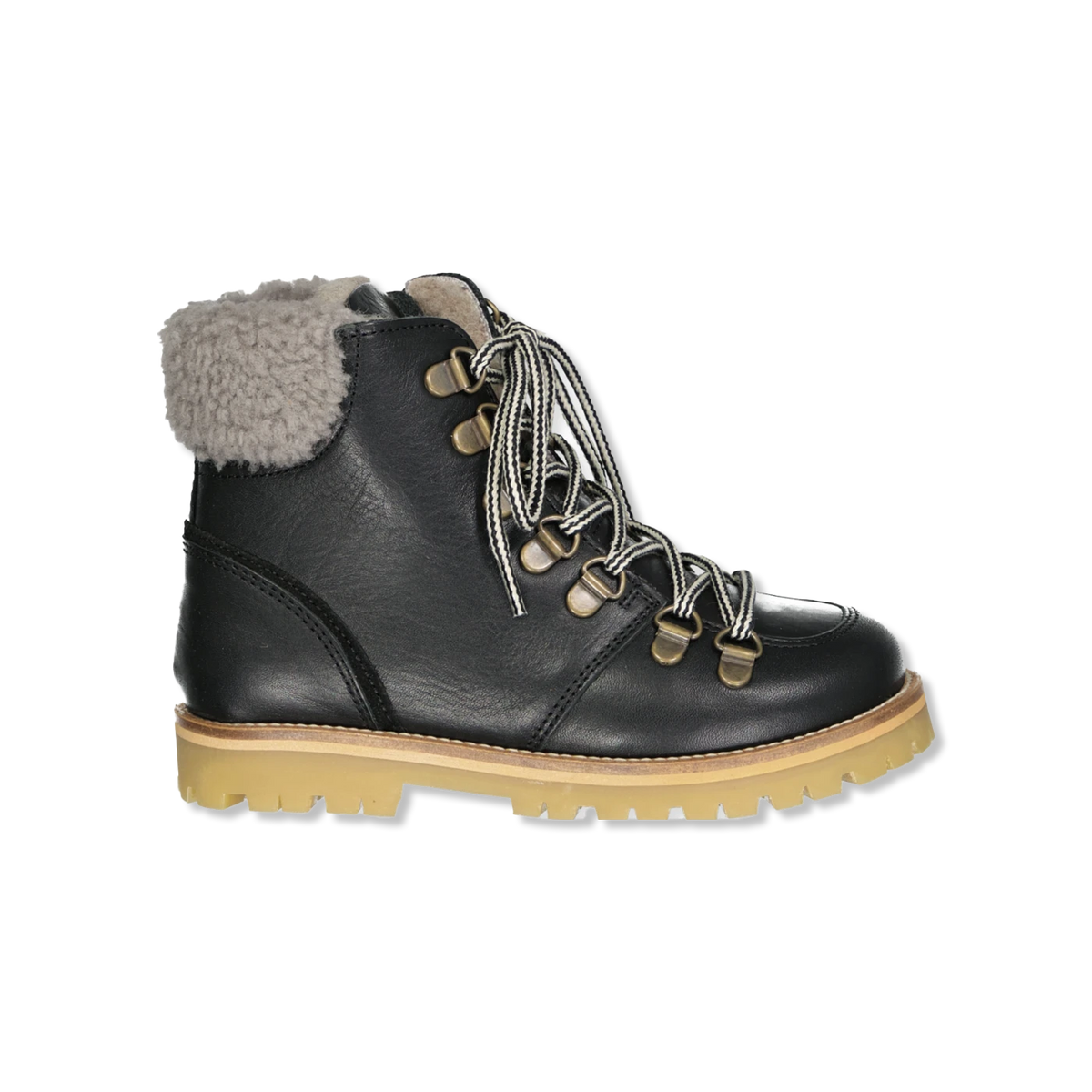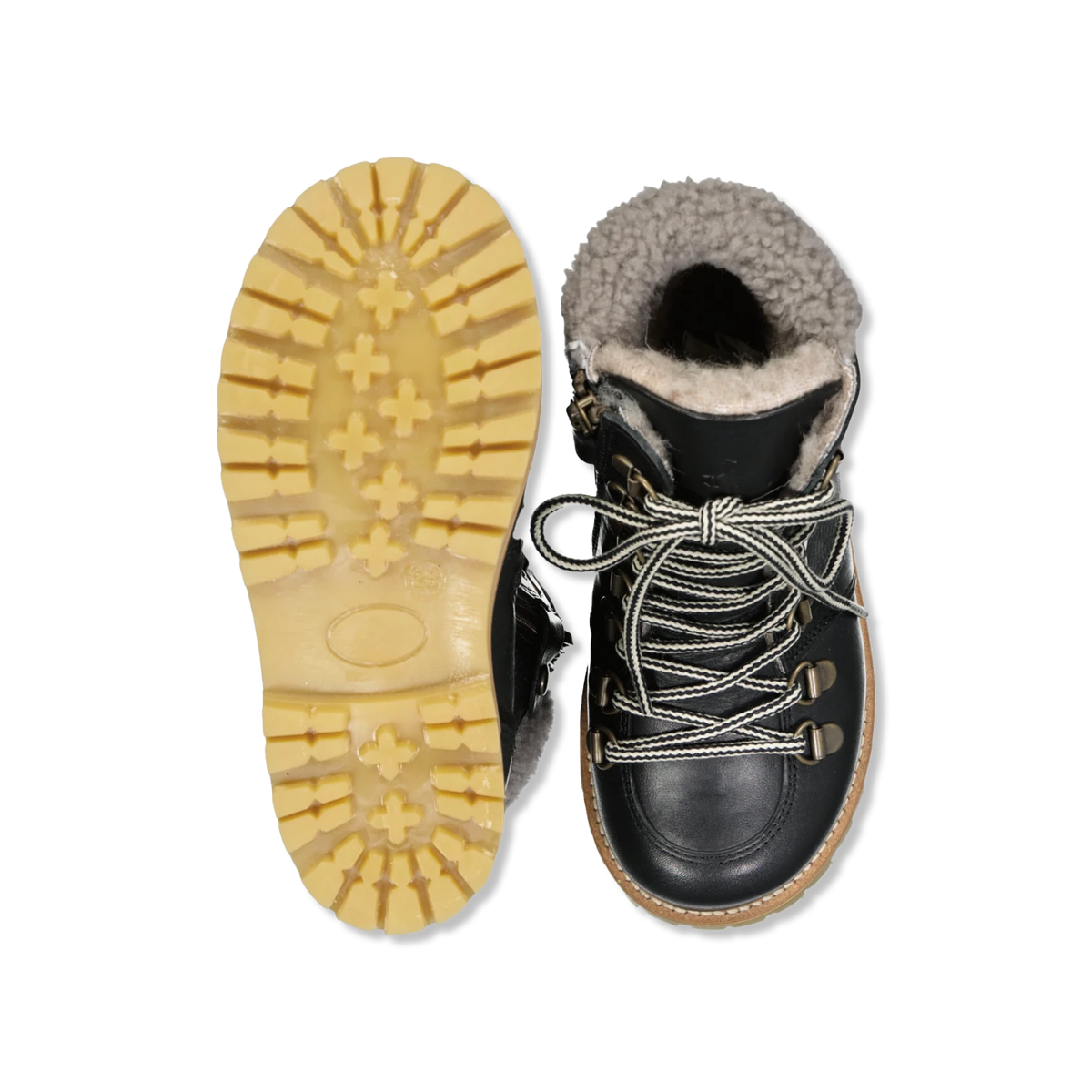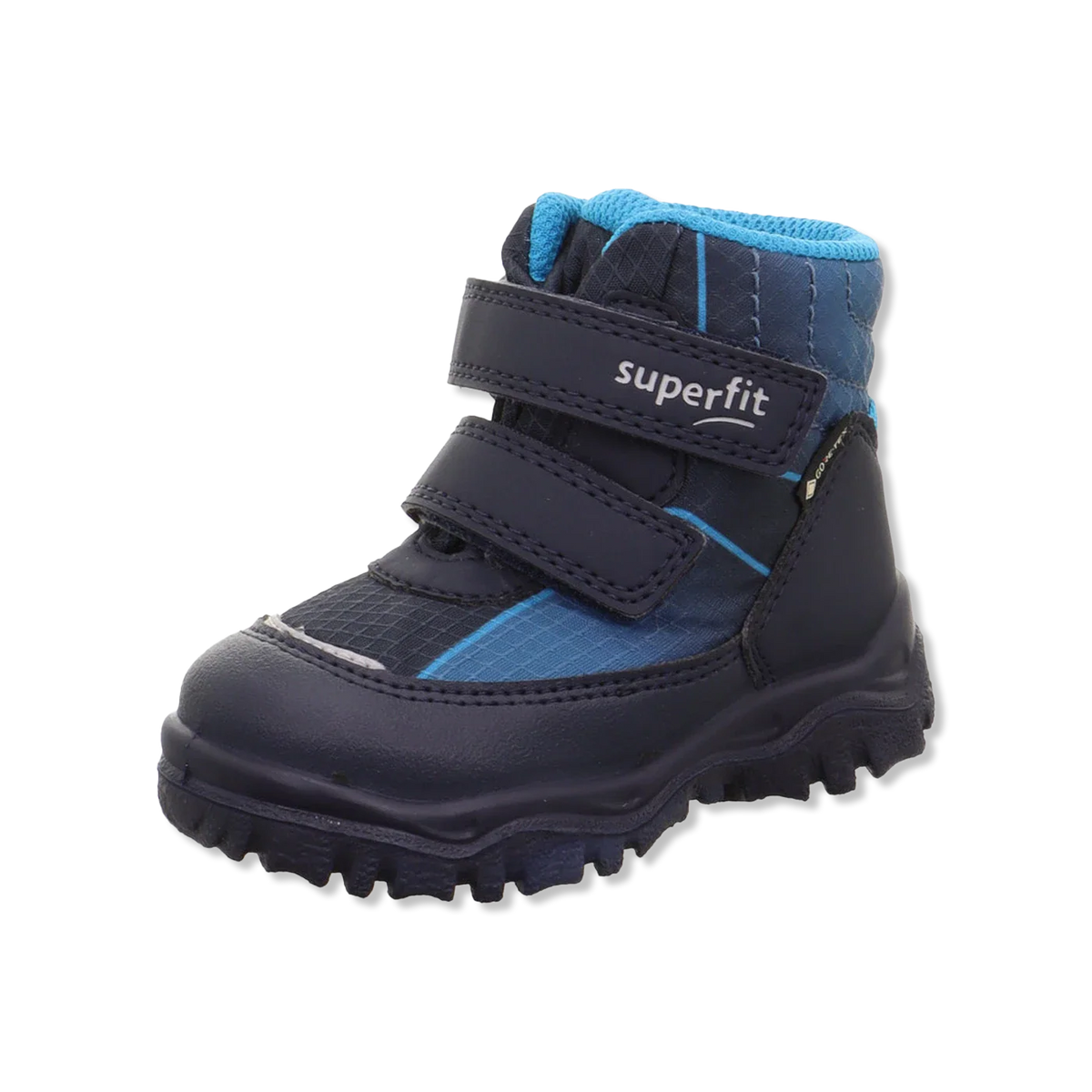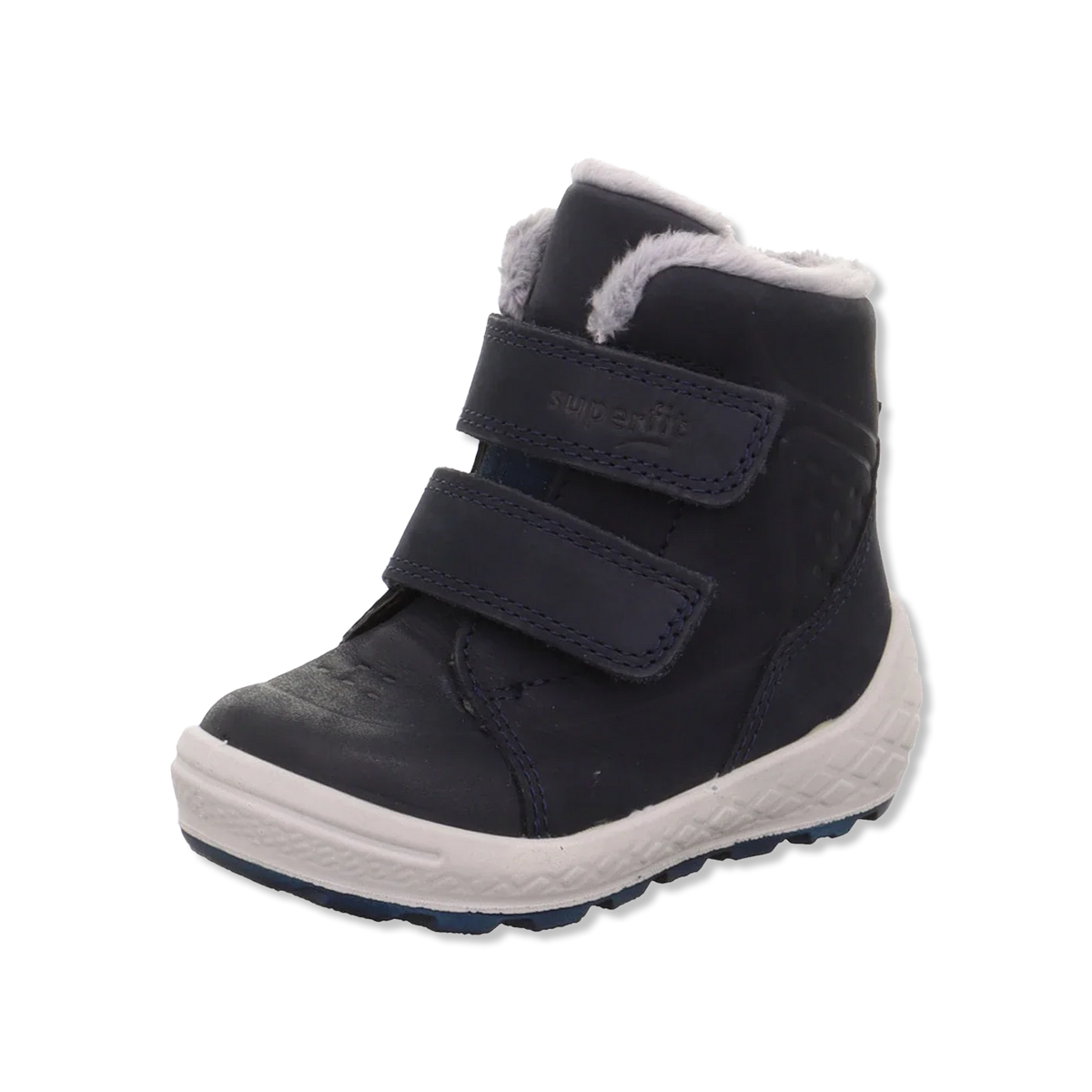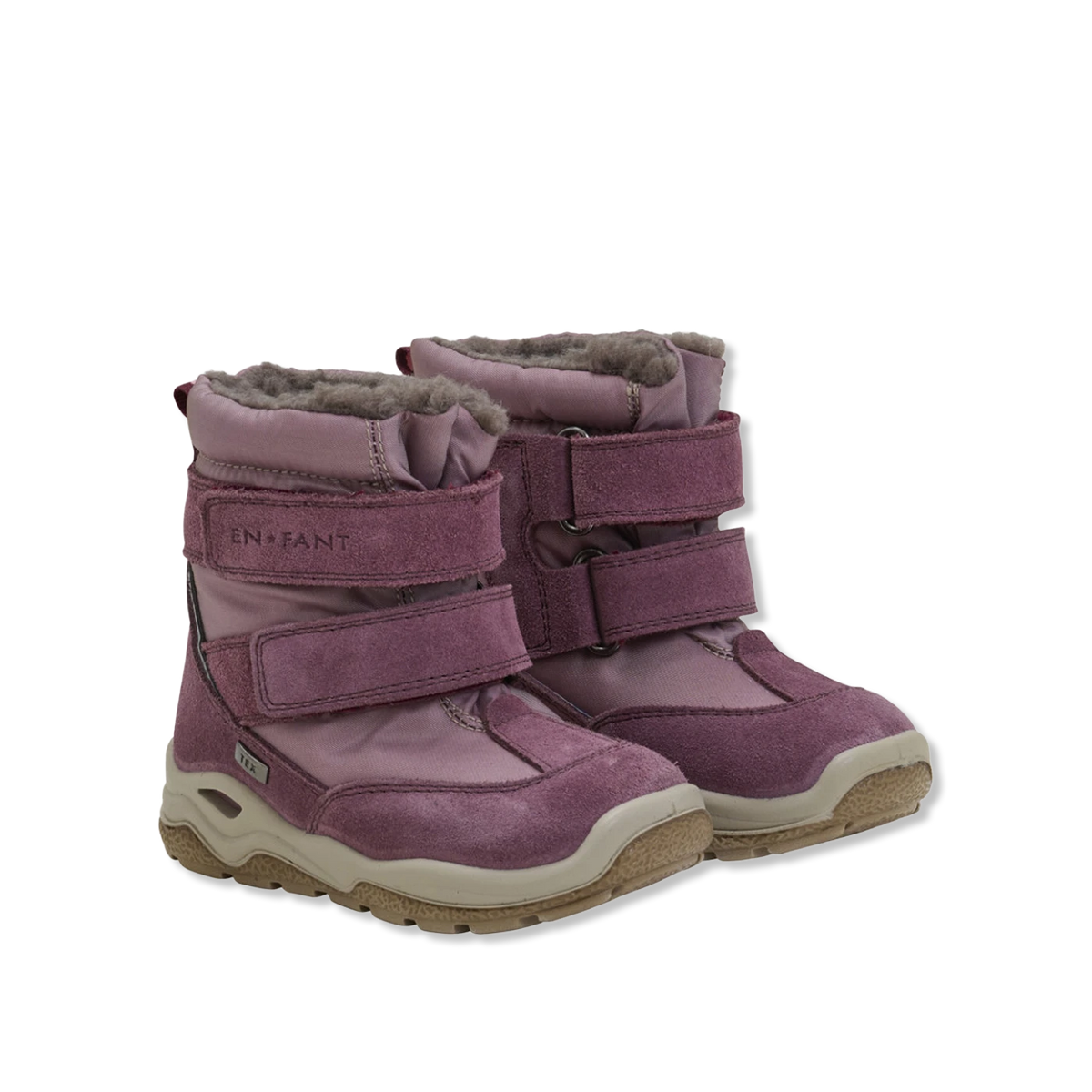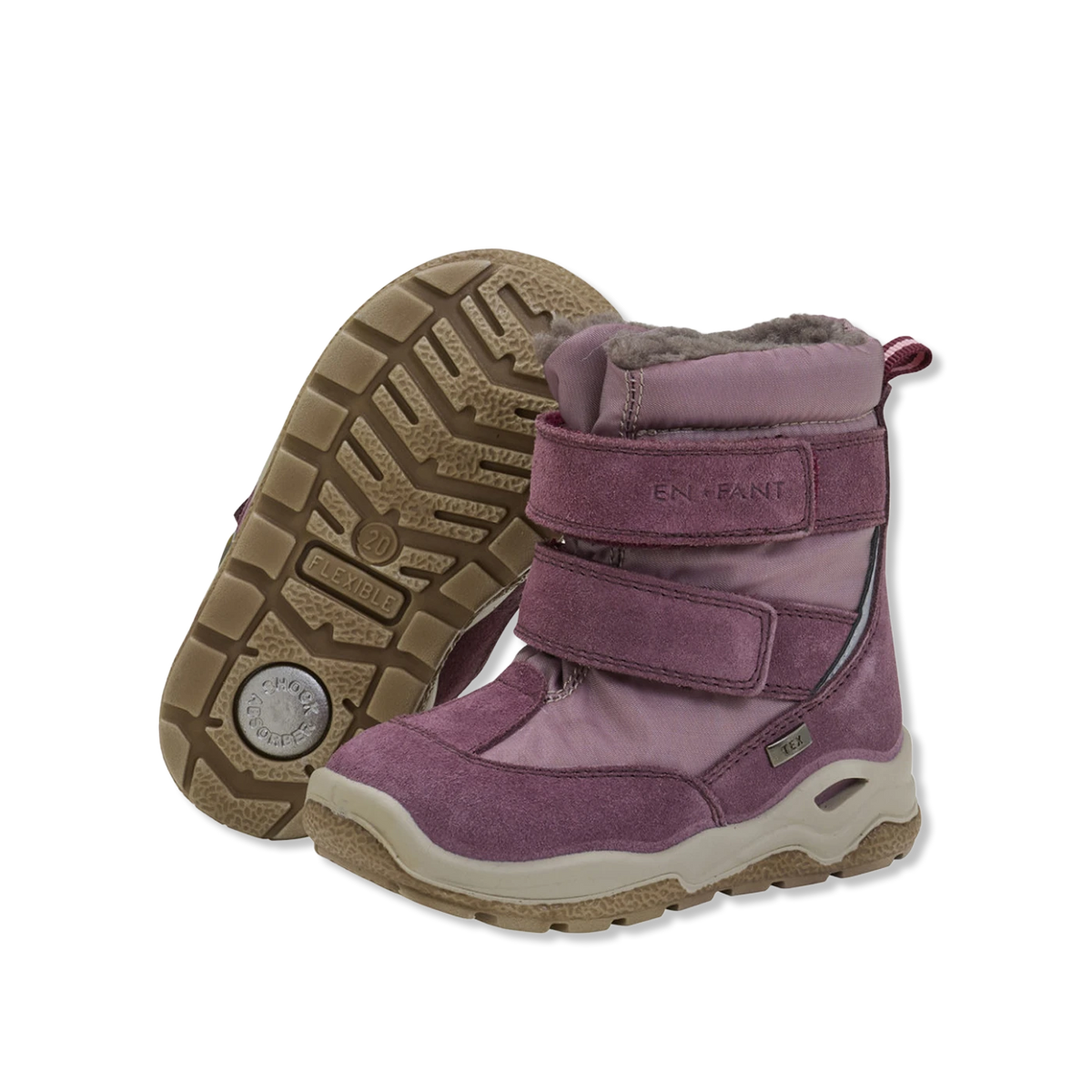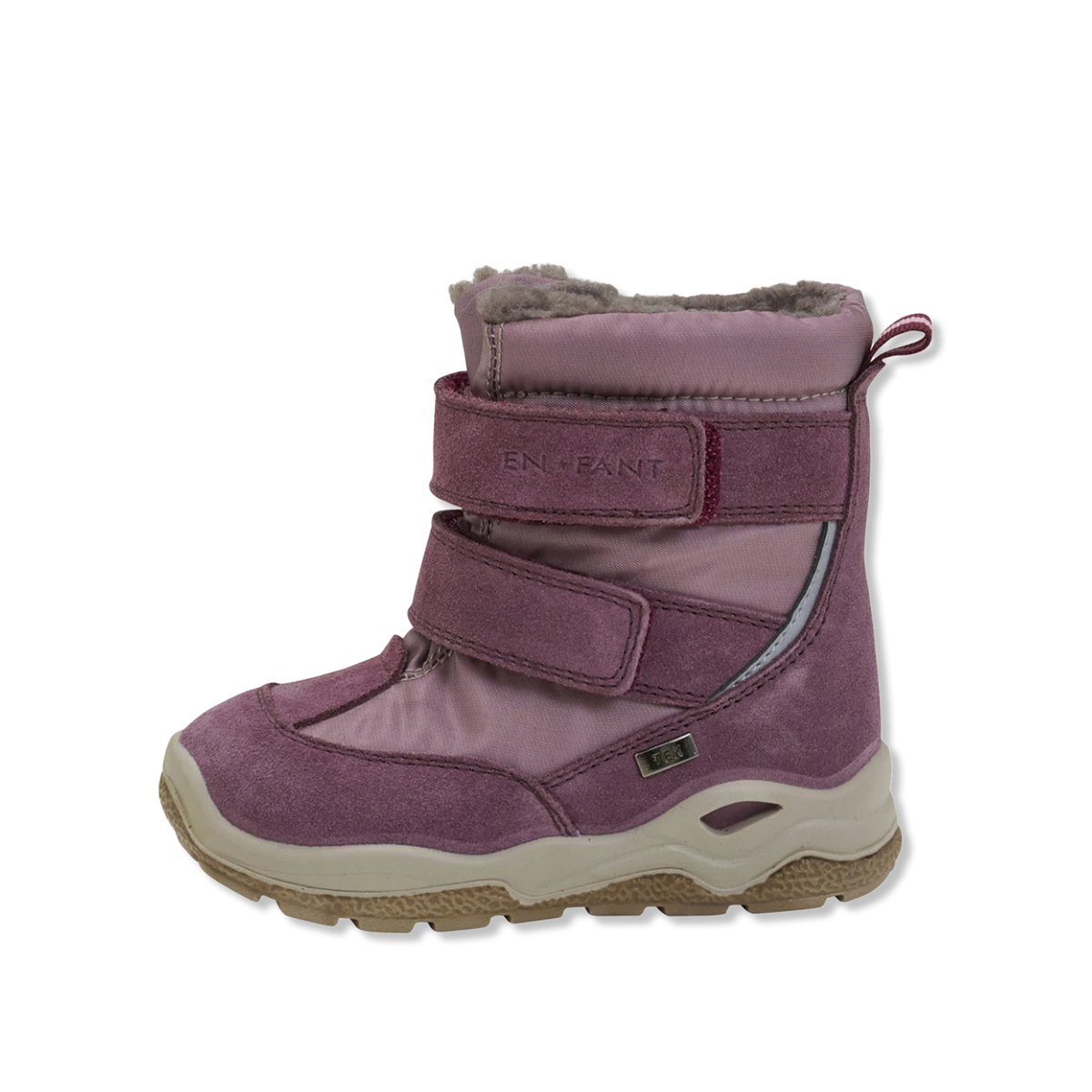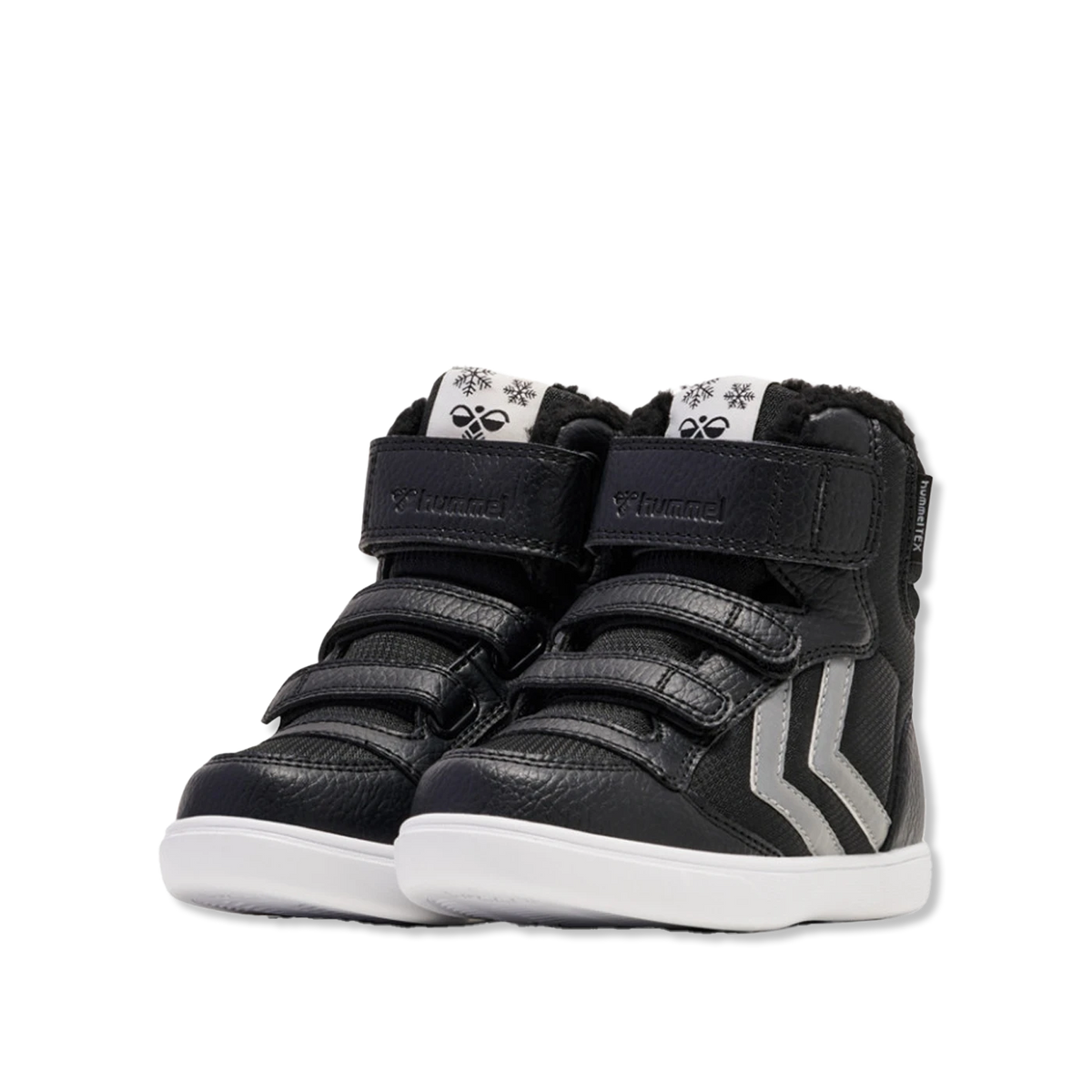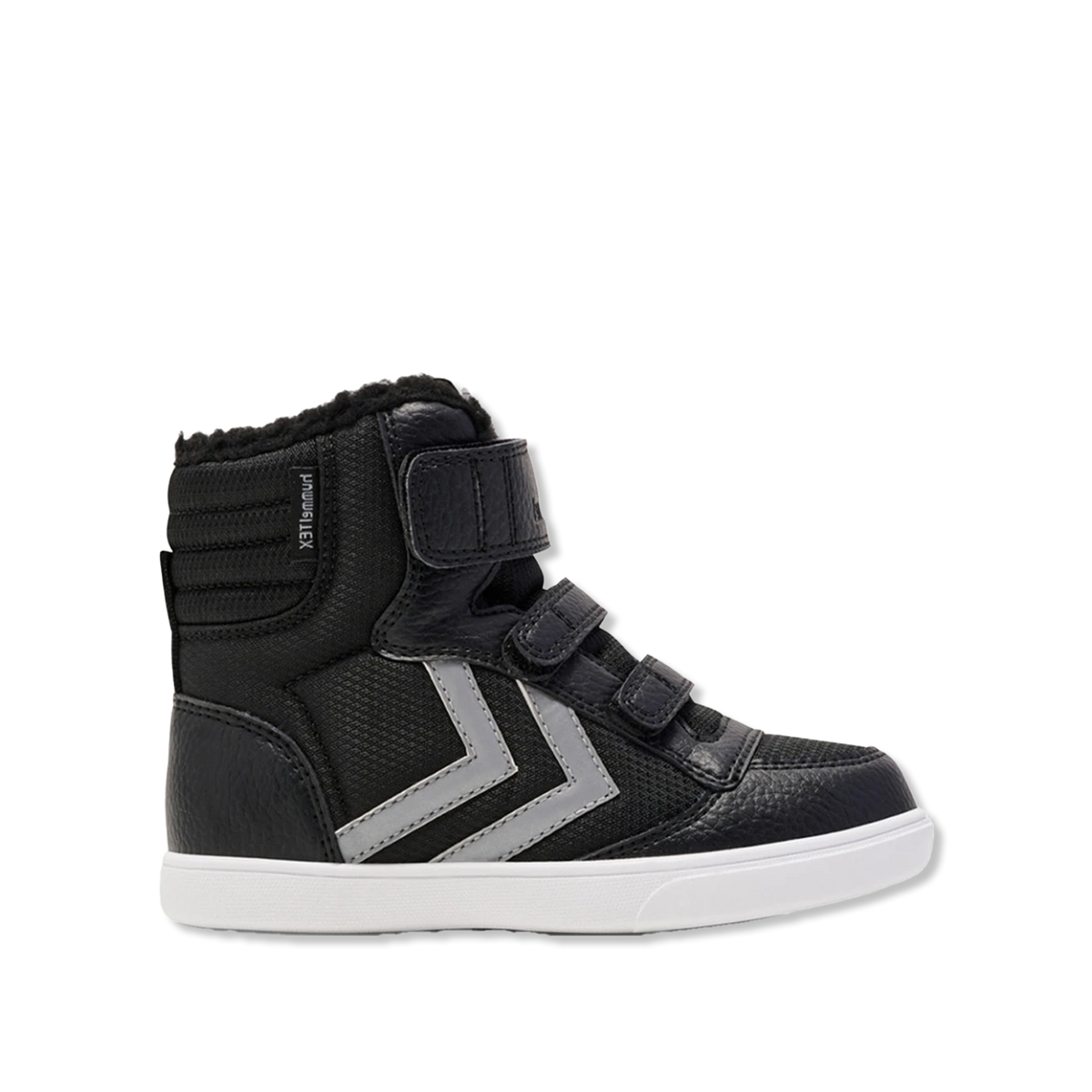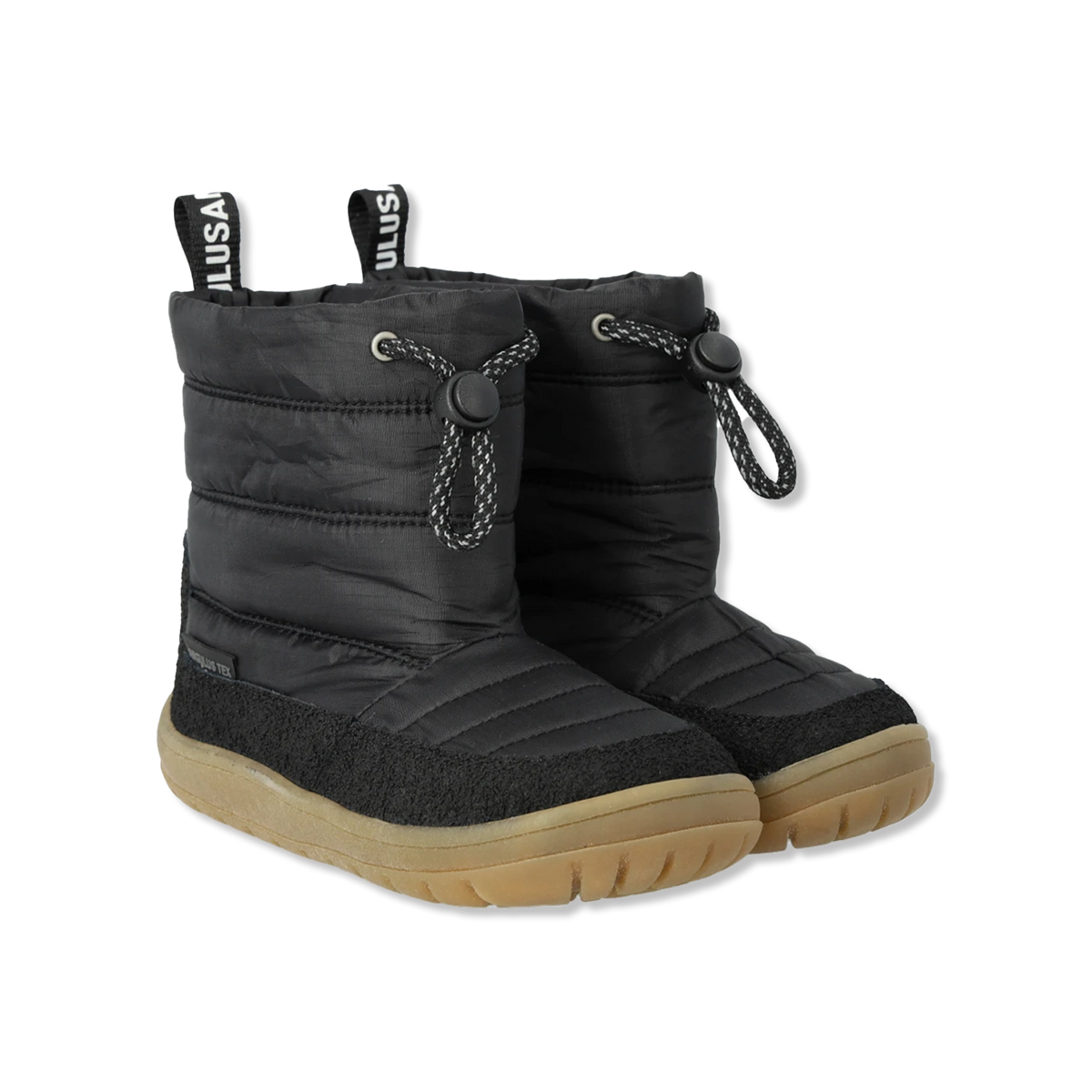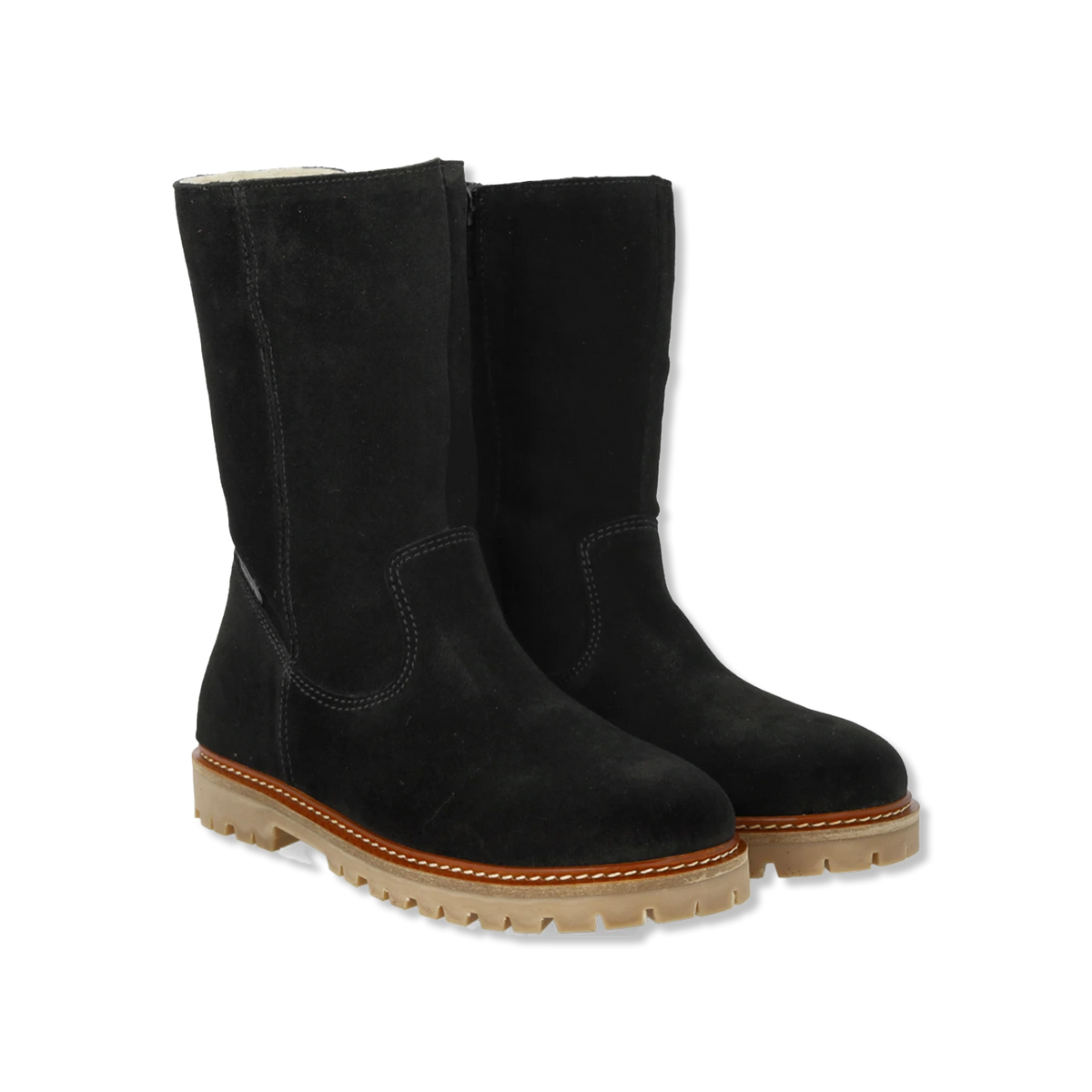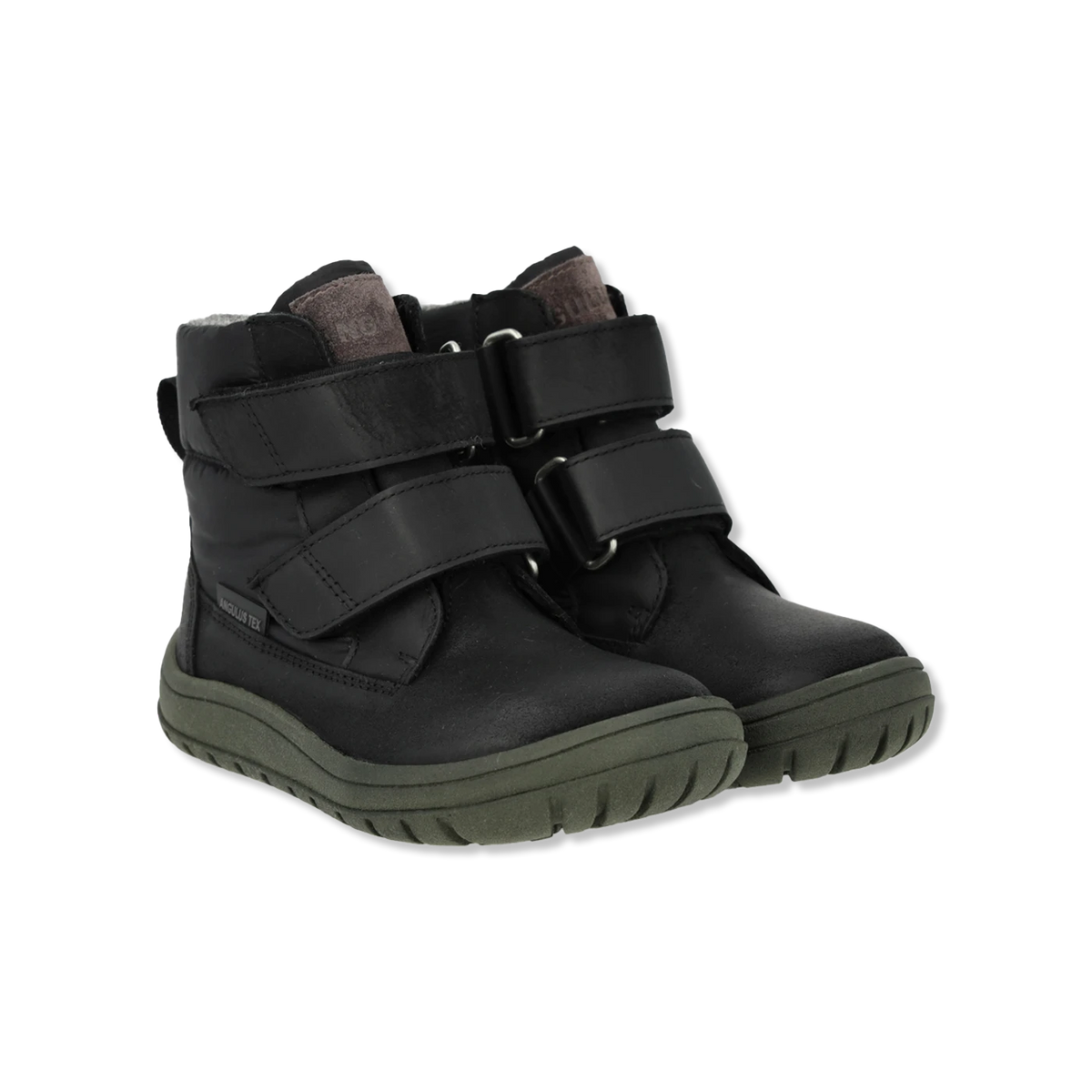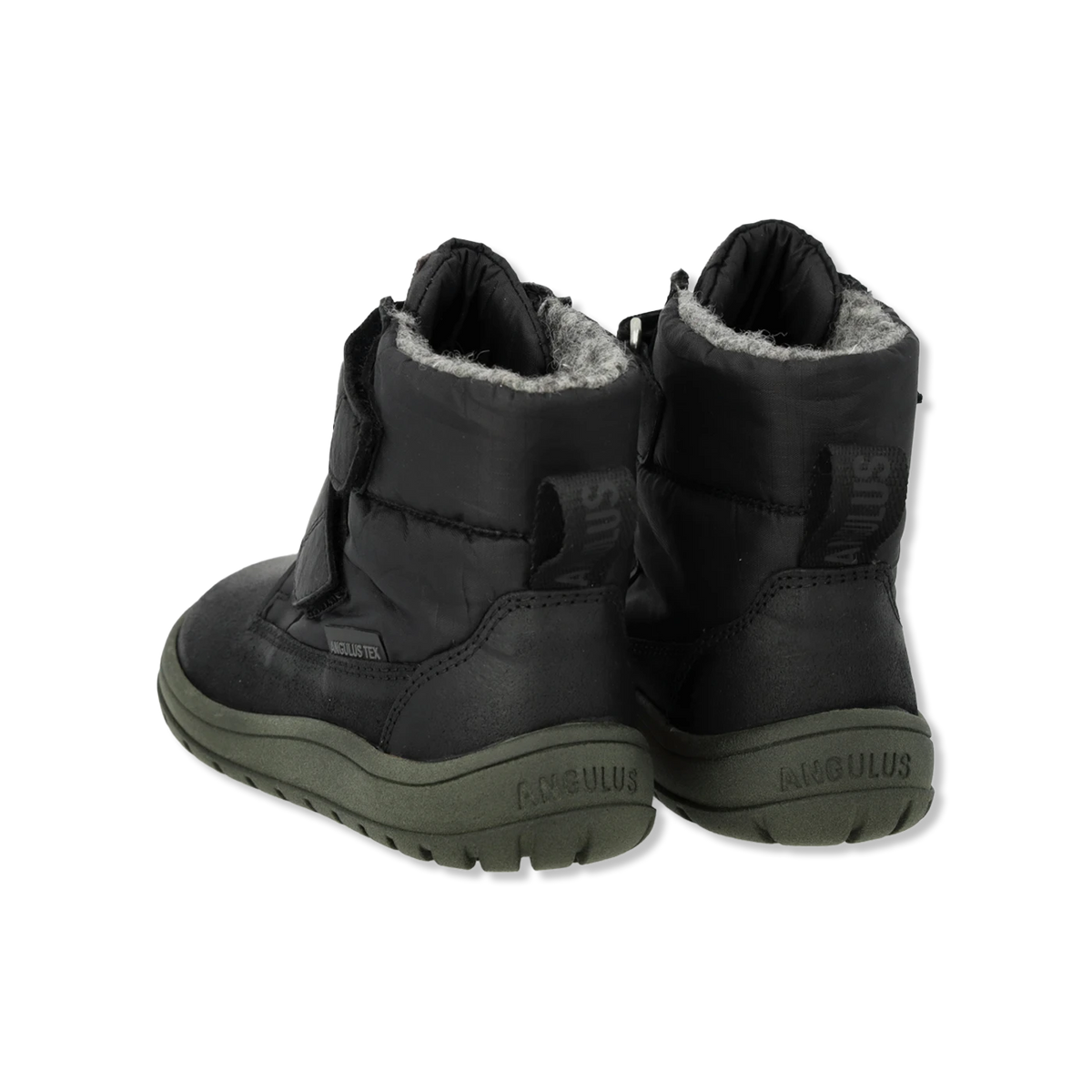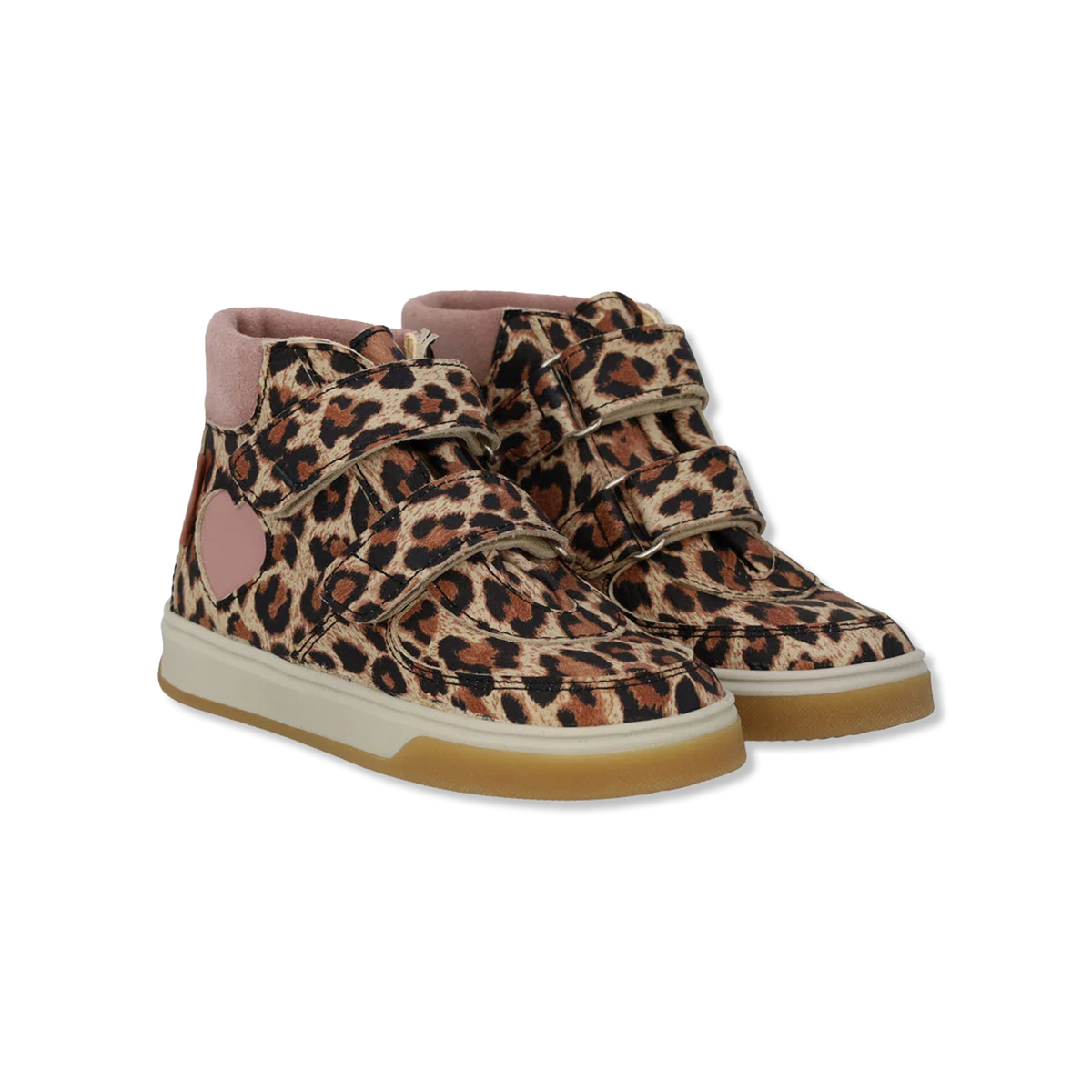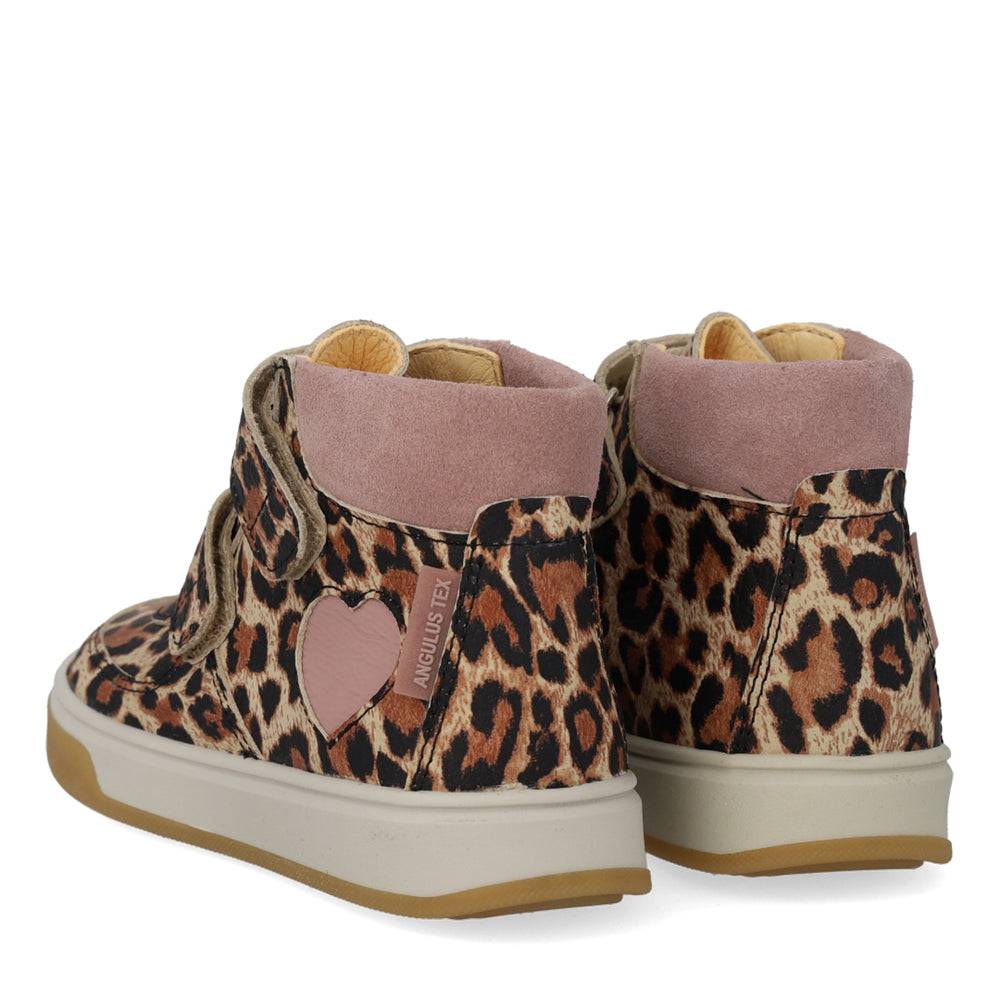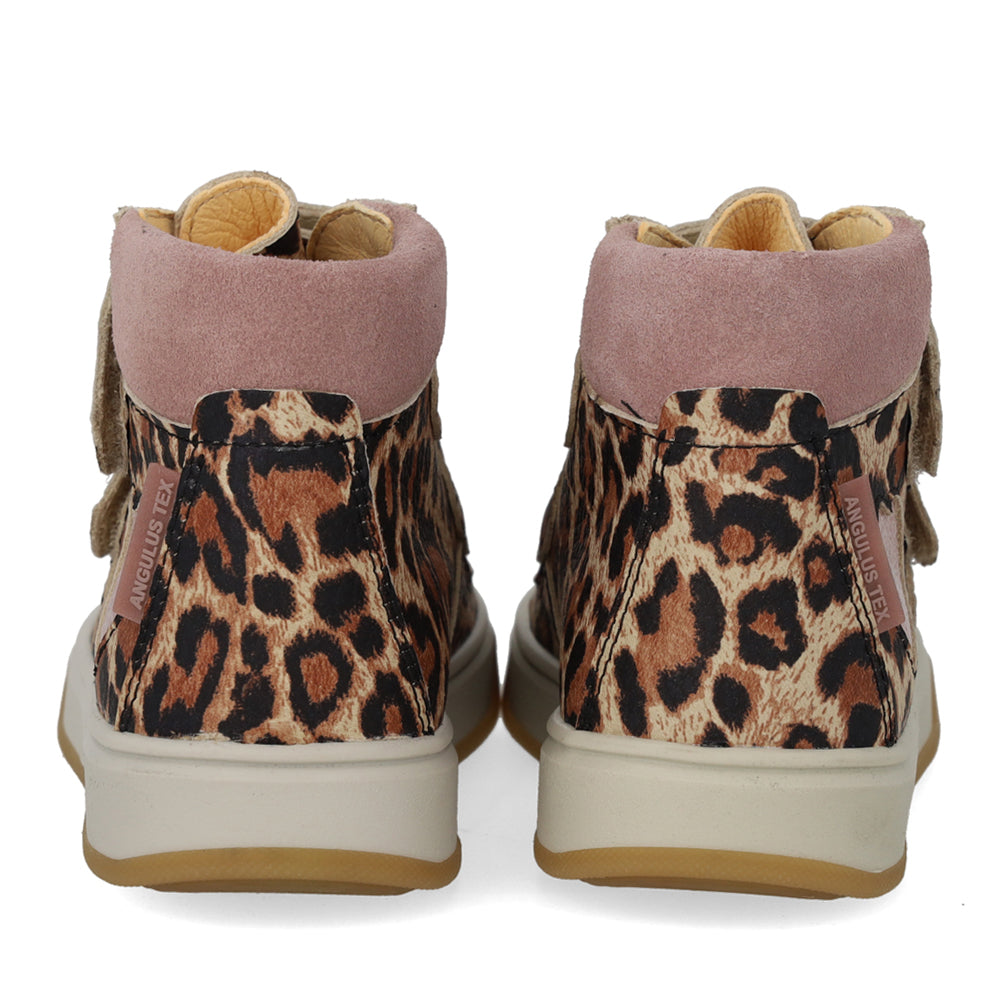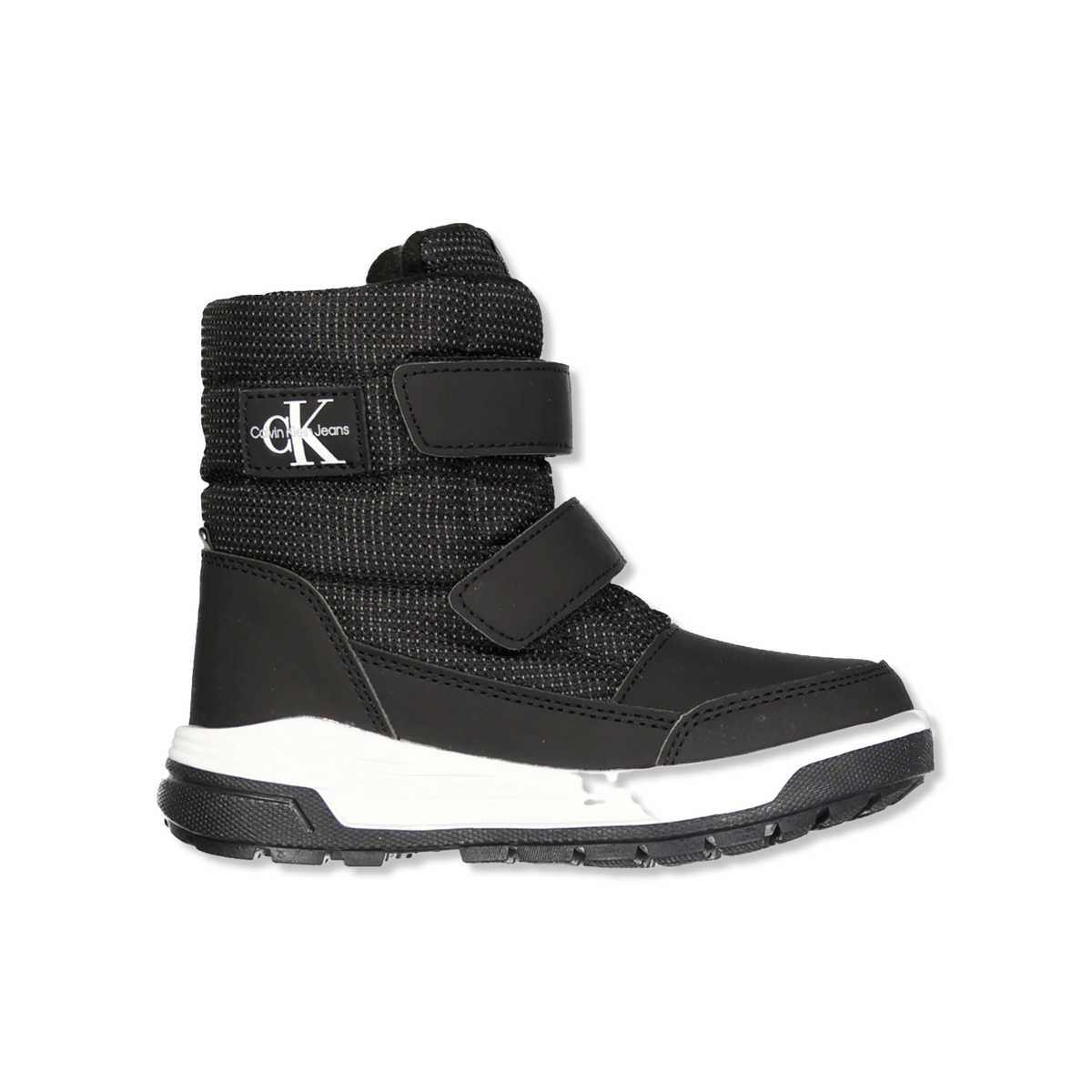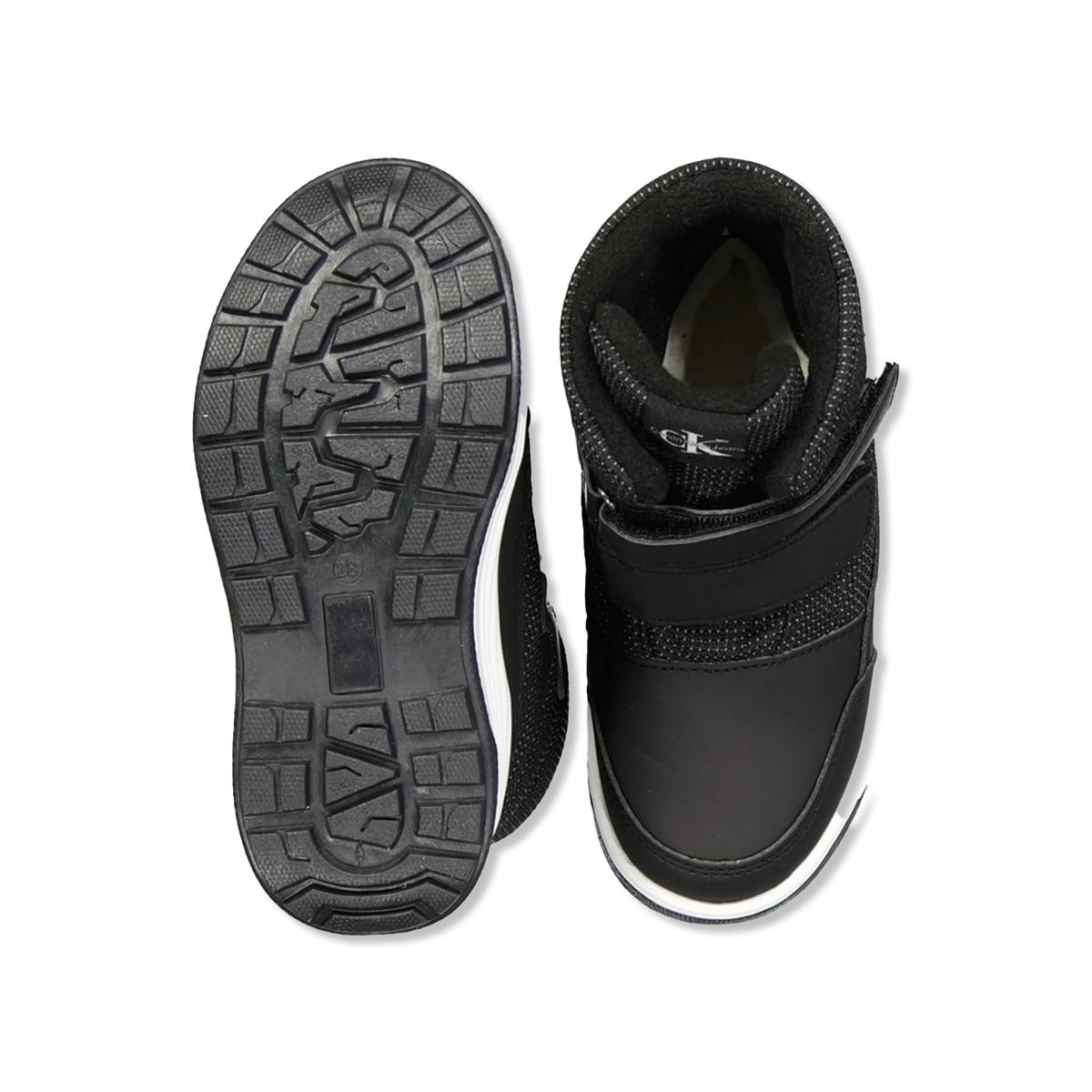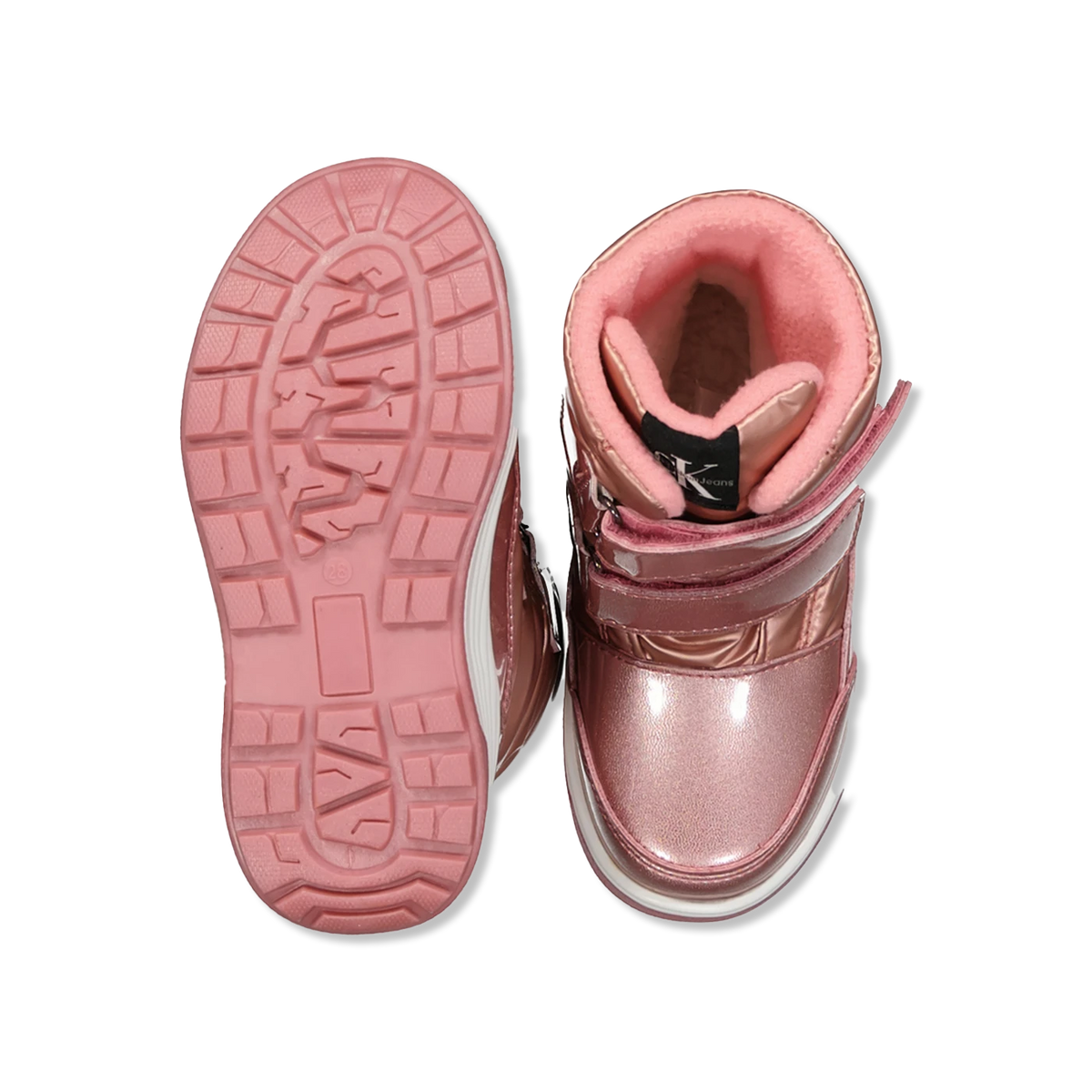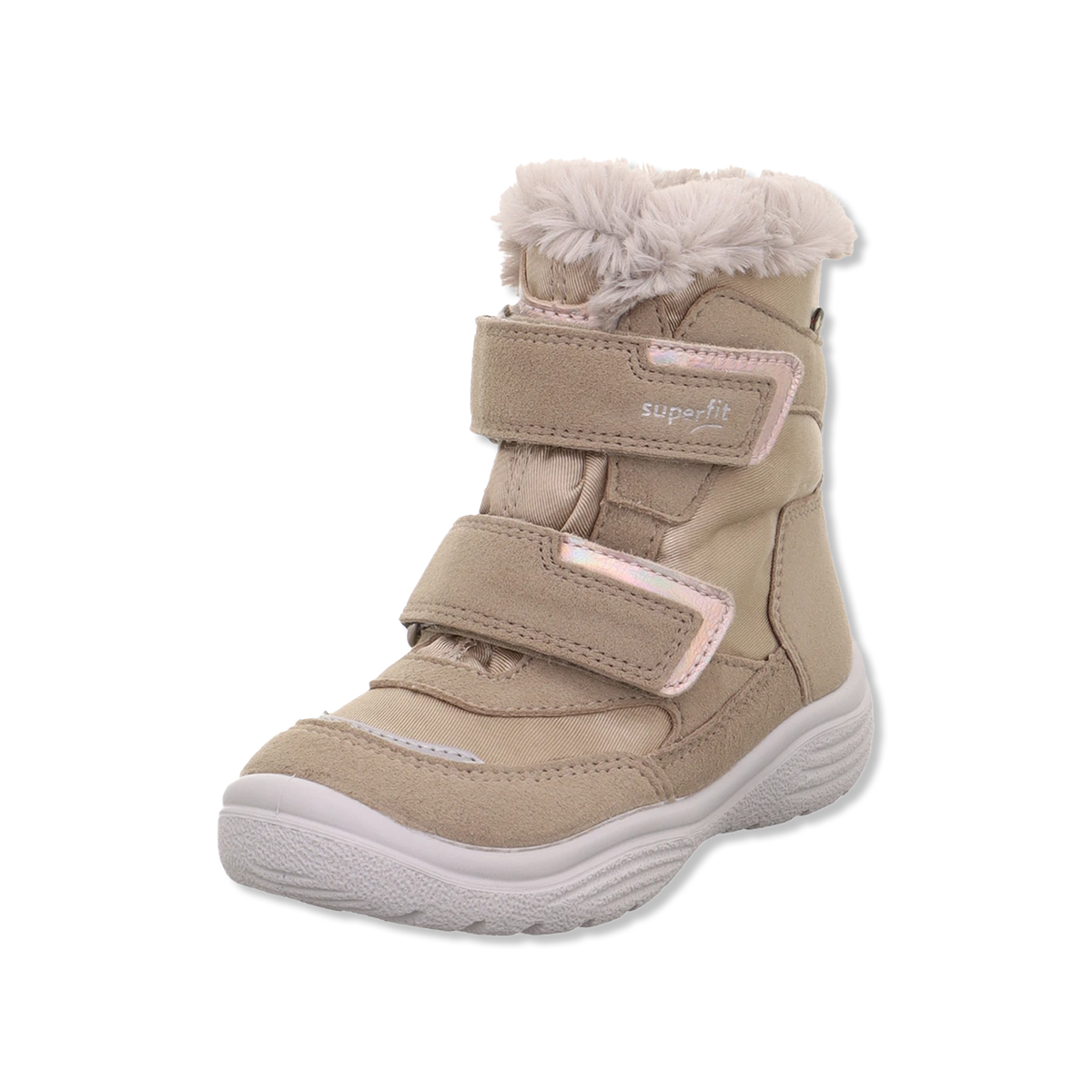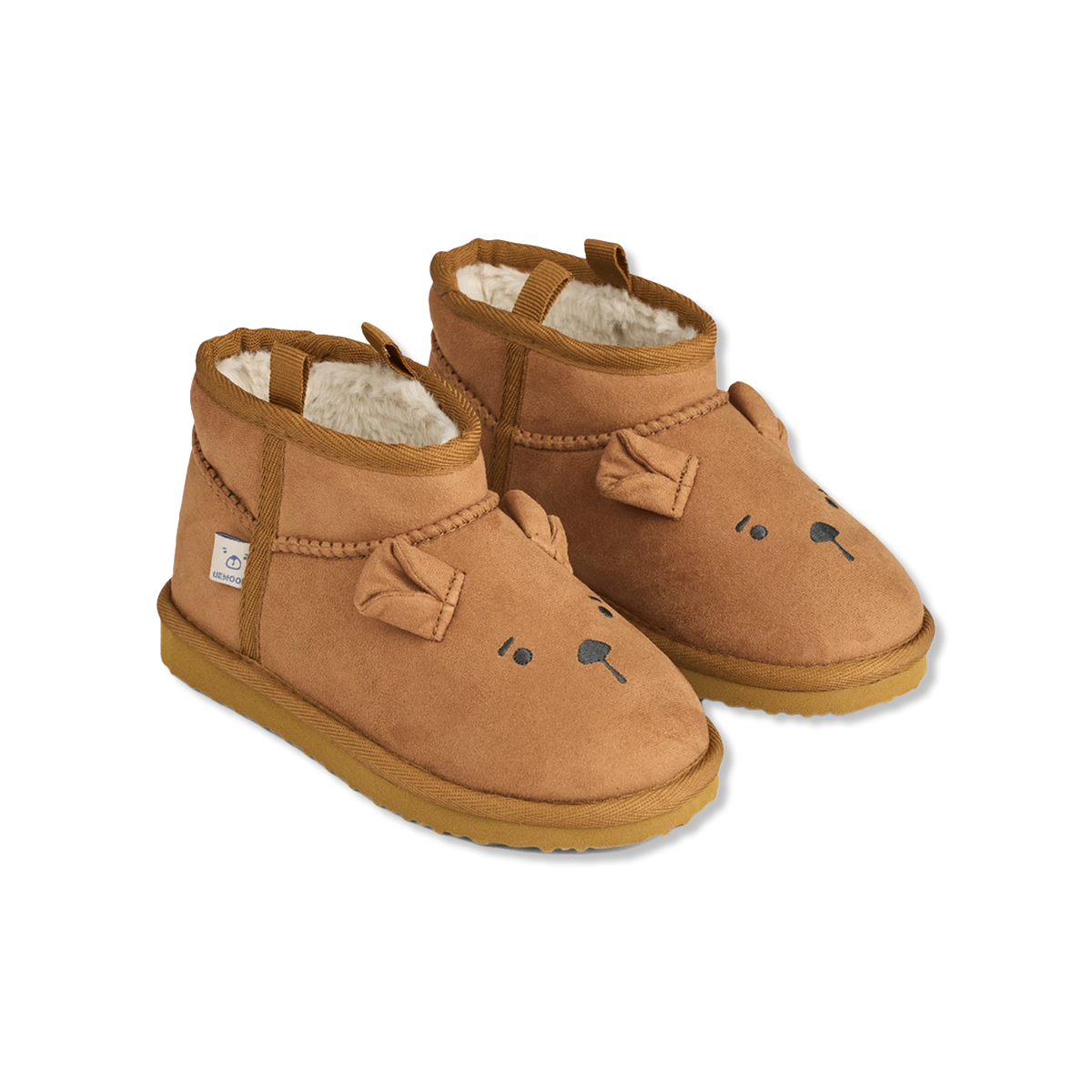
Children's winter boots for cold, snow and wet days
Children's winter boots need to do more than look warm. Here you will find boots selected for a winter of changing weather, when feet need warmth, dryness and support on the playground, on the way to school and during trips through snow, slush and sleet. When choosing, three things are particularly useful to consider: how much warmth the boot provides, how well it keeps water out and whether your child can put it on and take it off easily.
Some children need tall winter boots with extra coverage around the ankle and a sole that grips well in frost and snow. Others are more comfortable in a lighter design for milder winter days. For the youngest, a soft lining, low weight and an easy fastening, such as hook-and-loop straps, a zip or small pull tabs, are often useful. For older children, fit, durability and good grip often play a greater role because the boots need to cope with many hours outside each day.
To compare brands, explore Bundgaard winter boots, Bisgaard winter boots, Wheat winter boots and En Fant winter boots. Compare the fit, lining, weather protection and sizes of current designs.
Which winter boots children need in everyday life
Most children use their winter boots for a little of everything. They need to work on wet mornings, on cold playgrounds and perhaps in snow later in the day. Keeping water out and providing warmth therefore usually matters more than simply looking substantial.
For everyday use, it helps to choose winter boots with:
- documented waterproofness for wet weather; water repellency is not the same as waterproofness
- warm but lightweight insulation
- a rubber sole with a clear tread and good grip
- a reinforced toe and heel to withstand daily wear
- a fastening your child can manage fairly independently
If your child spends a lot of time in snow and slush, a tall design will often be the most practical choice. In milder winters, or for school and everyday use in town, a lighter, slightly lower boot may be more comfortable. On very wet days, it may also be worth exploring wellies or warm thermal boots, depending on the temperature and the day's activities.
Waterproof winter boots and warm linings make a difference
This is often where parents are unsure. Winter boots can look very similar without performing equally well. Waterproof winter boots are particularly useful for children who play outside for long periods, walk through snowbanks or encounter slush and puddles on the way to school or nursery. A boot can look sturdy without keeping enough water out, so look for designs clearly intended for winter weather.
Inside, lining, insulation and construction affect warmth and weight. Some designs have wool or other warm linings, while others use synthetic insulation. Read the material details and product description rather than assuming that a particular insulation type is used in every boot. Balance warmth with freedom of movement and check breathability information if it matters for the intended use.
The best choice is therefore often a boot that balances warmth, dryness and freedom of movement. A boot that is too heavy and bulky can be difficult to move in. With too little lining, toes soon become cold when winter really bites.
How to choose the size and fit of children's winter boots
Fit has a major influence on how winter boots work in daily life. If too small, they can press on the feet and leave too little room for toes and socks. If too large, the foot can slide and walking may feel less secure. Measure both feet and compare them with each design's internal measurements and the manufacturer's advice on movement and growing room. Check the space with the socks your child will wear instead of applying one fixed centimetre allowance to every boot.
Foot width, instep and heel matter at every age. Small children do not automatically need a wider fit, and older children do not automatically need a firmer heel counter. Choose a design that follows your child's own foot without pinching or slipping at the heel. Shaft height, weight and fastening also need to suit your child's movement and everyday activities.
If you are unsure about sizes, a children's shoe collection or a broader shoe overview can help you compare fits and sizes across designs.
The sole and fastening often determine whether a boot works well
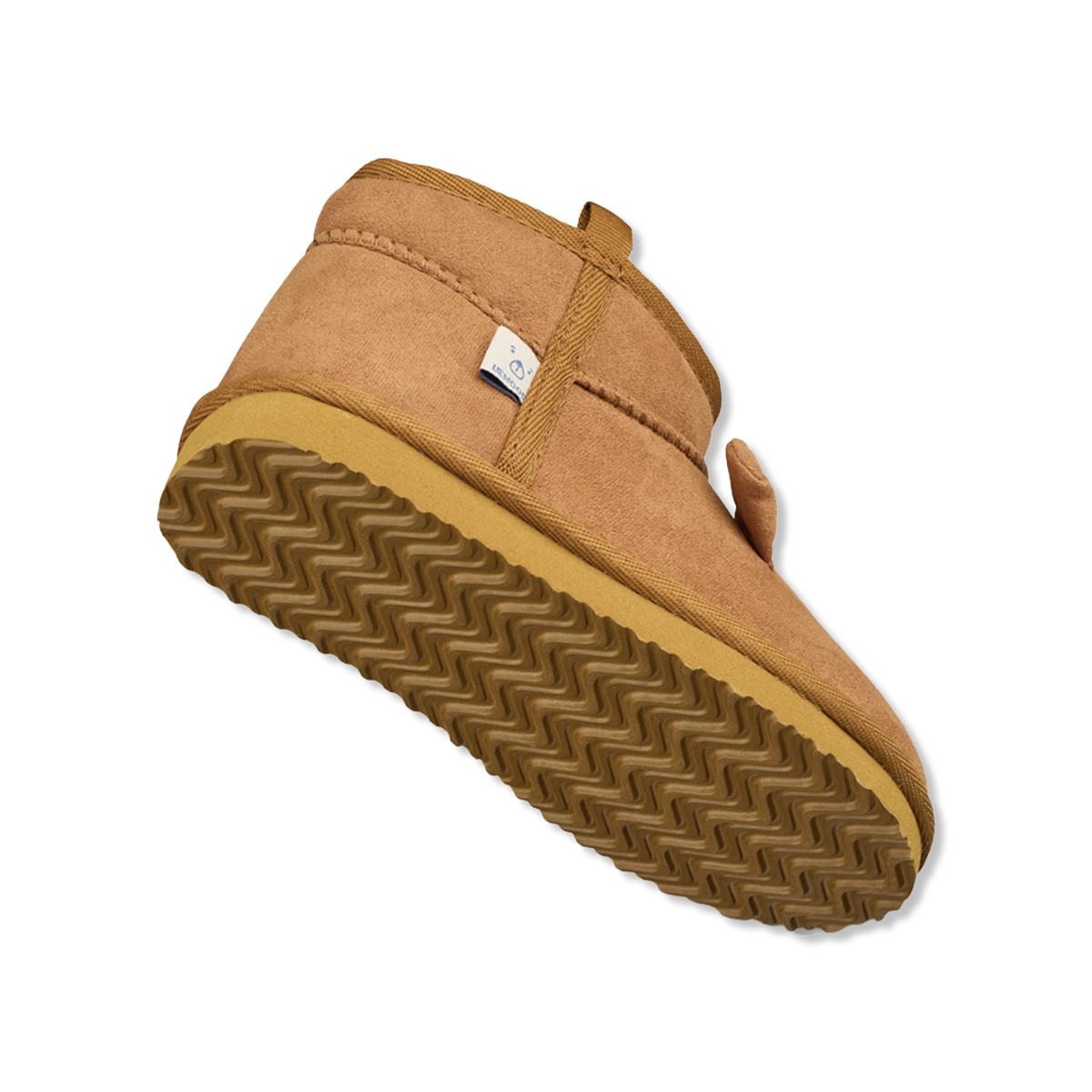
It is easy to look at appearance first, but on a busy winter morning both sole grip and fastening matter. Look at the tread, material and manufacturer's grip information. Footing varies with the surface, so a rubber sole alone is no guarantee on slippery pavements or ice. Also assess whether the boot is flexible enough for your child to run, play and move their feet.
Consider the fastening too. Hook-and-loop straps and zips are often easiest for younger children, while laces can provide a more precise fit for older children. Small straps or pull tabs may seem minor, but they often make mornings easier when boots need to go on quickly.
To think of the winter wardrobe as a whole, winter boots naturally pair well with winter jackets and warm accessories from hats and gloves. This makes it easier to dress your child for cold, wind and precipitation throughout the season.