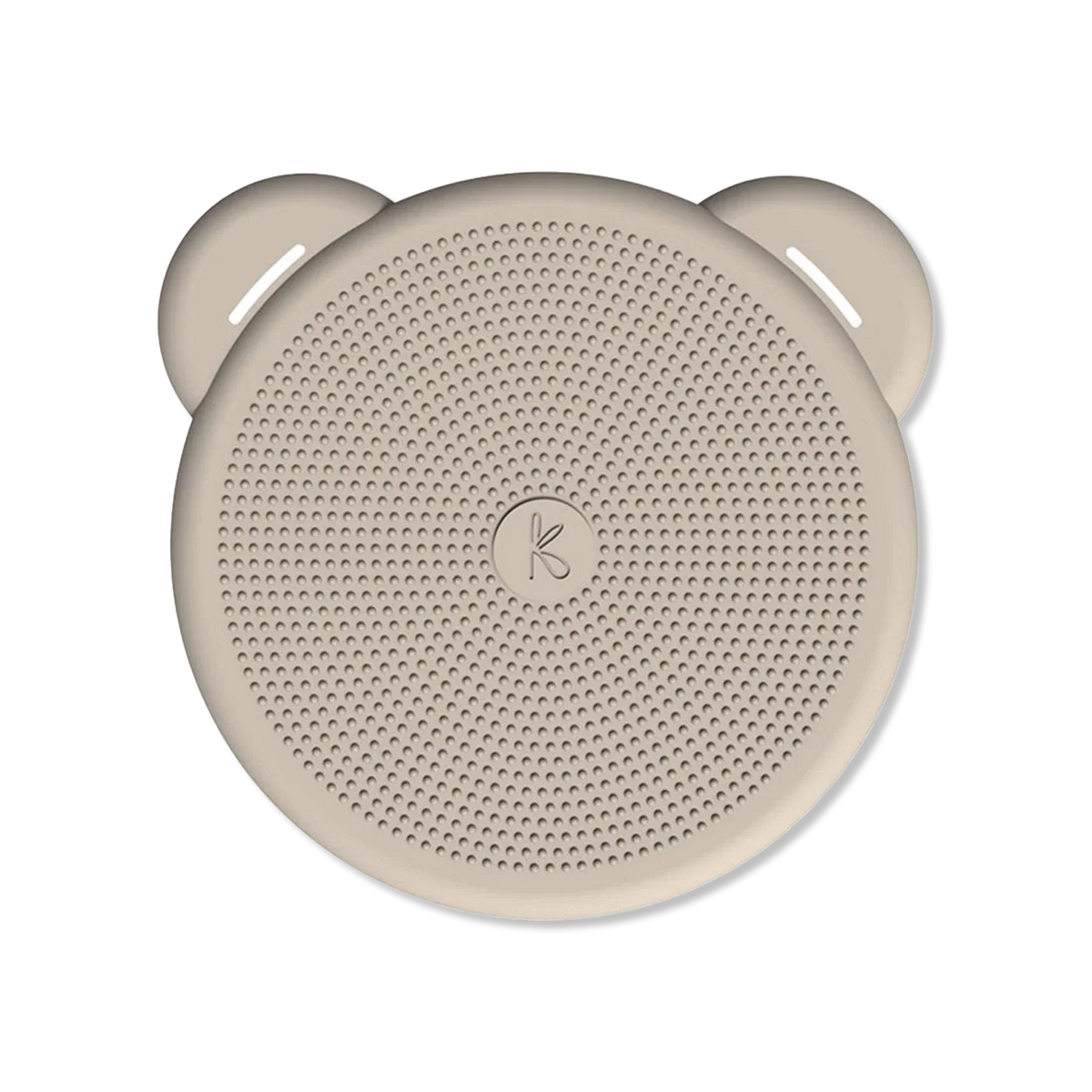
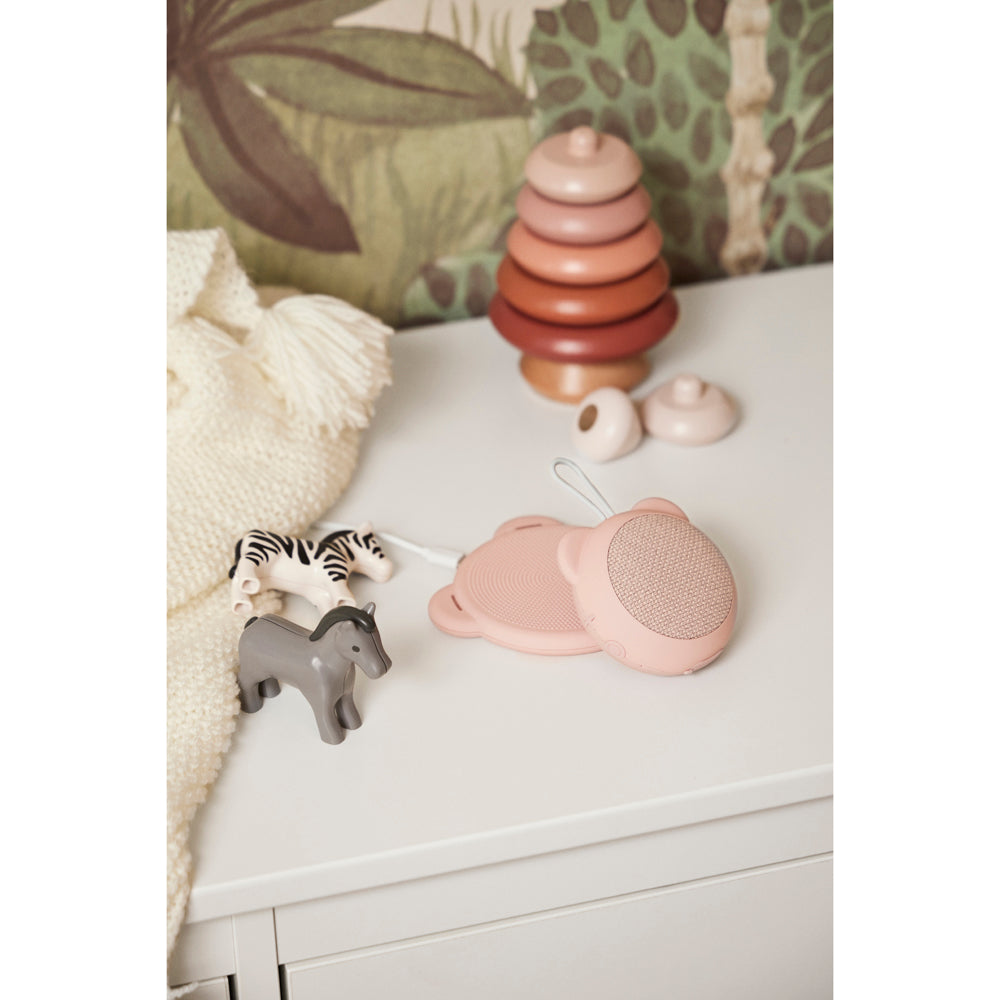
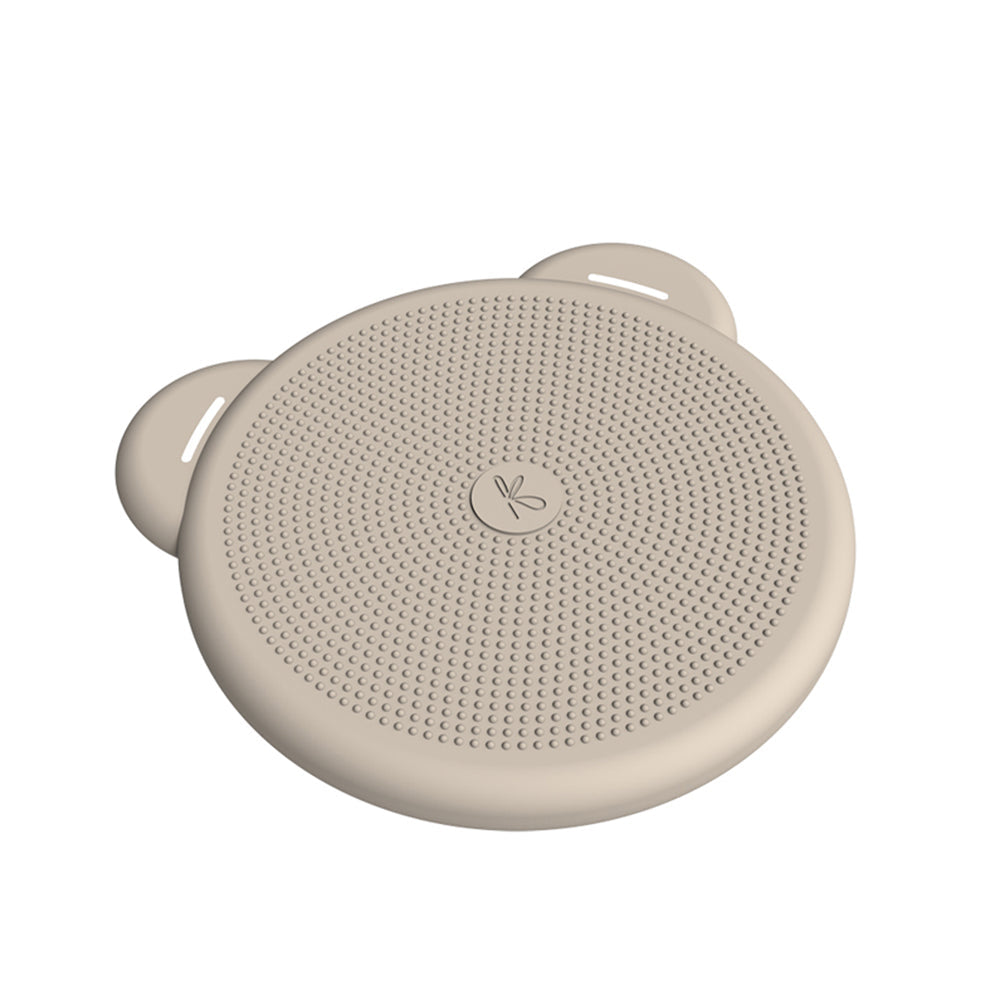
Chargers for children and family devices on the go
In this category, you will typically find power banks and portable chargers that help keep a tablet, phone, smartwatch or headphones running throughout the day. They are especially useful if your child brings an iPad to school, uses a GPS watch, or if you simply want to avoid flat batteries on trips, holidays and long days away from home.
Before choosing, there are usually three things worth checking: whether the charger is compatible with the device, how much power it can actually deliver, and whether it is easy and safe for your child to carry in their bag. Many people only look at mAh, but that number does not translate directly into how many full charges you get in real life. A power bank will always deliver slightly less than the number shown on the box. That is why it often makes more sense to think about how it will be used day to day, rather than simply choosing the largest model.
Which charger fits your child’s device?
The first thing to get right is compatibility. A power bank or charger needs the correct connector type, so it works straight away. The most common options are USB-C, Lightning and, on some older devices, Micro-USB.
If your child has a newer iPad, phone or smartwatch, USB-C will often be the relevant choice. In families with Apple devices, Lightning may still be needed for certain models. If you are unsure, it can help to look at the cable the device is normally charged with at home. This makes it easier to choose correctly the first time and find a portable charger that actually fits into your everyday routine.
If your child mainly uses a tablet at school or on longer car journeys, a charger can be a practical addition to other essentials such as backpacks, where there also needs to be room for the device, cable and everything else your child carries during the day.
Power banks and capacity: how much do you really need?
Capacity is stated in mAh, but it is best to read that number with a little perspective. A 5,000 mAh power bank can be fine for light use and shorter days, while 10,000 mAh is often better suited to school, after-school activities and outings. If the same charger needs to be used for several devices or brought along for a weekend away, a larger model may be the most practical solution.
As a simple rule of thumb, you can think of it like this:
- 5,000 mAh works well for shorter use and an extra top-up during the day
- 10,000 mAh is a good choice for daily use and for a tablet or phone on the go
- 20,000 mAh and above makes sense for travel, several children or multiple devices in the same household
The power you can actually use will usually be slightly lower than the stated capacity, because some energy is lost during charging. For that reason, it can be worth choosing a little extra capacity if the charger will mainly be used for an iPad or other devices that use more power.
A safe charger brings more peace of mind
When children carry electronics with them, safety naturally matters. A good charger should include protection against overheating, overcharging and short circuits. It is also a clear advantage if your child can easily see how much battery is left, so there is no confusion in the middle of the day.
A compact shape, rounded edges and durable materials such as lightweight PC/ABS plastic or a silicone coating can make the charger more robust for everyday use. This is practical when it sits in a school bag, comes along in a weekend bag or is used on days out. Many parents also prefer models that do not take up unnecessary space and are light enough for the child to carry themselves.
For school, leisure time and outings, it can be useful to keep the practical essentials together with water bottles and other items your child uses during the day.
Fast charging and size make a big difference
If the charger will be used during breaks, in the car or between activities, charging speed is worth looking at. A modern charger with fast charging can often be more useful than a model with high capacity but low output. For many newer devices, it makes sense to choose at least 18W, so your child does not have to wait longer than necessary.
Size also matters a lot in practice. For school use, a compact power bank is often the easiest choice because it is light to carry and does not take up too much room in the bag. For longer family trips, a larger model with several ports can be more practical, especially if a phone, tablet and headphones all need charging along the way. If you also need something for storage when travelling or in everyday life, you can find useful solutions among bags and smaller toiletry bags for cables and small items.
Choose a charger based on everyday life, age and use
For younger children, a simple and lightweight charger is often the best place to start. Here, it is helpful if it is easy to understand and simple to bring along. For older children and tweens who use a phone, smartwatch or headphones during the day, a power bank with a clear battery indicator and faster charging can be a good choice.
The right choice is therefore rarely about age alone. It is just as much about how the charger will be used in your family’s everyday life:
- For school: choose a compact power bank that is easy to carry in a bag
- For travel: choose higher capacity and preferably more than one output
- For several devices: choose a charger with room for more than one cable at a time
- For daily backup: choose a simple model that is easy to recharge
A good charger should first and foremost work in your child’s and family’s daily routine. When the connector type, safety and size are right, it becomes much easier to find a solution that also works in practice.