Skip to content

Cart

Your cart is empty

Continue shopping

Become part of our universe ♡ Get inspiration for children’s clothing, special offers and little everyday moments delivered straight to your inbox. We only share what we would love to read ourselves - favourites, new arrivals and a little treat for you and your child.

We take good care of your data. You can unsubscribe at any time. Read our privacy policy here.

Swim vest

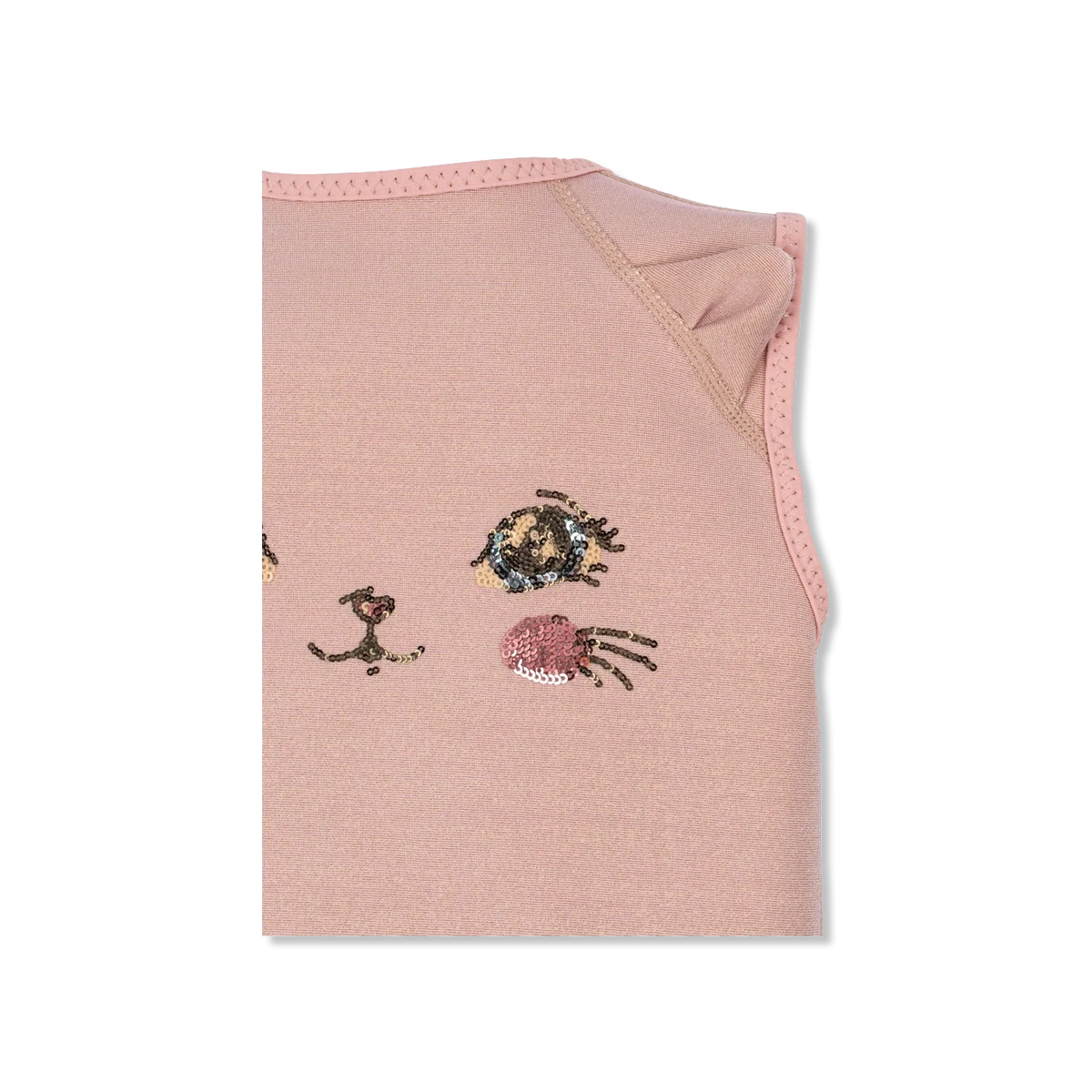
Find a children's swim vest that provides reassuring support in the water, whether you are heading to the pool, the beach or on holiday. Choose by fit, weight and your child's level in the water, so the vest feels comfortable and allows good movement under supervision.

This collection is empty

Continue shopping

Swim vest

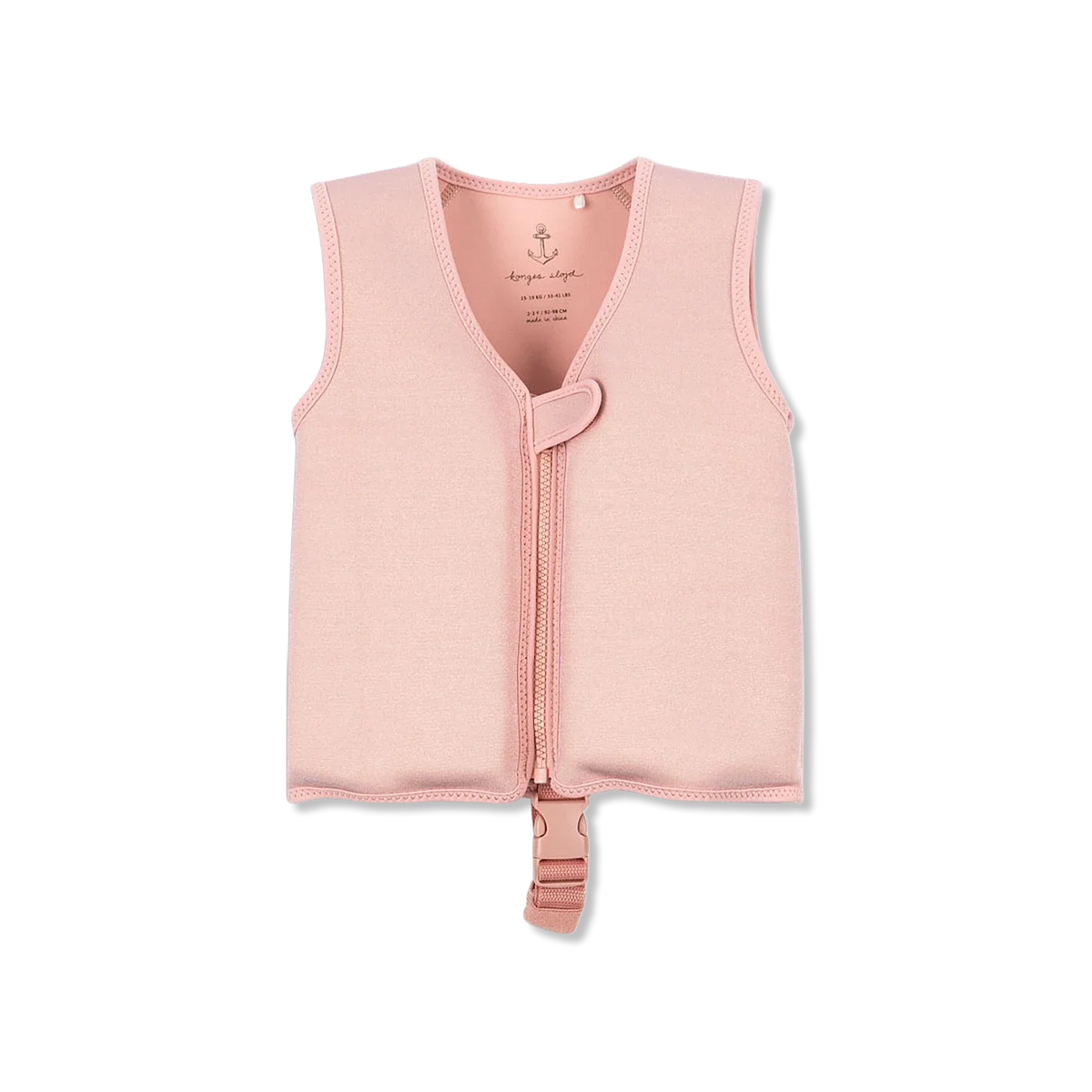
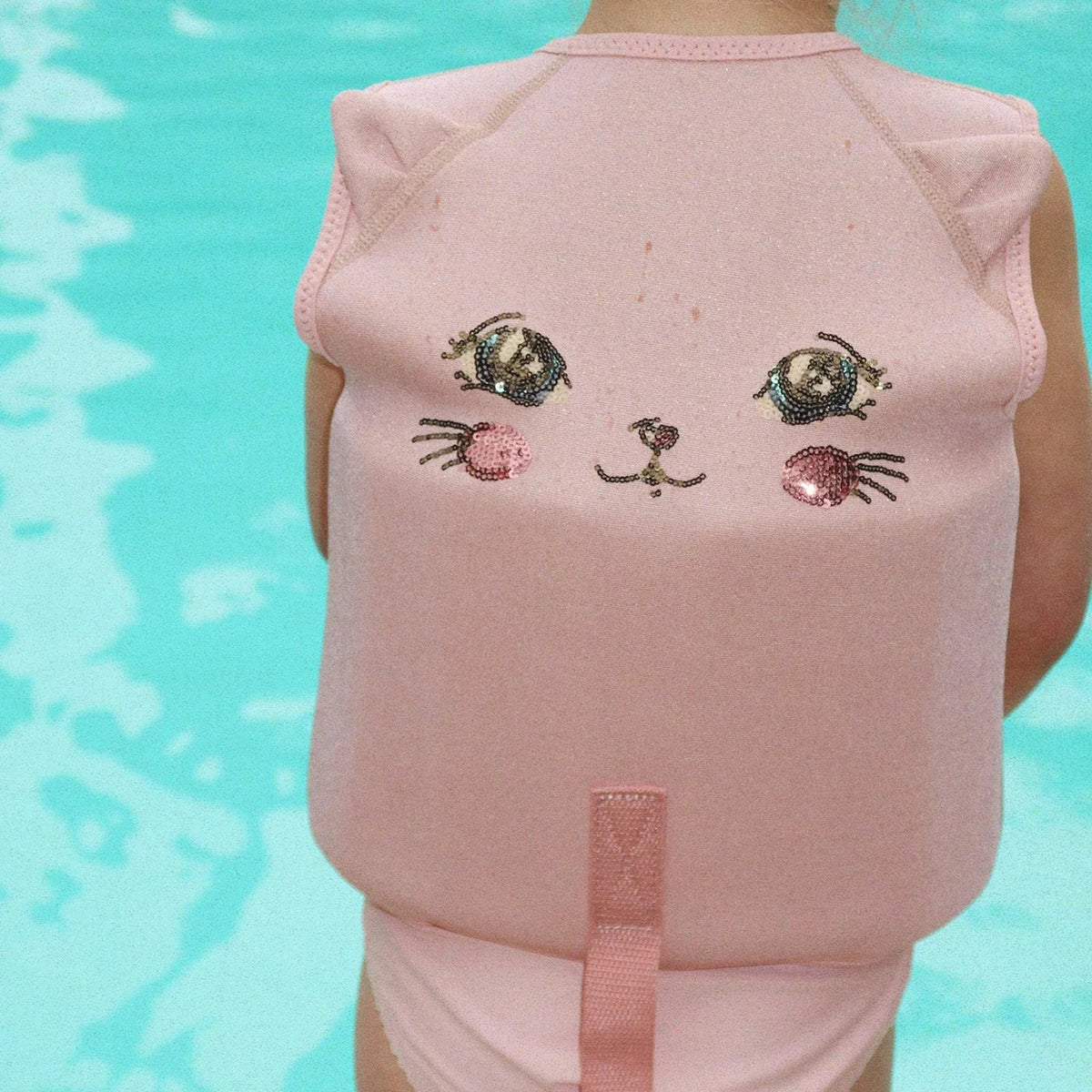
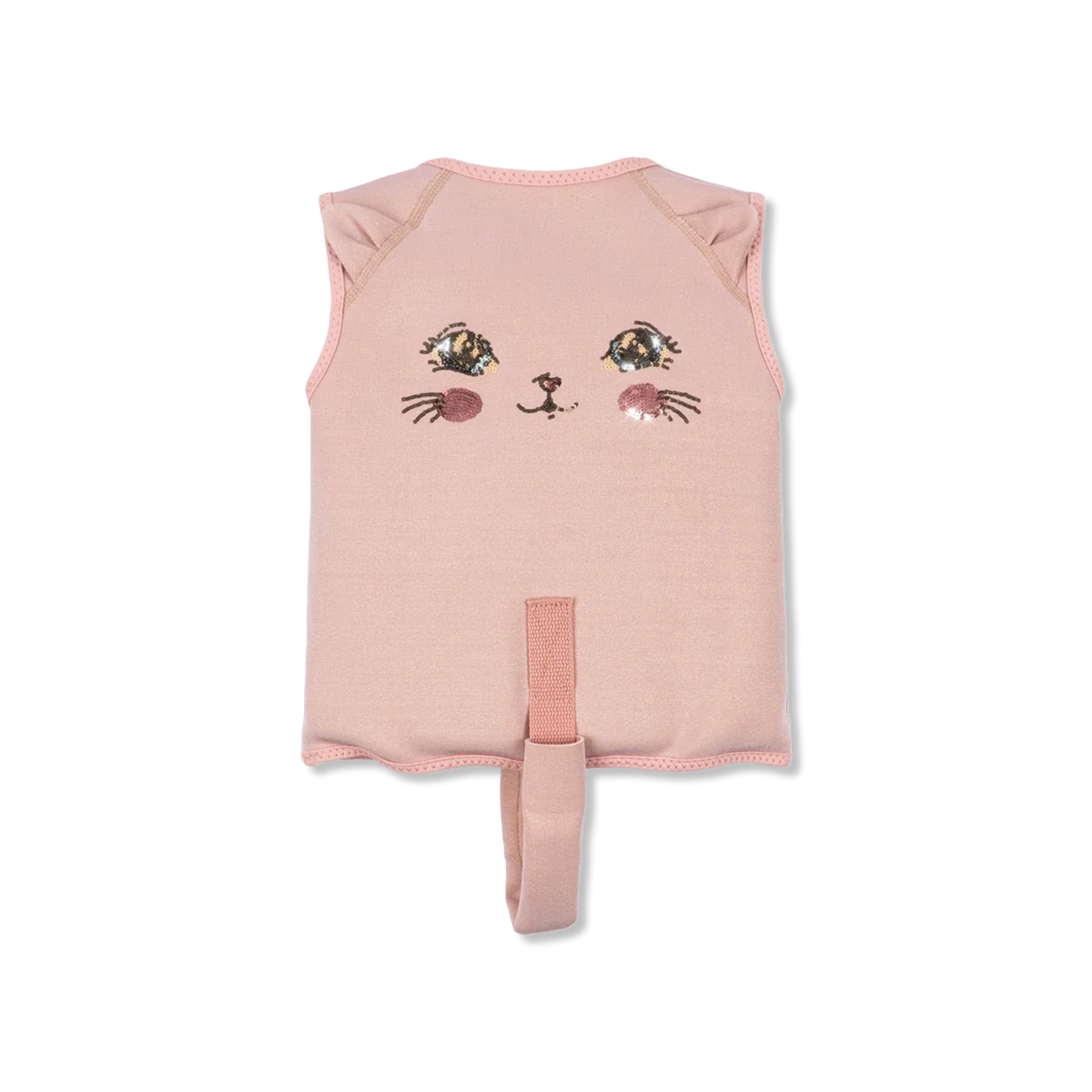
A swim vest for children provides reassuring buoyancy in the water

A swim vest for children gives extra buoyancy and can make time in the water feel safer and more comfortable, but it is not the same as a life jacket. It is especially useful for children who are getting used to the water, practising their first swimming movements or simply want to play in the pool, at the beach or on holiday. When choosing one, the fit, weight range and how the vest will be used usually make the biggest difference.

For most parents, it comes down to something quite simple: the vest should fit snugly, feel comfortable to wear and suit the child's size and confidence in the water. If it is too loose, it can ride up. If it is too small, it quickly becomes uncomfortable. That is why it usually makes sense to look at both weight, age and the child's water confidence rather than focusing only on colour and design.

A swim vest used for play and learning works well as support in shallow water and always under adult supervision. It is not designed for children to be alone in deep water or in uneven conditions with waves. This is an important difference to keep in mind if you are comparing swim vests, flotation aids, armbands and other swim accessories.

Which swim vest suits your child's age and needs?

Children's needs in the water change quickly. For the youngest children, good buoyancy, a soft fit and support around the upper body are often the most important features. A baby swim vest or baby model is typically designed to help the child feel calmer while giving the adult a little better control close to the water's edge.

For children around 3-6 years, adjustable models are often a really good choice. At this age, the vest should provide reassurance while still allowing freedom of movement, so the child can splash, kick and practise without feeling restricted. For older children who are already more familiar with the water, a lighter model may be more suitable because it supports without feeling too bulky.

If you are unsure what will fit best, this simple rule of thumb can help:

  • 0-2 years: a soft and secure model with good support and a close fit.
  • 3-6 years: an adjustable swim vest for learning and play.
  • 6-12 years: lighter models for children with more experience in the water.

The most important thing is still that the vest suits where your child is right now – not only the age on paper.

What to look for in a children's swim vest

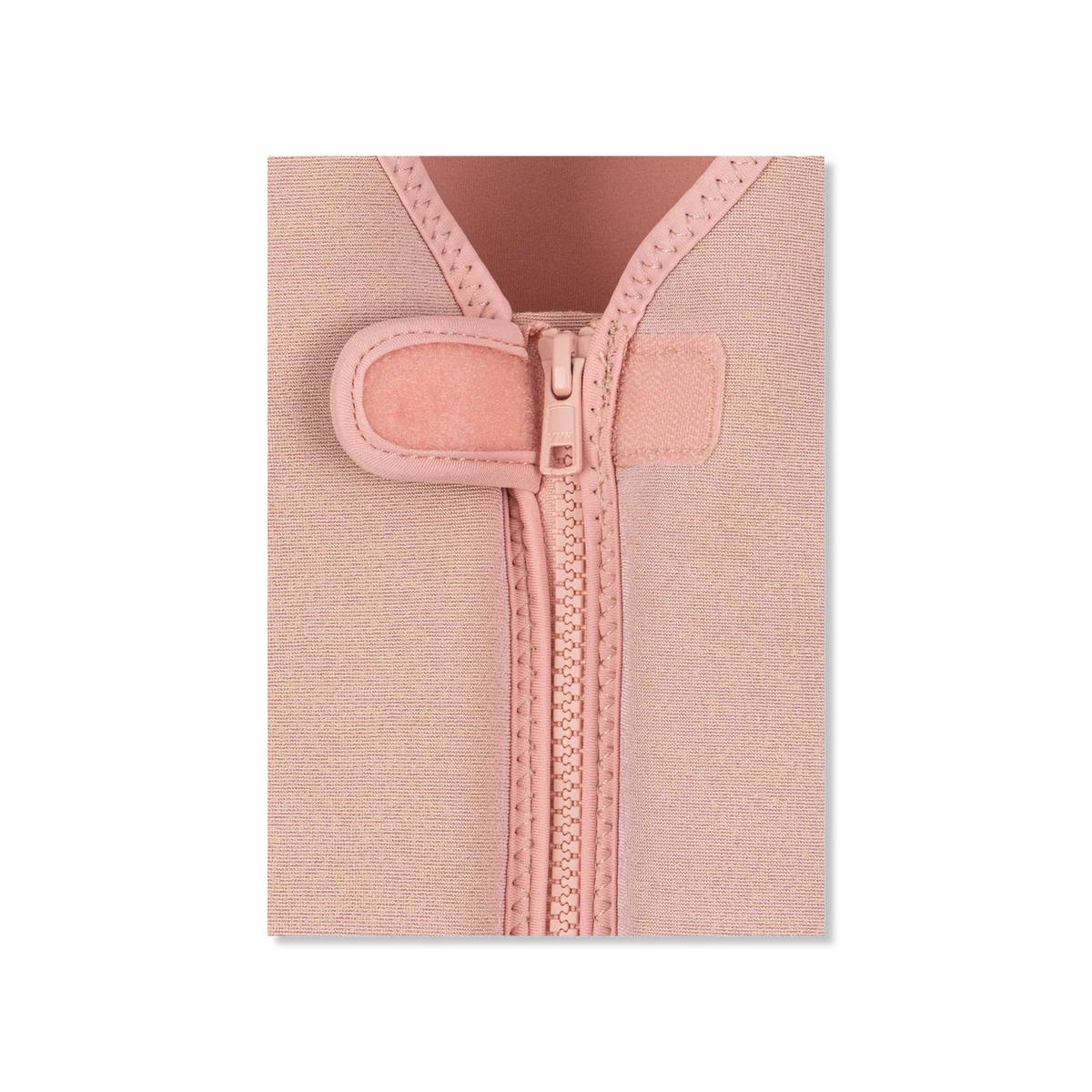
When choosing a swim vest for children, a few details make a big difference once the vest is in use. The fit is one of the most important things. It should sit close to the body without pinching, and it should not ride up towards the chin when the child is in the water. Adjustable straps are a clear advantage, as they make it easier to get the vest to sit correctly.

It is also a good idea to look for CE marking and relevant safety standards. This adds extra reassurance when choosing, as the vest meets requirements for flotation aids. At the same time, it is important to remember that a swim vest can never replace an adult by the water.

Other details that are often worth looking for include:

  • adjustable fastening, so the vest sits securely
  • materials that feel soft against the skin
  • good freedom of movement around the arms and shoulders
  • a collar or extra support for the youngest children, if needed

If the vest will be used by the sea, it is especially important to be realistic. Waves, currents and cold water are different from a calm pool or shallow water at the beach. A flotation aid can still be helpful support, but it should be used close to an adult and with consideration for how confident the child is in the water.

Neoprene, foam and comfort in the water

The material has a big impact on how a swim vest feels for the child. Neoprene is popular because it is soft, flexible and comfortable close to the body. It often gives a more fitted feel, which many children like, especially if they wear the vest for longer periods at a time.

Foam is also a common material in swim vests. It is lightweight, durable and provides clear buoyancy without feeling unnecessarily heavy. For many children, this makes it easier to move freely while still feeling supported in the water. Whatever the material, the goal is for the vest to help the child without getting in the way of play and movement.

Comfort is not only about the time spent in the water, but also everything around it. Soft edges, an easy-to-use fastening and a vest that is quick to put on and take off make swimming trips easier for both children and adults. Many also choose to combine the swim vest with UV swimwear or other swimwear, so the child is well dressed for sun, play and water.

Make swimming trips easier with the right accessories

A swim vest is often just one part of what you pack for the beach, pool or holiday. On warm days and slippery surfaces, a pair of swim sandals can be nice to bring, and after a swim, a soft towel is always lovely to wrap up in.

If you want to get everything sorted at once, it can also be worth looking at other swim accessories, so your child is practically dressed from the start. This is especially useful on holidays and long days by the water, where small details around comfort and changes of clothes quickly make the experience easier.

In short, a swim vest is a good choice for children who need a little extra support and reassurance in the water. When the size, fit and materials suit your child, it becomes easier to find a model that makes sense for your family's swimming trips.

Size Guide

Find the right size for your child

Use the guide below to quickly choose the right size. The table shows the typical height and age per size. Children grow differently, and brands can vary slightly in fit - if in doubt, feel free to choose one size up.

Clothing sizes

Age Size (cm) Height (cm)
0 - 1 mo 50 45 - 50
1 - 2 mo 56 51 - 56
2 - 4 mo 62 57 - 62
4 - 6 mo 68 63 - 68
6 - 9 mo 74 69 - 74
9 - 12 mo 80 75 - 80
12 - 18 mo 86 81 - 86
18 - 24 mo 92 87 - 92
2 - 3 yrs 98 93 - 98
3 - 4 yrs 104 99 - 104
4 - 5 yrs 110 105 - 110
5 - 6 yrs 116 111 - 116
6 - 7 yrs 122 117 - 122
7 - 8 yrs 128 123 - 128
8 - 9 yrs 134 129 - 134
9 - 10 yrs 140 135 - 140
10 - 11 yrs 146 141 - 146
11 - 12 yrs 152 147 - 152
12 - 13 yrs 158 153 - 158
13 - 14 yrs 164 159 - 164
14 - 15 yrs 170 165 - 170
15 - 16 yrs 176 171 - 176

Hats and head circumference

Head circumference Age
47 cm 0 - 3 mo
49 cm 6 - 12 mo
51 cm 1 - 2 yrs
53 cm 3 - 4 yrs
55 cm 5 - 10 yrs

Children have different head circumferences - choose one size up if your child has a slightly larger head than their peers.

Shoes and growth allowance

  • Growth allowance: approx. 1.5 cm for regular shoes.
  • Growth allowance: approx. 1.0 cm for ballerina or first-walker shoes.

Example: If the foot measures 15.0 cm, choose a shoe with an inner length of approx. 16.5 cm.

Socks and tights

Socks and tights may shrink slightly in the wash - choose one size up if in doubt.

If you are unsure about the size or fit, you are always welcome to contact our customer service - we are happy to help you find the right size.

📞 +45 87 800 406 ✉️ mail@houseofkids.dk


×