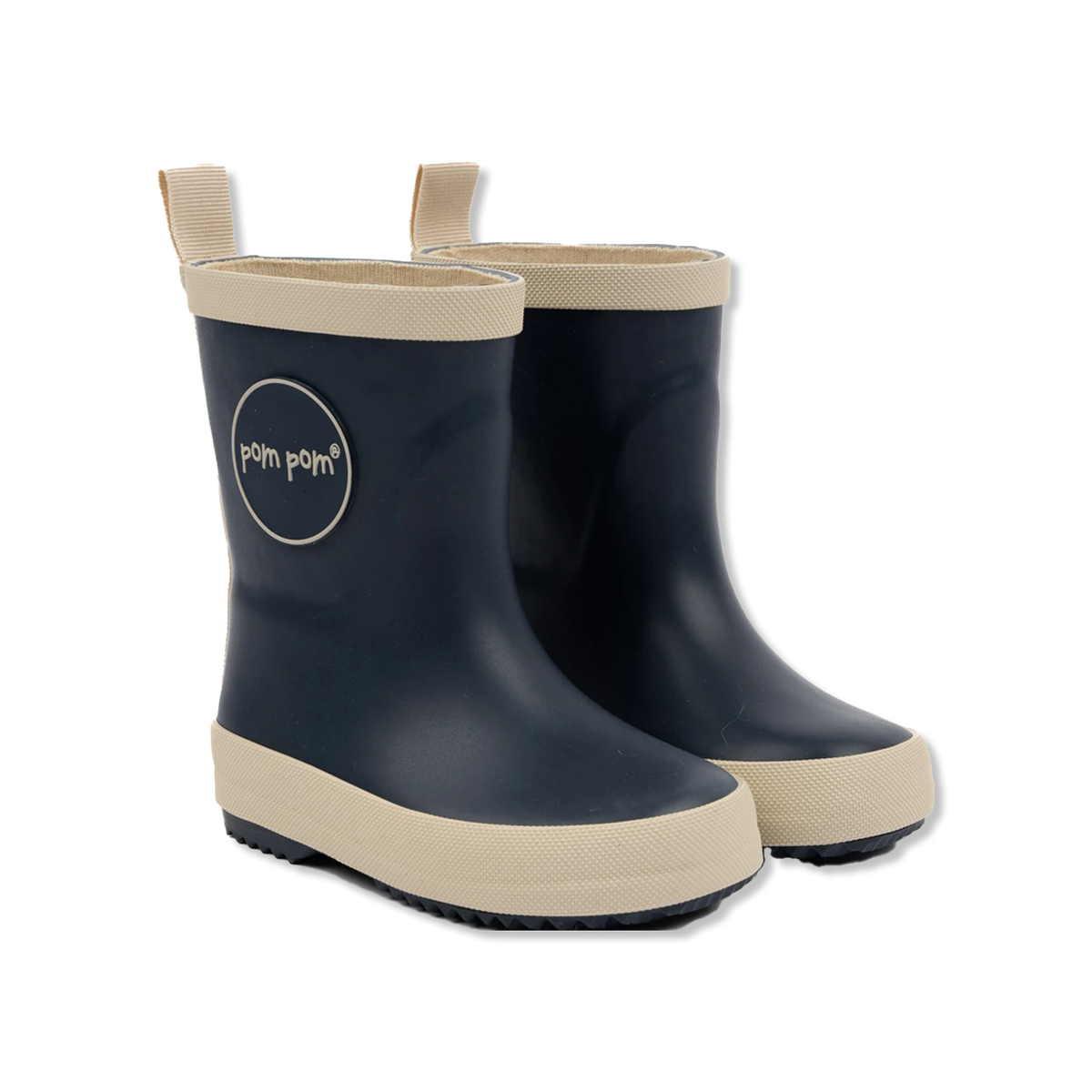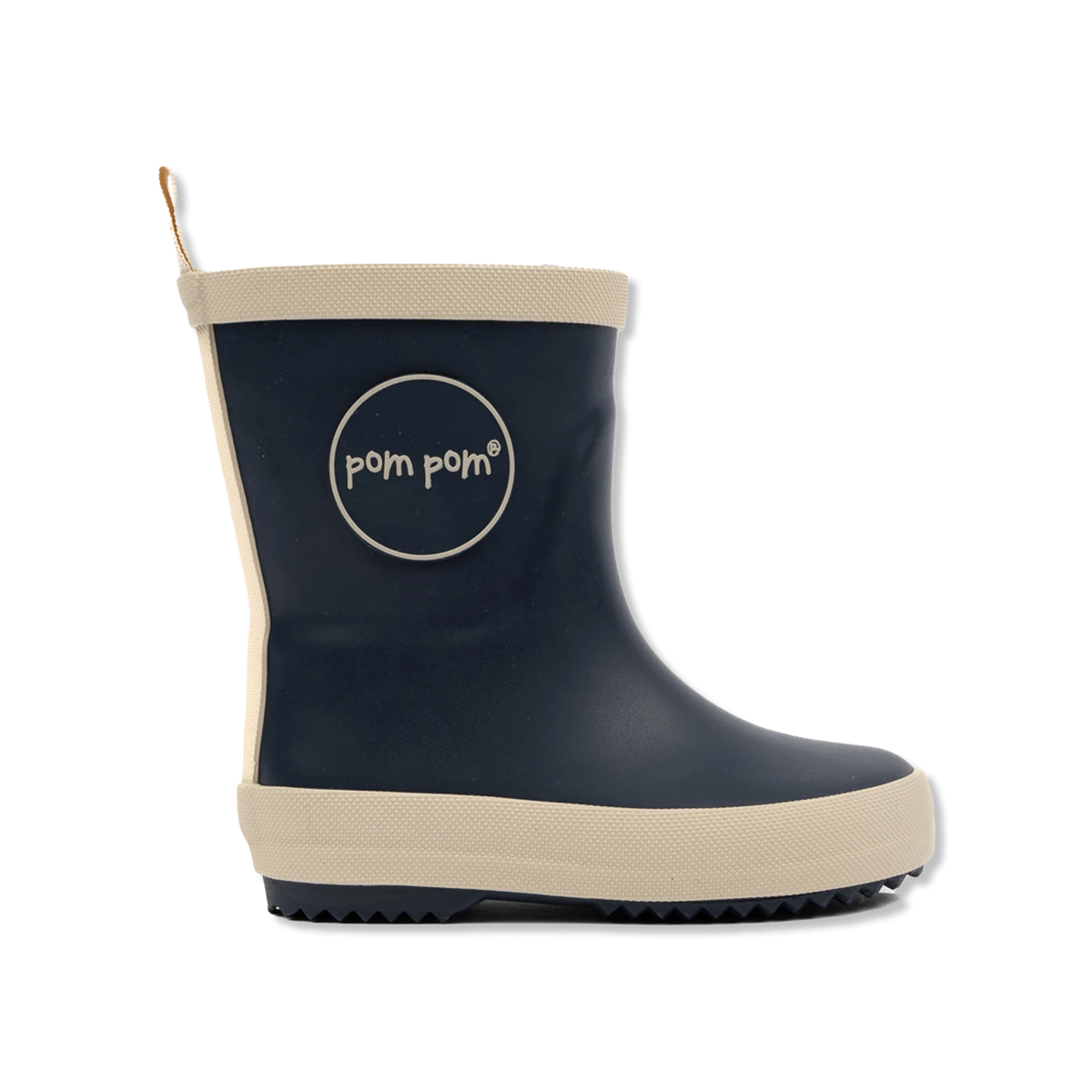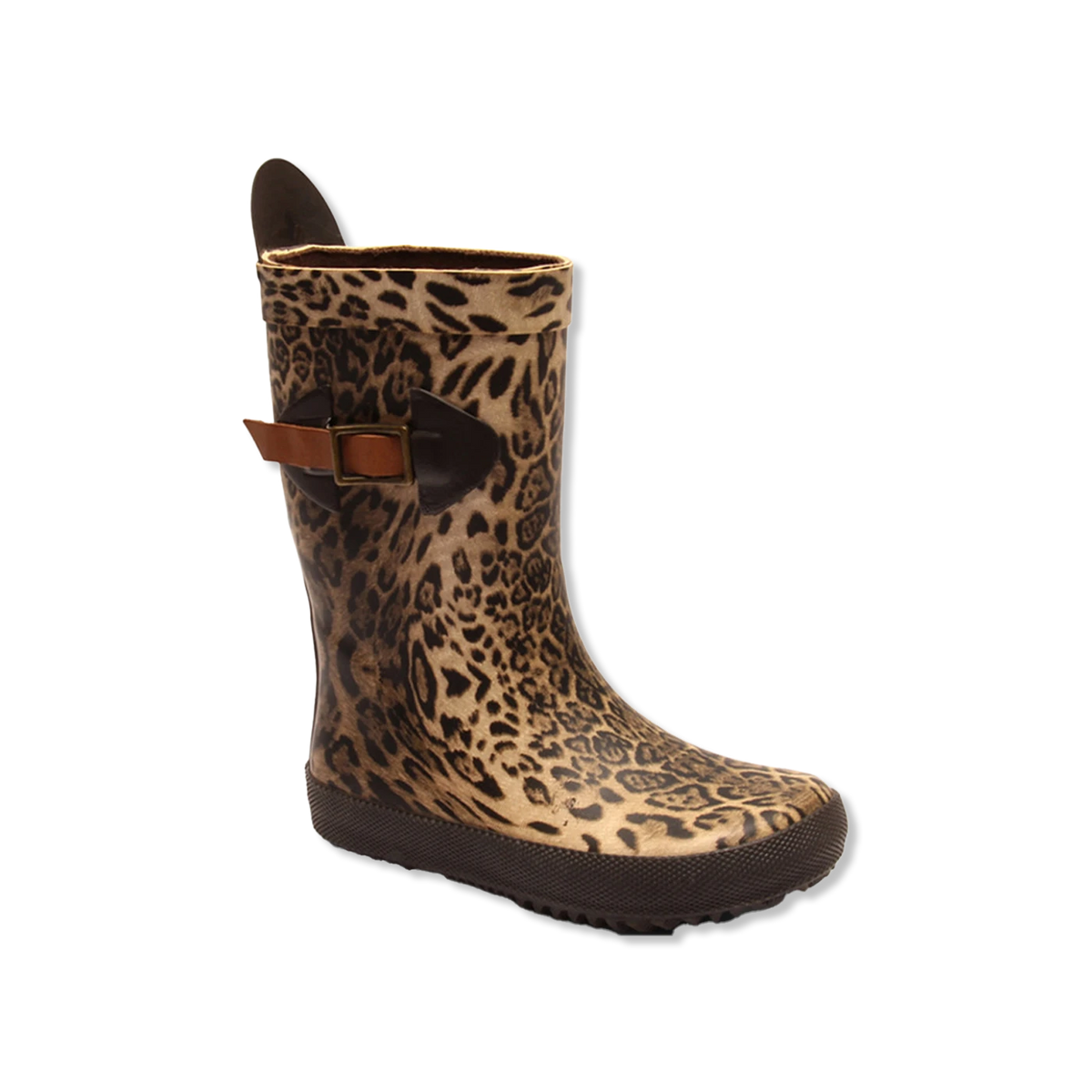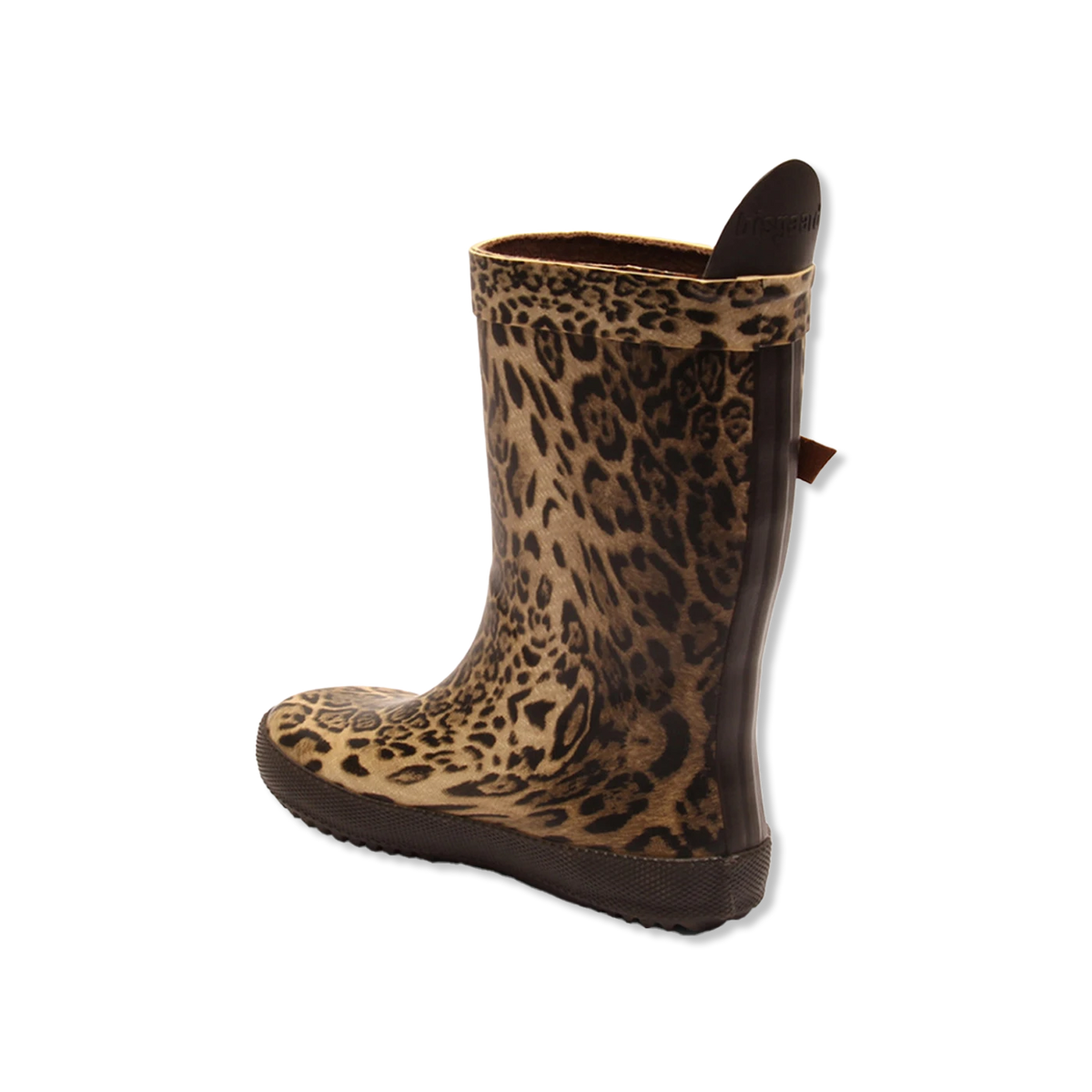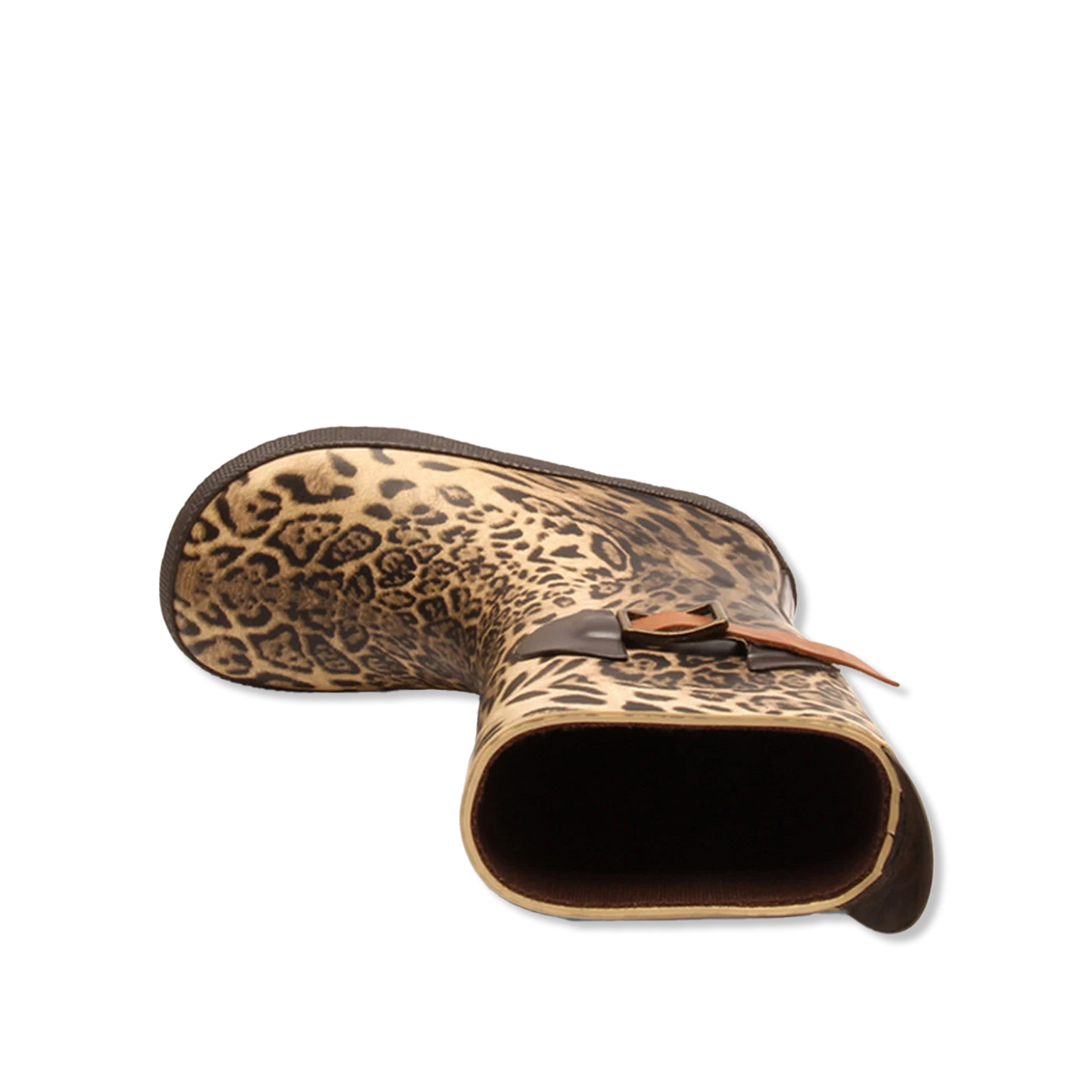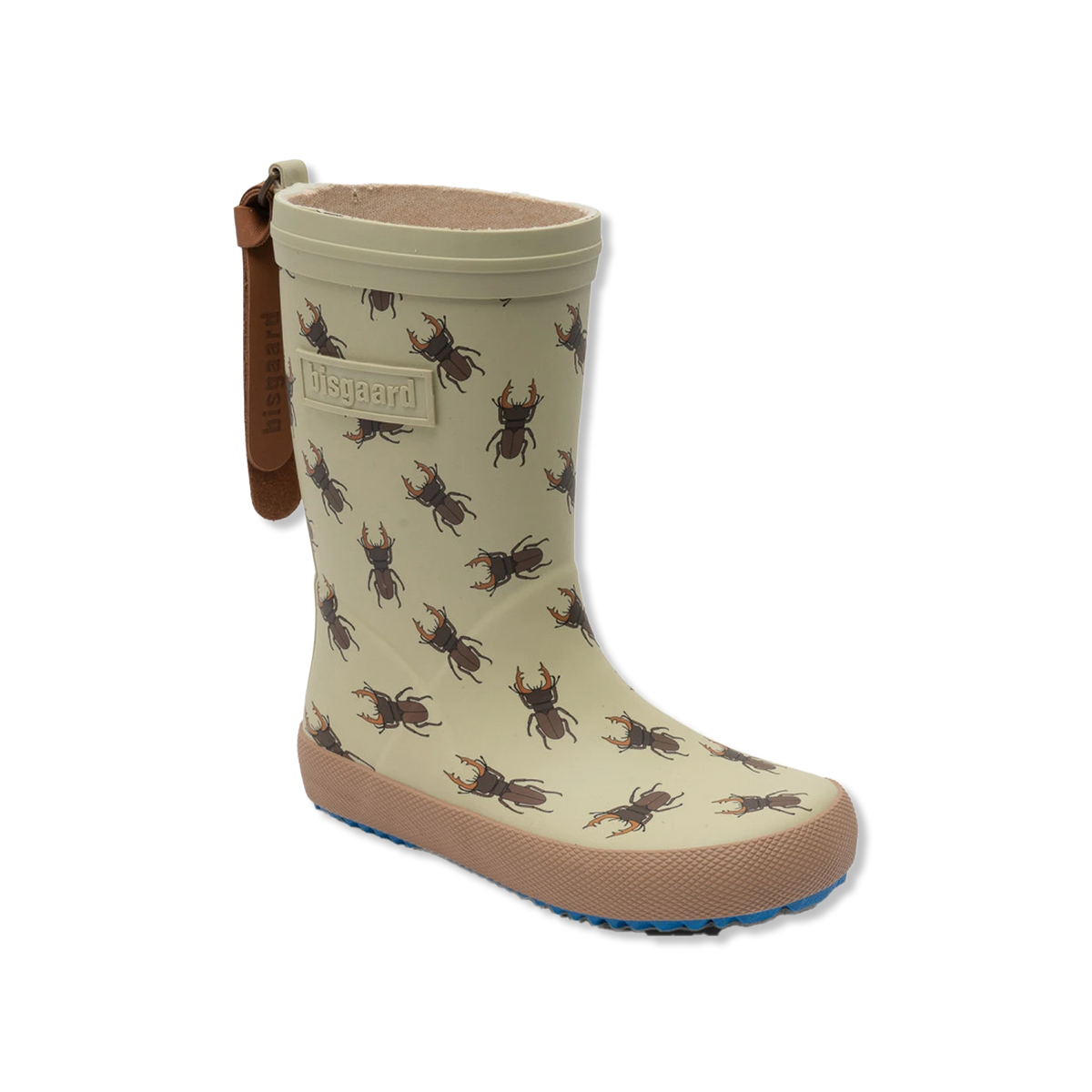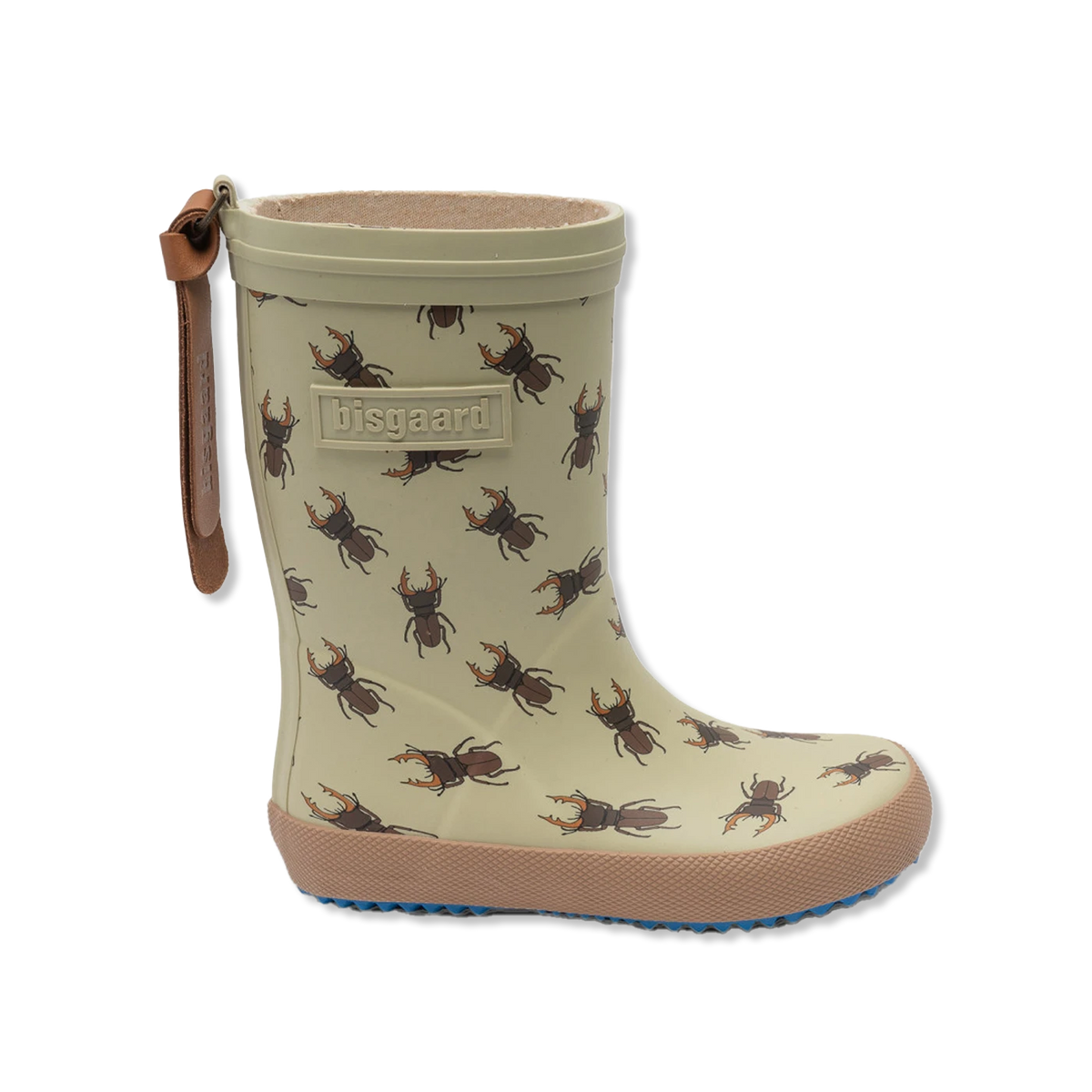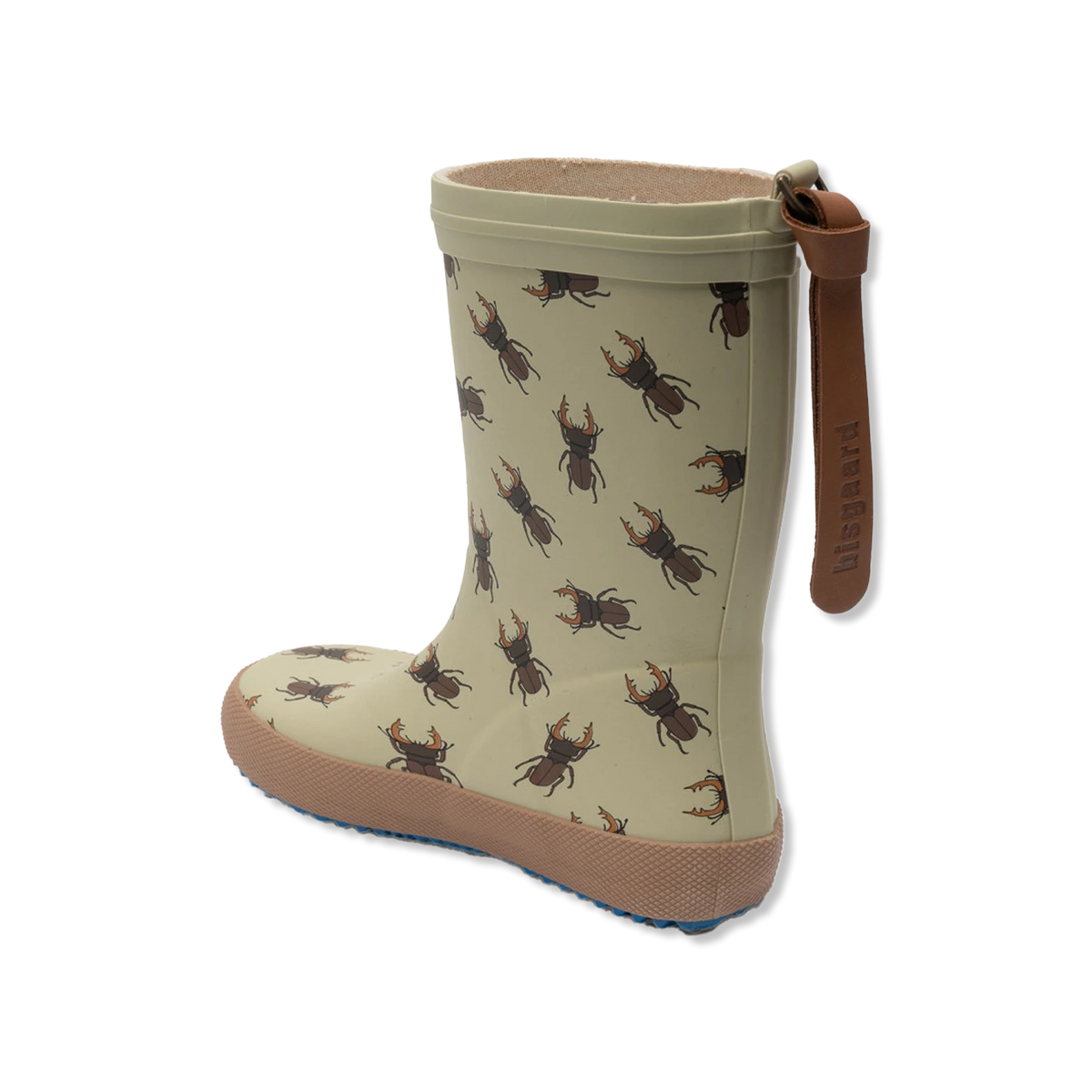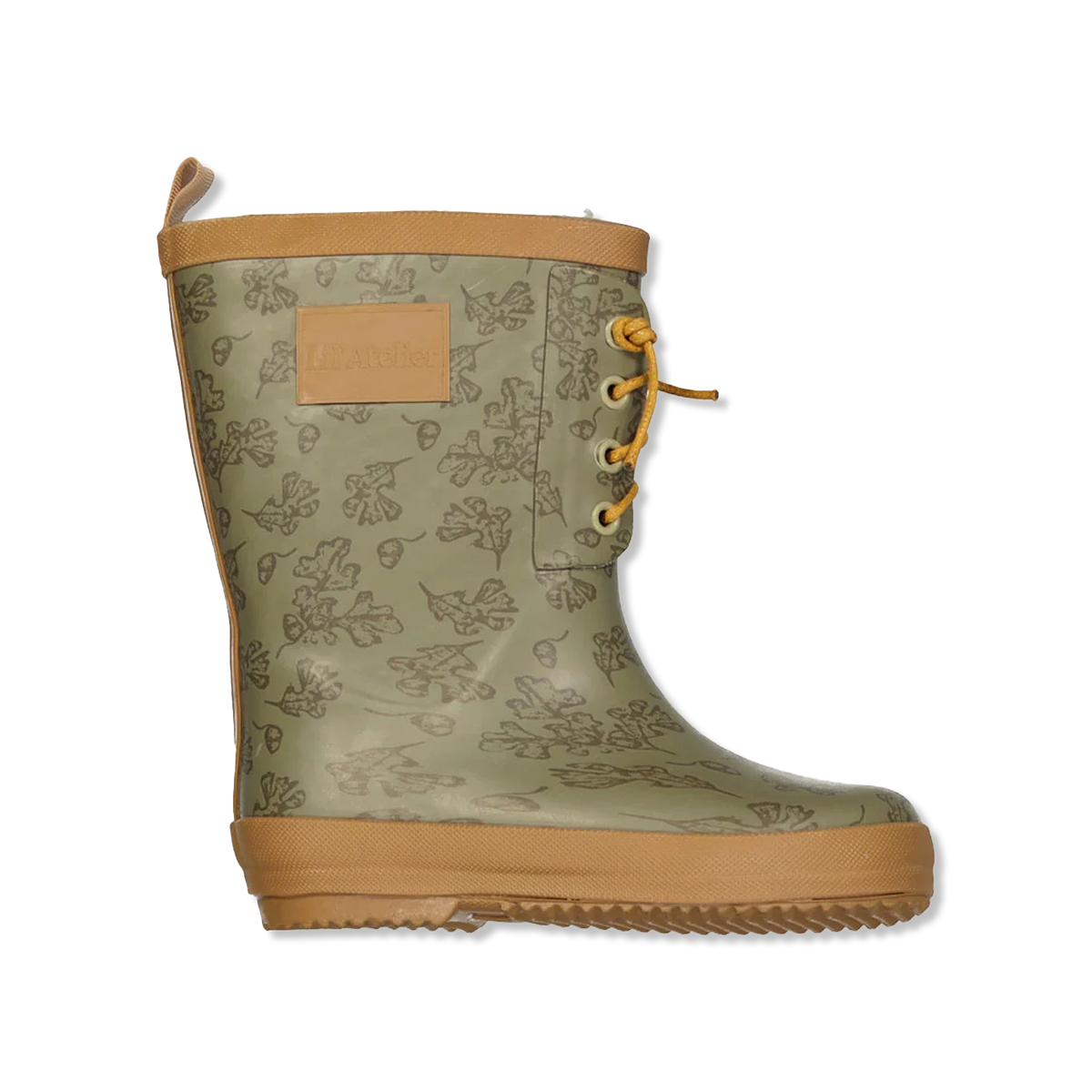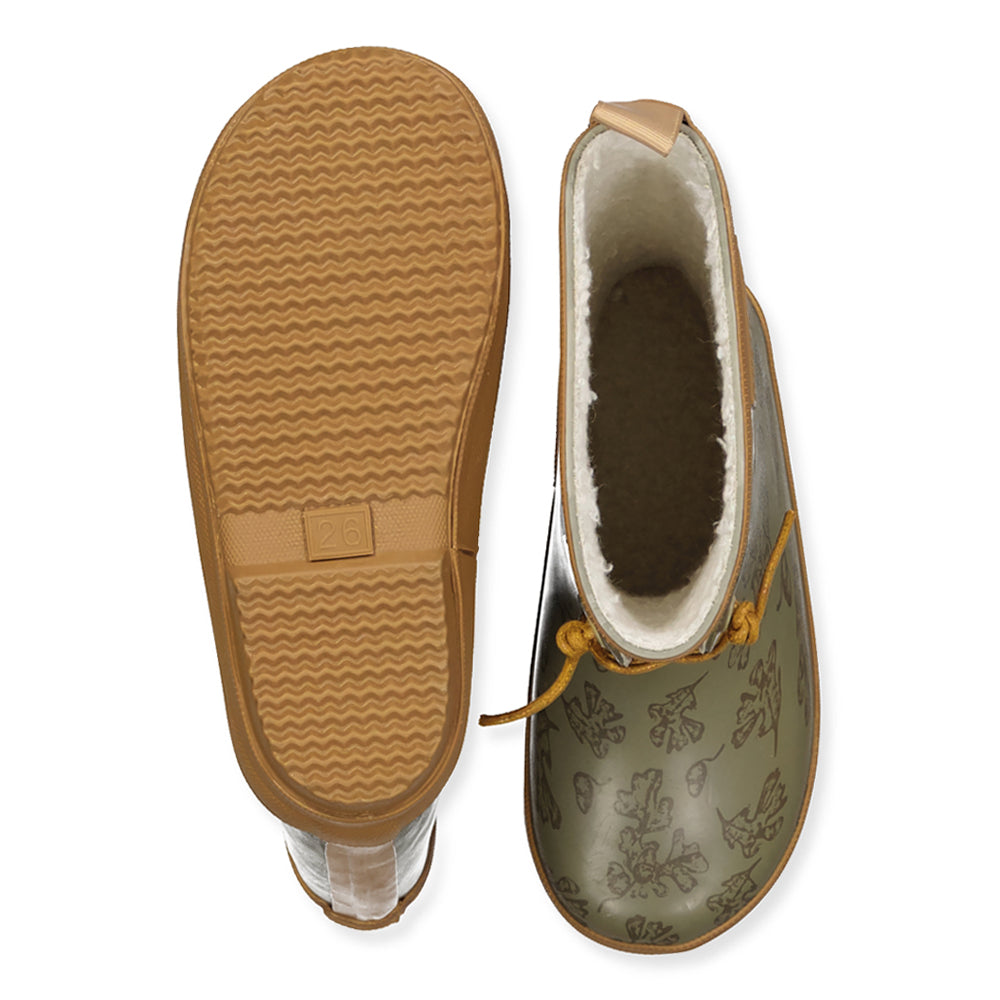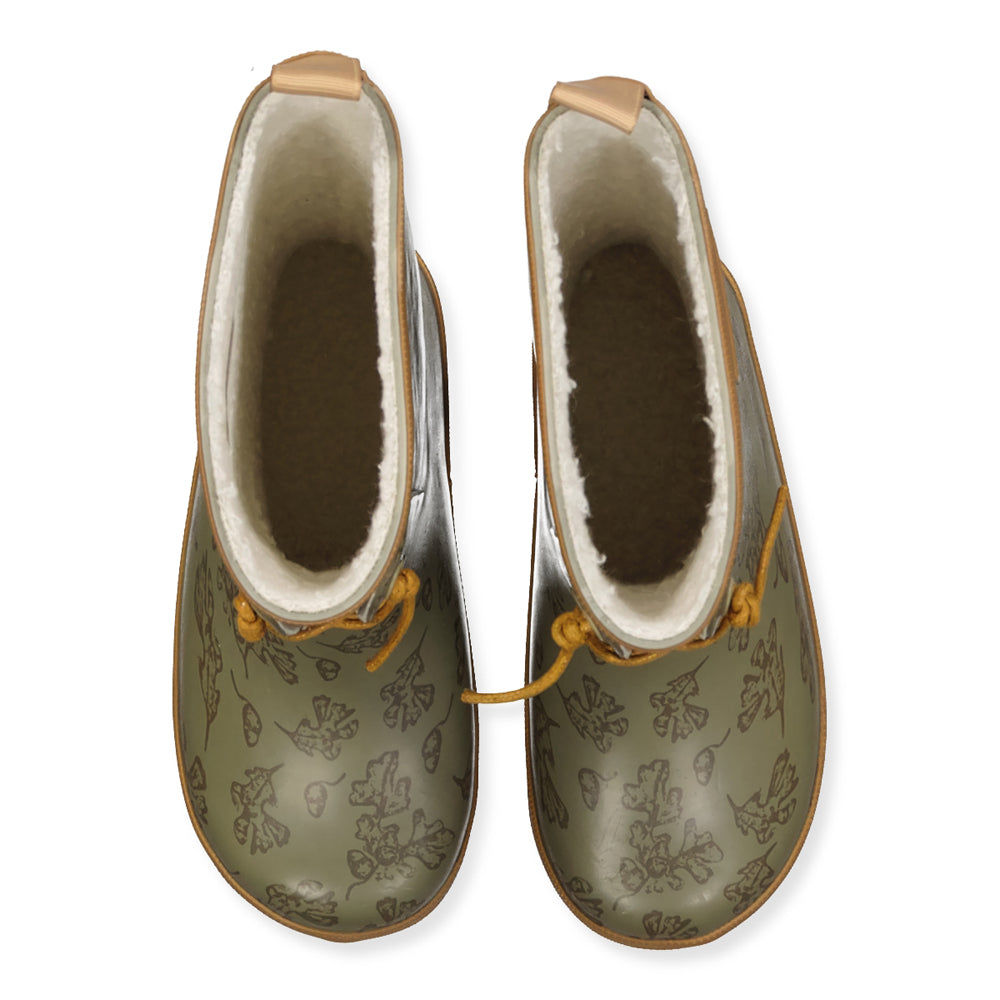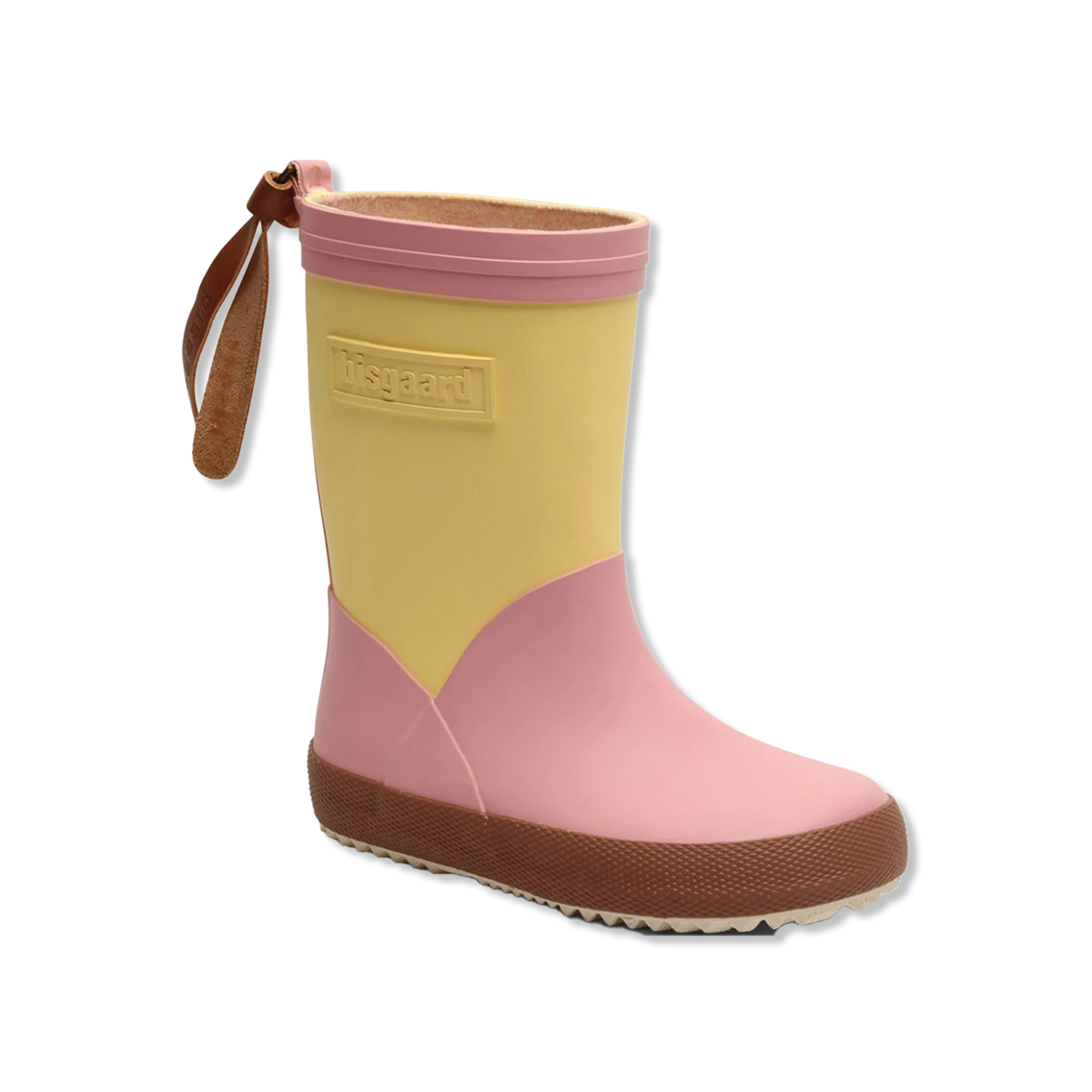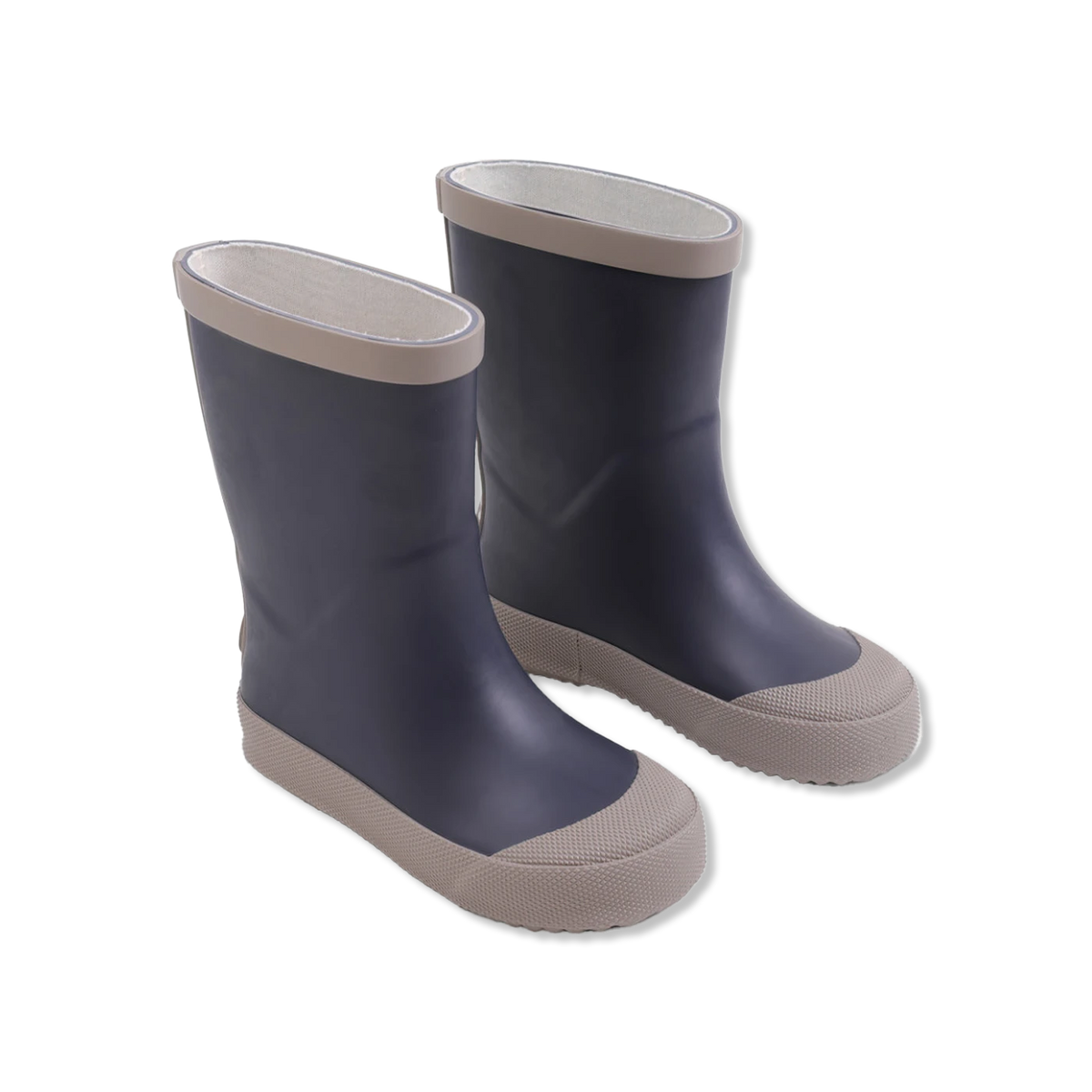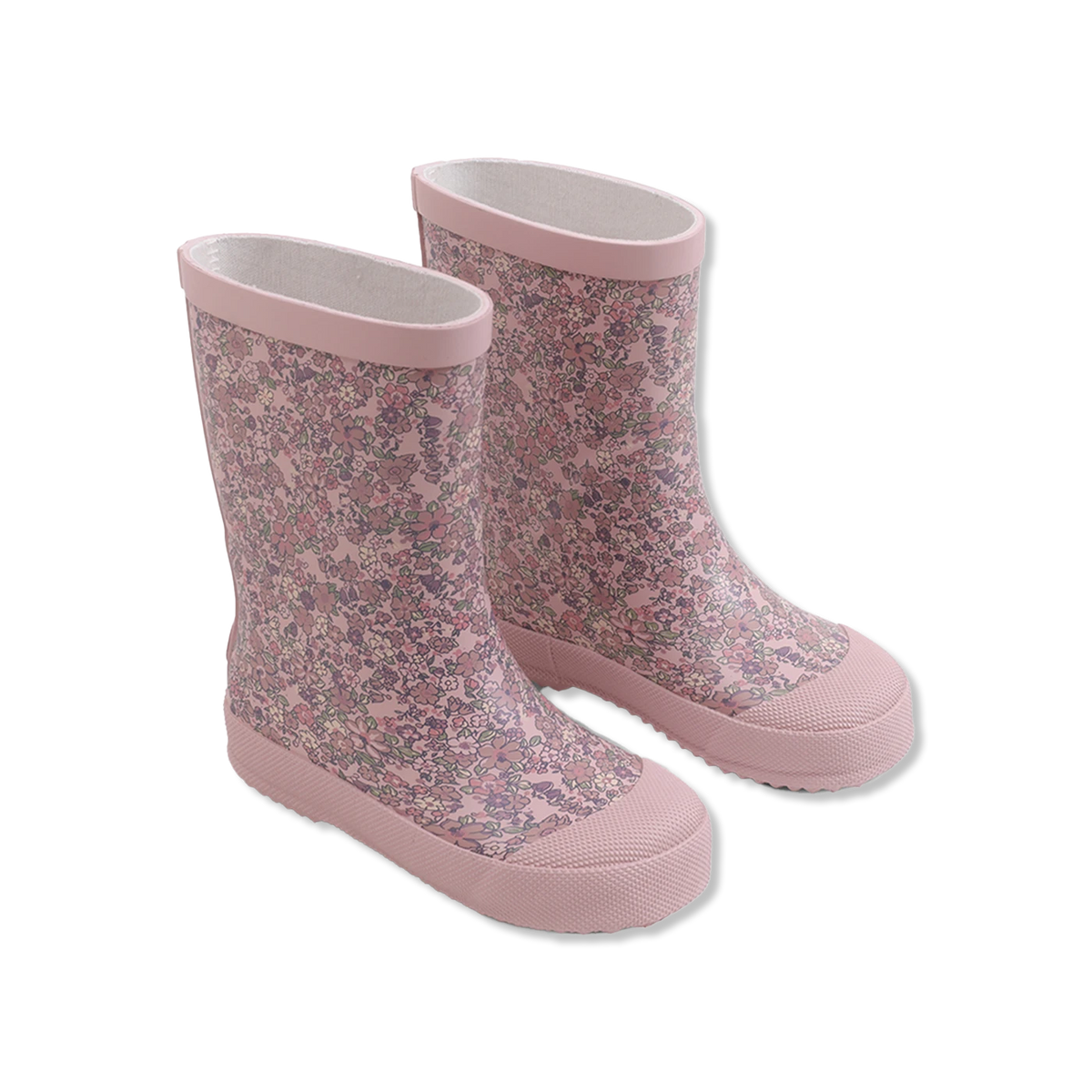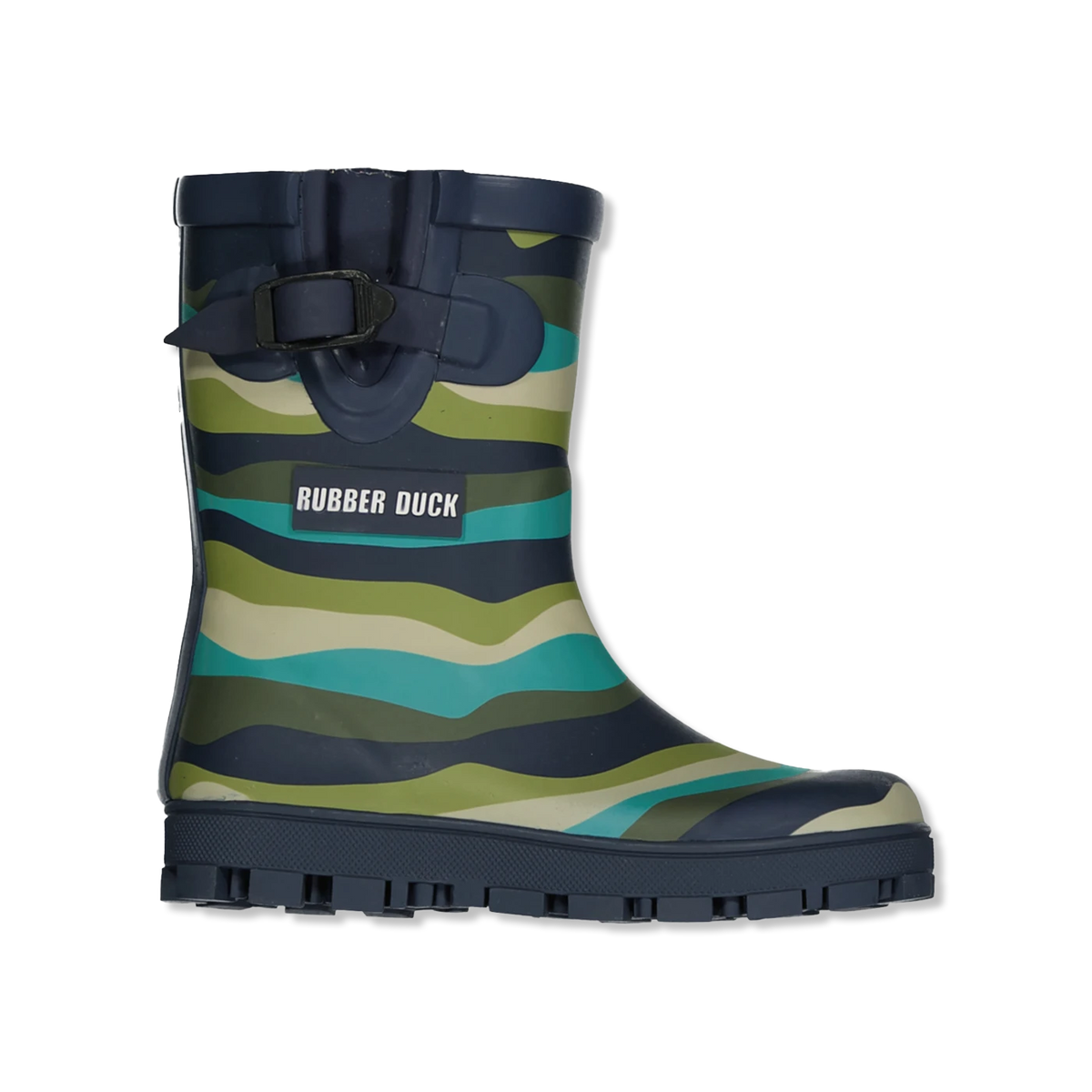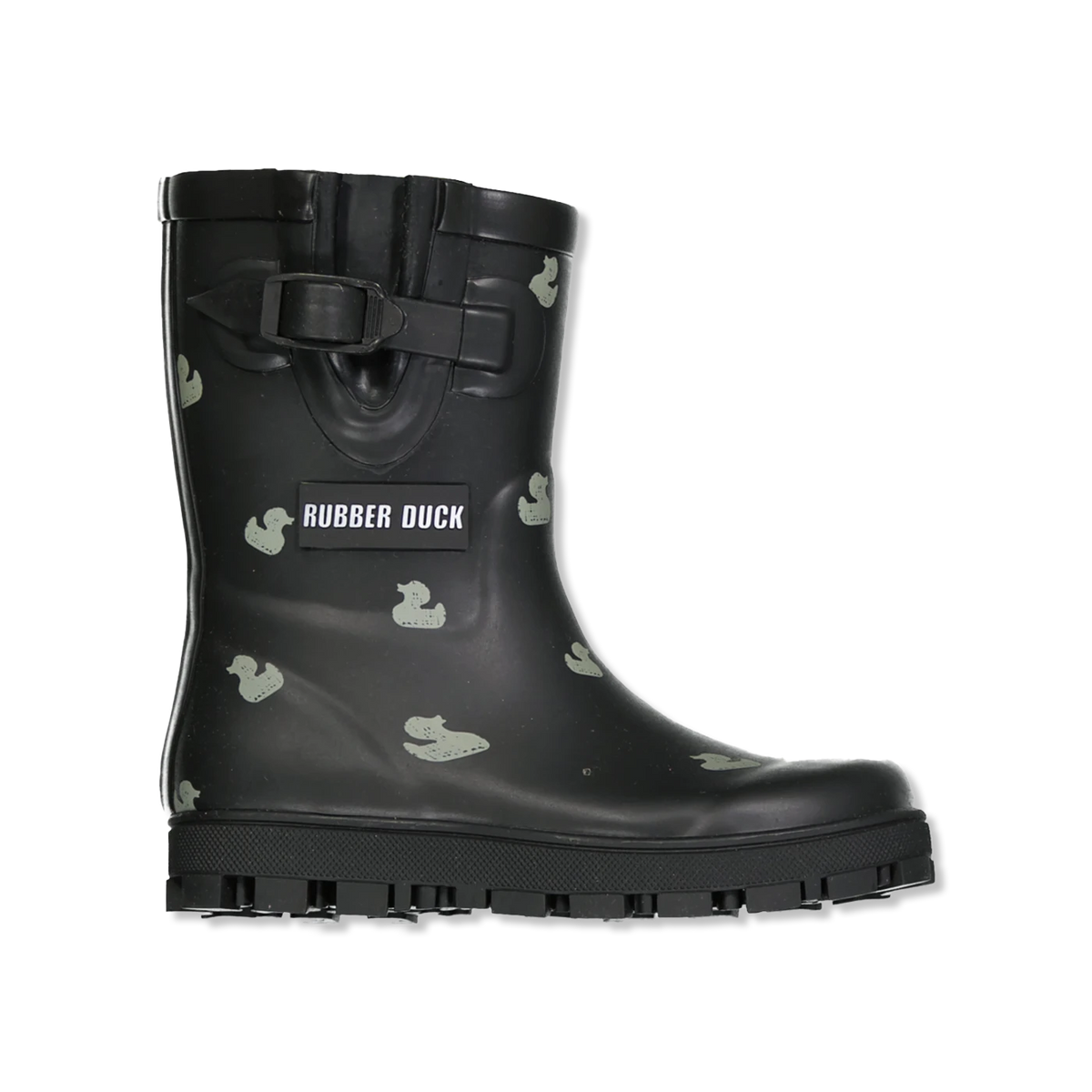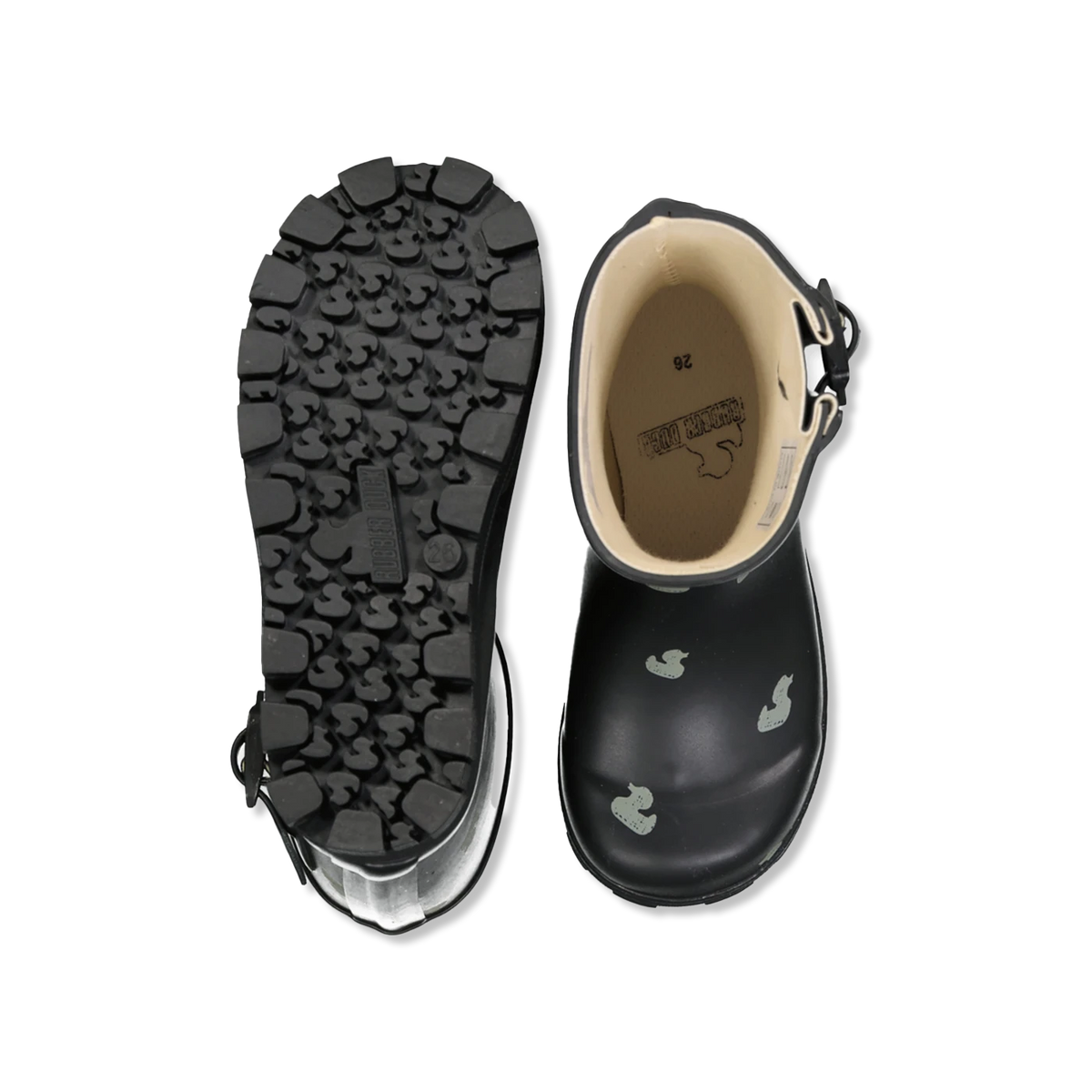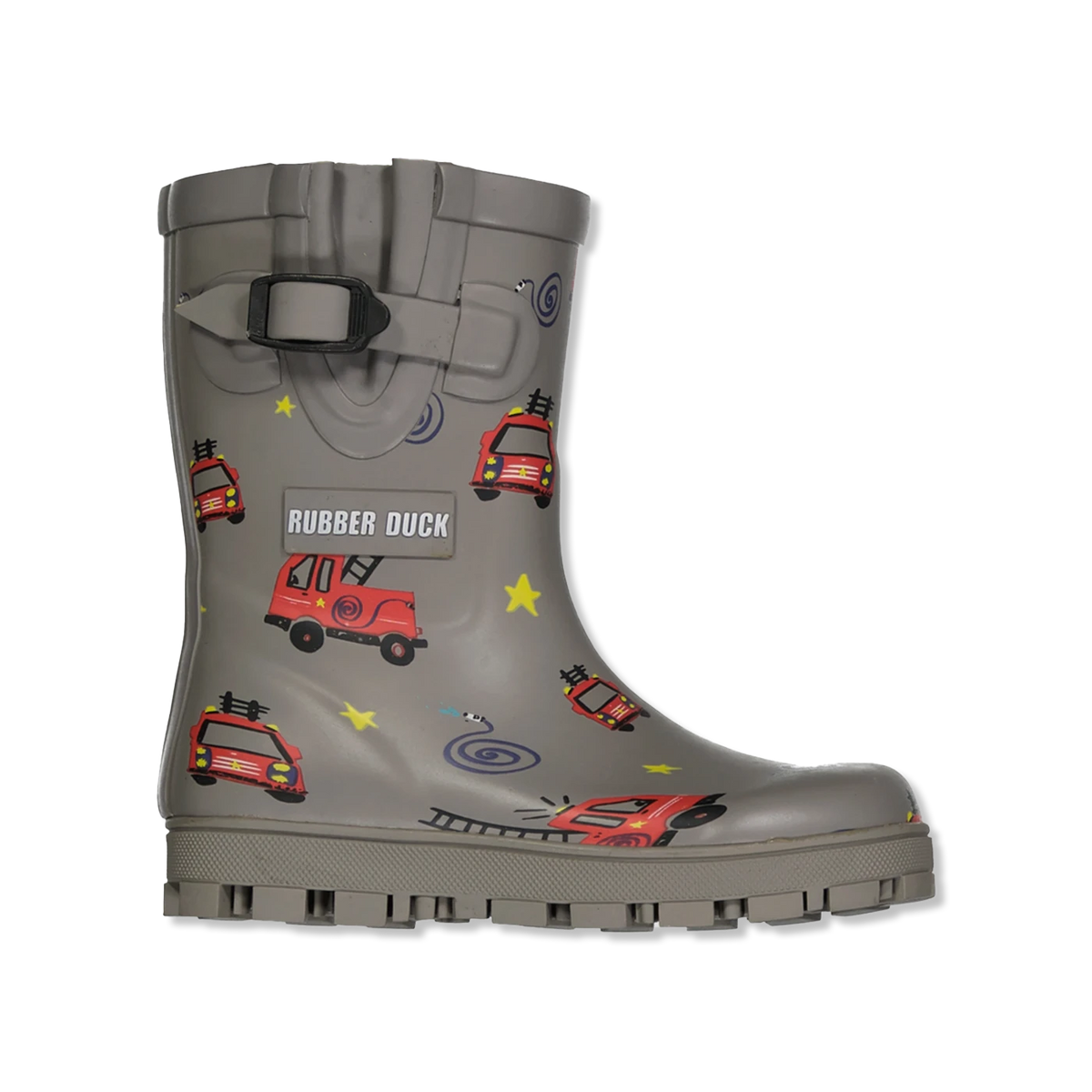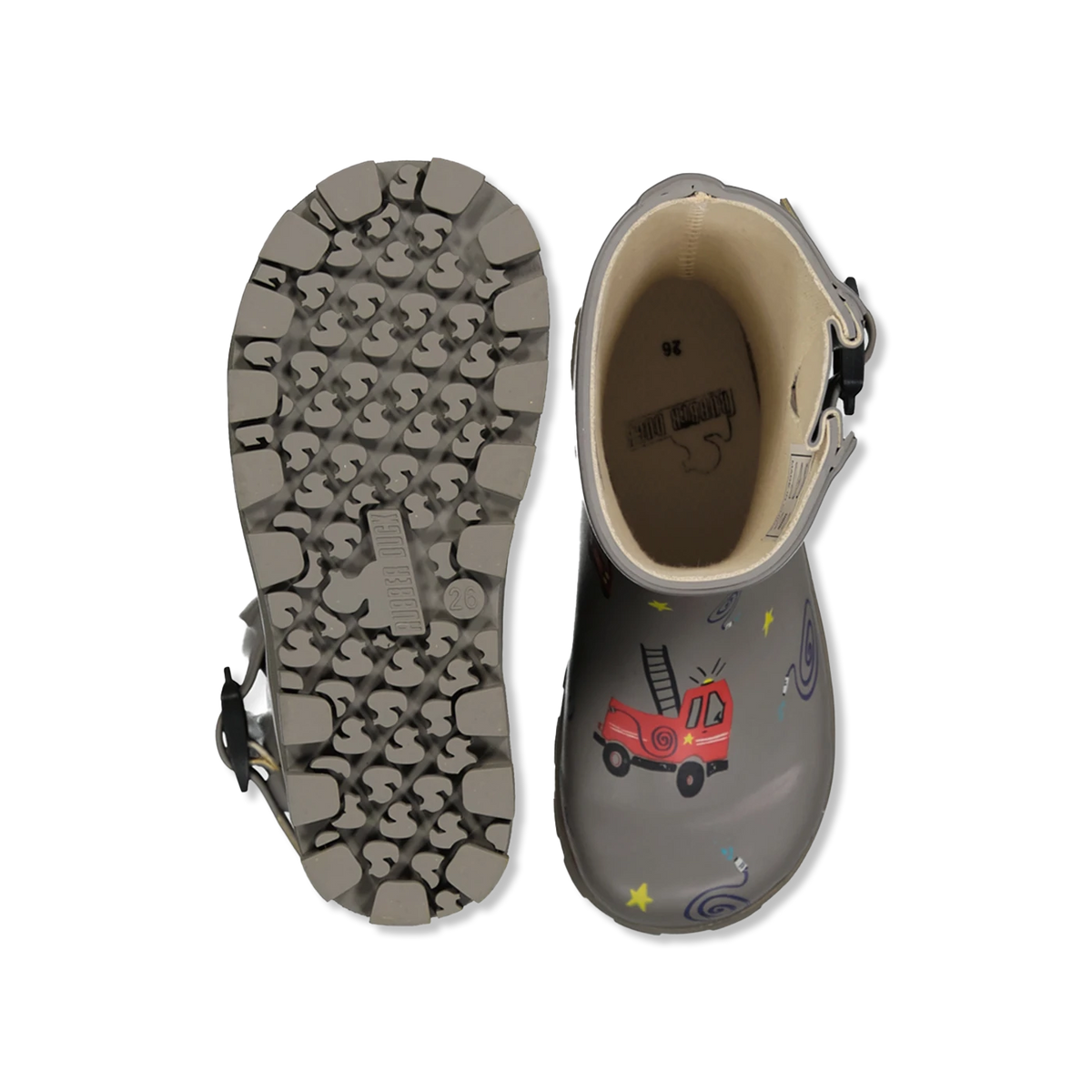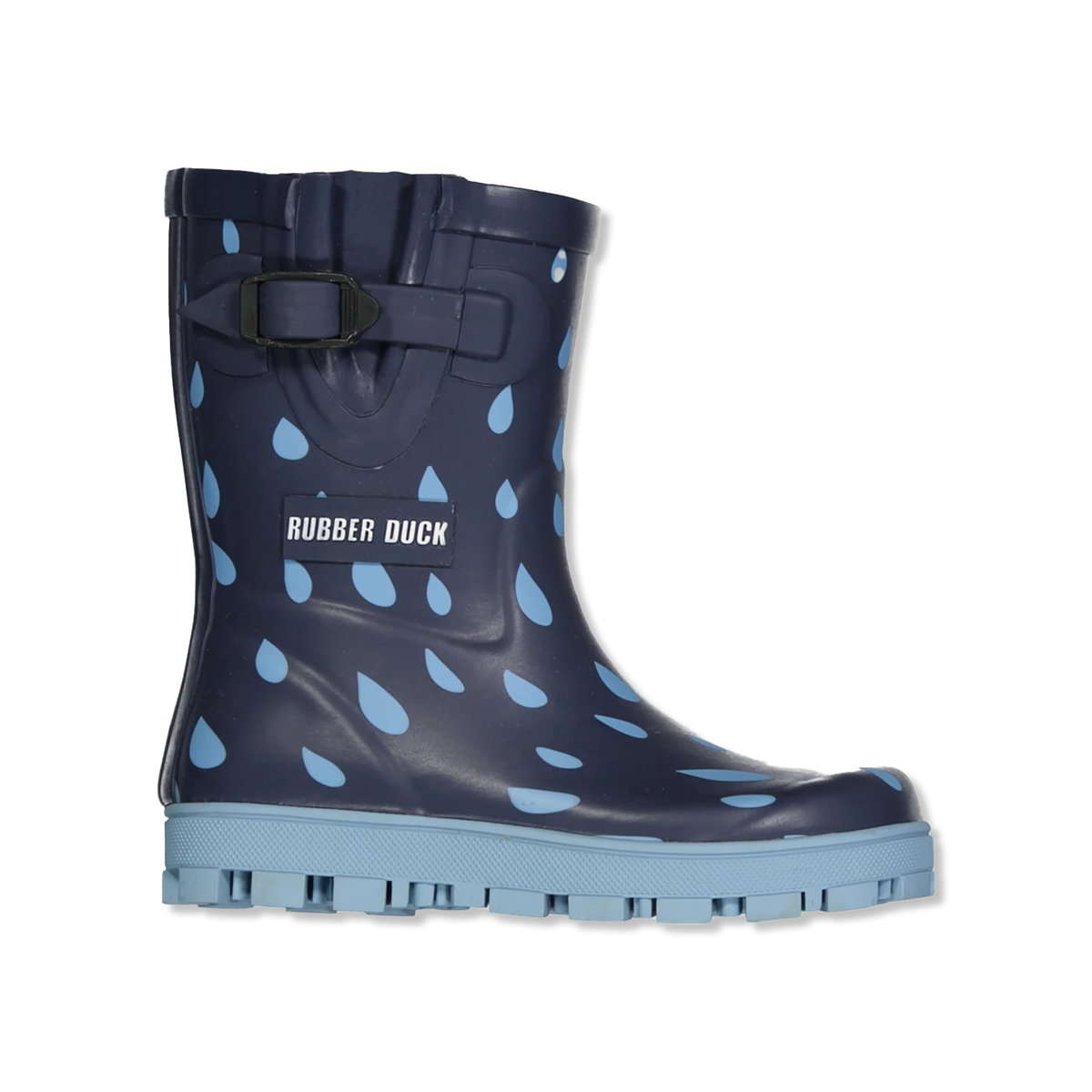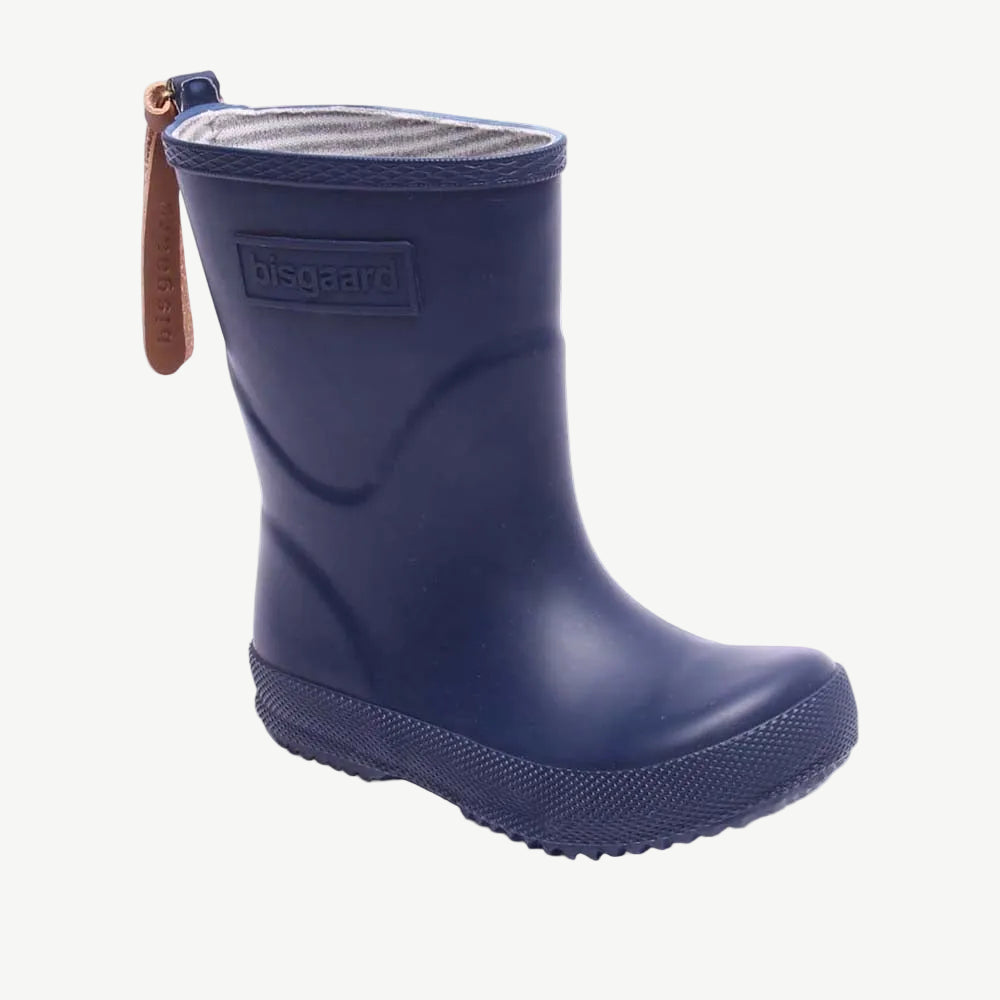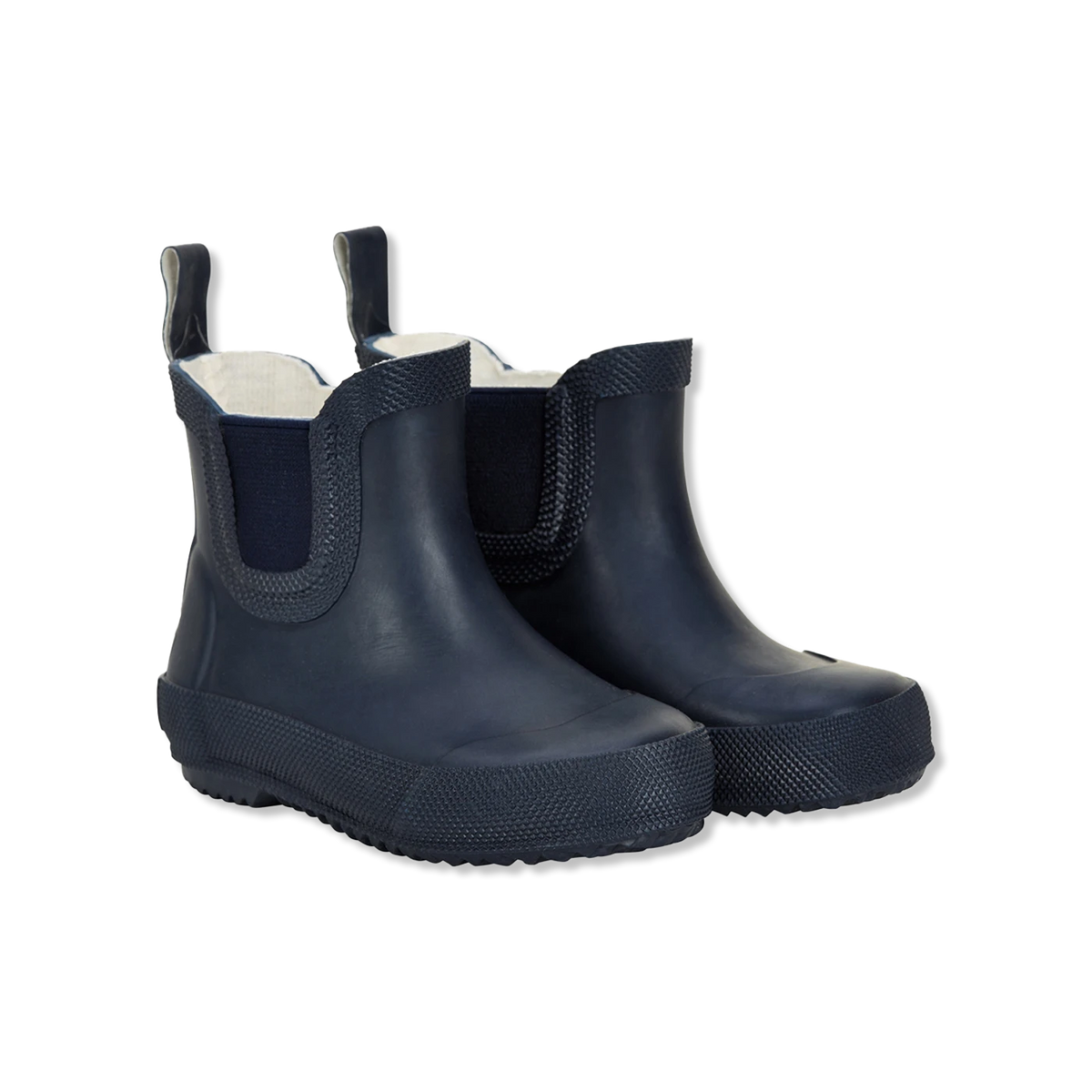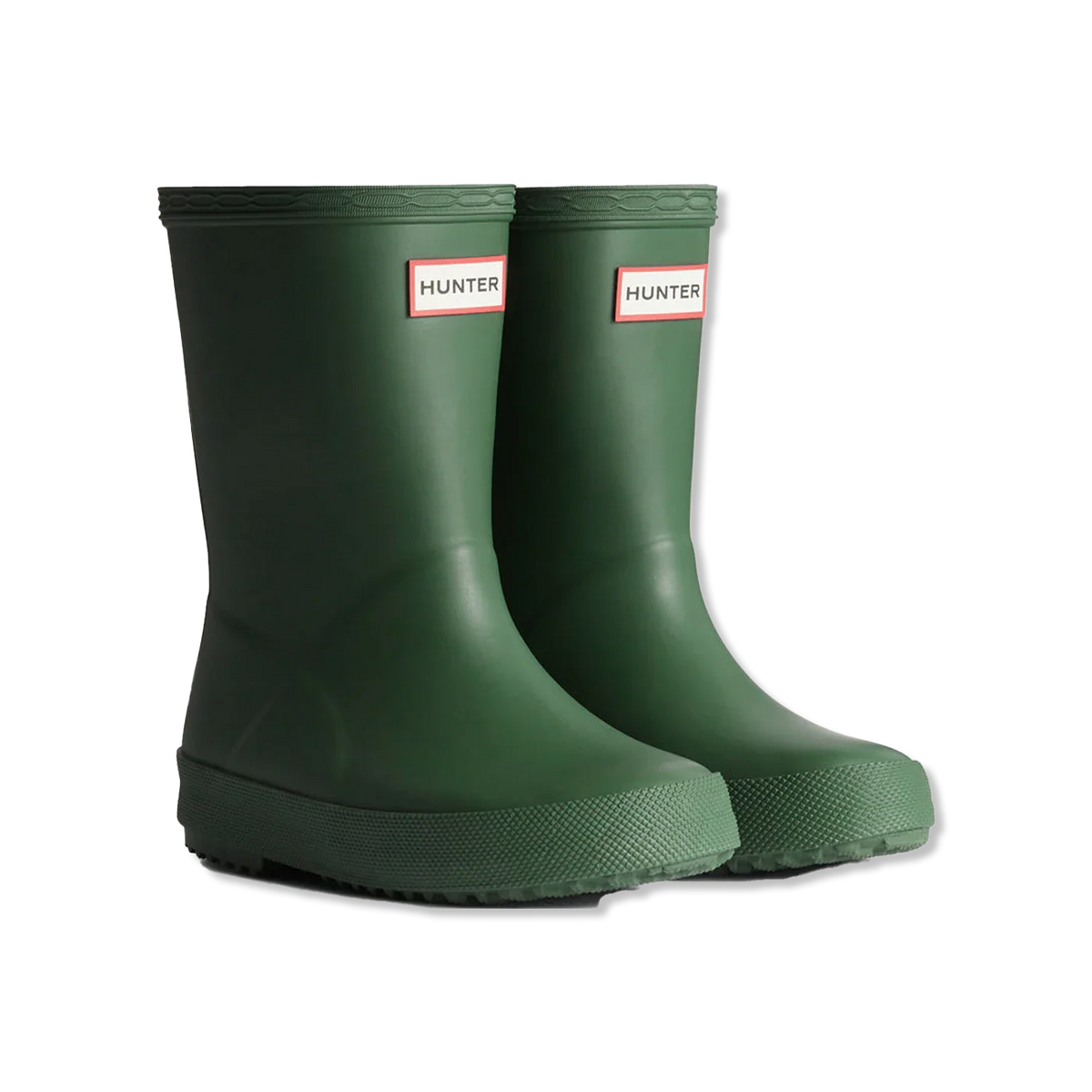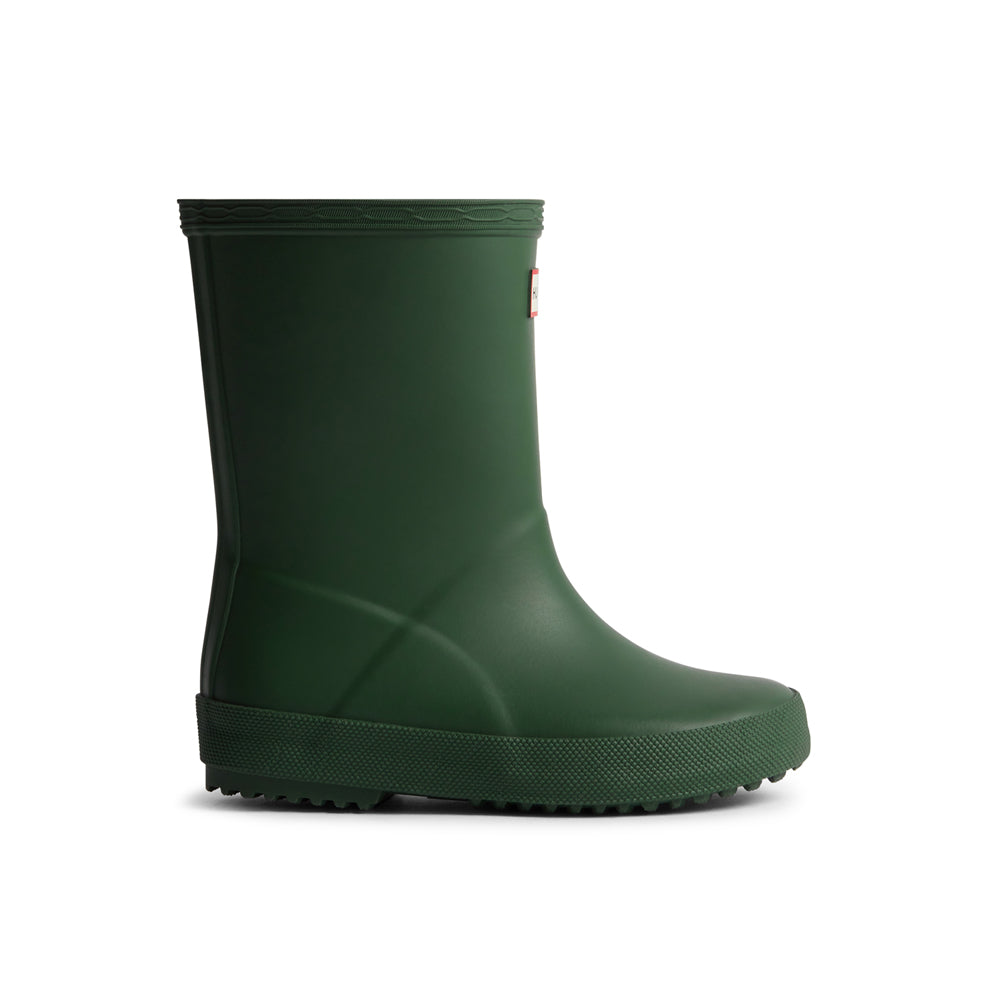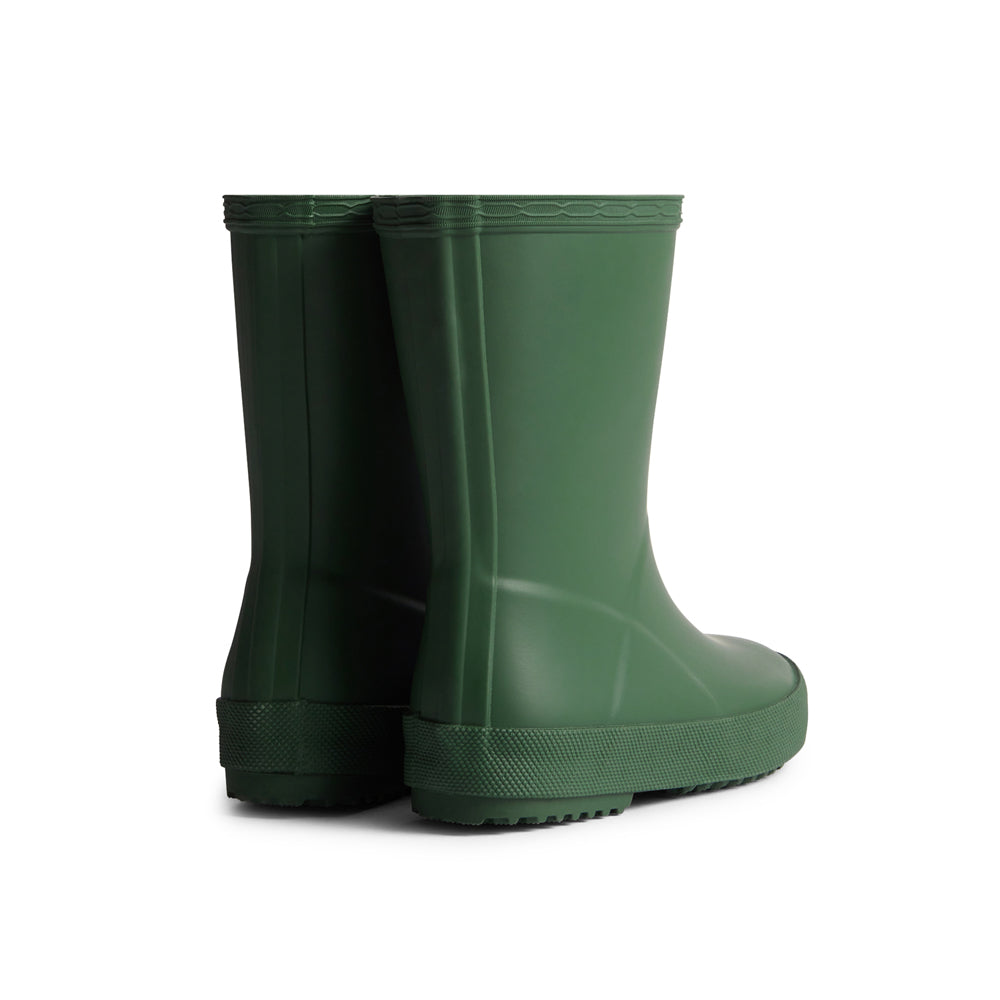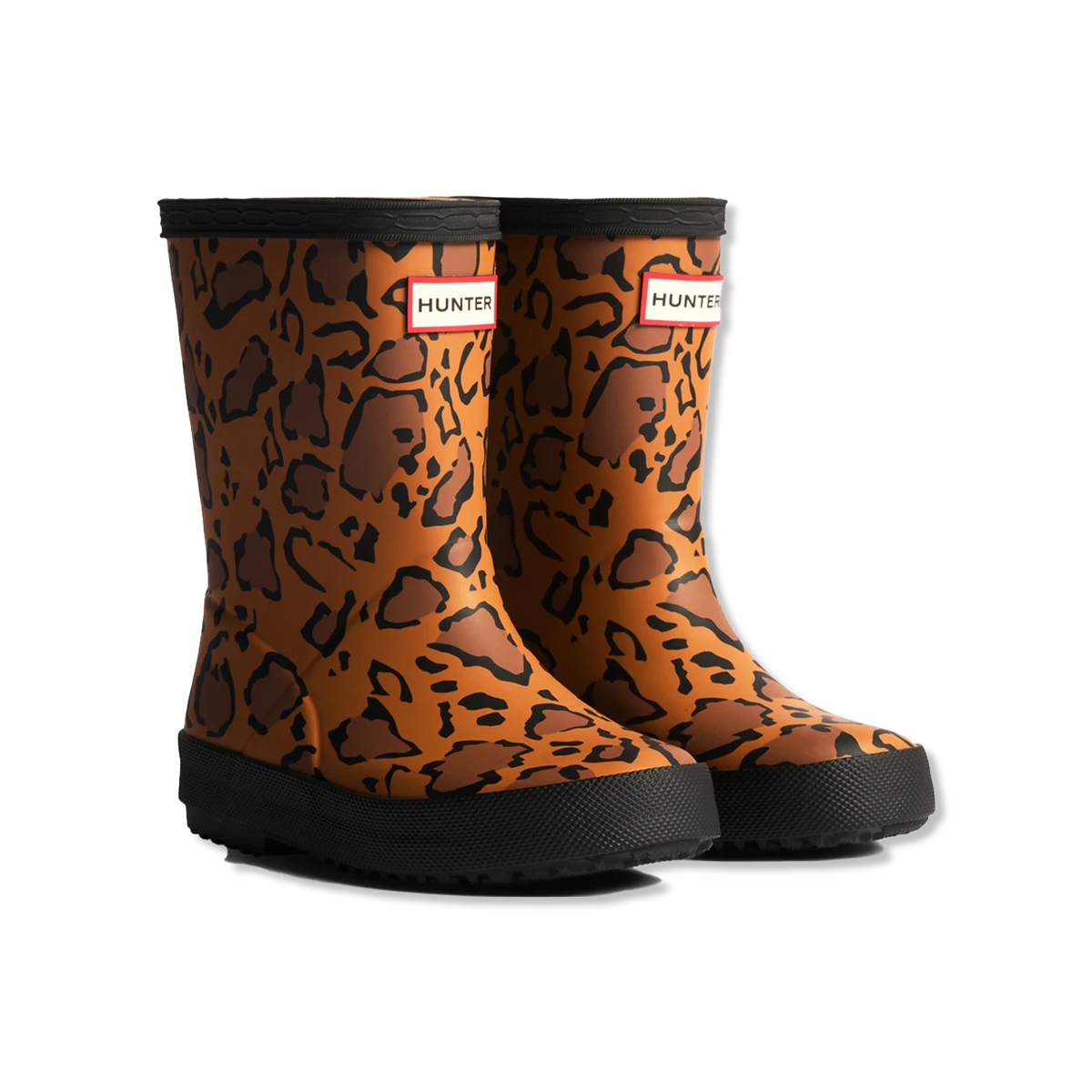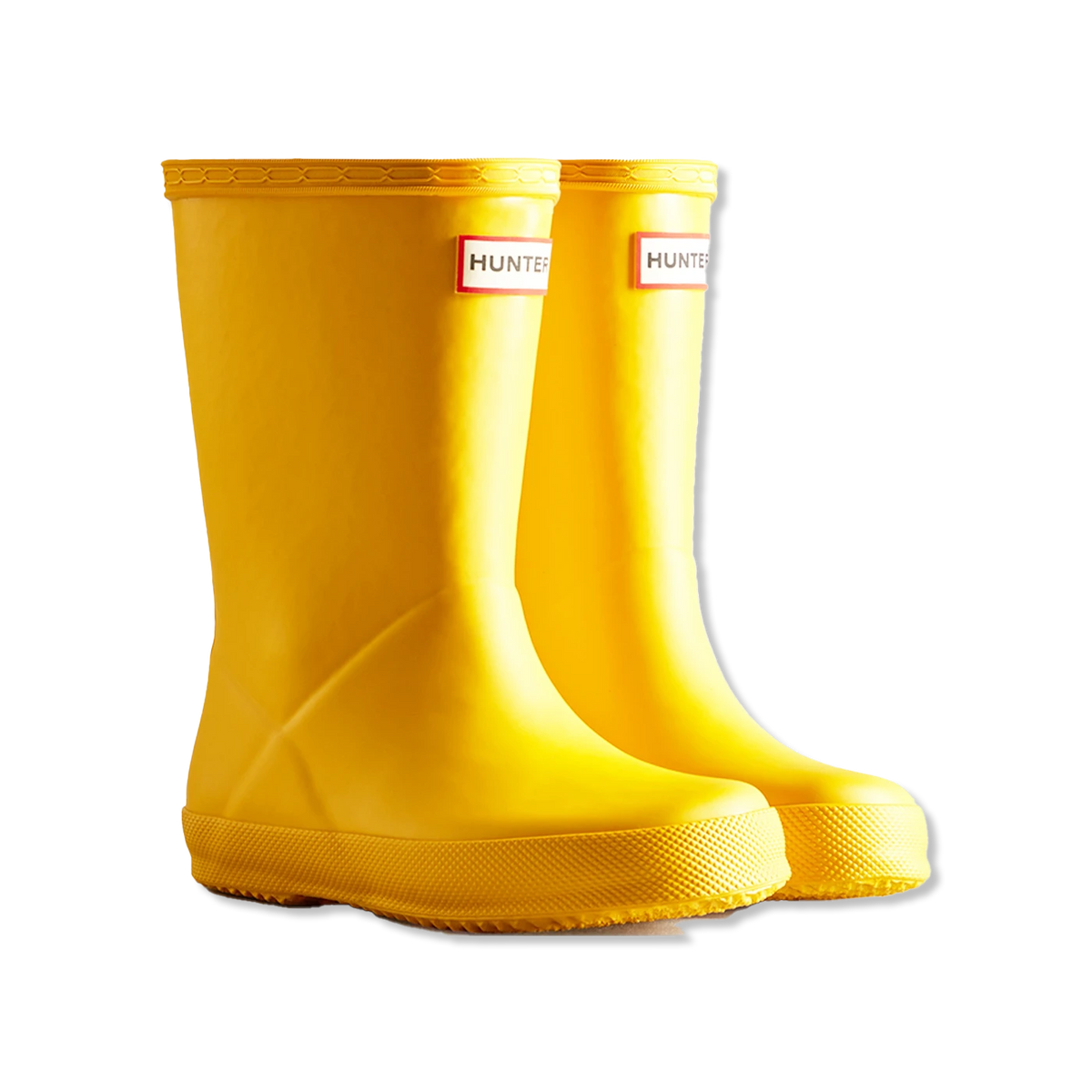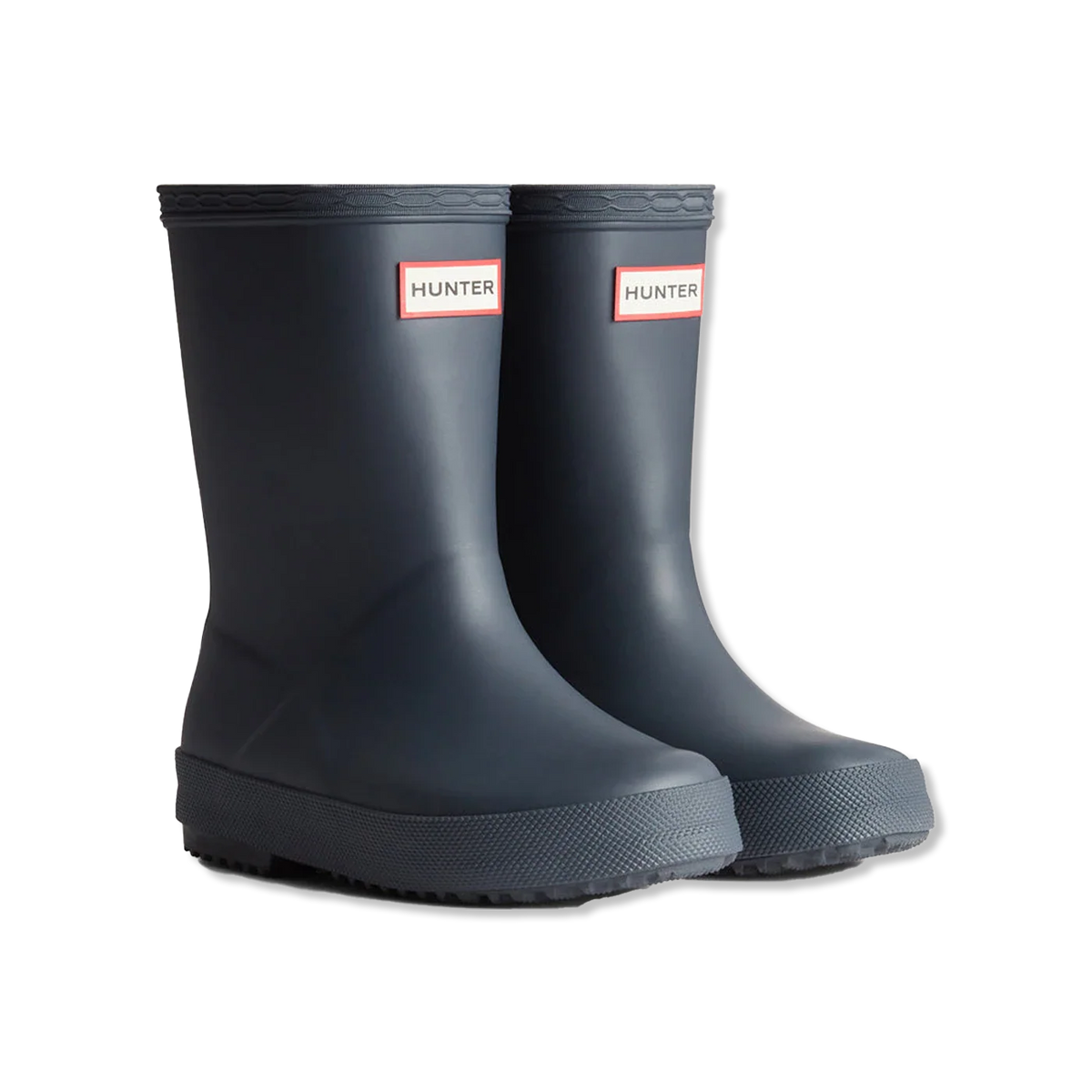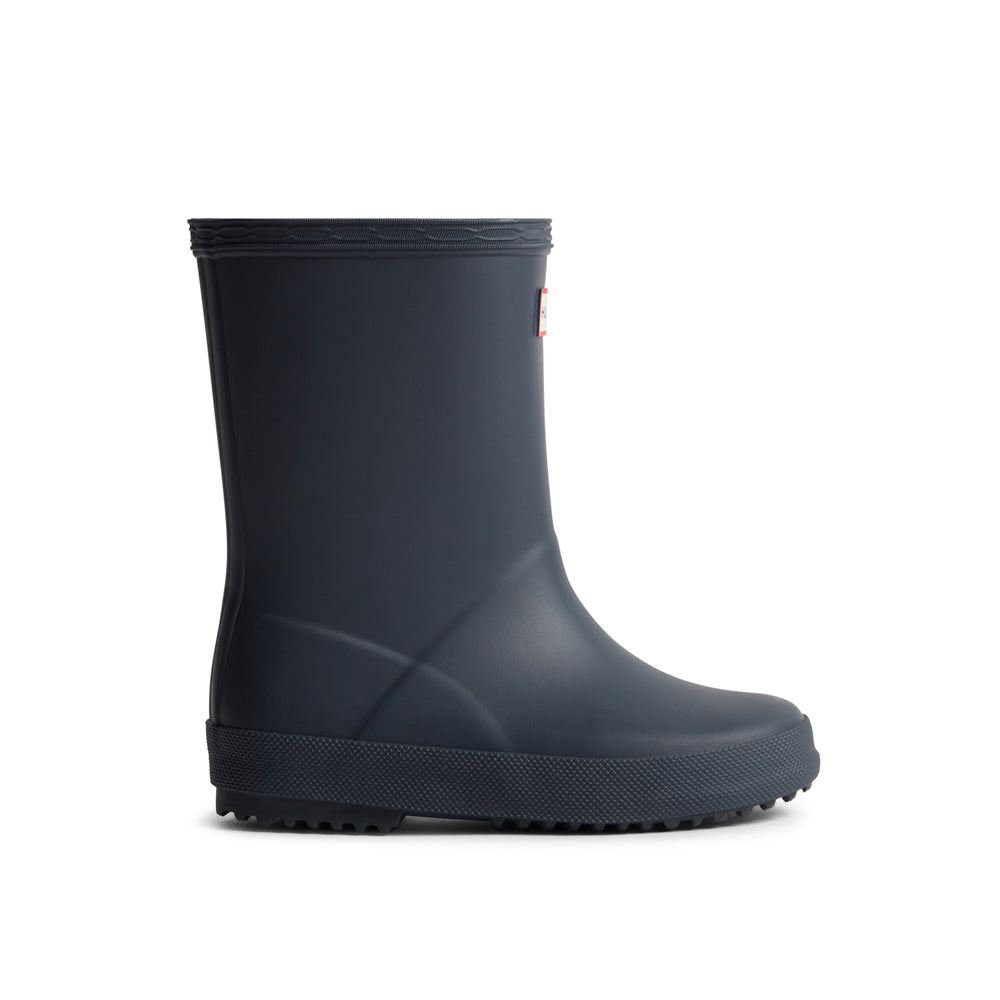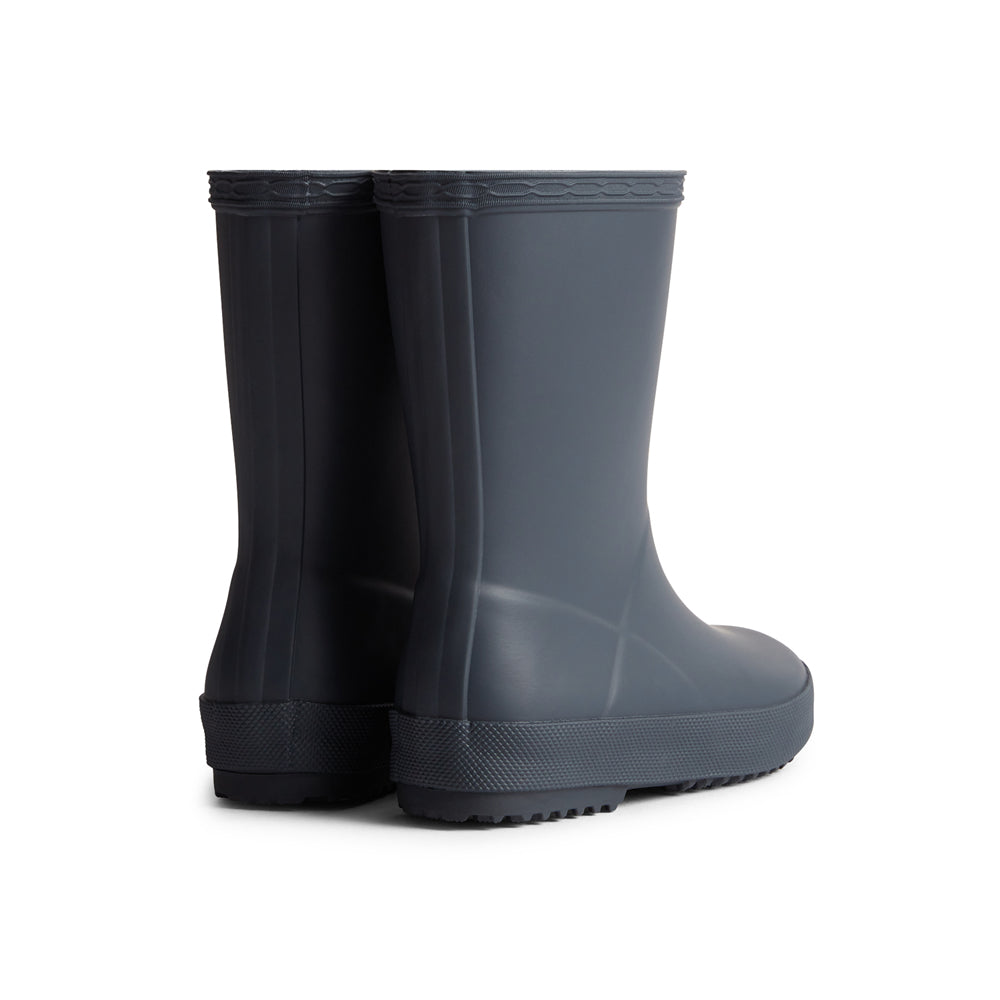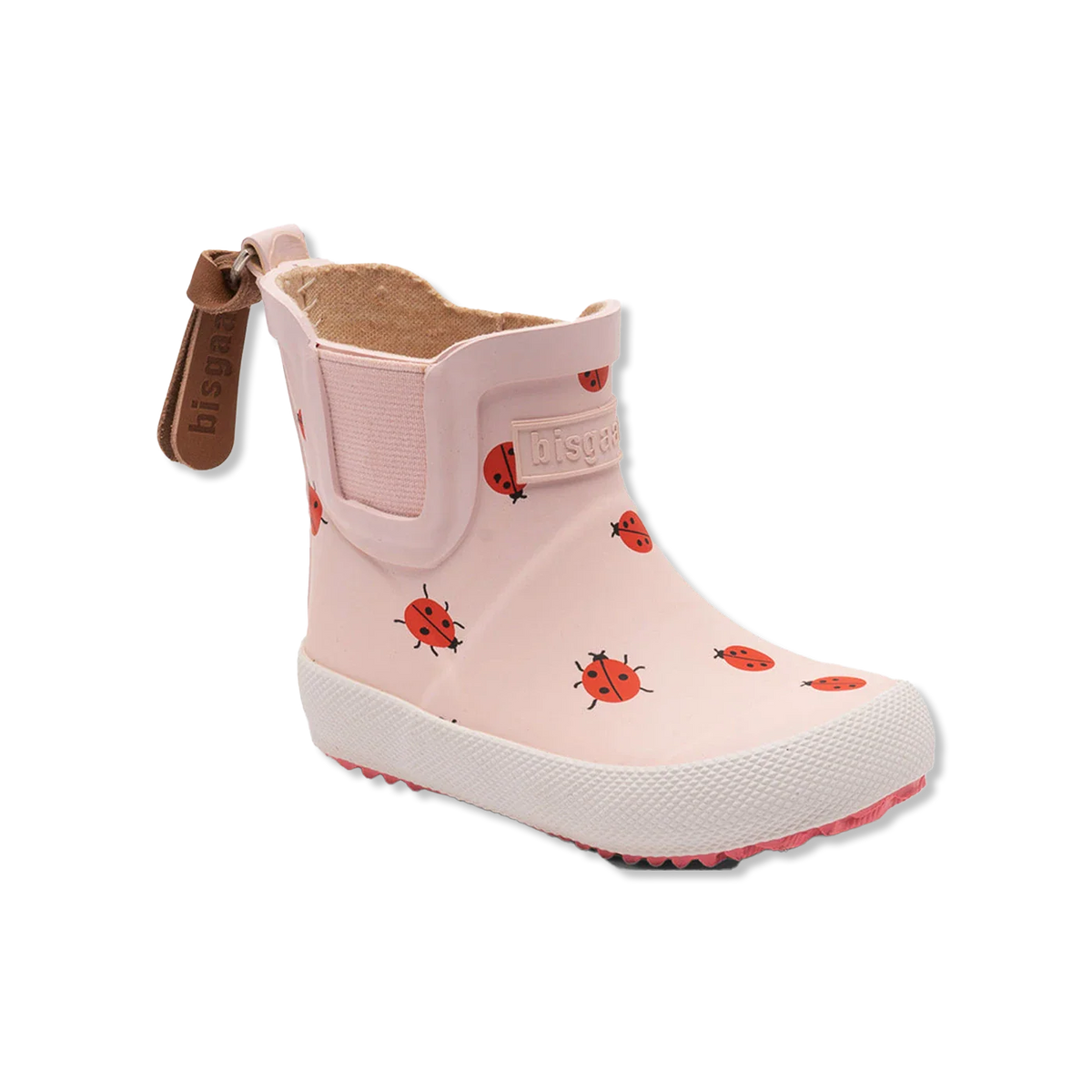
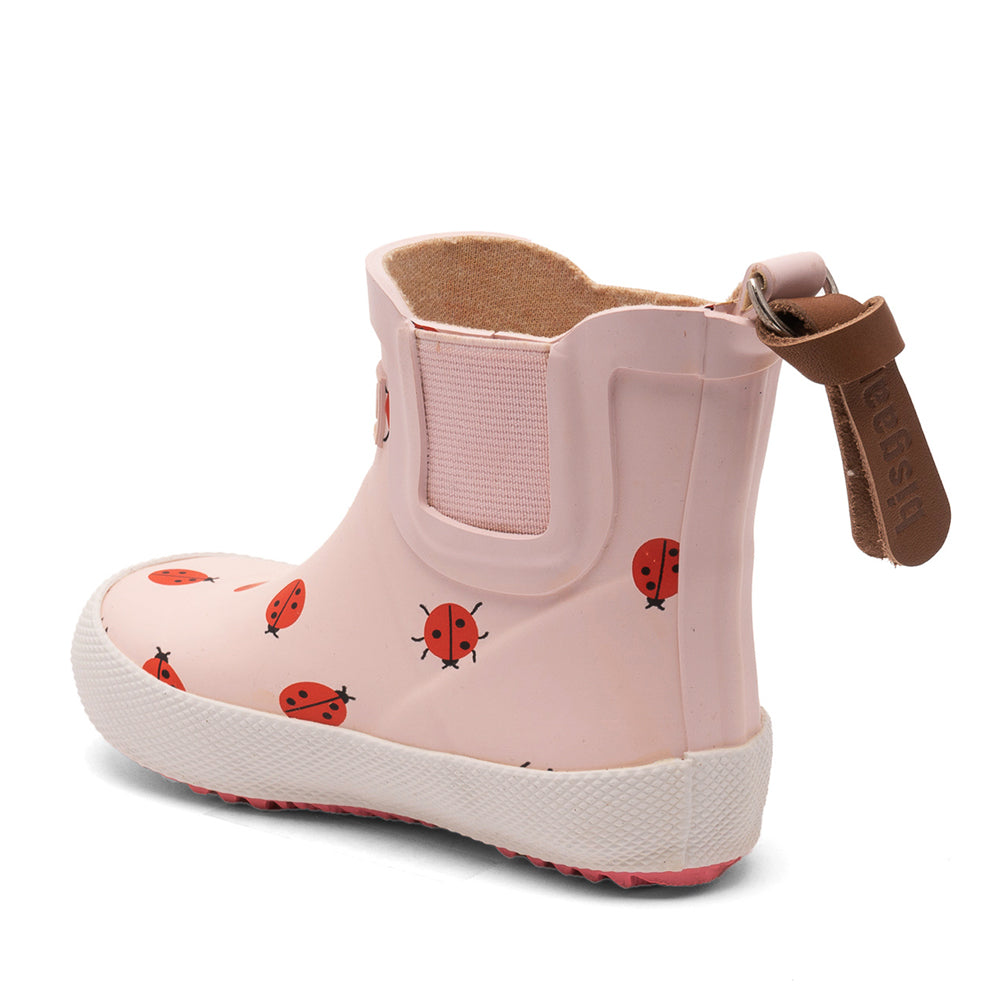
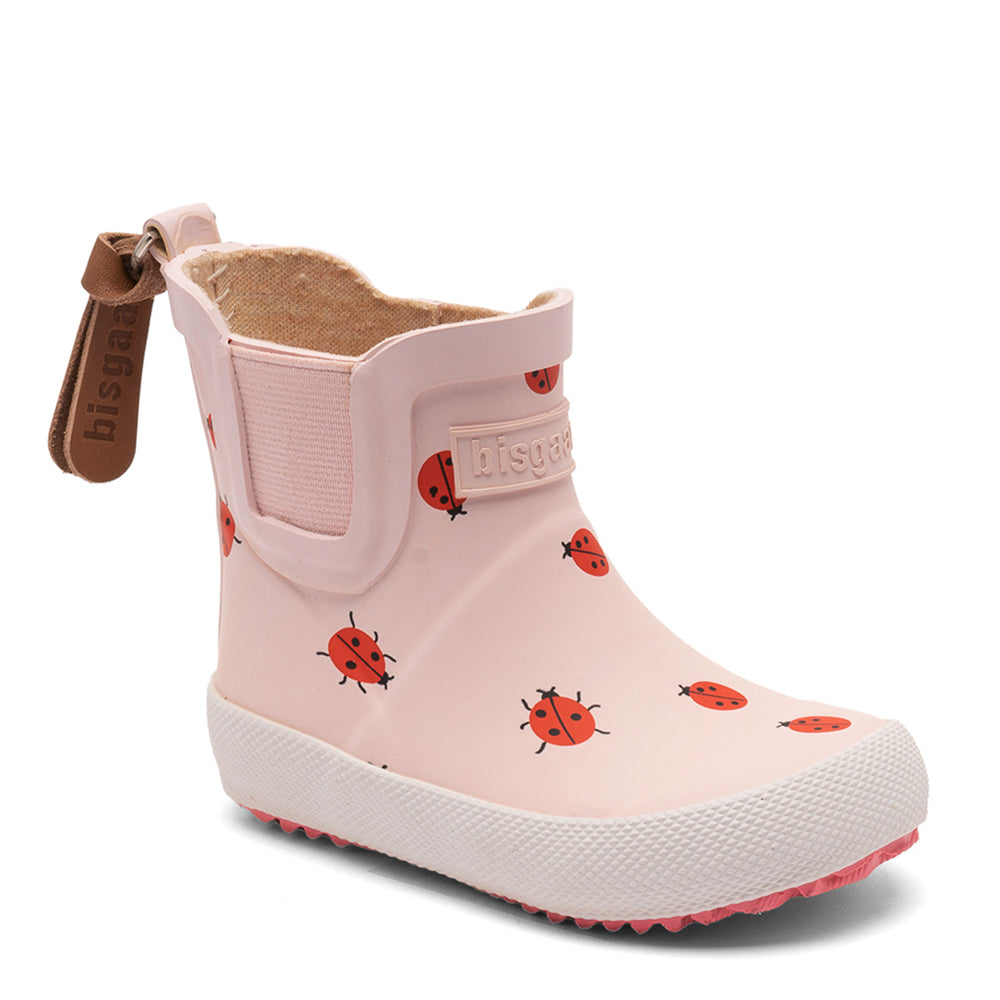
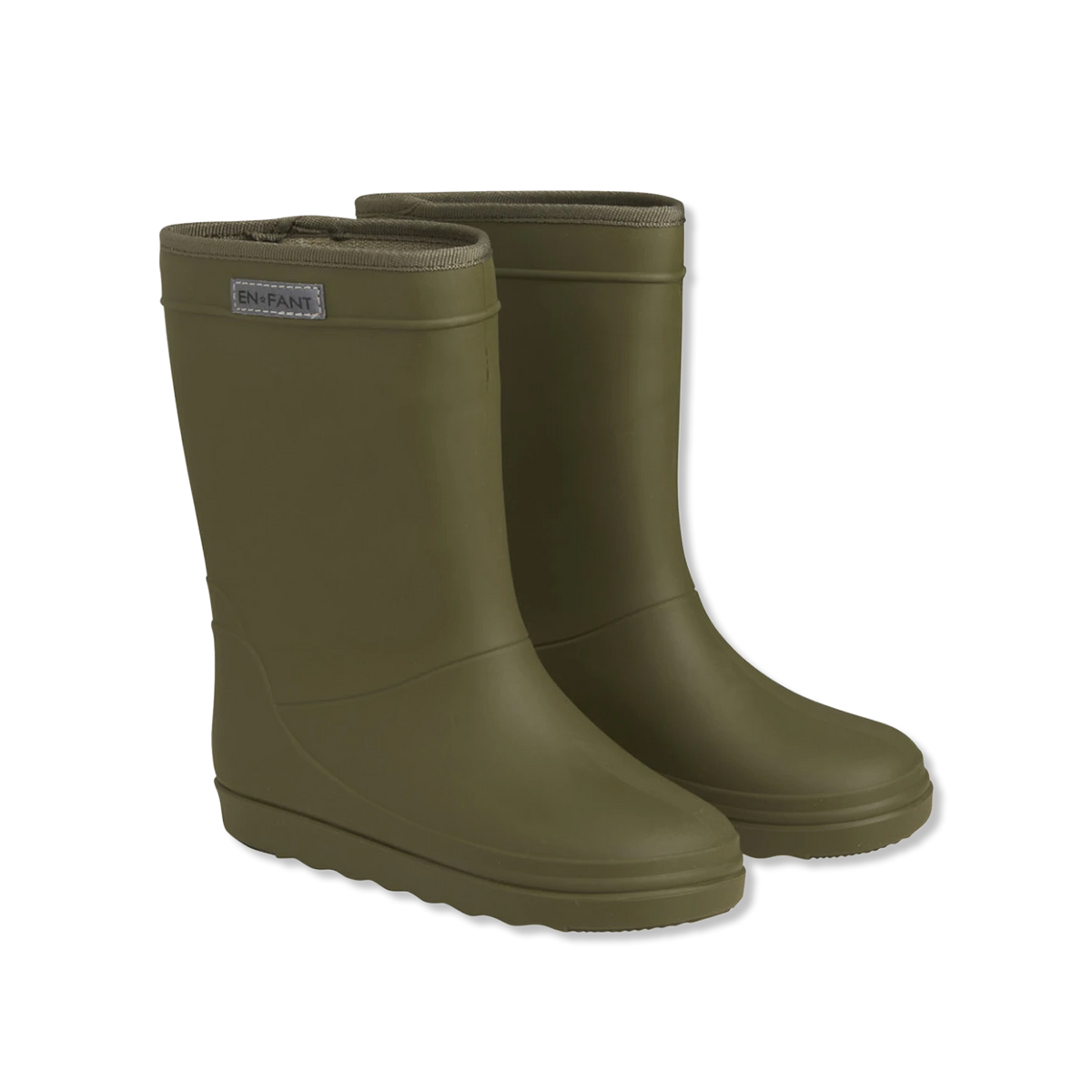
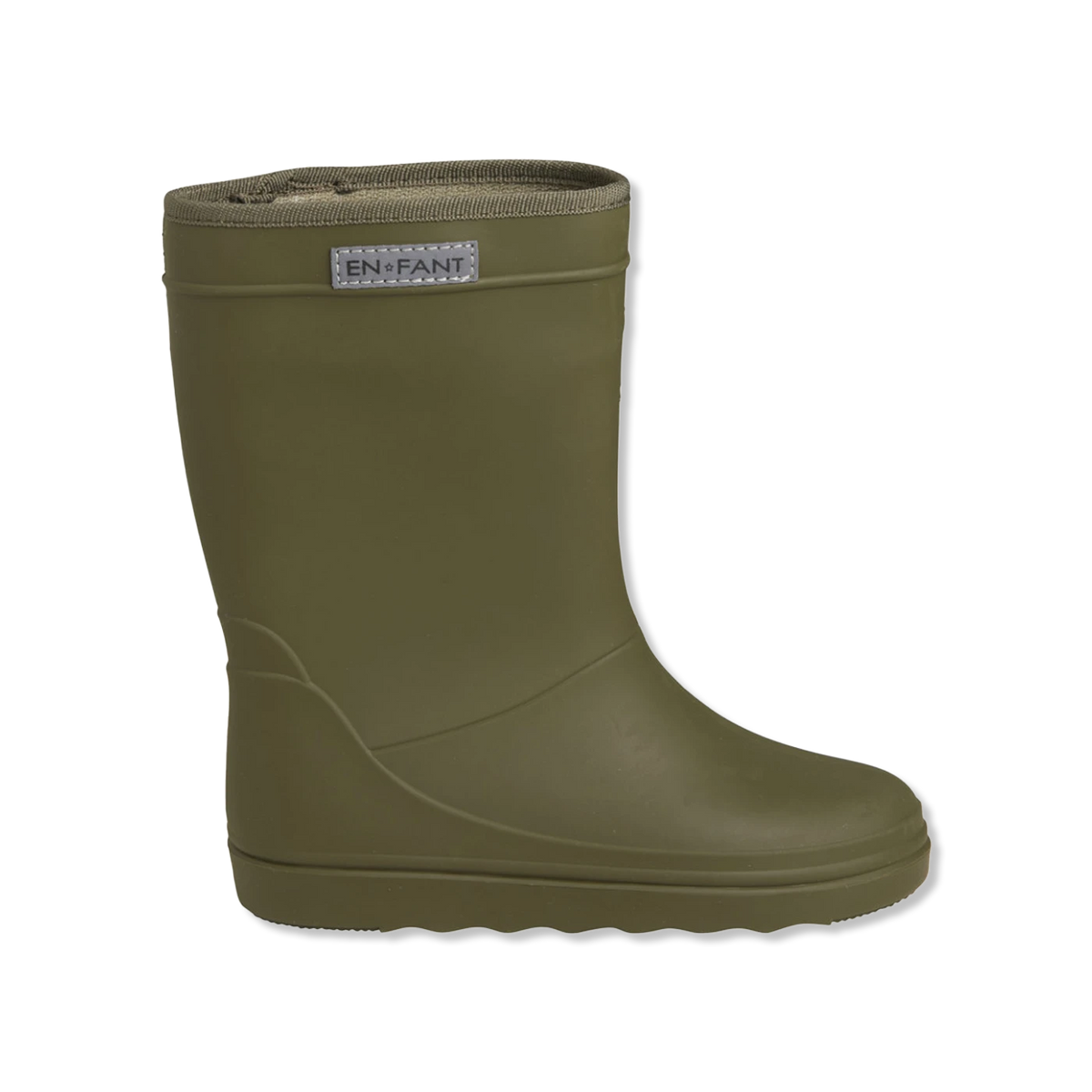
Children's wellies for keeping feet dry in rain and mud
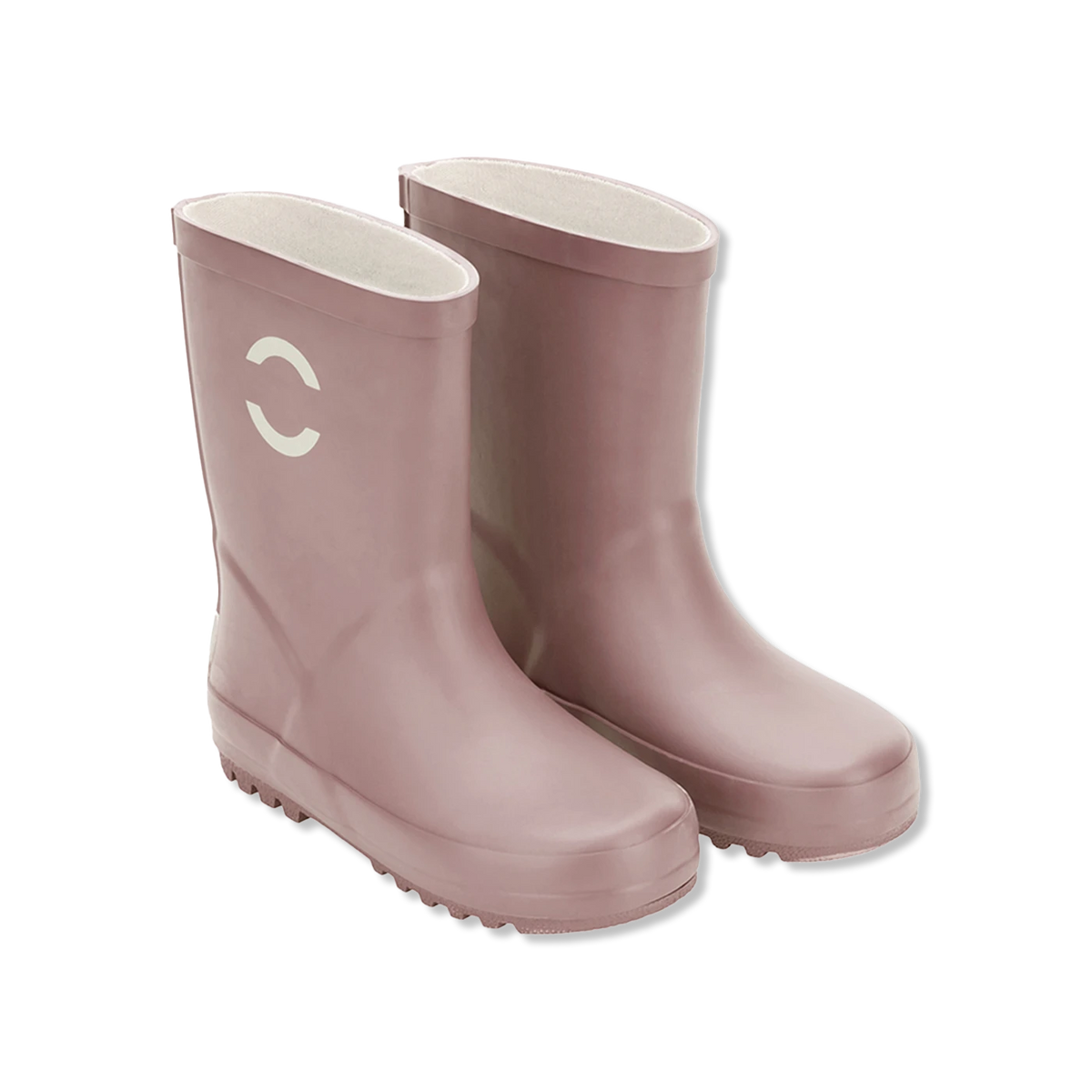
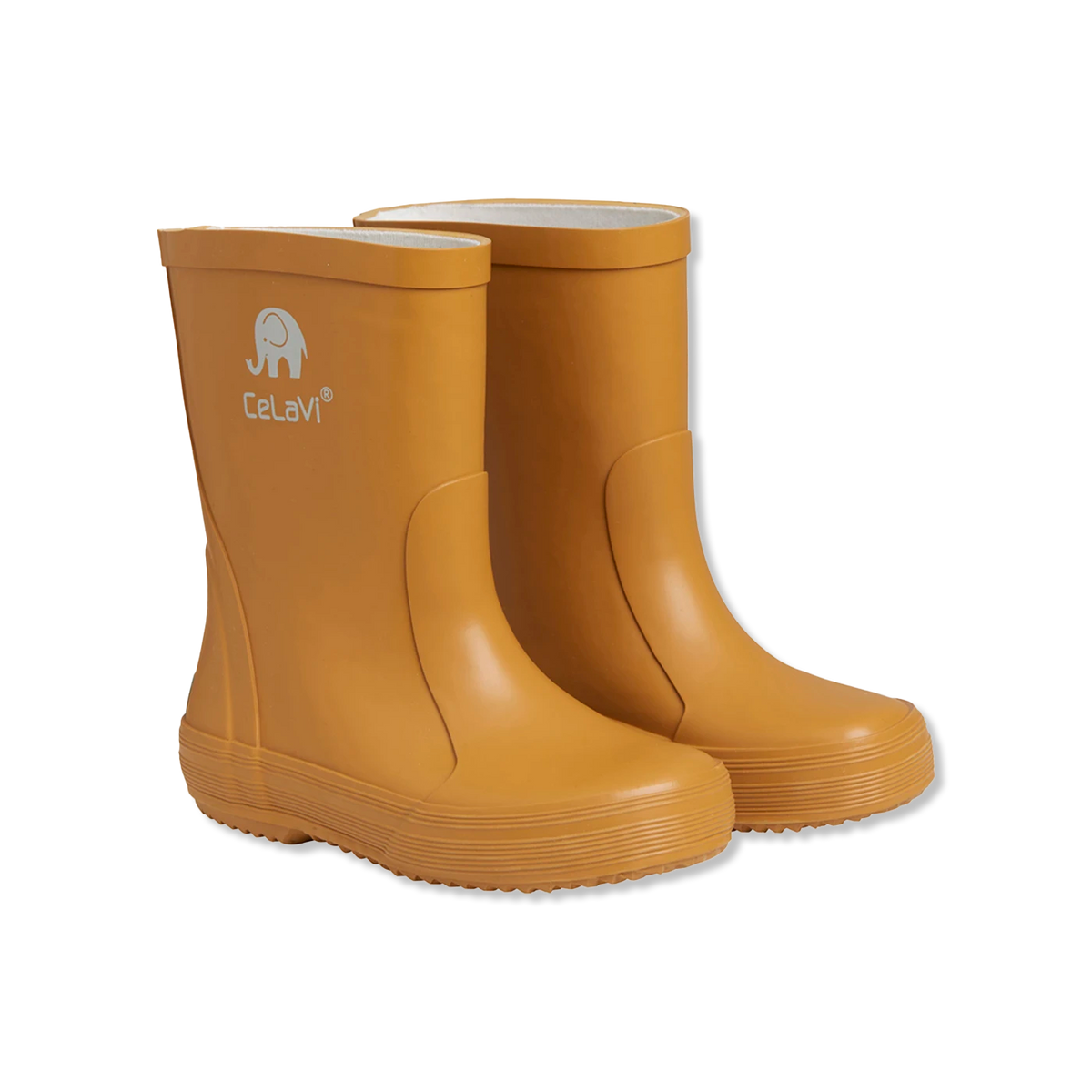
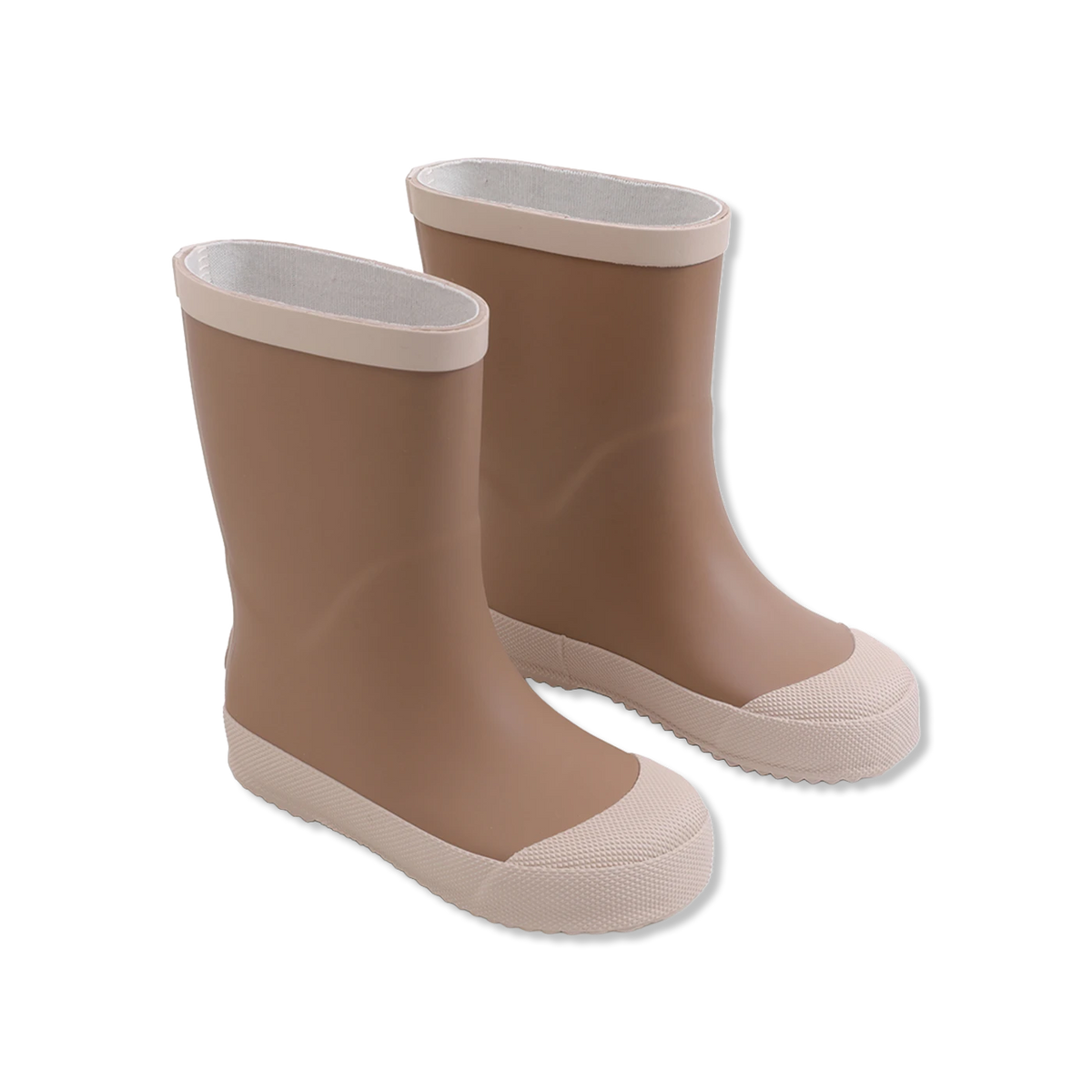
Wellies are a staple in many children's wardrobes because they make getting outside a little easier, even in wet, grey weather. Here you will find wellies for babies, toddlers and older children, making it easier to choose a pair that suits their age, foot shape and intended use. Some children mainly need light, soft rain boots for short trips and wet pavements, while others need sturdier wellies for playgrounds, mud and big puddles.
When choosing, it is particularly useful to look for:
- a size with a little growing room, so the boot is neither tight nor too loose
- the right fit, especially if your child has narrow or wide feet
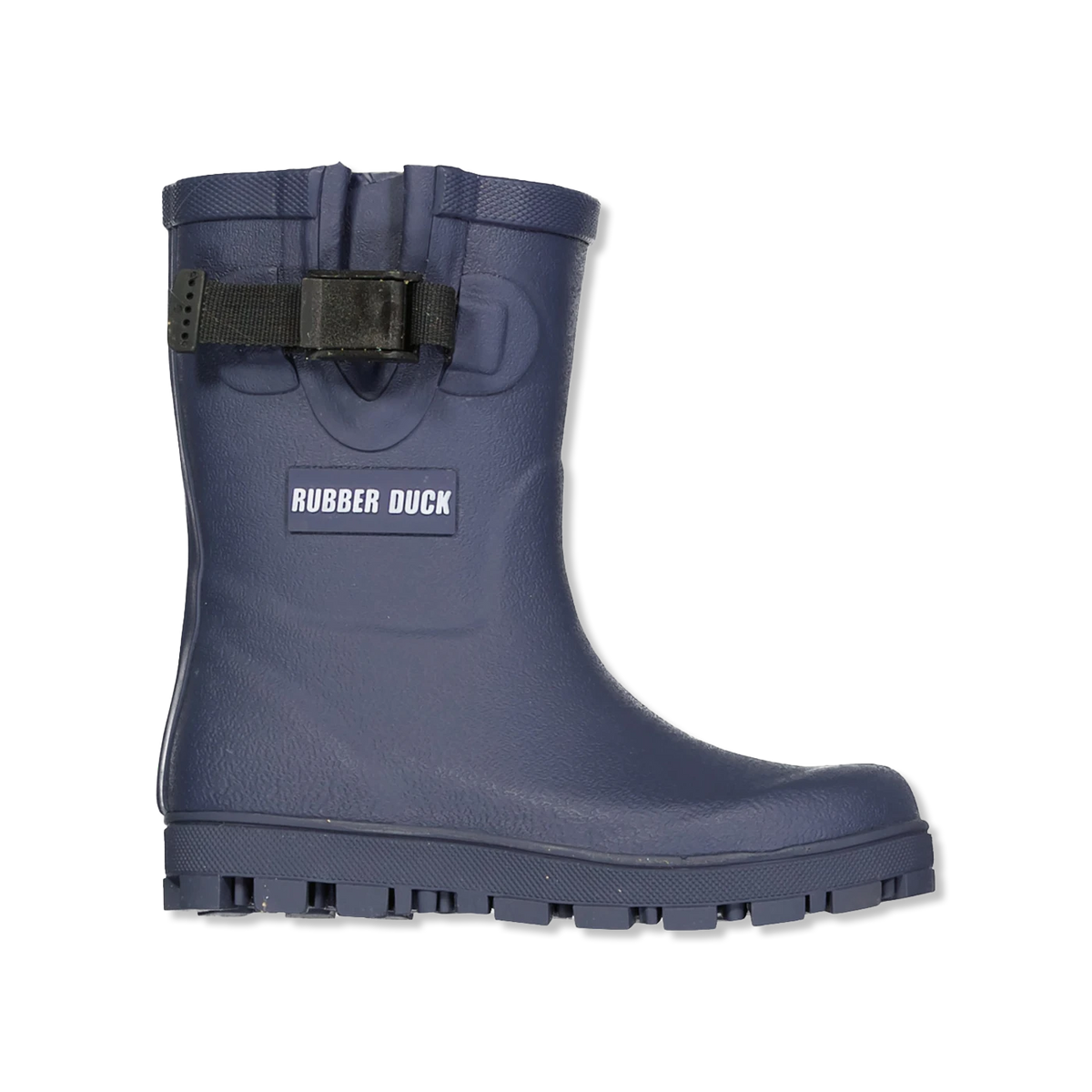
- shaft height suited to light rain or wetter play
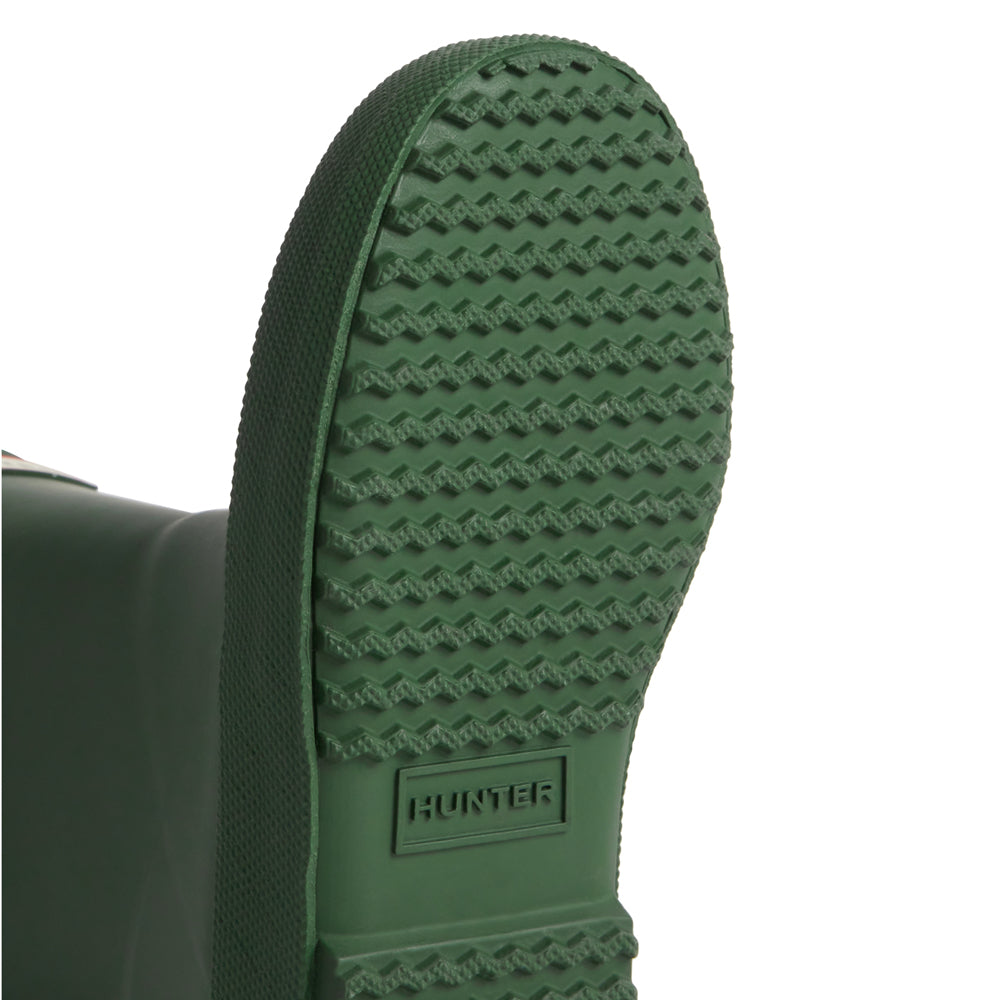
- material and sole, as flexibility and good grip matter in everyday life
A good pair of wellies should be easy to put on and take off, comfortable to walk in and able to cope with nursery, school and leisure time.
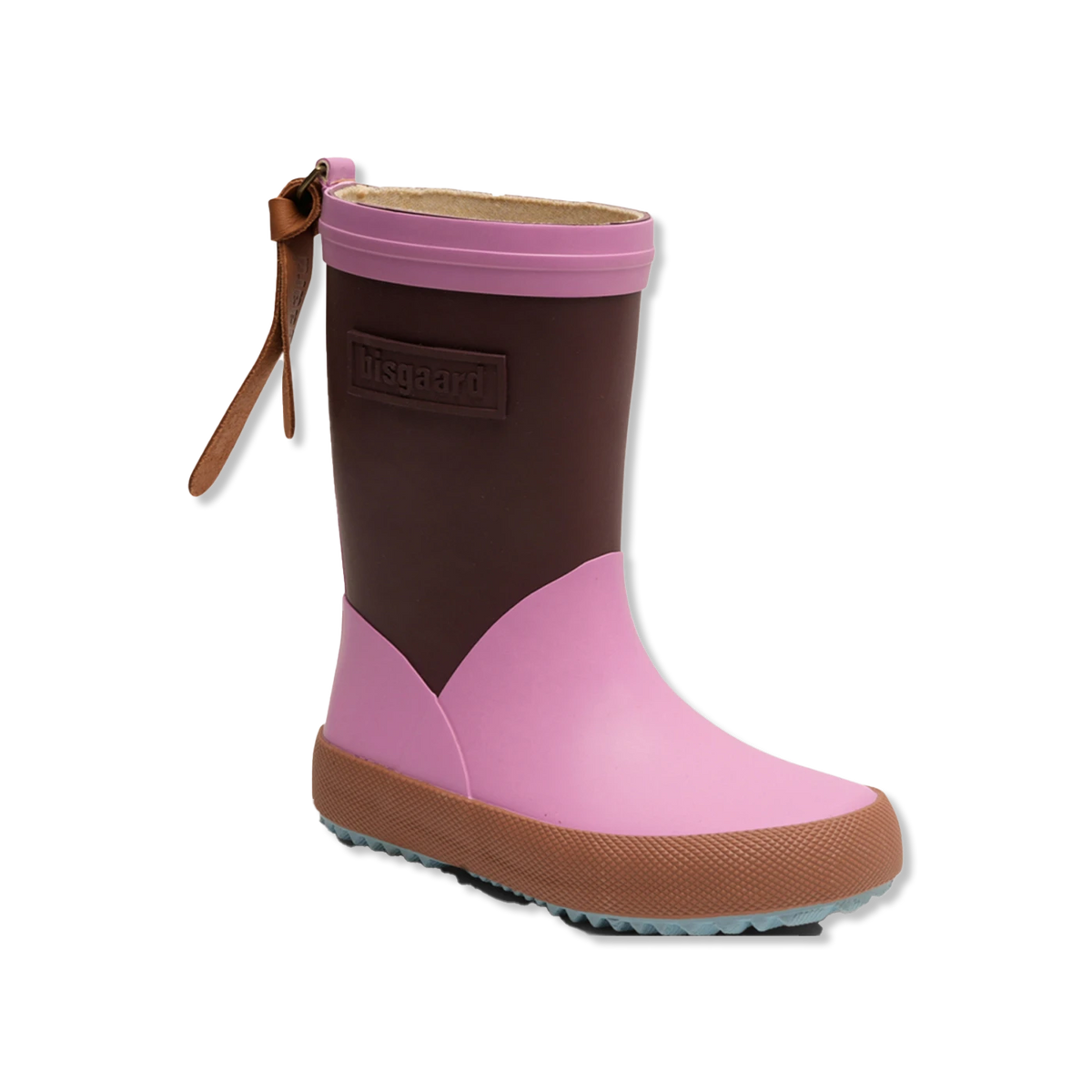
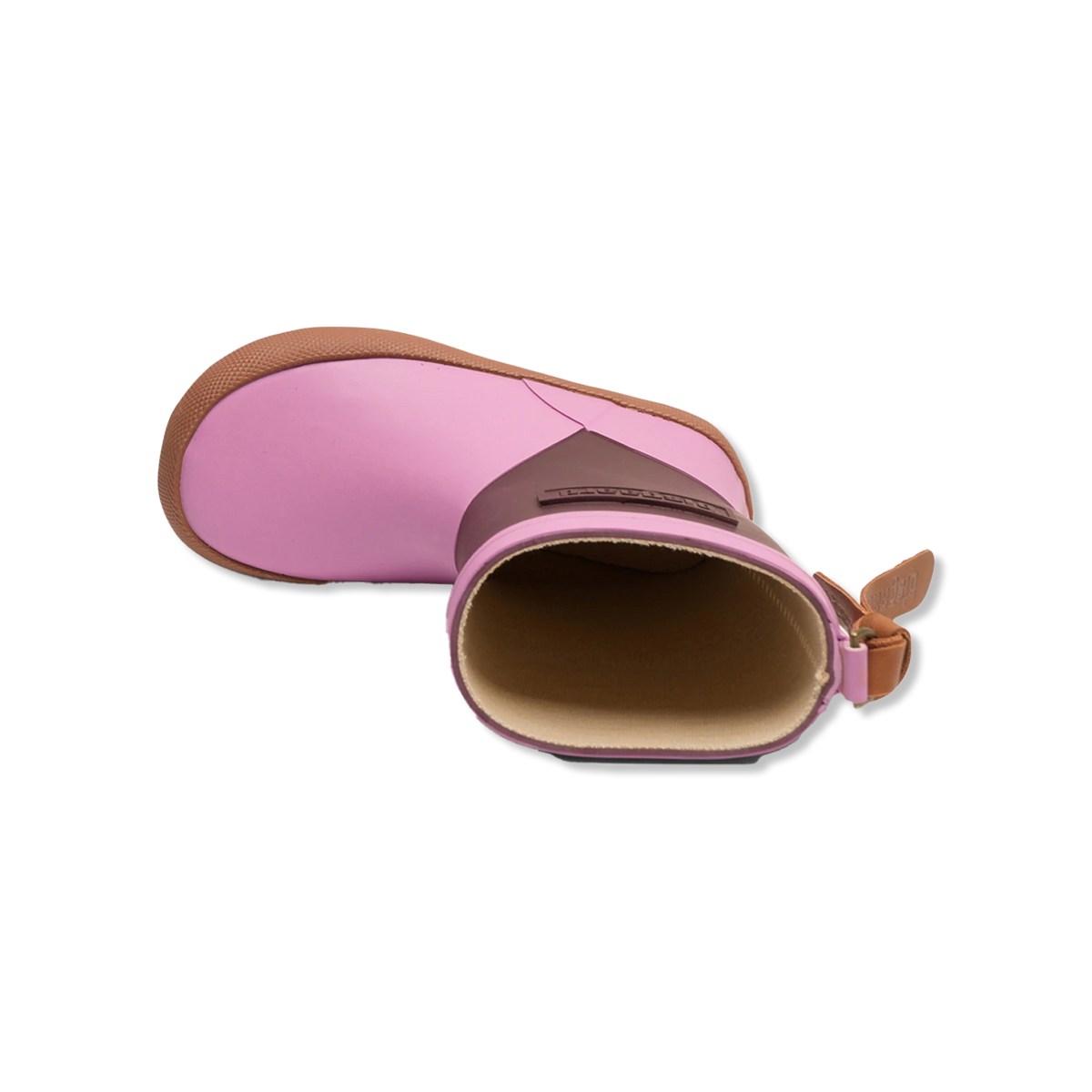
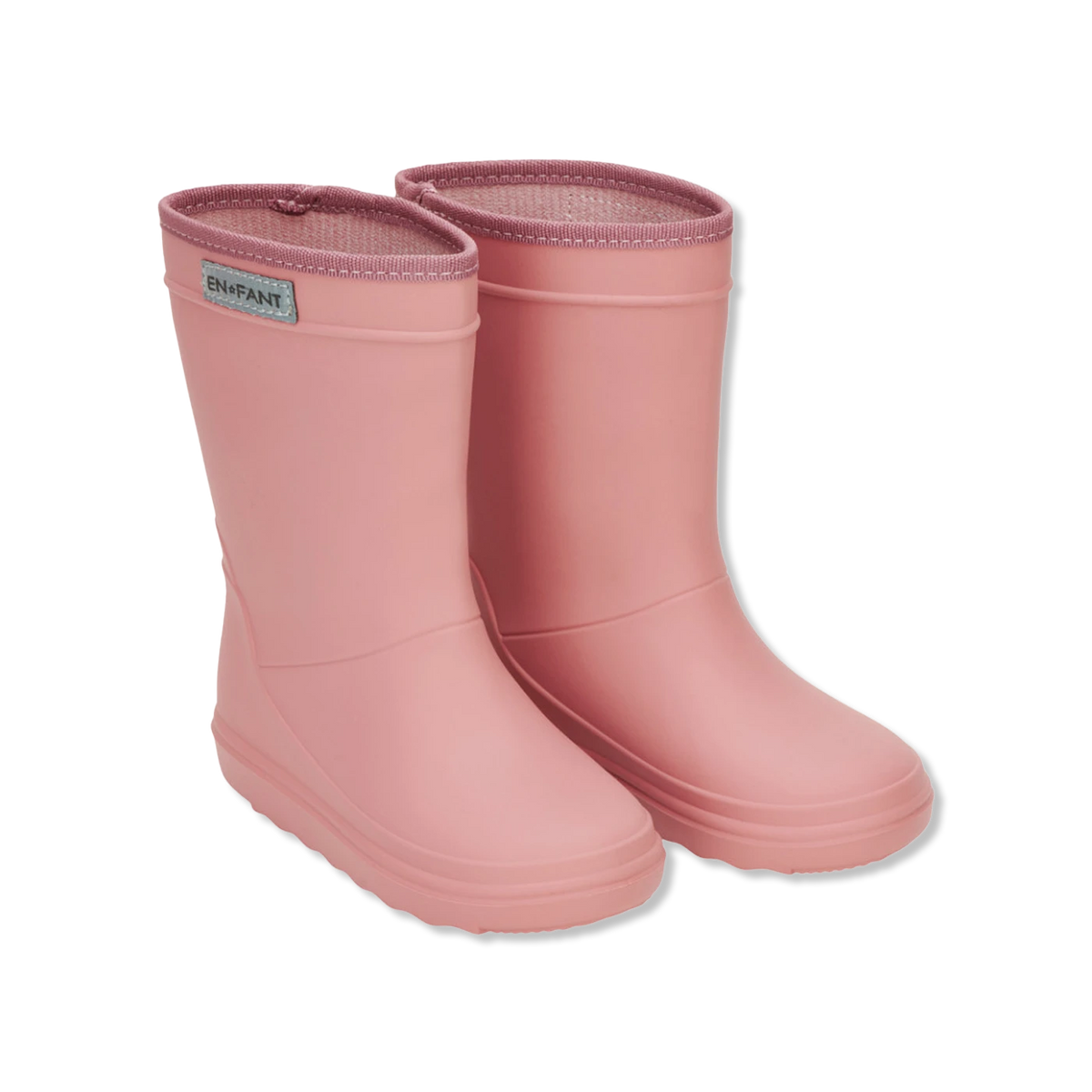
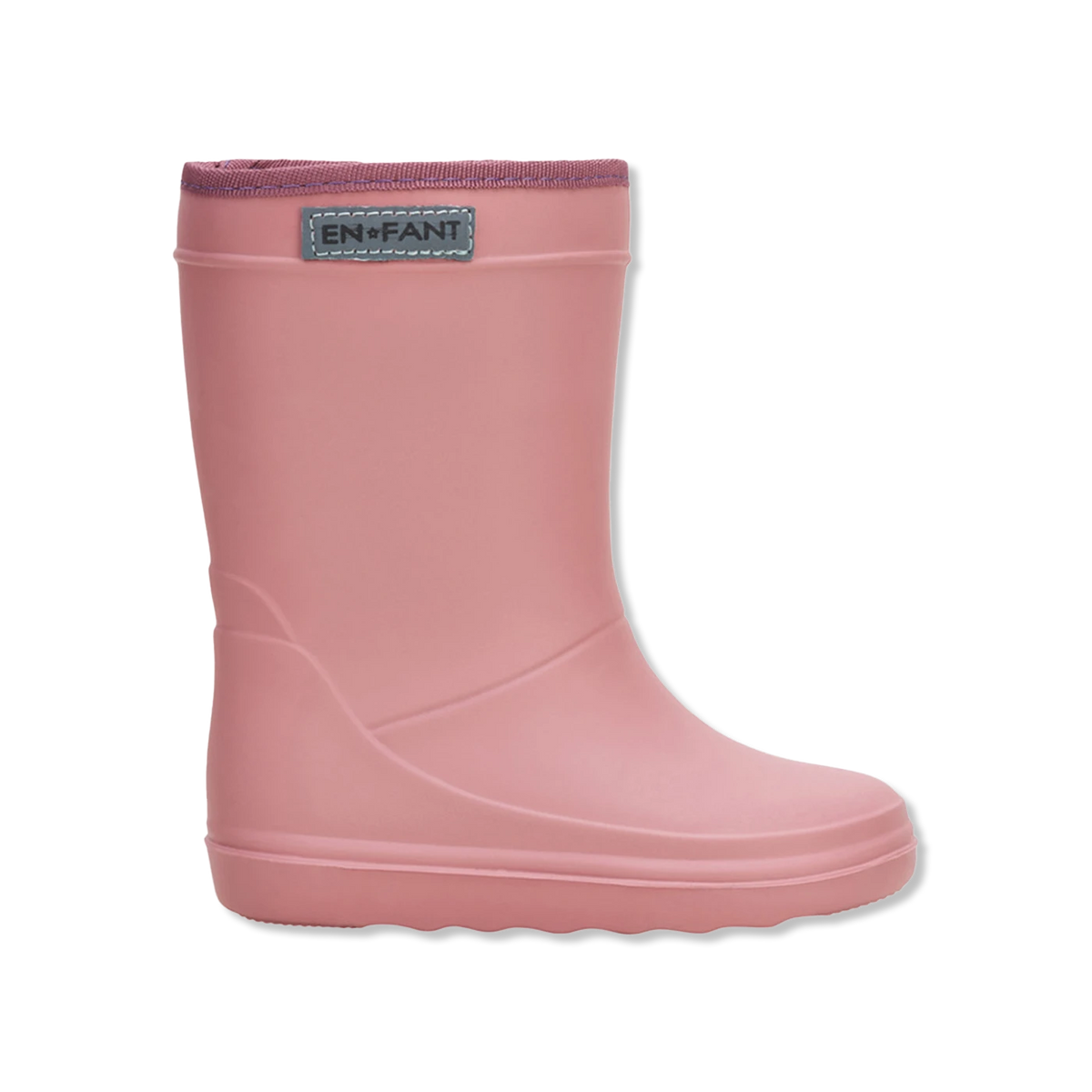
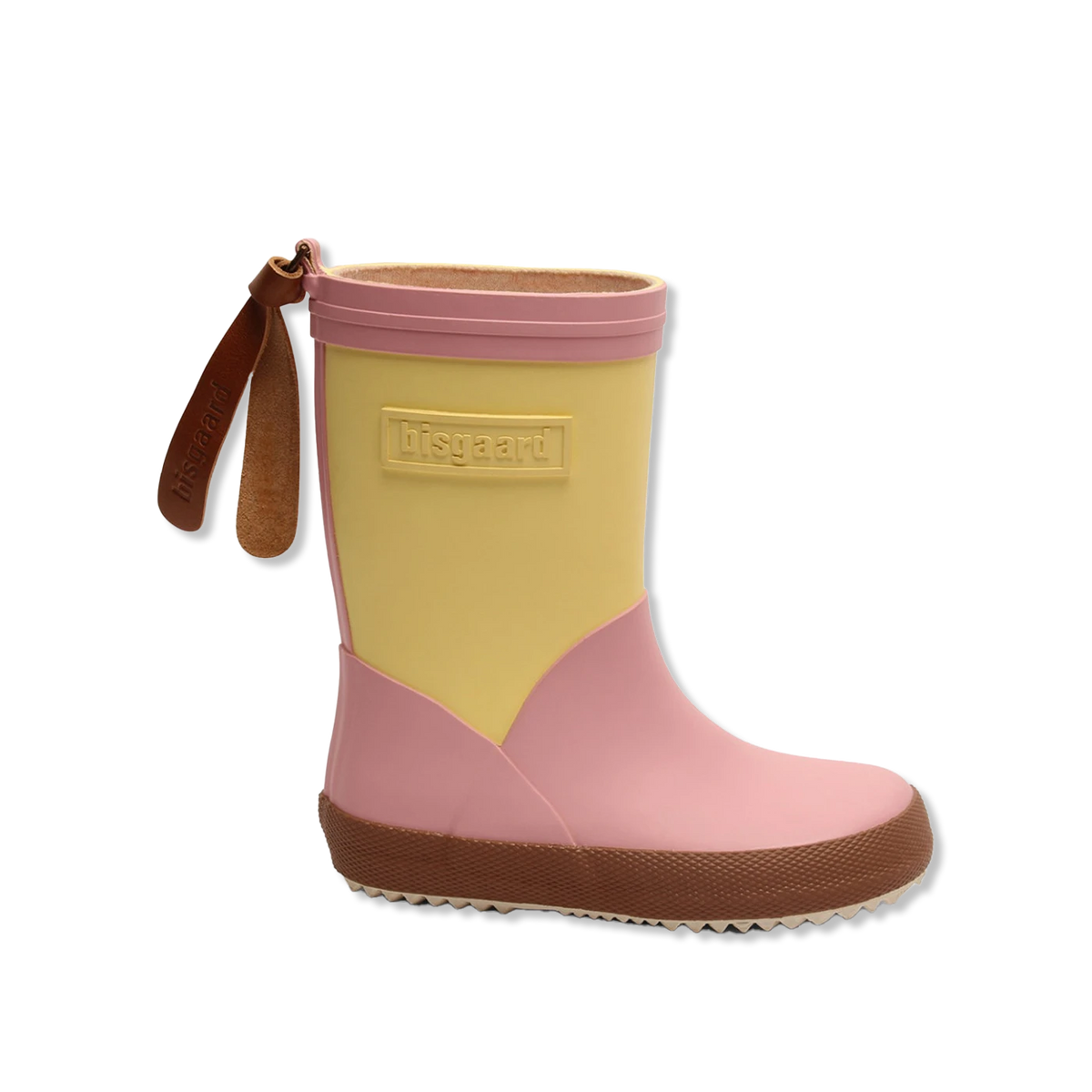
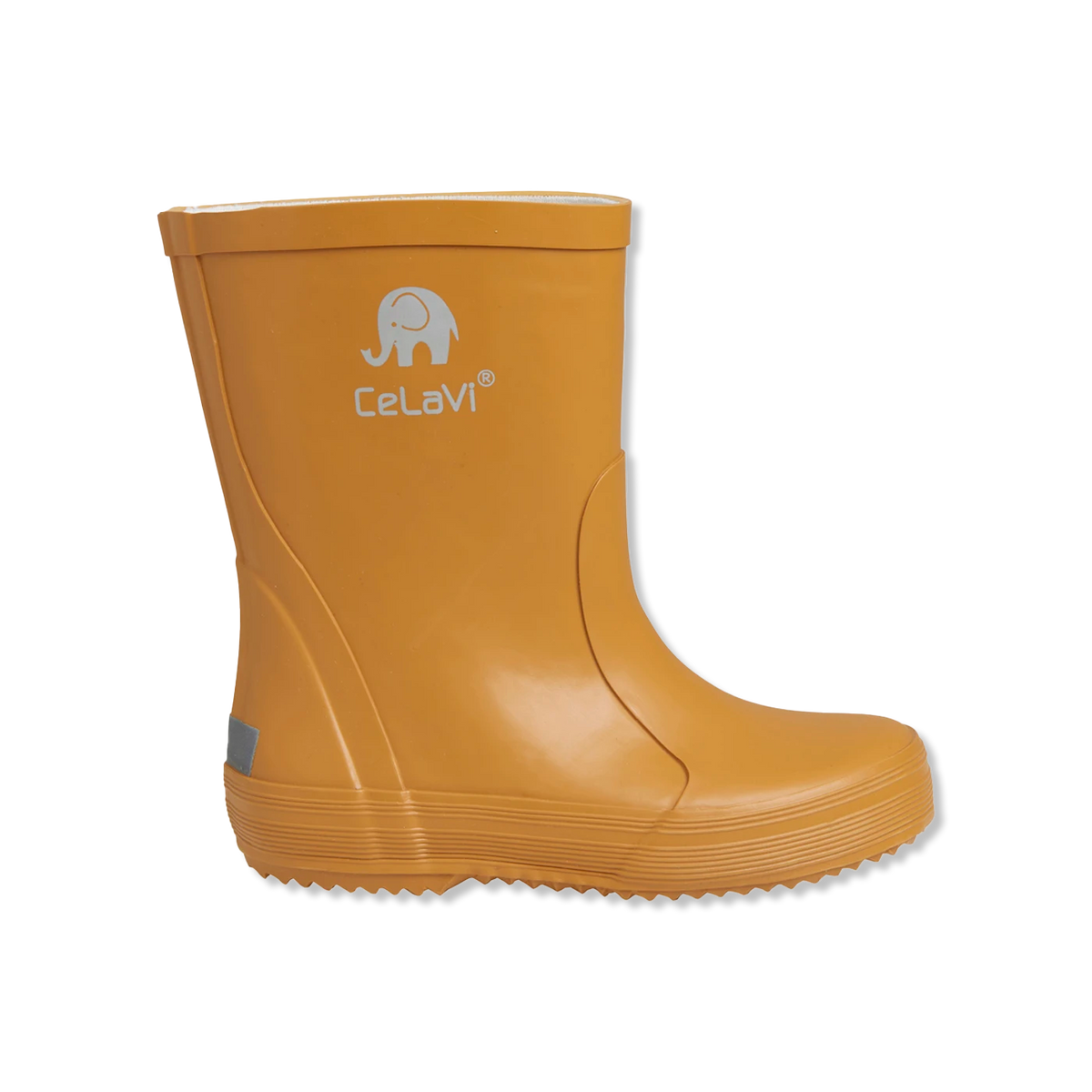
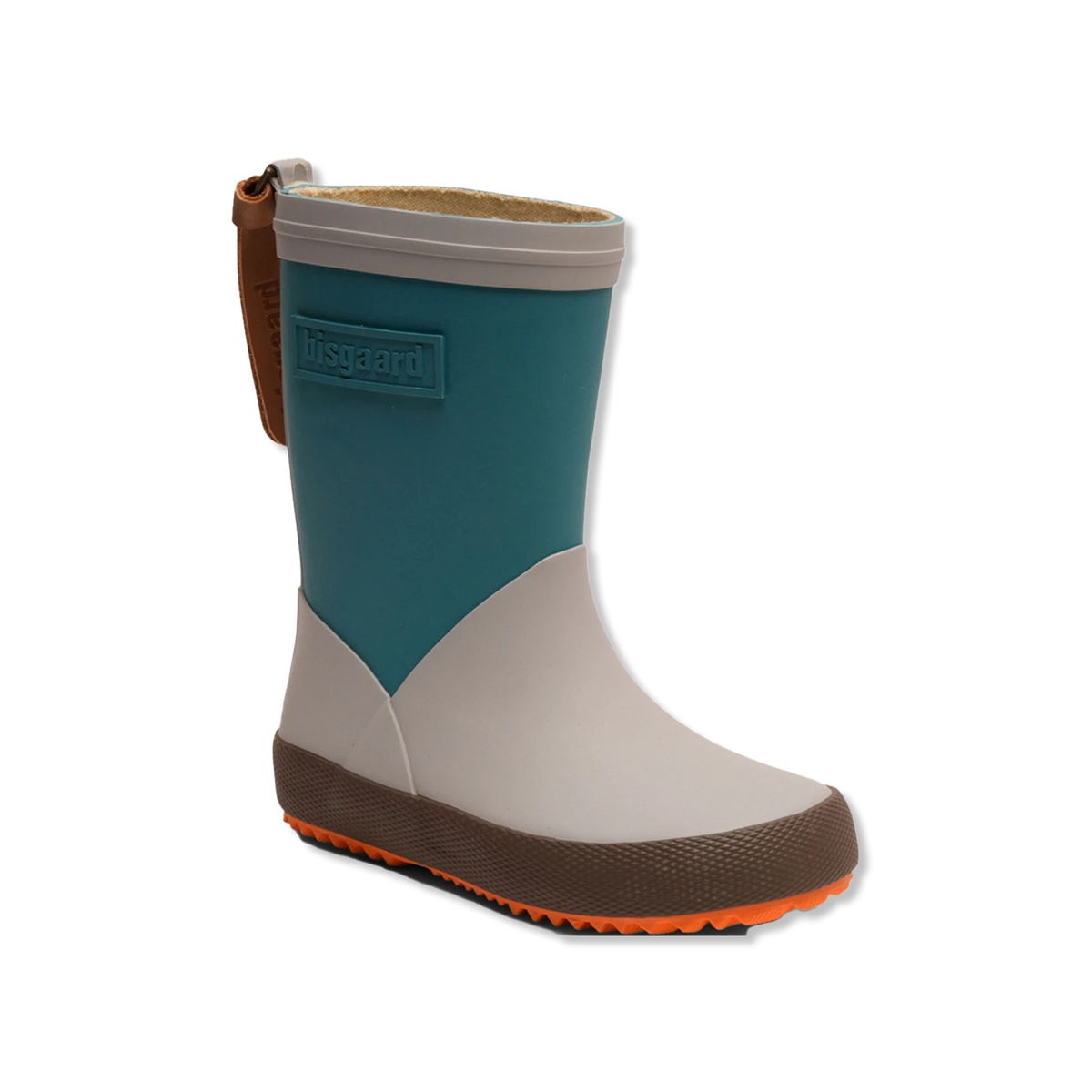
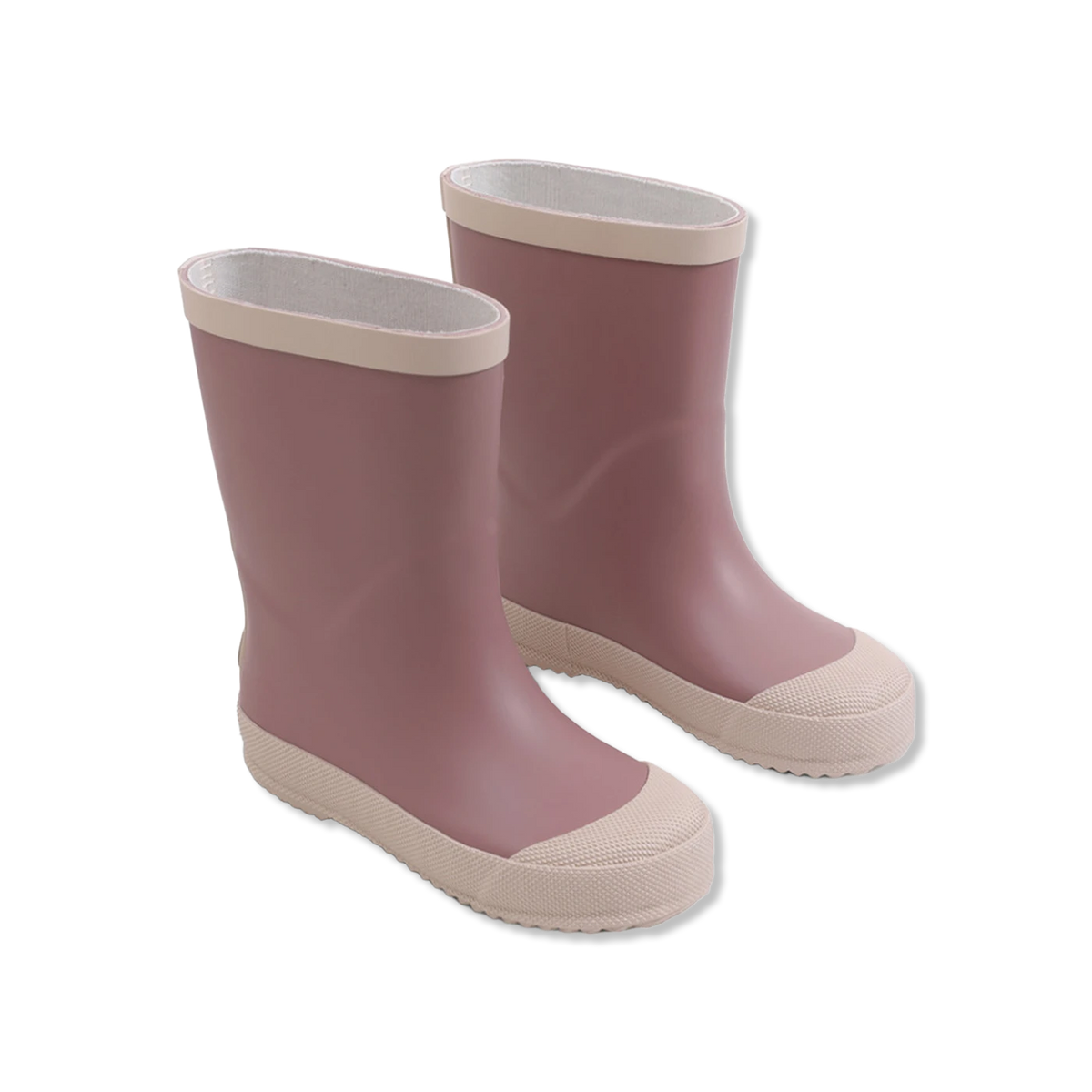
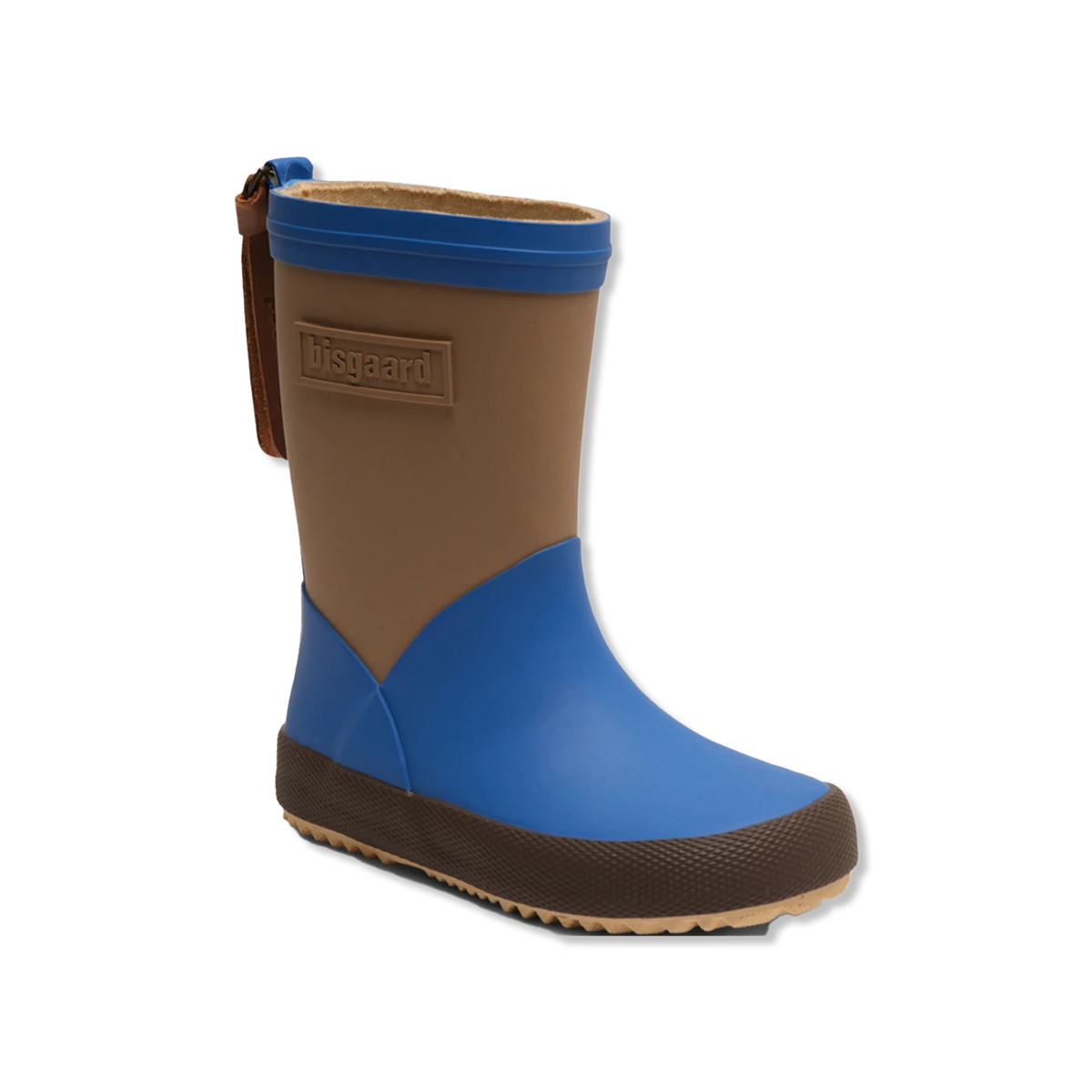
To compare brands, explore Bundgaard wellies, Bisgaard wellies, Wheat wellies, En Fant wellies and Mikk-line wellies. Compare the fit, materials, lining and sizes of current designs.
Which wellies suit your child's age and everyday life?
Needs change quickly as children grow. For the youngest, soft, lightweight wellies that do not feel heavy on their legs are often helpful. For toddlers, handles or an opening that makes the boots easy to step into can be a big help on busy mornings.
At preschool and school age, durability, a good sole and a secure fit often become more important. Wellies are used more actively, so children need to be able to run, play and move without their feet sliding around inside. Higher shafts provide more coverage in mud, wet grass and puddles, while shorter designs can suit light rain and days when children want more freedom to move.
To make rainy days easier, it makes sense to combine wellies with rainwear or a lightweight rain jacket, so your child is covered from head to toe.
Size and fit make a big difference
The right size is about more than length alone. A boot that is too small soon becomes uncomfortable. If it is too large, your child's heel can lift too much and their footing may feel less secure. A little growing room is usually helpful, but not so much that the foot loses support.
Fit also matters. Some children's wellies suit narrow feet better, while others offer more width and room. If your child has a high instep or wide feet, a roomier design may therefore be useful. For younger children, being able to put the boots on and take them off without a struggle also makes a difference.
If your child wears wellies for many hours at a time, a good pair of wool socks can be a useful companion. They add warmth and comfort and often make boots more pleasant to wear on cool, wet days.
Materials, flexibility and warmth in wellies
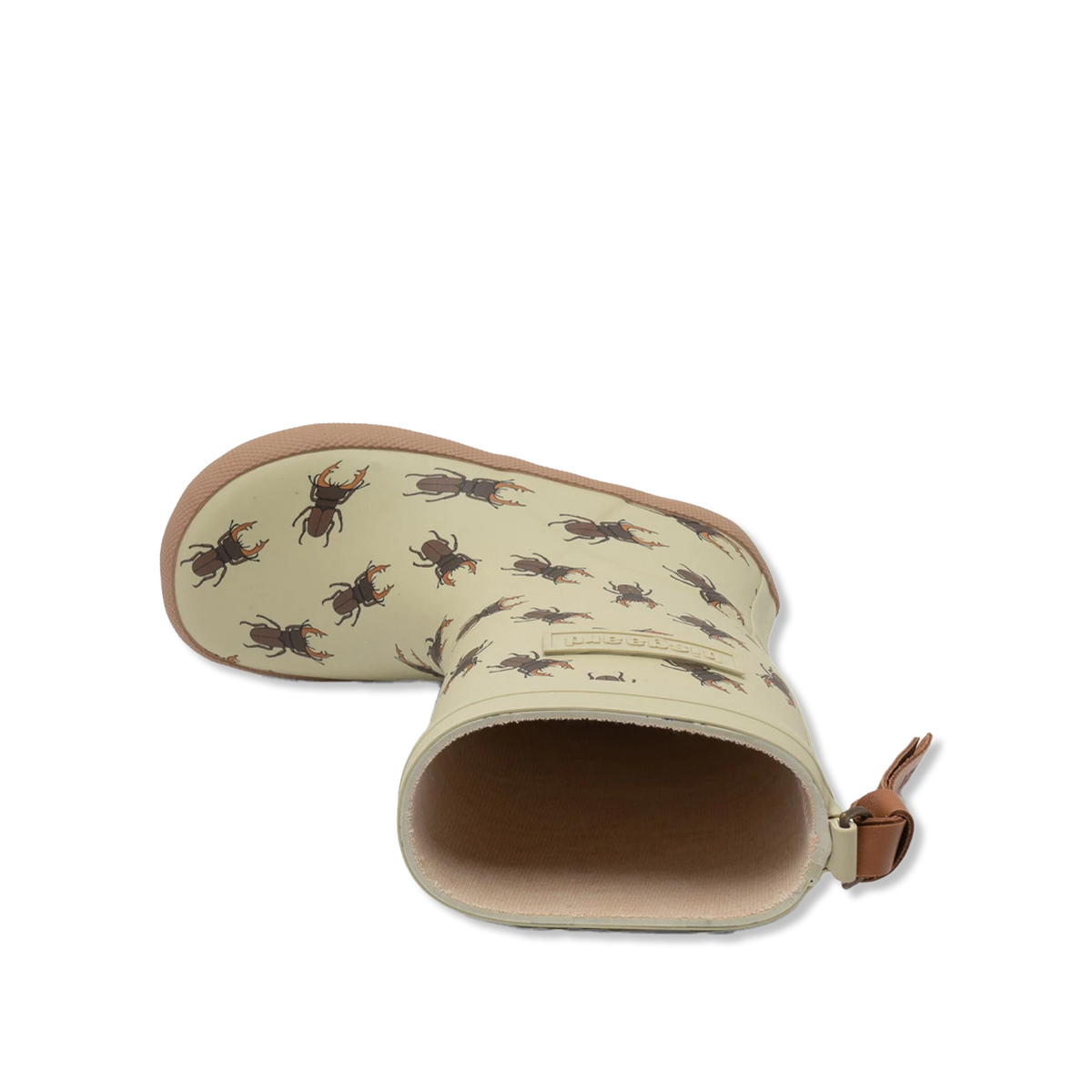
Material, thickness and construction affect how wellies feel on your child's feet. Natural rubber and synthetic materials come in different qualities, so the material's name alone does not tell you how soft or flexible a boot is. Read the product description and assess the weight, flexibility and room around the foot and ankle of the individual design, especially for frequent use.
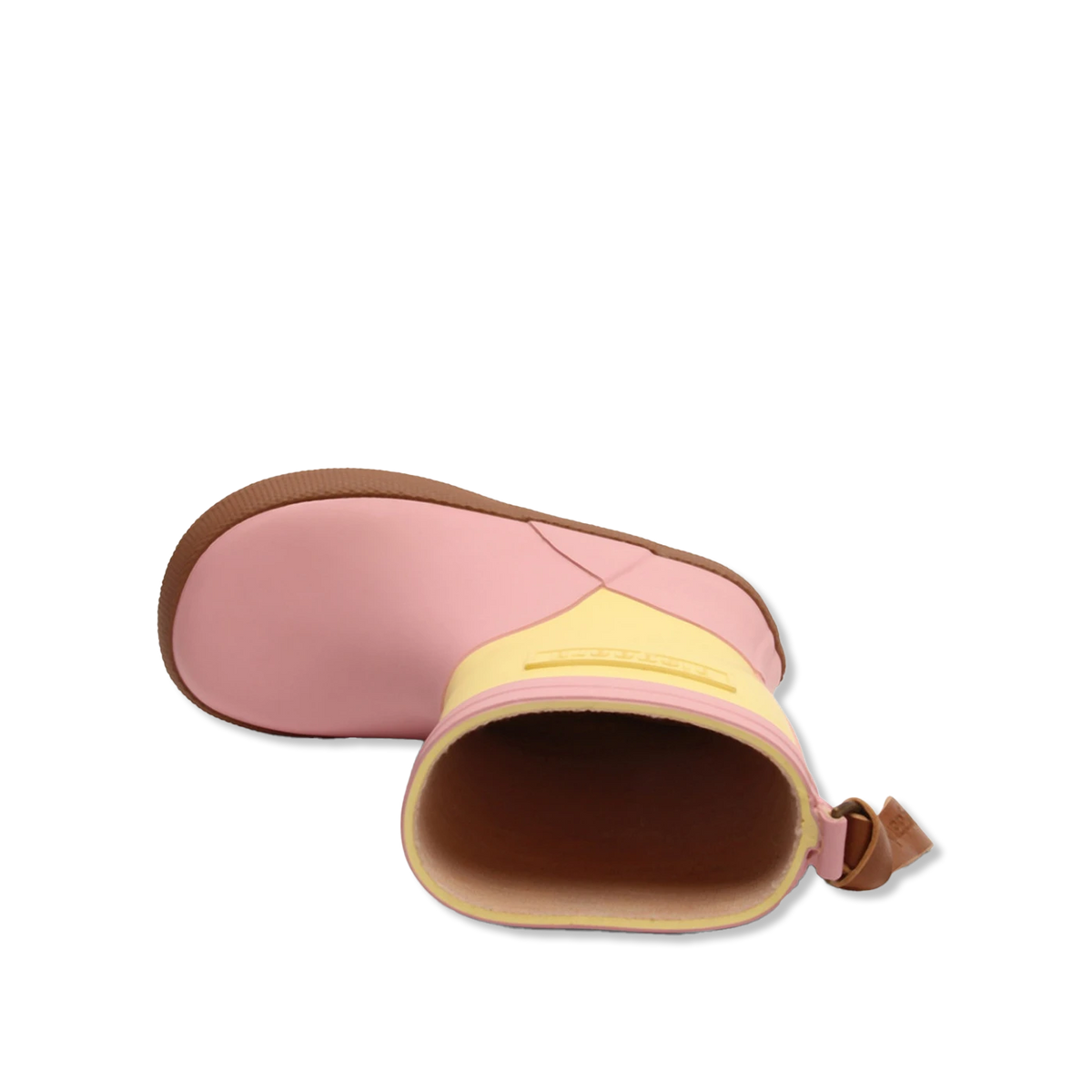
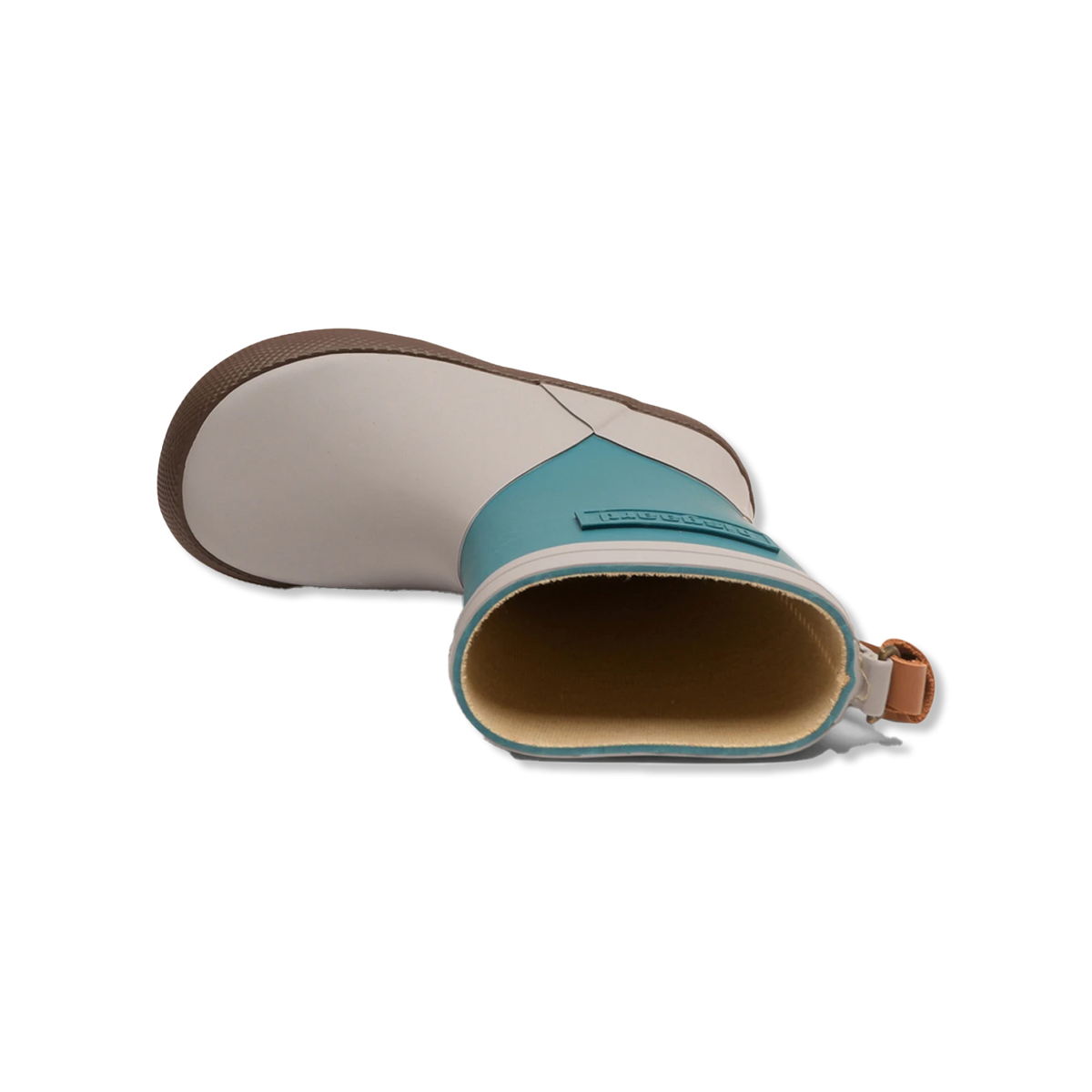
Consider whether the boot should be lined or unlined too. Unlined rain boots, which children can use for much of the year, suit mild, wet weather. On colder days, a lined design may be a better choice. When the weather becomes harsher, it can also make sense to explore thermal boots, assessing the lining and insulation of each design.
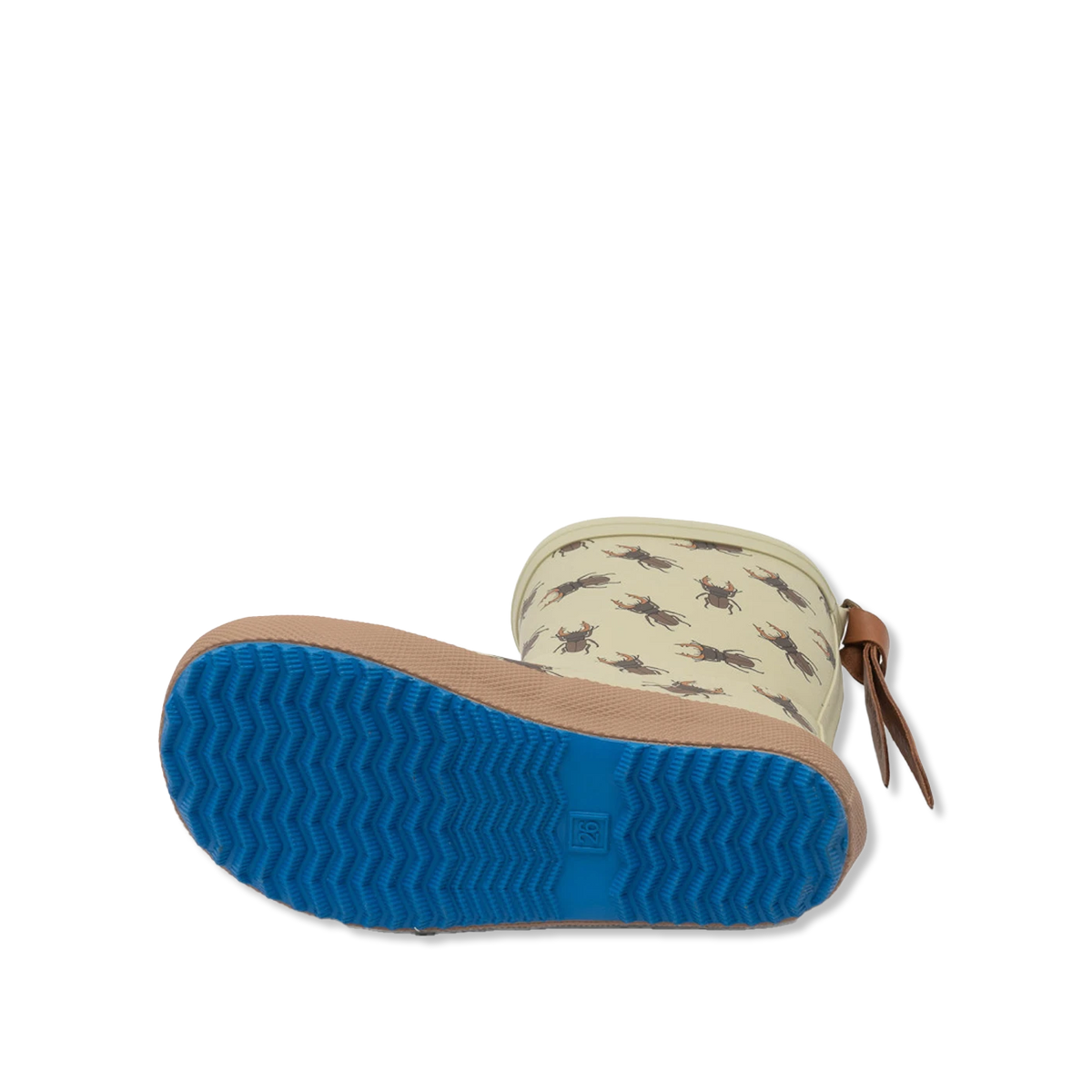
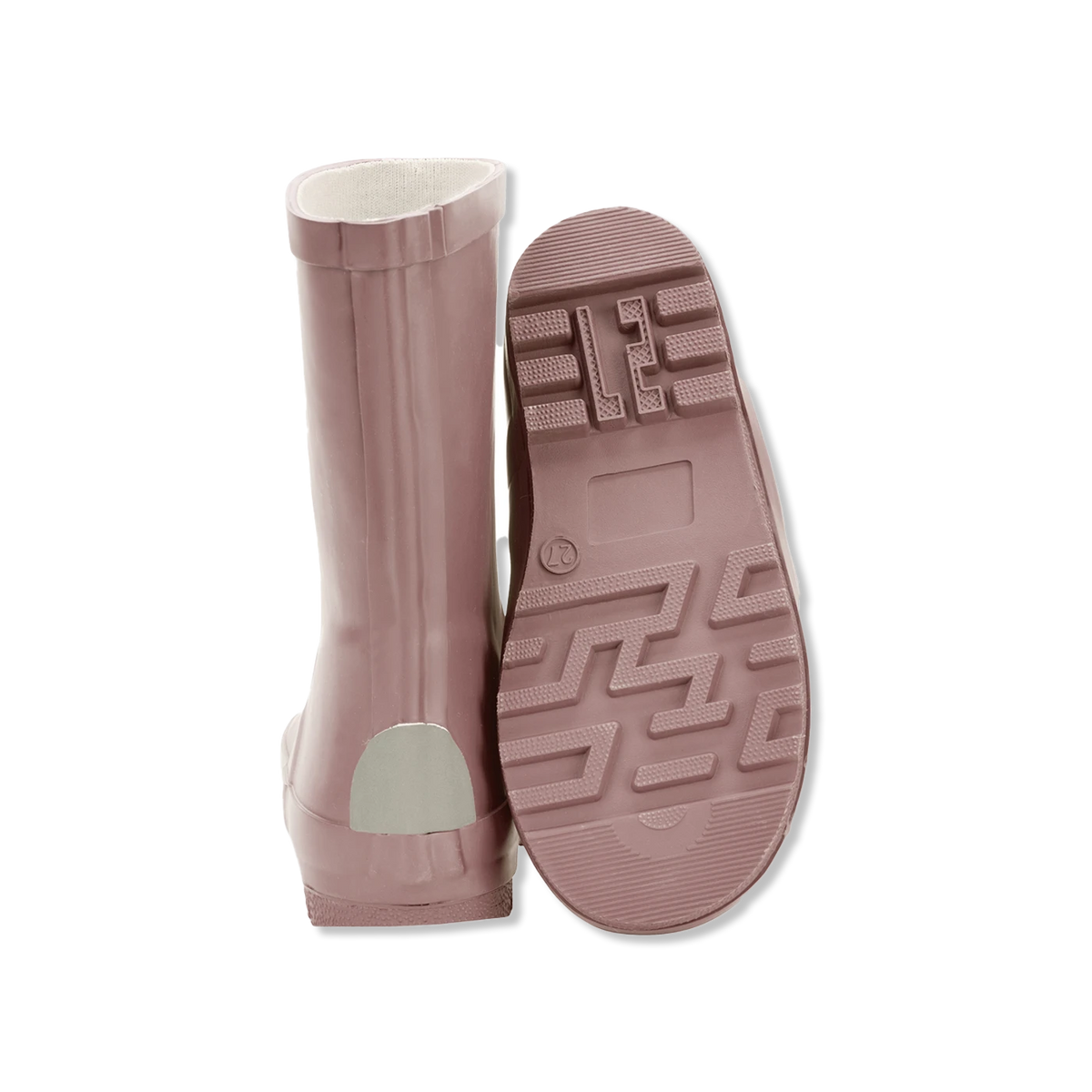
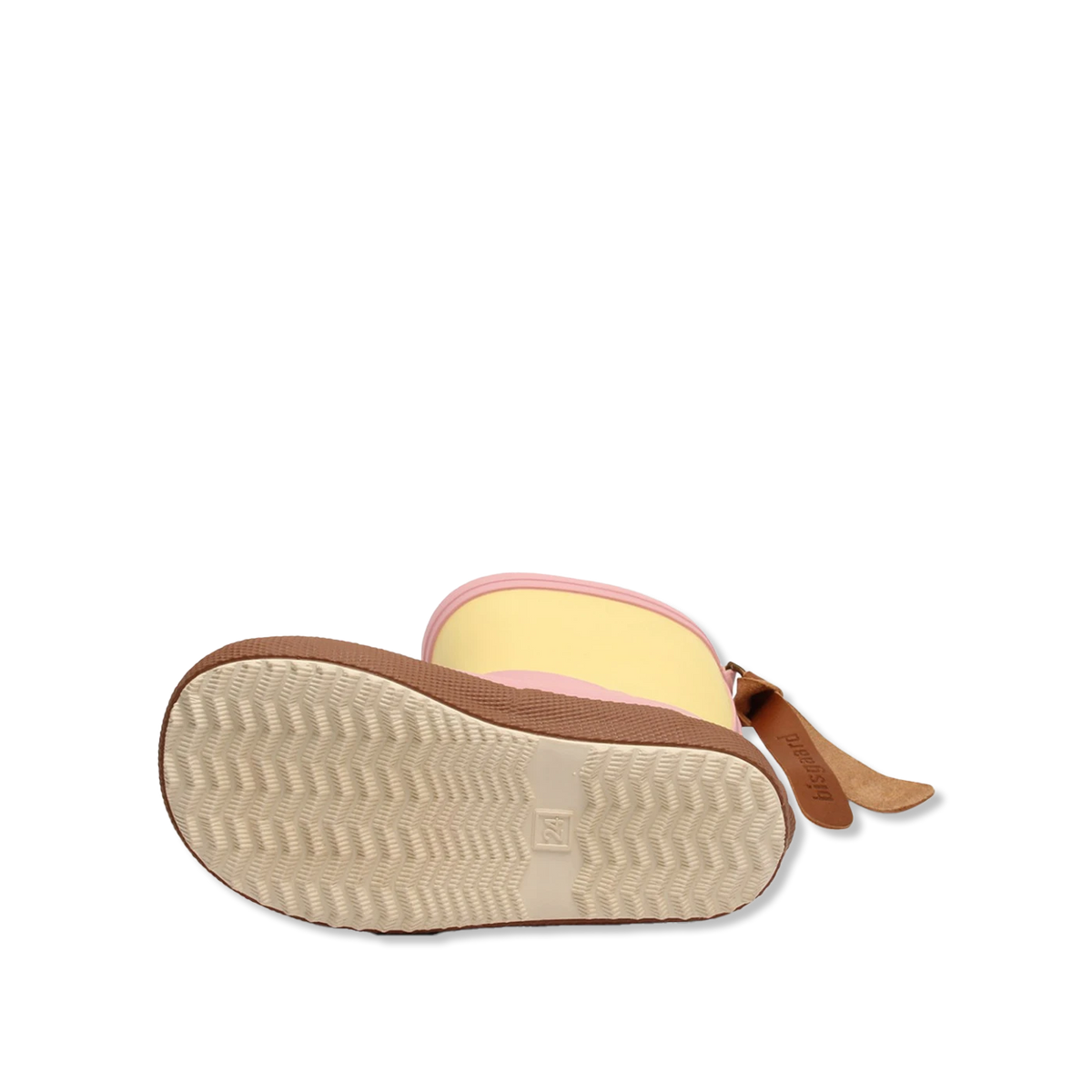
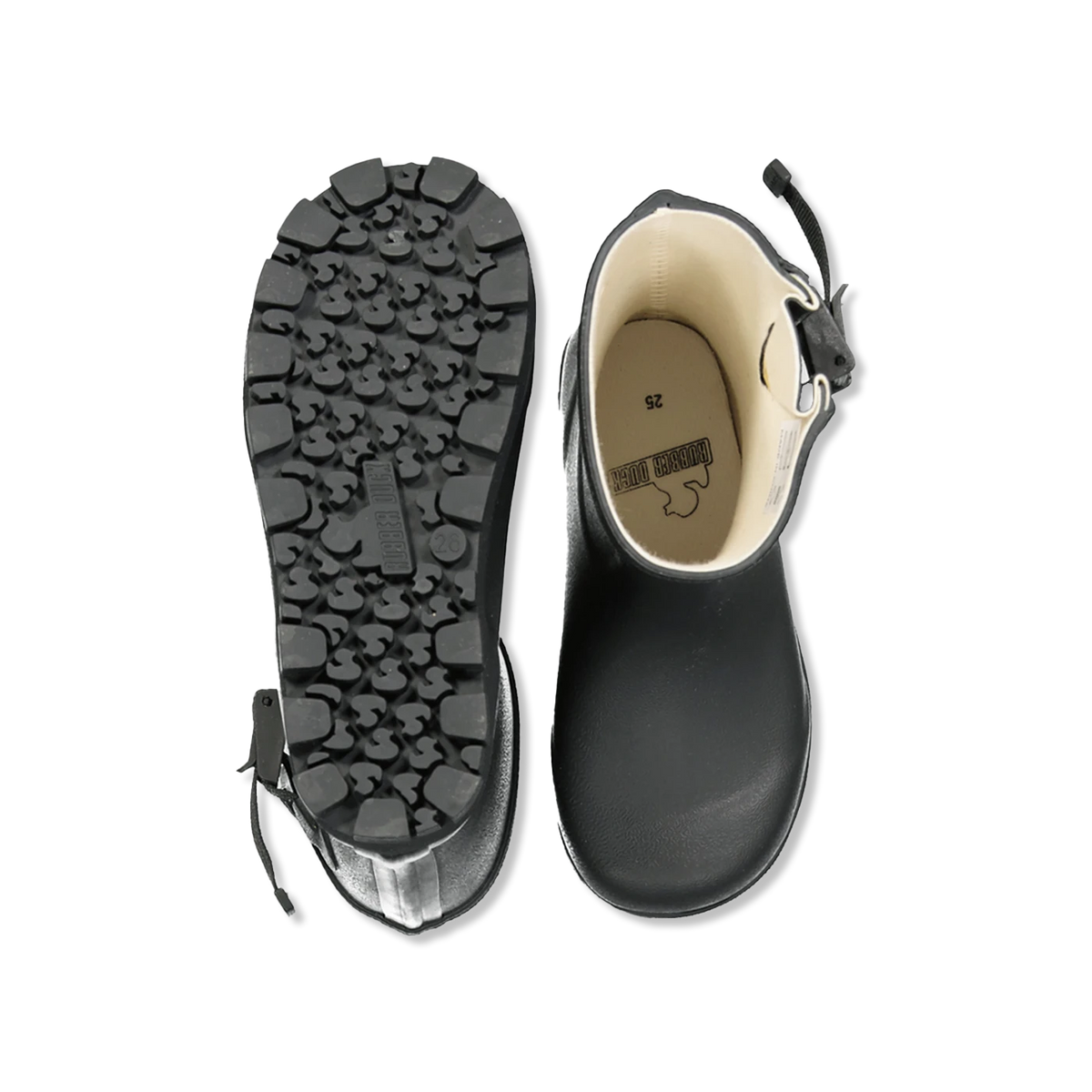
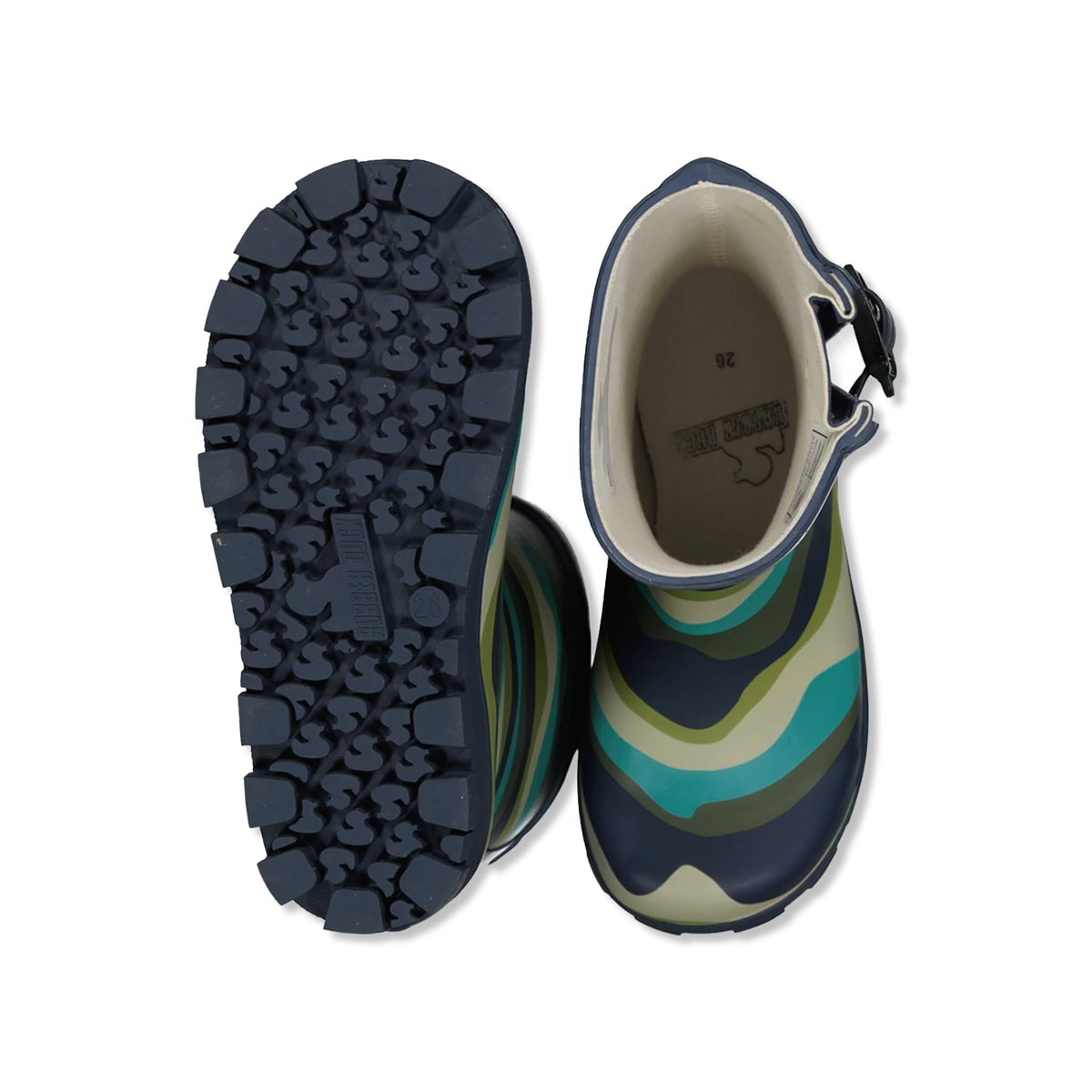
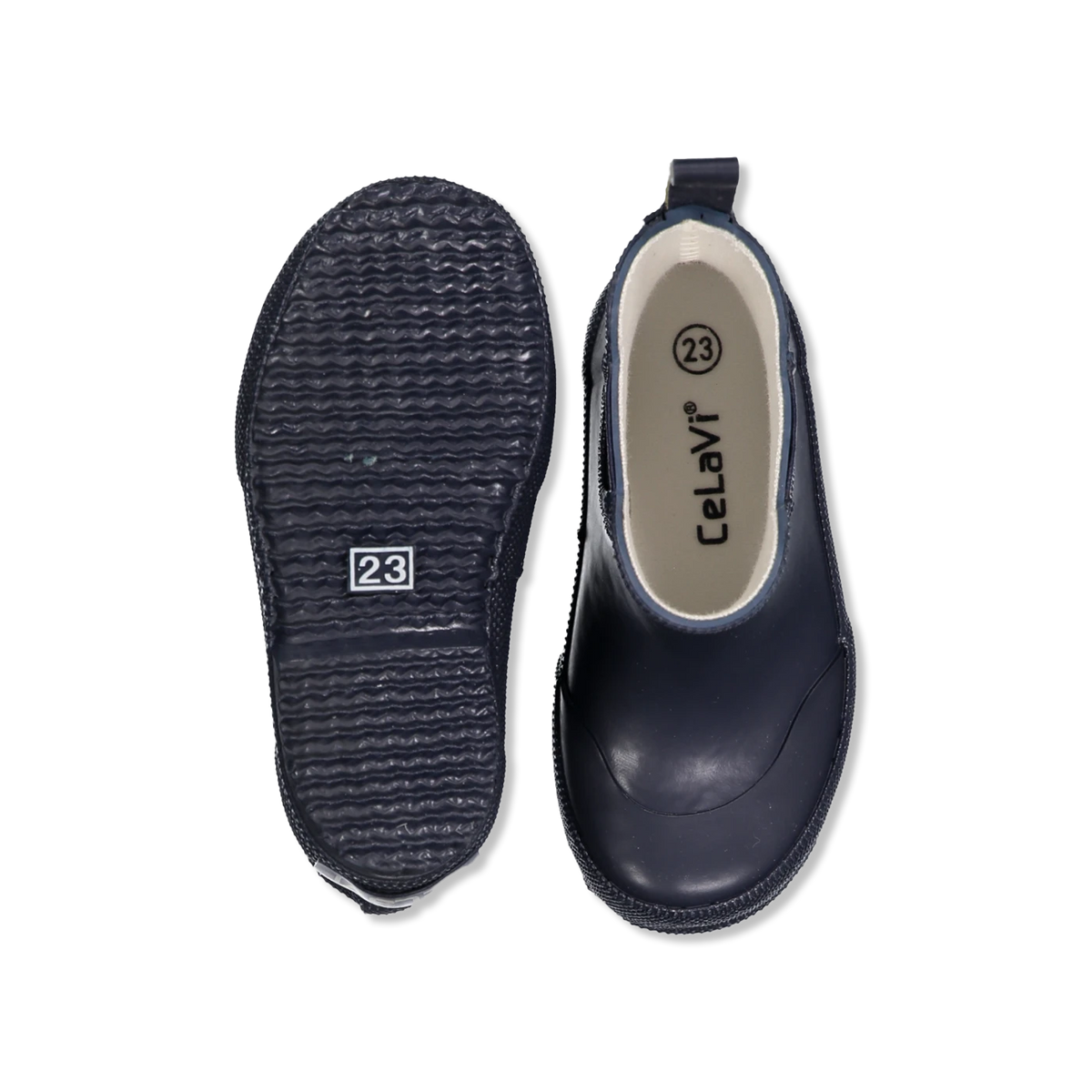
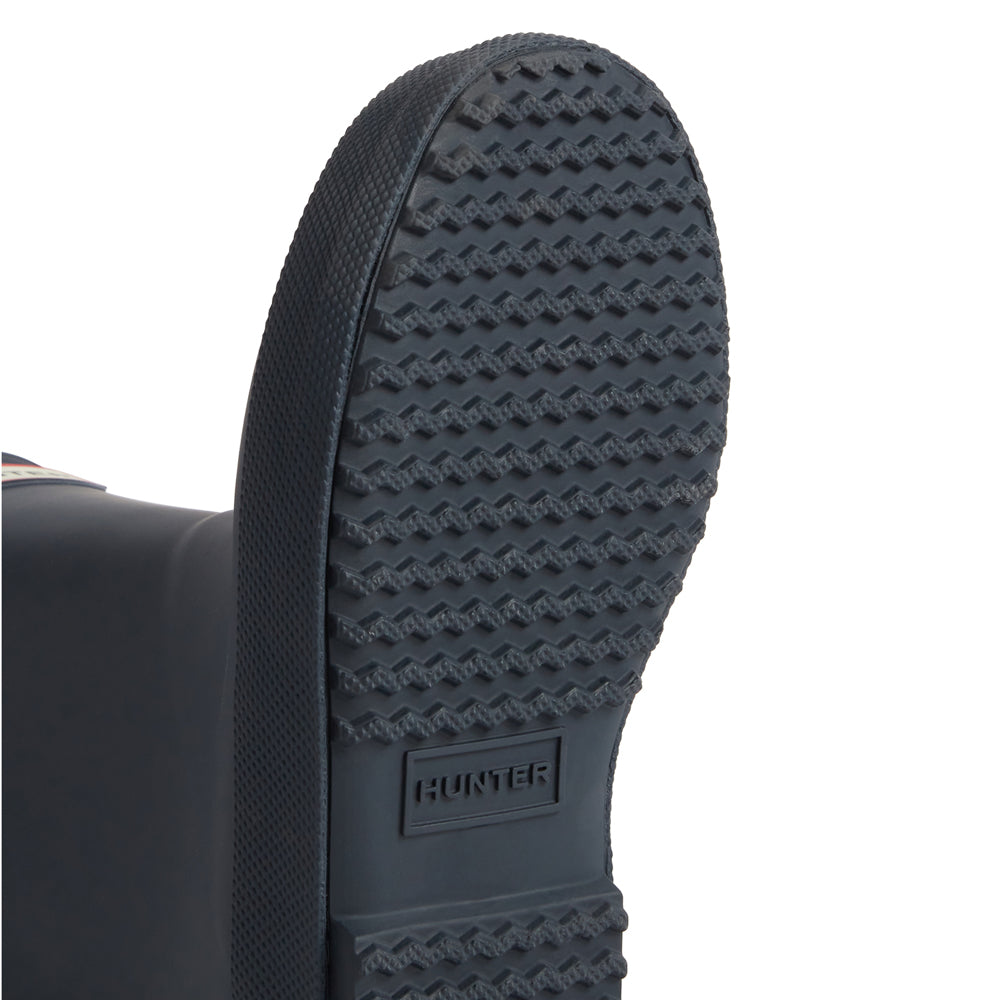
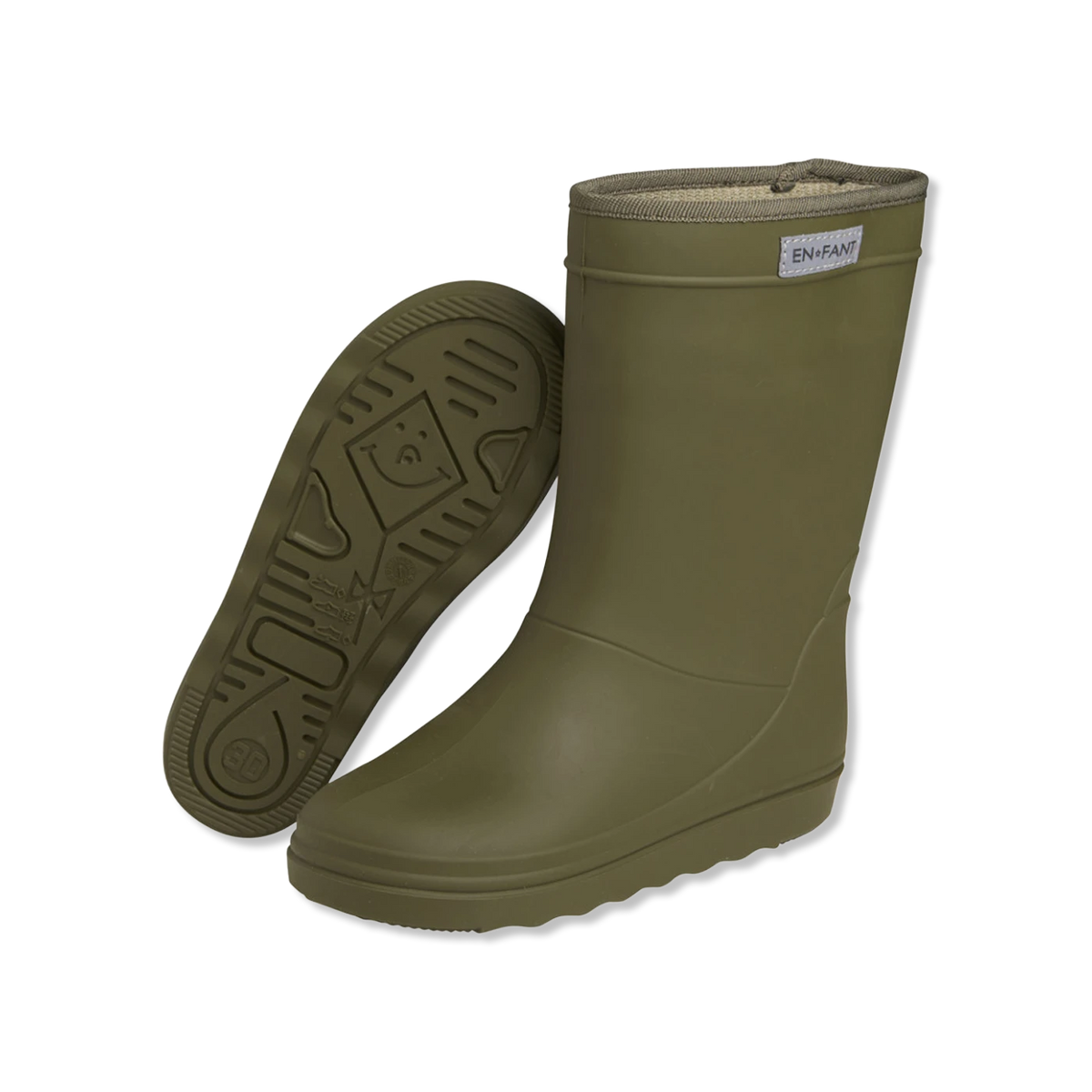
Look at the sole's tread and grip information, along with any reflectors. Footing depends on both the sole and the surface, while reflectors can provide extra visibility on dark days.
From puddles to nursery: making the best use of wellies
Children's wellies suit rain, mud, wet grass and playground trips where ordinary shoes quickly become soaked. They work best as practical boots for wet days rather than a solution for every kind of weather. When it is dry, many children may be more comfortable in other types of children's shoes that feel lighter and more breathable.
To get the most from the boots, let them dry at room temperature after use and rinse off mud before it dries on. This makes them easier to keep looking good and can help prolong their life. On cold days, adjust socks or layers rather than choosing boots that are too big.
A good pair of wellies lets children play outside even when the weather is wet. That makes them a simple but important part of the wardrobe for much of the year.