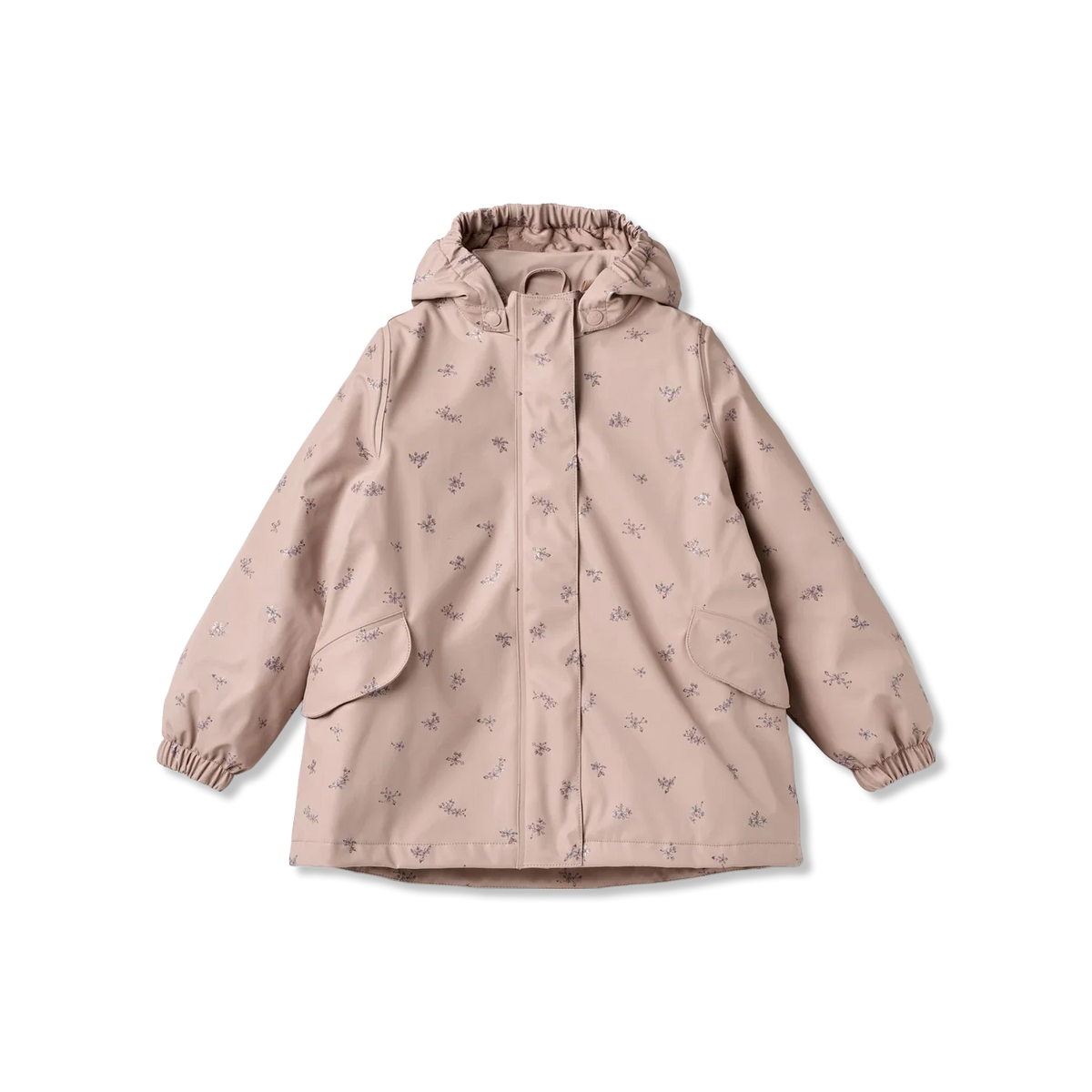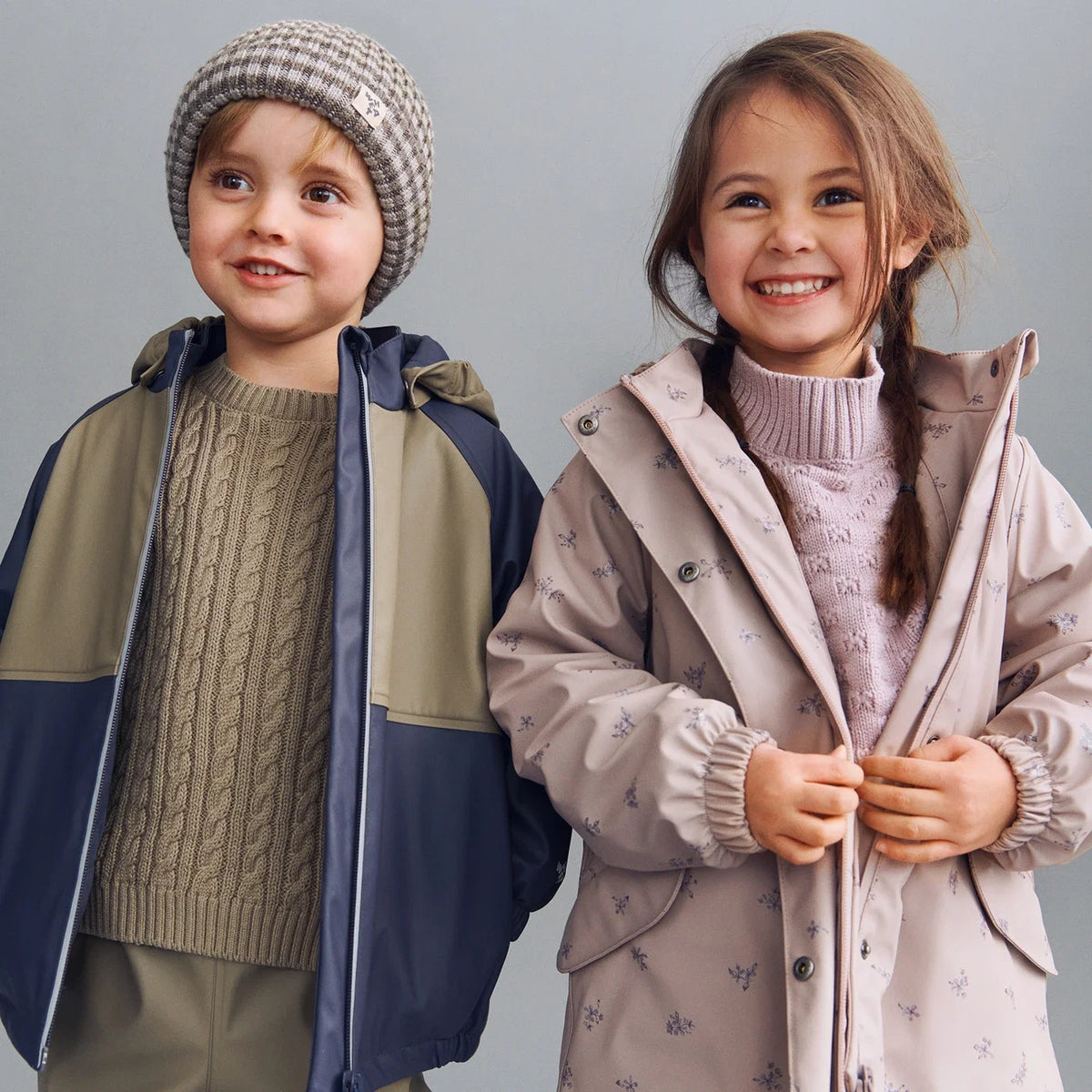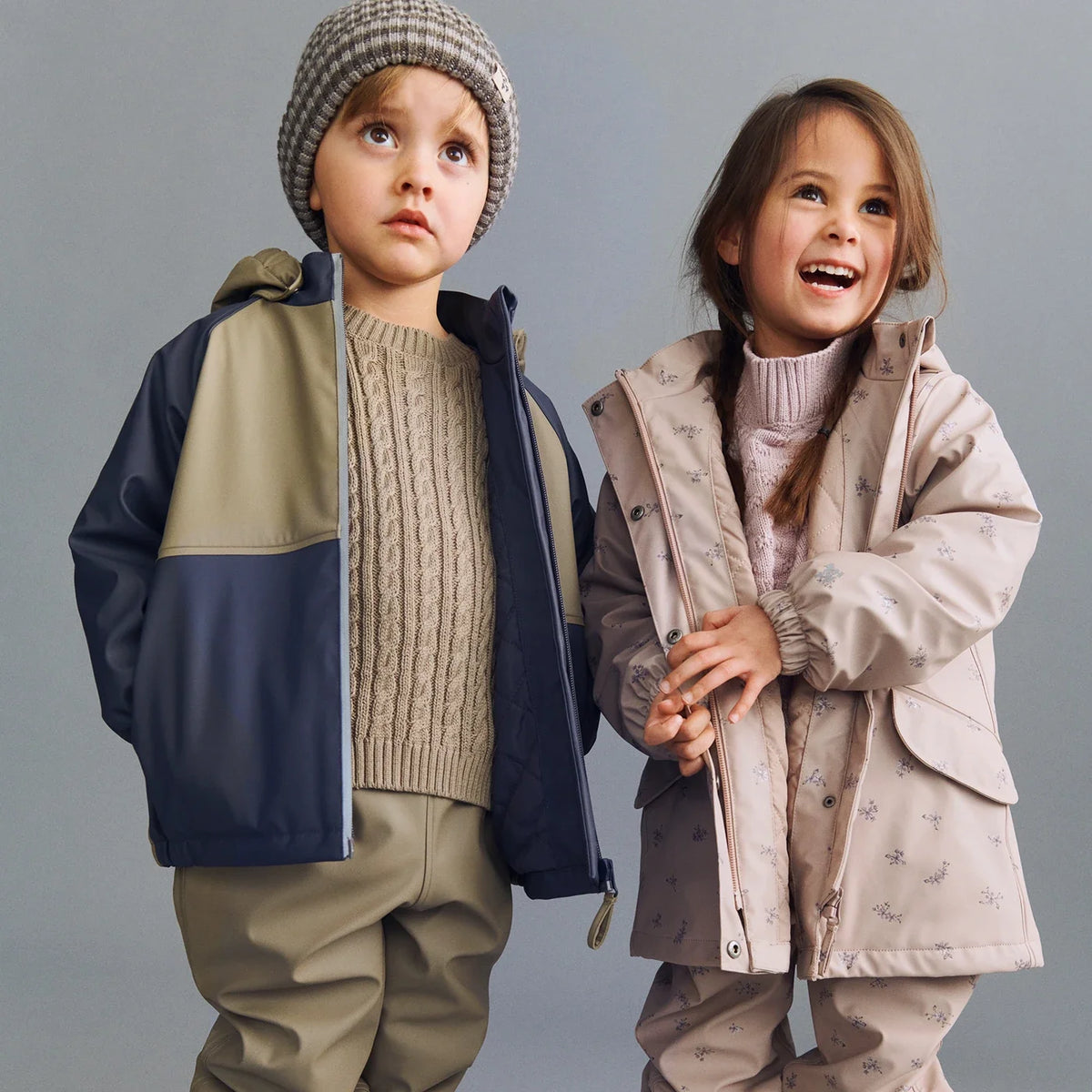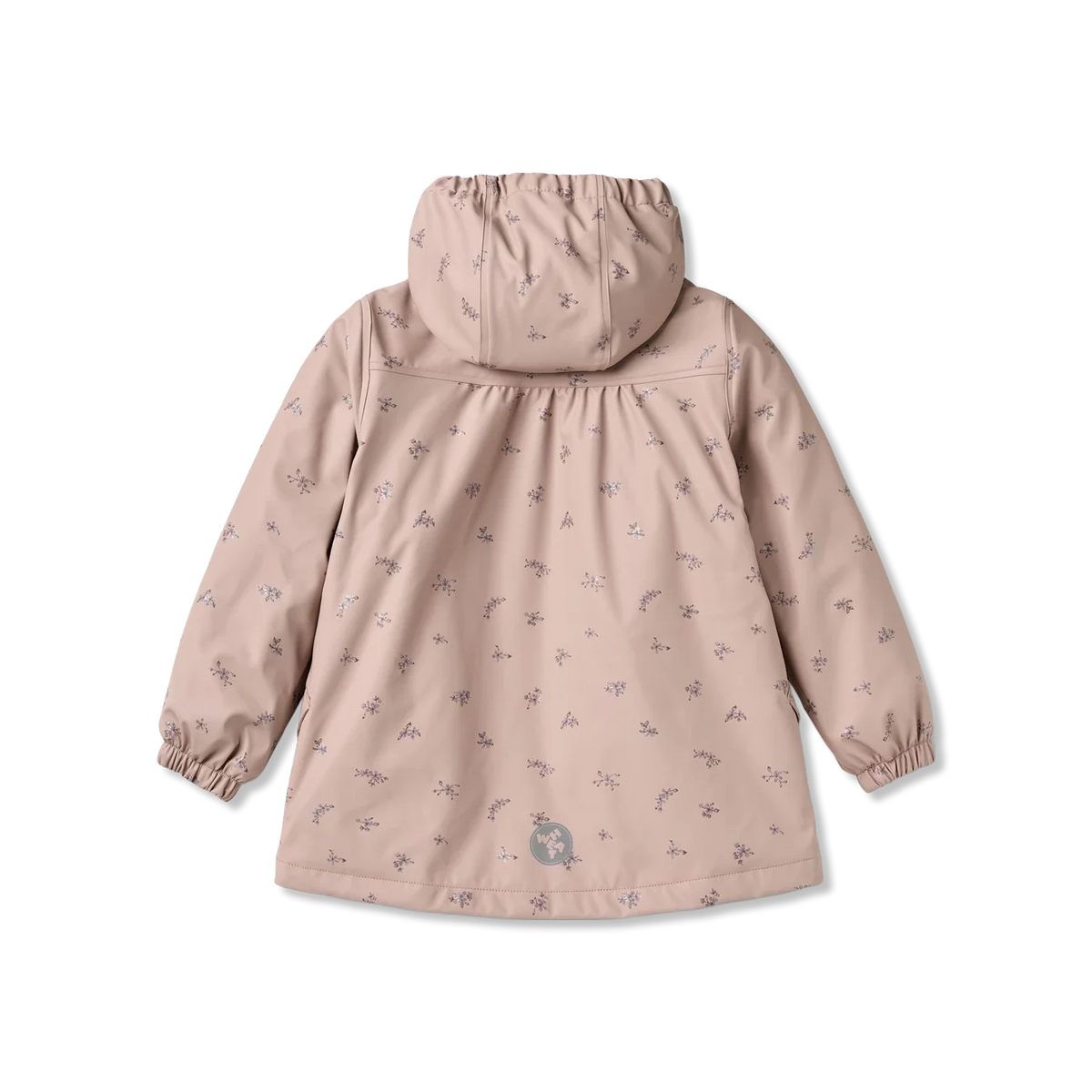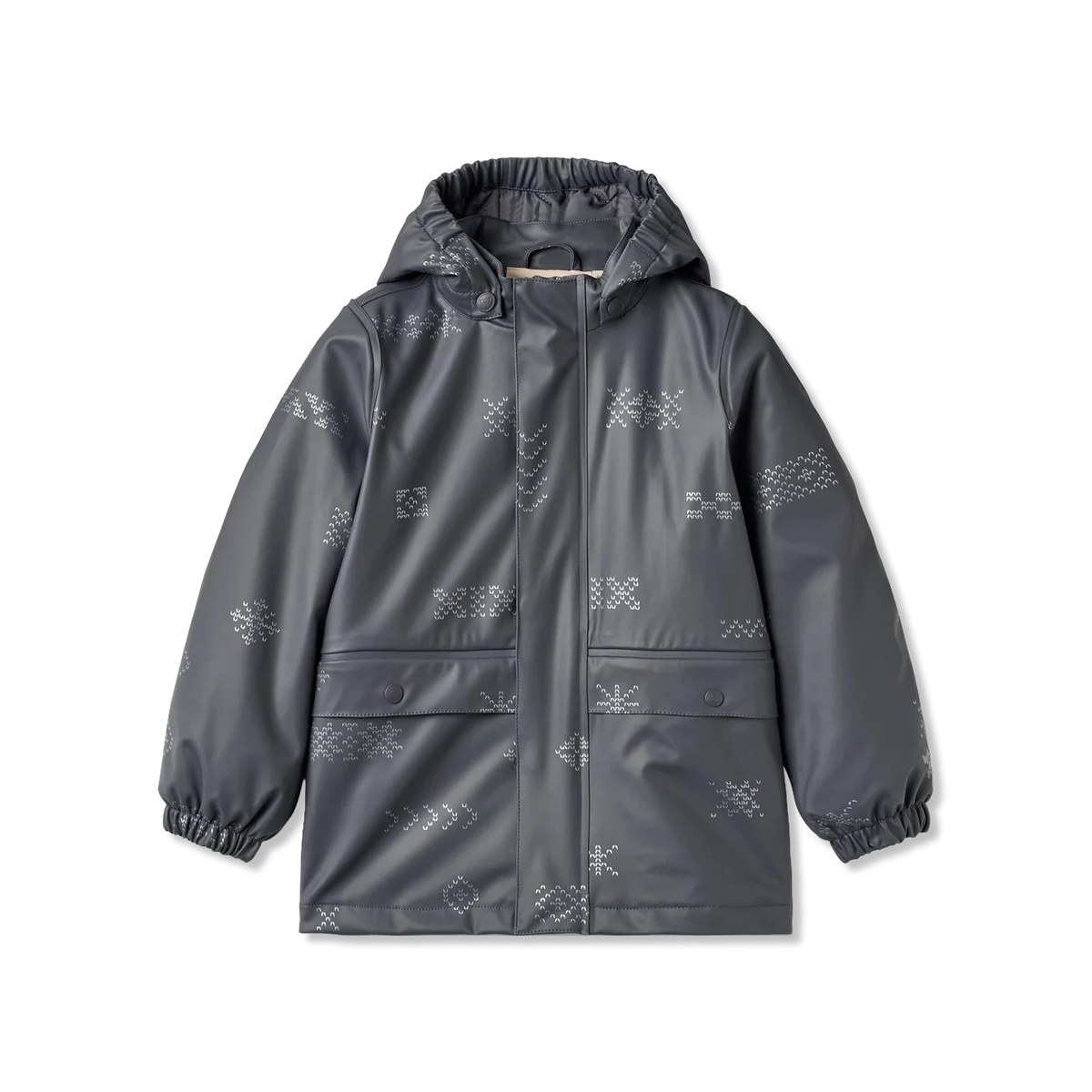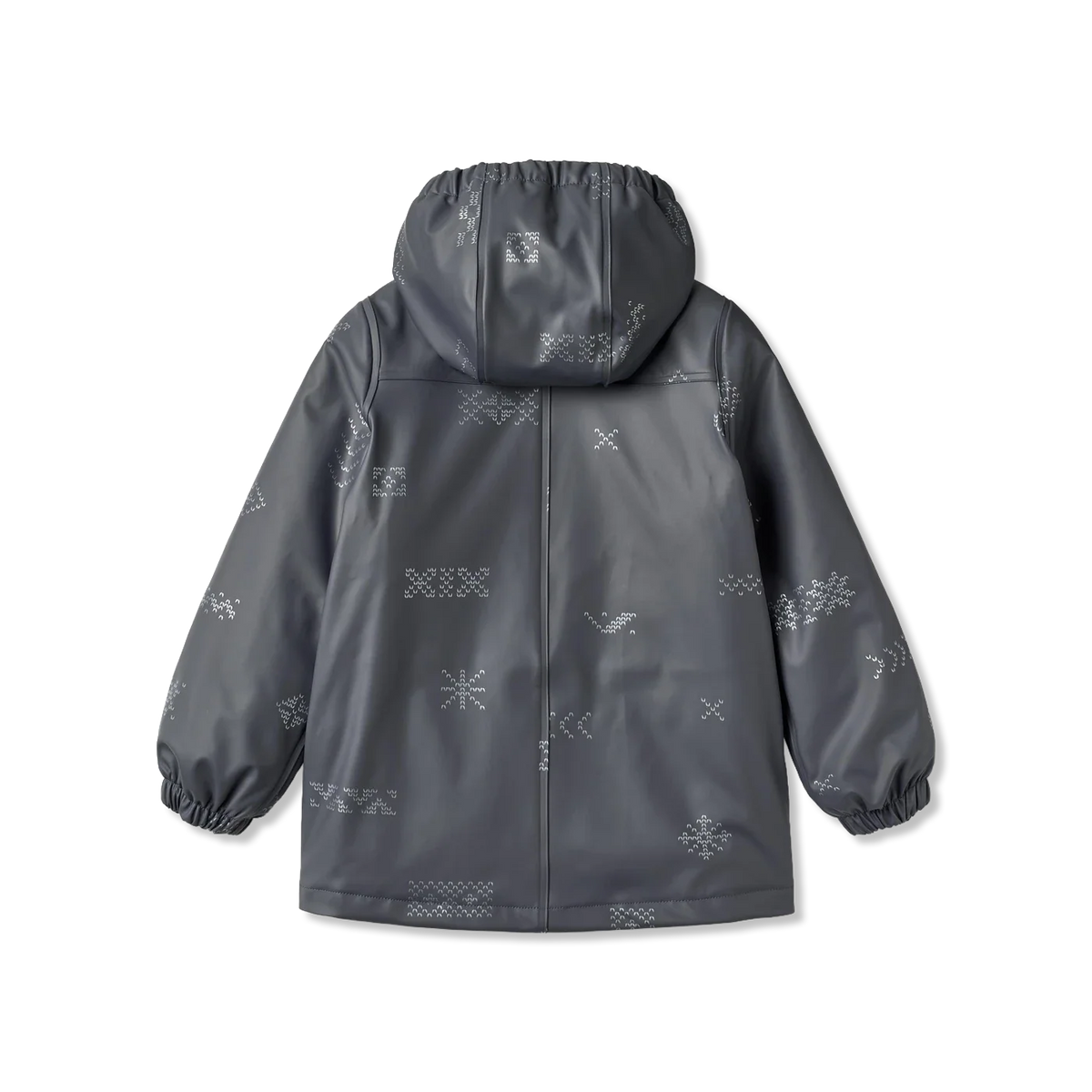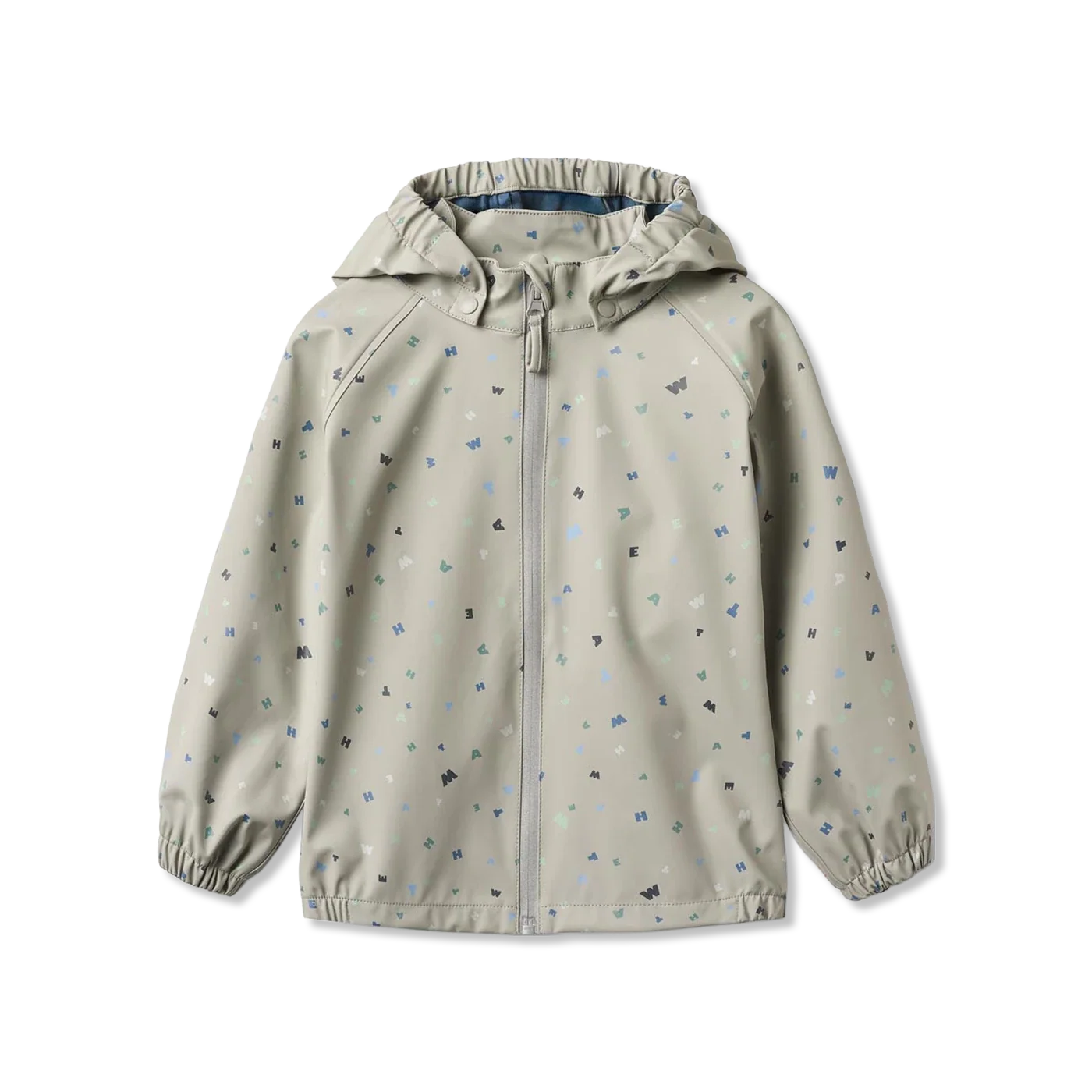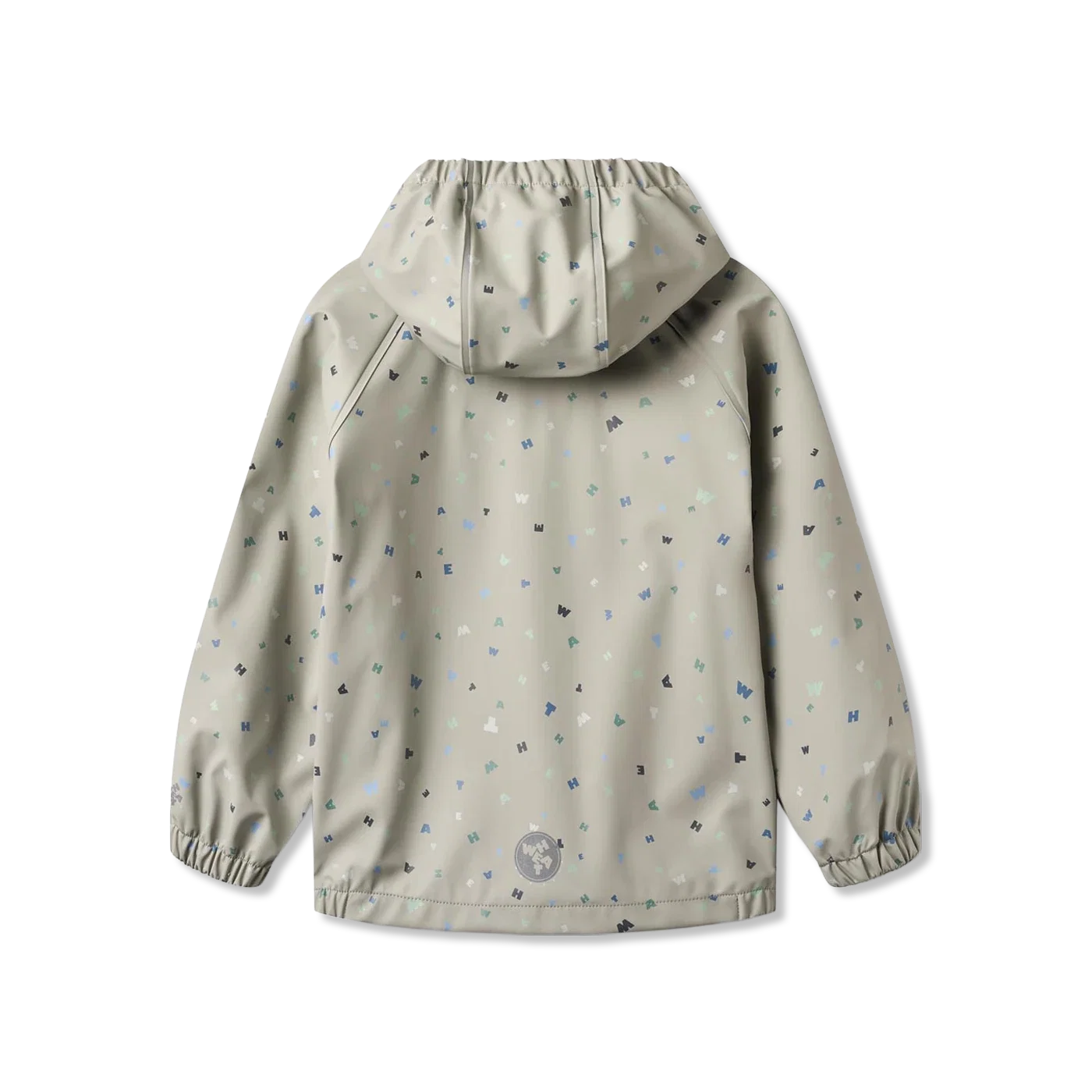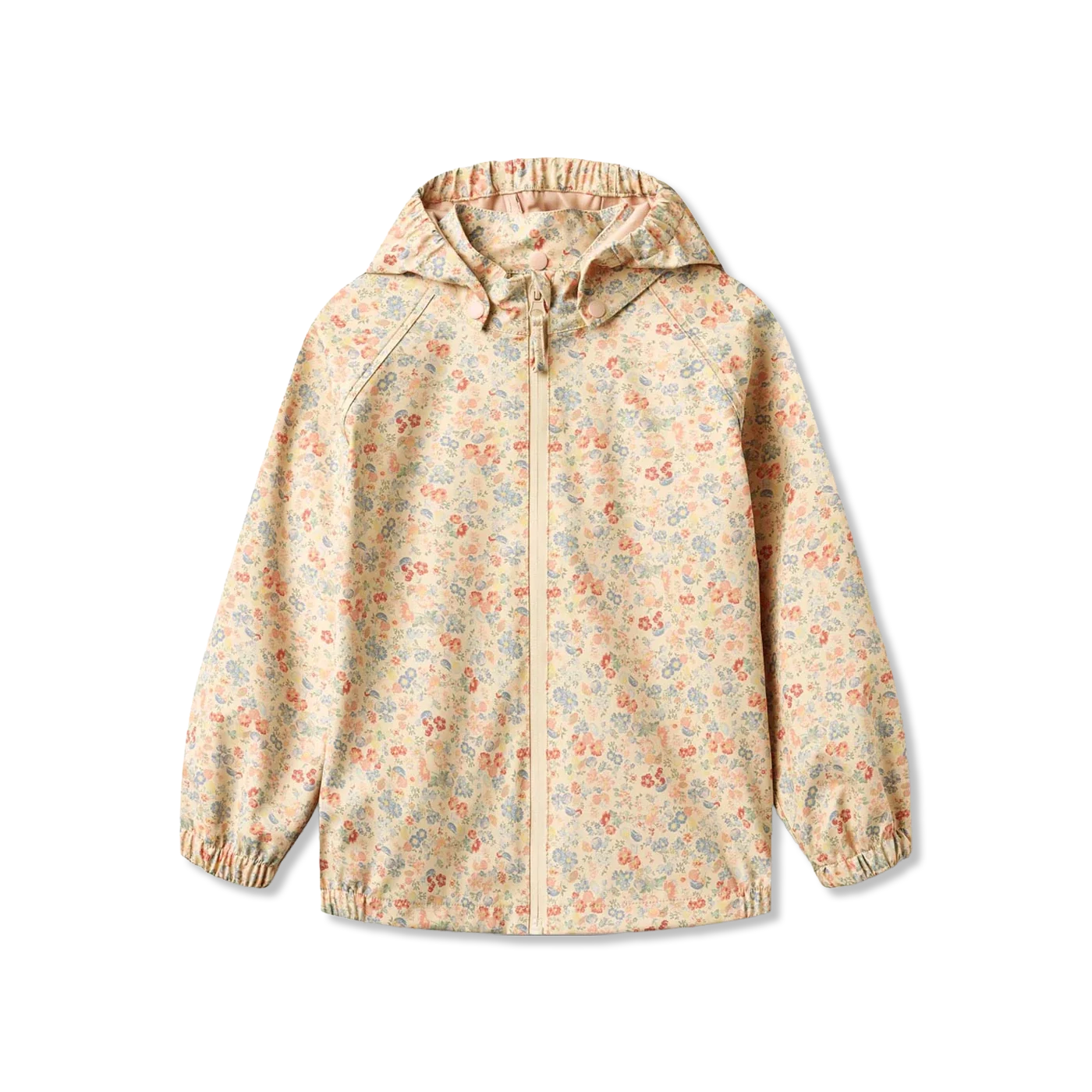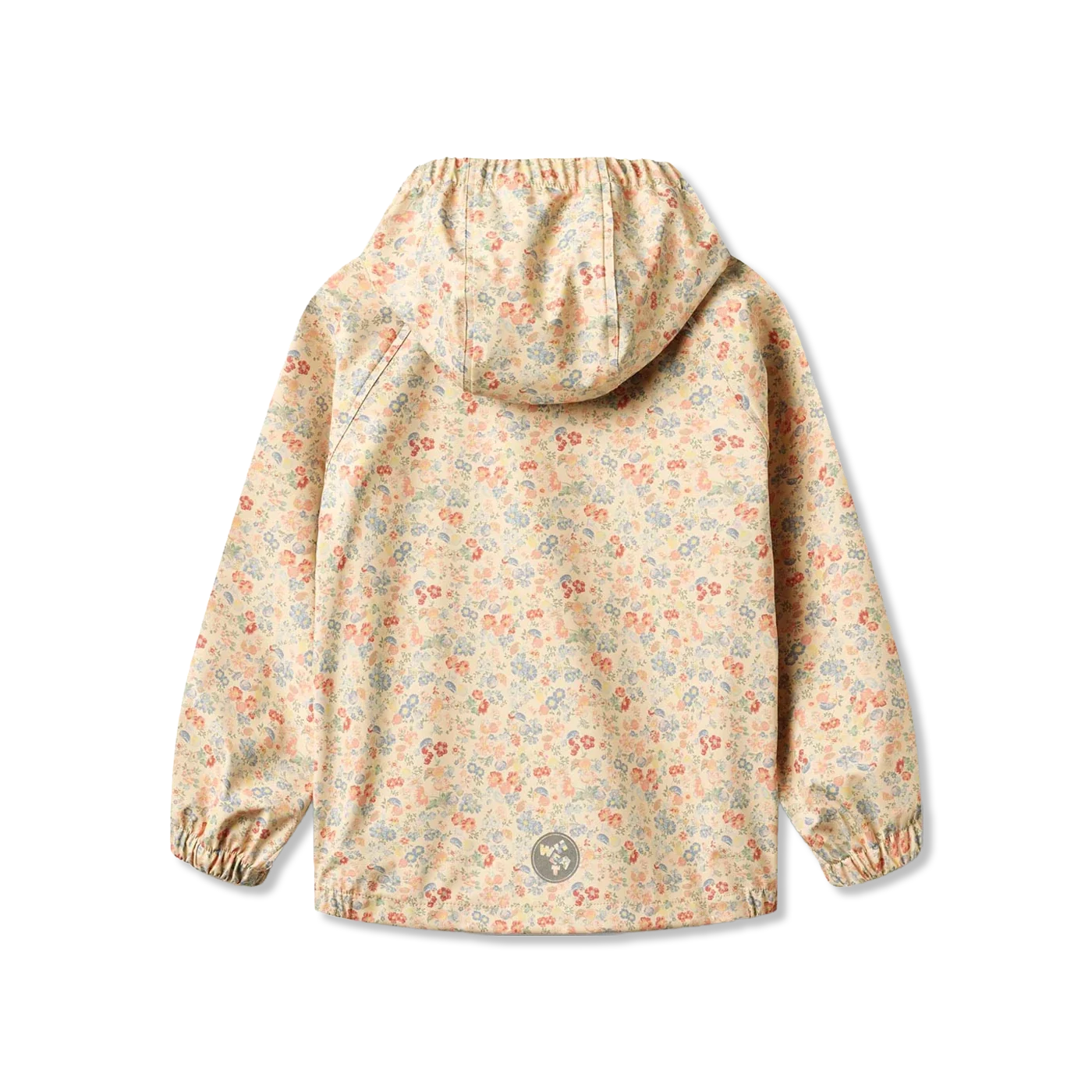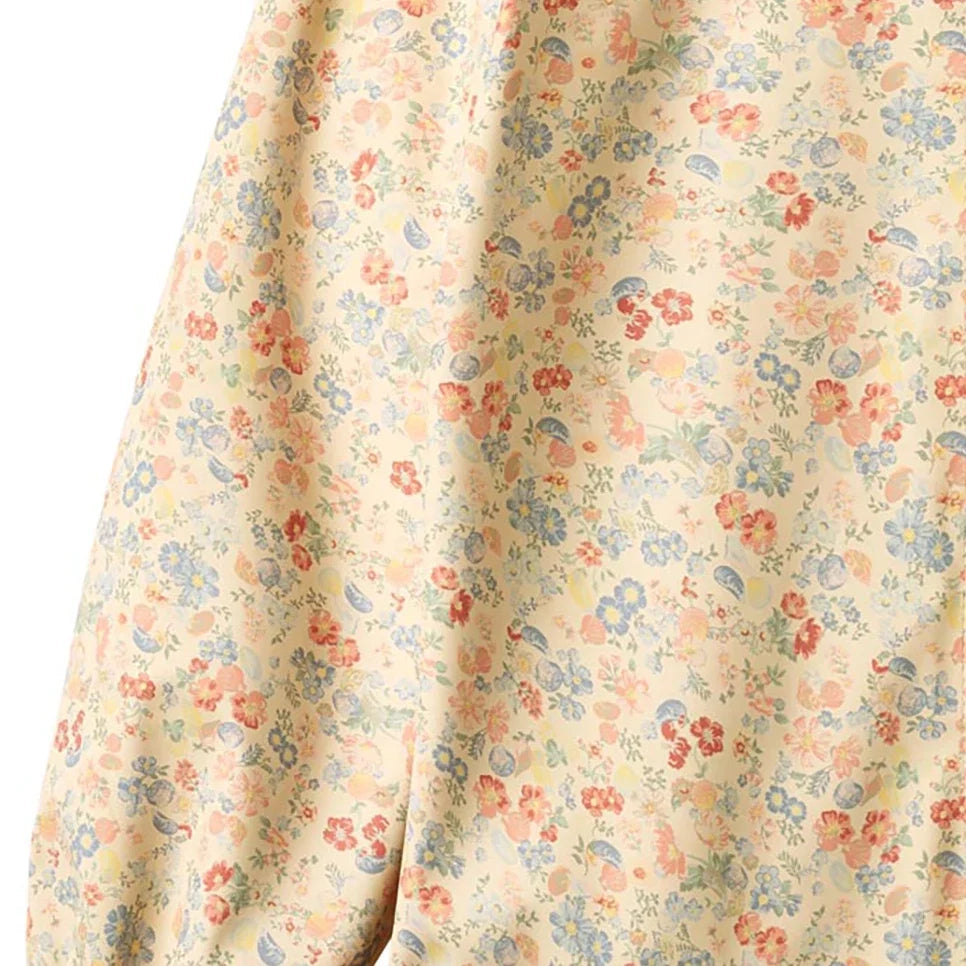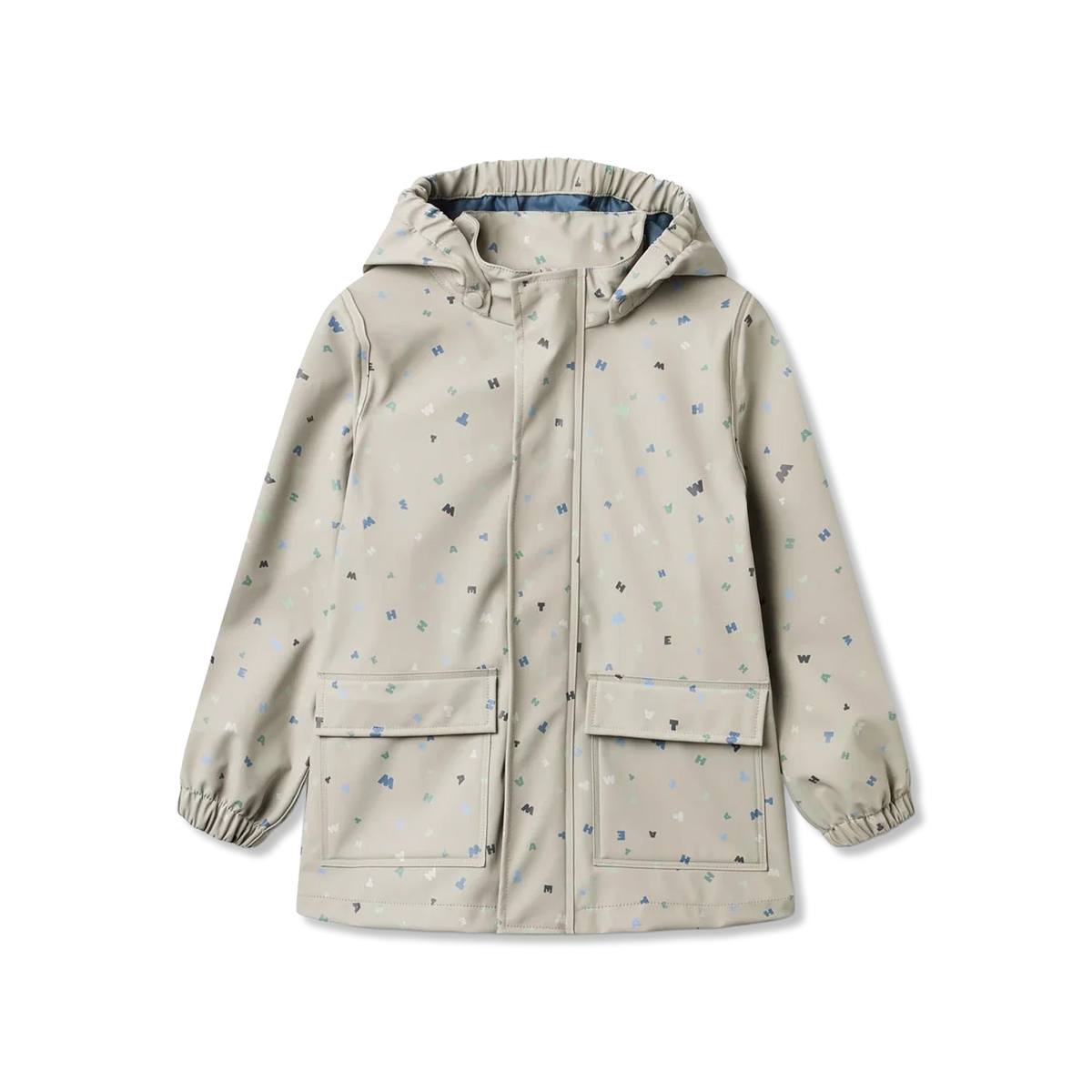
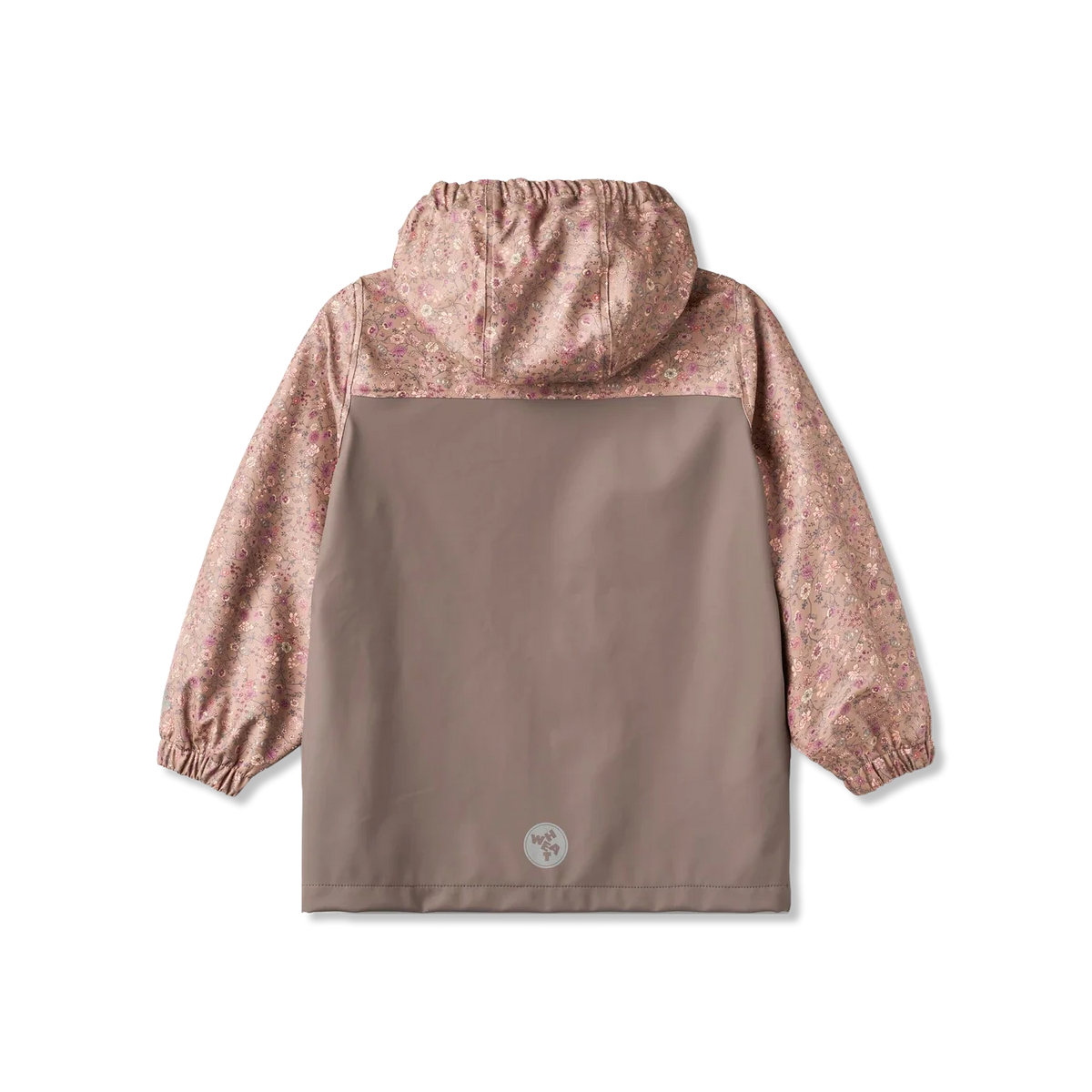
Rain jackets for children that work in wet weather
A rain jacket is a useful piece of outerwear for days when your child still needs to get out the door, even when the weather changes along the way. In this category, you will find rain jackets for children made for everyday life with trips to daycare and school, playground play and rain showers that arrive when you least expect them. When choosing a rain jacket, three things often matter most: how well it keeps the rain out, whether there is room for layers underneath, and which details make it easy to use.
For younger children, it is often important that the rain jacket is easy to put on and take off, and that the child can move freely in it. For older children, comfort, length and fit often become more important, because the jacket needs to work on the bike, in the schoolyard and on the way home. A good kids’ rain jacket does not need to be complicated, but it should suit the child’s age, pace and the way it is used in everyday life.
What should you look for when choosing a rain jacket?
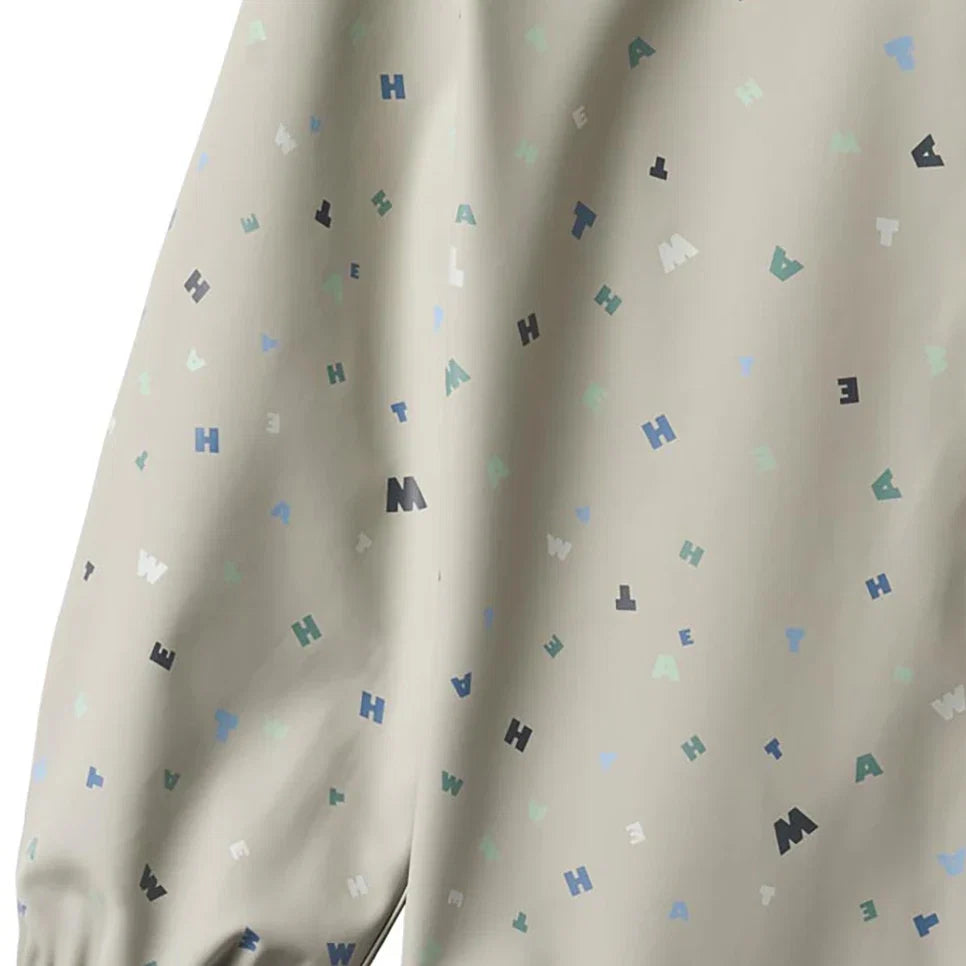
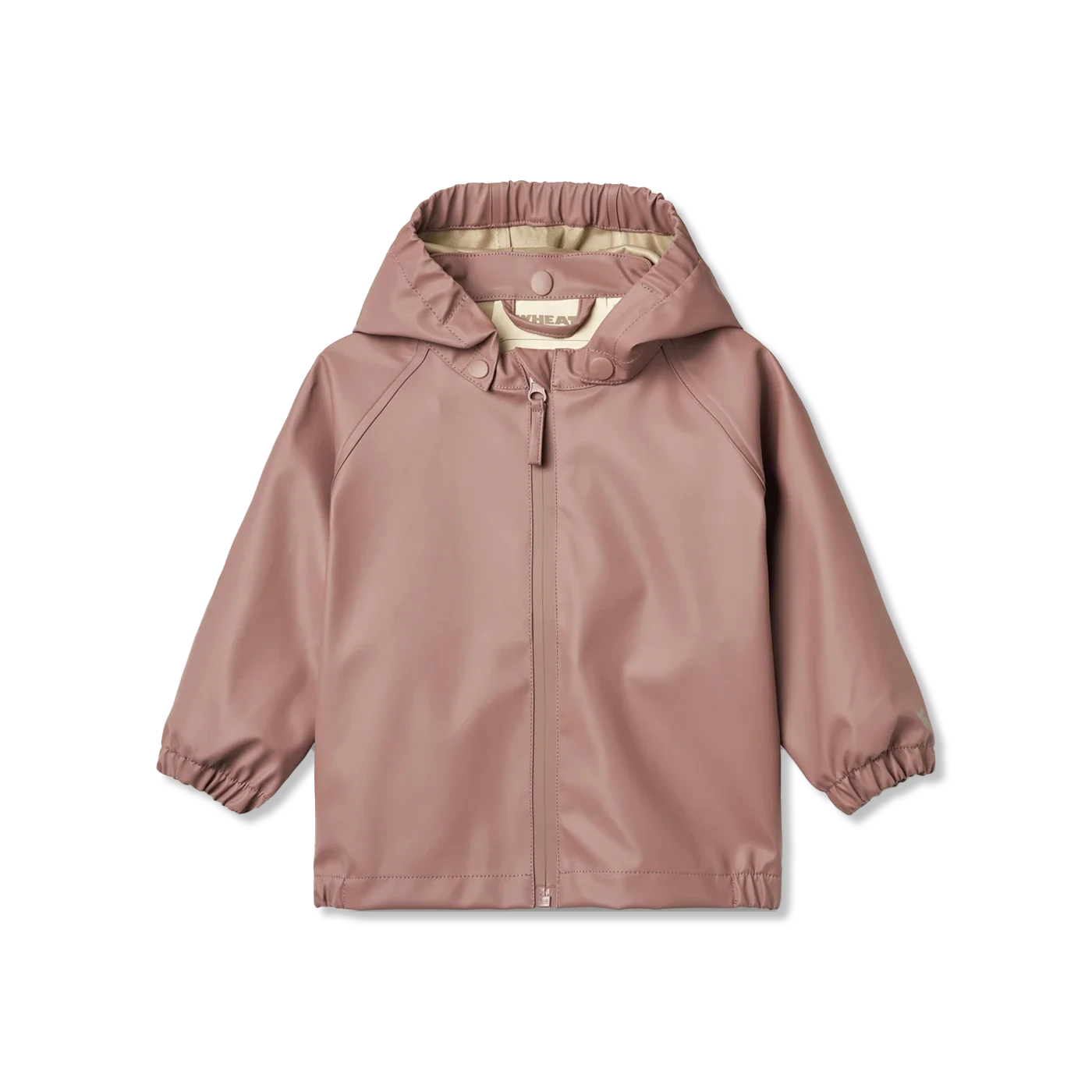
When choosing a rain jacket, it is not only about whether it looks waterproof. How it is made is just as important. The material and construction make a big difference in practice. Many children’s rain jackets are made from polyester with a PU coating, as this material is durable, flexible and easy to keep looking good in a busy everyday routine.
It can be a good idea to look for:
- Waterproofing: A waterproof rain jacket for children should be able to handle everyday rain and wet play without the child quickly getting soaked through.
- Sealed seams: If the seams are not properly sealed, water can find its way in, even if the fabric itself keeps the rain out.
- Breathability: This is especially useful for children who run, climb and quickly get warm. Otherwise, the jacket may feel damp and clammy on the inside.
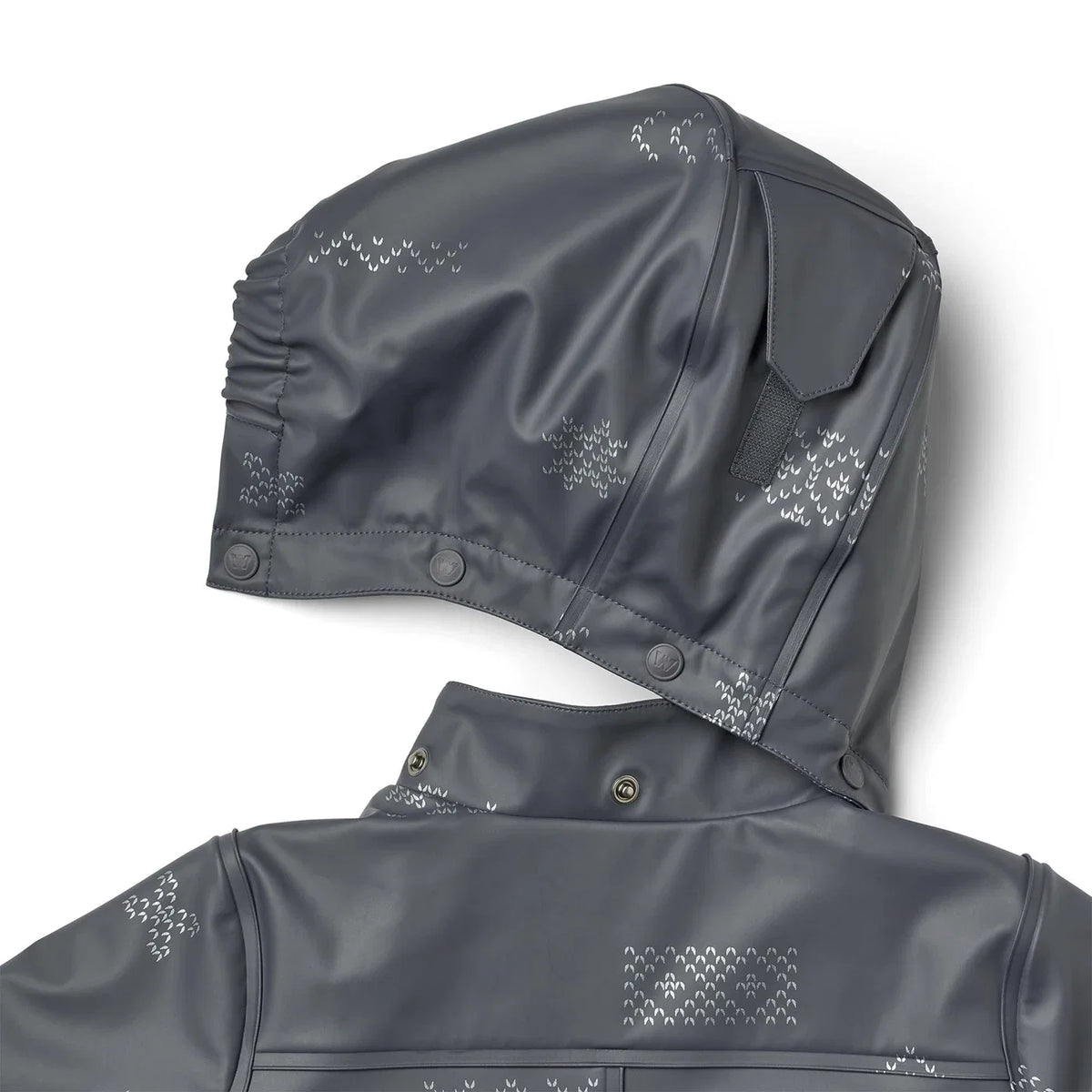
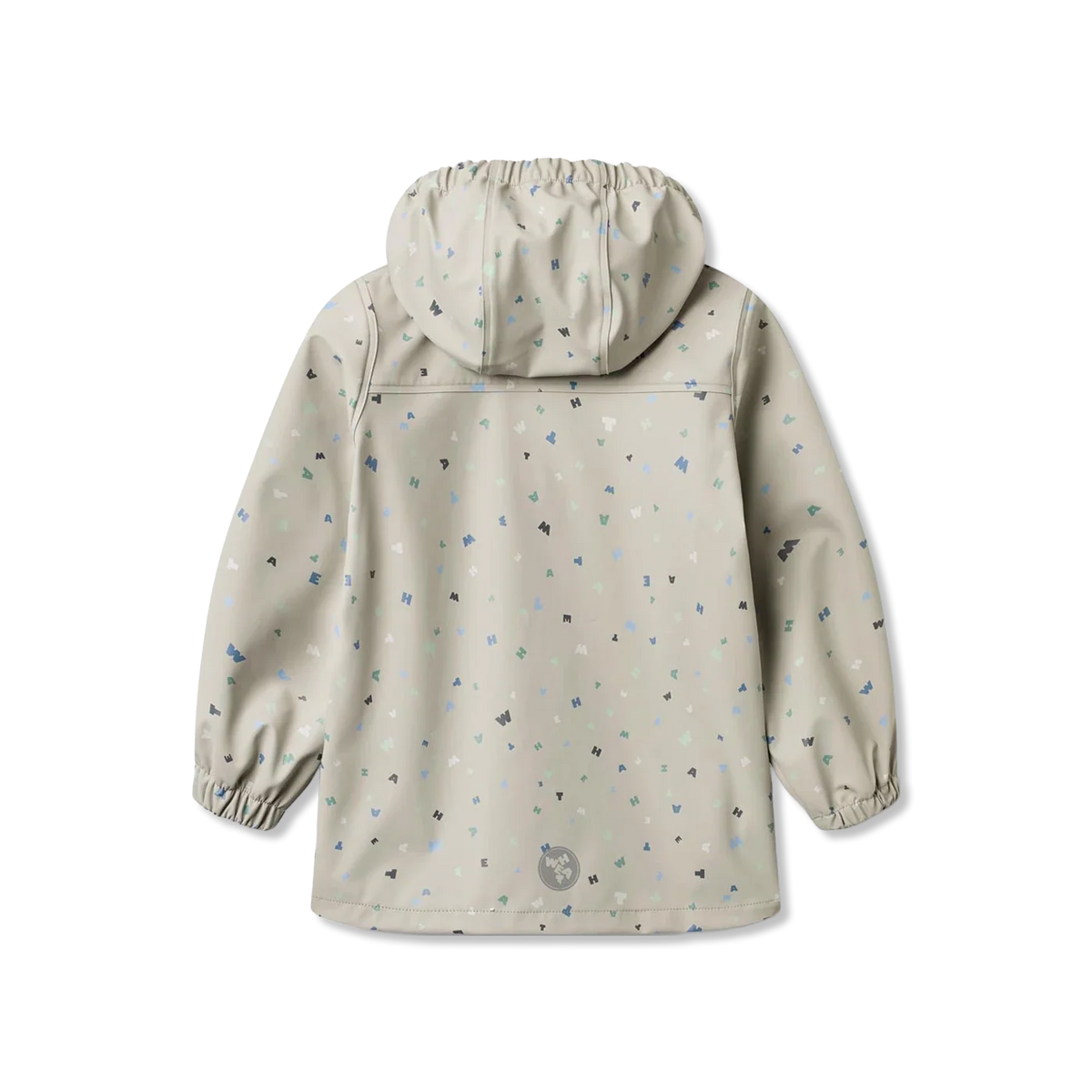
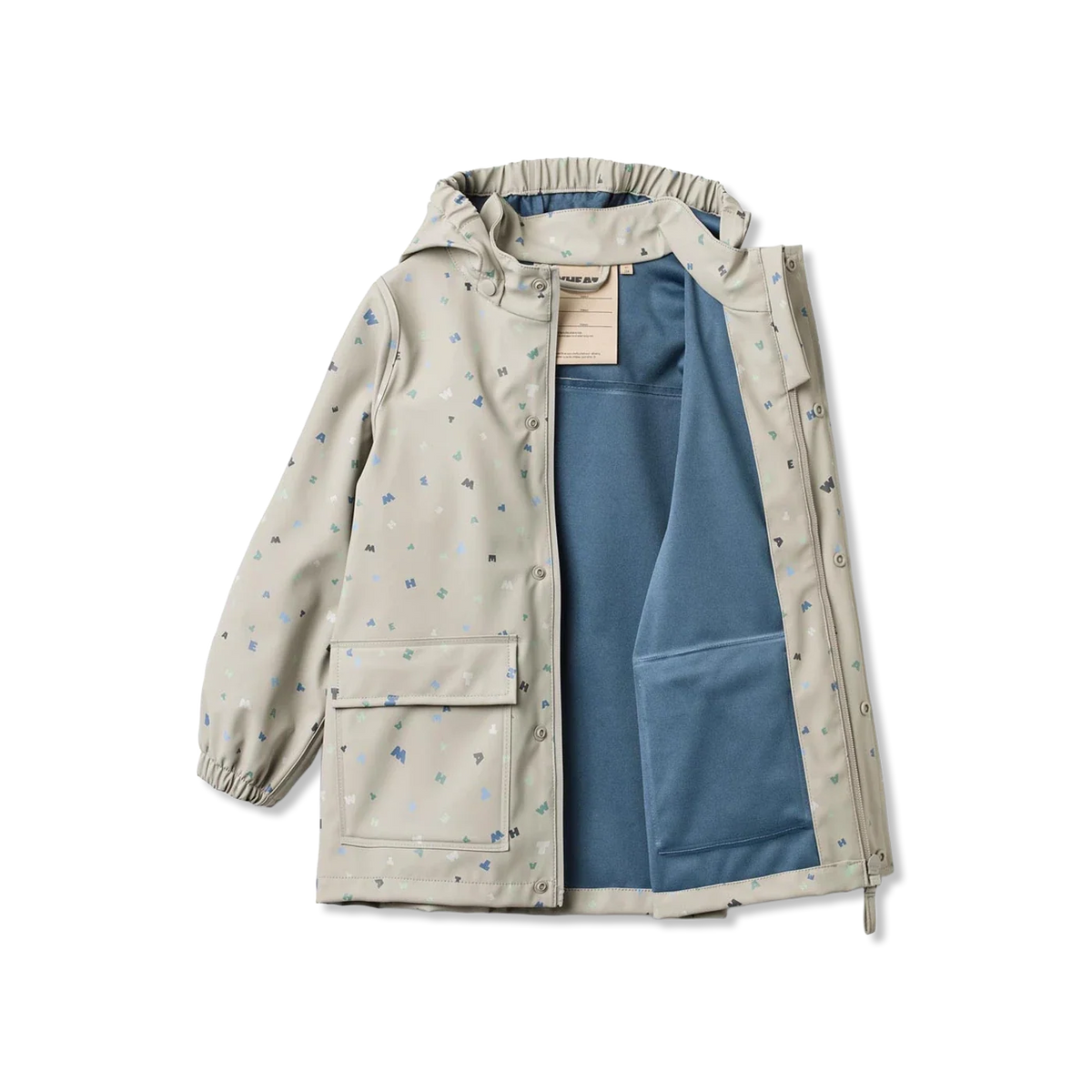
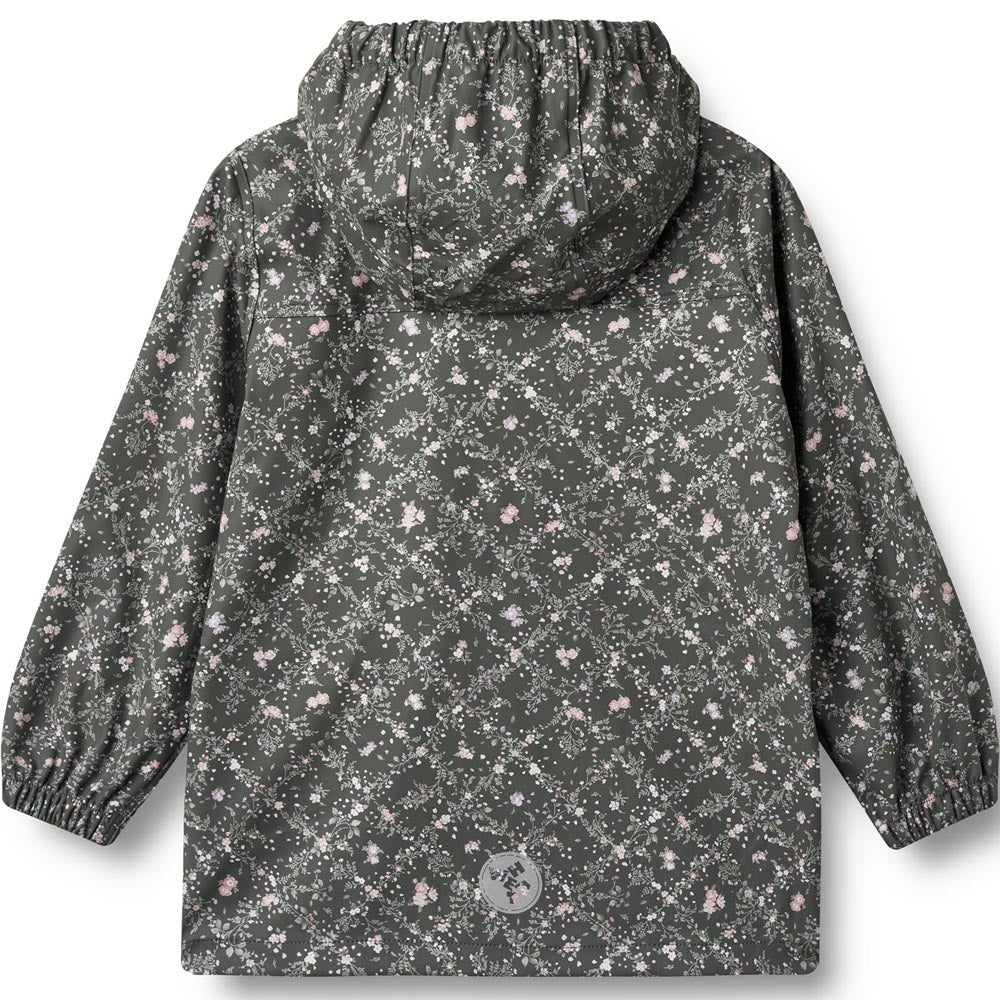
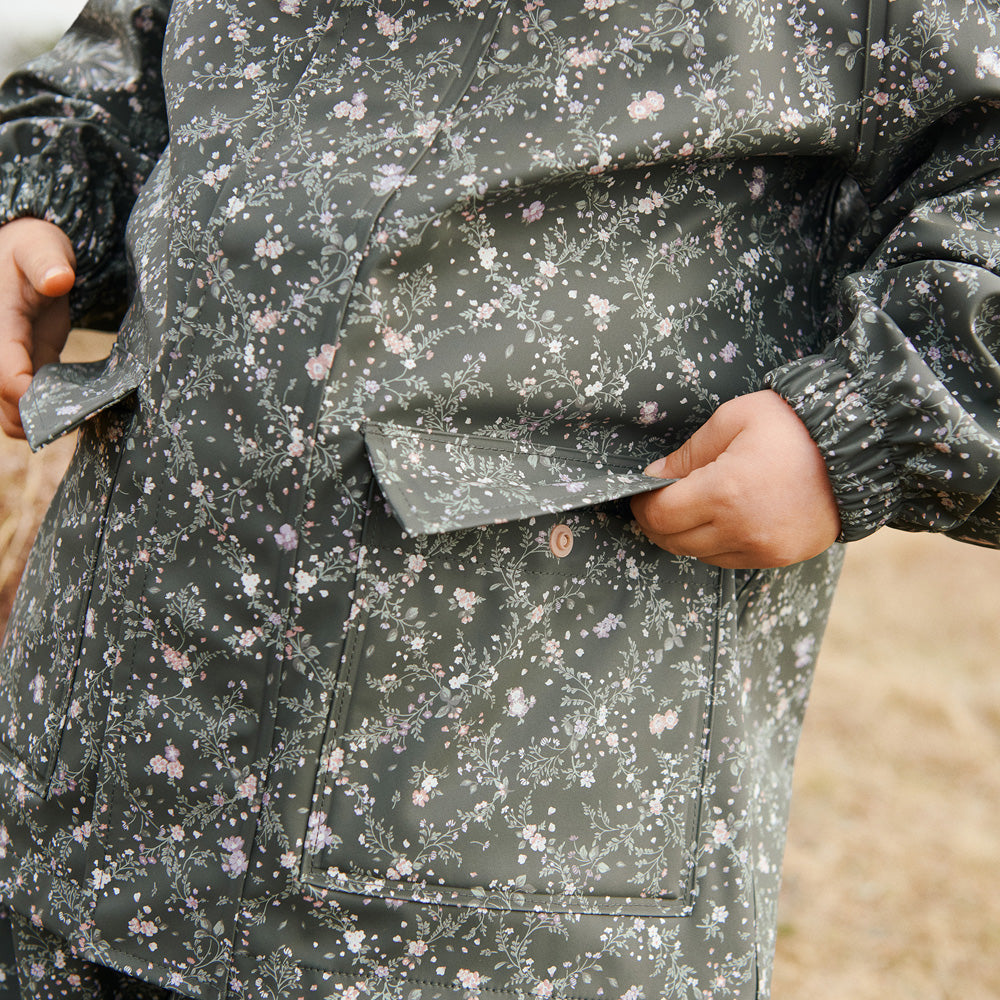
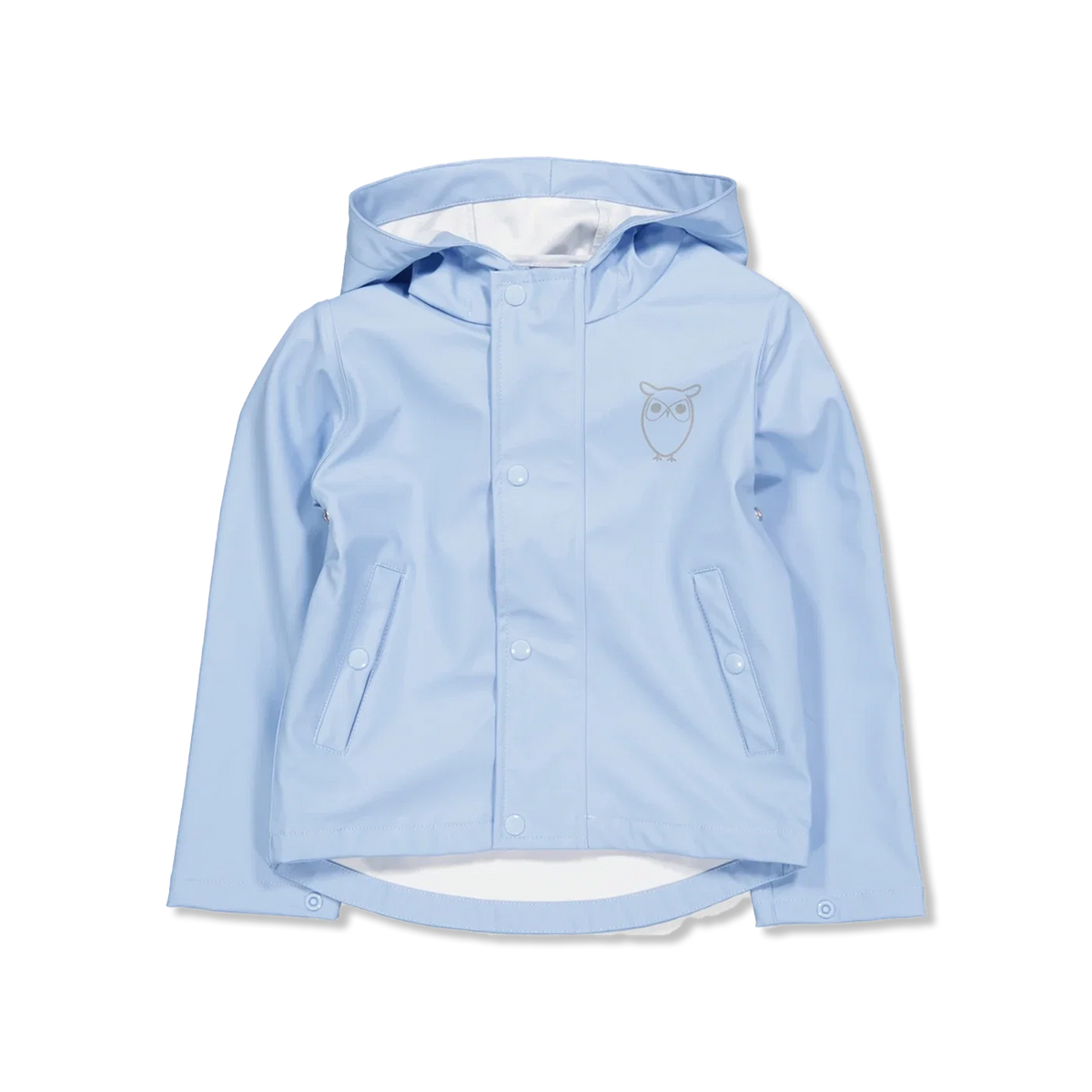
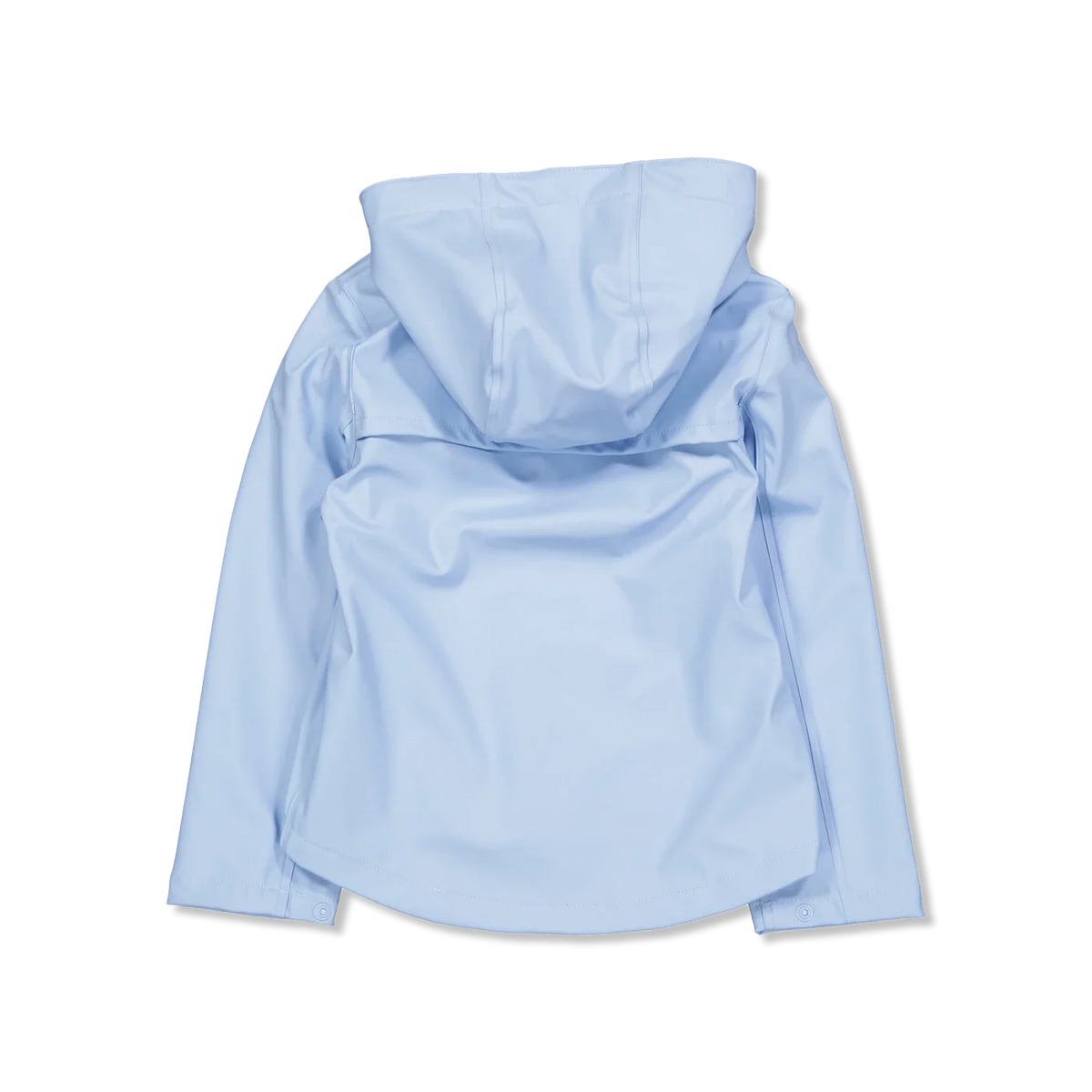
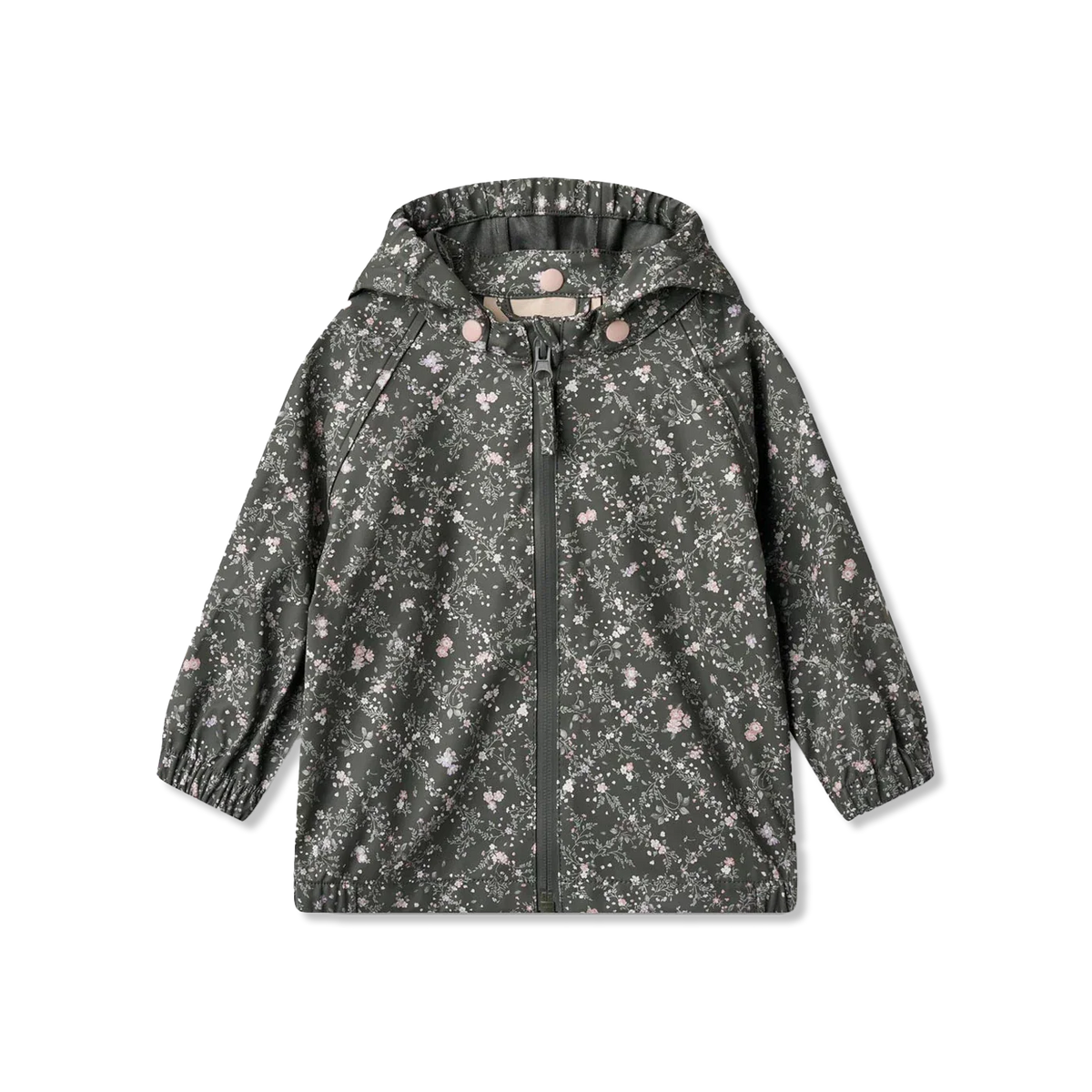
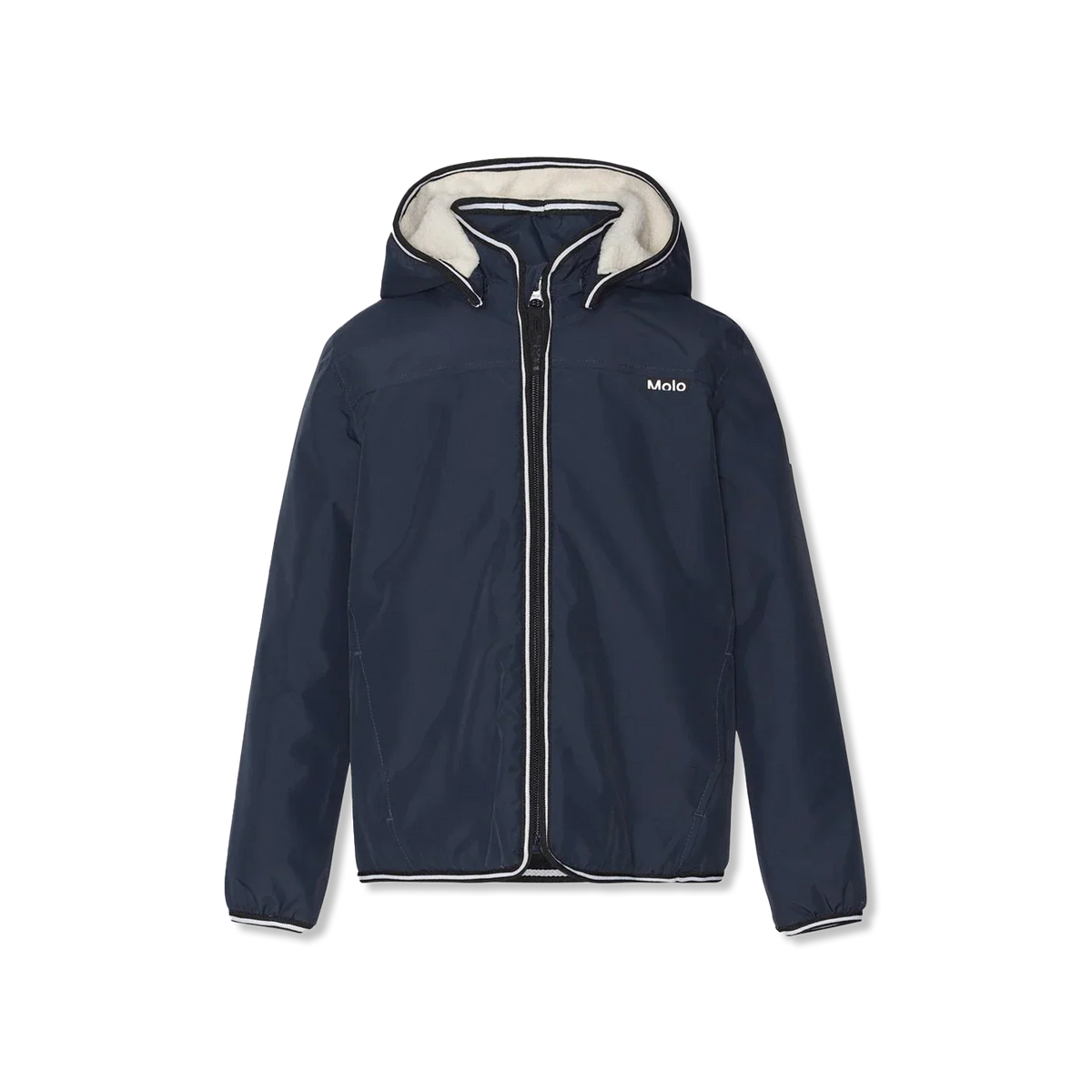
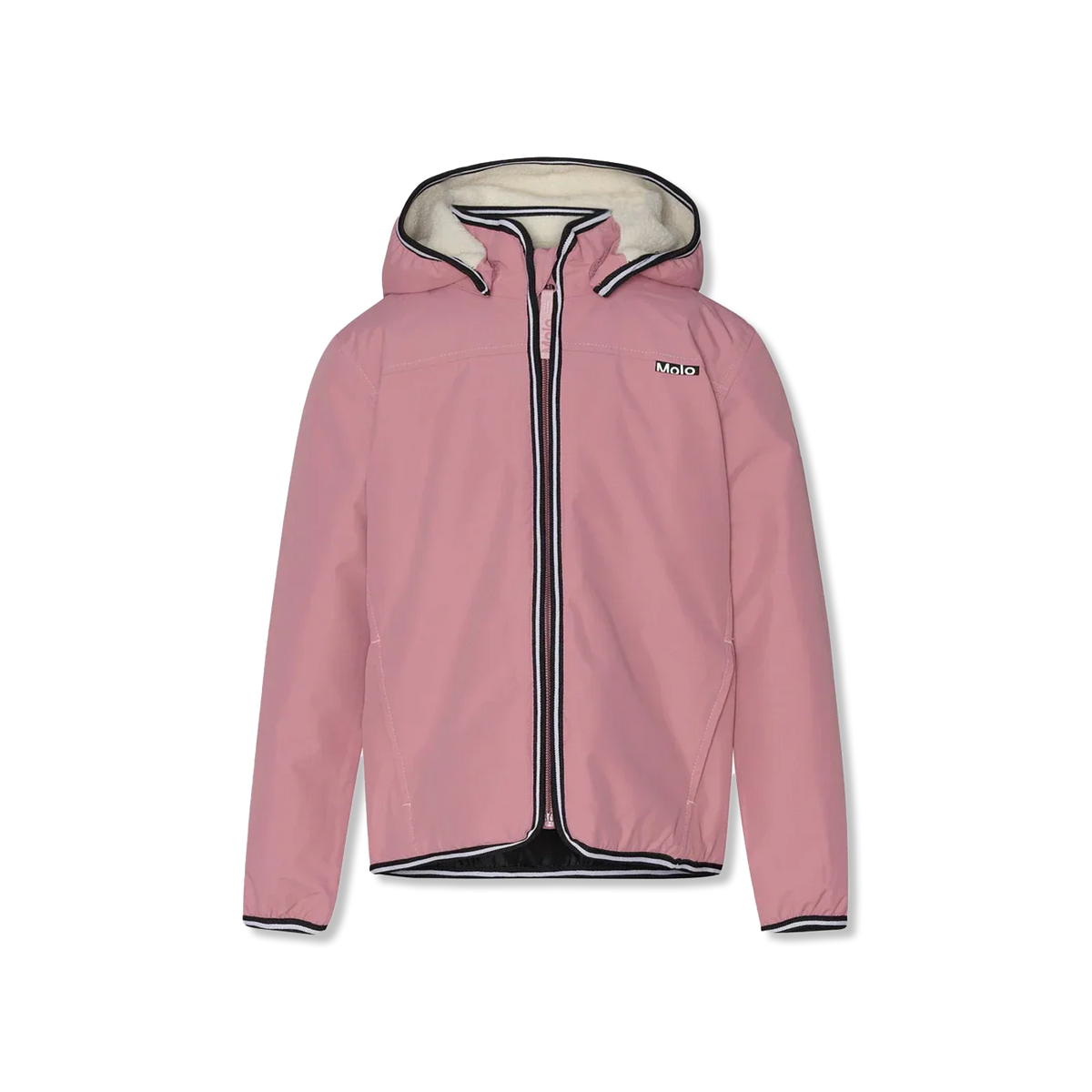
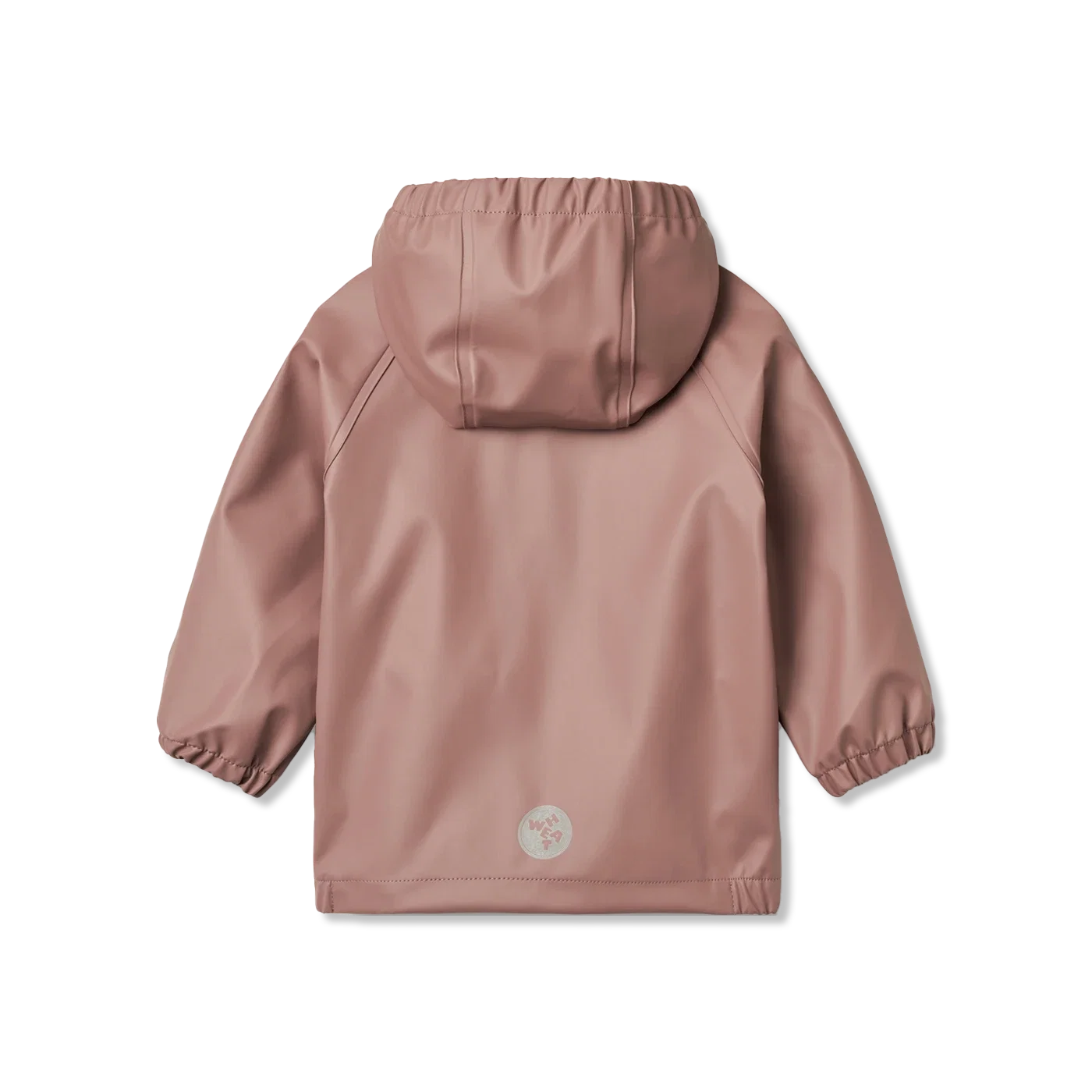
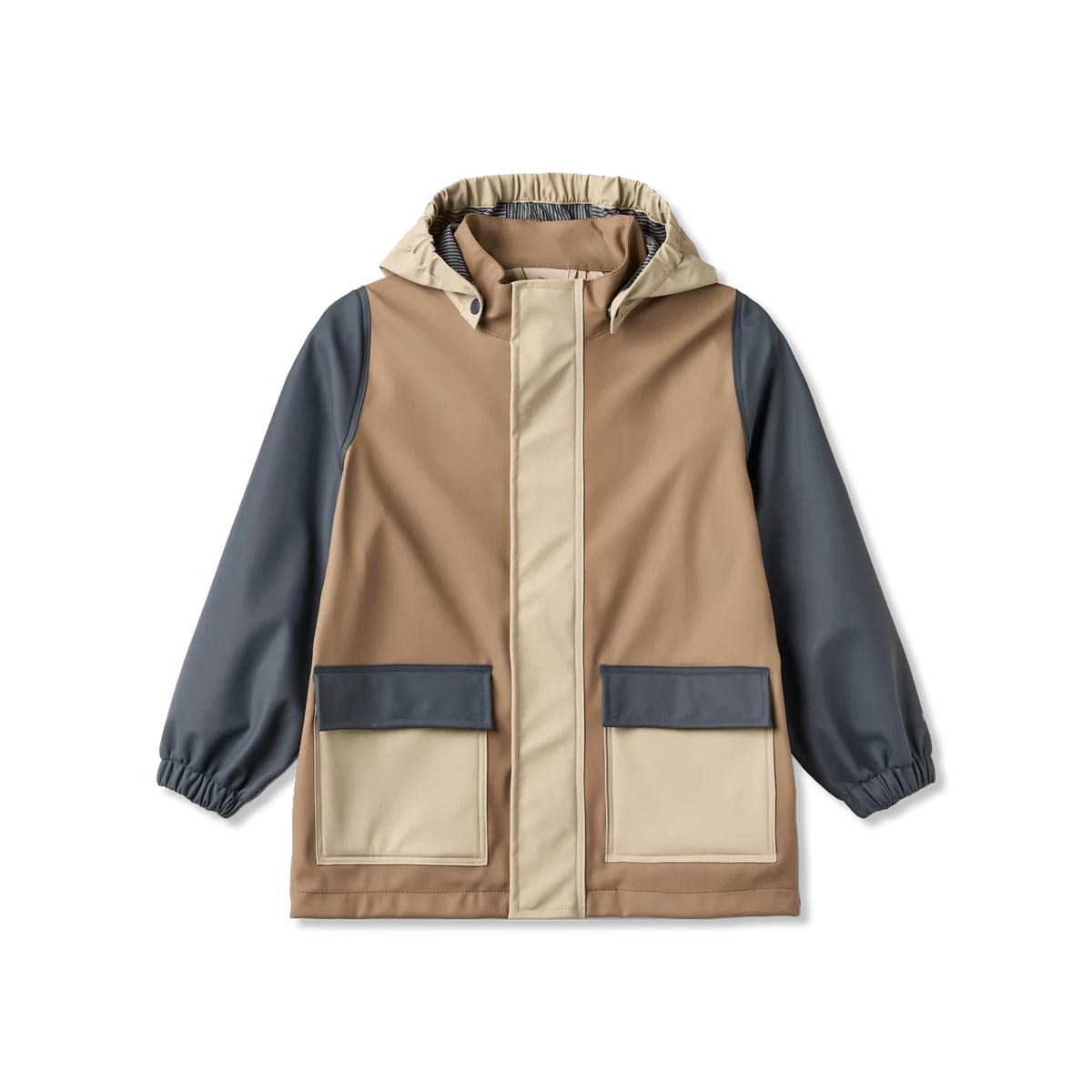
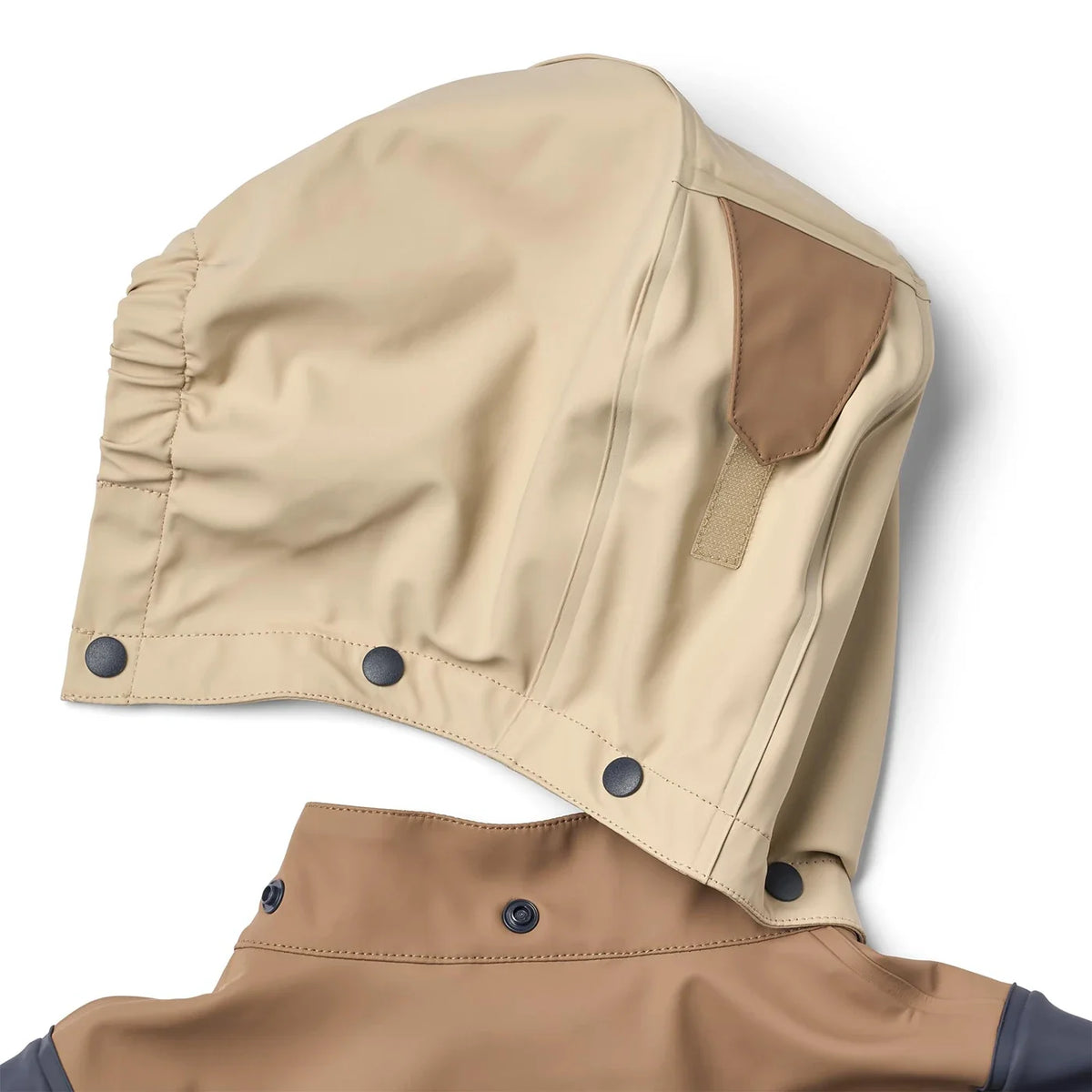
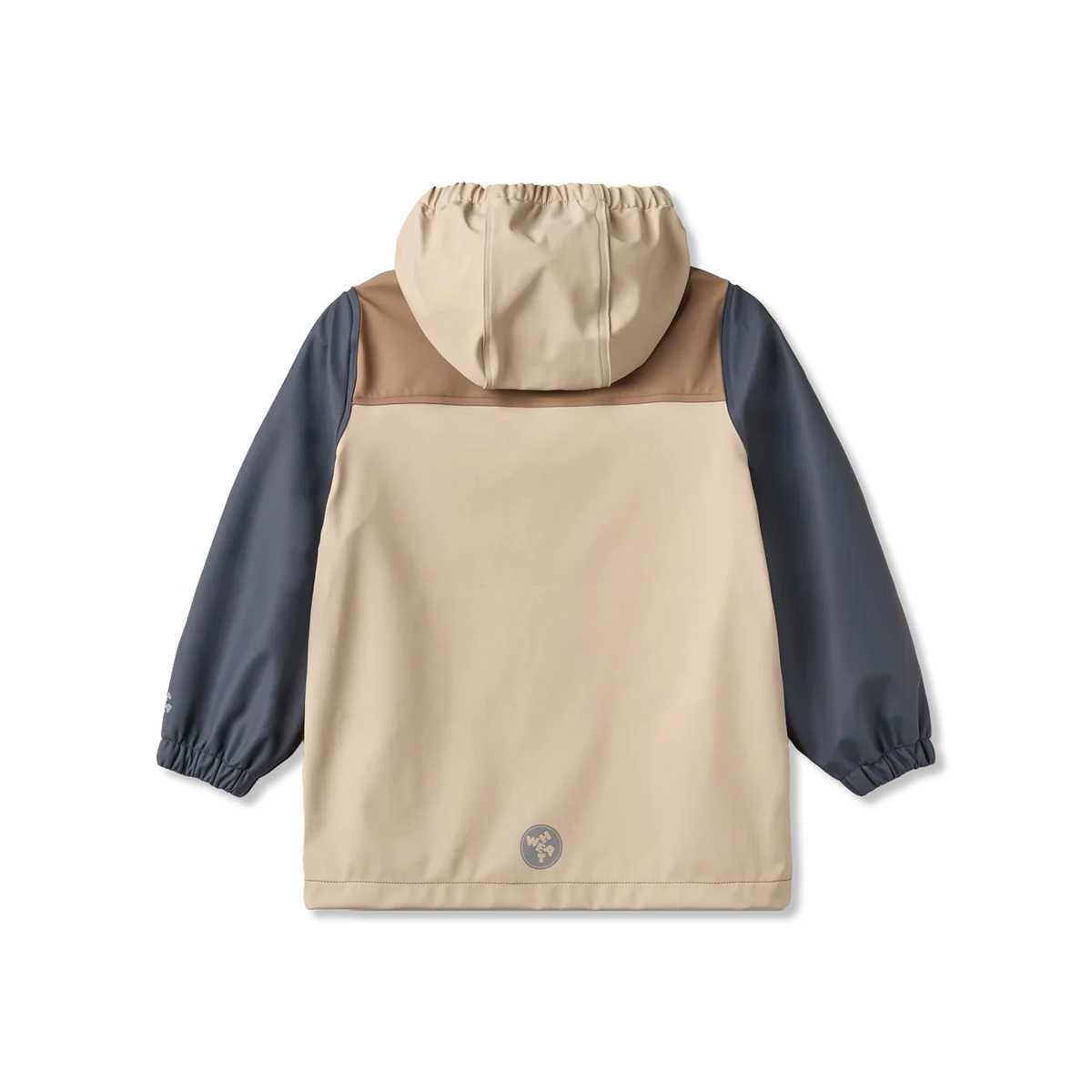
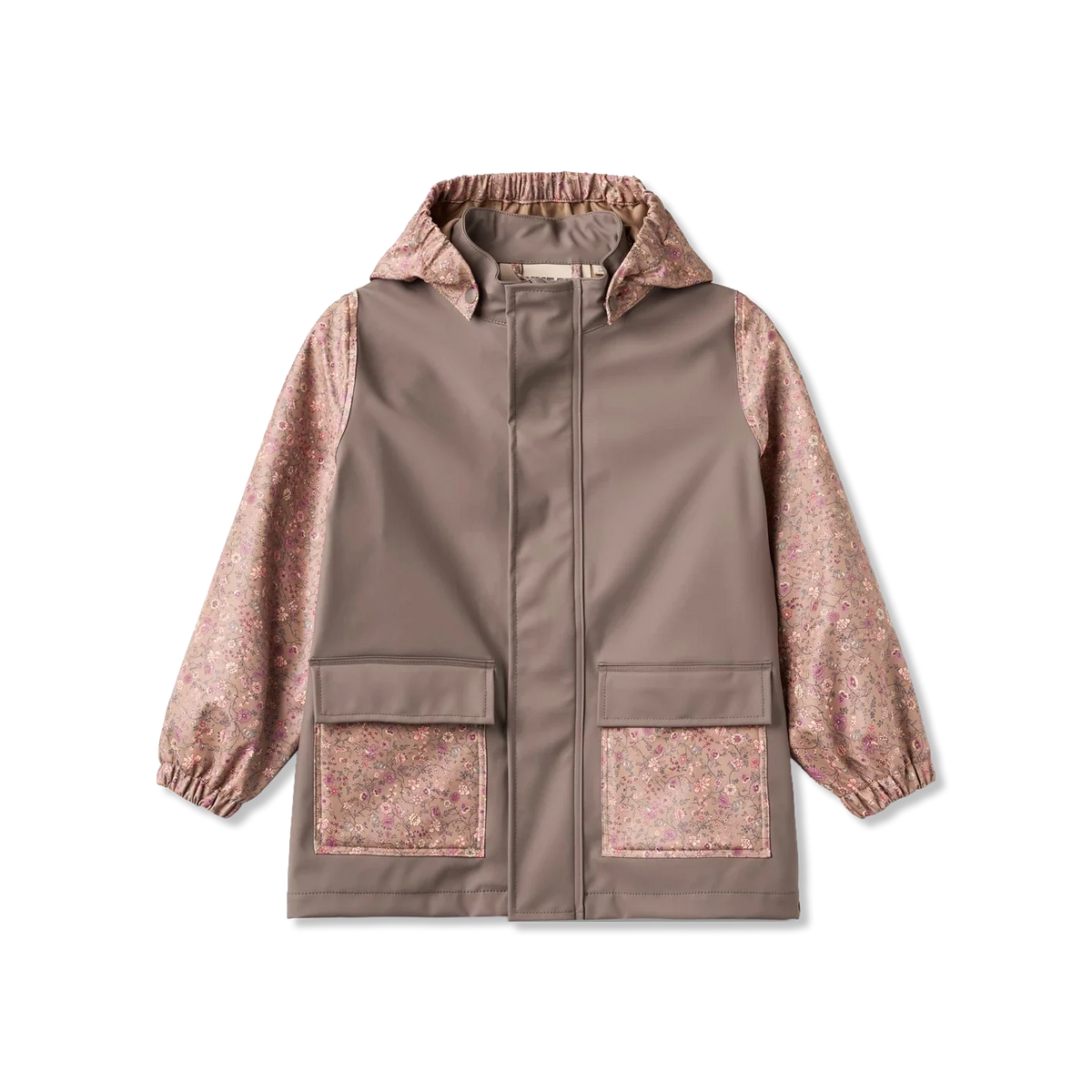
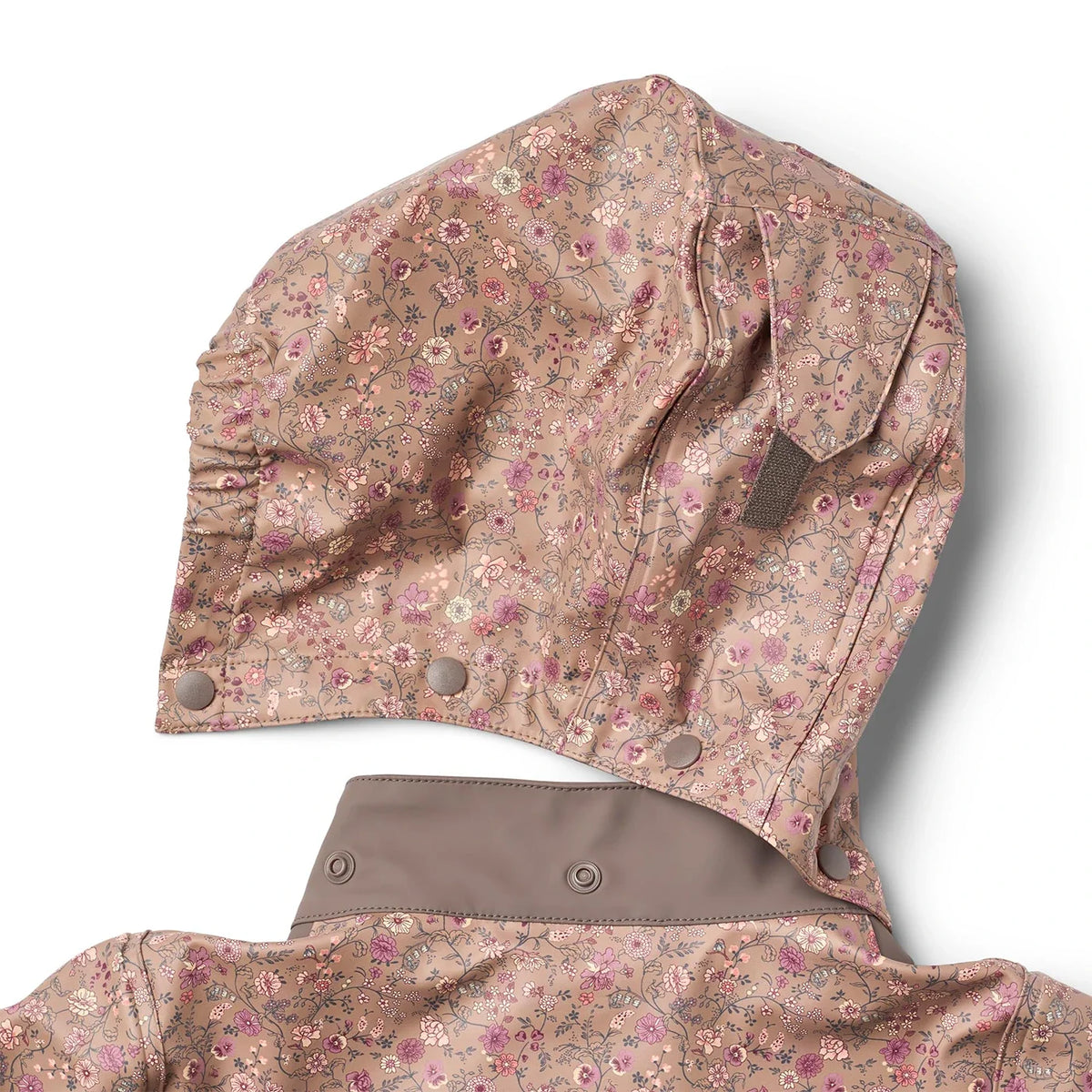
- Details: A hood, zip, reflectors and pockets may sound like small things, but they make a clear difference in daily use.
A long rain jacket offers more coverage, but that does not necessarily make it more waterproof. It makes more sense to consider how the jacket will be used: Is it mainly for short trips back and forth, or does it need to keep your child dry for longer periods outdoors in rainy weather?
Fit, length and size make a big difference
A rain jacket should have room for a sweatshirt or an extra layer underneath, but it still needs to fit well enough for the child to move without difficulty. If it is too large, the sleeves can slip down over the hands, and too much fabric can quickly feel heavy and impractical. Often, this means the jacket is not used as much.
Shorter styles often work well for children who move a lot and need freedom while playing. A longer rain jacket, on the other hand, can be comfortable if you want a little extra coverage over the hips and thighs, for example for daycare, walks and days with changeable weather. It is therefore not only about how the jacket looks, but about what works best in your child’s everyday life.
In the cooler months, it is helpful if there is room for a sweatshirt or another light layer underneath. On milder days, a lighter solution is often enough. If you are also looking for other types of outerwear for changing seasons, you can find the full selection of jackets in one place.
A rain jacket should suit the season and your child’s everyday routine
A rain jacket used in spring and autumn usually needs to do more than just handle the worst of a shower. It also needs to work on days with cold mornings, milder afternoons and plenty of movement in between. That is why it is a good idea to think about layering when choosing.
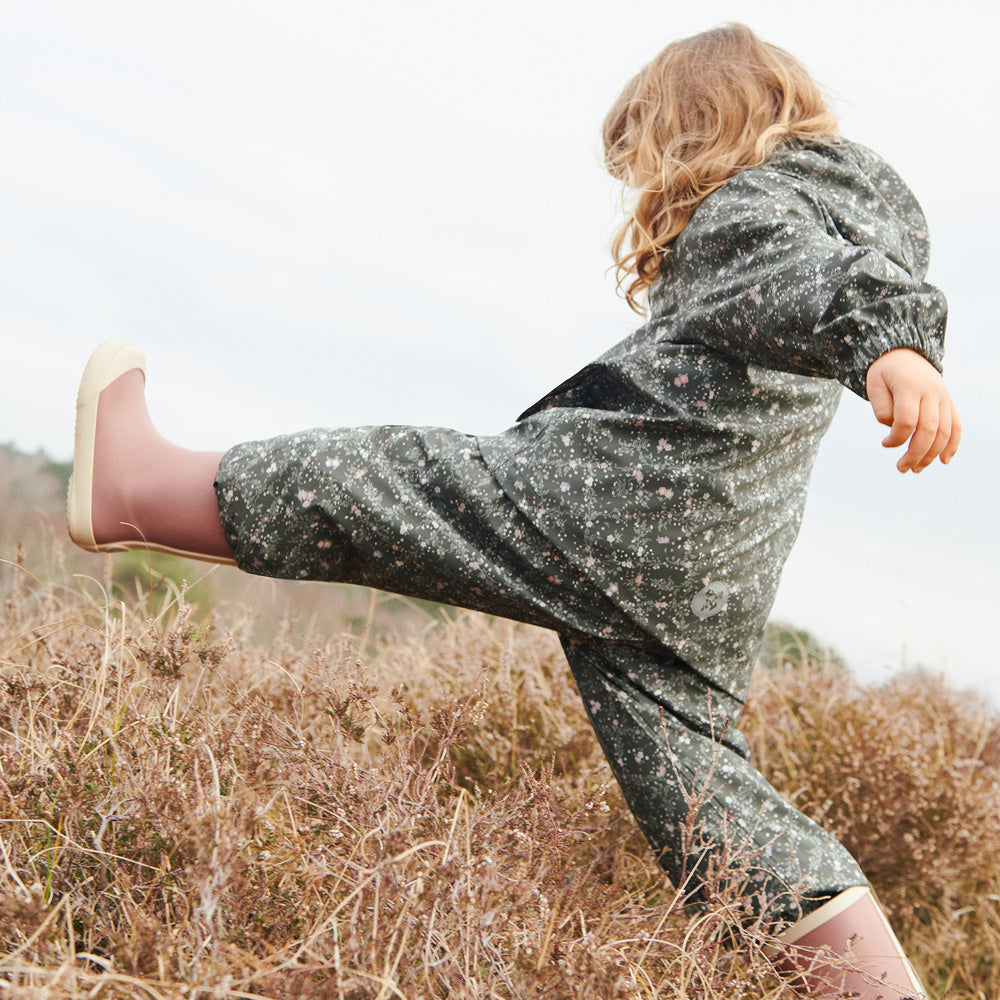
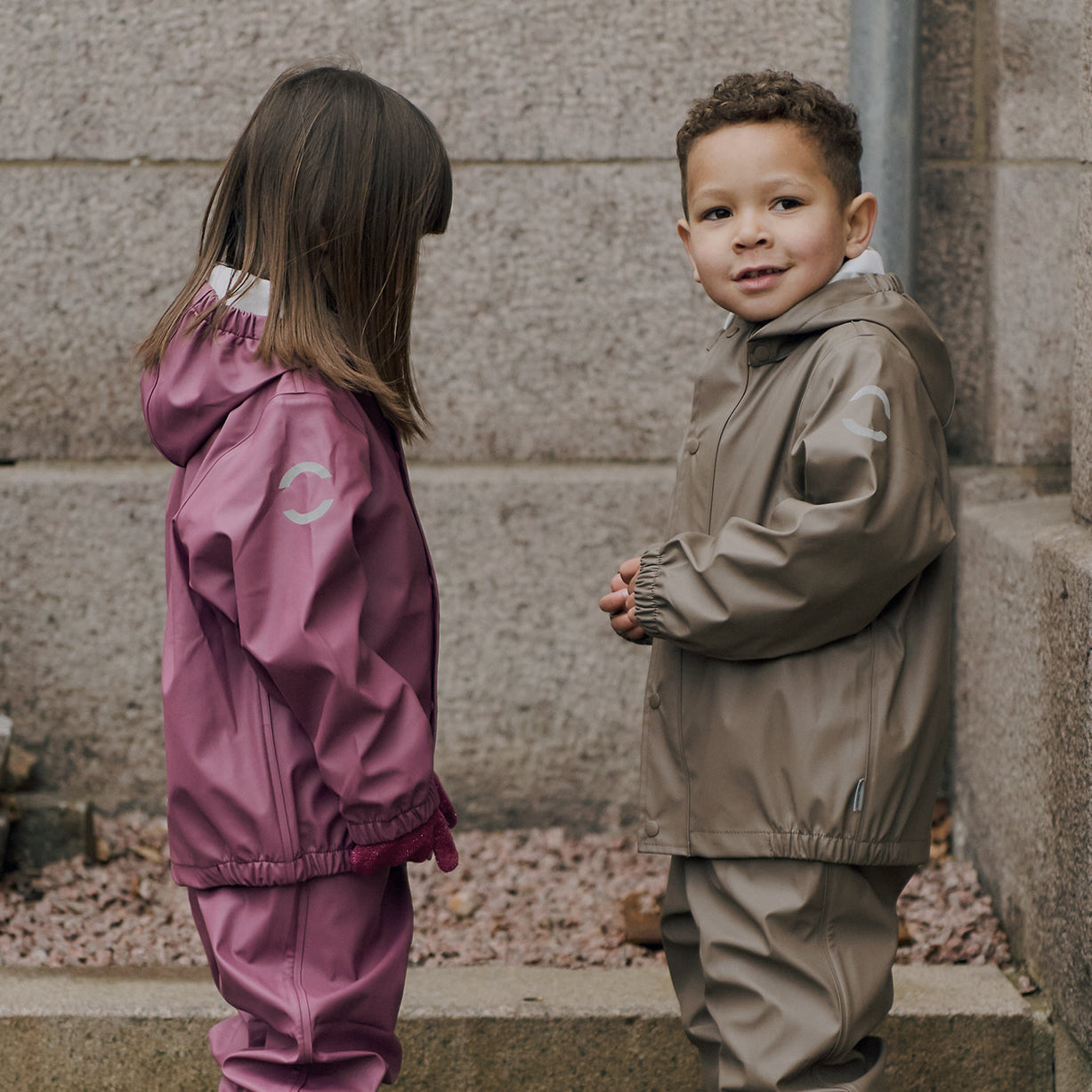
On warm rainy days, a regular top underneath may be enough. When the temperature drops, it makes more sense to add layers, so your child can stay warm without feeling too bundled up. For the legs, many parents also choose rain trousers, especially if the child spends a lot of time outside, or if the rain jacket is used for daycare, where play is rarely cancelled because of the weather.
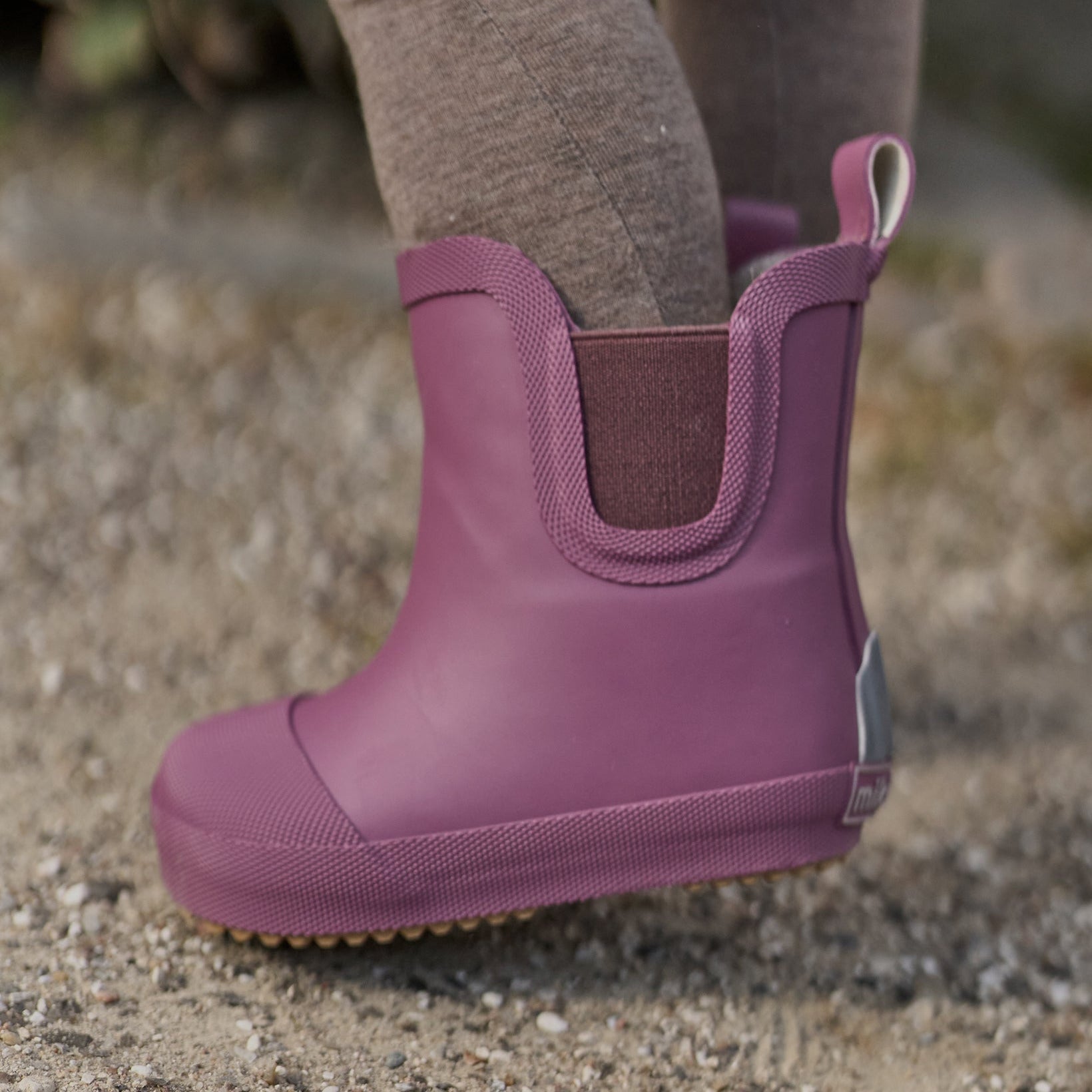
Footwear also plays a bigger role than you might think. Even the best rain jacket cannot do the whole job alone if the feet get wet. That is why it is often worn together with wellies, so your child is better covered from head to toe.
Practical details that make rain jackets easier to use
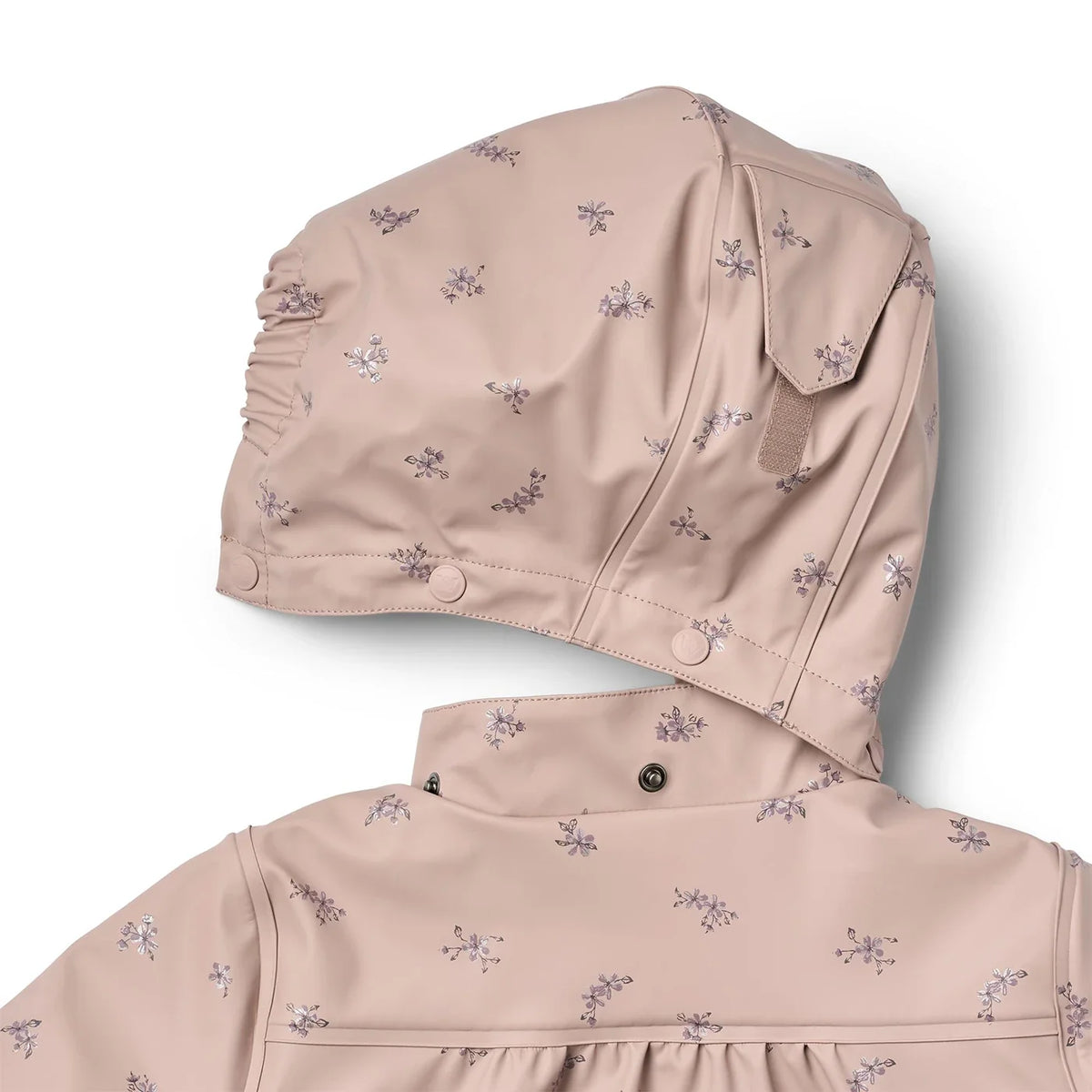
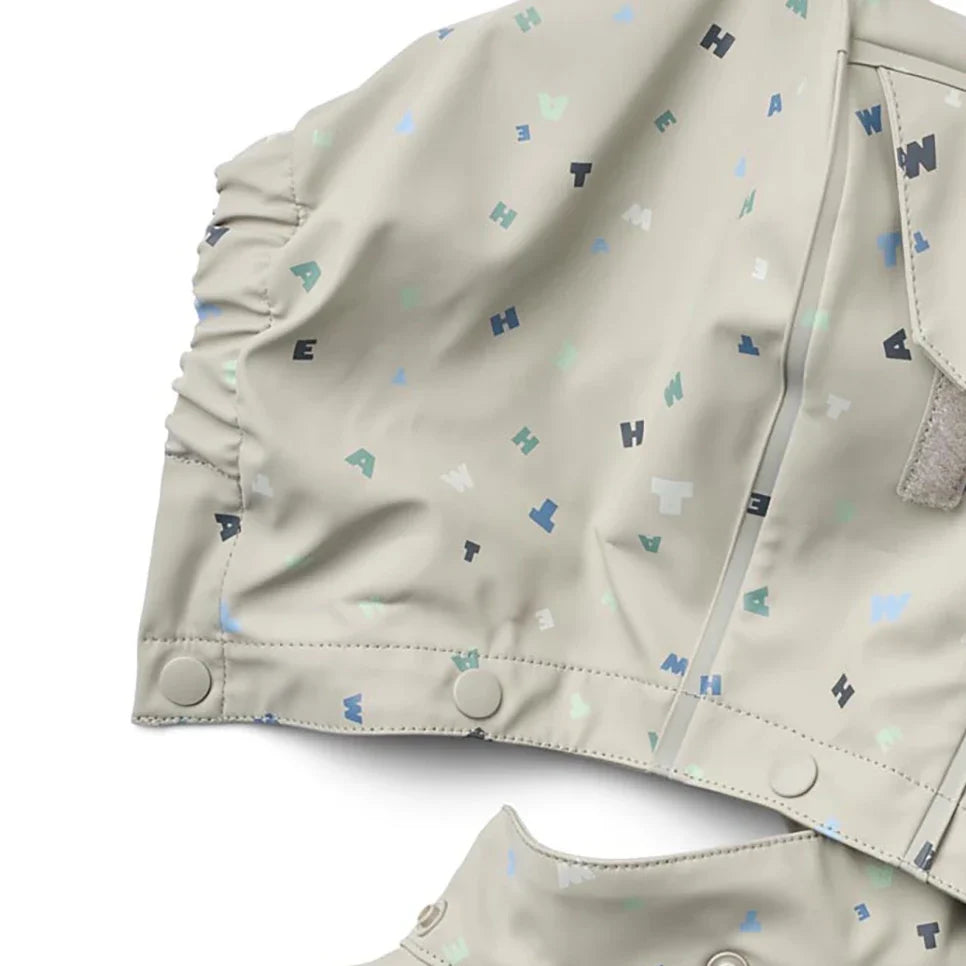
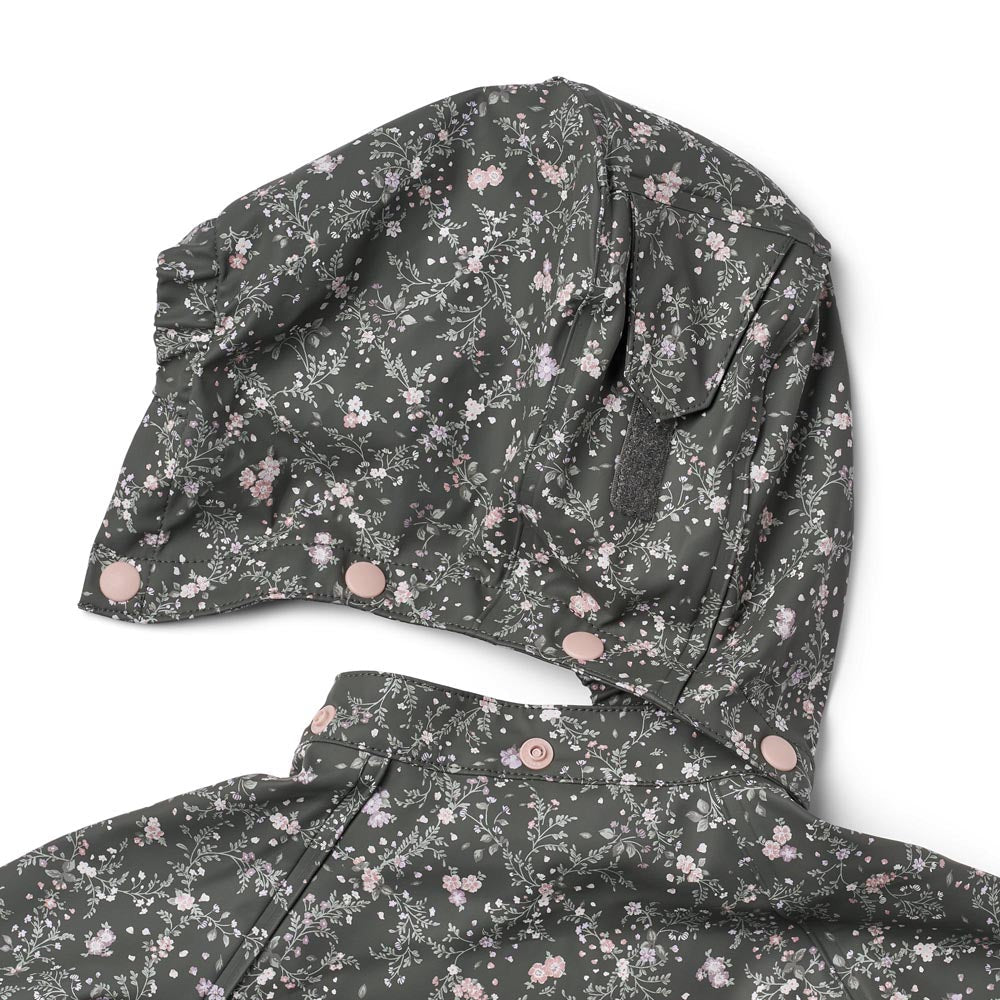
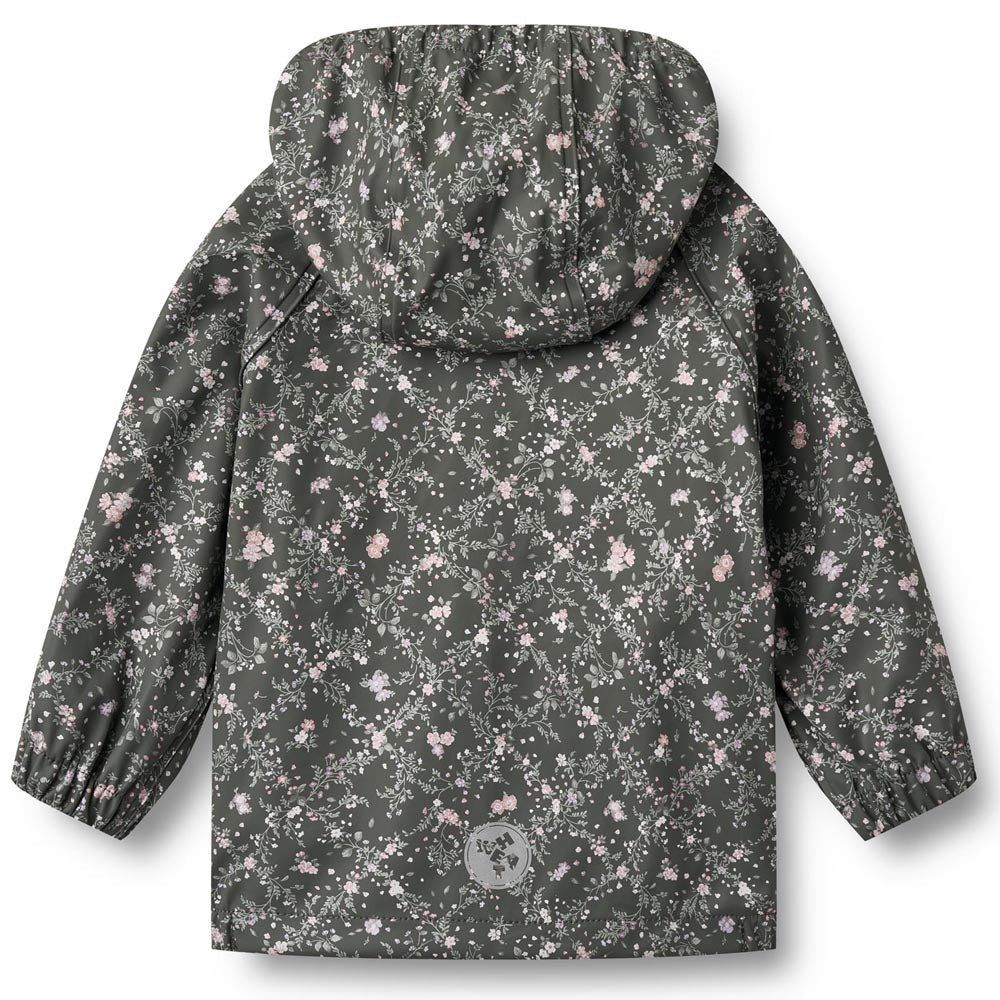
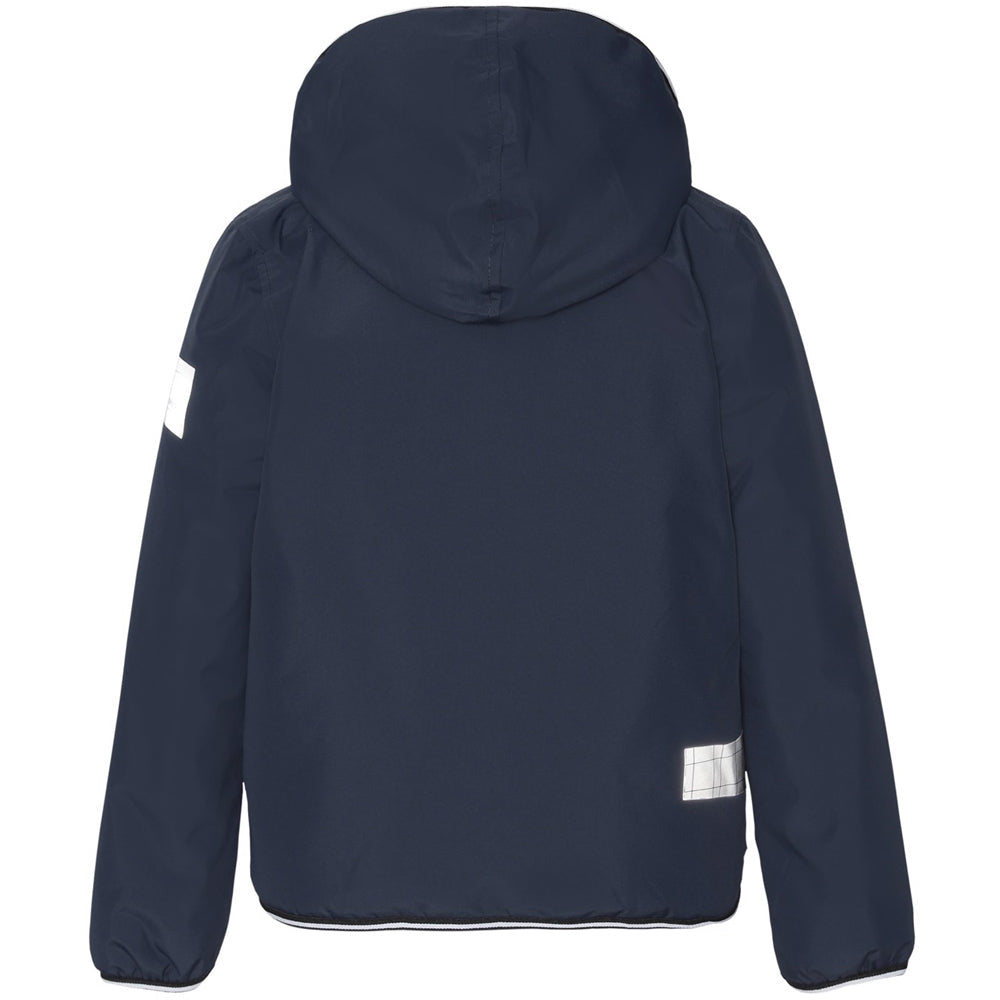
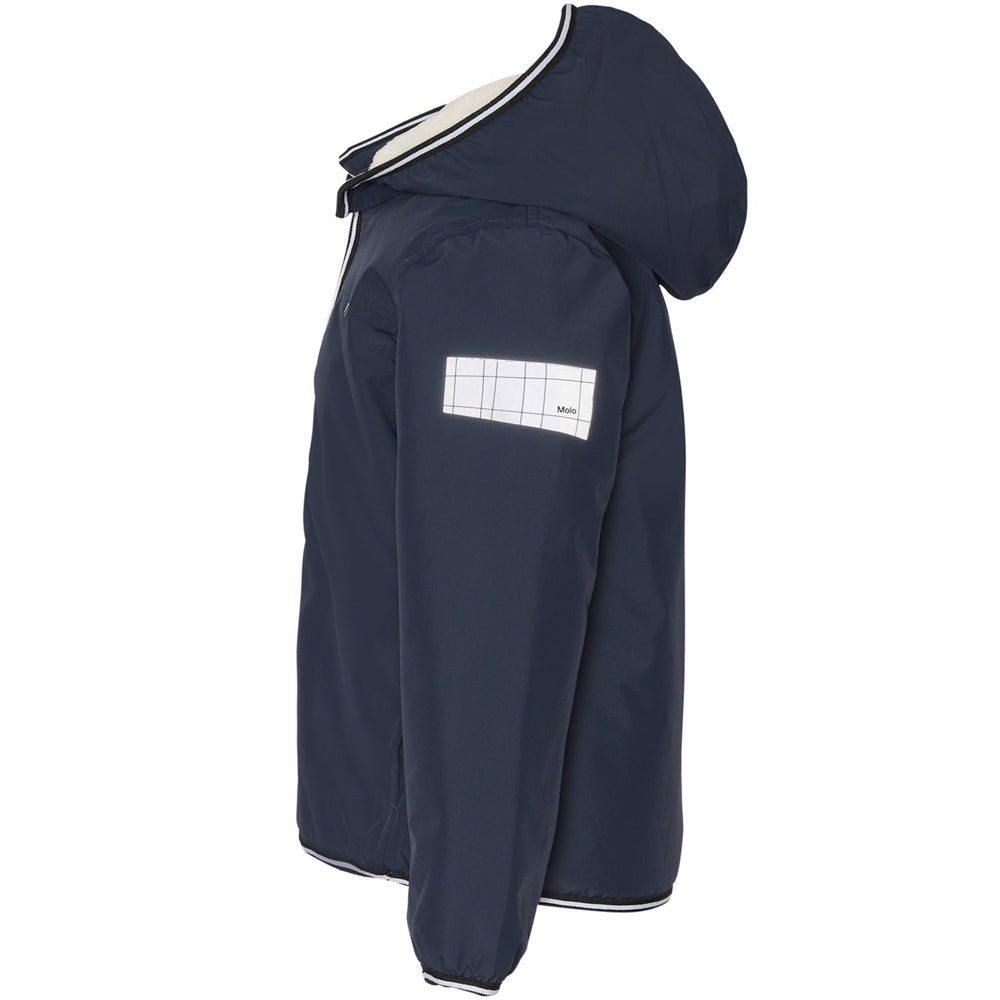
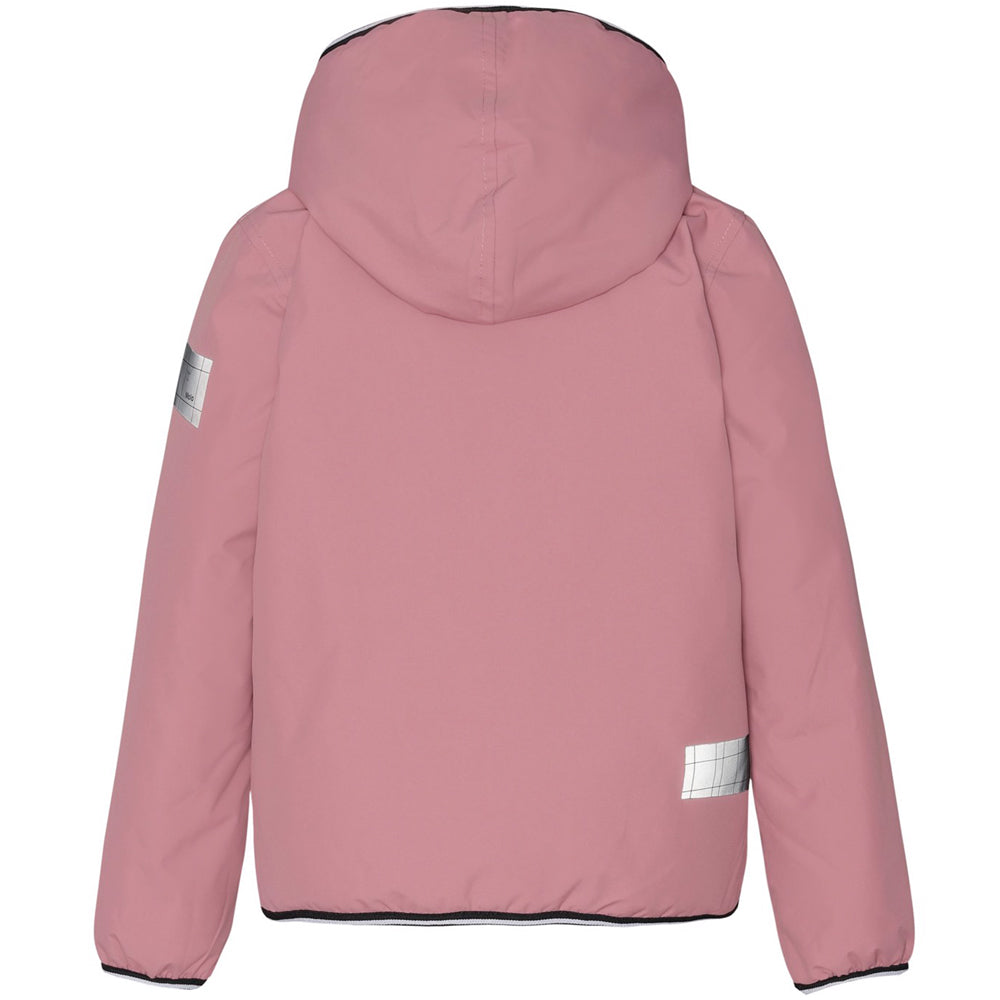
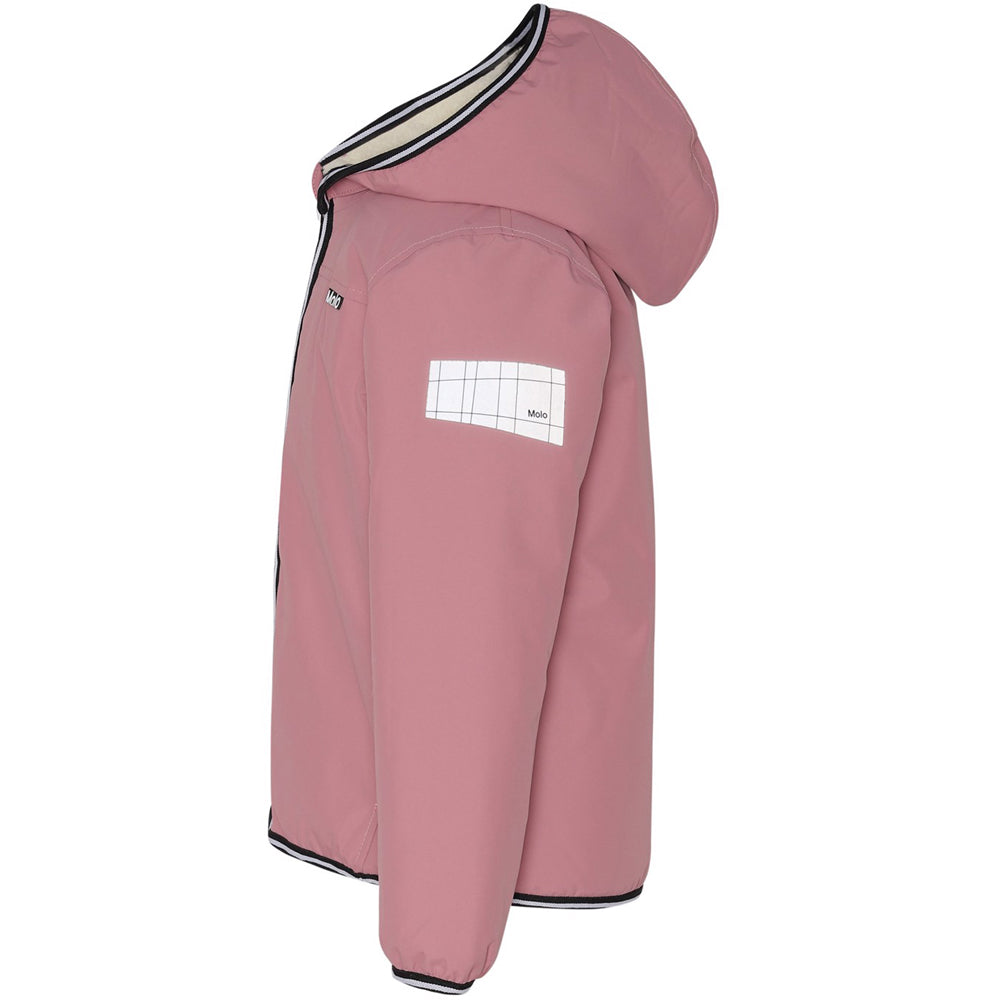
It is often the small details that decide whether a rain jacket becomes a regular part of the wardrobe. A well-fitting hood is useful when the rain starts, but it should also be comfortable to wear and not block the child’s view. Reflective details are also a good feature on dark and grey days, especially when your child is heading out in the morning or coming home later in the day.
The zip should be easy to grip, even for small hands, and the material should ideally be soft and flexible, so your child can play and move freely. Many parents also check whether the rain jacket is easy to wipe clean or can be washed after trips through mud, puddles and wet sand. The rain jacket children get the most use from is rarely just the prettiest one, but the one that works easily and effortlessly again and again.
If you would like a complete solution for extra wet days, a full rainwear set can be a good supplement to a single rain jacket.