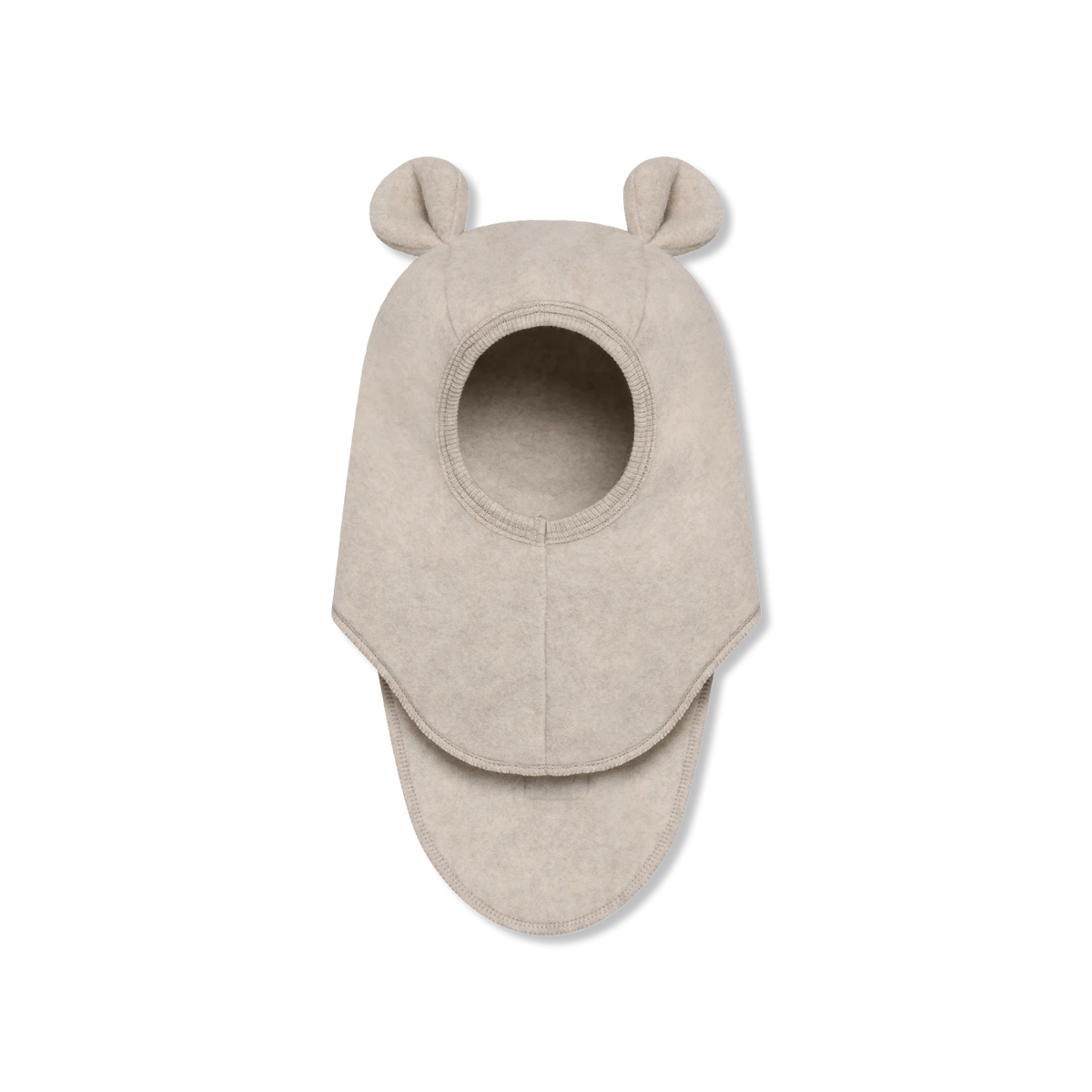
Wool fleece for babies and children – warm layers for everyday wear
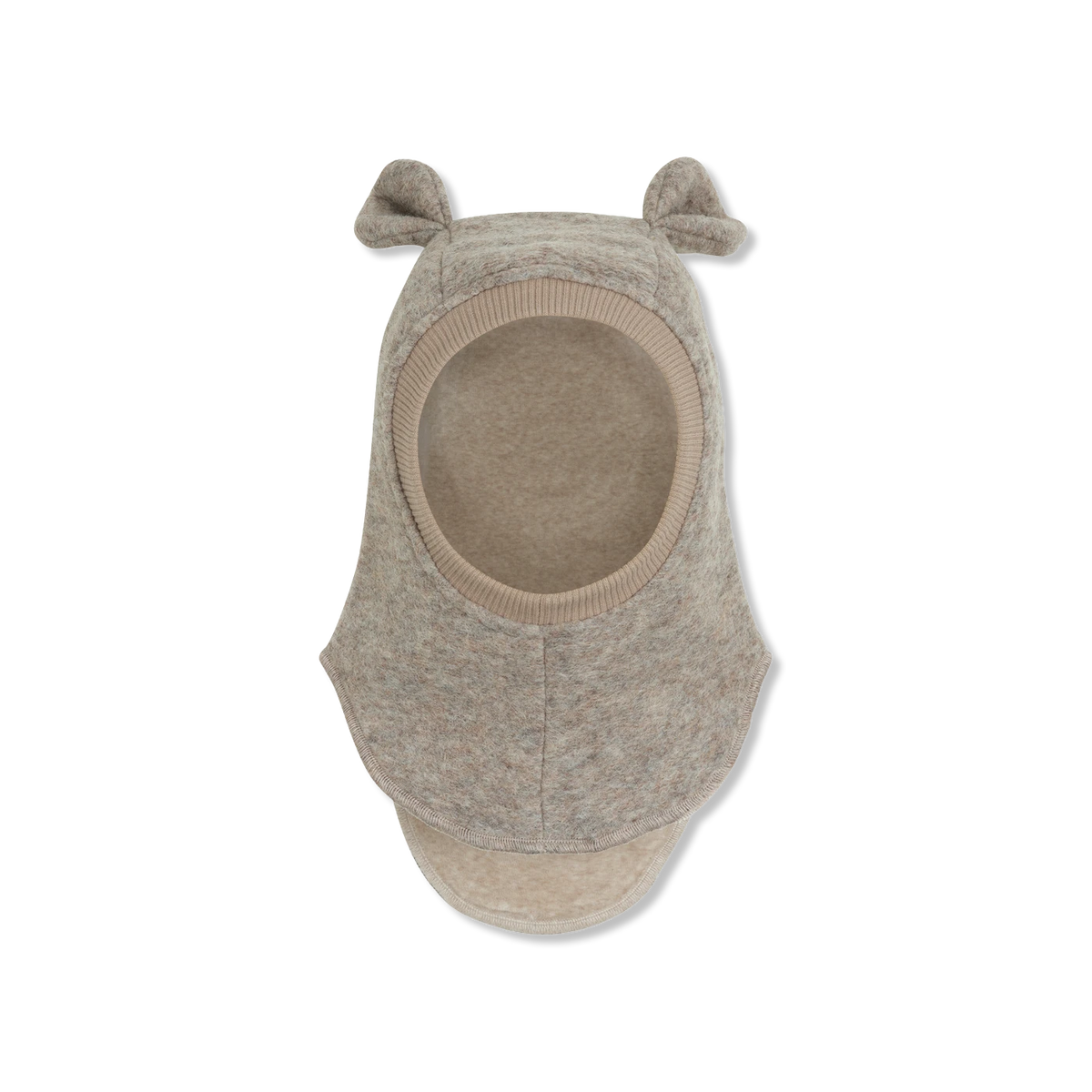
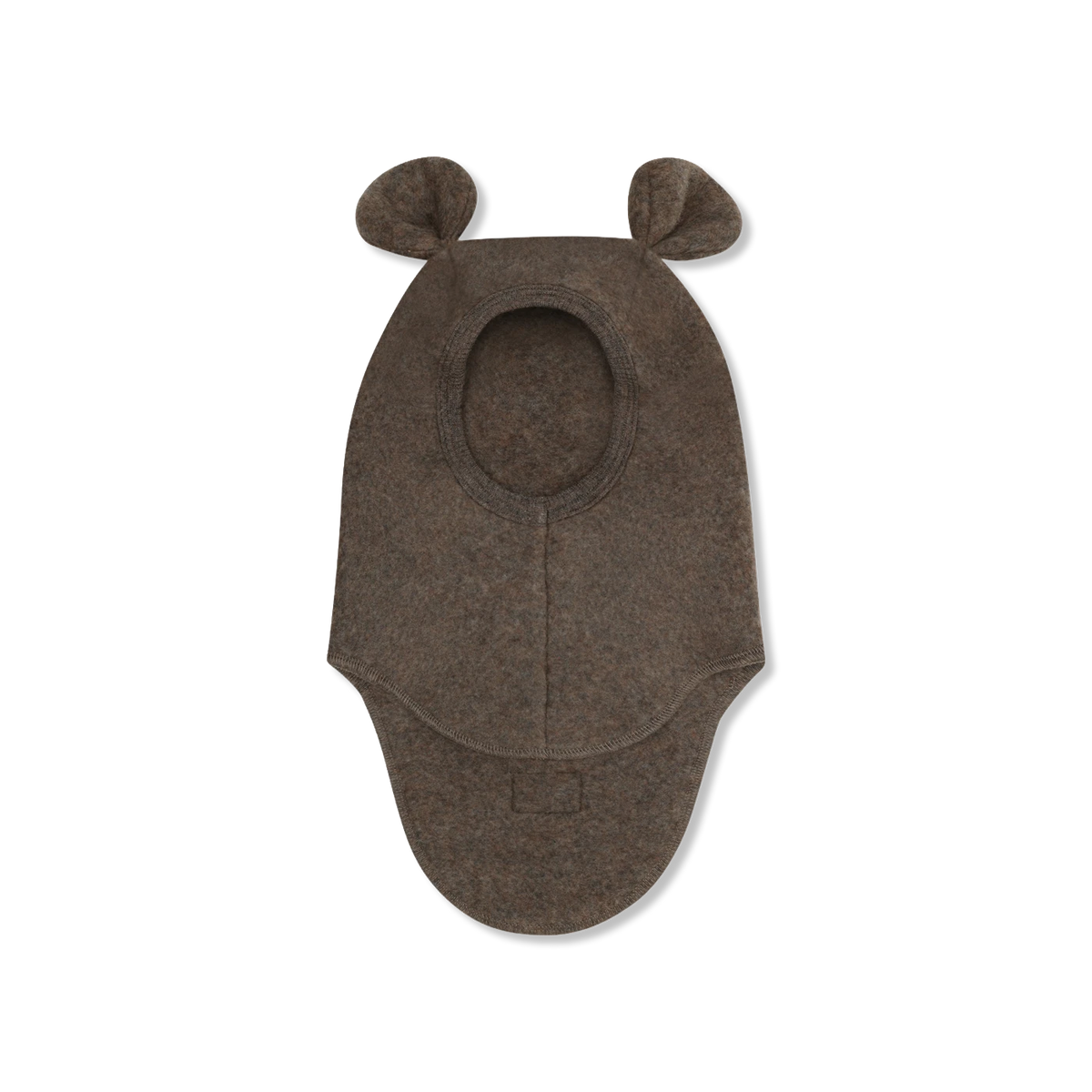
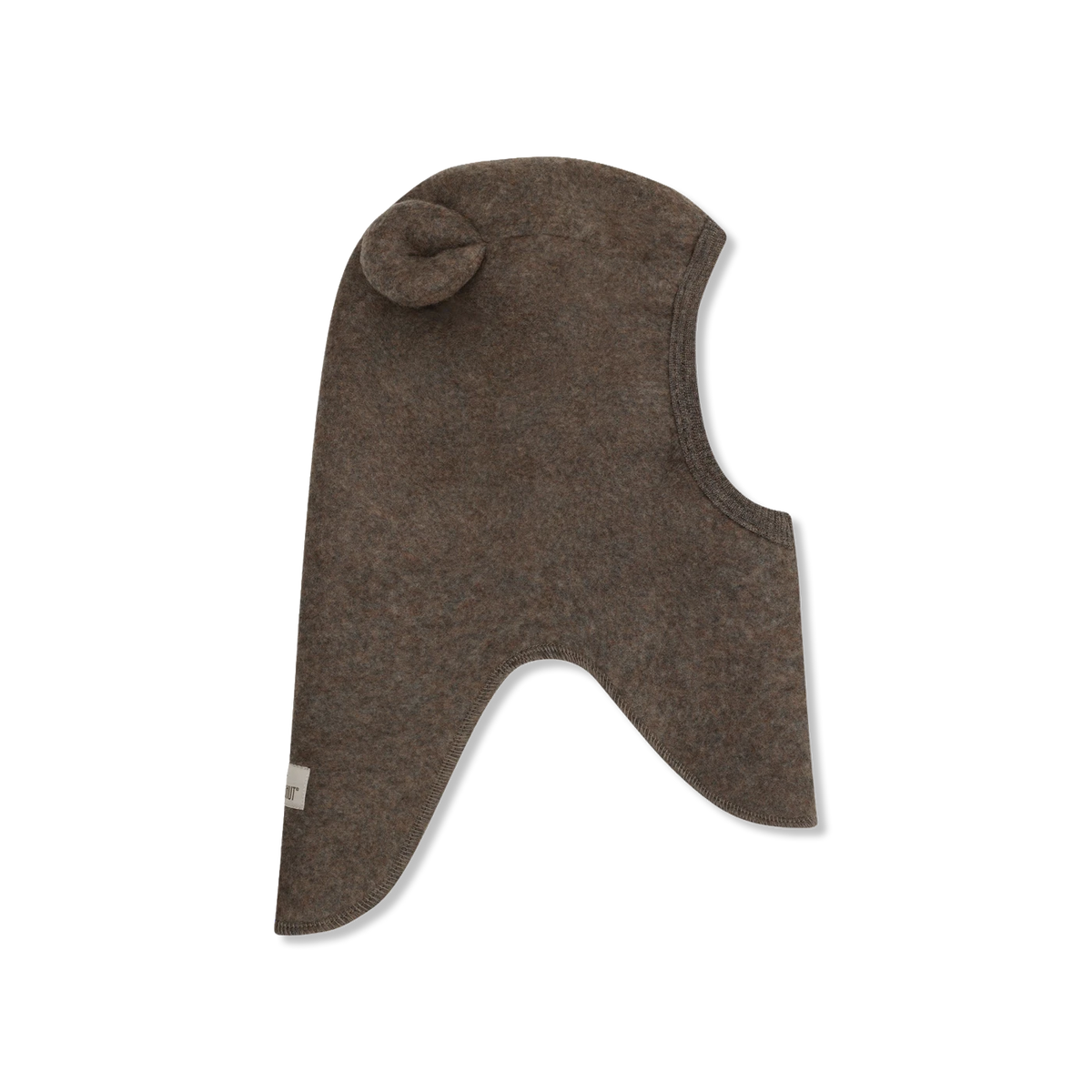
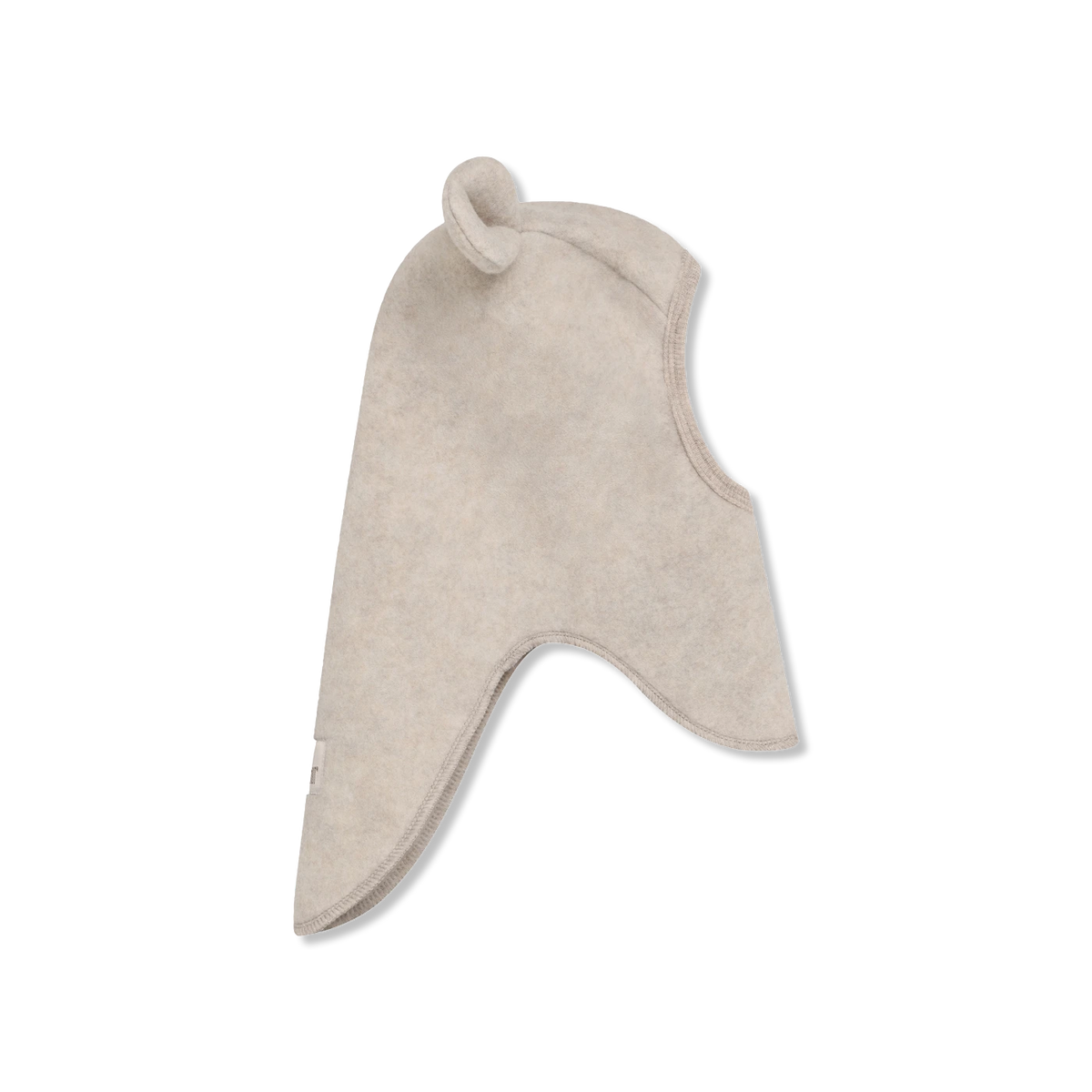
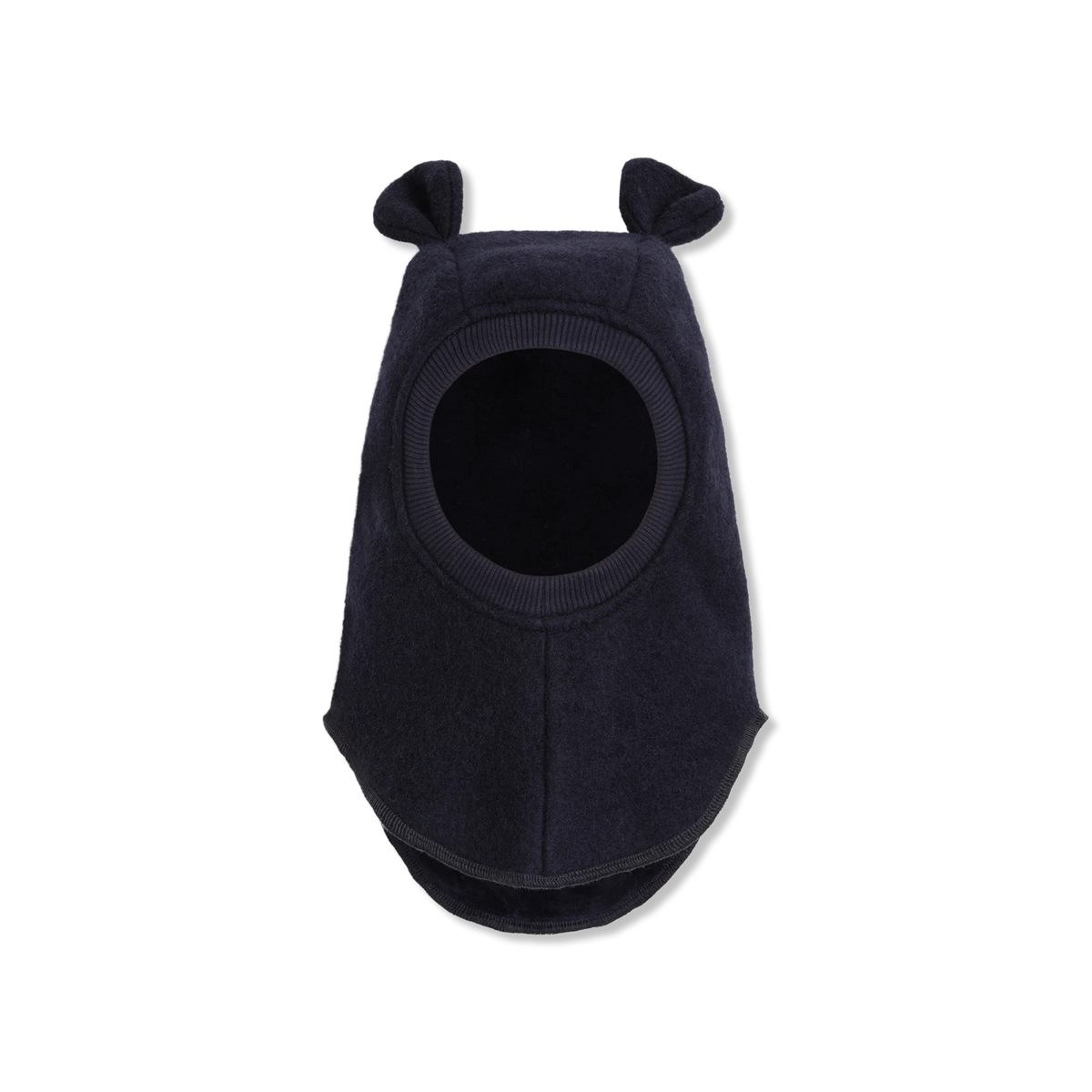
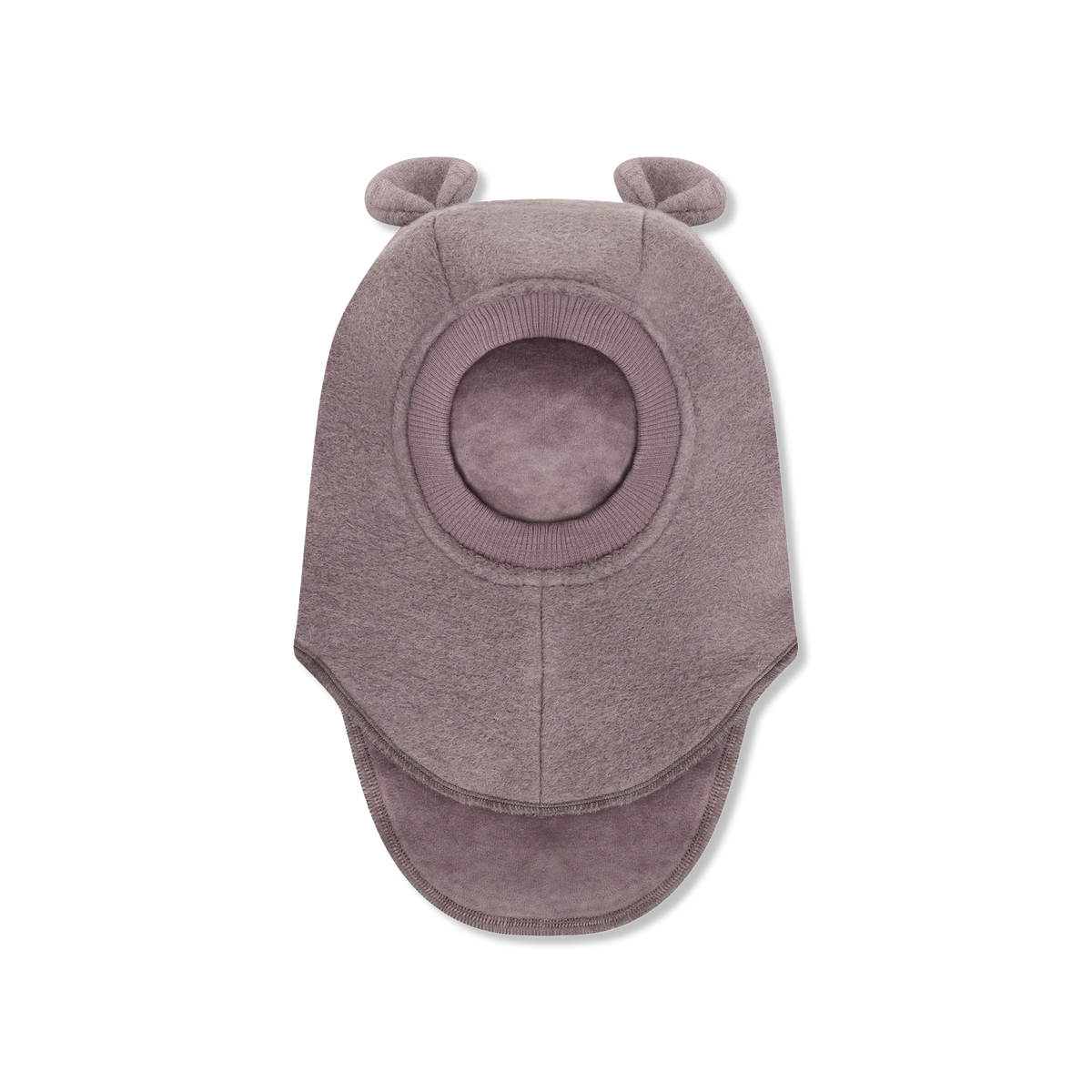
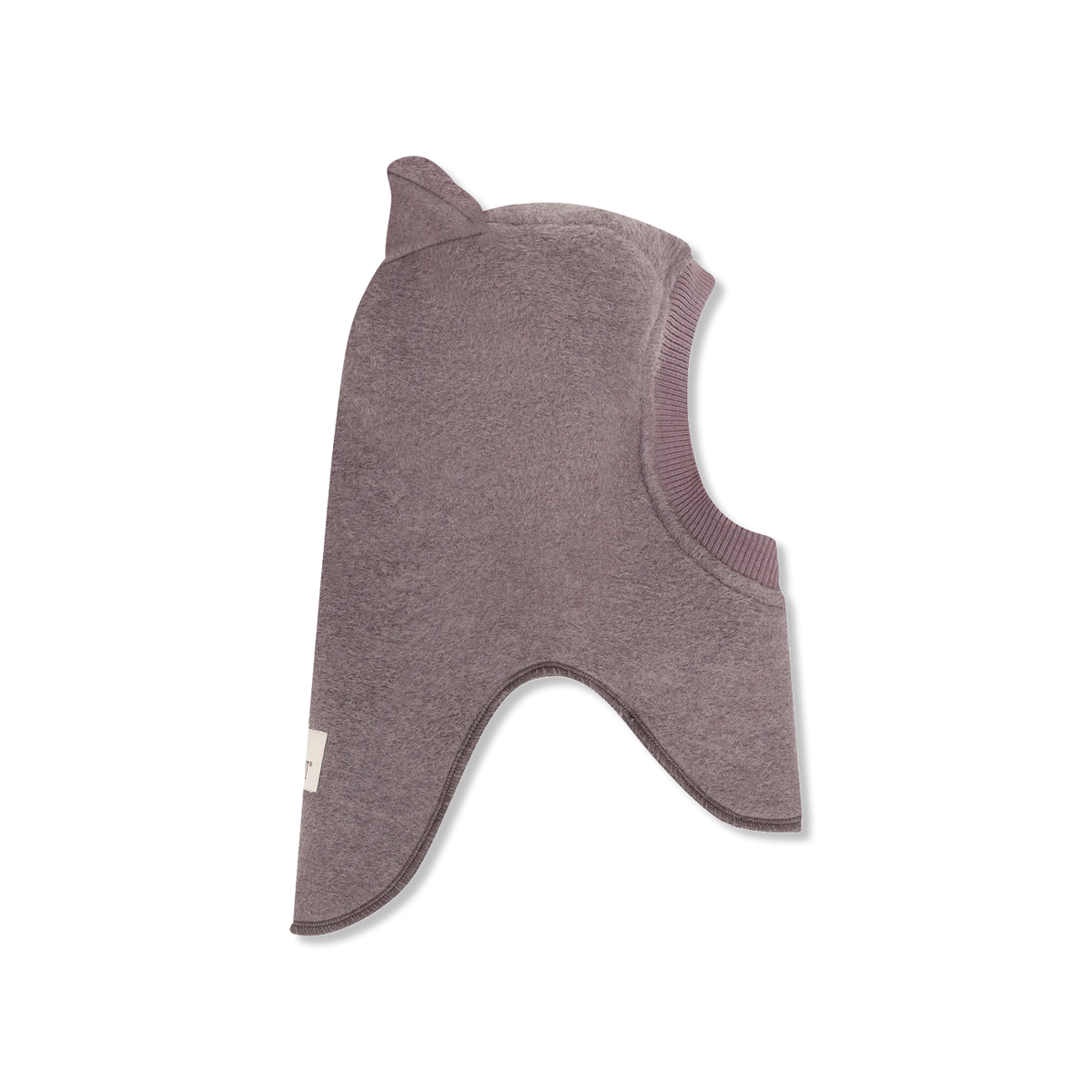
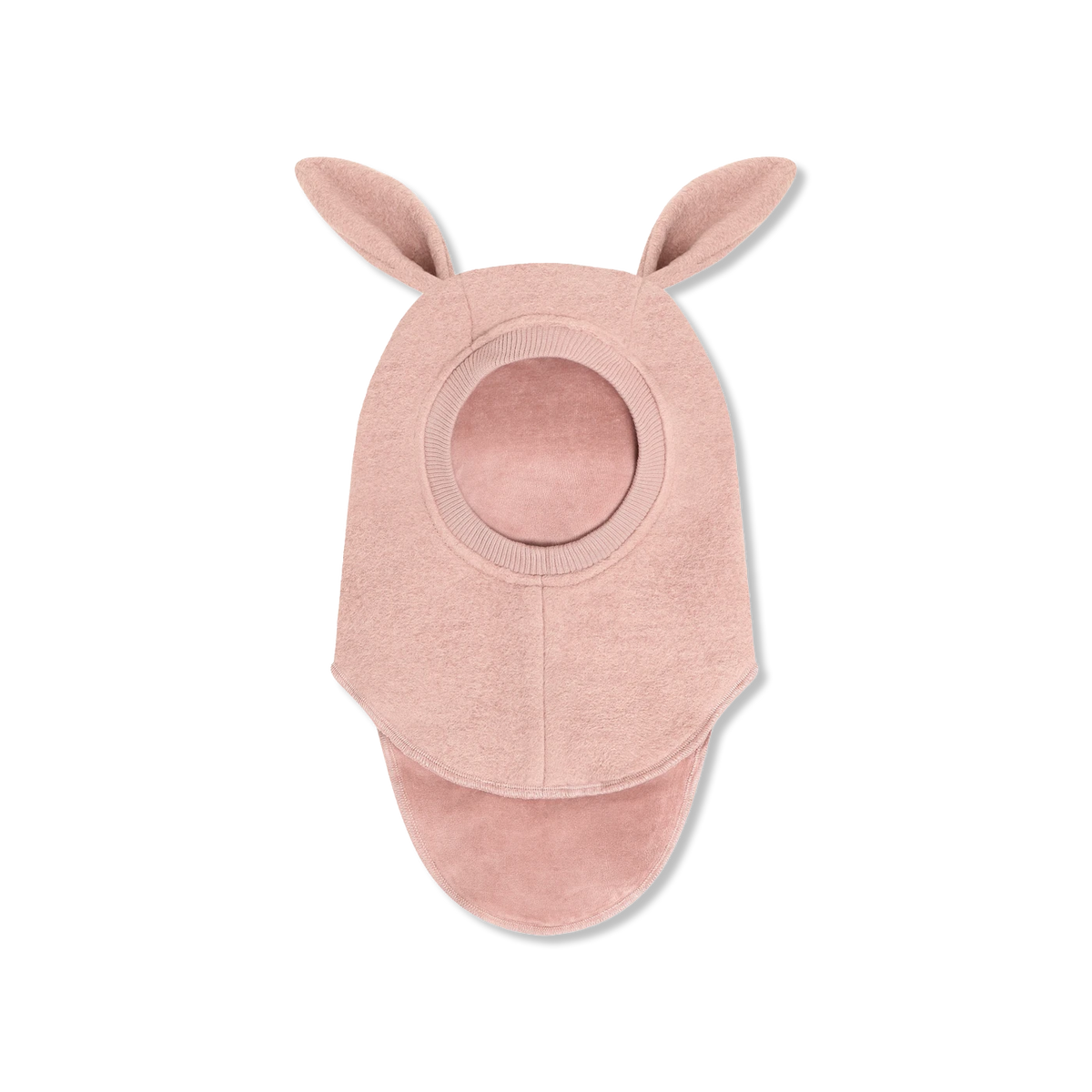
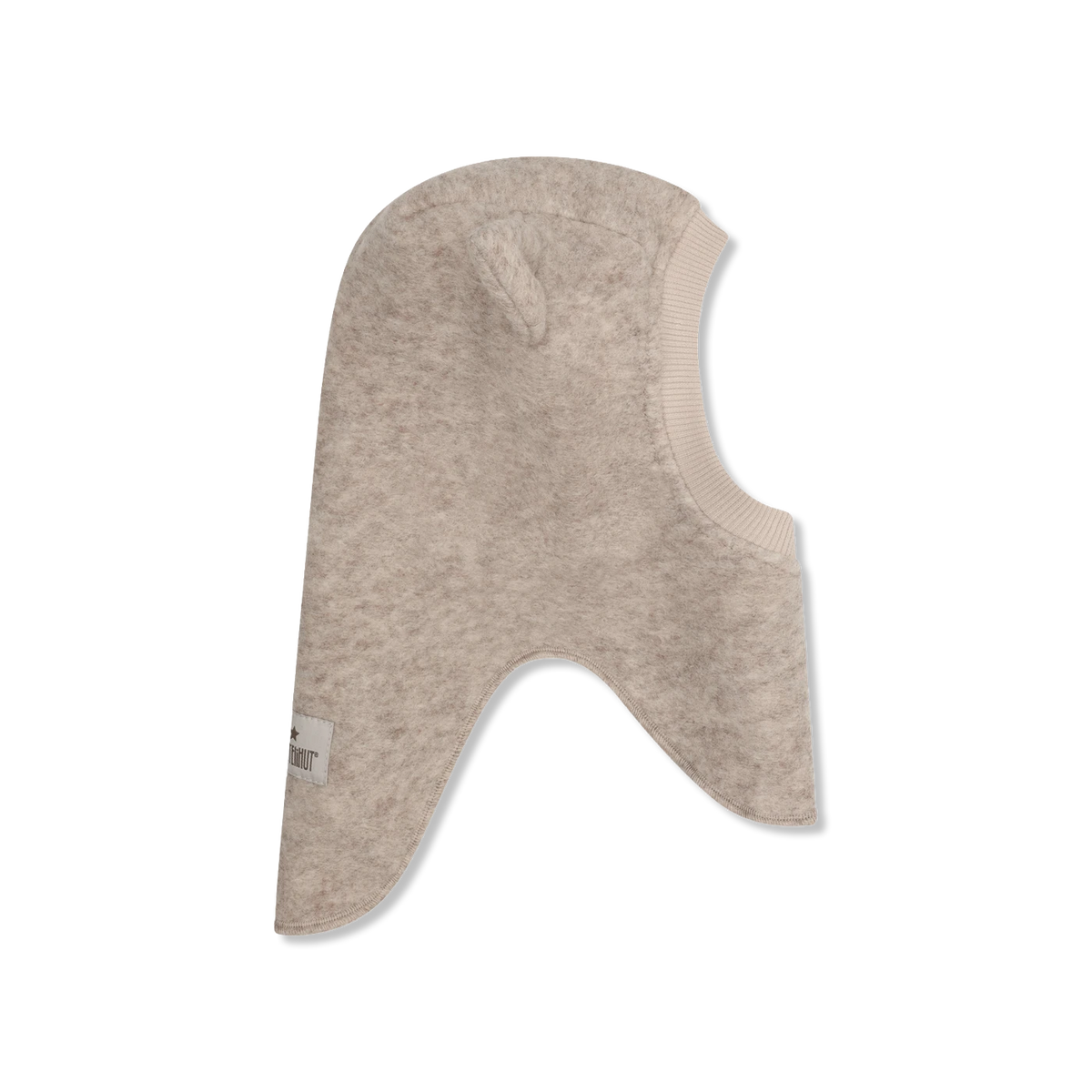
Wool fleece can provide an extra layer for babies and children when its thickness and fit suit the weather and their activity. The selection includes suits, jackets, trousers and accessories such as hats, mittens and soft baby booties. Check the individual product, as the range covers different materials, constructions and uses.
As a mid layer, wool fleece should leave room for the clothing underneath and fit under outerwear without feeling tight. On mild, dry days, some styles can be worn as an outer layer. Wool fleece is not automatically windproof or waterproof; choose a protective outer layer when the weather calls for it.
Useful starting points include:
- your child's age and activity level
- whether the wool fleece will be an outer layer or mid layer
- the season and temperature
- whether you need a suit, jacket, trousers or accessories
Pure wool, merino and wool blends in fleece
Fleece describes an airy, brushed surface or construction and is not a particular fibre type in itself. Wool fleece contains wool, while other fleece may be made from polyester or cotton blends, for example. Pure wool means the fabric's fibres are wool; merino is a type of wool. Also check the lining and any other material layers in the individual style.
The selection includes Joha styles in 100% wool or merino wool and Engel styles in 100% organic wool. Compositions vary at Huttelihut and Mikk-line and include blends with polyester. Wool can provide insulation and absorb moisture, but warmth and comfort also depend on thickness, construction and the other layers. Choose a style with enough room under the jacket.
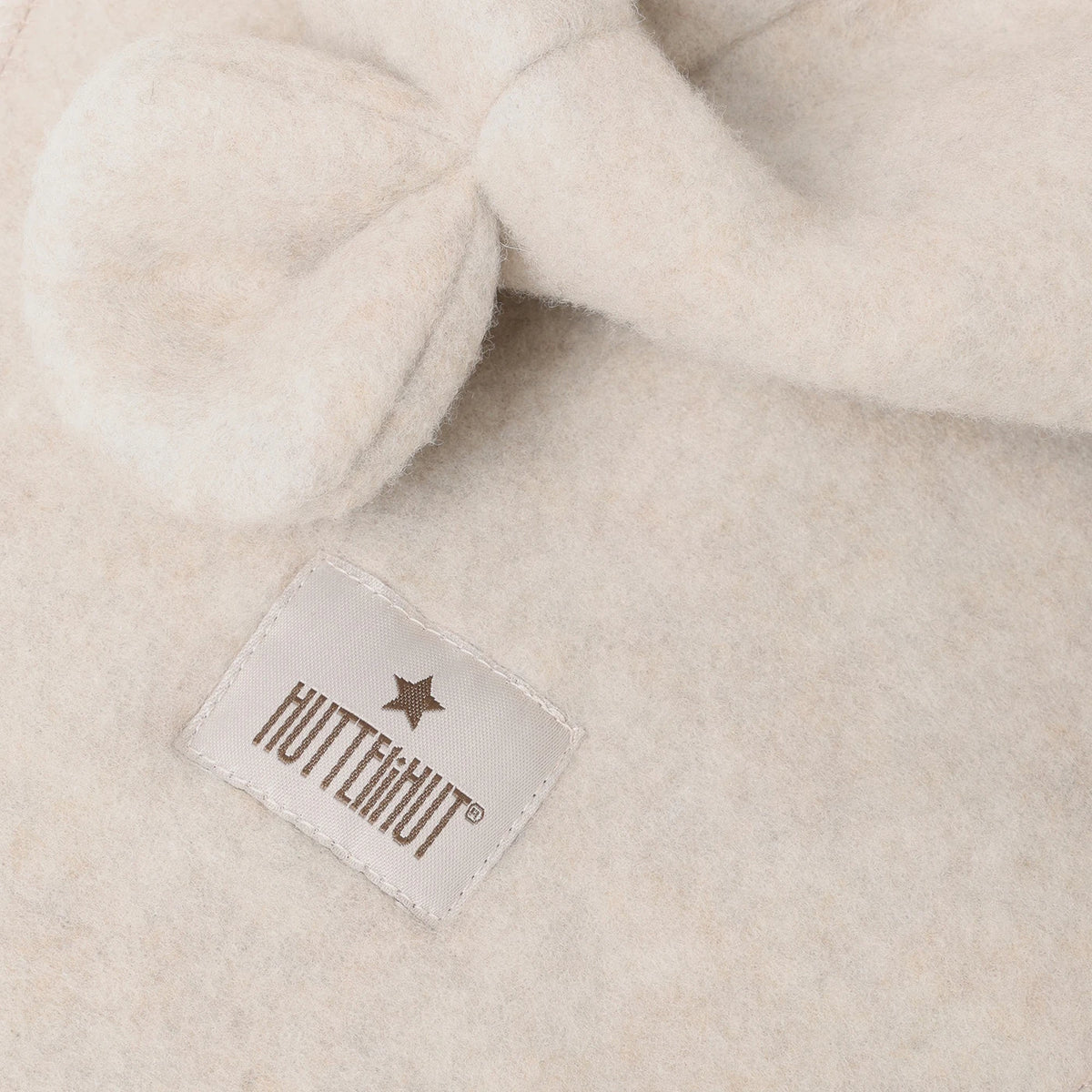
Compare Joha, Huttelihut, Mikk-line and Engel alongside the other brands in the range. Brand categories also include other types of clothing and materials. Always check the exact composition rather than assuming every style from a brand is pure wool.
When is wool fleece useful for everyday wear?
Wool fleece can be useful between seasons and as a mid layer in colder weather. A child on the move has different needs from one sitting still in a pushchair. Adjust layers regularly and check whether your child is too warm or too cold.
Depending on the style and weather, wool fleece can be part of clothing for:
- the transition between seasons
- pushchair outings with clothing suited to the weather and temperature
- nursery and the playground
- a mid layer under rainwear or winter outerwear
On very cold days, many parents combine wool fleece with wool underwear as a base layer and adjust the rest of the clothing as needed.
How to choose the right wool fleece for your child
A suit can provide a continuous layer for babies, while a jacket and trousers can be adjusted separately. Hats, mittens and booties serve different purposes from a top. Choose the product type, size and thickness according to its use rather than the name wool fleece alone.
Fit matters too. For a mid layer, a fairly close fit is useful as long as it still allows free movement. As an outer layer on milder days, a little extra room for a top or bodysuit underneath can be helpful. For babies, consider a combination with bodysuits and other soft base layers.
For play, freedom of movement and easy dressing and undressing matter. Check openings, edges and any hood on the chosen style, and avoid a size that bunches into large folds under outerwear.
Soft layers for a more flexible wardrobe
Layering makes it easier to adjust clothing to temperature and activity. Use only the layers your child needs and choose outerwear for the wind and rain. Wool fleece alone does not offer the same weather protection as a jacket with documented windproof or waterproof properties.
Always follow the product's care instructions, including for wool blends. Wash when needed using a suitable wool detergent if the instructions specify it, and follow the guidance on temperature, spin cycles and drying. Avoid using the same care programme for every fleece, as wool and synthetic fabrics may need different treatment.