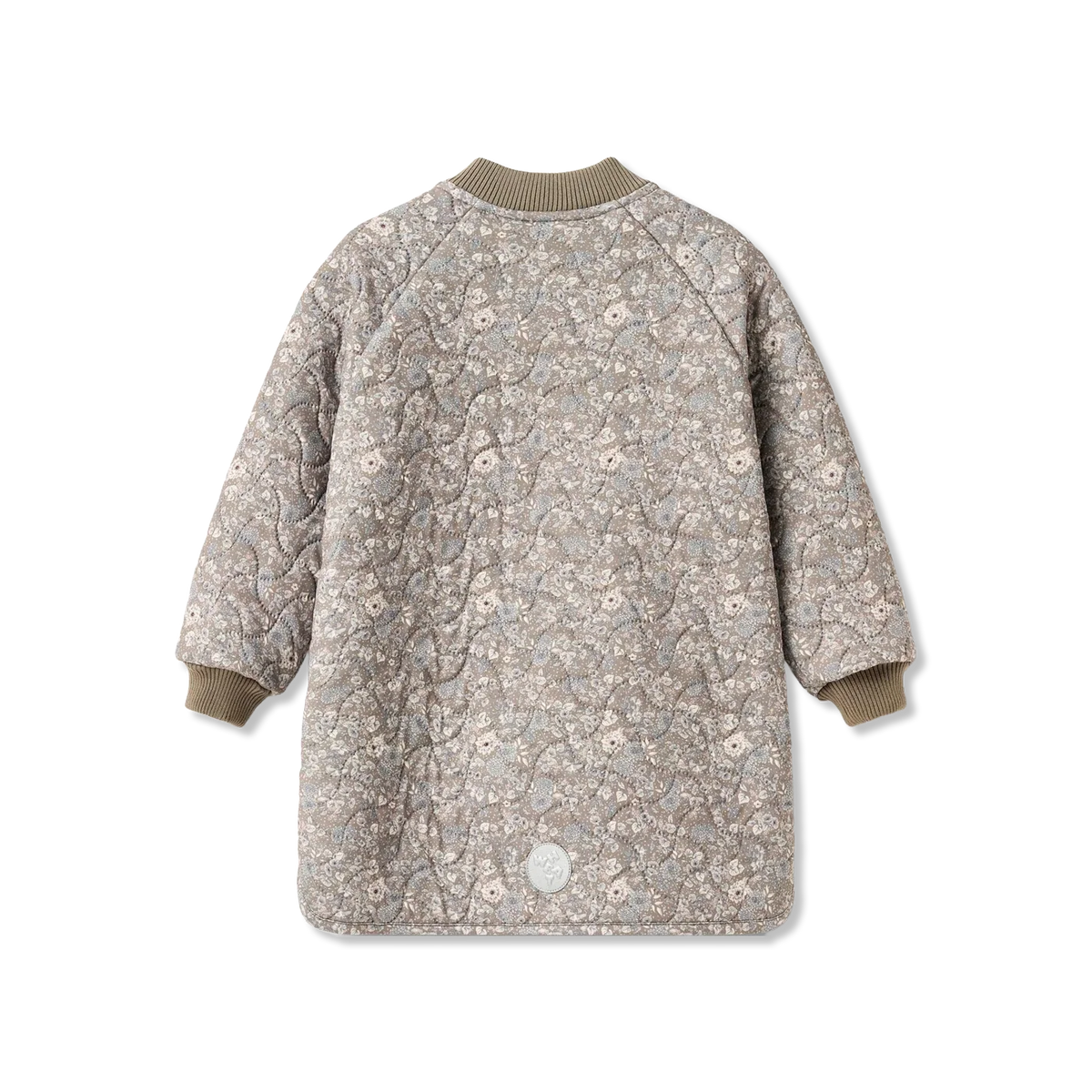
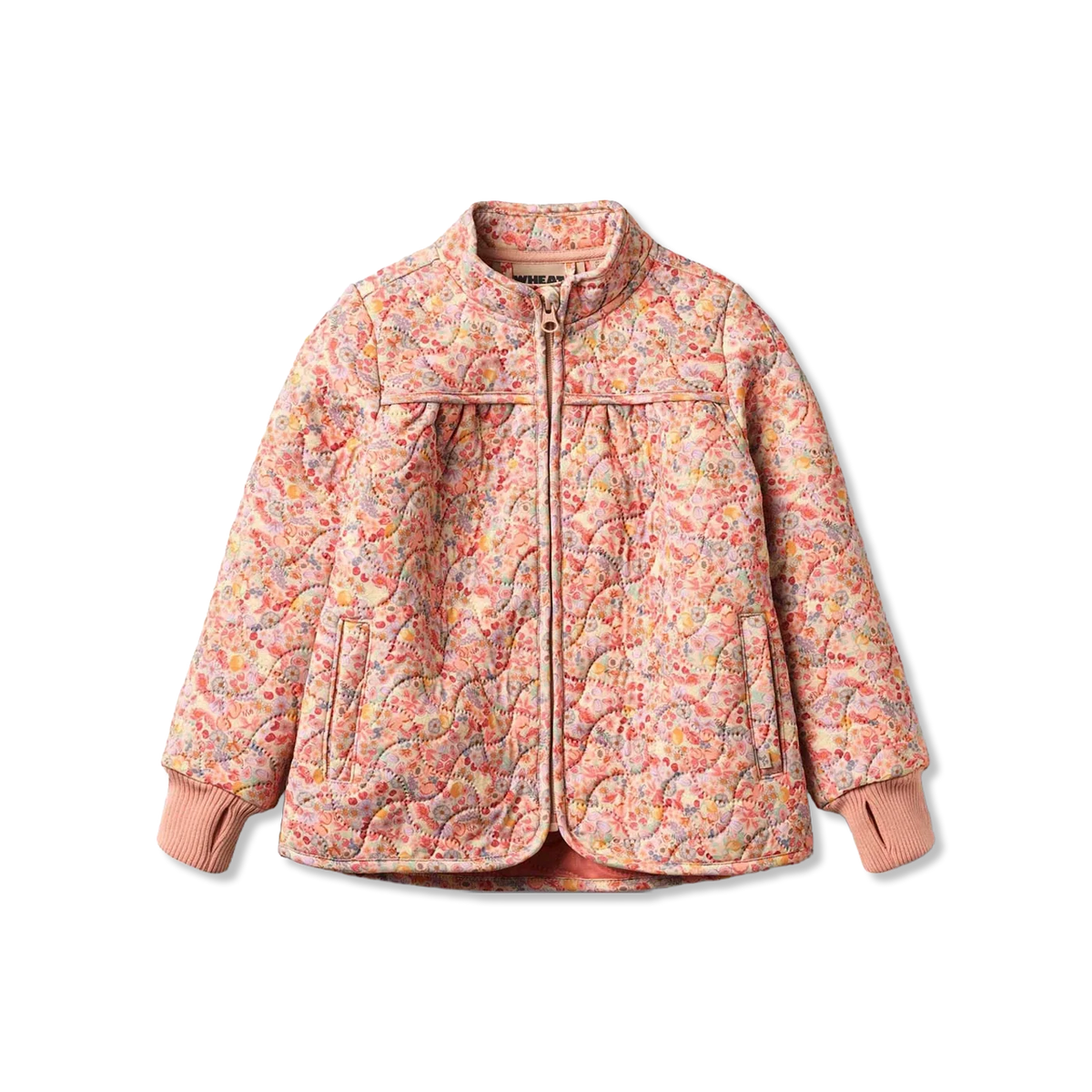
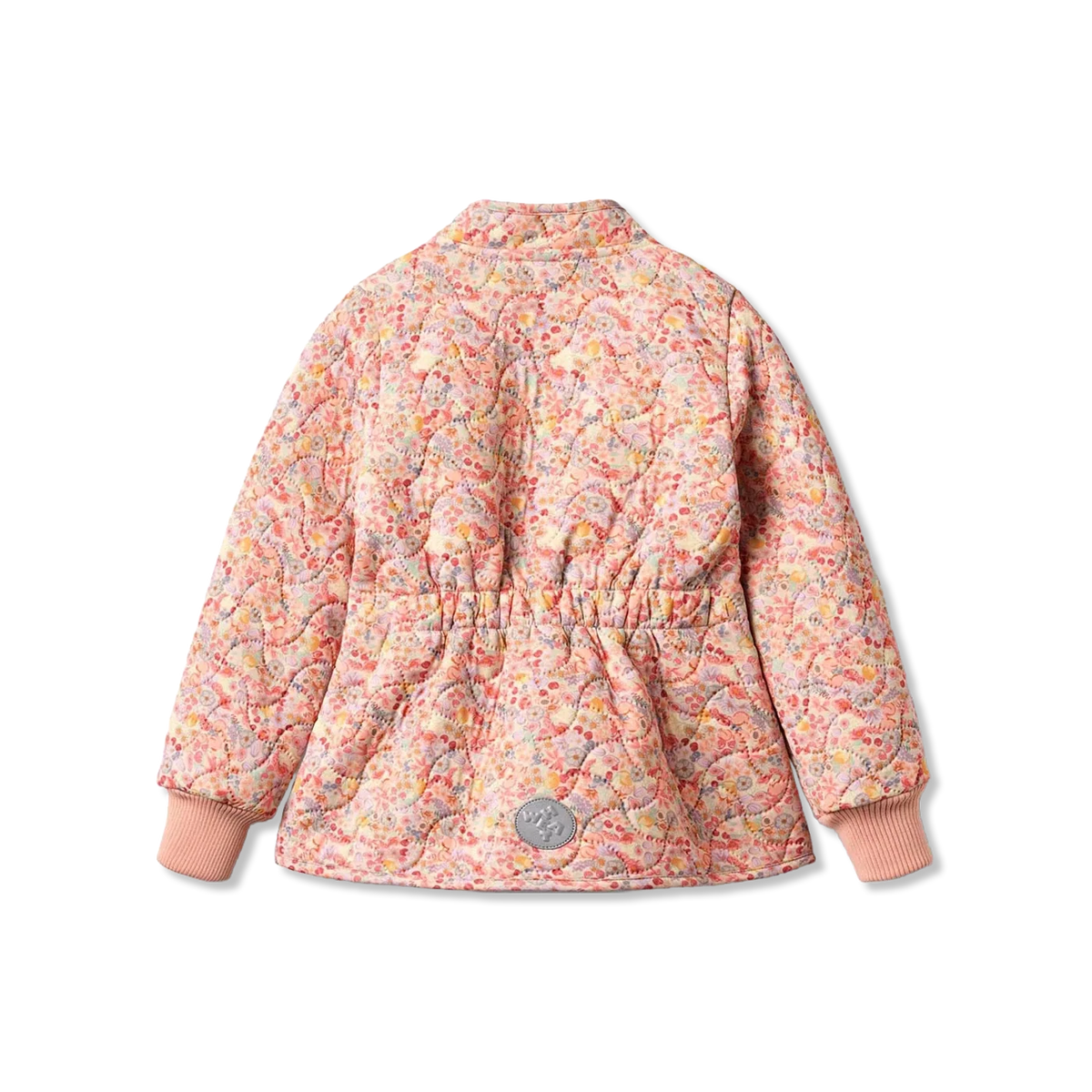
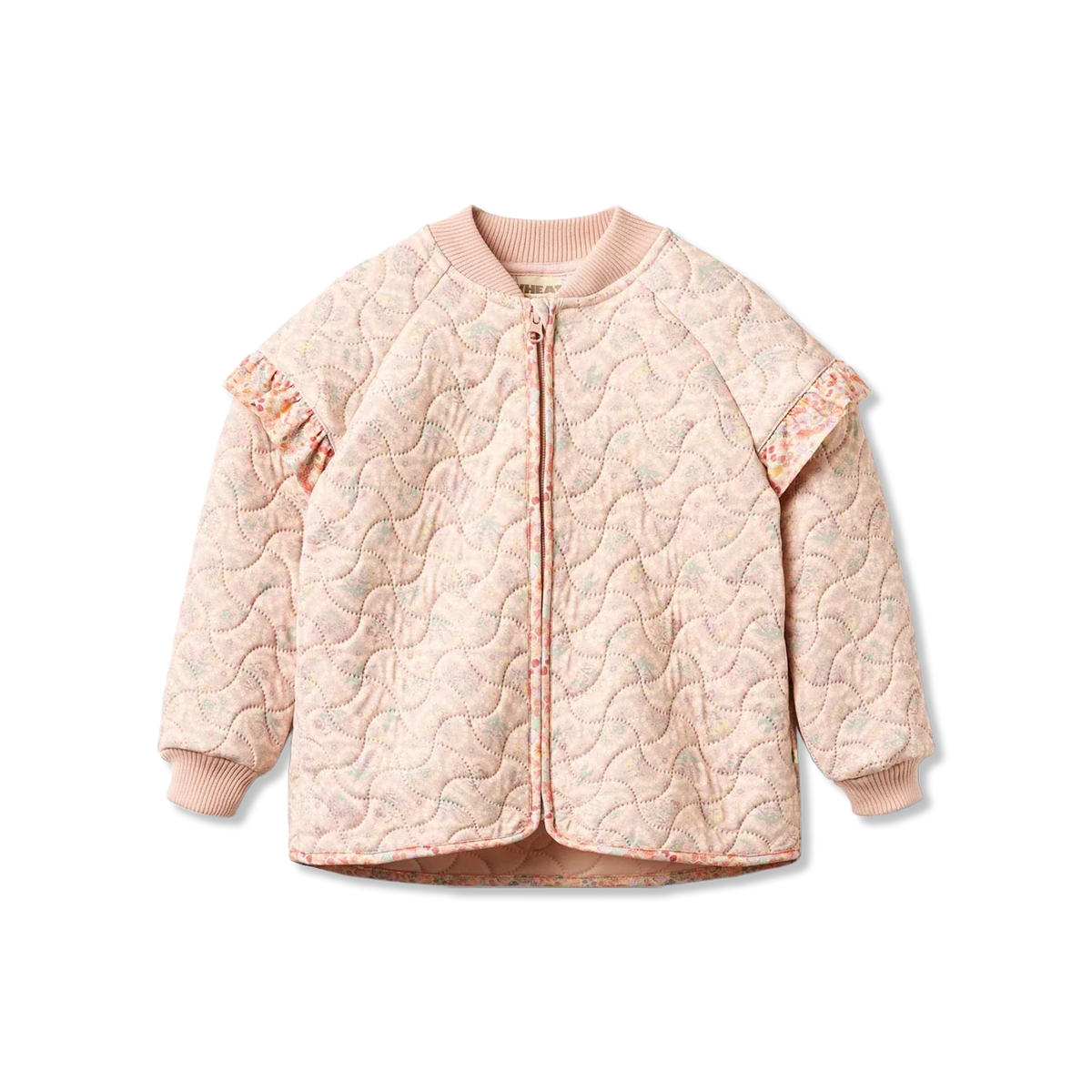
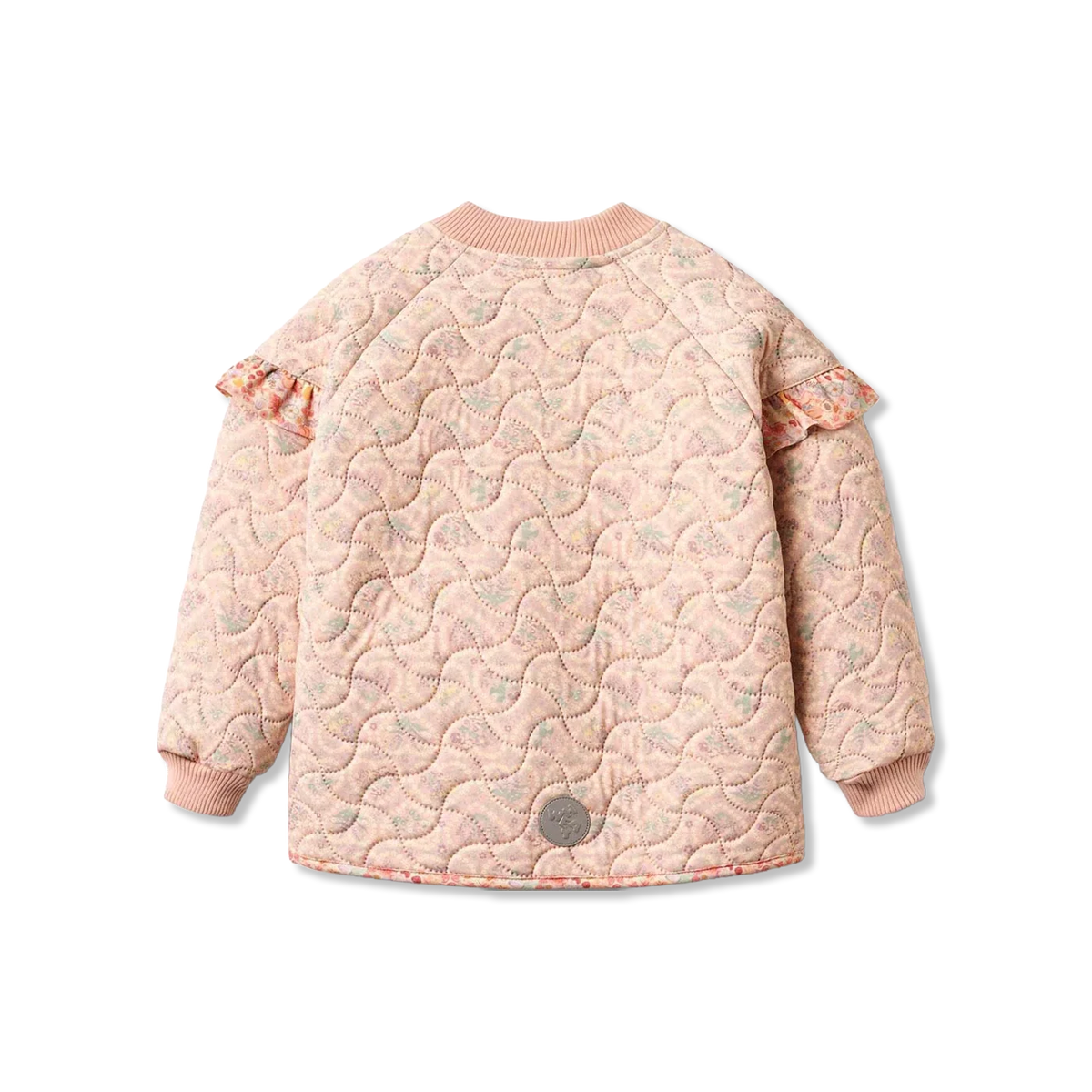
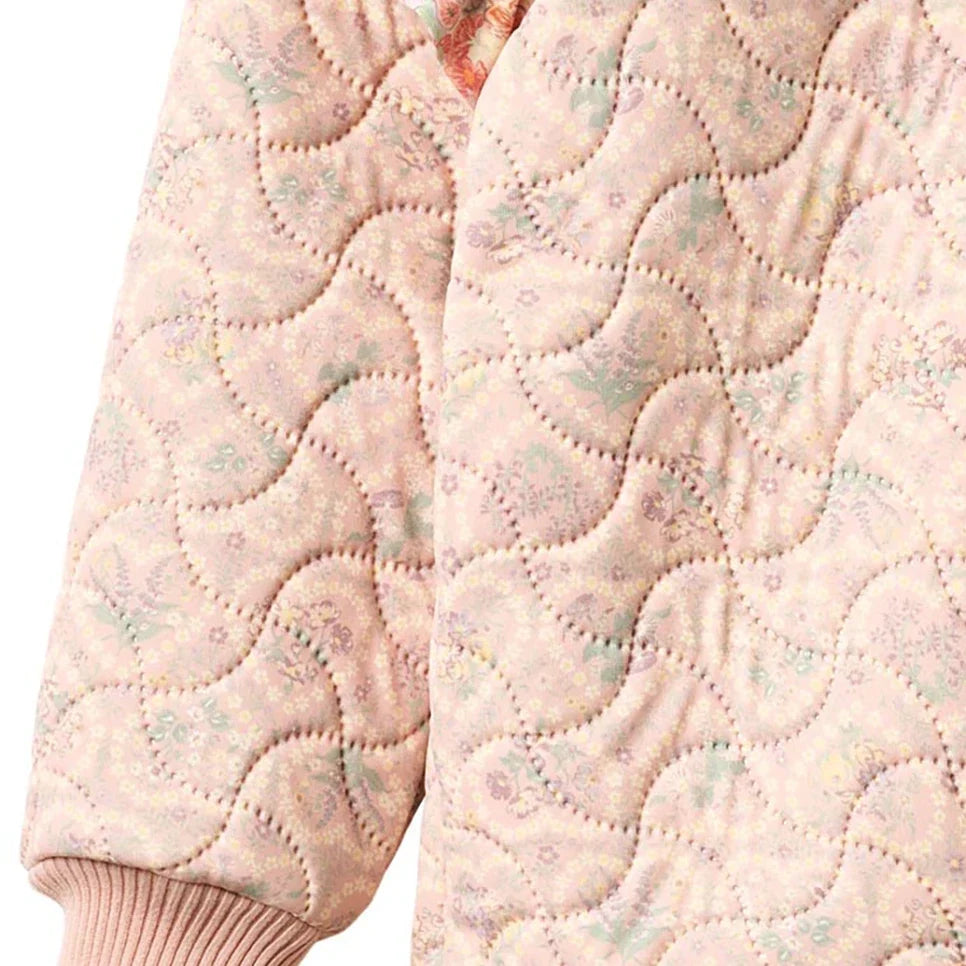
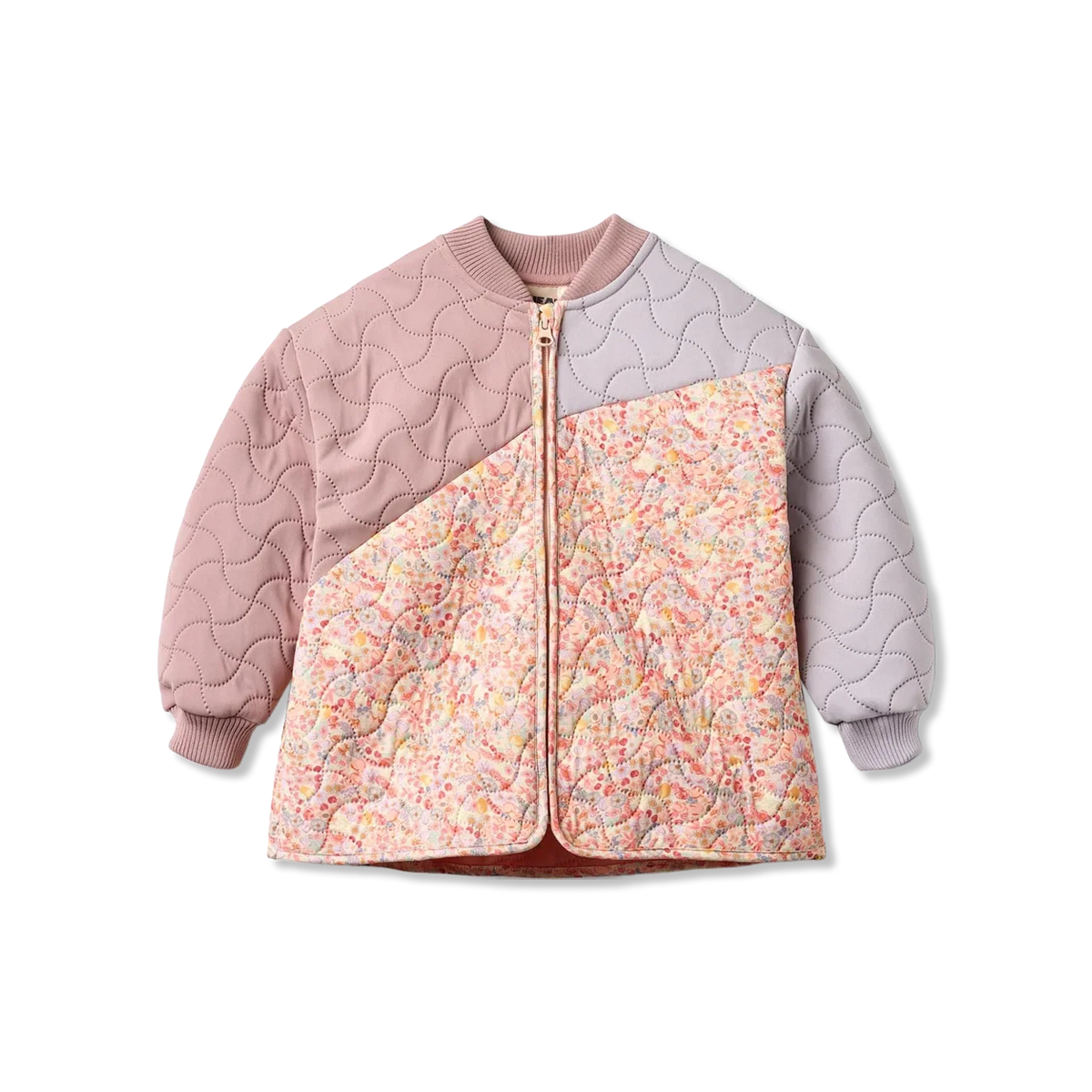
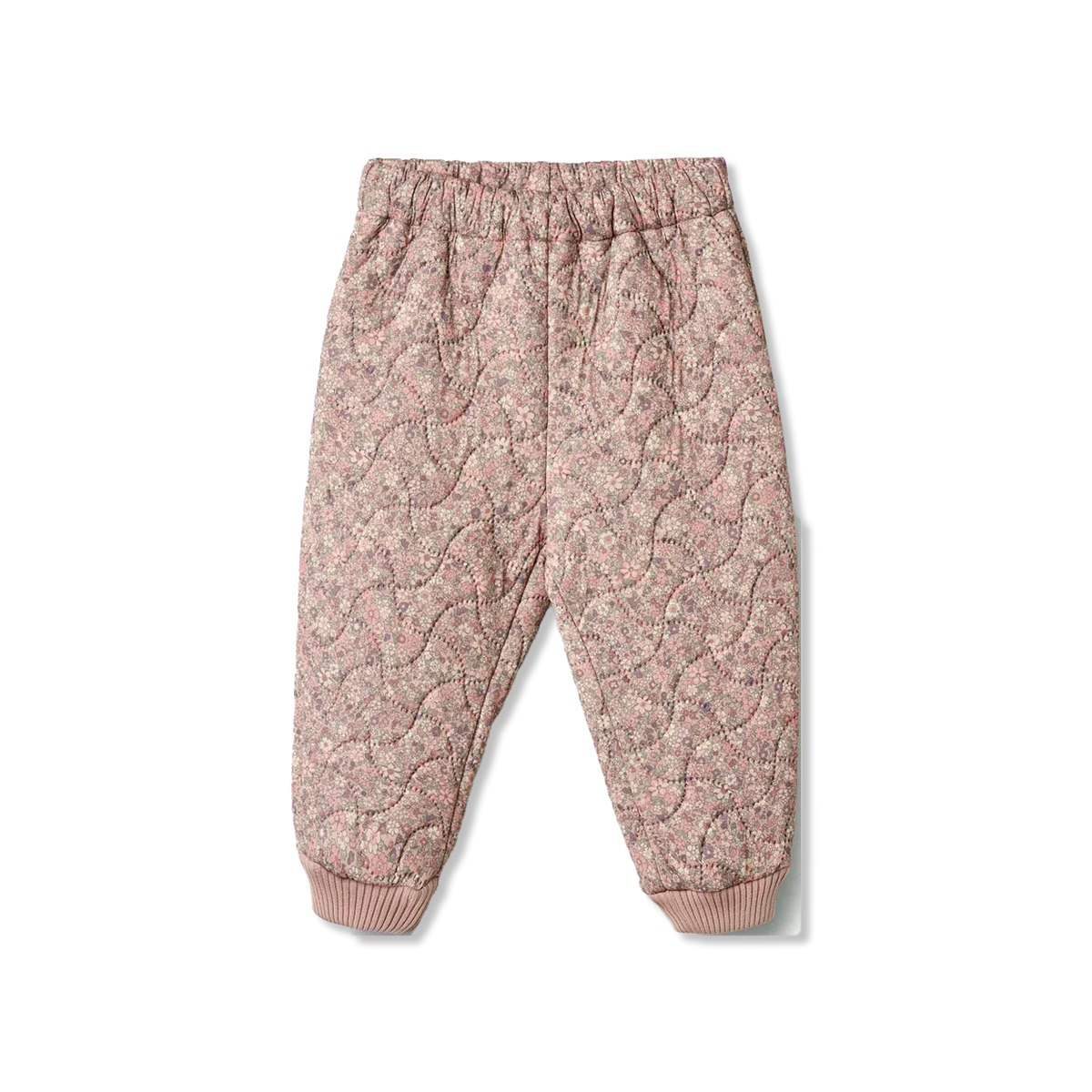
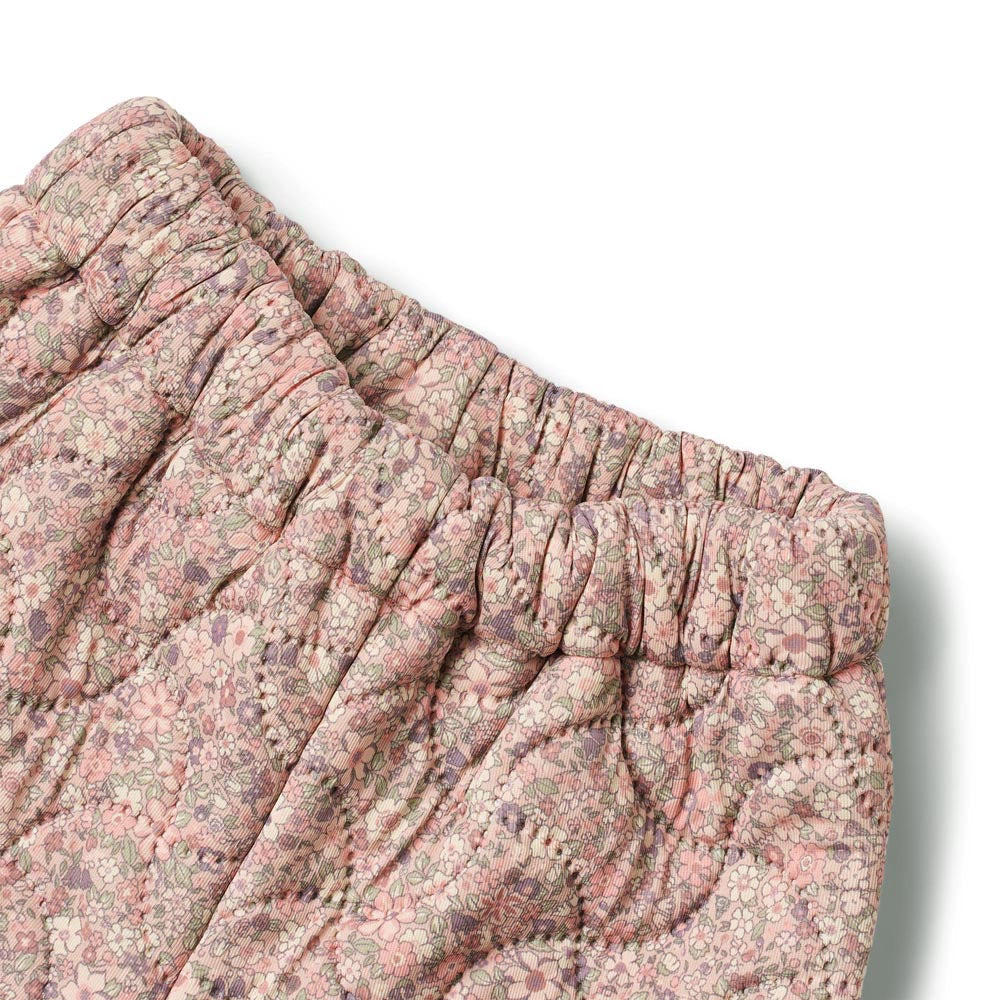
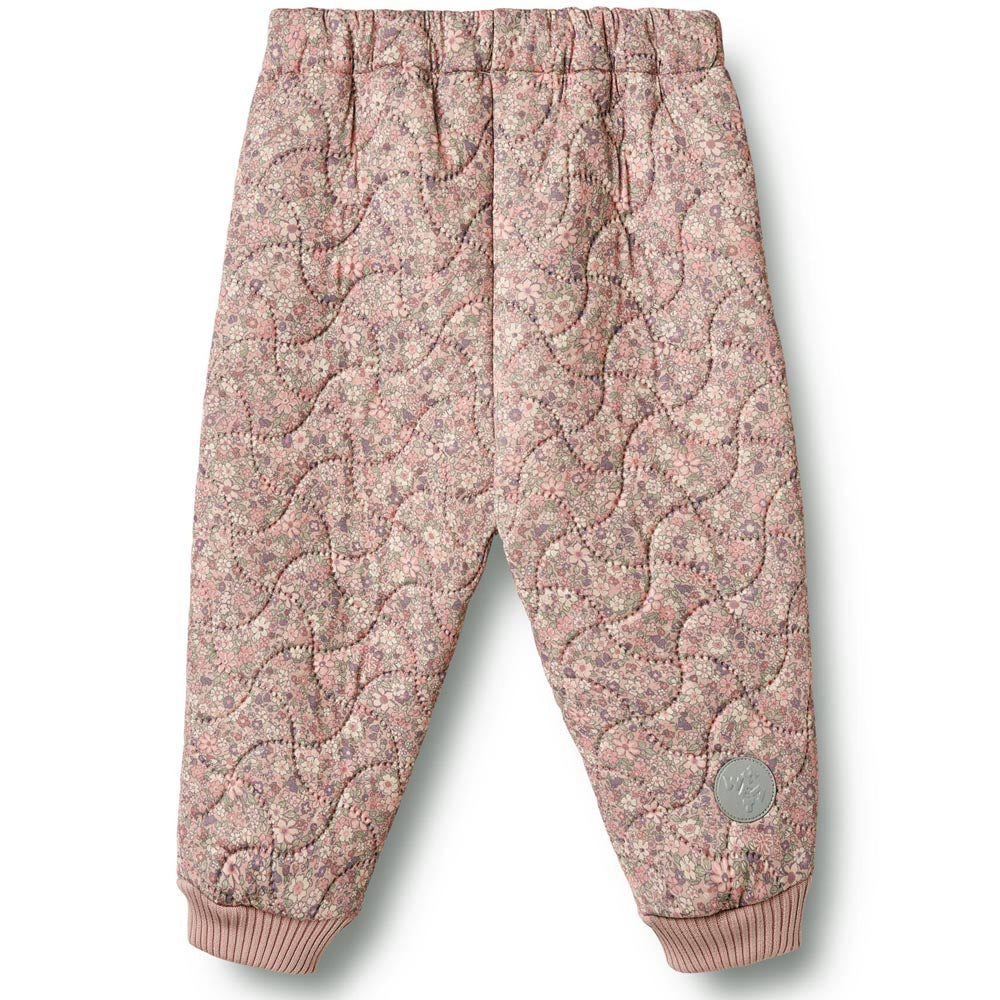
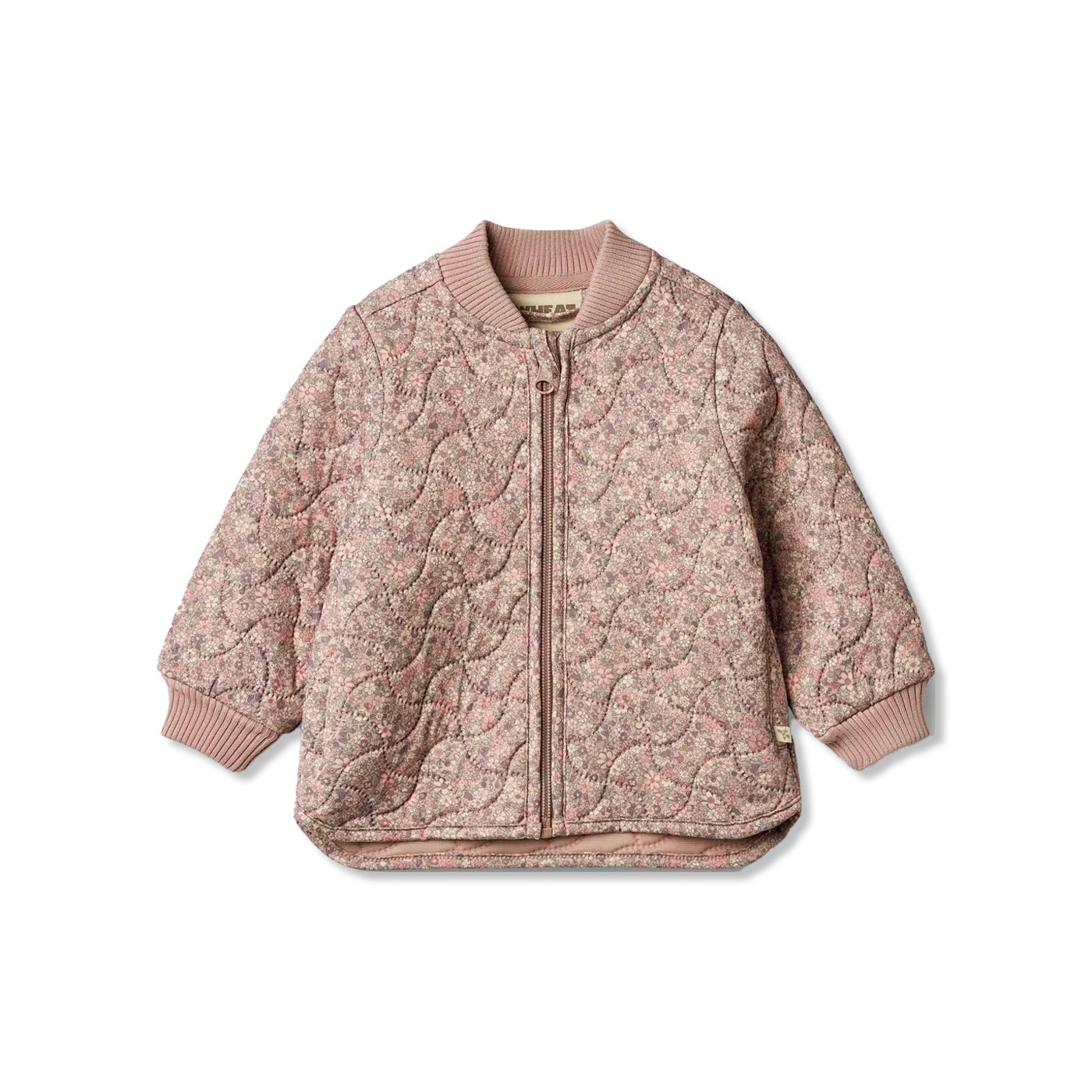
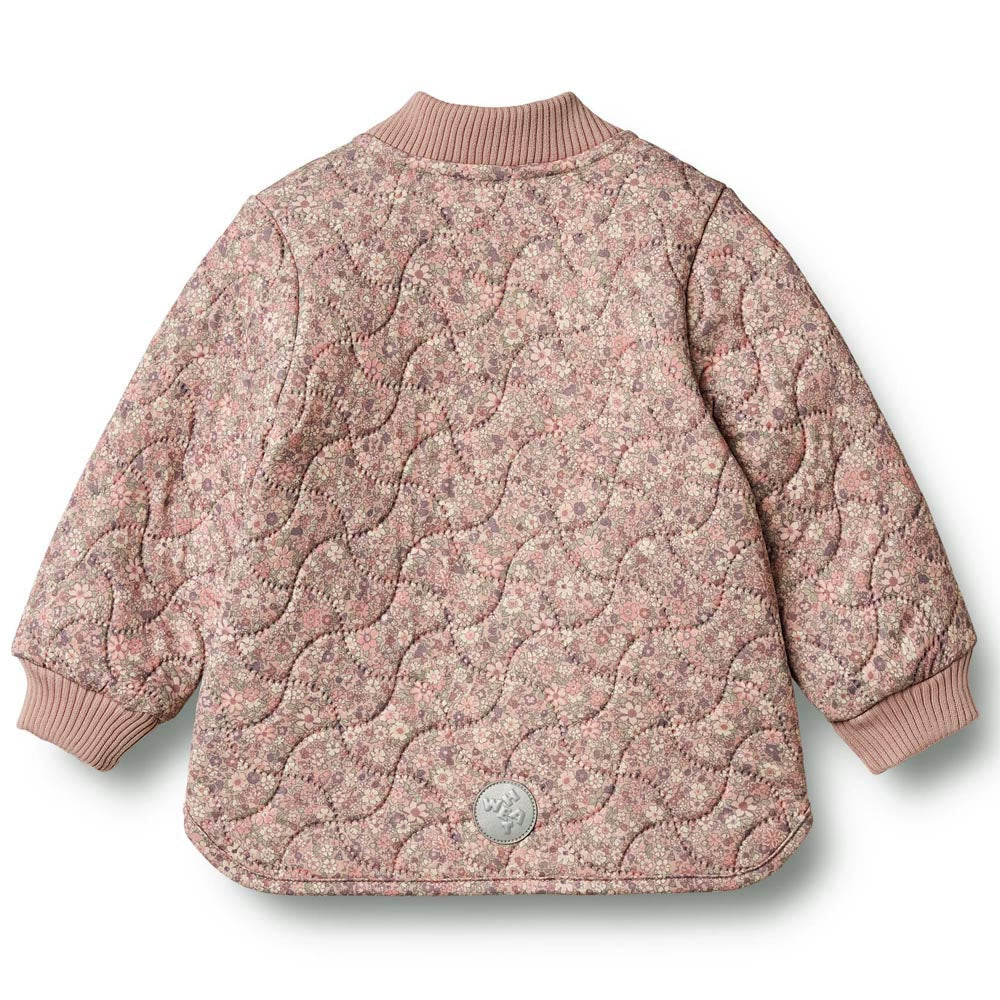
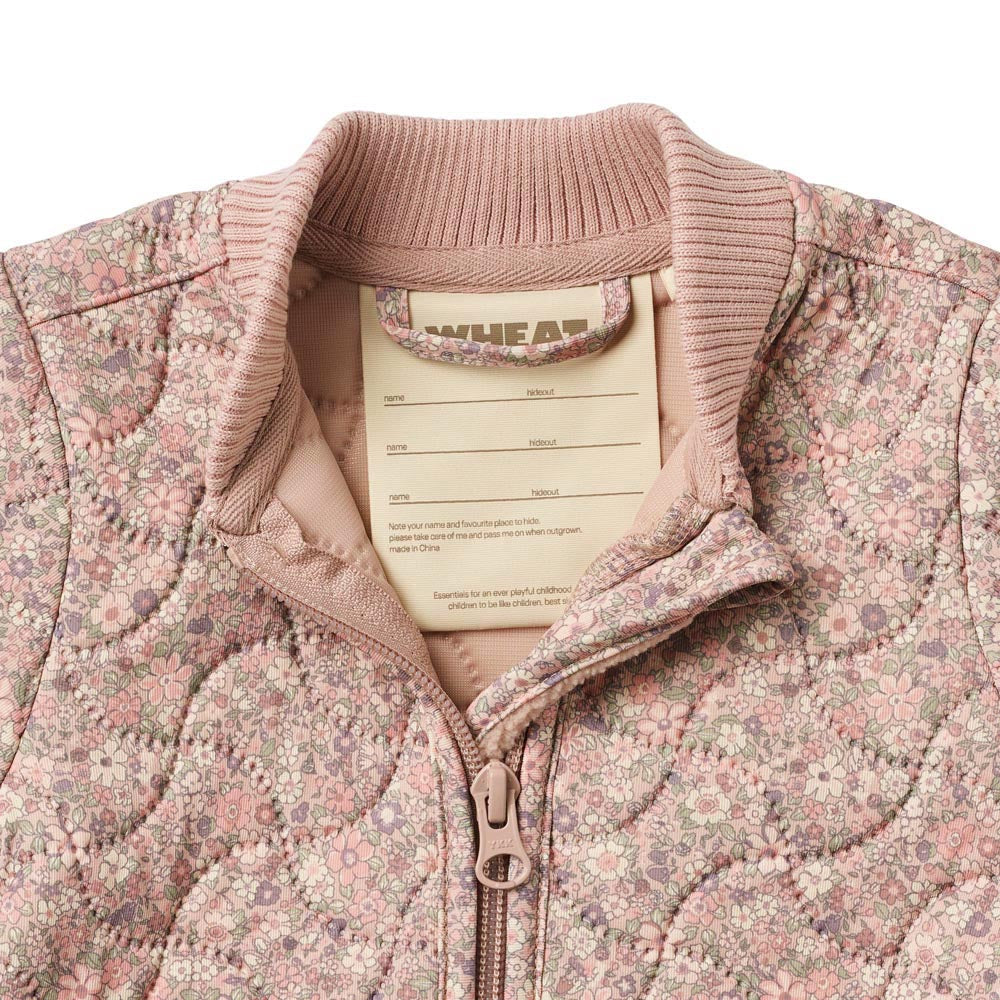
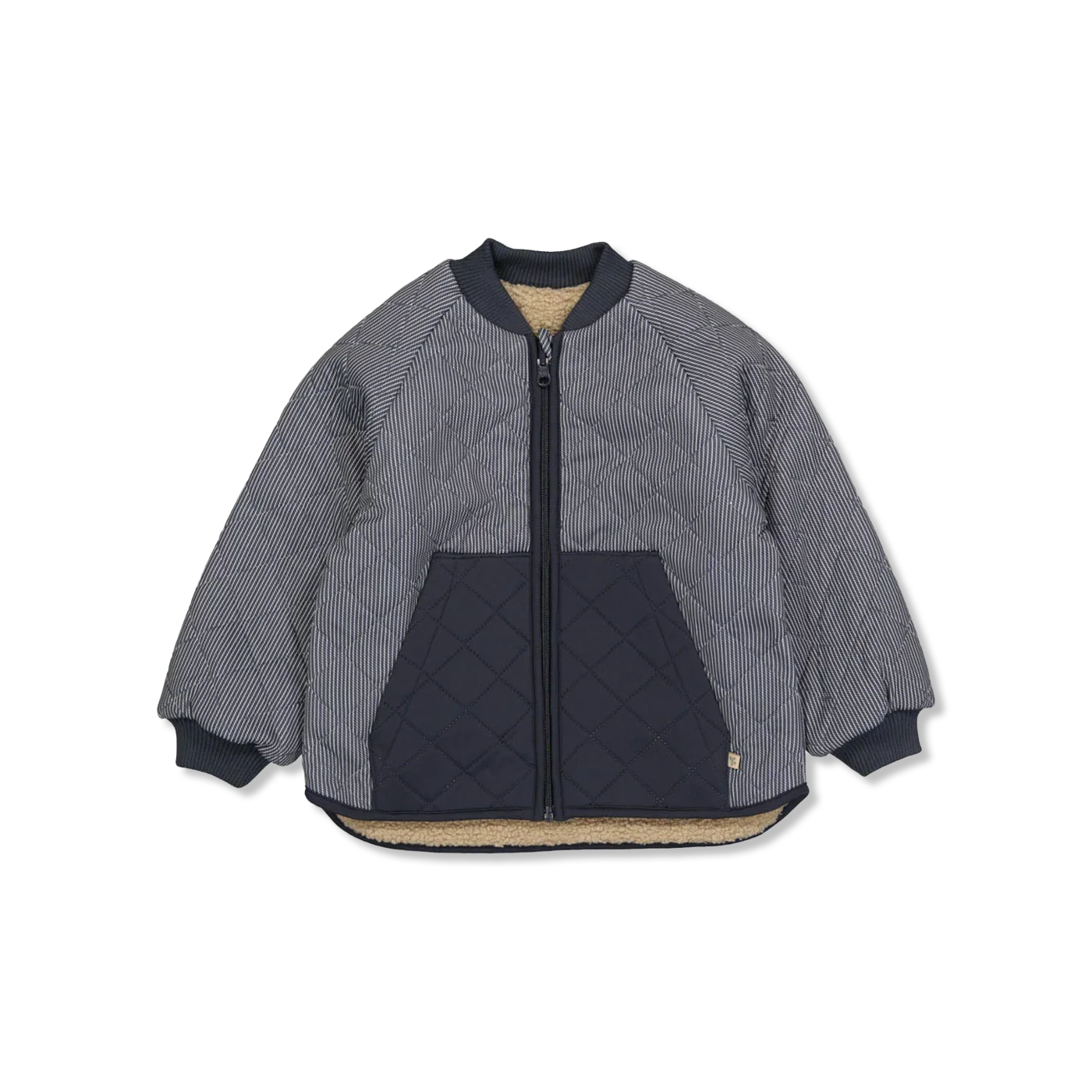
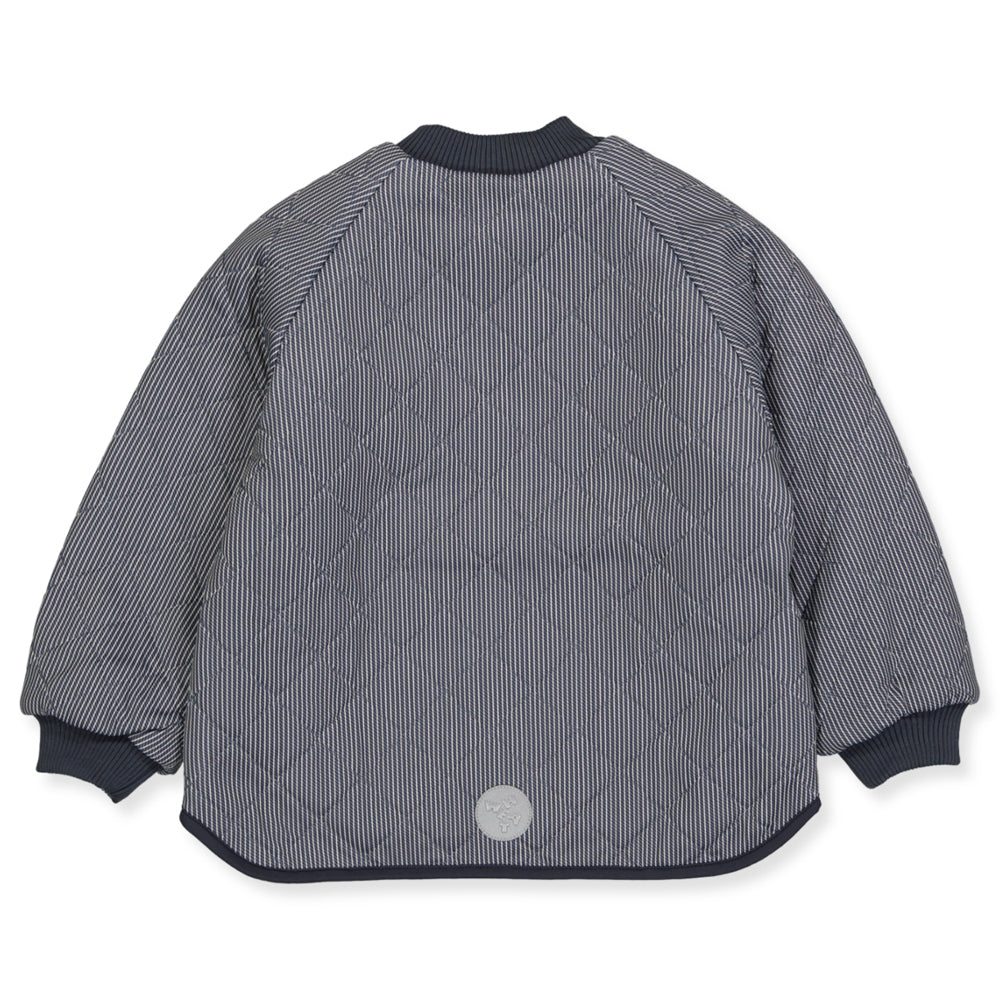
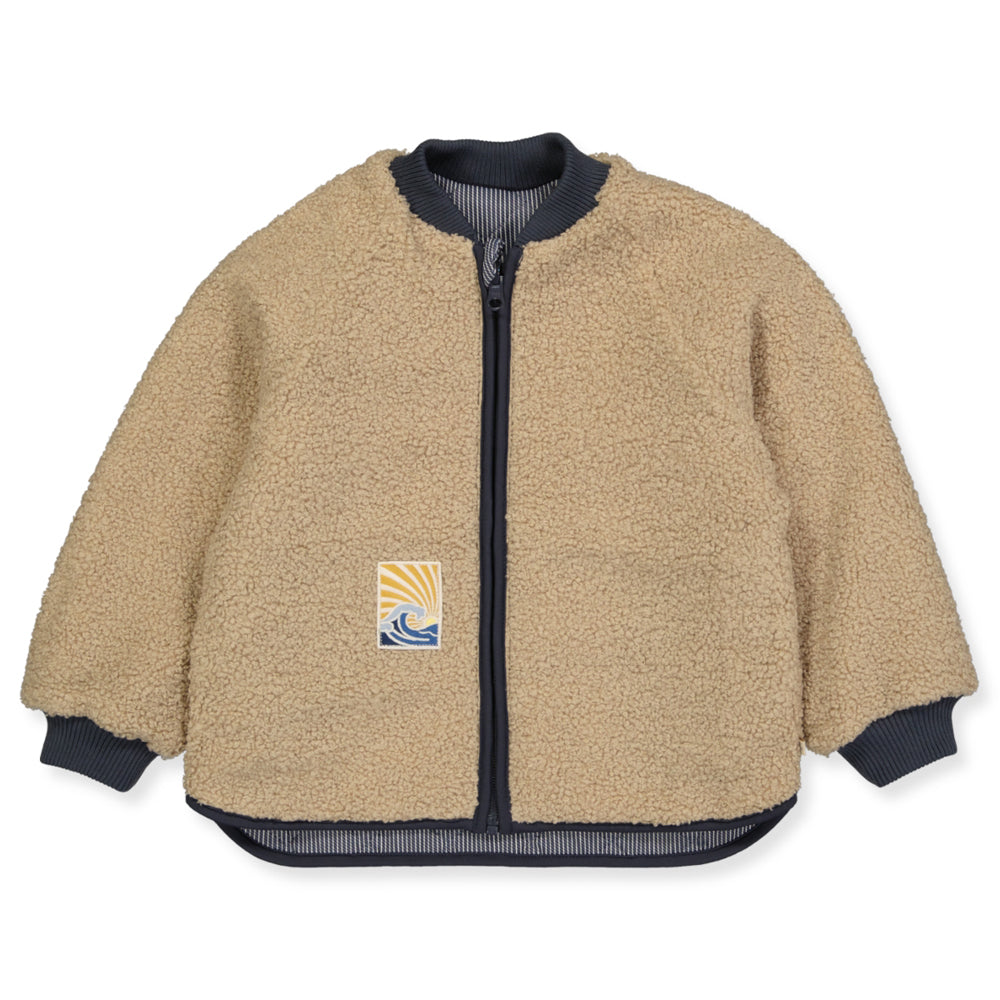
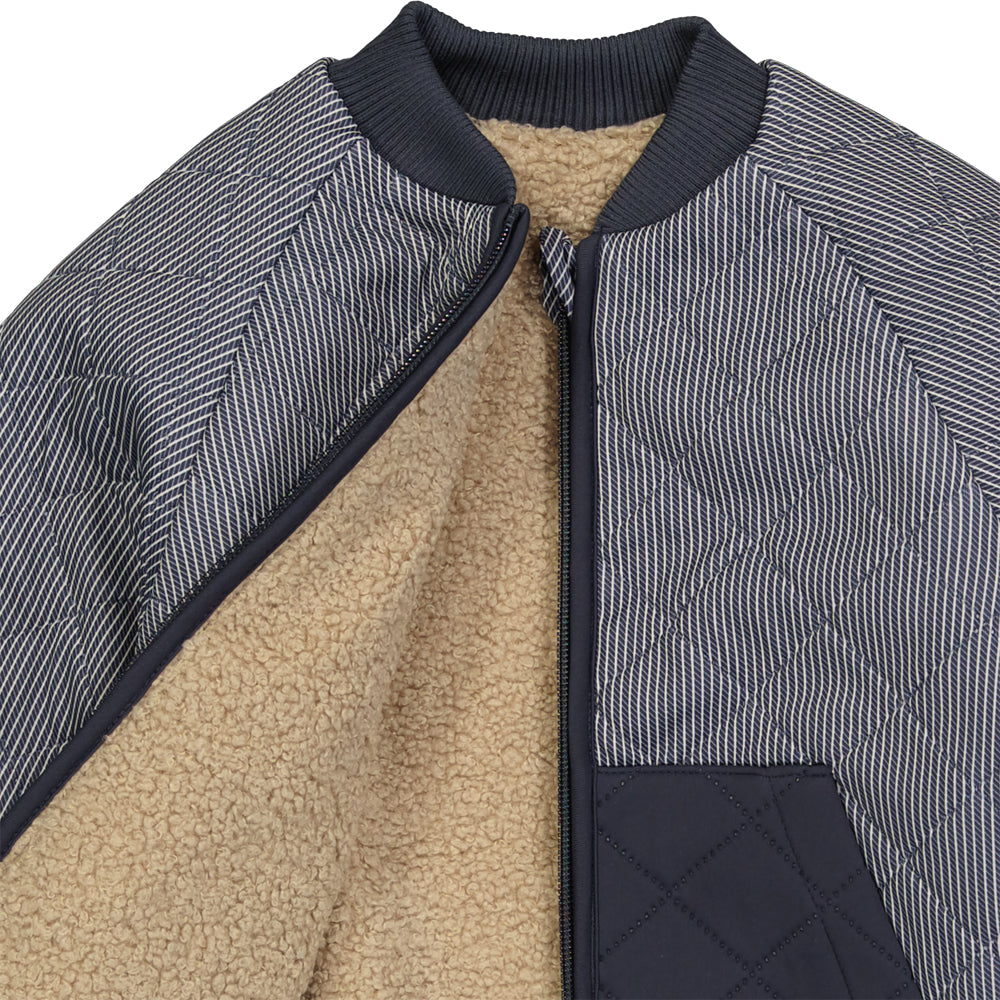
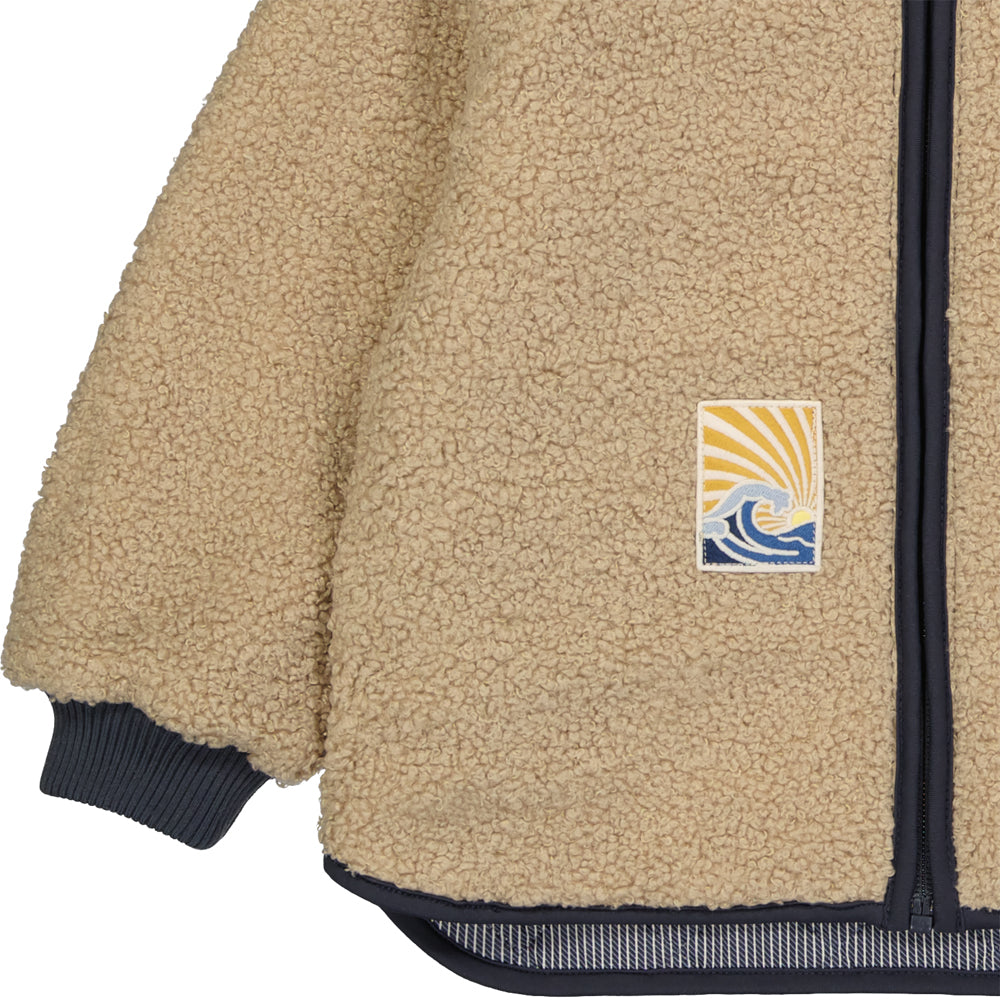
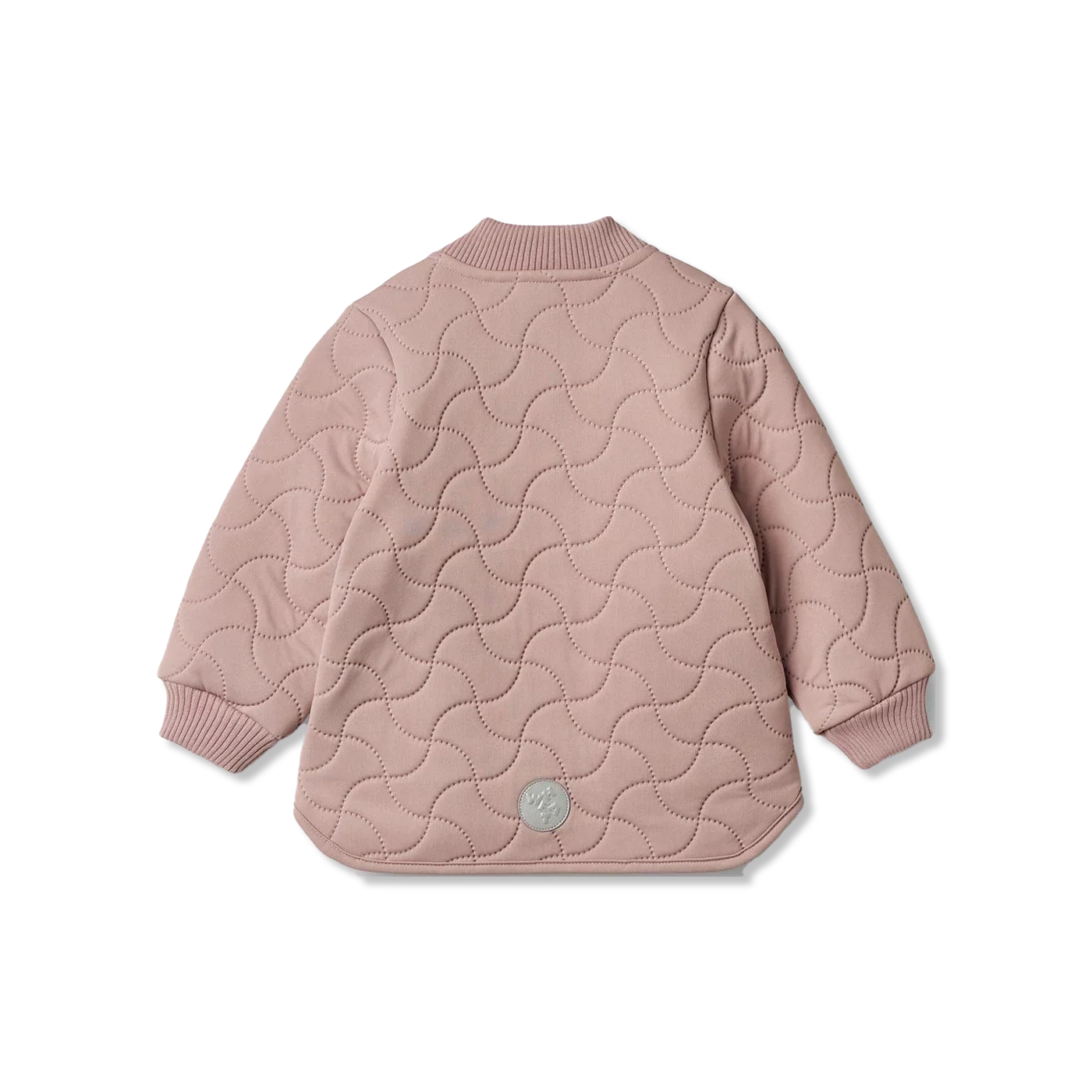
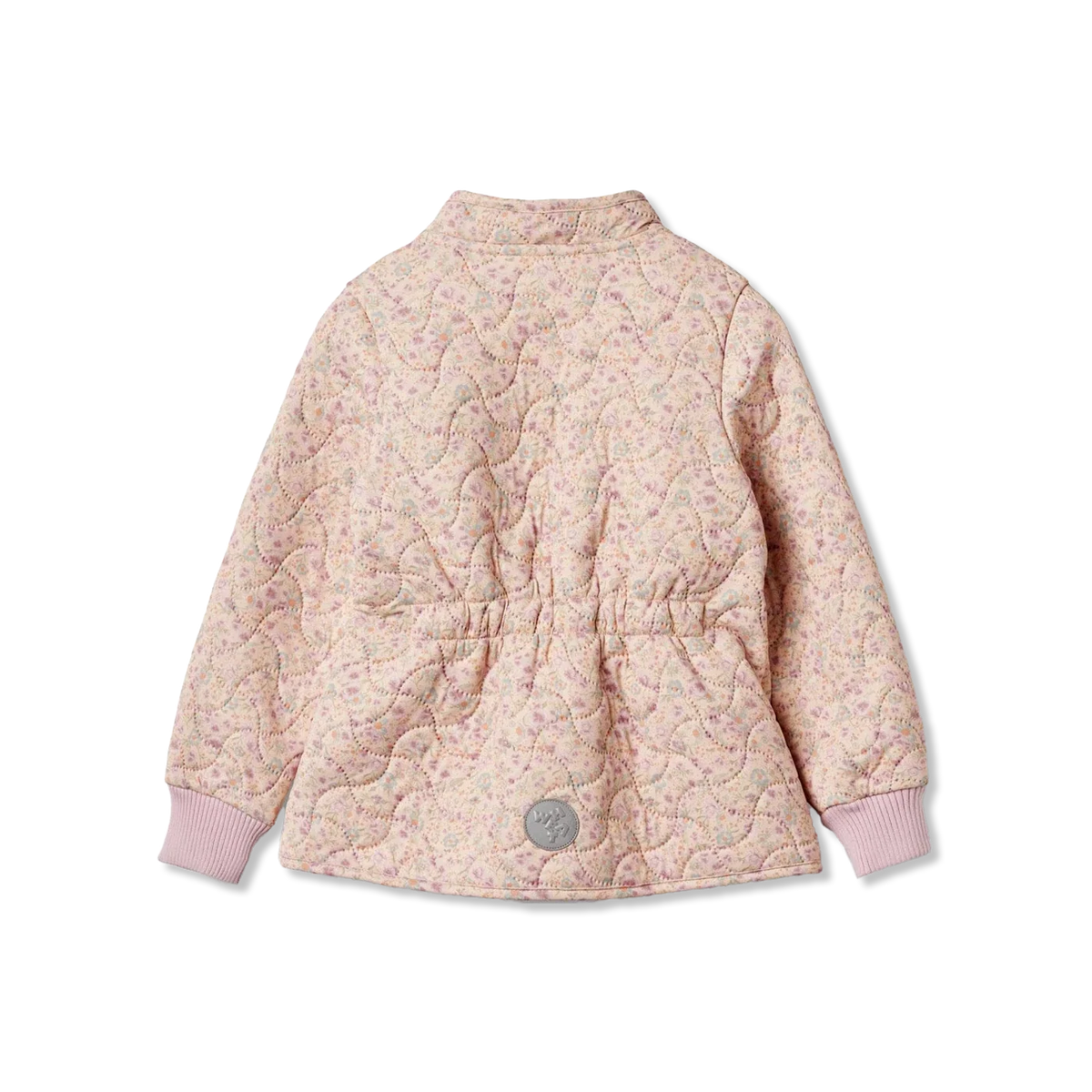
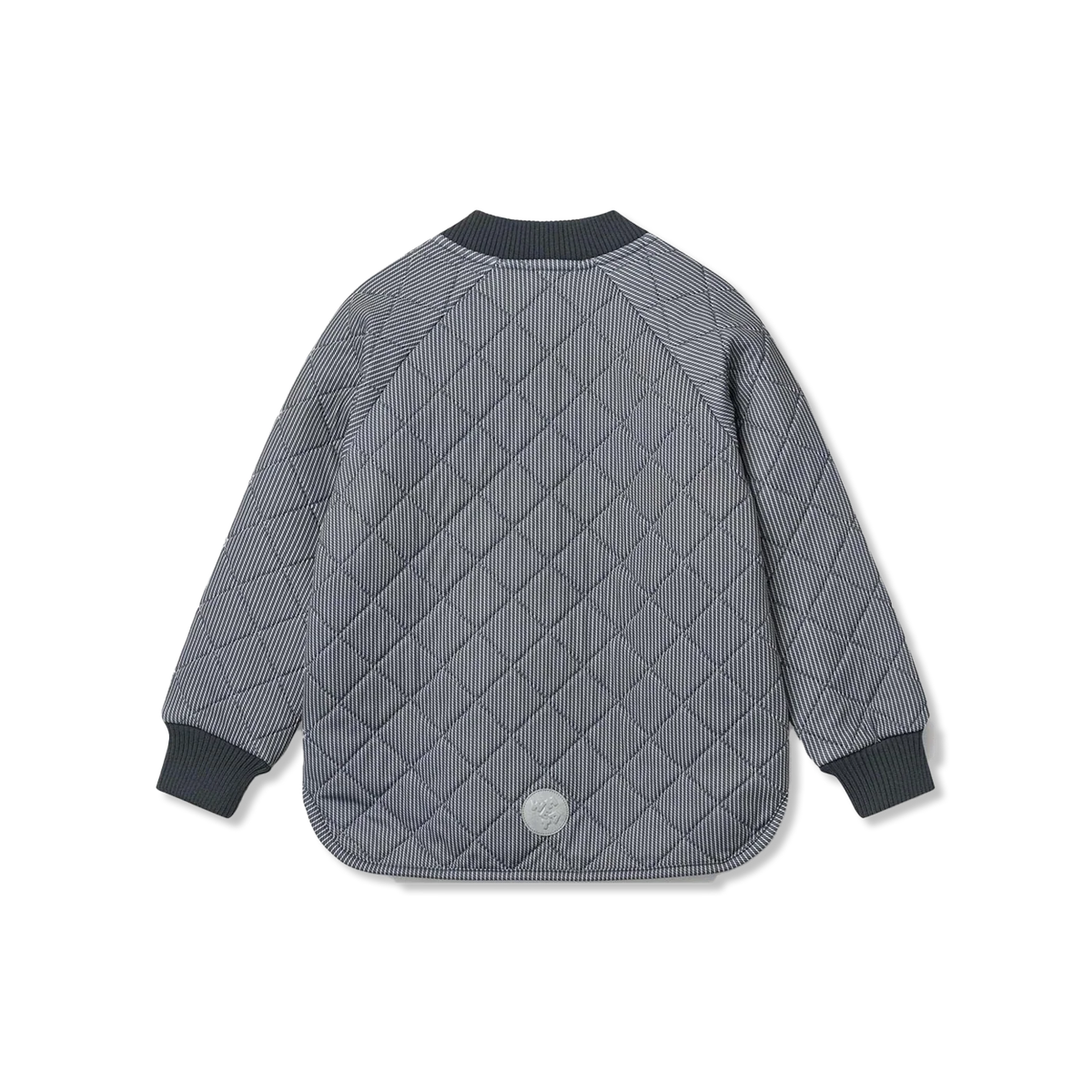
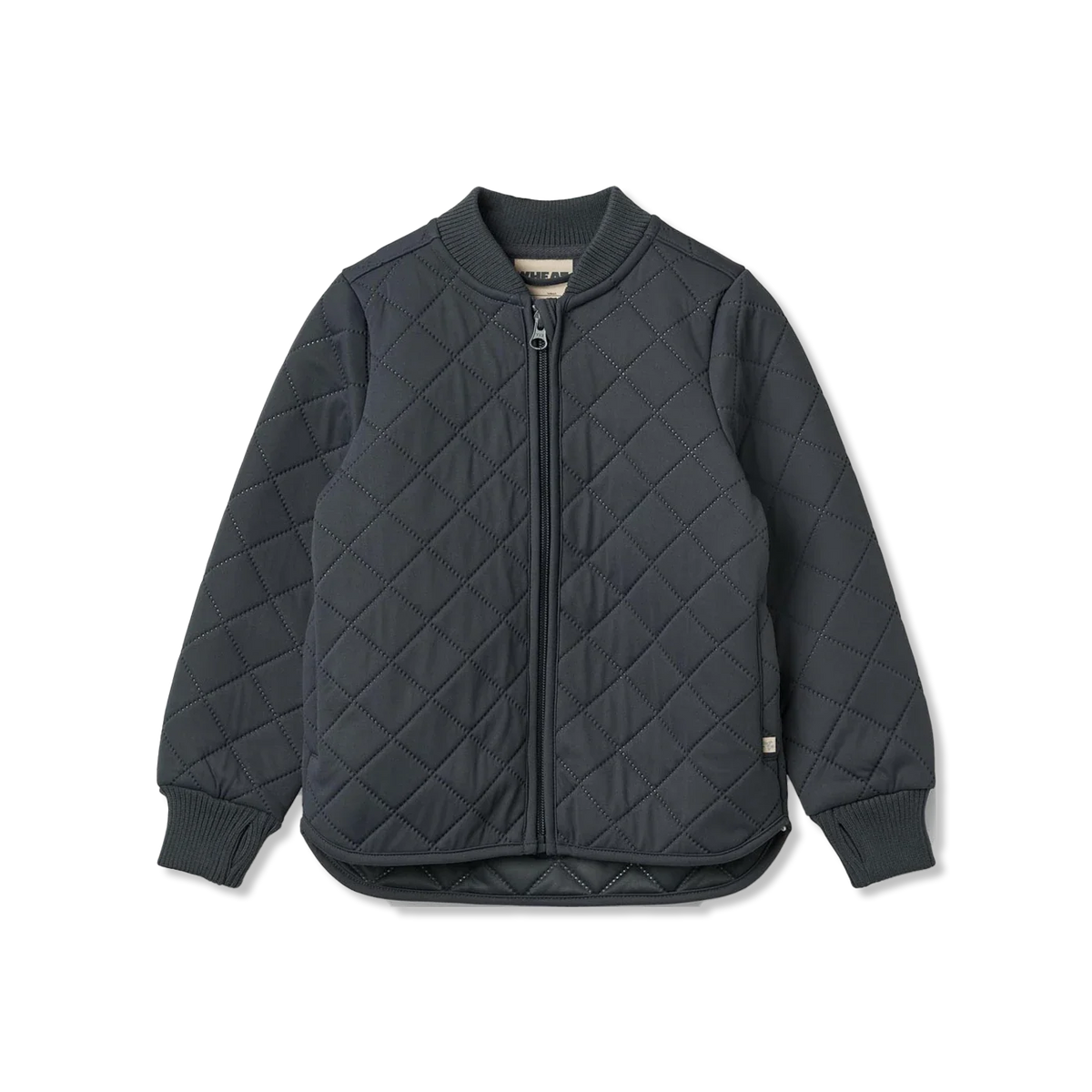
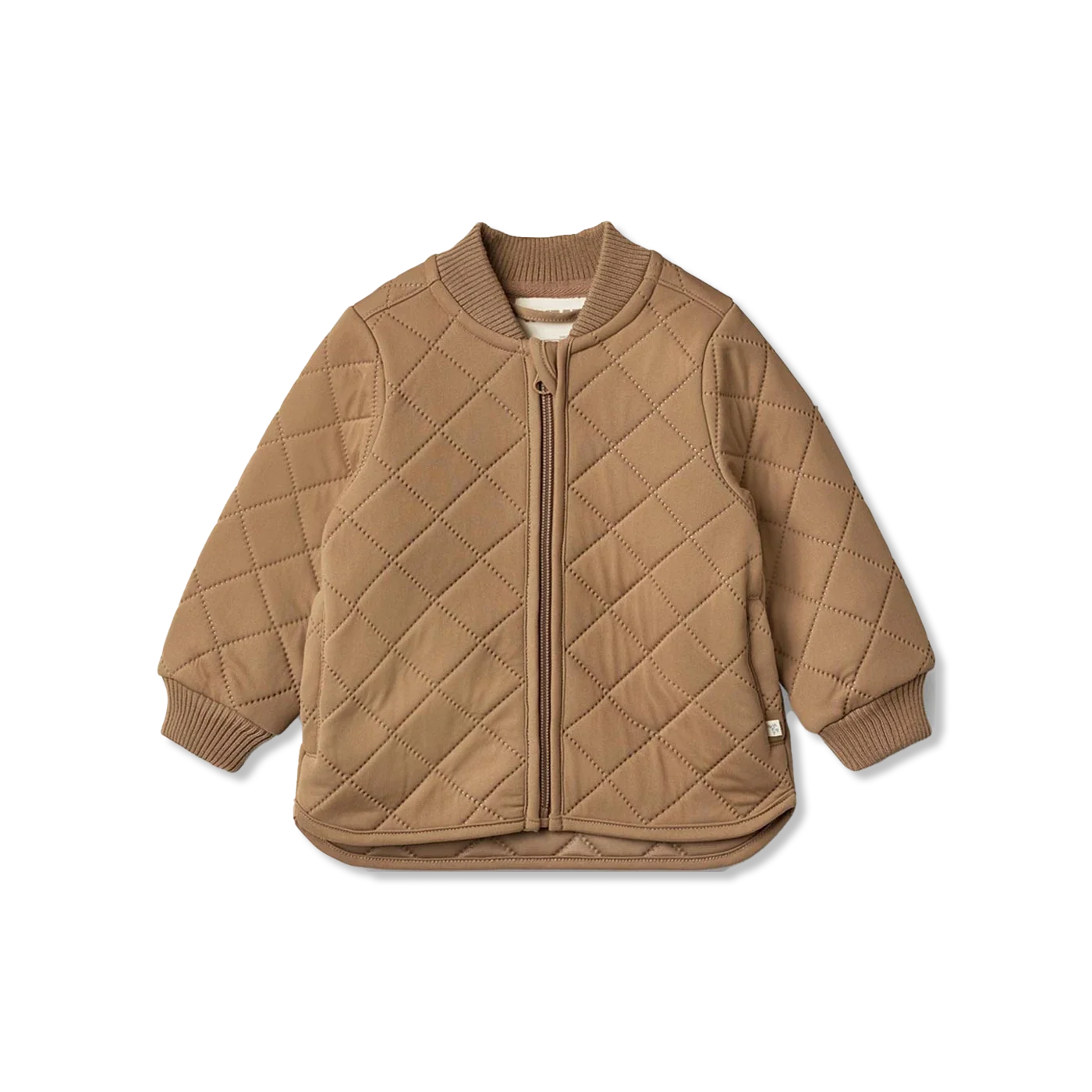
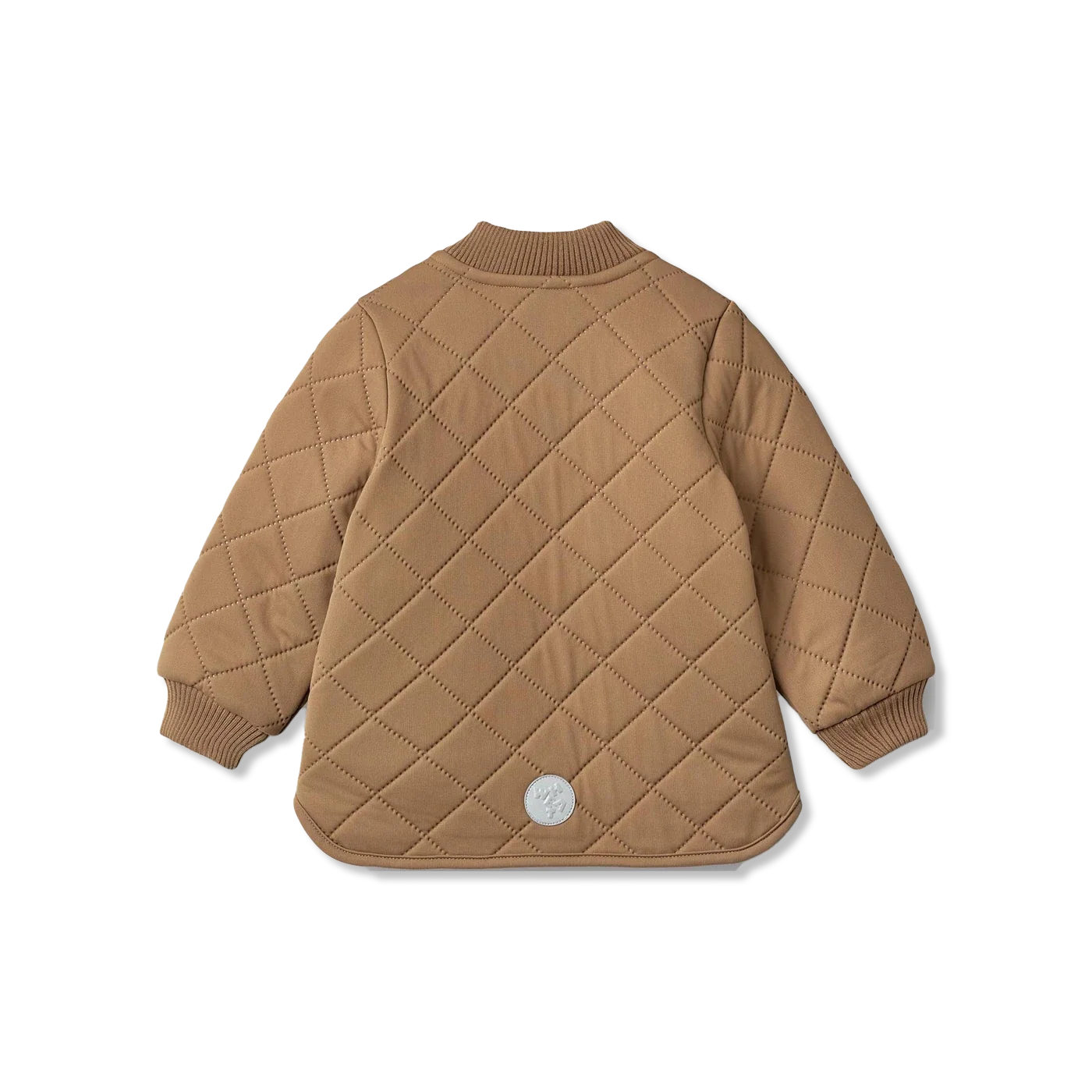
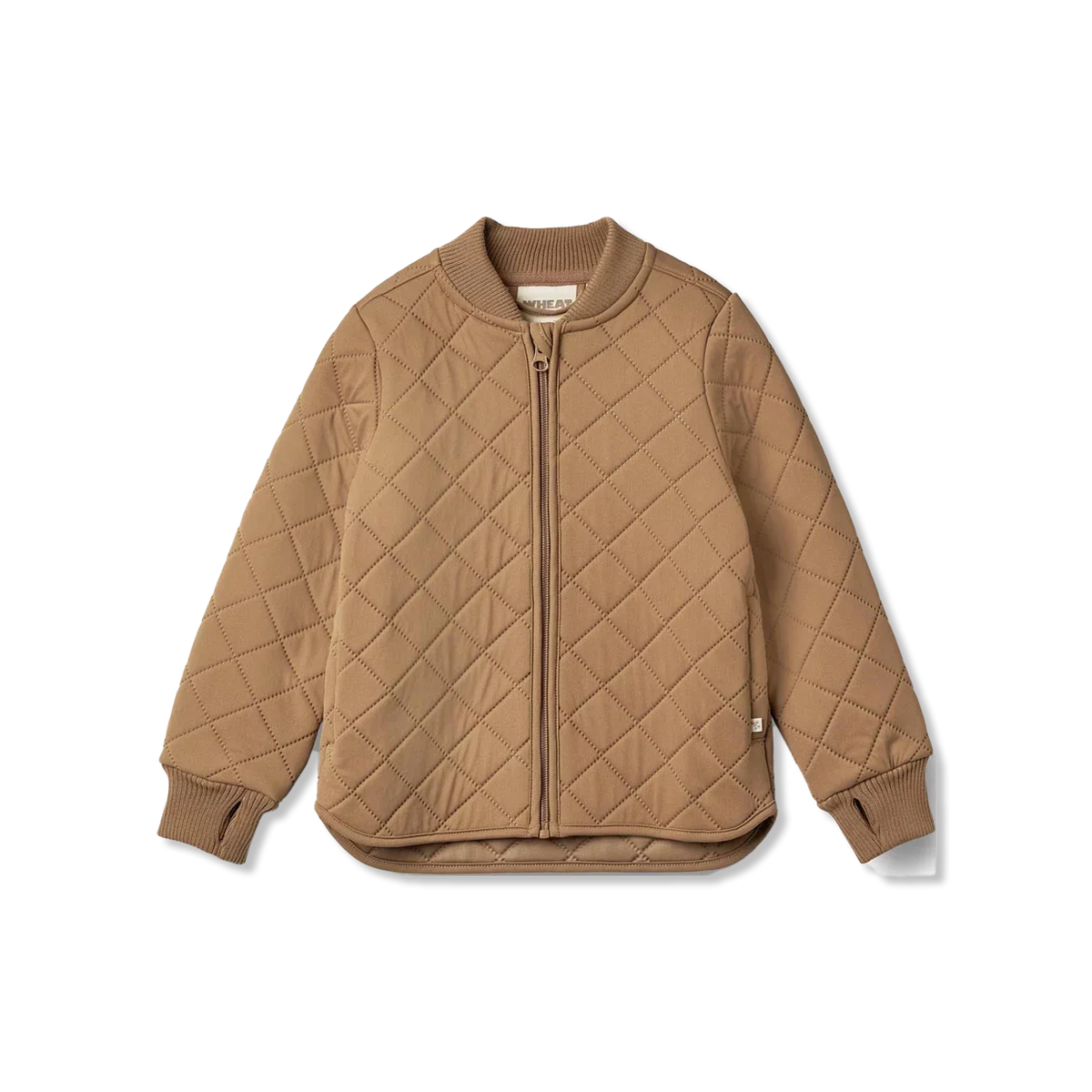
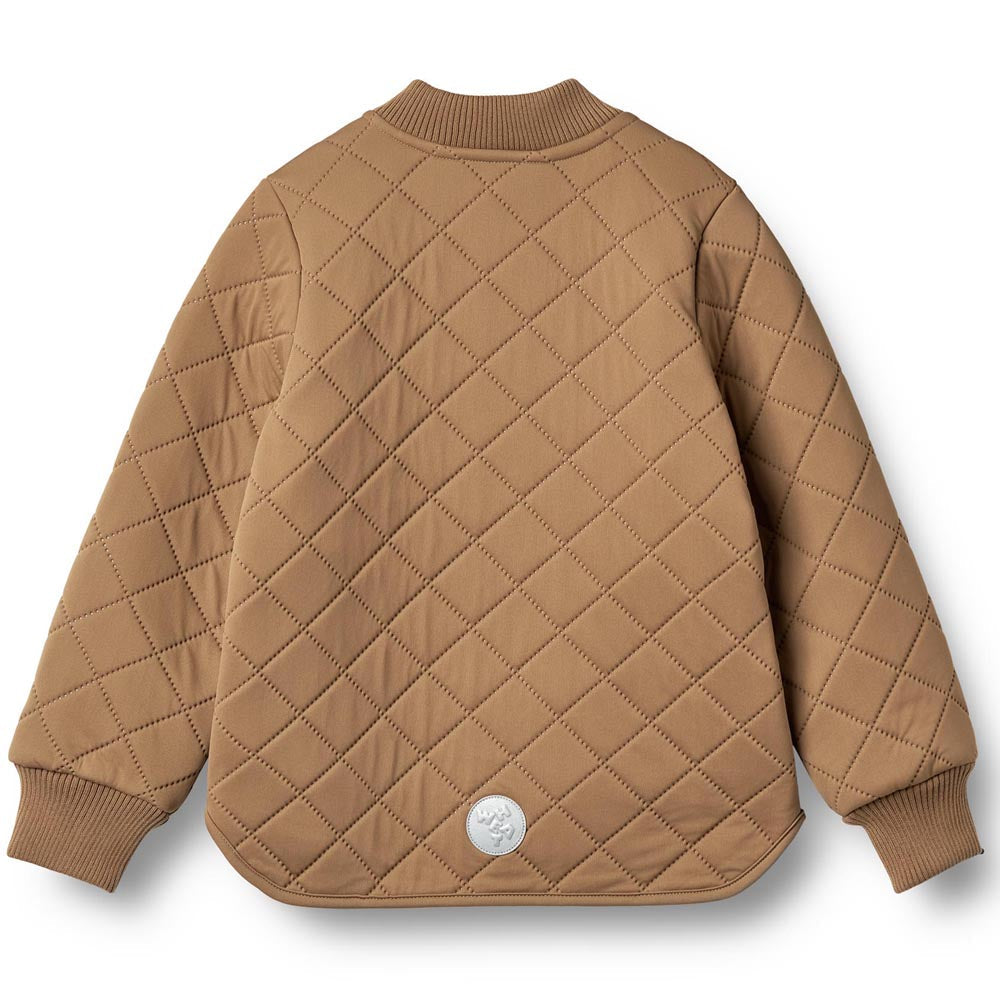
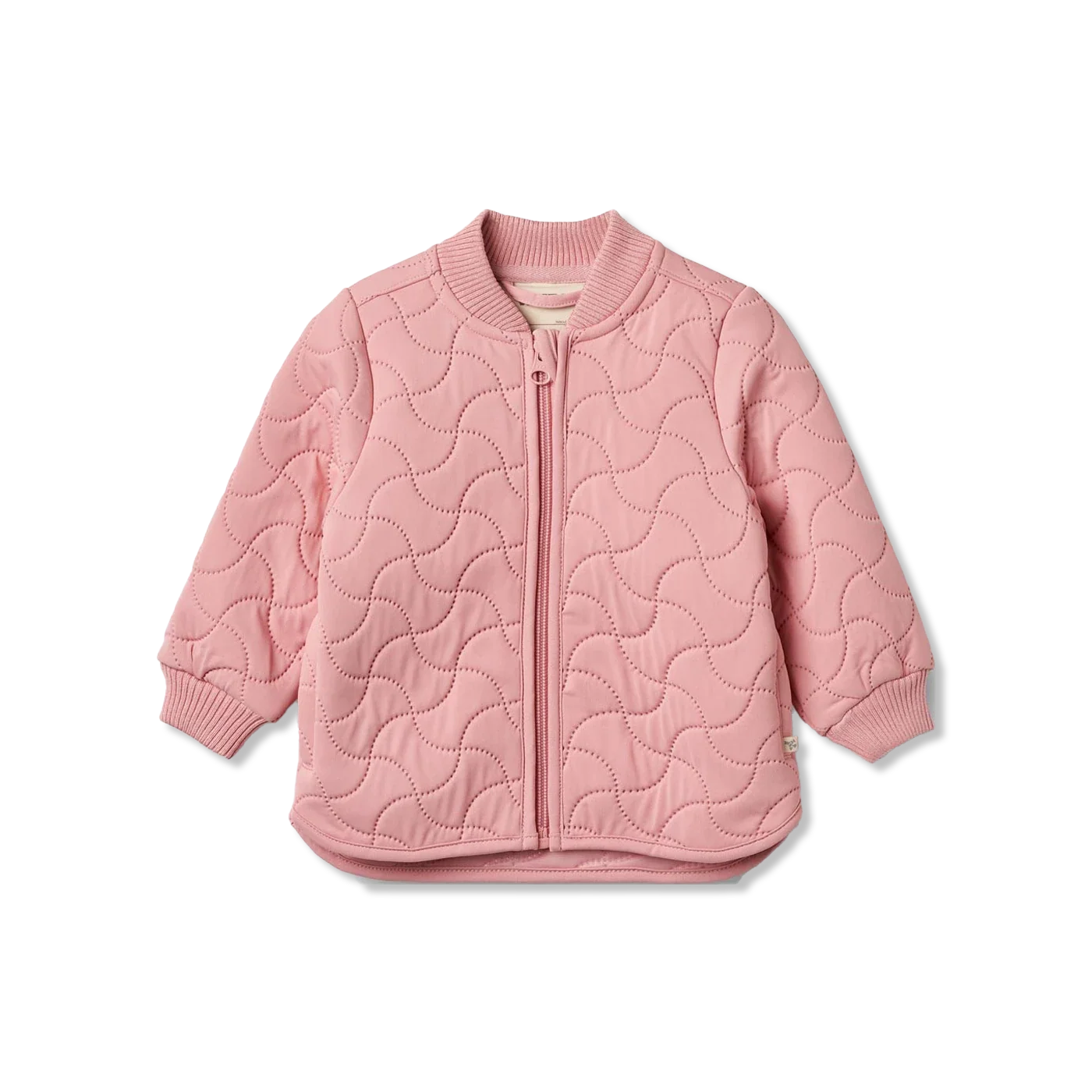
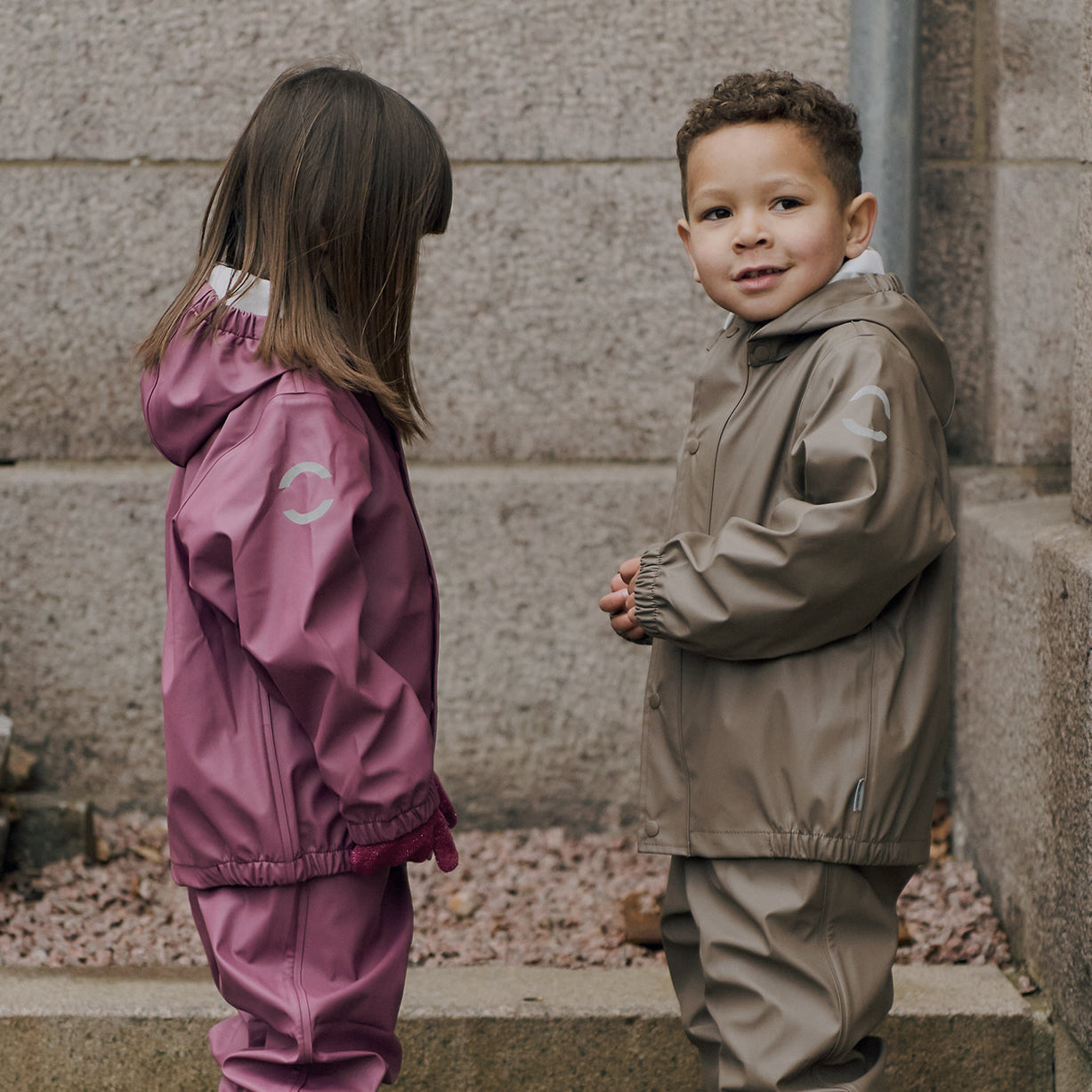
Wheat thermal jackets for babies and children
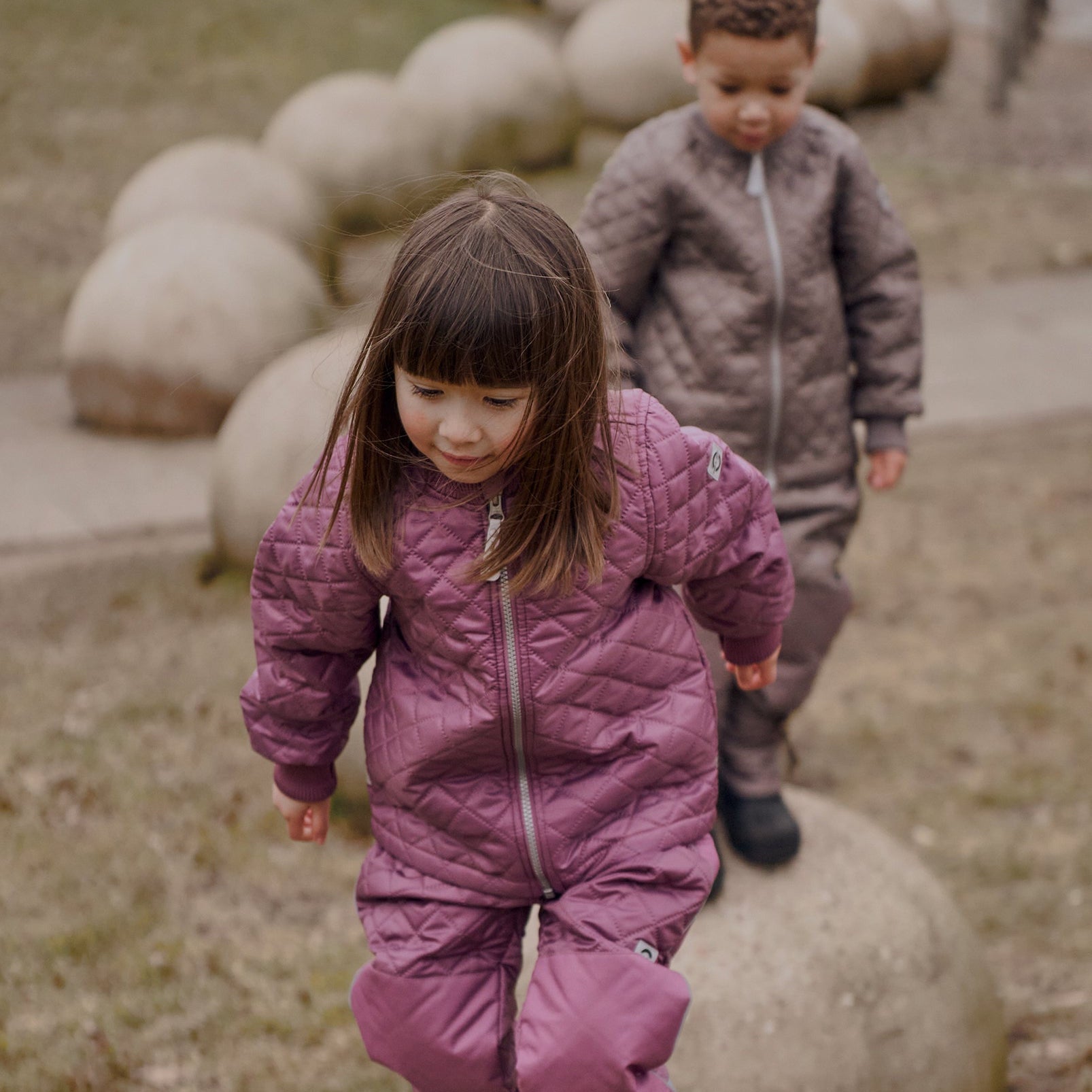
Thermal clothing is perfect for the transitional seasons because it insulates and helps regulate children’s body temperatures. Thermal clothing is water-repellent and windproof, while still allowing plenty of freedom to be active and move around. Wheat thermal suits are especially popular for little ones. The thermal suit is a one-piece design that covers the entire body, preventing cold air from getting in at the back or stomach. This means your little baby can be wrapped up warmly in the suit and feel cosy and secure.
At House of Kids, we offer the popular one-piece suits in baby sizes from size 62, size 68, size 74, size 80 and size 86, up to size 92. If you have an older child, choose the two-piece set consisting of Wheat thermal jackets and Wheat thermal trousers for children.
At House of Kids, we have thermal clothing for your smallest baby as well as for older schoolchildren. We are sure you will find something that both you and your child can use. Please feel free to contact us if there is anything we can help you with.
Thermal jackets for nursery
If your child is about to start nursery, you can be certain that thermal clothing will be on the list of items needed. Wheat thermal trousers are an obvious choice because they are both durable and stylish.
Thermal clothing is designed to help maintain your child’s body temperature. One moment, your children may be very active outdoors, while the next they may be sitting quietly in the sandbox building a sandcastle. Perhaps they have even found a snail? These changes in activity level and the unpredictable weather call for clothing that can allow the body to release heat while also helping to retain warmth. This is where the breathability of thermal clothing really comes into its own.
When buying outerwear for your child, the most important thing is actually that they can move freely and be active. With Wheat thermal trousers and a thermal jacket, everything is designed around children’s needs. This is precisely the philosophy behind Wheat’s designs.
Thermal jackets for children in many sizes
At House of Kids, you will find thermal jackets for children and thermal trousers for girls and boys in many sizes. We usually stock thermal jackets all year round, from size 56 to 164.
Every spring, we look forward to receiving the thermal jackets from Wheat and showing them to you. Each time, we are delighted by the beautiful prints and colours. Wheat thermal clothing and jackets are available in many different styles, making it possible to use them in several ways. For example, you can also wear them underneath rainwear.
Wheat thermal jackets for older boys and girls
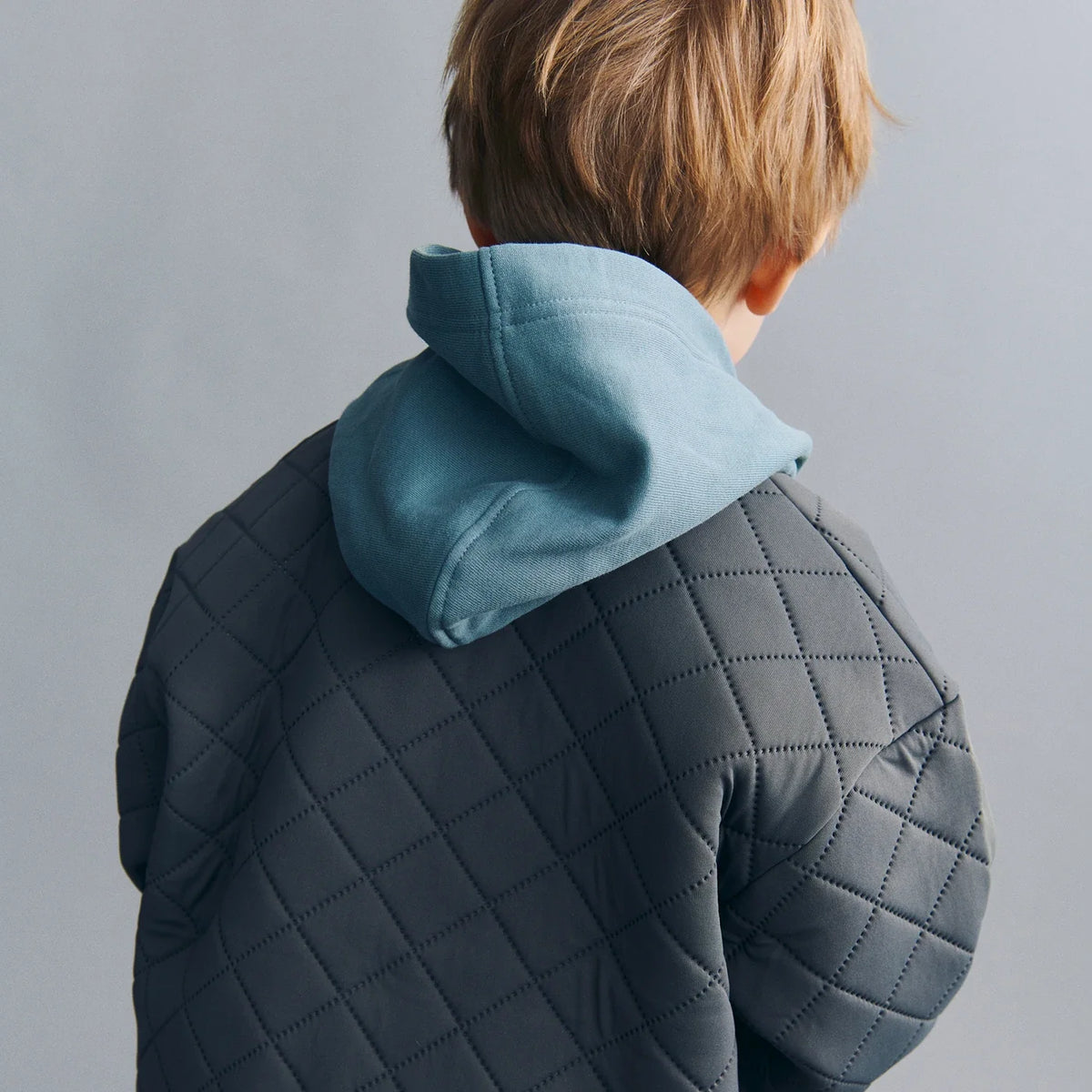
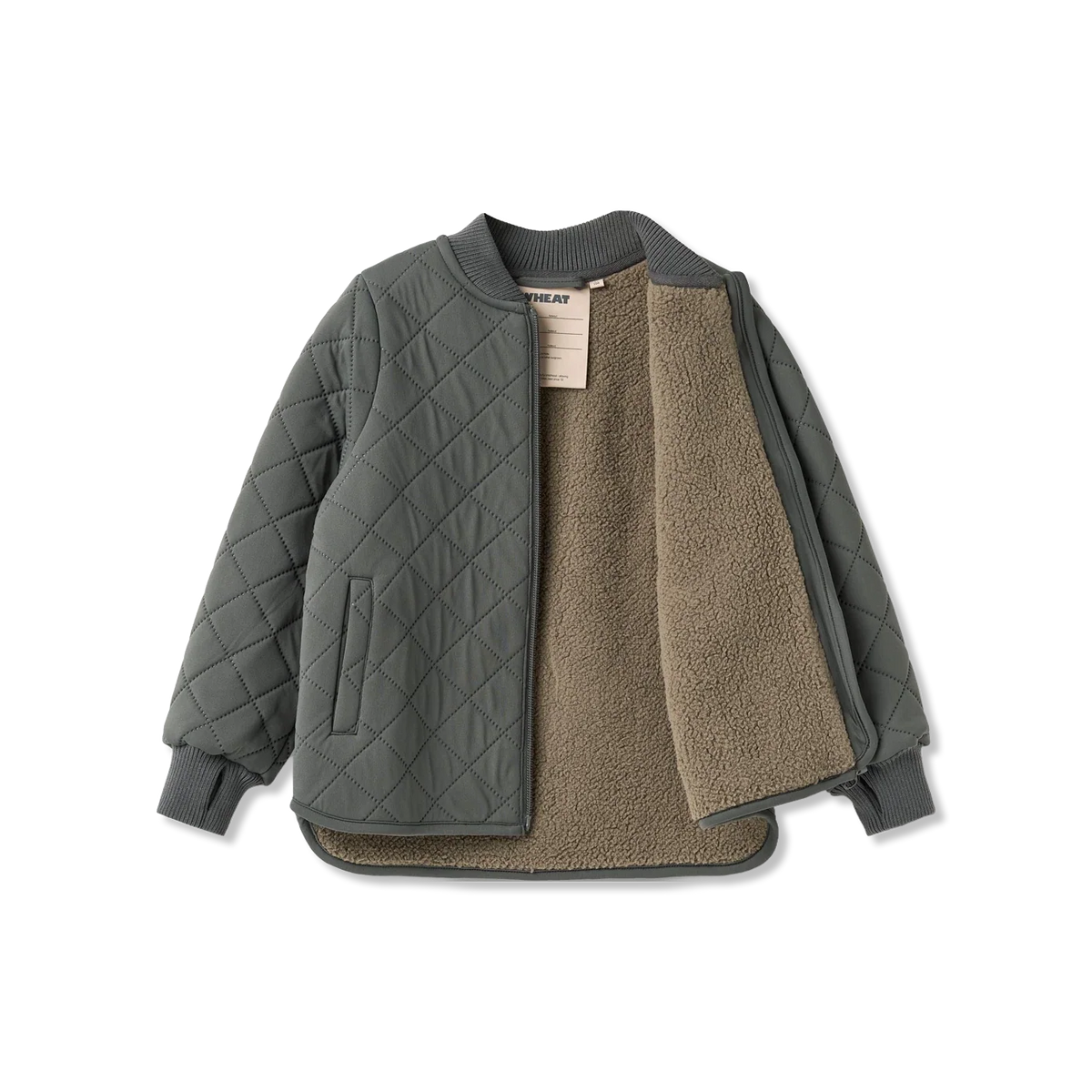
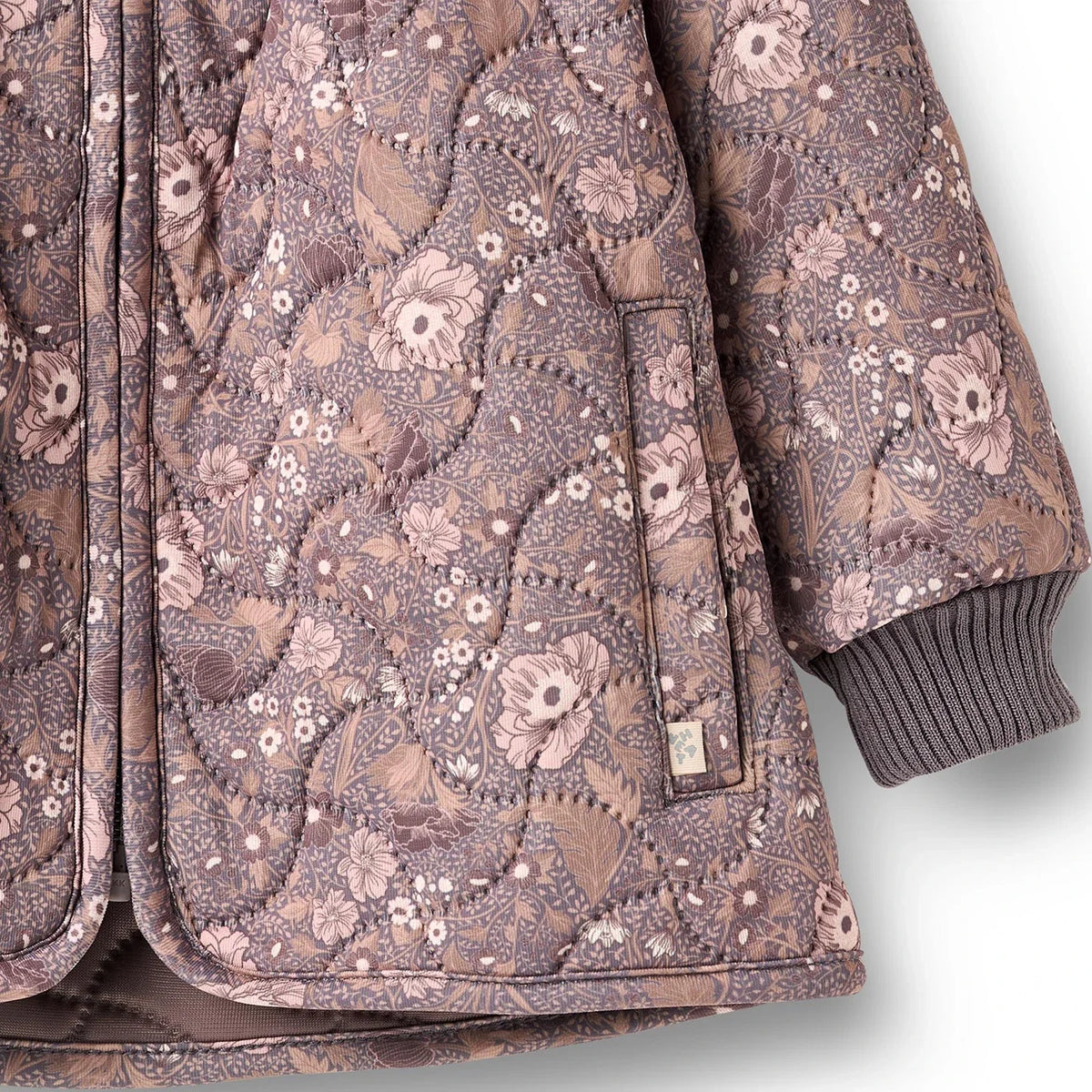
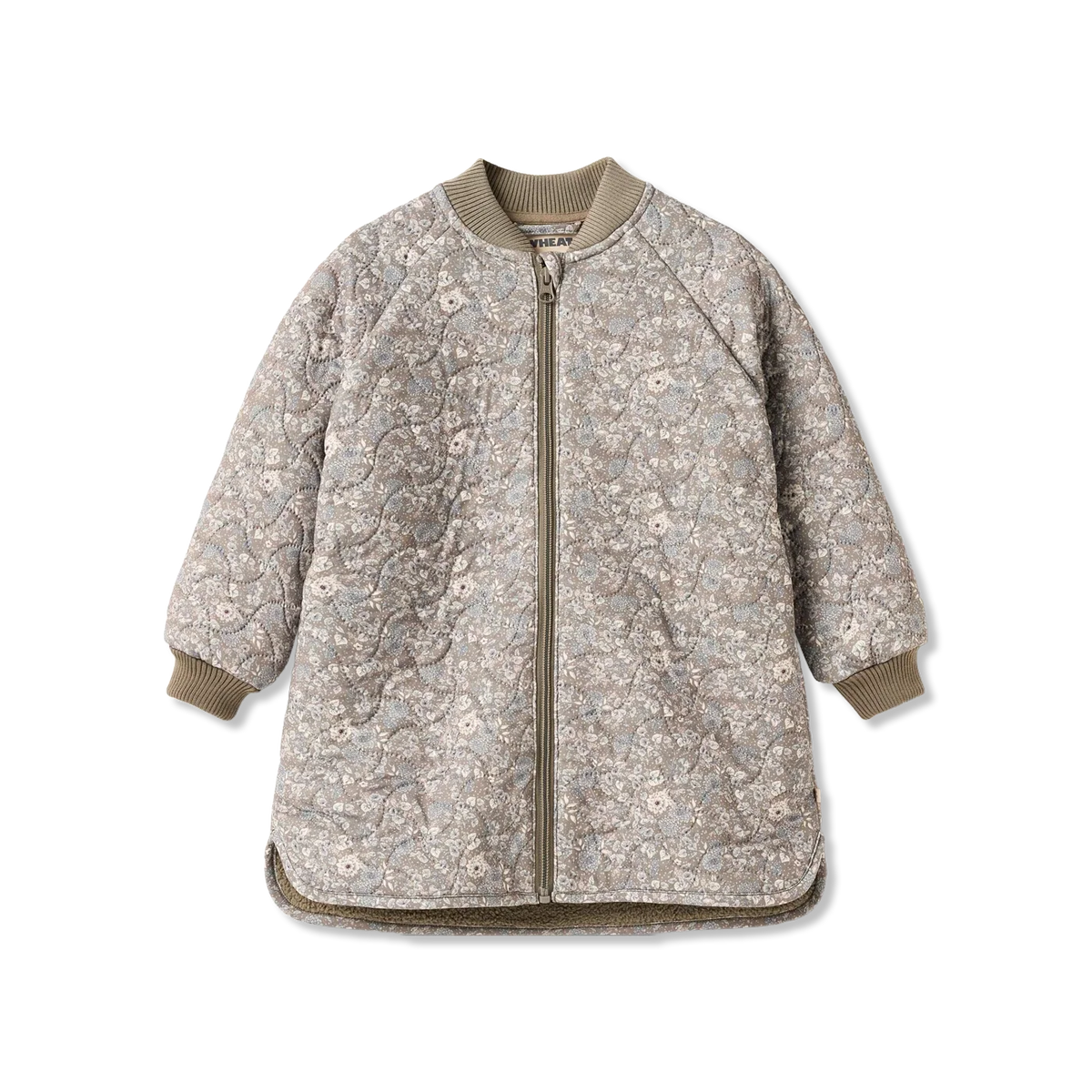
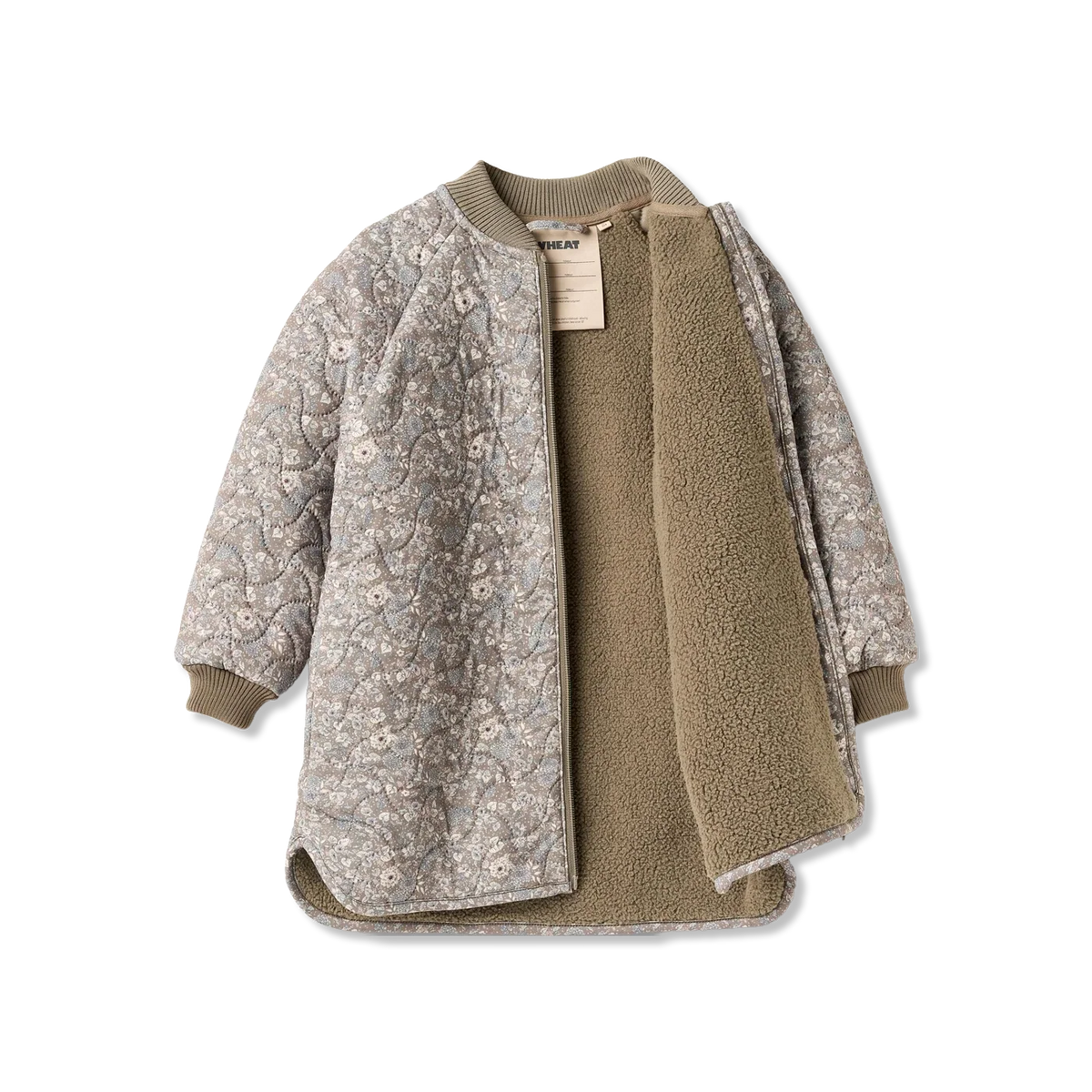
Wheat has also thought of older boys and girls when designing its thermal jackets. You are never too old for a thermal jacket, as long as it has the right cut. The Eske thermal jacket is designed for boys and stands out with its hood, sturdy zip and, of course, two side pockets for cold fingers or little treasures your child picks up along the way. The Lulu thermal jacket for girls has extra length, giving it a more feminine look. The Lulu thermal jacket features a sturdy zip, detachable hood and side pockets. The jacket has a soft plush lining in the autumn collection.
It is not only nursery children who wear Wheat thermal clothing. We also see thermal clothing being worn at school. Wheat thermal clothing is therefore not only accepted by young children, whose parents can argue for practical reasons that they need it. School-aged girls and boys who want to have a say in their wardrobe have also embraced Wheat thermal clothing.
Here at House of Kids, we can happily conclude that Wheat has succeeded in becoming one of the leading and most popular brands on the market when it comes to smart, comfortable and quality outerwear.
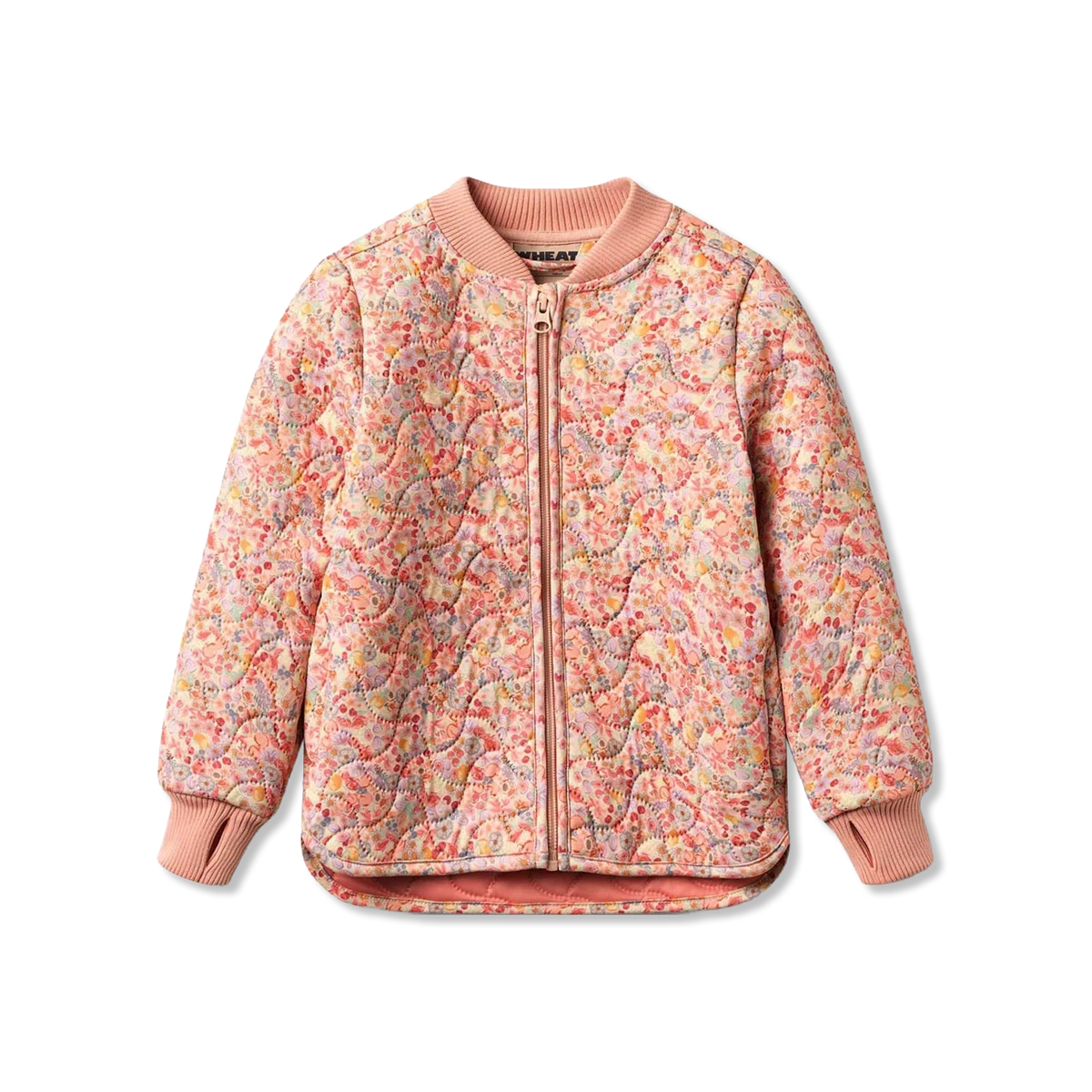
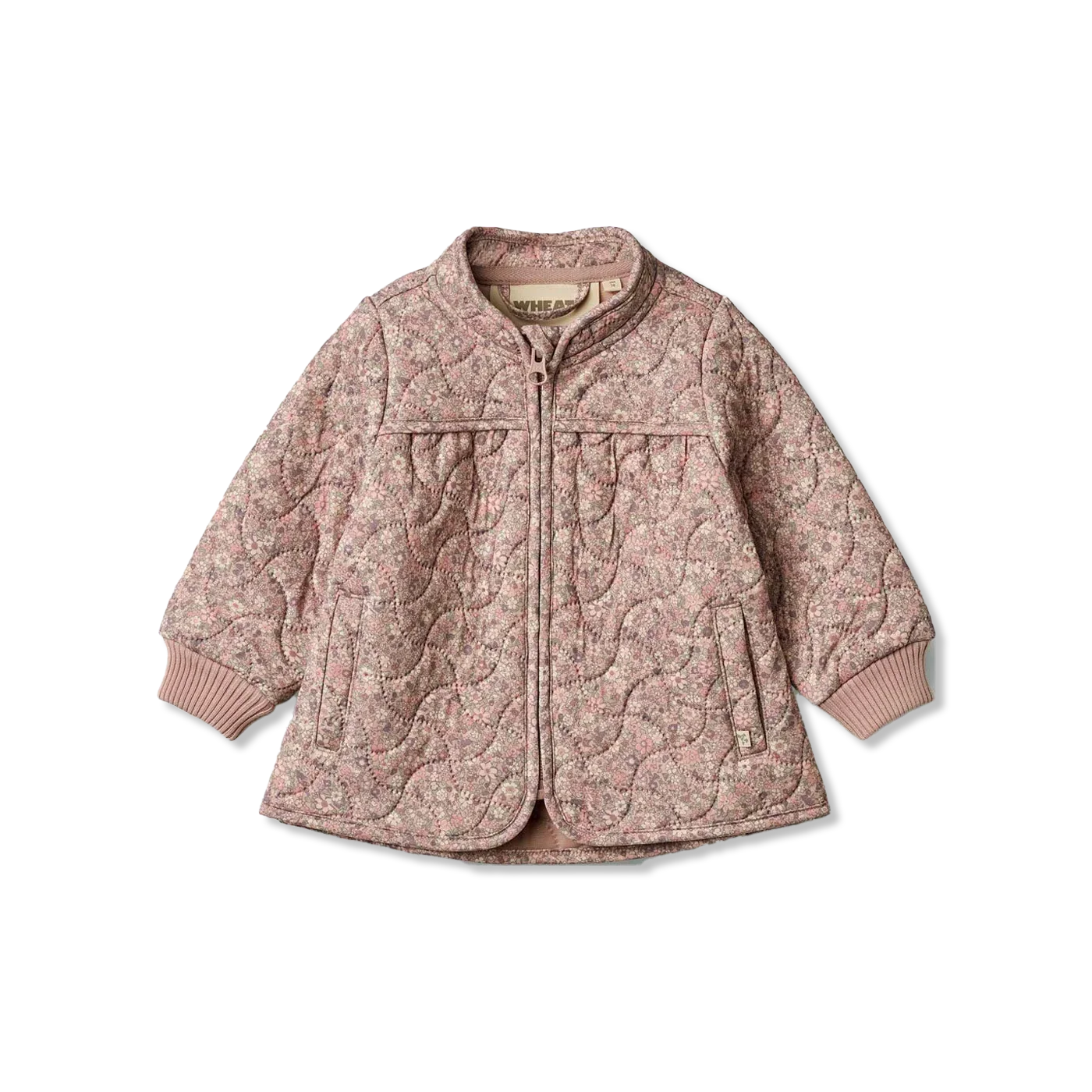
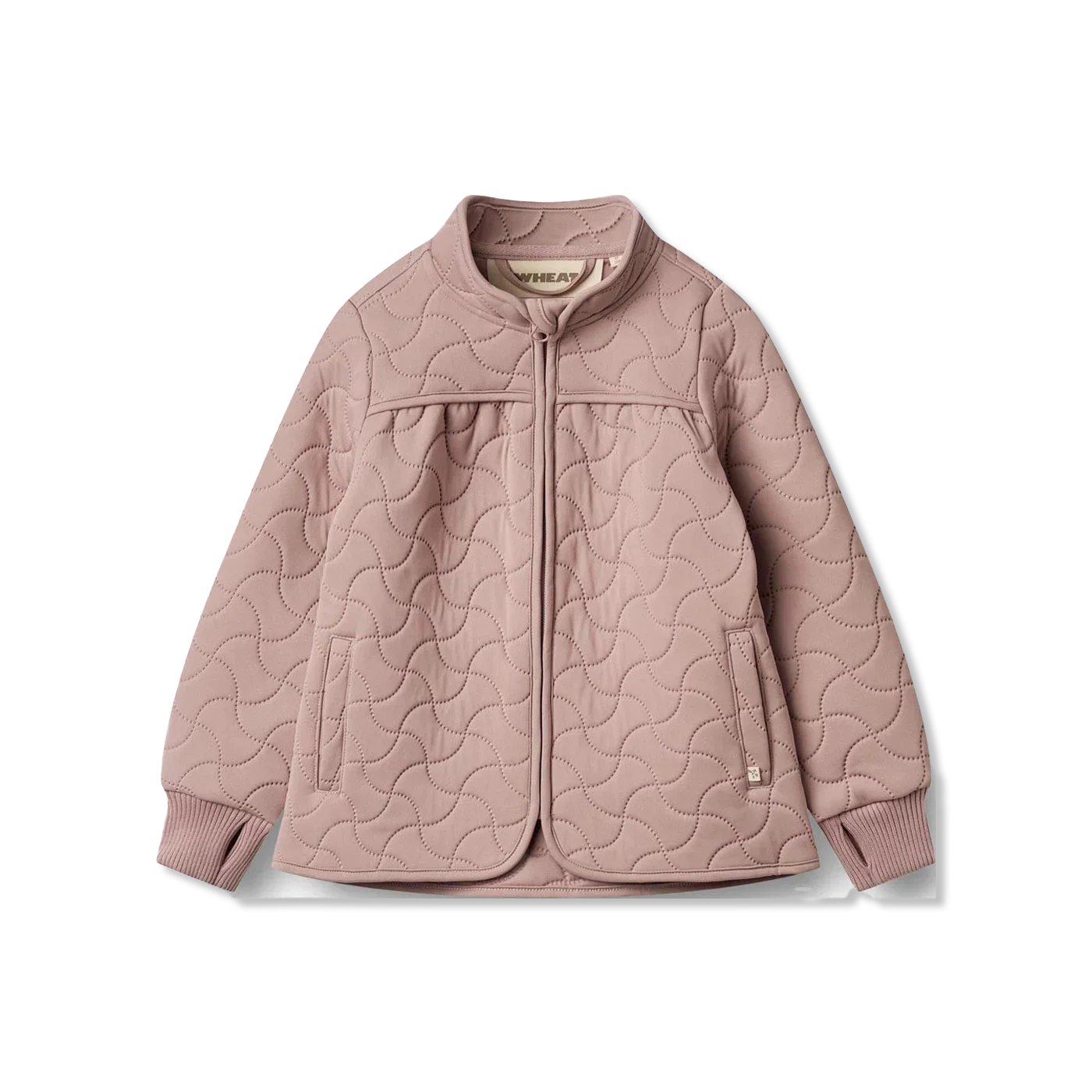
Wheat Thilde thermal jacket for girls
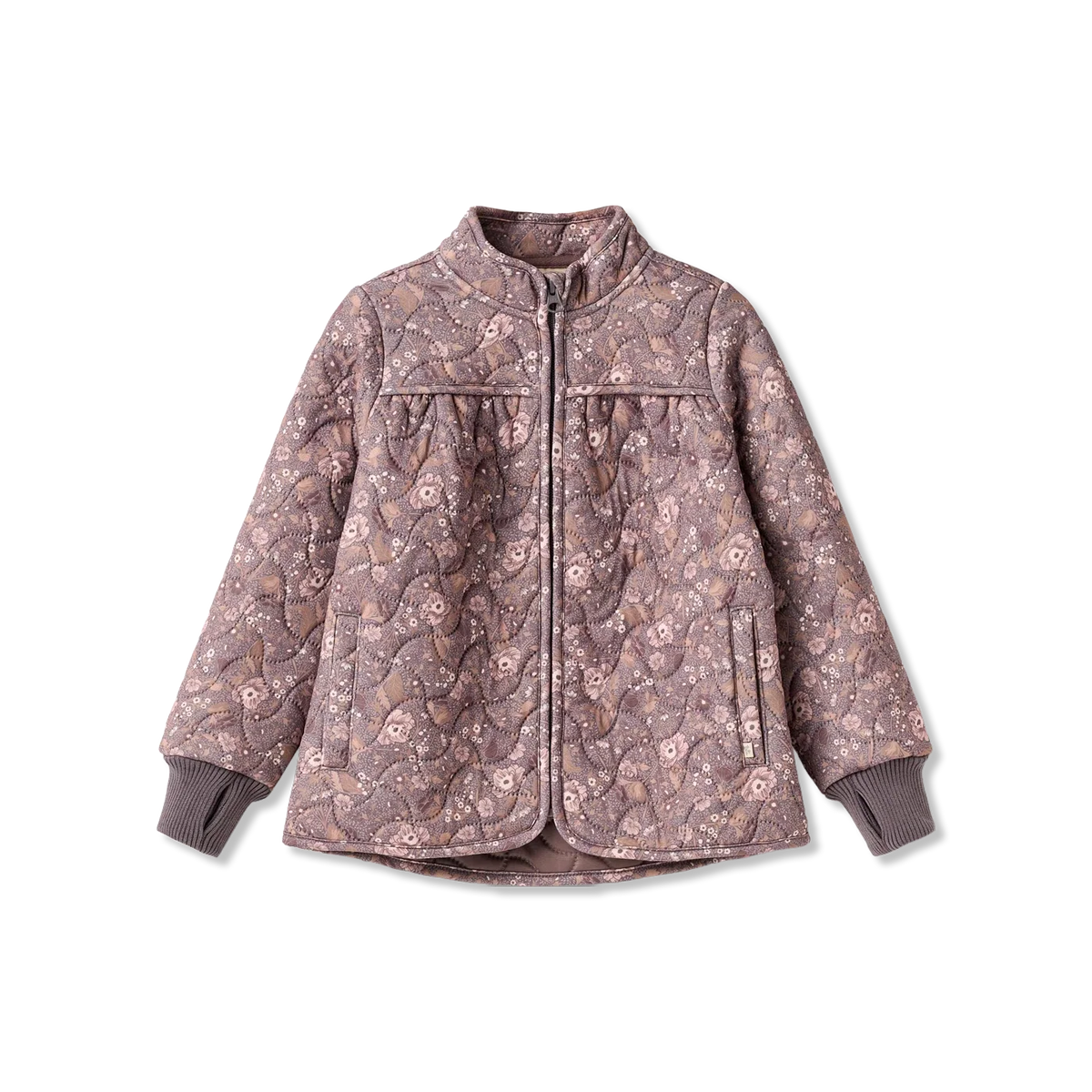
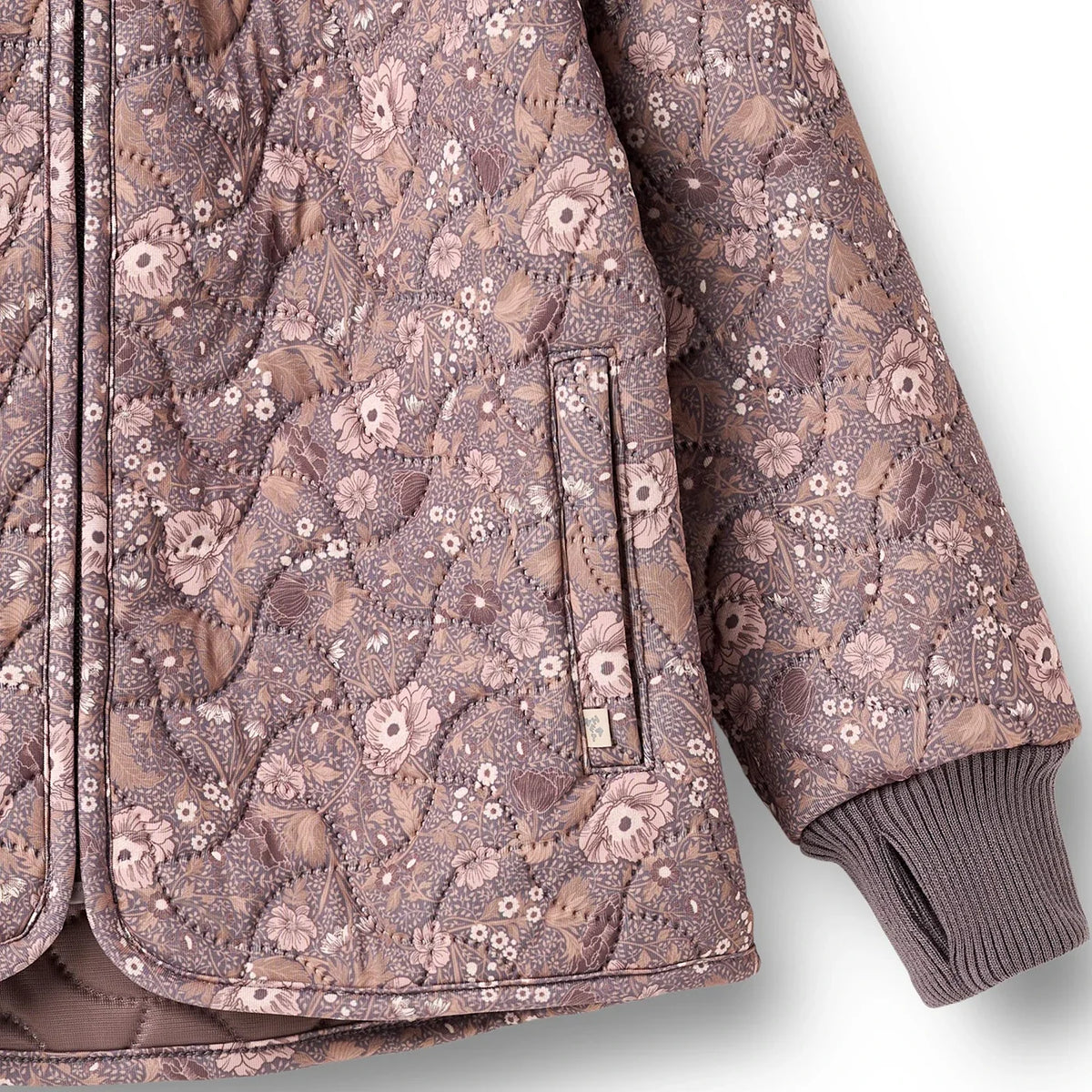
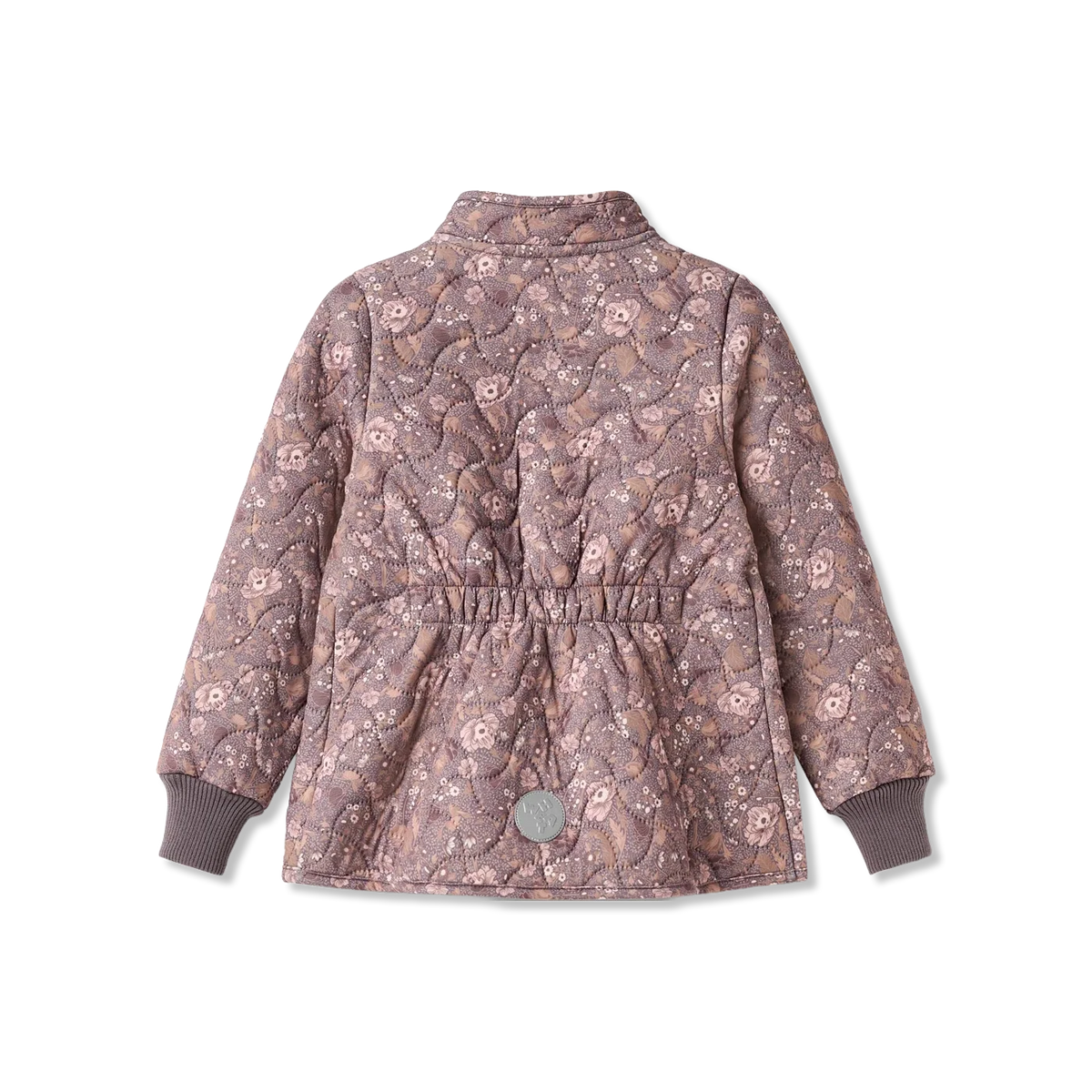
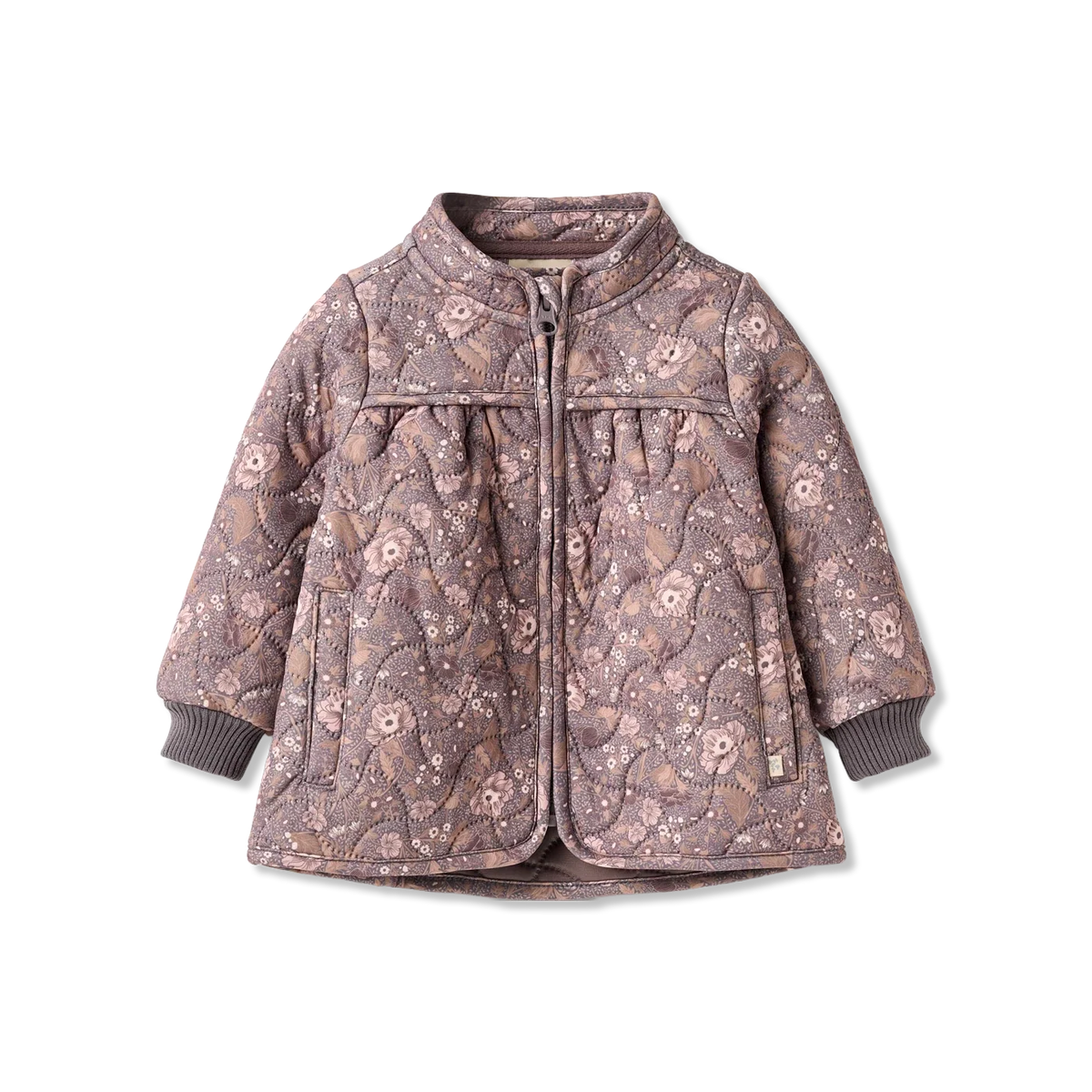
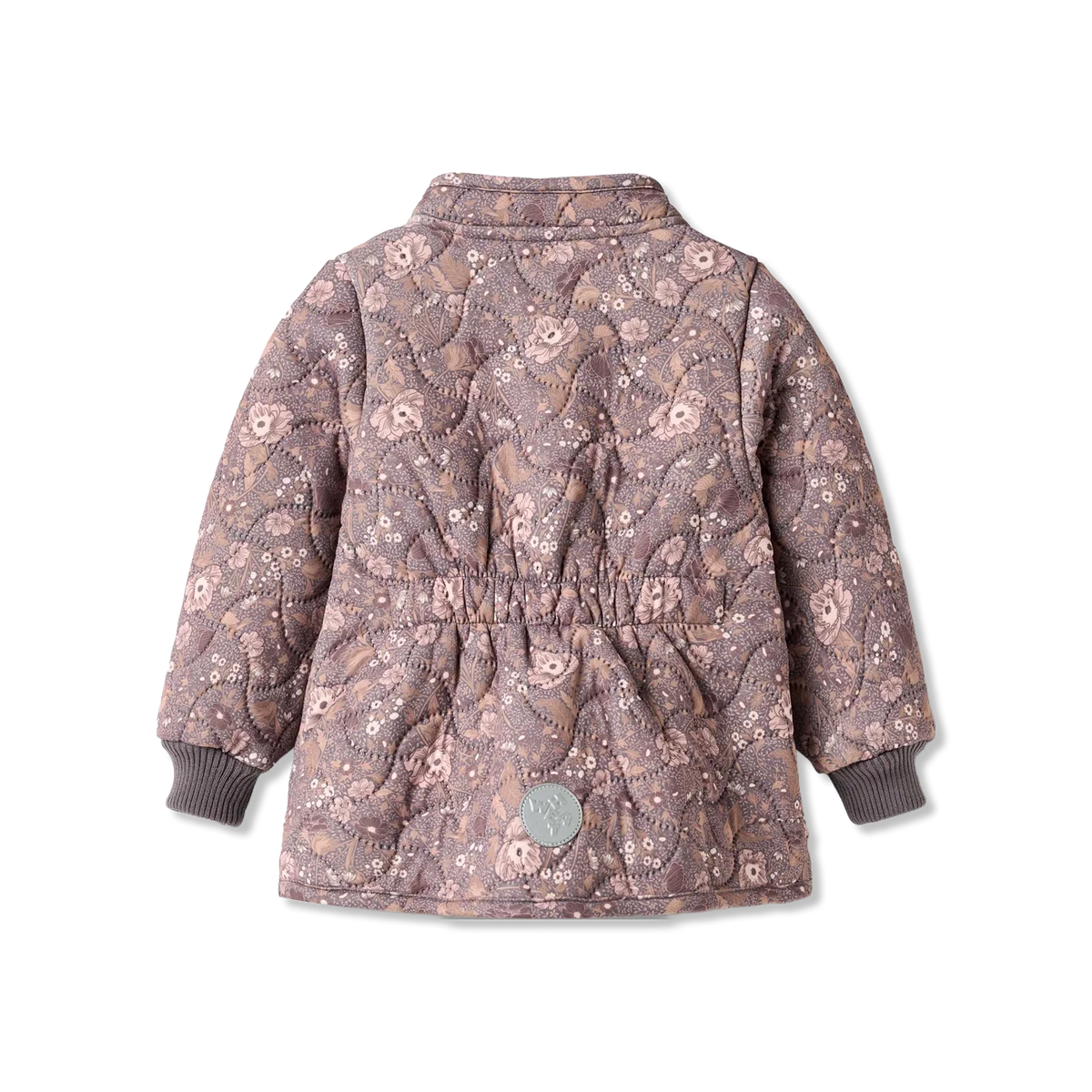
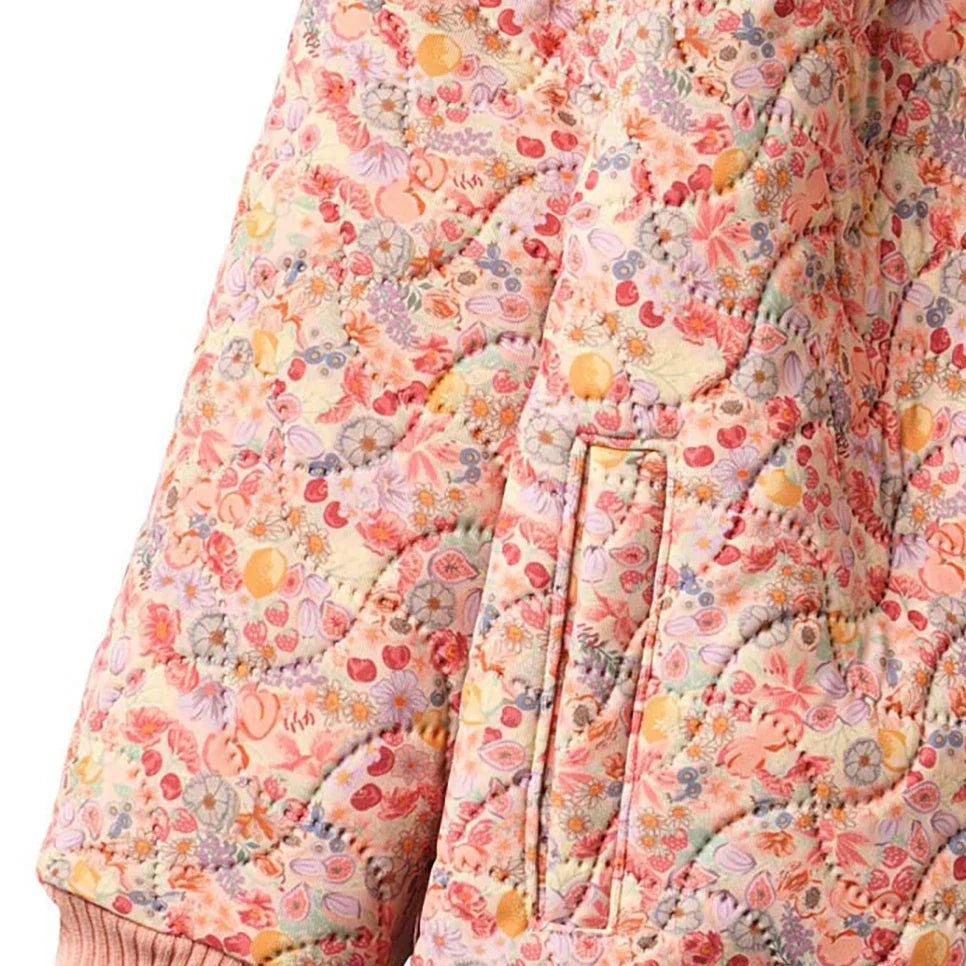
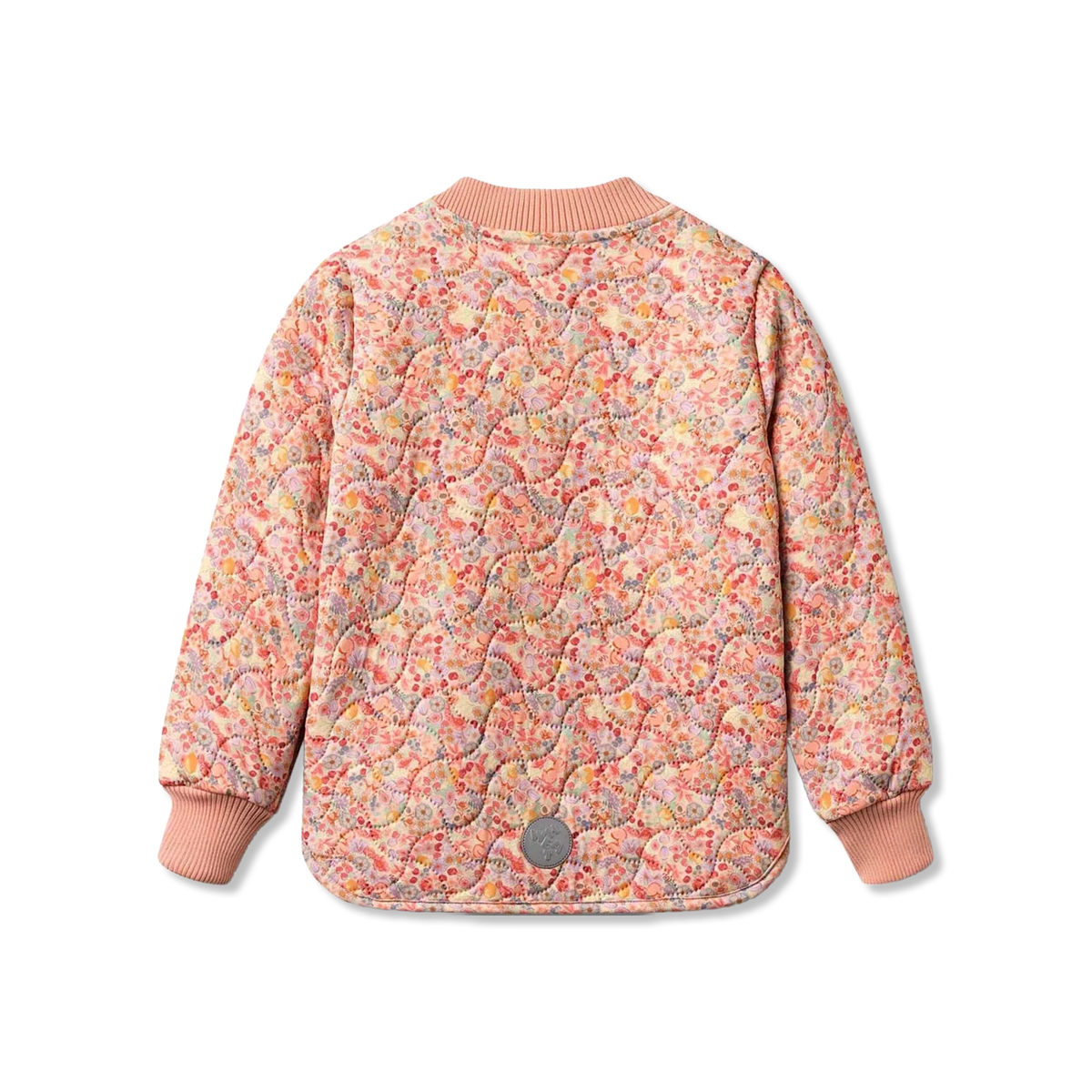
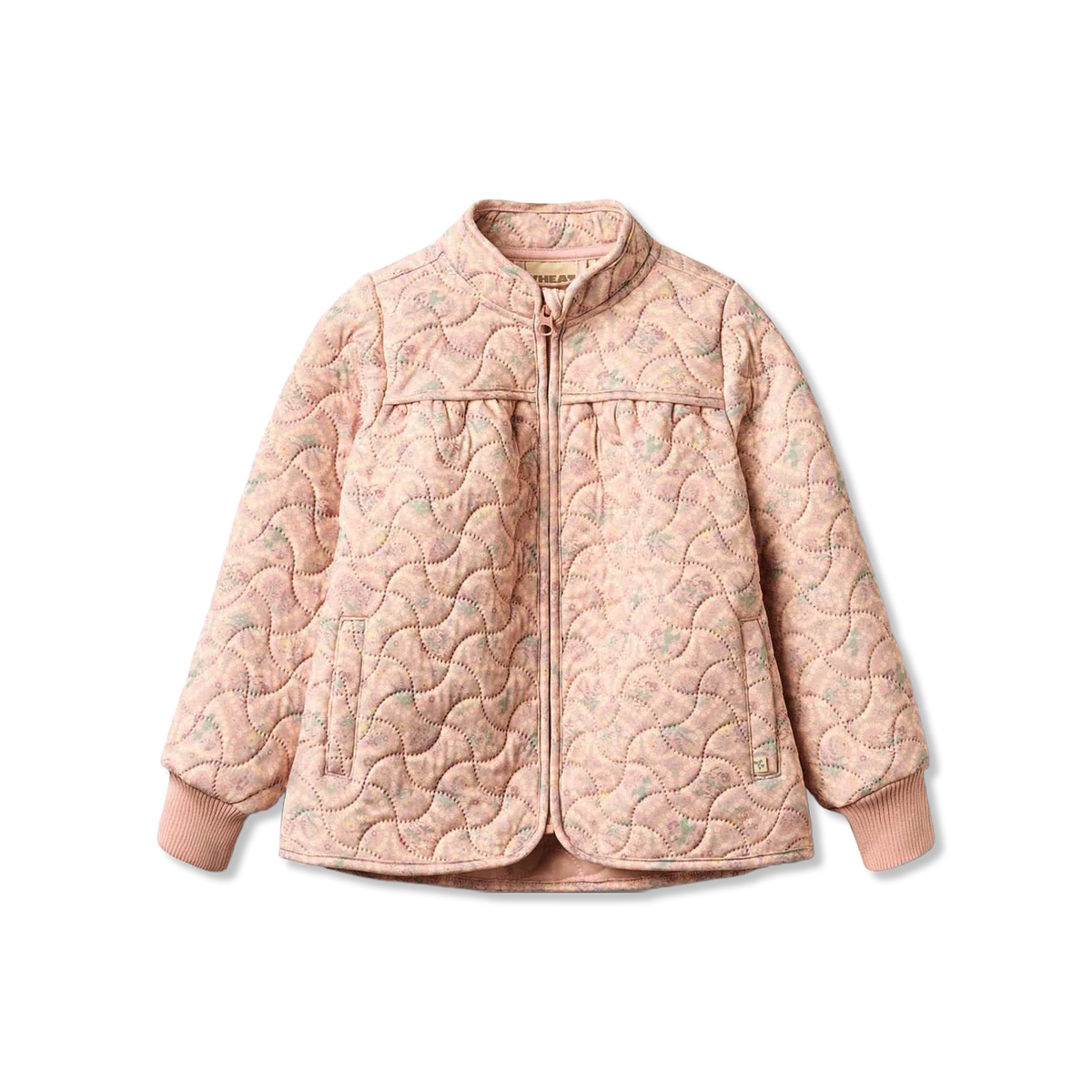
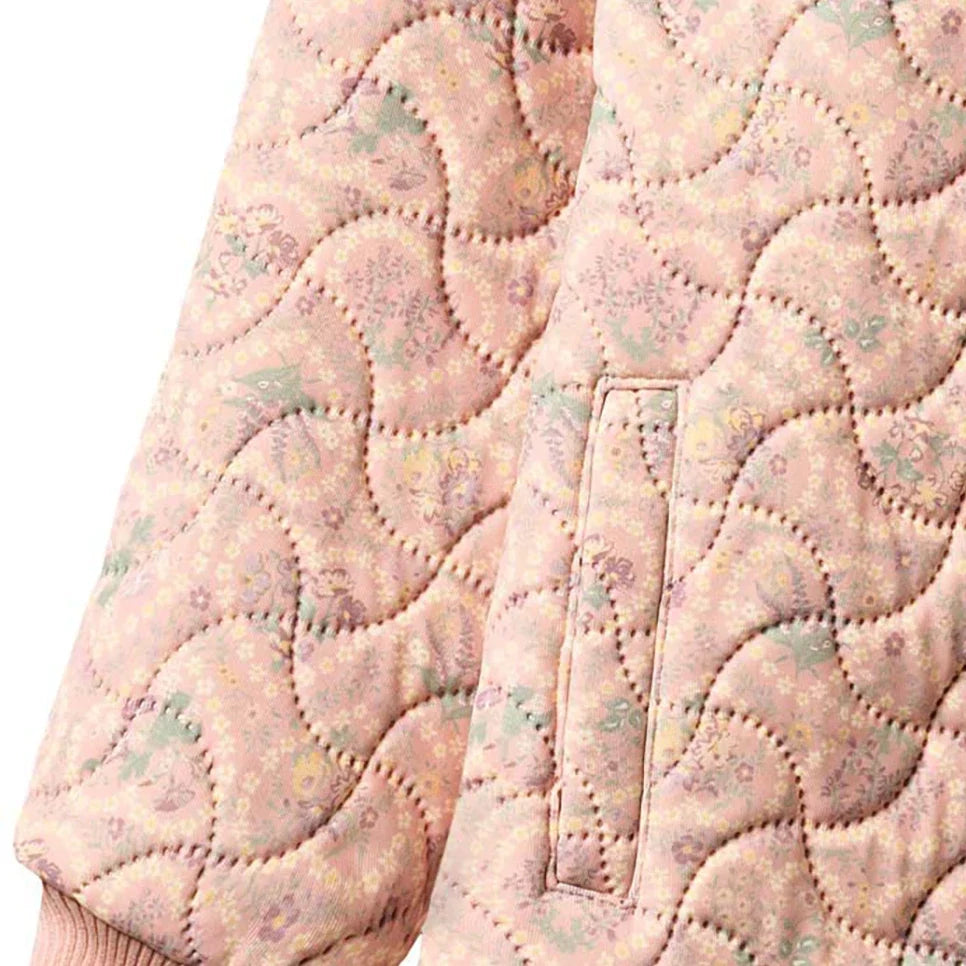
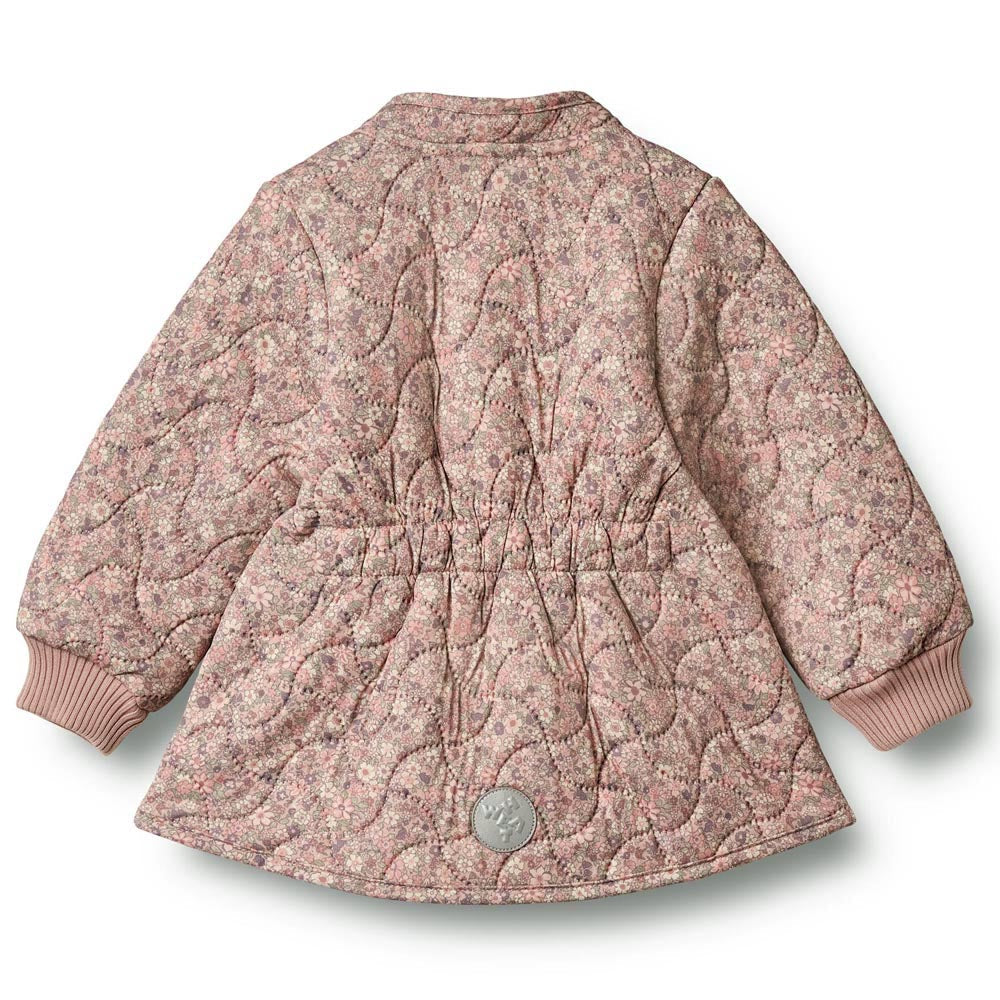
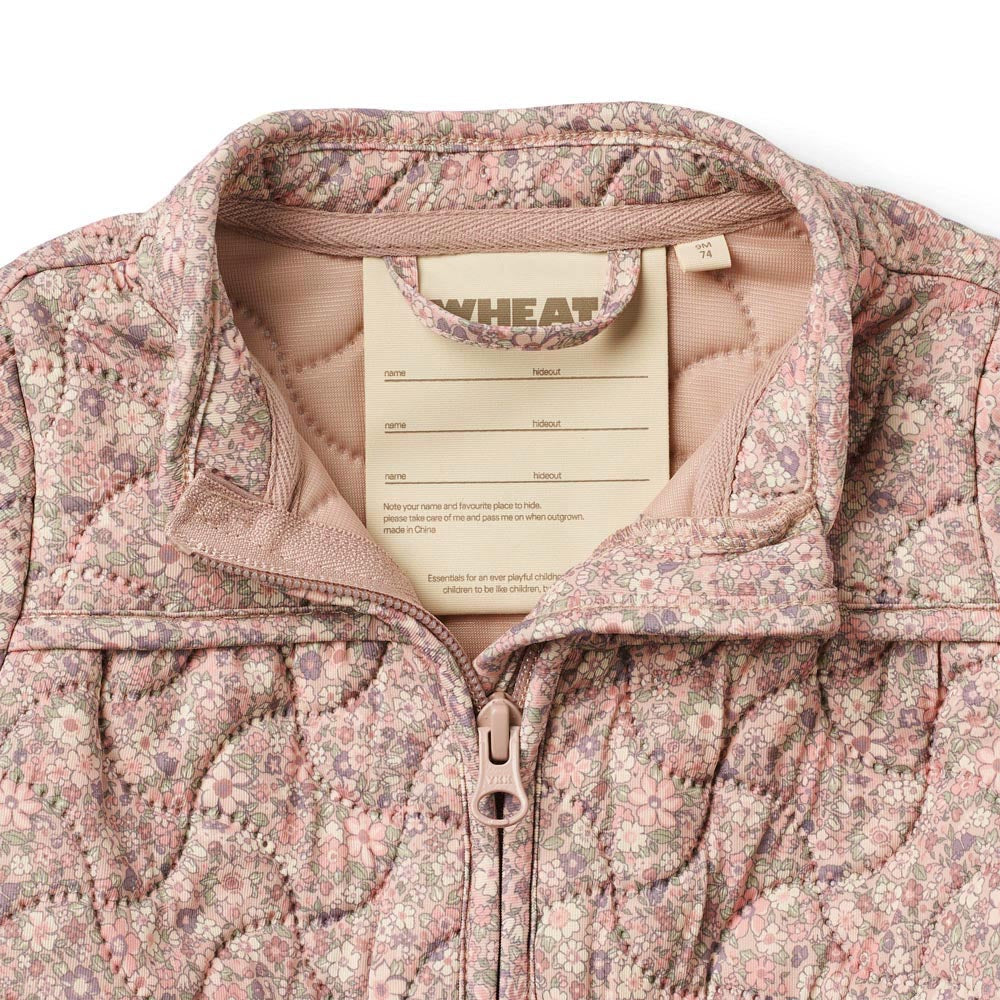
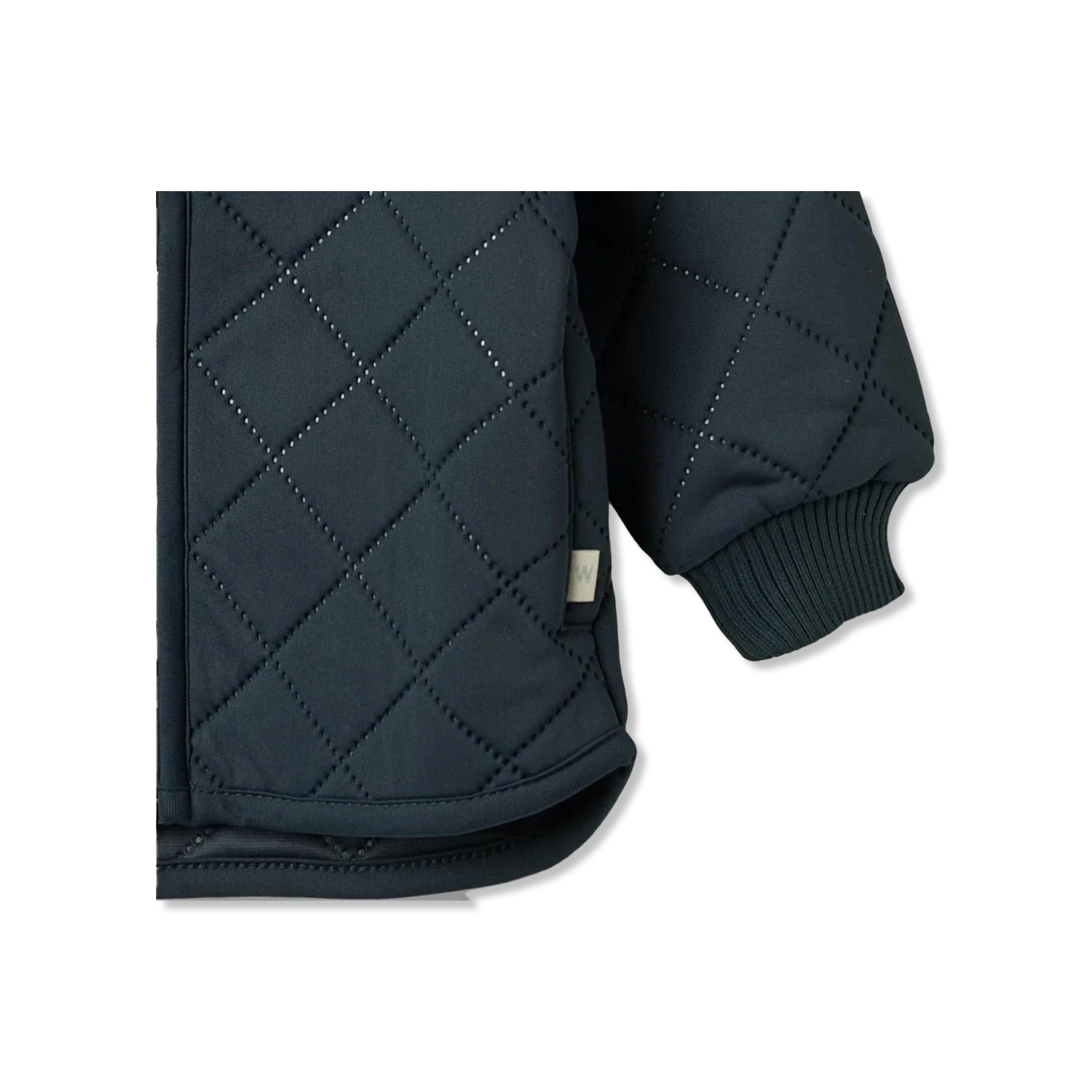
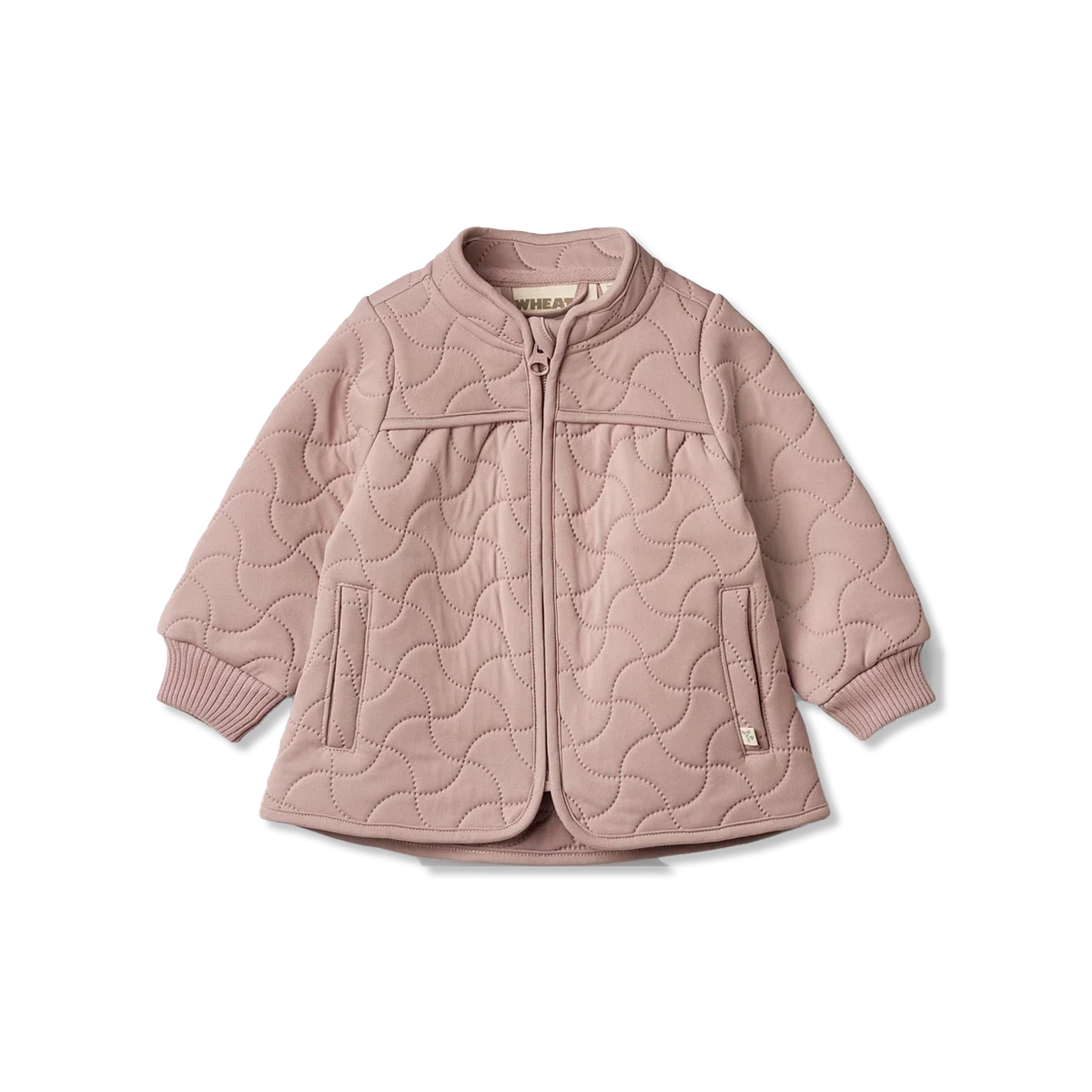
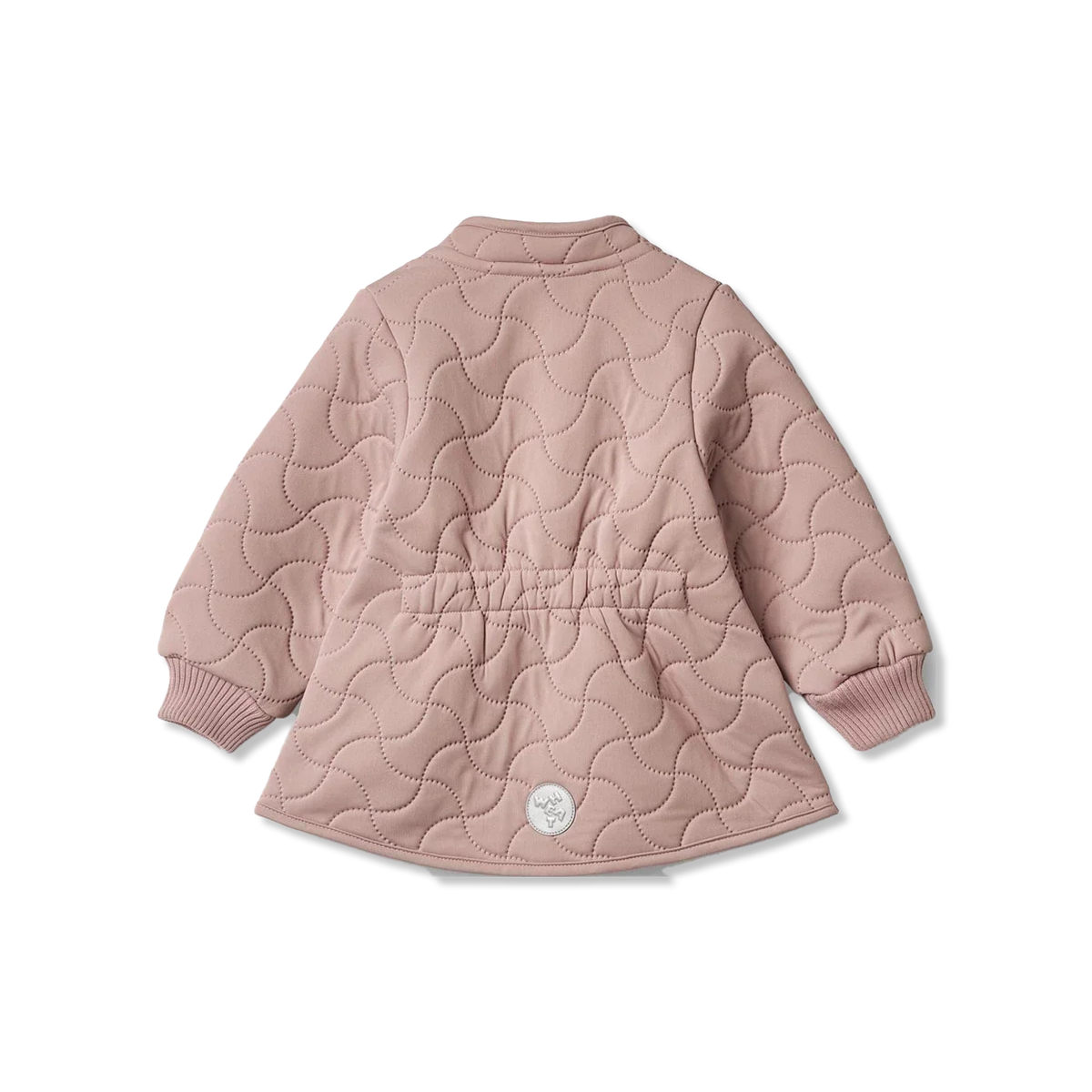
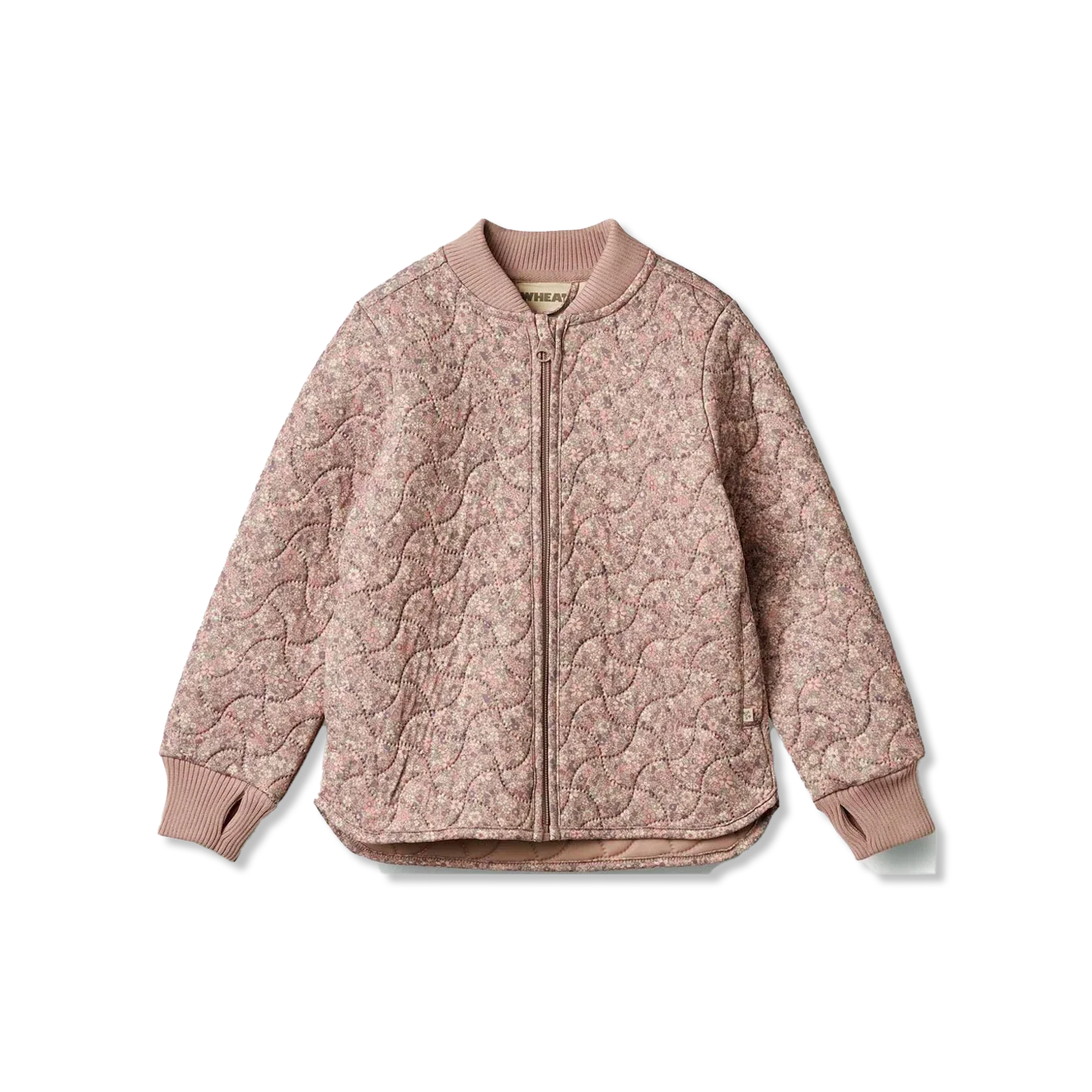
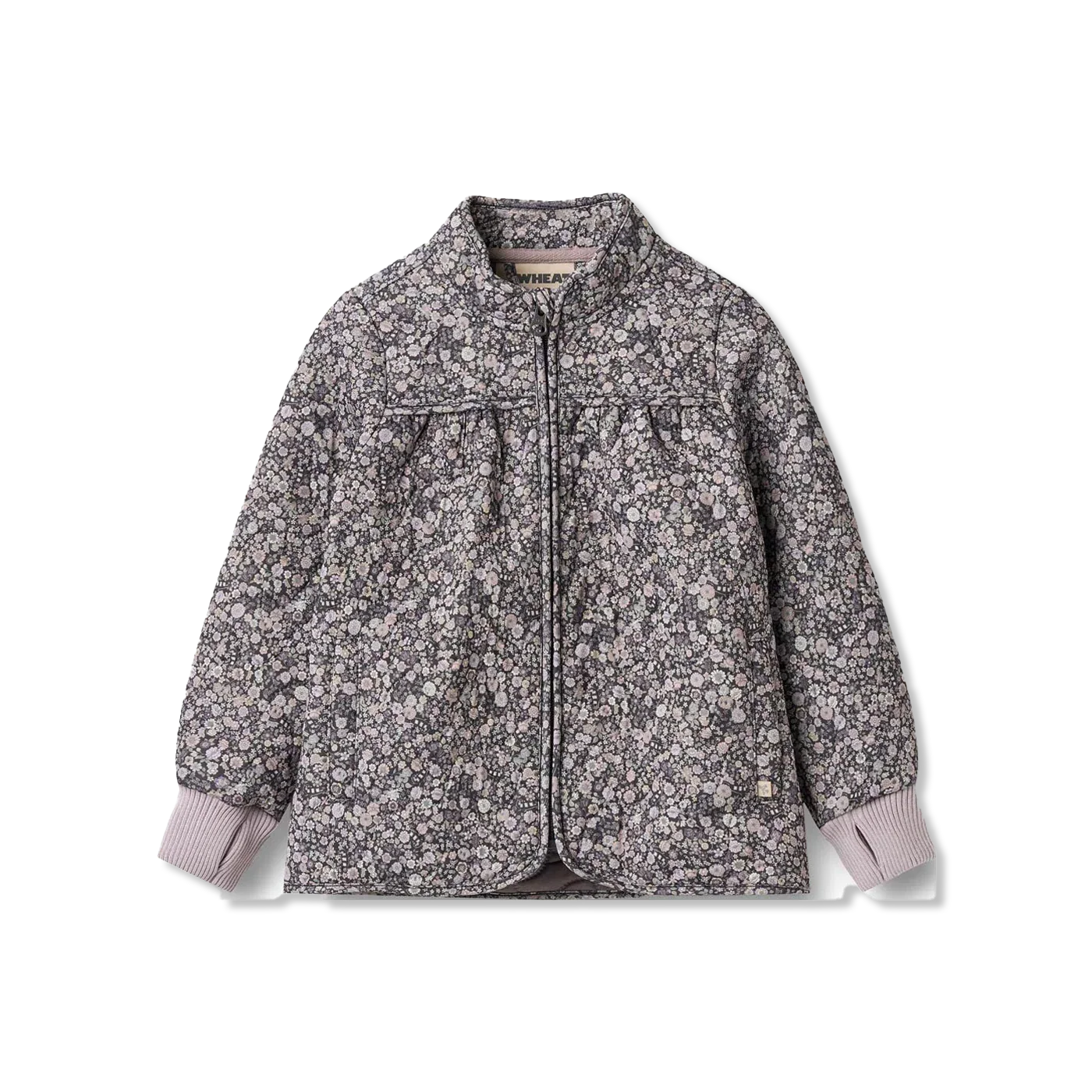
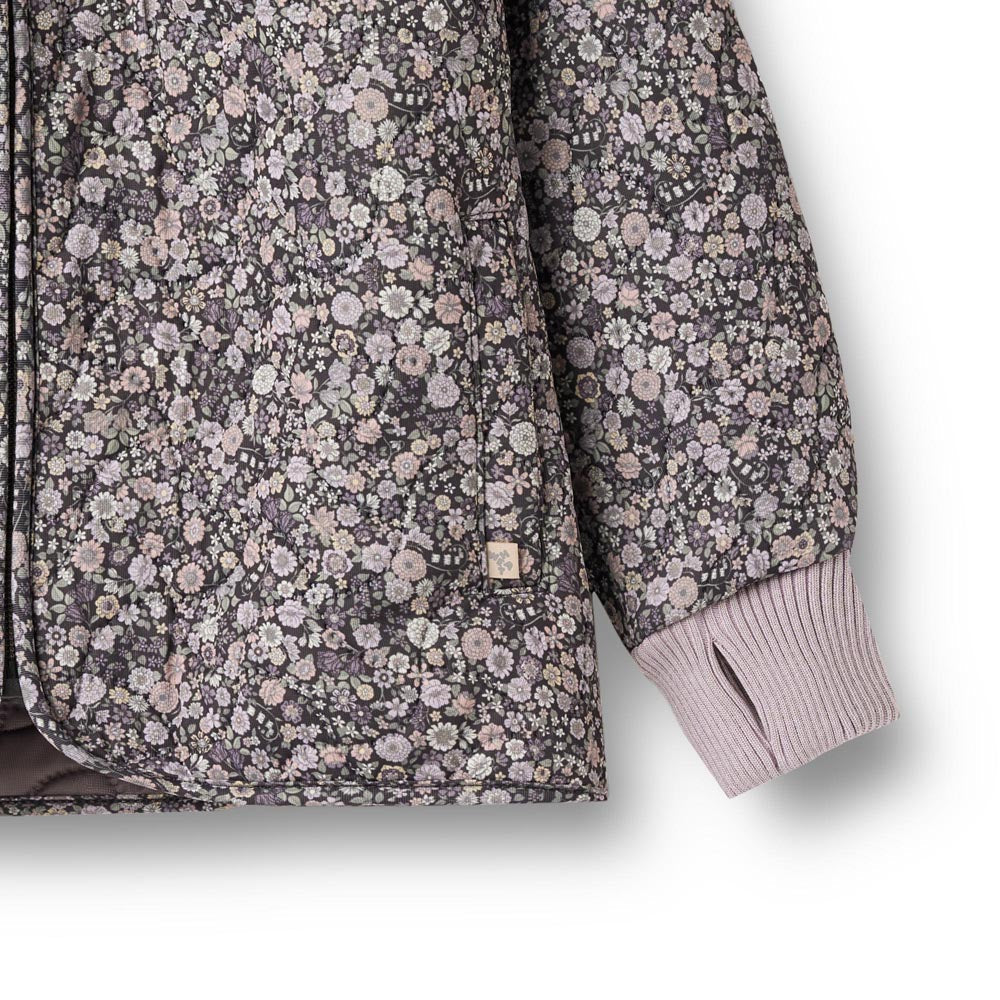
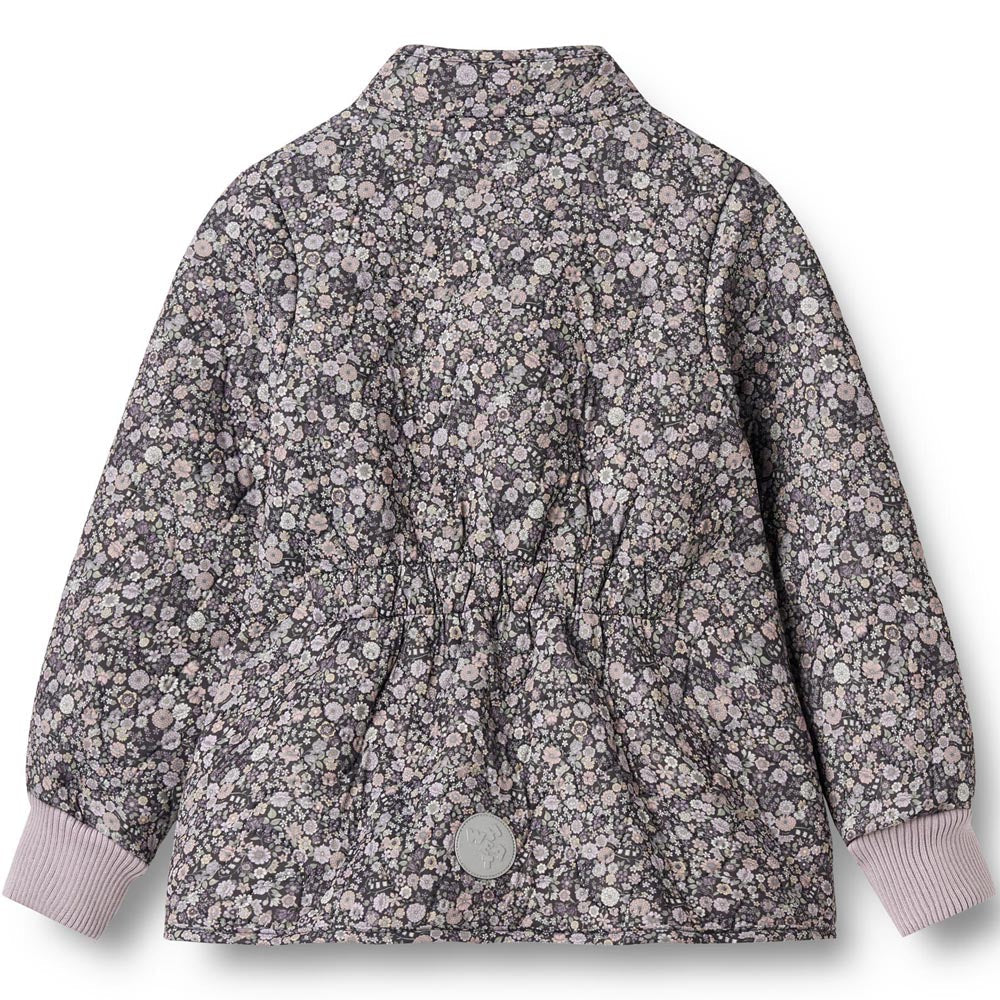
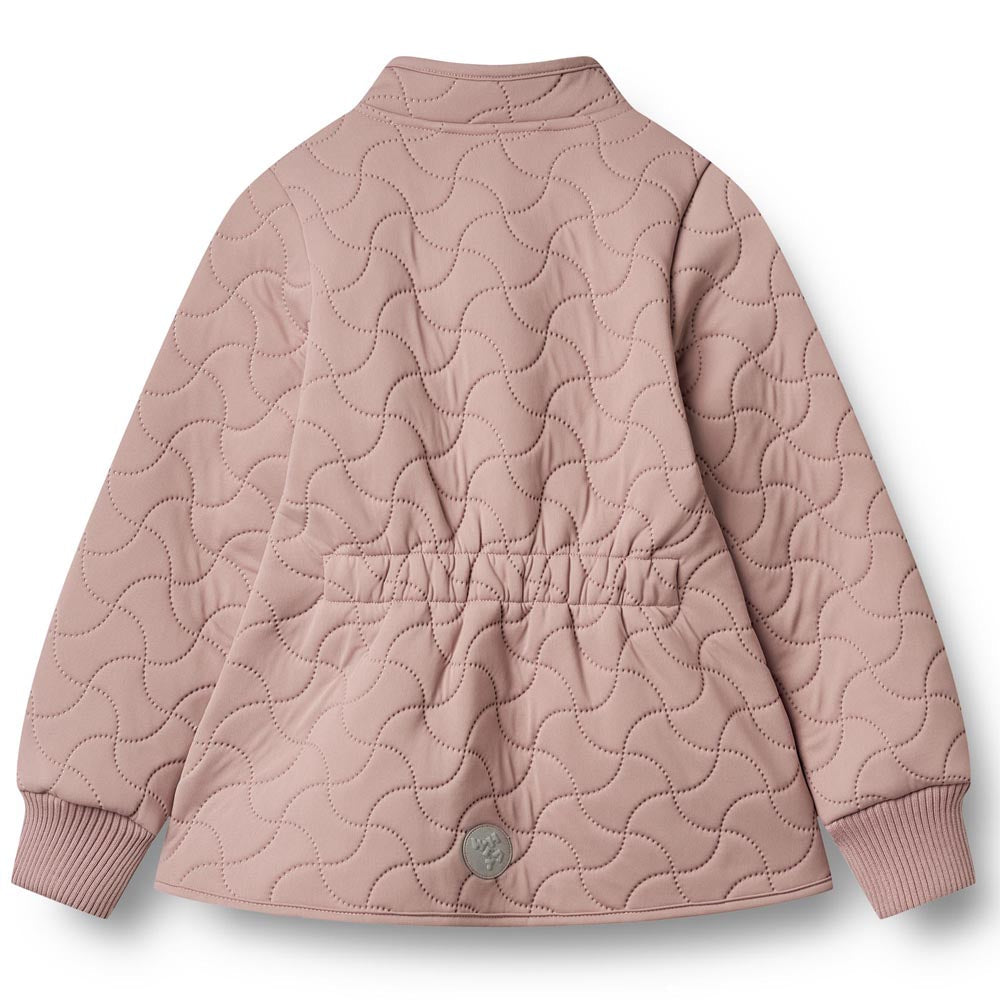
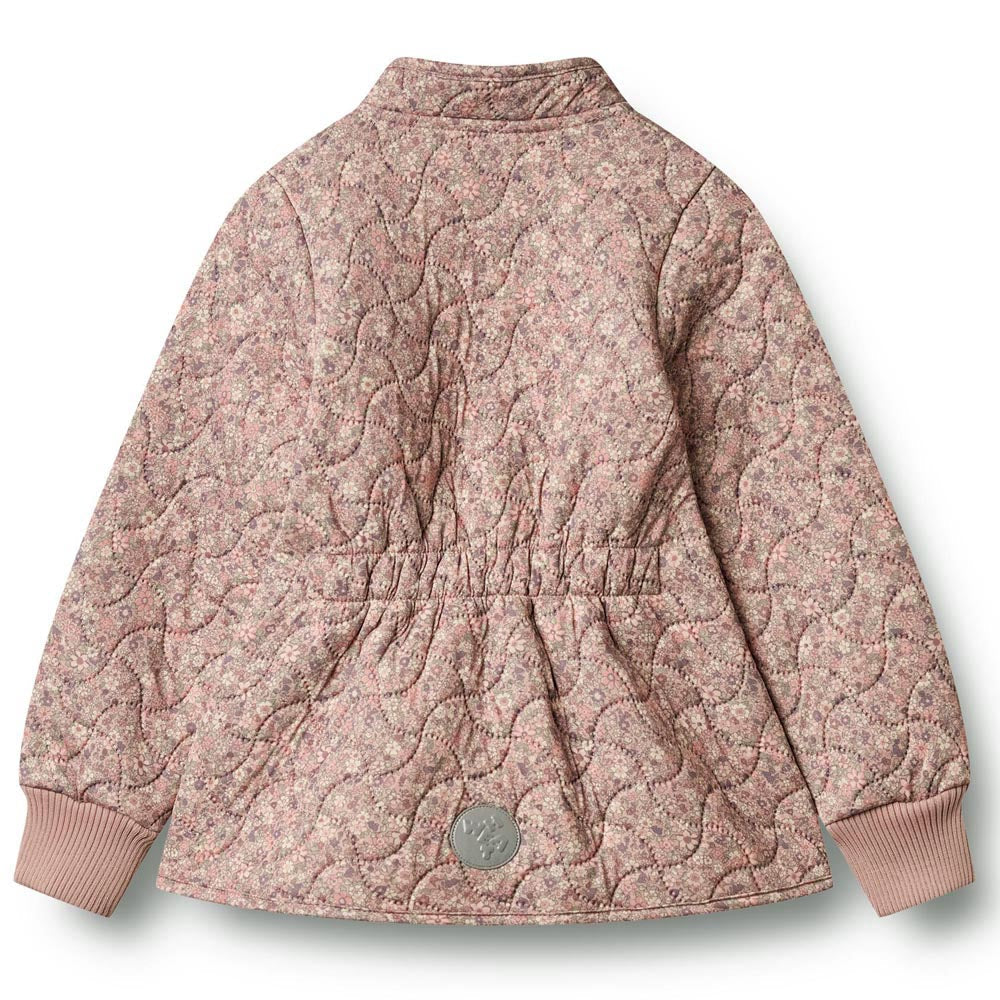
Wheat has designed a truly popular thermal jacket for young and pre-teen girls. The Thilde thermal jacket has gathers at the shoulders, giving it a subtly feminine look. This is further enhanced by the seam across the upper part of the jacket, which creates a slight gathered effect and adds a little extra volume to the lower section. The Thilde jacket has a sturdy ribbed trim at the cuffs and fastens with a zip at the front. It has side pockets that can be used to warm fingers or collect pretty stones and other treasures the girls find on trips outdoors. The Thilde thermal jacket works just as well for smarter occasions as it does for nursery and preschool, and it can be combined with Wheat thermal trousers, available in plain or patterned versions.
If you have a girly girl at home, this Thilde thermal jacket is sure to be a huge hit. Alternatively, we recommend taking a look at By Lindgren’s thermal clothing. They are also great at making thermal clothing that is not only unisex, but also carefully designed with fit and details in mind. ByLindgren’s thermal clothing for girls comes with bows. That is just too cute, don’t you think?
Loui thermal jacket from Wheat for boys and girls
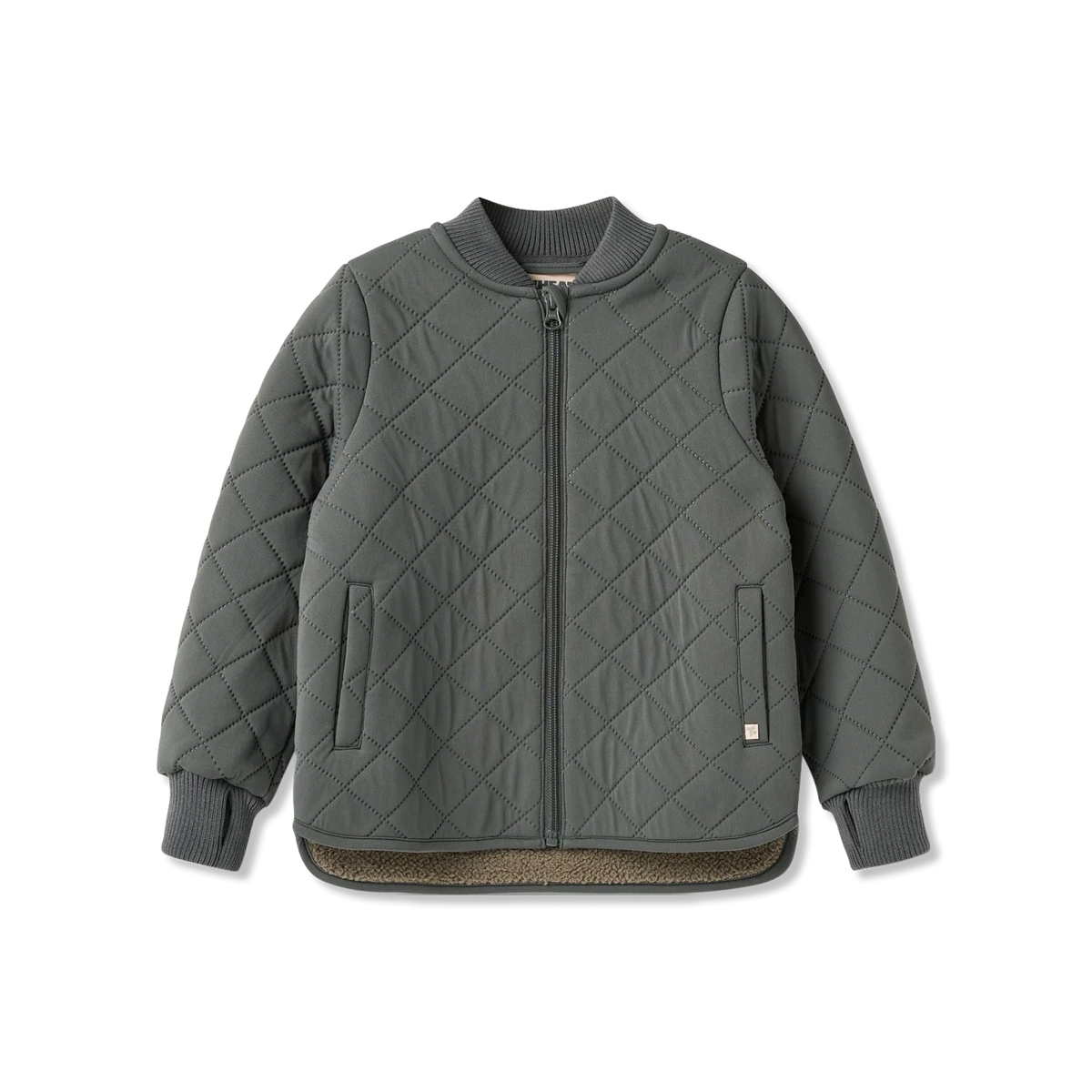
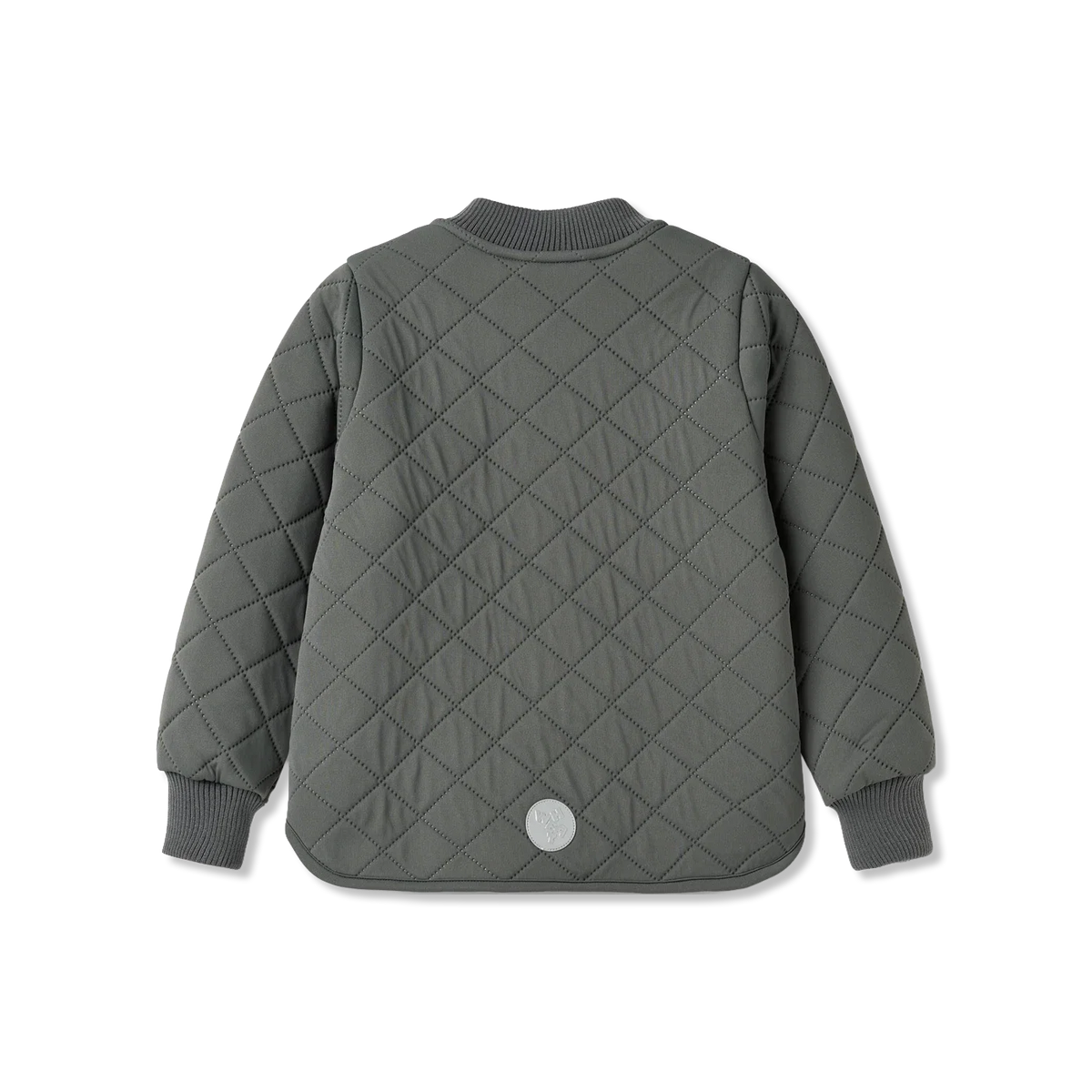
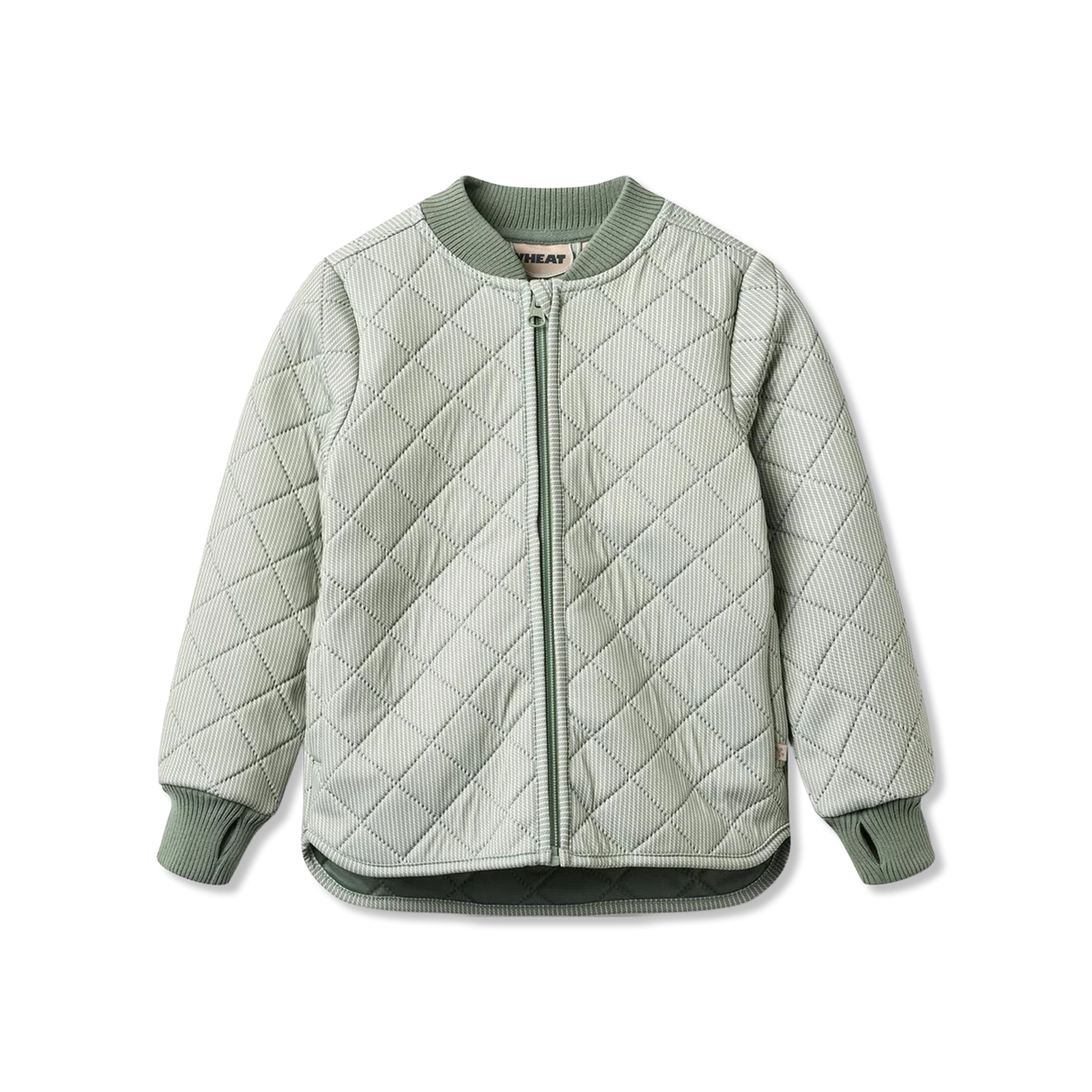
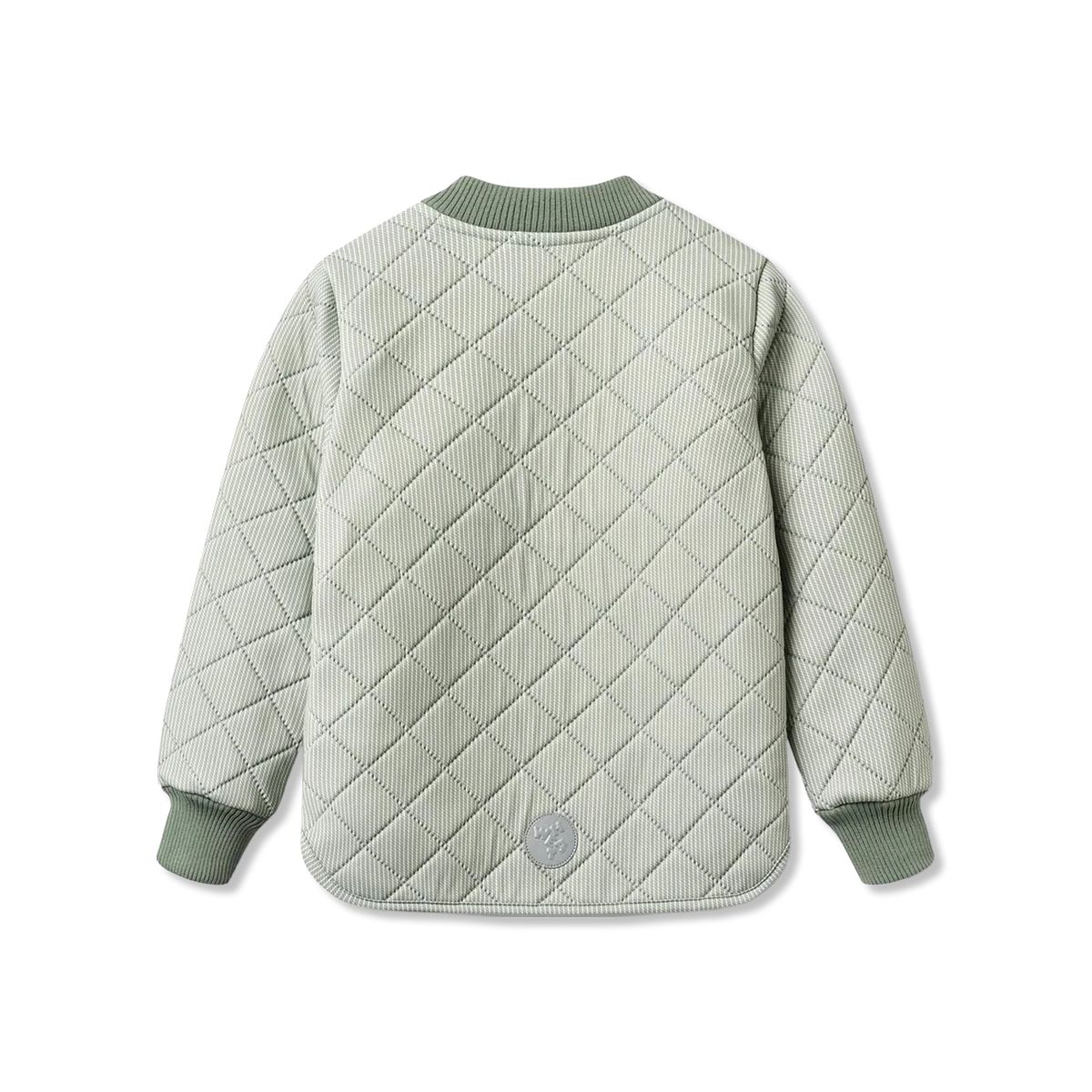
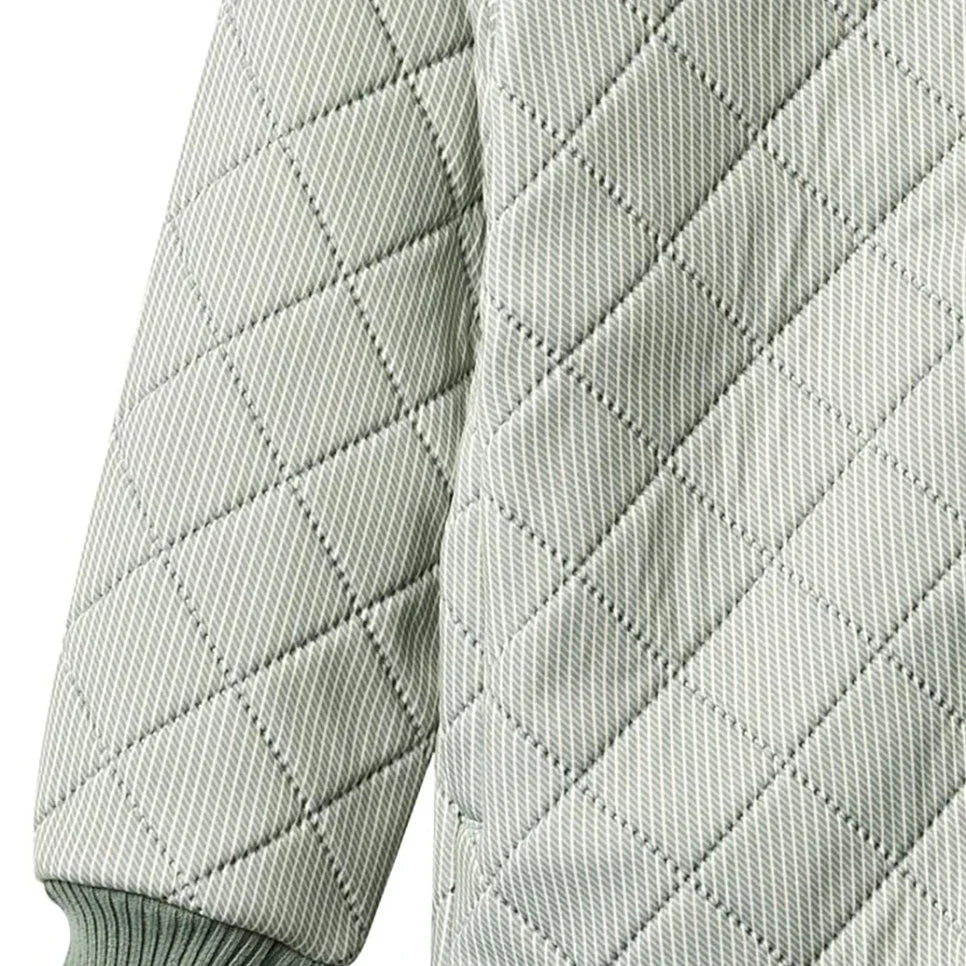
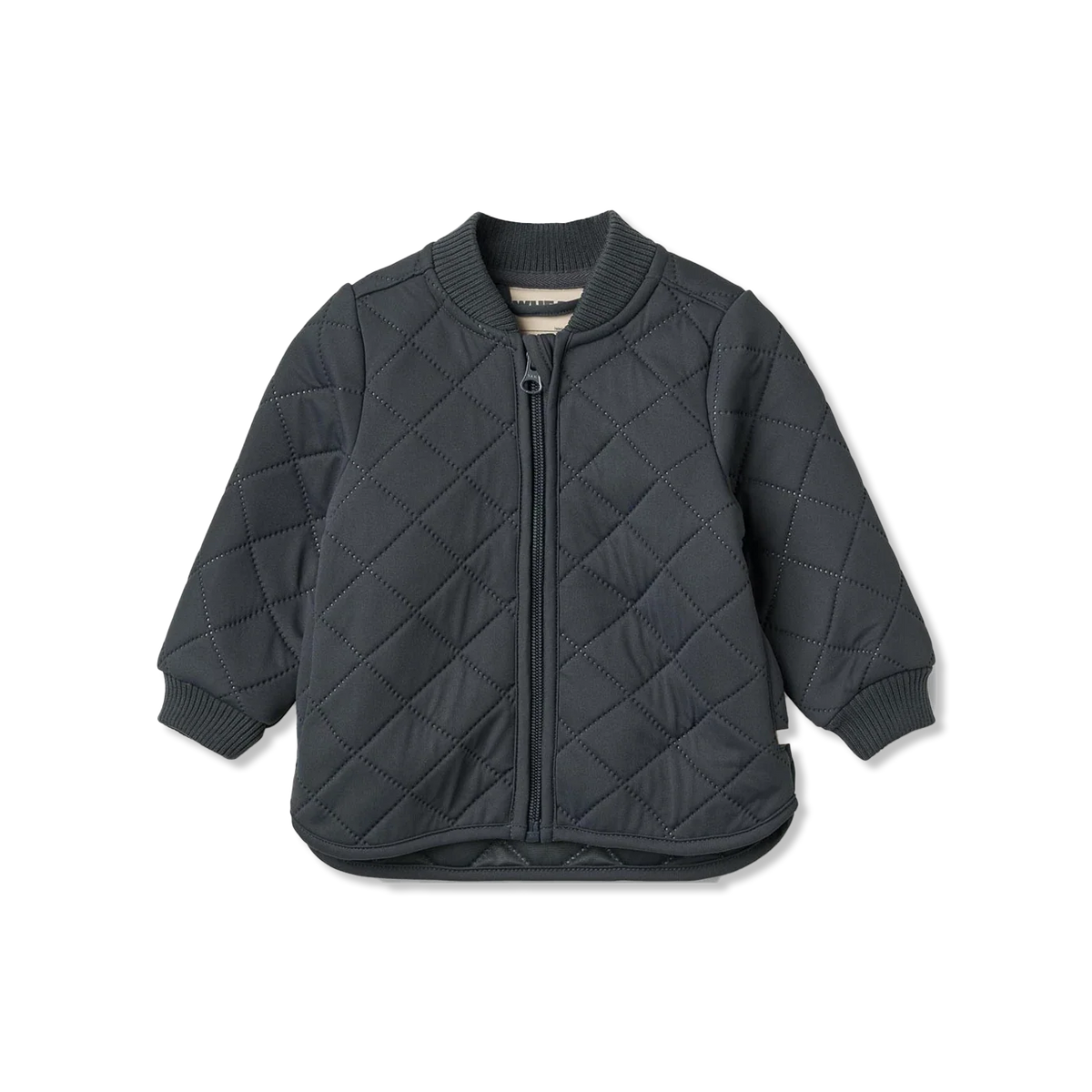
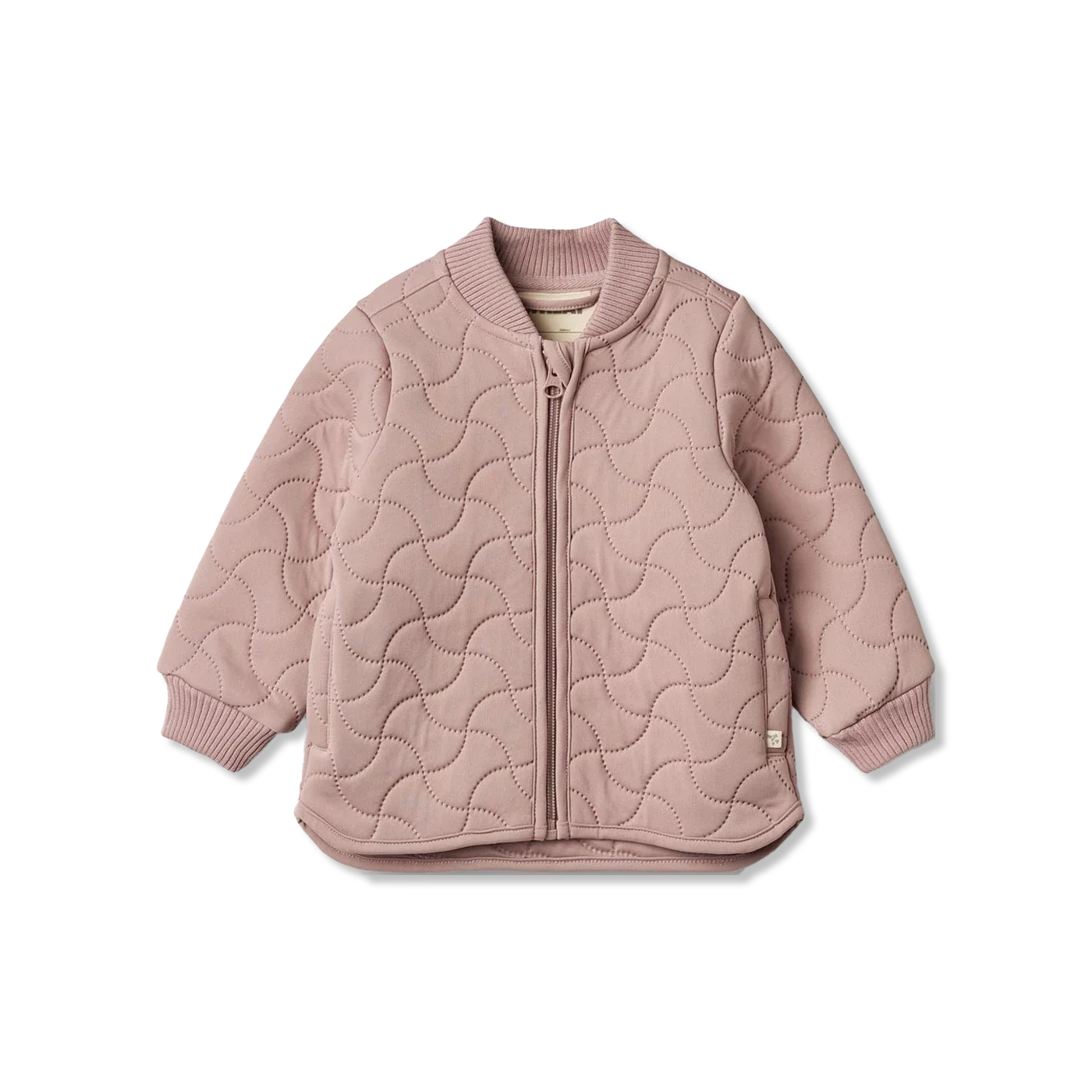
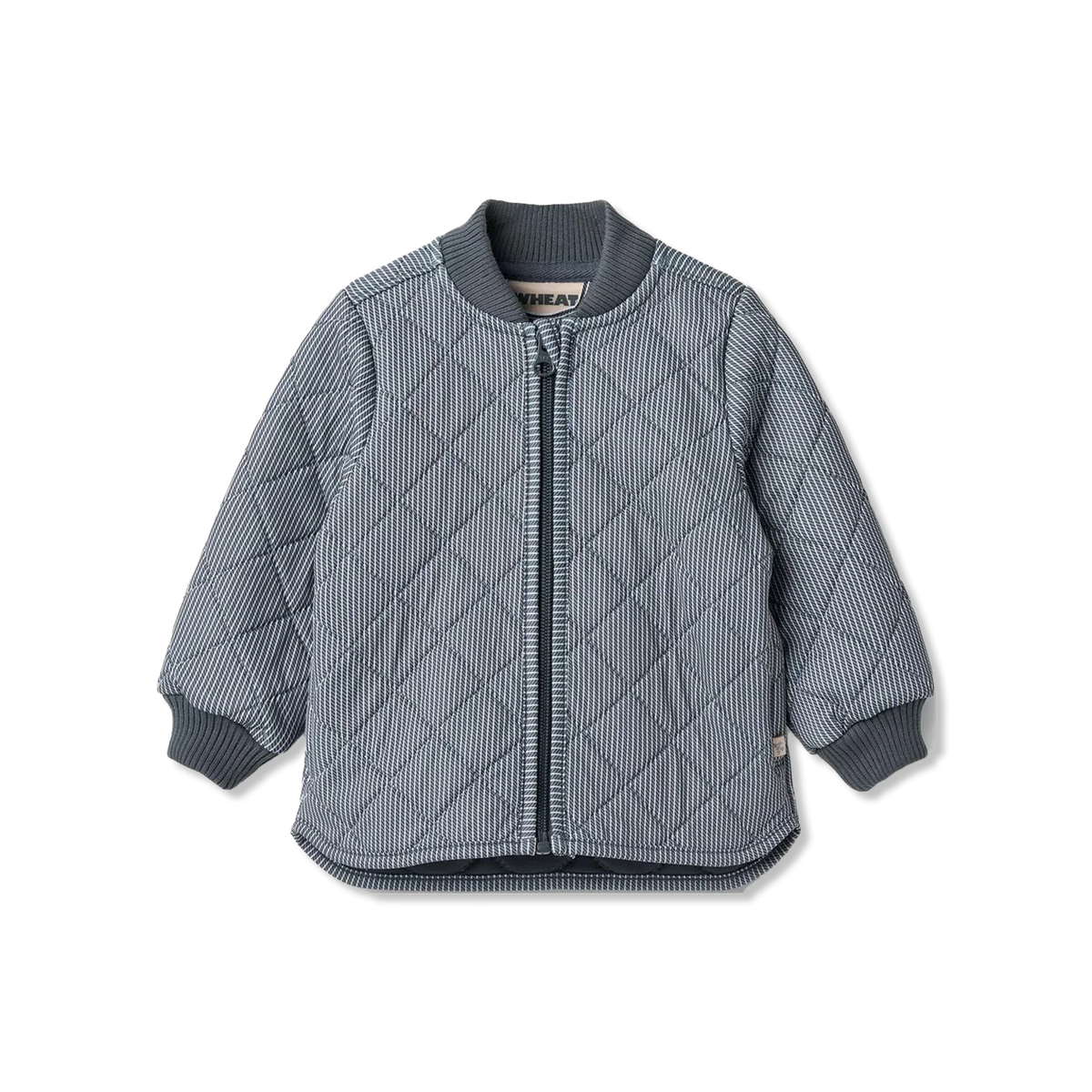
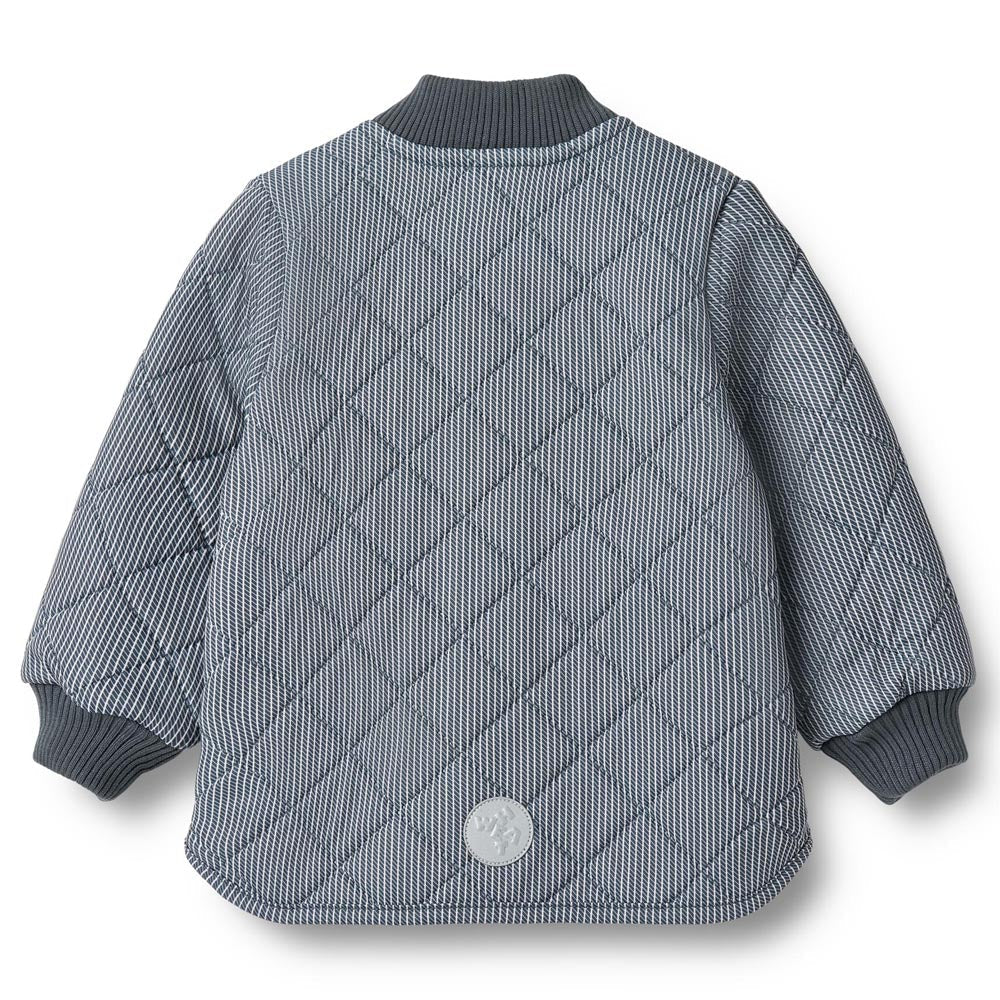
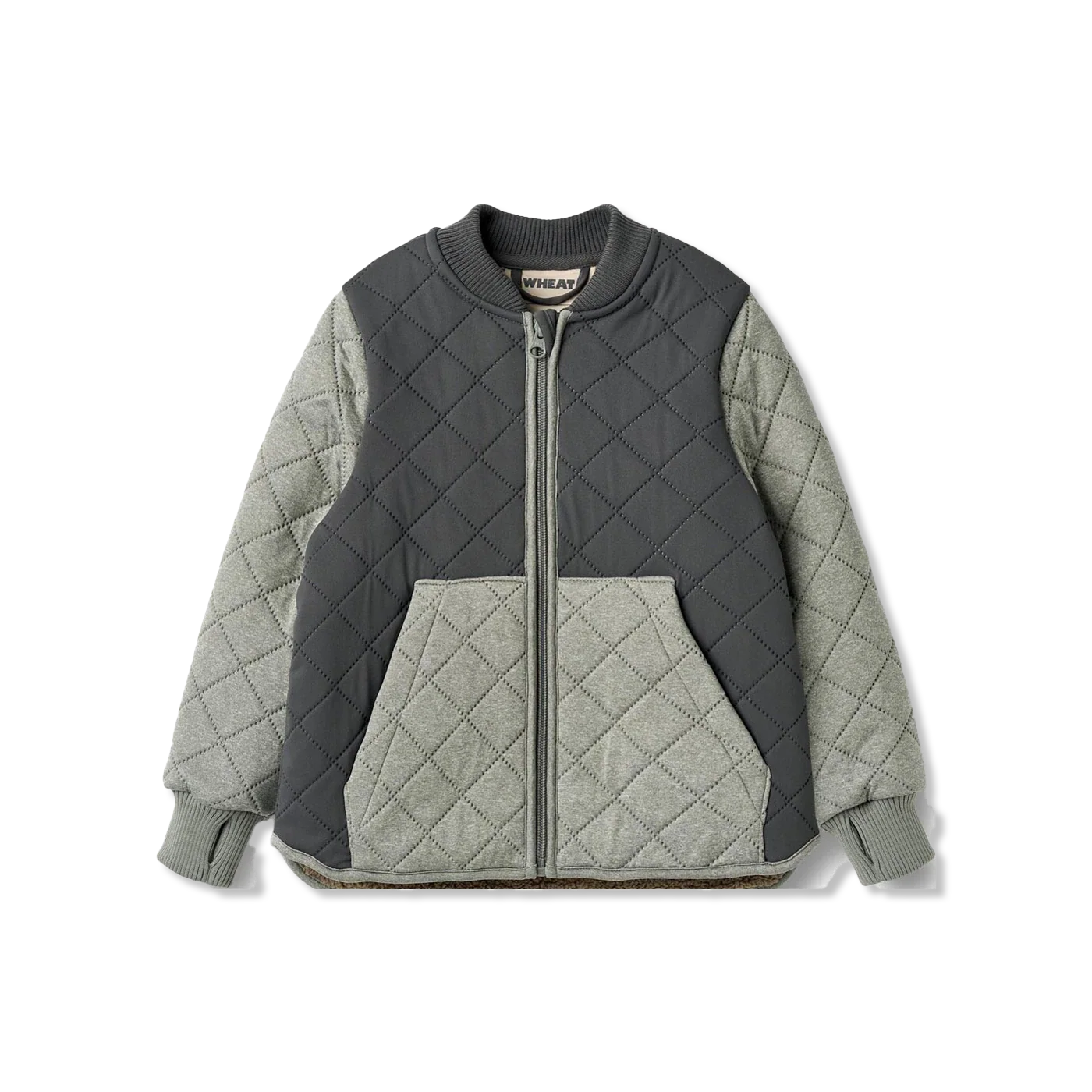
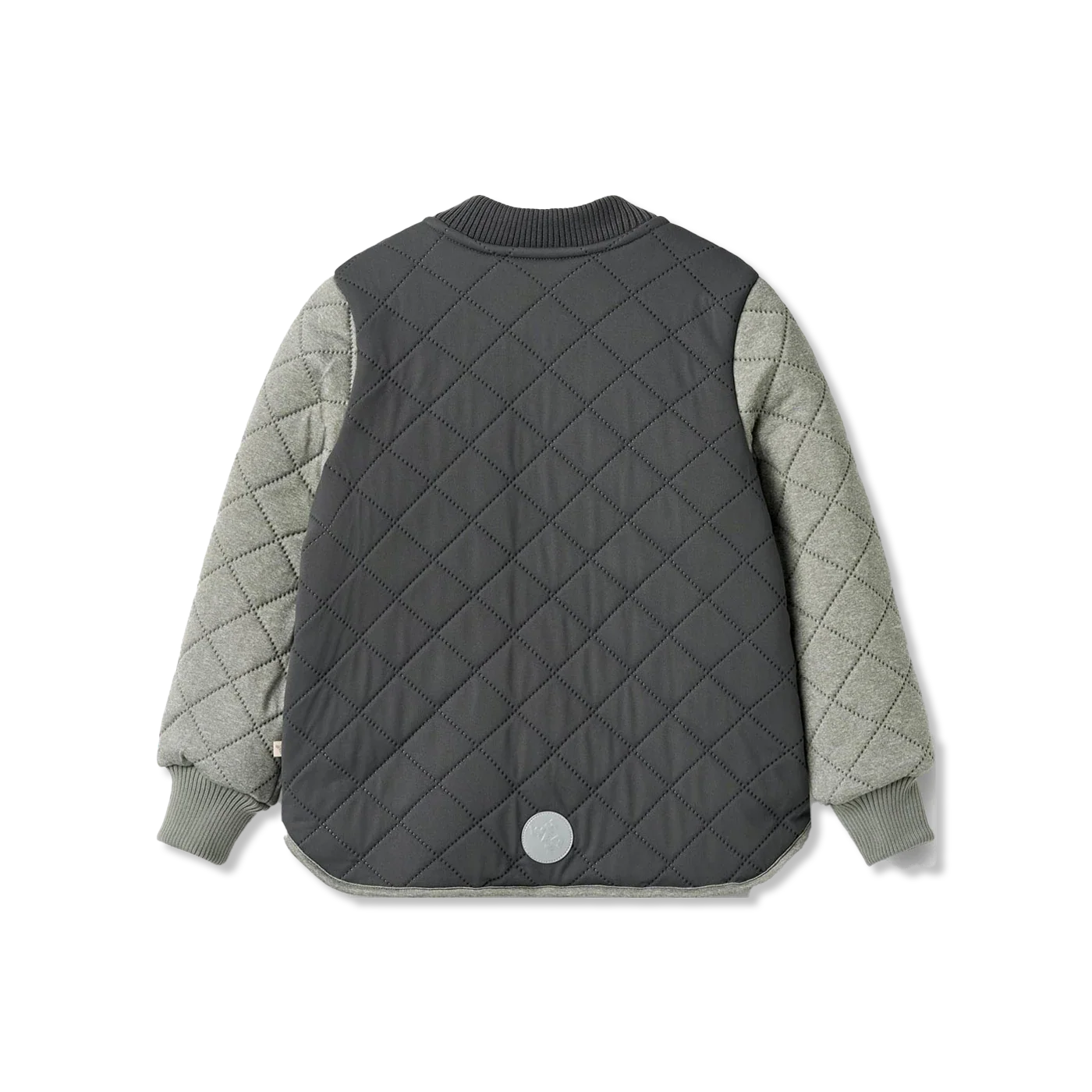
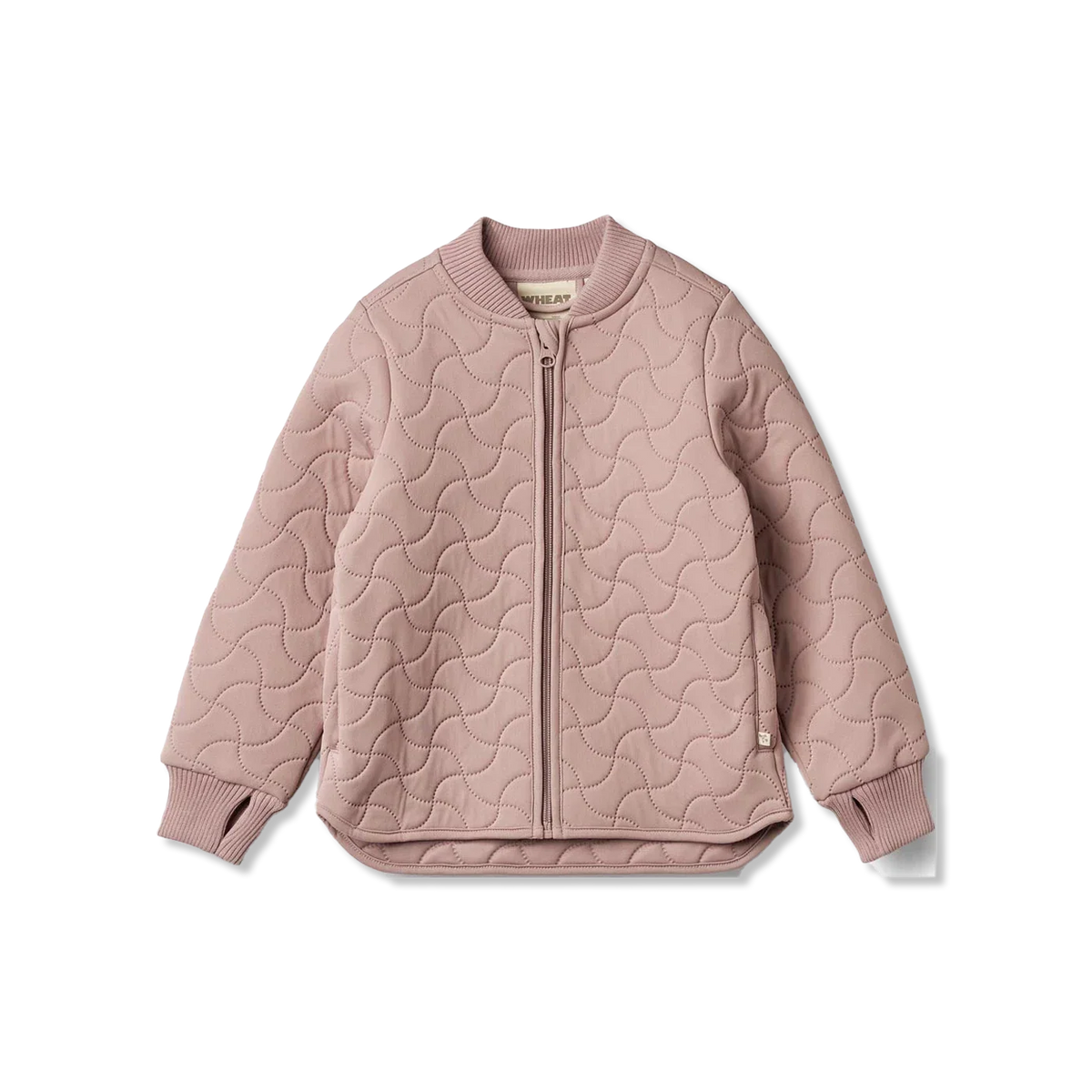
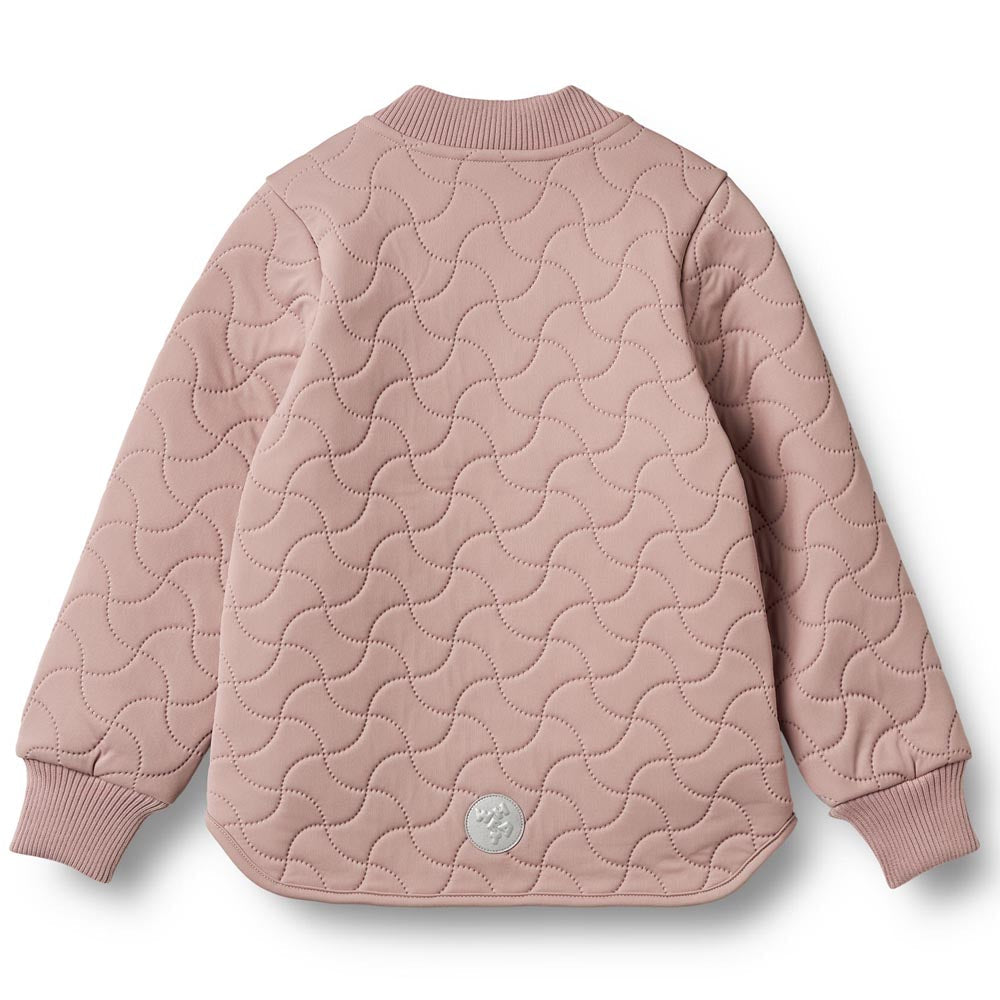
The Loui thermal jacket is Wheat’s most popular unisex thermal jacket. It has a simple design that works for both girls and boys. The Loui thermal jacket is perfect for everyday wear and play. It is soft and comfortable, and can also be worn underneath rainwear and winter outerwear for extra warmth.
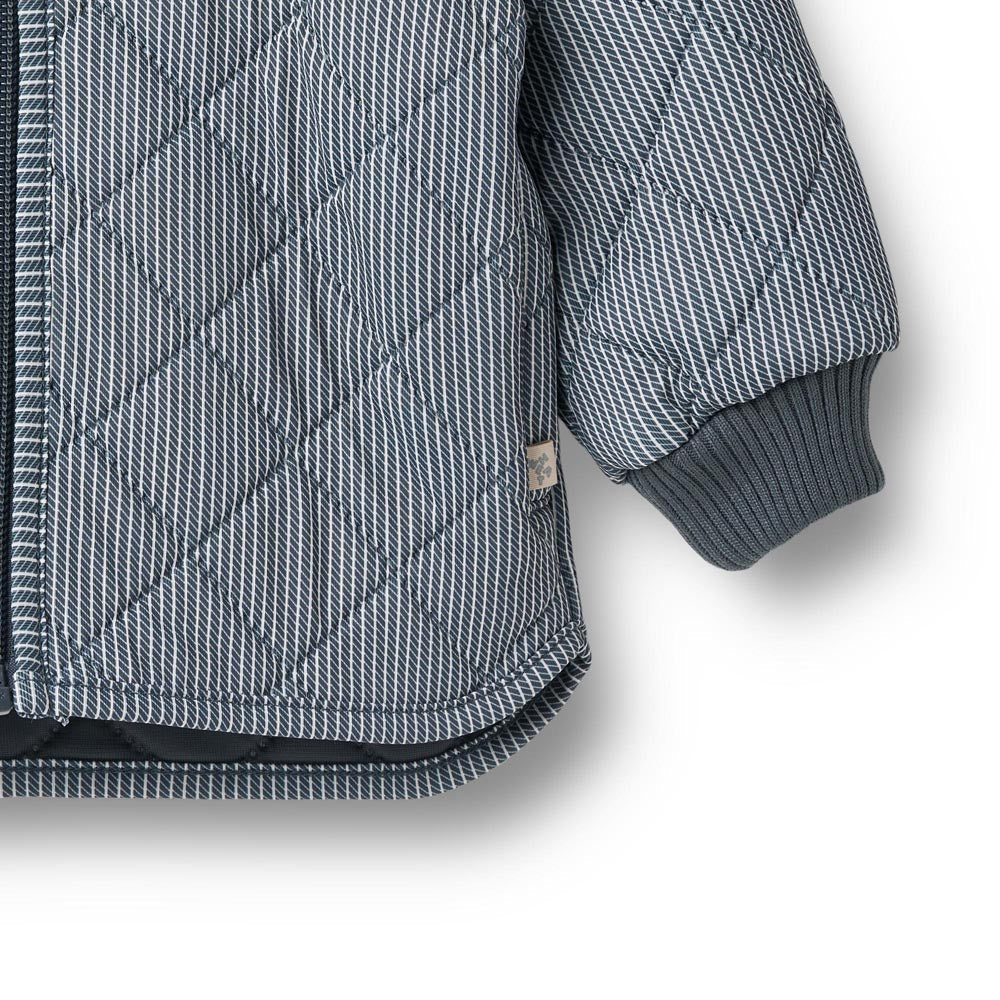
The Loui thermal jacket from Wheat has thick ribbed cuffs that help keep out wind and draughts. It also fastens with a strong, durable zip. The thermal jacket is soft and comfortable, making it a pleasure for your child to wear. Matching trousers are available in plain or patterned versions. It can be fun to combine two different styles – perhaps a green jacket with a pair of beige trousers? This way, Wheat gives you the opportunity to create your own look.
When should children wear thermal clothing?
Children should wear thermal clothing during the transitional seasons, namely spring and autumn. The changing weather in Denmark can quickly lead to runny noses and colds. To help avoid this, your child should wear several layers and breathable, temperature-regulating materials. Thermal clothing is both windproof and water-repellent. It is made for playing in without having to worry about a delicate puffer jacket getting caught on a branch and tearing. Wheat thermal clothing is designed around children’s needs and the principle that children should be children. They should be able to play football, catch earthworms and enjoy the slides – activities that thermal clothing can handle while keeping your child warm.
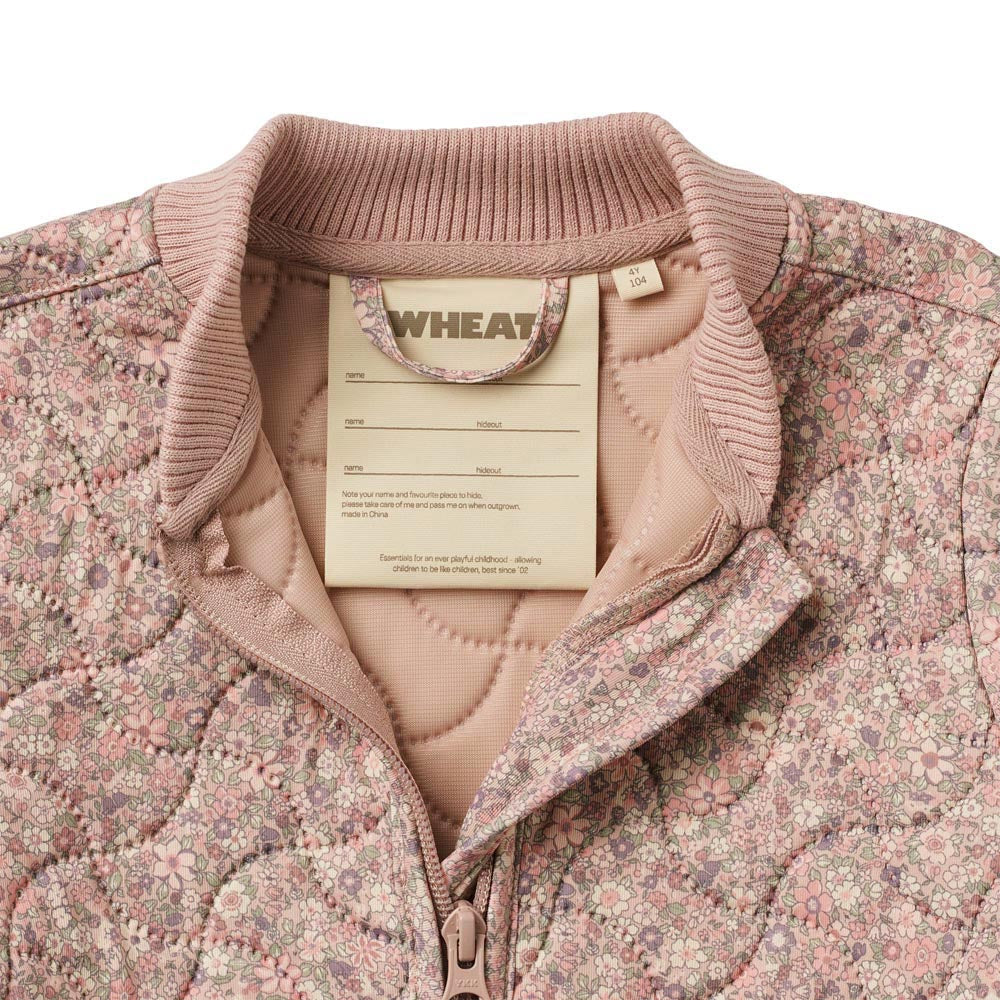
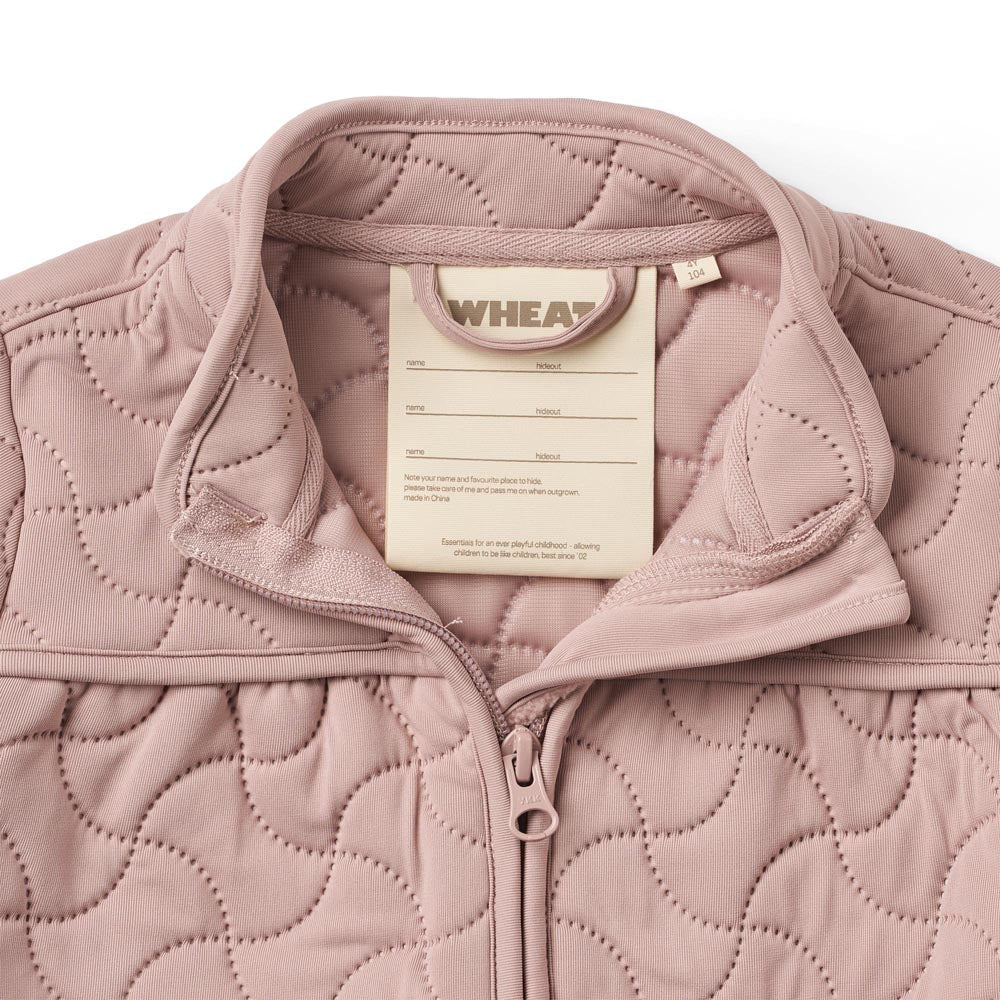
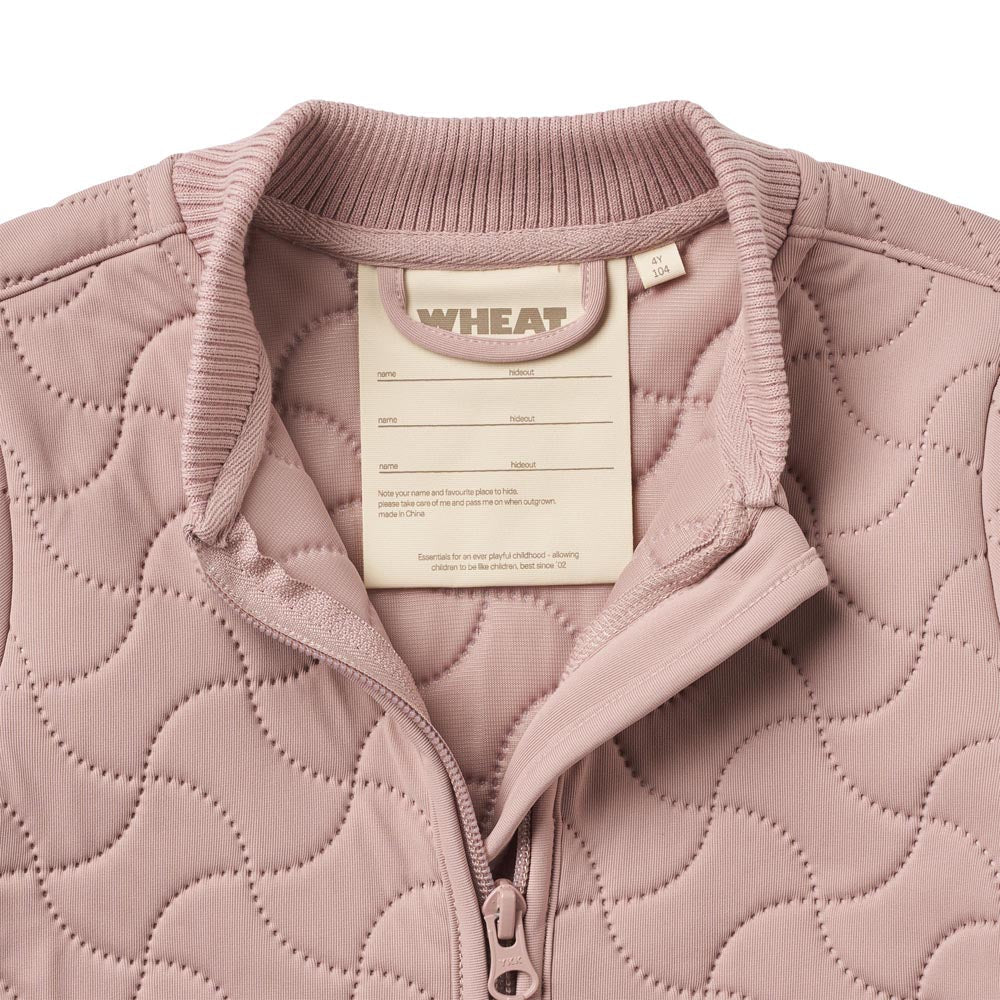
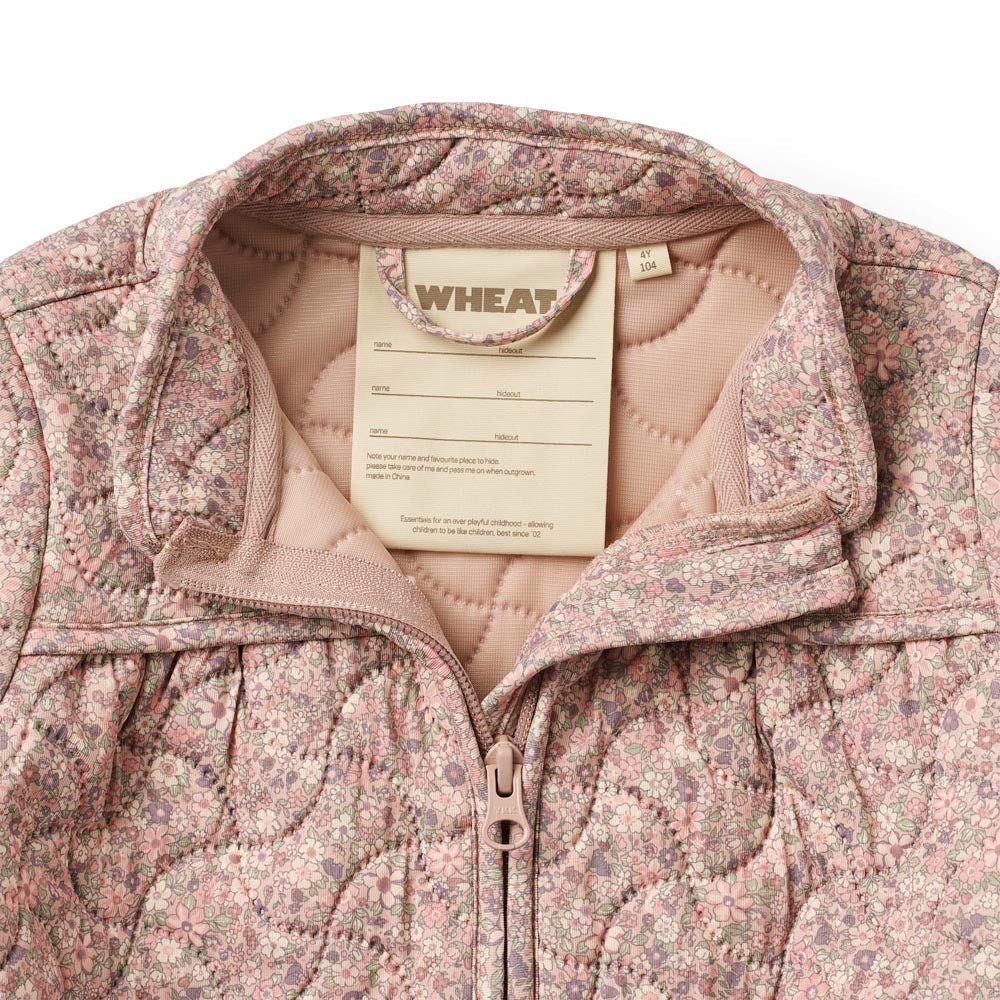
Wheat thermal jacket size 104
The great thing about Wheat thermal clothing is that the jackets and trousers are sold separately. This means you can mix and match as you like. We all know what it is like to buy a set. It might be a cool tracksuit, but it can just as easily be a thermal or rainwear set. Your three-year-old may have a particularly long torso but short legs, meaning that size 98 in both trousers and jacket simply does not work. That is why Wheat, along with many other brands, has chosen to make it easier for you to buy exactly what fits your child.
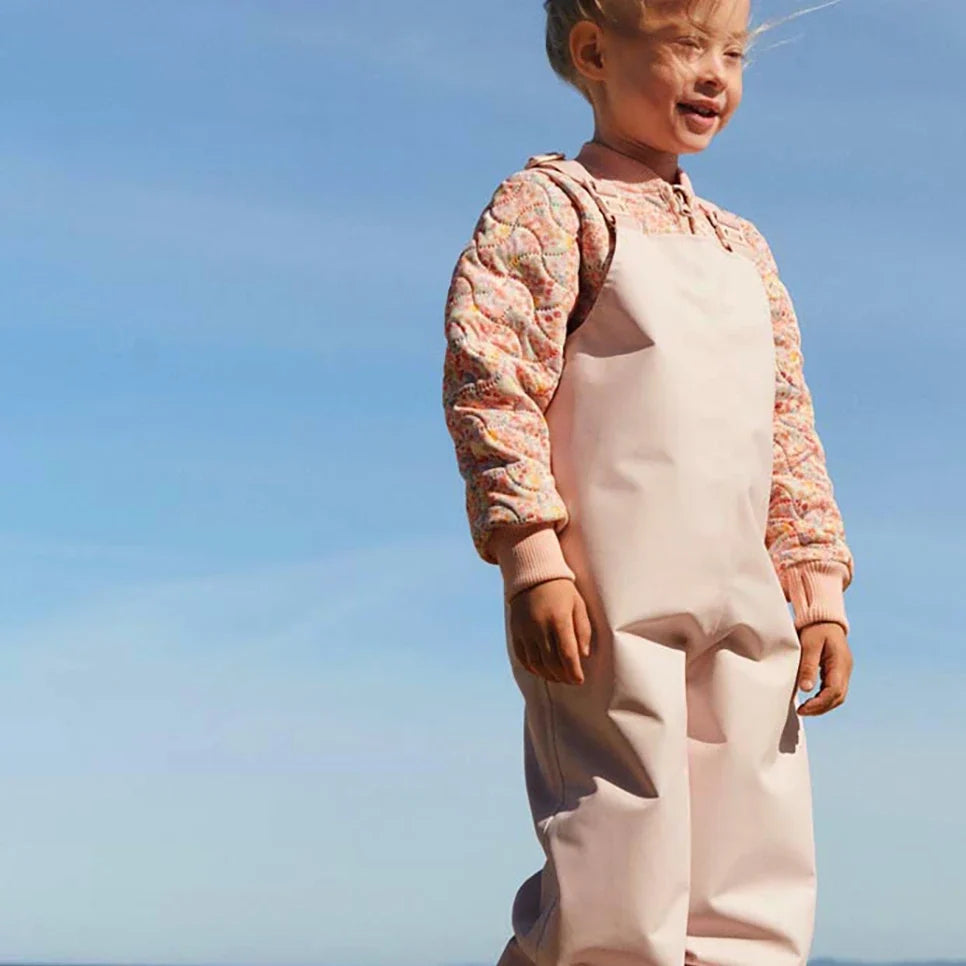
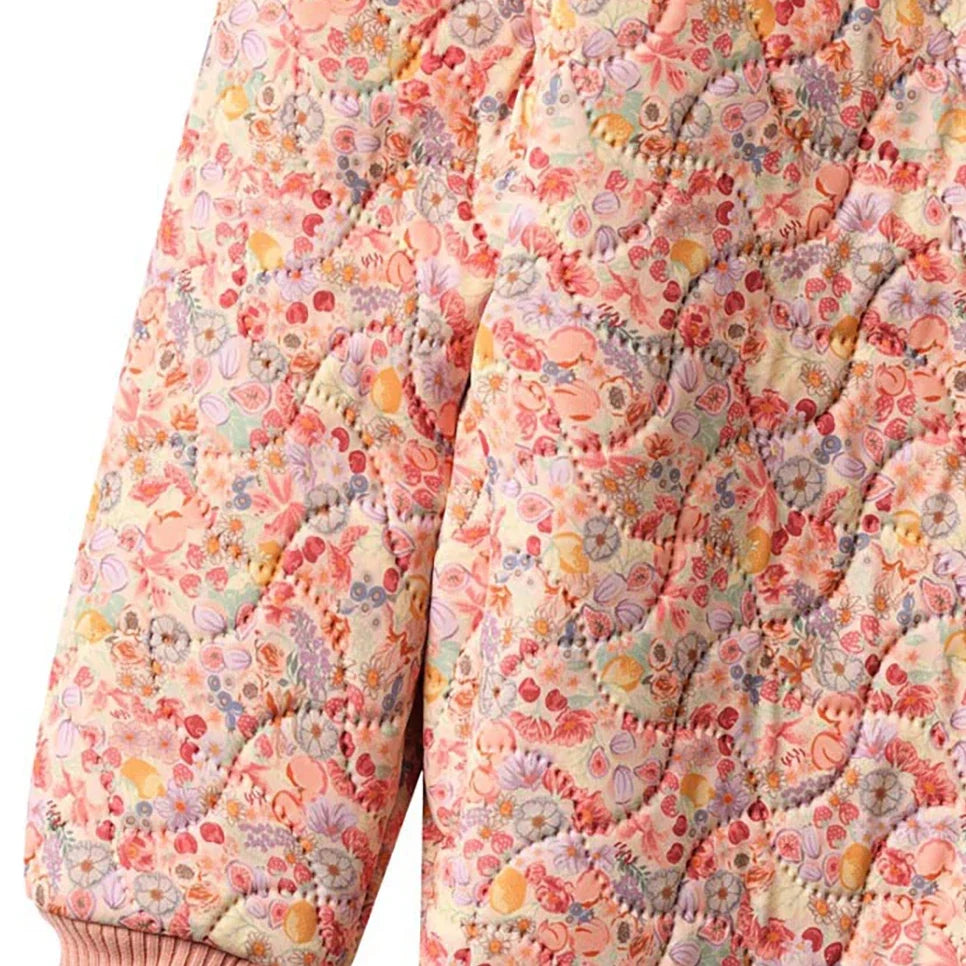
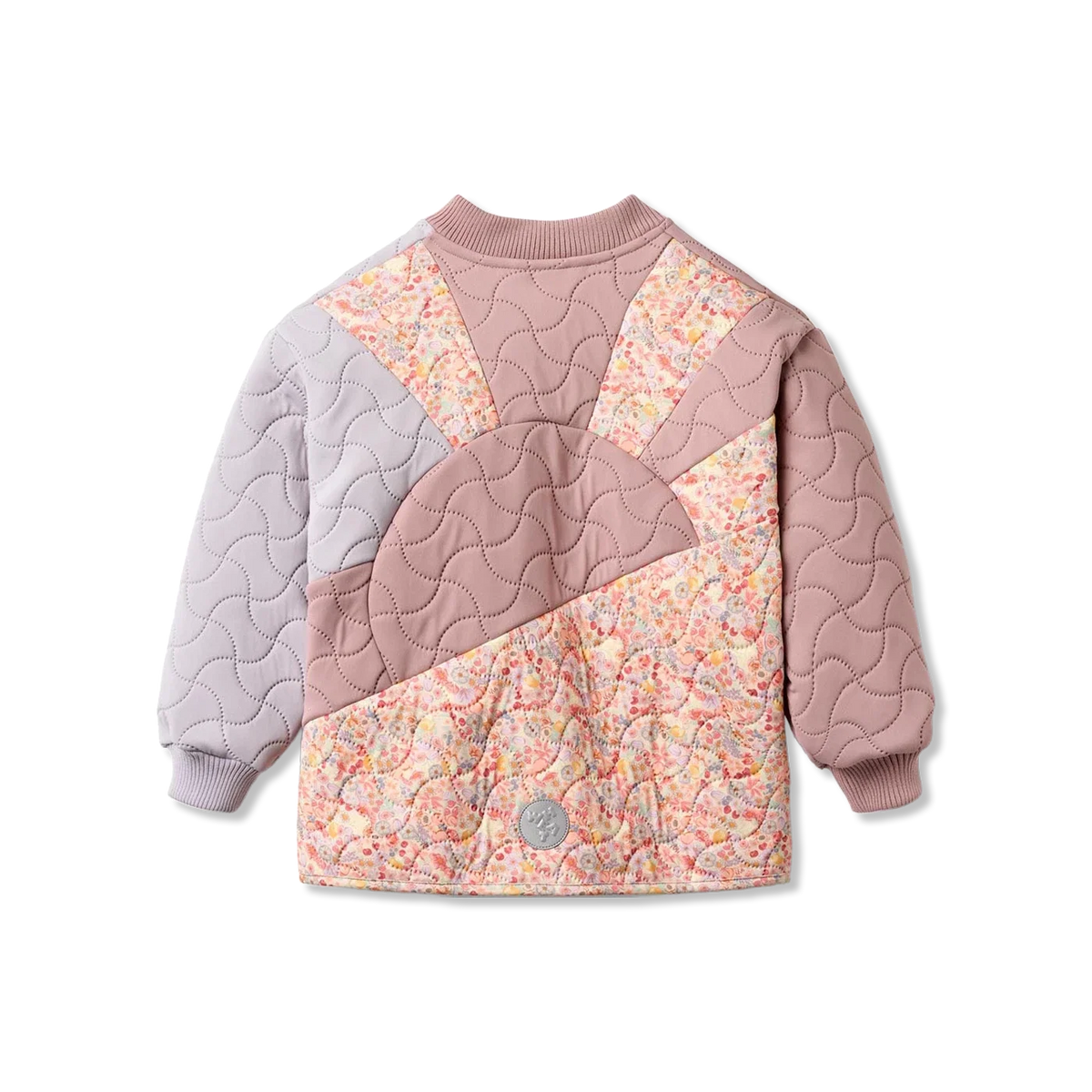
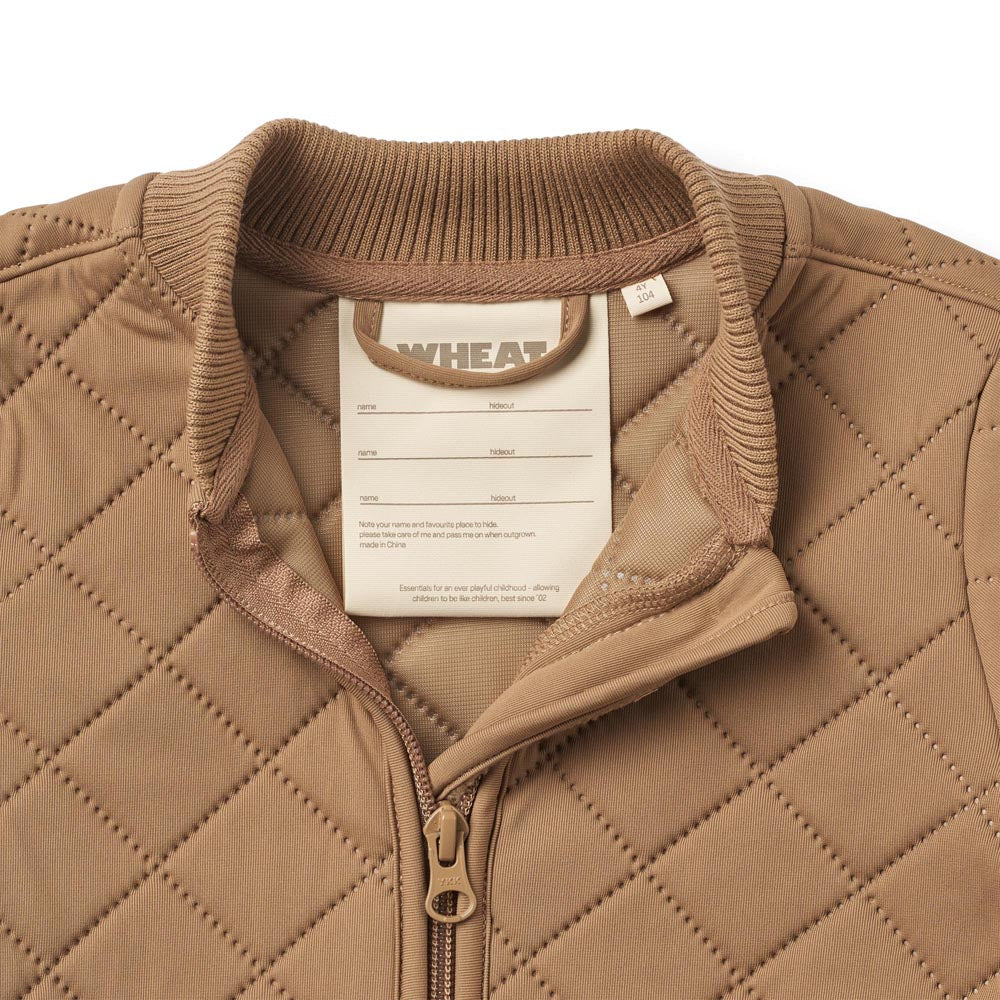
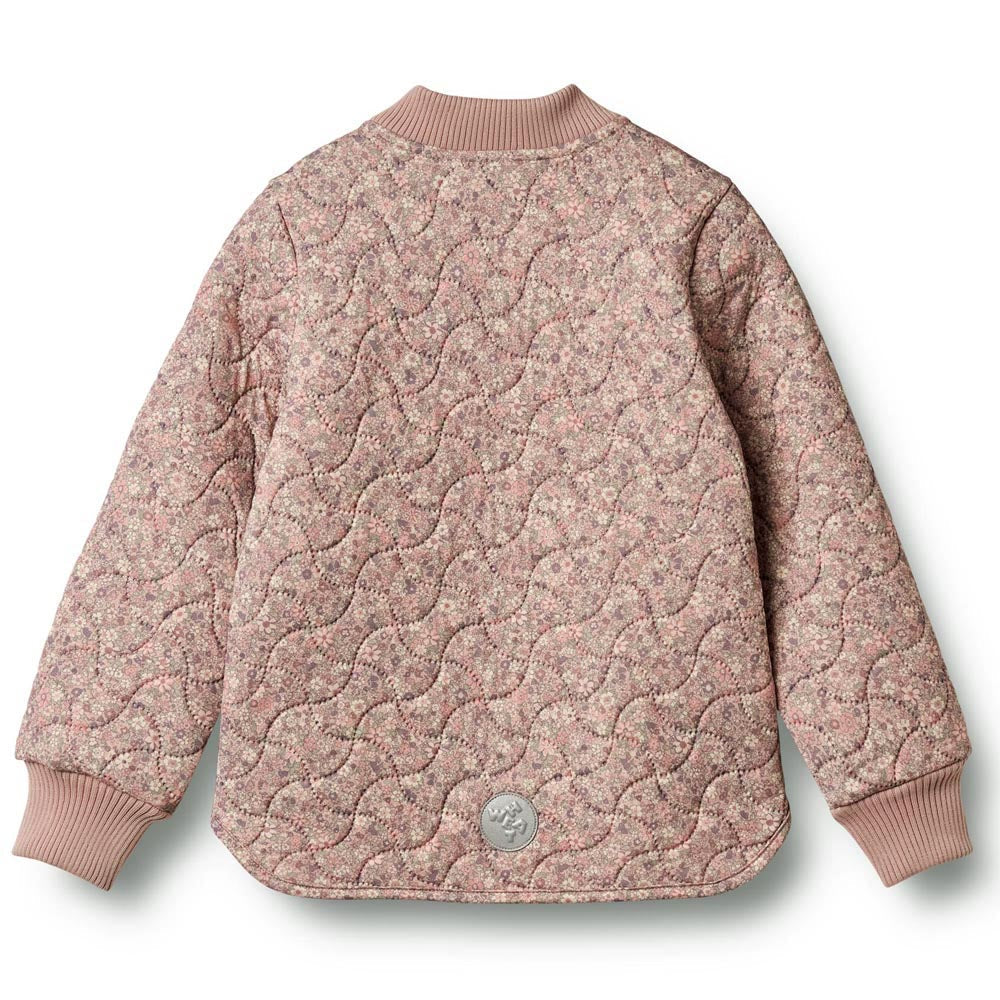
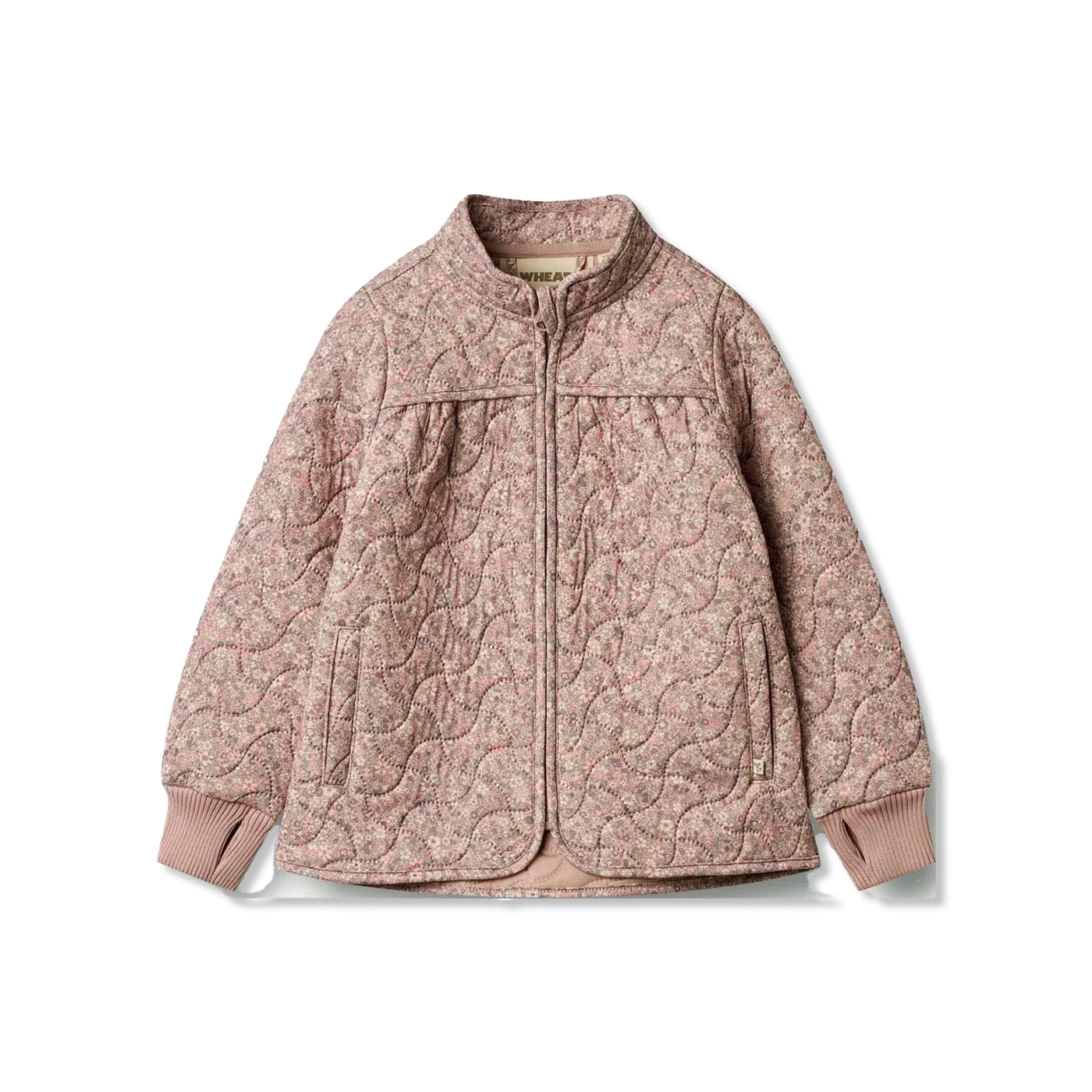
So feel free to choose a size 104 jacket and size 98 trousers – or the other way around. You do not have to buy a set in one single colour either. Many people love mixing and matching. For example, try a pair of beige thermal trousers with a floral jacket. In short, you can choose the Wheat set you like best and mix and match colours, sizes and prints exactly as you wish.
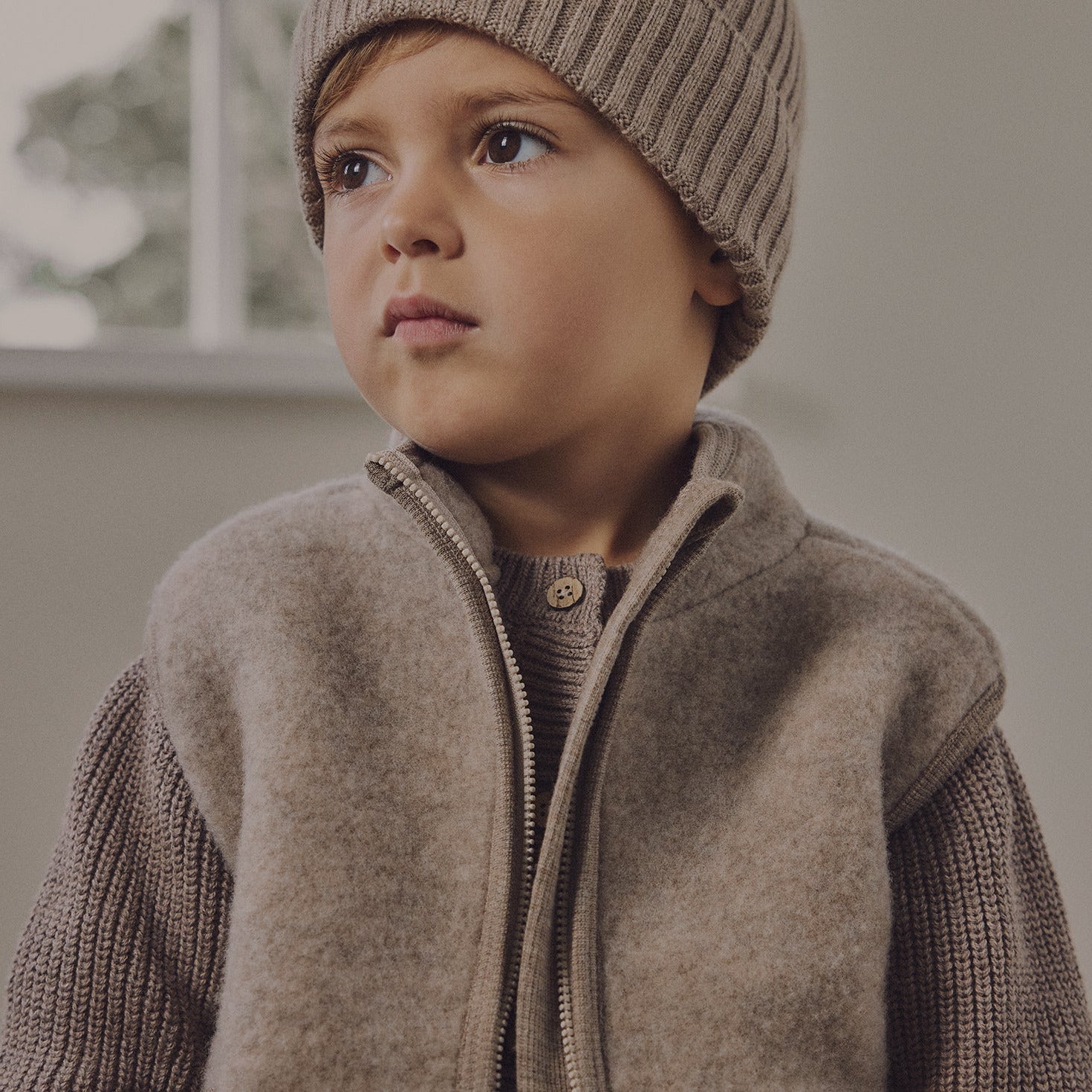
If you feel that a snowsuit is a little too much for a windy spring day, wear a fleece top for children underneath the thermal jacket. This will keep your child lovely and warm while allowing them to move freely without getting cold.
Wheat thermal jacket in green or blue
If your child has an opinion about whether their thermal jacket should be green or blue, let them take part in the decision. If you have a smaller child, enjoy still being able to choose and avoid arguments about clothing. Whether you choose a green, blue, brown or floral thermal jacket from Wheat or another quality-conscious brand, we are sure you will make the right choice. What is your favourite colour? We find it difficult to choose.
Wheat thermal jackets on sale
If your child has outgrown a size towards the end of the season, there may be help available. You might be lucky enough to find Wheat thermal clothing on sale. As a general rule, Wheat thermal clothing is a product we keep in stock all year round, but new lovely colours arrive each season. So keep an eye on our sale, where you may be able to save money on thermal clothing for children.
Can you get free shipping on Wheat?
Yes, you can. A Wheat thermal set will often exceed the order value required for free shipping, and we will then send your order free of charge. We do everything we can to ensure that you can enjoy the lovely thermal clothing you have bought from our shop as quickly as possible. At houseofkids.com, you will find a large selection of baby clothes and clothing for older girls and boys from many popular brands.
Buy Wheat and pay with child benefit
At House of Kids, we allow you to buy Wheat and several other popular brands and pay using child benefit. We have expanded your options, so you can choose whether you would like 30, 60 or 90 days’ credit. You can select this option during checkout. We look forward to sending your order.