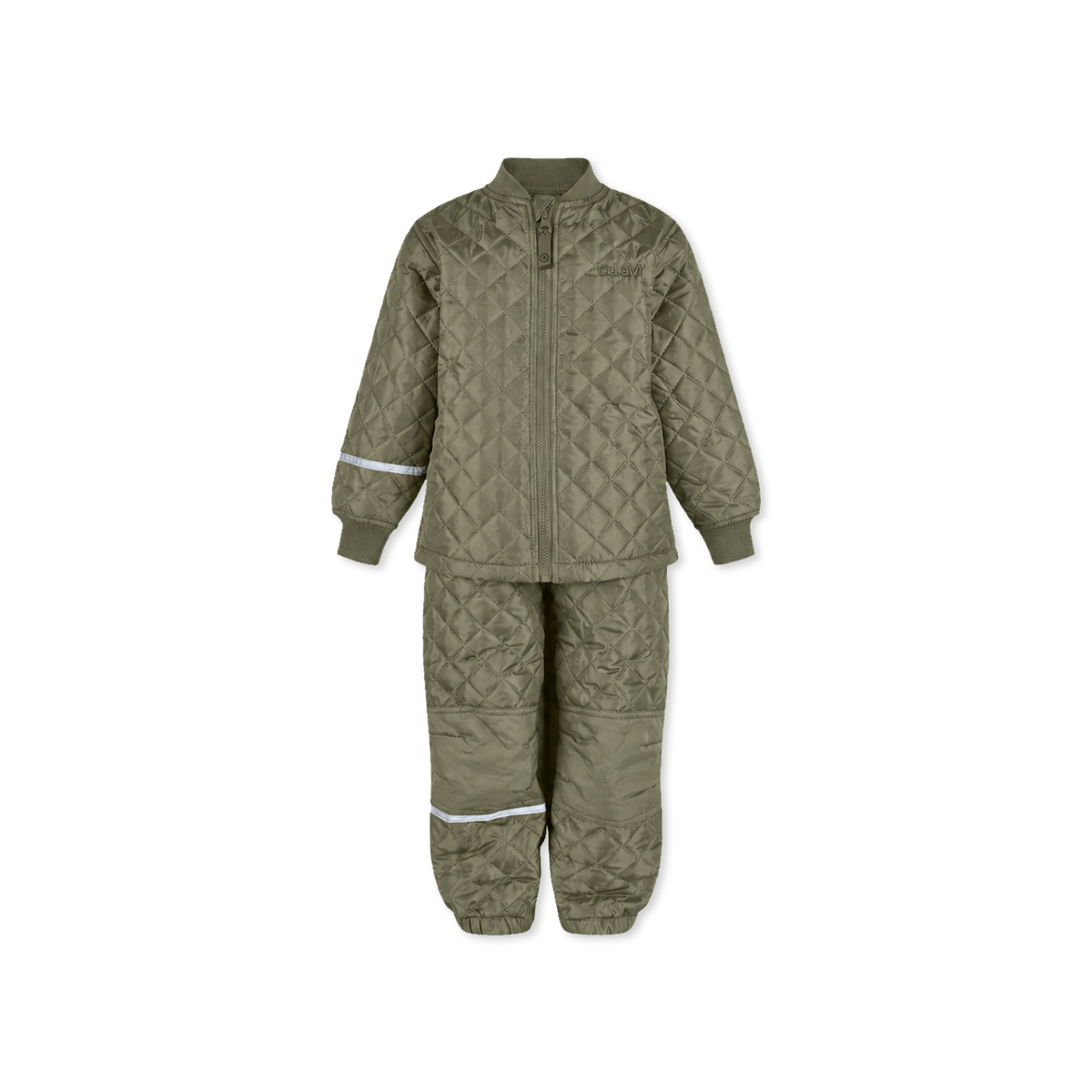
Thermal clothing for children in spring, autumn and outdoor play
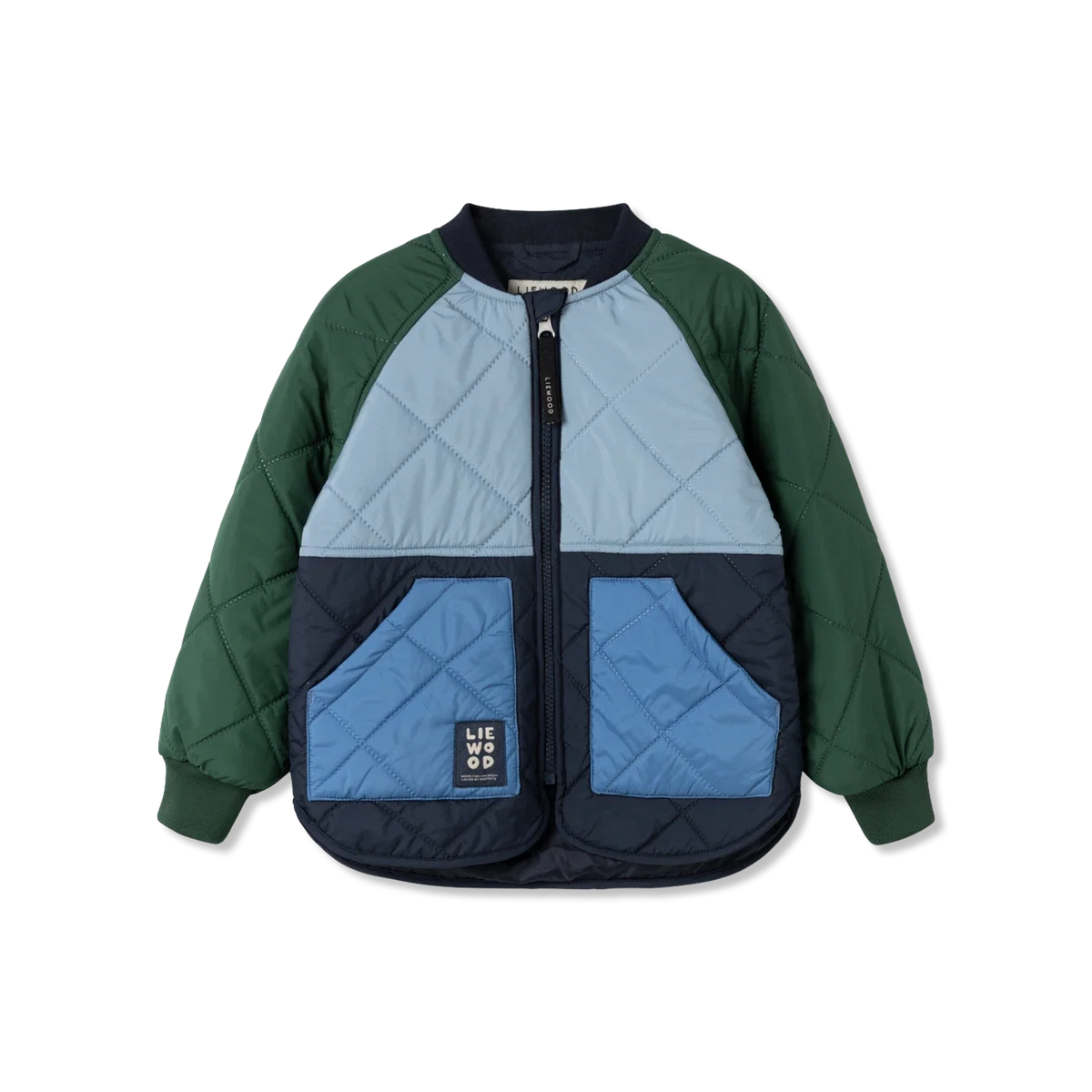
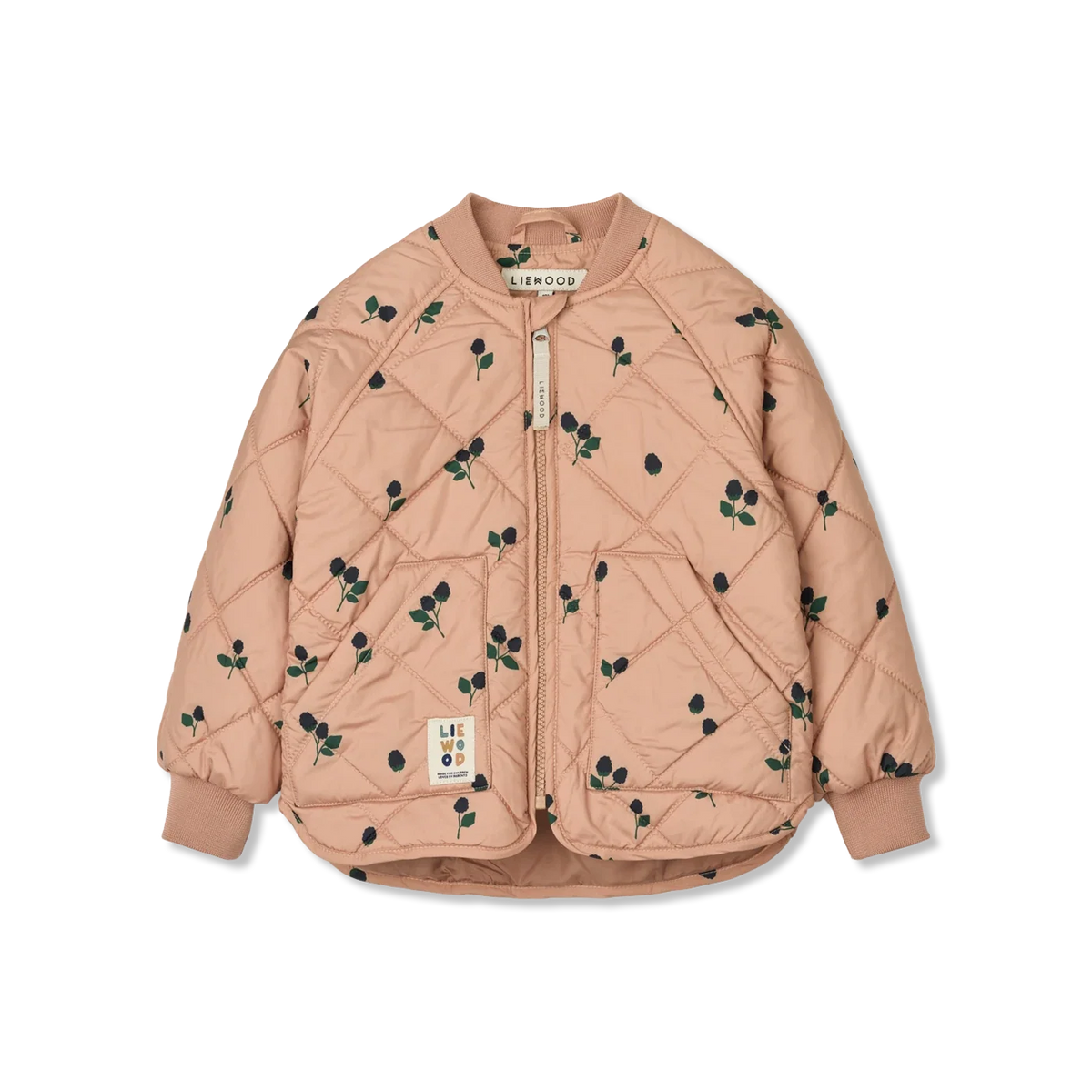
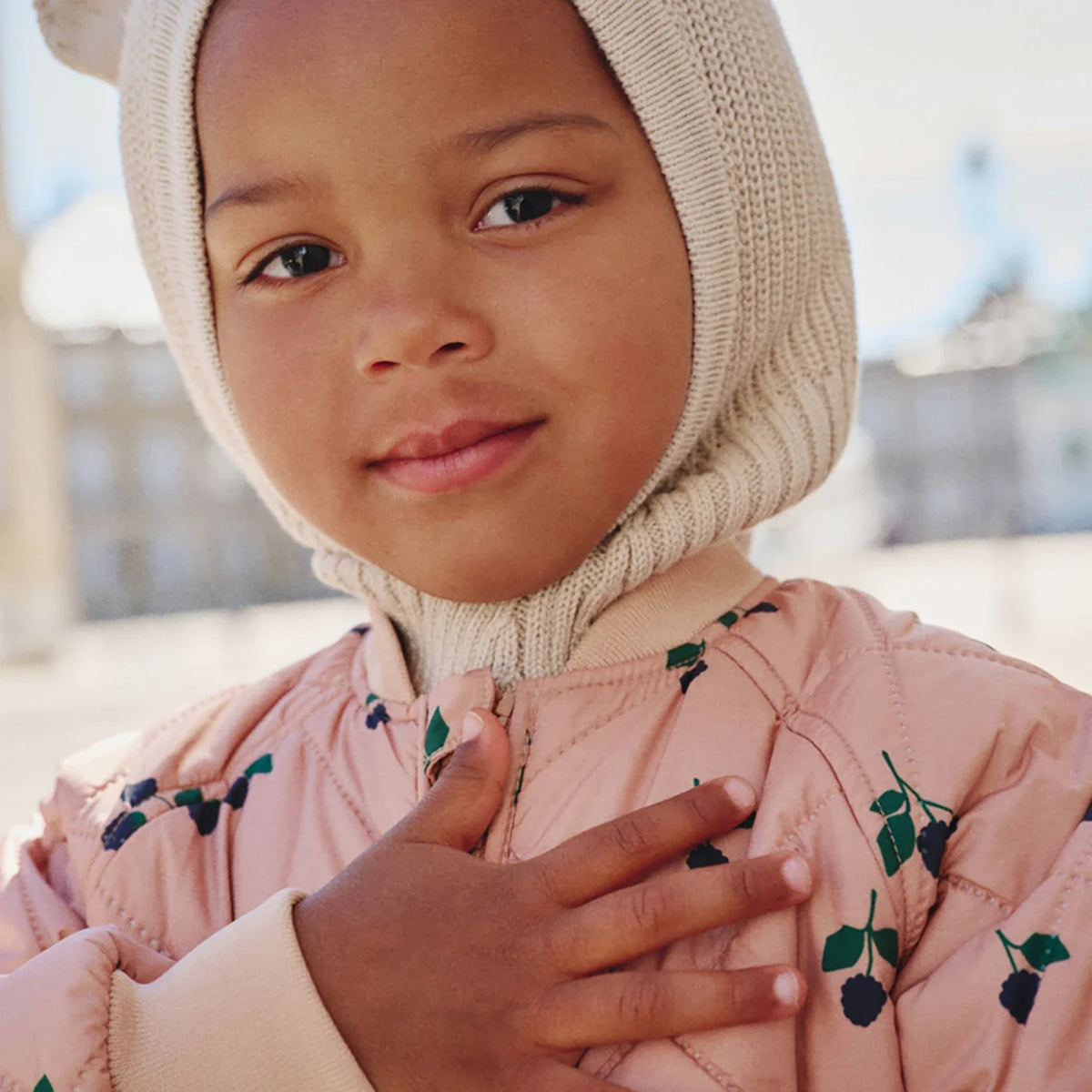
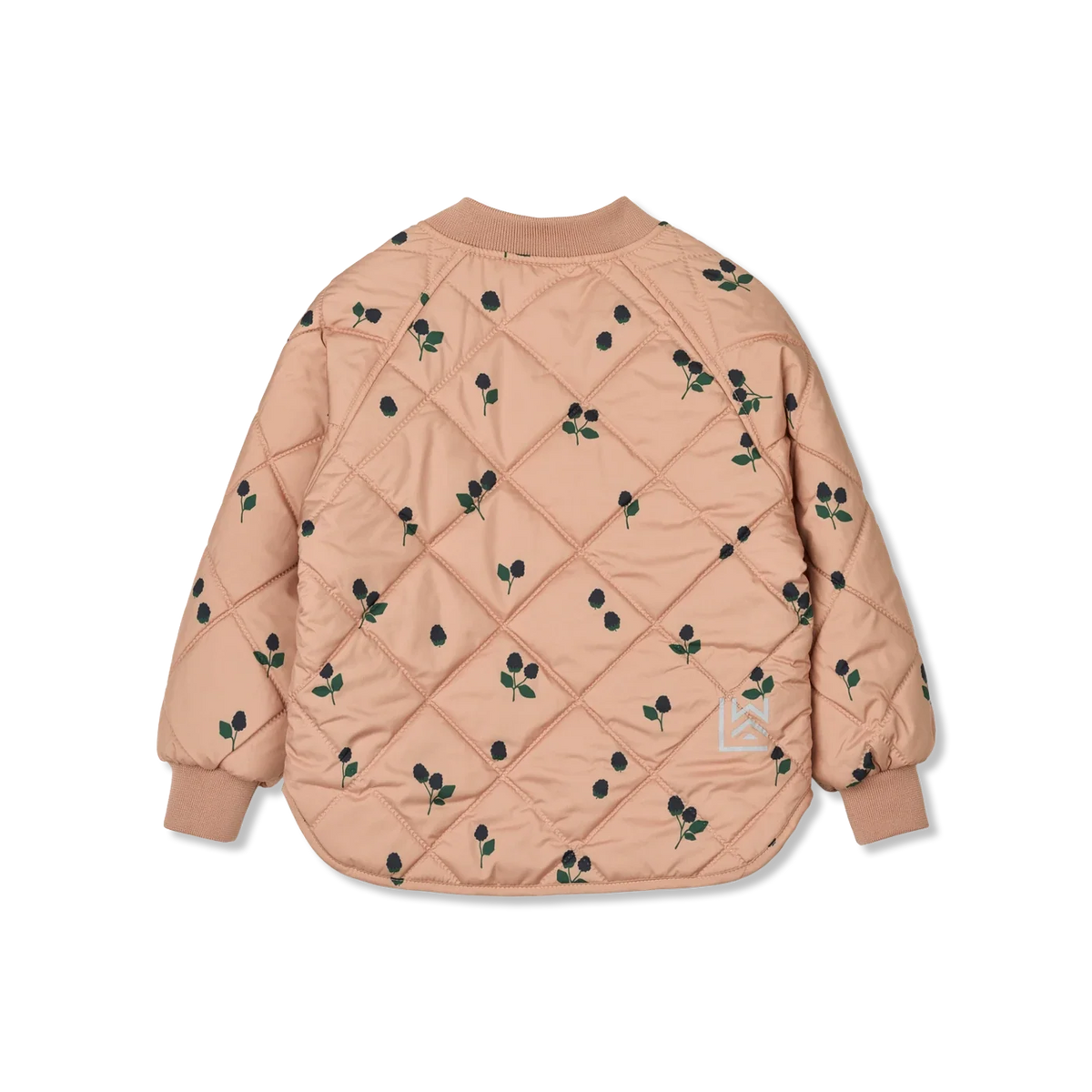
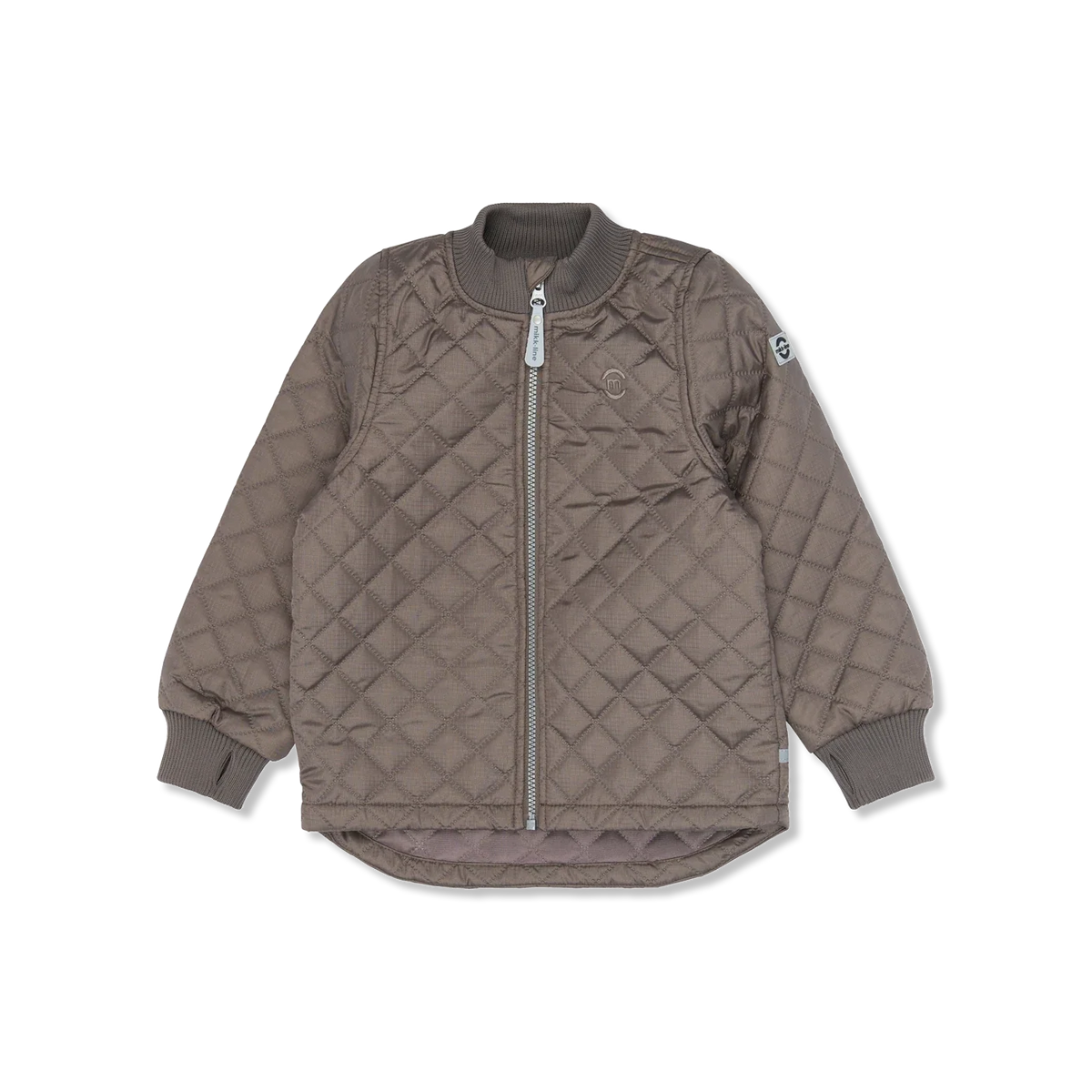
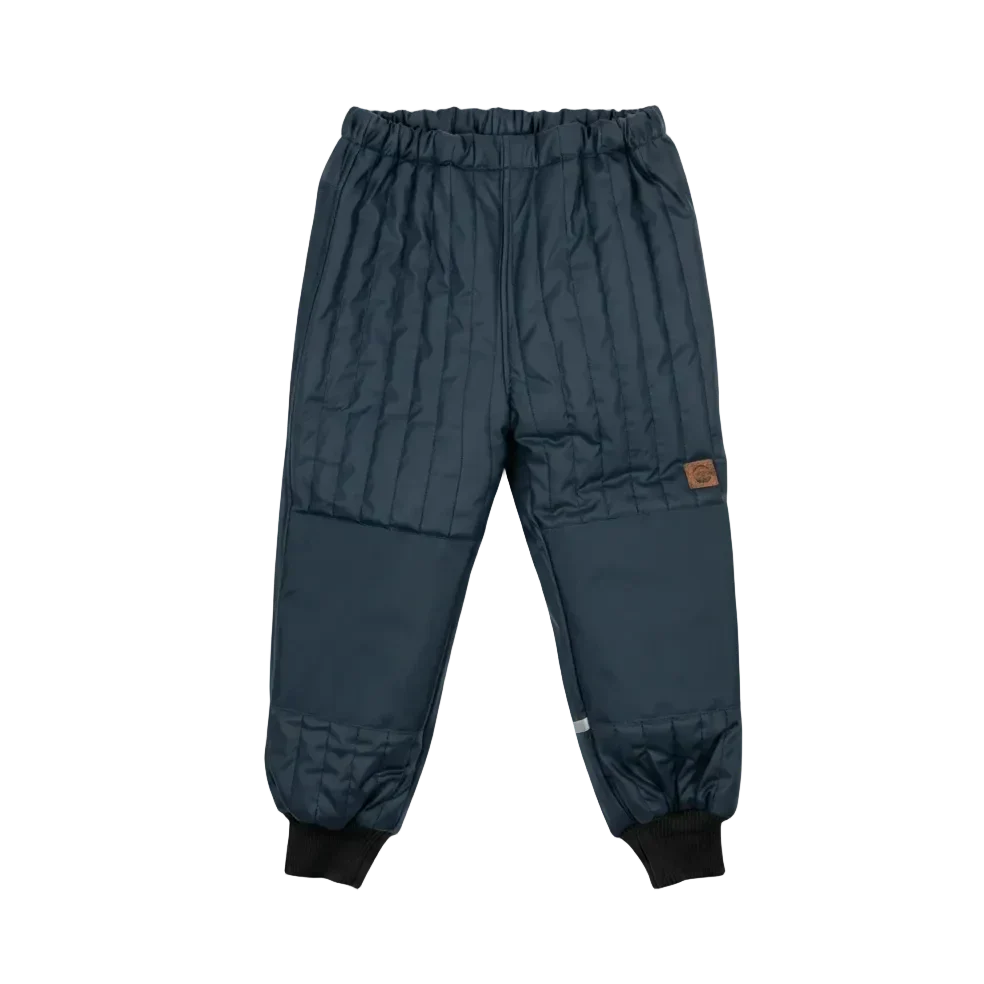
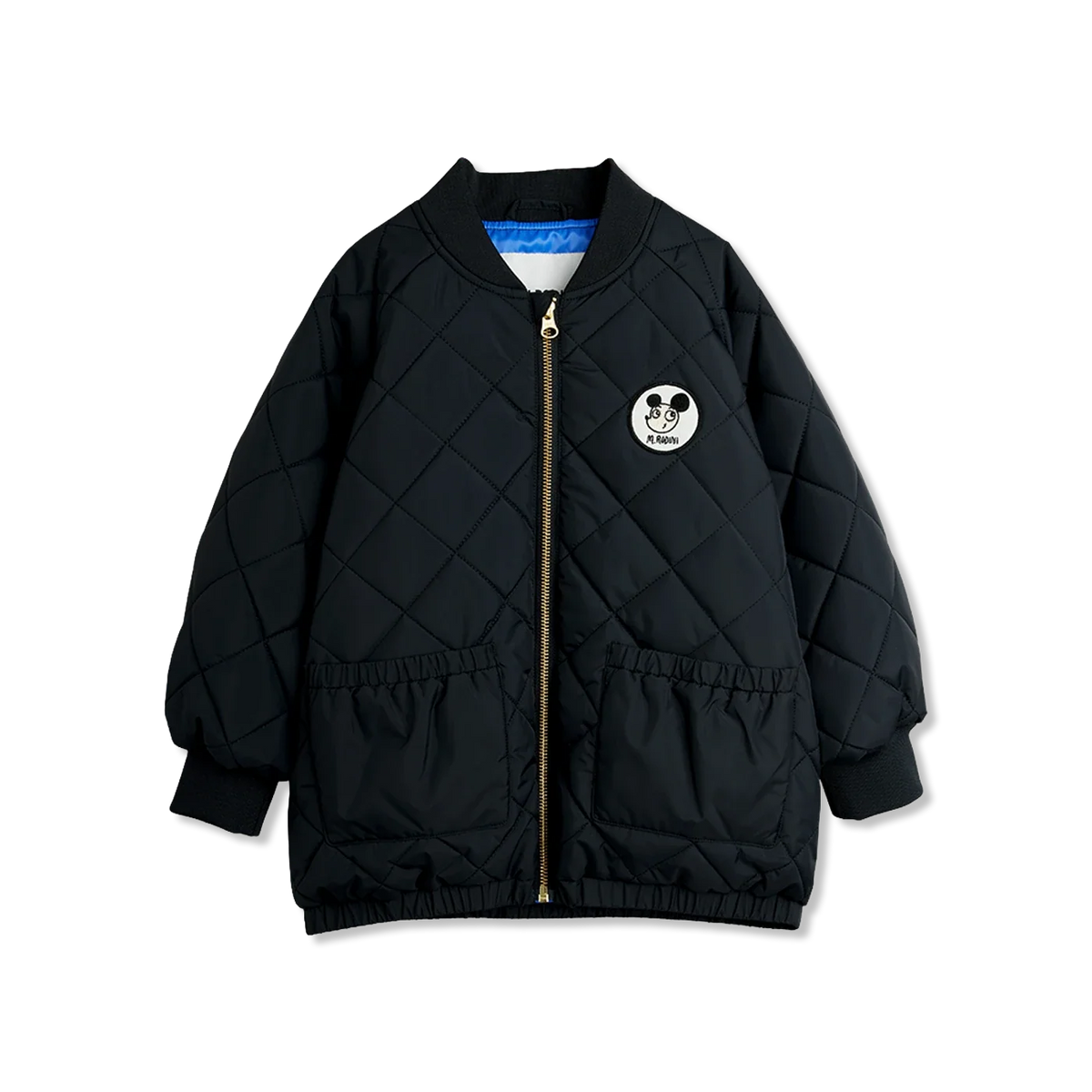
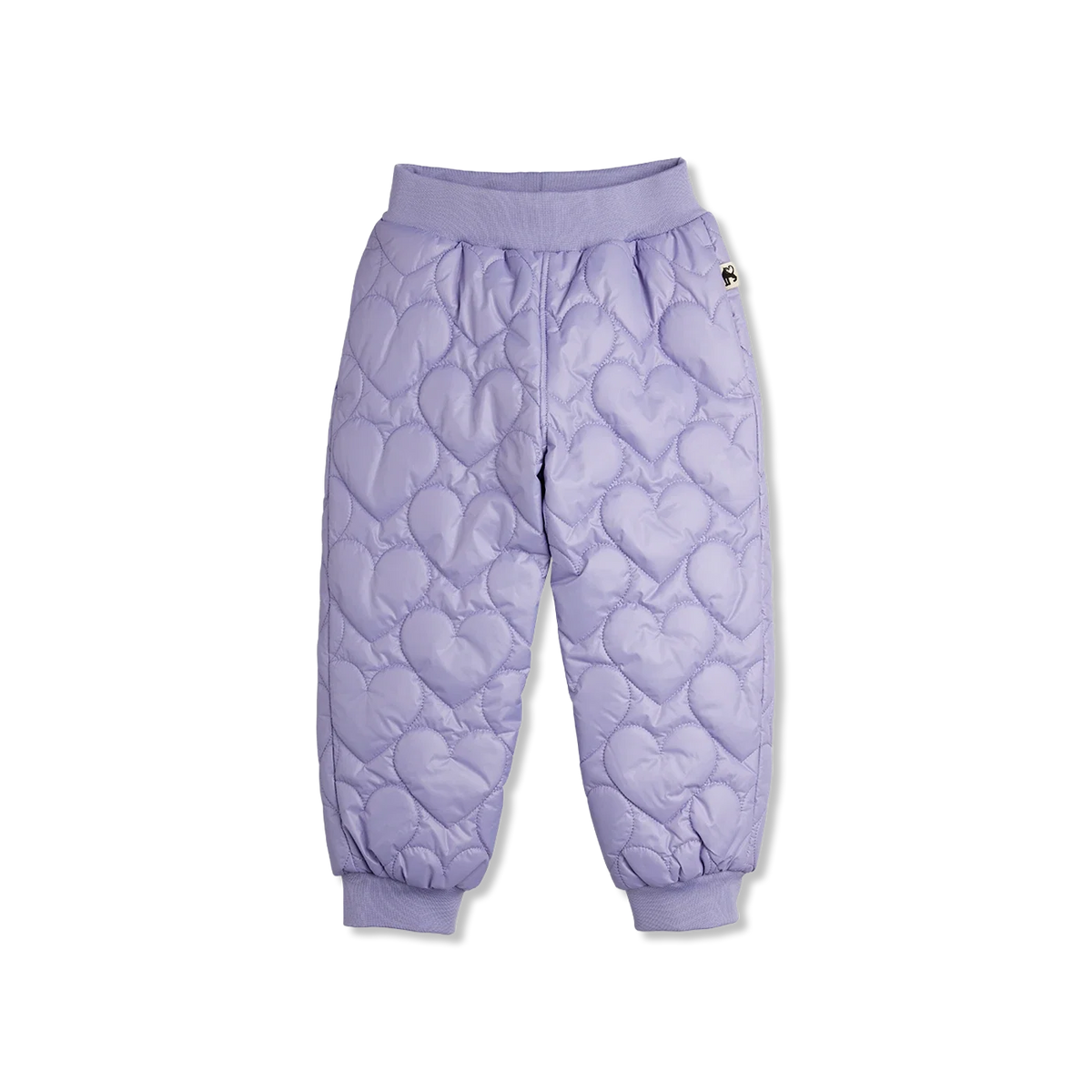
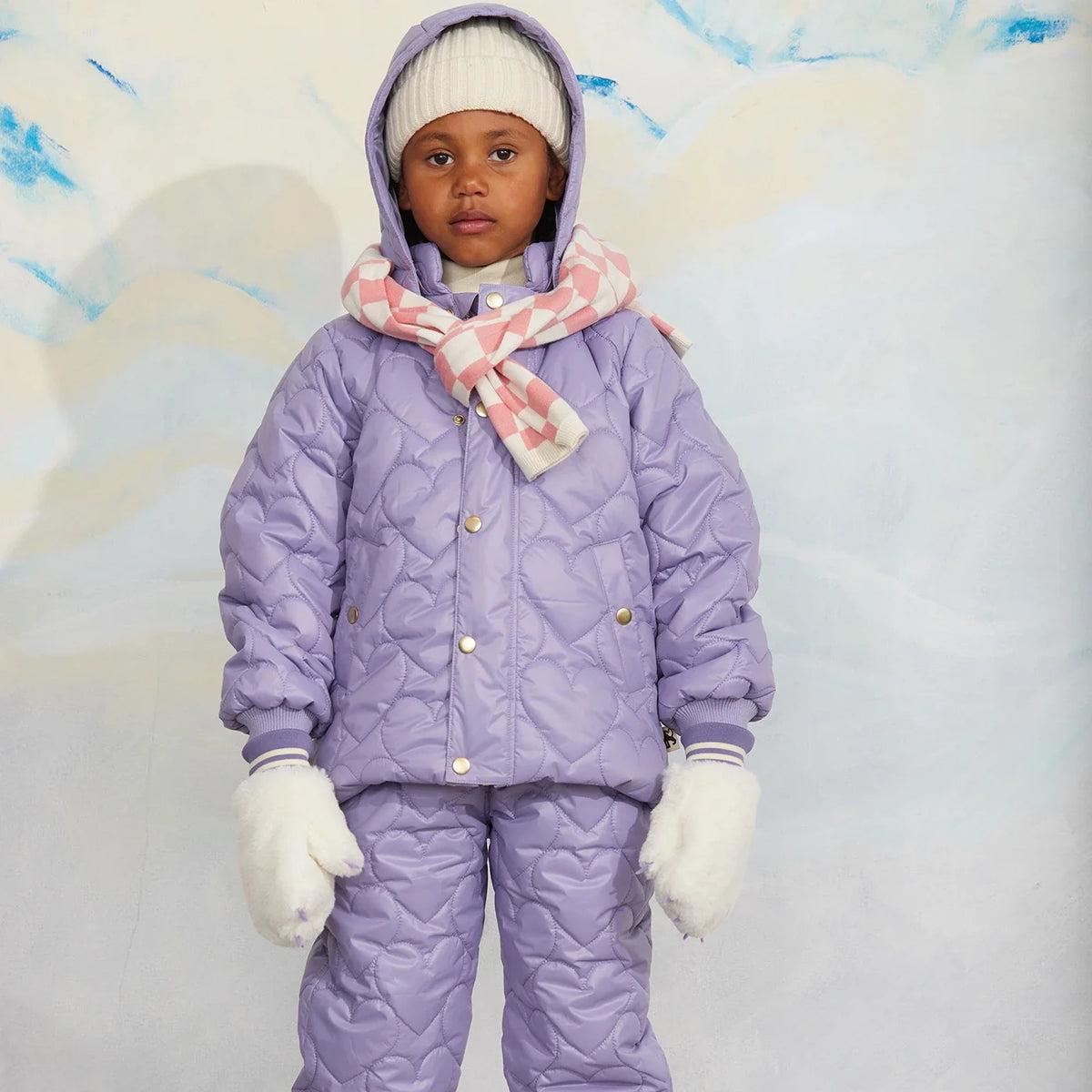
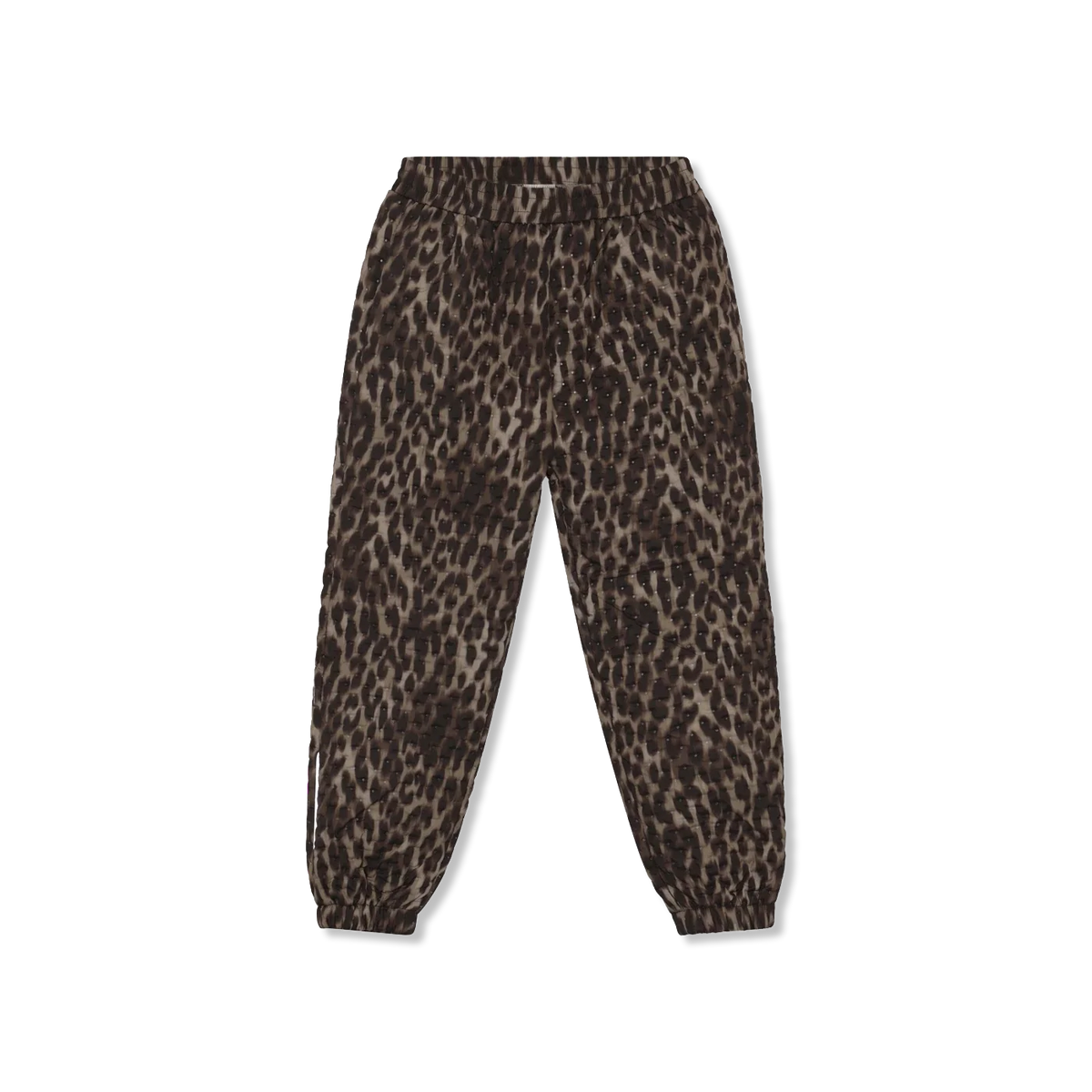
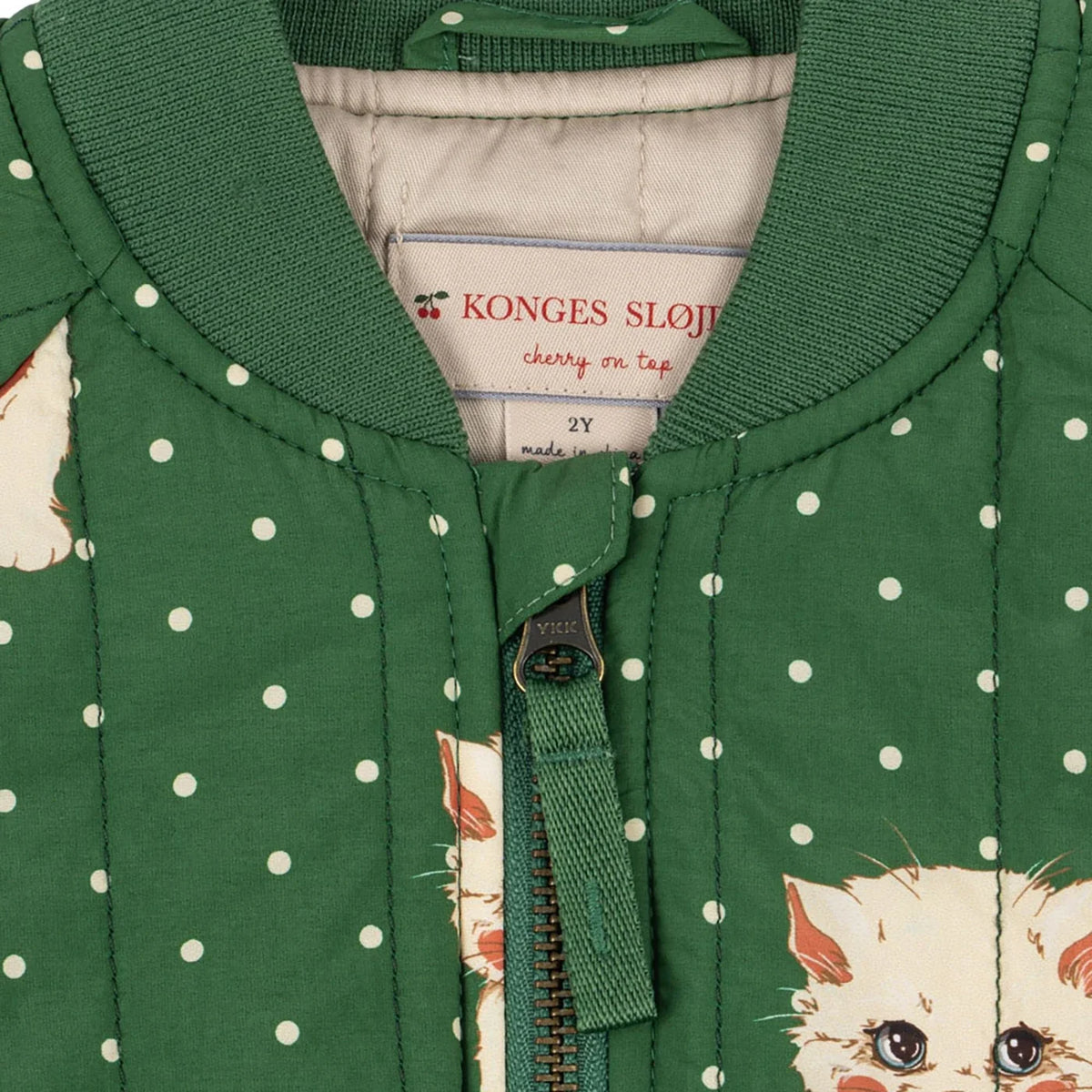
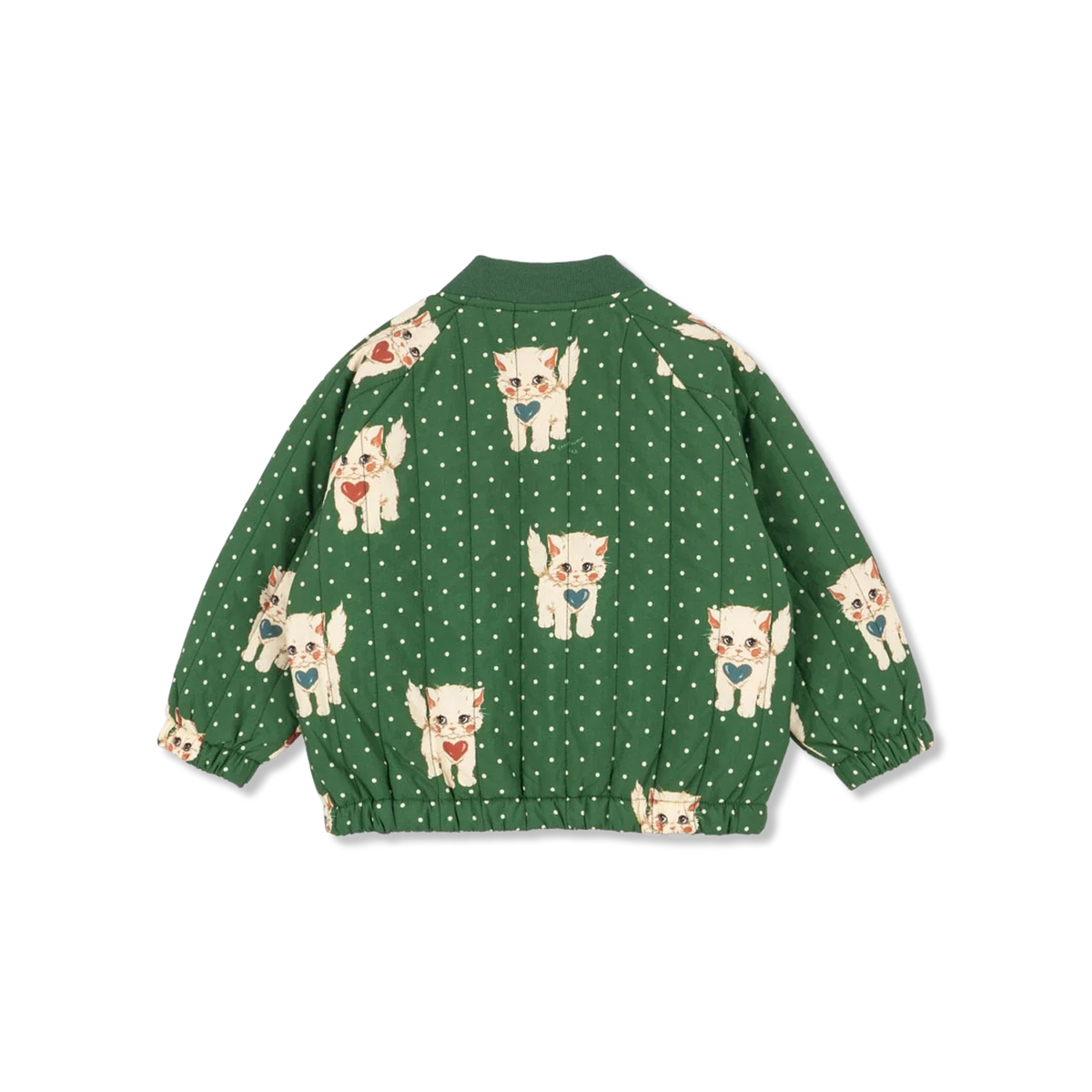
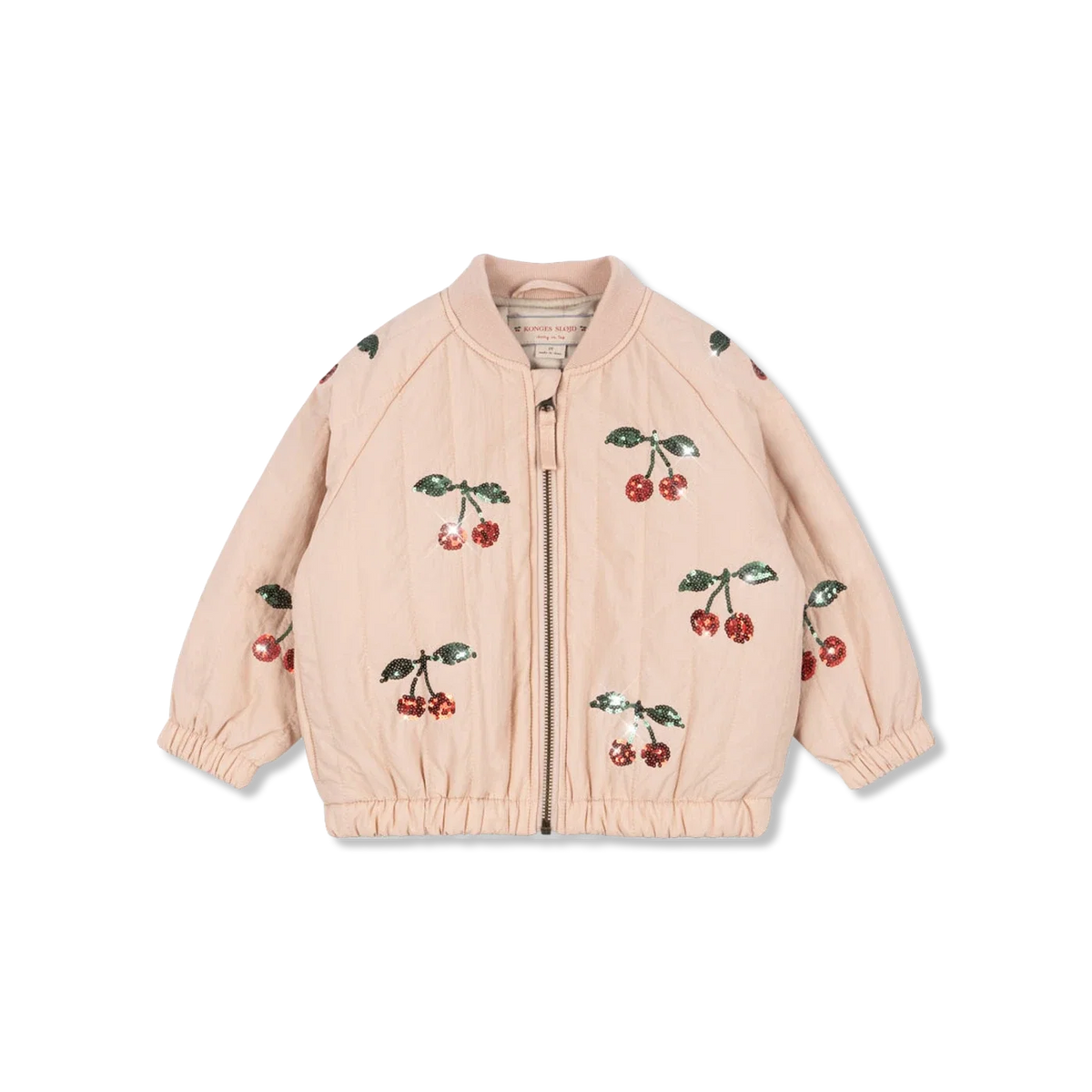
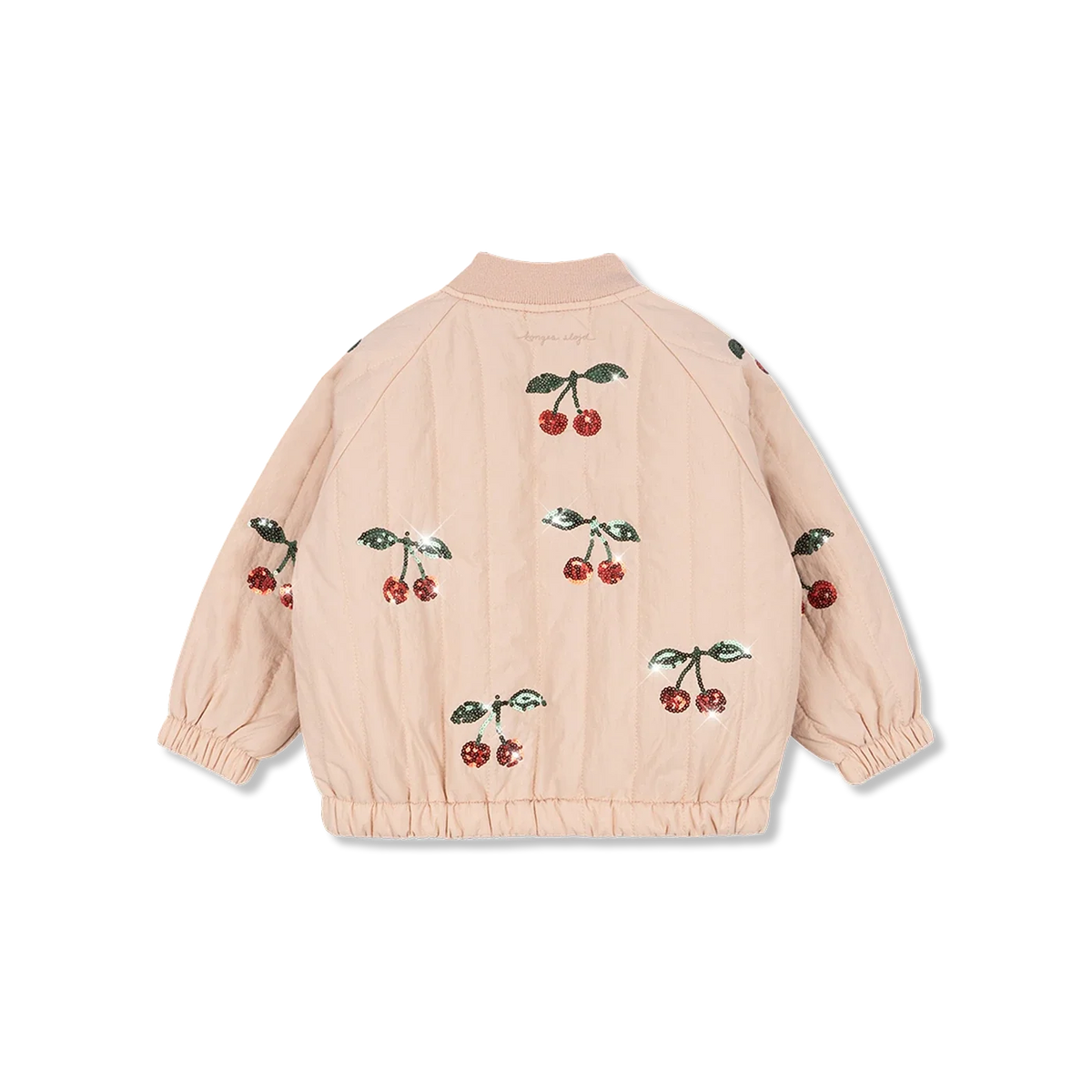
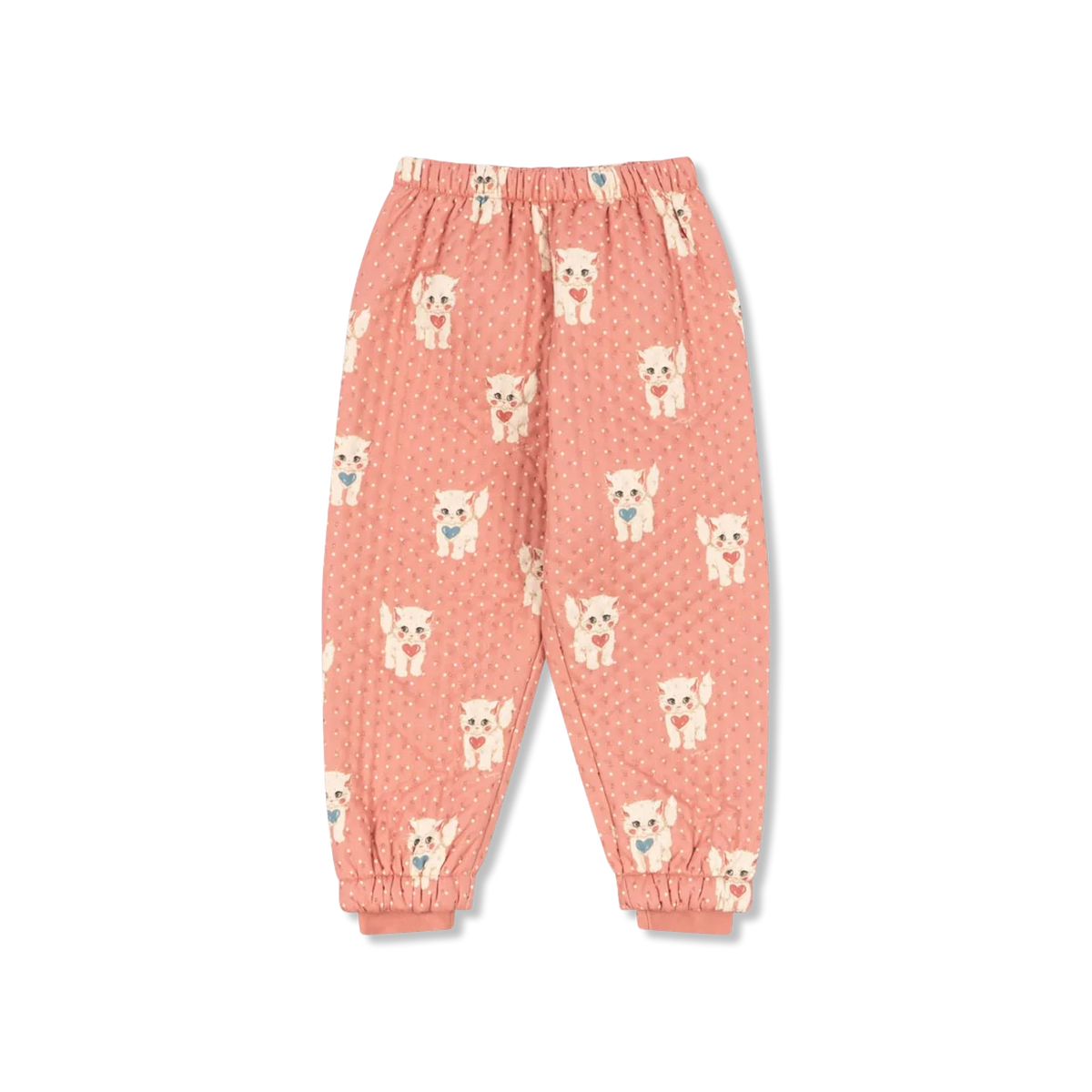
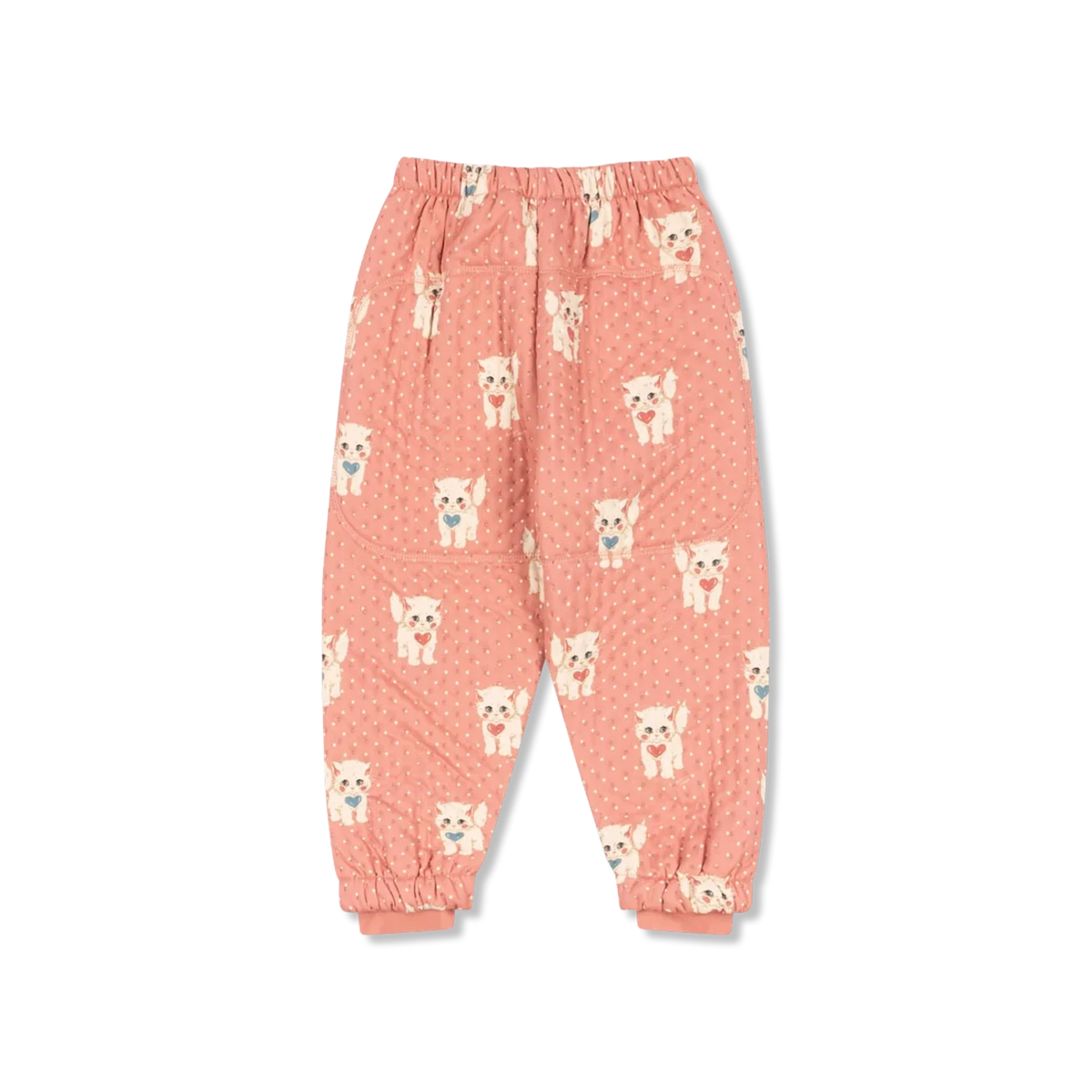
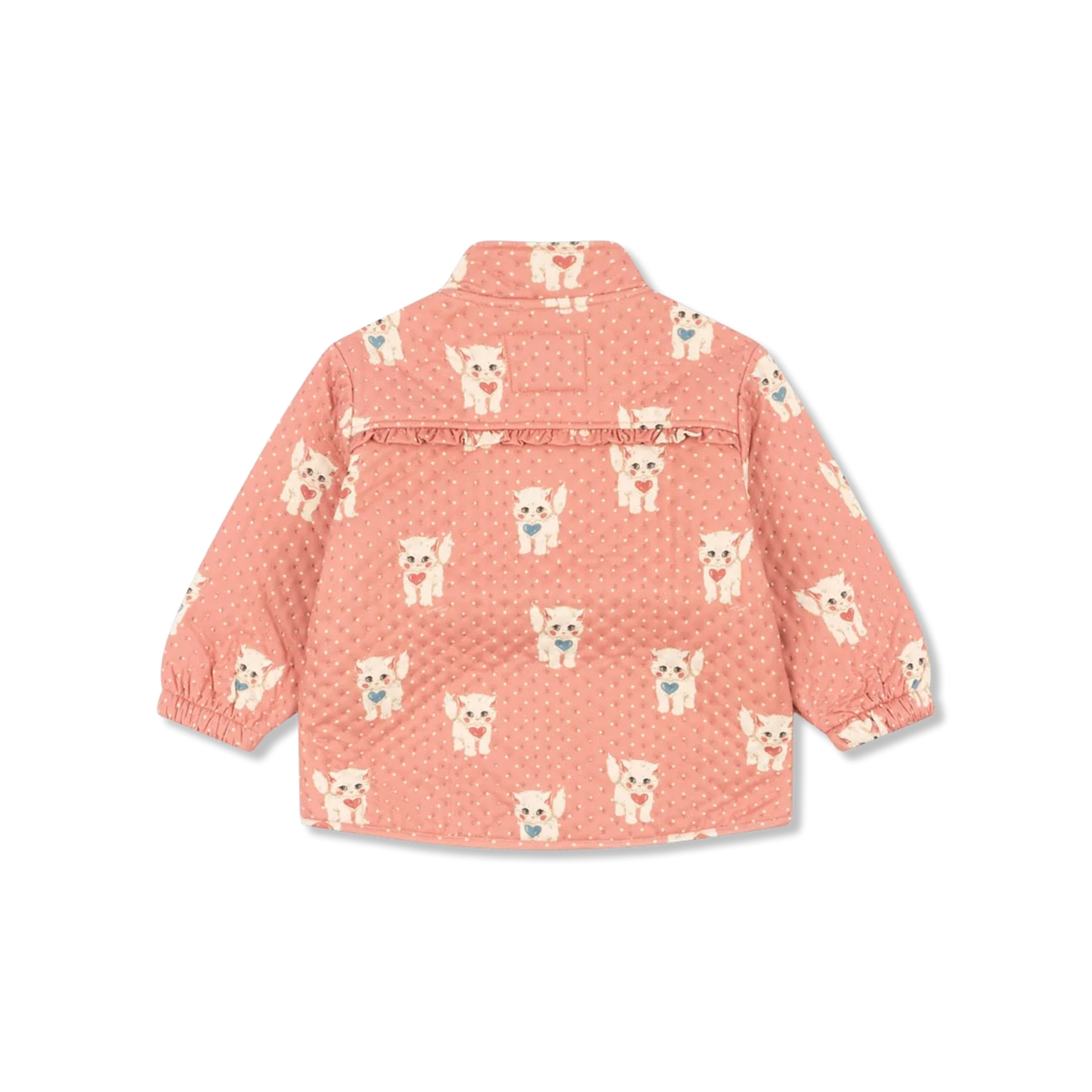
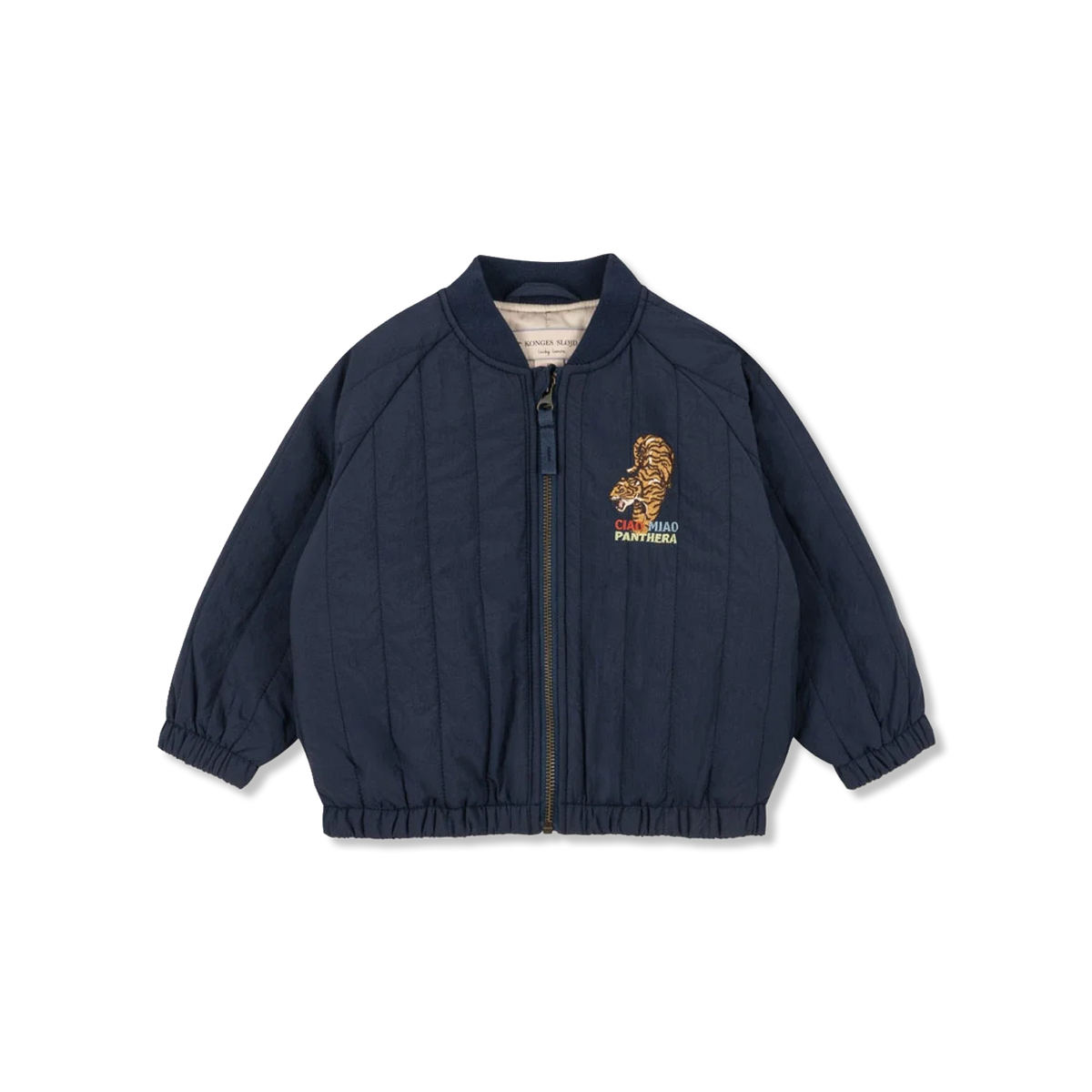
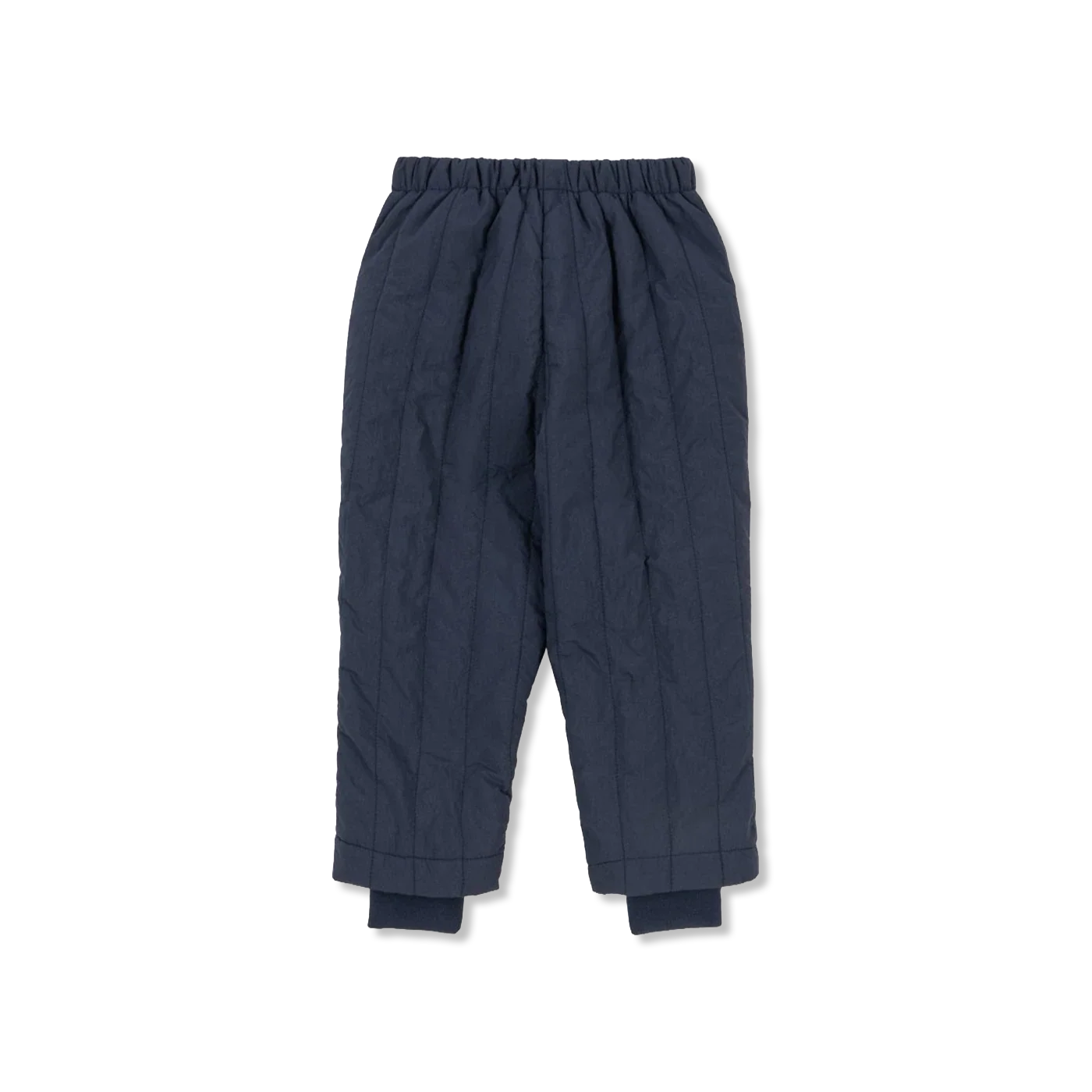
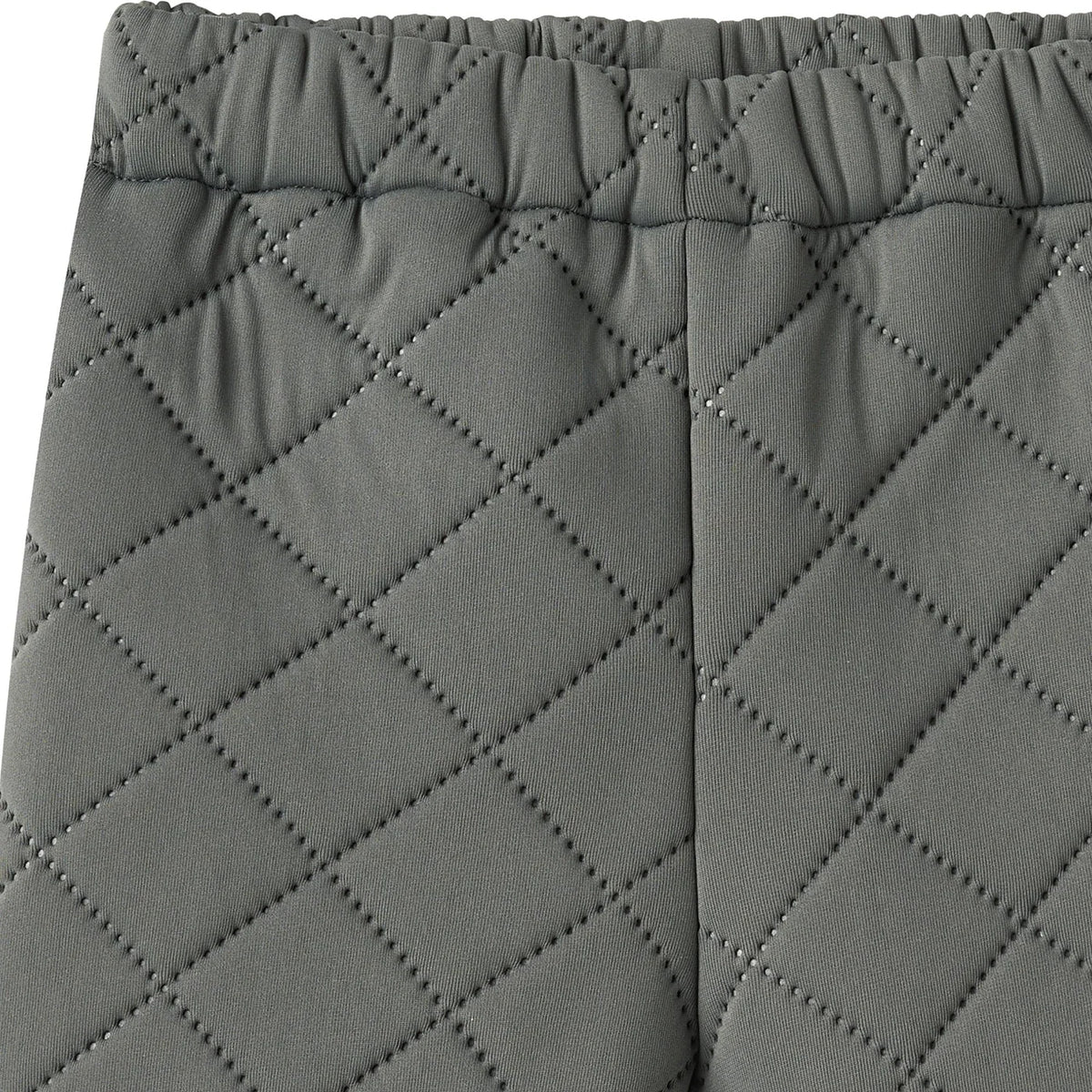
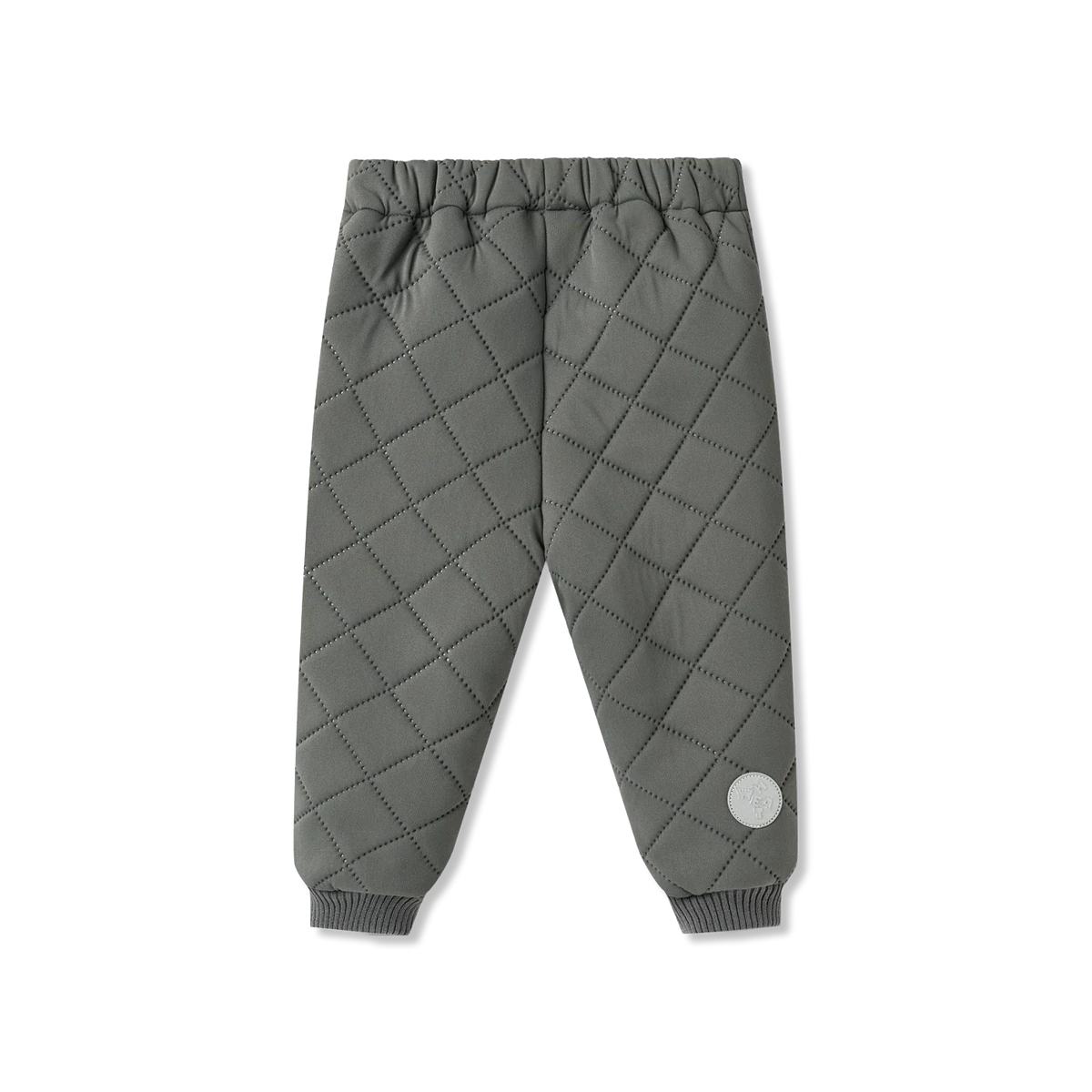
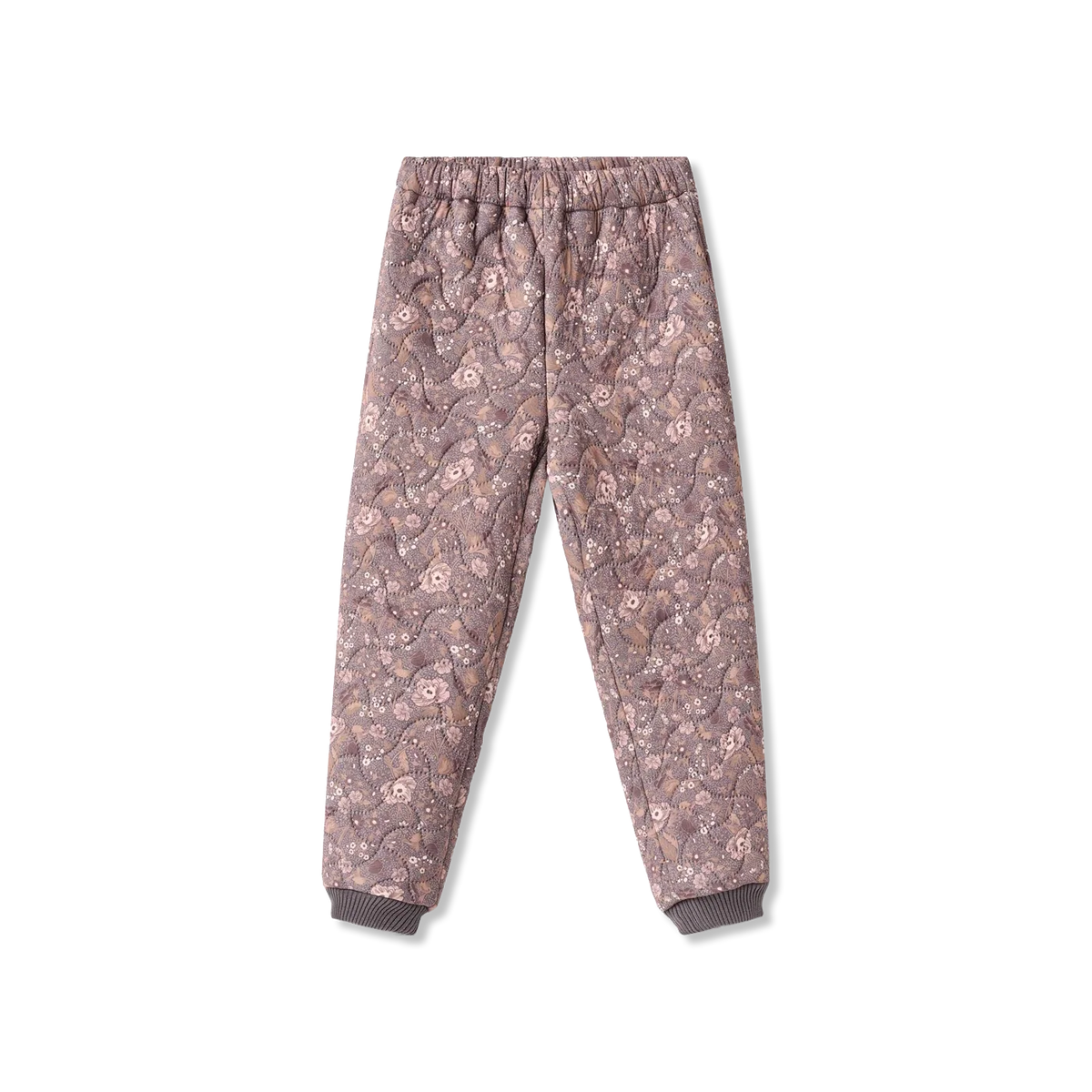
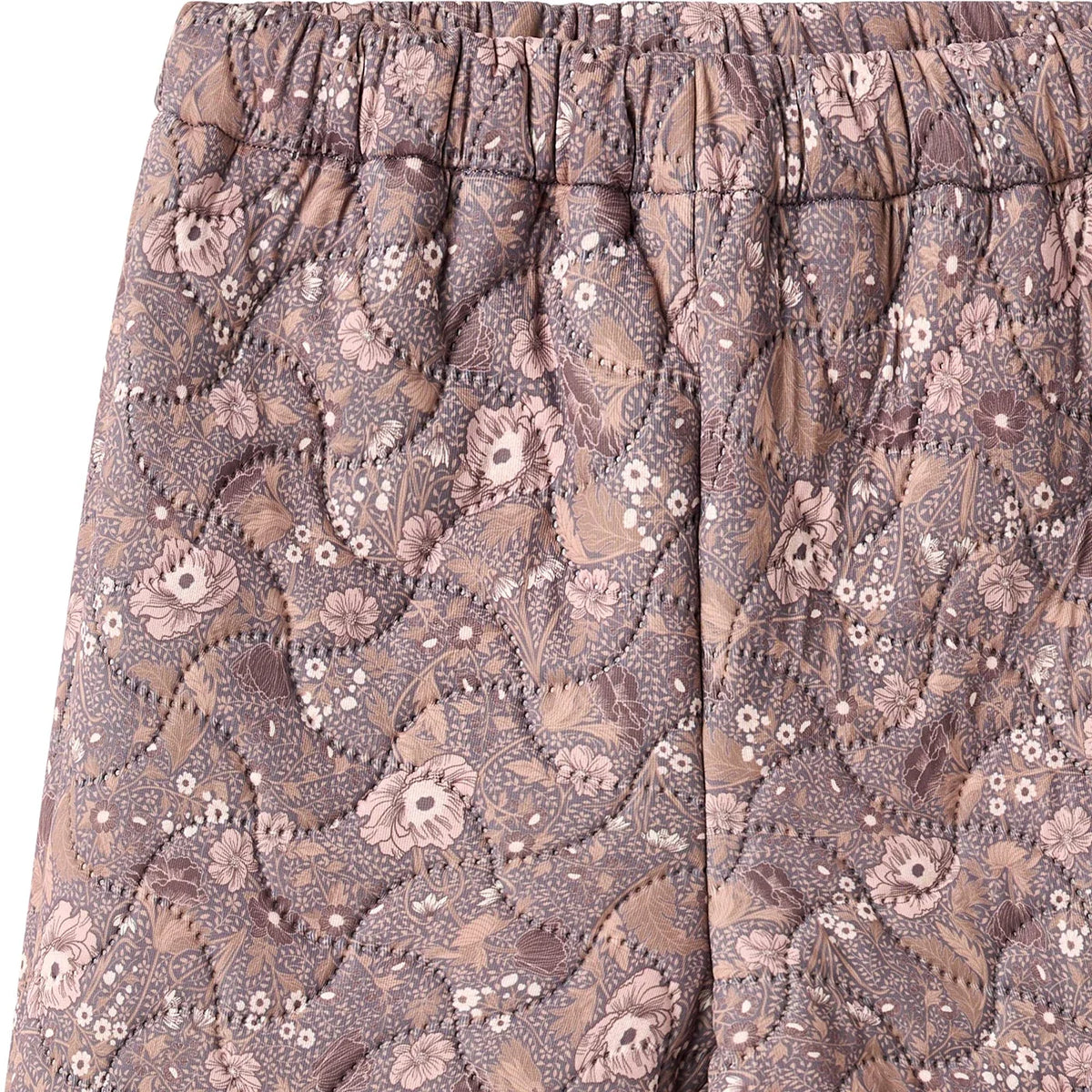
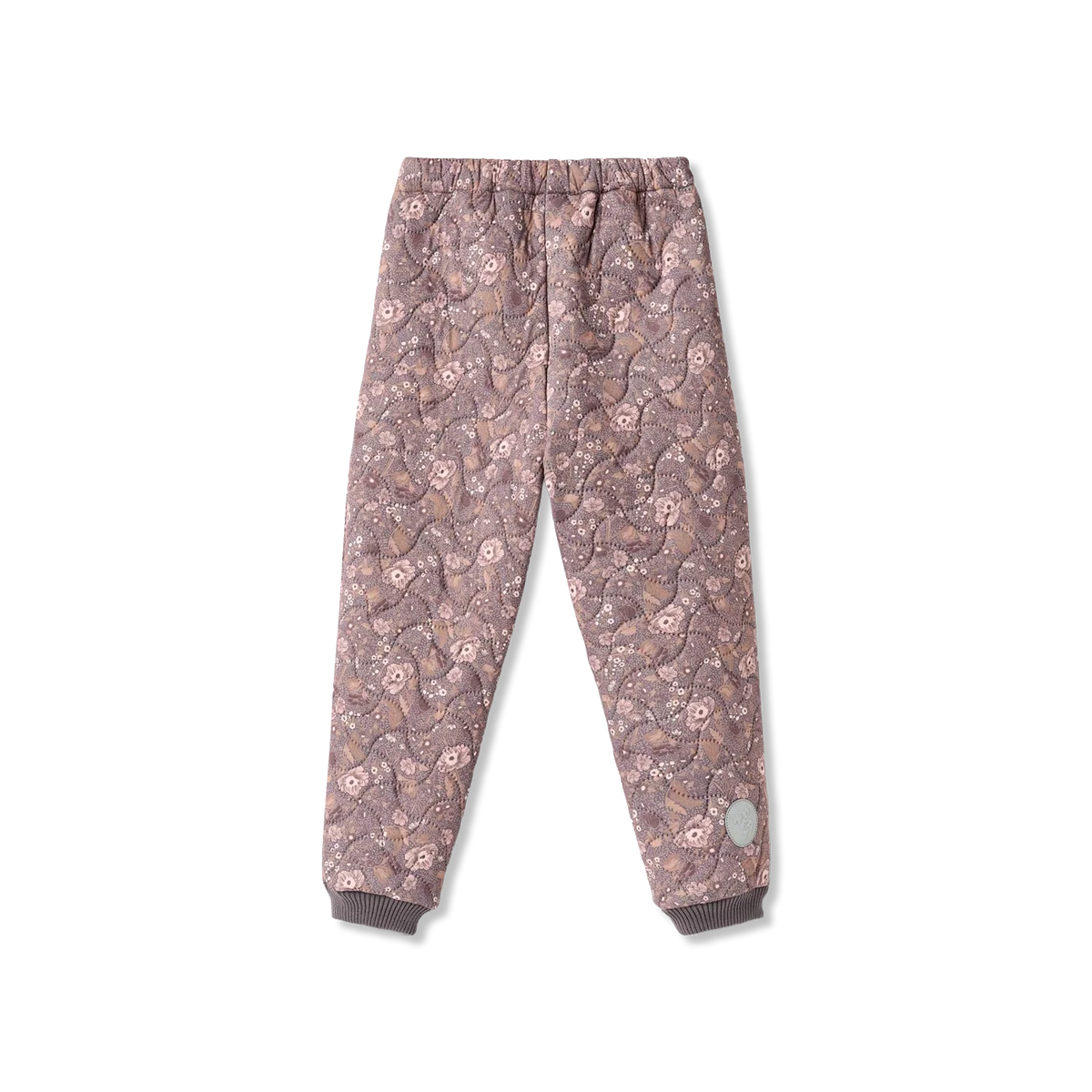
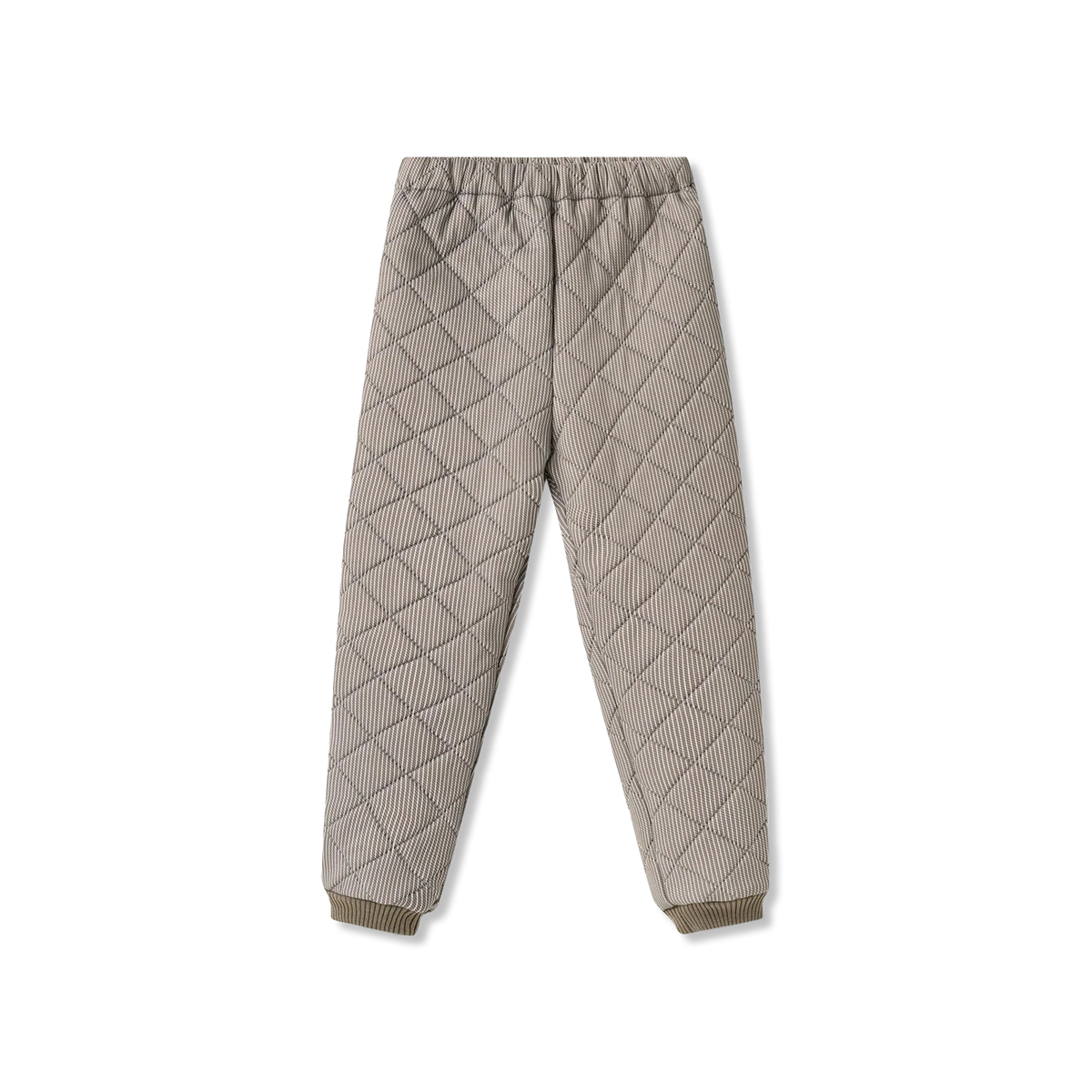
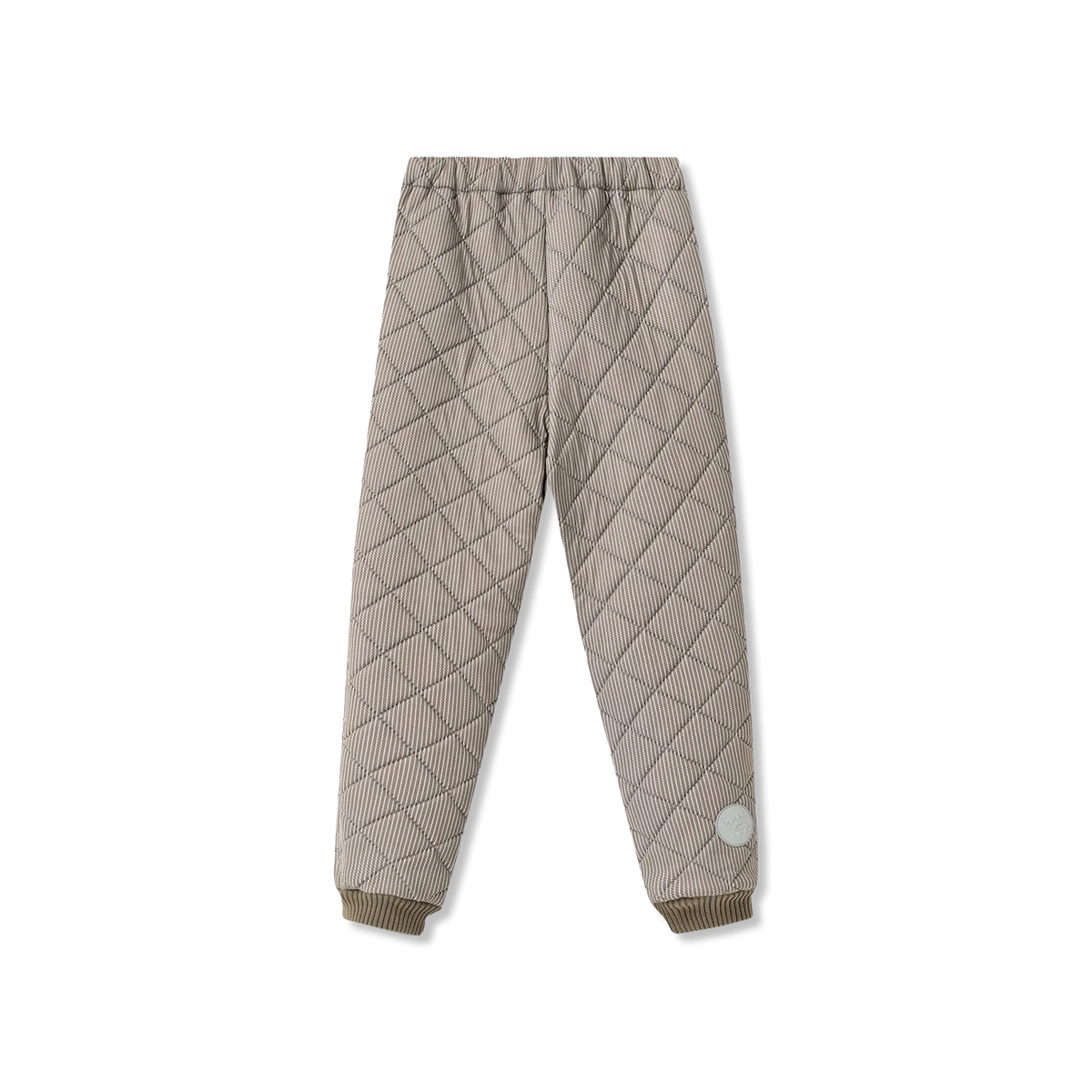
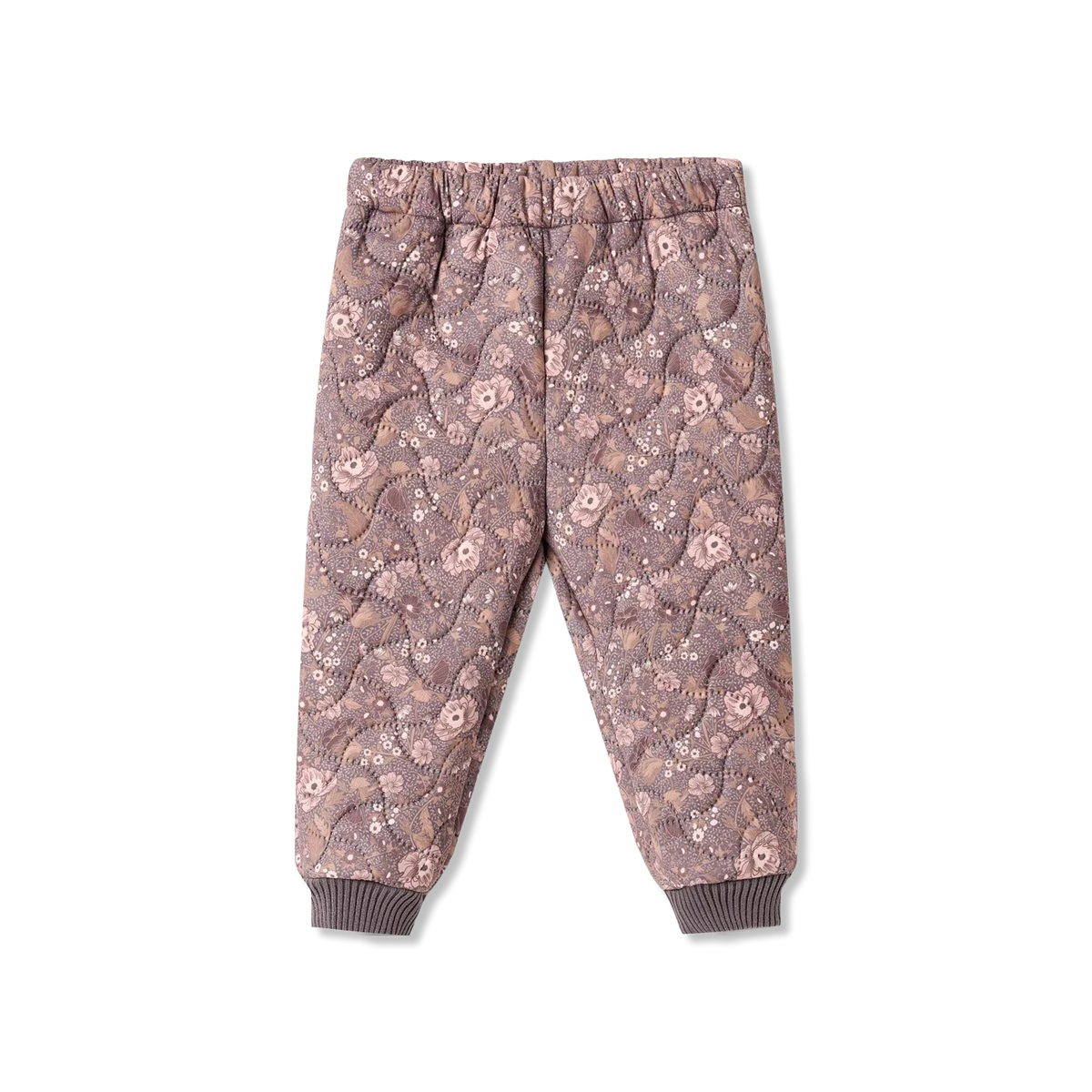
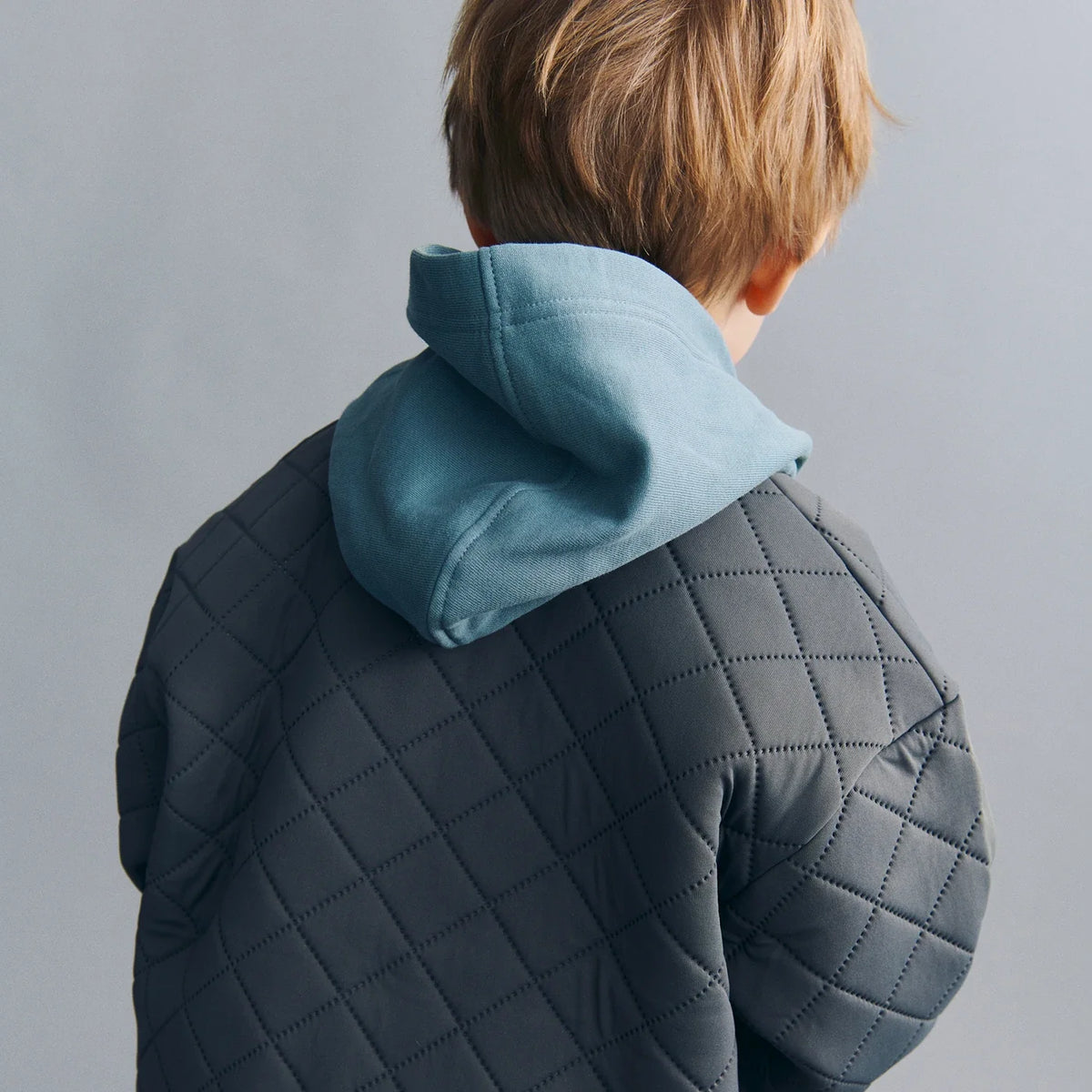
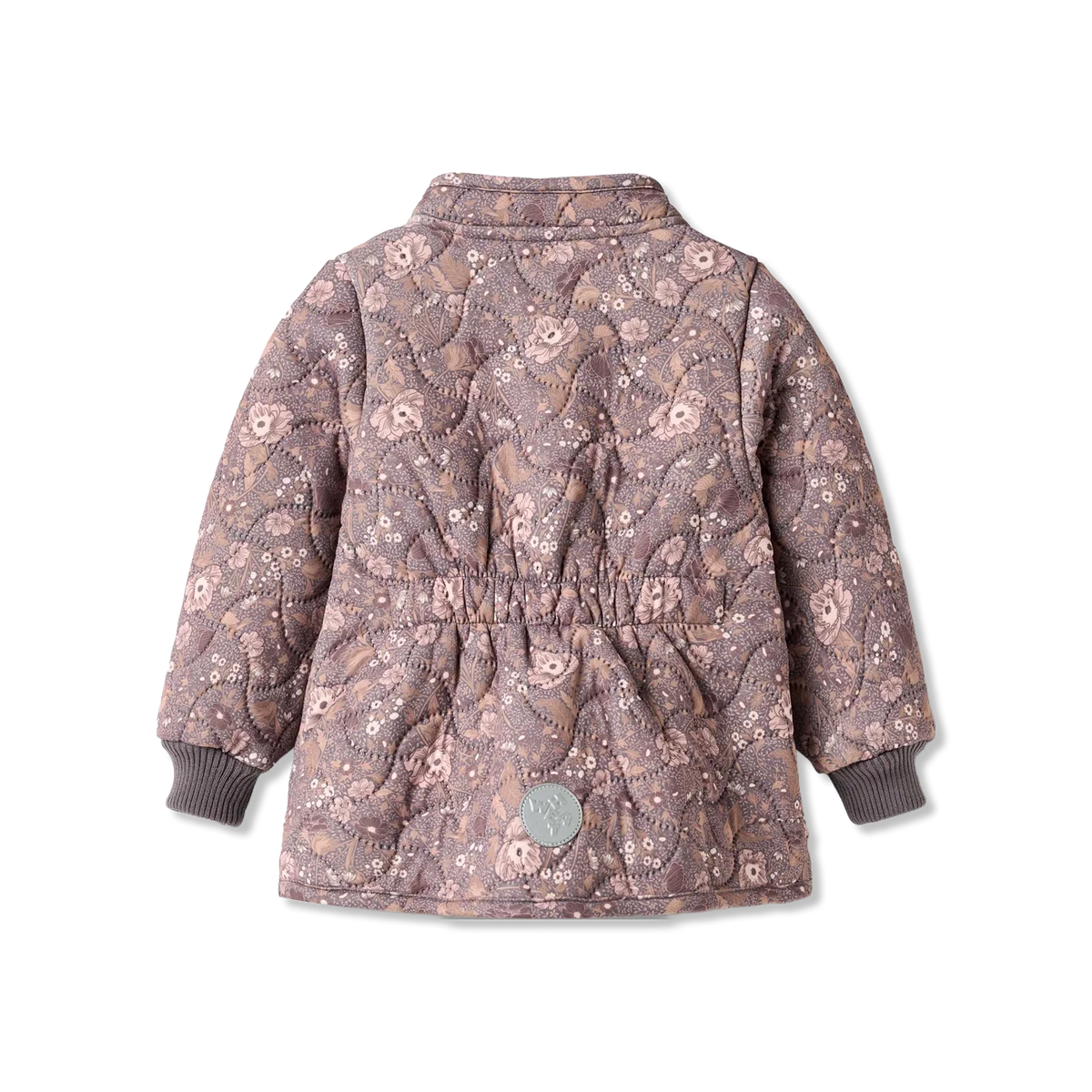
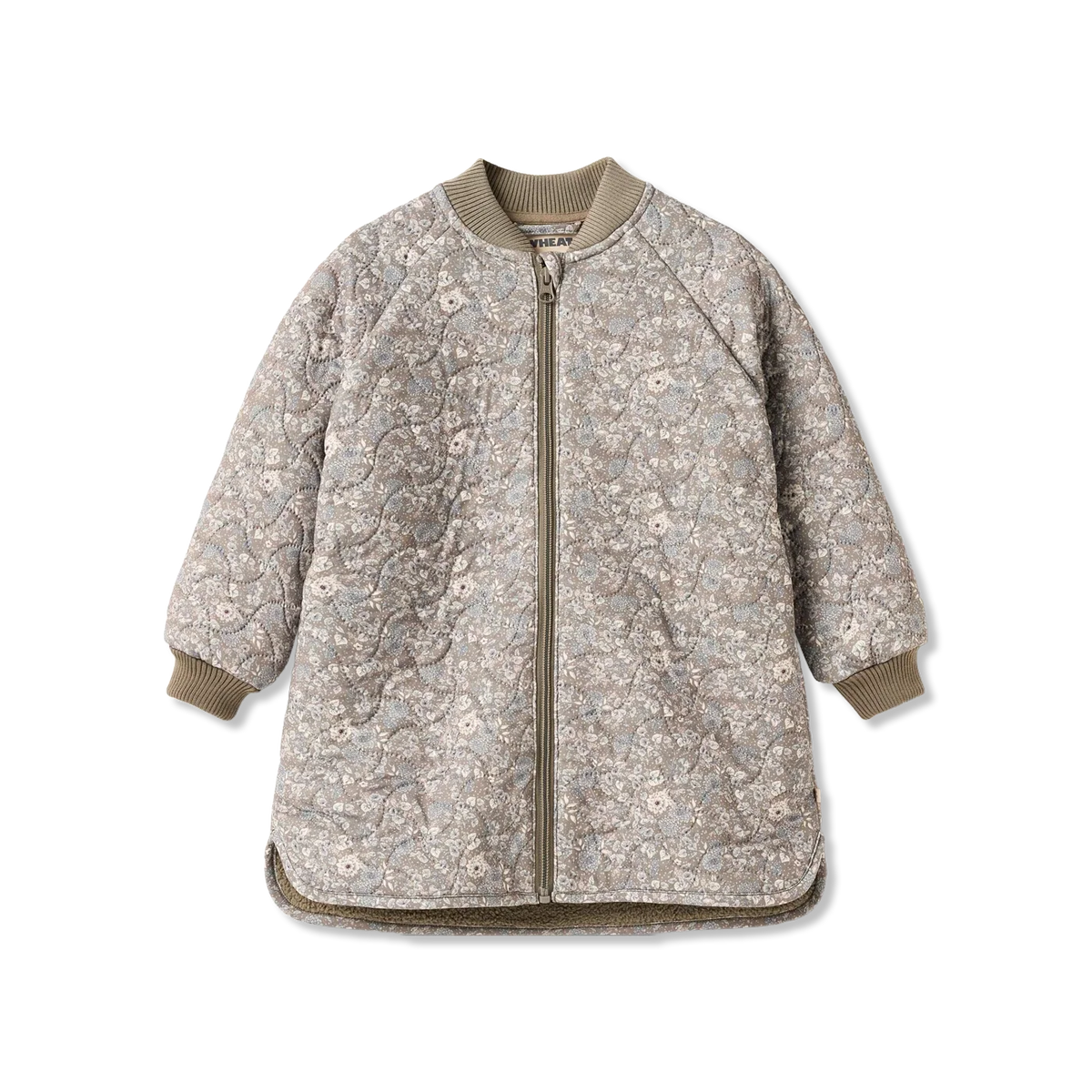
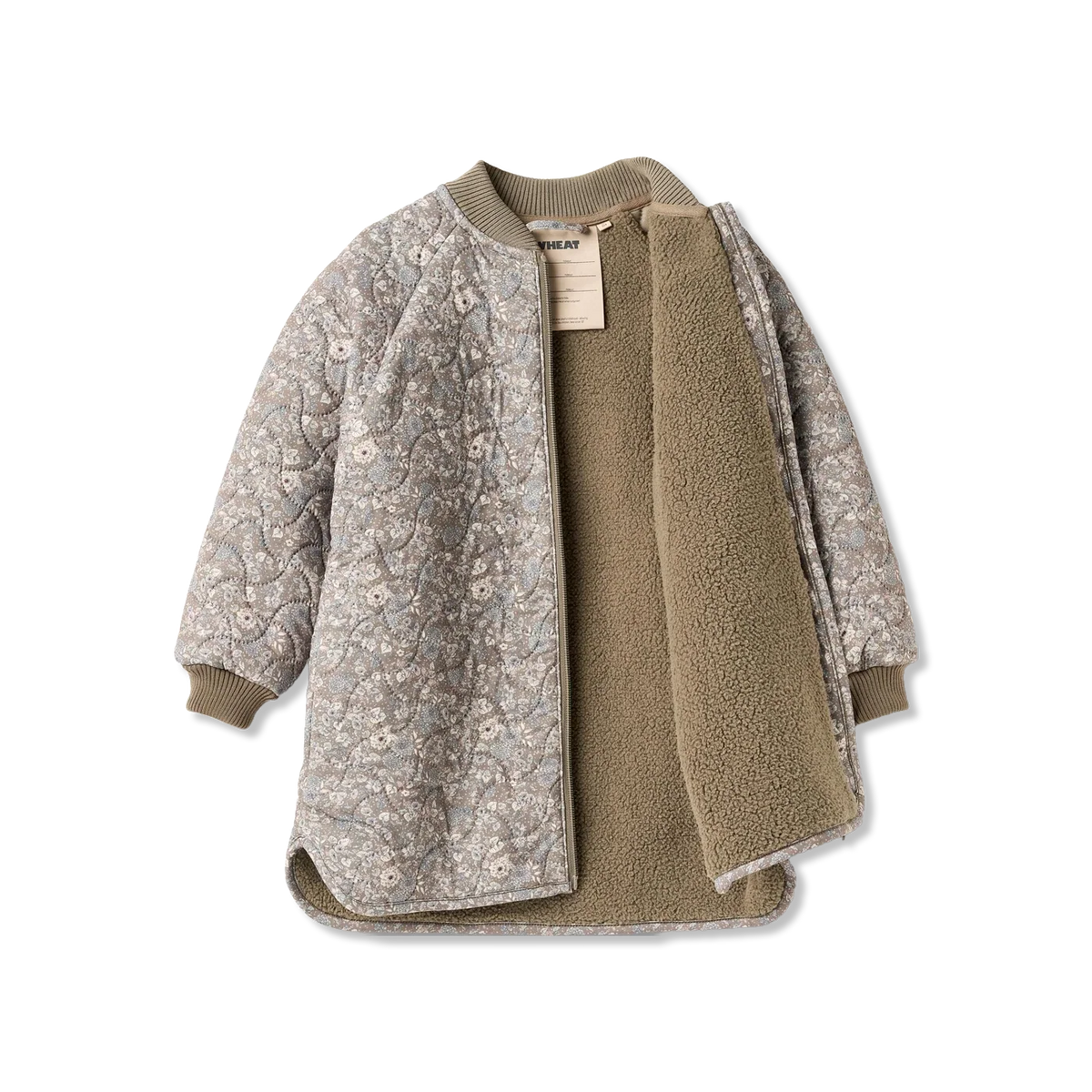
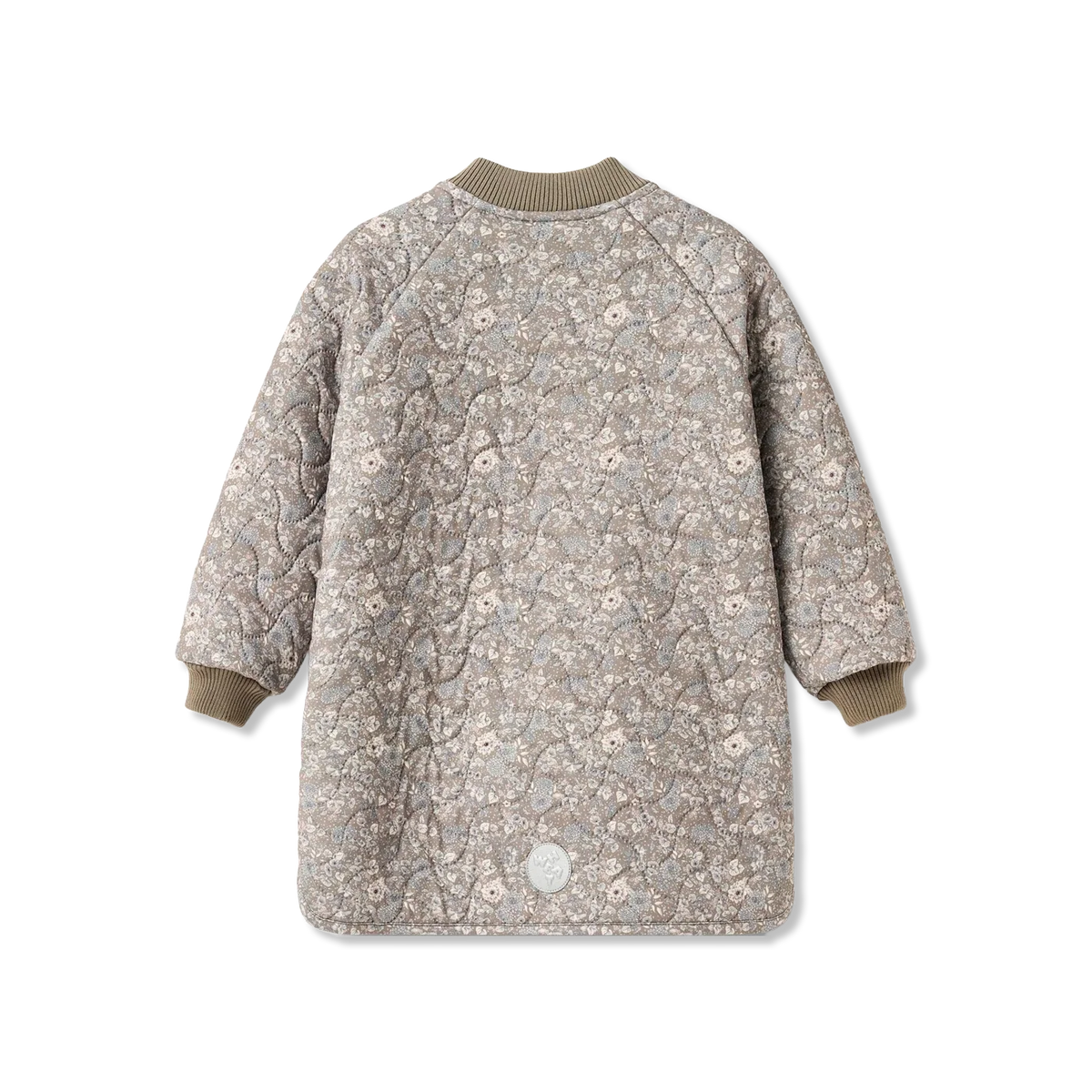
Thermal clothing for children is lightweight, quilted outerwear that provides extra warmth without feeling heavy. It is a practical choice between seasons, when winter clothing is too warm but an ordinary jacket or pair of trousers is not enough. The soft, flexible construction gives children freedom to move at the playground, nursery, school and on family outings. At House of Kids, you can find thermal clothing for babies, toddlers and older children in a variety of colours, prints and fits.
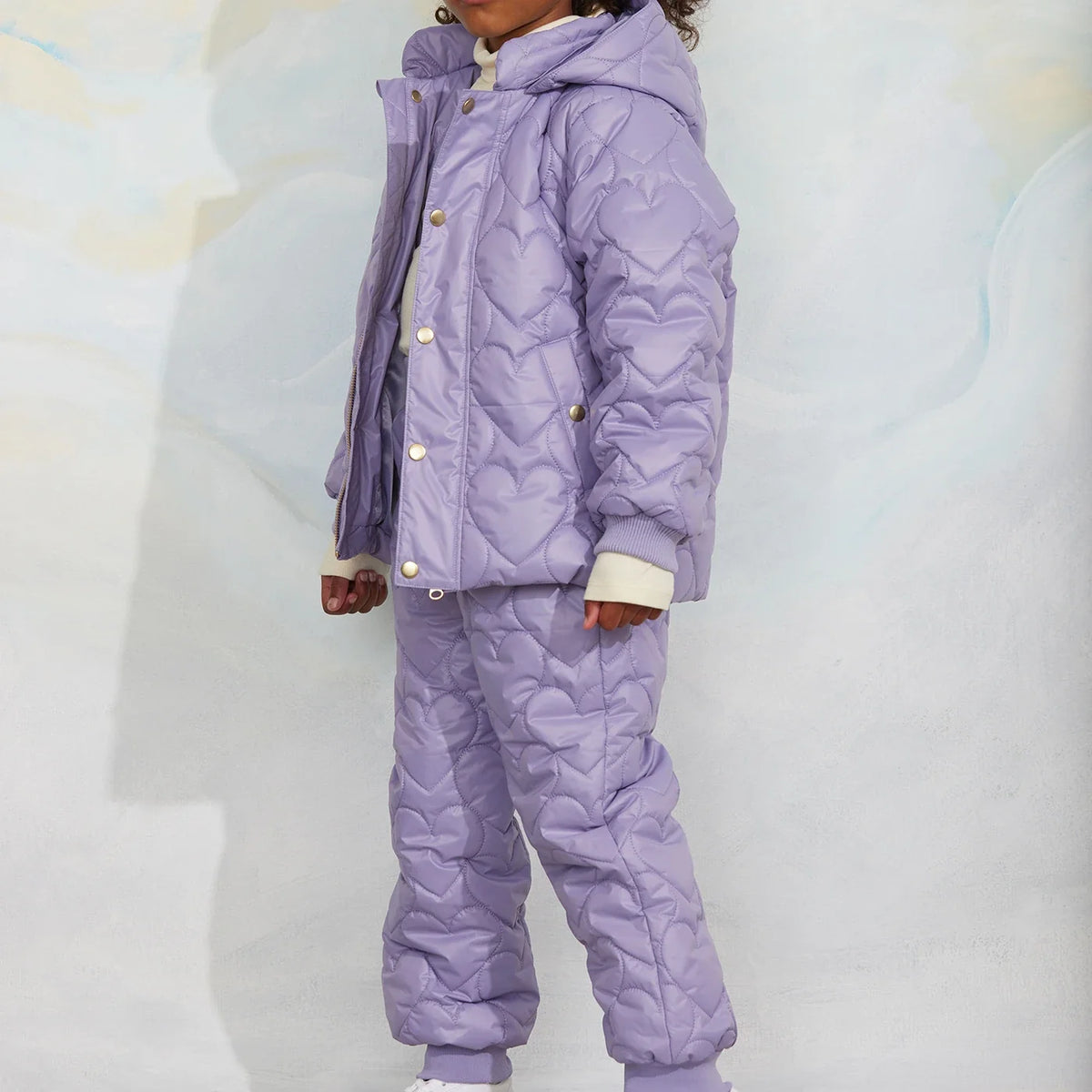
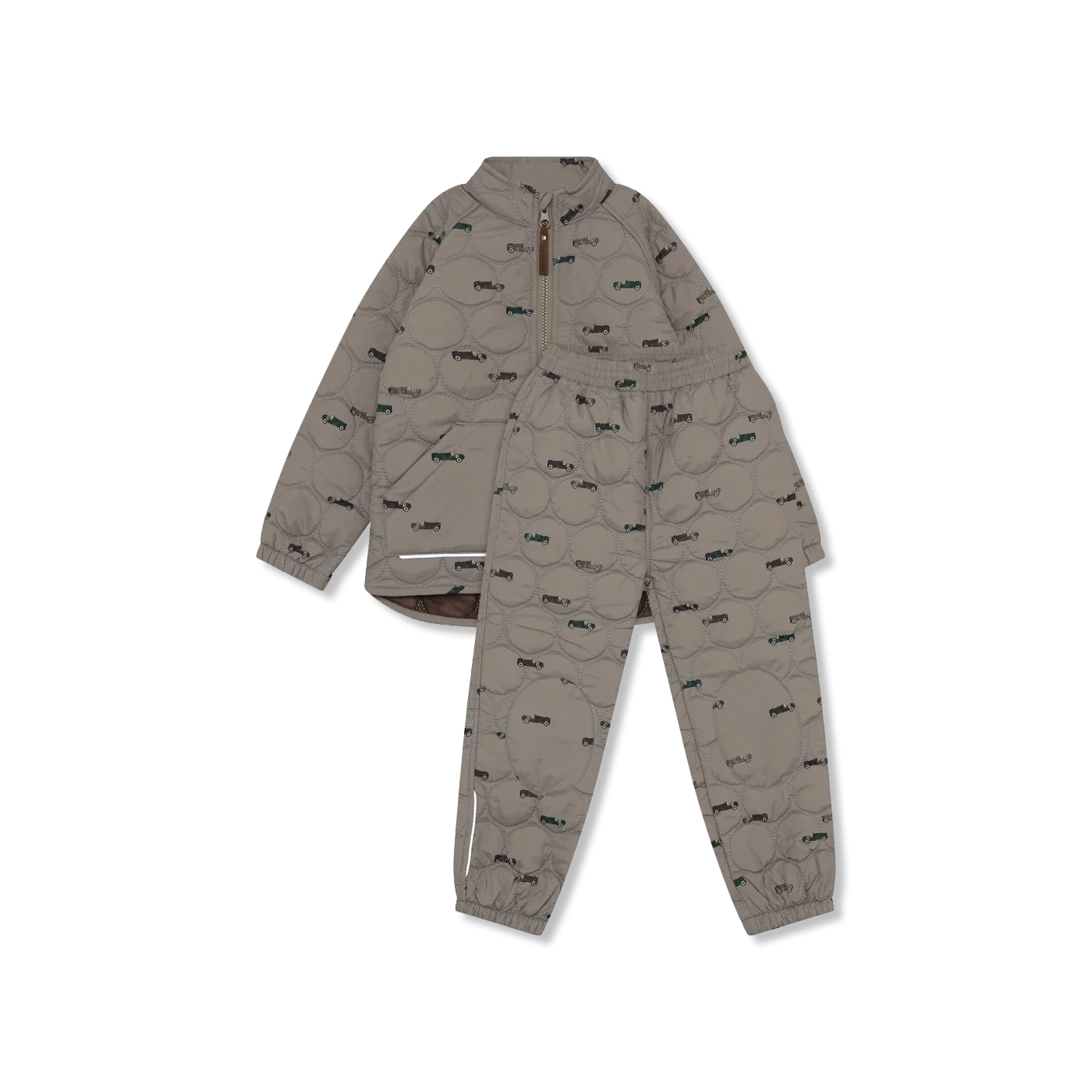
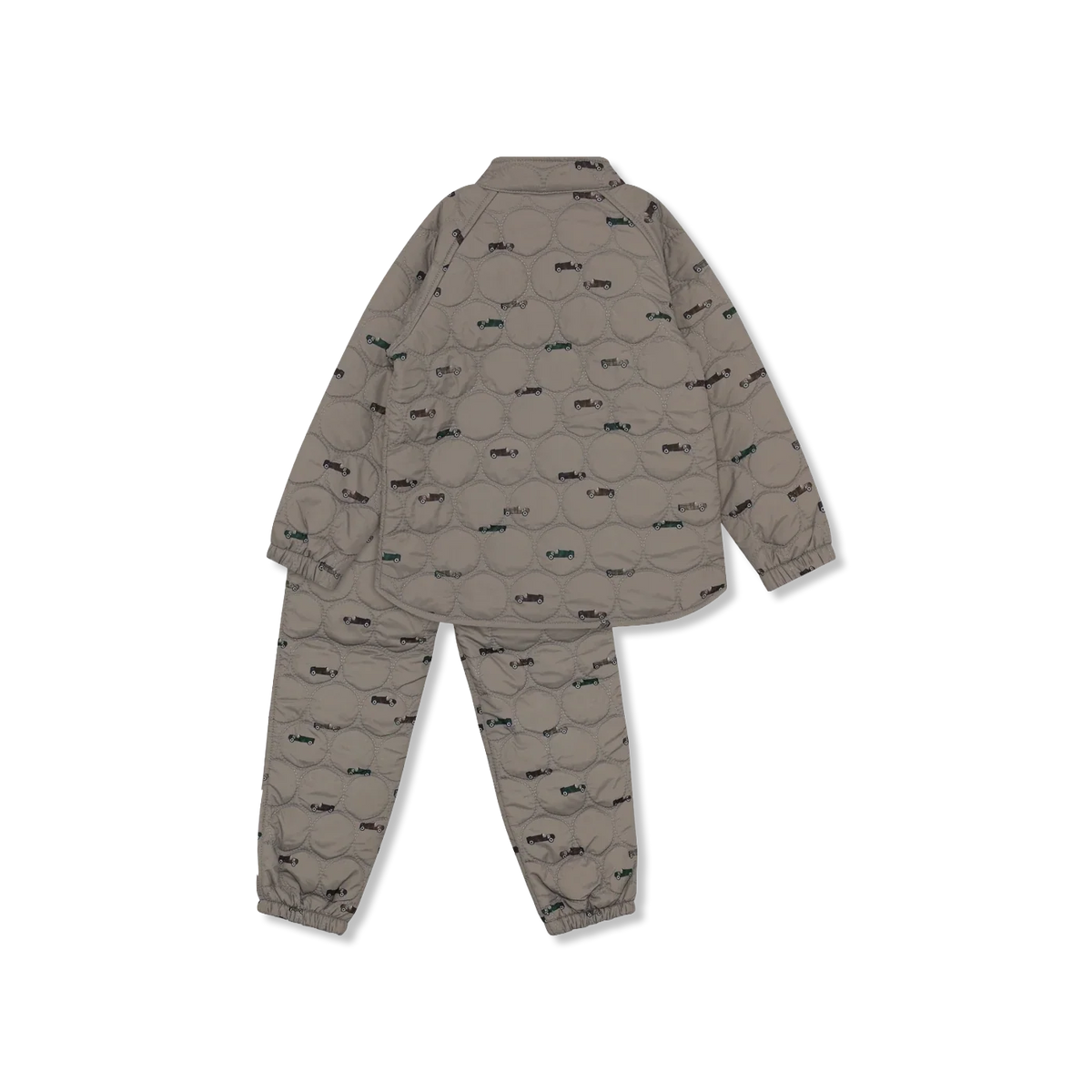
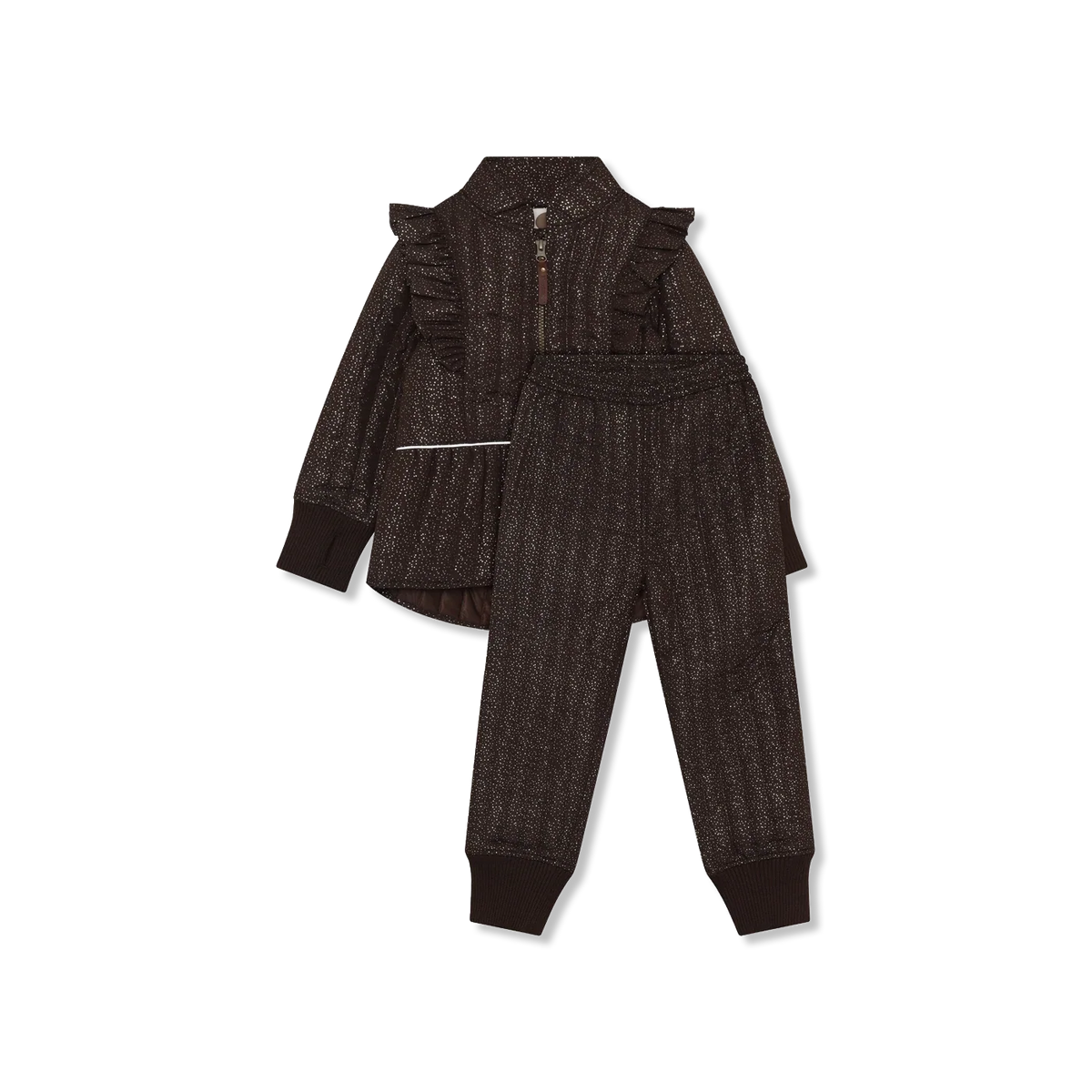
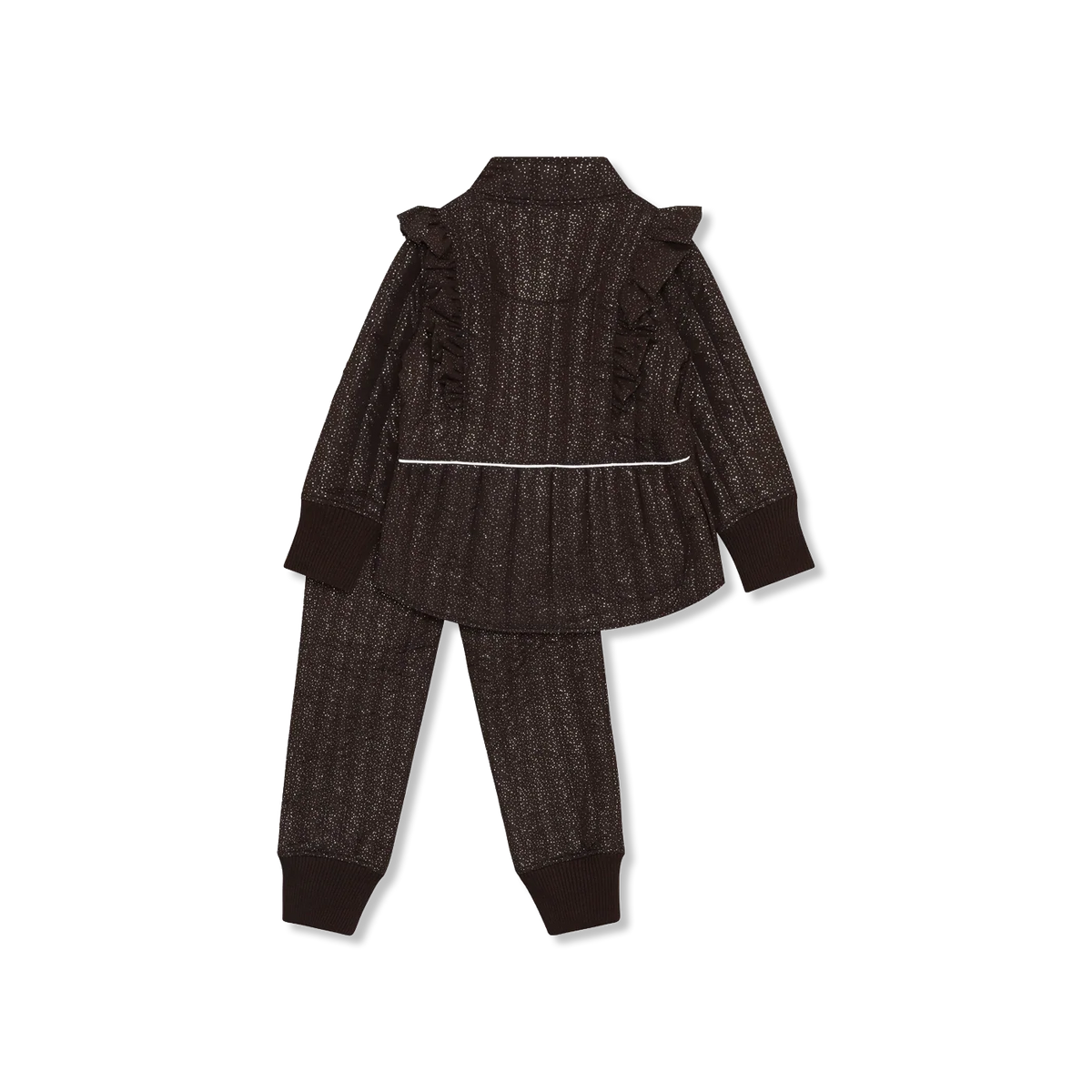
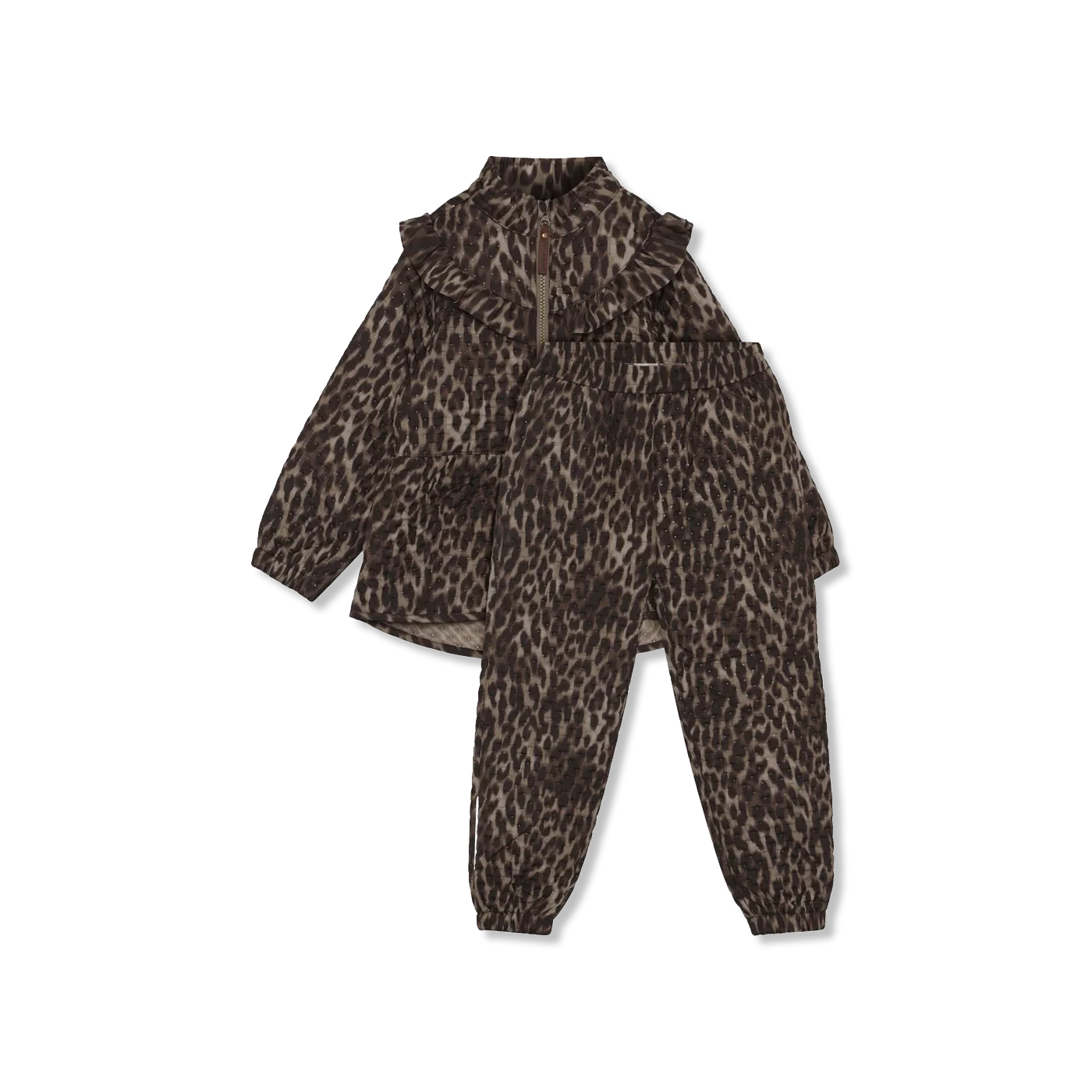
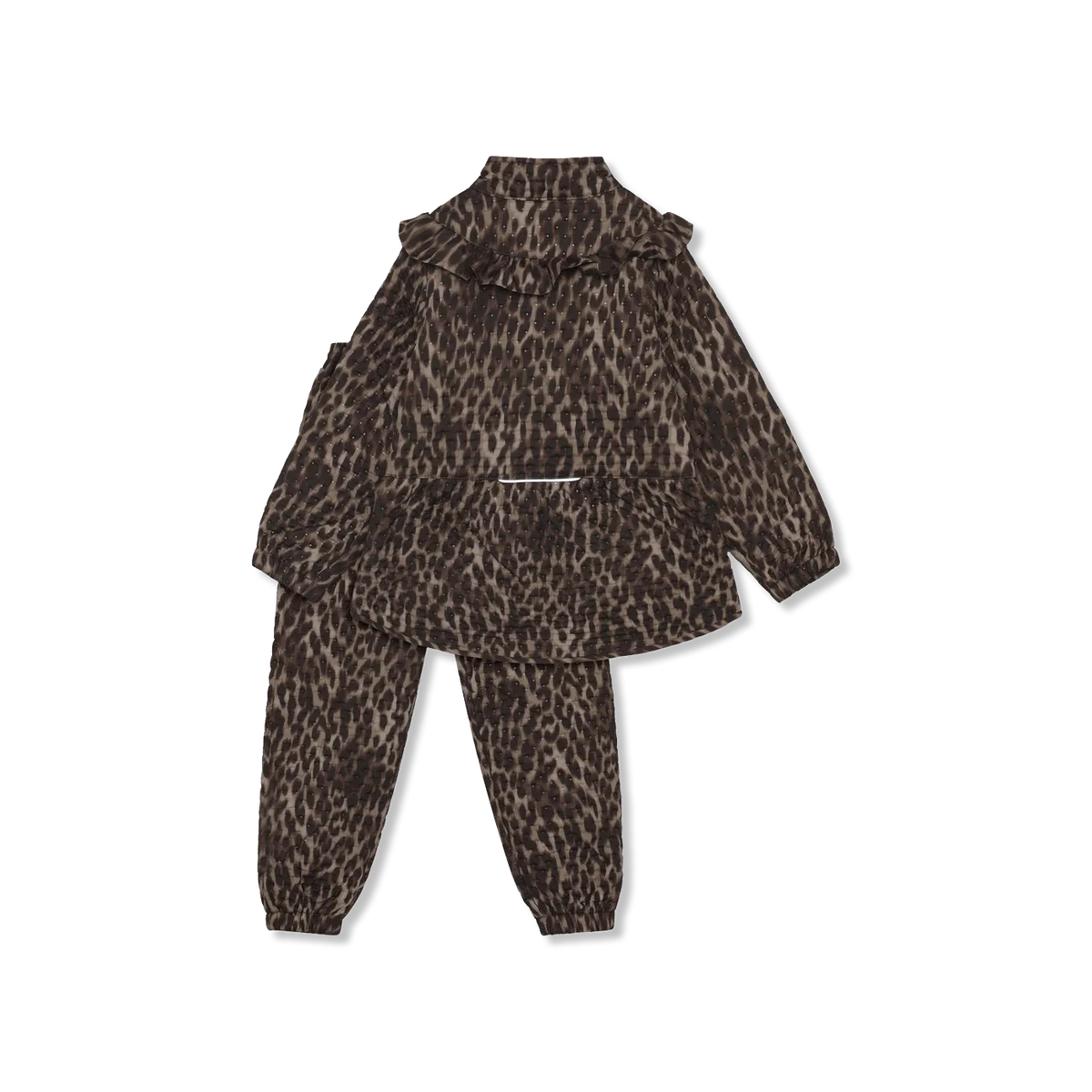
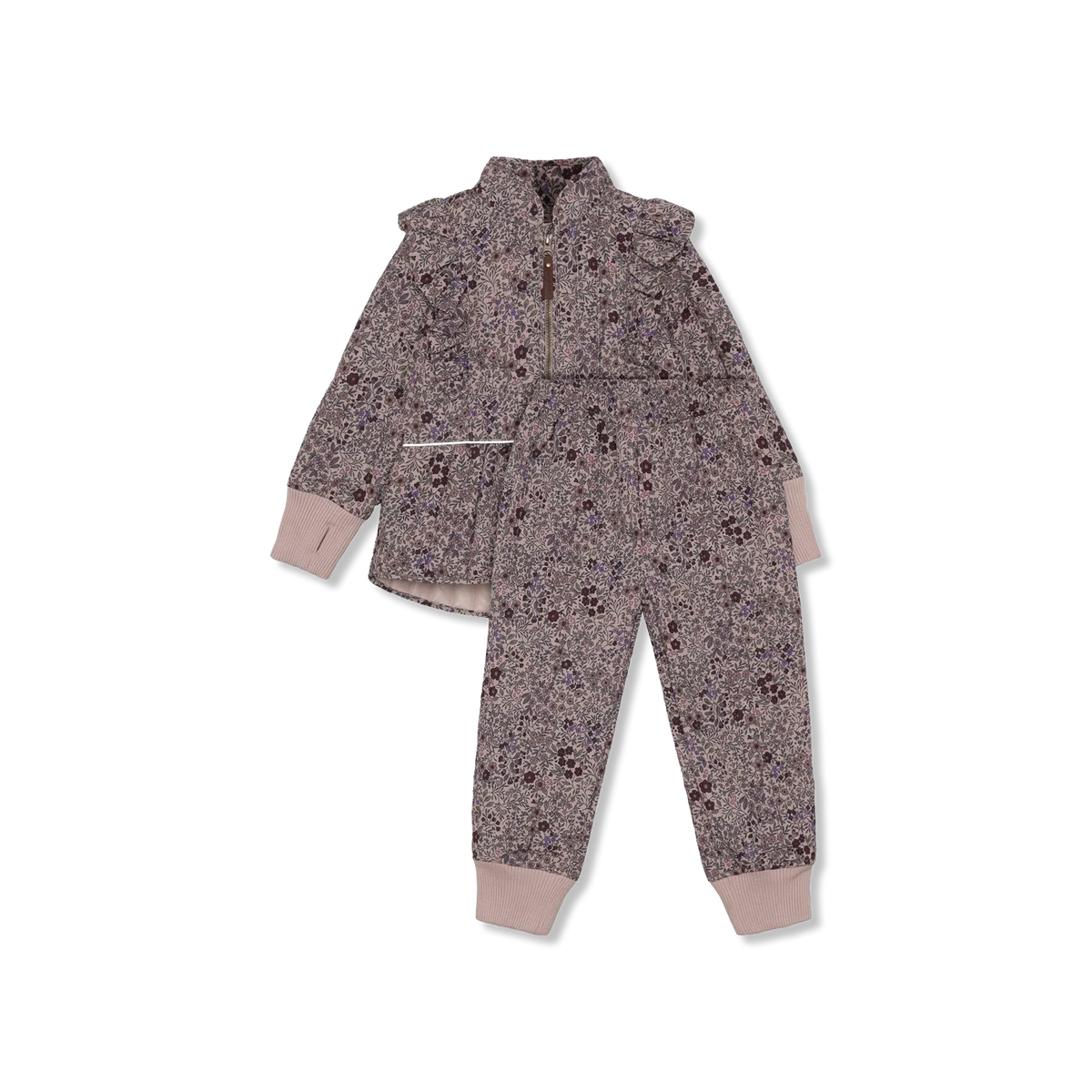
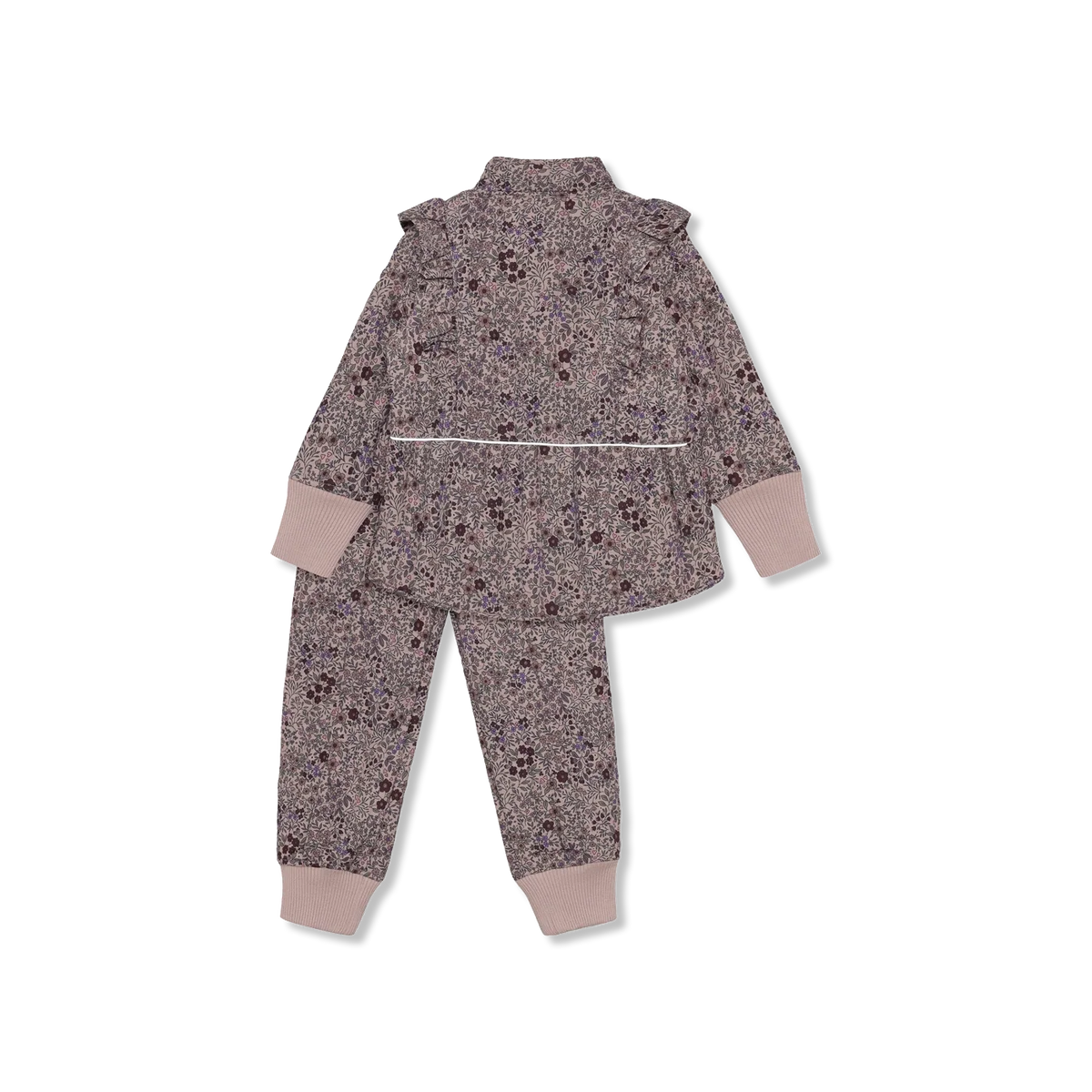
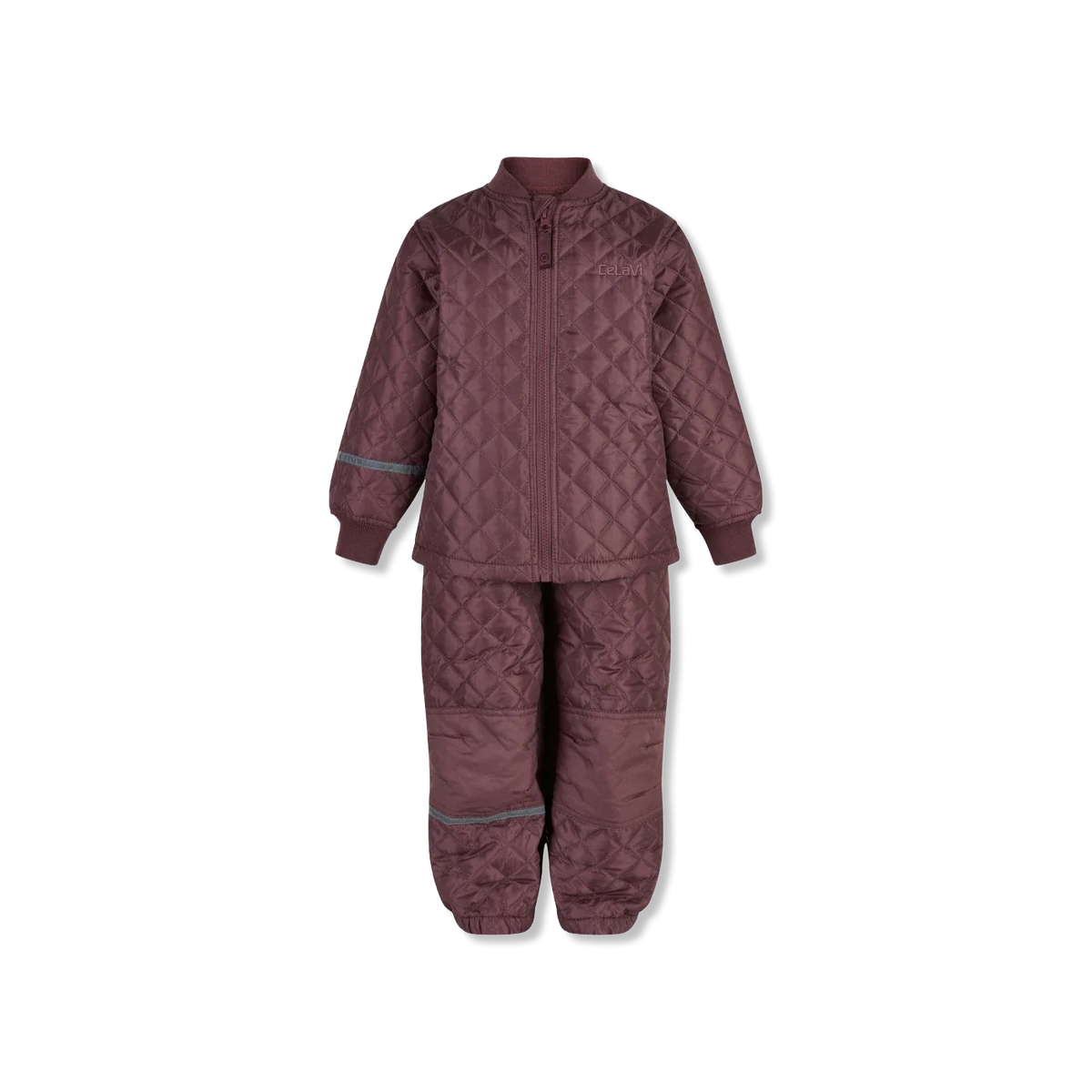
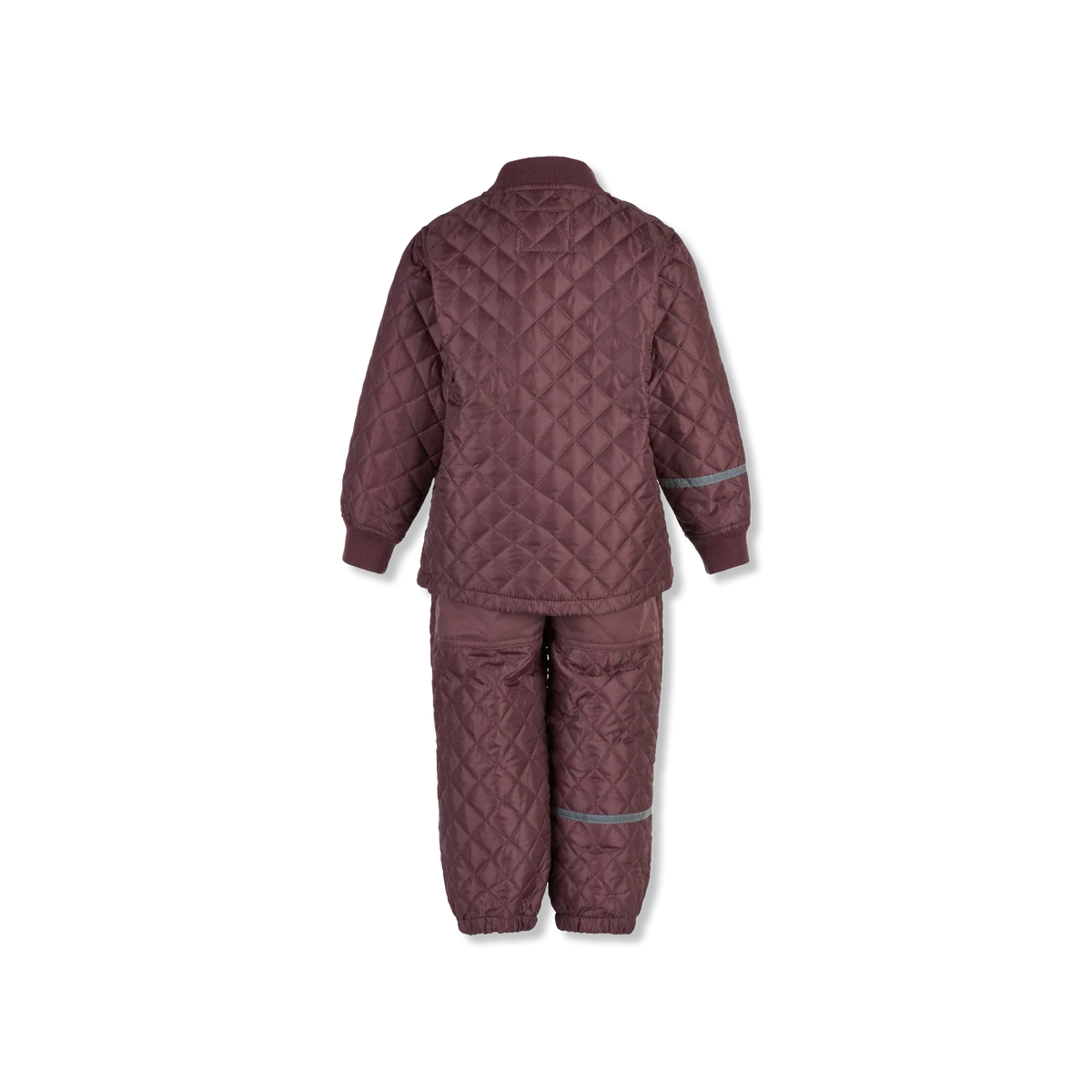
The collection includes complete thermal sets as well as separate pieces, making it easy to choose what suits your child's routine. A set creates a coordinated layer, while a separate thermal jacket or pair of trousers can be combined with clothes already in the wardrobe. The selection changes throughout the season, but comfort, function and room for active play remain the focus.
Choose a thermal set, jacket, trousers or suit
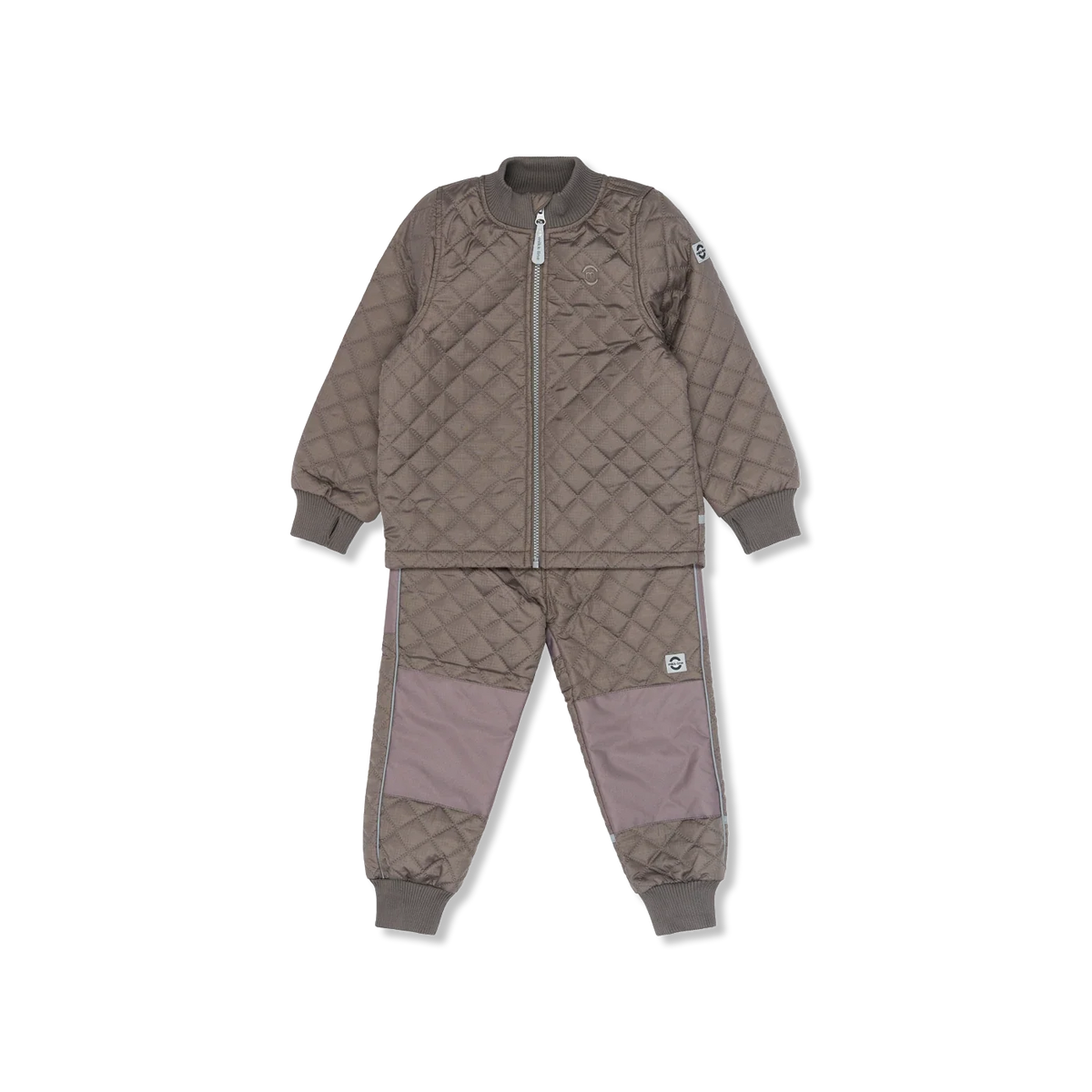
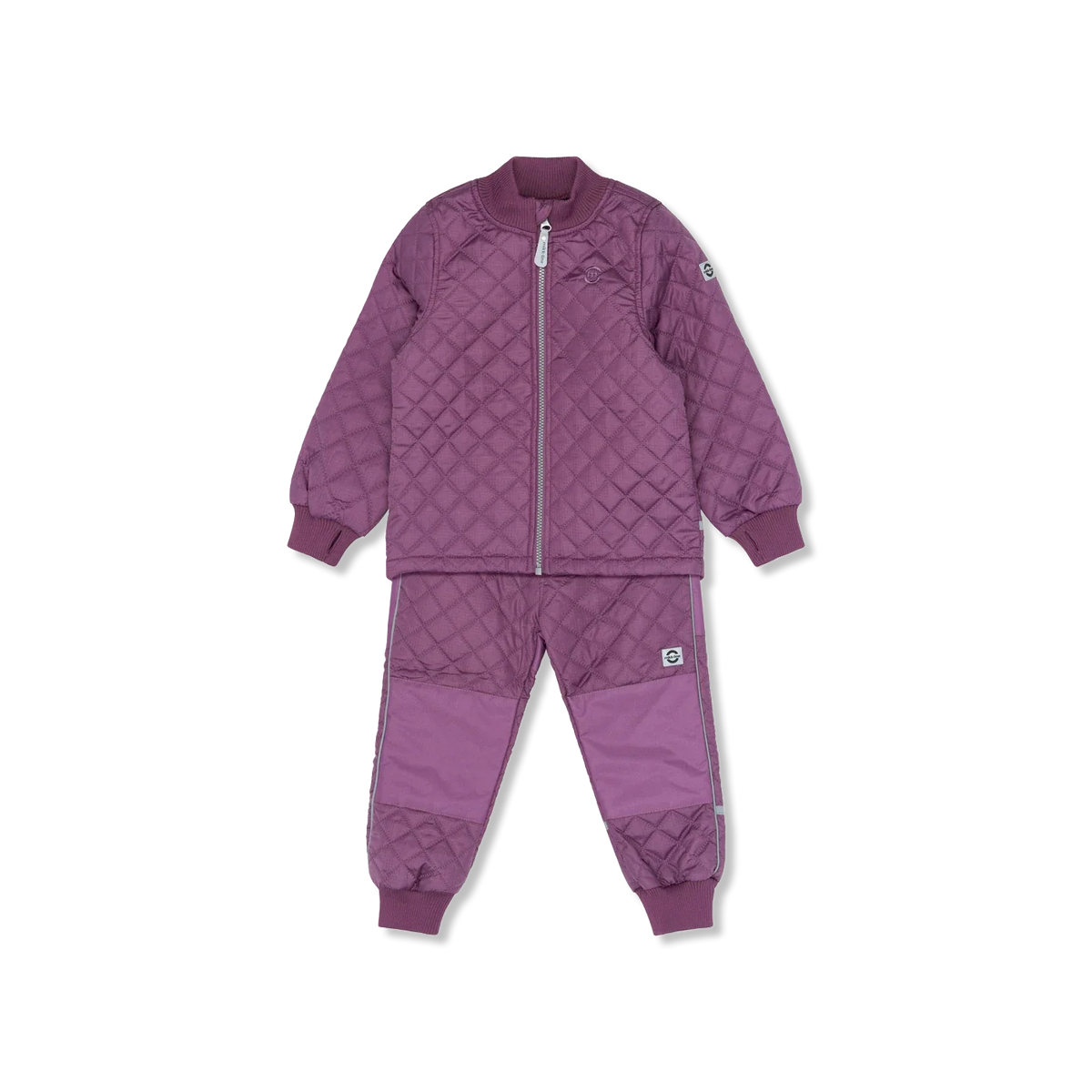
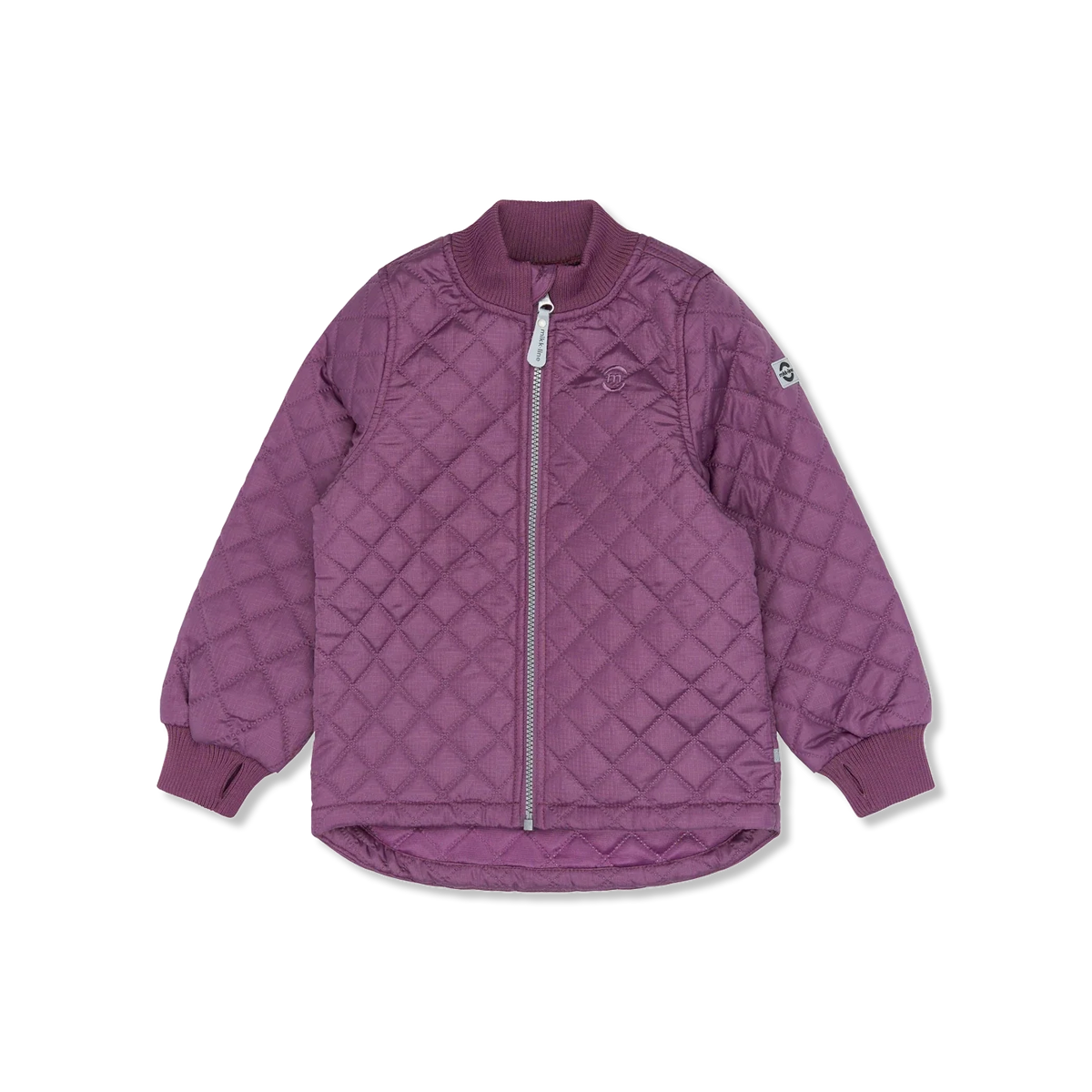
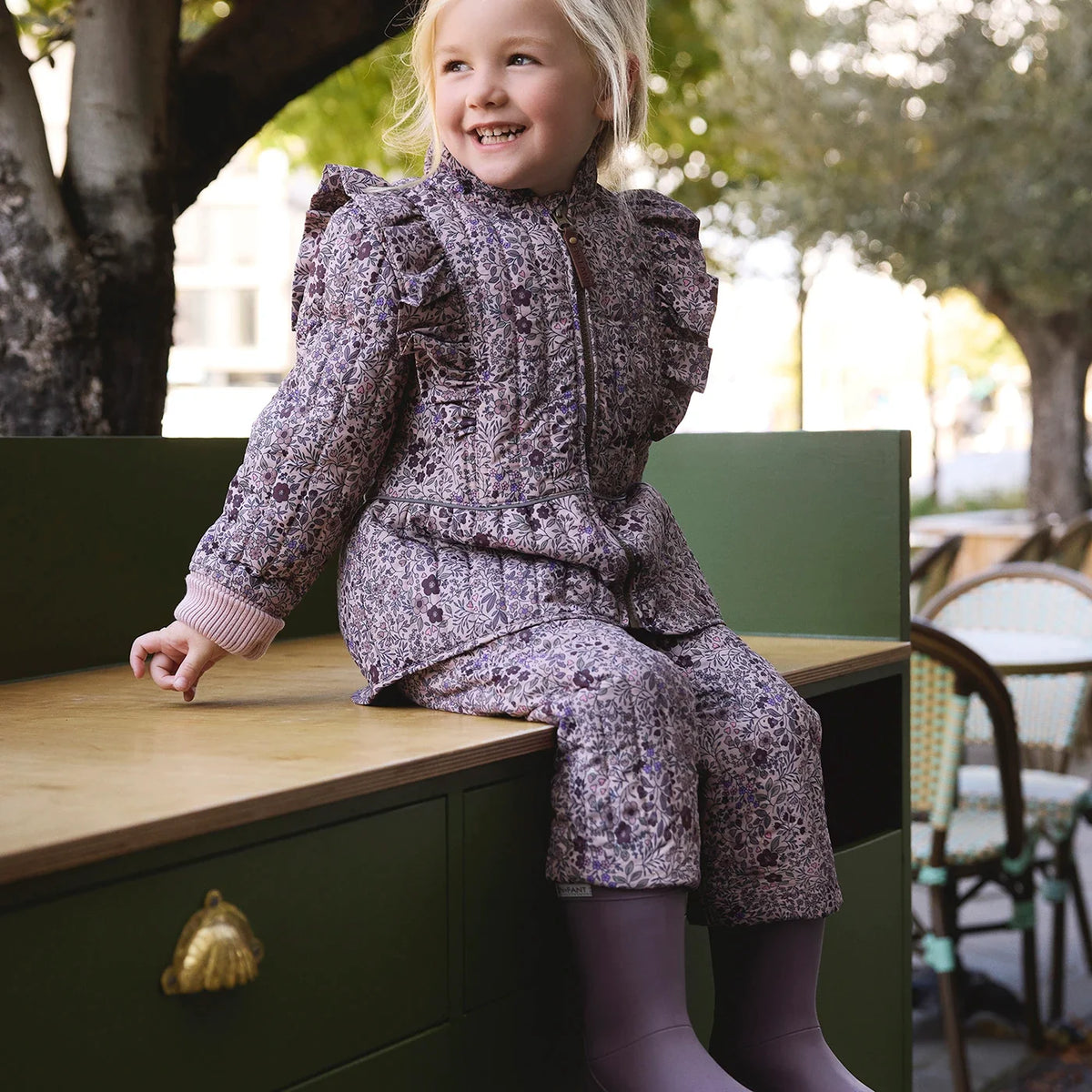
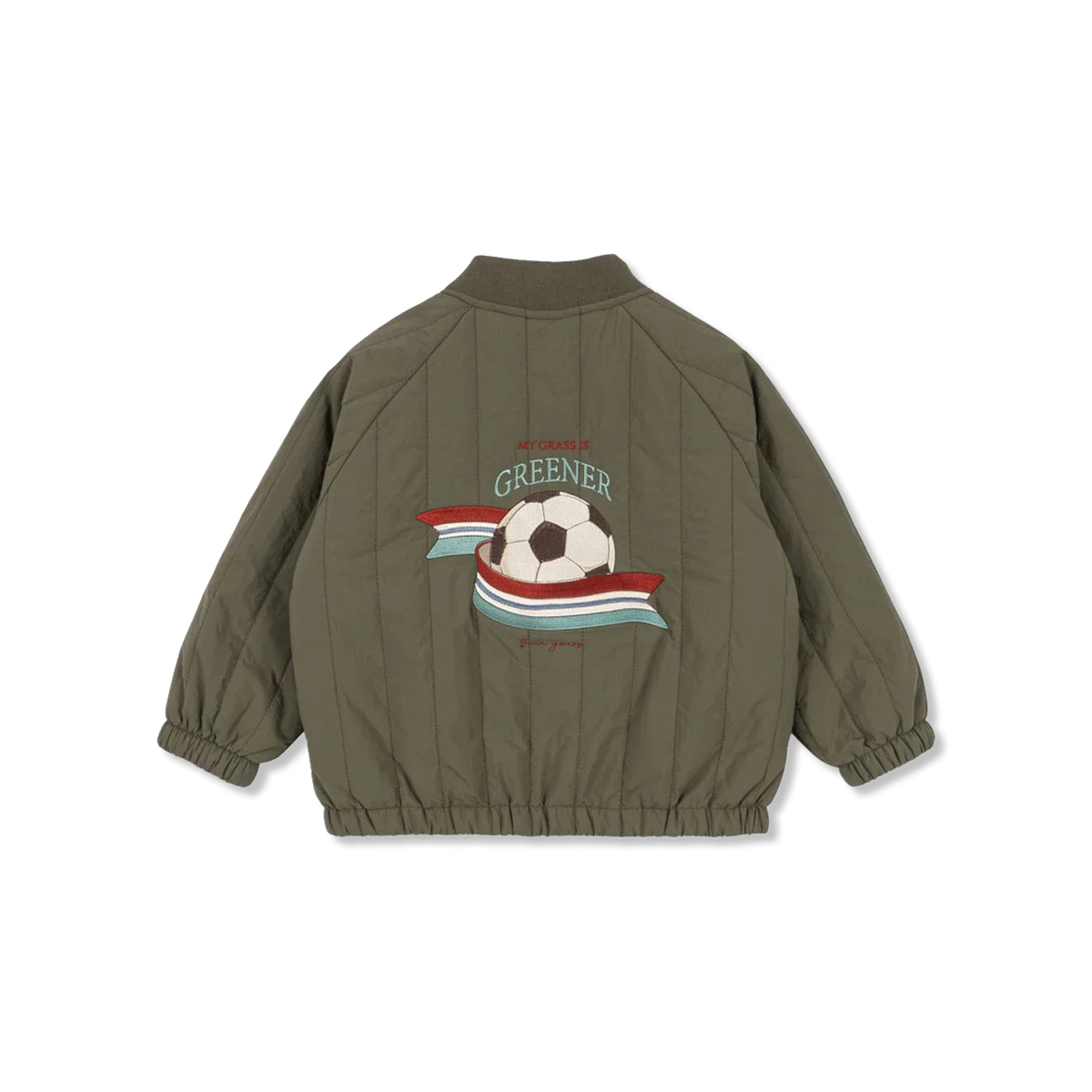
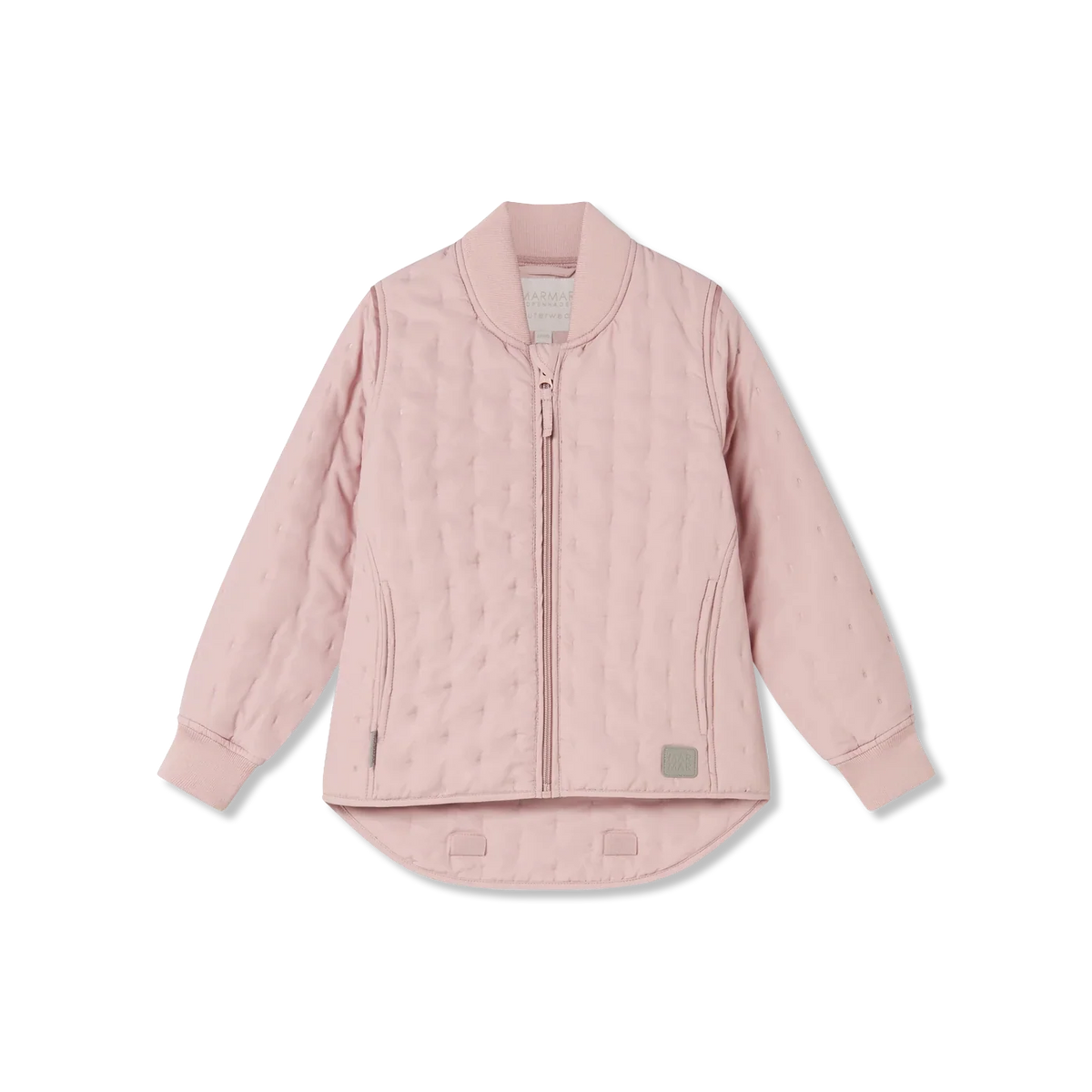
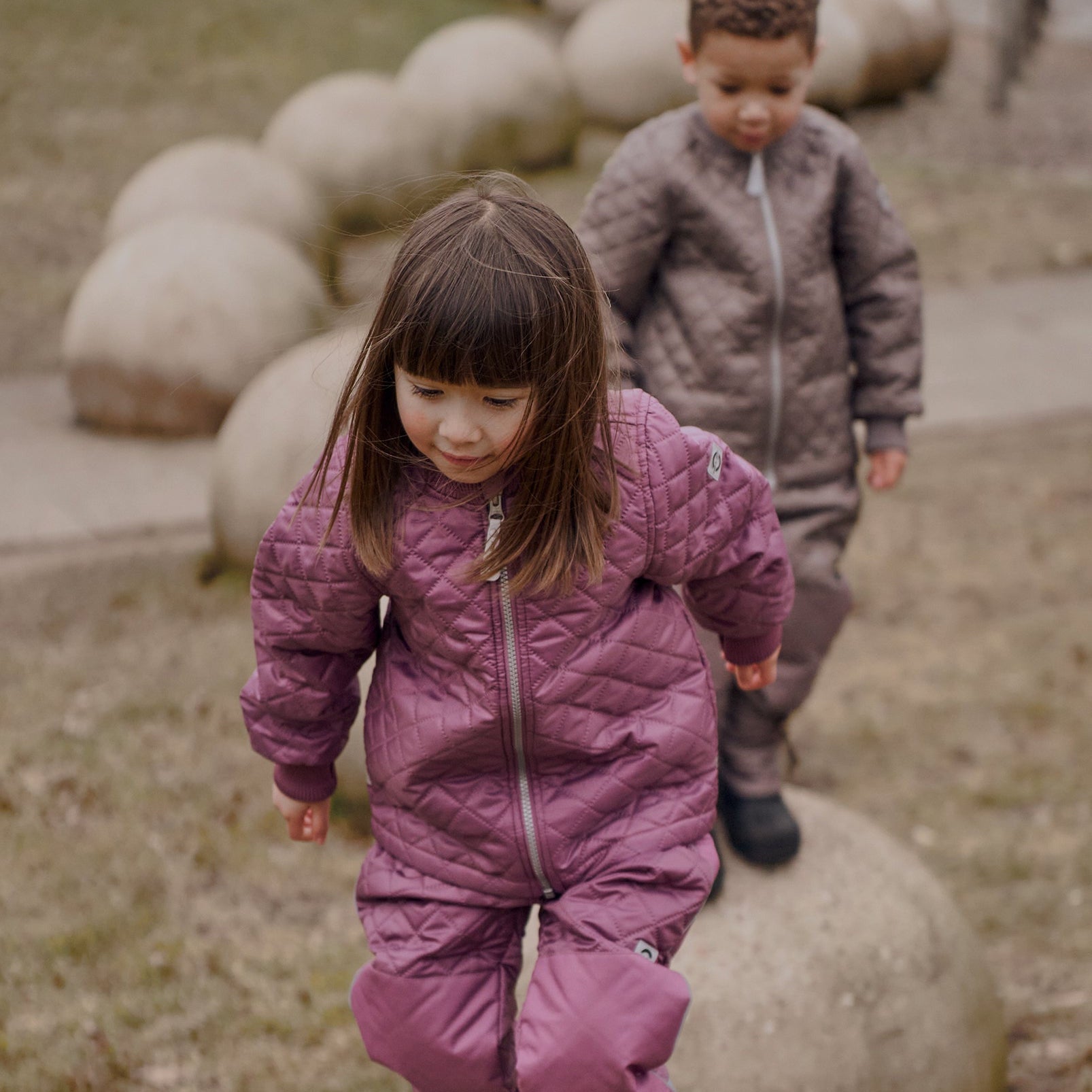
The right option depends mainly on your child's age, activity level and how the clothing will be used. A thermal set usually includes a jacket and trousers and is a versatile choice for nursery, school and outdoor play. The two pieces can be worn together on cooler days or separately as the temperature rises.
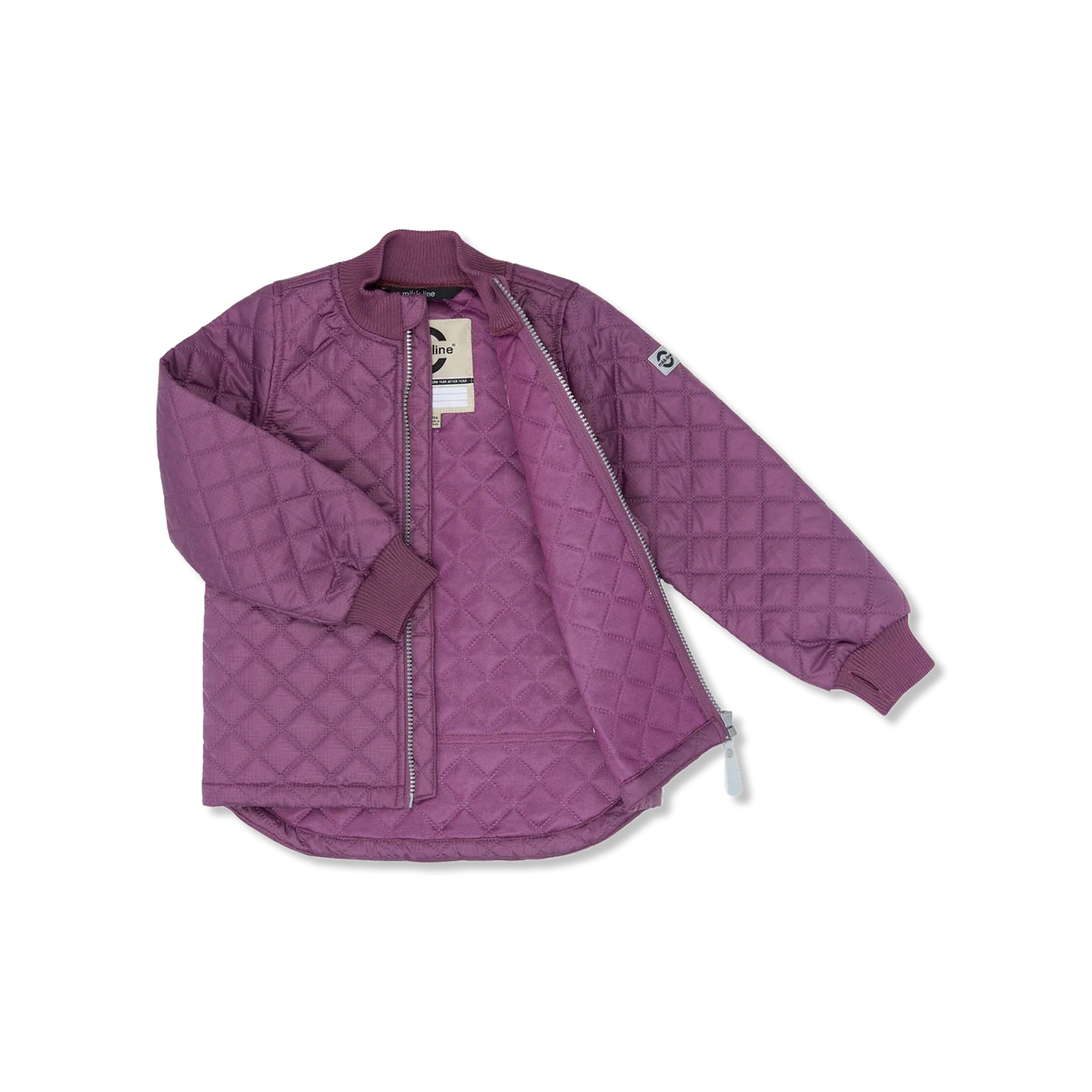
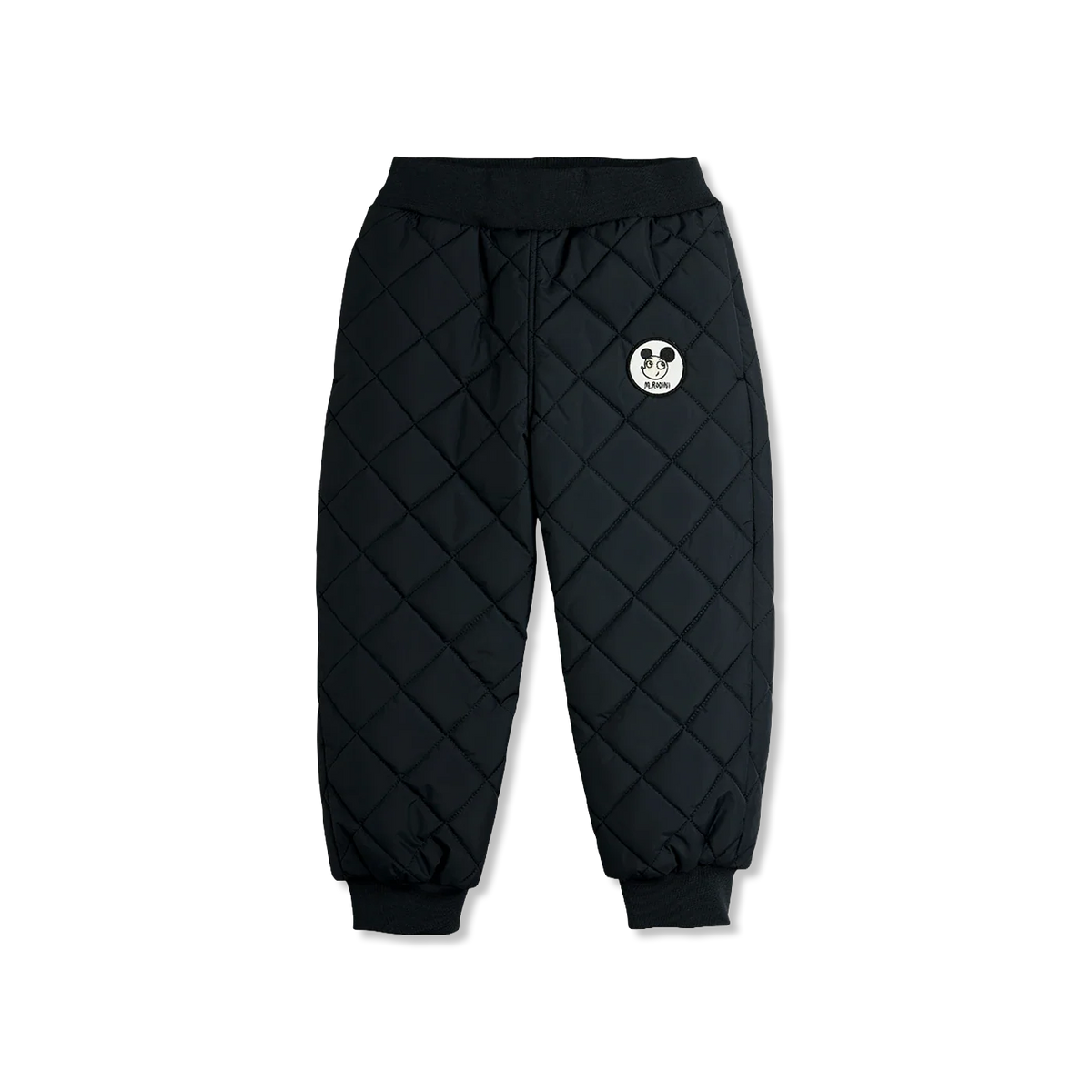
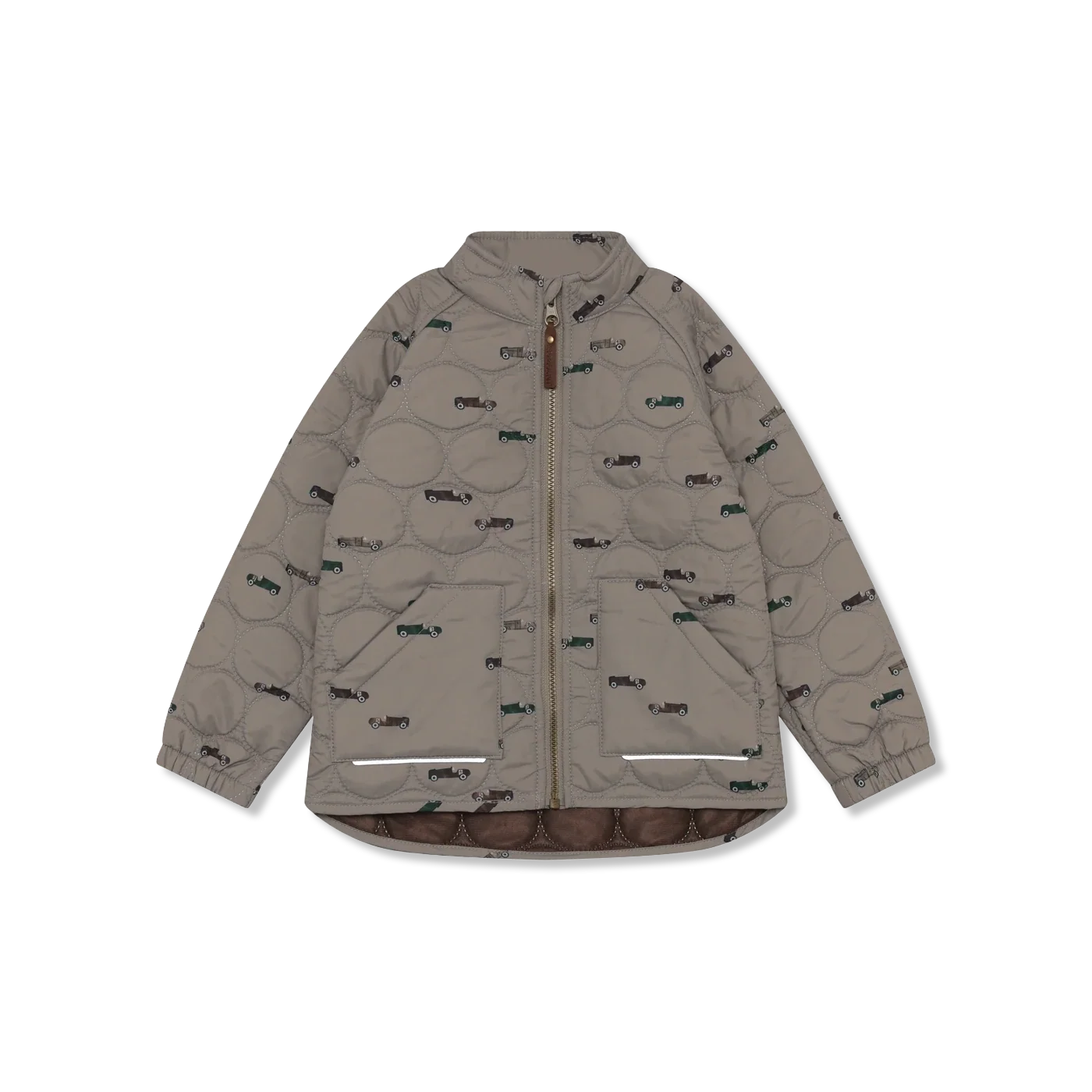
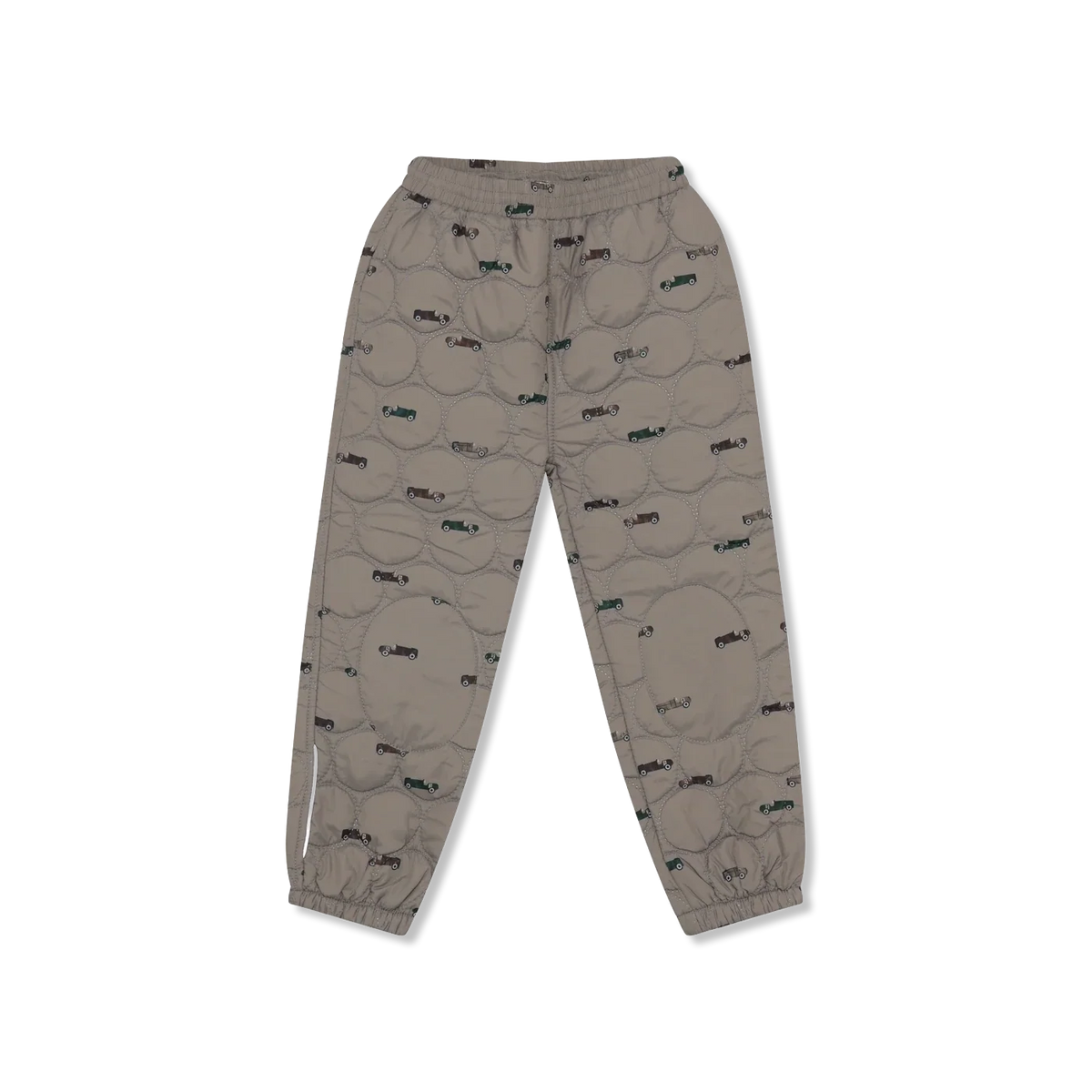
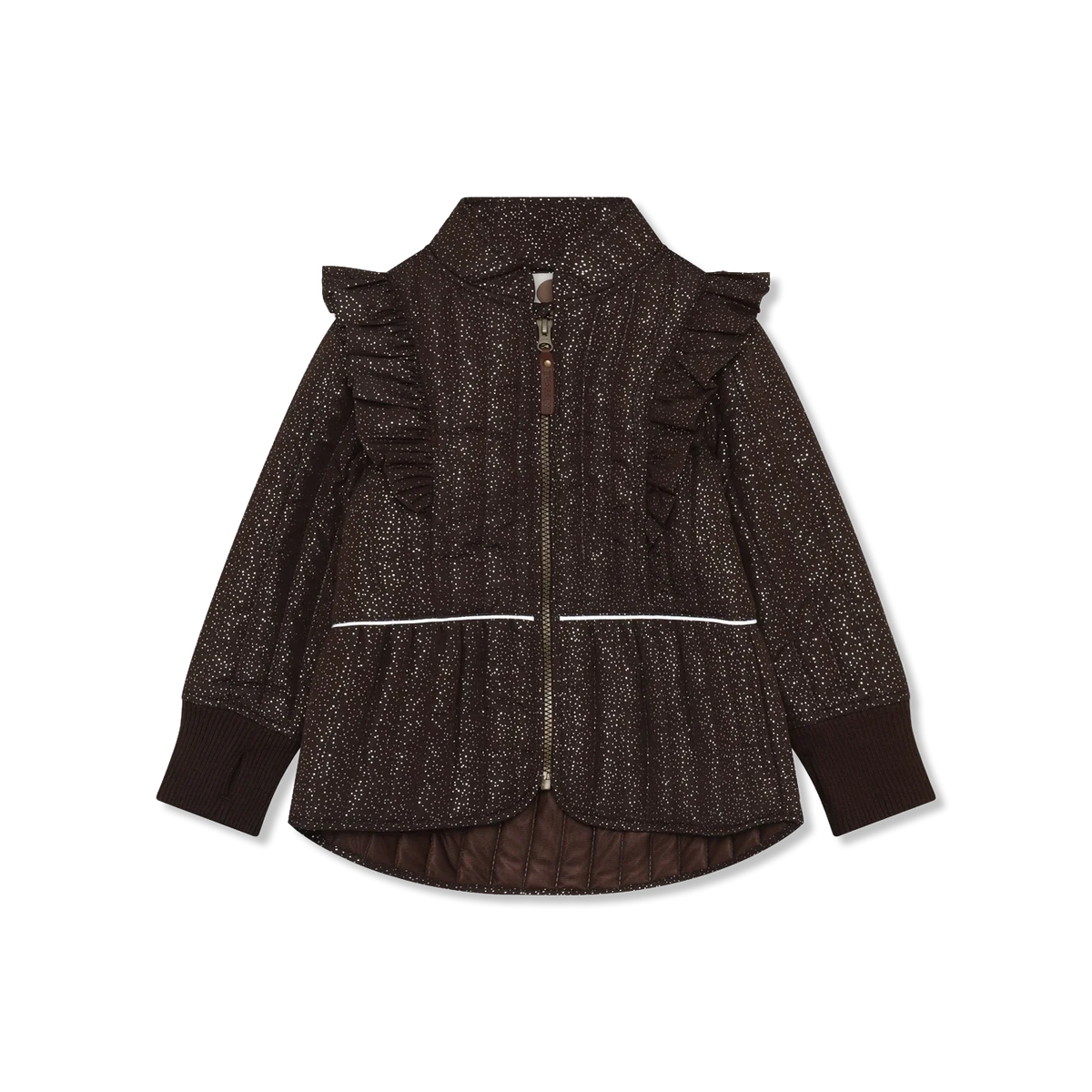
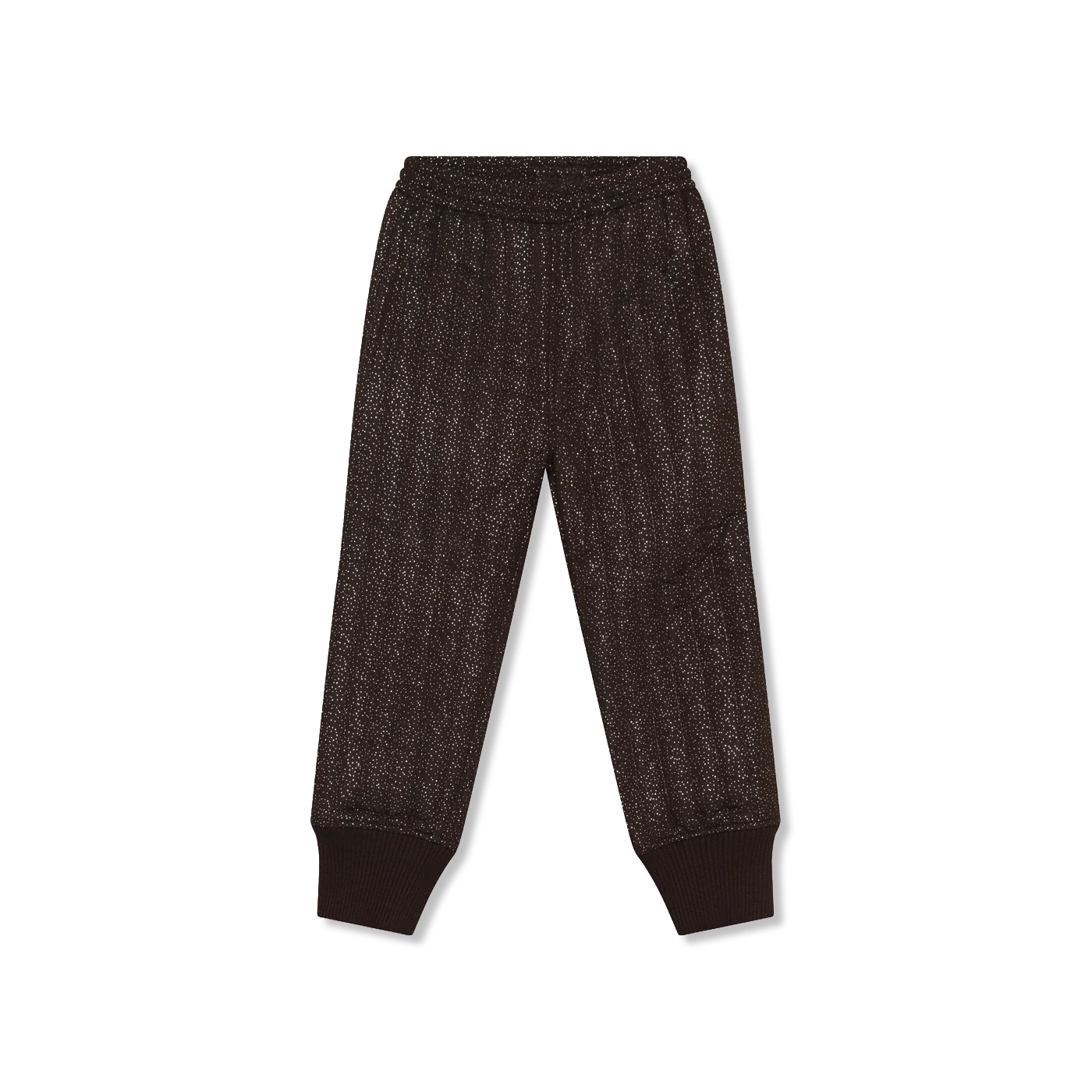
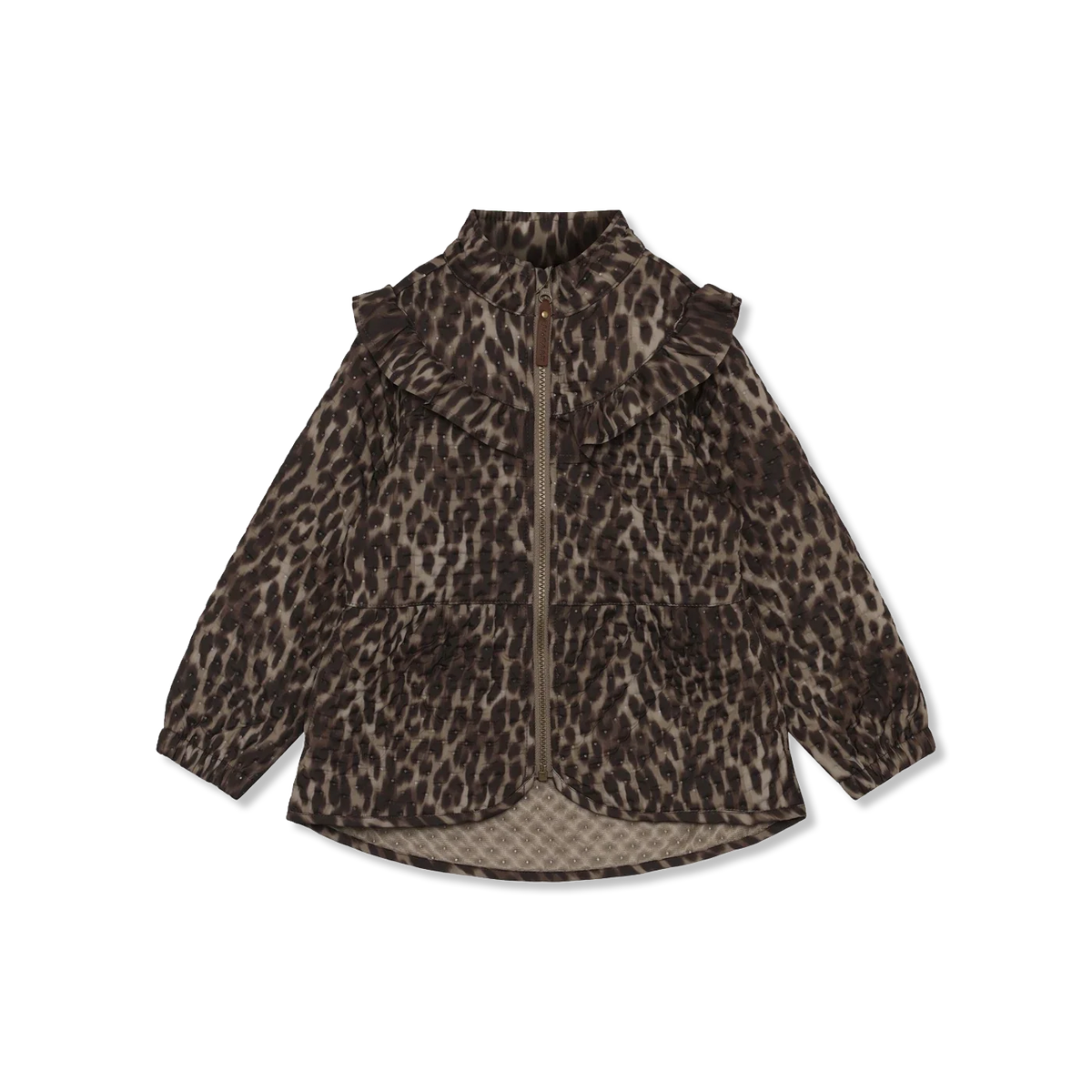
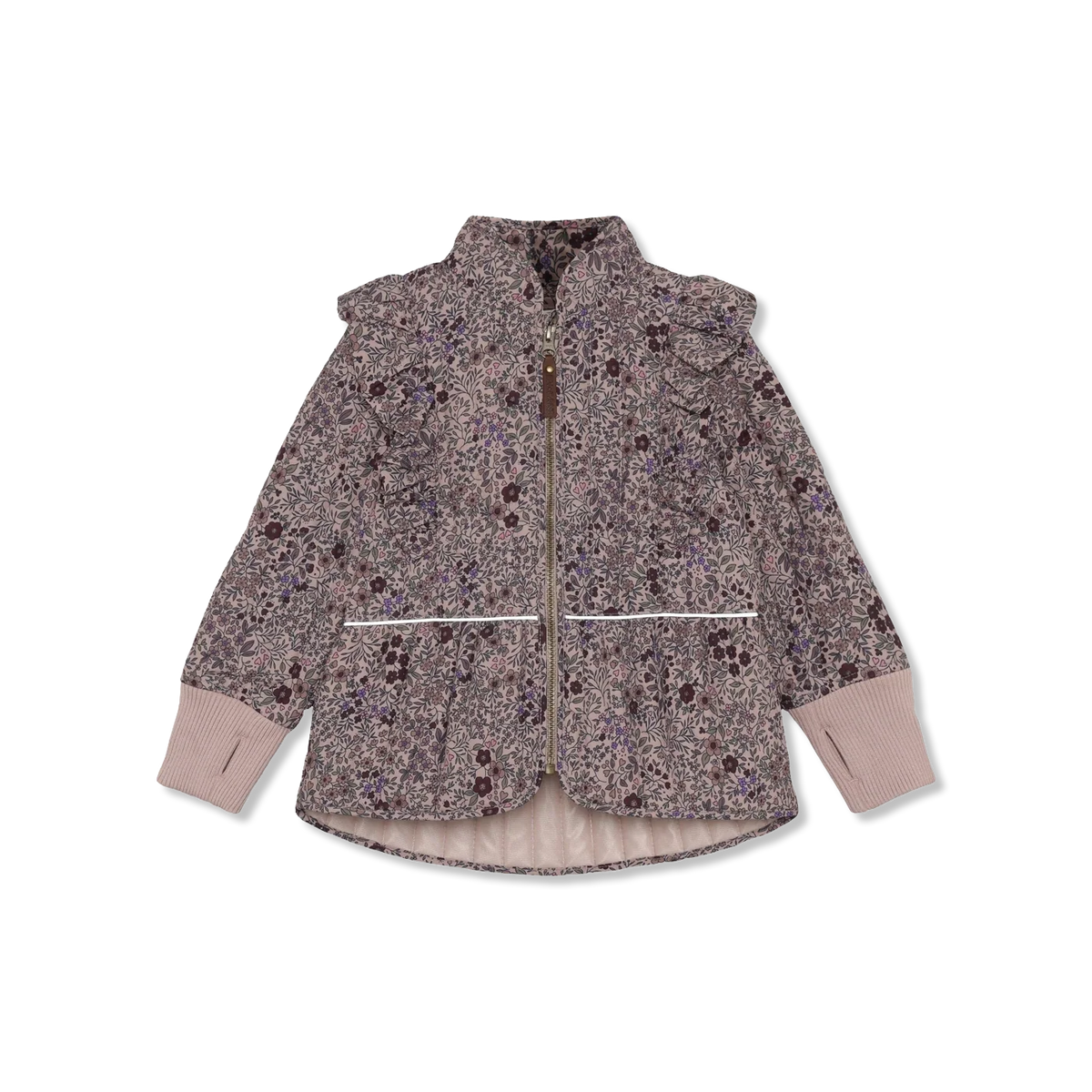
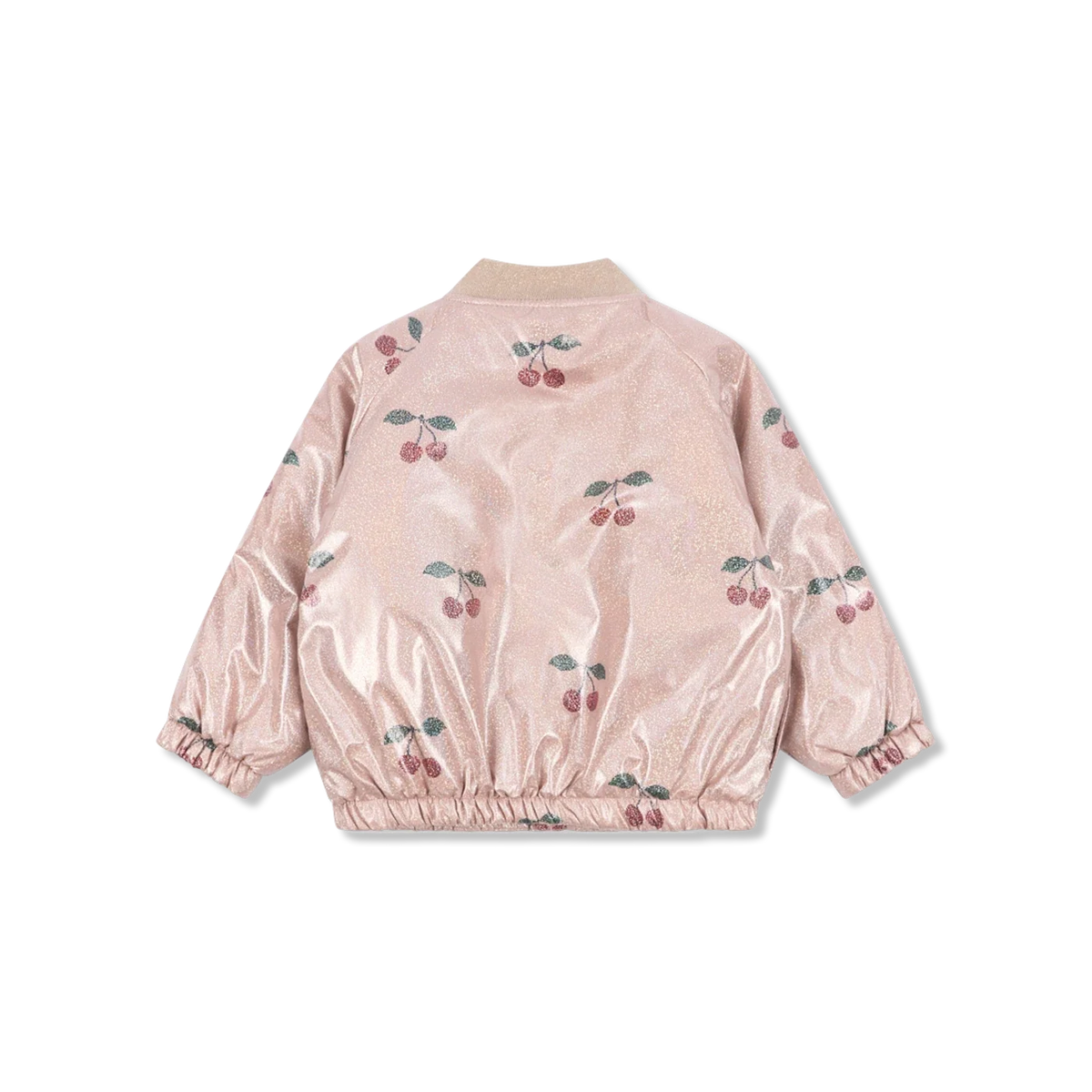
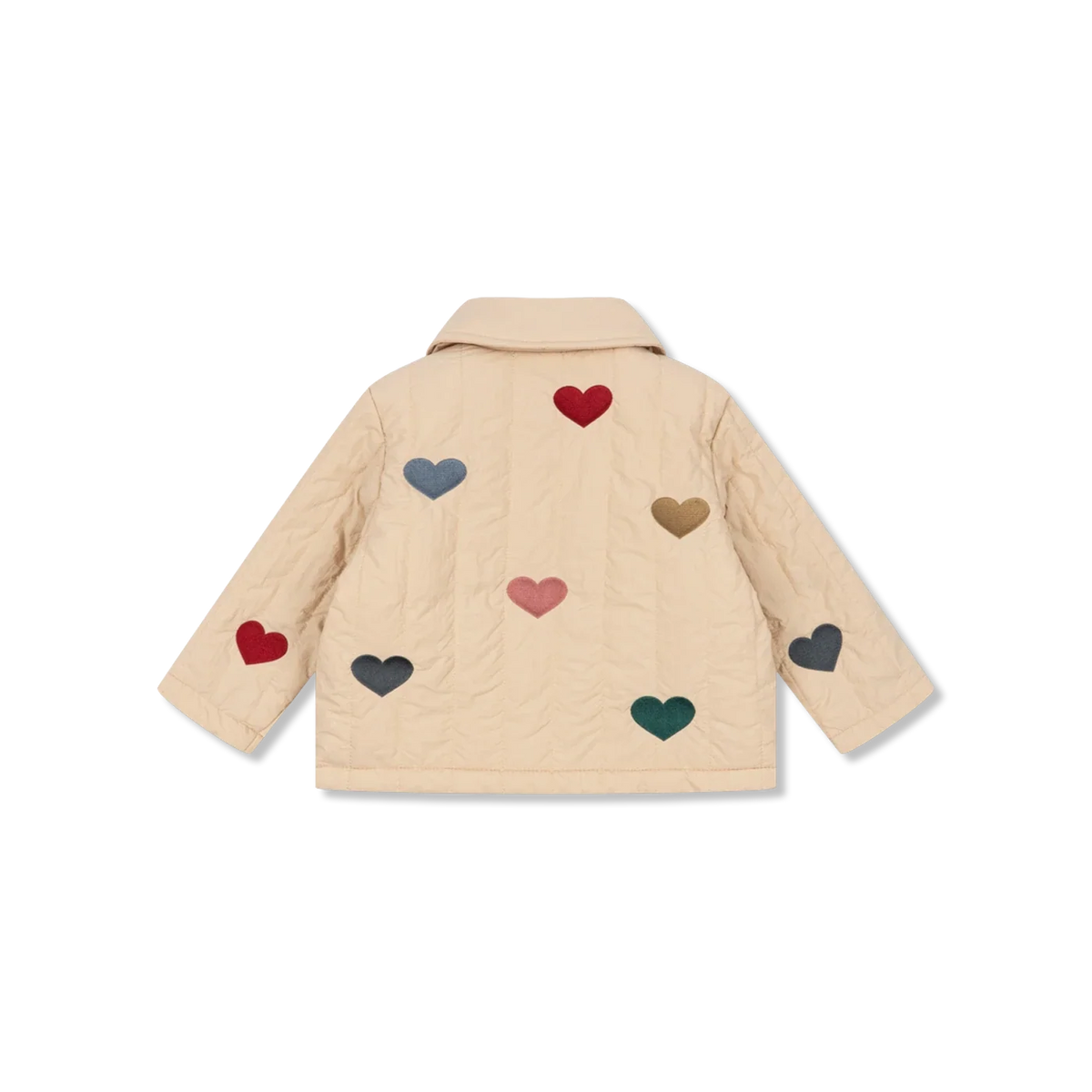
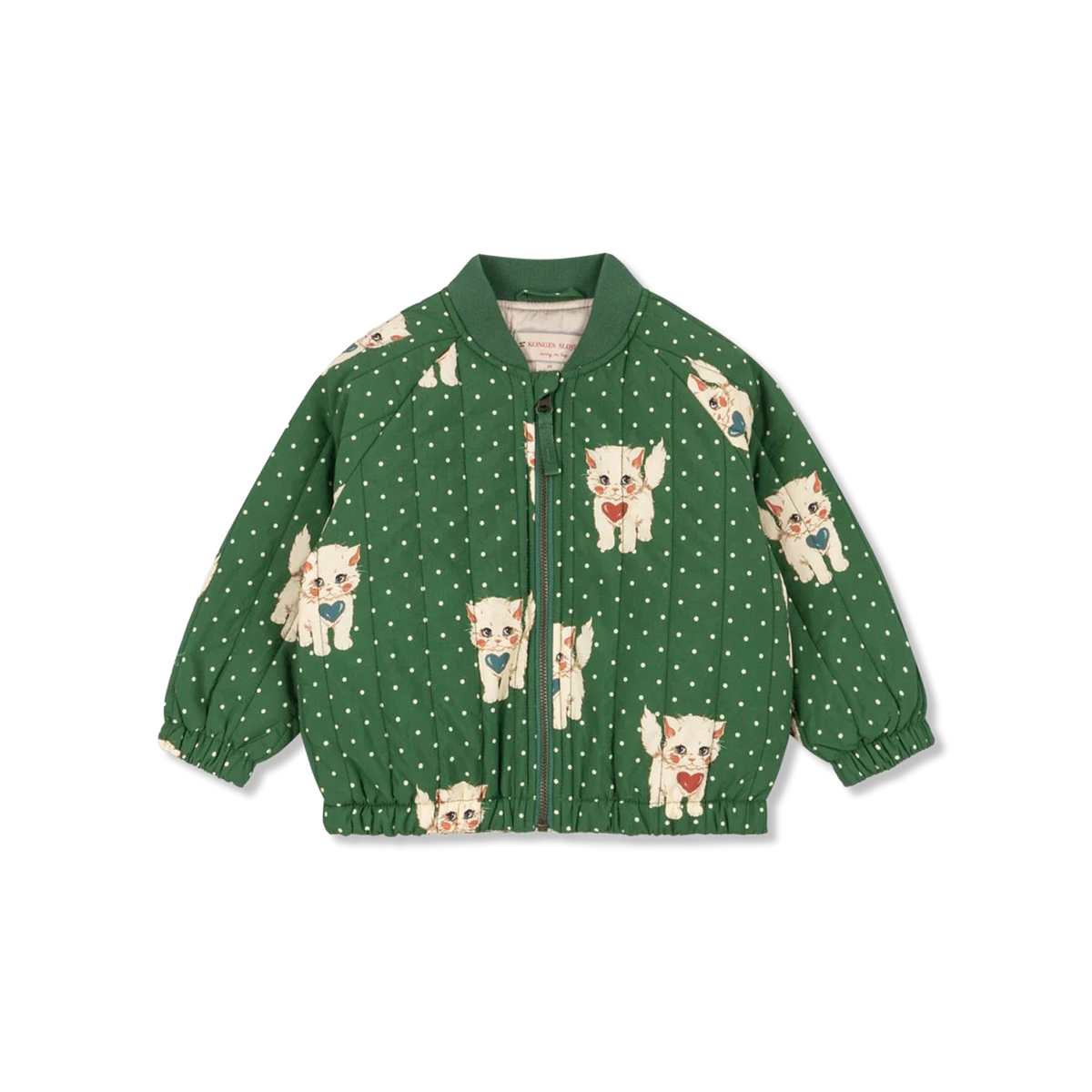
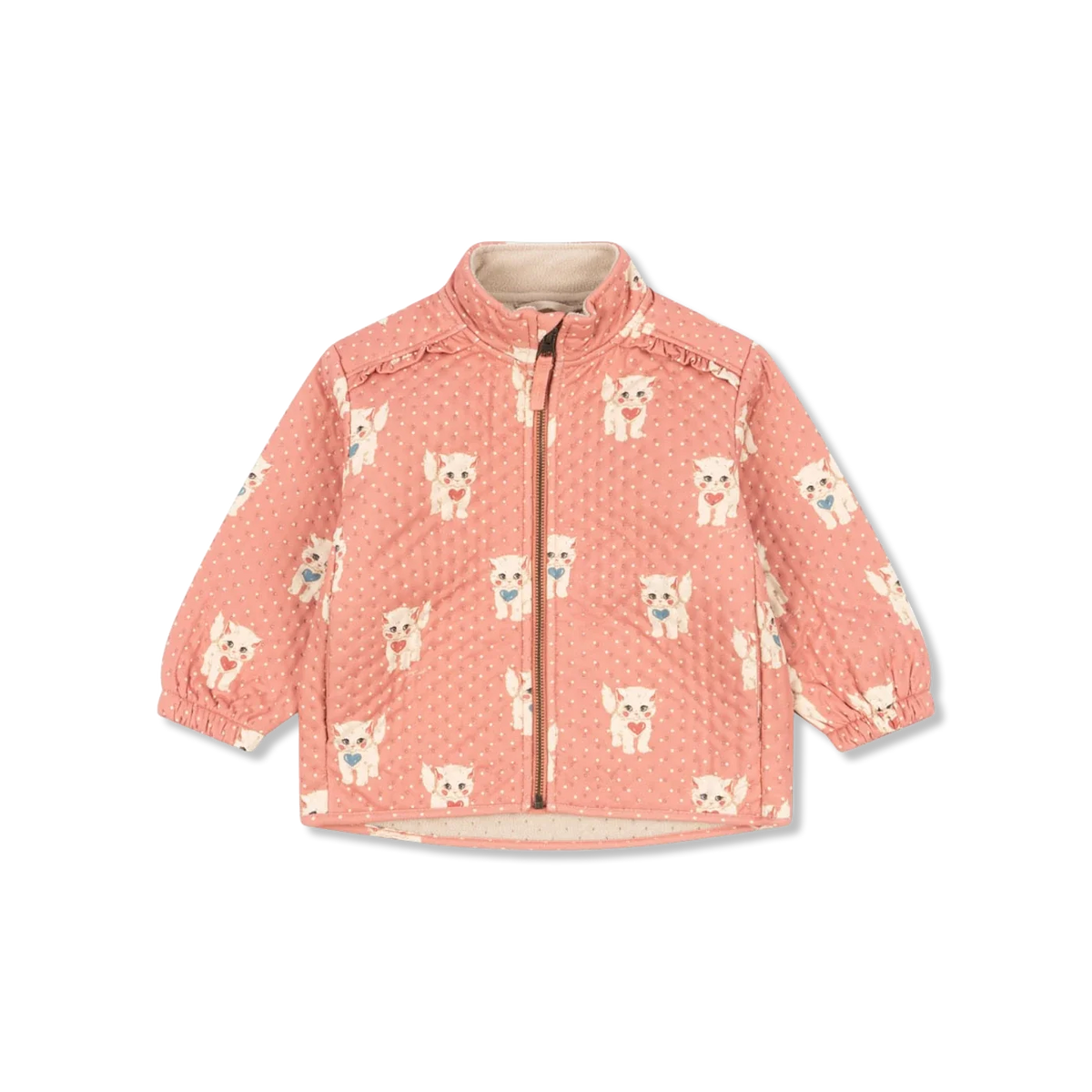
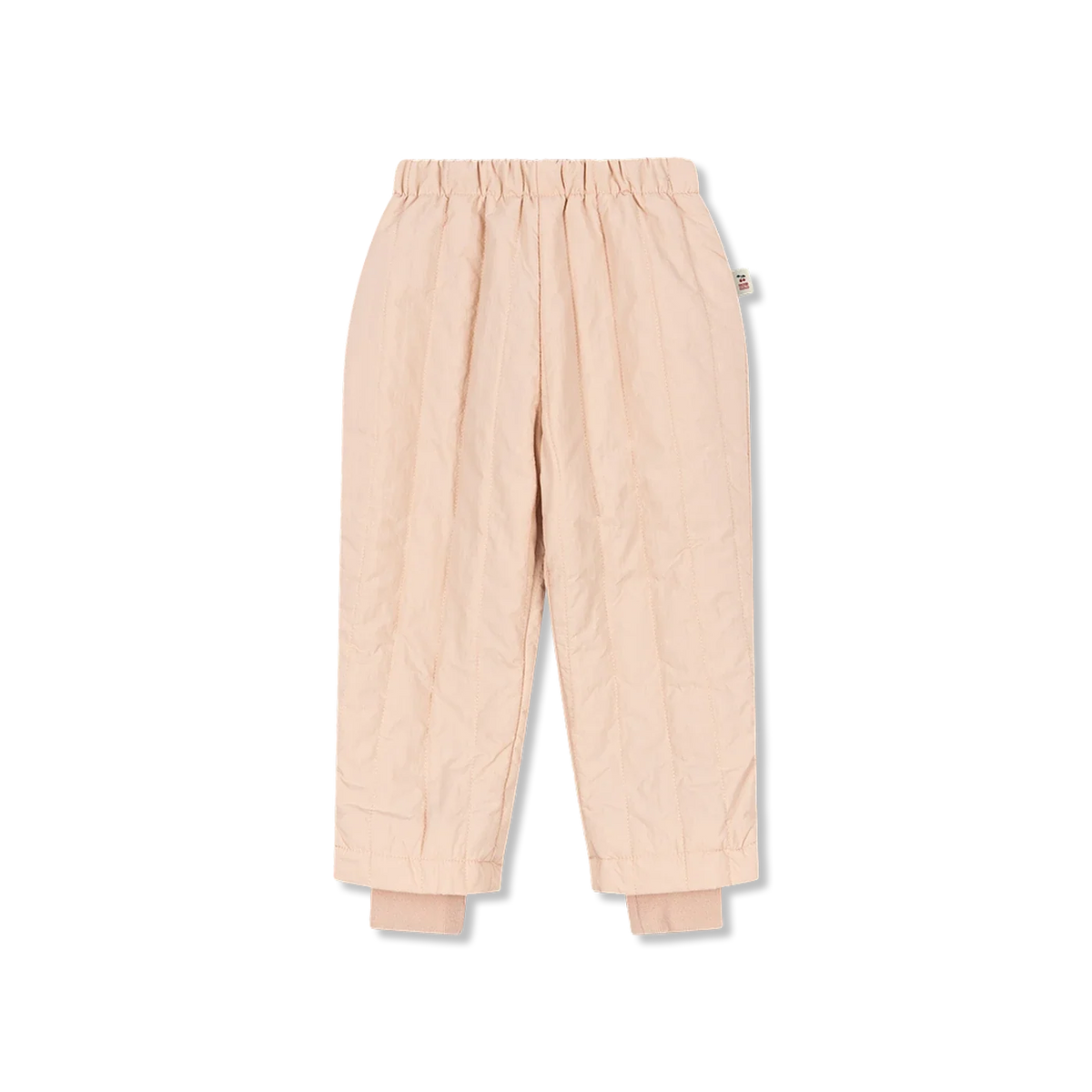
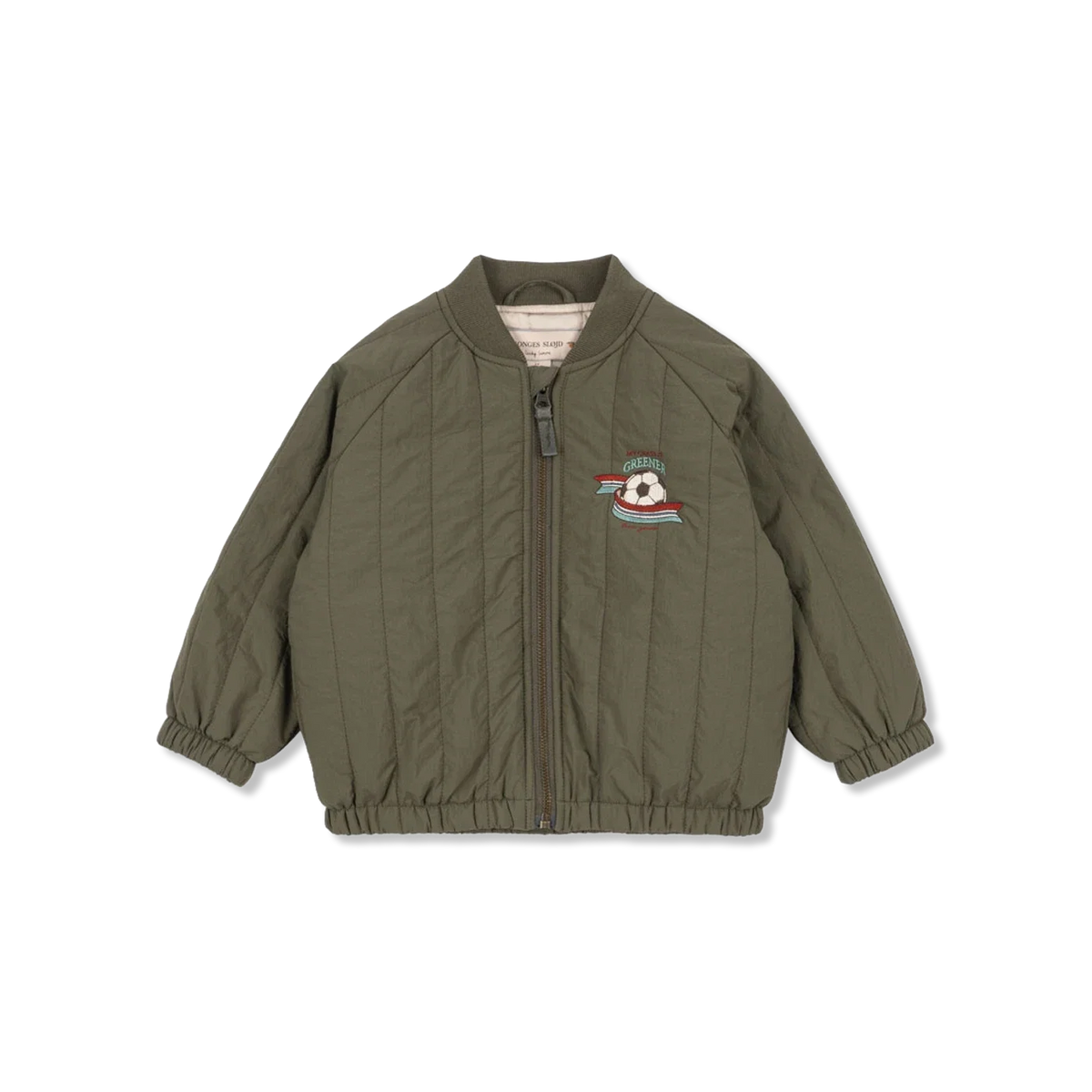
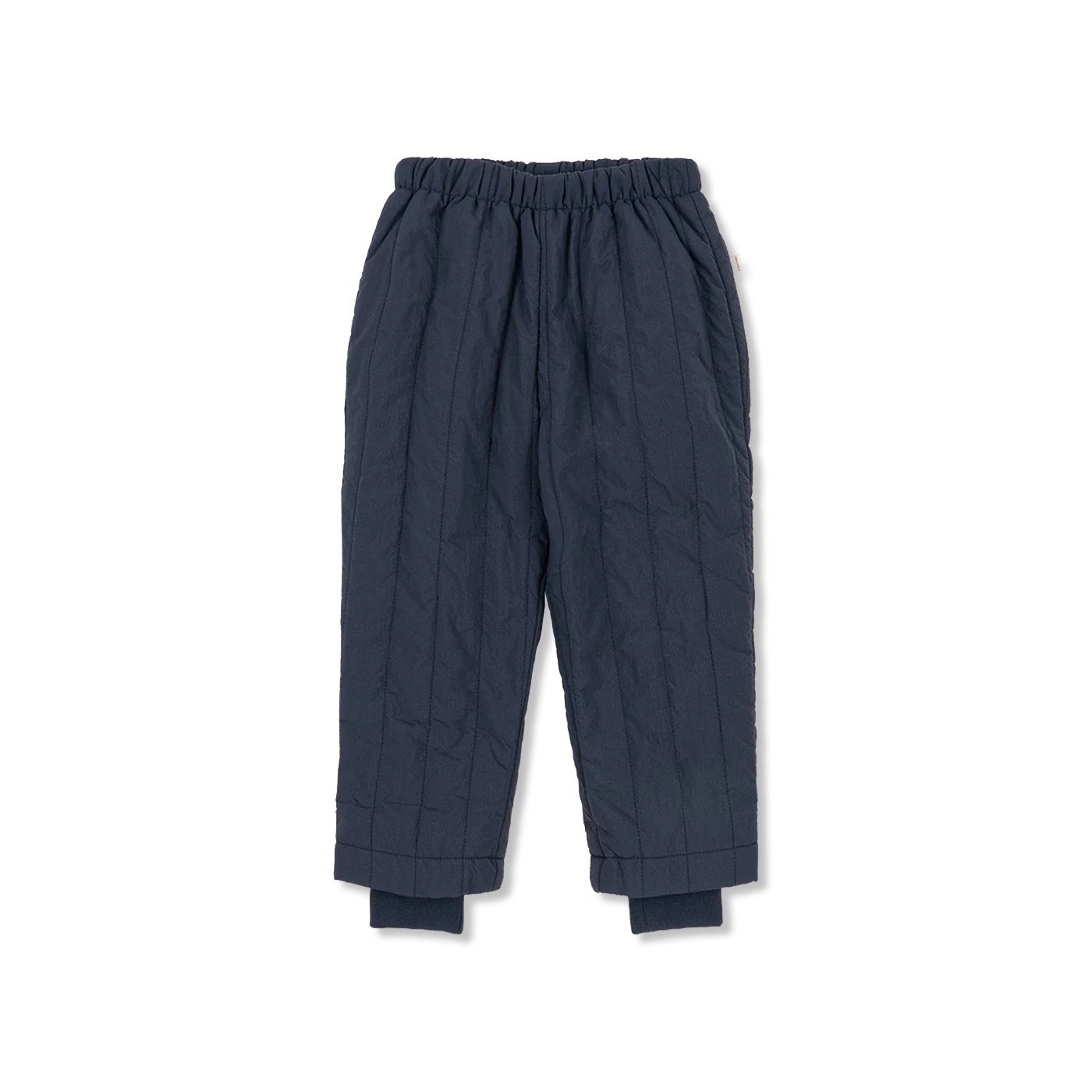
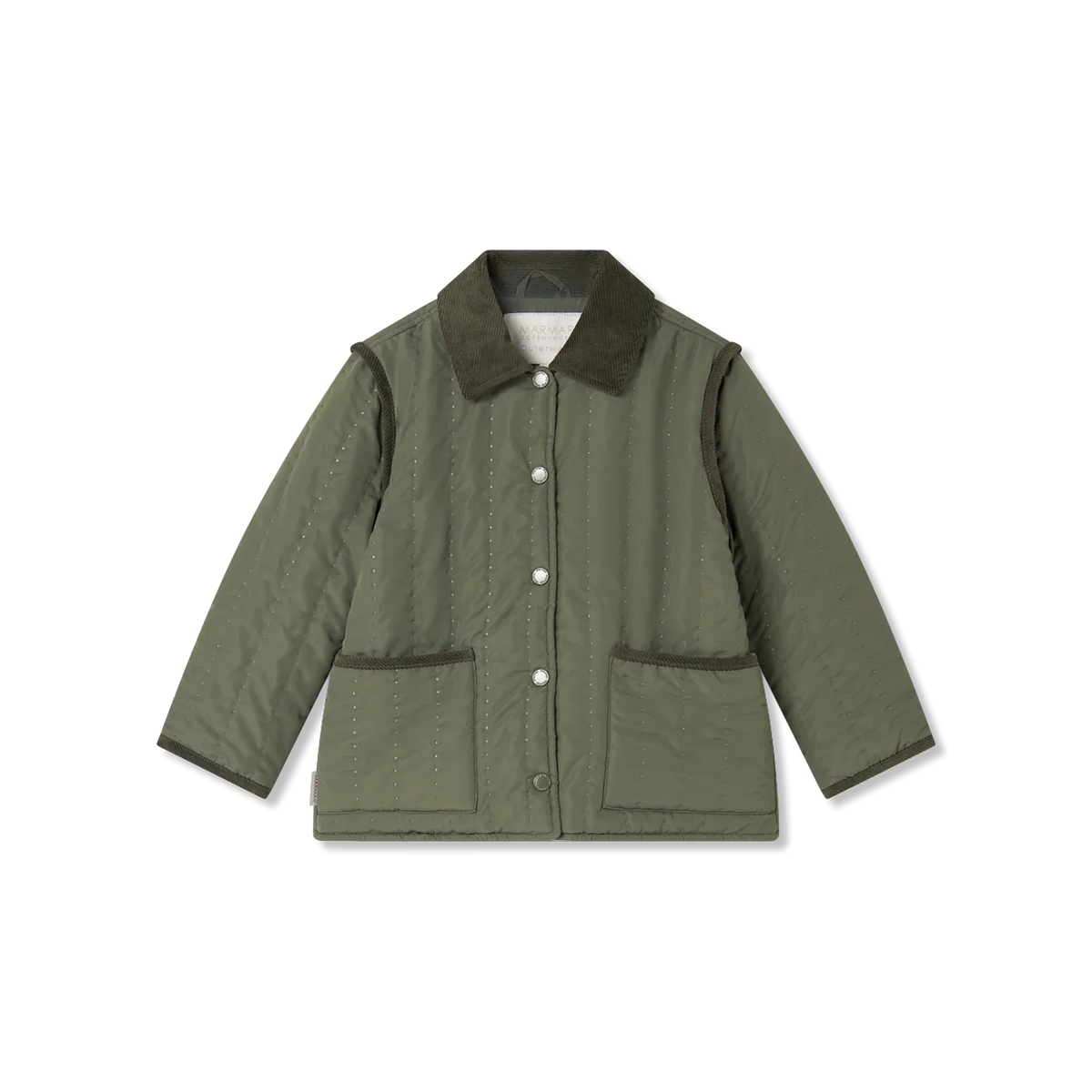
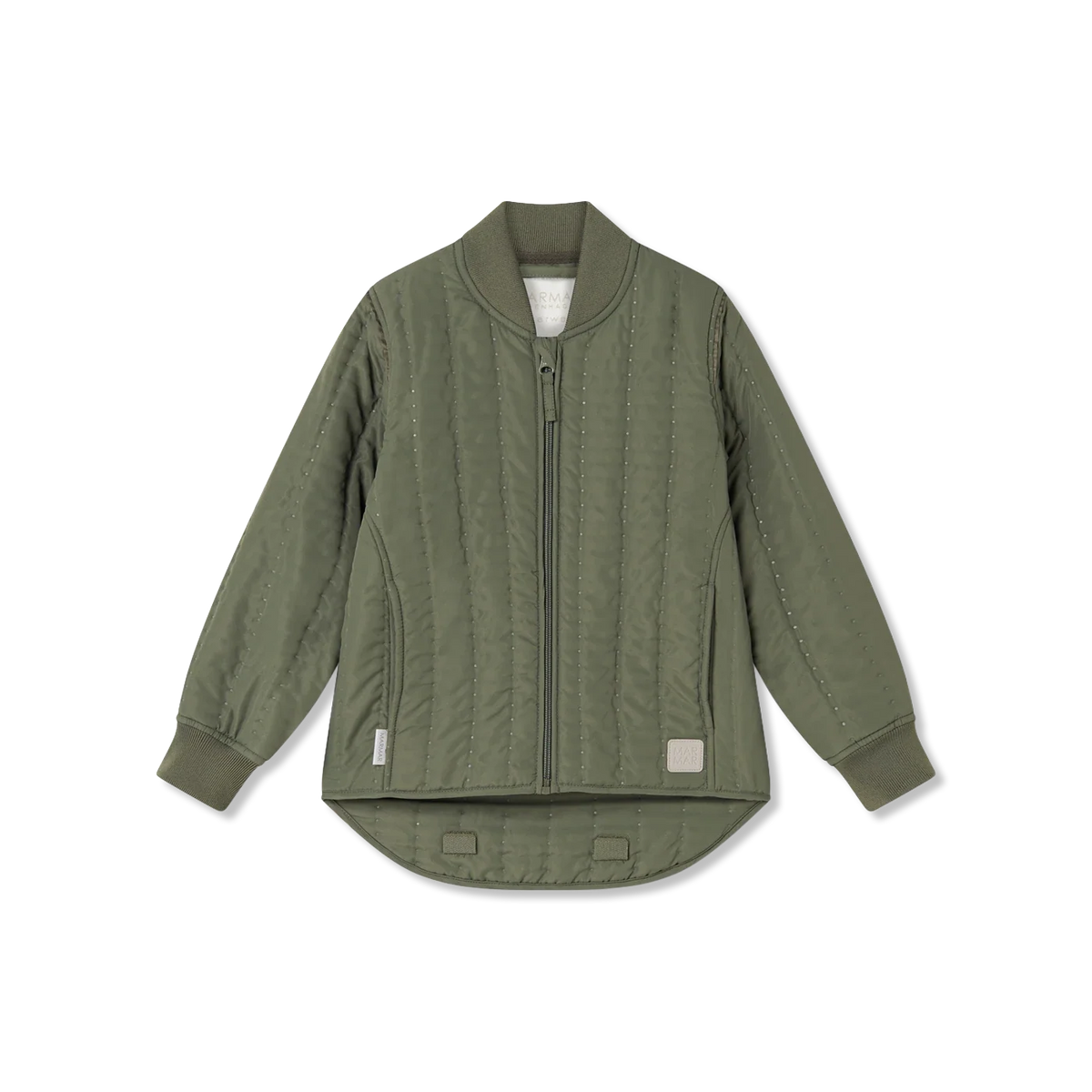
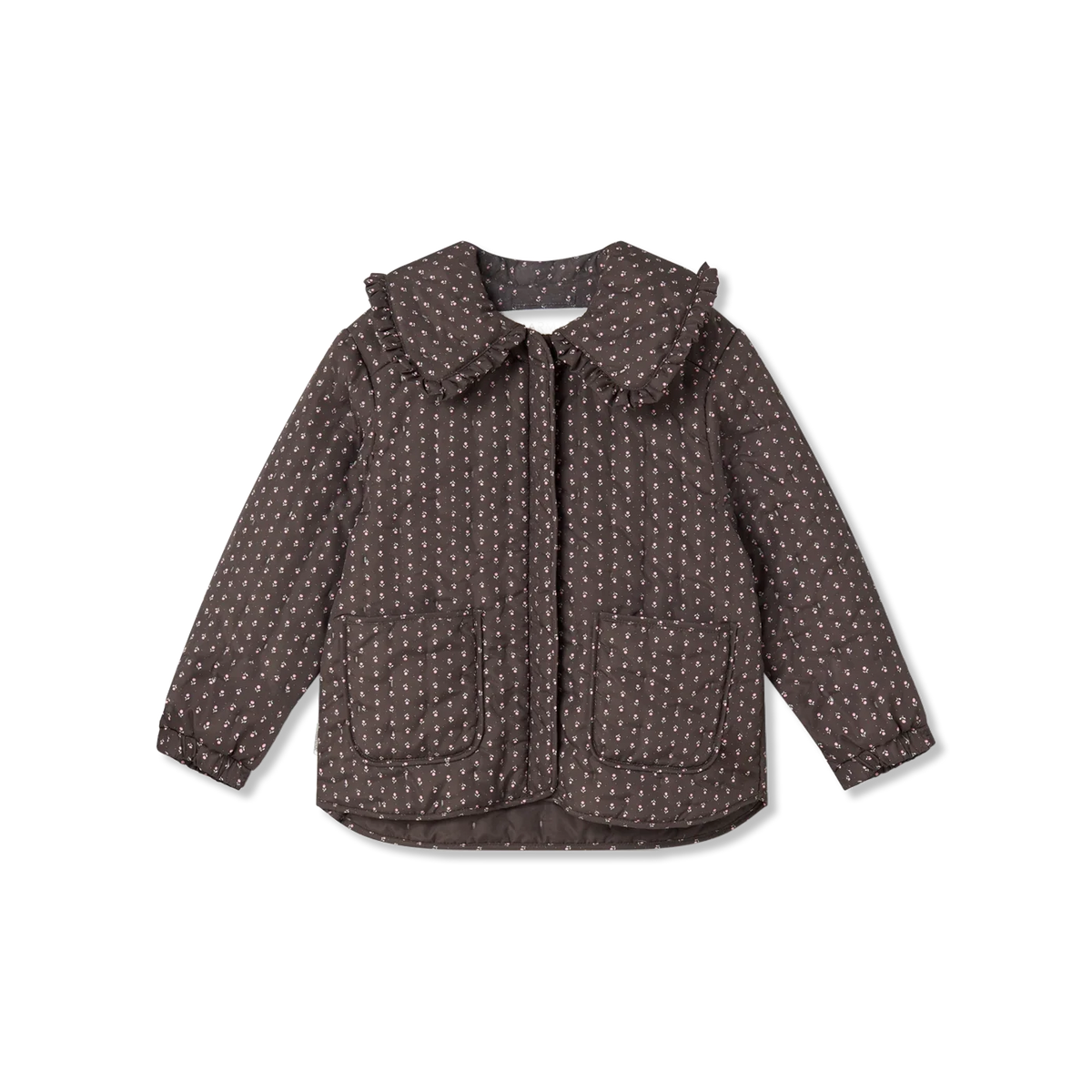
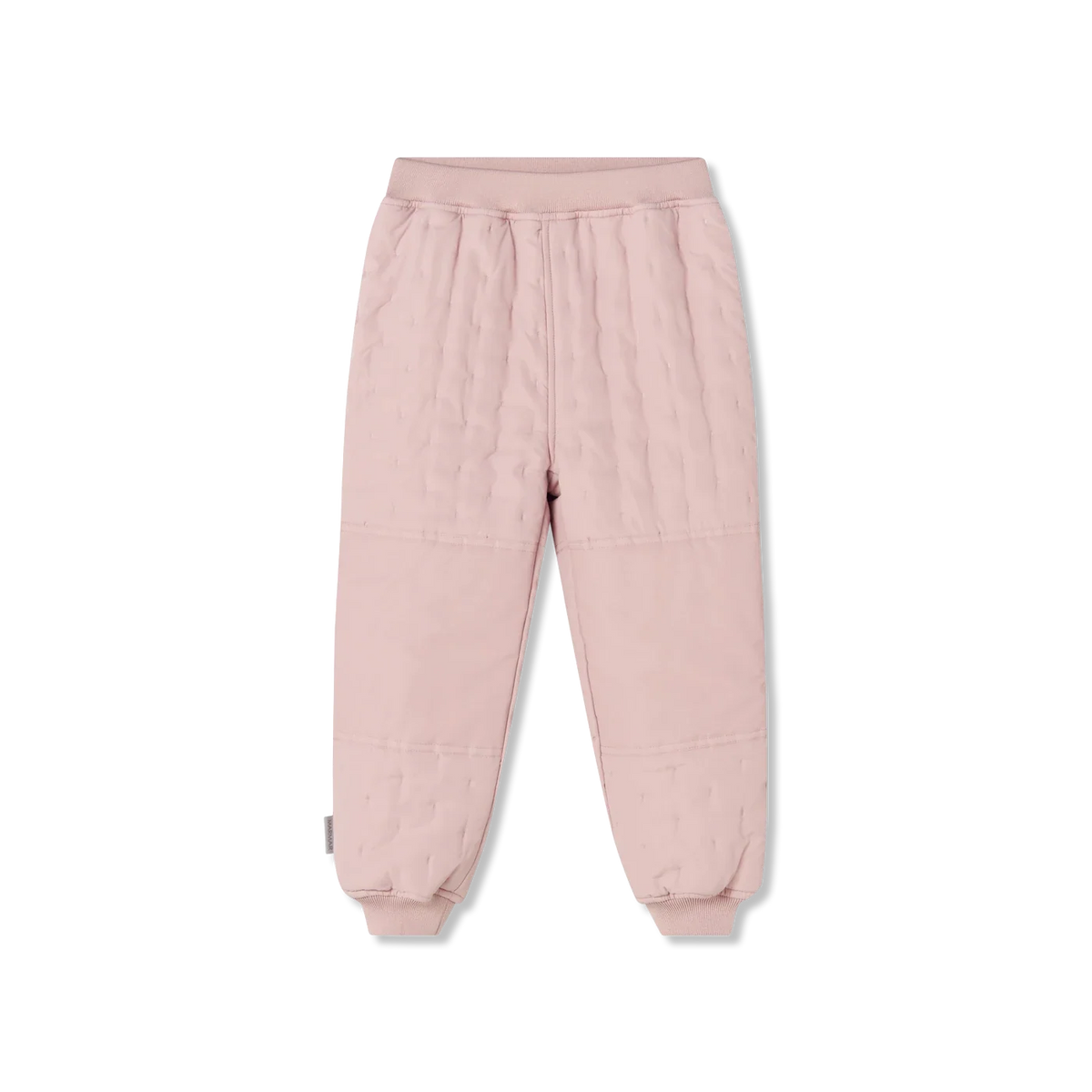
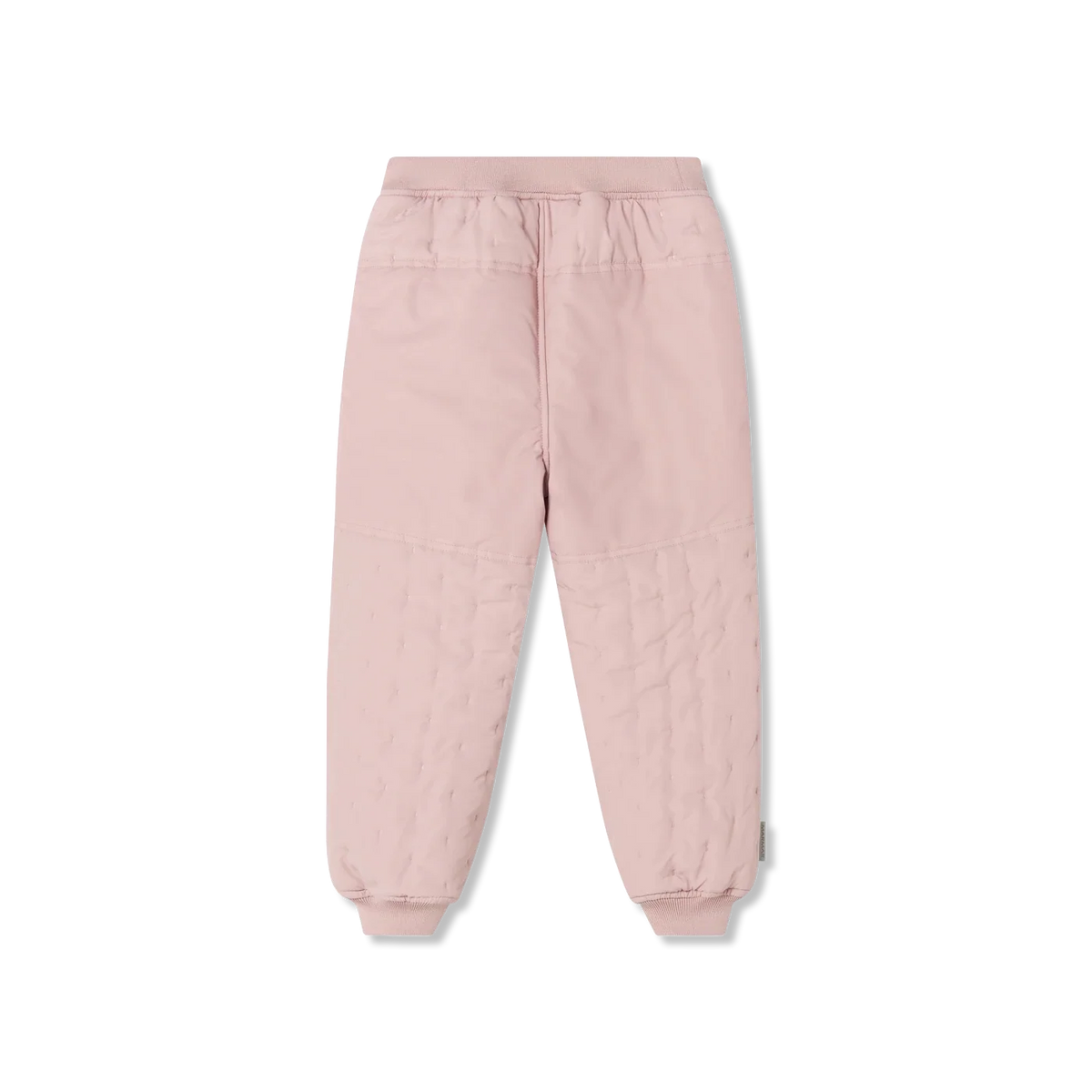
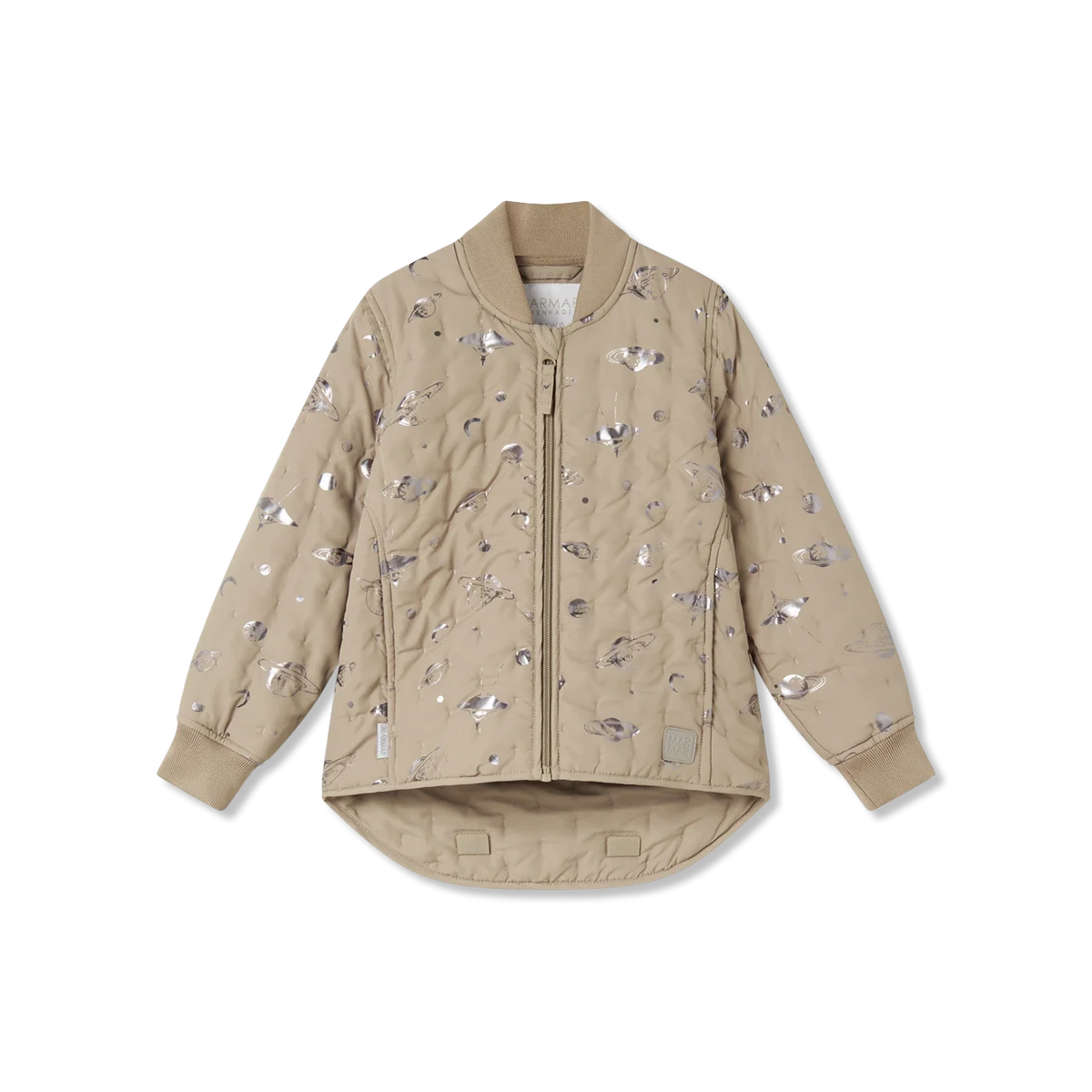
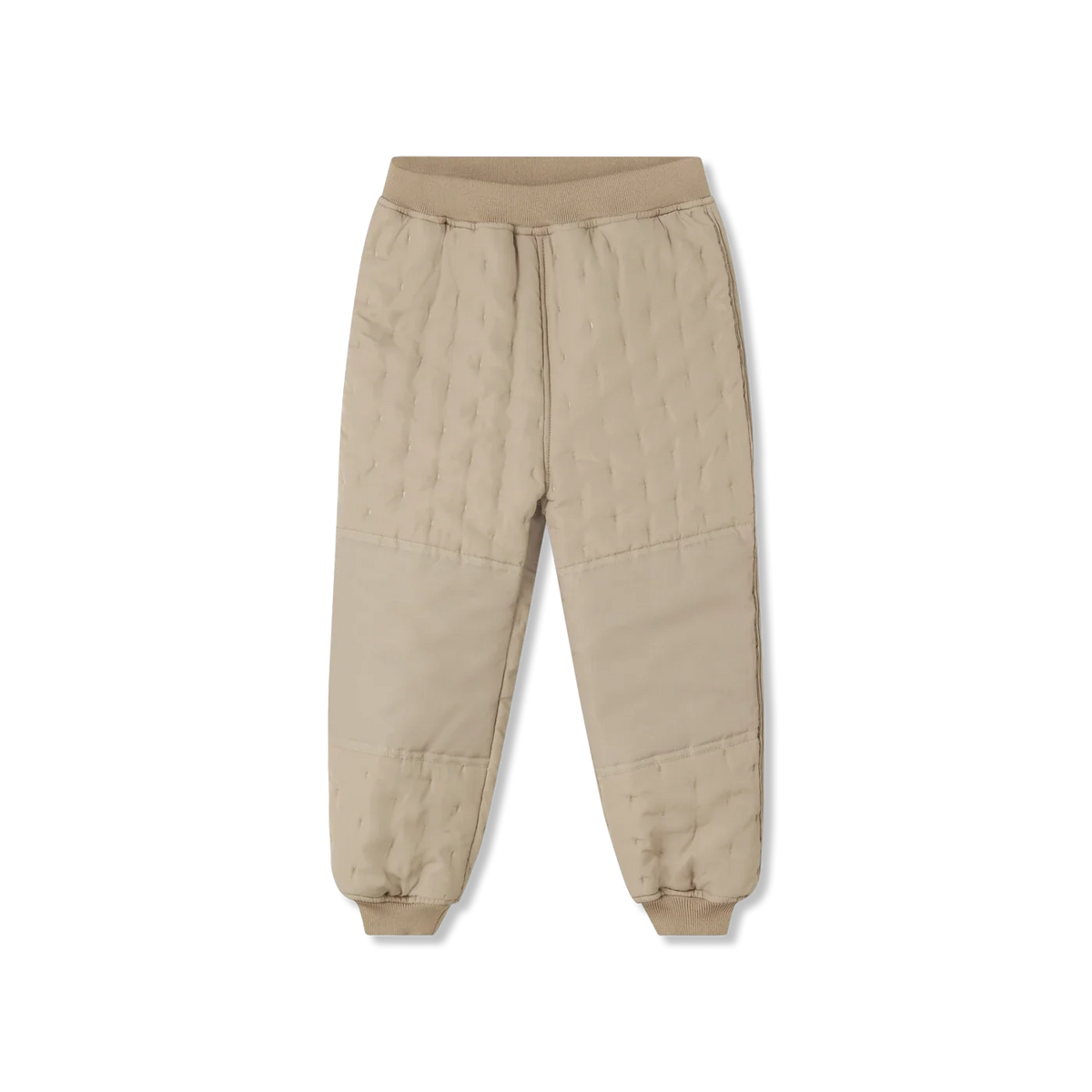
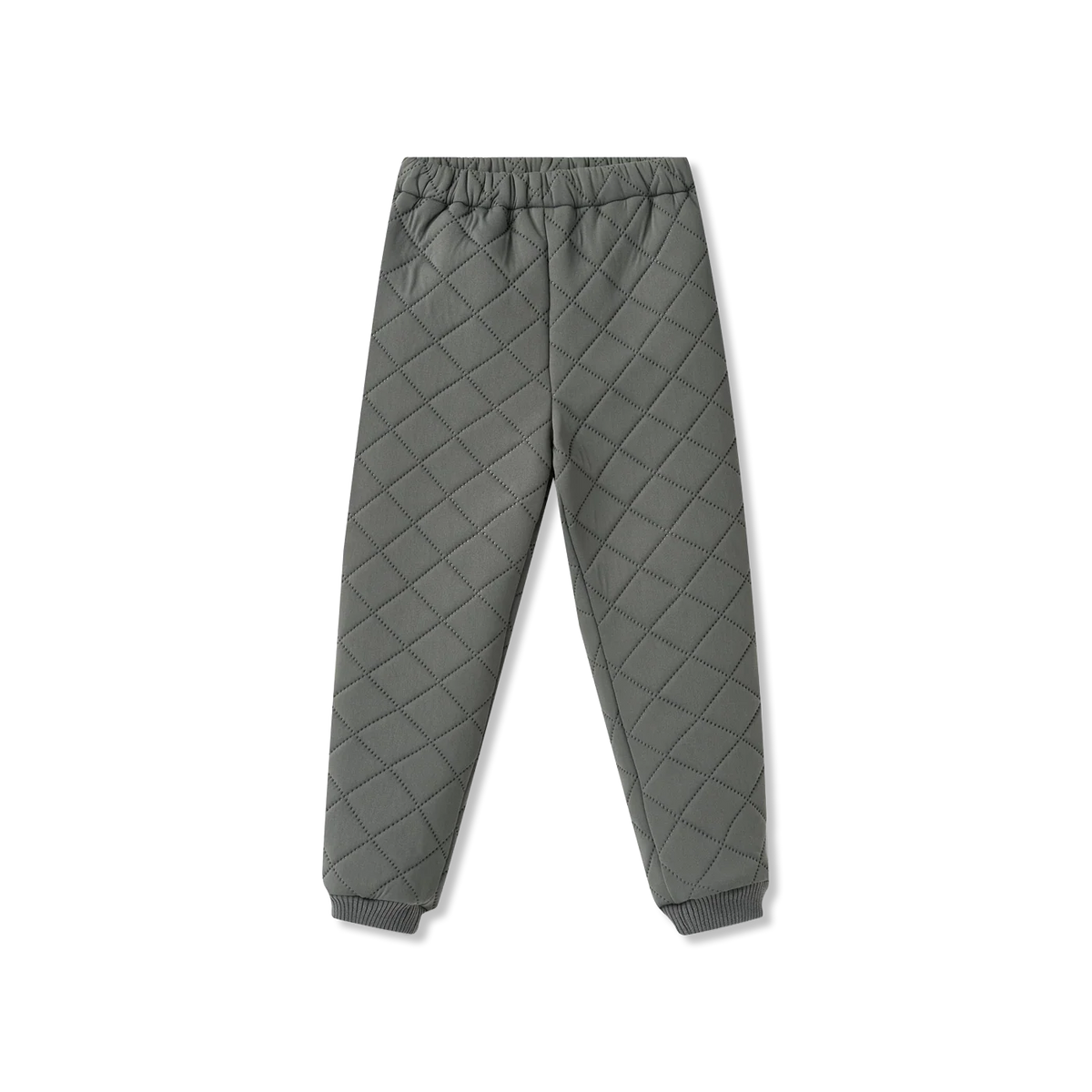
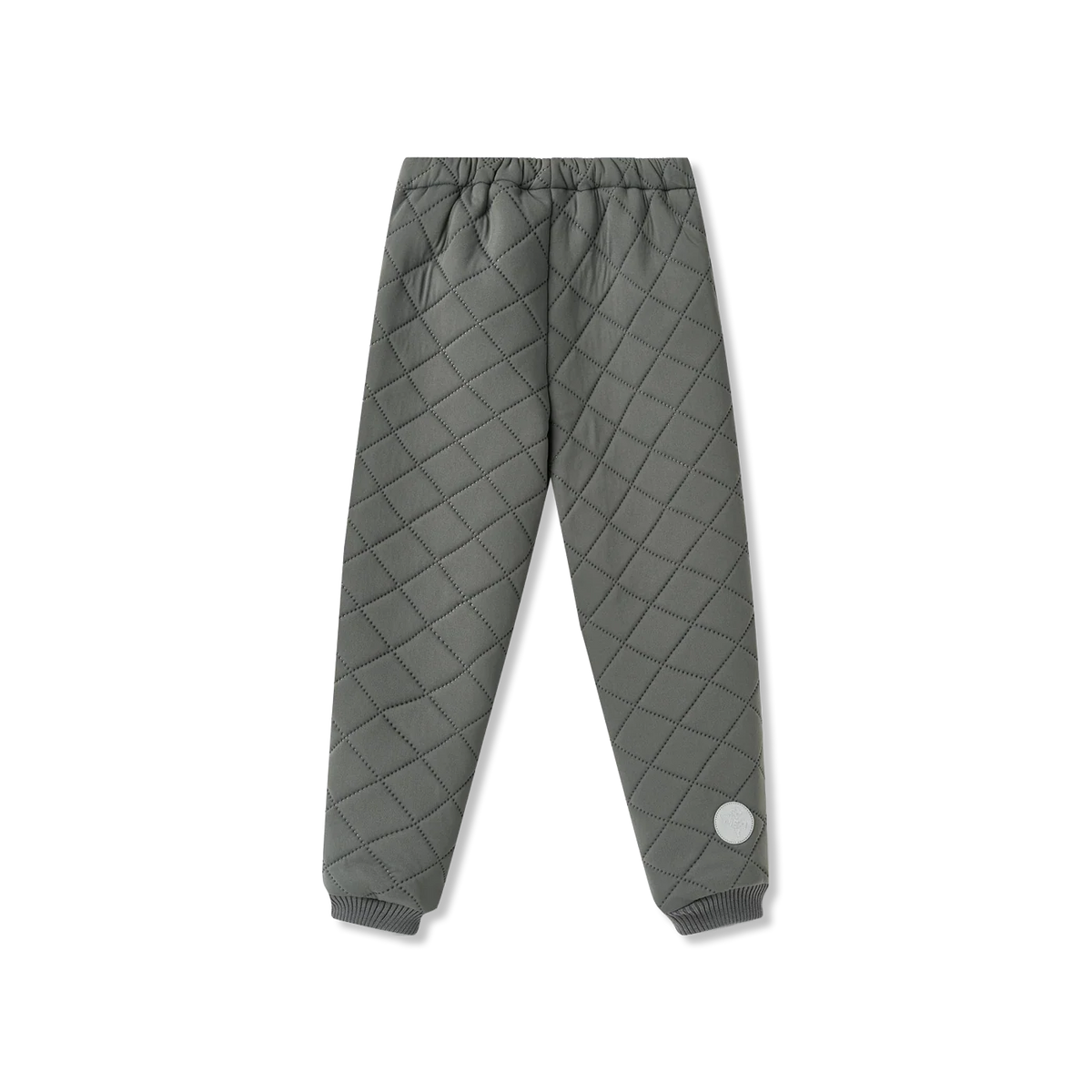
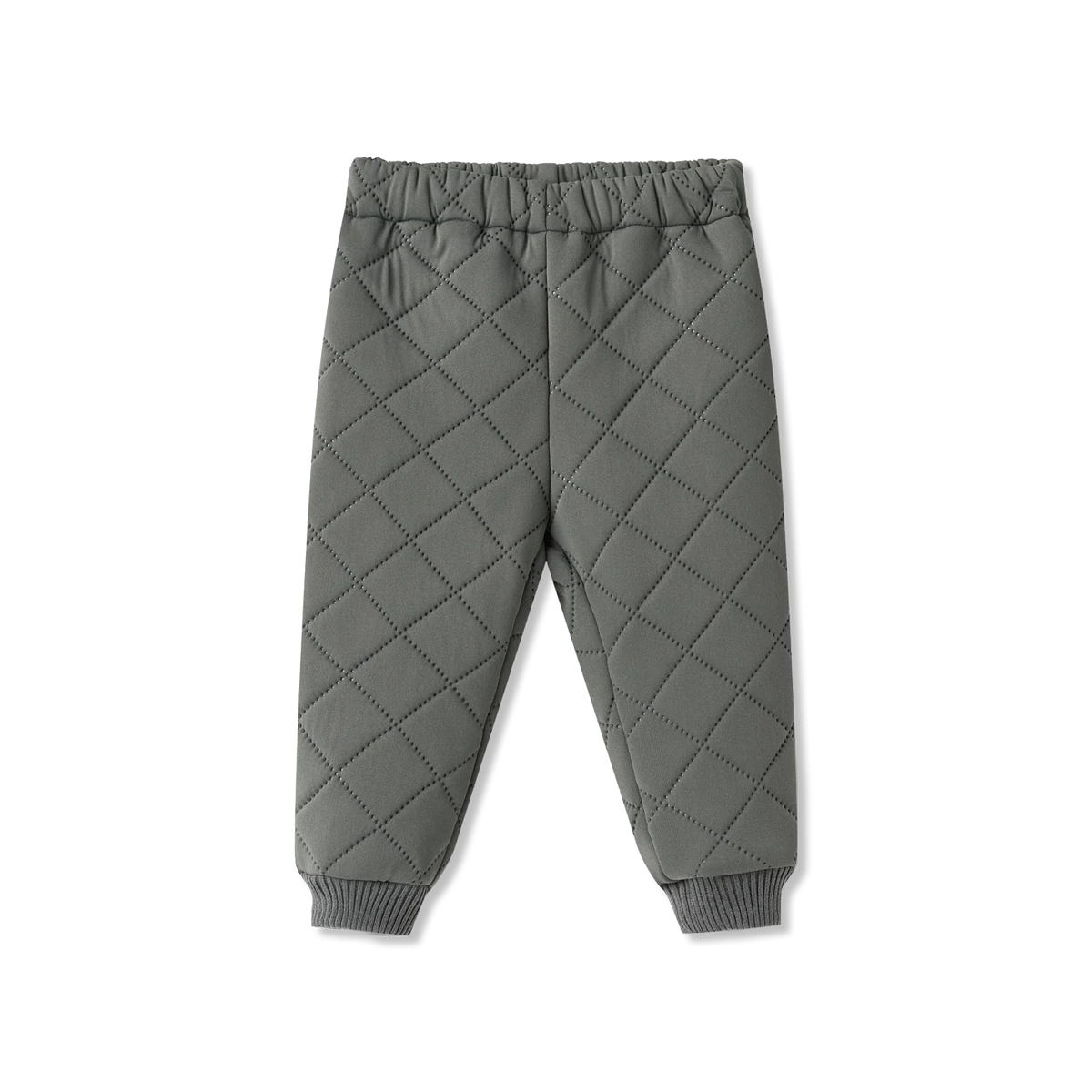
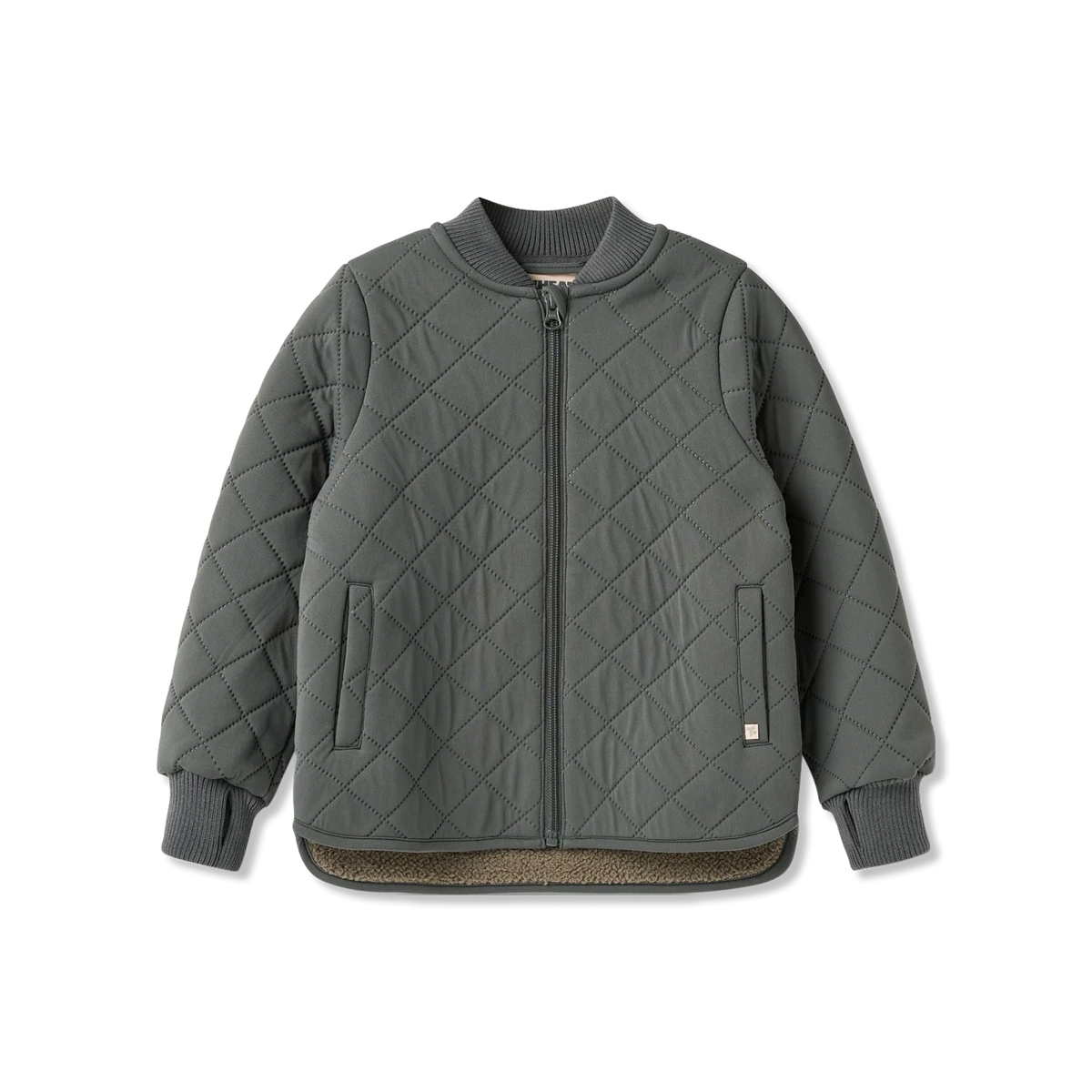
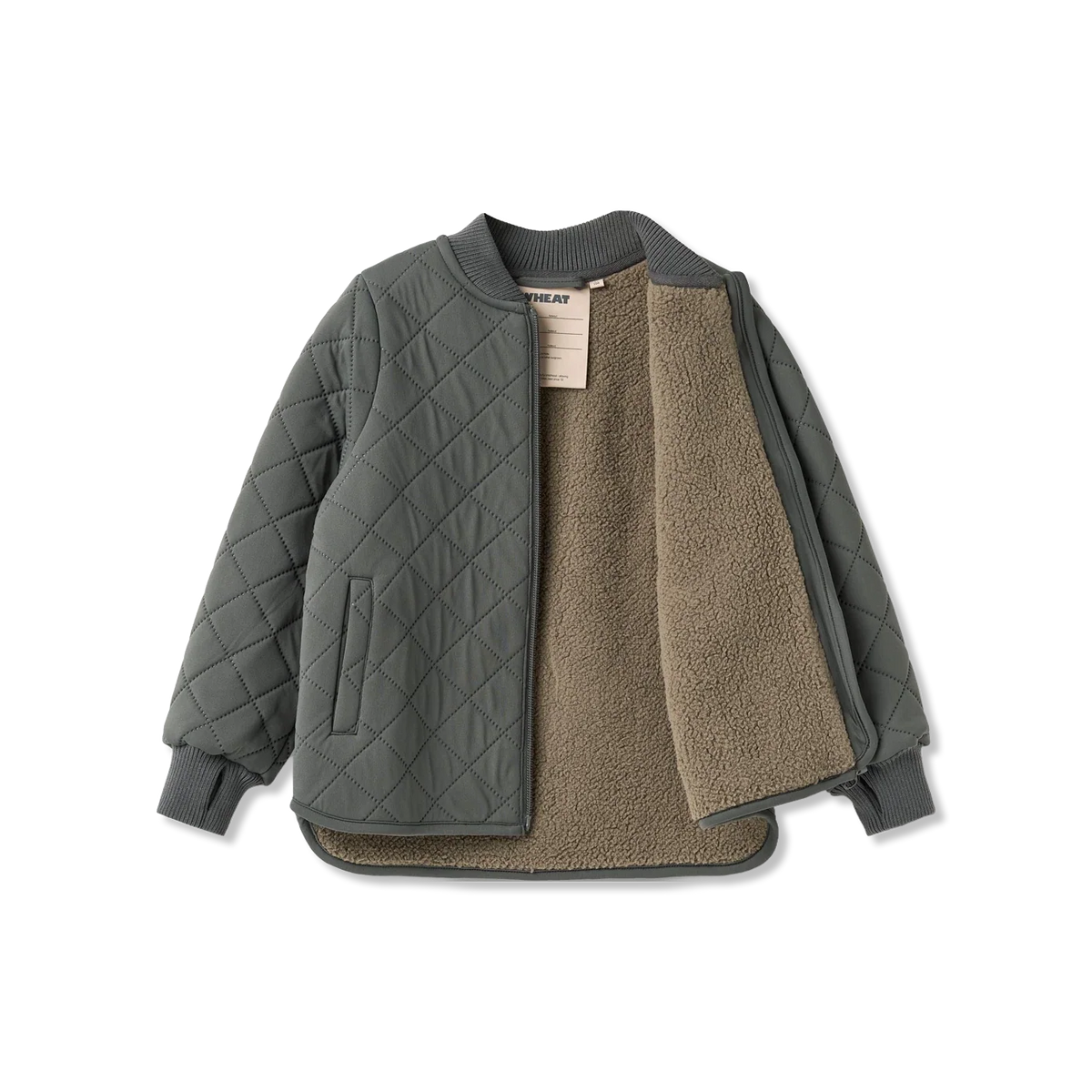
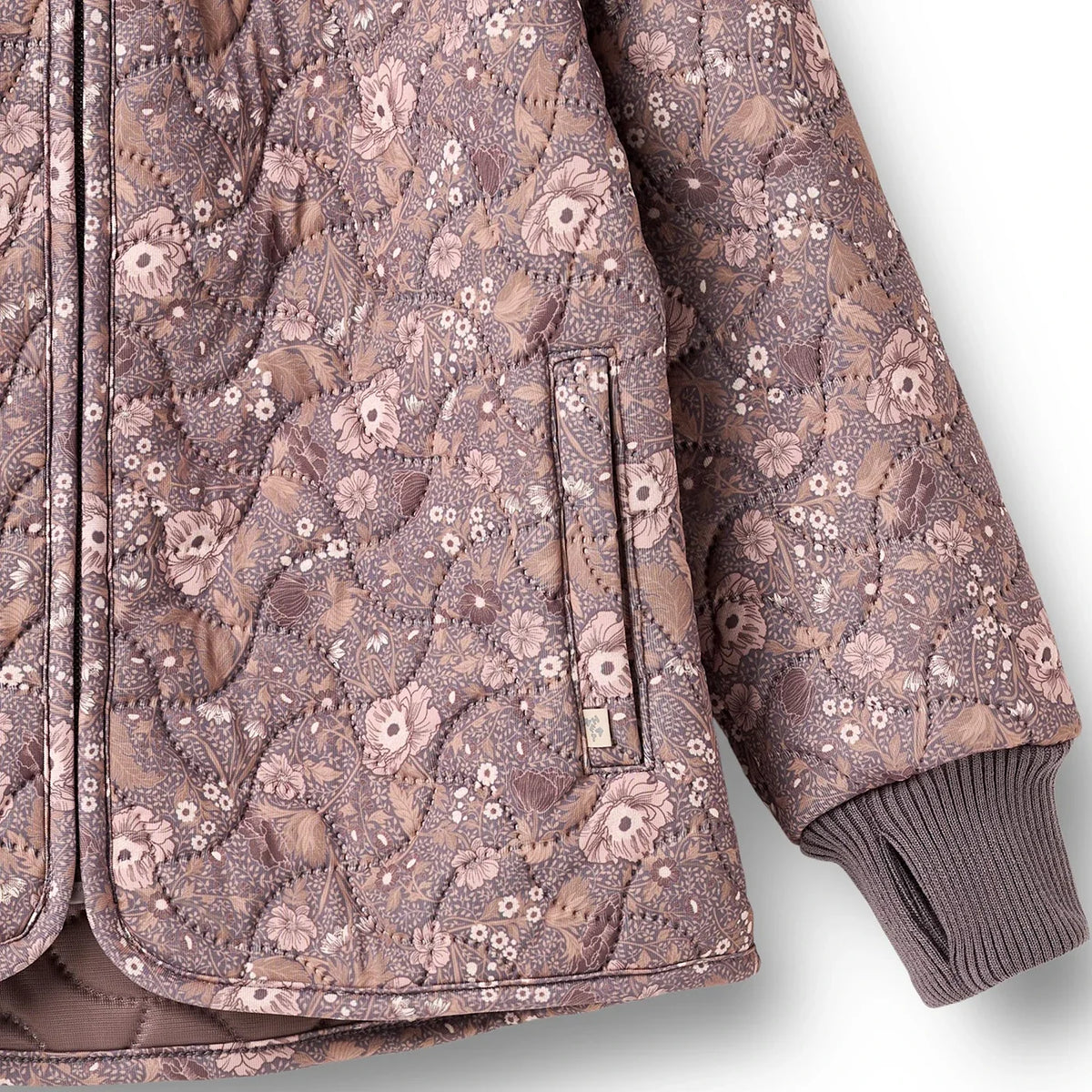
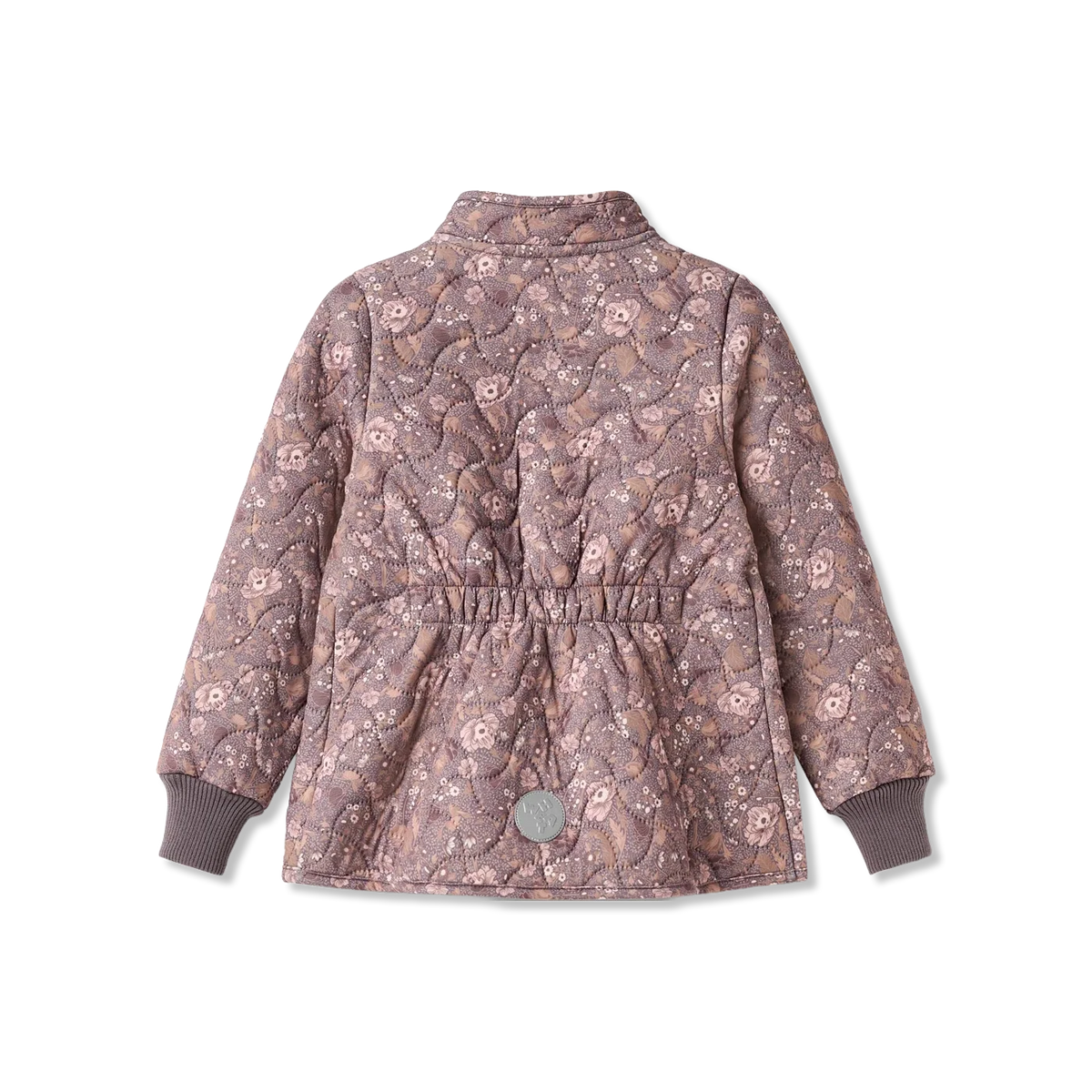
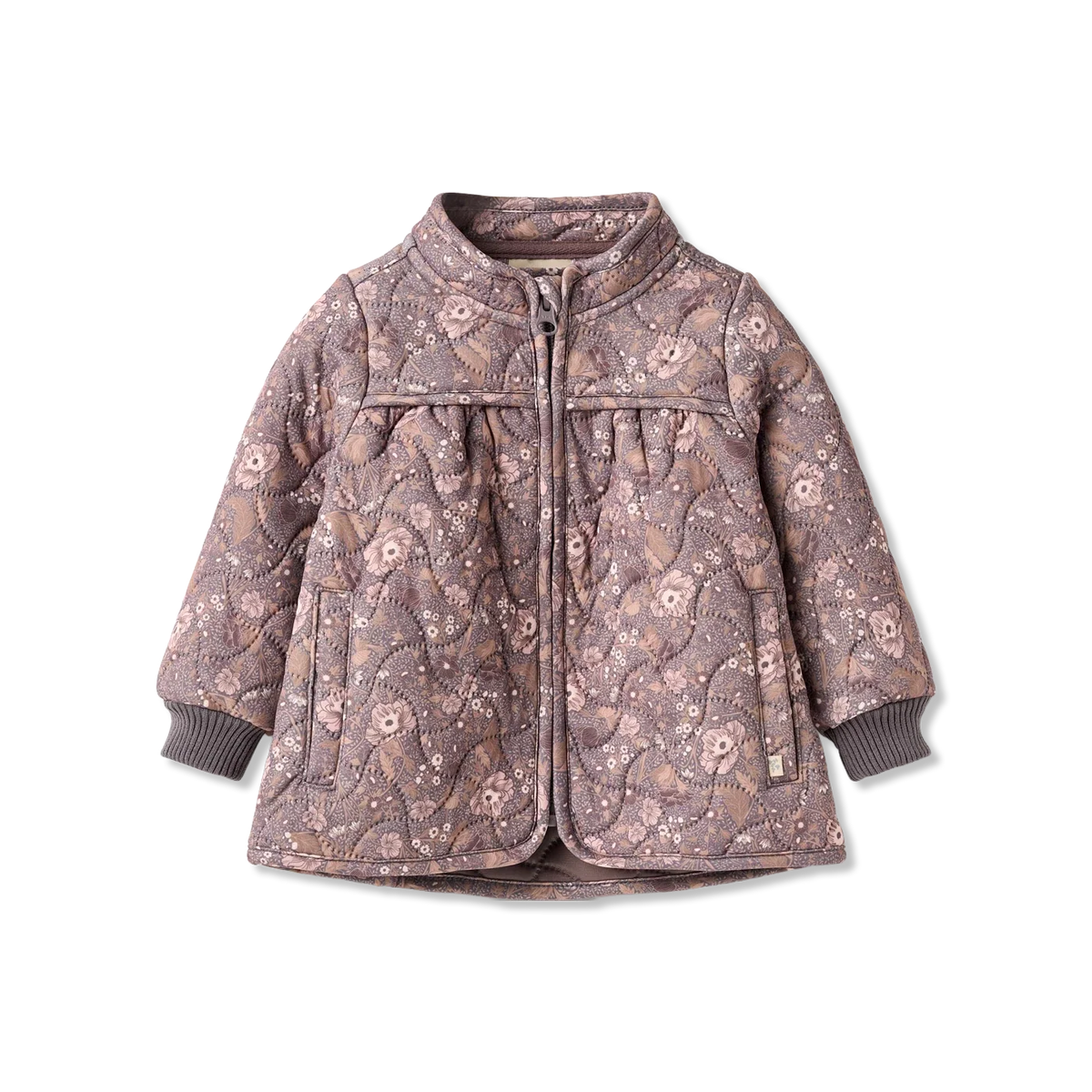
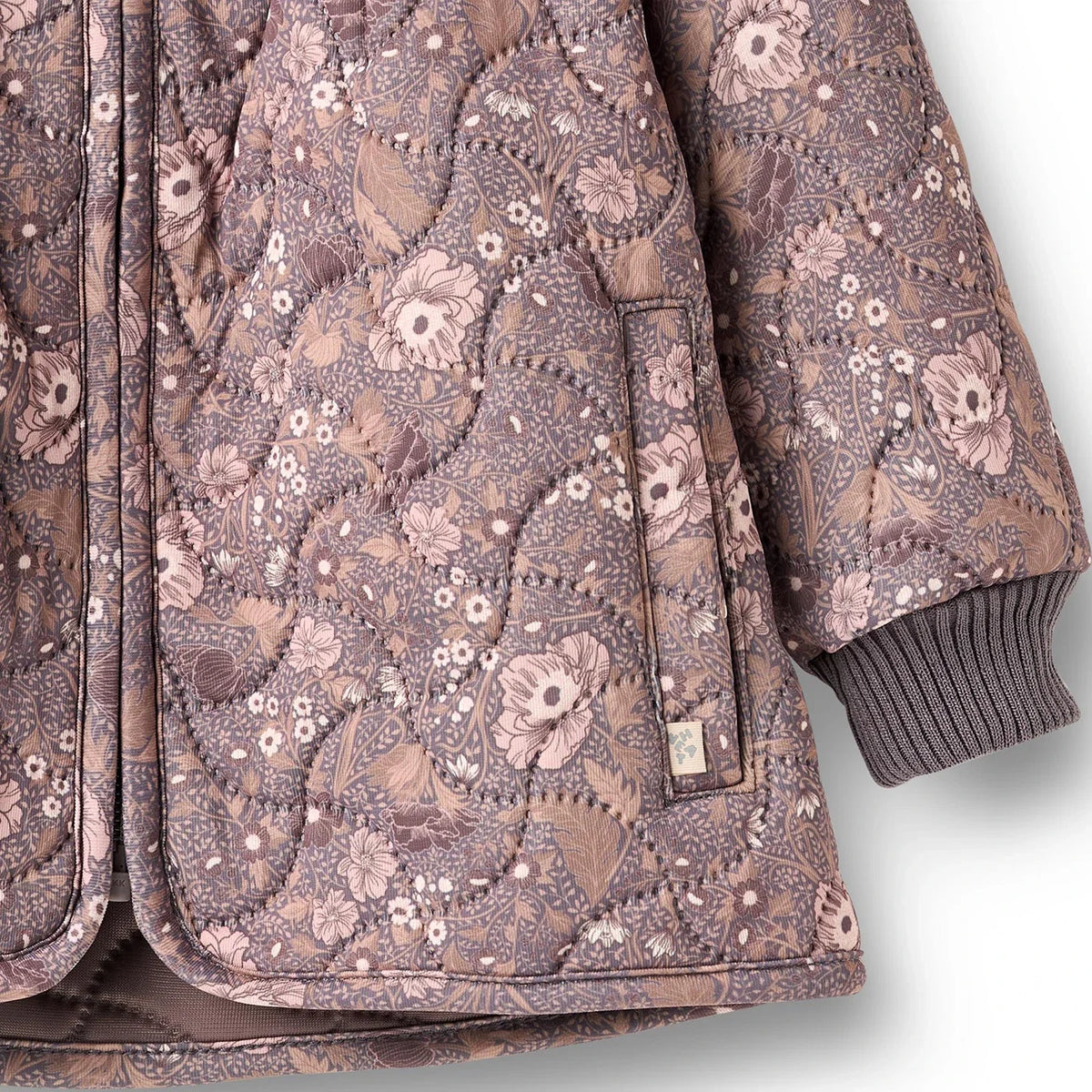
A thermal jacket is easy to take on and off and works well as lightweight outerwear in spring and autumn. Thermal trousers add warmth when children play in the sandpit, sit on the ground or spend longer periods outside. For babies and younger children, a thermal suit can be practical because it covers the body without a gap between the jacket and trousers.
- Thermal set: a flexible two-piece option that can be worn together or separately.
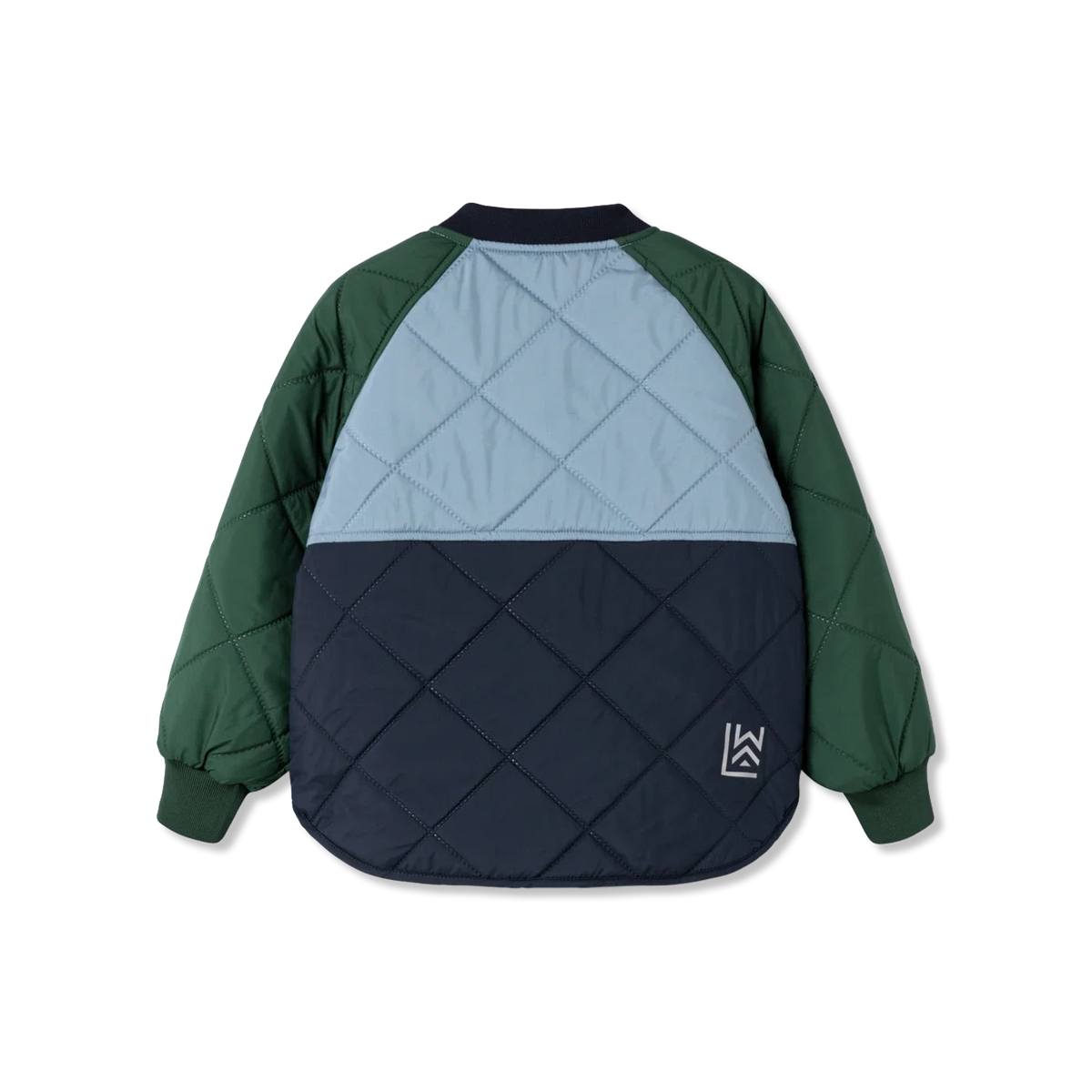
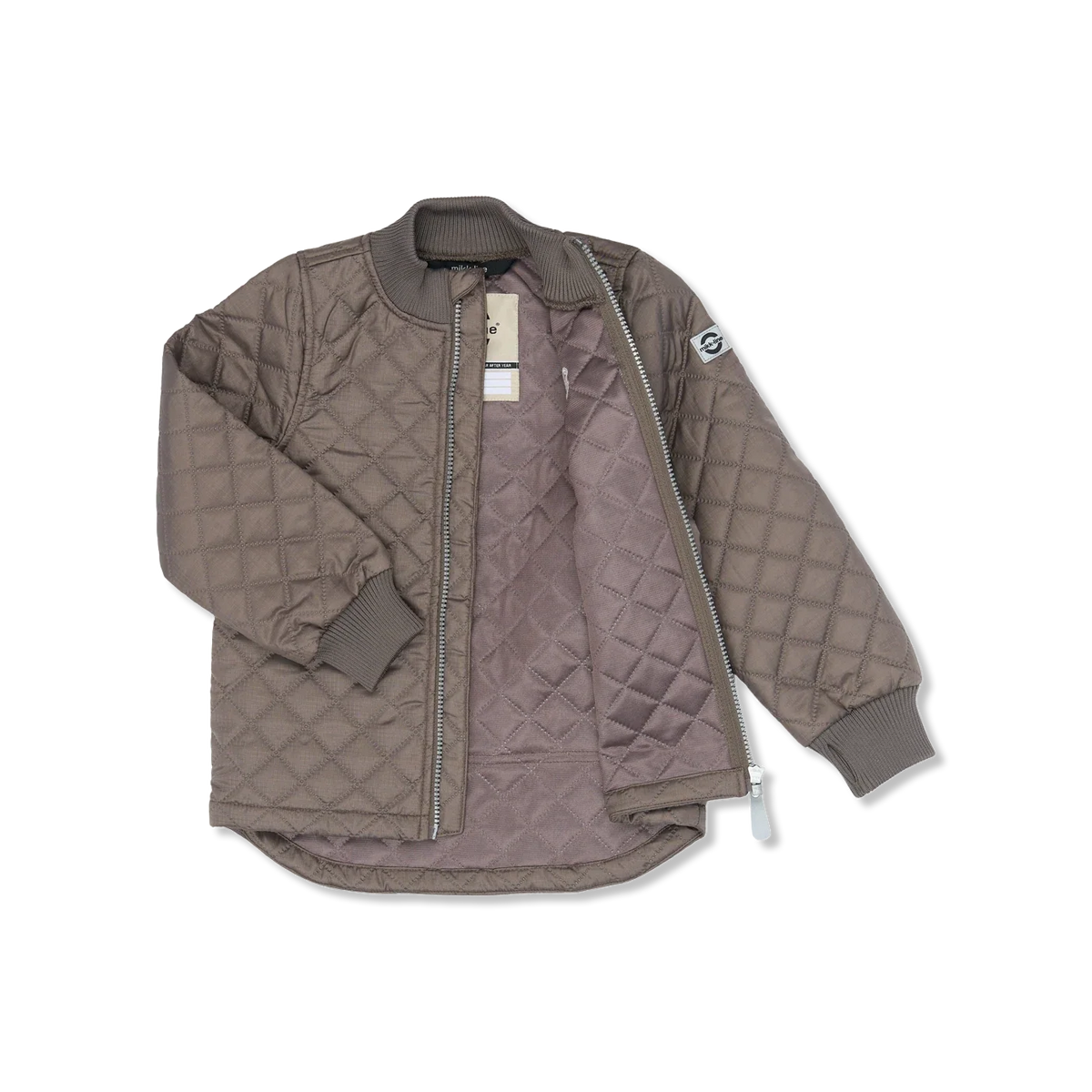
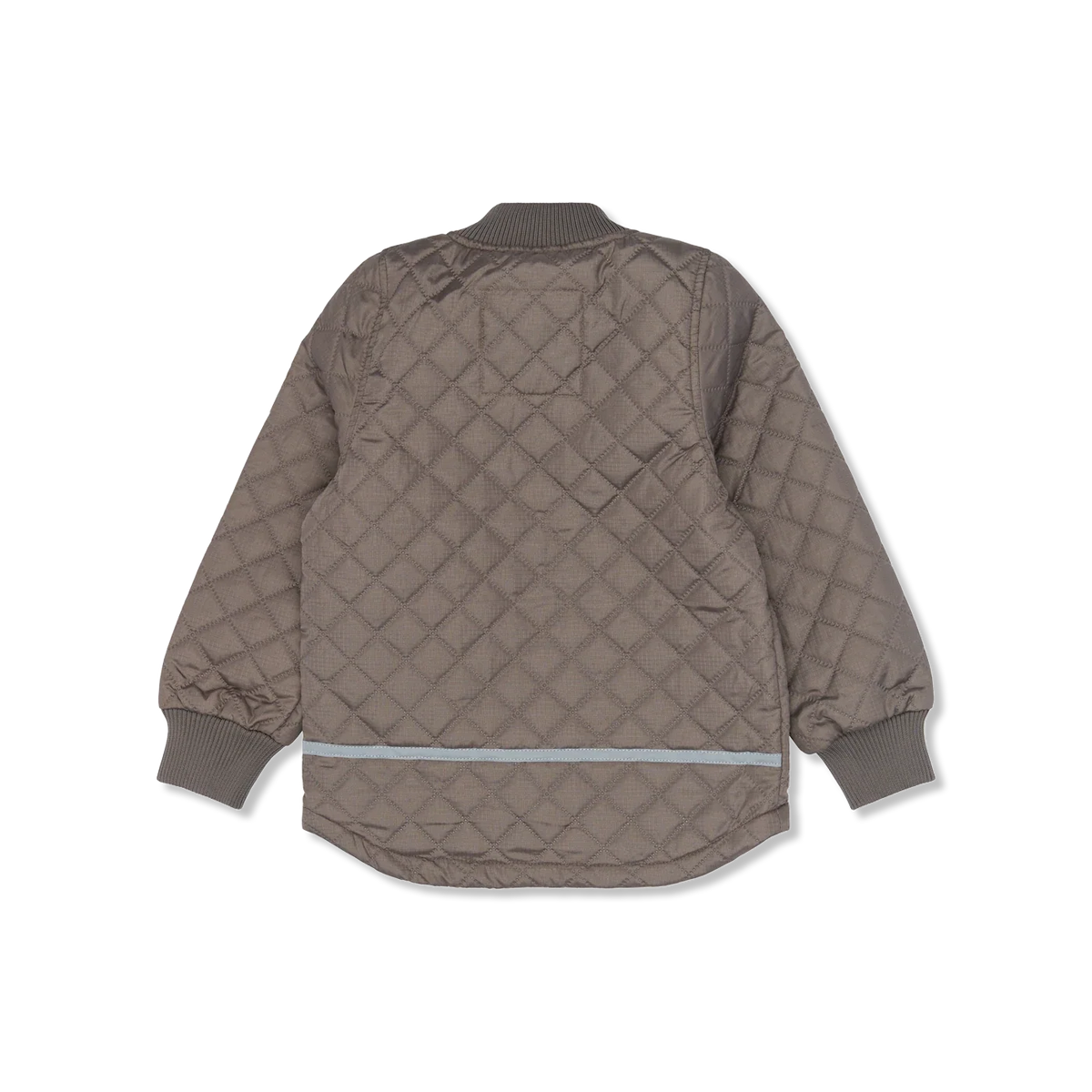
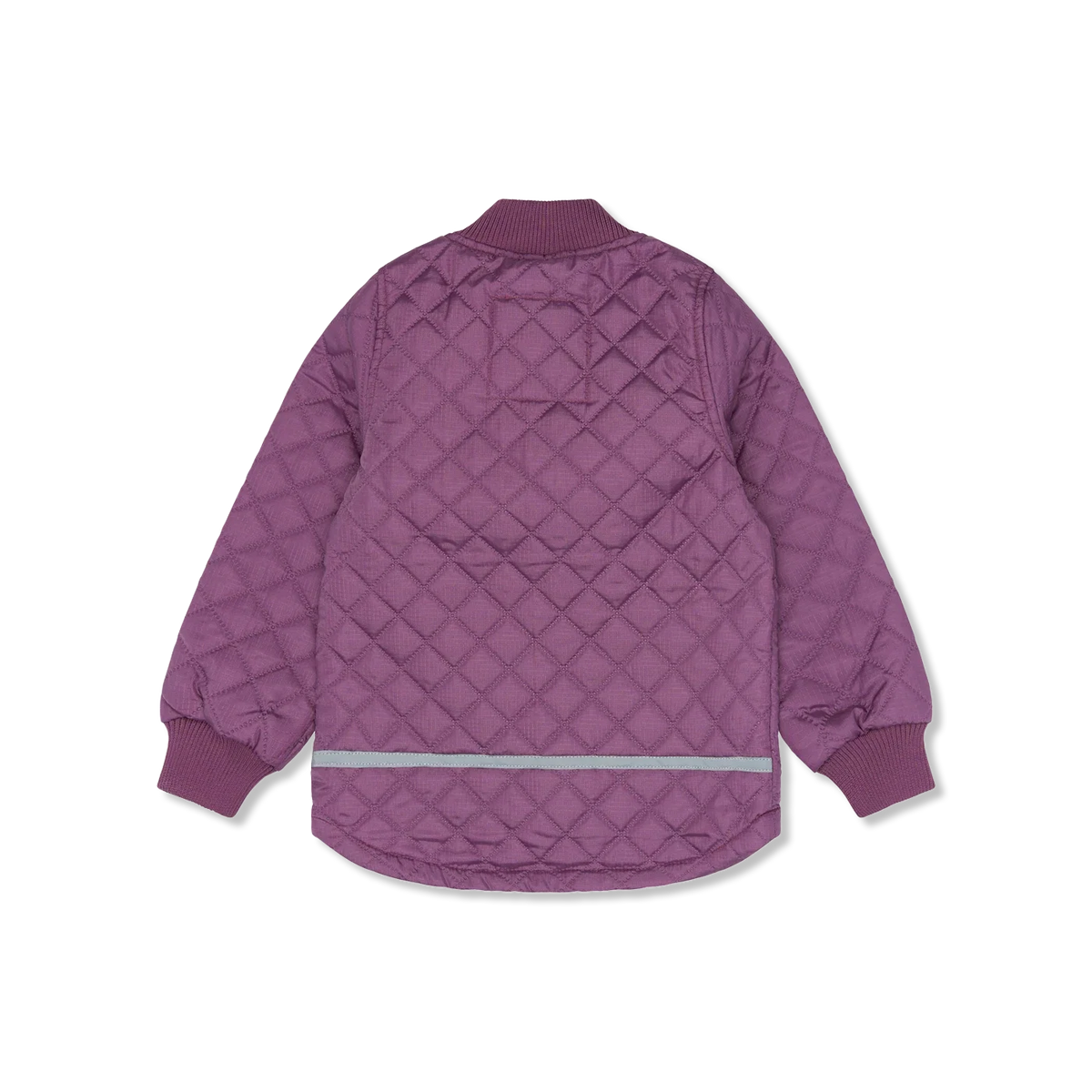
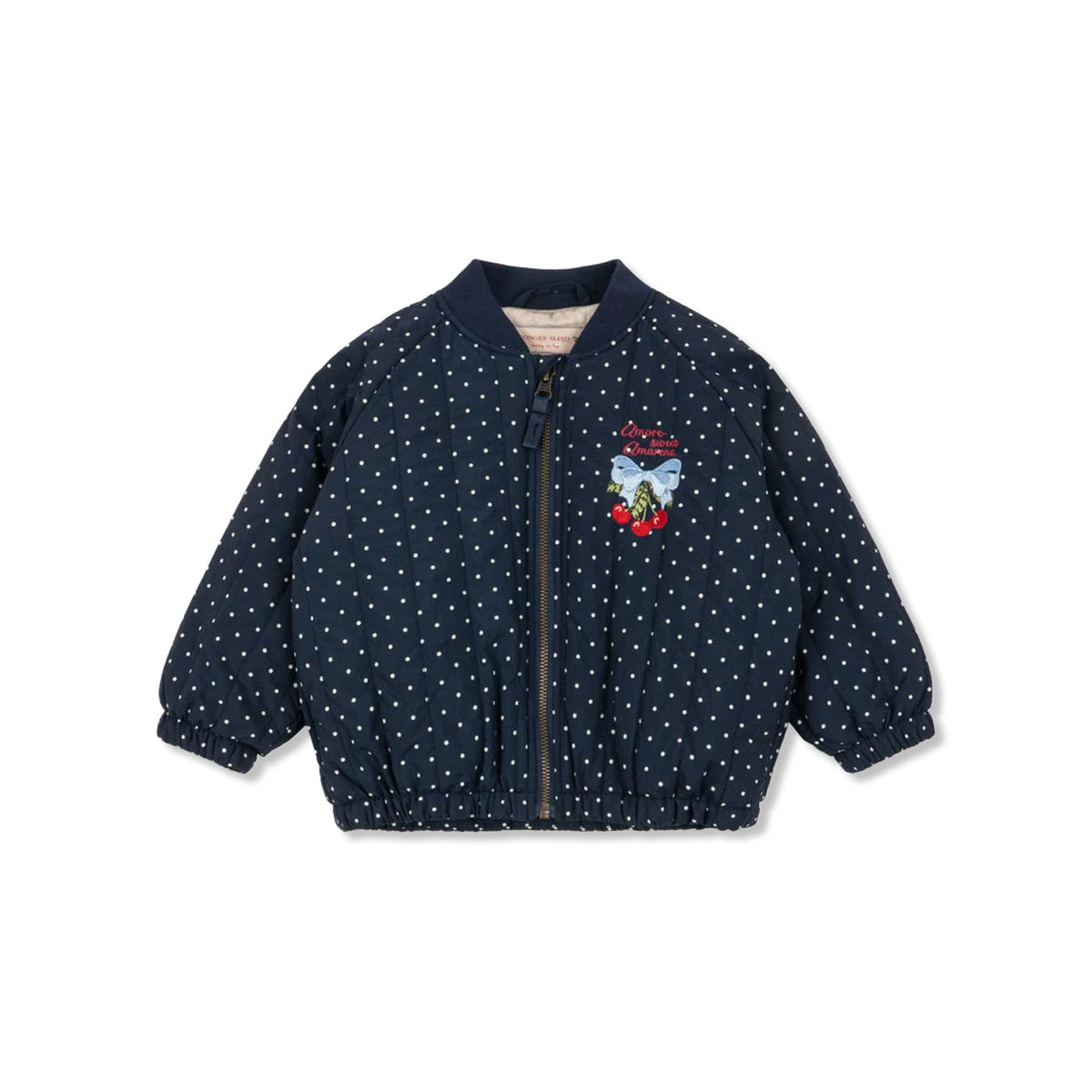
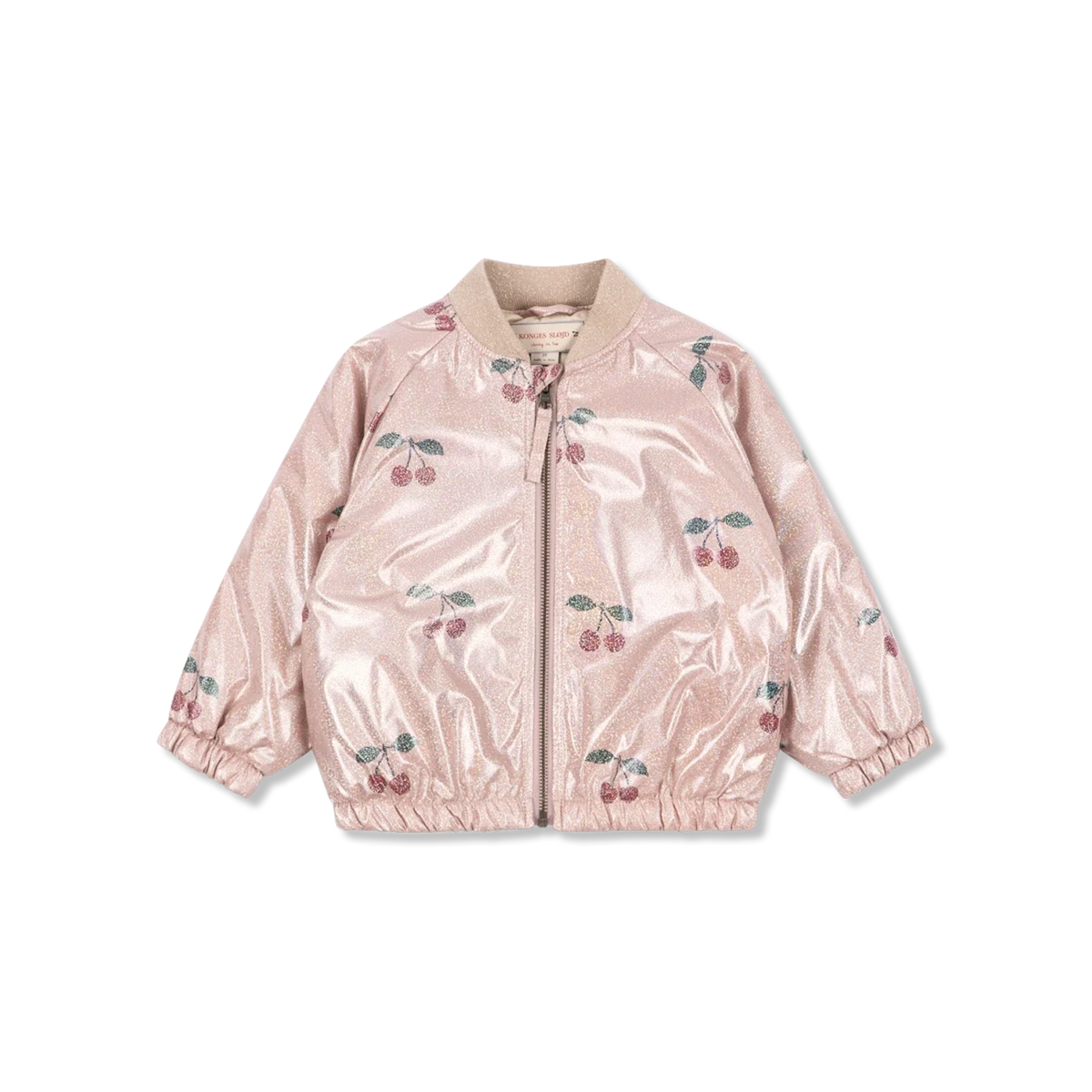
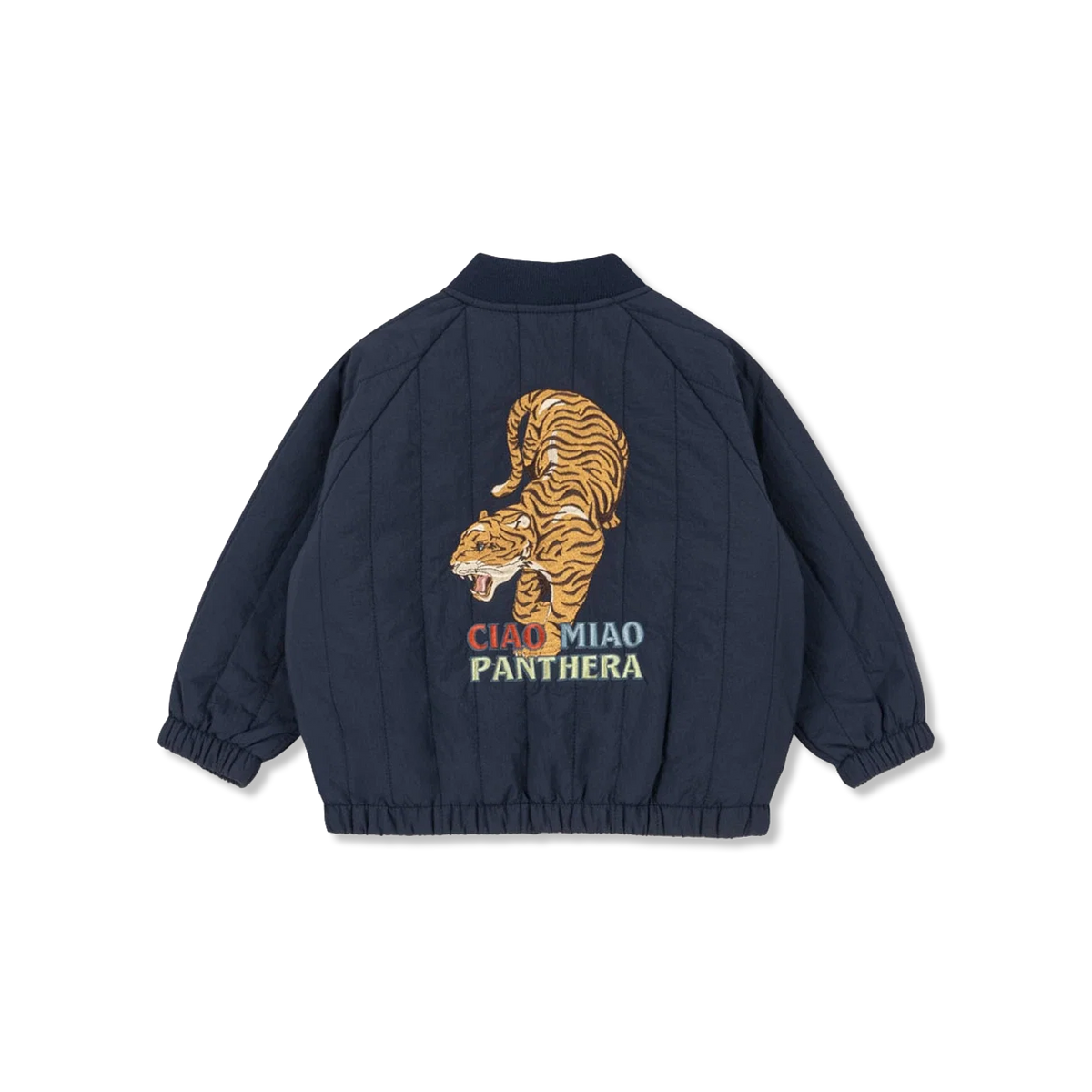
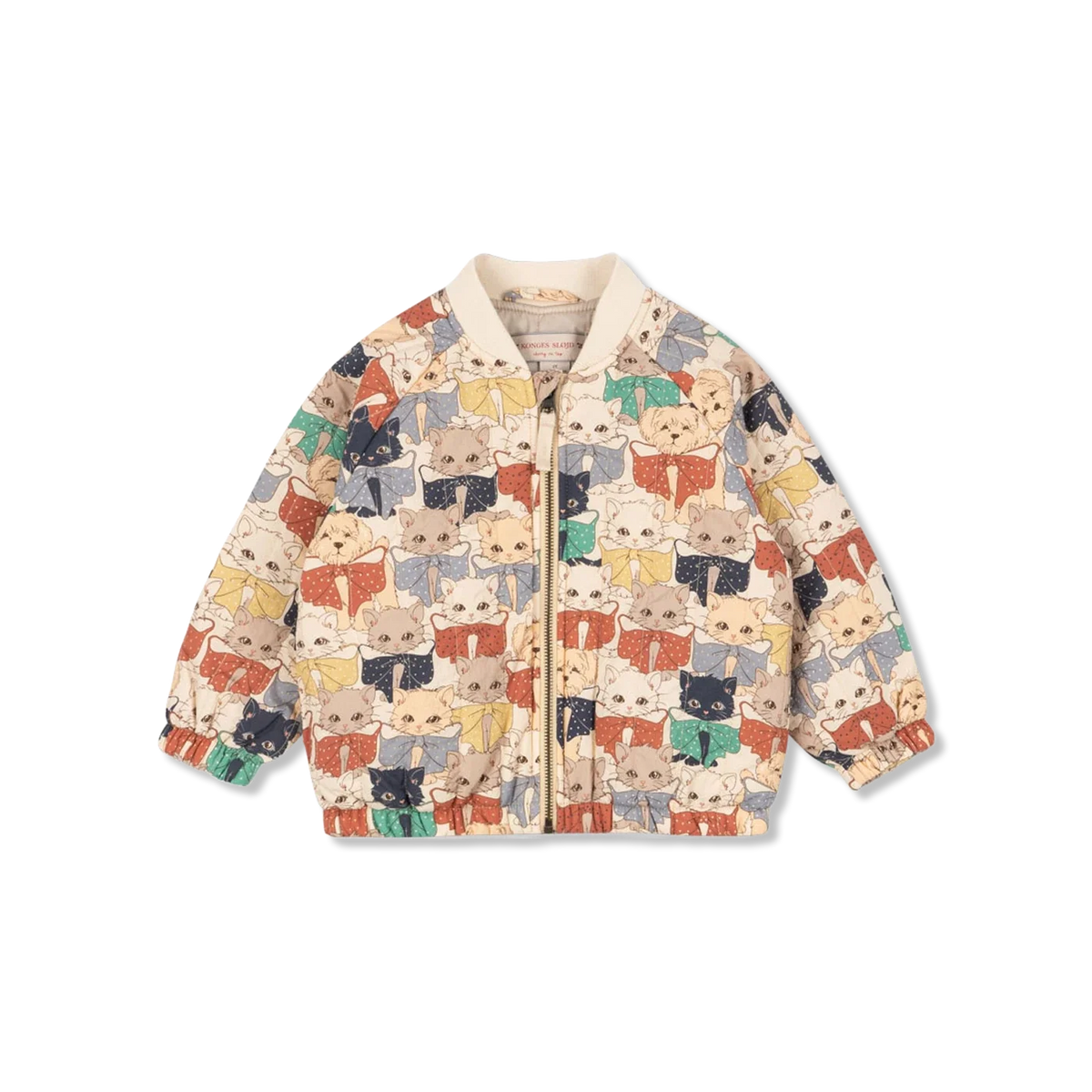
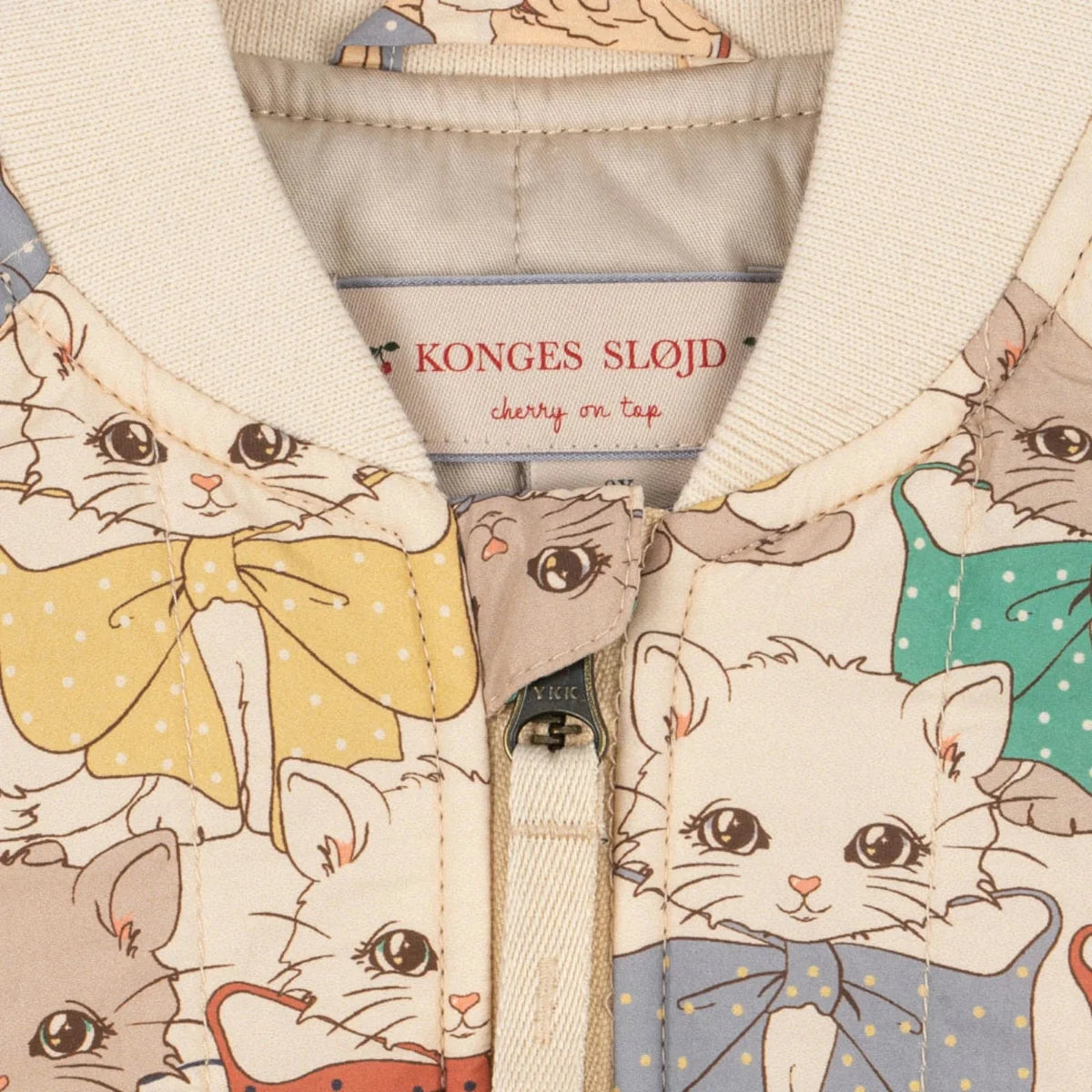
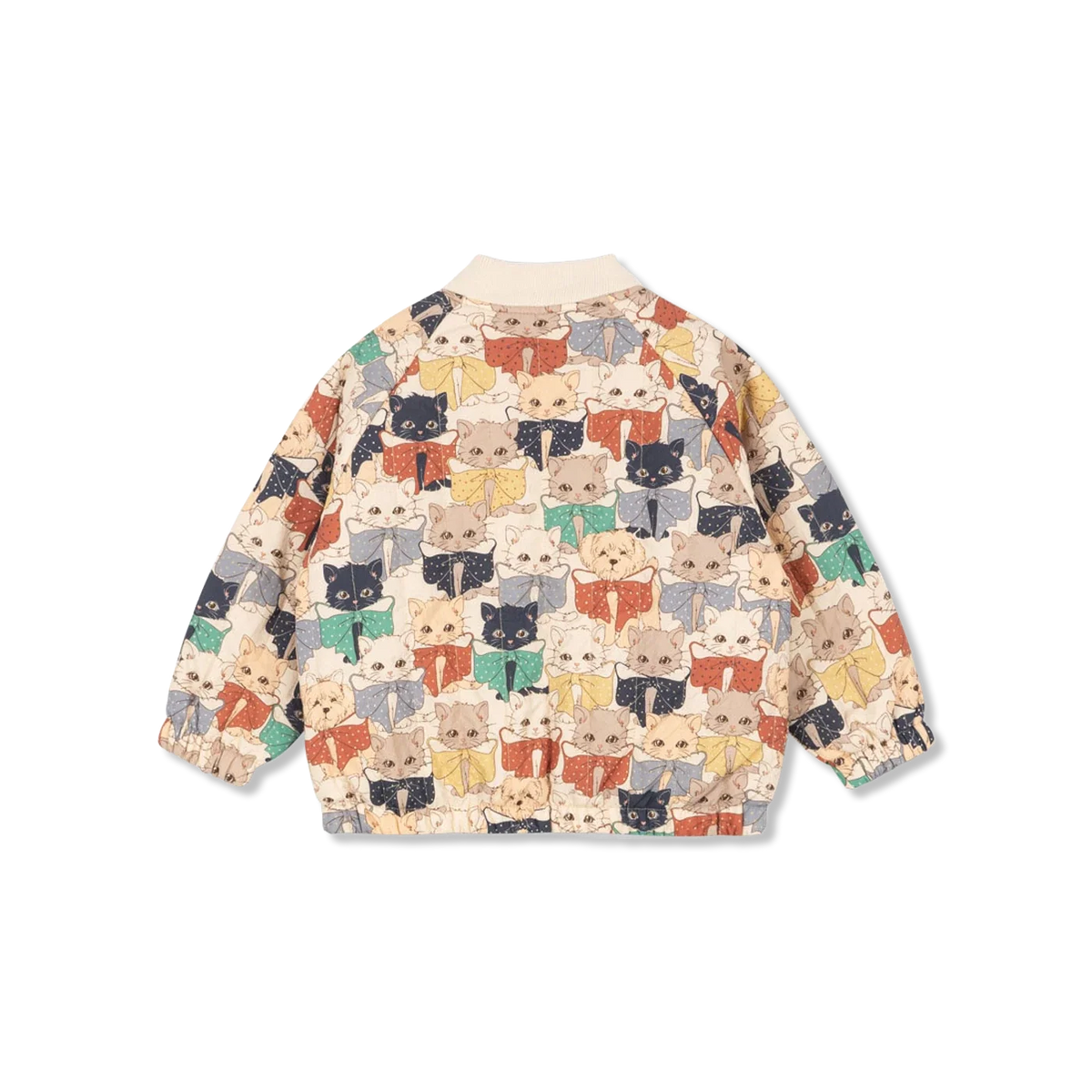
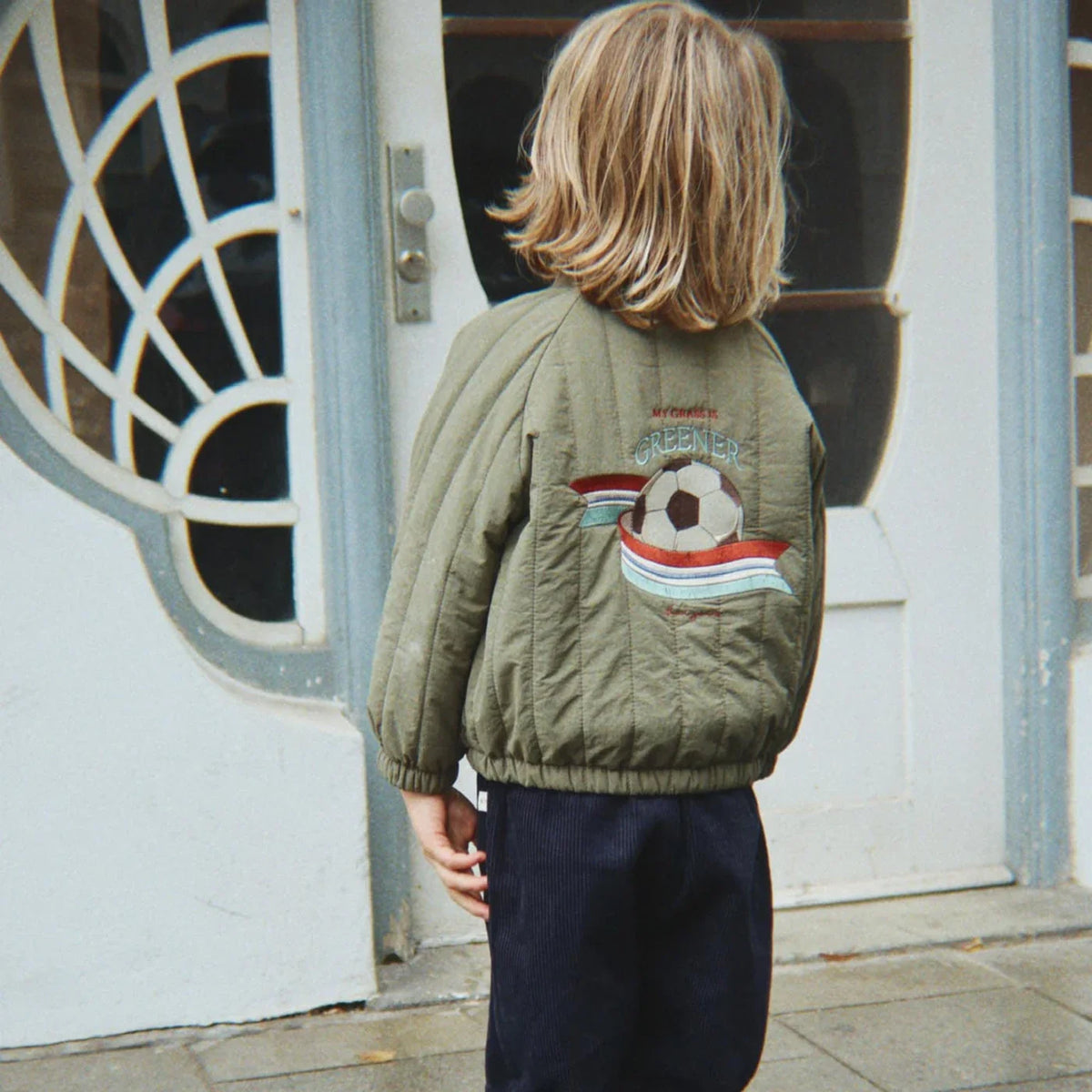
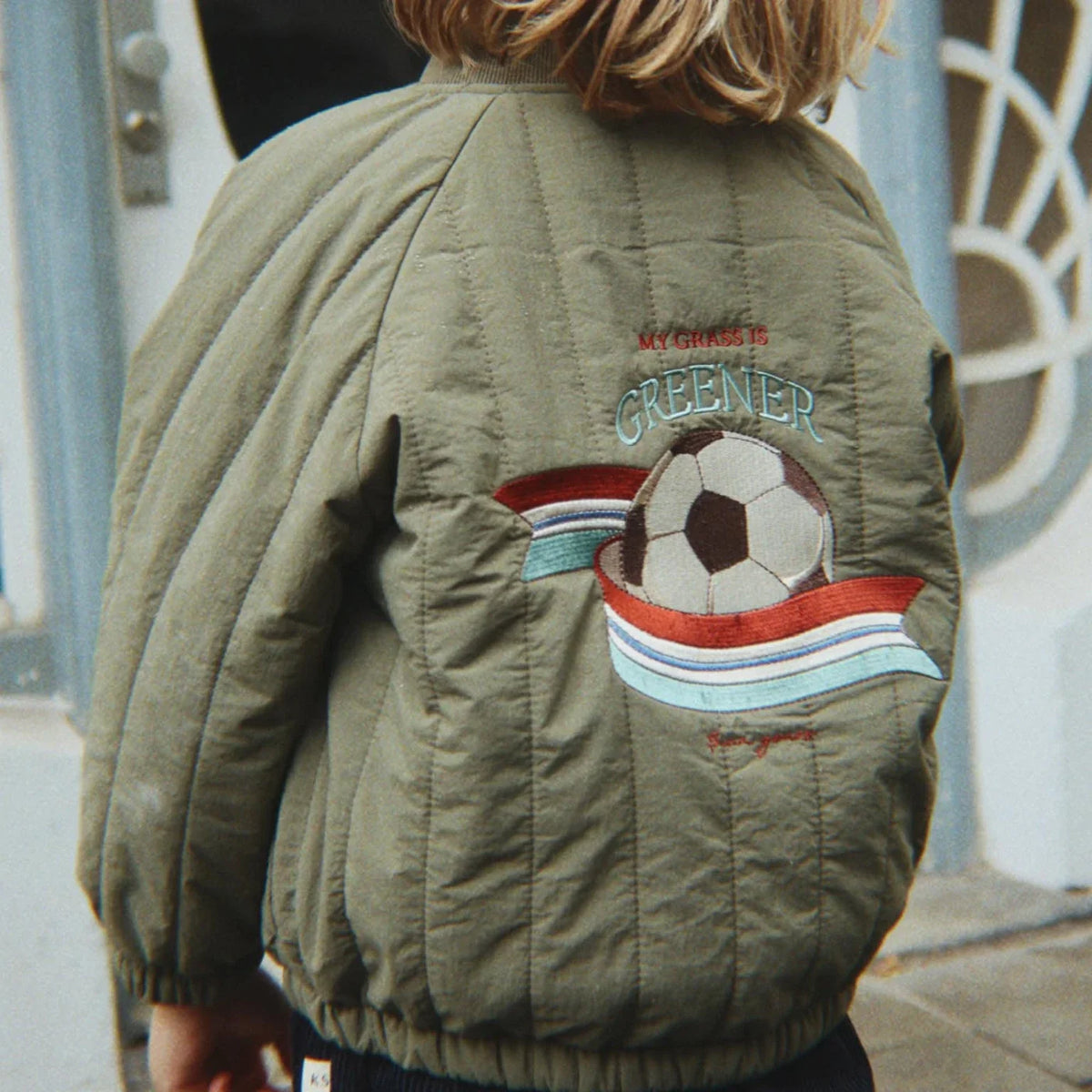
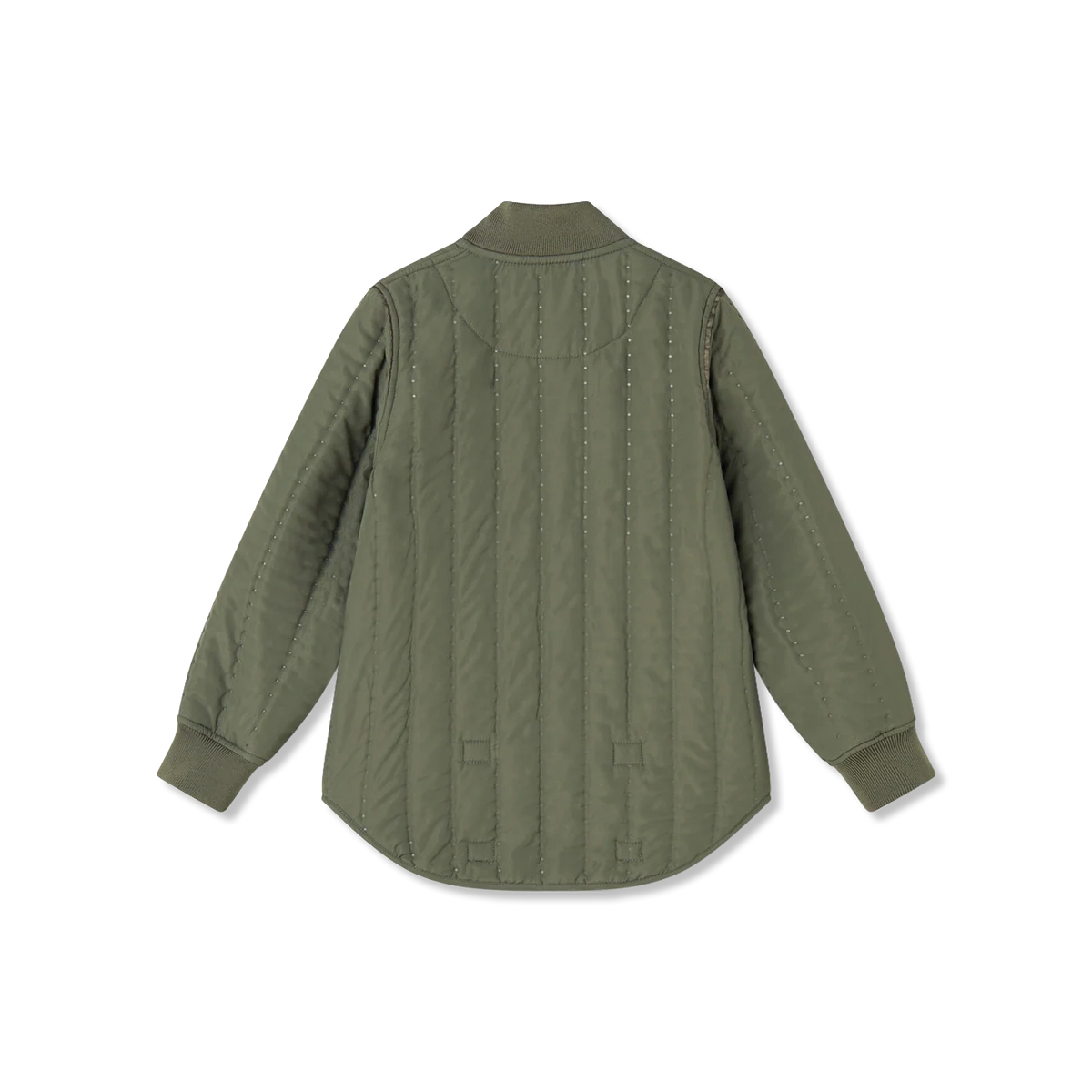
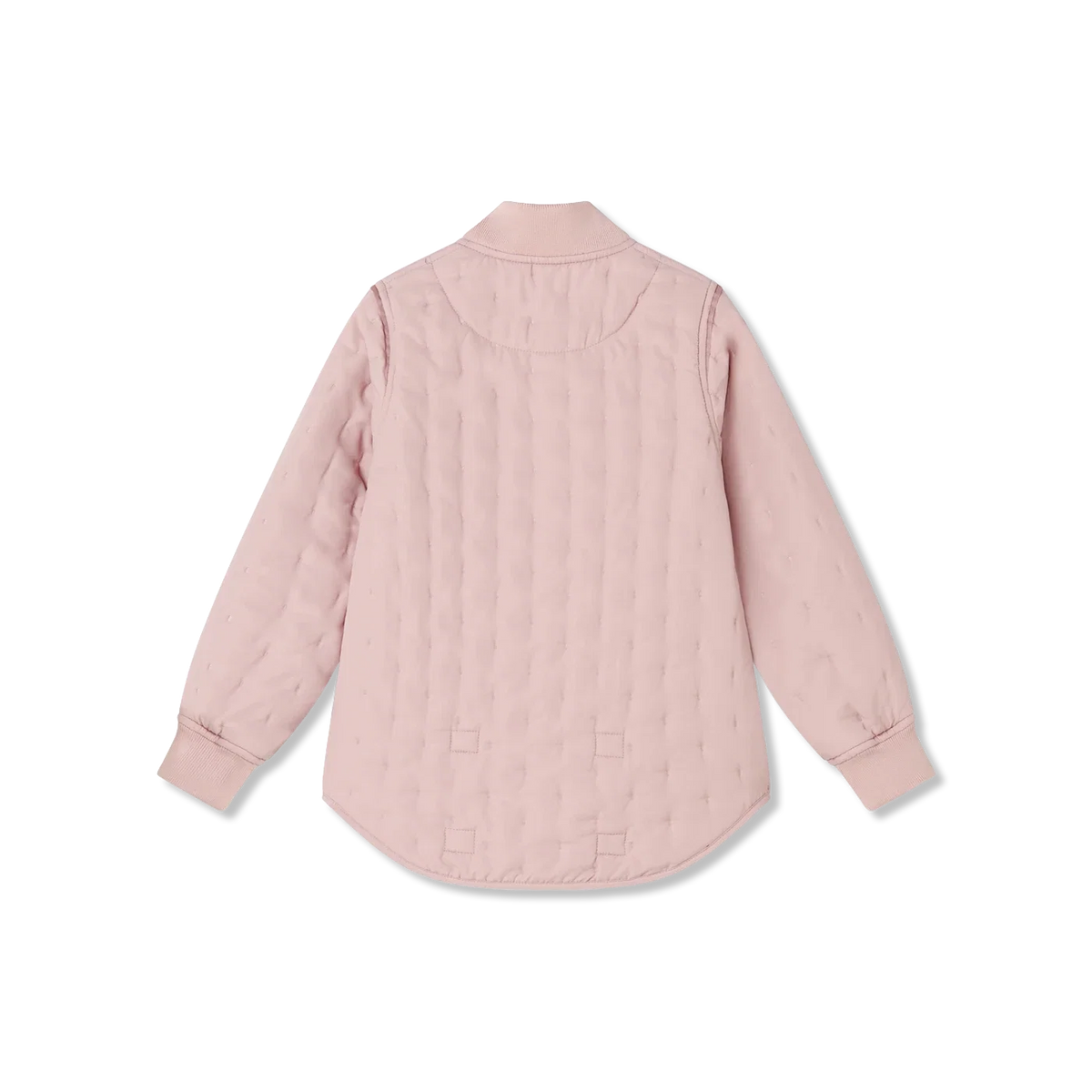
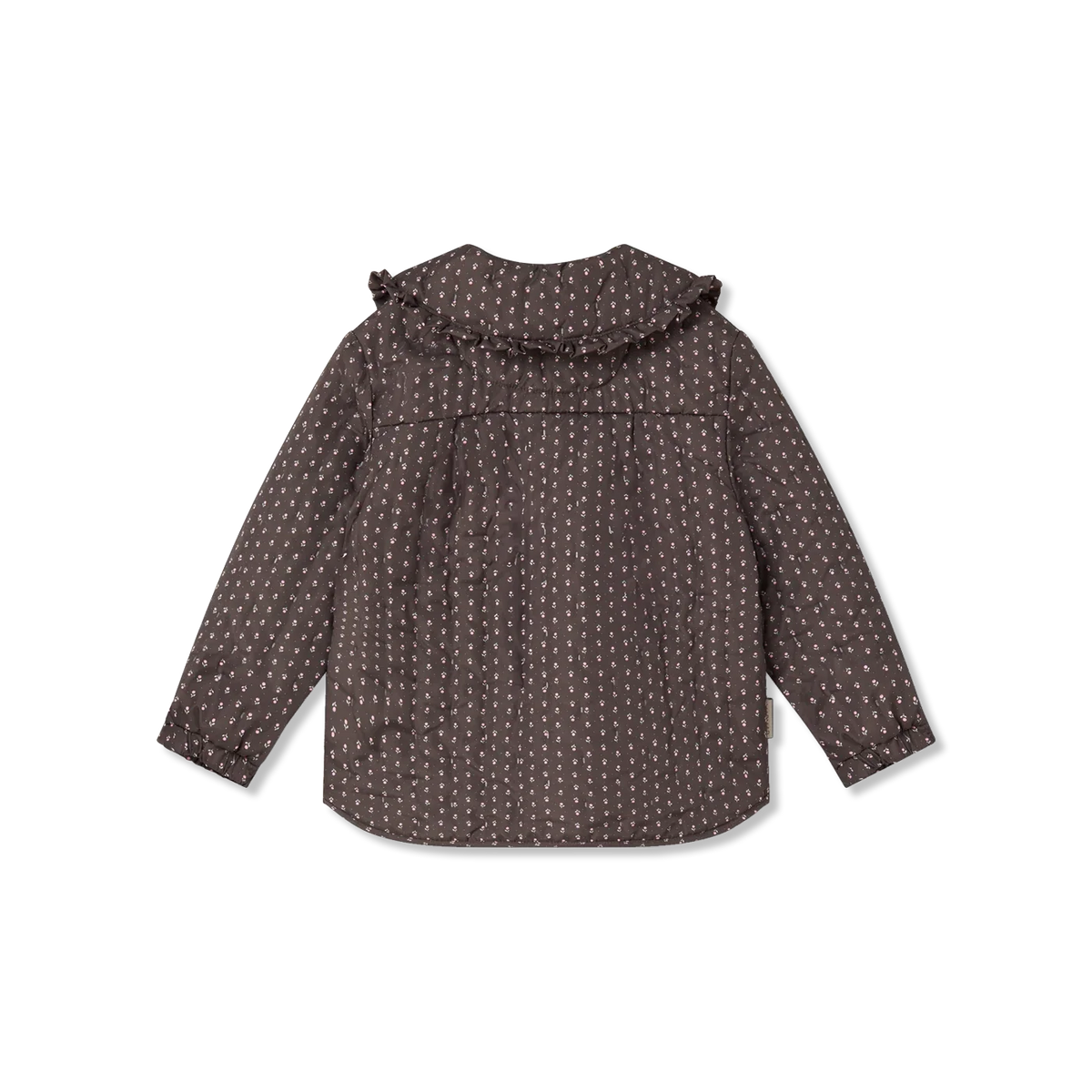
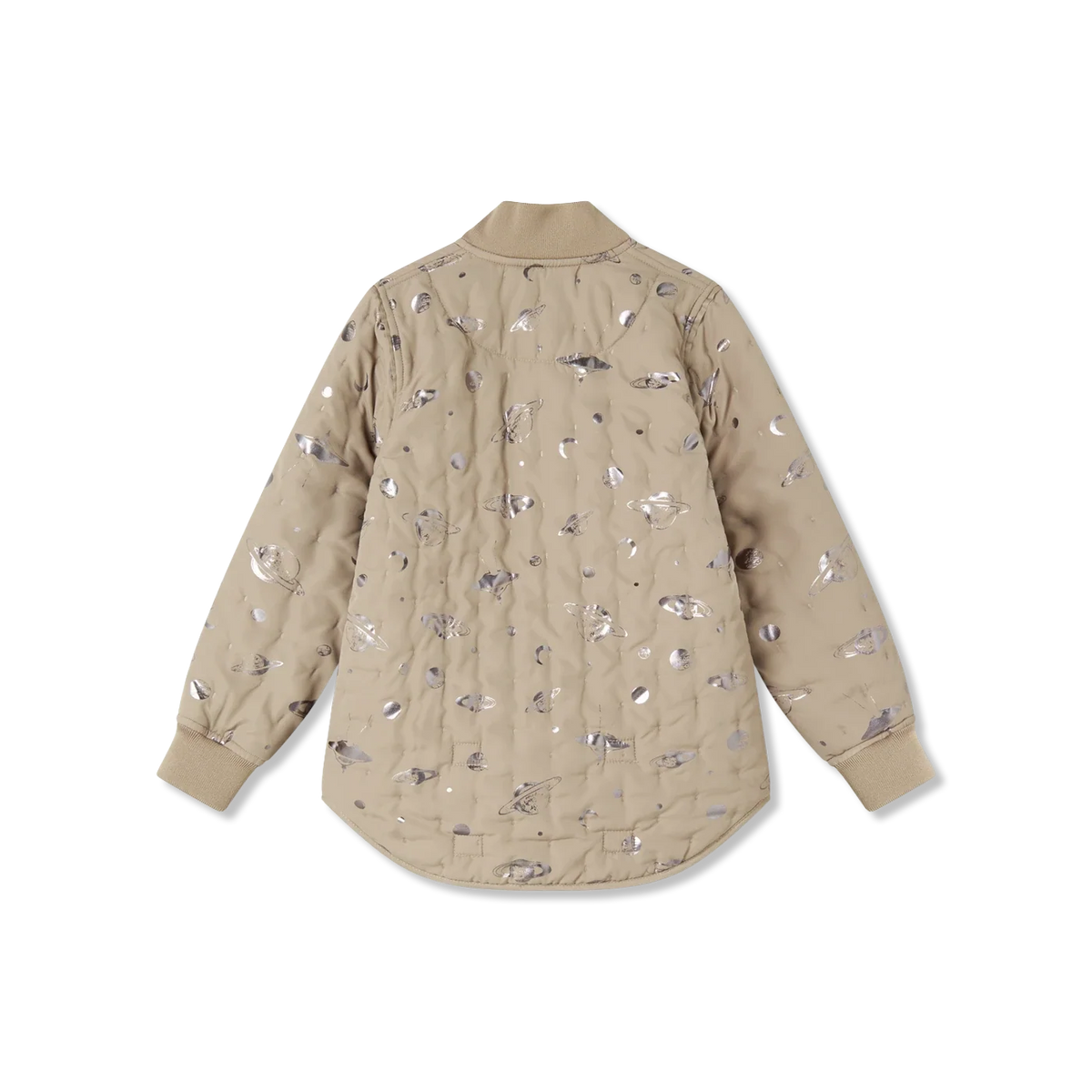
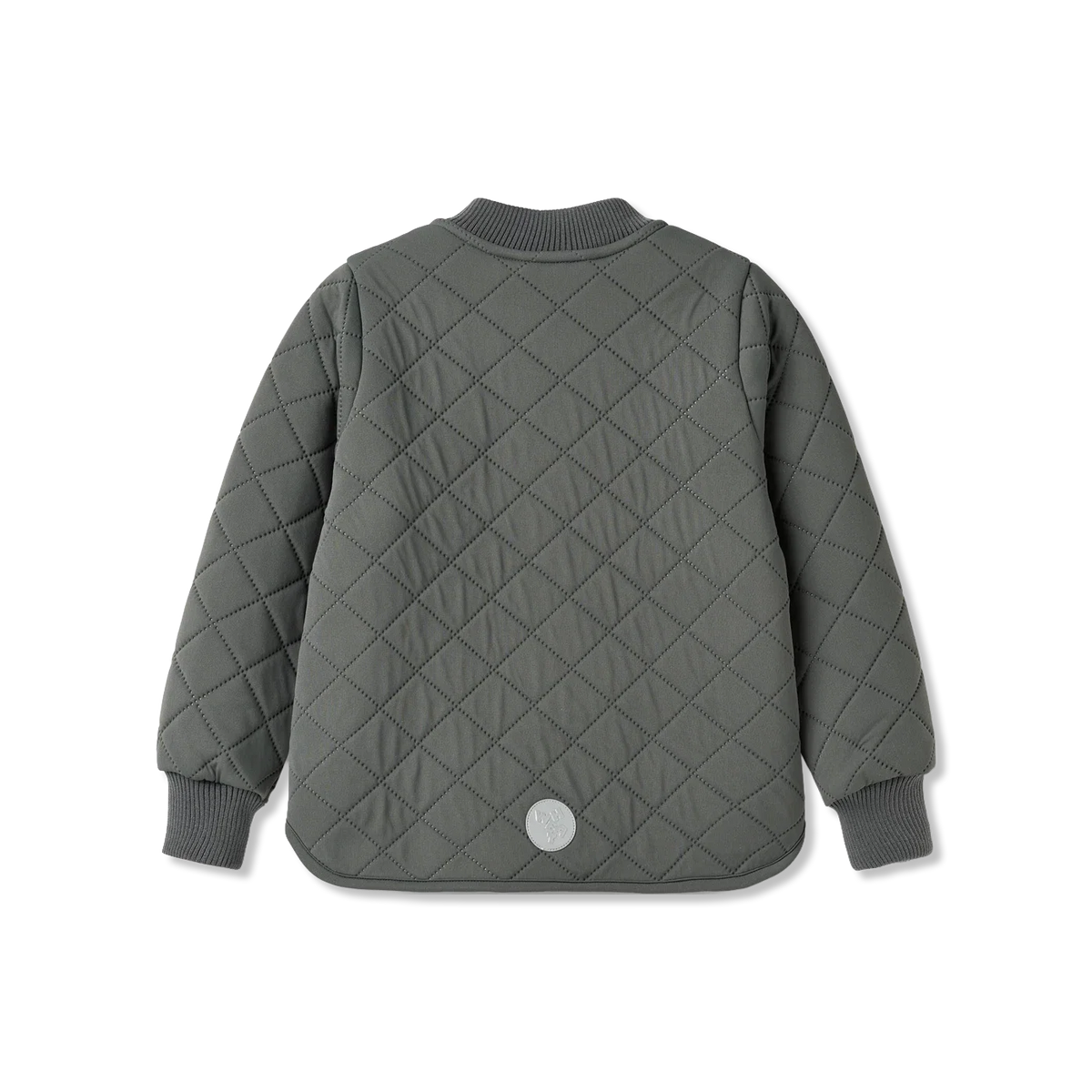
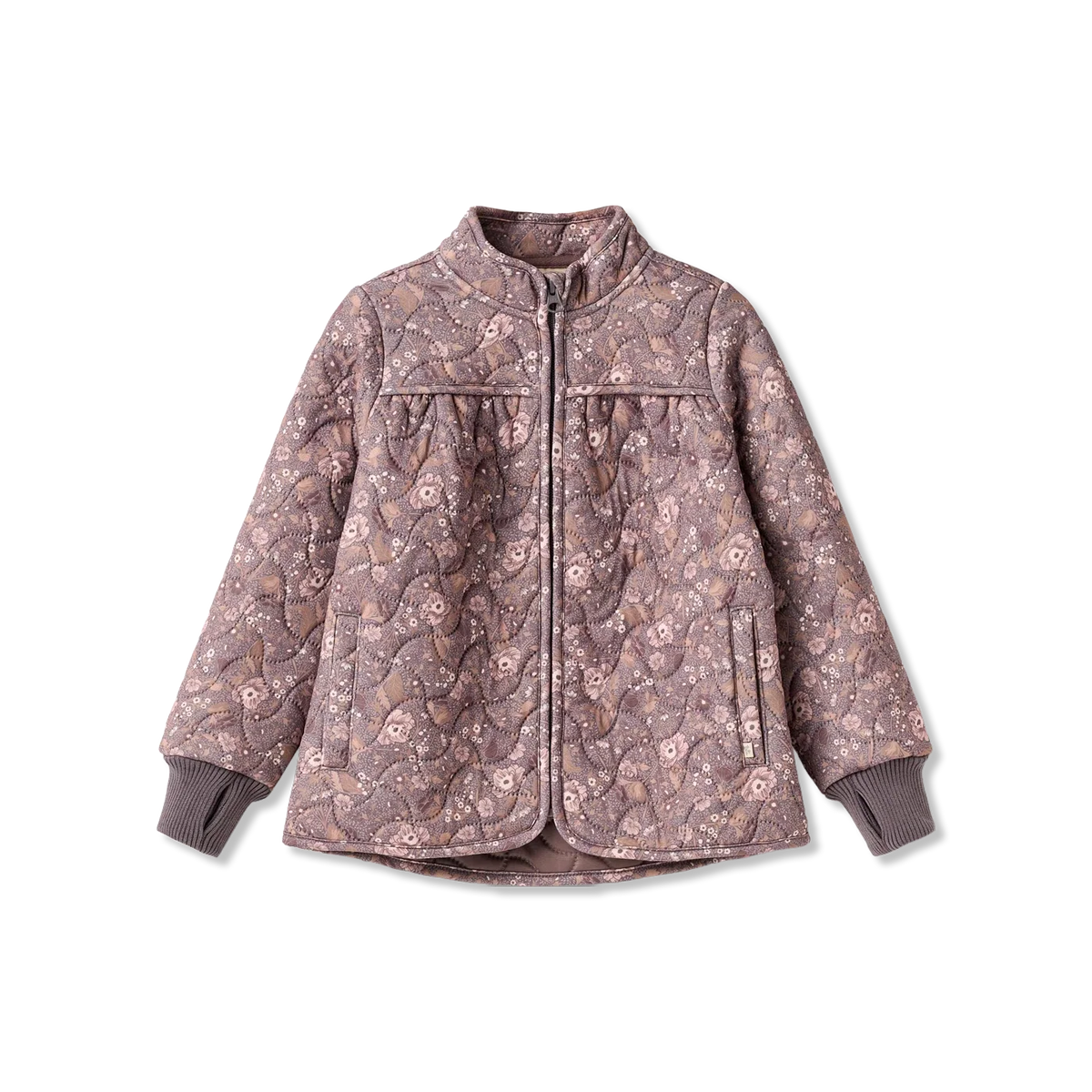
- Thermal jacket: lightweight outerwear for cool mornings, windy days and changing temperatures.
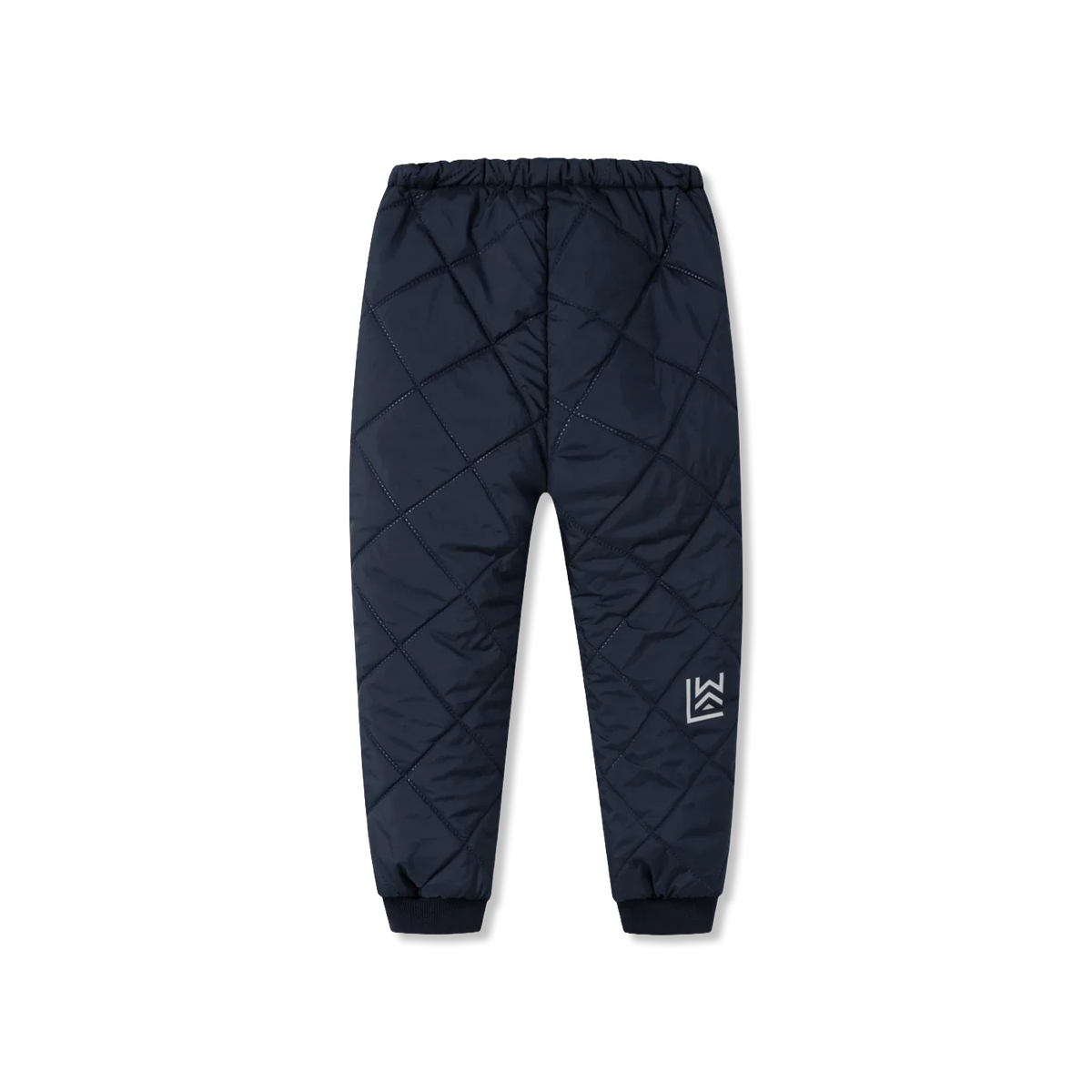
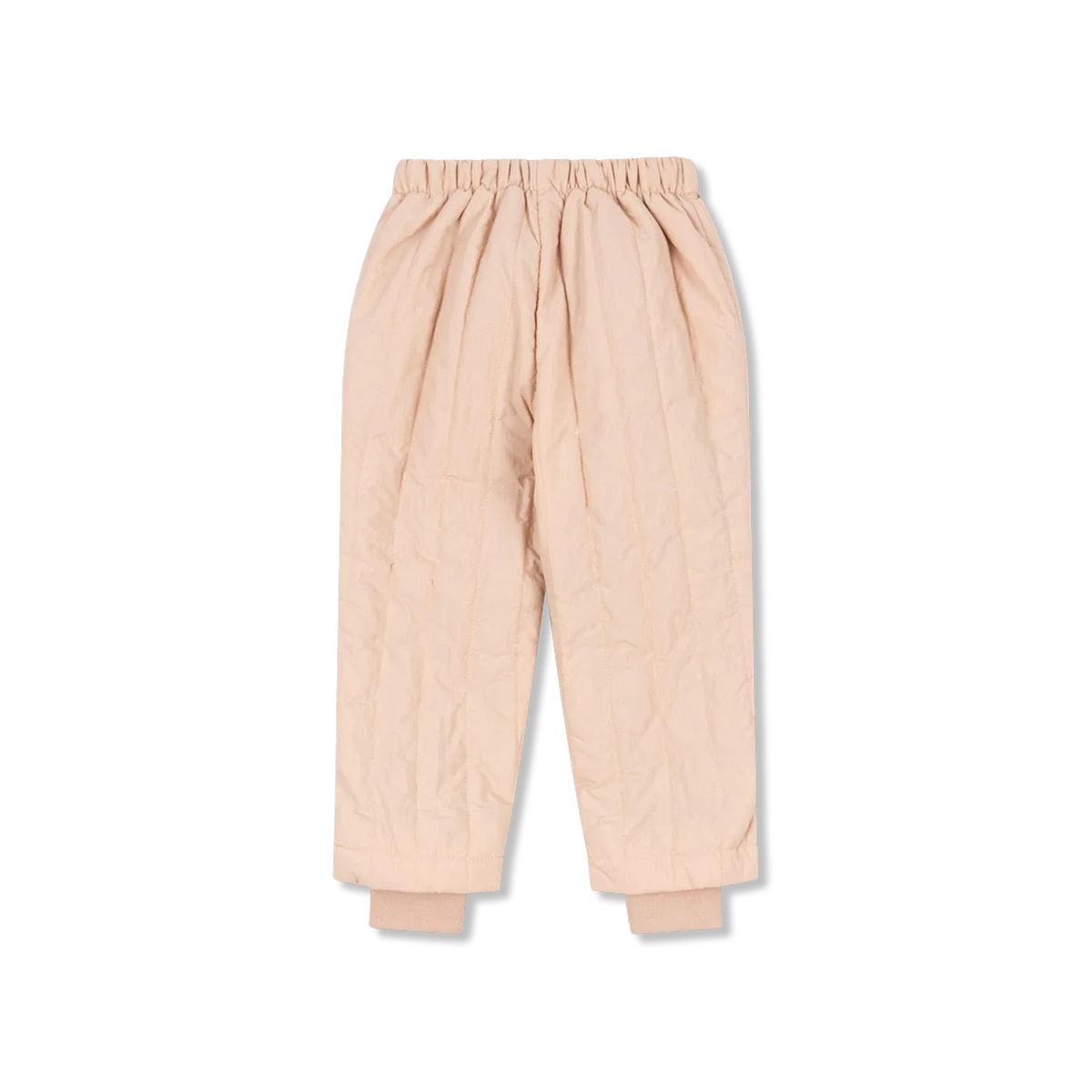
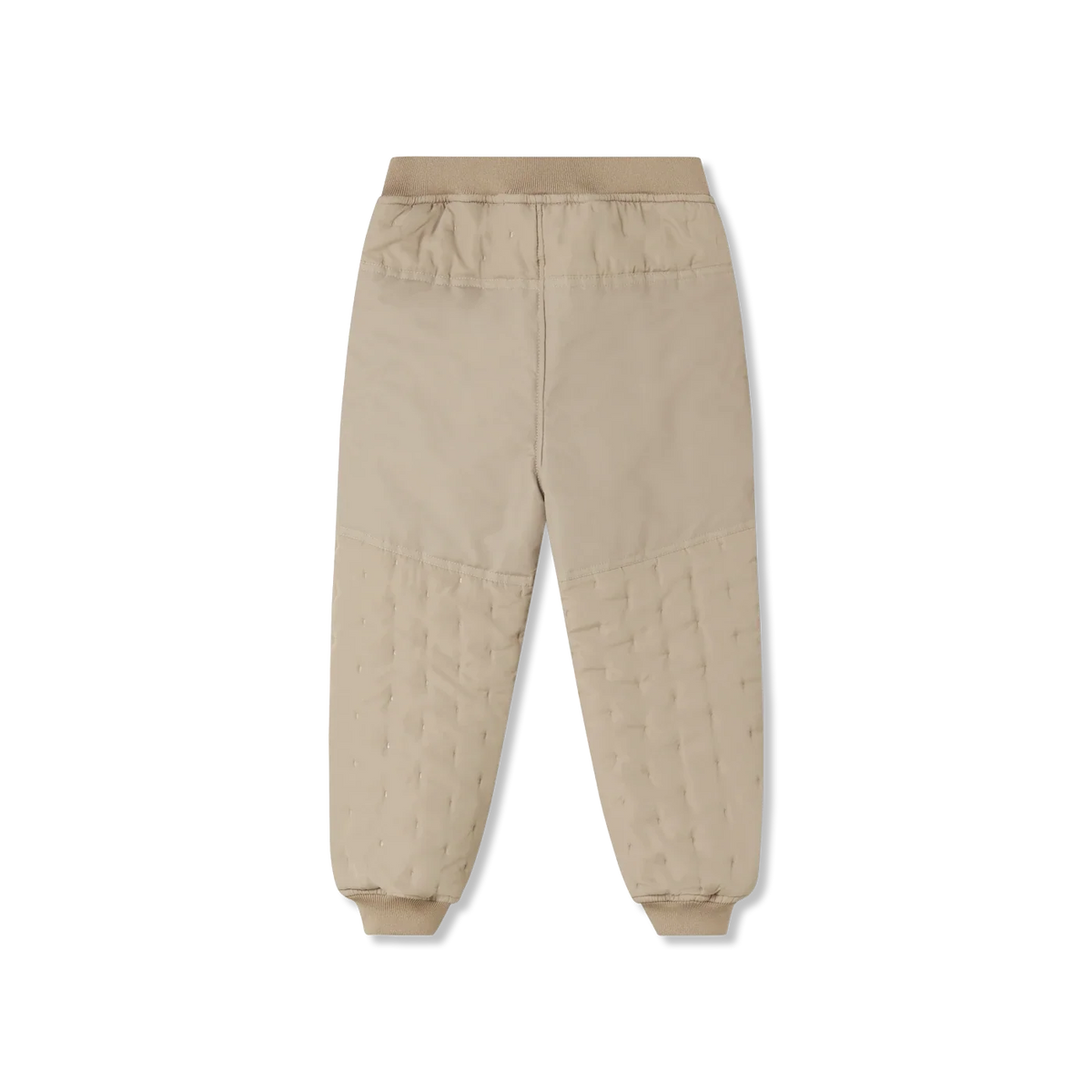
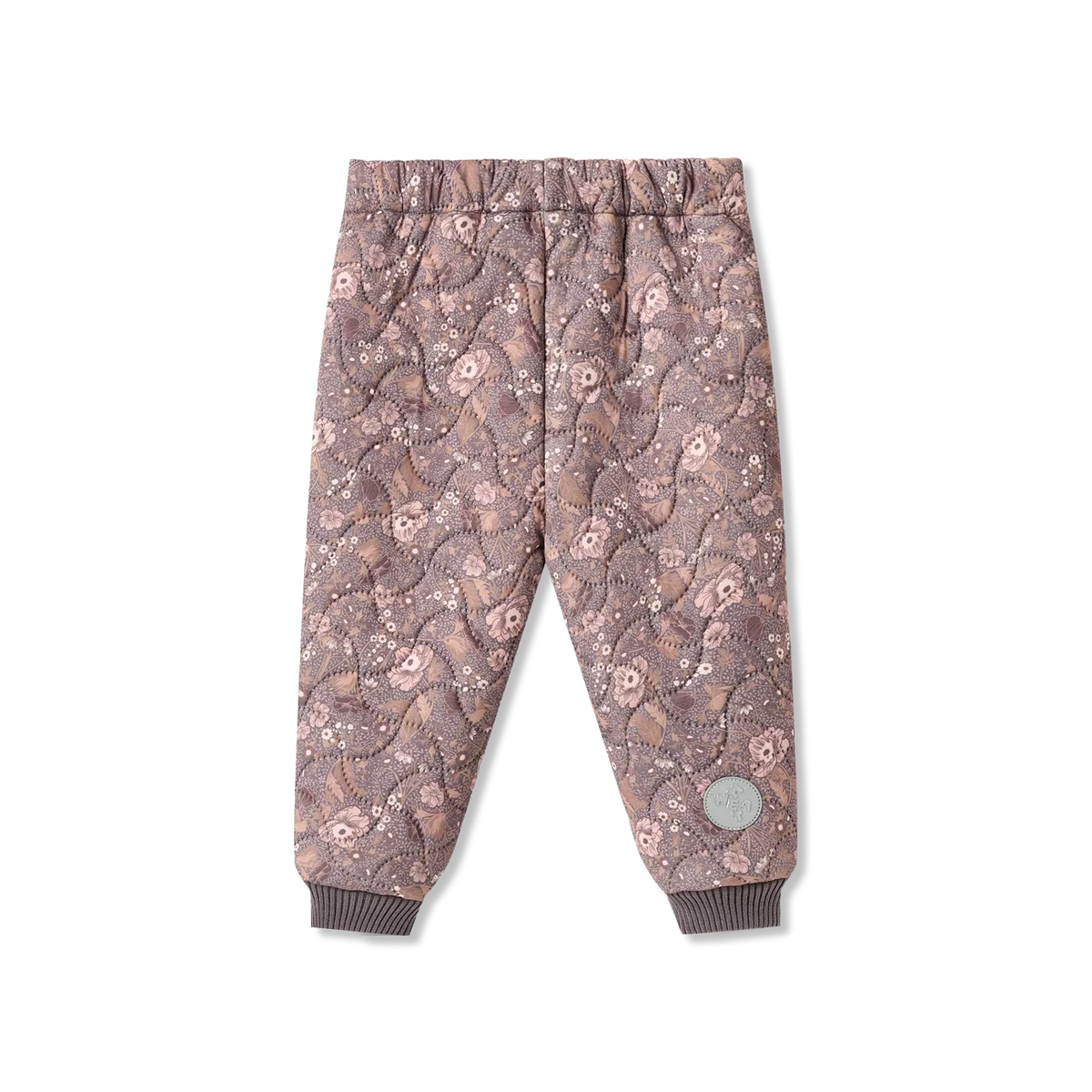
- Thermal trousers: extra warmth and protection for play close to the ground.
- Thermal suit: one-piece coverage that is especially practical for babies and toddlers.
Also consider how independently your child can get dressed. A two-piece set is often convenient for toilet visits and changing temperatures, while a suit can be quick to put on and stays in place during active play. Each product page provides details about the materials, features, fit and available sizes of the specific item.
When should children wear thermal clothing?
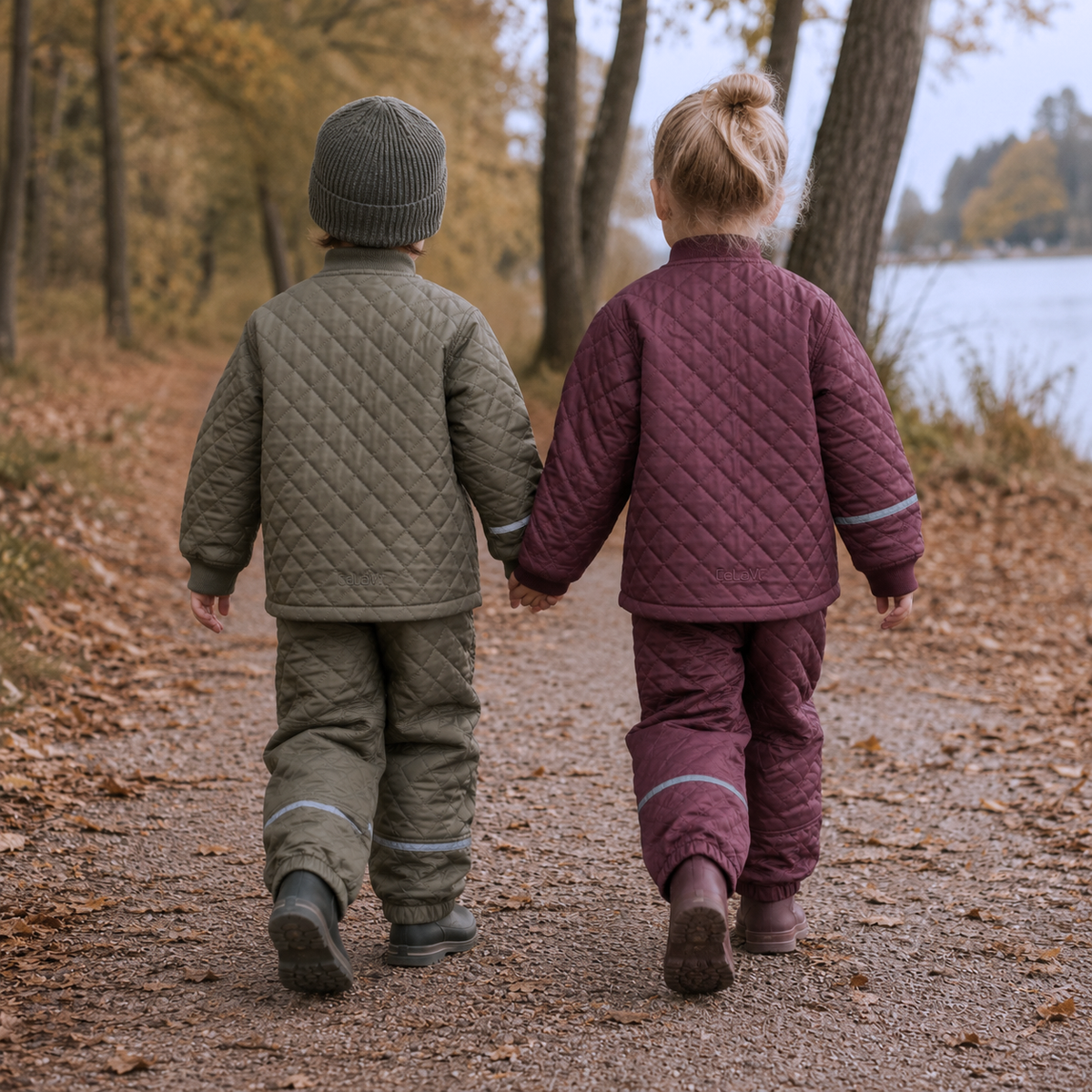
Thermal clothing is mainly used in spring and autumn, but it can also be useful on mild winter days or cool summer evenings. It works well in changeable weather with sun, wind and lower temperatures, when a thin jacket does not provide enough warmth. At nursery and school, it is popular because it is flexible, easy to pull over everyday clothes and suitable for many hours of outdoor play.
On cool days, thermal clothing can be worn over a top, sweatshirt or knit. As the temperature falls, an extra layer can be added underneath. Make sure the outfit does not become so tight or heavy that movement is restricted. A child should be able to run, cycle, climb and squat without the jacket, trousers or suit pulling or feeling uncomfortable.
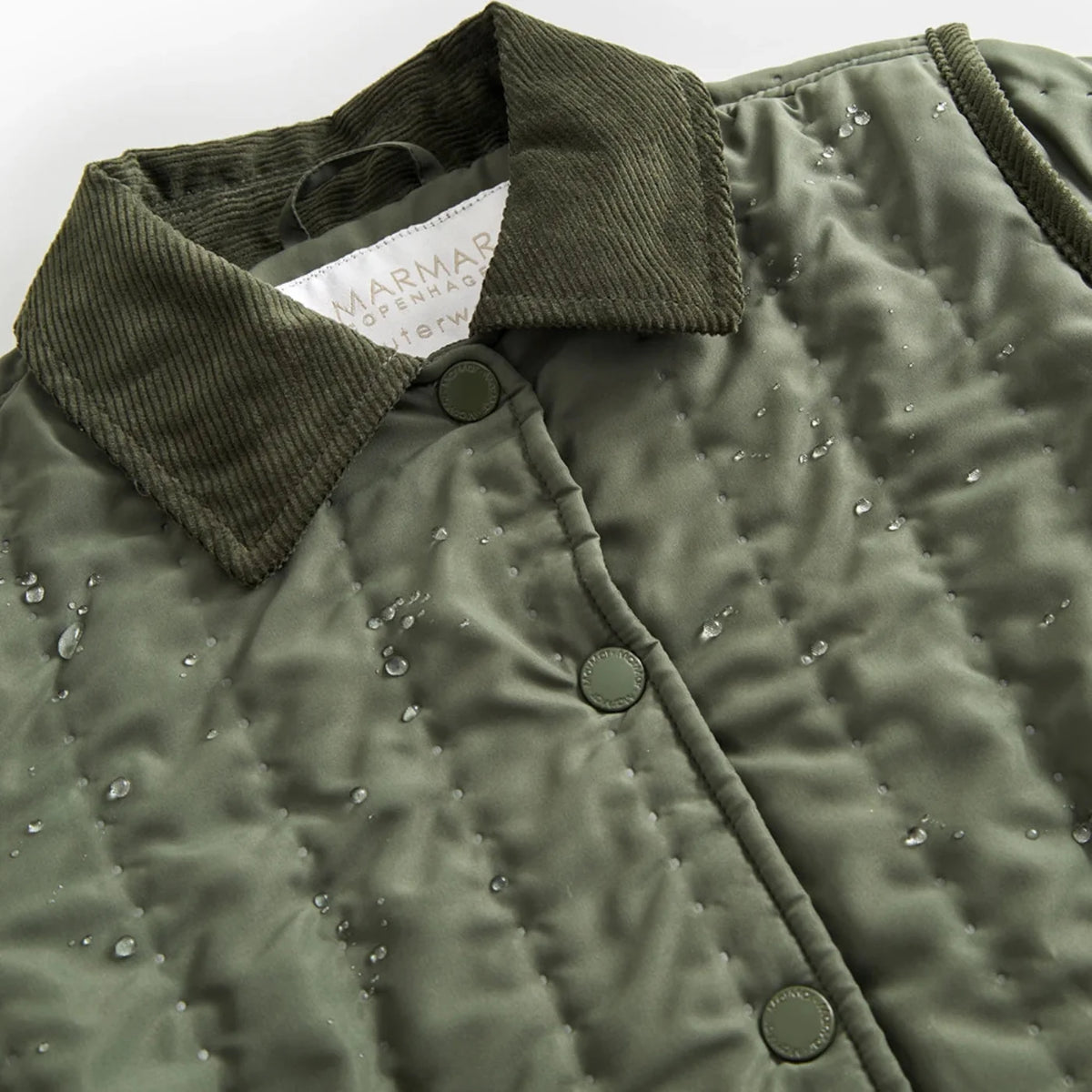
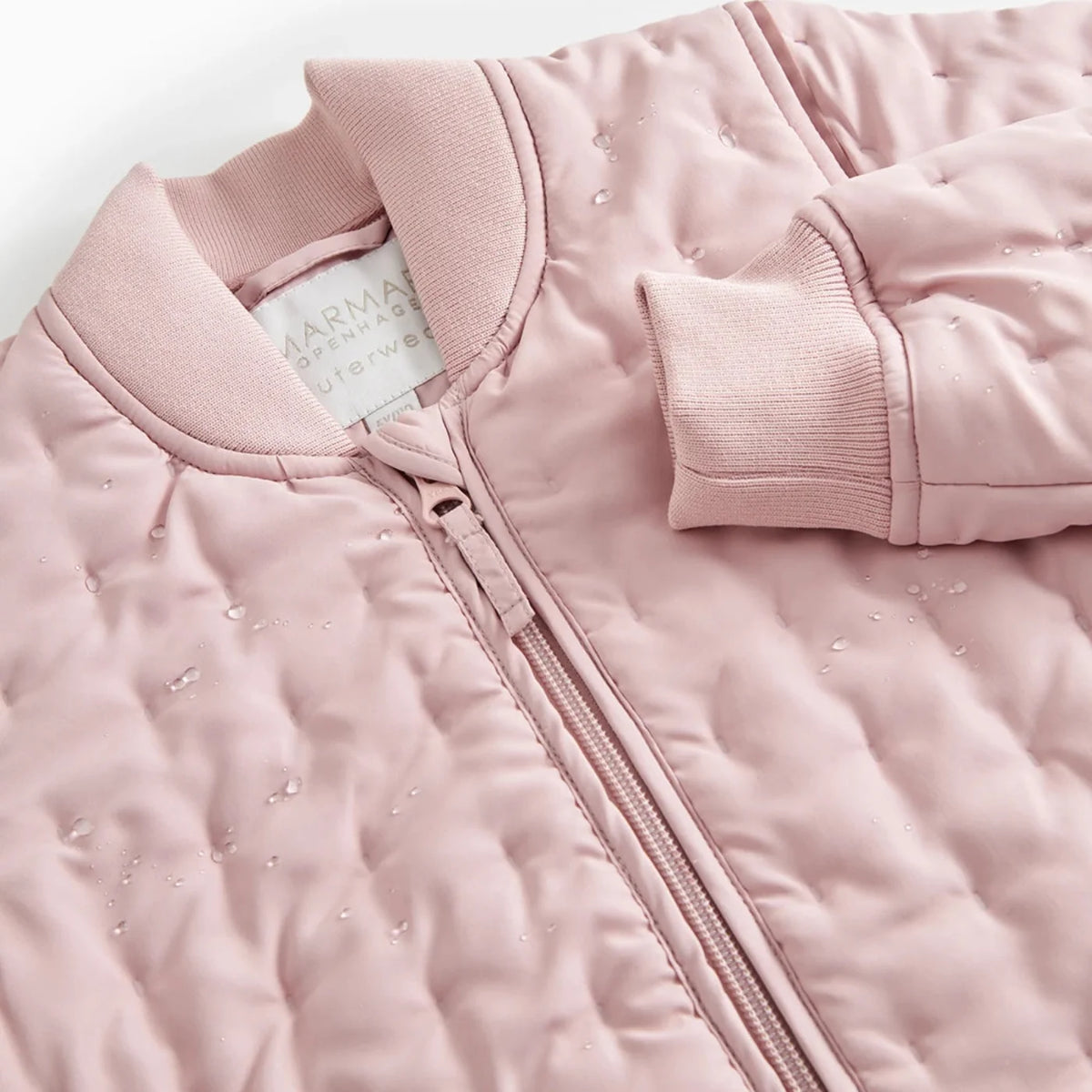
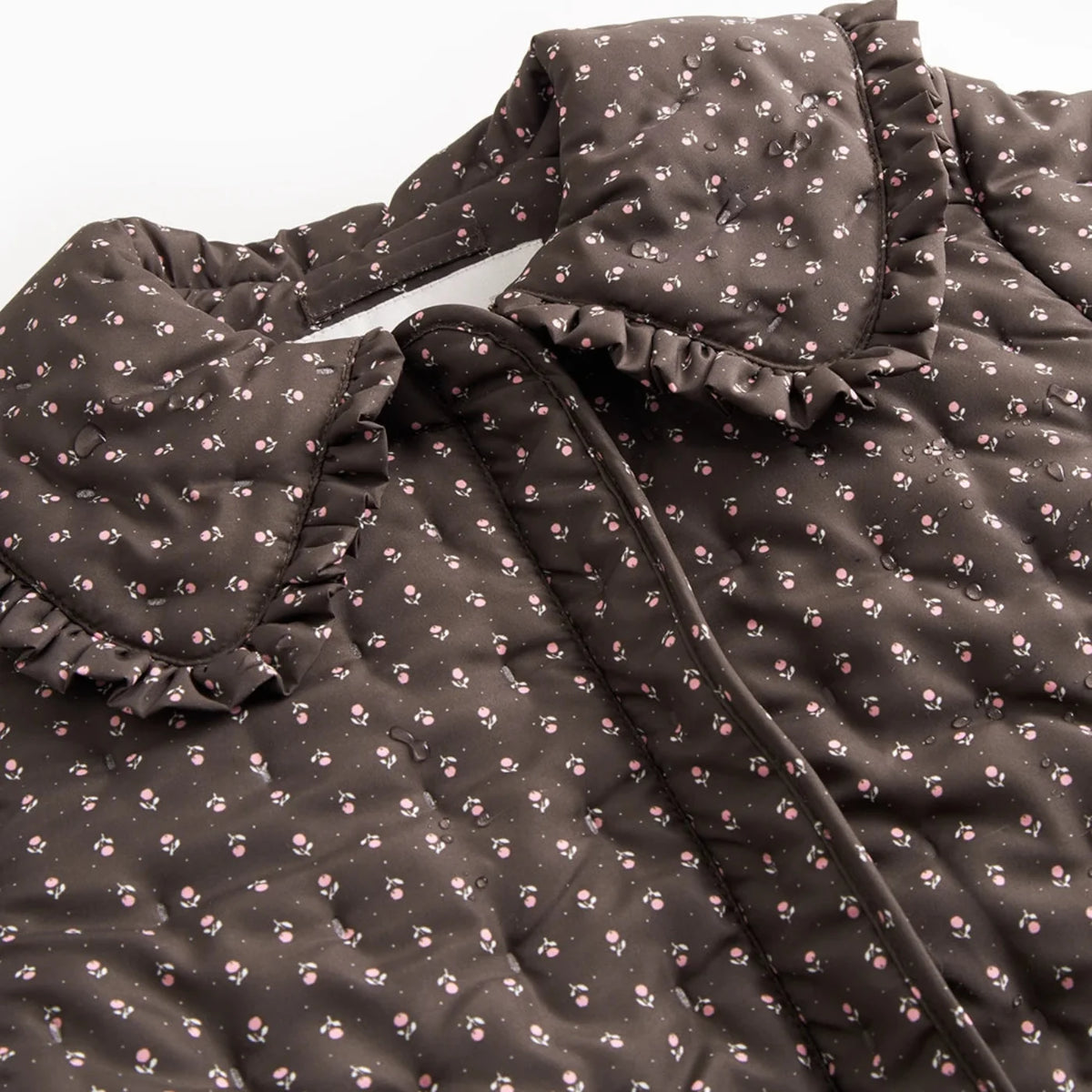
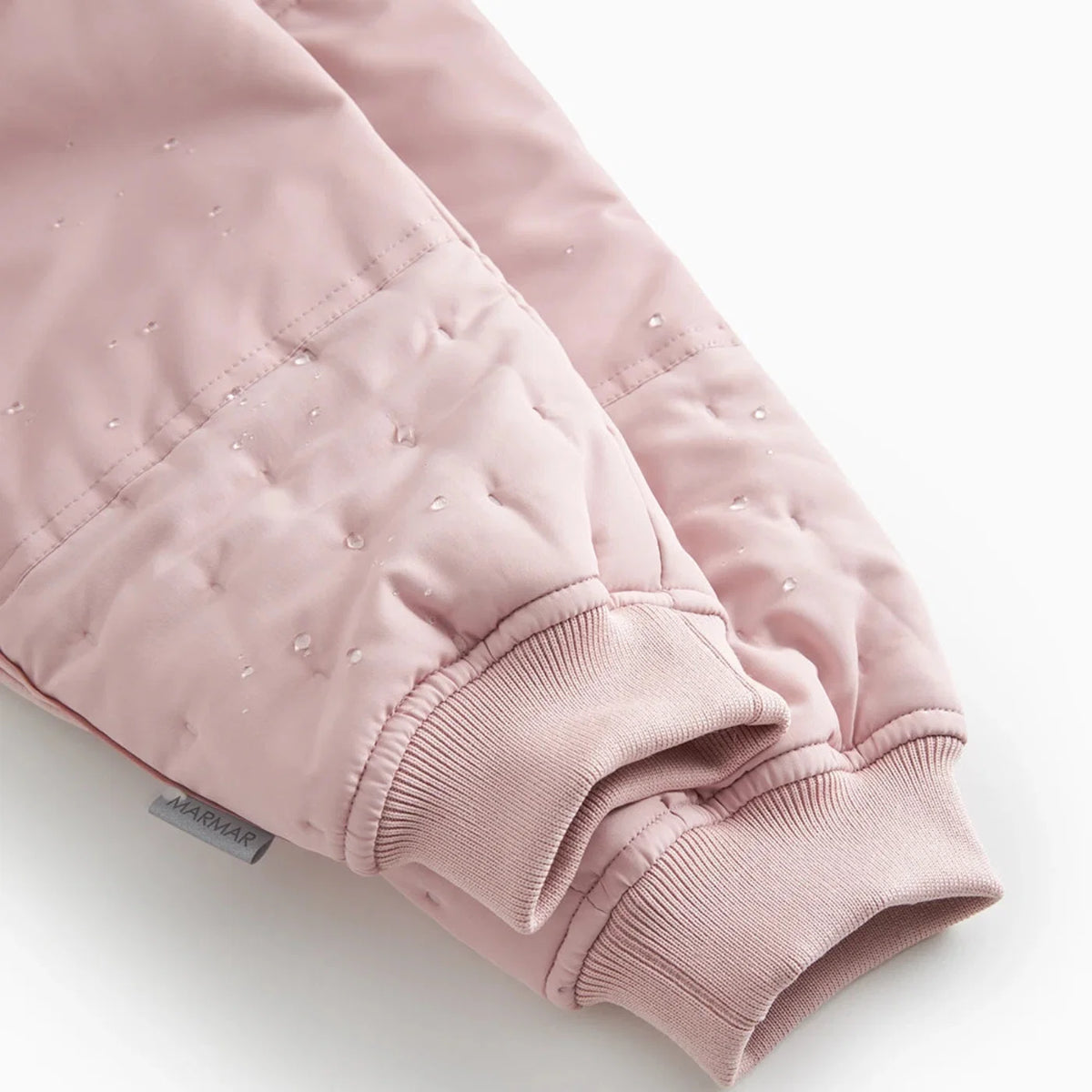
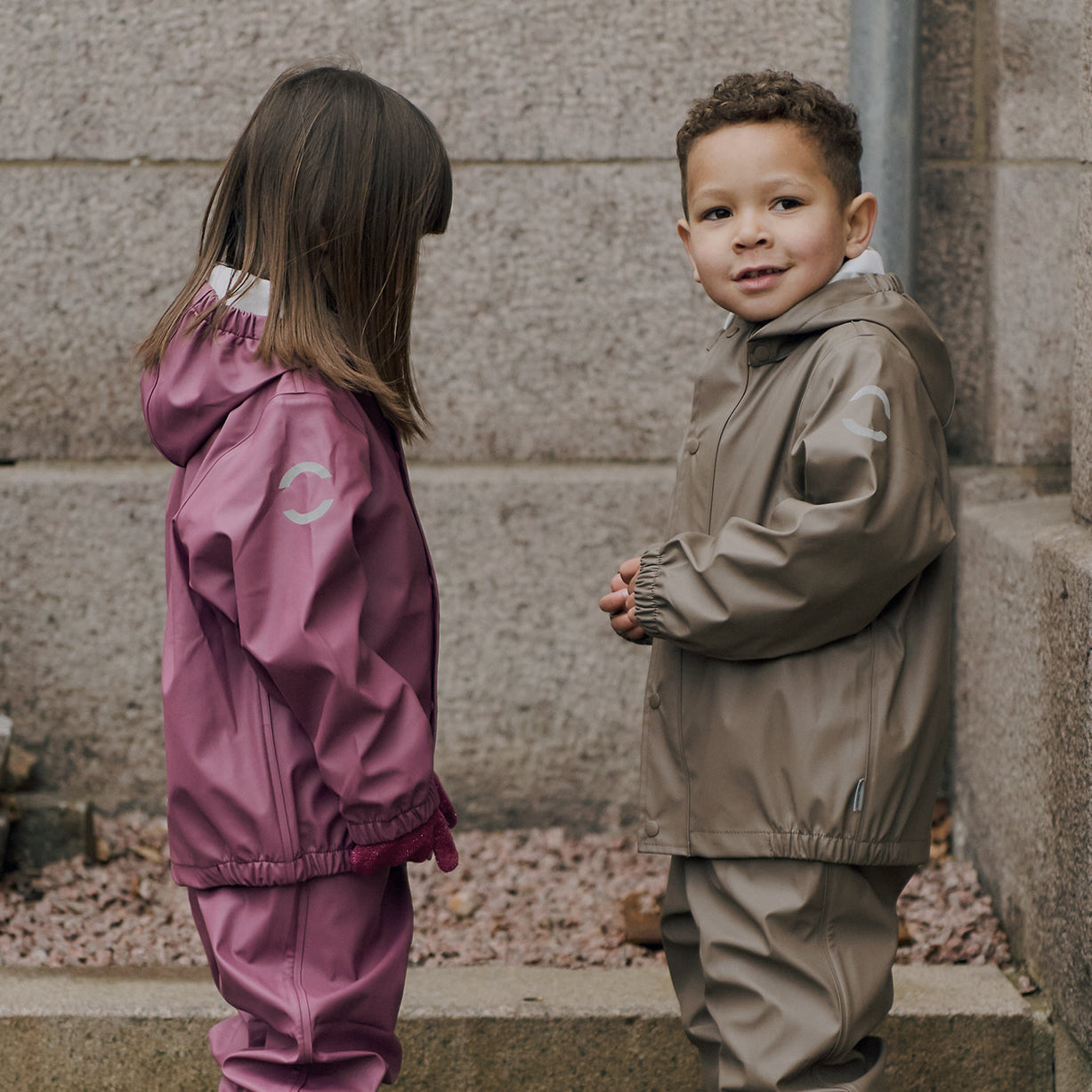
Thermal clothing is not automatically rainwear. Many styles can repel light moisture, but performance varies between products. In persistent rain, your child should wear rainwear over it. In frost, snow and prolonged winter cold, a warm winter jacket or other winter outerwear is usually a better outer layer. Always check the product description when waterproofing, water column rating or specific weather protection is important.
Thermal clothing for babies, girls and boys
When choosing thermal clothing for a baby, girl or boy, function and fit are at least as important as colour and design. For babies and small children, a soft interior, easy movement and a simple fastening are often the main priorities. A thermal suit provides continuous coverage, while a two-piece set is easier to adjust when a child moves between the pushchair, car, indoor play and time outside.
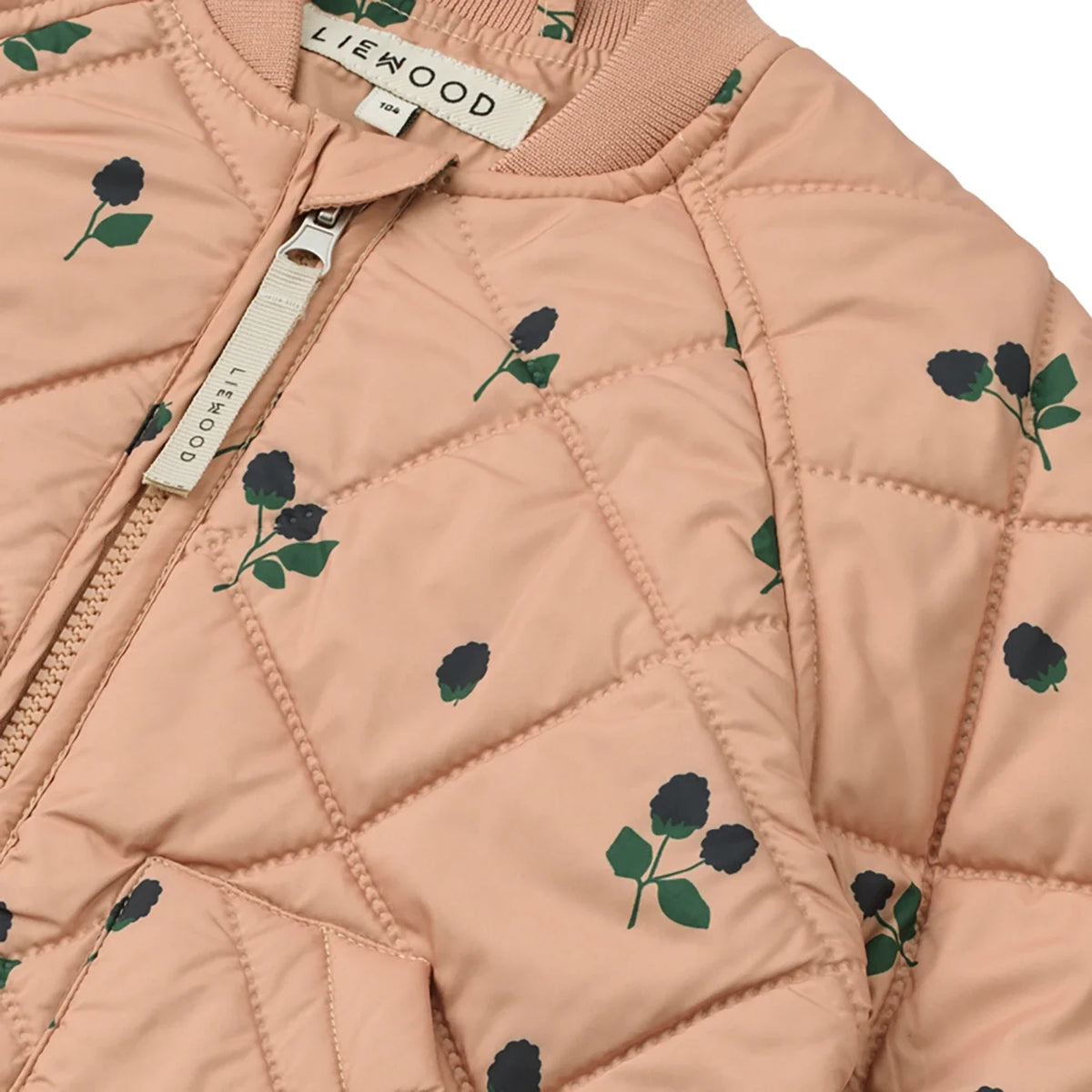
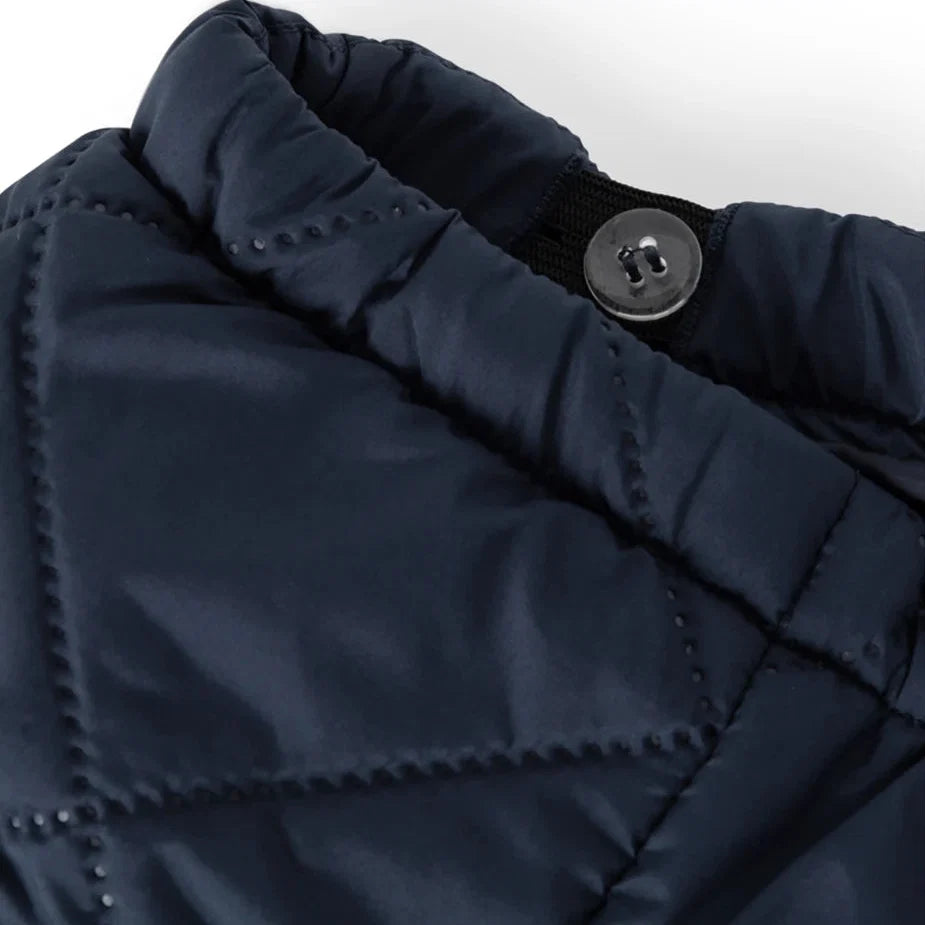
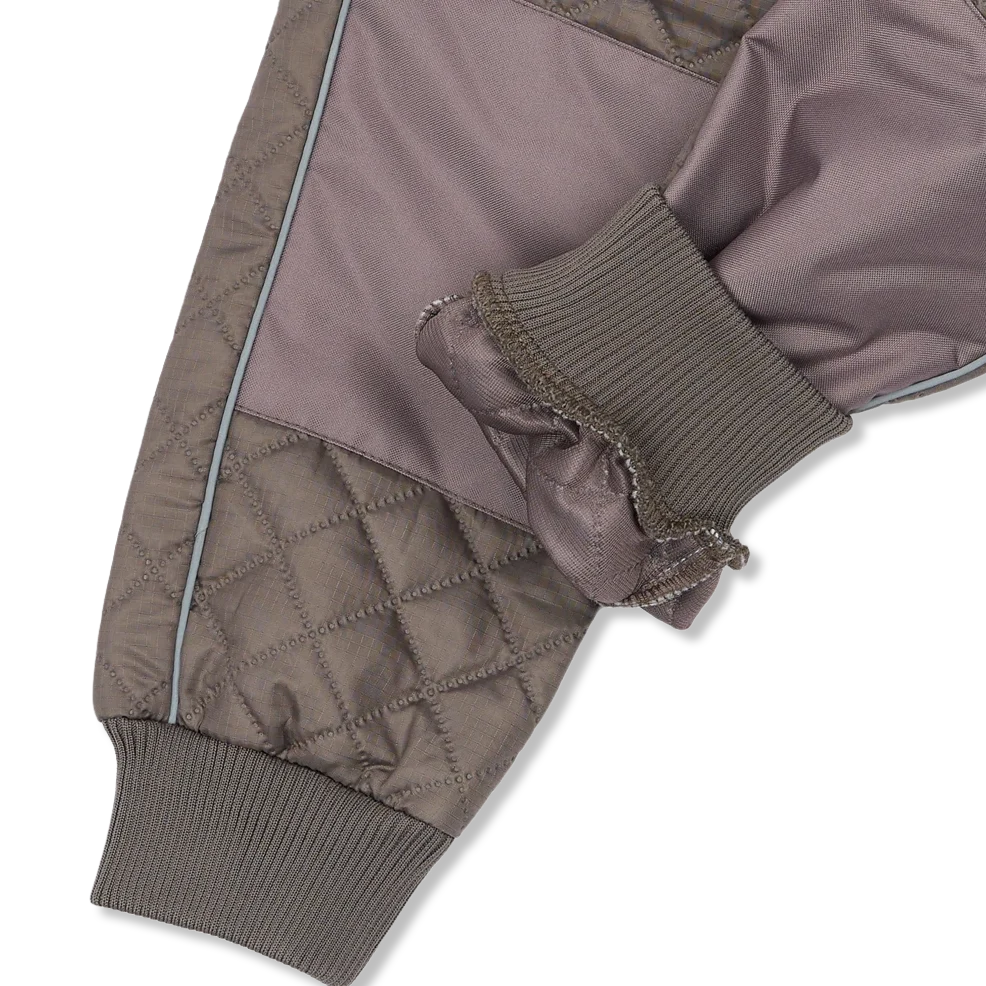
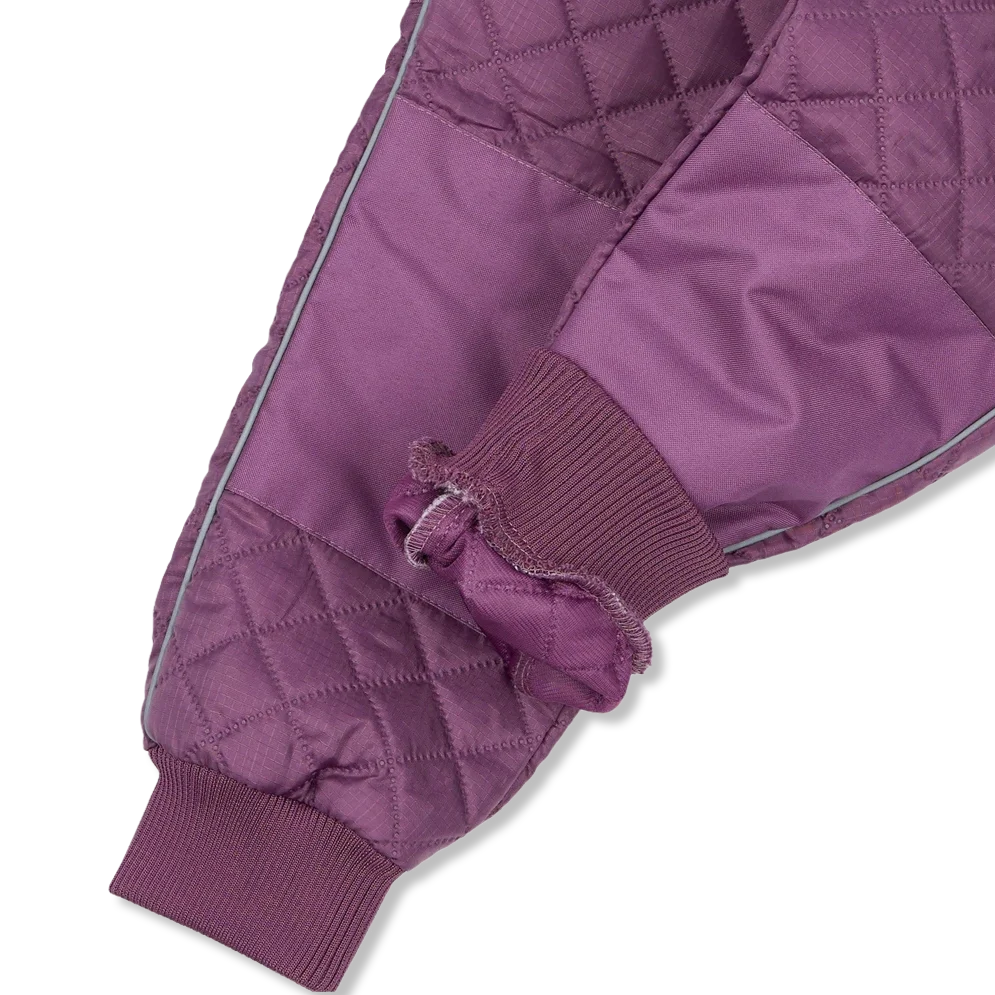
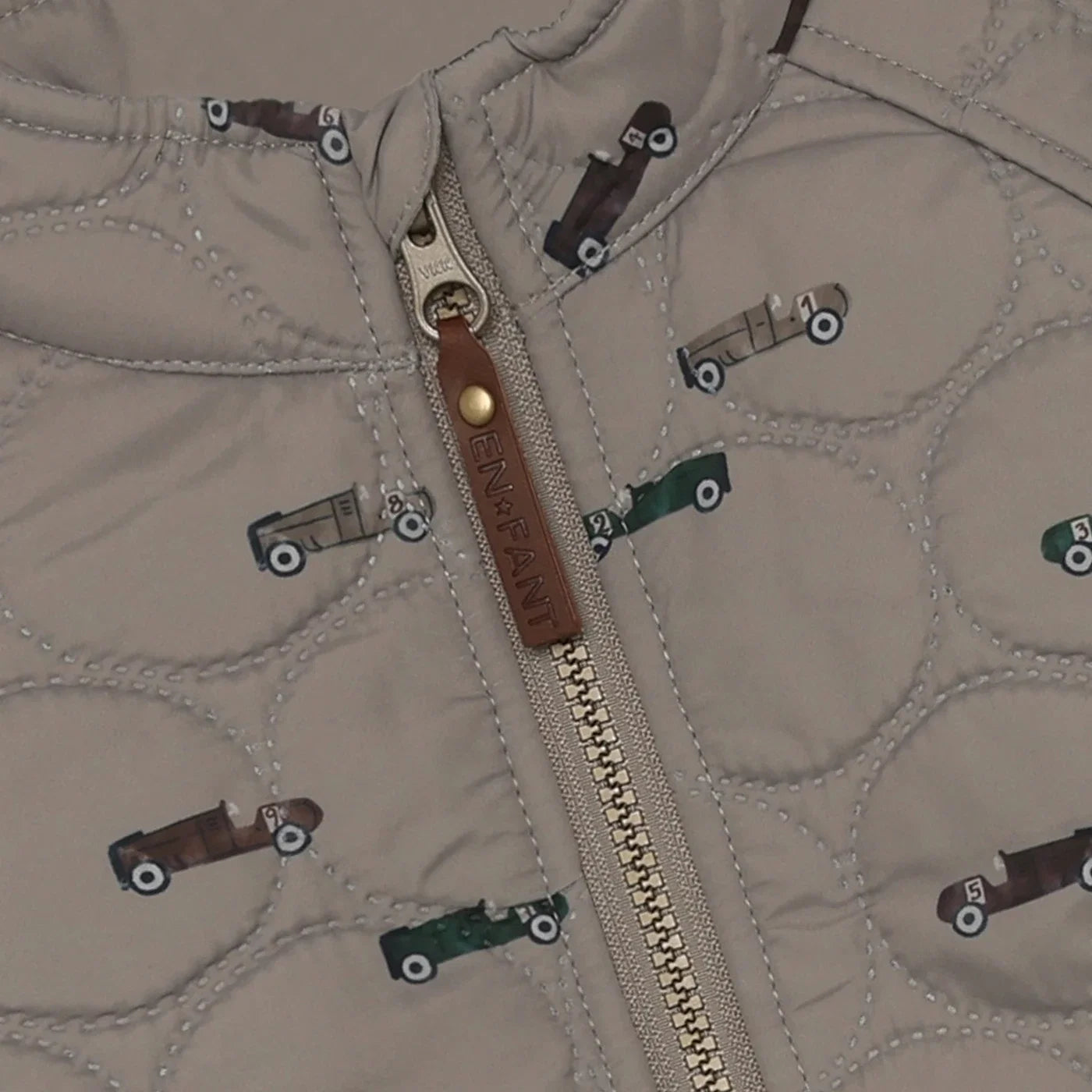
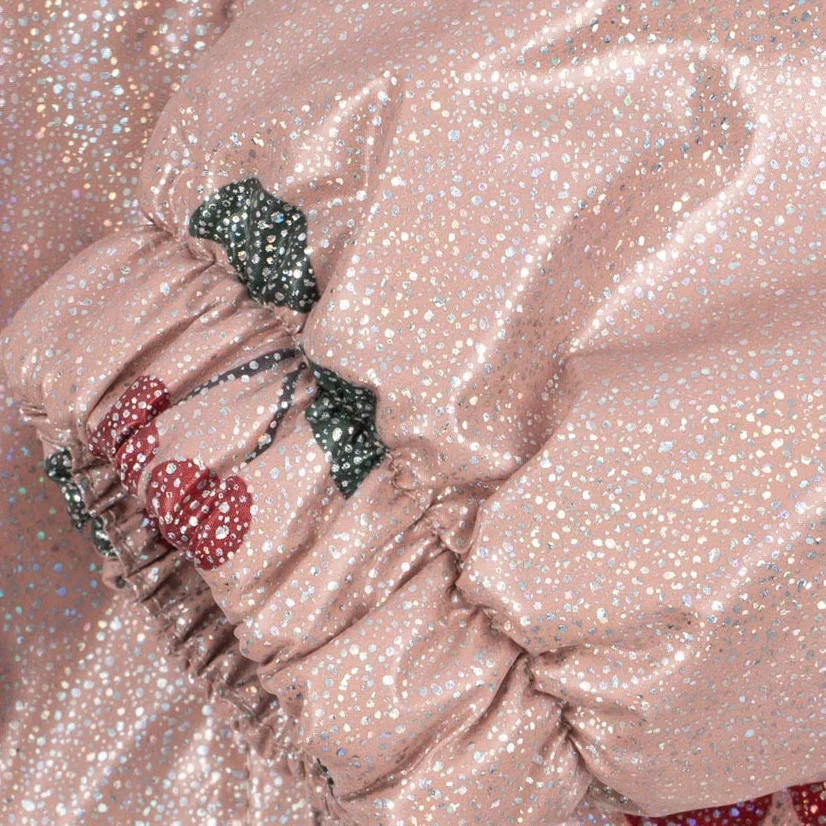
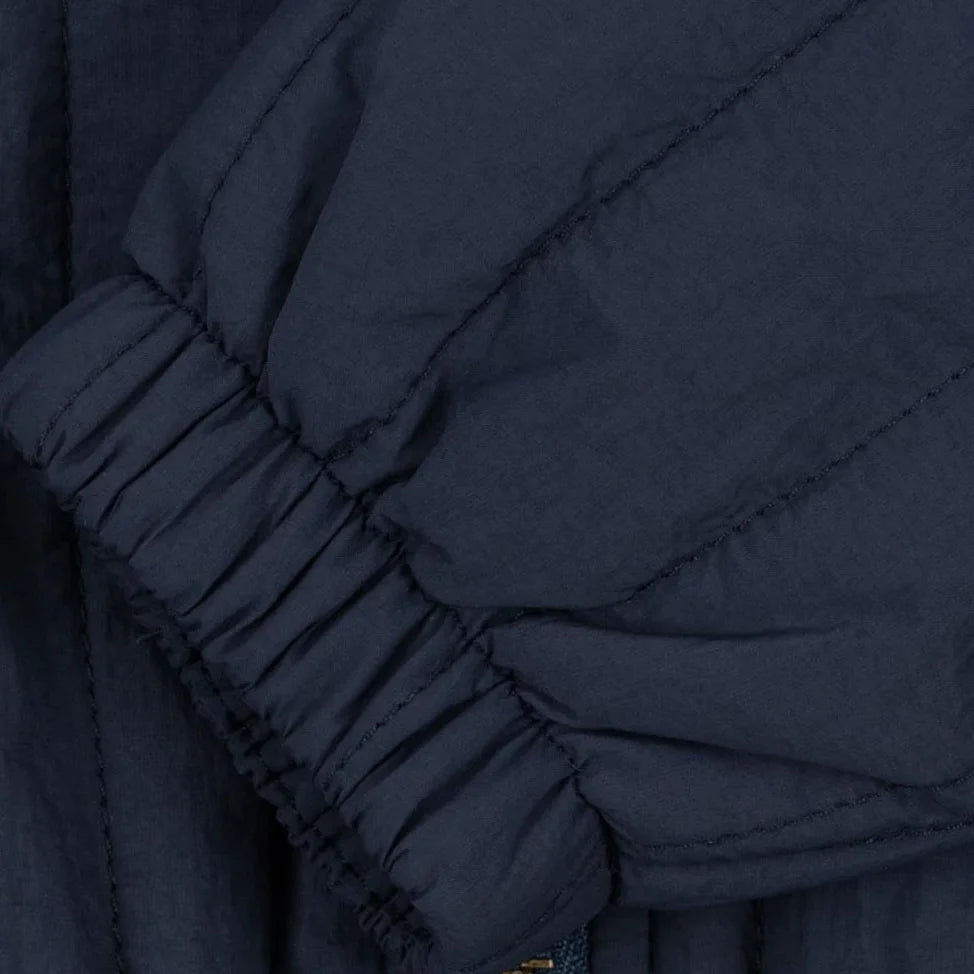
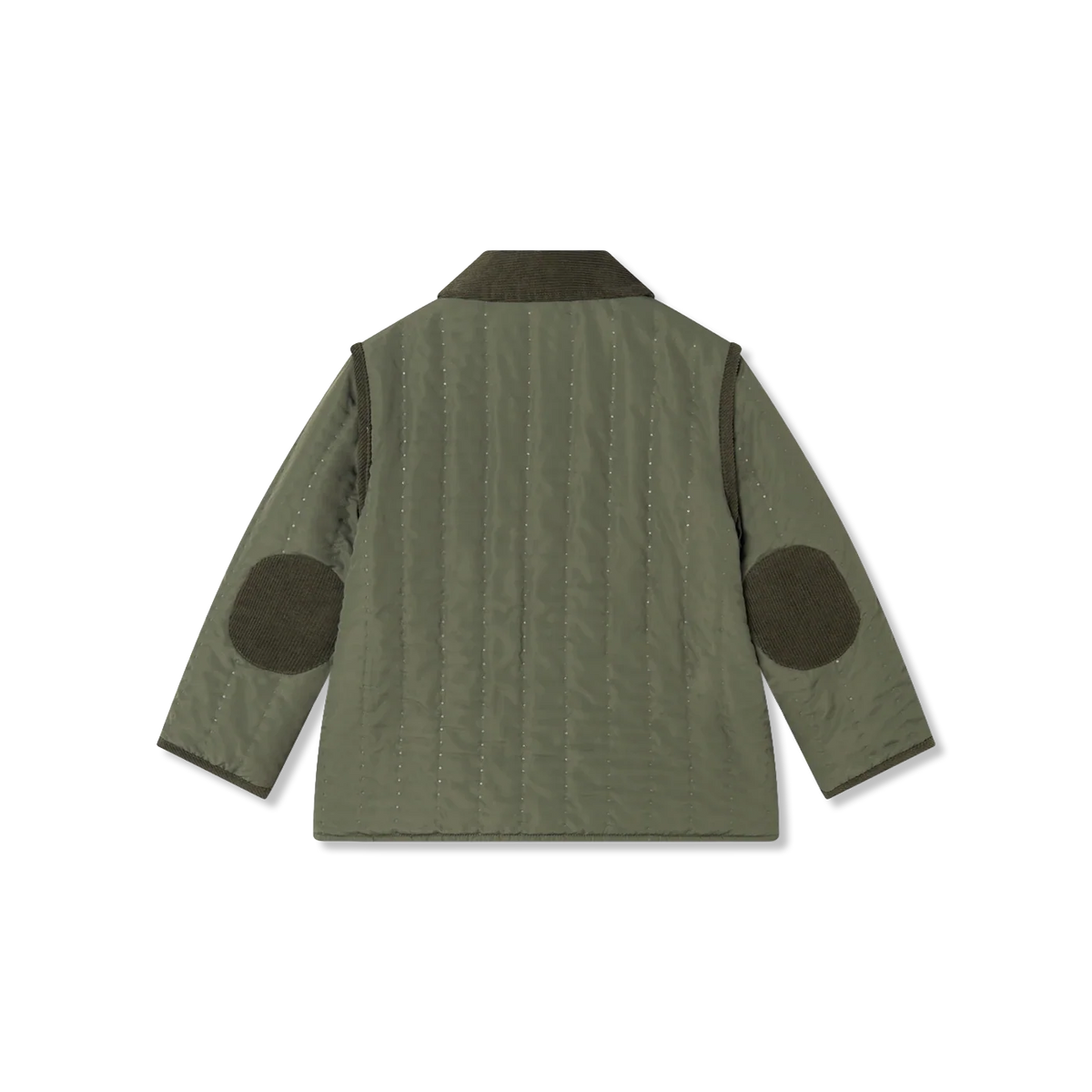
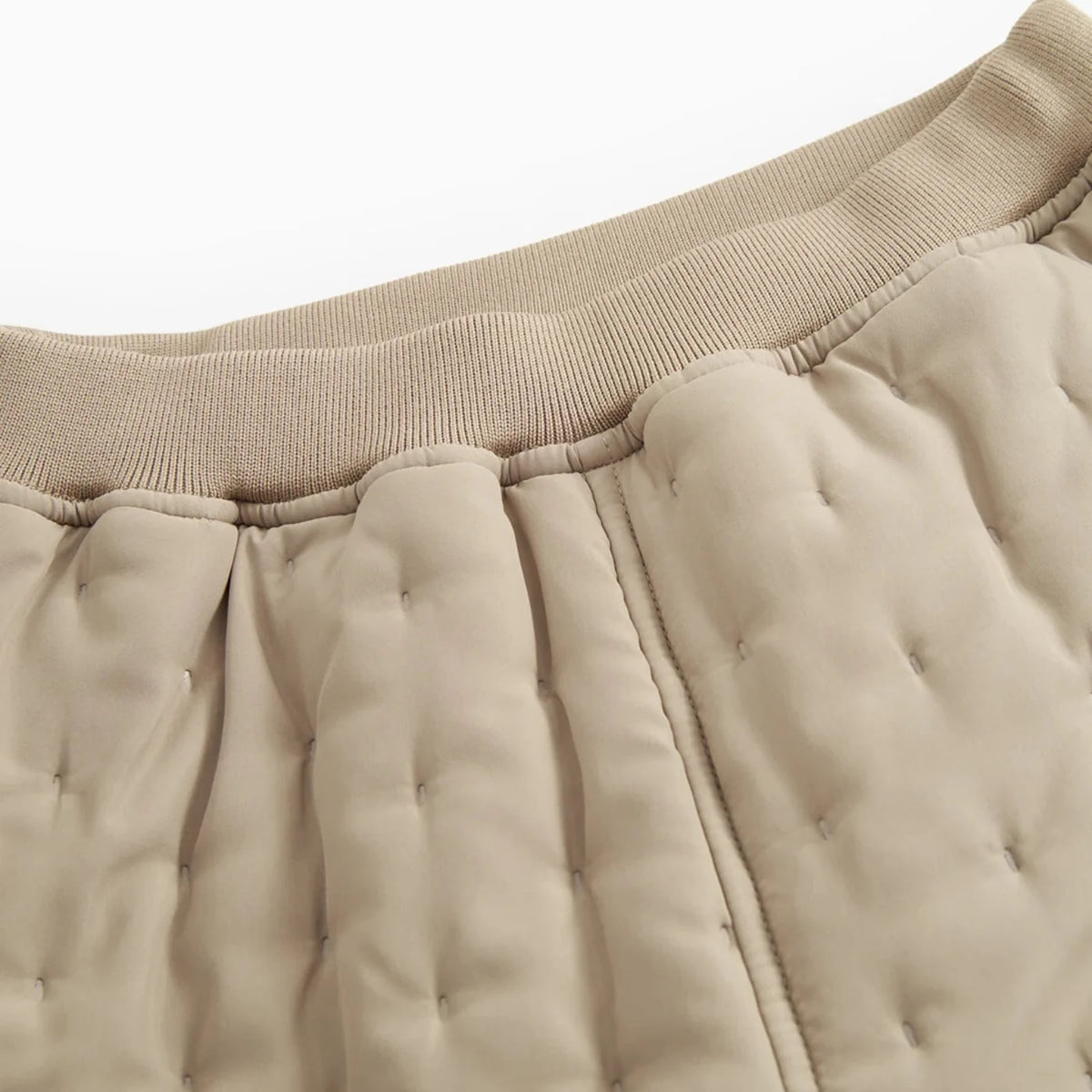
For nursery and school children, it helps when the clothing is easy to put on without assistance. An elasticated waist, manageable zips, useful pockets and elasticated edges can simplify the daily routine. Some styles include foot straps, reflective details or reinforced areas. These features vary from item to item, so use the filters and read the information on the product page before choosing.
Colours and prints make it possible to find a style your child wants to wear, but thermal clothing does not need to be selected by gender. Choose the design that best suits your child's body, movements and needs. Neutral shades, bright colours and prints can all be combined with everyday boots, hats and other outerwear.
Materials and practical features in thermal clothing
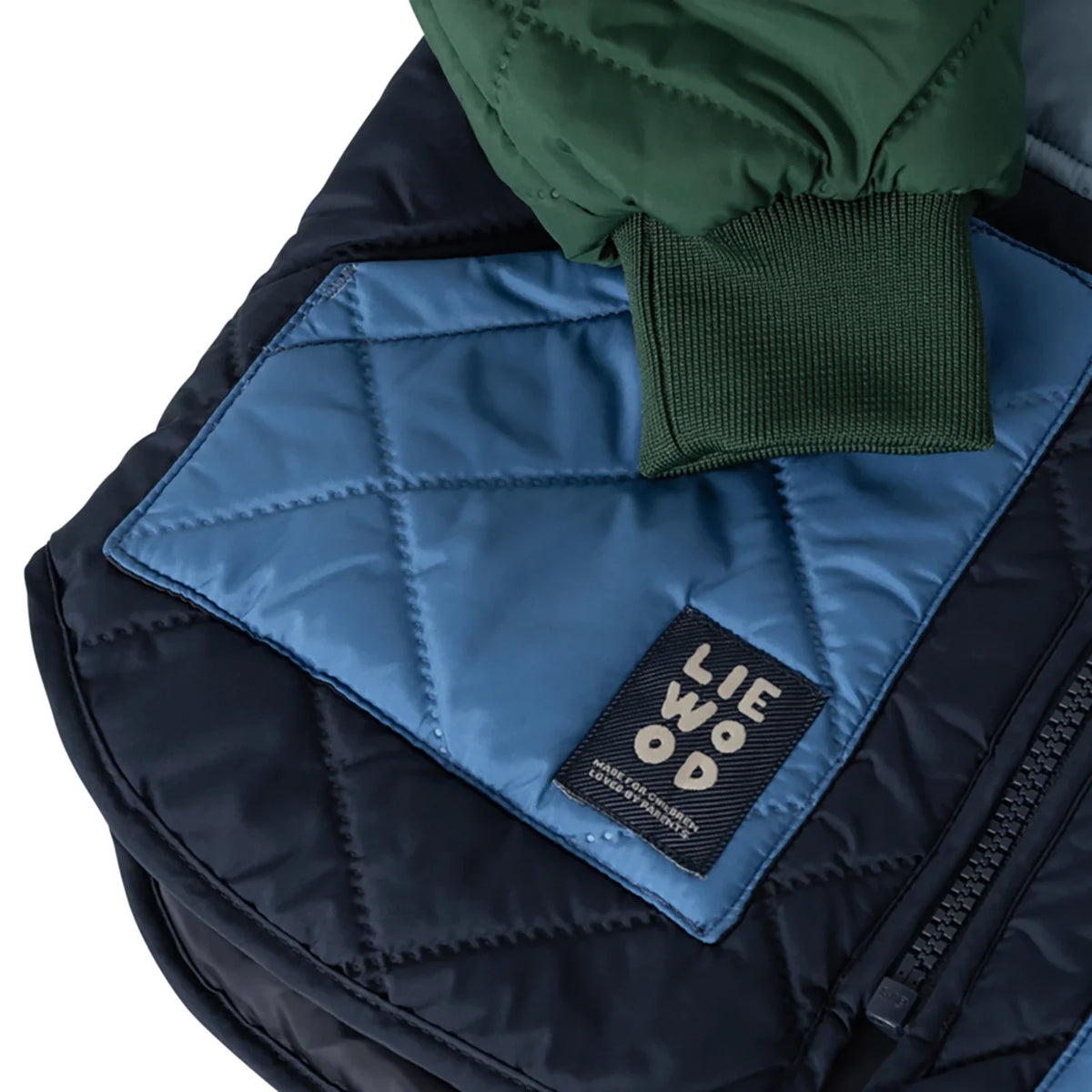
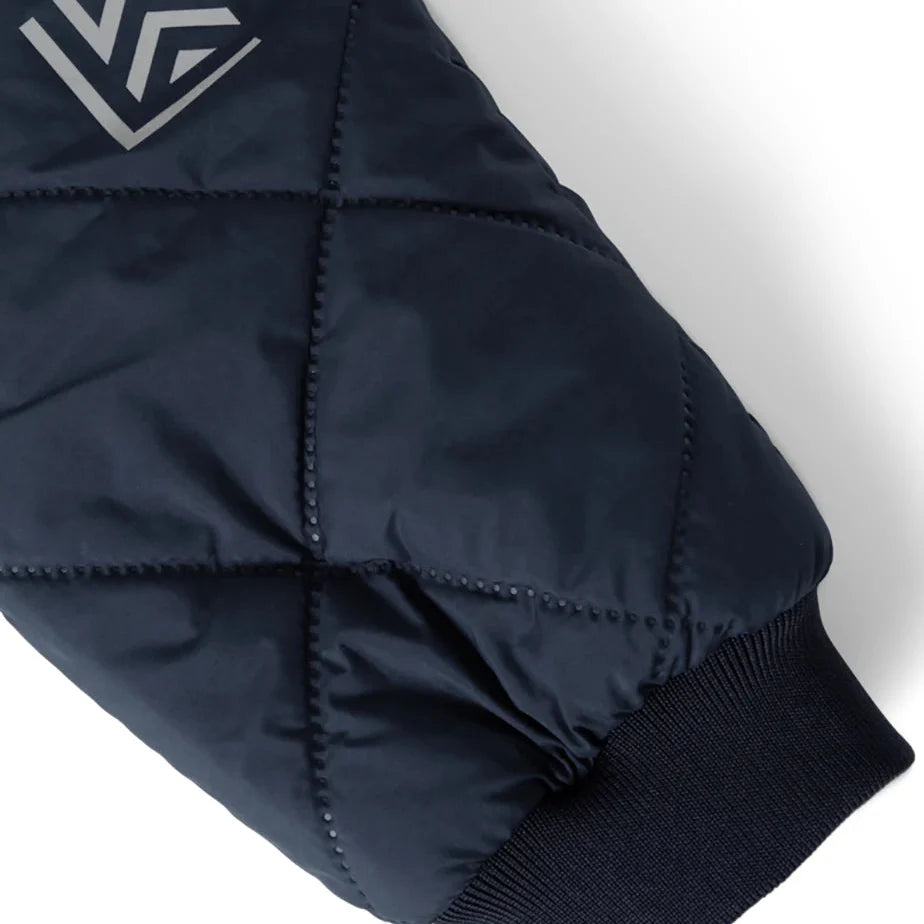
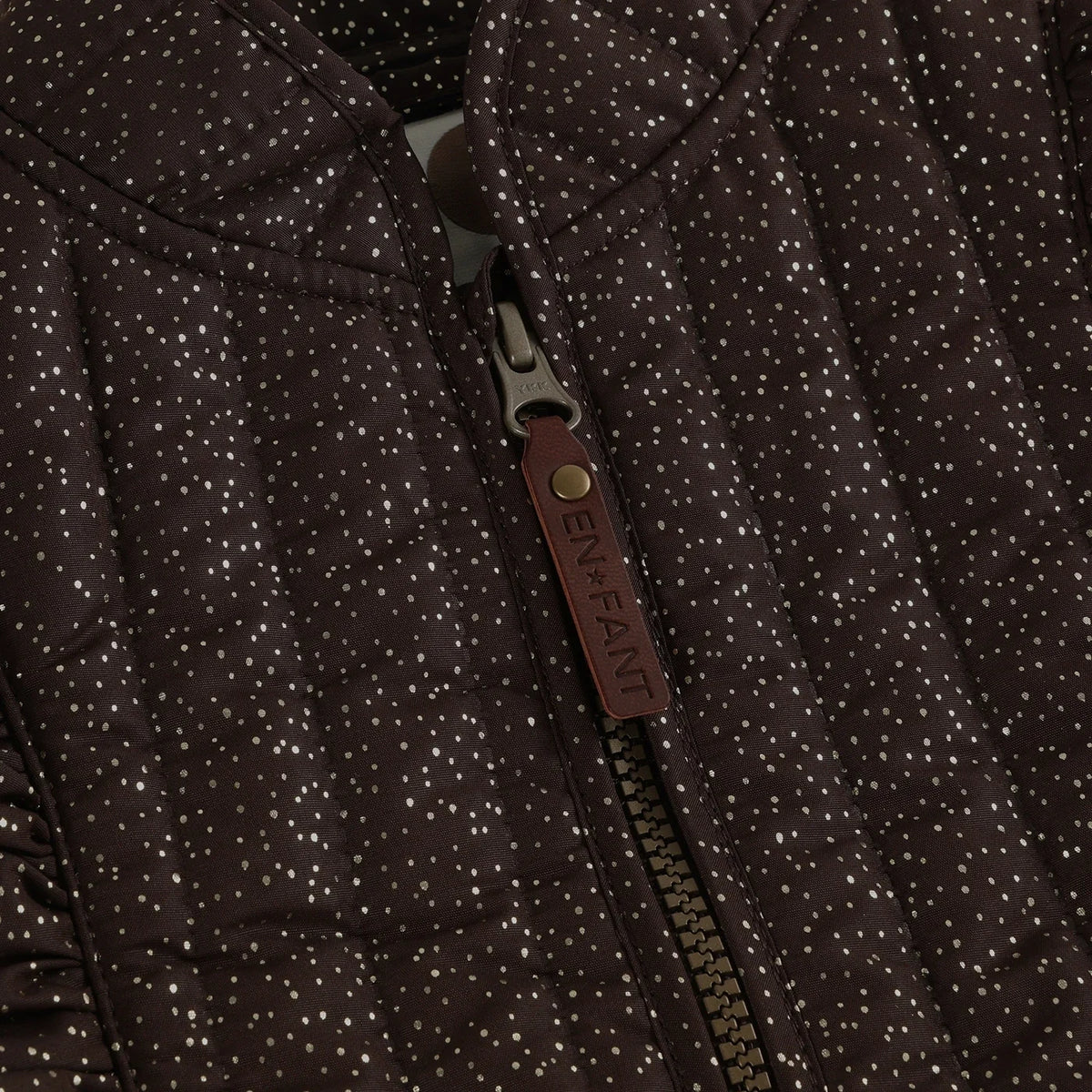
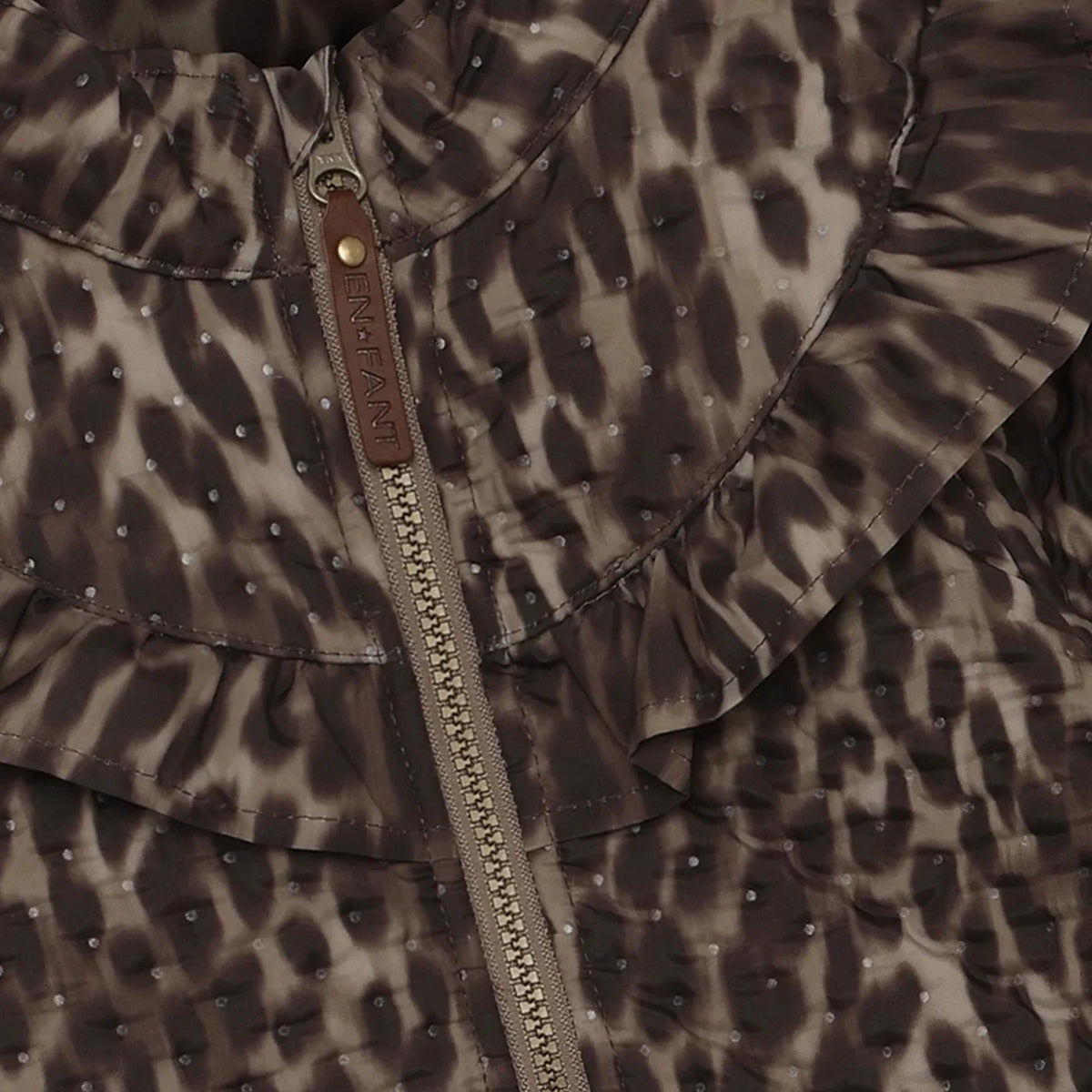
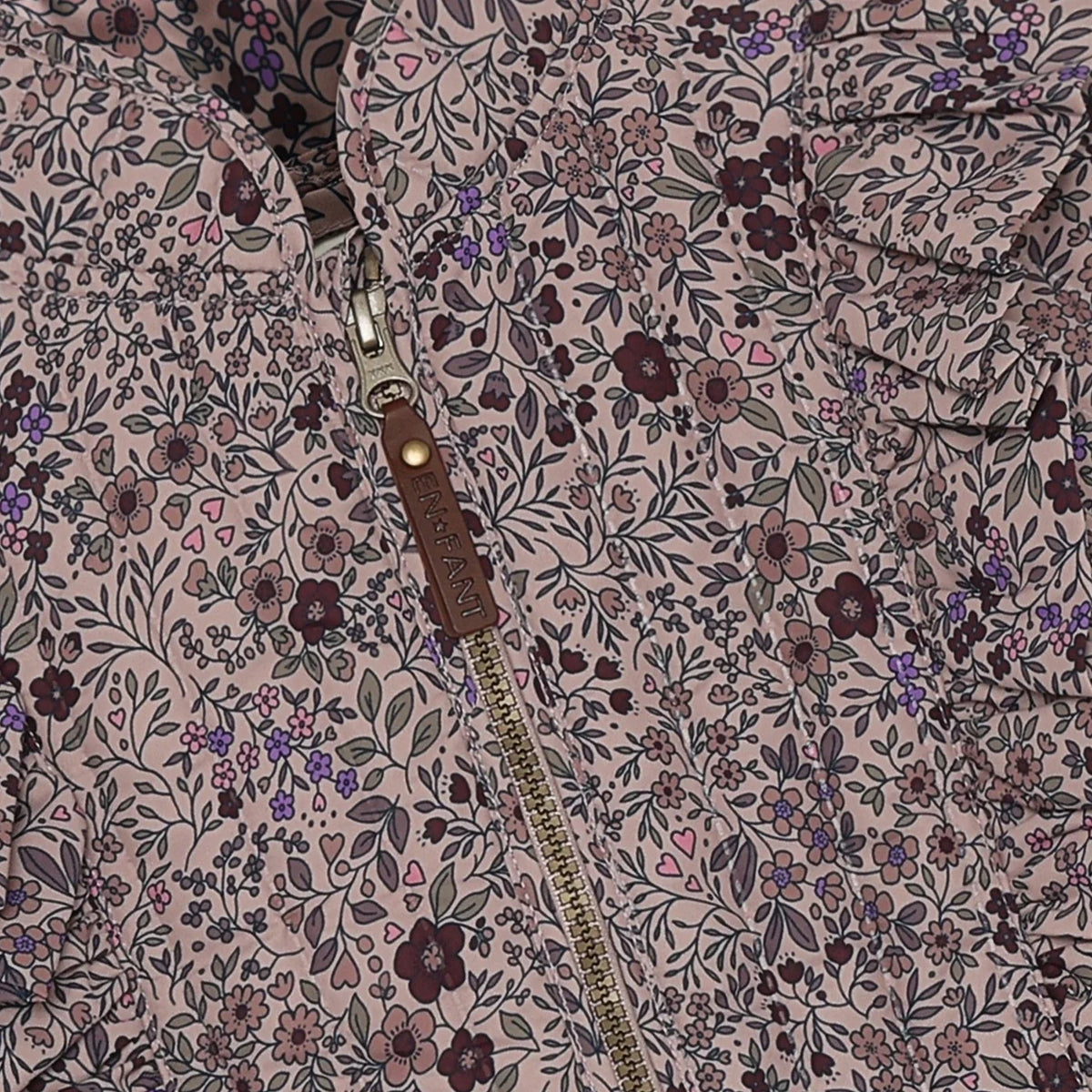
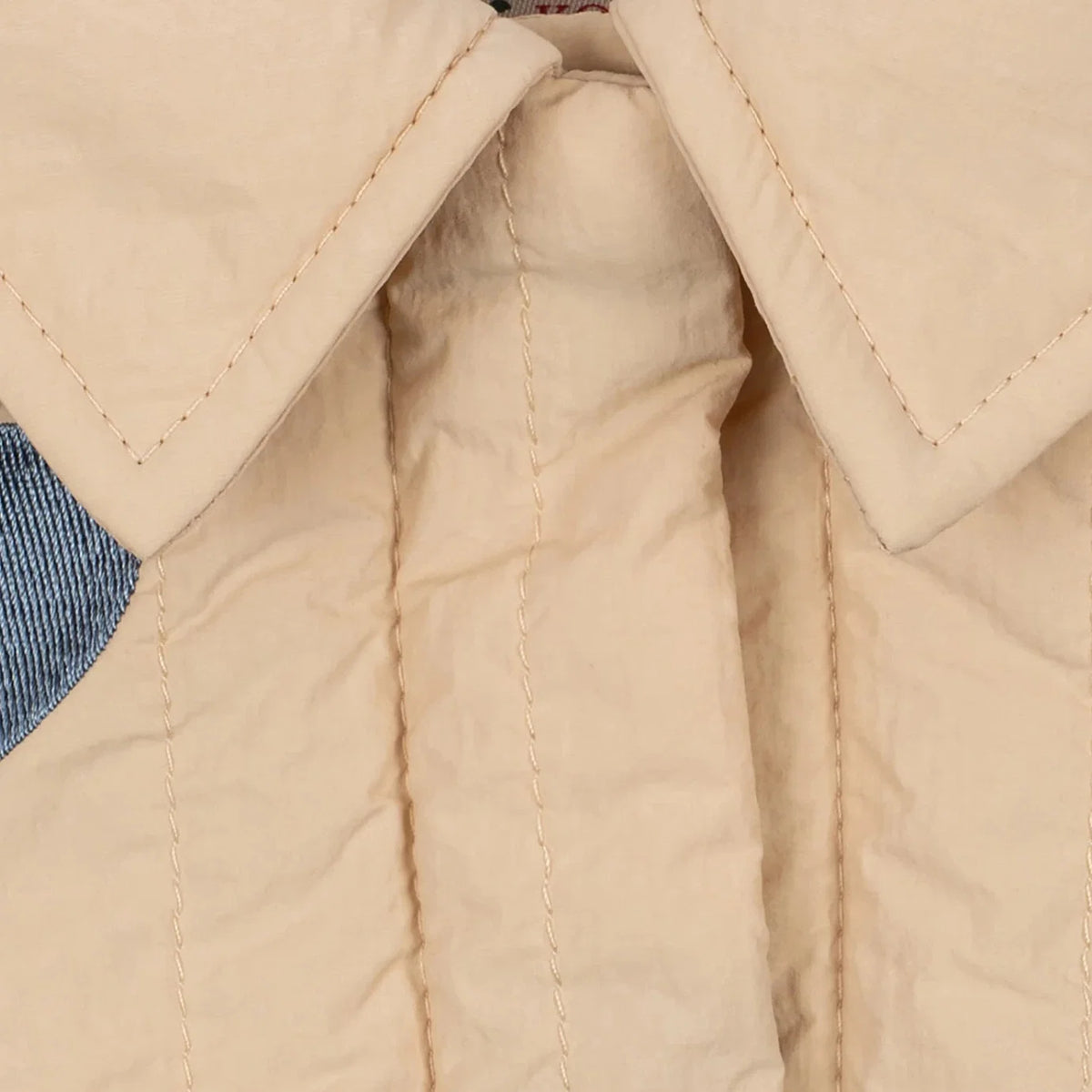
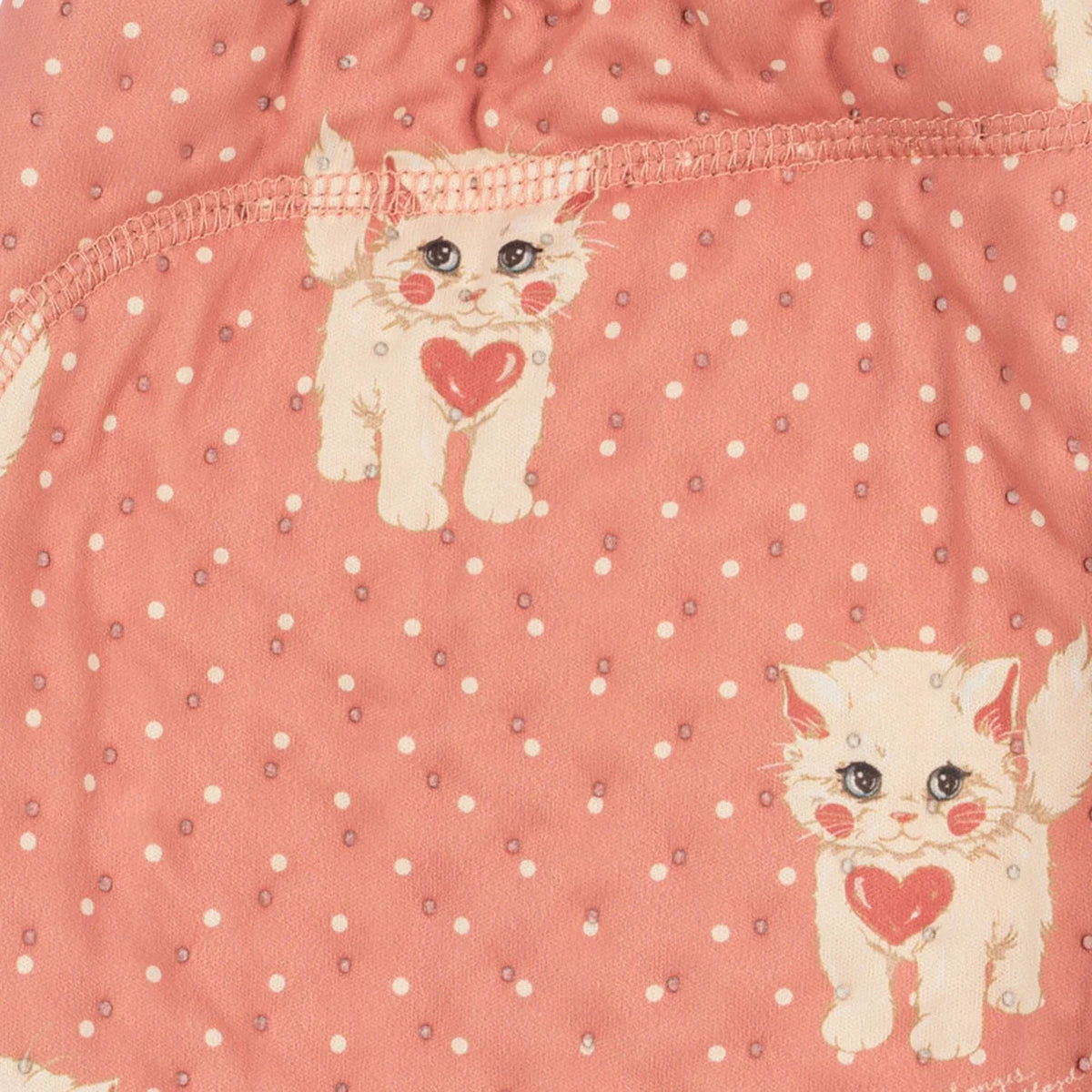
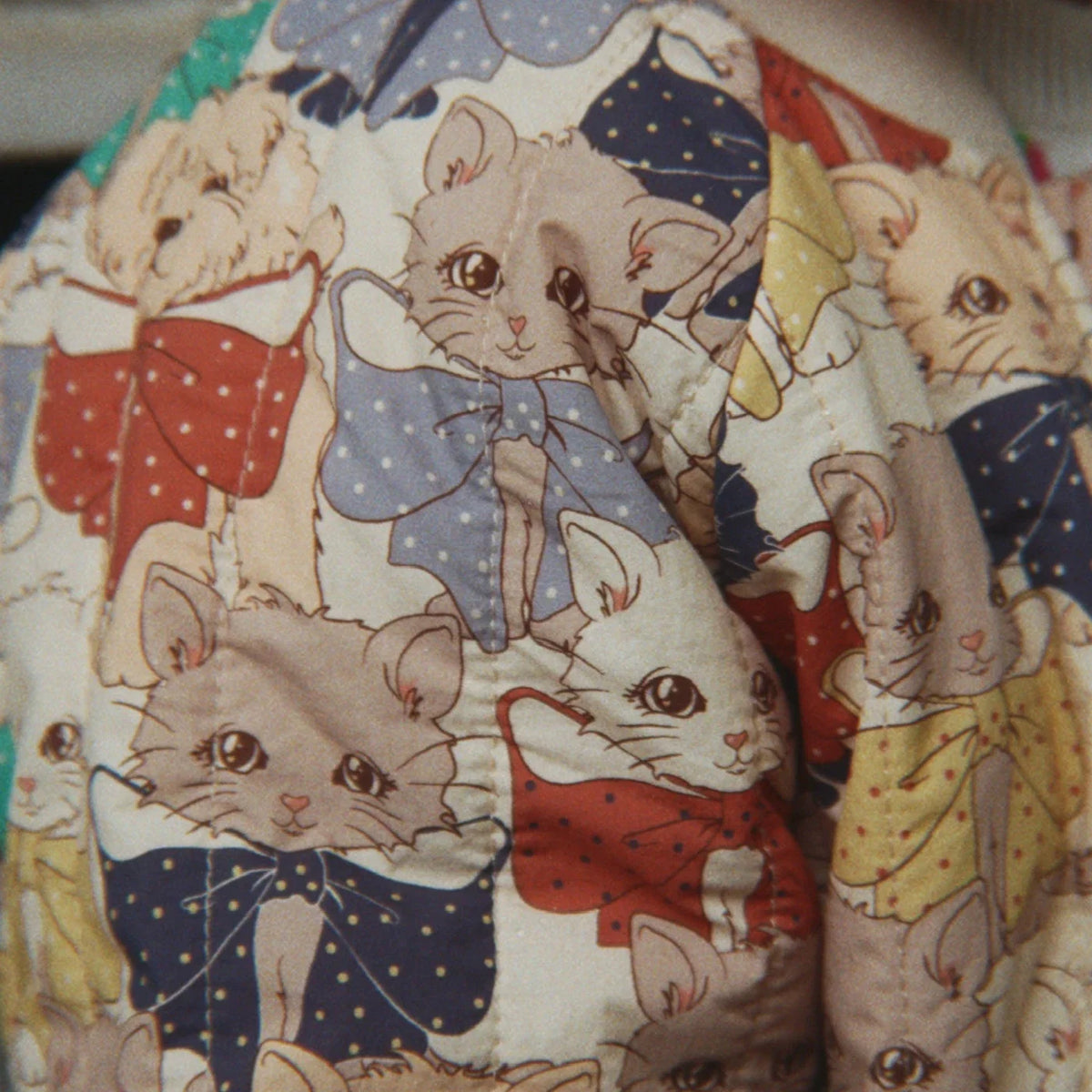
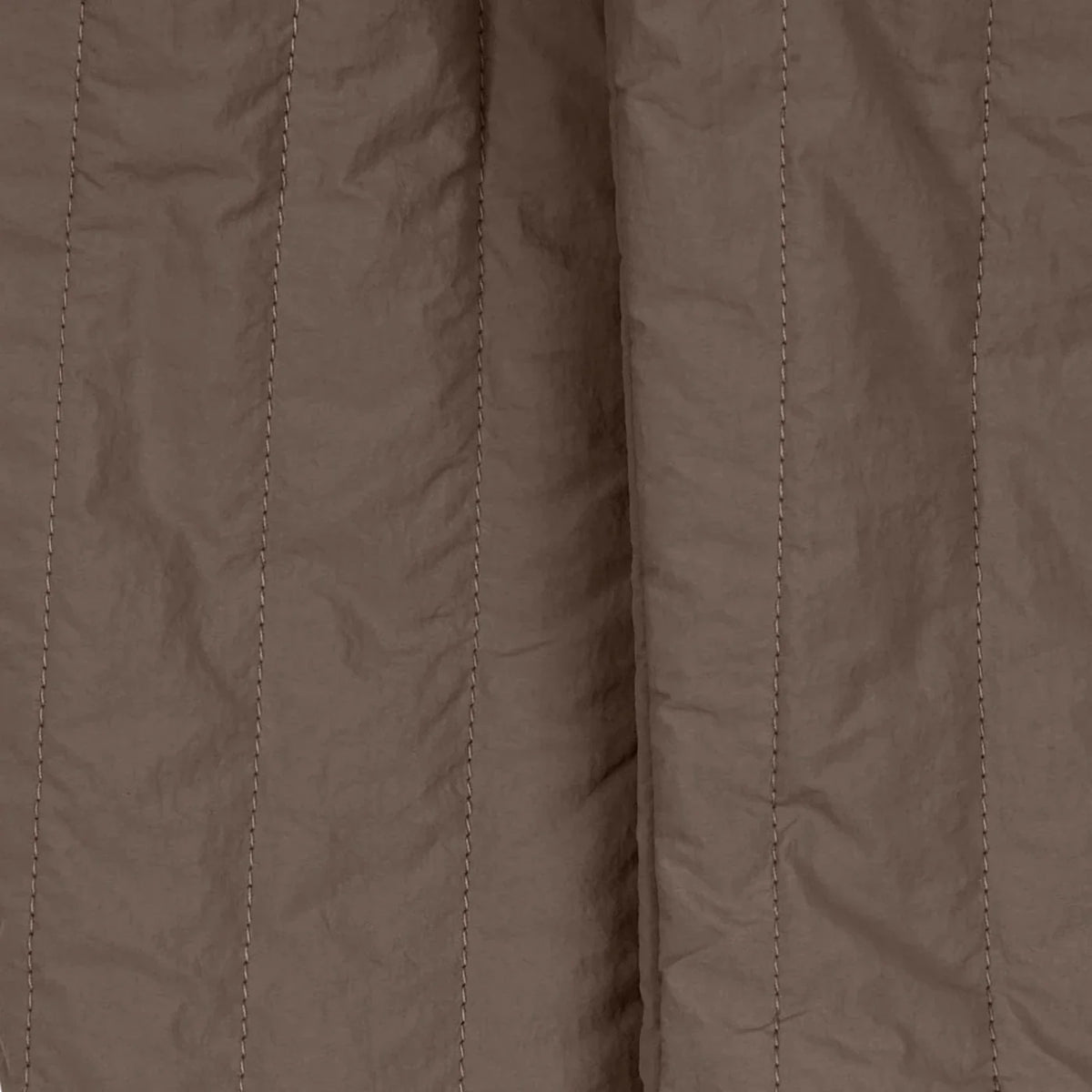
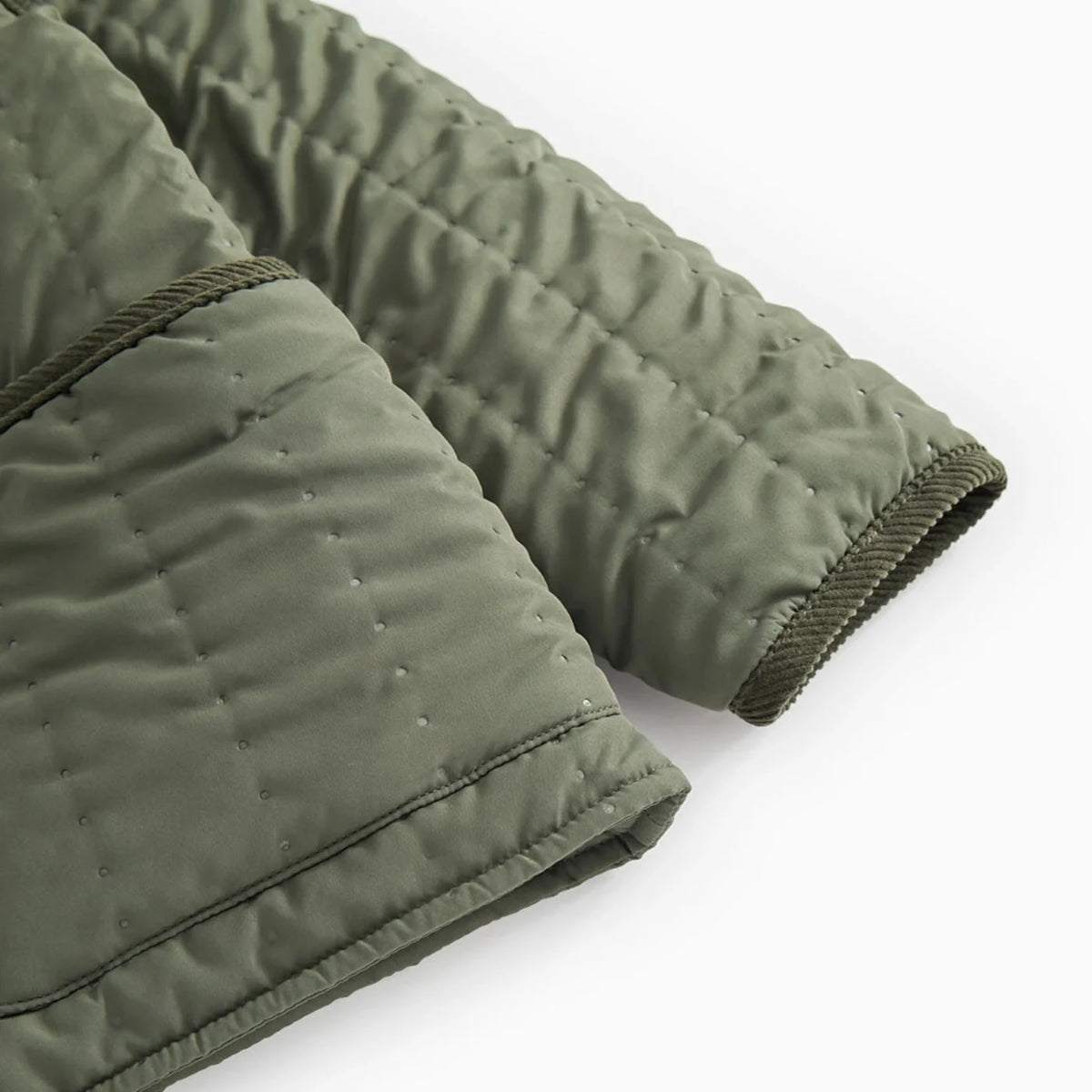
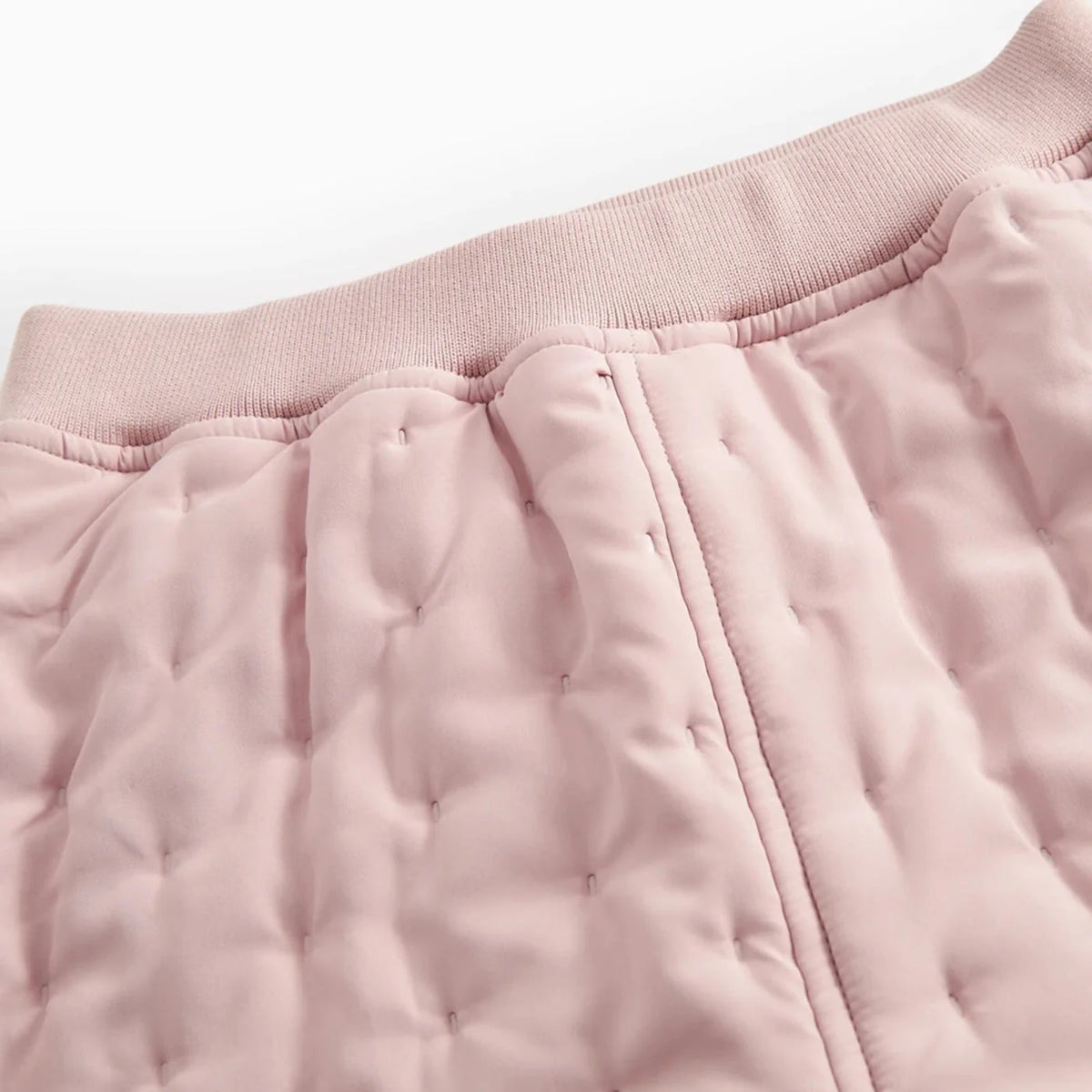
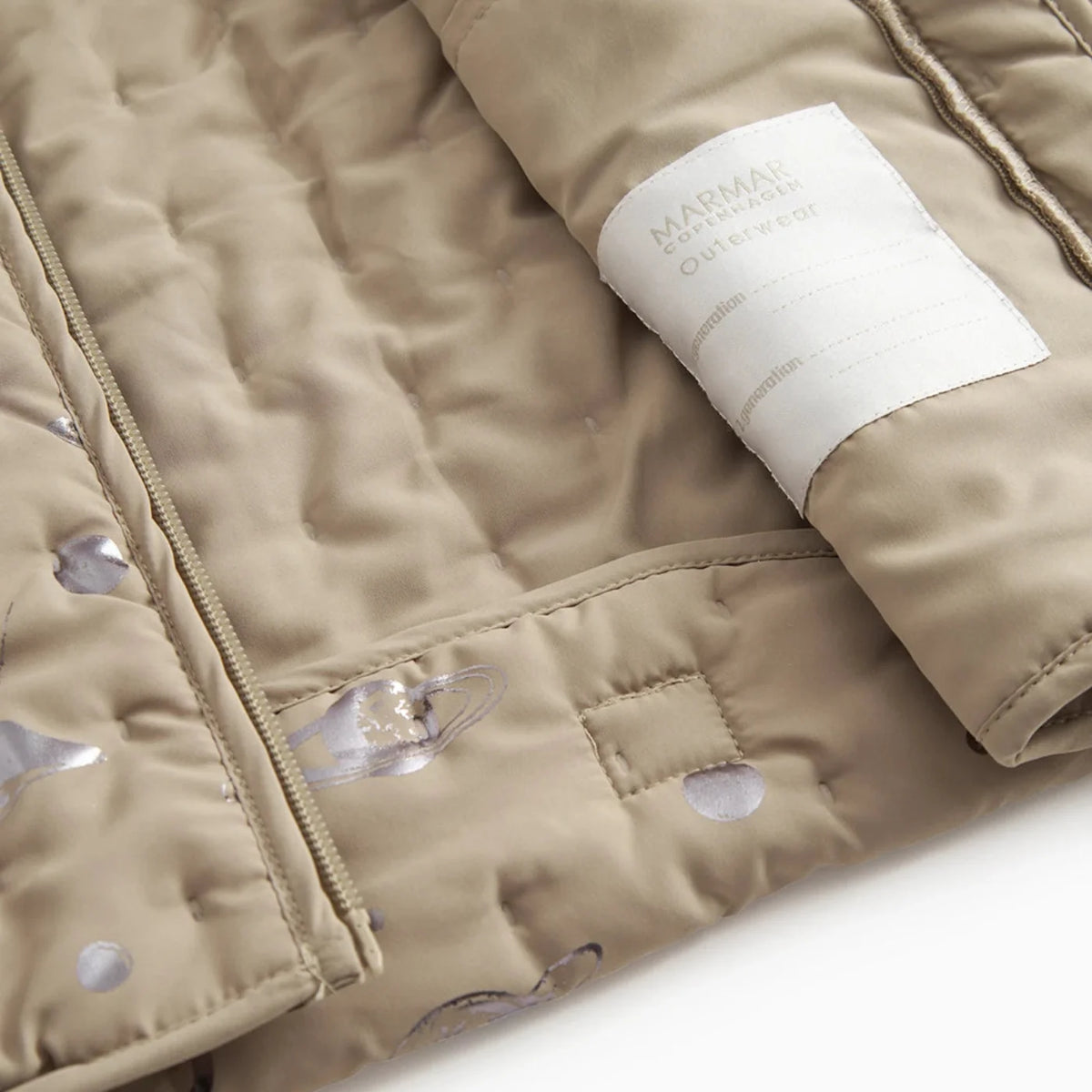
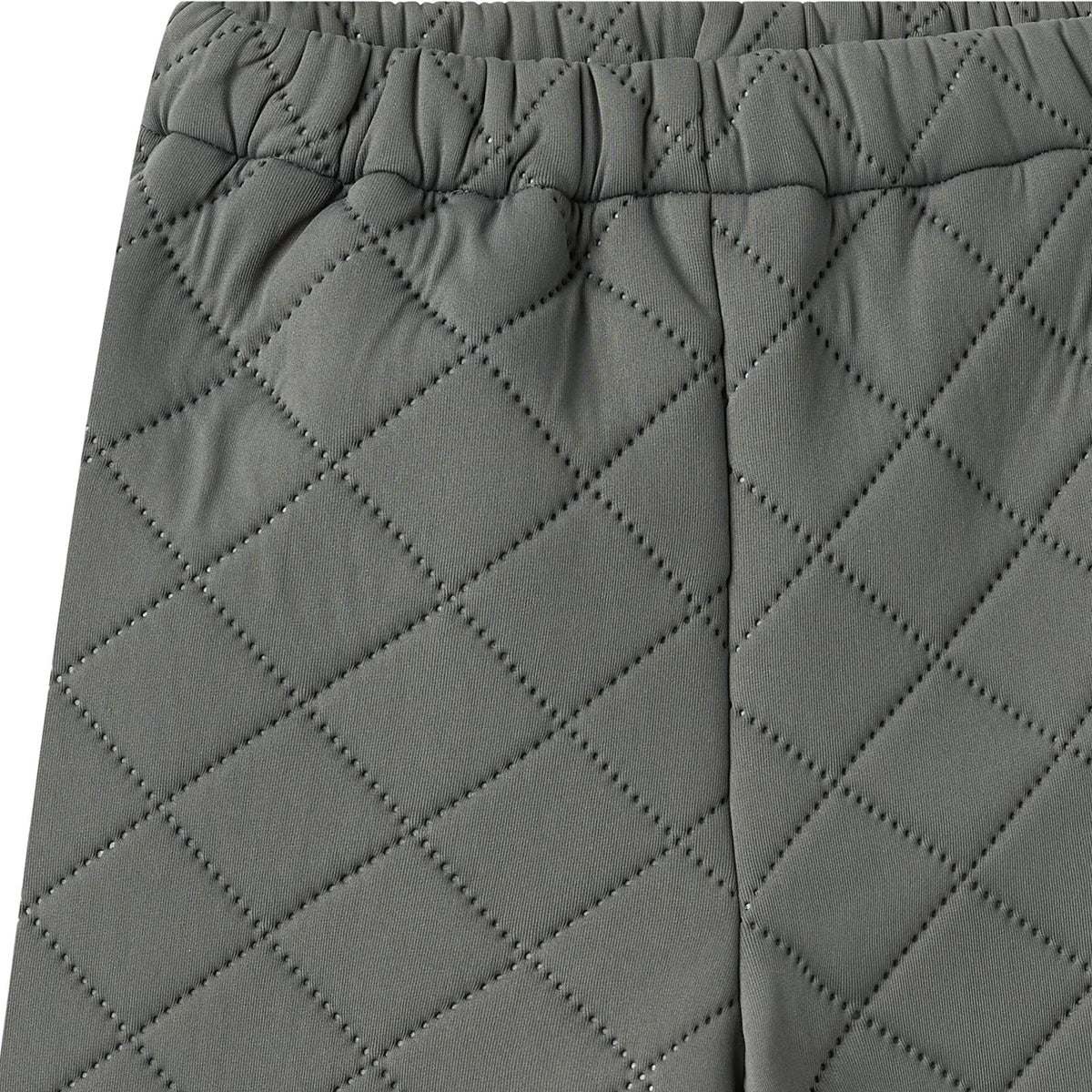
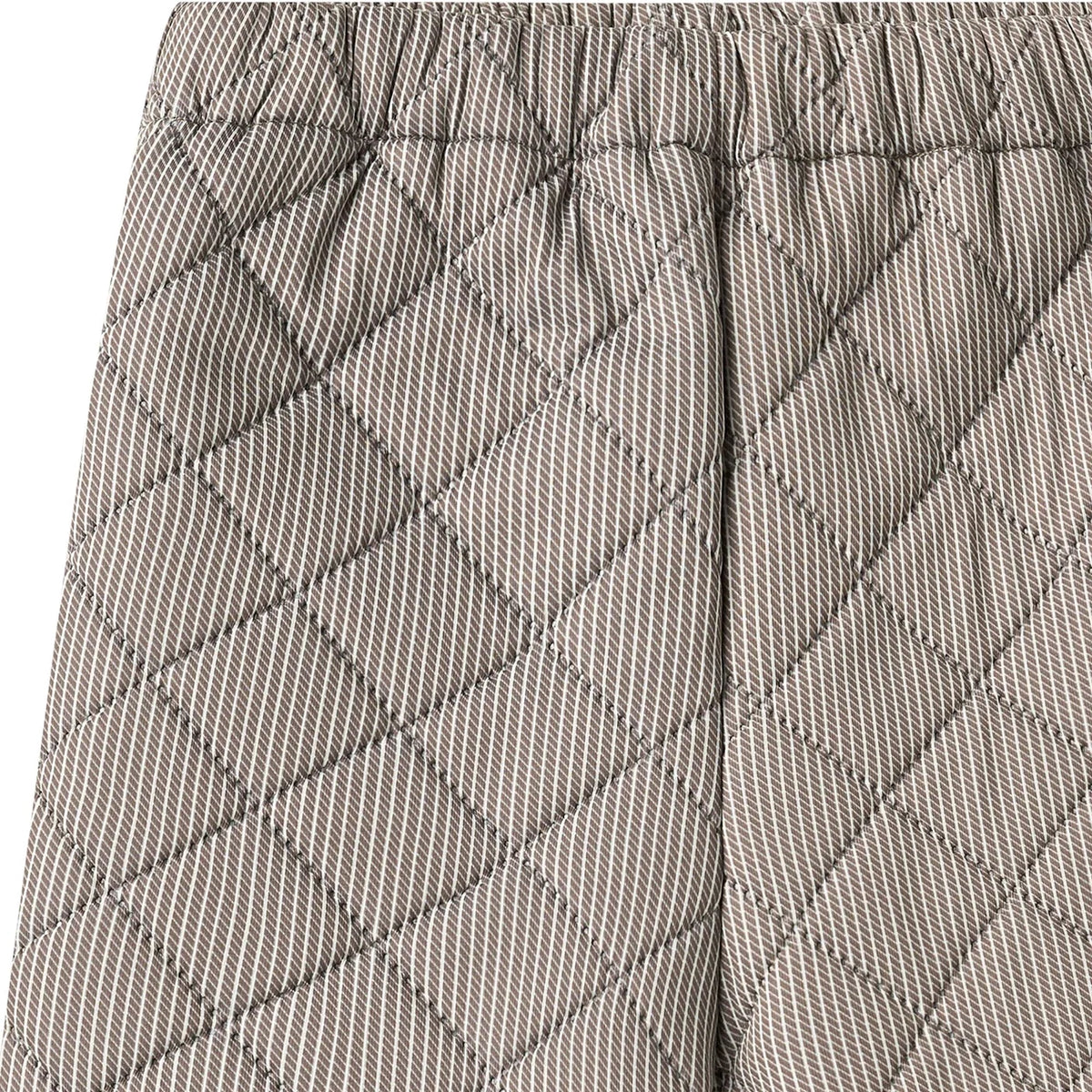
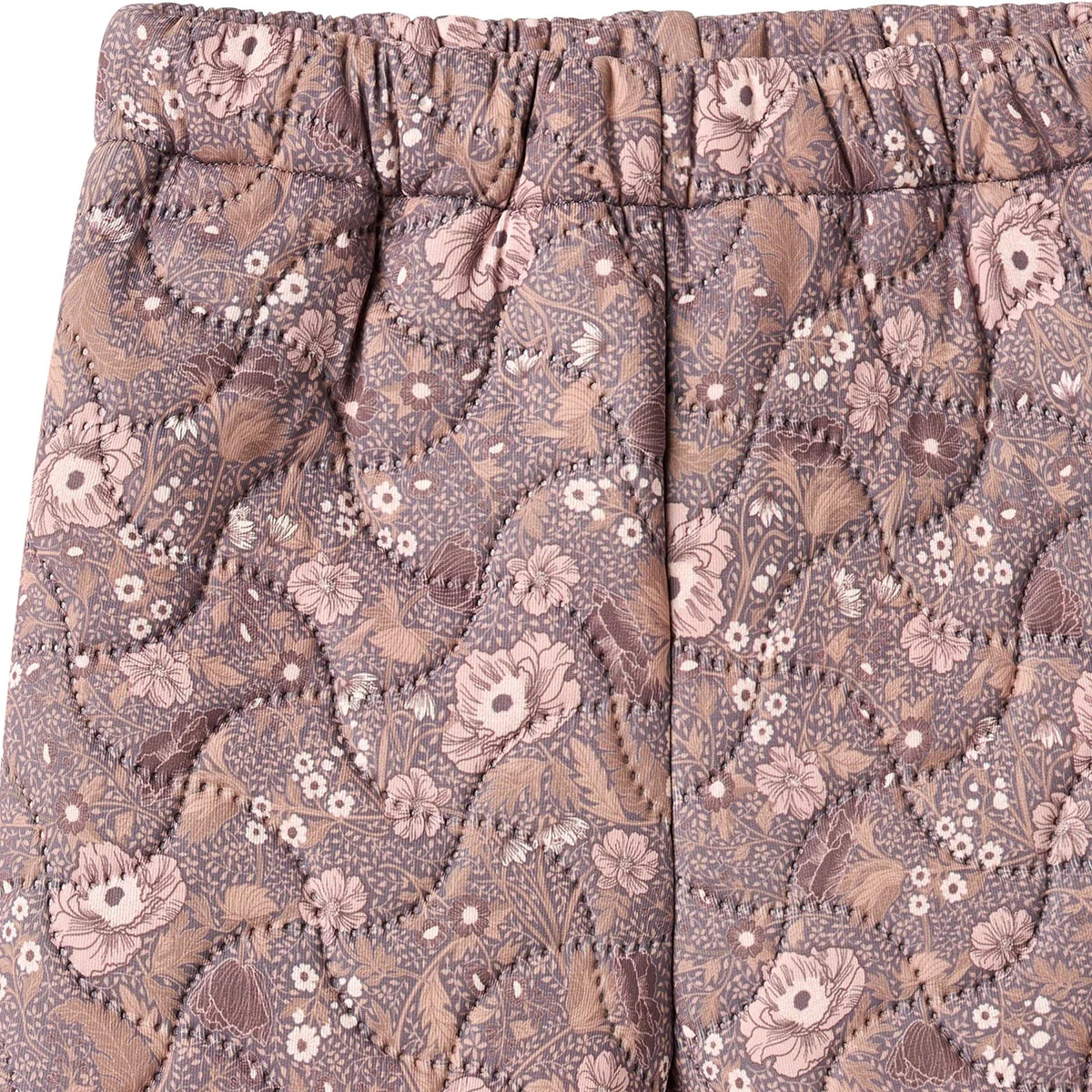
Thermal clothing is typically made with a lightweight, durable outer fabric, thin insulation and distinctive quilted panels. Polyester and recycled polyester are common because they can combine low weight, durability and flexibility. The exact composition varies between brands. Check the individual product if you have specific preferences for fibres, lining or certifications.
- Freedom of movement: your child should be able to play, run and cycle without restriction.
- Practical fastenings: zips and elastic should be easy for the child to use.
- Weather protection: check each product's information about wind and water.
- Durability: reinforced areas can be useful when the clothing is worn intensively.
Size, fit and care of thermal clothing
Thermal clothing should leave room for normal everyday clothes underneath, but it should not be so large that sleeves and trouser legs slip down or fabric gathers. A good fit follows the body without tightening across the shoulders, stomach, hips or knees. Measure your child's height and compare it with the size guide for the chosen item. If your child is between sizes, consider the fit of the specific style instead of automatically allowing excessive room for growth.
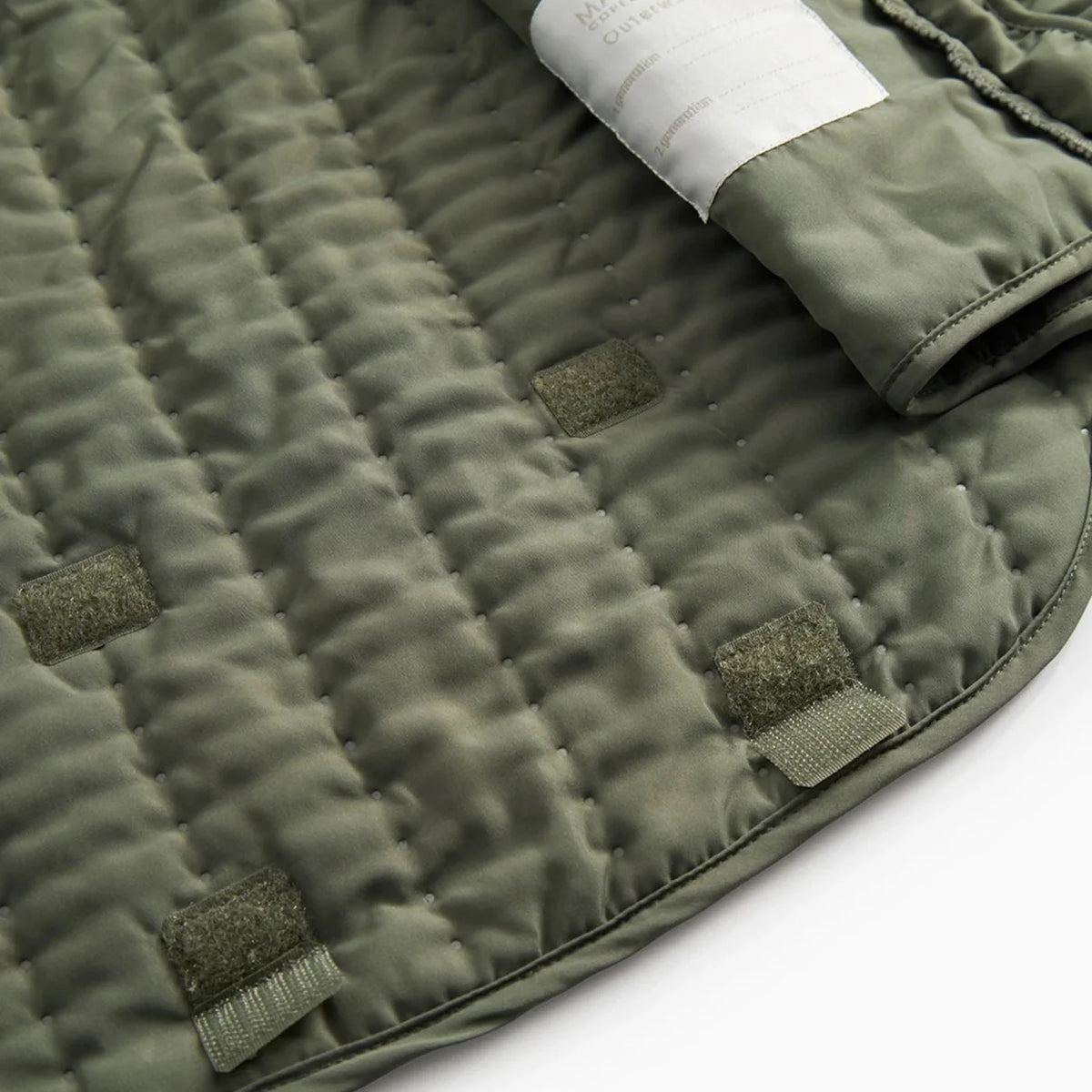
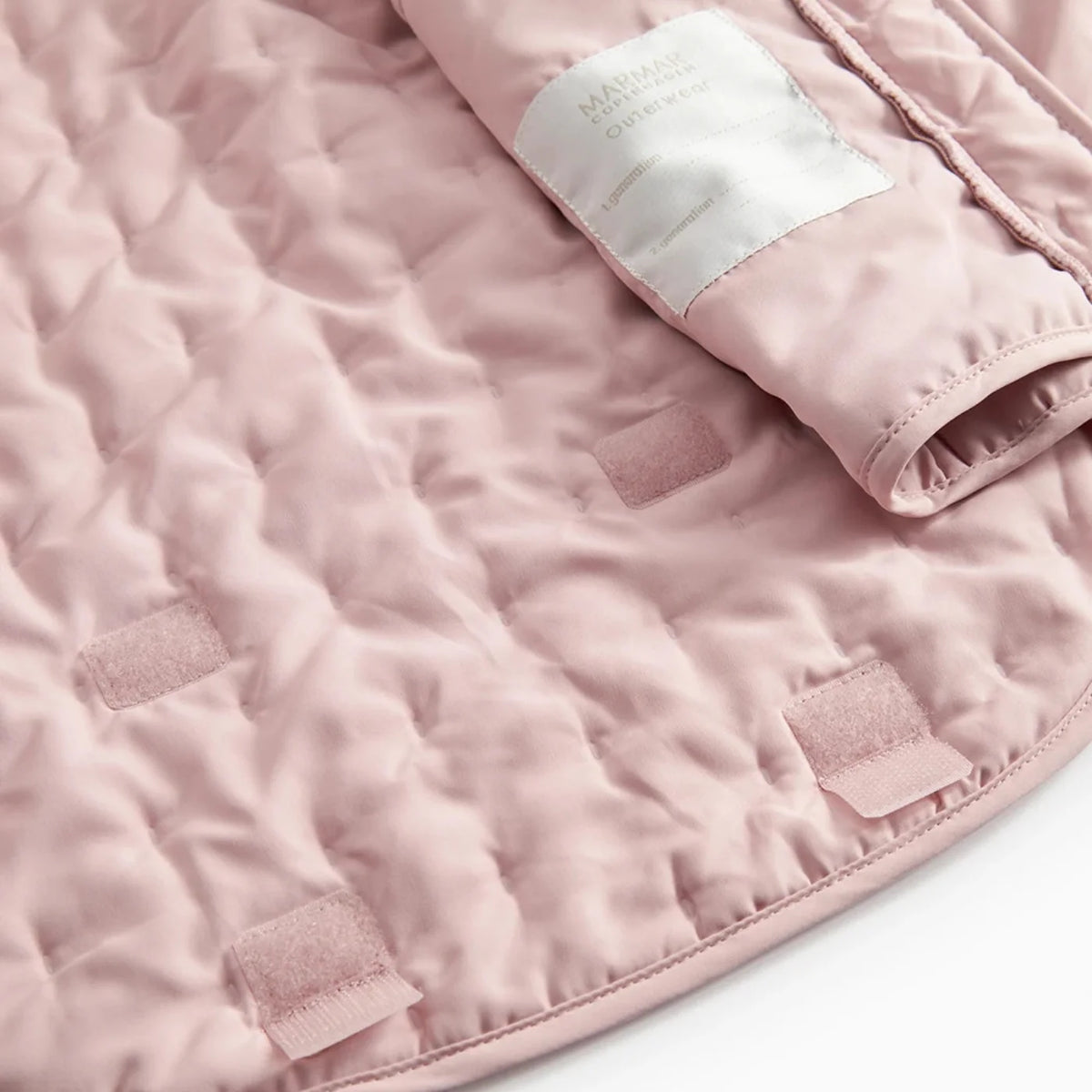
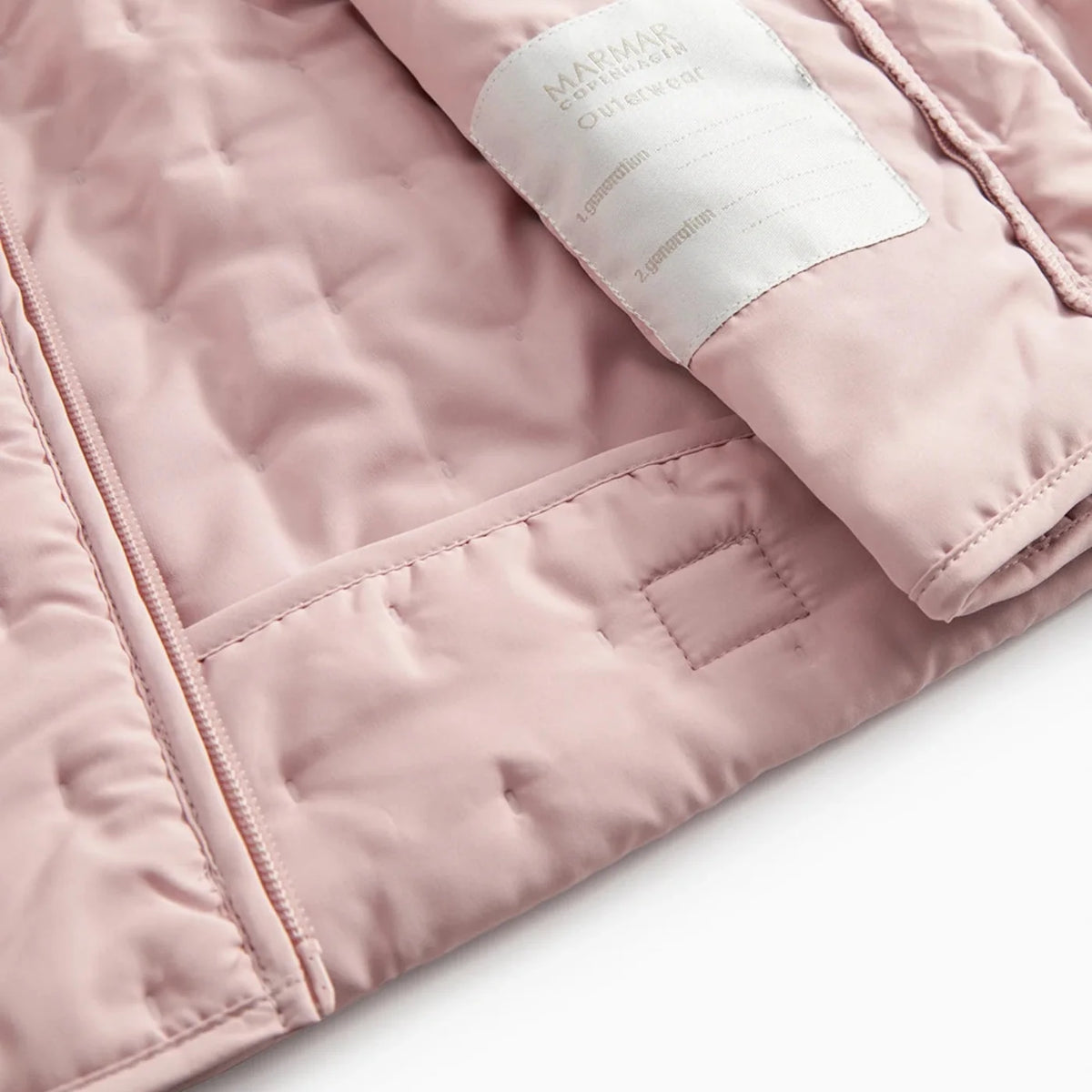
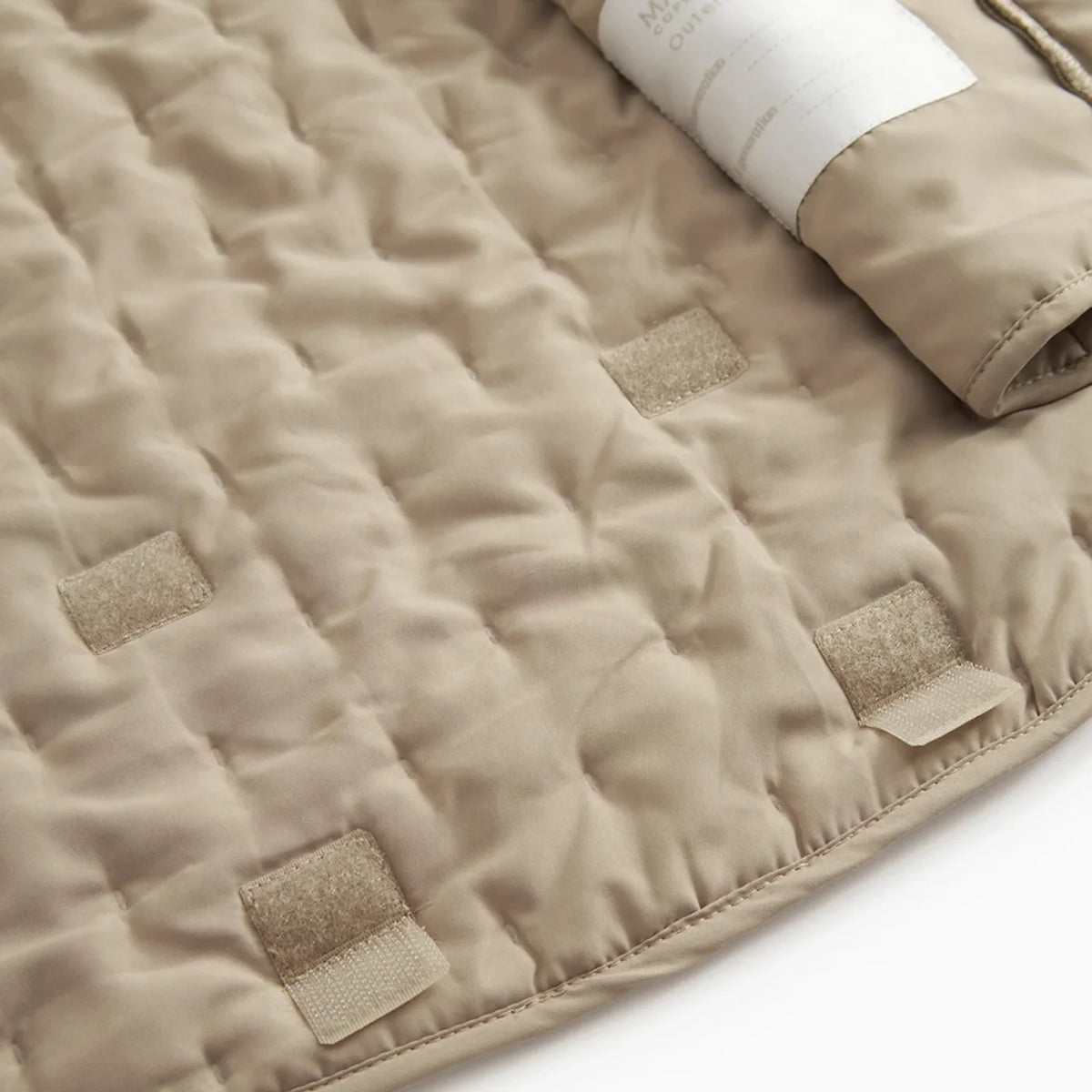
Always follow the care label inside the garment. Close zips and hook-and-loop fastenings, empty the pockets and wash only at the temperature recommended by the manufacturer. Avoid unnecessarily high drying temperatures, which can affect the fabric and surface treatment. Air the clothing regularly and spot-clean small marks where possible. If the outer fabric later needs reproofing, use a method suited to the material and the product's care instructions.
Popular brands and thermal clothing for everyday life
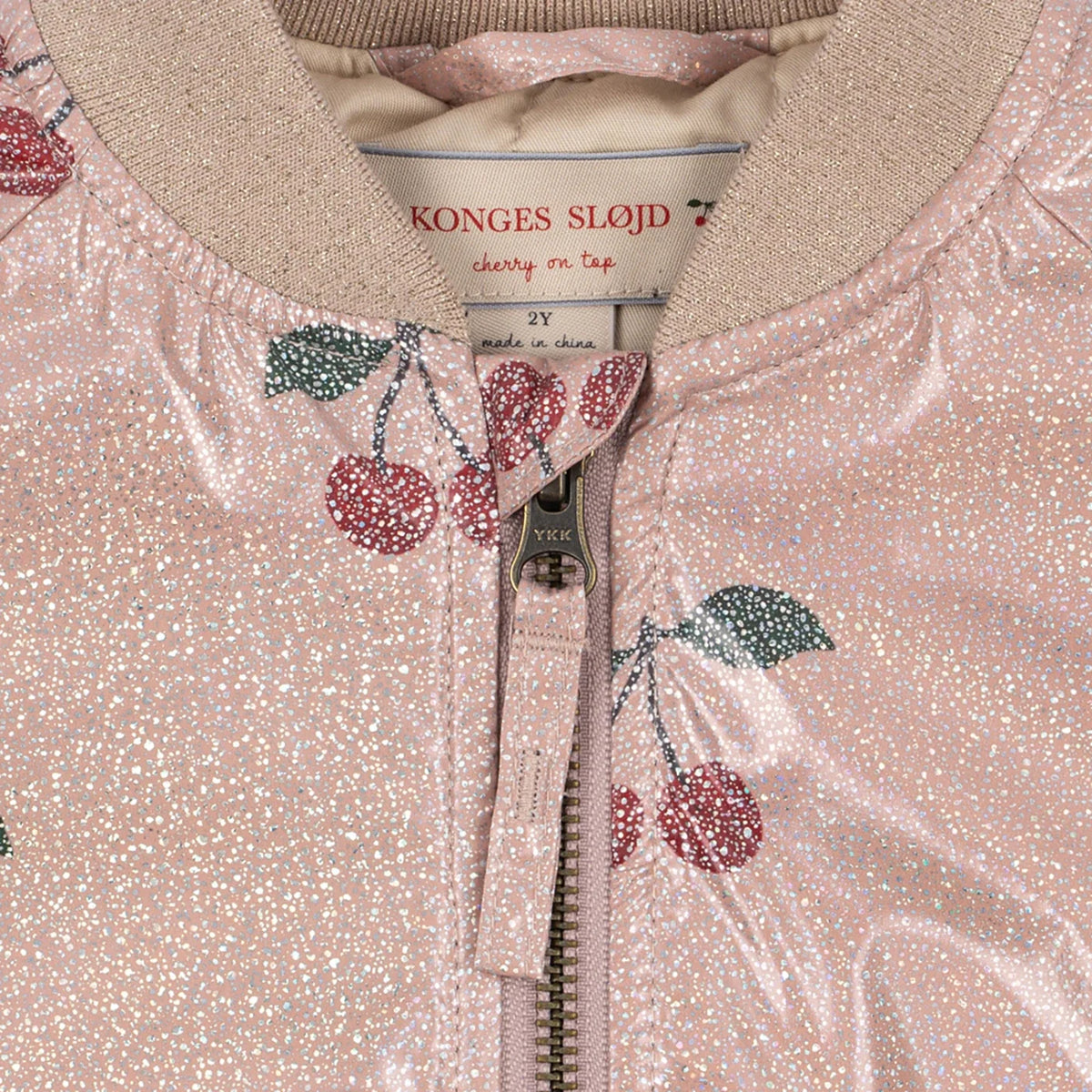
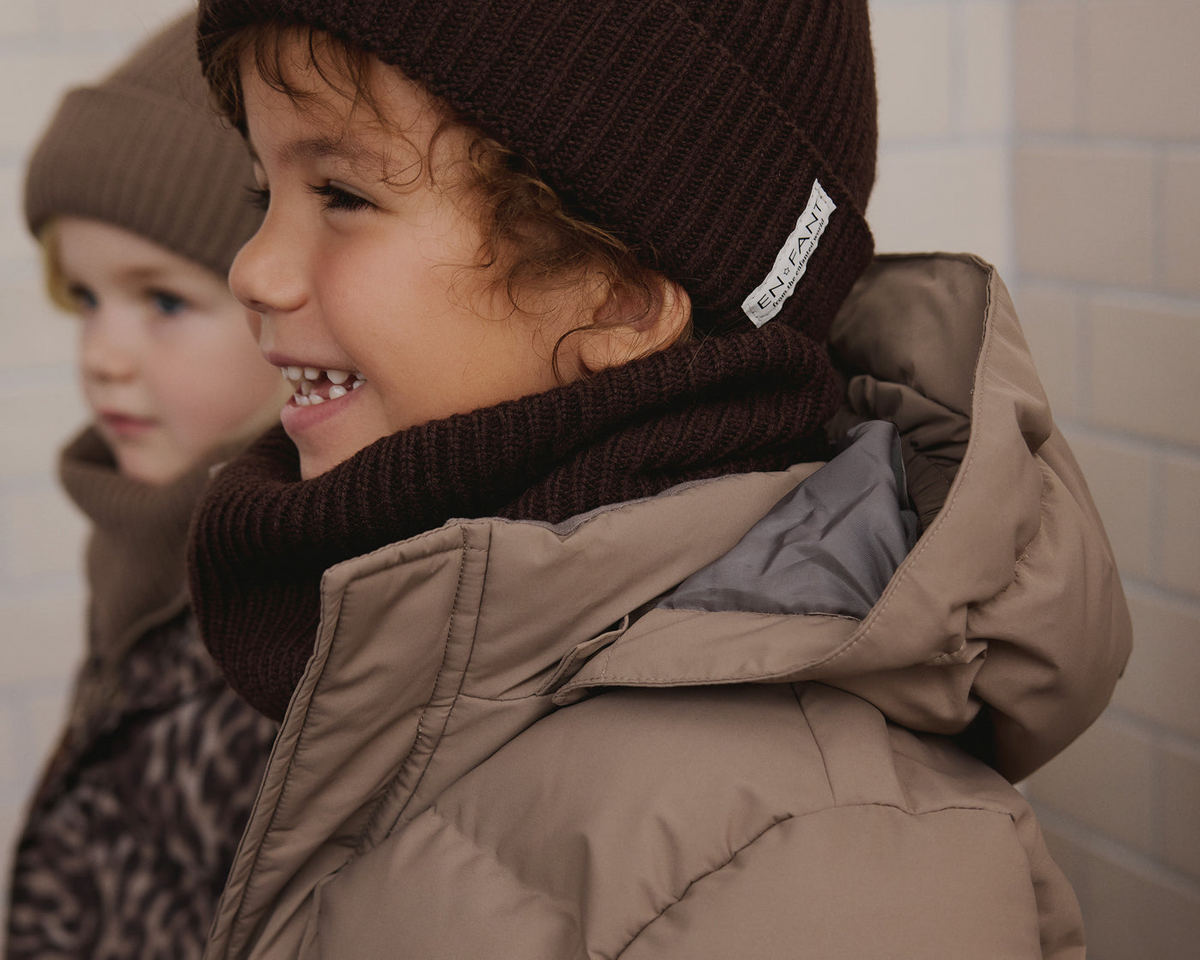
At House of Kids, you can find thermal clothing from well-known children's brands including Wheat, Mikk-Line, En Fant, Konges Sløjd, MarMar, Liewood, Mini A Ture, CeLaVi and ByLindgren. The available brands, colours and sizes change throughout the season. Use the collection filters to narrow the selection by size, brand, colour and product type.
The best thermal clothing for children is the clothing that suits the weather and your child's everyday life. Choose a thermal set for maximum flexibility, a separate jacket or pair of trousers, or a thermal suit for continuous coverage. Combine it with suitable layers and add rainwear or winter outerwear when the weather requires more protection. This creates a practical wardrobe for the playground, nursery, school and family outings between seasons.