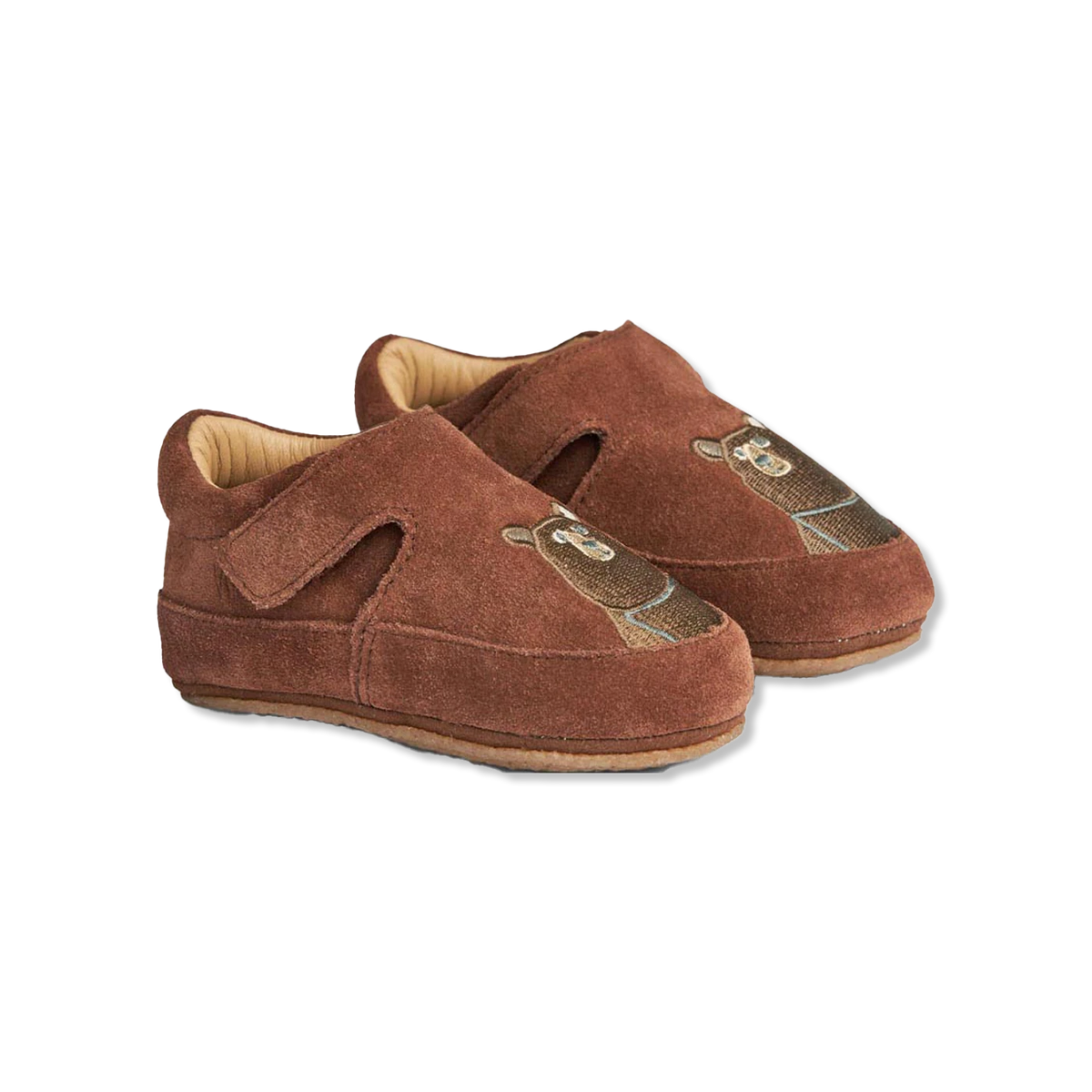
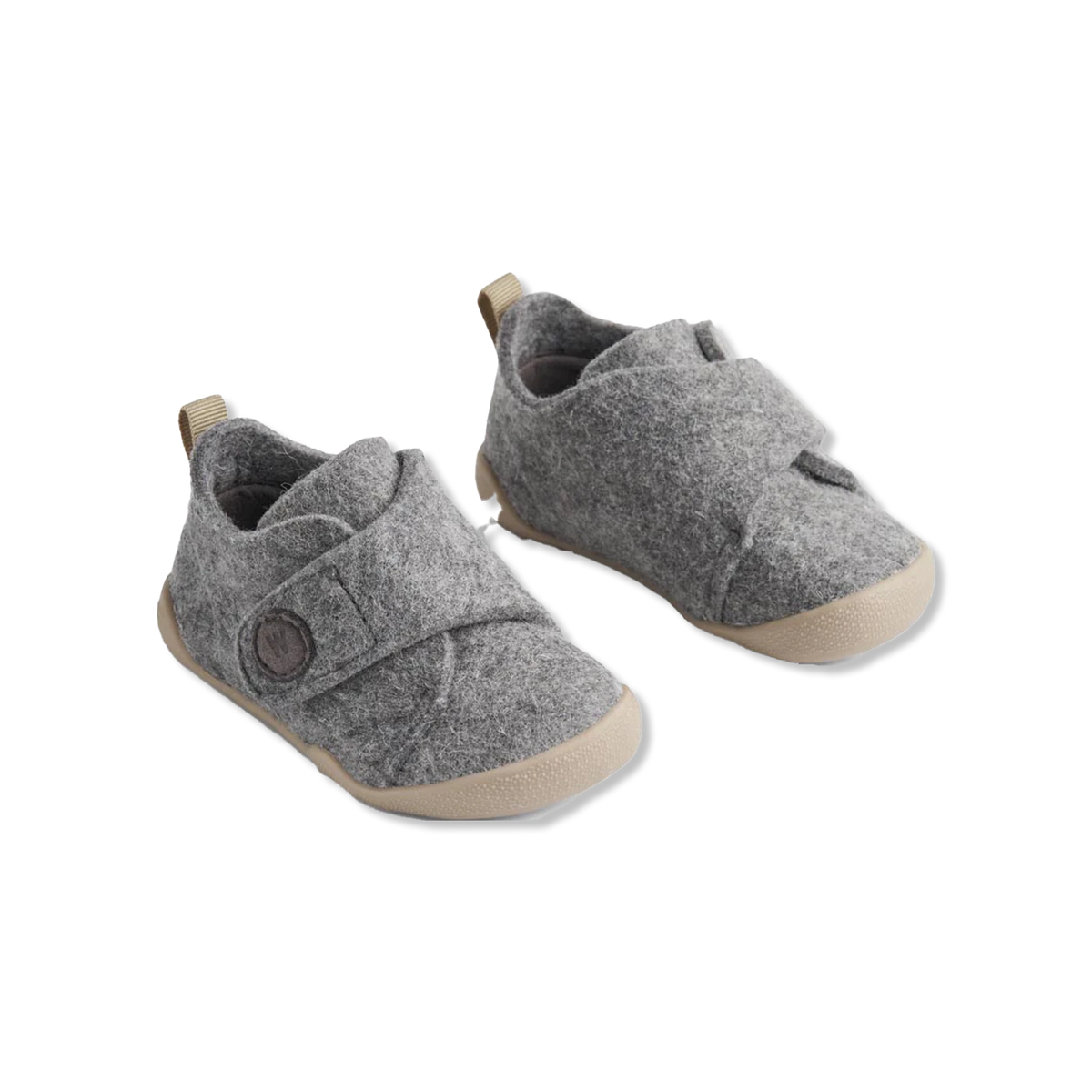
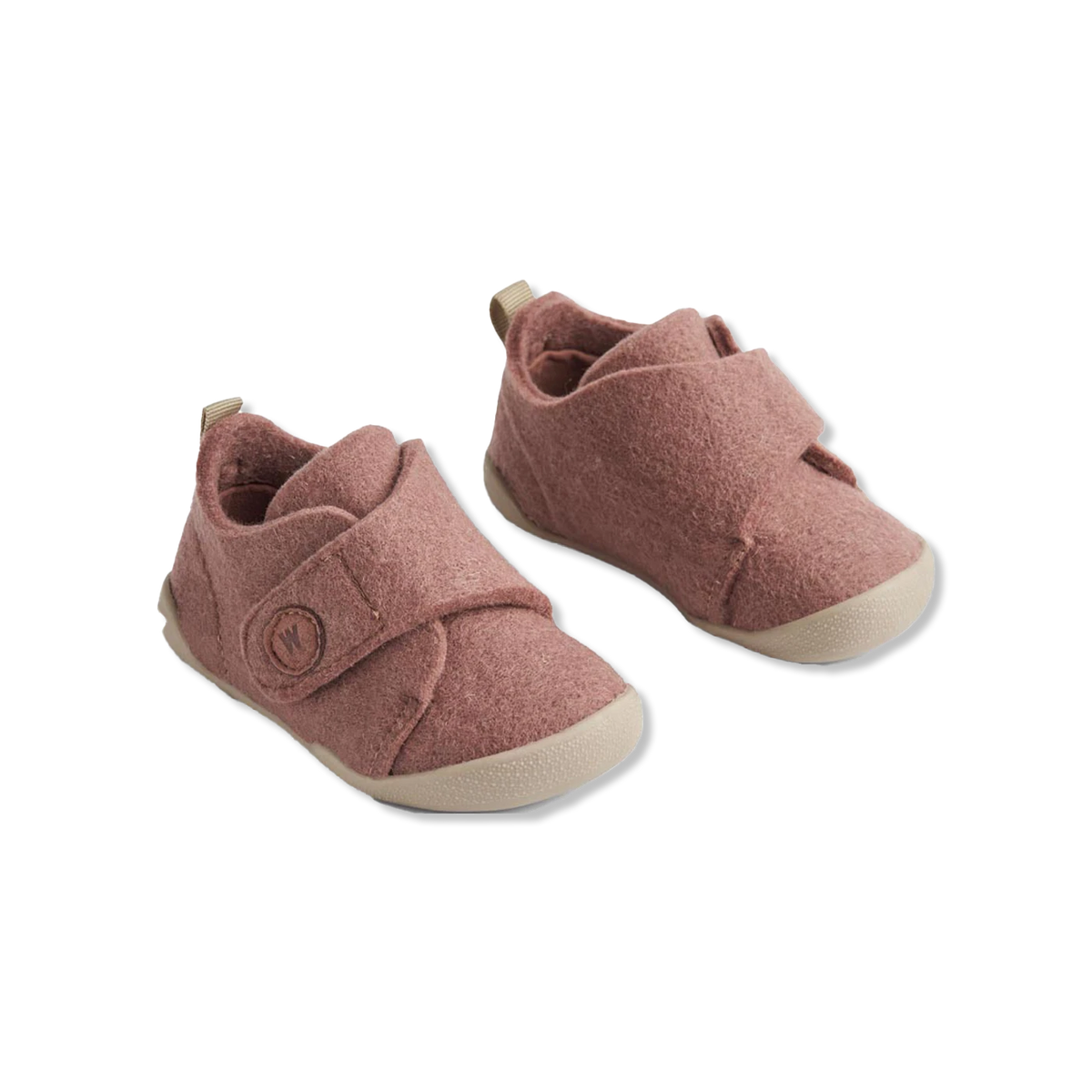
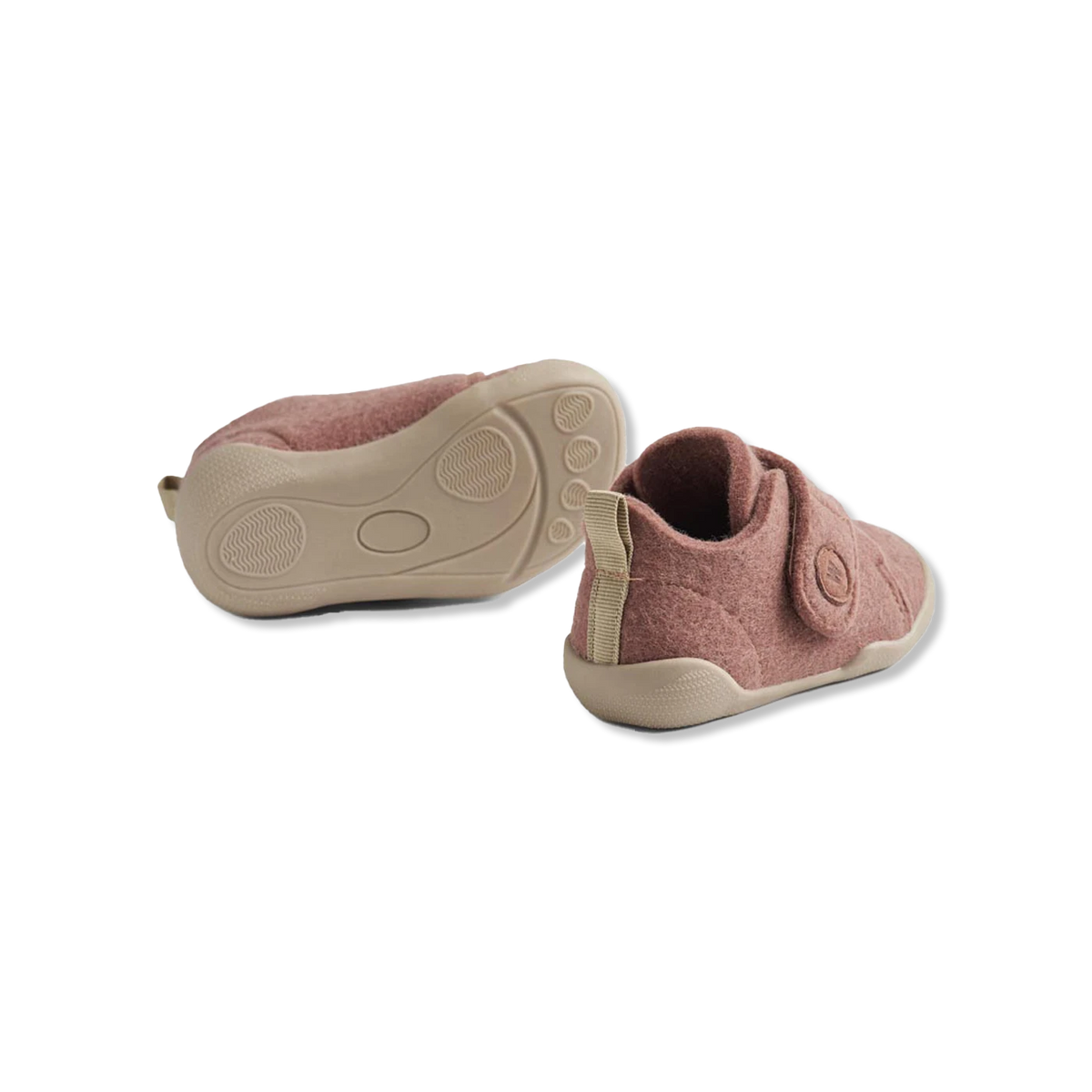
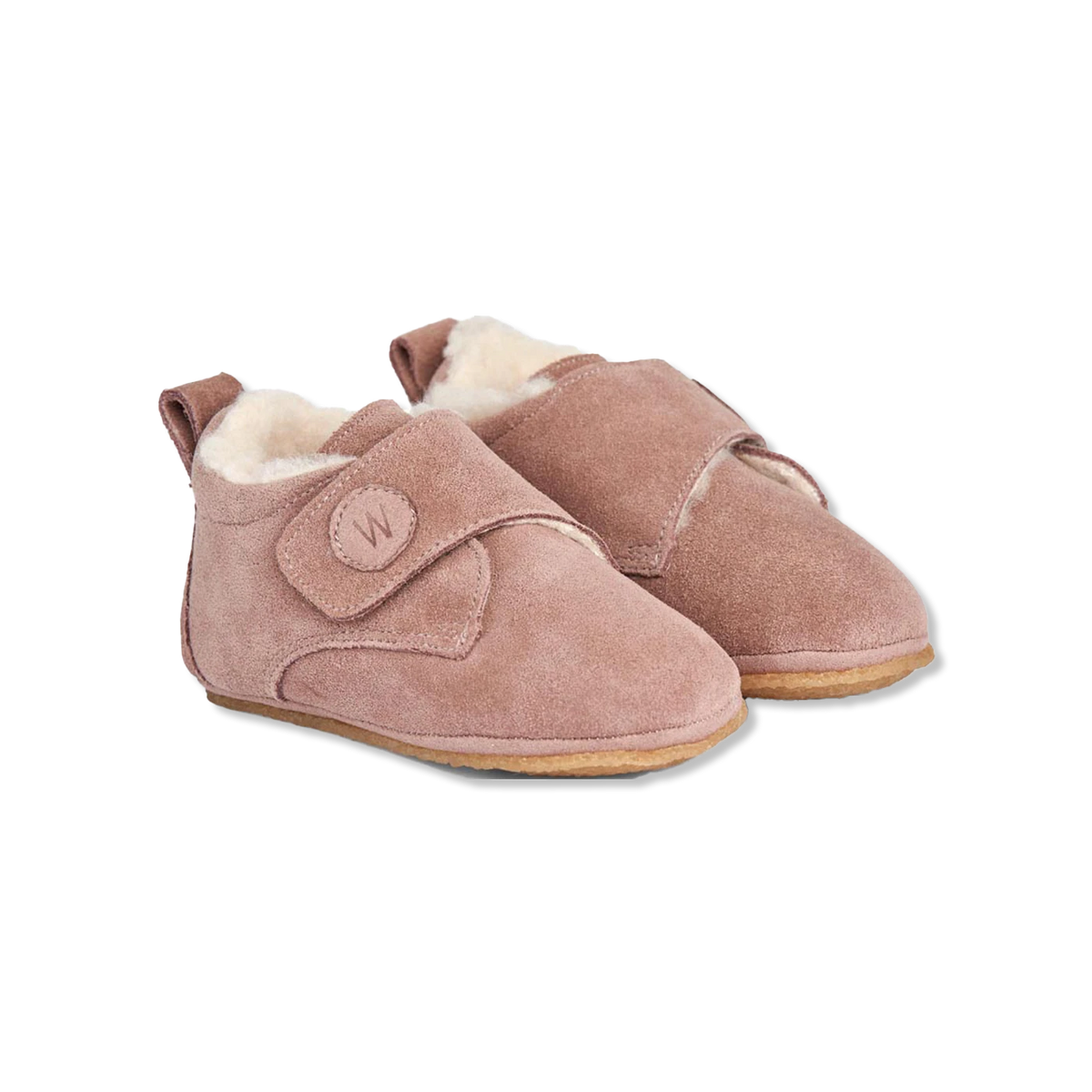
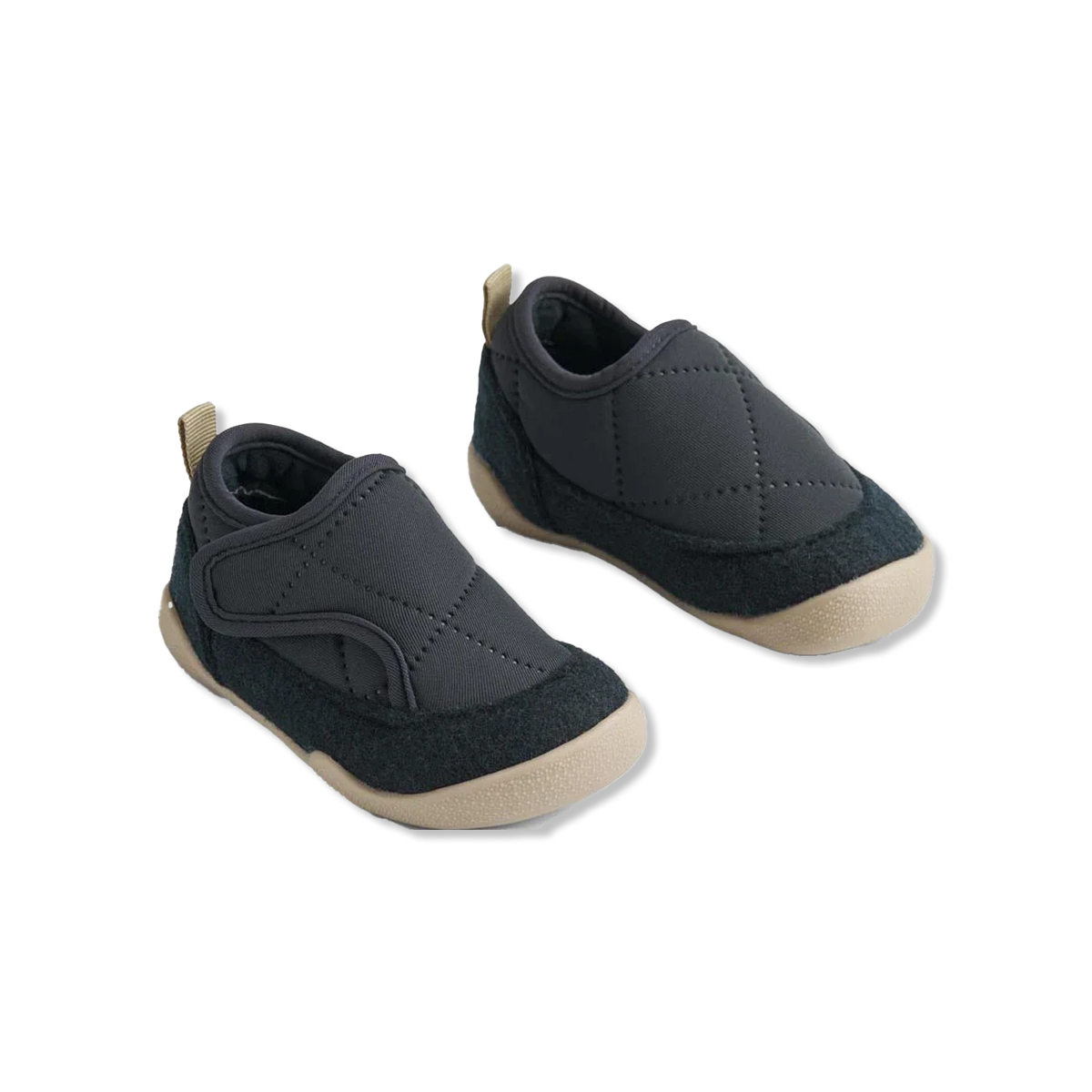
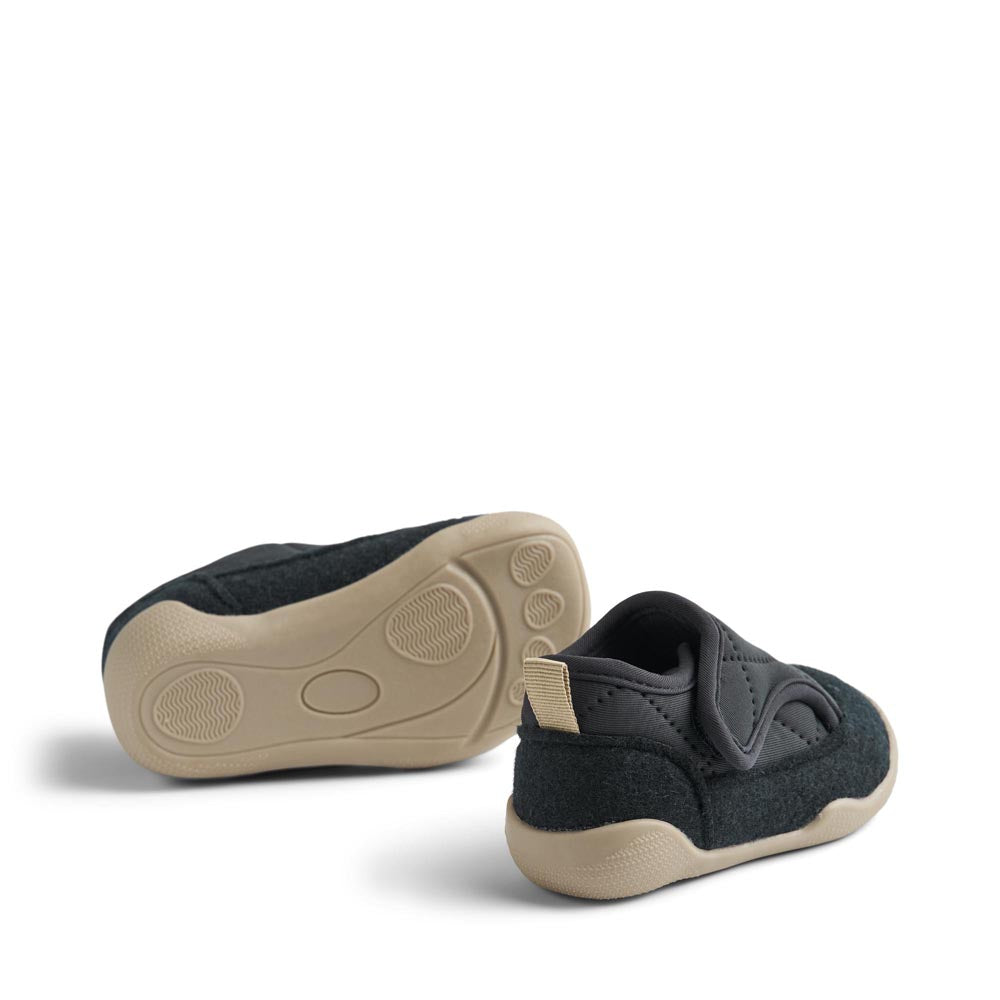
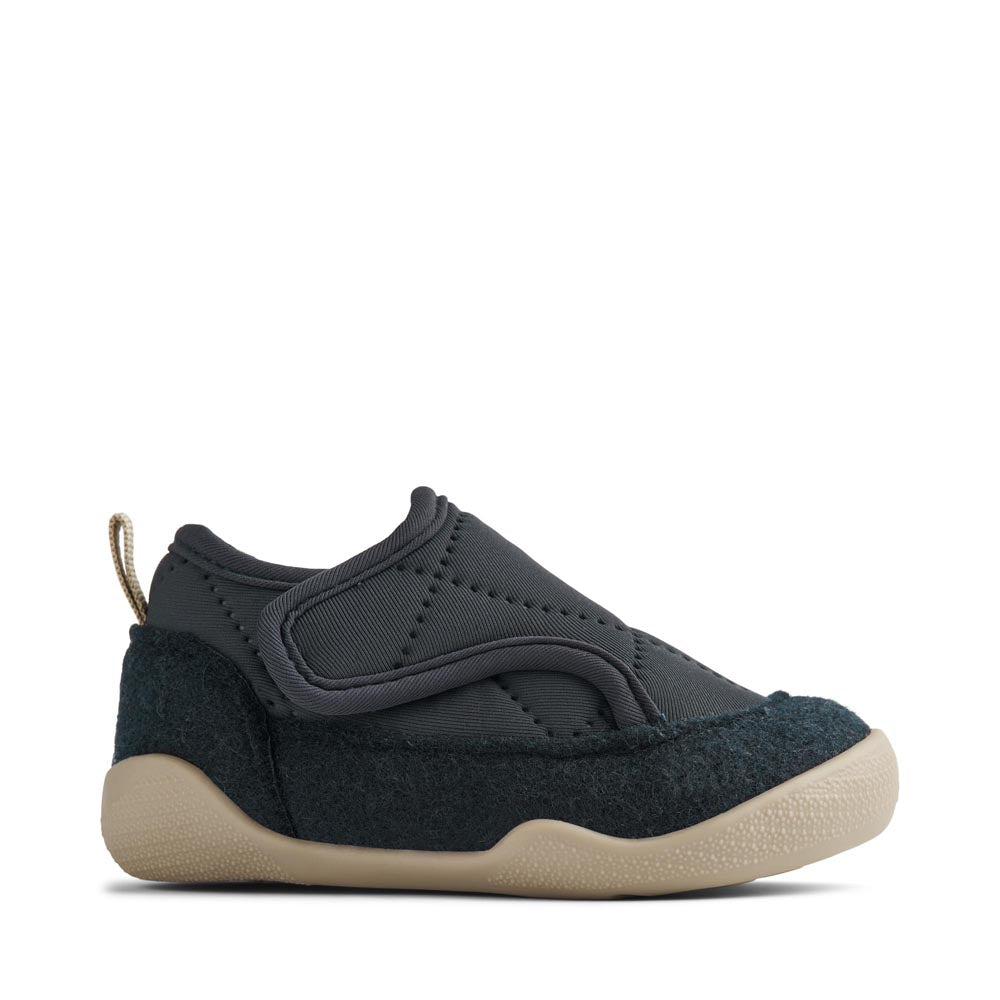
Wheat slippers for children with focus on foot support and natural materials
Wheat slippers are a great choice if you are looking for indoor shoes that do more than simply feel soft on the foot. Here you will find Wheat Footwear slippers for babies and children, designed with support, fit and materials in mind. This makes them especially relevant when choosing slippers for first steps, everyday use in nursery or preschool, or for children who need a little extra stability indoors.
When choosing a pair, it is especially worth considering your child’s age, foot shape and needs. Some styles are best suited to little ones who are still practising their balance and are new on their feet. Others are better for older children who wear slippers for many hours at a time. If you are unsure whether to look for a wide toe box, a firm heel counter or extra support around the ankle, this is exactly where Wheat stands out from more traditional slippers for children.
What makes Wheat Footwear slippers special?
What makes Wheat Footwear slippers special is the combination of chrome-free organic leather and a sole that offers more support than many classic slippers. While some indoor shoes mainly work as lightweight footwear for indoor use, Wheat is developed with focus on how children’s feet stand and move throughout the day.
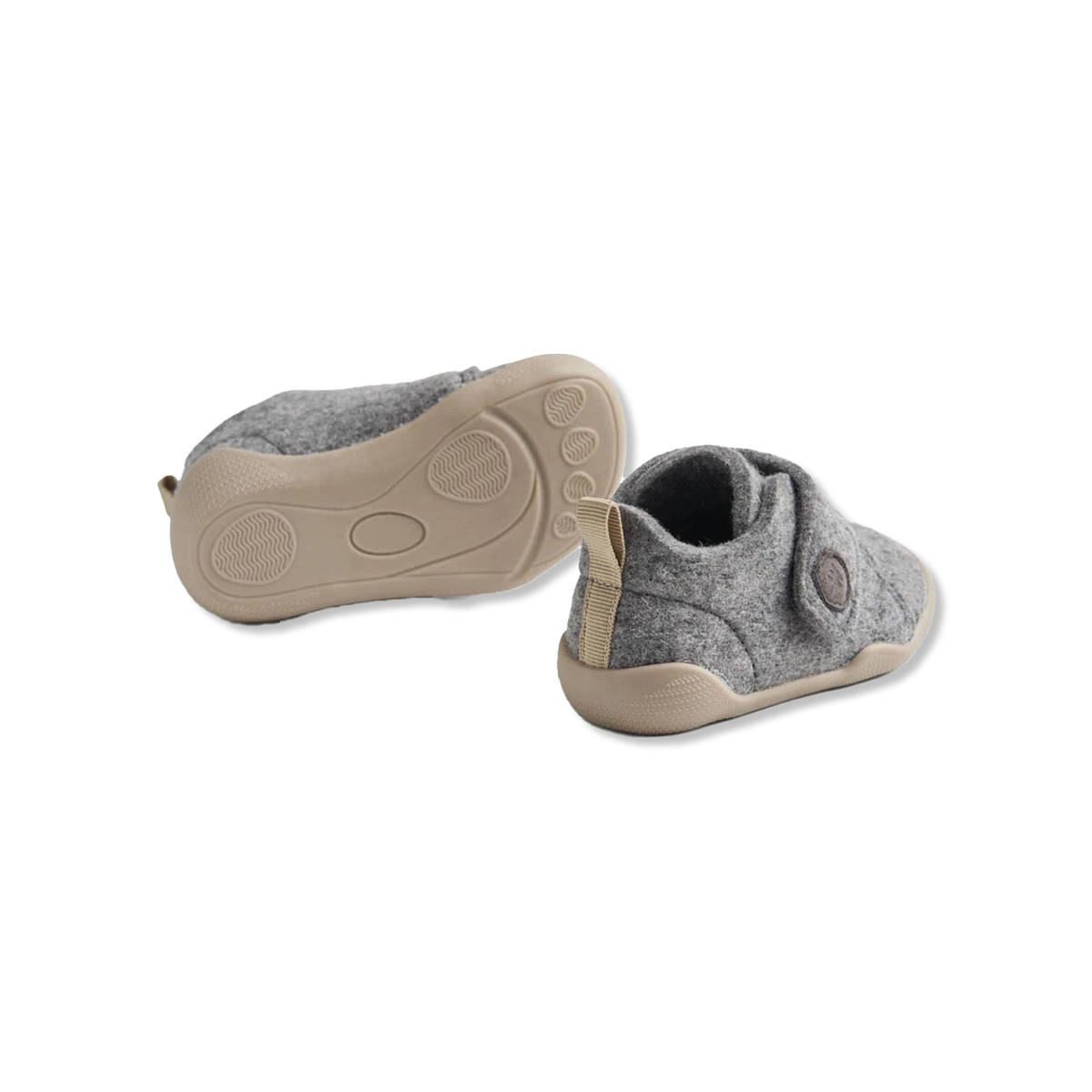
Several styles are made with a sole that provides extra support under the foot, along with a fit that helps the foot sit more securely inside the shoe. This can be worth looking for if you want Wheat slippers with foot support, or if your child tends to roll slightly inwards on their feet. At the same time, the chrome-free tanned leather is a breathable and gentler choice that many parents prefer over synthetic materials.
In other words, it is not only about slippers being comfortable to wear. They also need to work in an active everyday routine where children play, walk and stand a lot indoors.
Which Wheat slippers suit your child’s age?
Children’s feet change quickly, so it makes sense to choose Wheat children’s slippers based on both age and how much your child moves during the day:
0-2 years: For the youngest children, support and enough room for the toes are especially important. A wide toe box and a firmer heel can help provide confidence when your child is practising those first steps.
2-6 years: In nursery and preschool age, slippers need to handle play, floor time and many little trips back and forth during the day. A flexible sole combined with support is often an advantage, so your child can move freely while still standing securely.
6-10 years: Older children often wear slippers for many hours, especially at school or after-school club. Here, a more durable upper and clearer support around the ankle and heel can be worth looking for.
If you would like to see more shoes from the same brand, you can explore the full Wheat Footwear selection or browse other types such as Wheat Footwear sandals.
Materials that make a real difference in use
Much of the difference is felt in everyday wear. Organic leather that is chrome-free tanned is a really good choice for children who wear slippers for many hours each day. The material is breathable and helps move moisture away, so feet can feel drier and more comfortable throughout the day.
Inside, GOTS-certified textiles and cotton linings can help absorb moisture and create a more comfortable climate in the shoe. This is especially useful for children with warm feet or skin that is easily irritated. Natural materials also often have a good ability to retain their shape and comfort over time when cared for properly.
The fit also plays an important role. Wheat typically works with a little extra space at the toes and a narrower heel, so the foot does not slide around too much. This gives a calmer feel on the foot and allows the support in the shoe to work as intended.
Size, foot measurements and special needs
When it comes to Wheat slippers, the size matters a lot. If the shoe is too large, your child may lose some of the support the style is designed to provide. If it is too small, there will not be enough room for the toes, and comfort will quickly be compromised.
The best place to start is by measuring your child’s foot in centimetres and comparing it with the current size guide. It can also be helpful to notice whether your child has:
- a narrow heel
- a wide forefoot
- a tendency towards pronation or flat feet
- a need for firmer support around the ankle and heel
For some families, this is exactly where Wheat makes very good sense. If you are looking for orthopaedic slippers for children or simply want a more supportive indoor style, Wheat can be a good place to begin. For more noticeable foot challenges, however, it is always a good idea to have your child’s needs assessed together with a specialist.
How to keep Wheat slippers looking good for longer
Organic leather fortunately does not require complicated care, but it benefits from being treated gently. As a general rule, Wheat slippers should not be put in the washing machine. For everyday care, it is often enough to wipe them carefully with a slightly damp cloth and let them dry naturally, away from direct heat.
If the shoes need a little extra care, you can use care products suitable for leather and other natural materials. This helps preserve suppleness and can extend their lifespan, especially if the slippers are used frequently at daycare, school or at home on cool floors. For the youngest children, they can also easily be worn with wool socks if you want to add extra warmth without compromising breathability.
On this page, you can explore Wheat Footwear slippers and find the style that best suits your child’s age, foot shape and need for support.