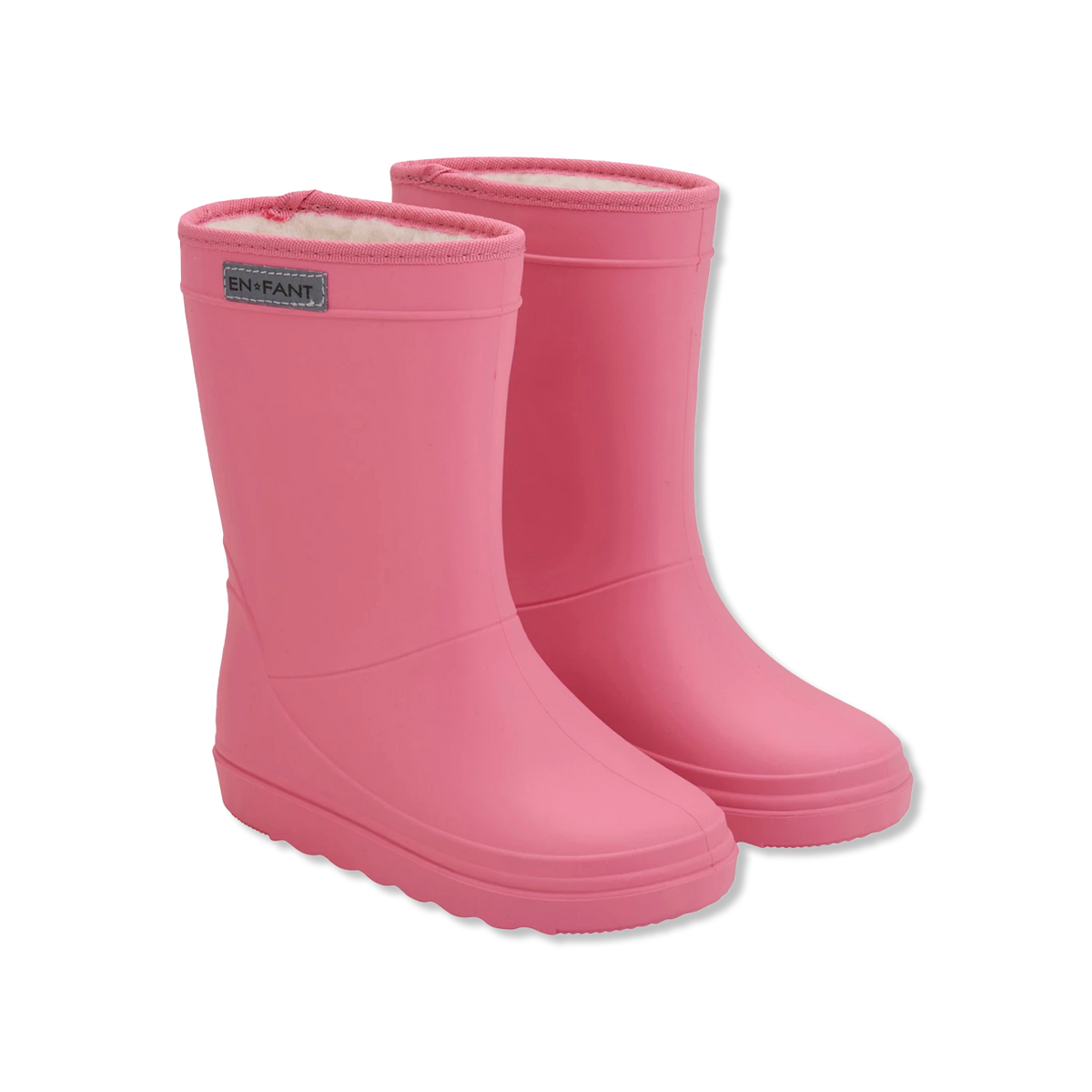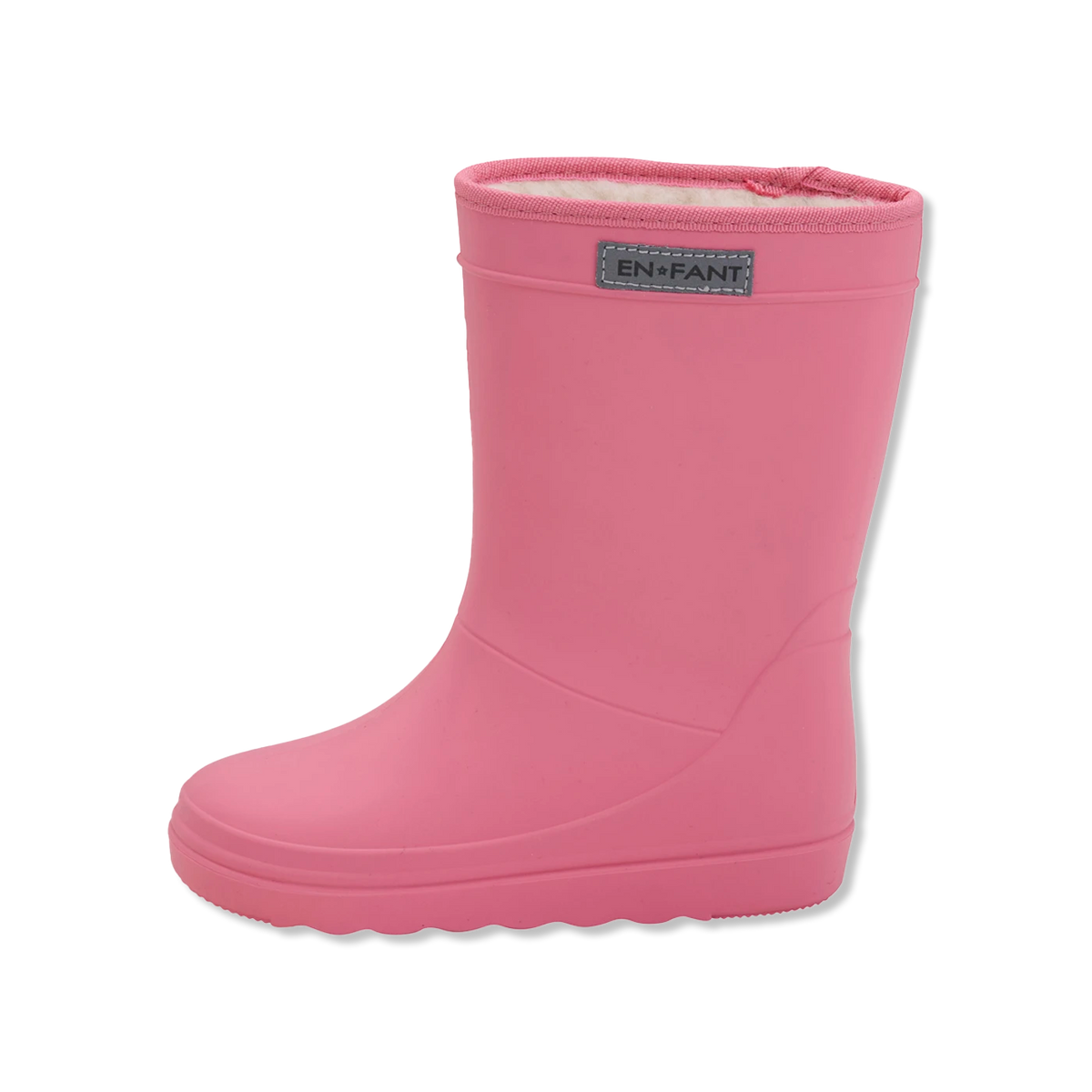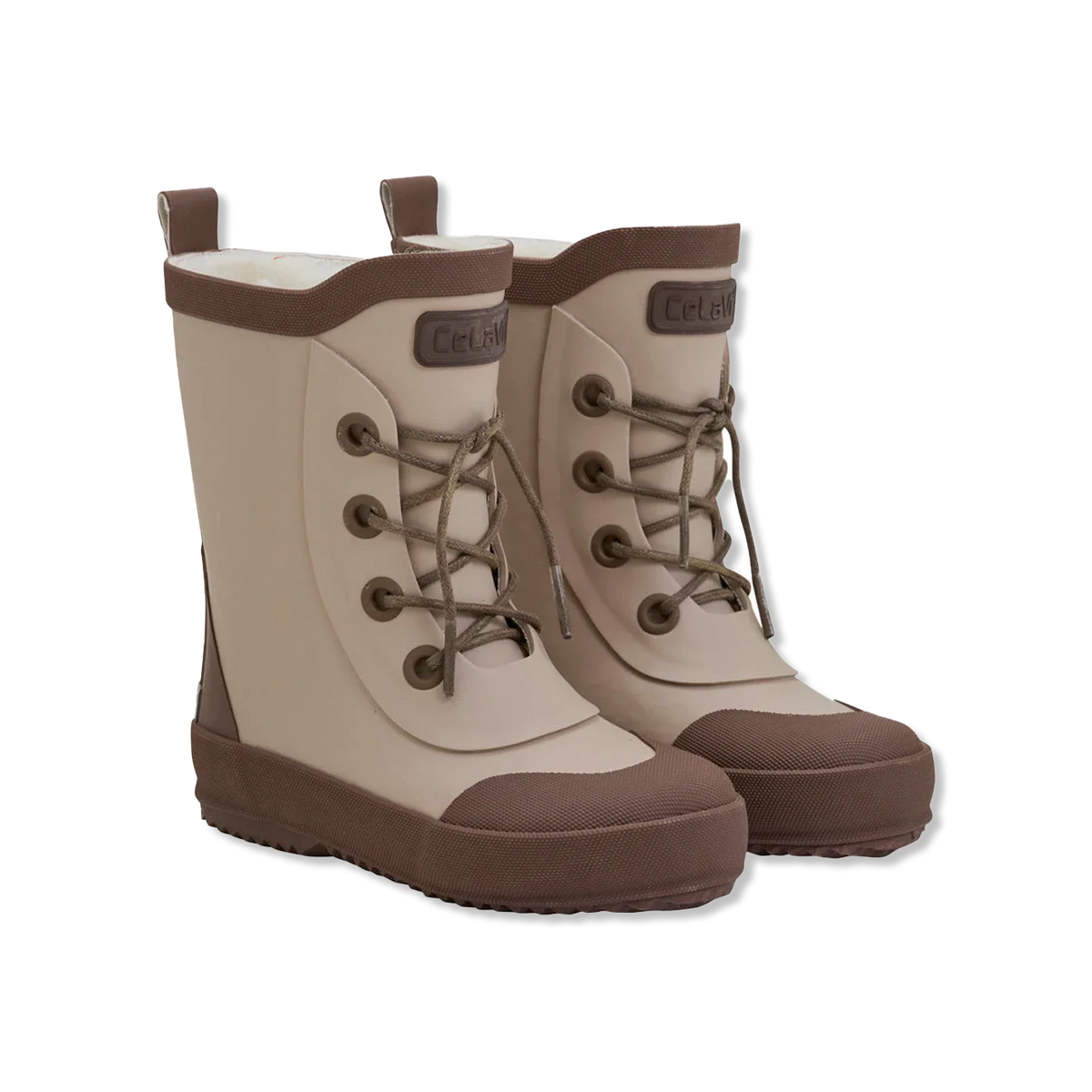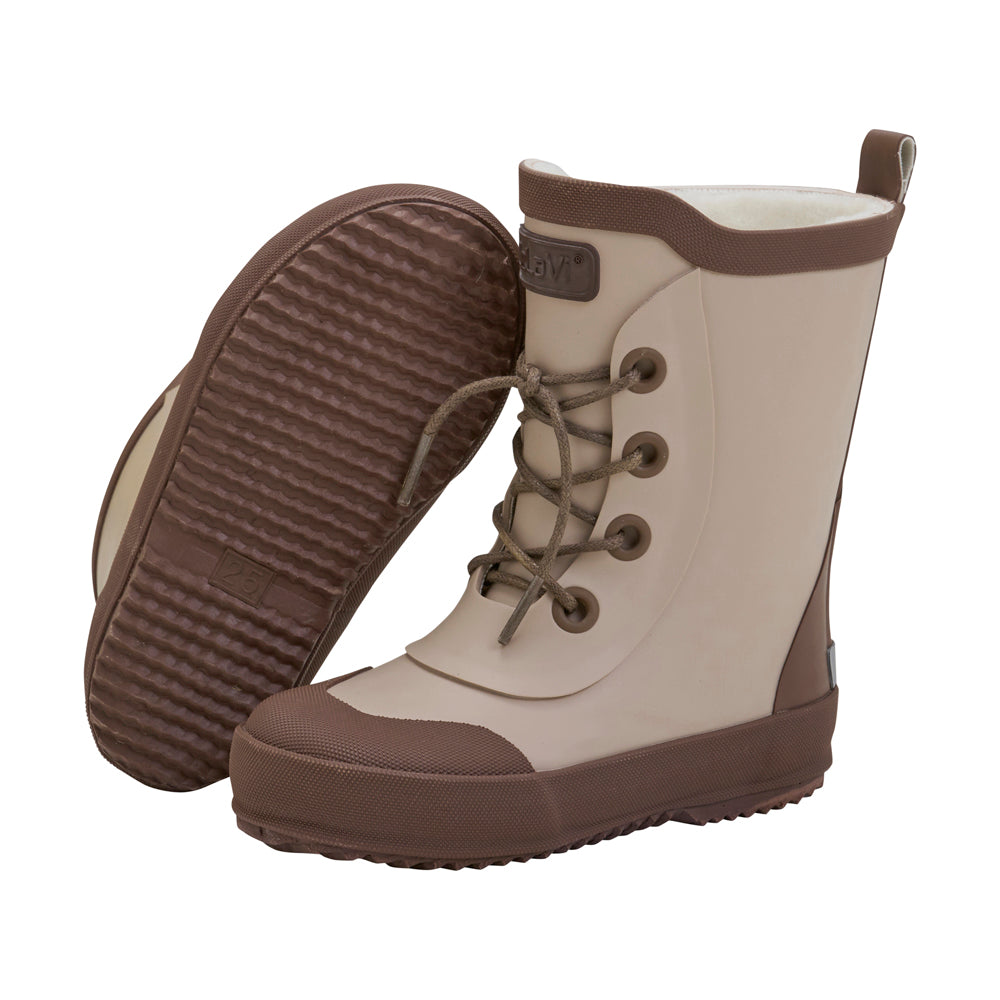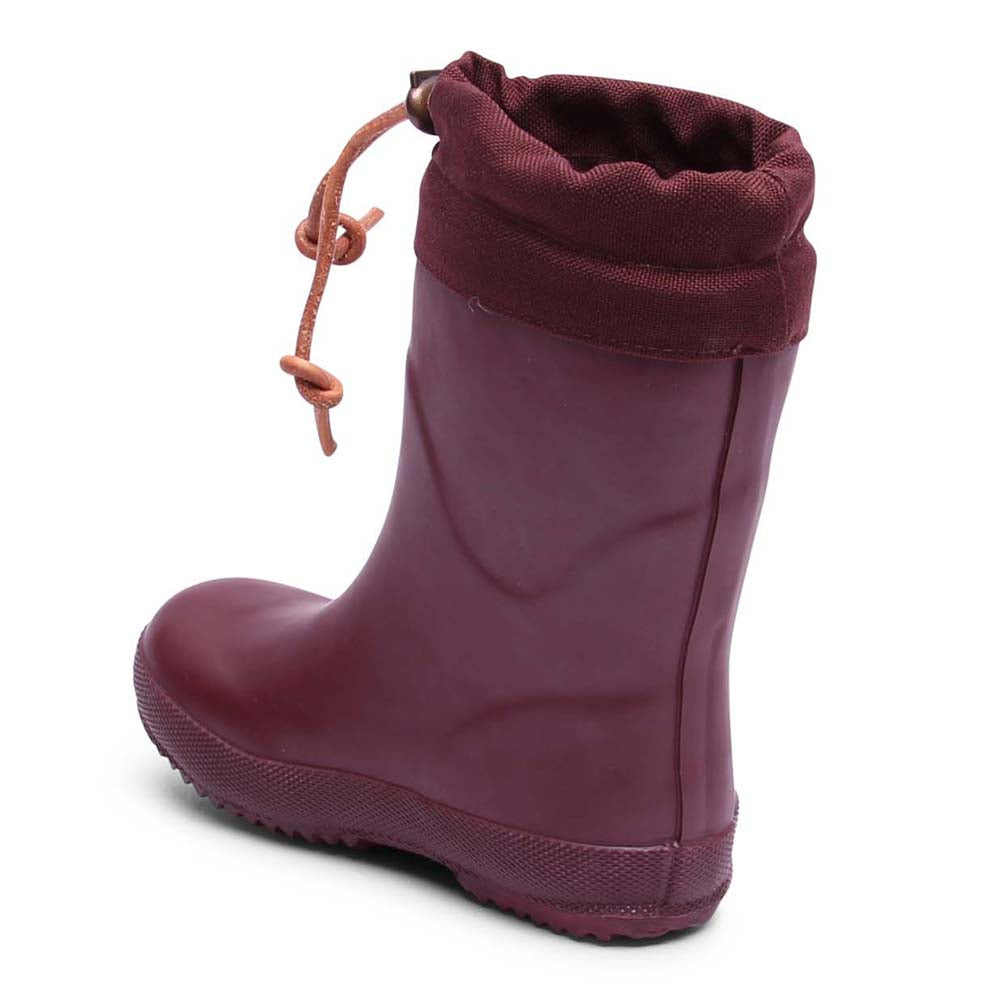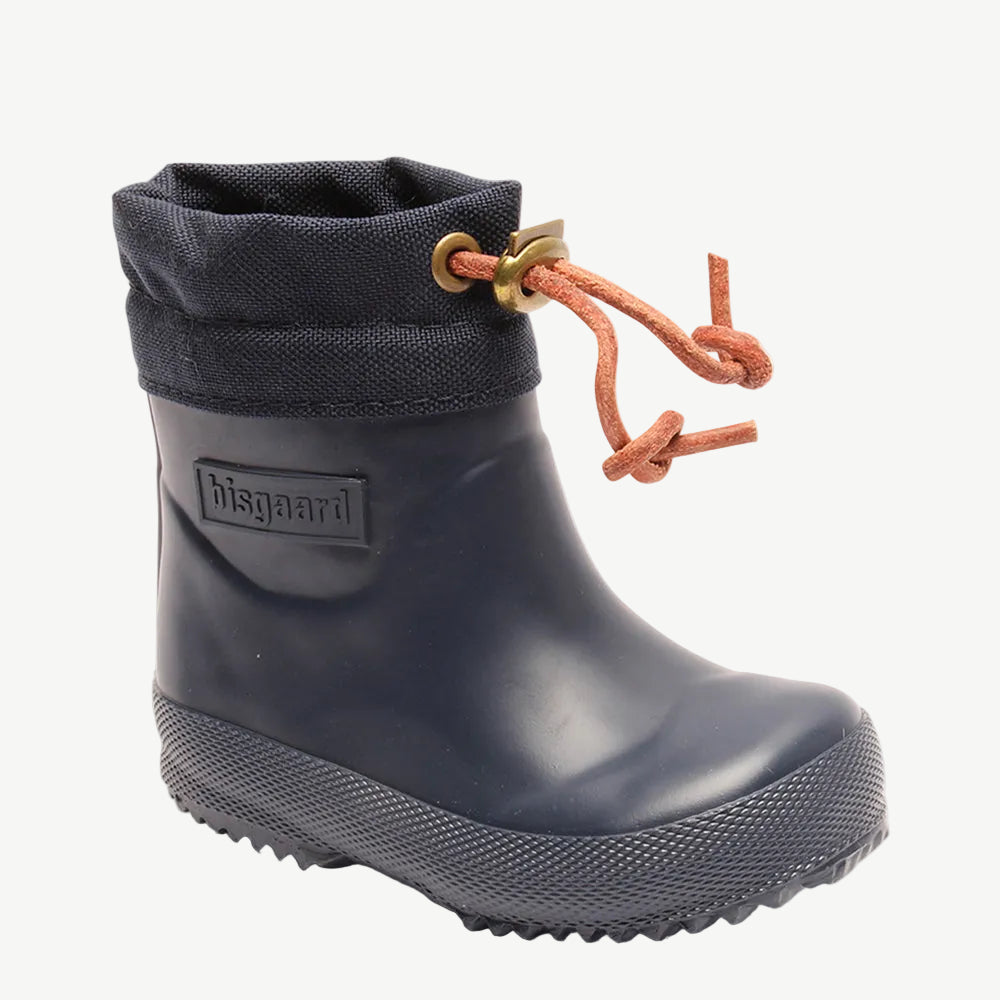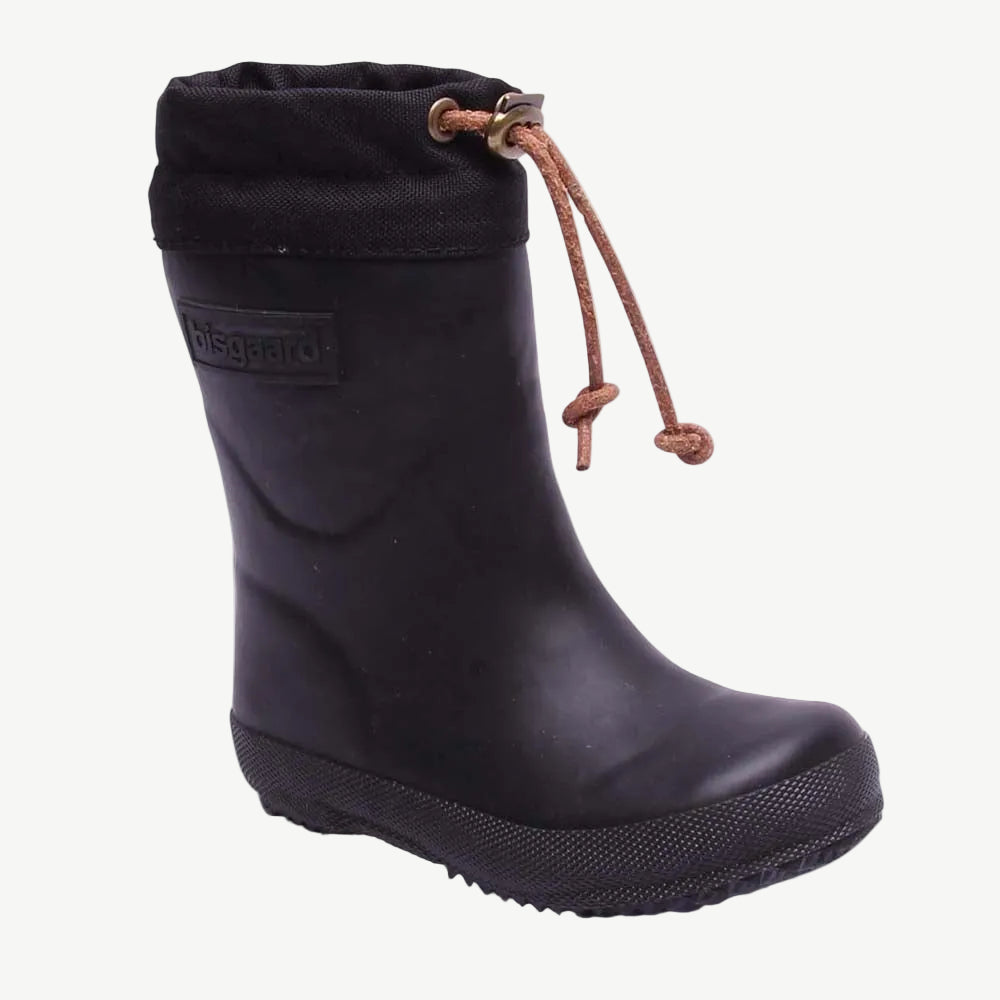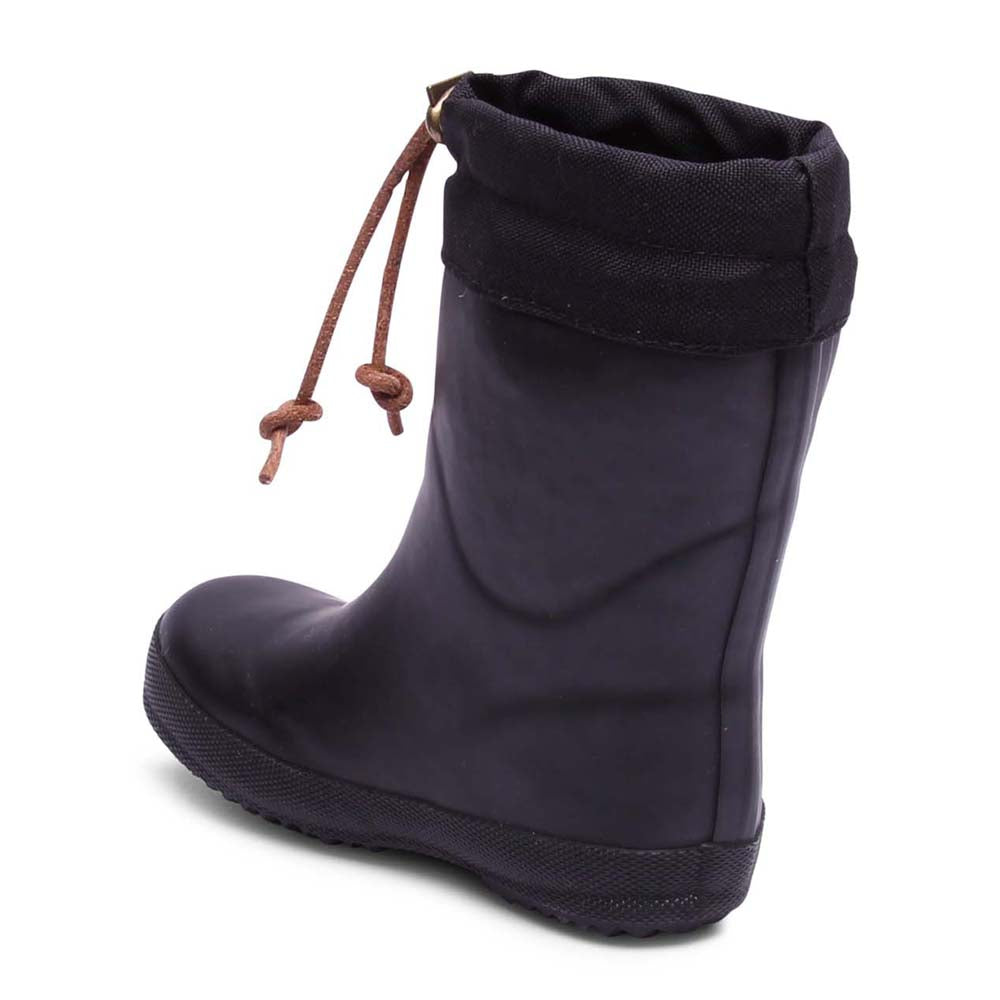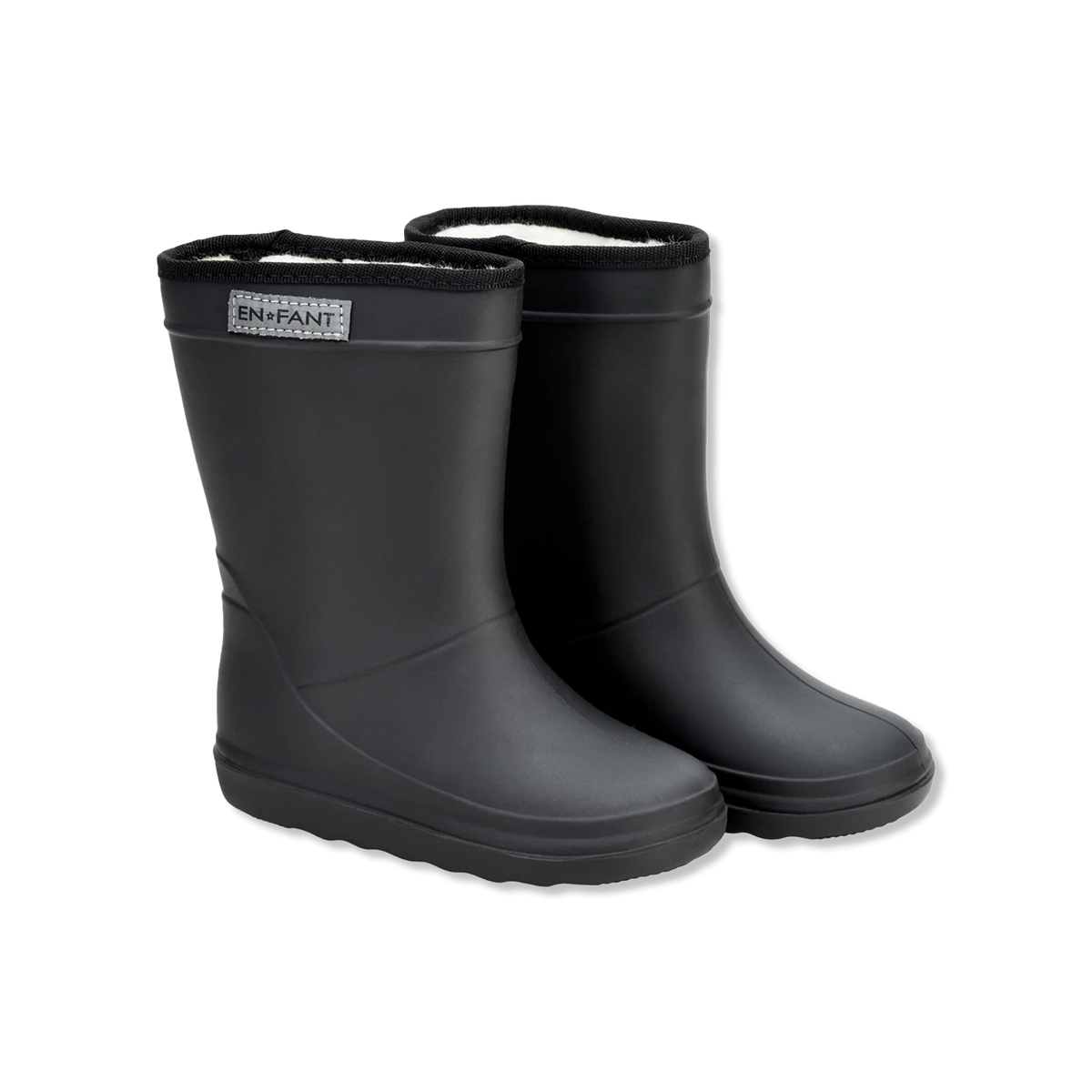
Children's thermal boots for warm feet in cold weather
Thermal boots can be a good choice for children who spend a lot of time outdoors in autumn and winter and need warm feet in snow, sleet and on cold playgrounds. Insulation, weight and weather protection vary between designs. Compare thermal boots with winter boots using the individual product information. The category alone does not tell you which boot is warmest.
When choosing, it helps to consider three things: how cold the weather usually is, how long your child stays outside and how active they are. Some thermal boots are light and suit mild winter days, while others are made for periods of harder frost. Look at weight, sole and fit too, because warm boots should also be comfortable for running, walking and playing.
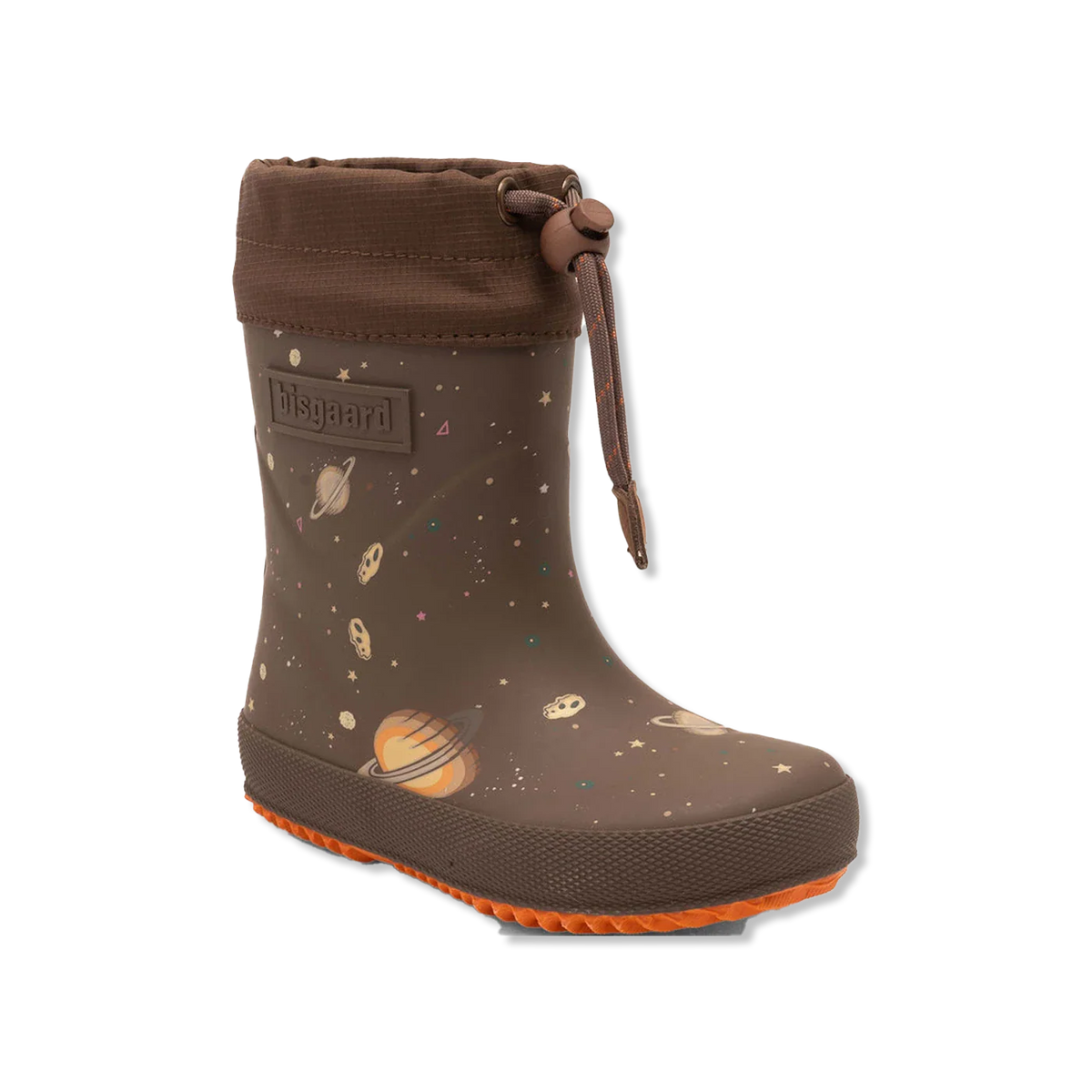
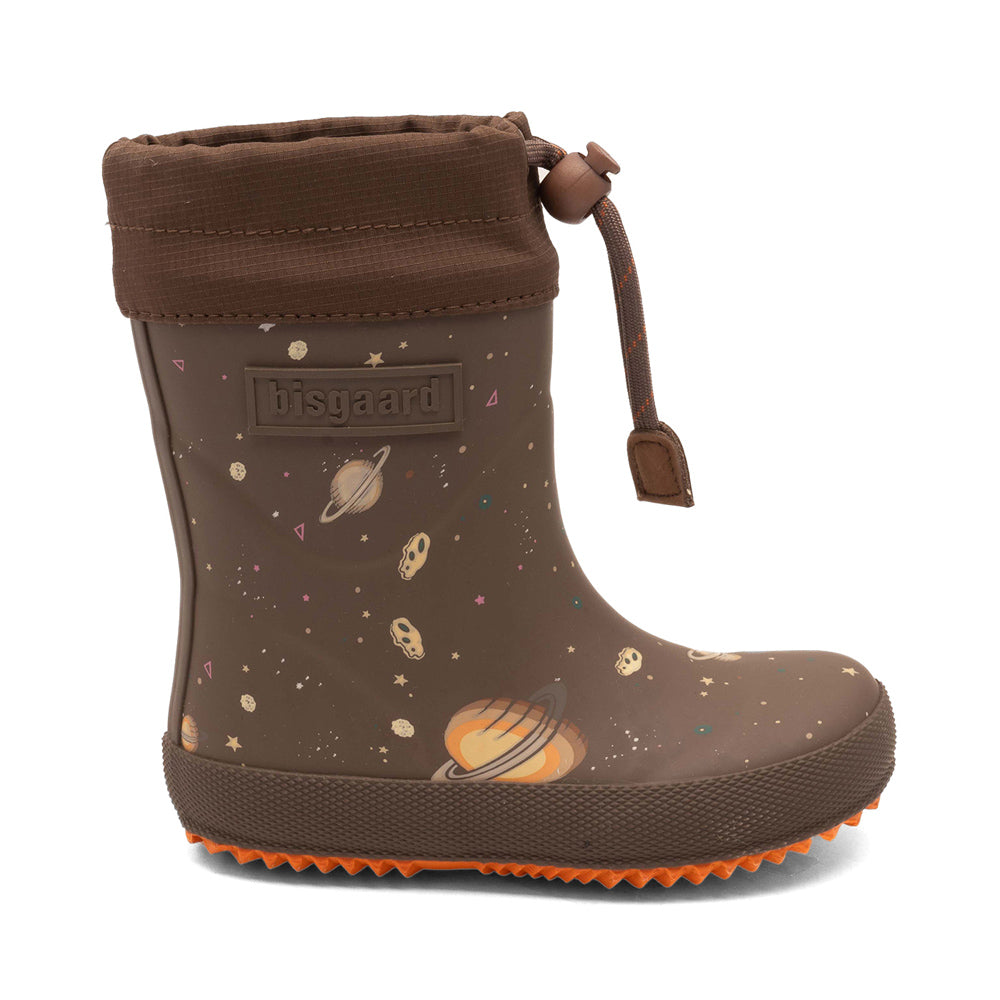
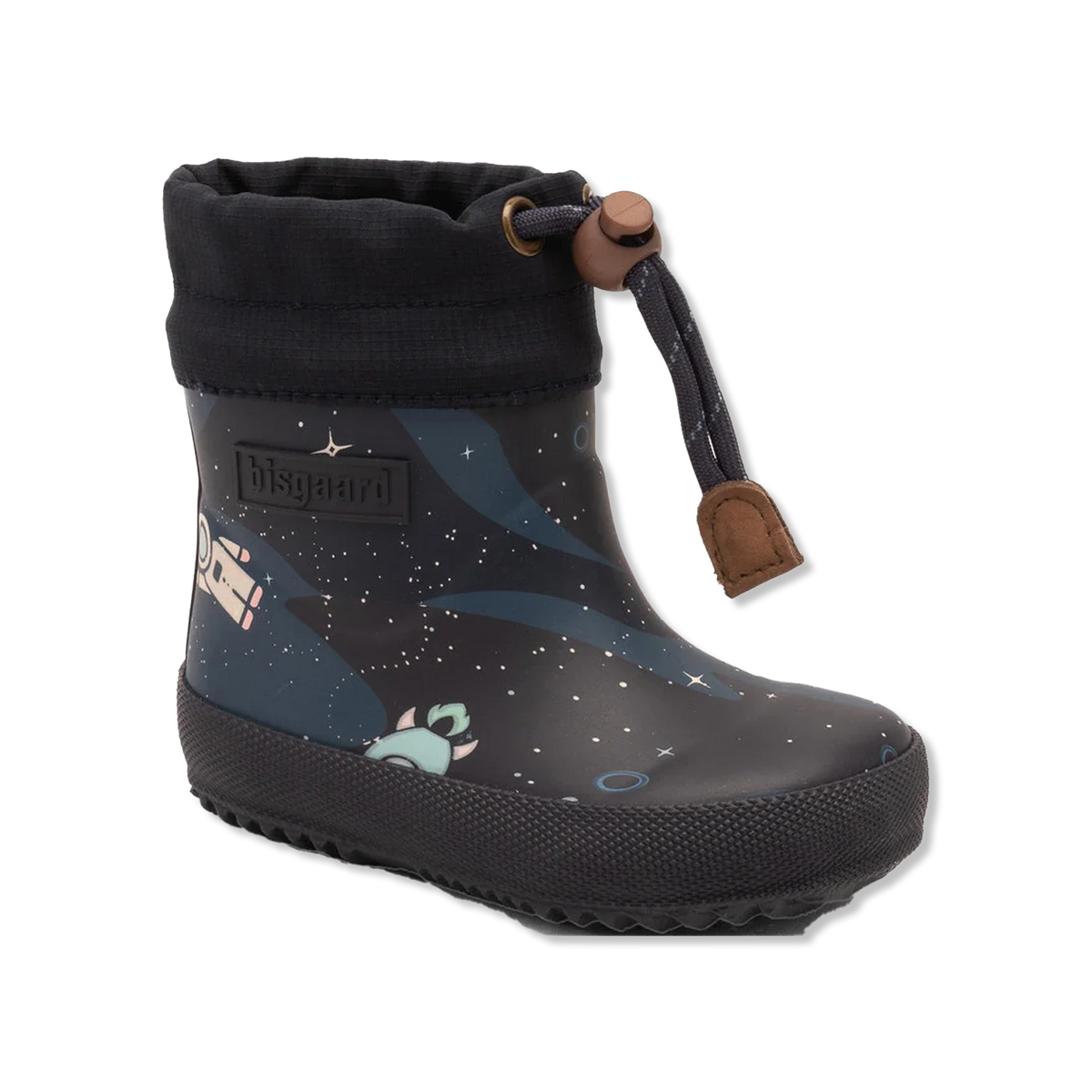
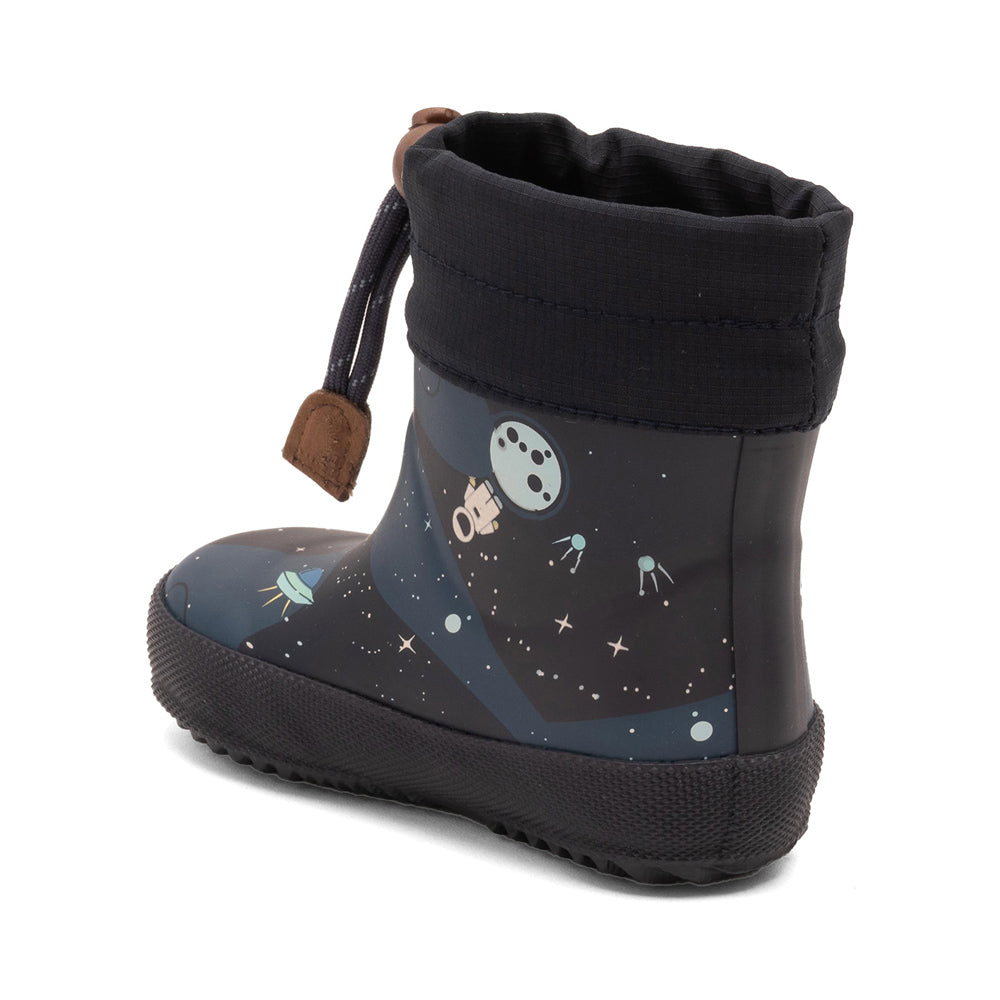
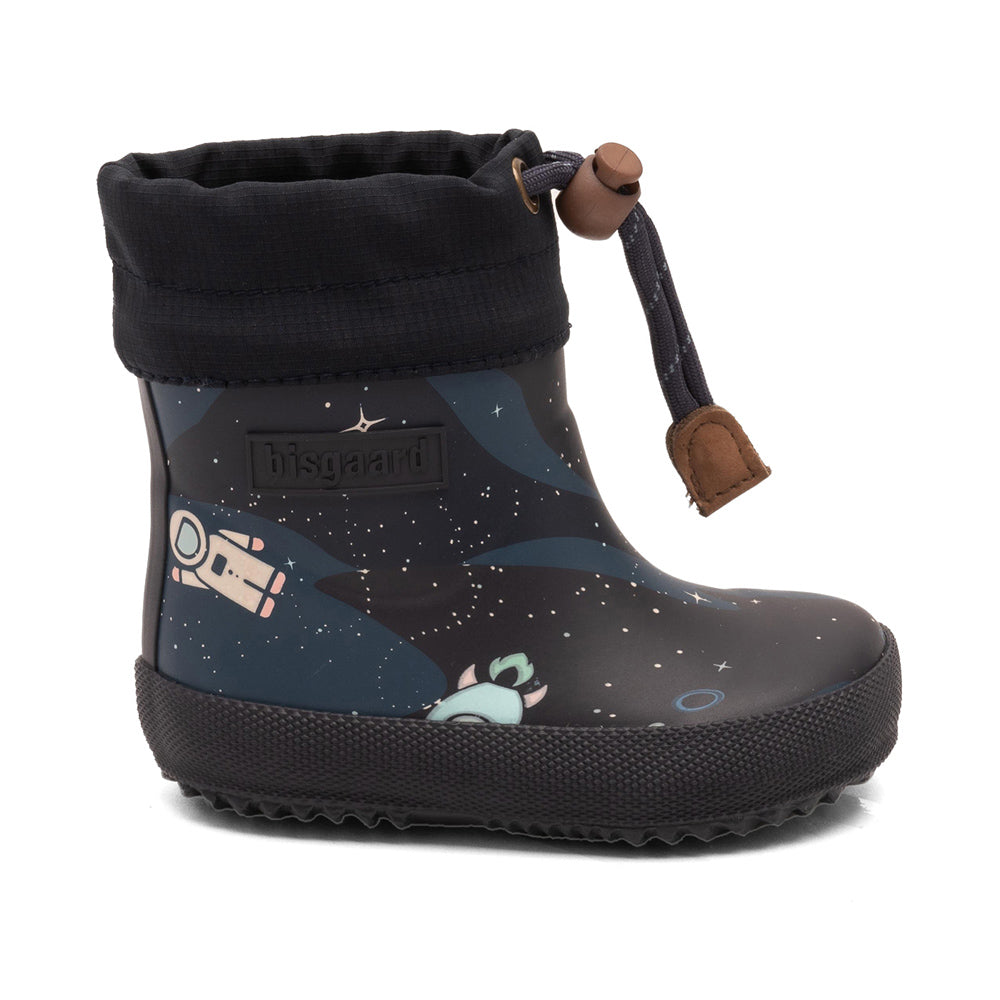
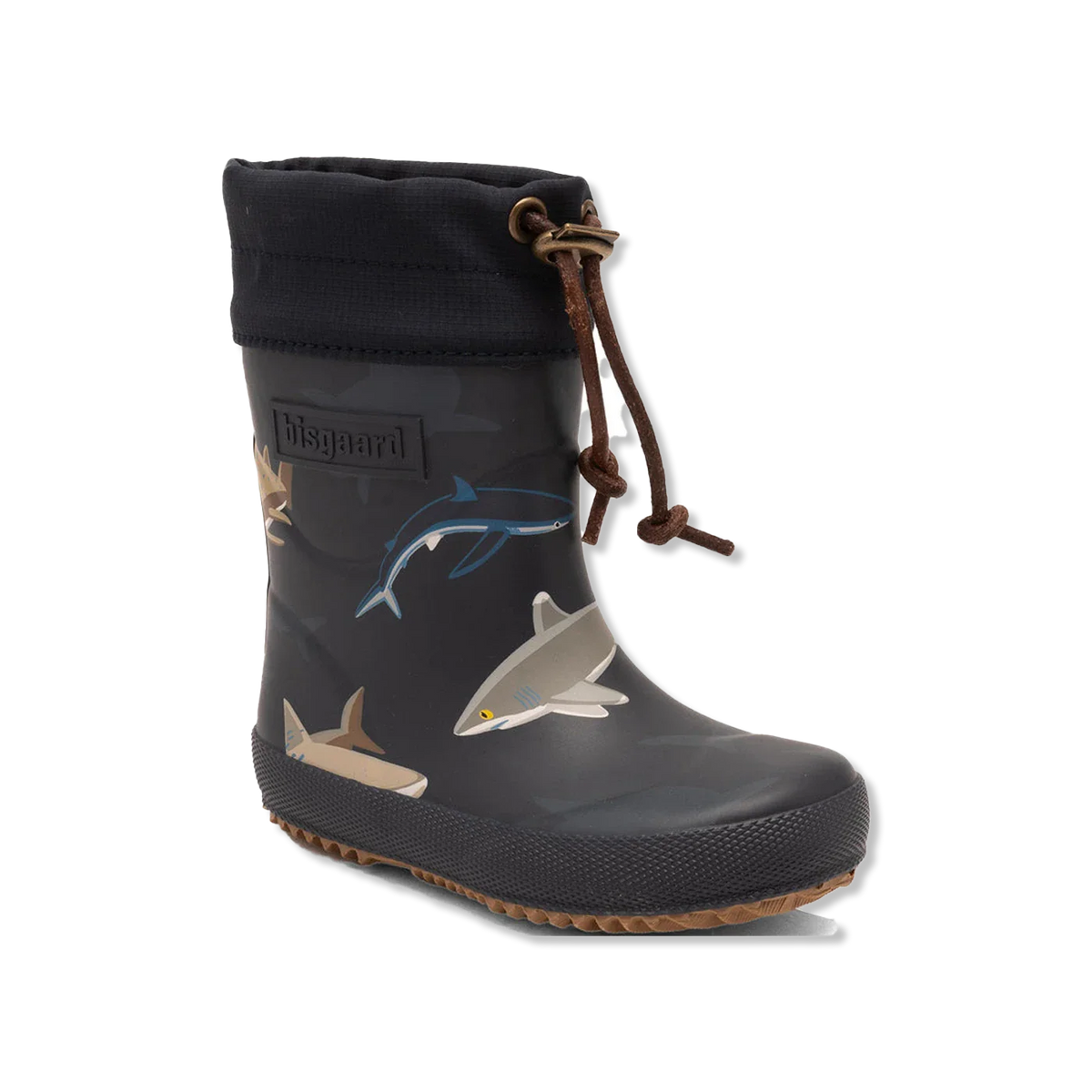
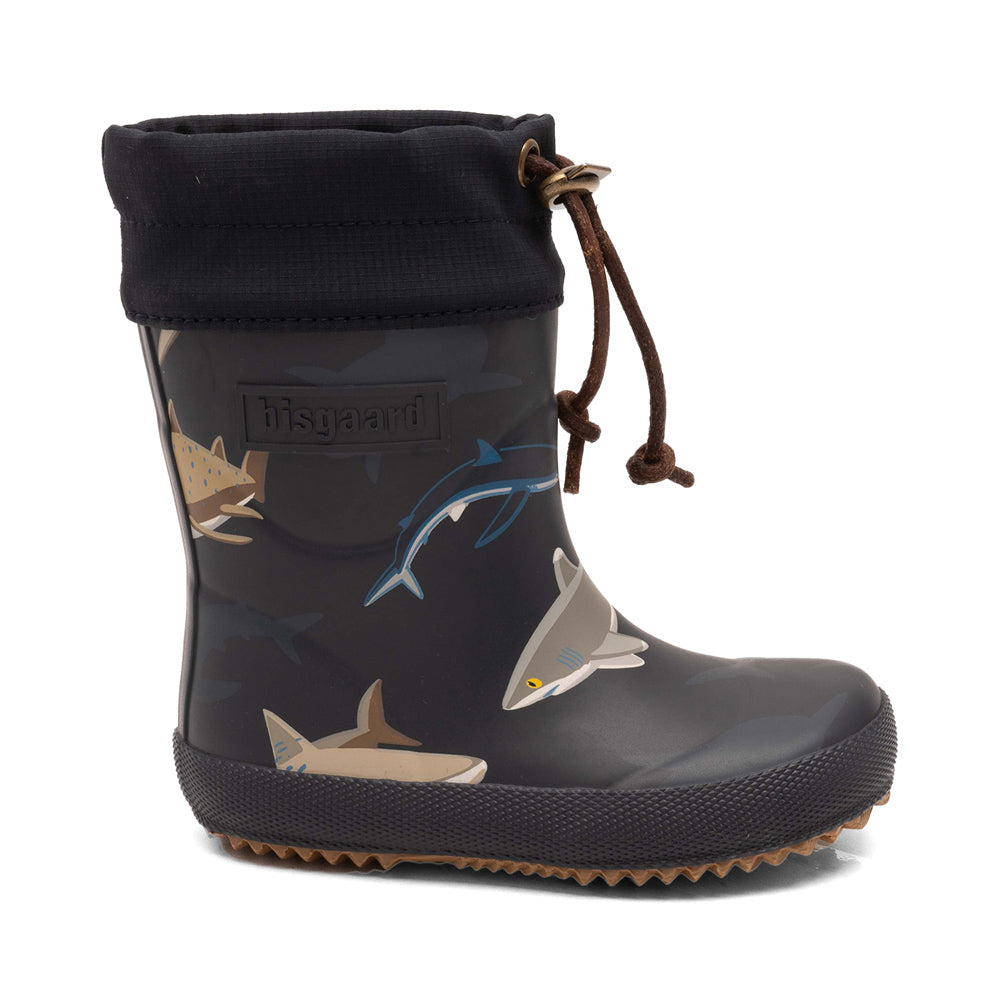
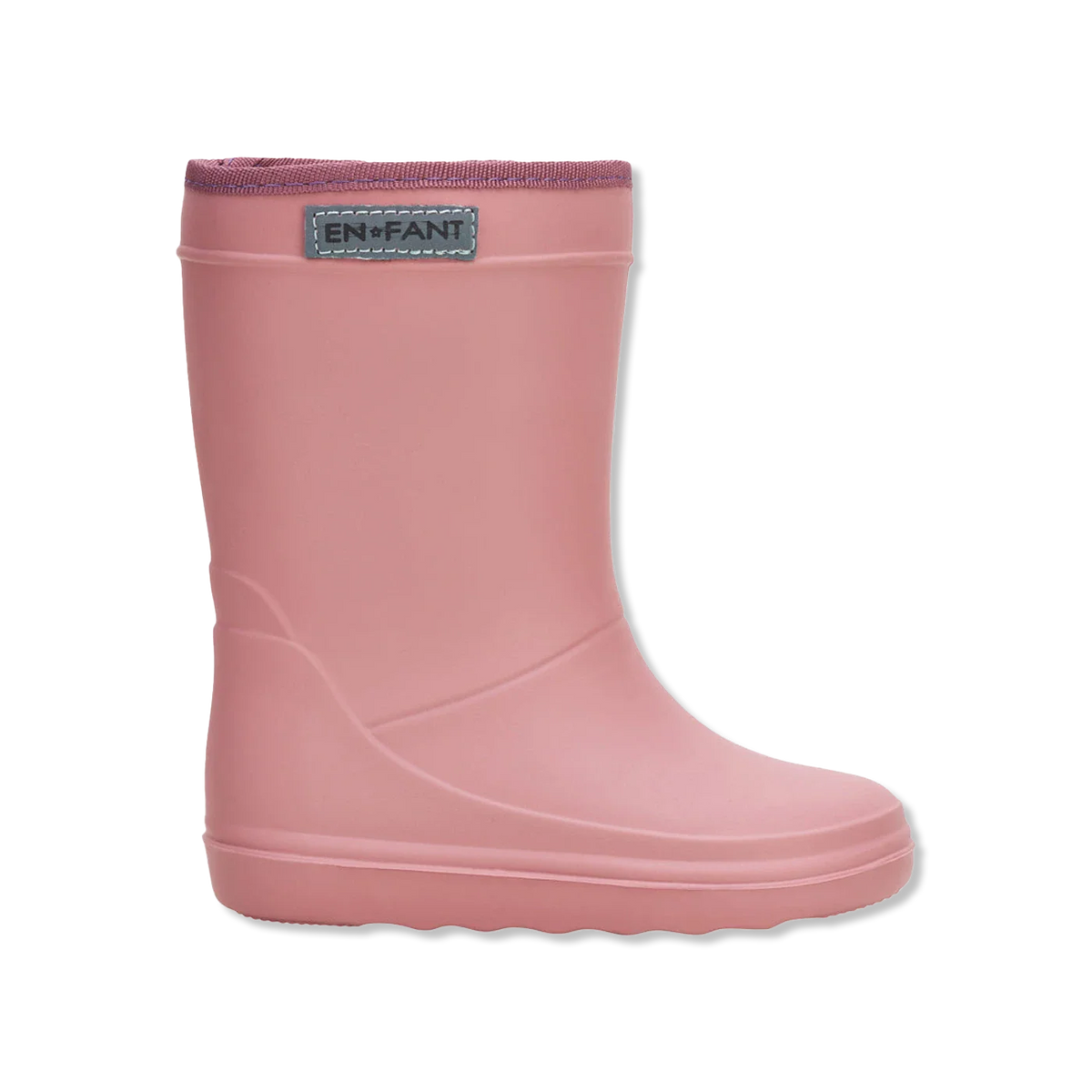
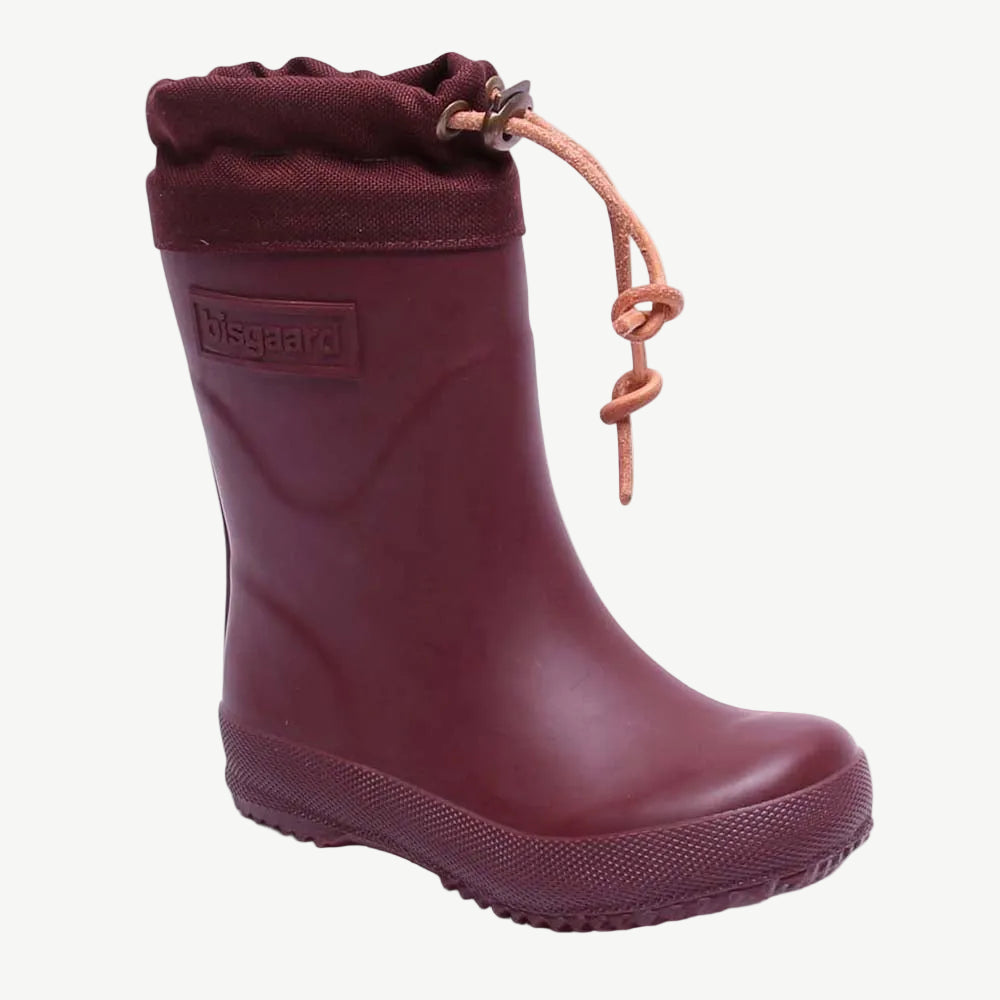
To compare brands, explore En Fant thermal boots, Bisgaard thermal boots and Wheat thermal boots. Compare materials, lining and sizes of current designs.
When do thermal boots make more sense than other boots?
Thermal boots are particularly useful for children who spend many hours outside at nursery, in the school playground or on outings in cold weather. They suit days with frost, snow and cold when ordinary boots may feel too chilly. Between seasons, a lighter design is often enough, while more insulated thermal boots suit the arrival of winter cold.
What your child walks and plays in also matters. Dry cold has different requirements from slush, wet snow and sleet. Water repellency is not the same as waterproofness, so check the waterproofing, material and construction information for very wet conditions. If the main need is rain and mud rather than frost, a pair of wellies may be a better addition to the wardrobe.
What to look for when choosing thermal boots
When choosing thermal boots for everyday use, pay particular attention to:
- Insulation: light, medium or substantial warmth according to the season and your child's needs.
- Waterproofness or water repellency: choose documented waterproofness for very wet weather; water repellency does not offer the same protection.
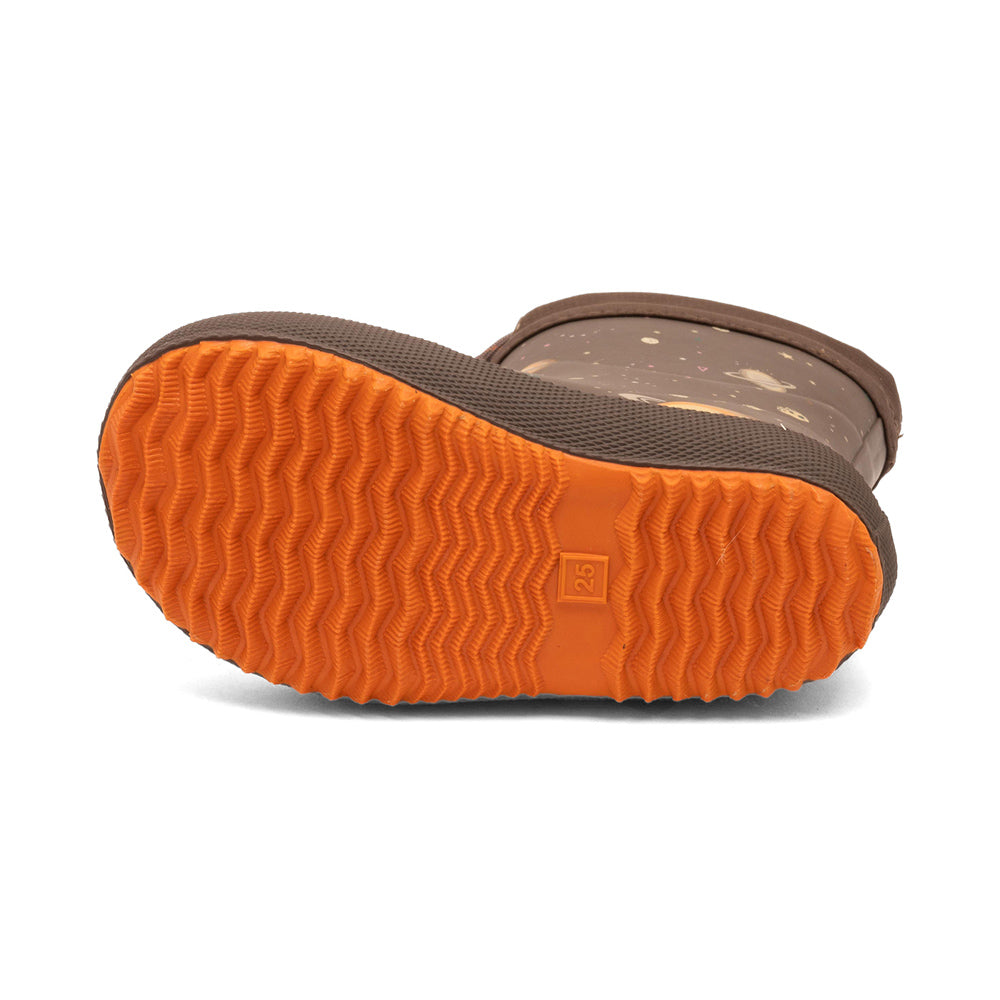
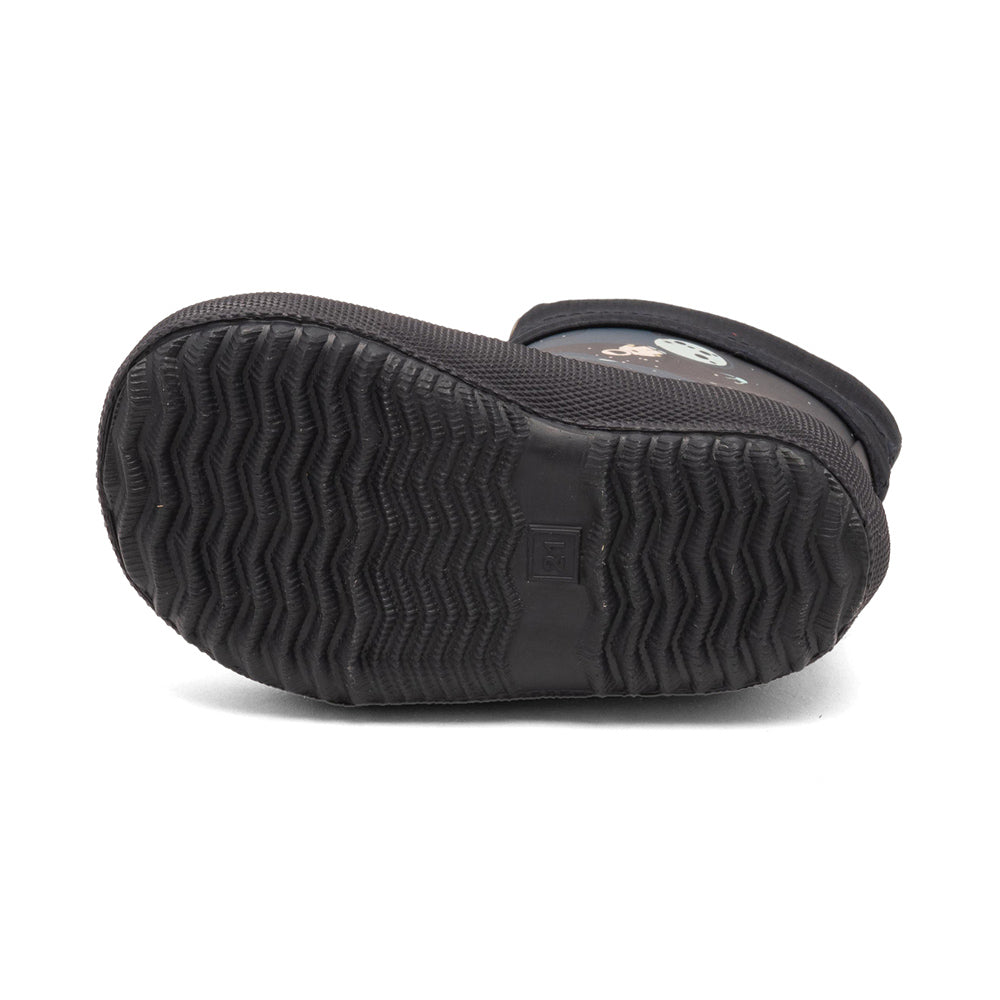
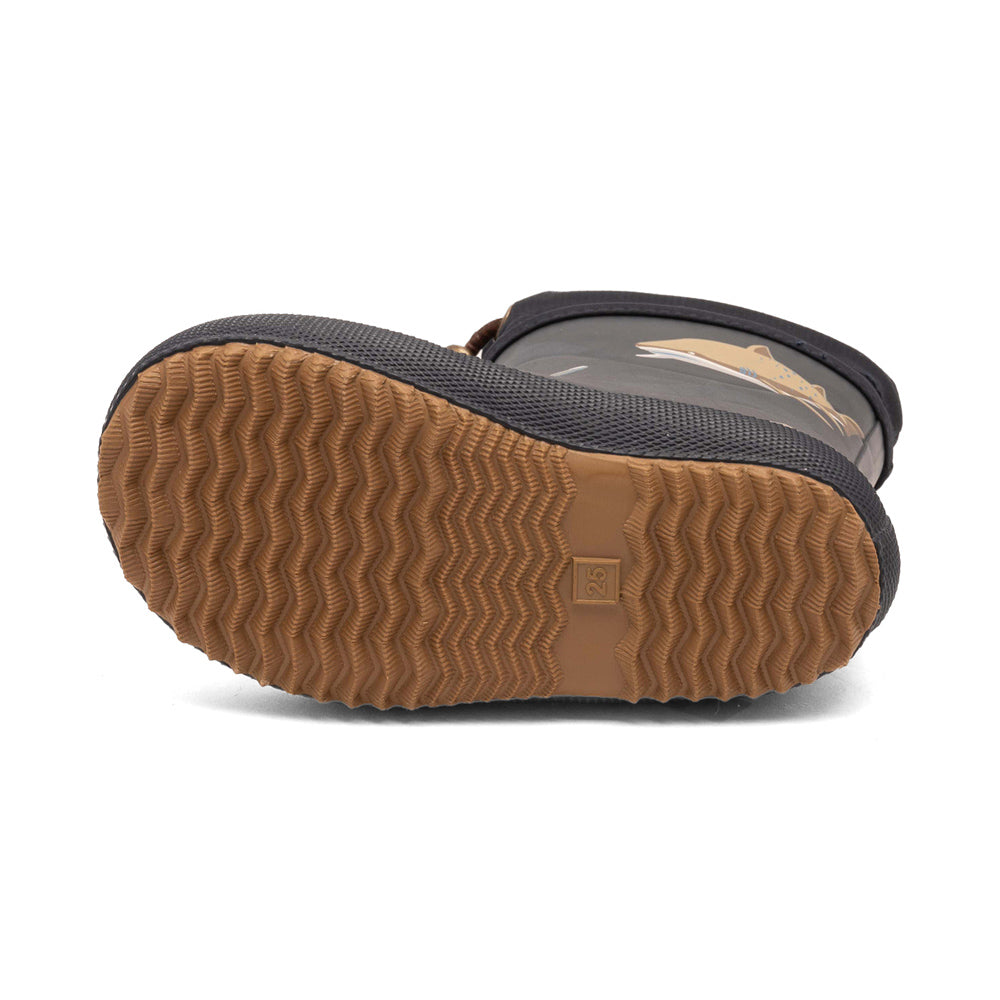
- Sole grip: look at tread, material and the manufacturer's grip information. Footing also depends on the surface.
- Weight: lighter boots are often more comfortable for younger children who move for much of the day.
- Fit: there should be room for a good sock, but not so much that the foot slides inside the boot.
It is easy to choose boots that are too big to allow for thick socks, but this can make them less stable and comfortable to walk in. They should not be so tight that warmth is compromised either. For the youngest children, easy dressing often matters most, while older children usually also notice how the boots look and feel on their feet.
Materials, warmth and comfort in practice
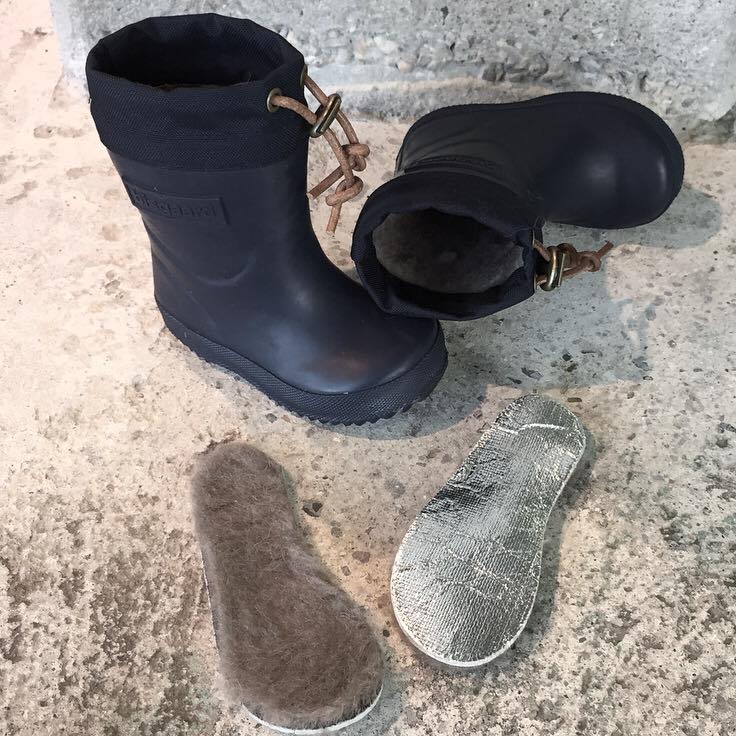
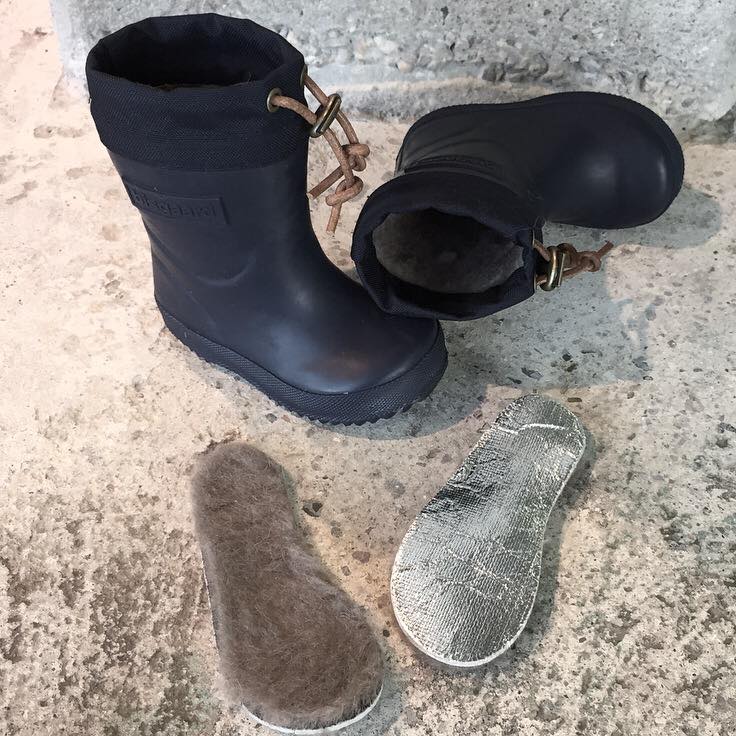
Thermal boots come in different materials and linings. The current selection includes wool linings and linings blending wool with polyester. Other designs may have textile linings or other insulating solutions. Always read the individual item's composition and description instead of assuming every thermal boot has the same lining, weight or waterproofness. Assess sole flexibility and fit for your child's use too.
Remember that very warm boots can feel too warm when the weather changes or children are highly active. The aim is not simply to find the warmest design, but the one that suits your child's day. A good pair of wool socks can also help adjust warmth without choosing boots that are too big.
How thermal boots fit into the winter wardrobe
Thermal boots work best as part of a complete winter wardrobe. On cold days, pair them with warm outerwear such as snowsuits or other winter outerwear that helps keep the body dry and warm. When feet, legs and upper body are dressed to work together, it is easier for children to spend longer outside.
At House of Kids, you will find children's thermal boots selected with everyday function, comfort and durability in mind. This makes it easier to find a suitable design, whether you want light boots for between seasons or more insulated boots for the coldest winter months. Explore the selection for boots that suit your child's age, activity level and the winter you are experiencing.
Also read our washing guide for care advice, and always follow the instructions for the individual product.