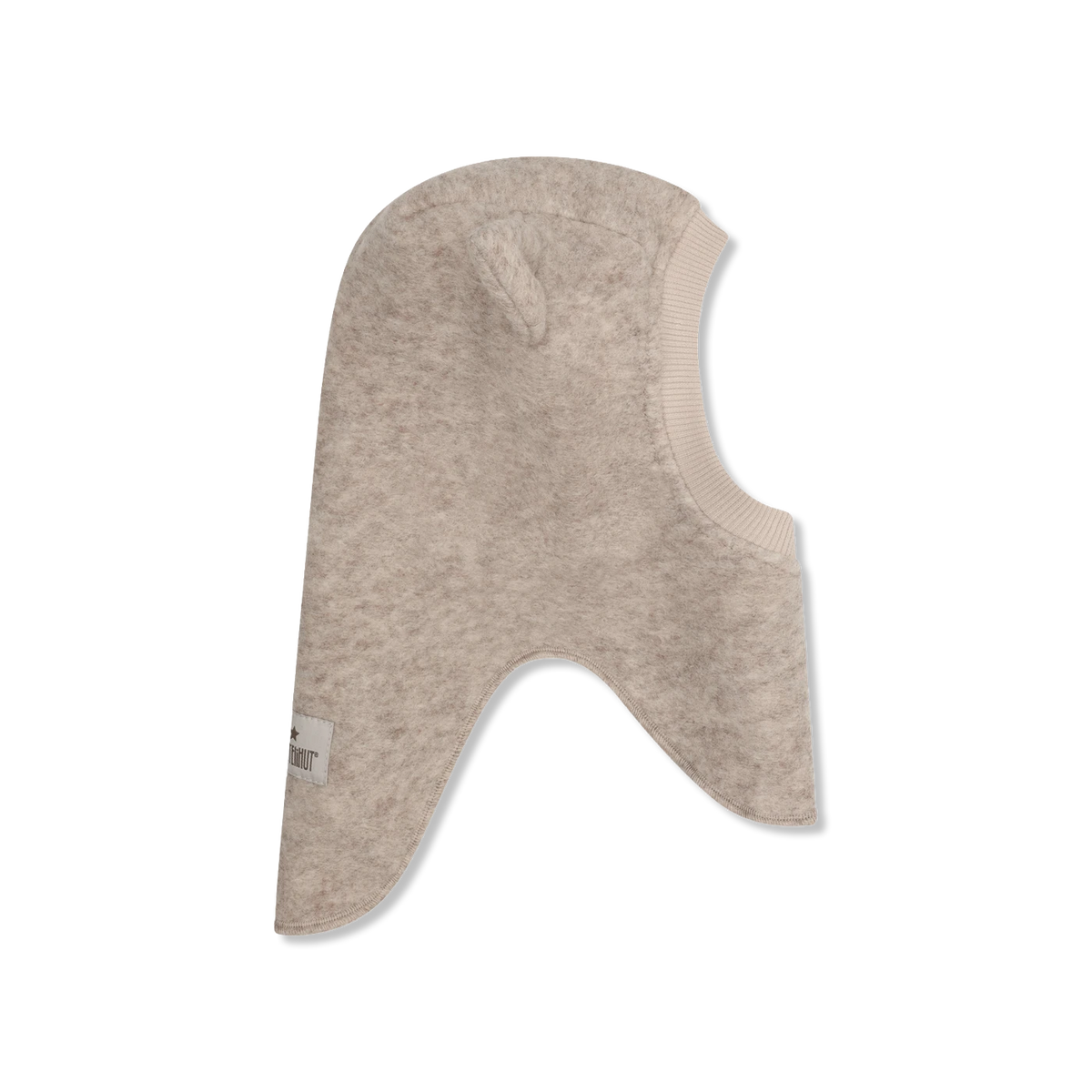
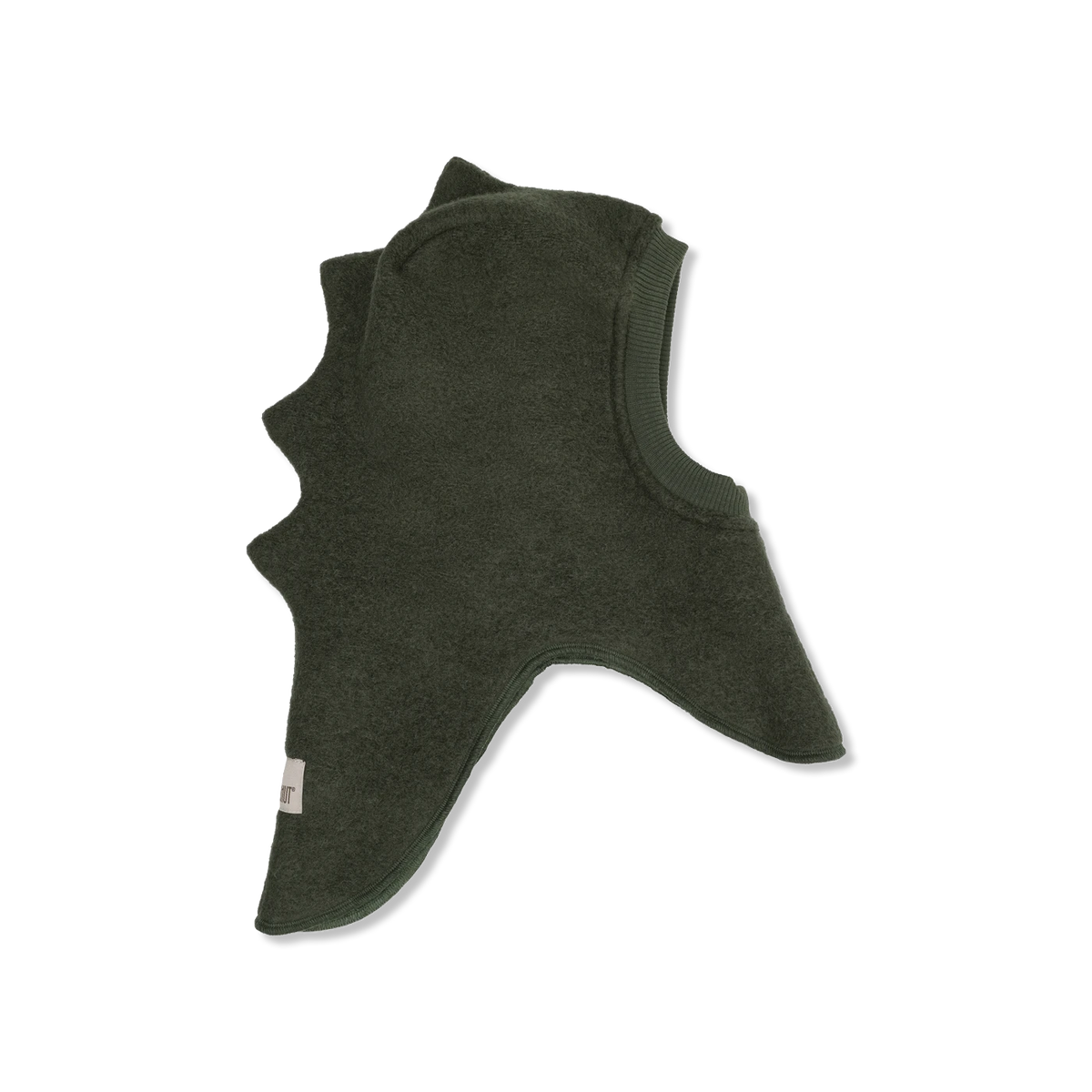
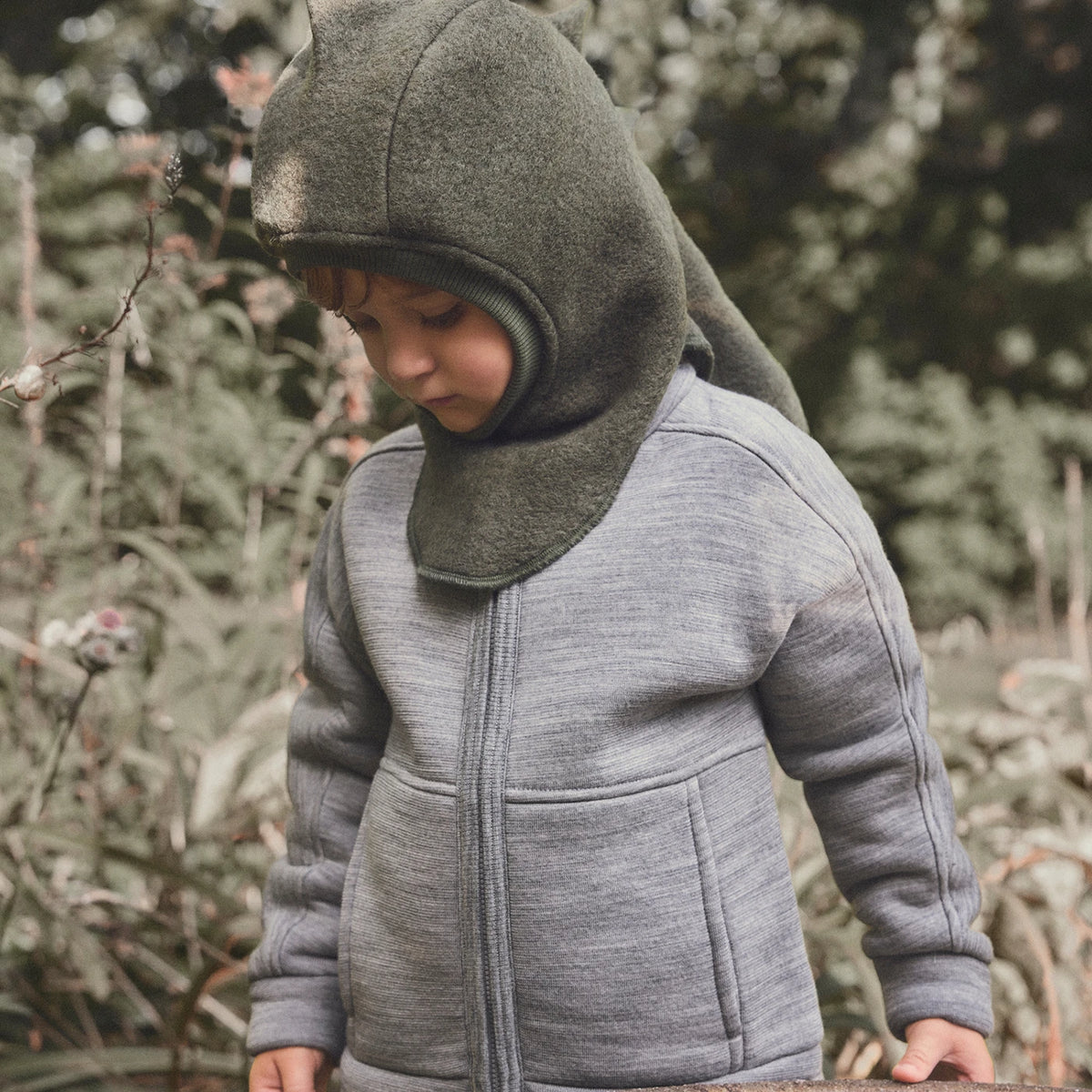
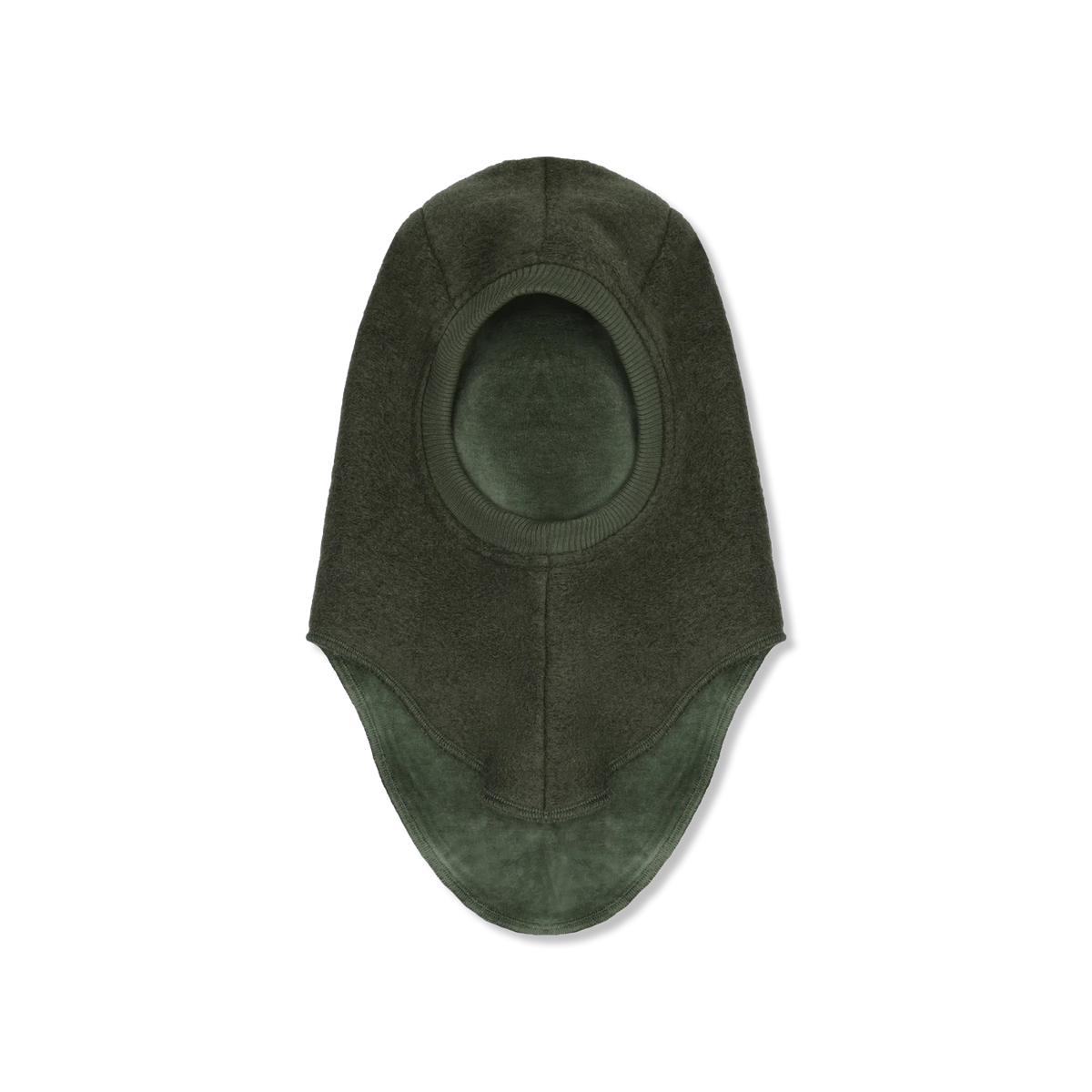
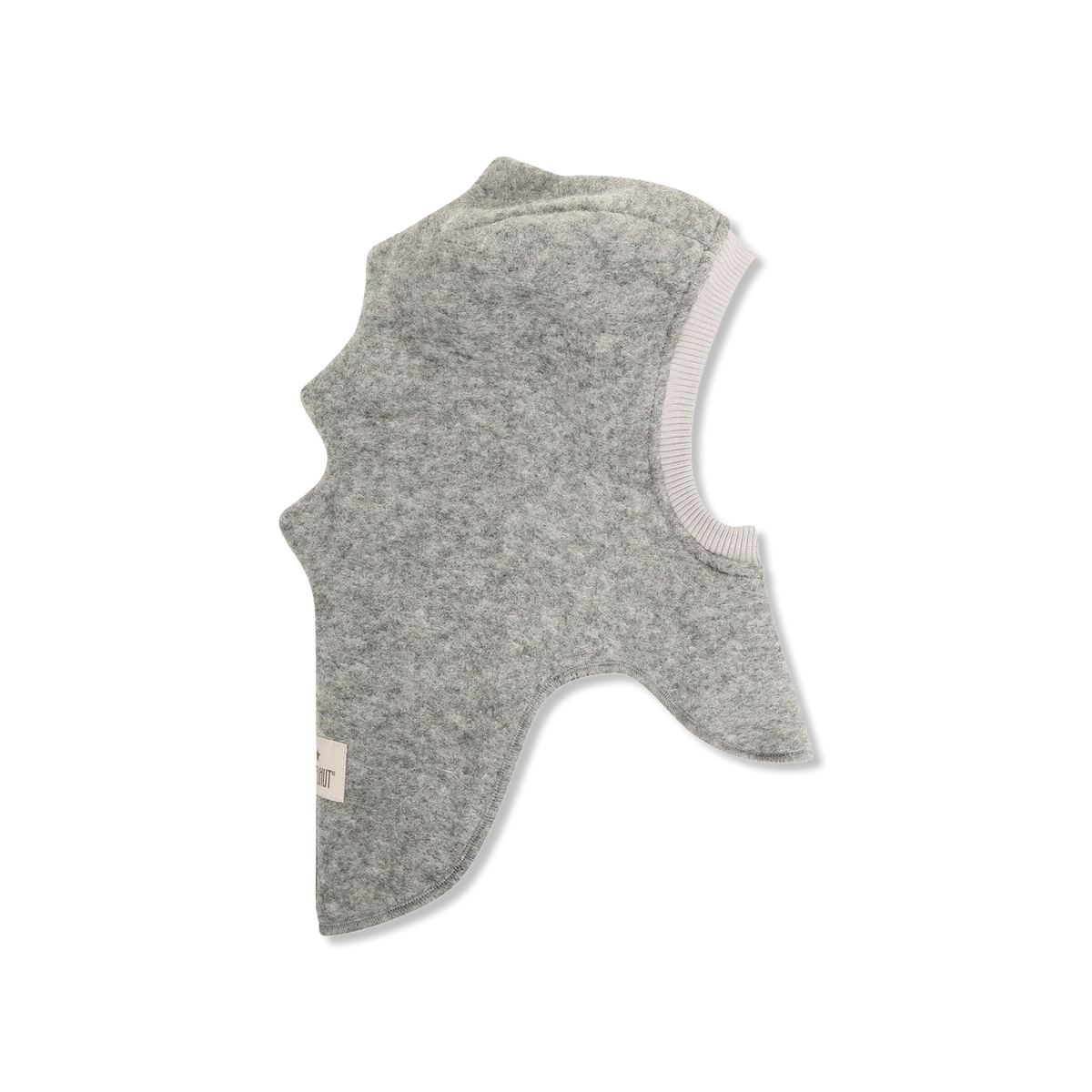
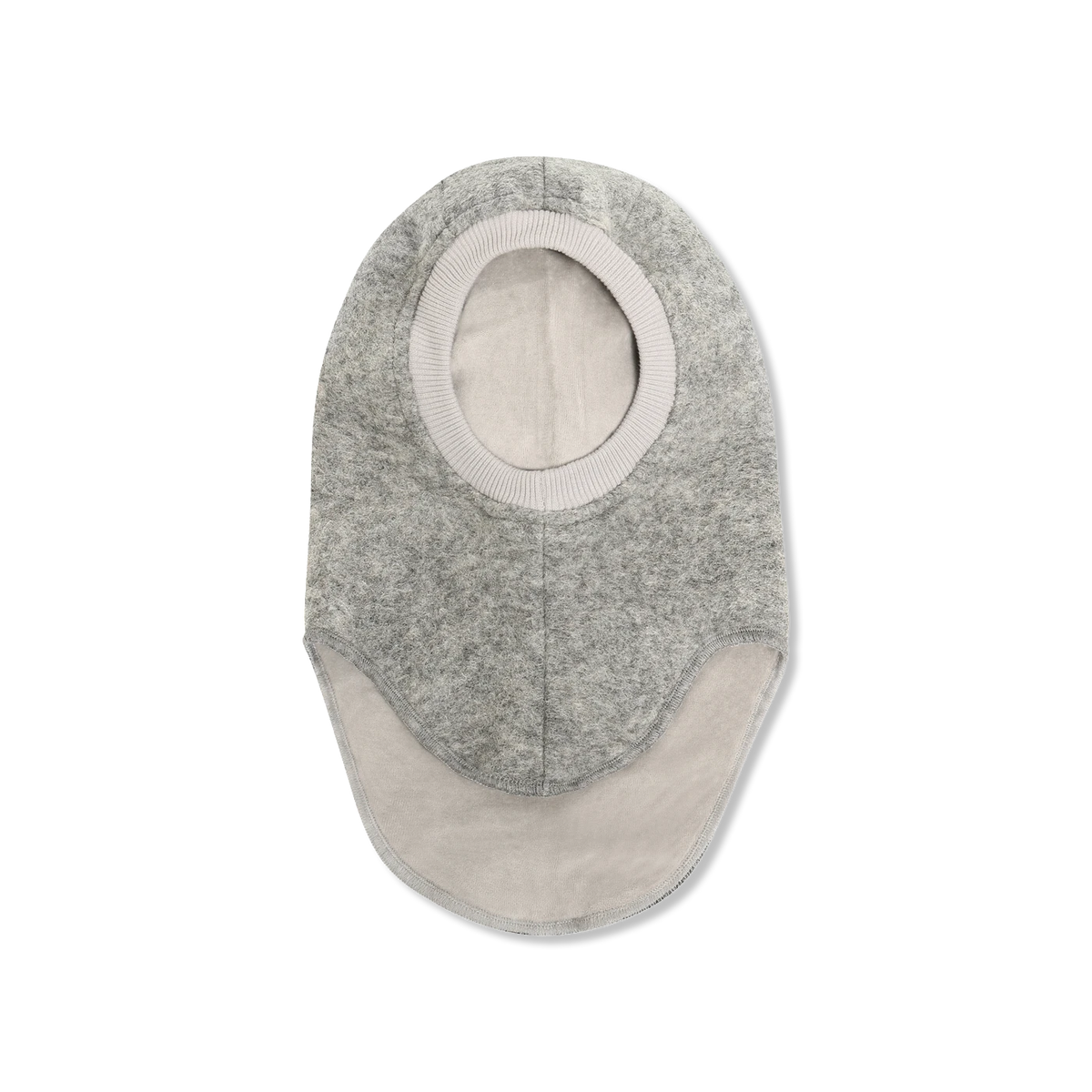
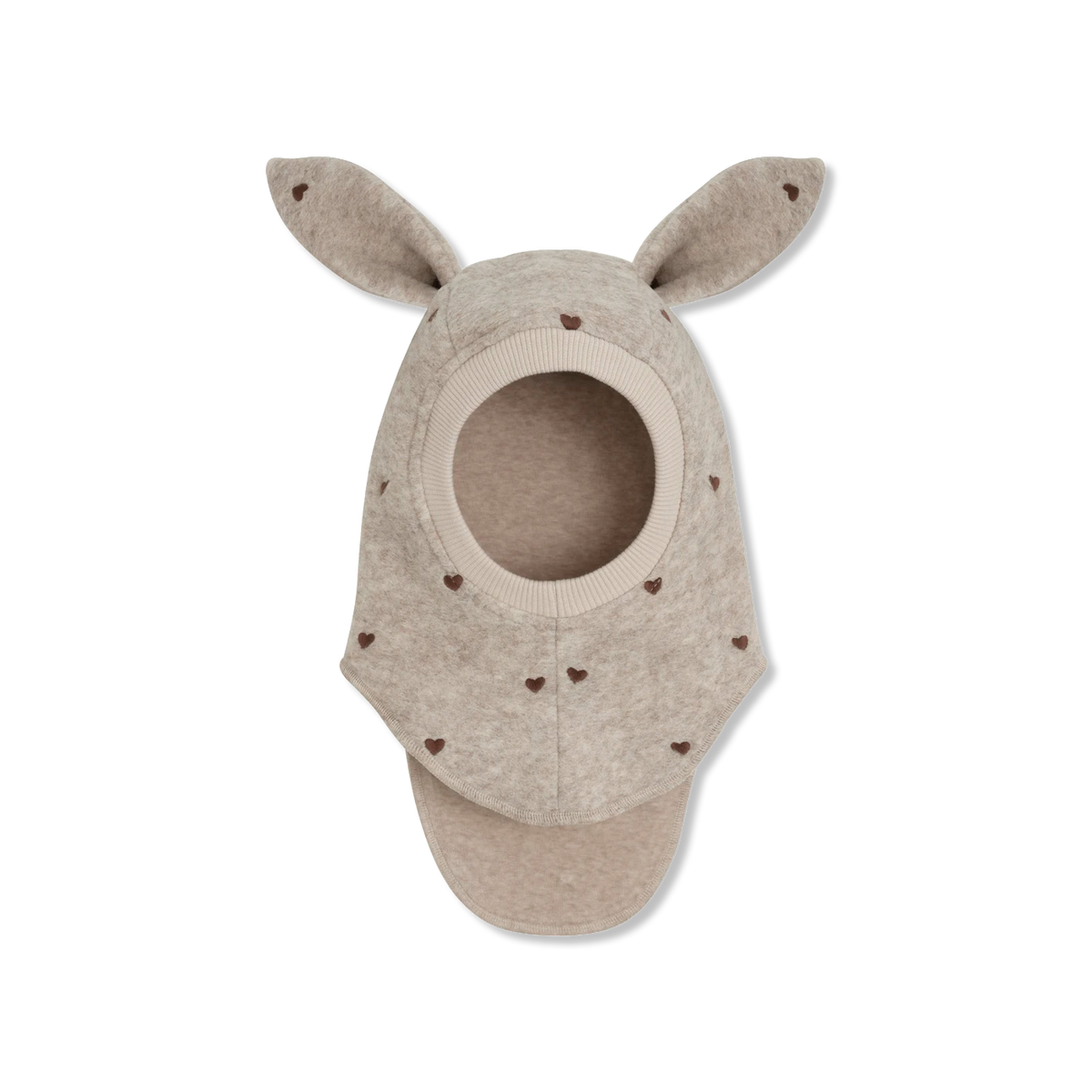
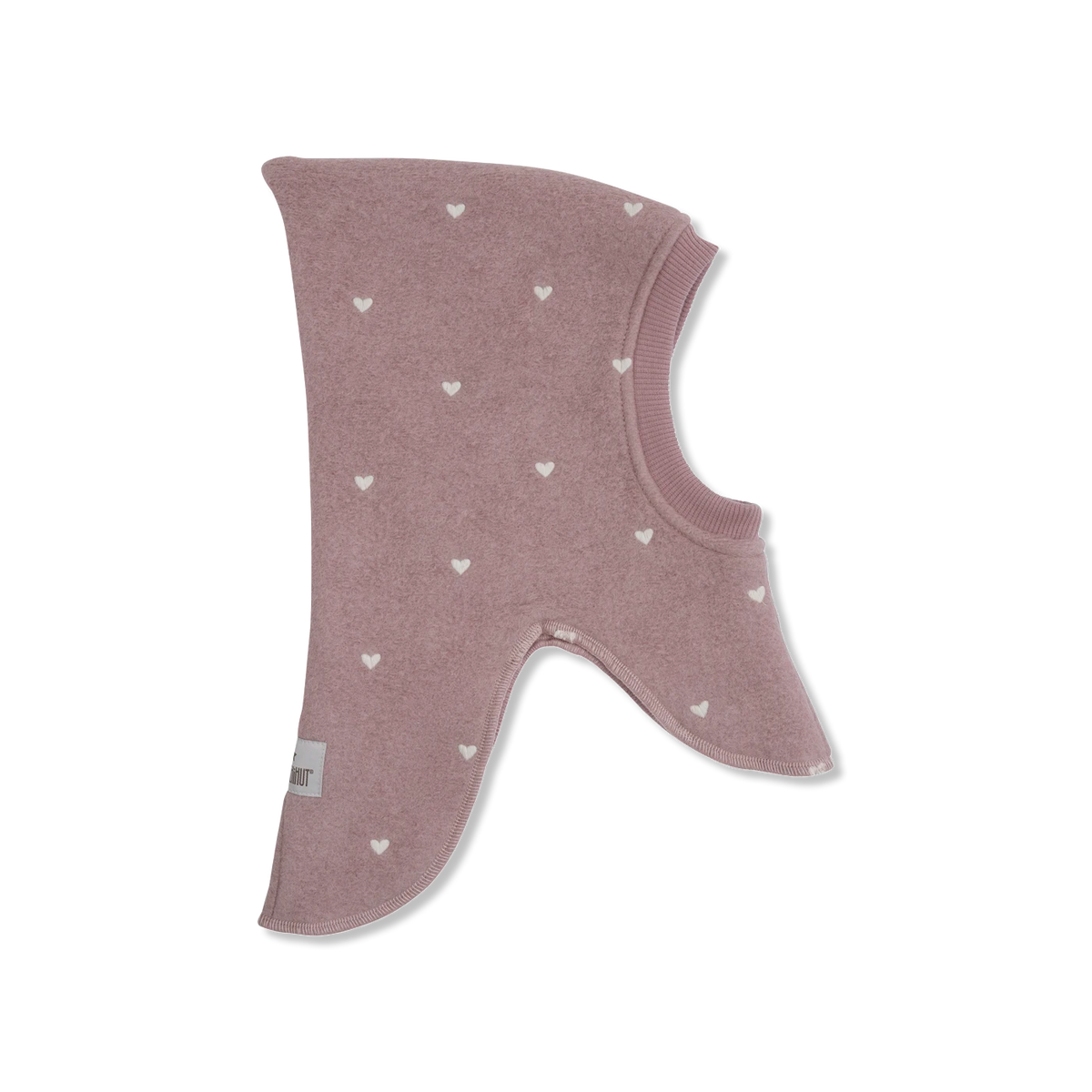
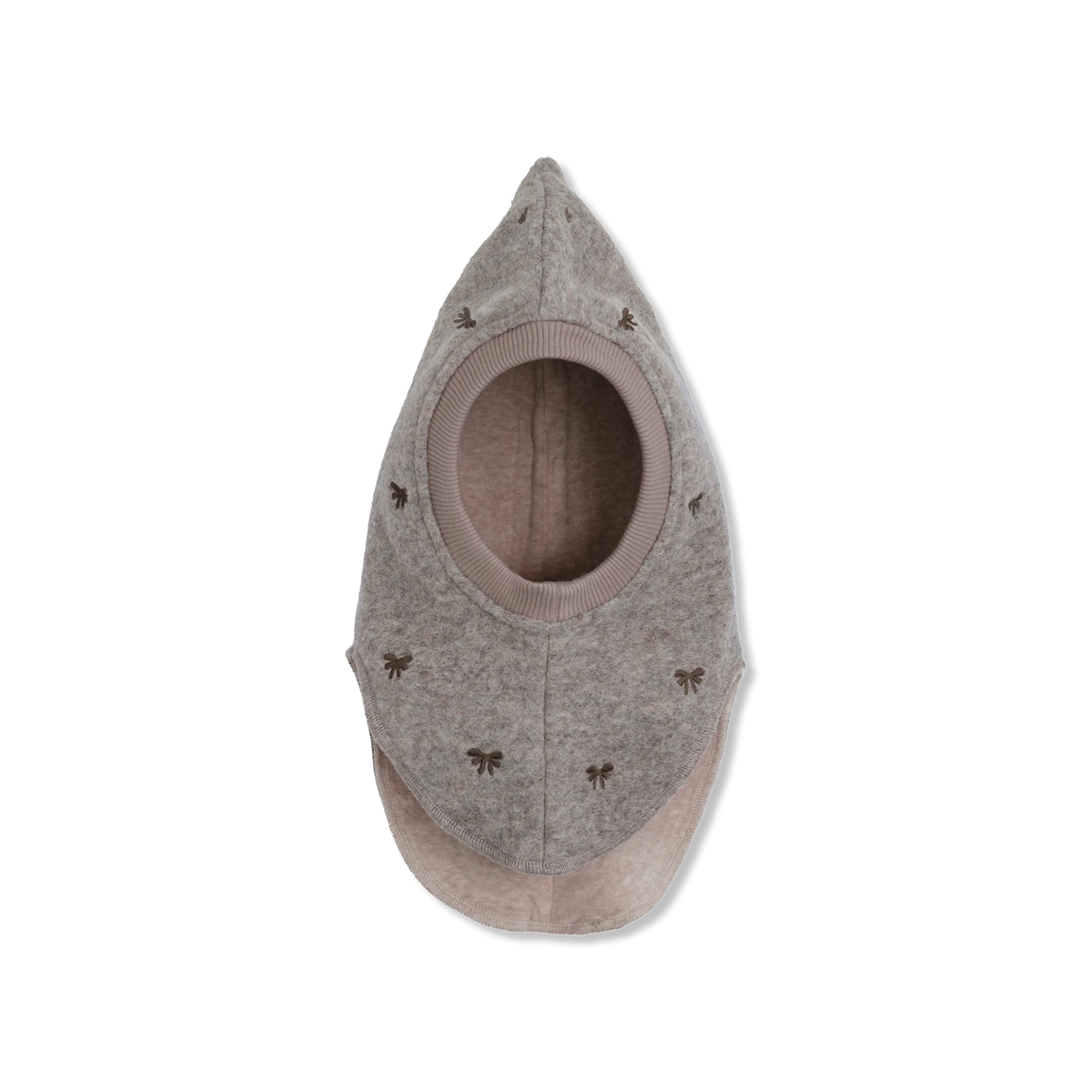
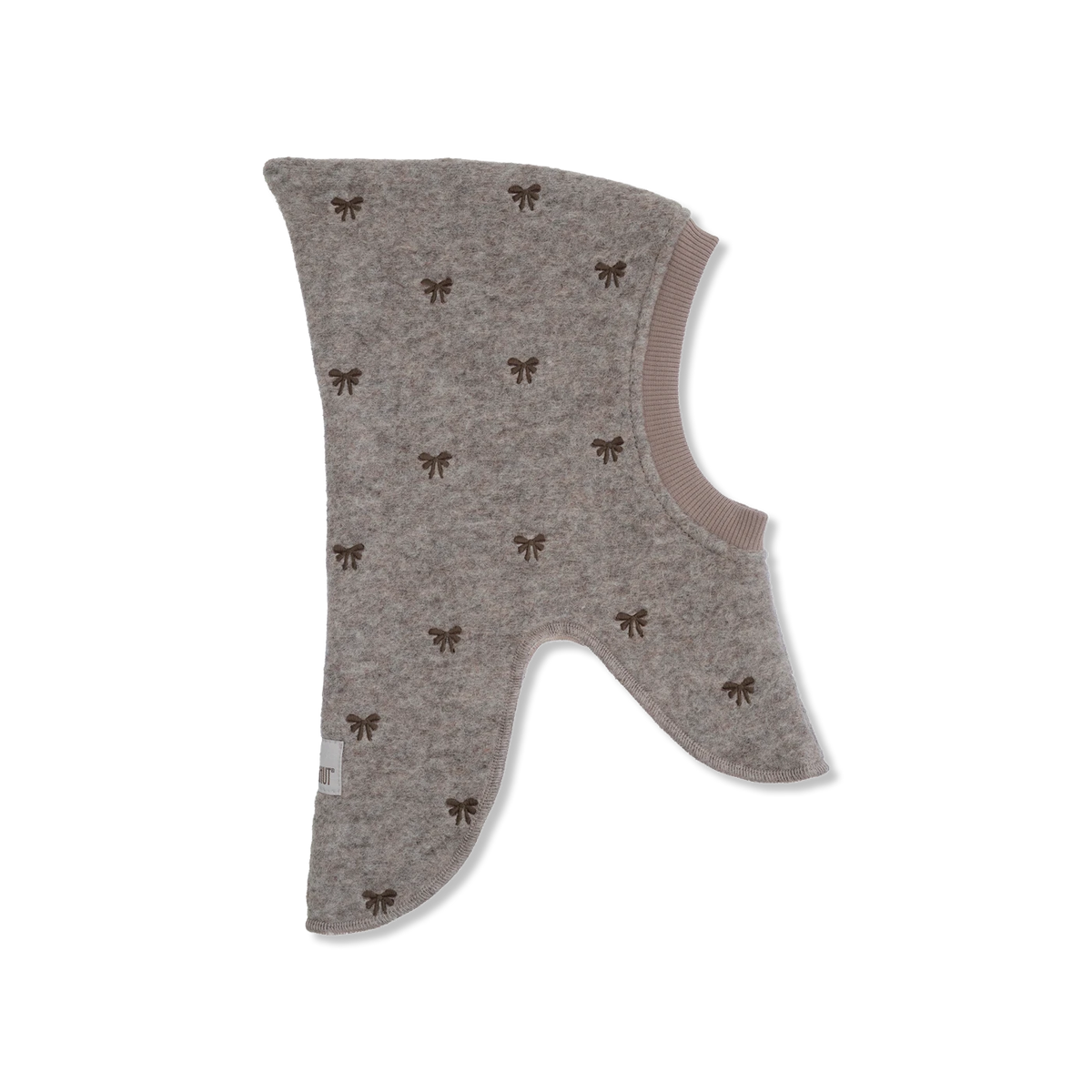
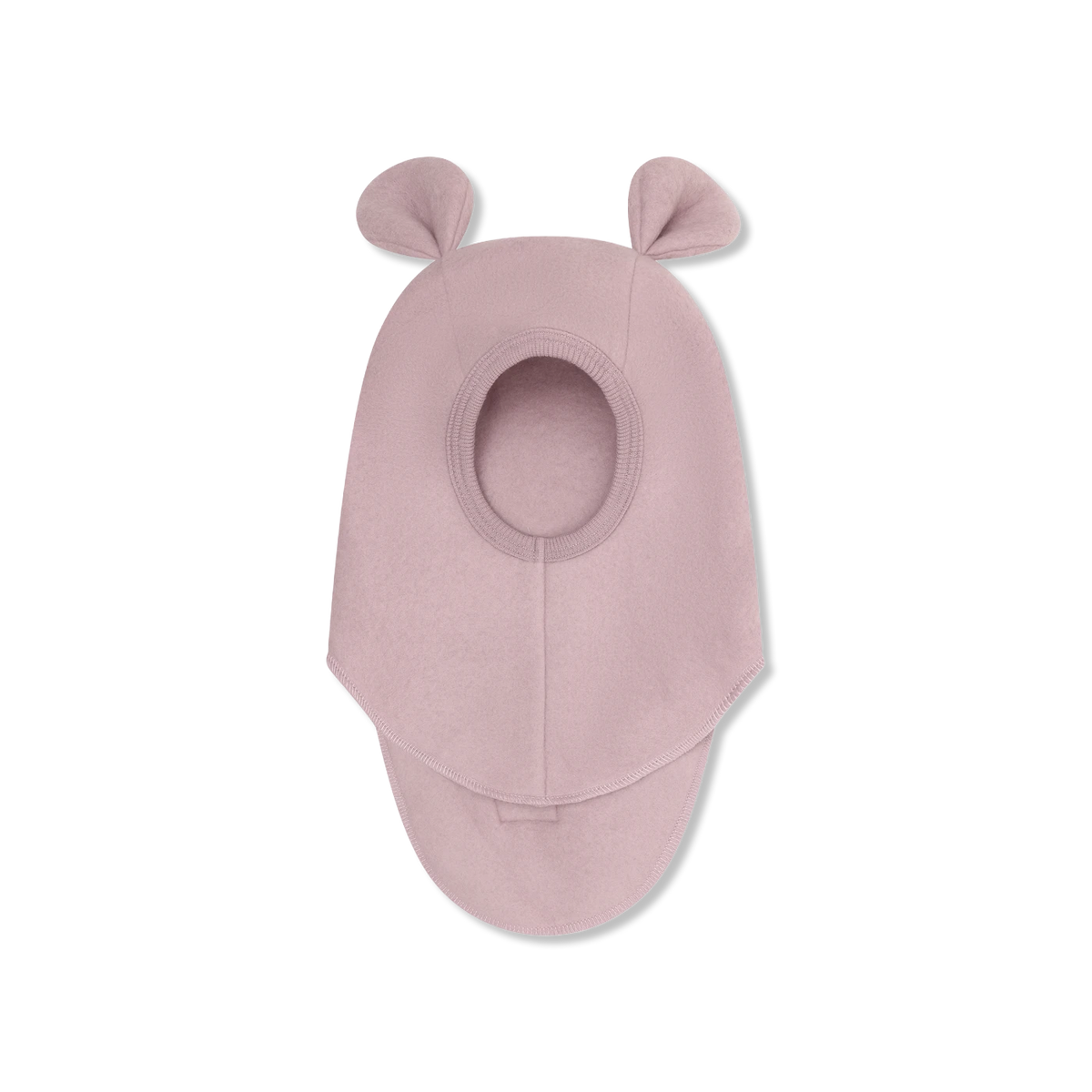
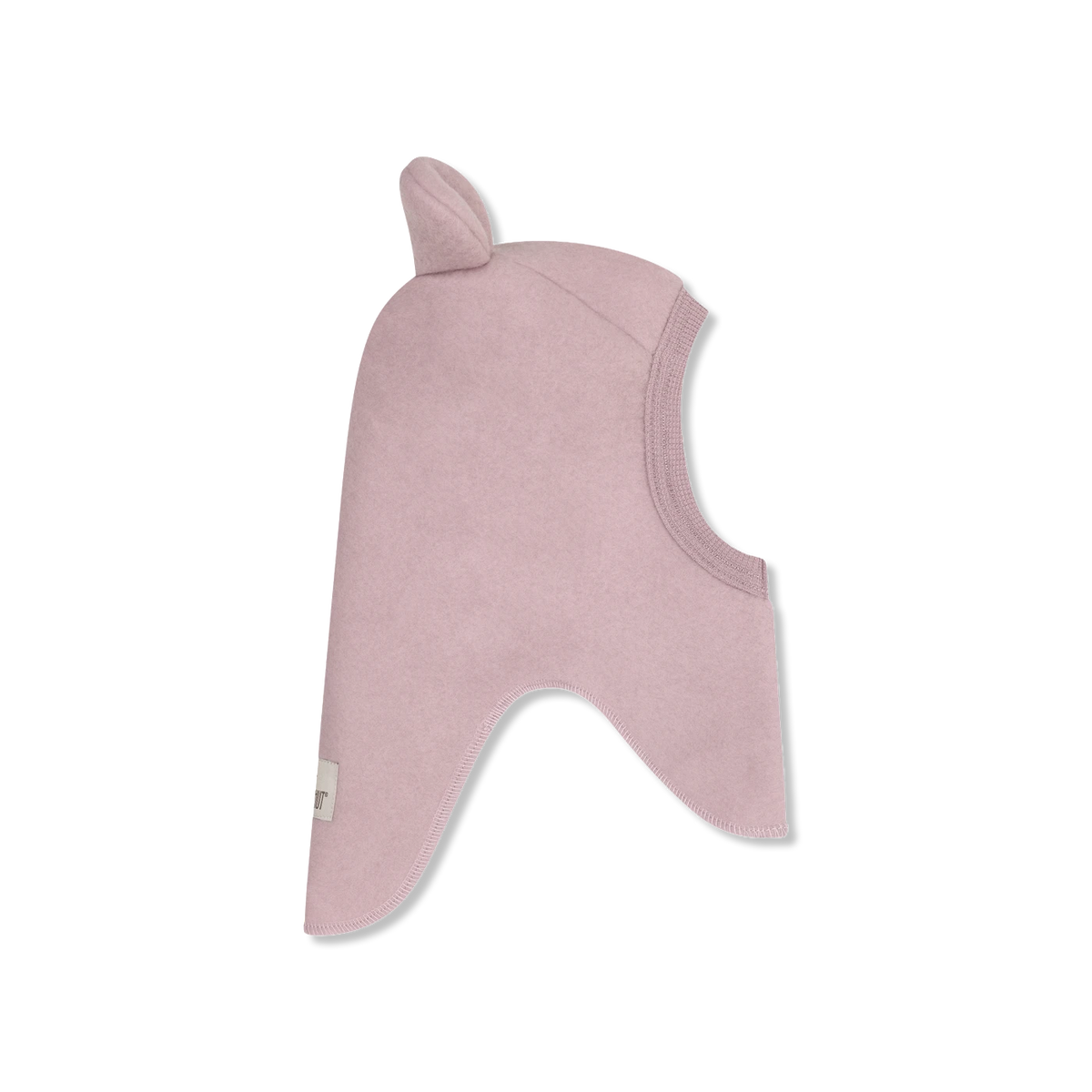
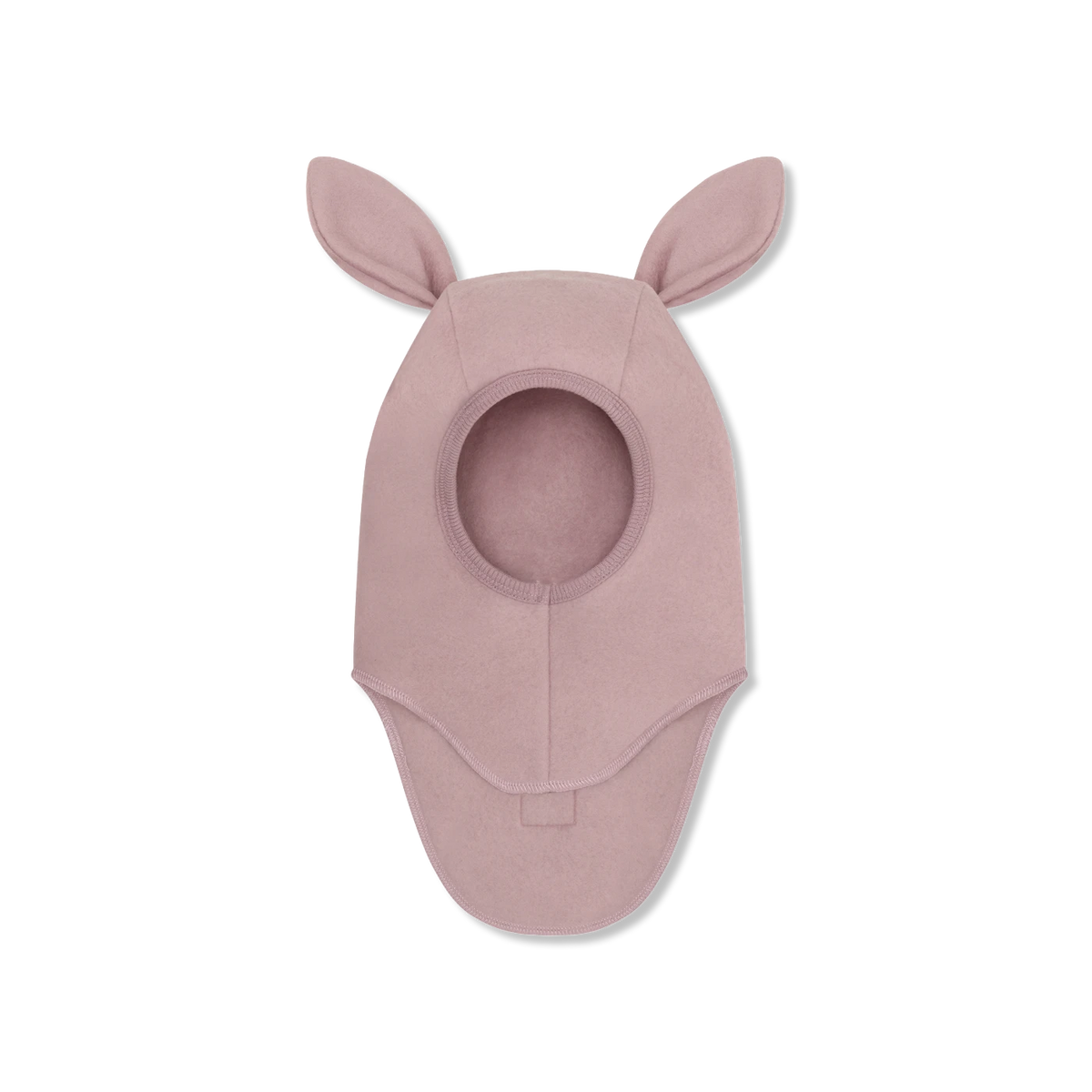
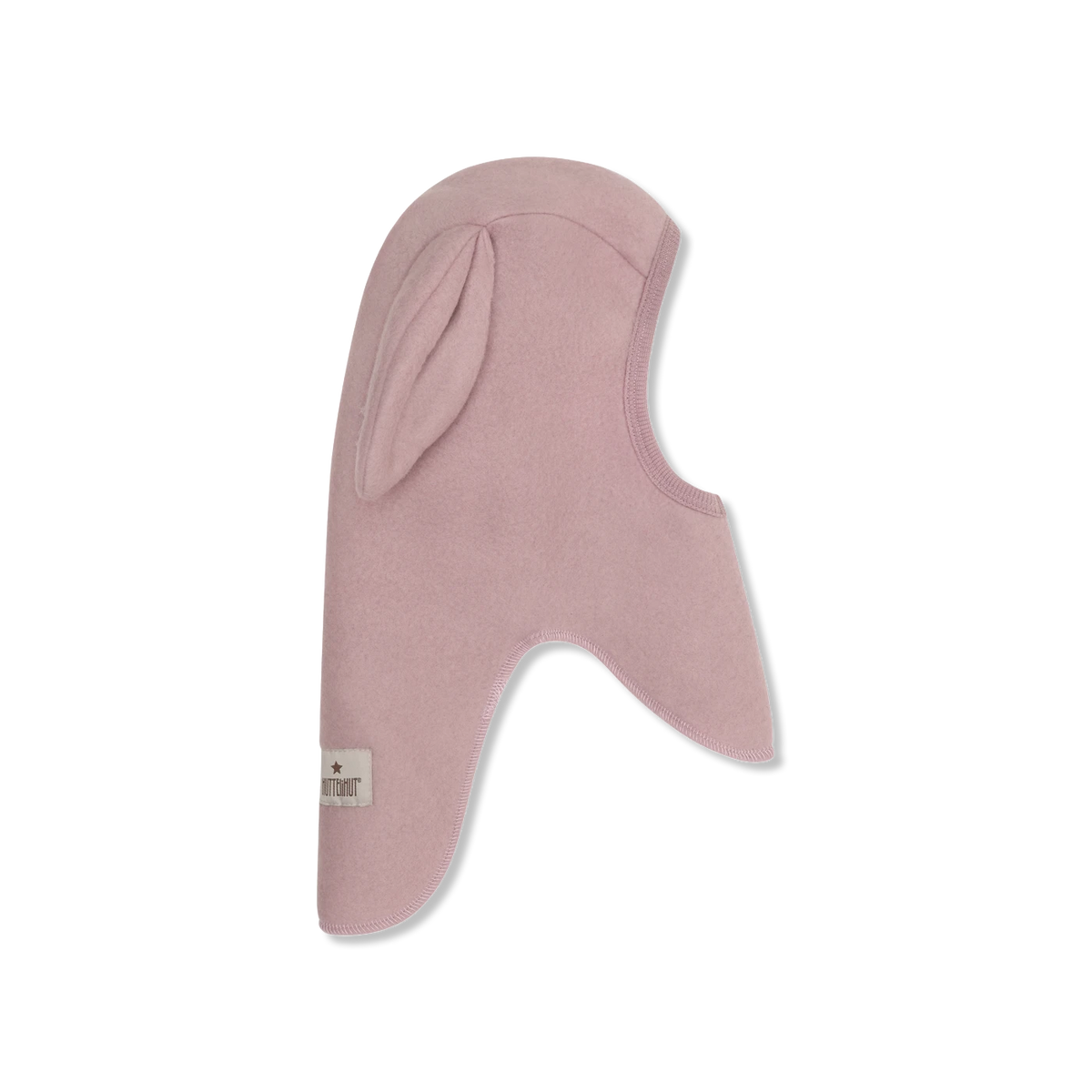
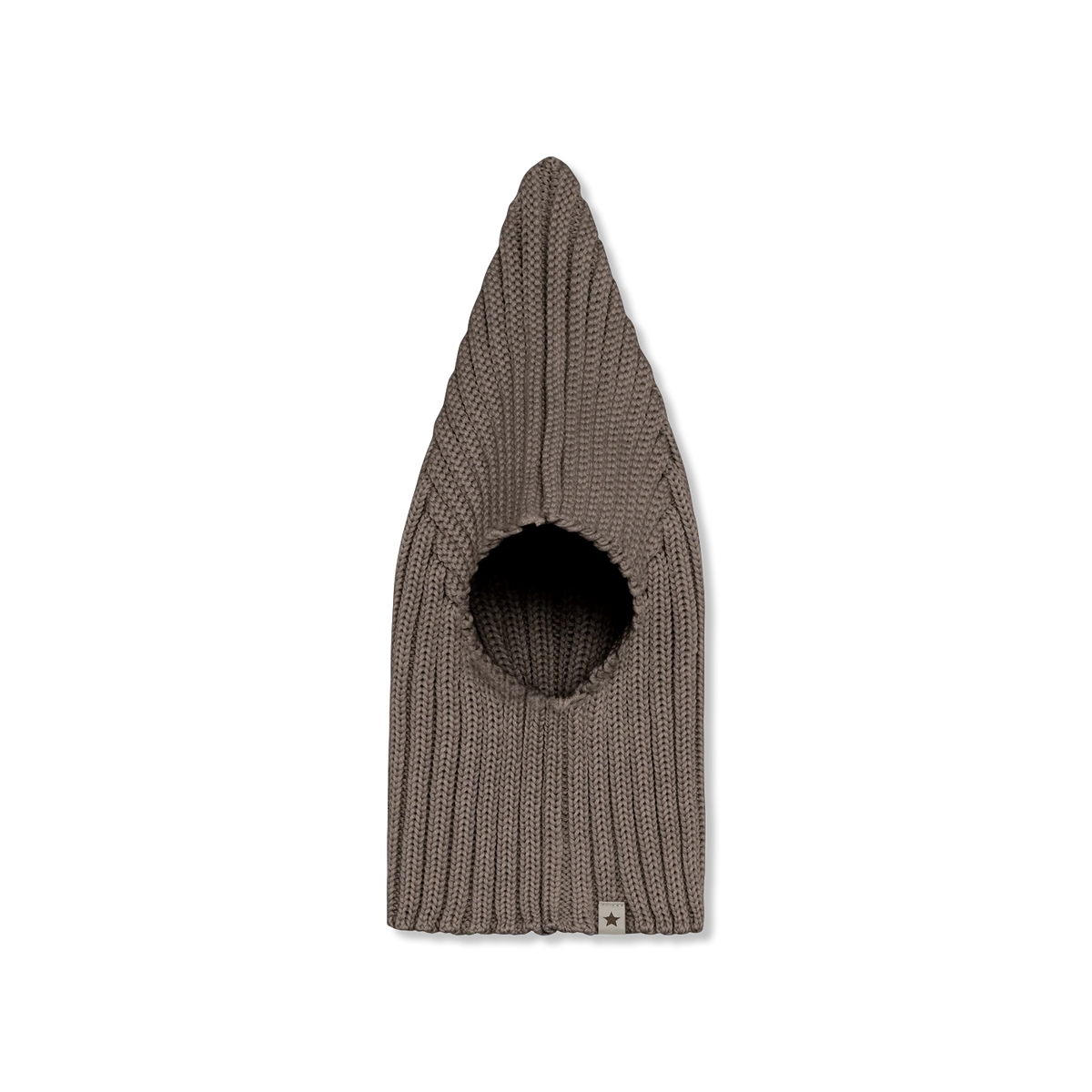
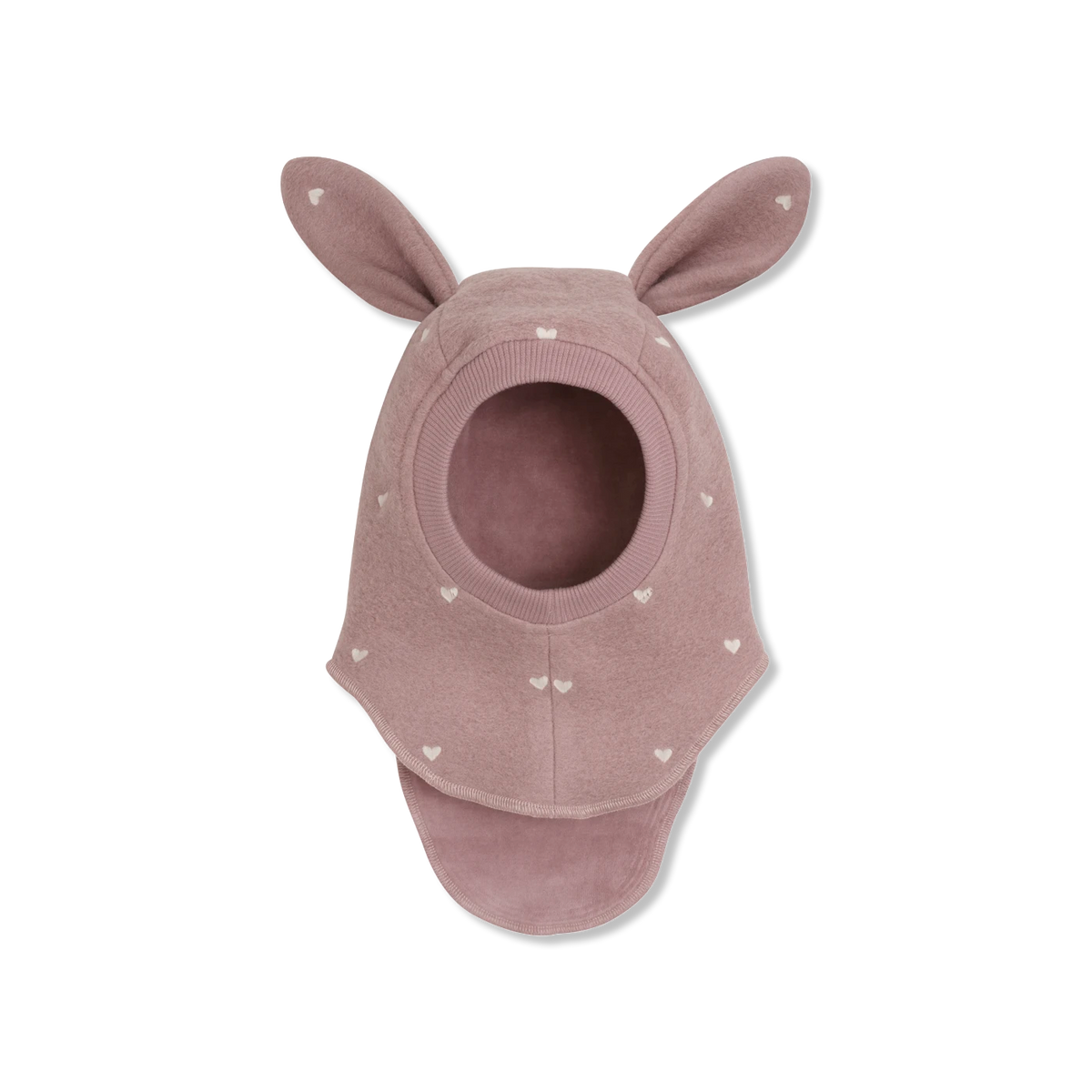
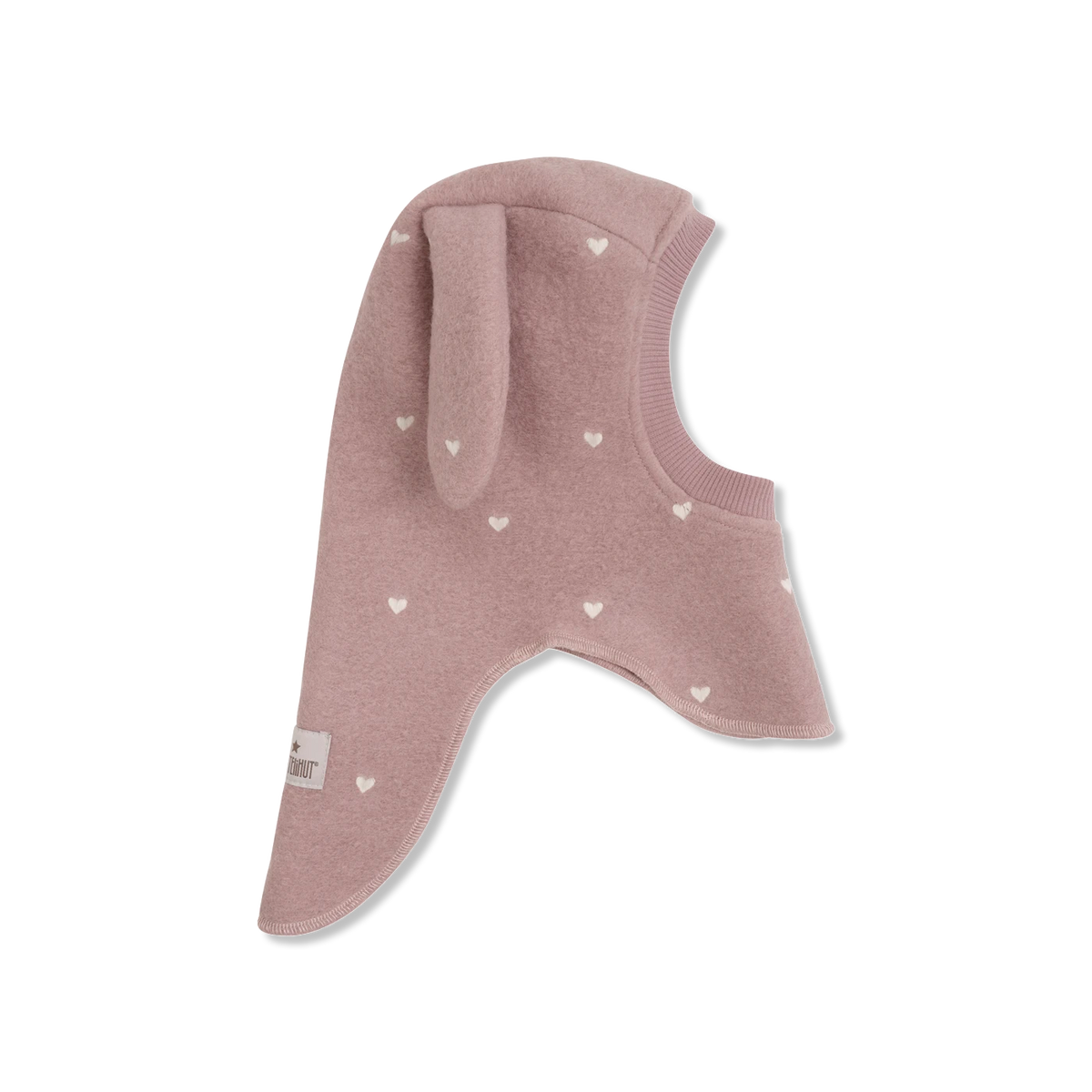
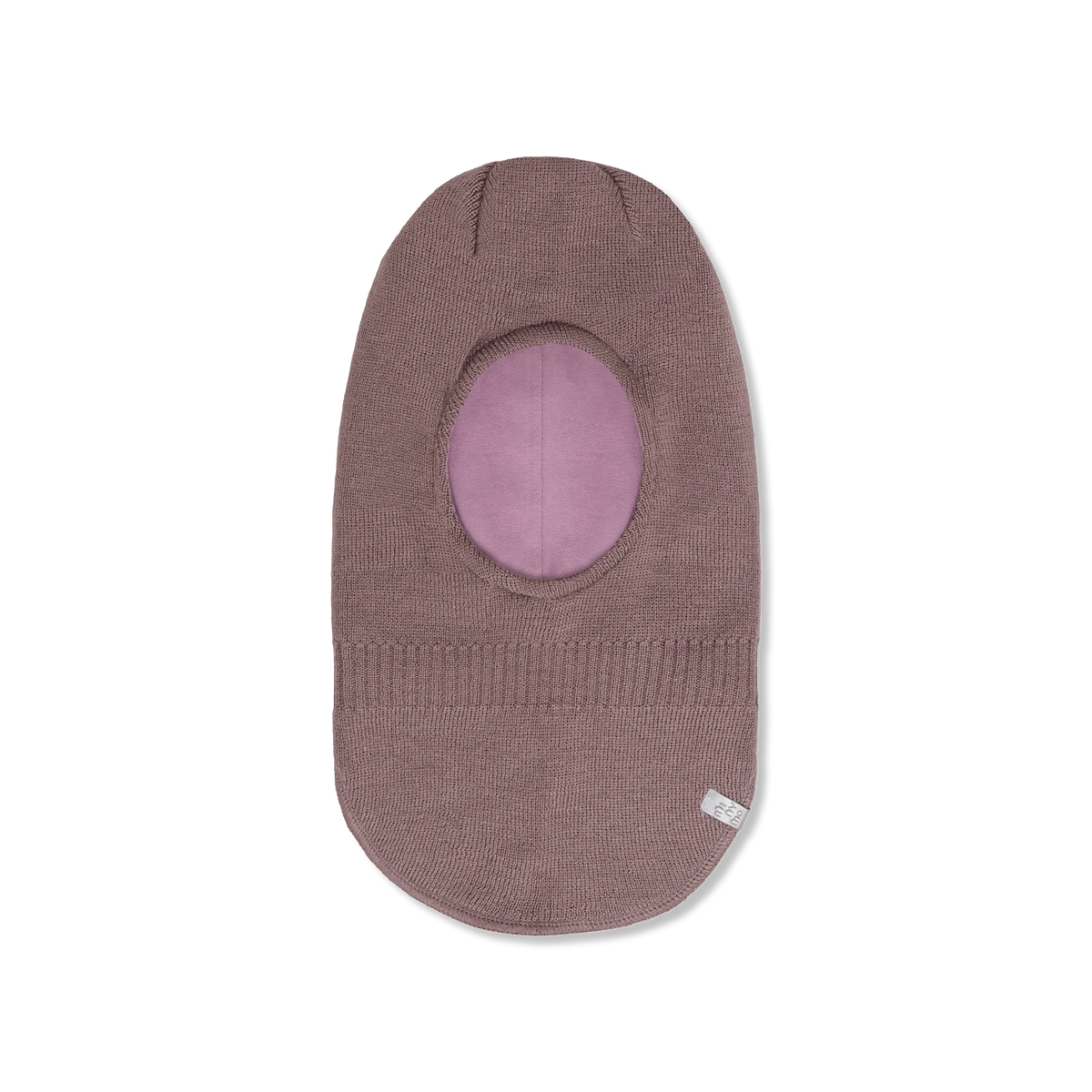
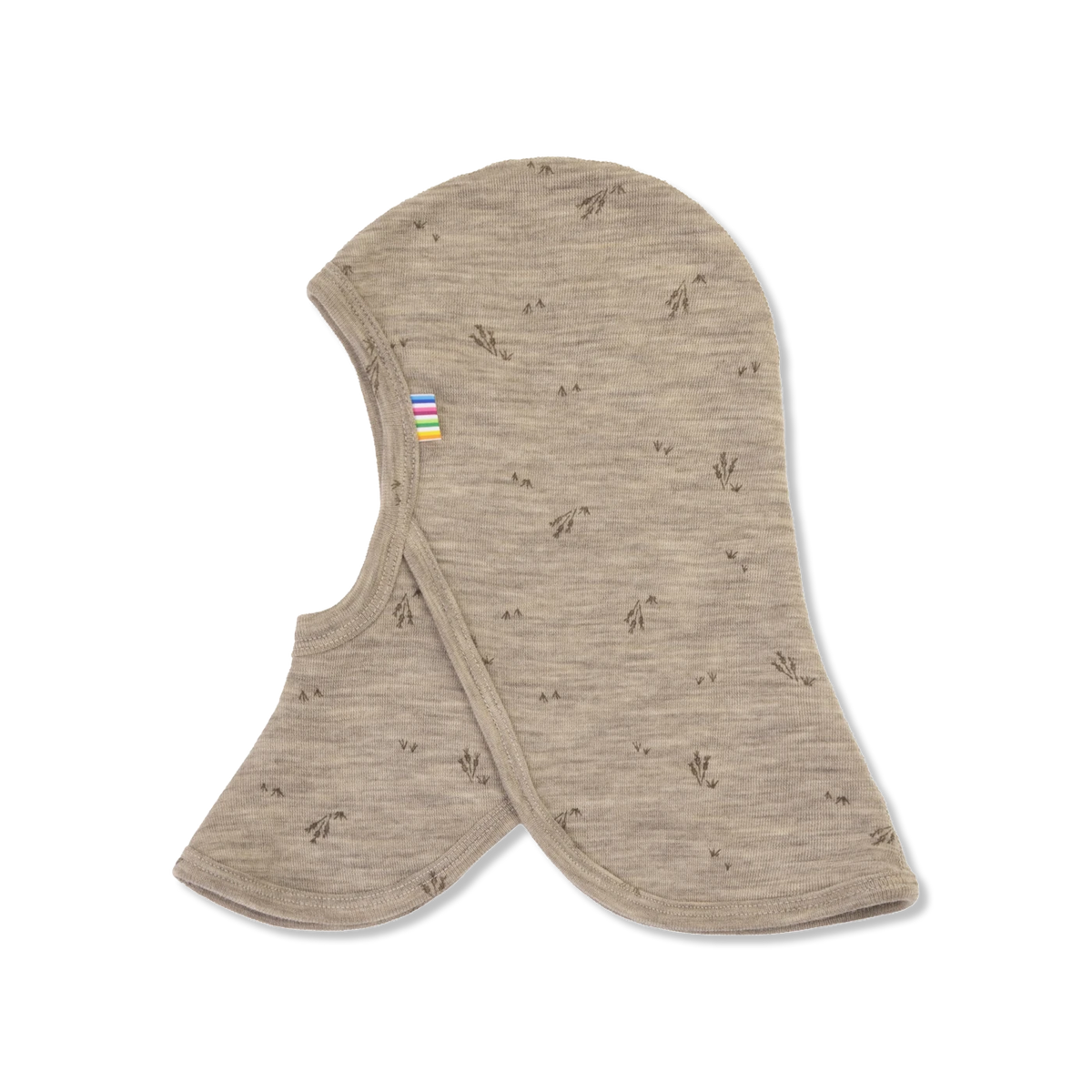
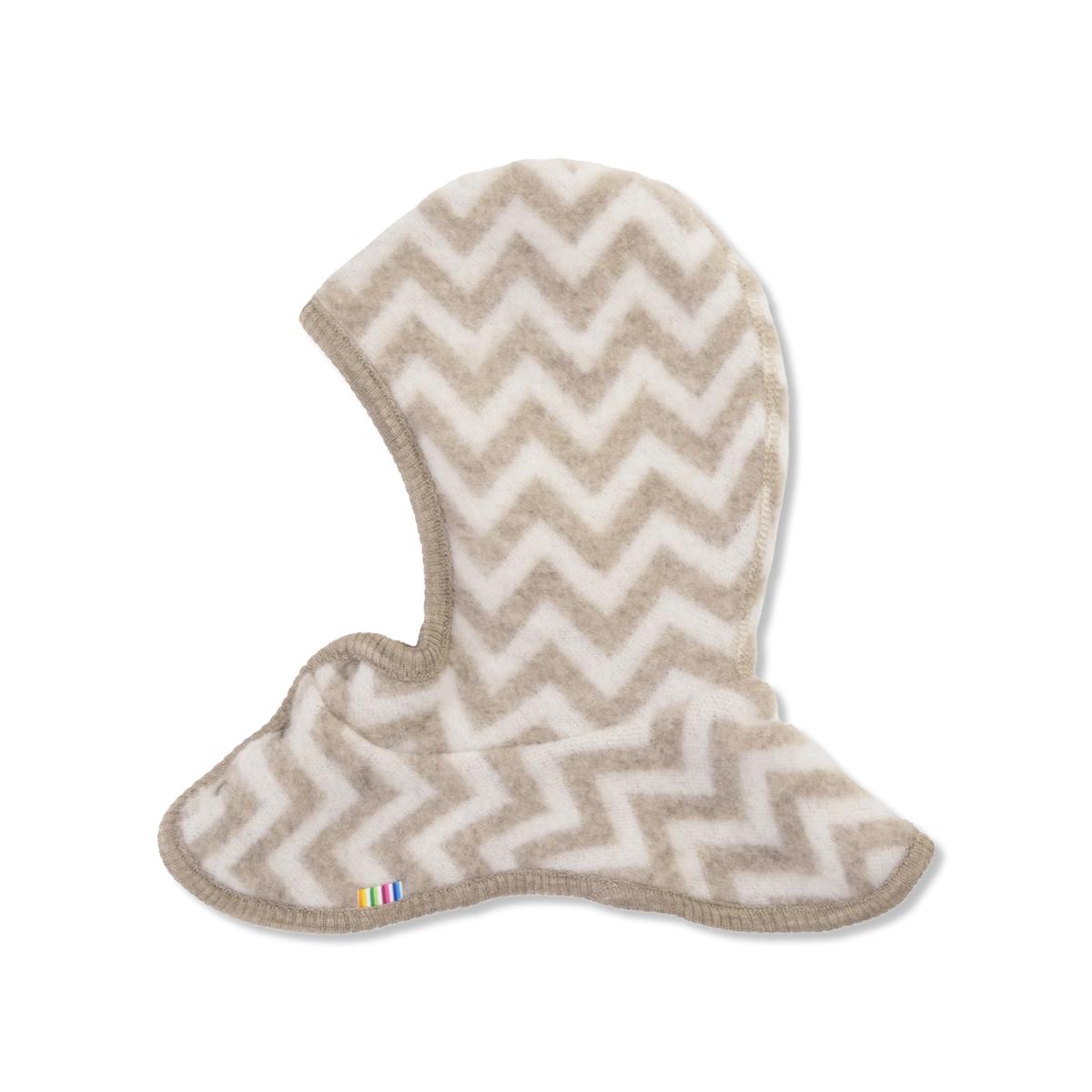
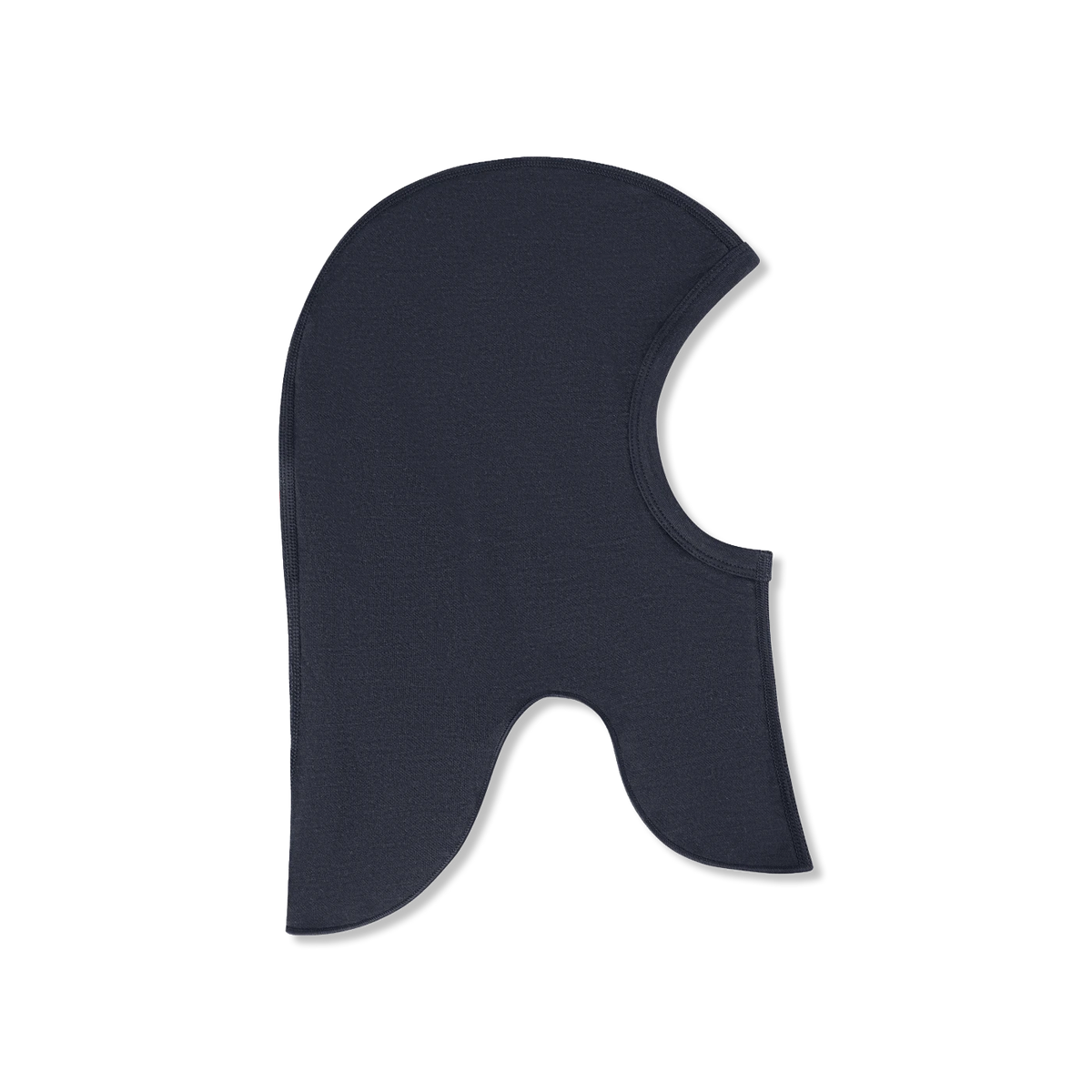
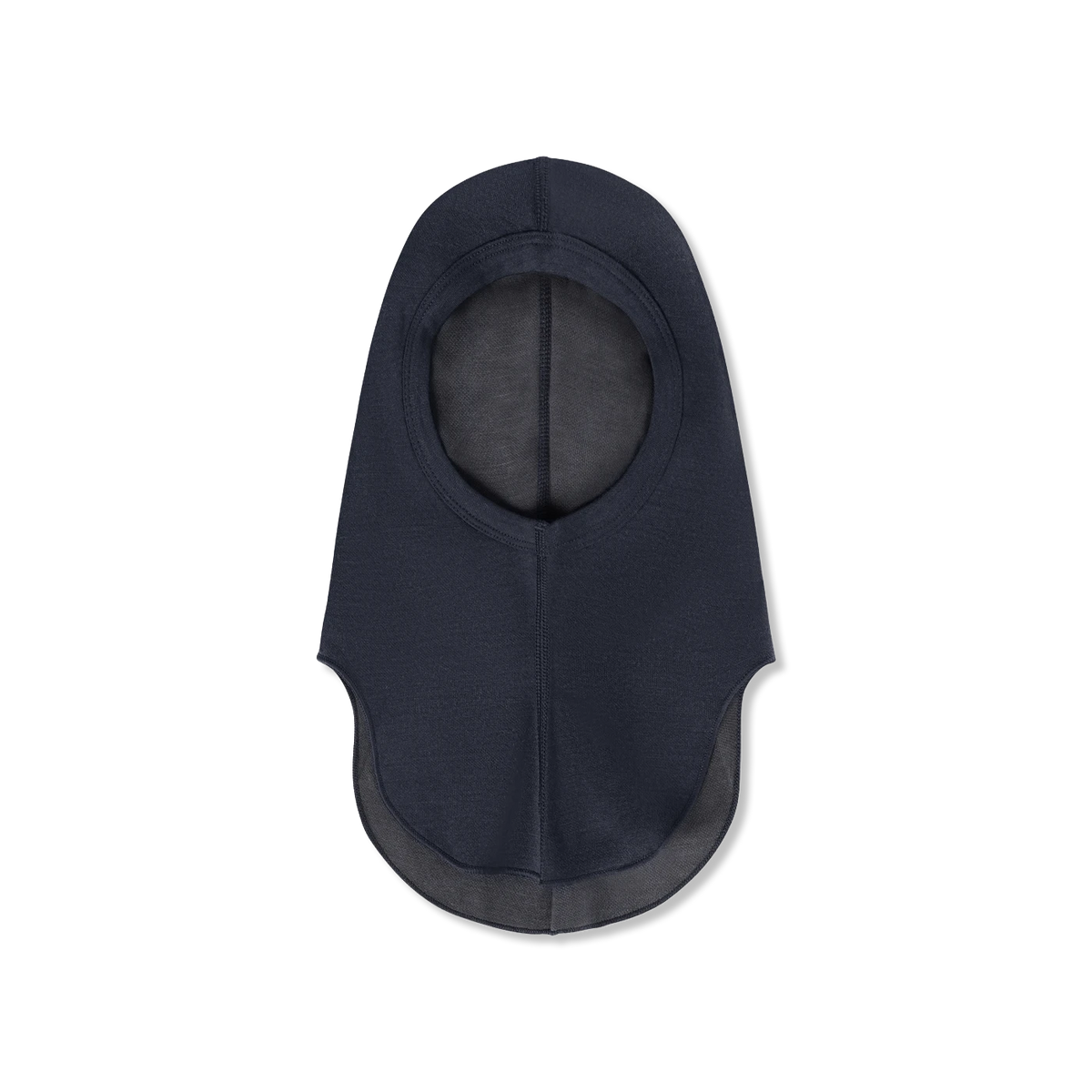
Balaclavas for babies and children that fit well and keep the right areas warm
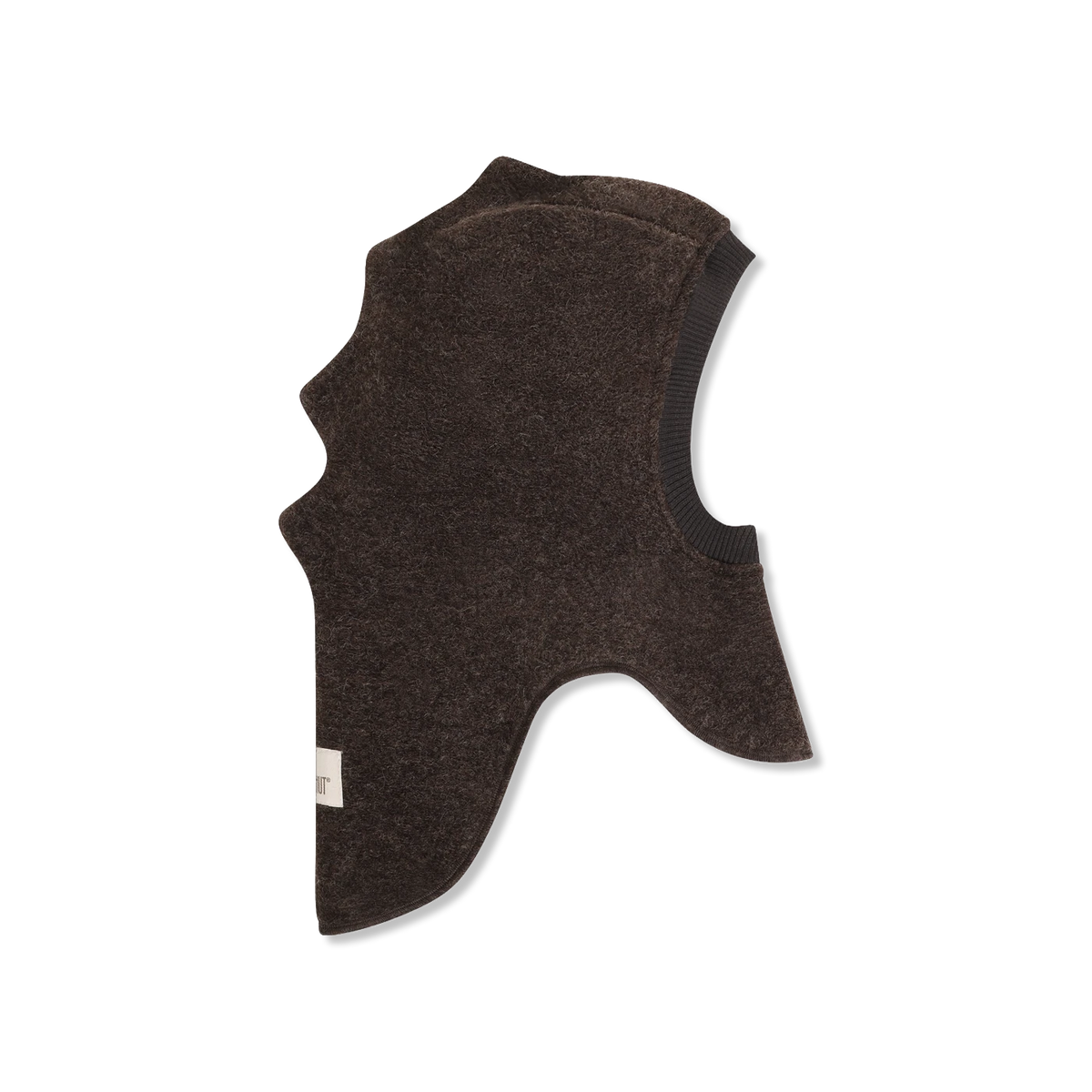
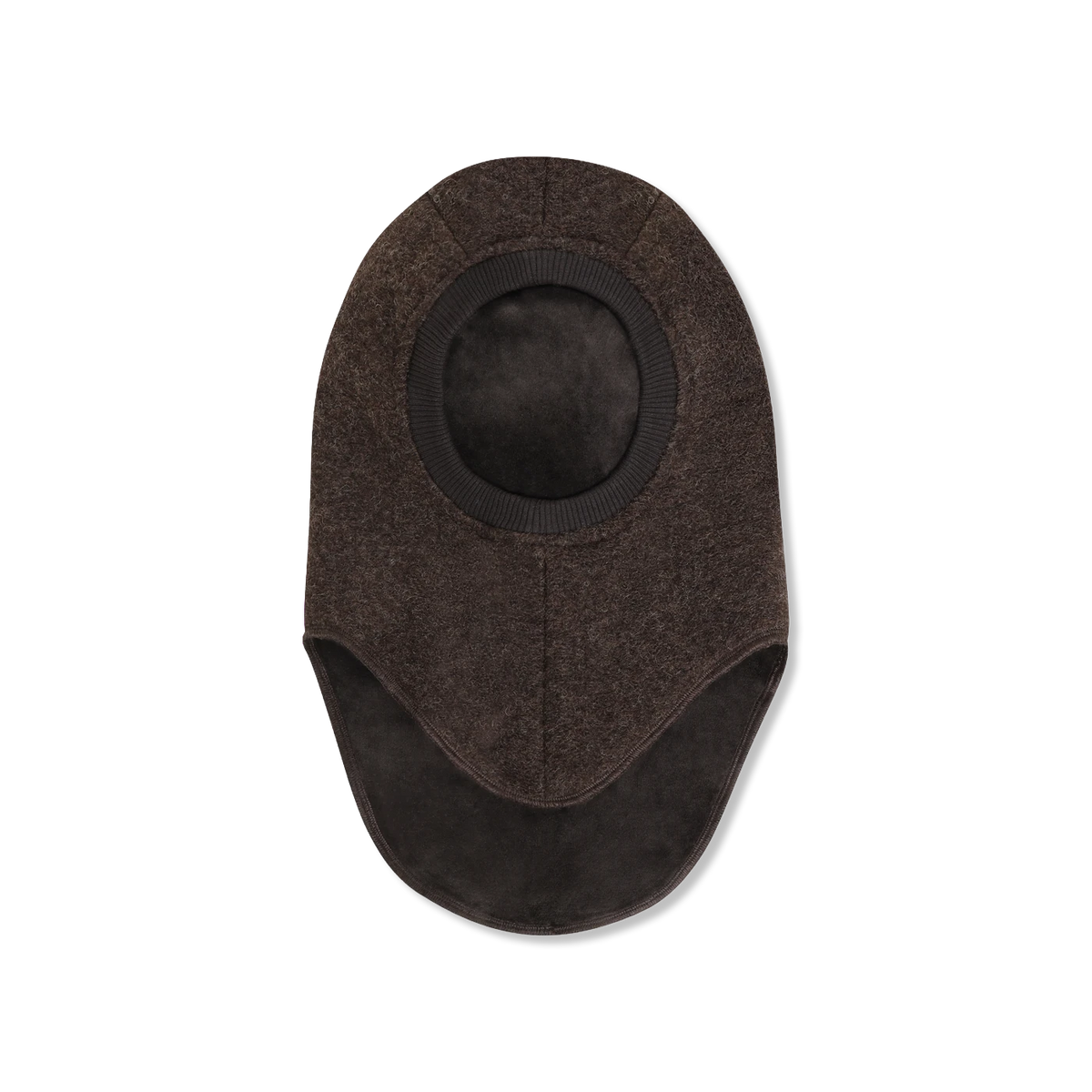
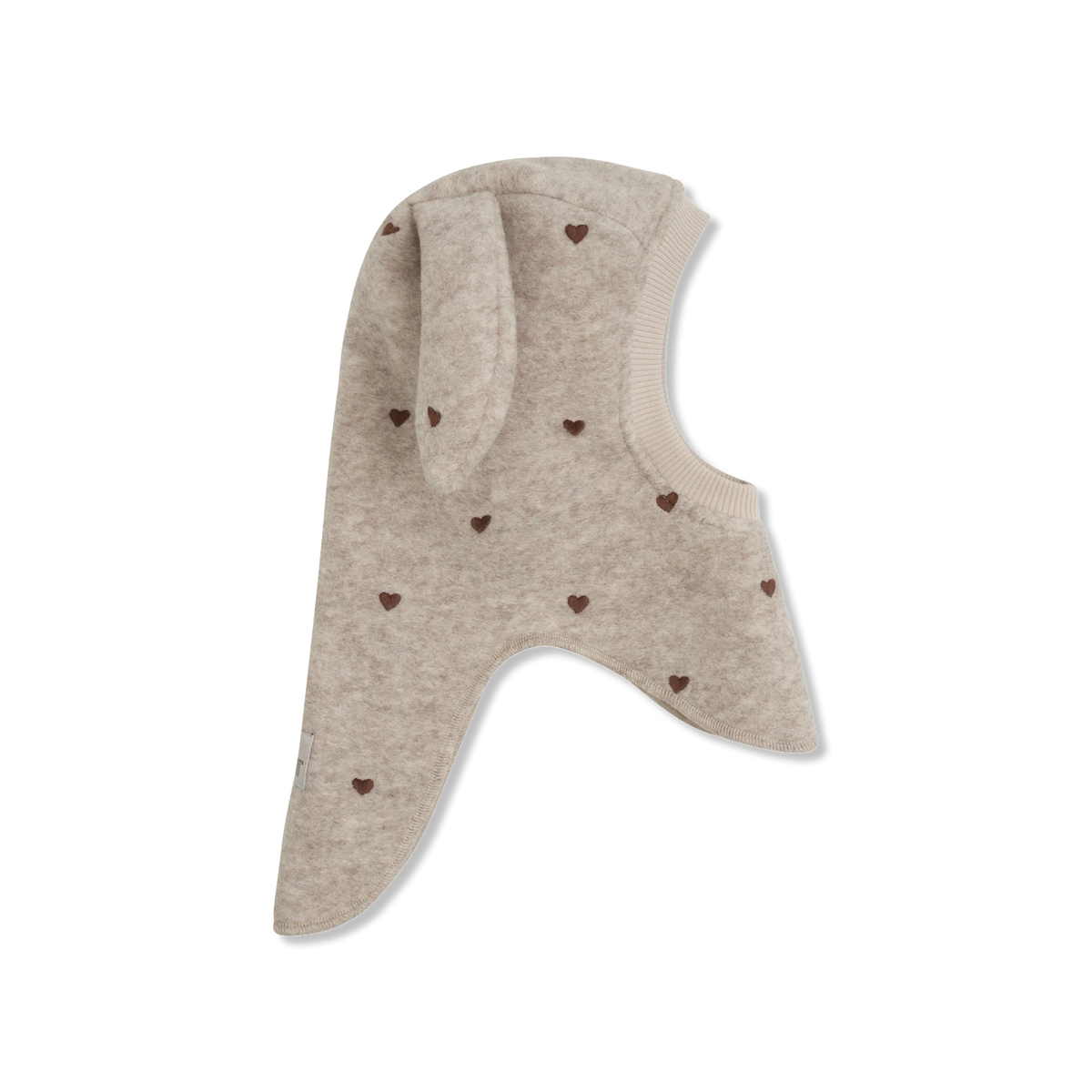
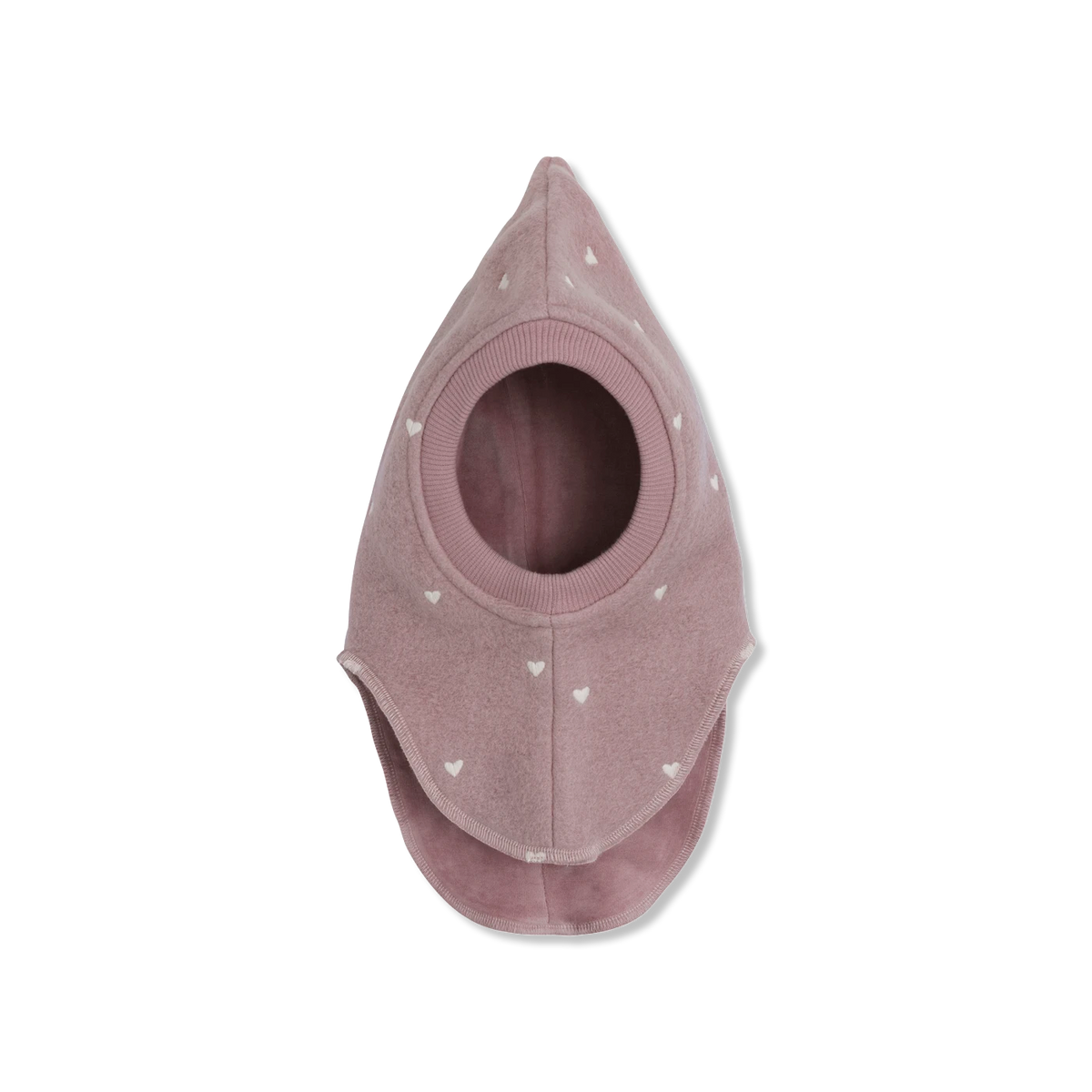
Balaclavas are a practical solution for babies and children because they combine coverage in one piece. They cover the head, ears, neck and often the nape, reducing gaps between hat and jacket. This is particularly useful on cool days when an ordinary hat can ride up. Here you will find balaclavas for younger and older children, making it easier to choose by age, season, material and the fit that suits your child.
Fit, material and warmth are often the main considerations. A baby's balaclava should feel soft against the skin and fit closely without being tight. For older children, it also matters that the hat stays in place while playing, cycling or getting out of the door quickly in the morning. To explore other styles, you can also find hats and gloves and knitted hats in the selection.
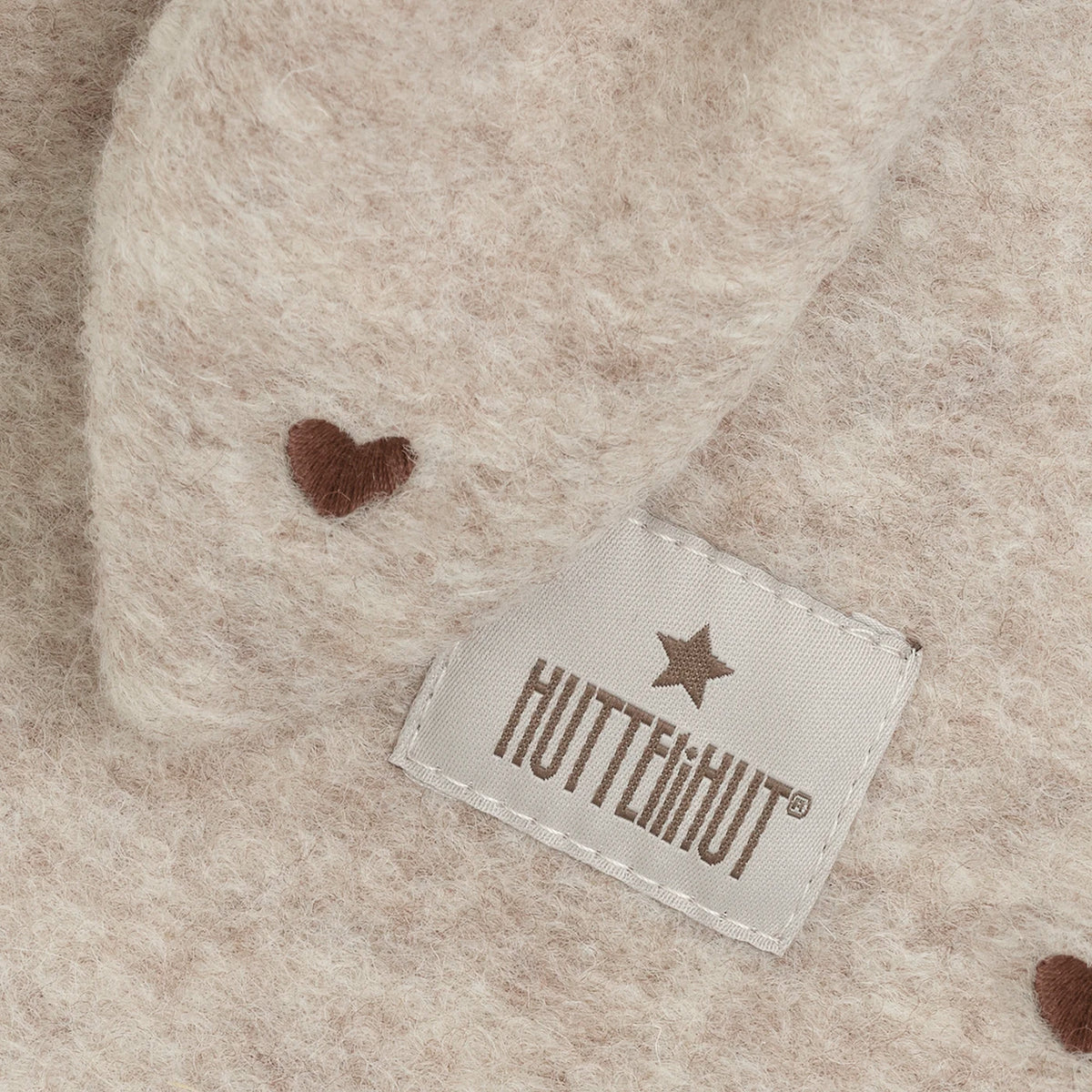
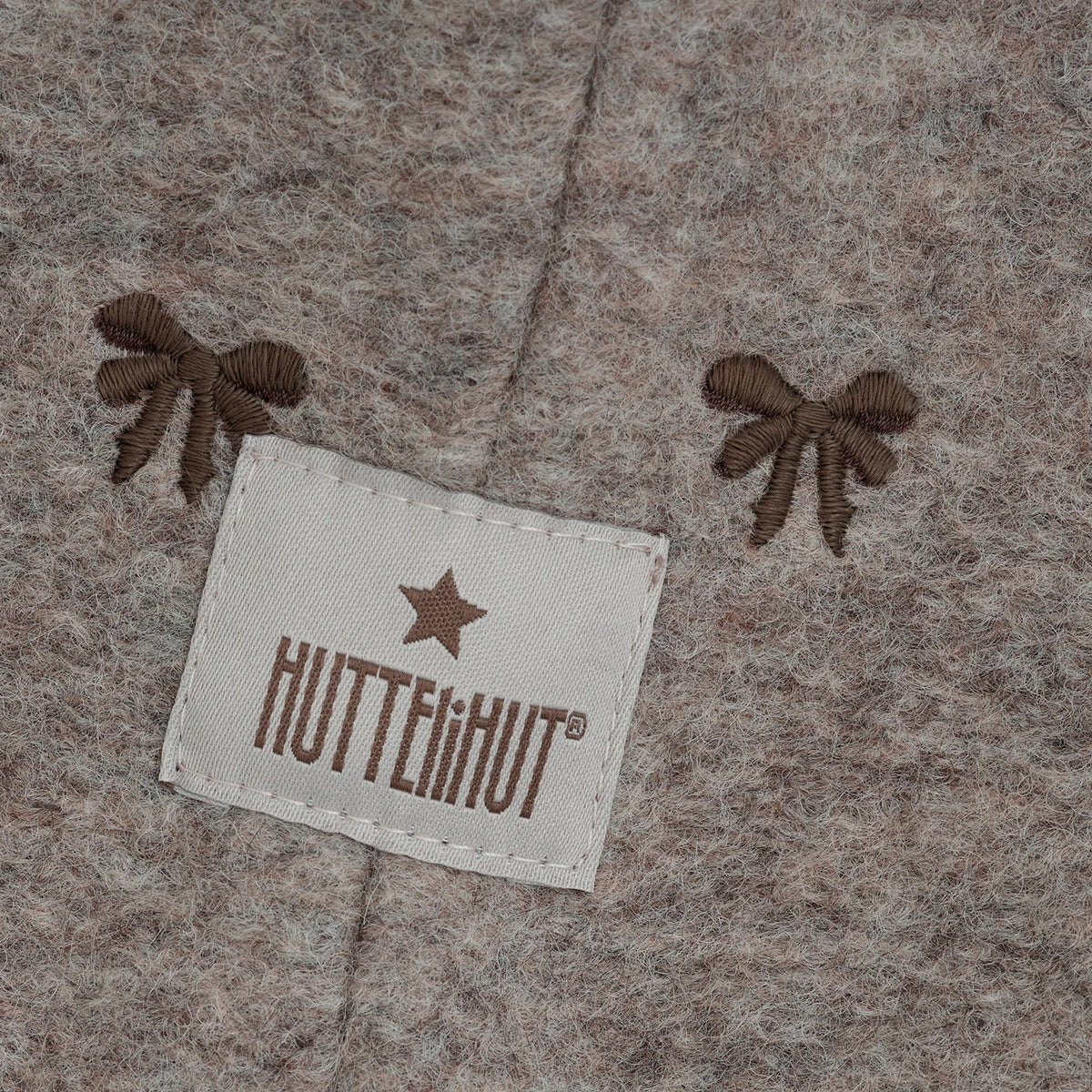
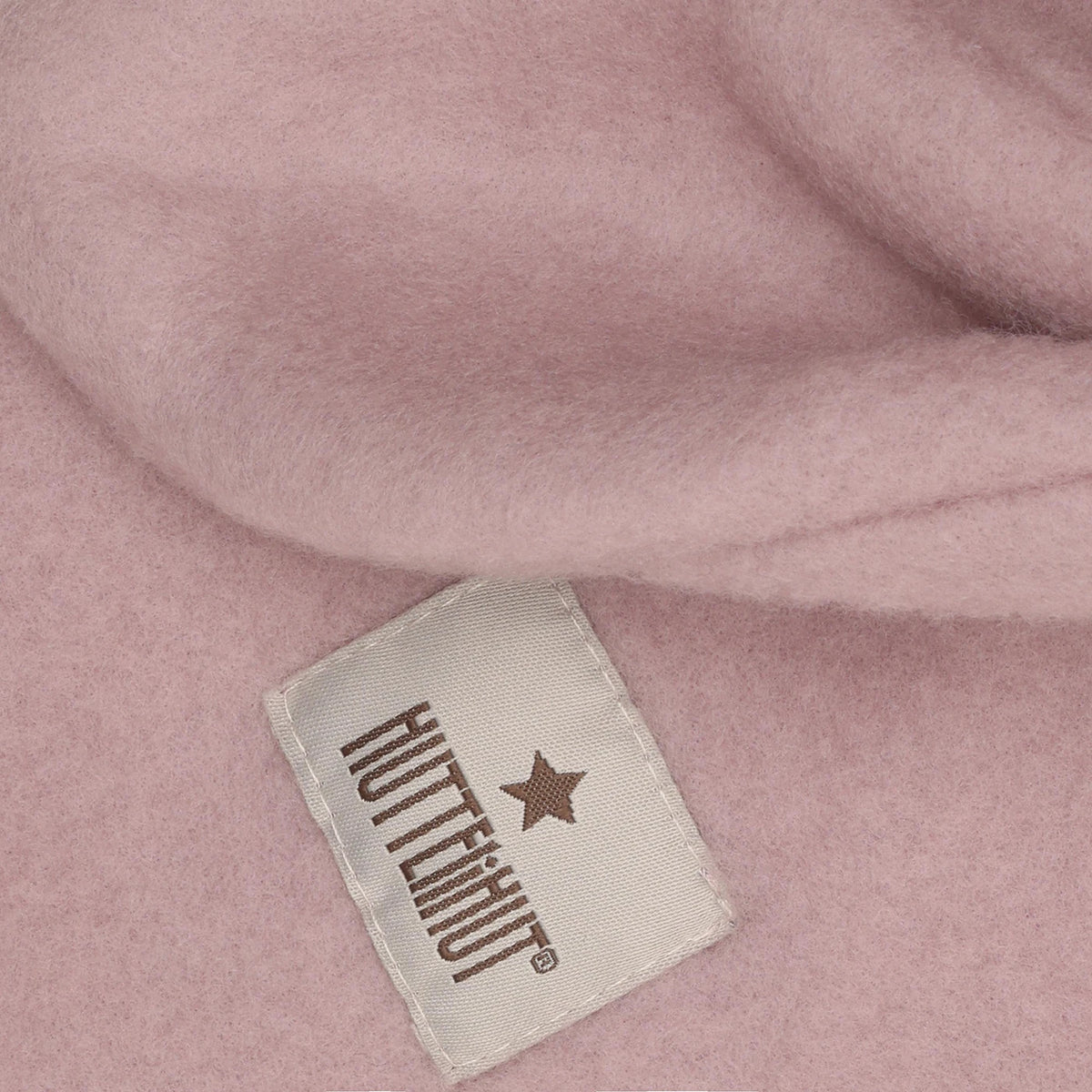
To compare brands, explore Huttelihut balaclavas, Joha balaclavas, Name It balaclavas, MarMar balaclavas and Mini A Ture balaclavas. Compare materials, lining and sizes of current designs.
How to choose balaclavas by age and size
Size makes a big difference. If a balaclava is too large, it can twist or slip and leave the ears more exposed. If too small, it can feel tight around the head and neck. Choose using your child's head circumference and the specific size guide. Check the face opening, stretch and neck length too, so the hat fits your child and works with a jacket or snowsuit.
If you are unsure about size, head circumference is usually a better guide than age alone. Children grow differently, and although going up a size can be tempting, it is rarely the best solution here. A balaclava works best when it fits neatly and stays in place throughout the day.
Balaclava materials: cotton, wool, merino and lining
Material, thickness, knitting and any lining affect warmth and comfort. Cotton, wool, merino wool and blends have different properties, and a knitted hat can be thin or thick. Choose by composition and the individual construction rather than assuming all knitwear is warmer than other fabrics. Consider the hat's thickness alongside the weather and your child's activity.
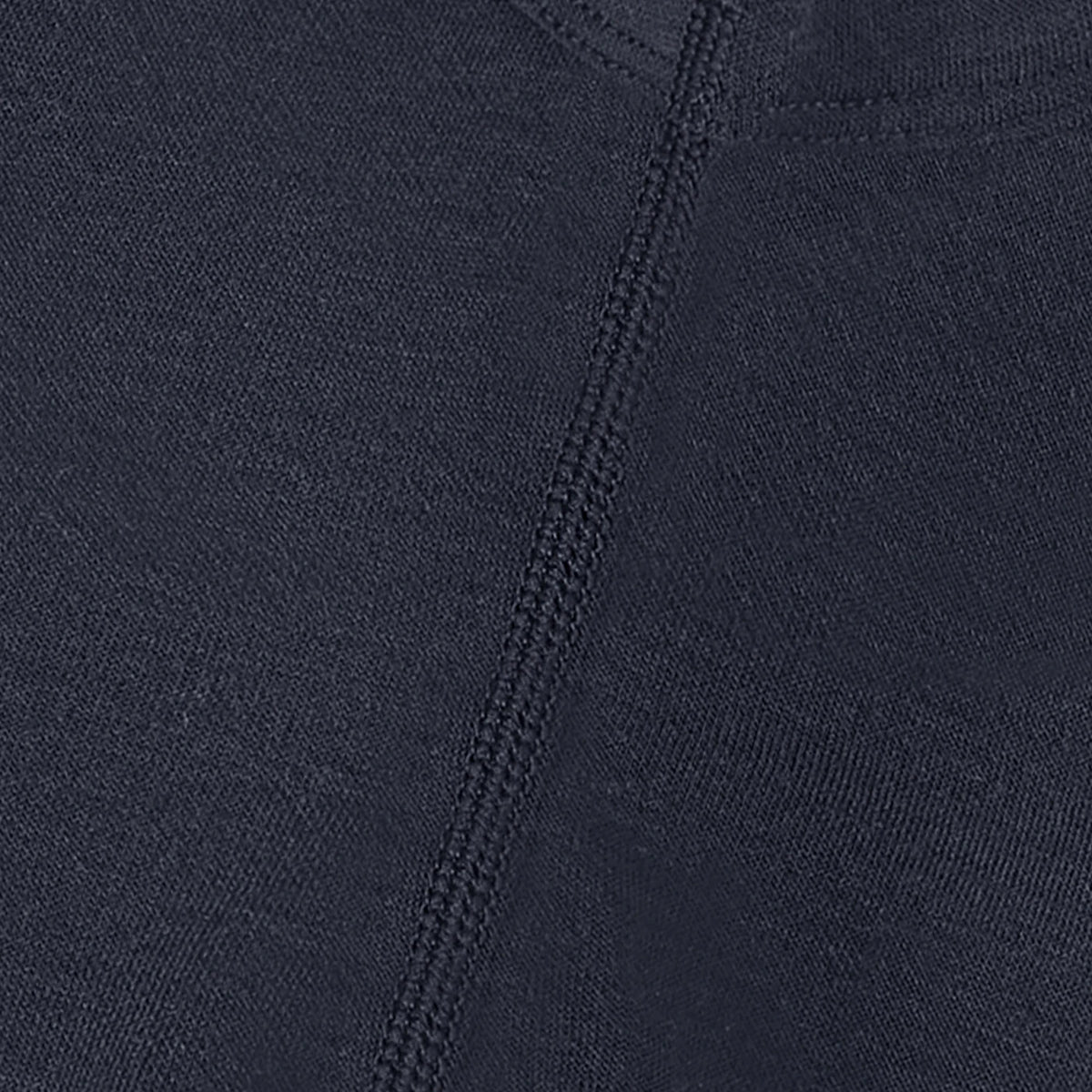
For babies and children, a comfortable fit, flexible edges and seams that do not irritate matter. Organic cotton or a certification does not by itself guarantee suitability for sensitive skin. Read the composition and check any certification on the individual item. Choose material and thickness for your child and the situation in which the hat will be used.
When does a balaclava make sense in everyday life?
Balaclavas are particularly useful when the weather changes during the day. Mornings can be cold, the playground windy later, and the journey home a different temperature again. Extra coverage around the neck and ears offers a straightforward, reassuring solution that many families use repeatedly. Balaclavas are therefore a regular part of many nursery and preschool wardrobes.
For the youngest, they are convenient because there is no separate neck warmer to keep track of. For older children, they work with outerwear and pair well with jackets, thermal clothing or rain sets on cool days. To prepare for the season, you can also explore hats and gloves and find more warm everyday favourites.
Practical details and care to consider before buying
A good balaclava should stay securely in place, provide the coverage you want and feel comfortable. Check seams, edges, opening and lining, and read the care instructions. Cotton, wool and blends can need different care, so a hat is not automatically easy to machine-wash just because it is practical for everyday use.
It can also make a welcome gift because it is useful and easy to put into use. To put together an outfit, a balaclava can be paired with a soft bodysuit as part of the wardrobe. Choose hat and bodysuit by fit, material and situation, and adjust layers to the temperature.
Also read our washing guide for care advice, and always follow the instructions for the individual product.