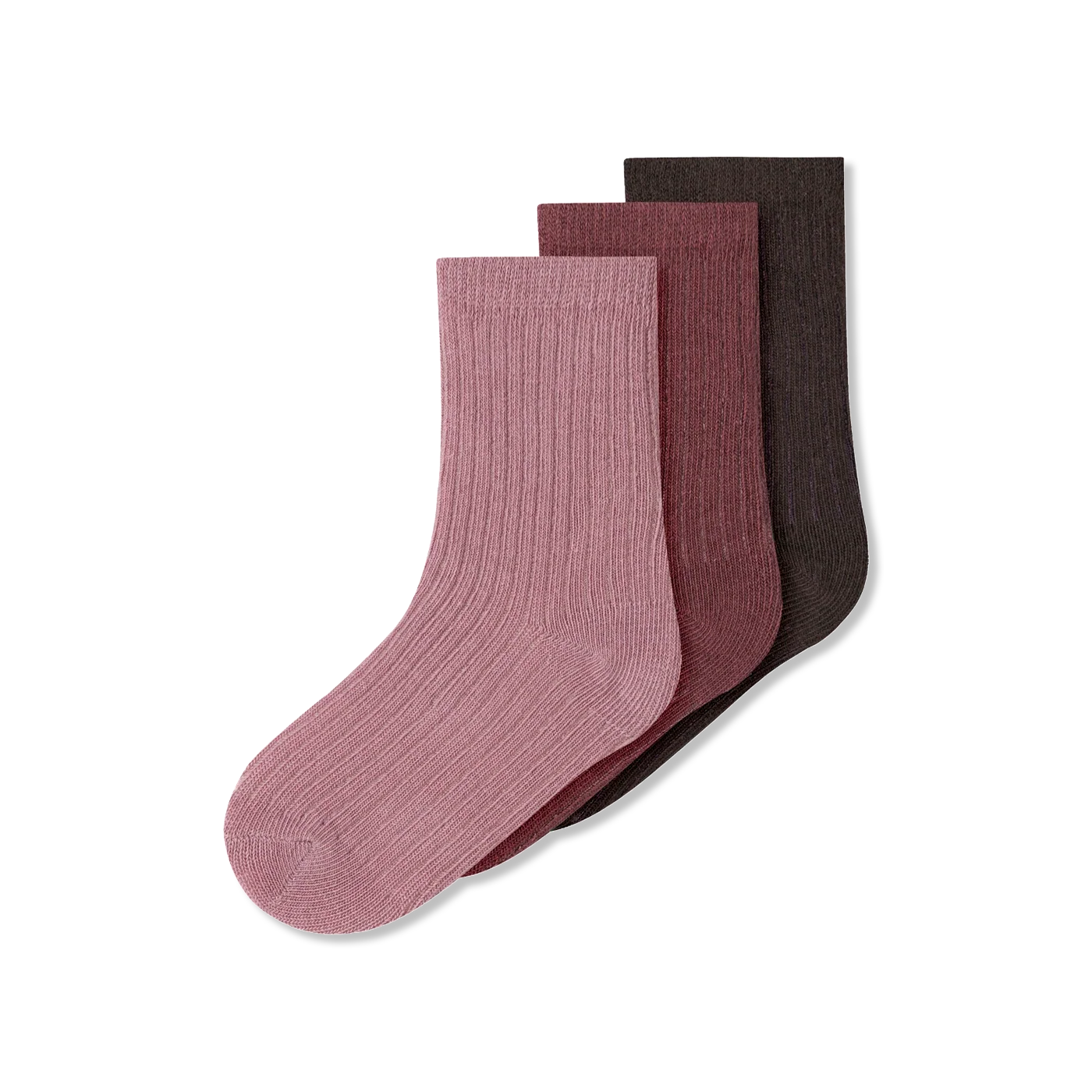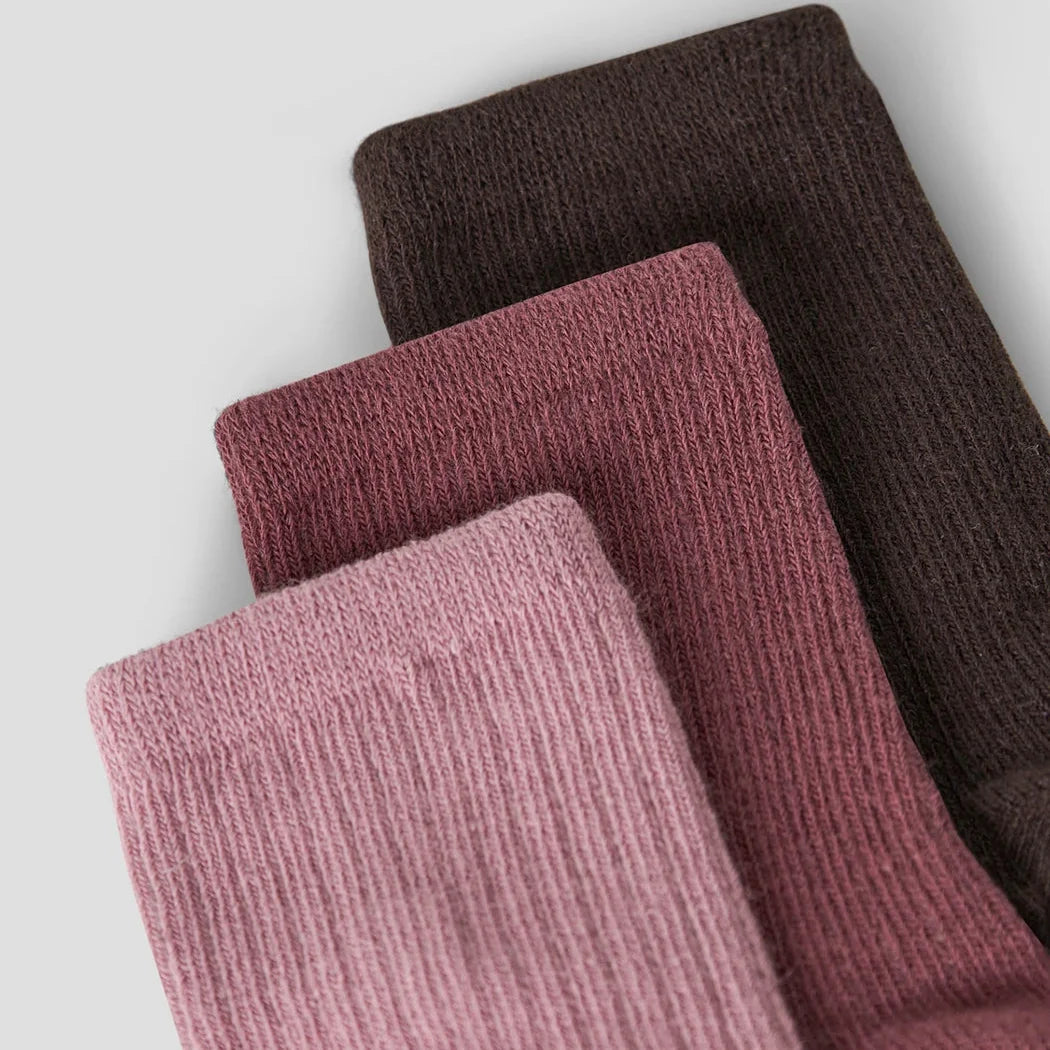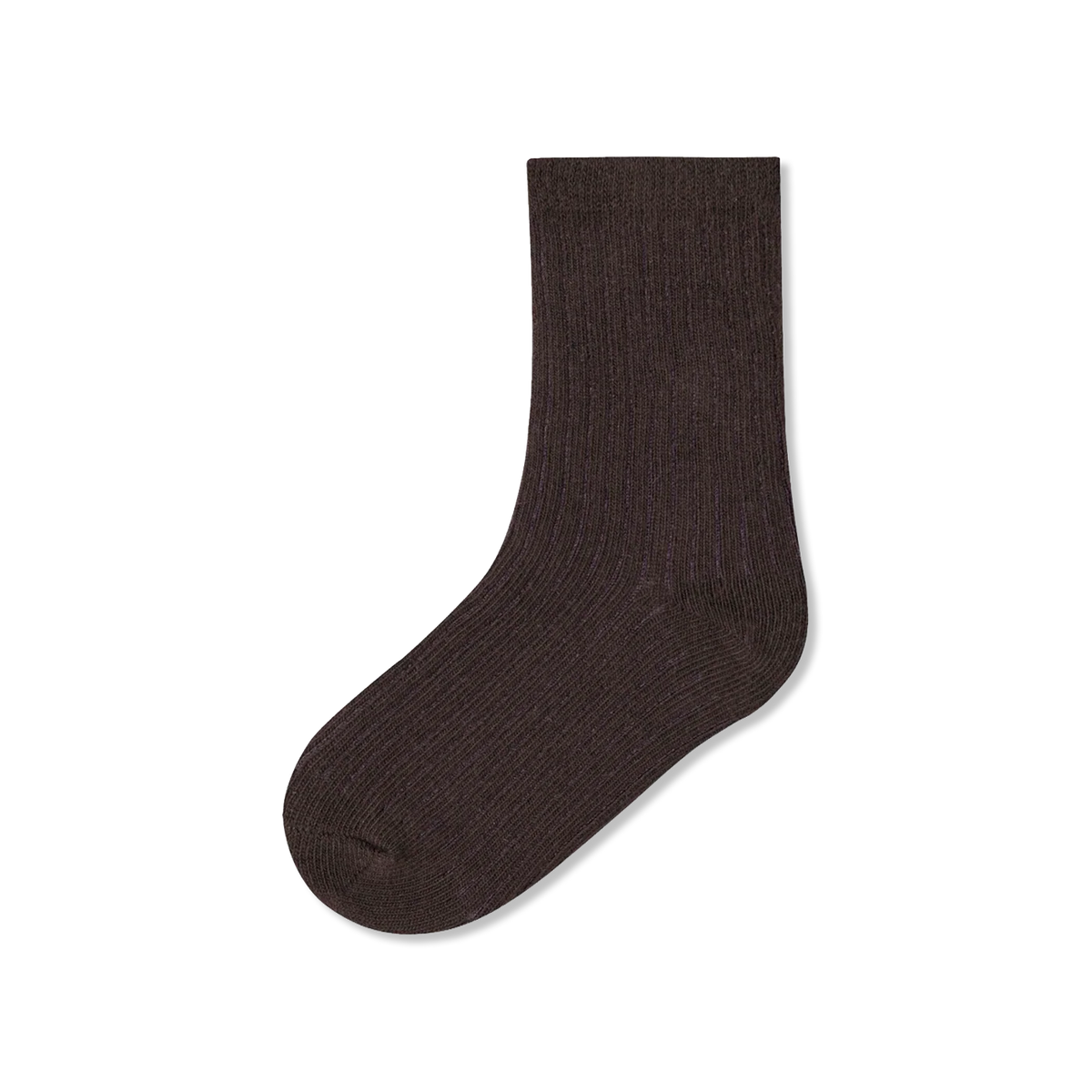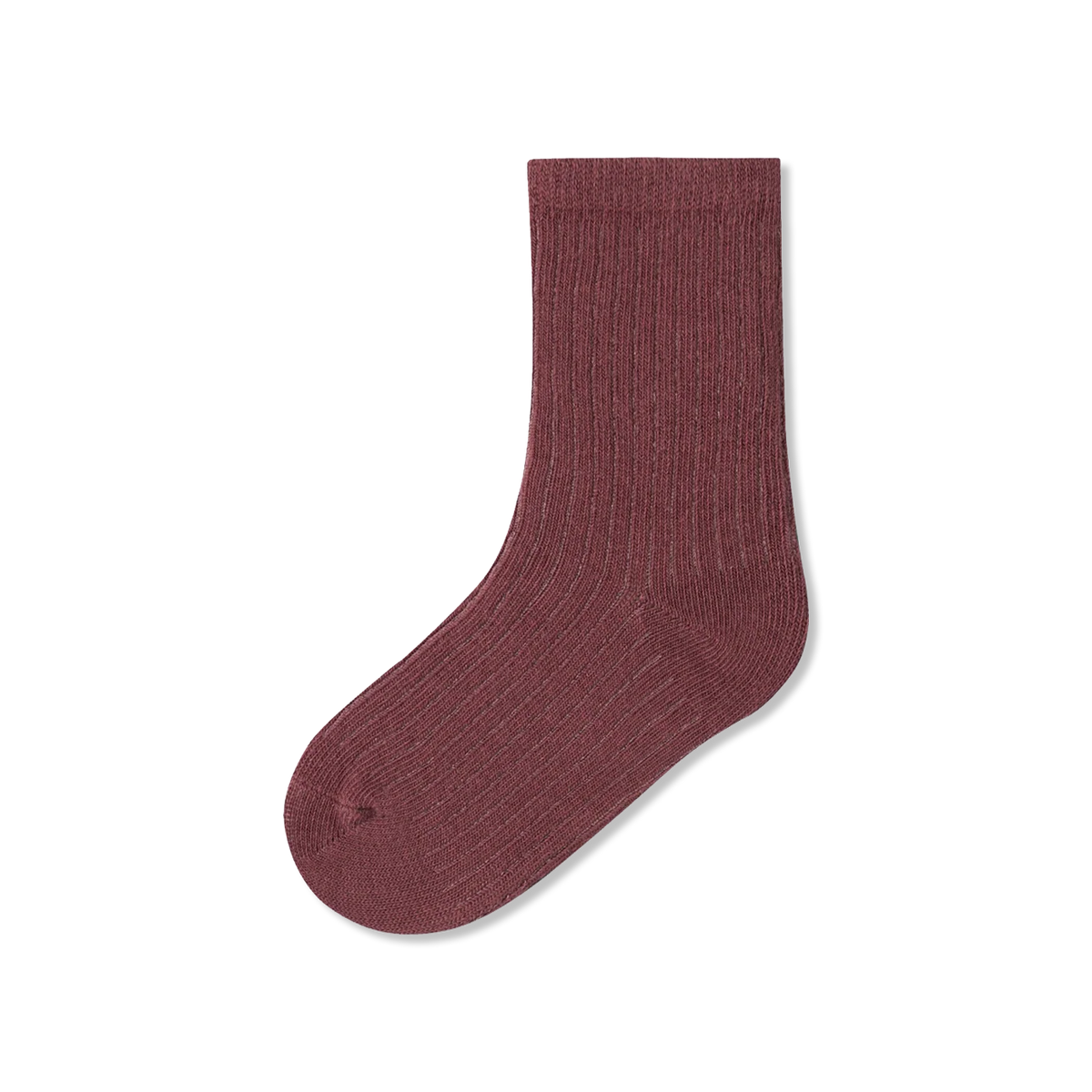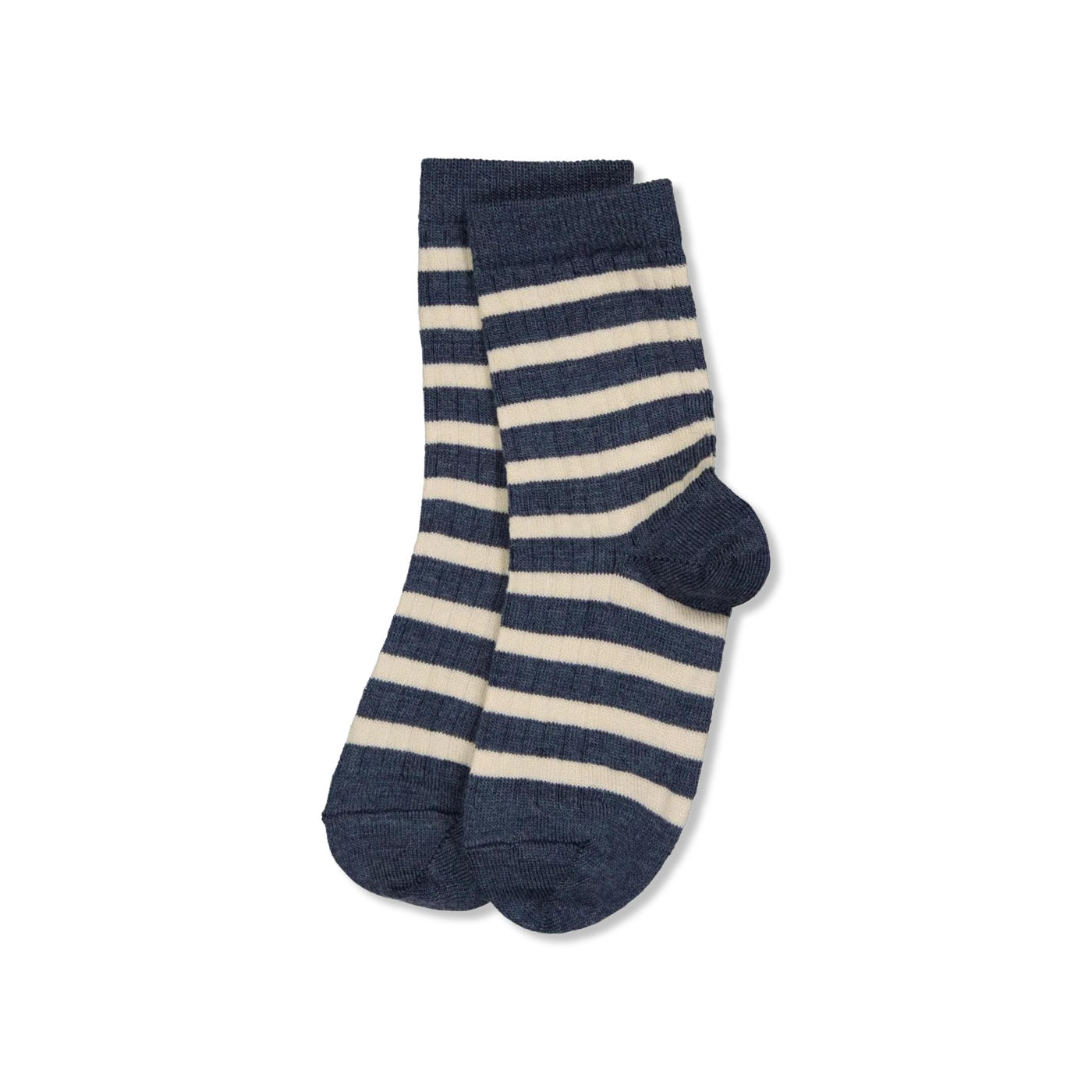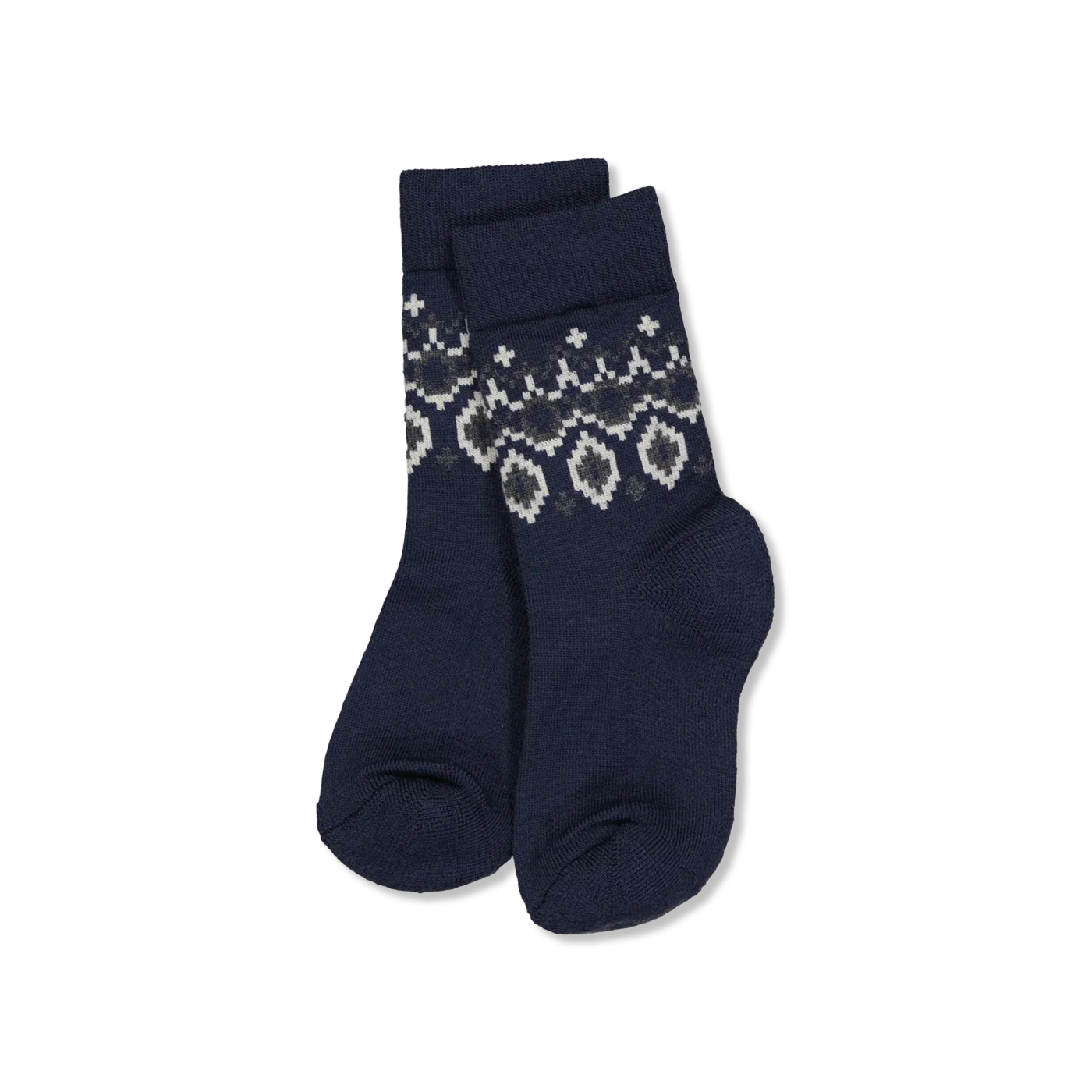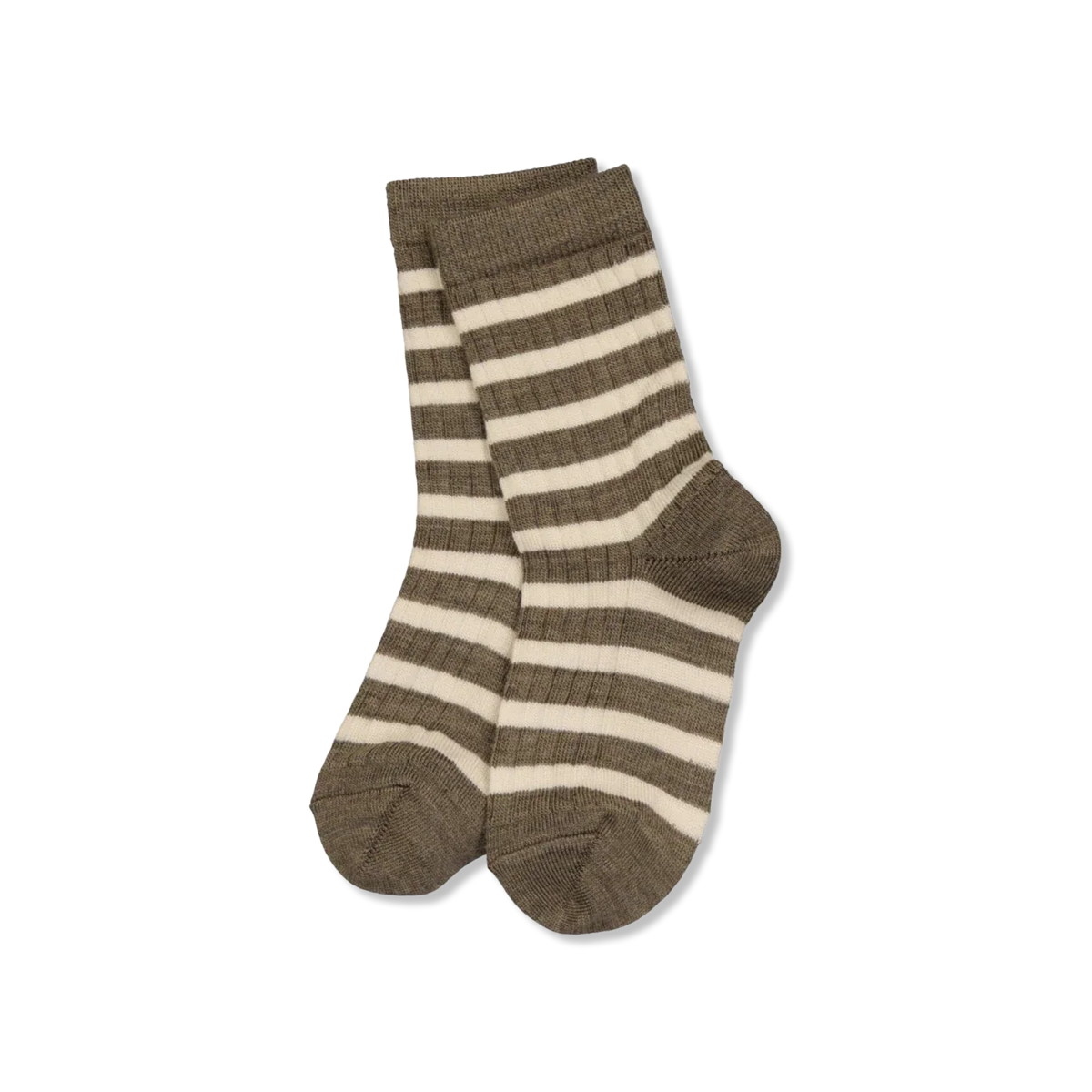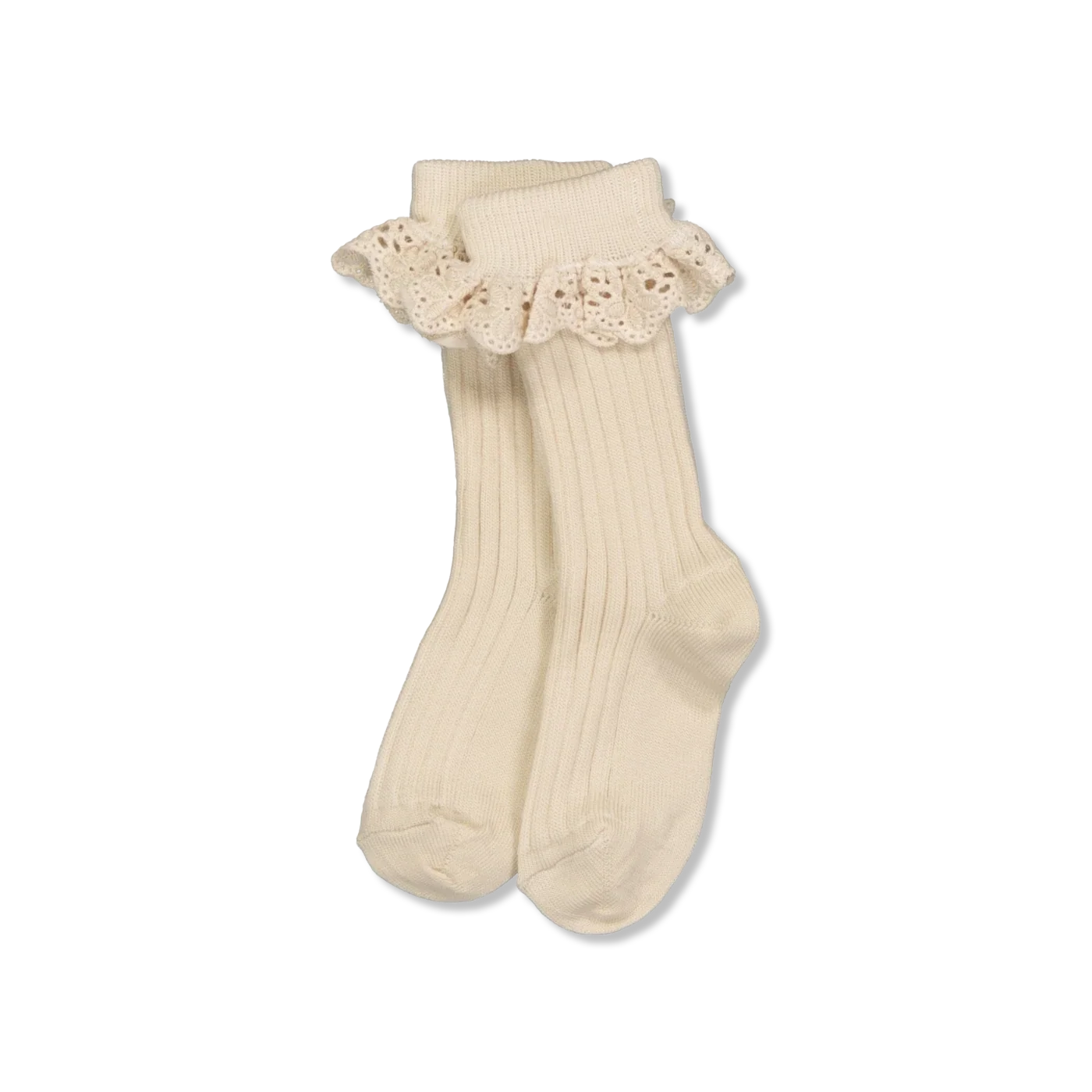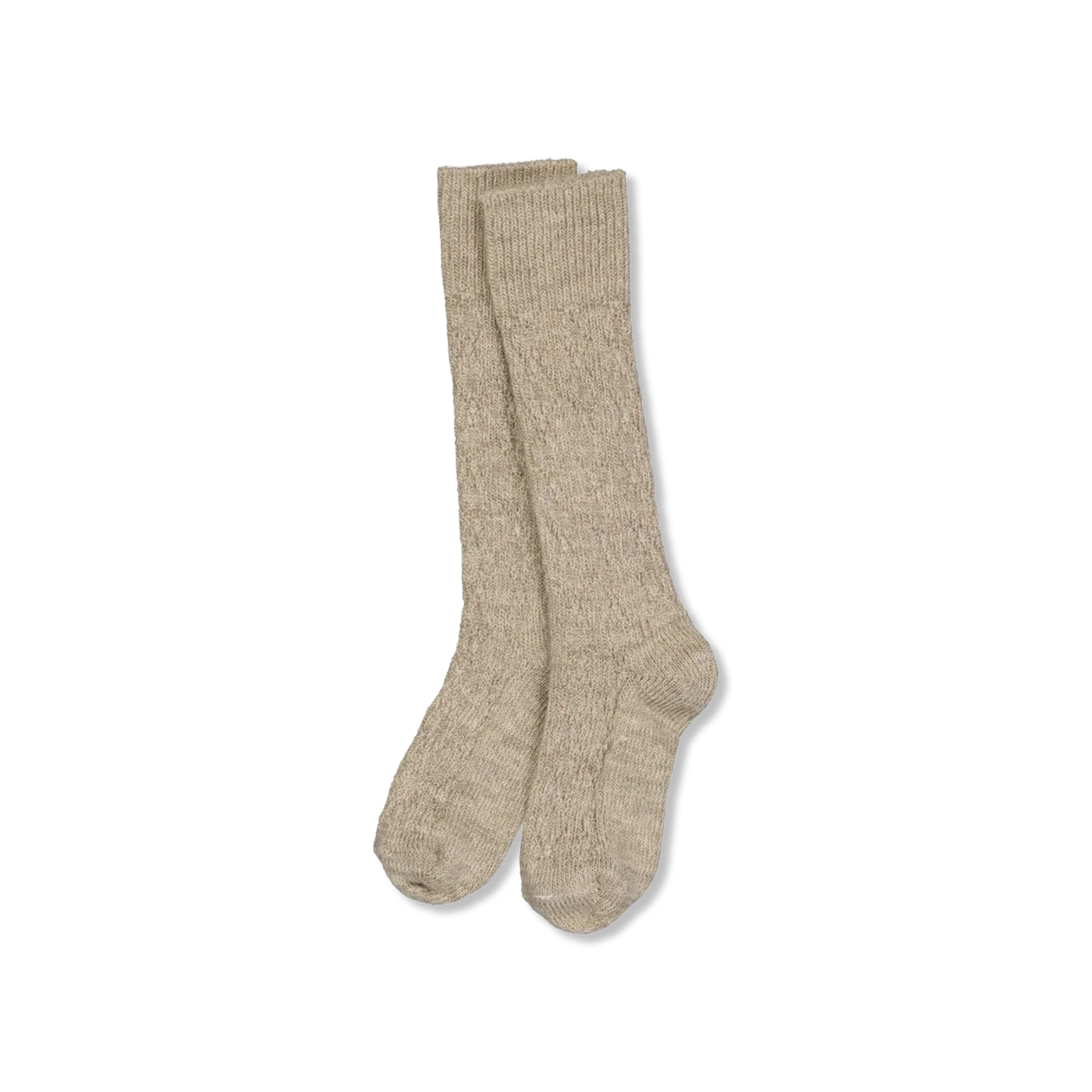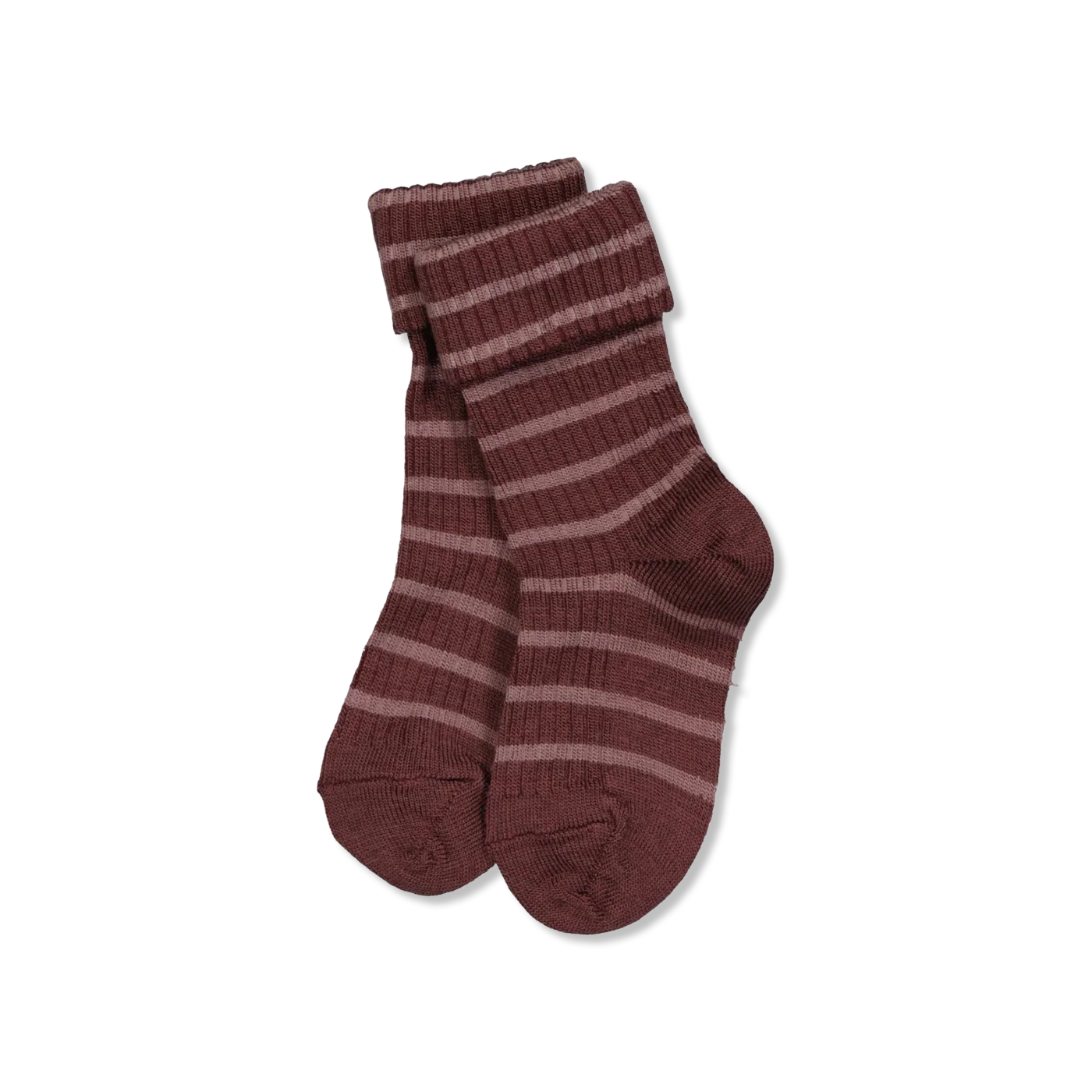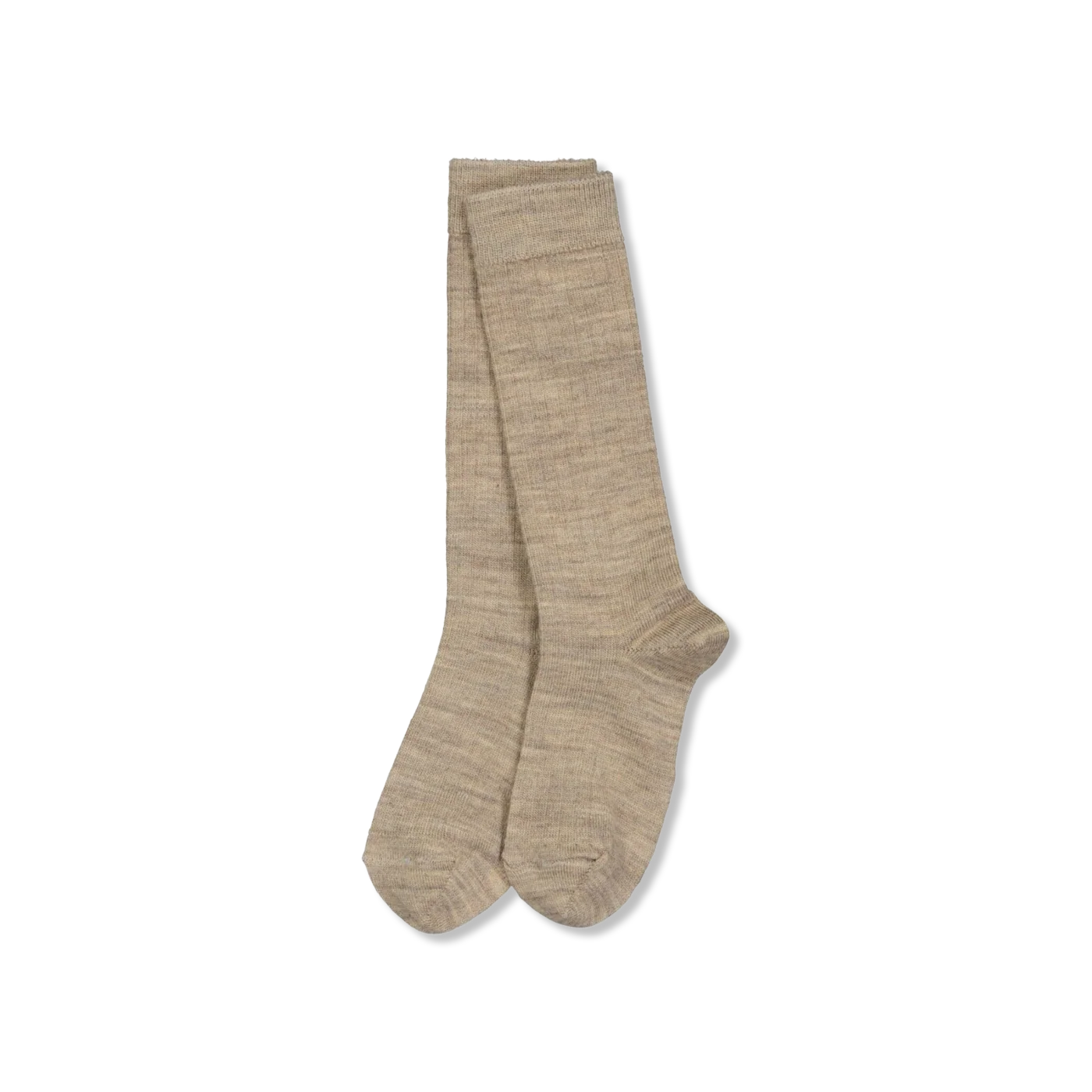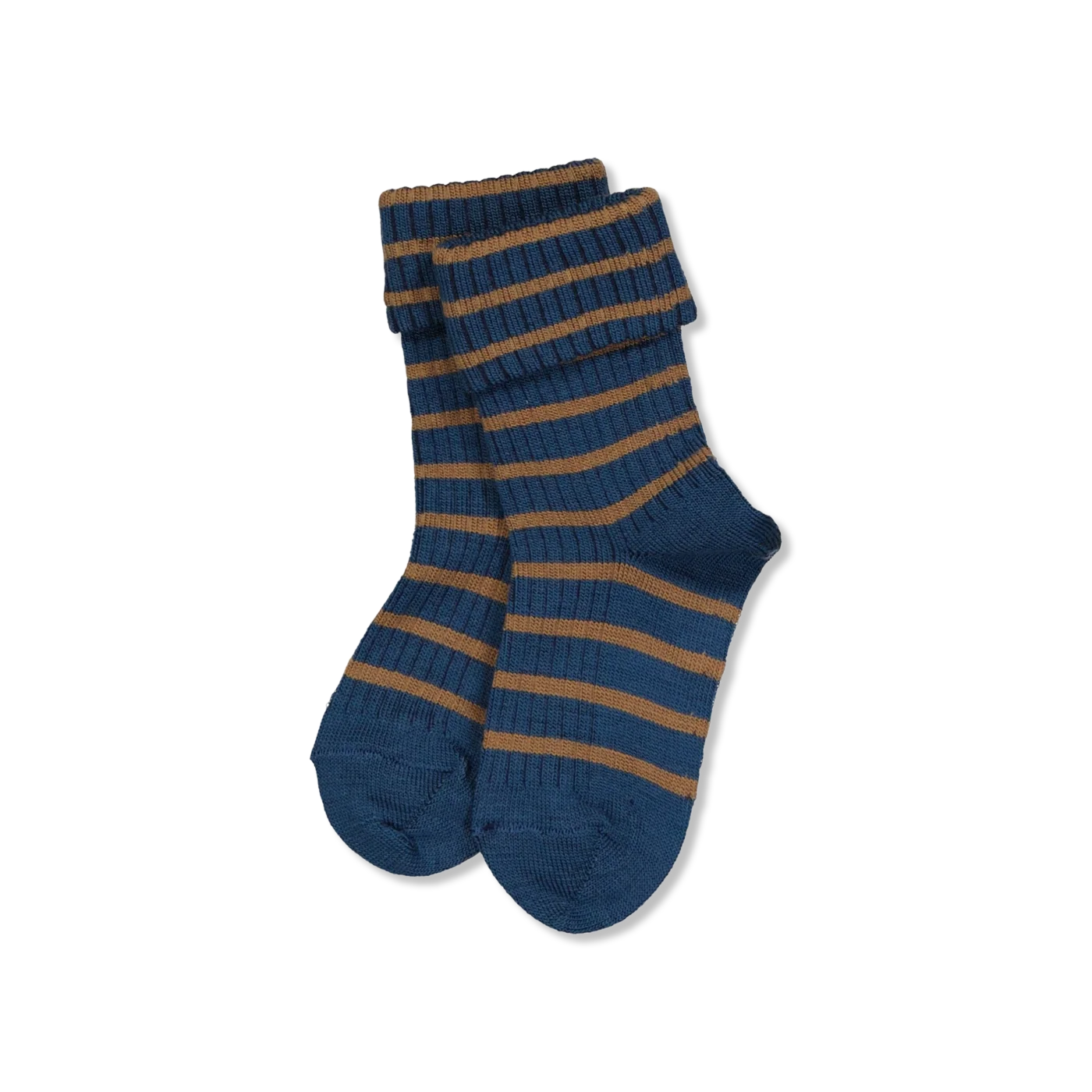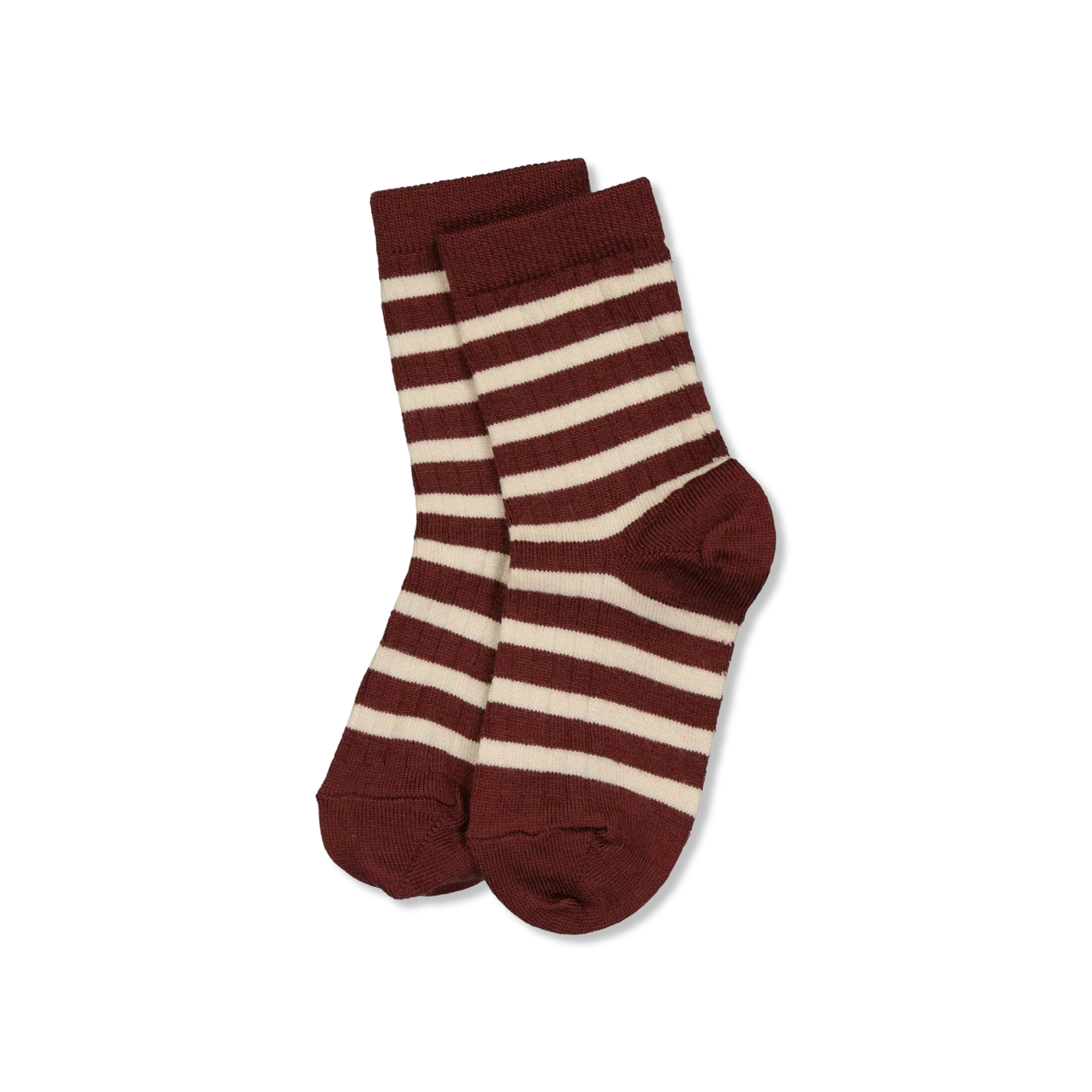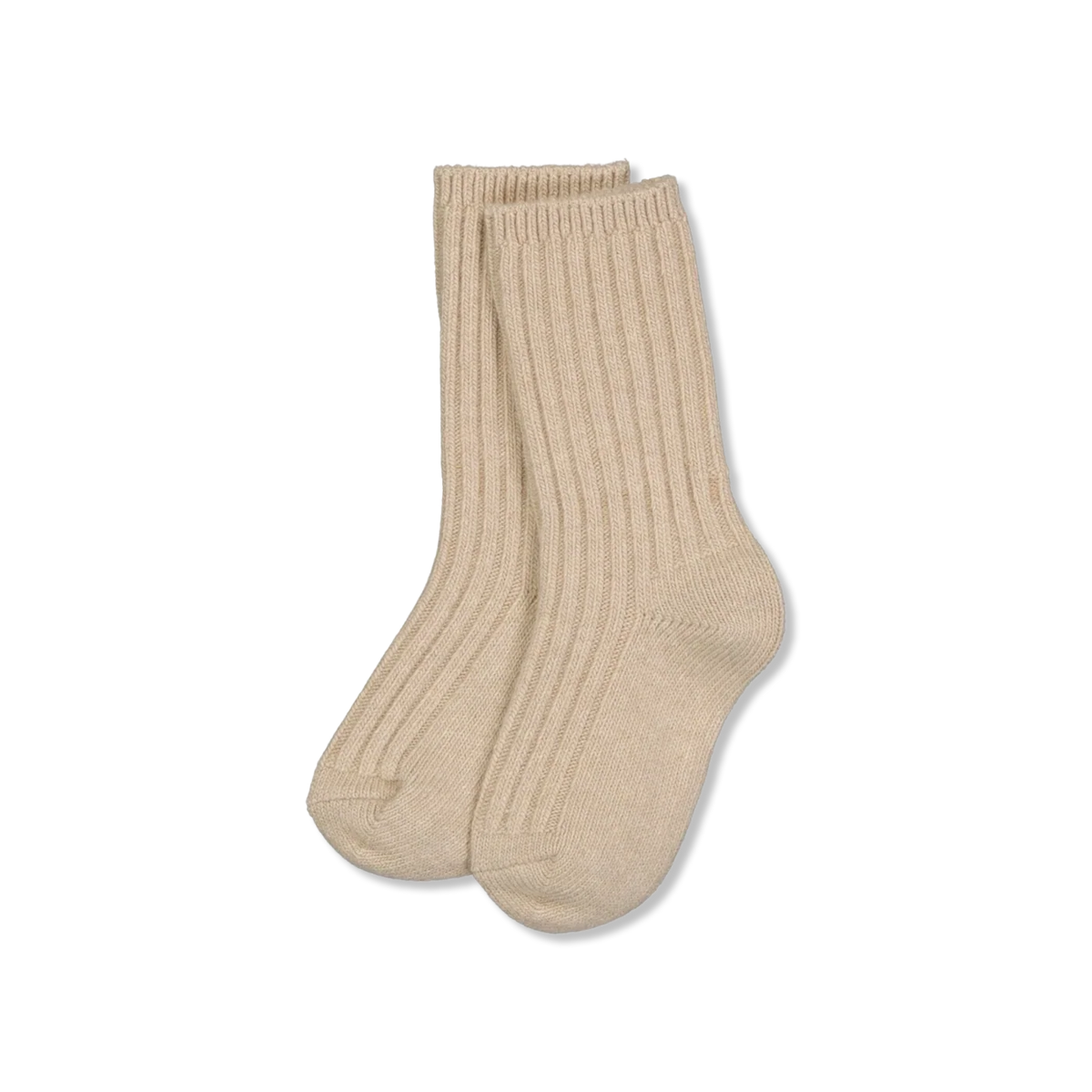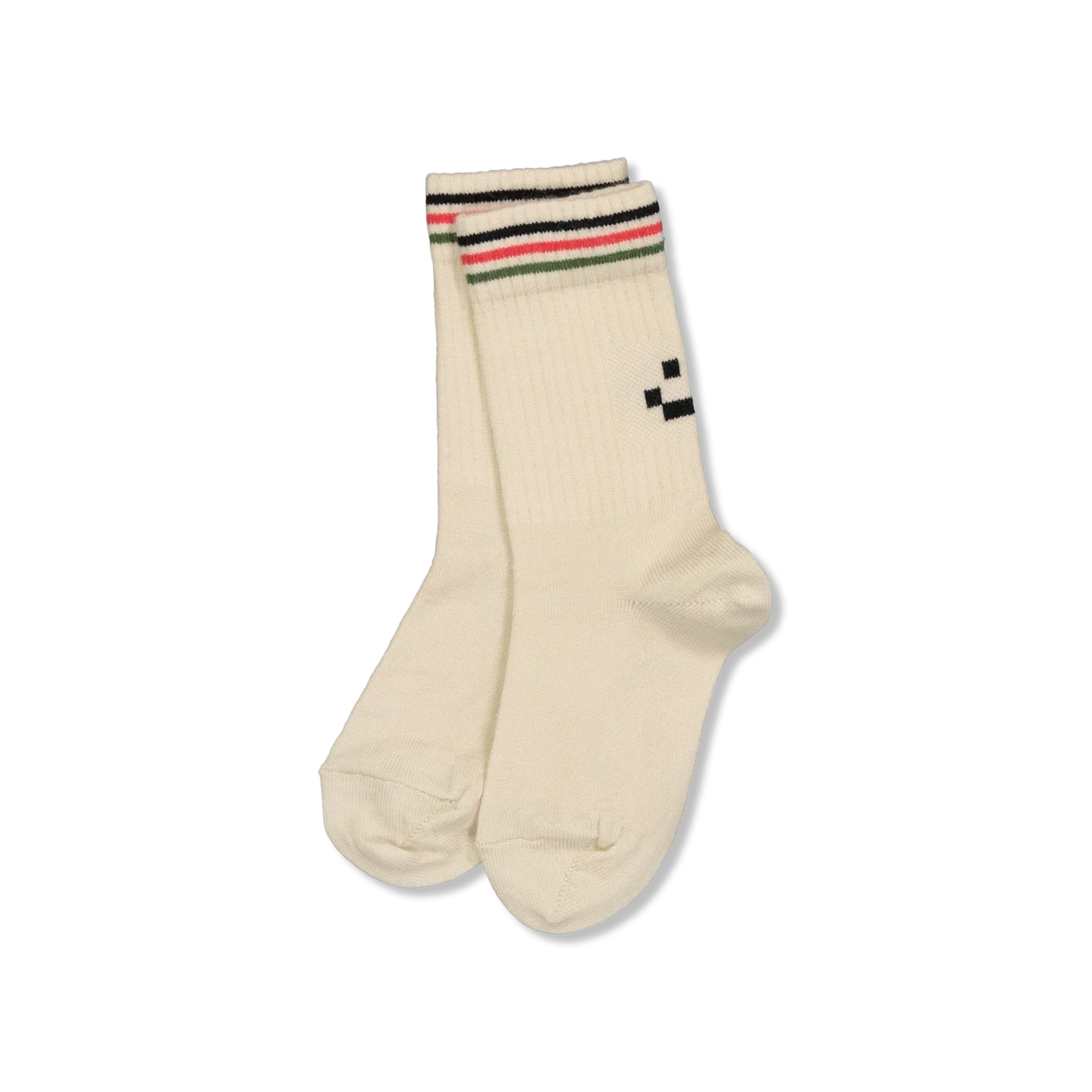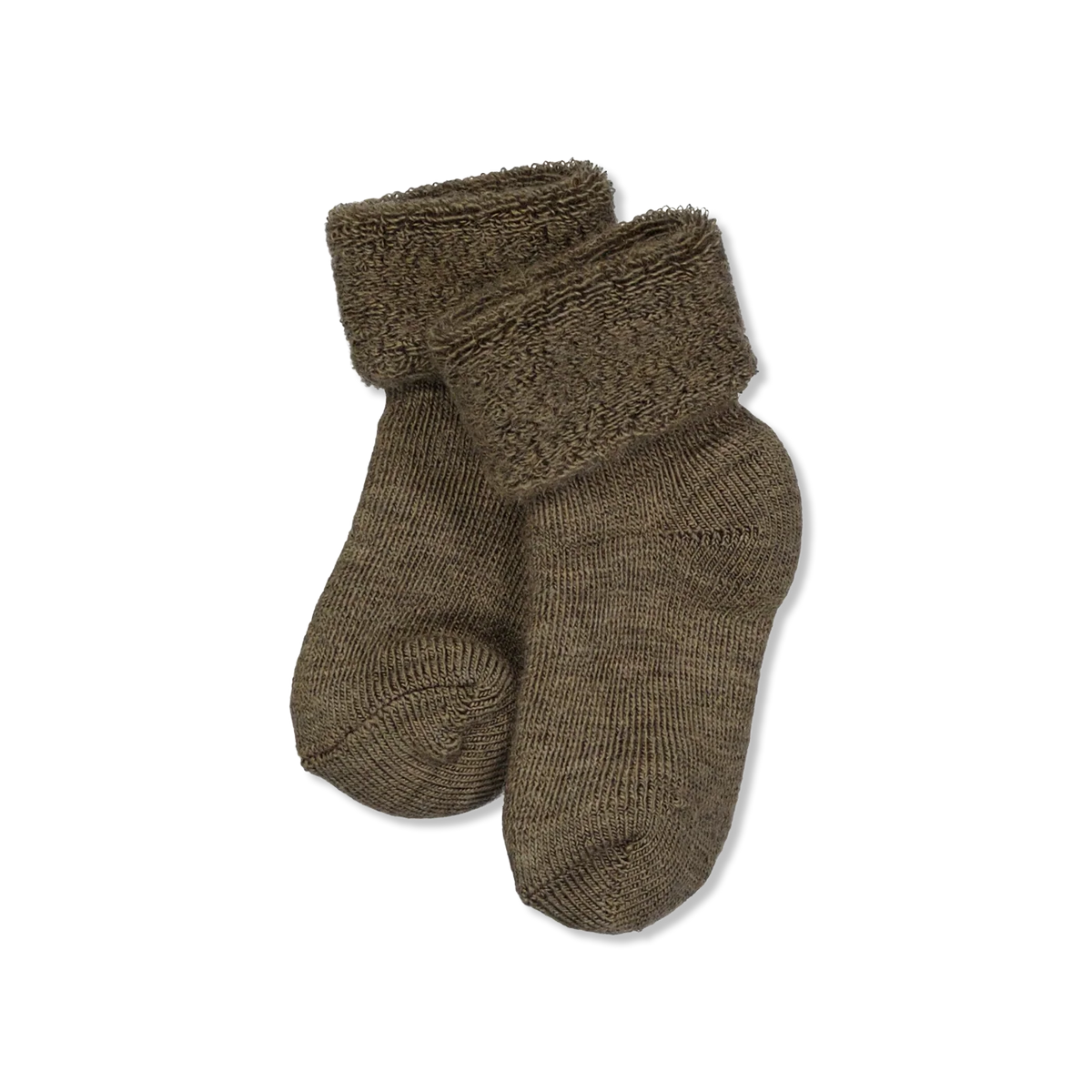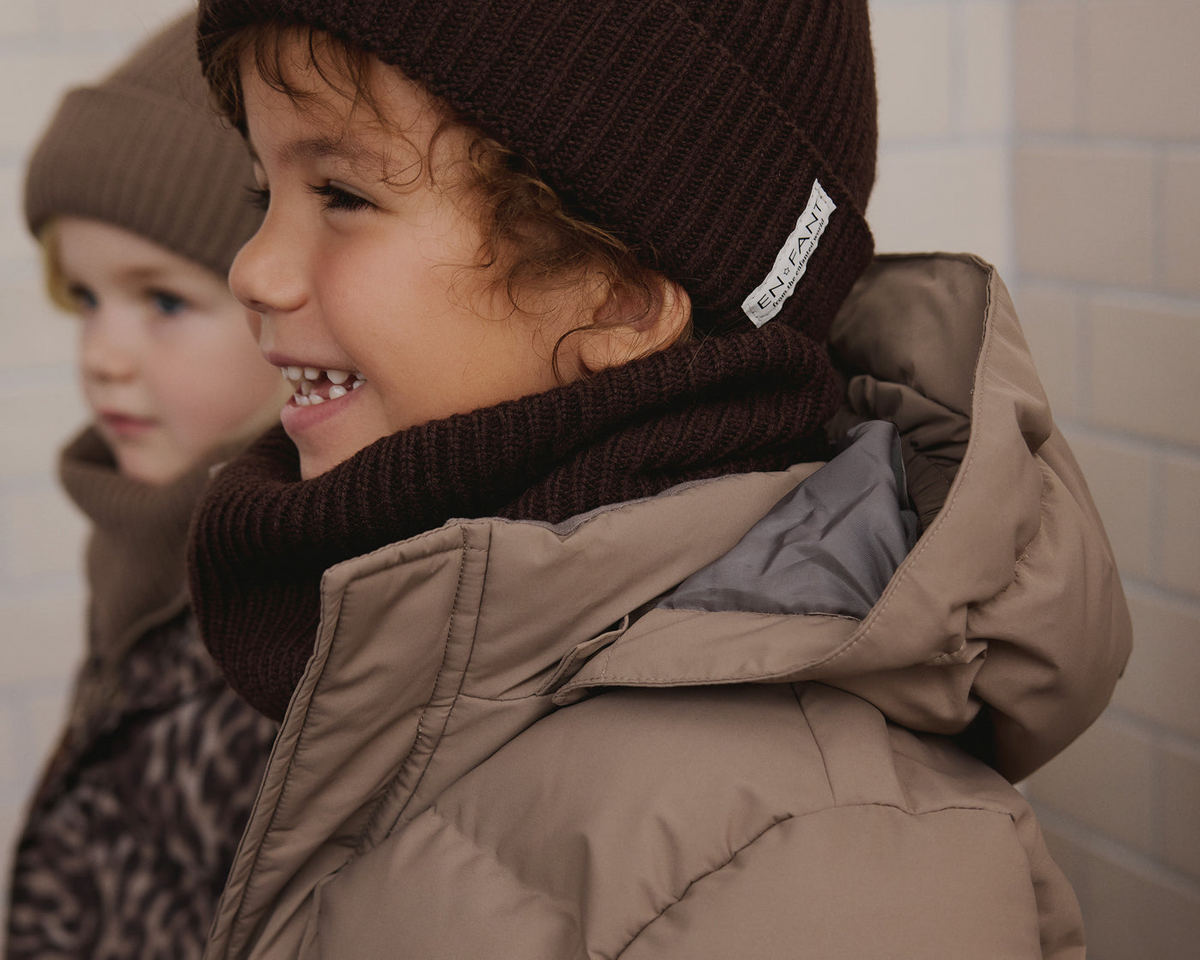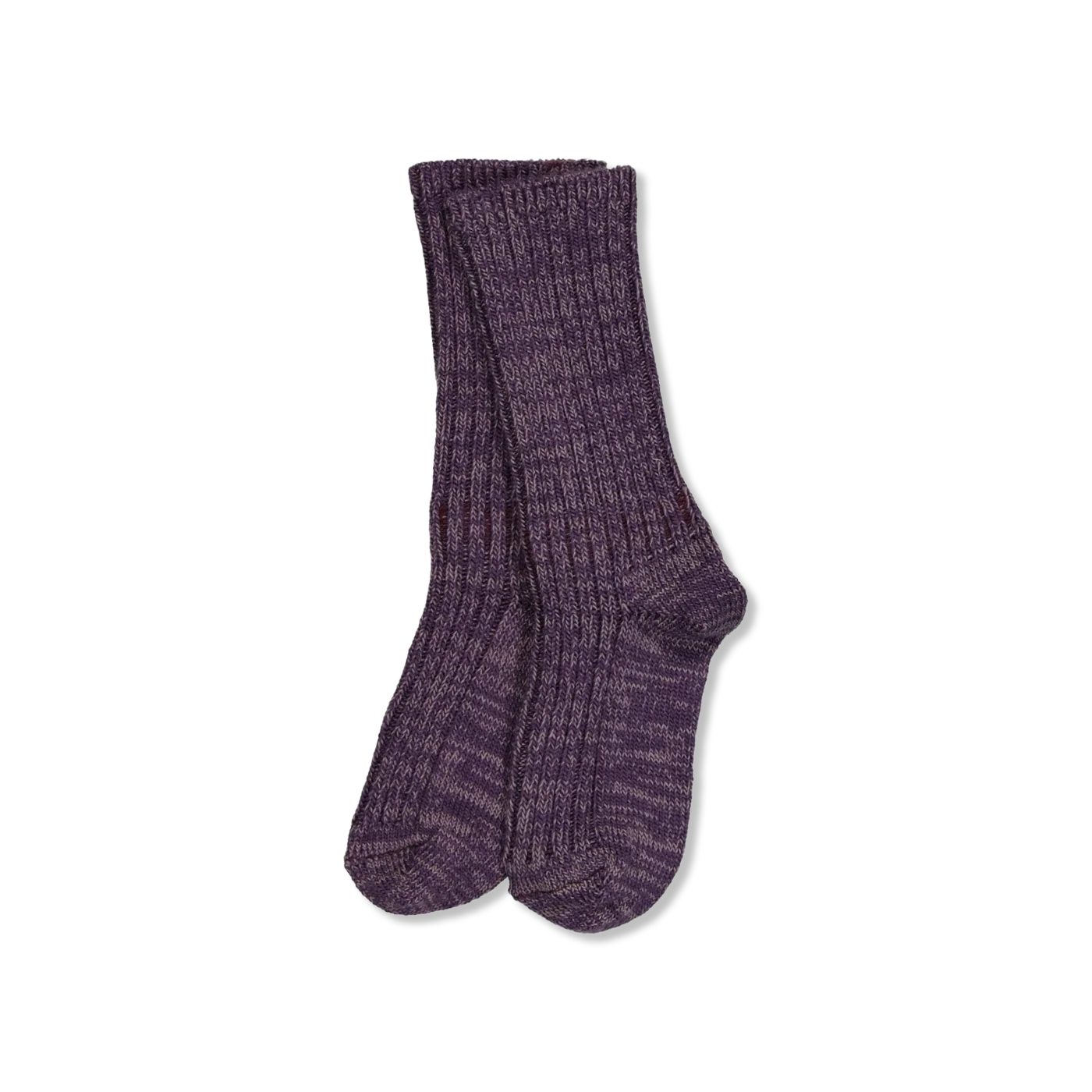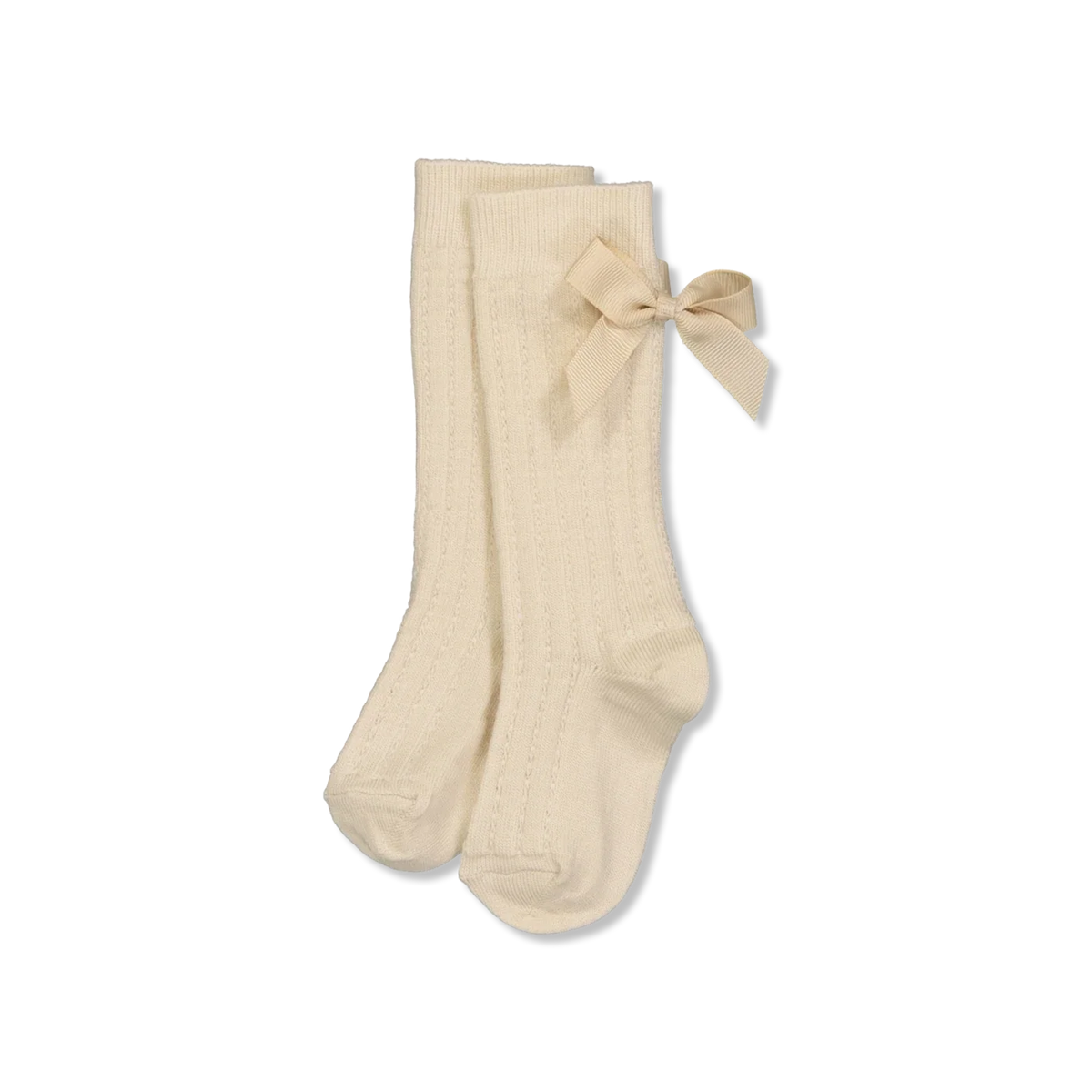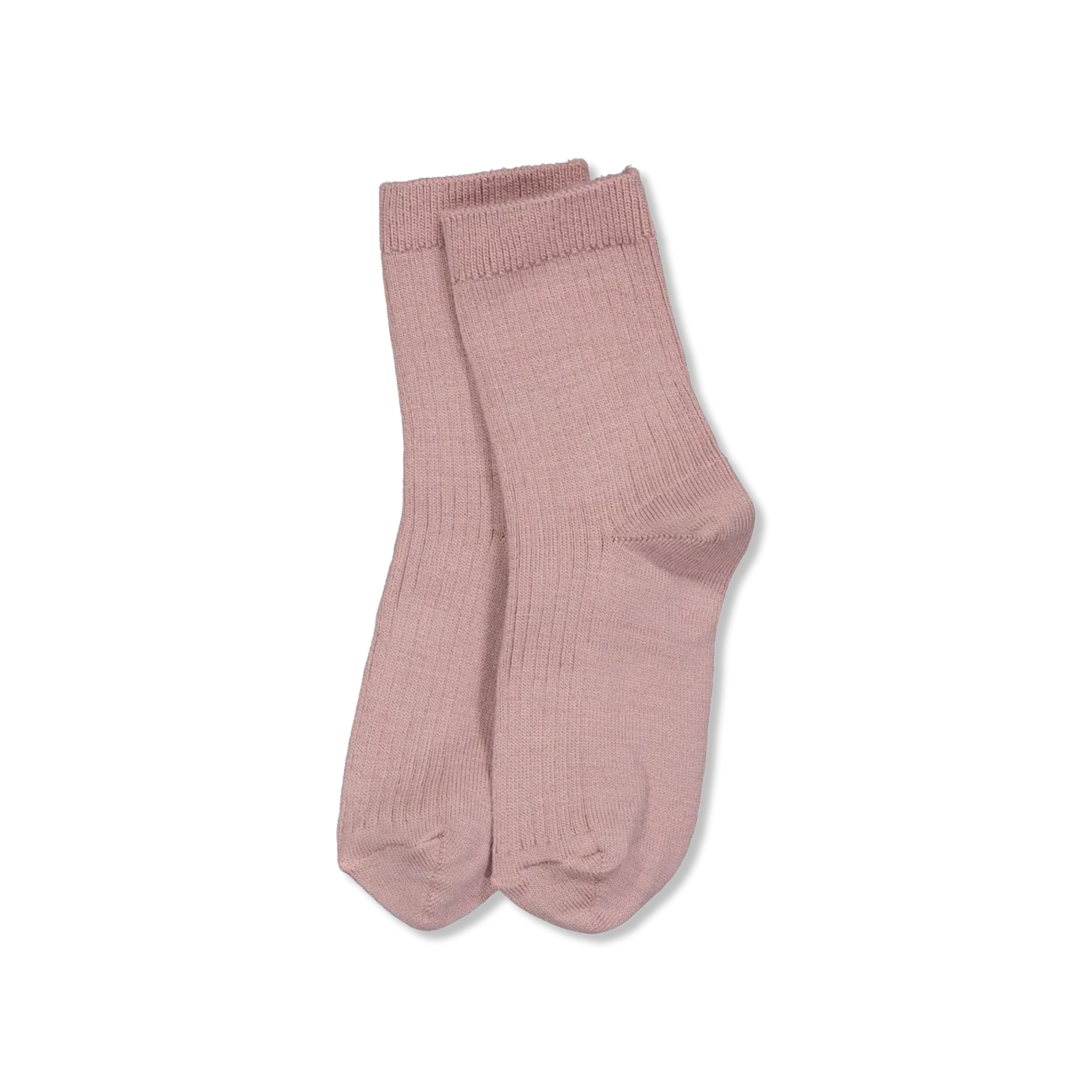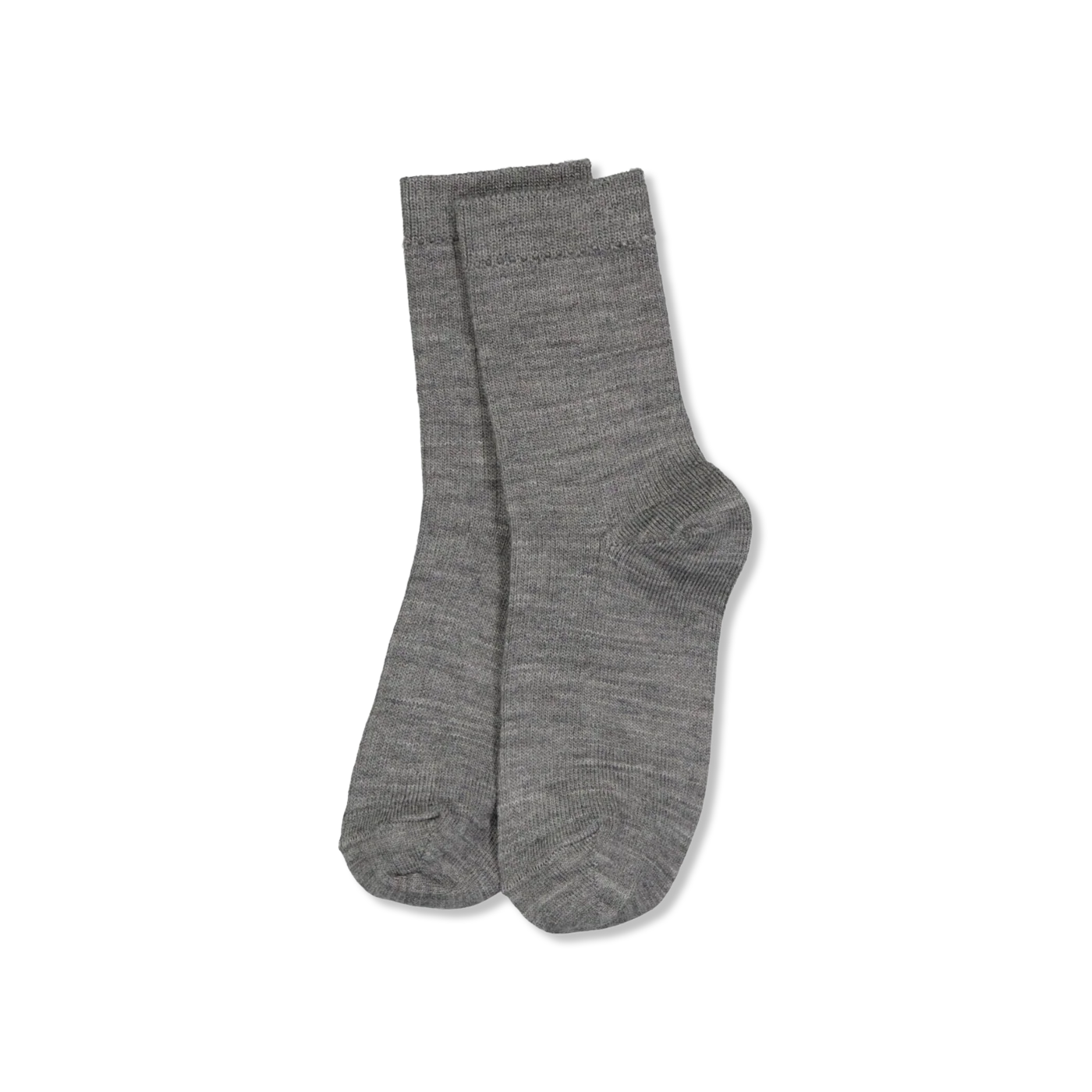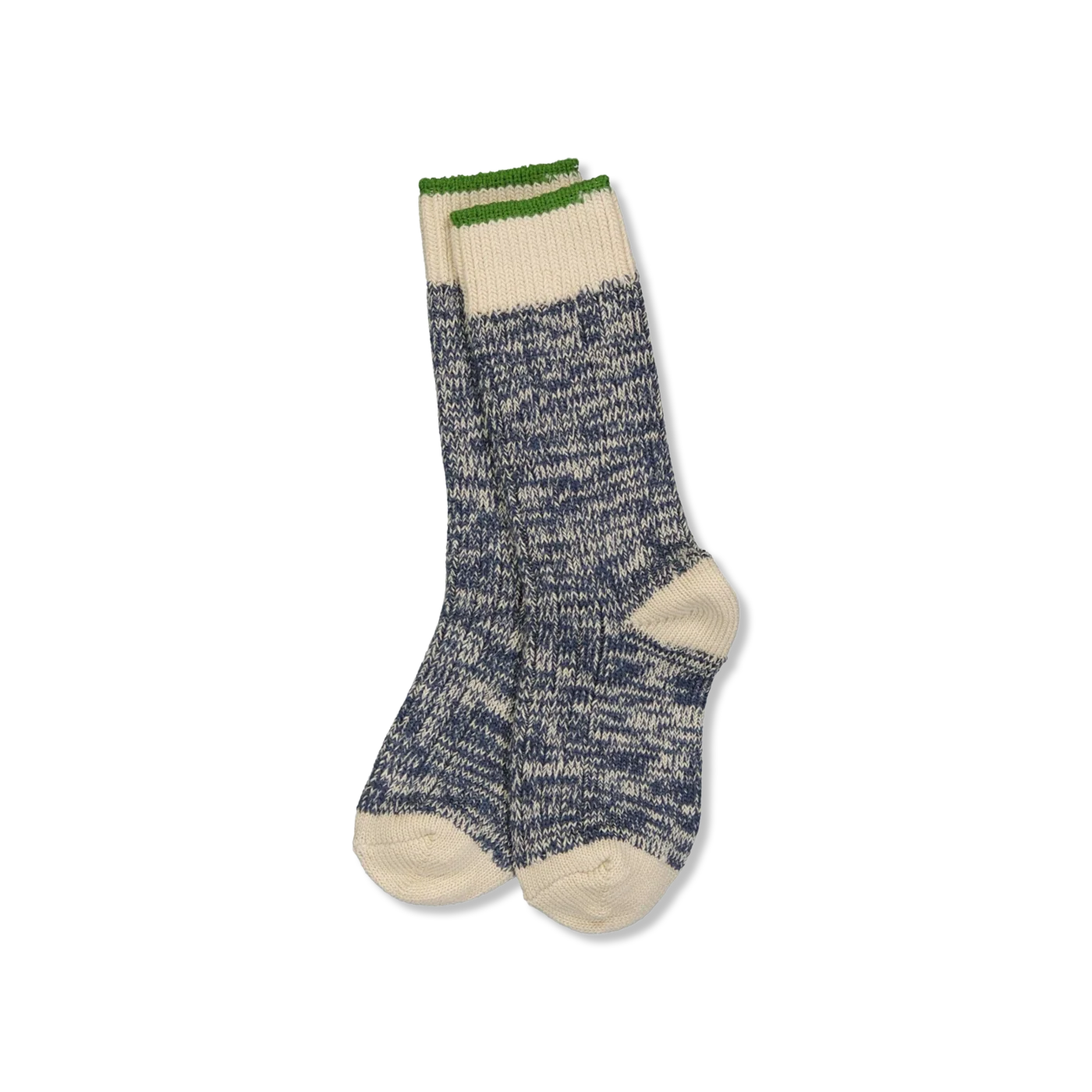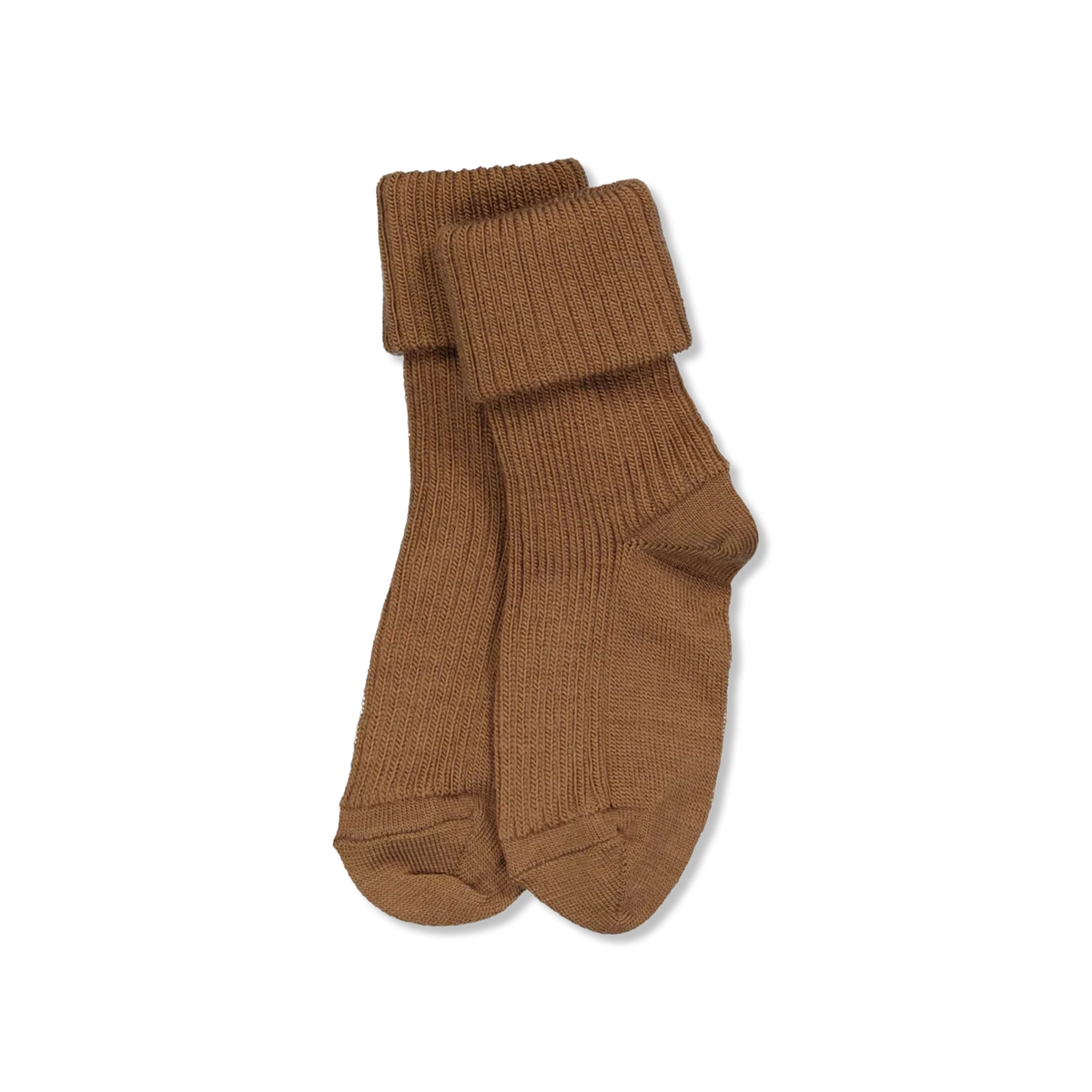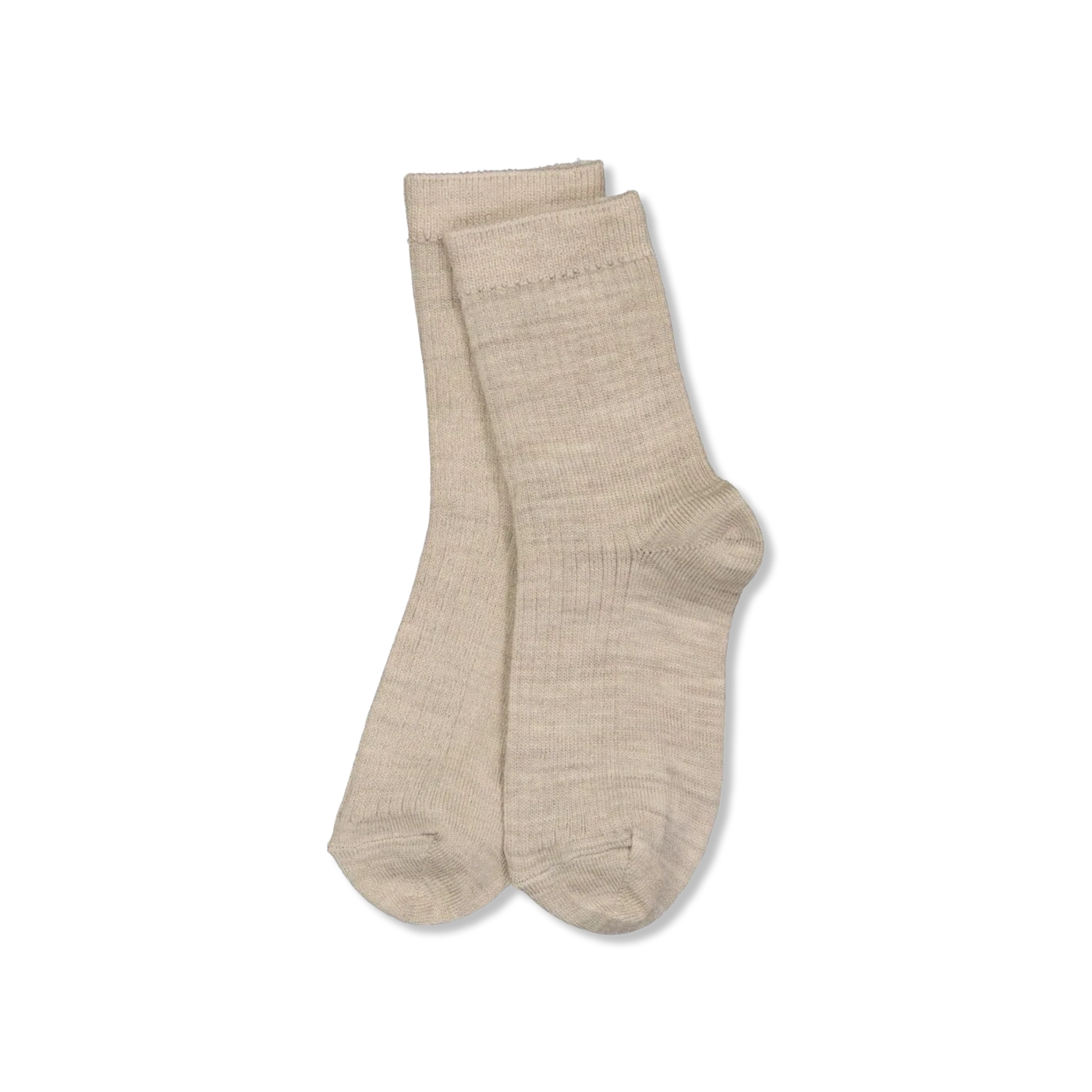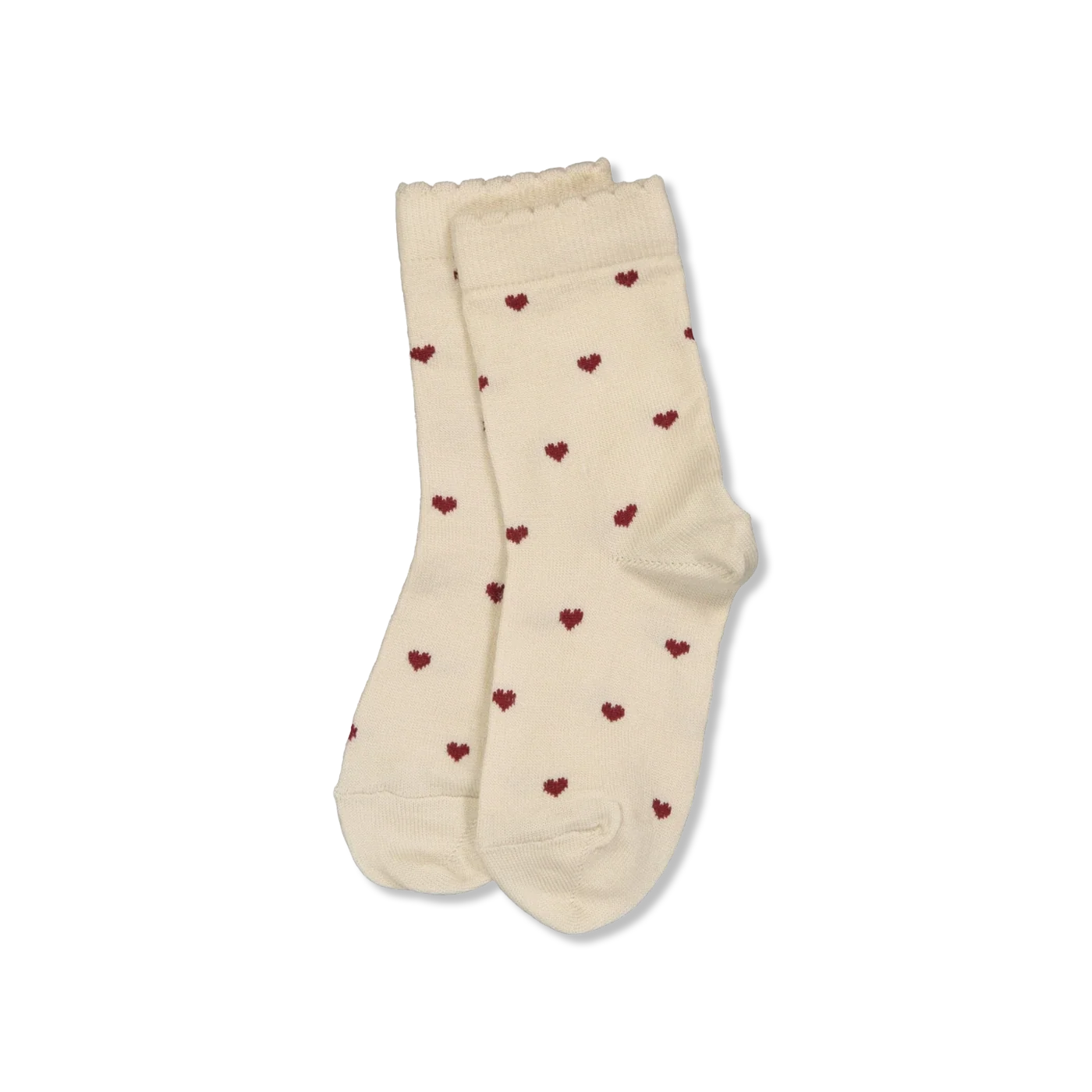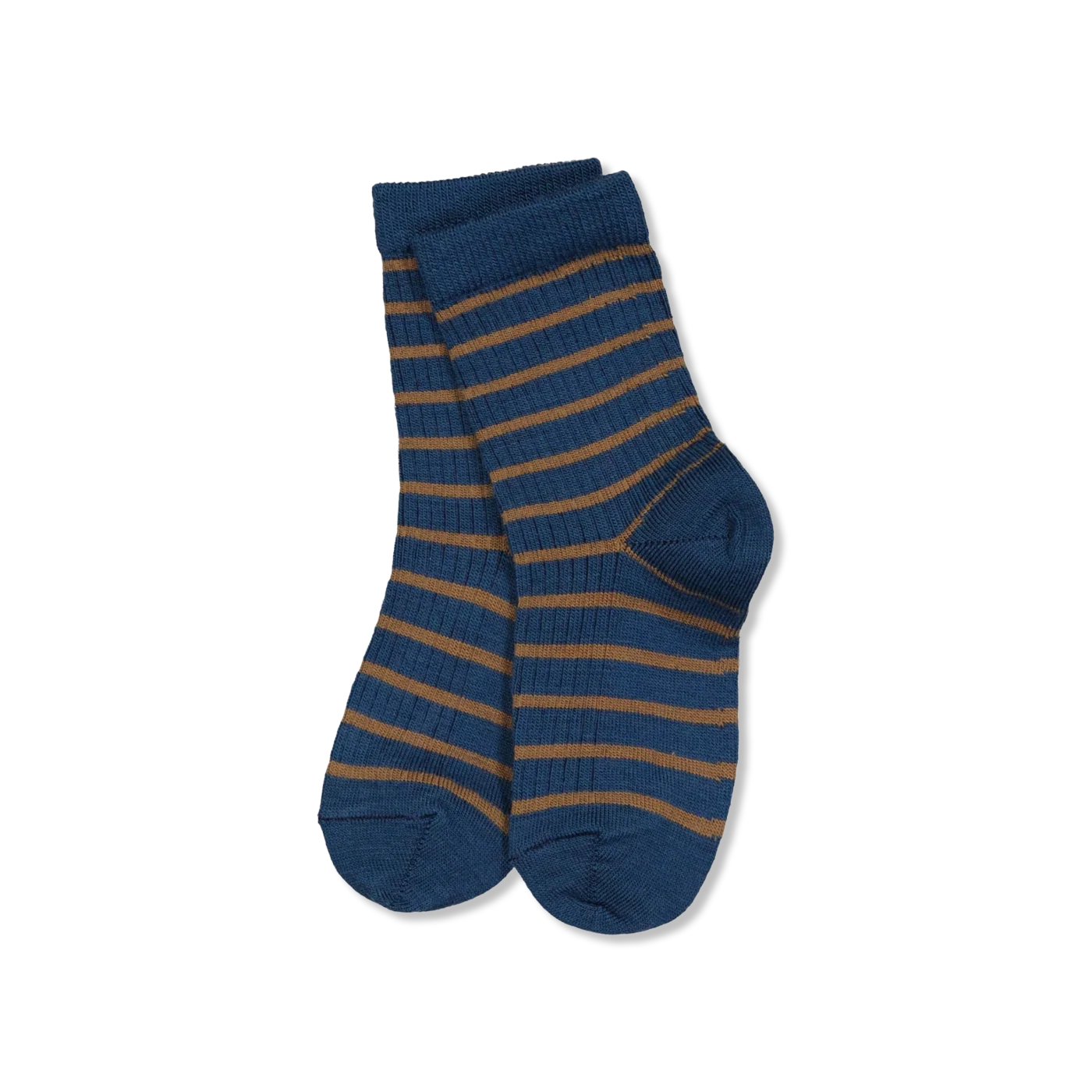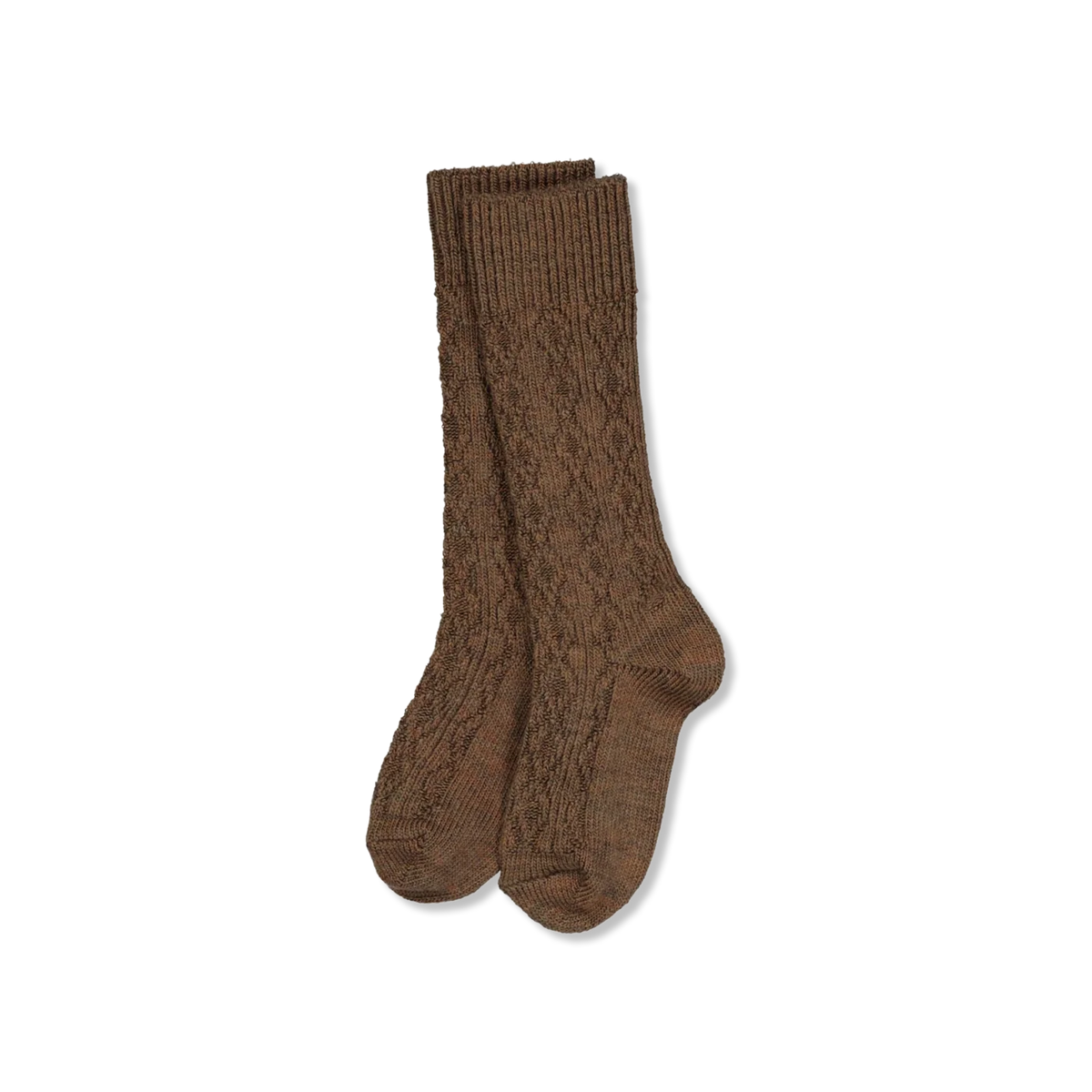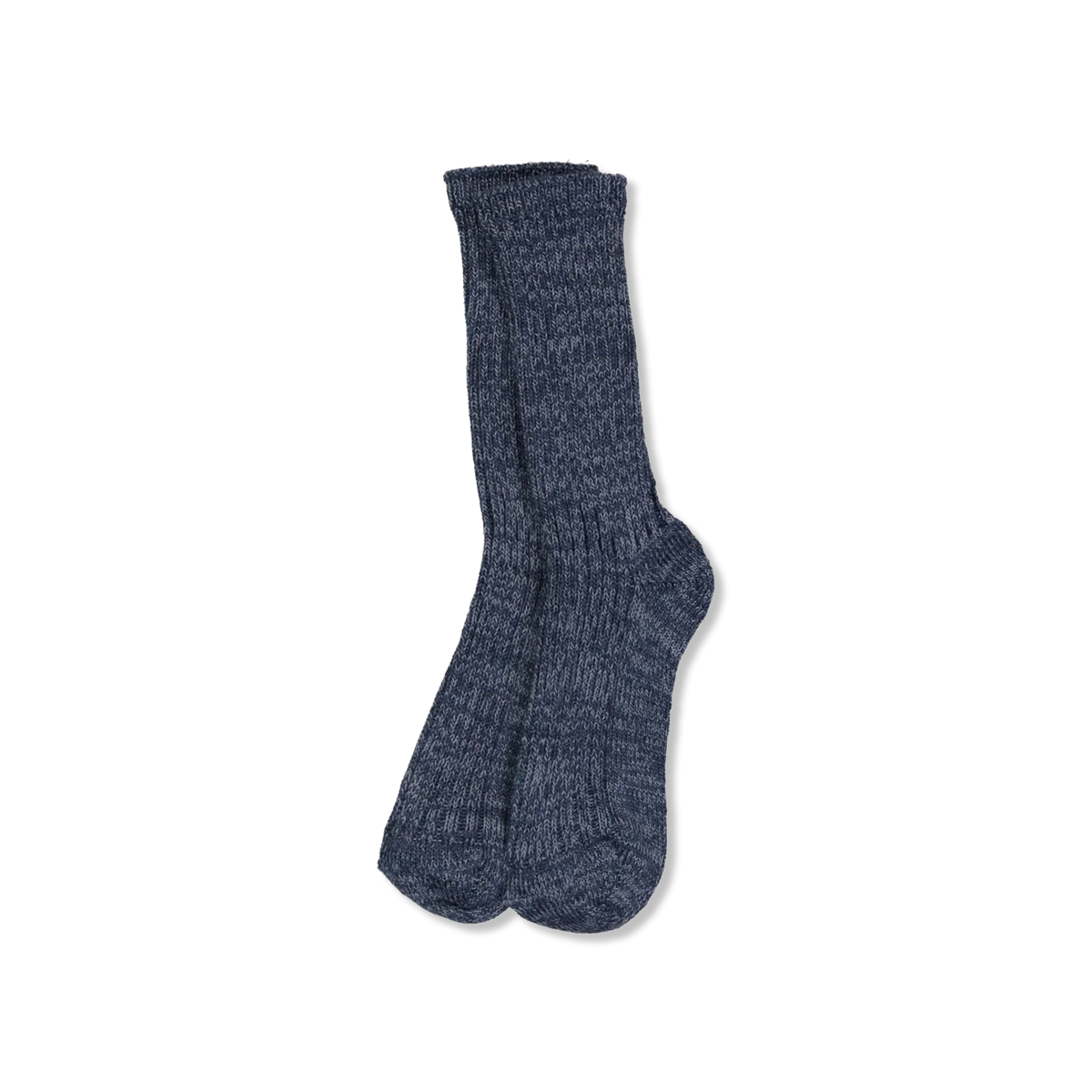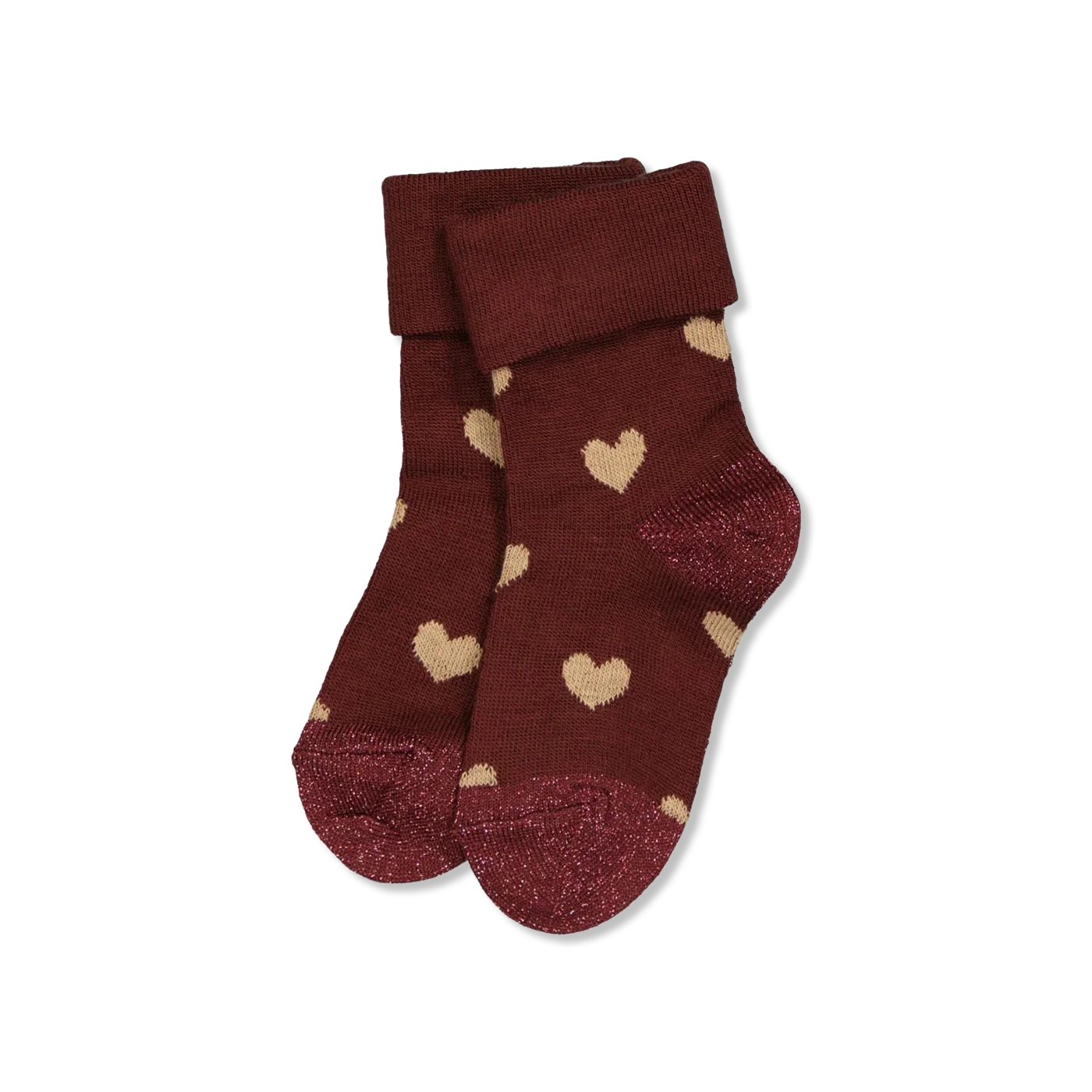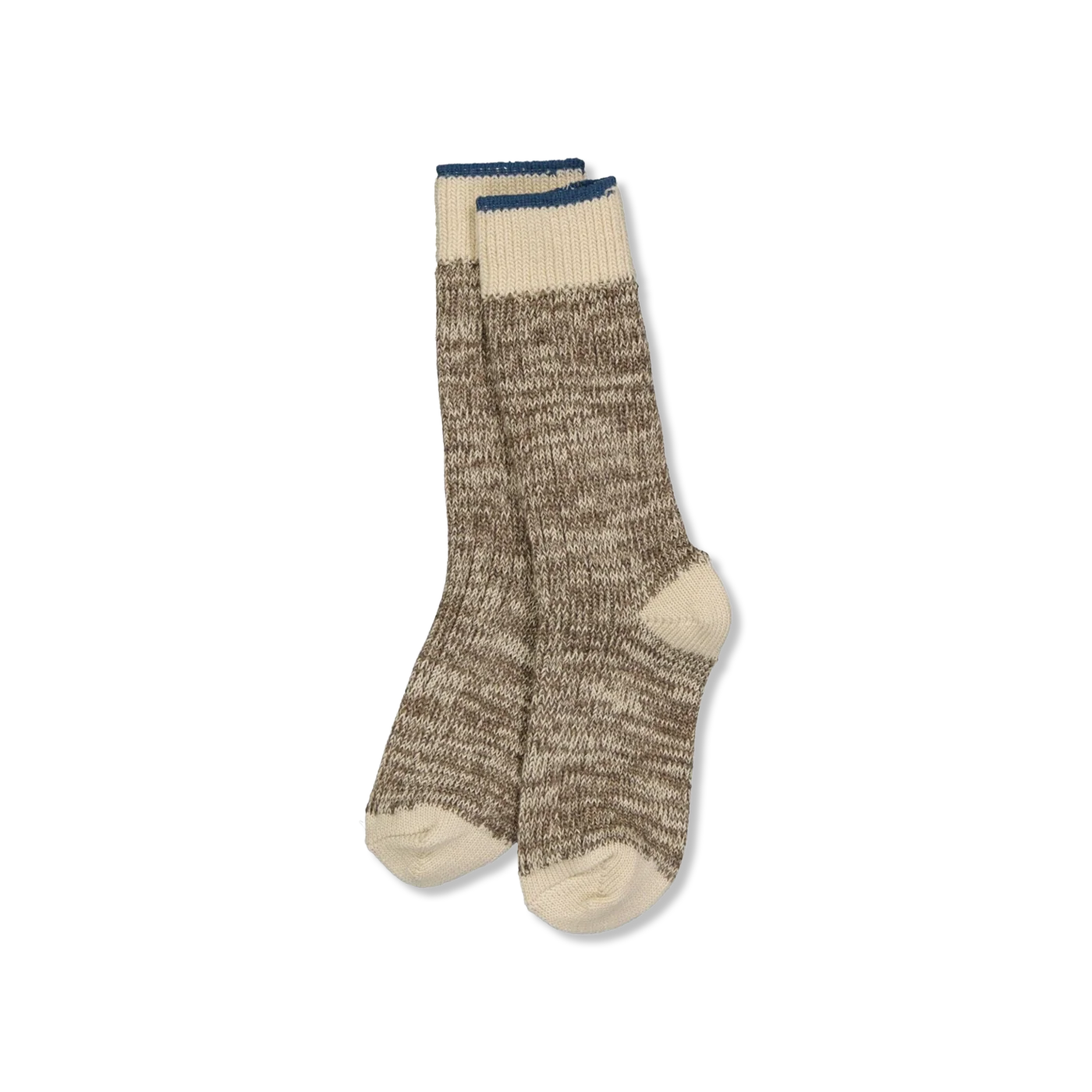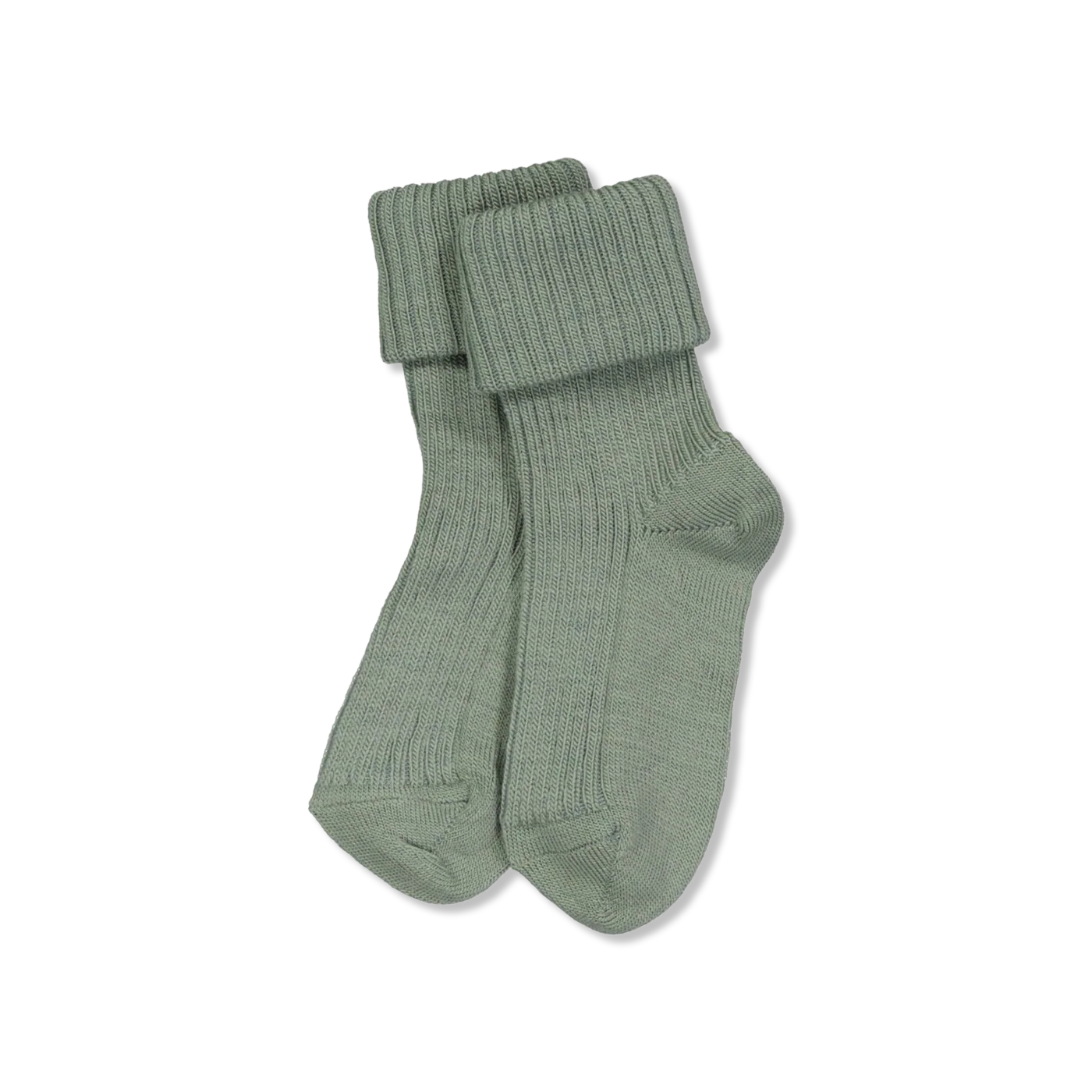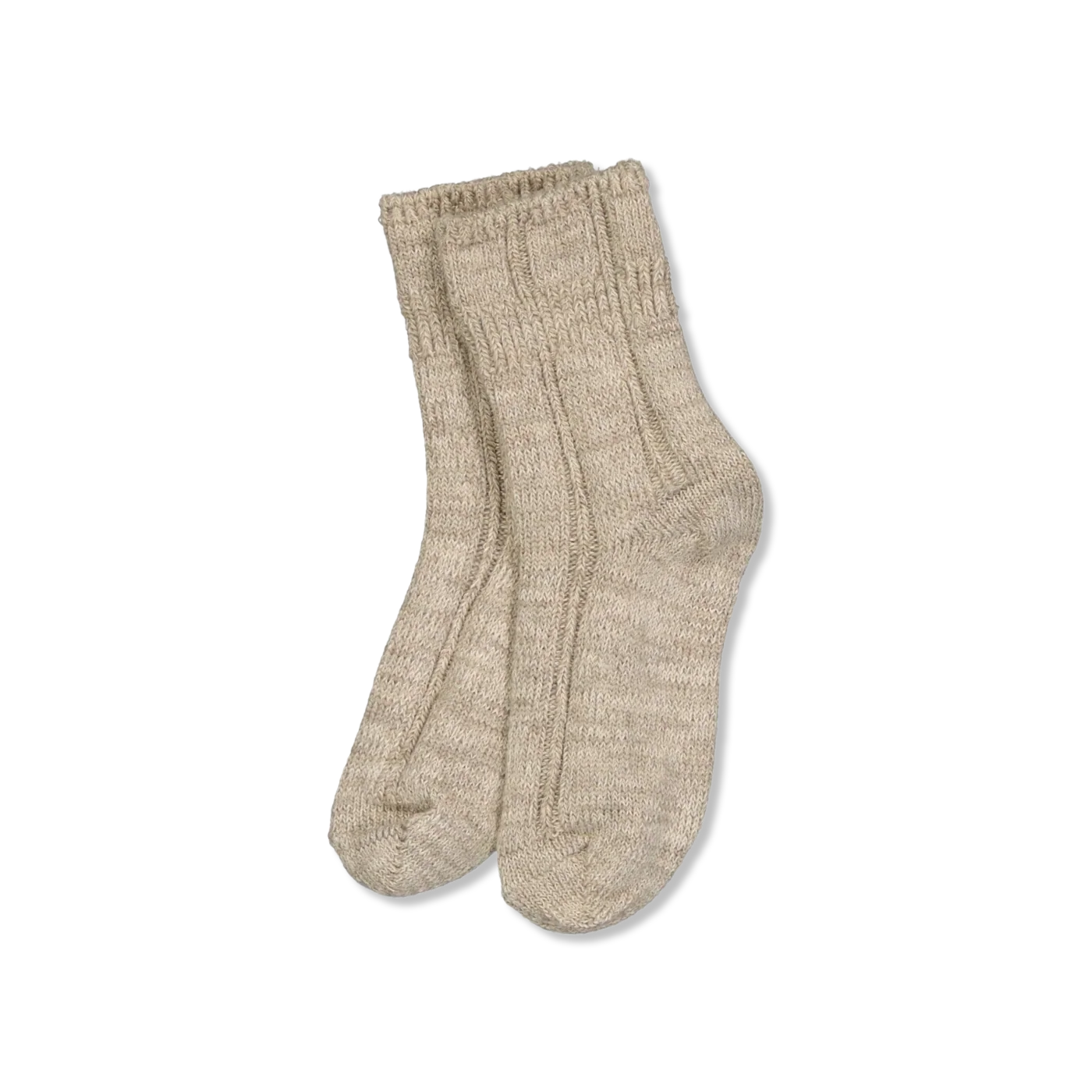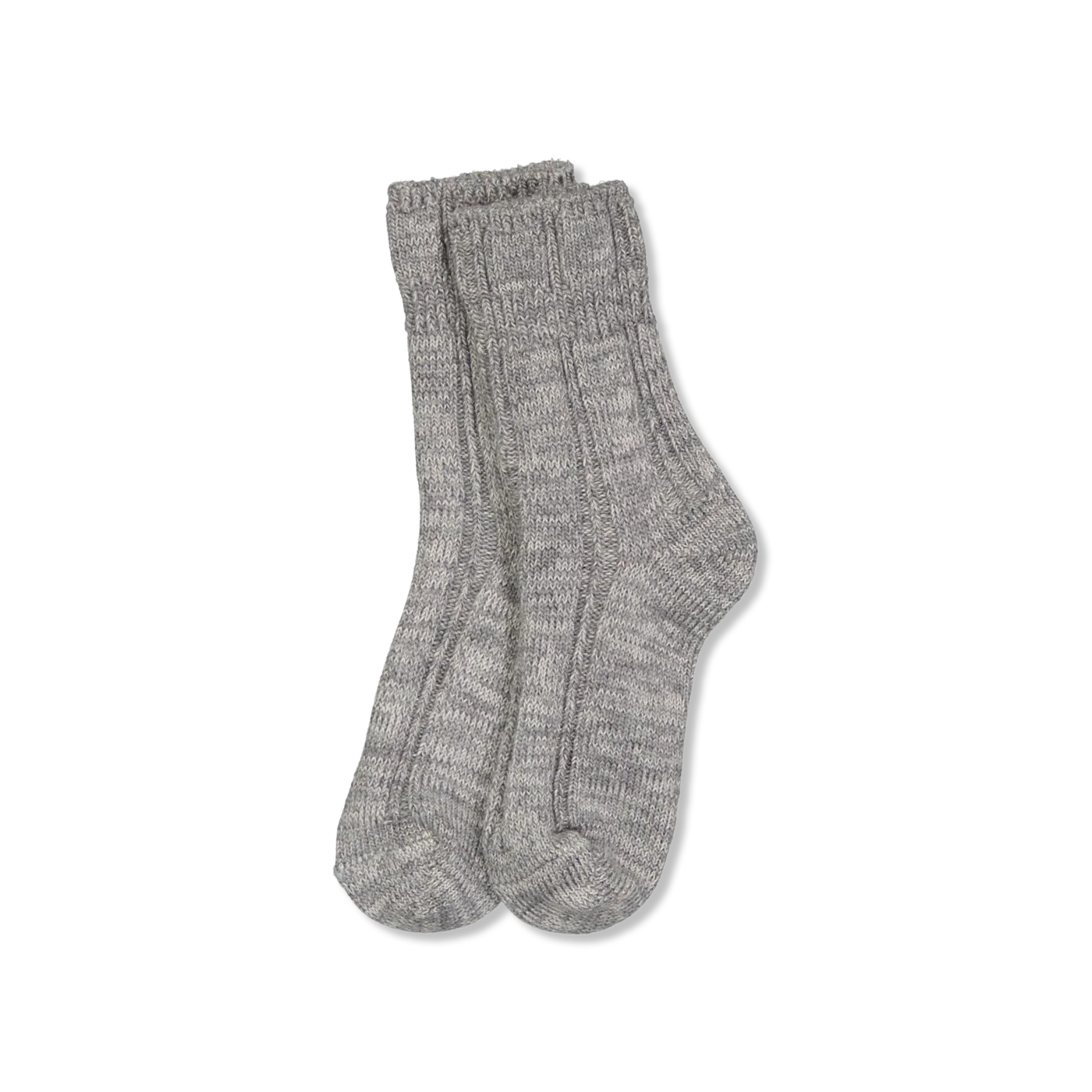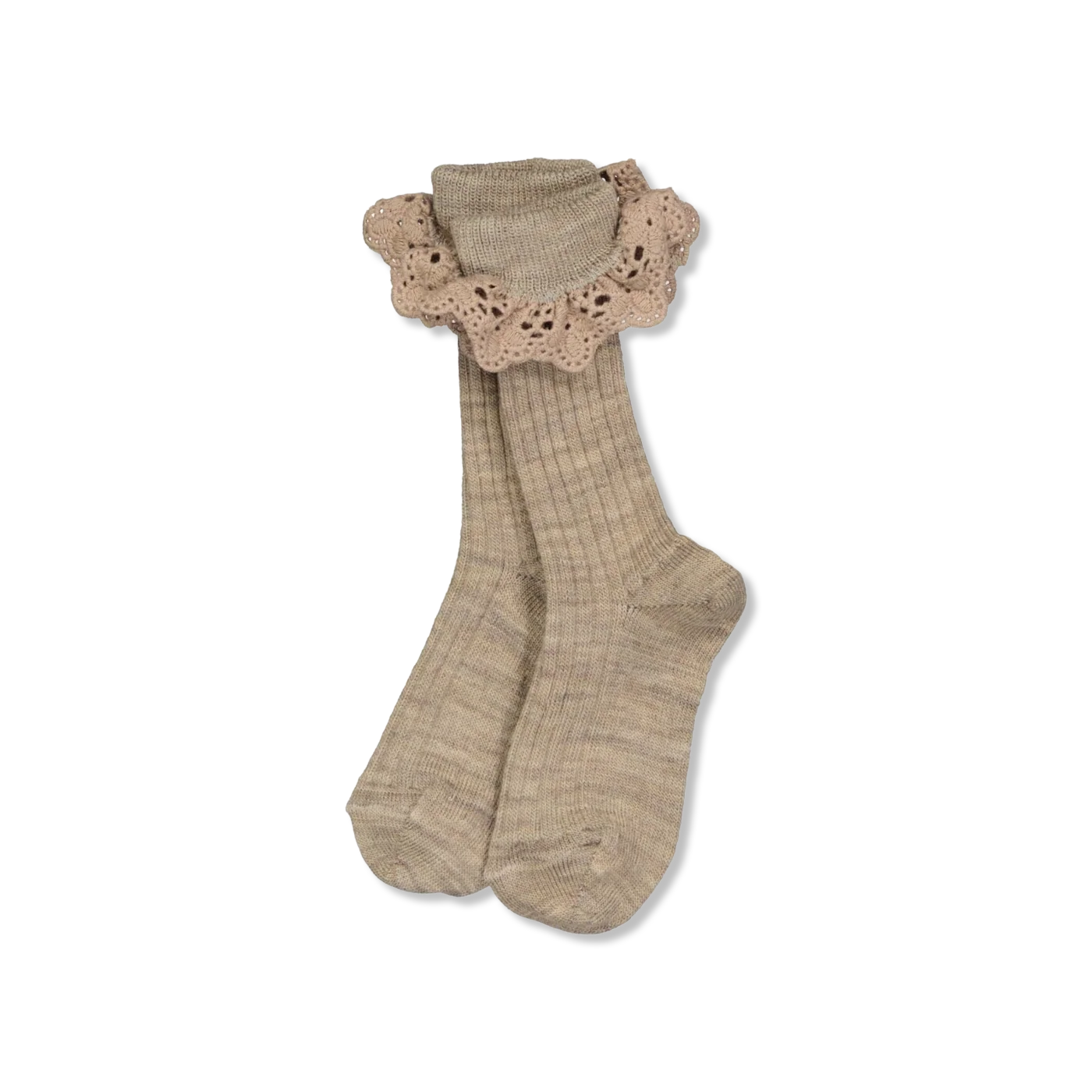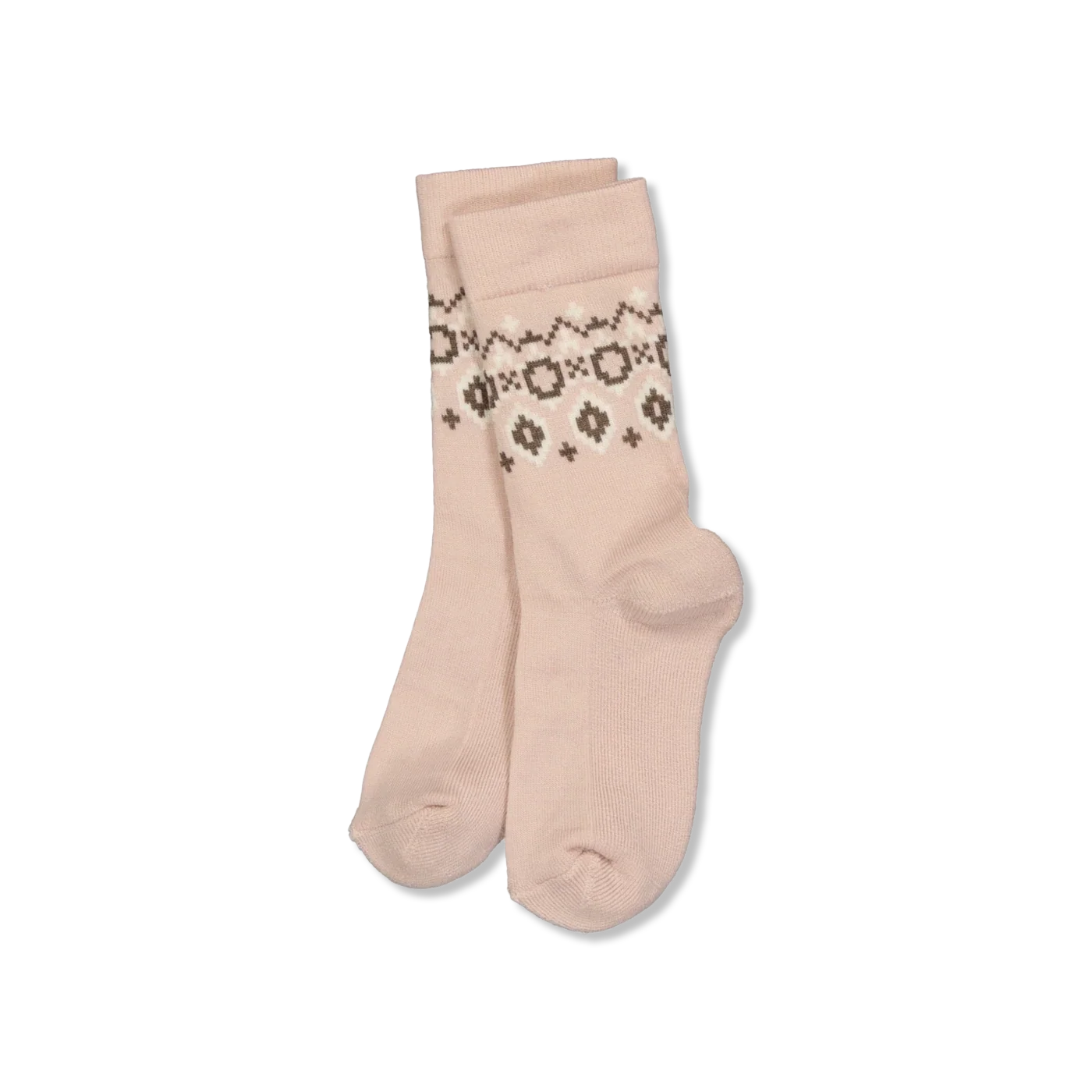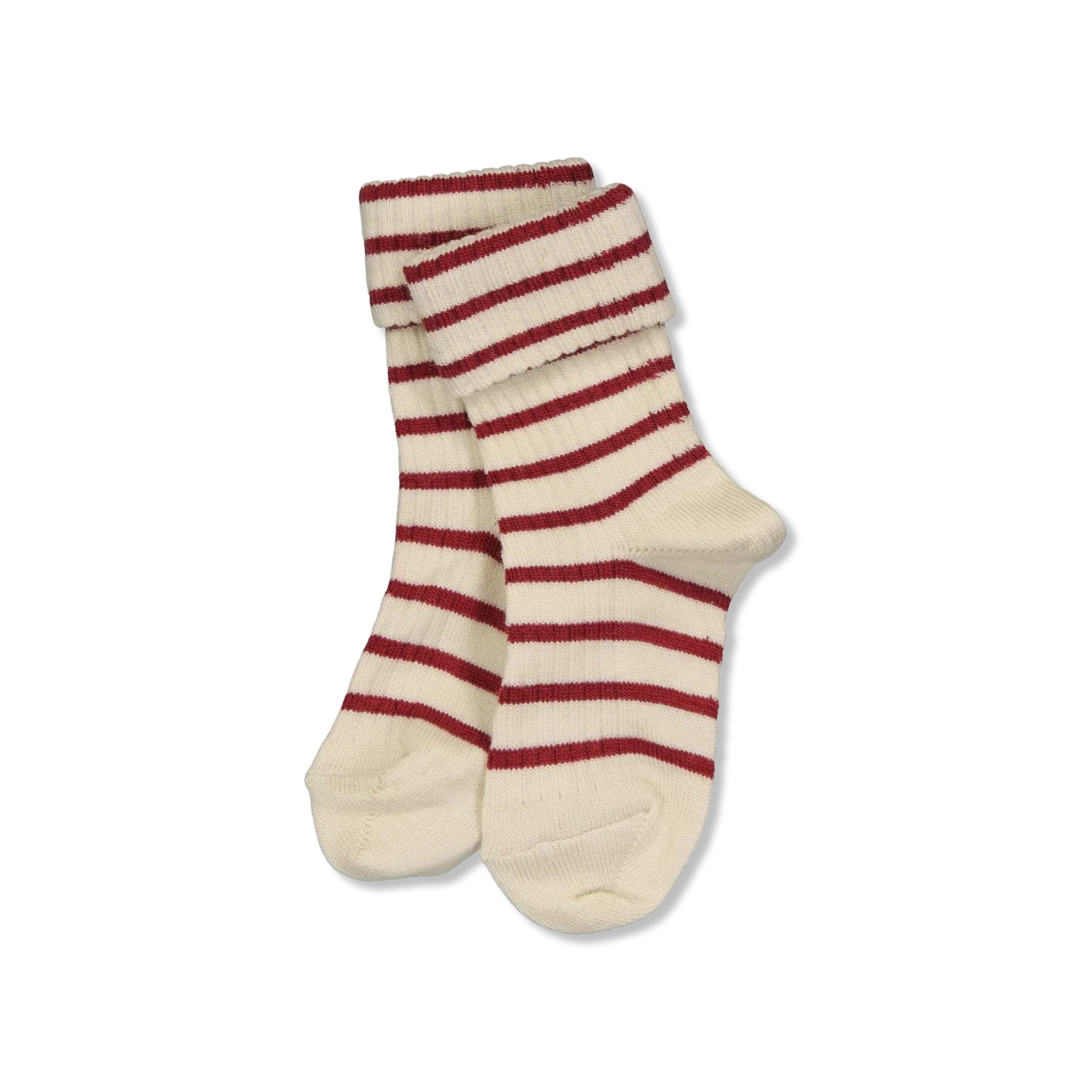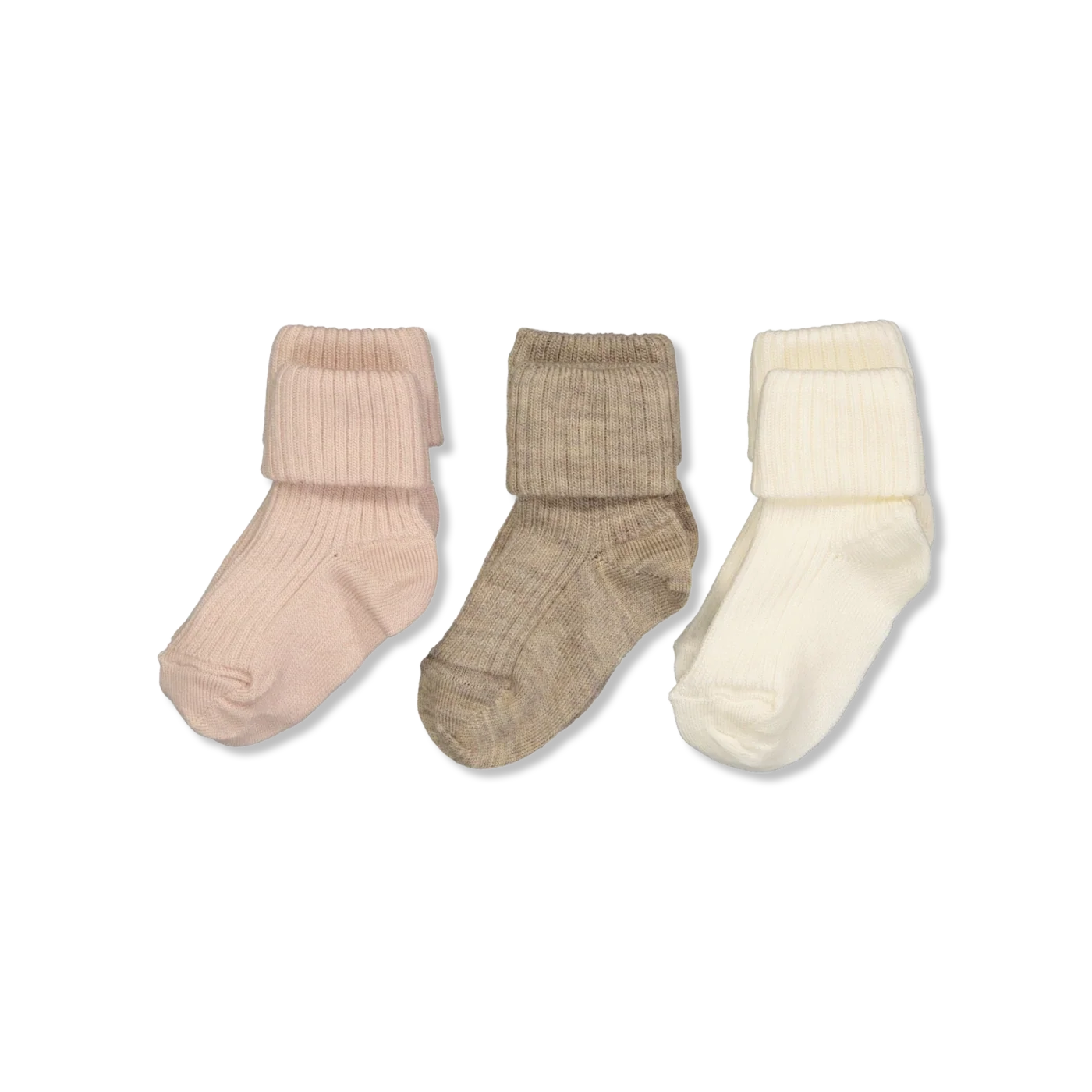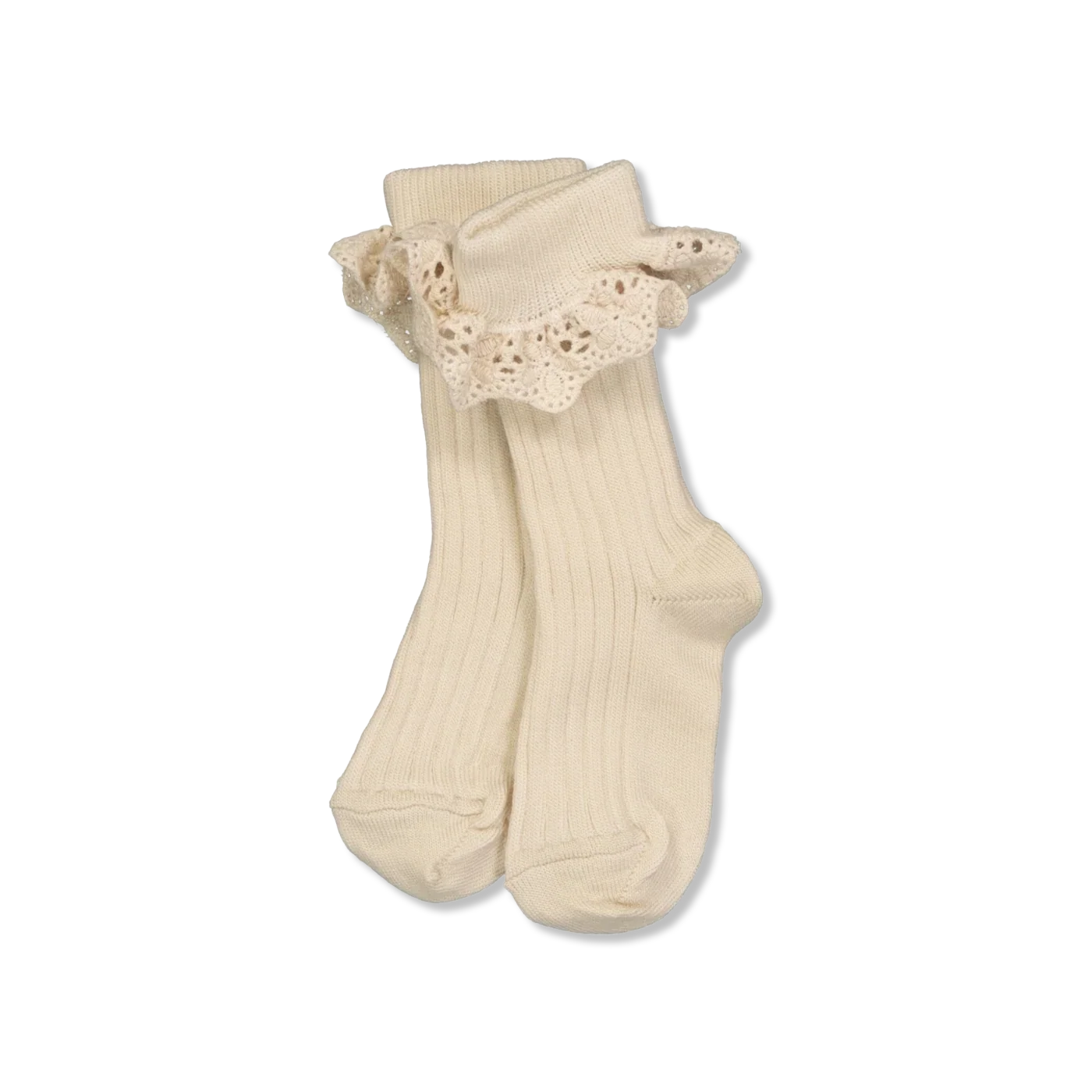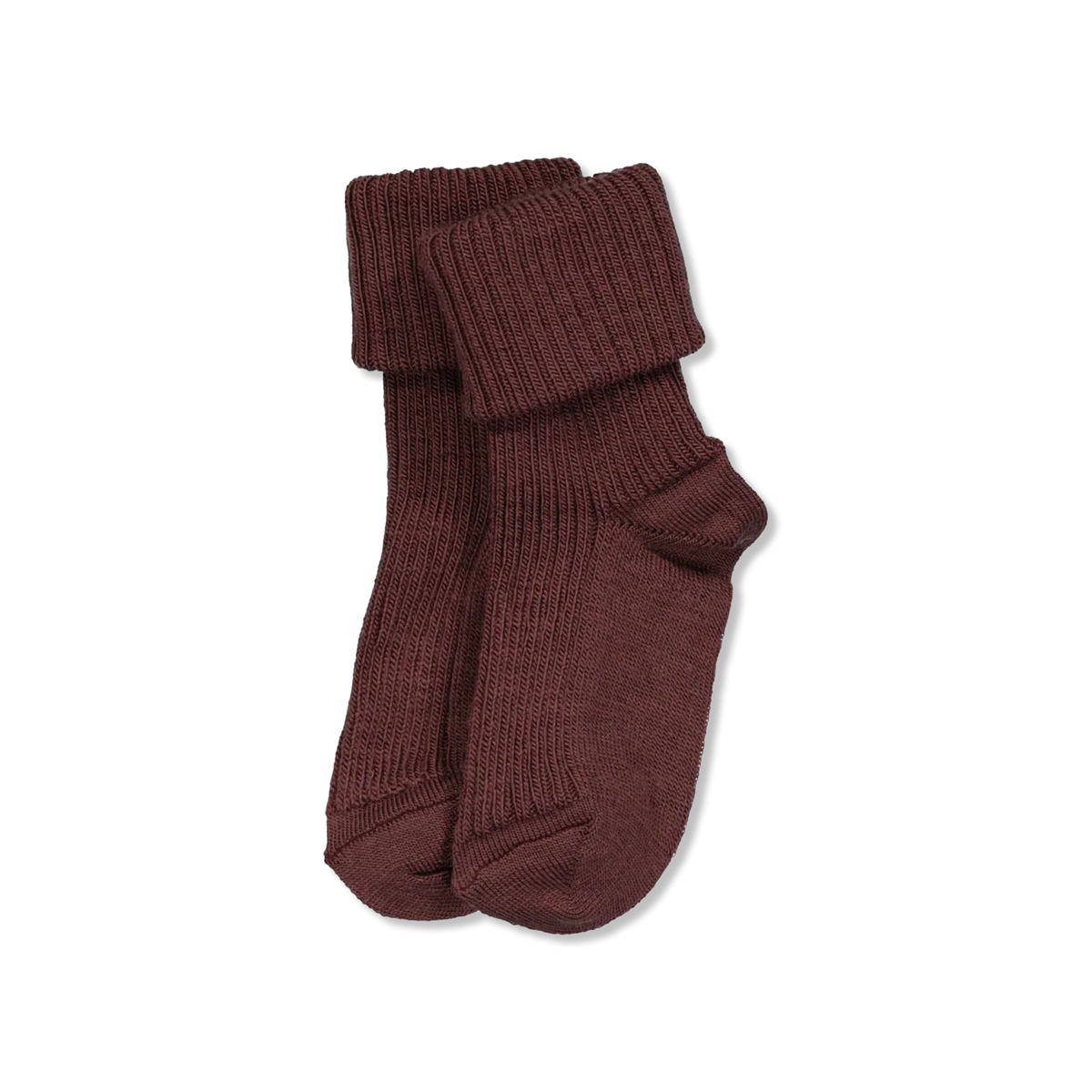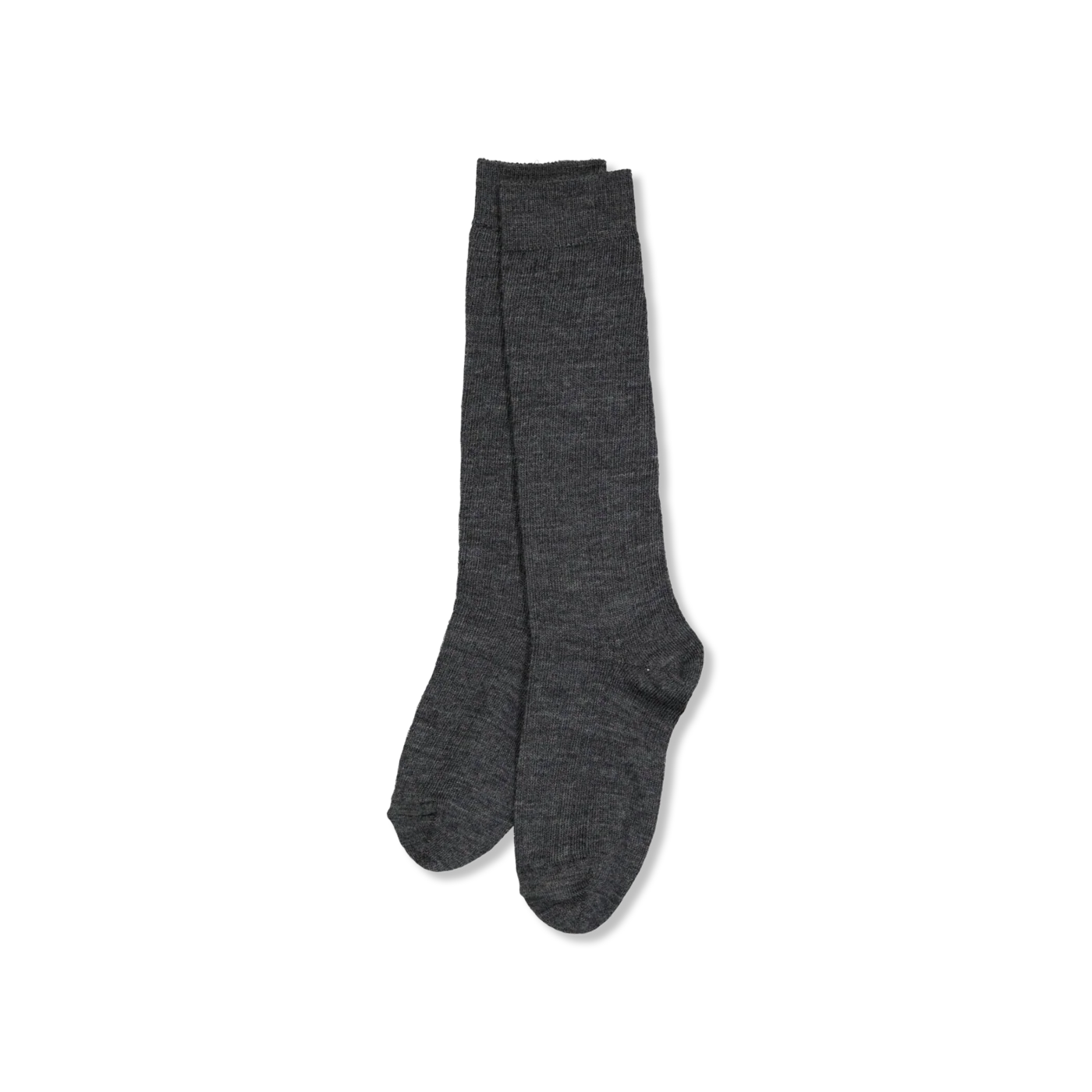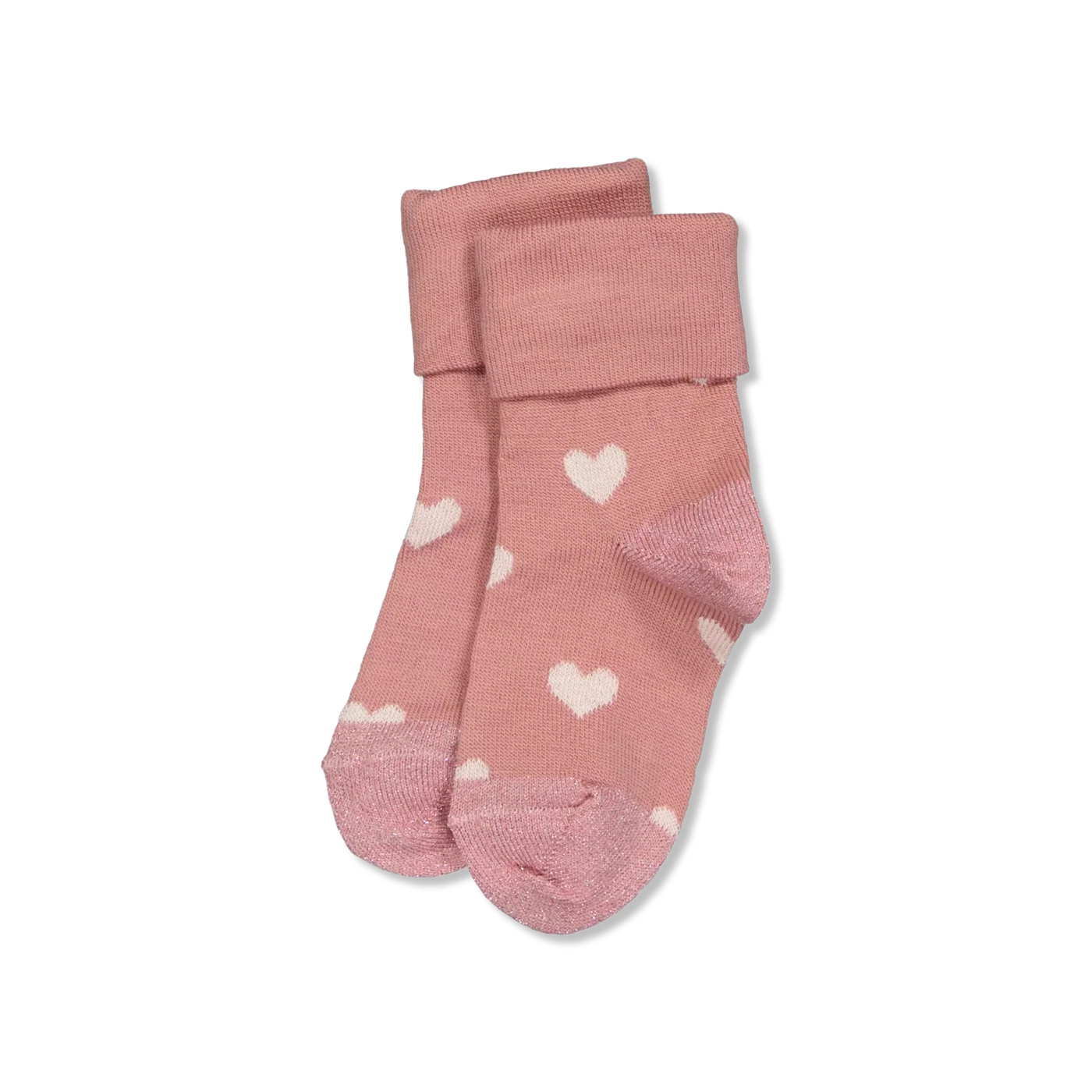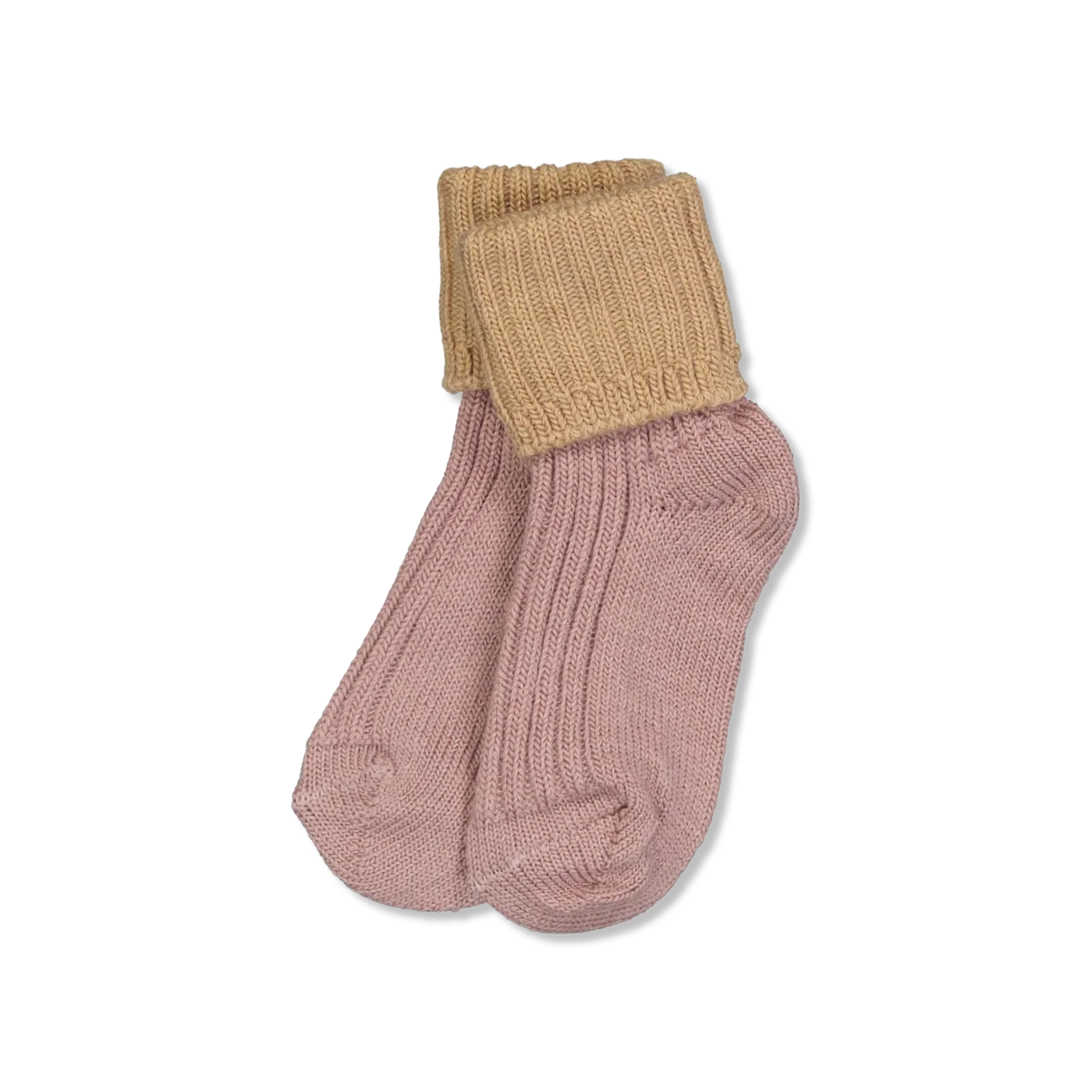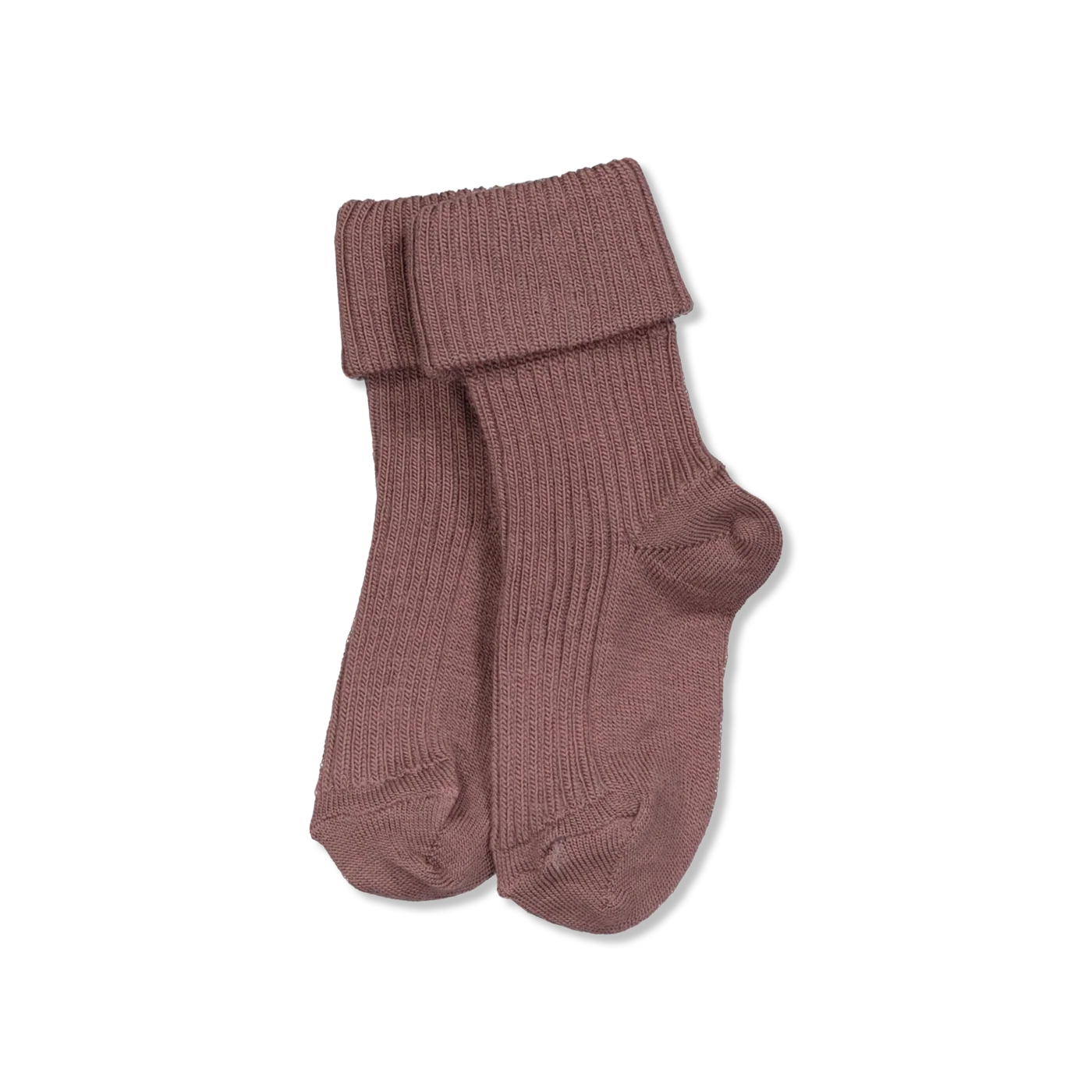
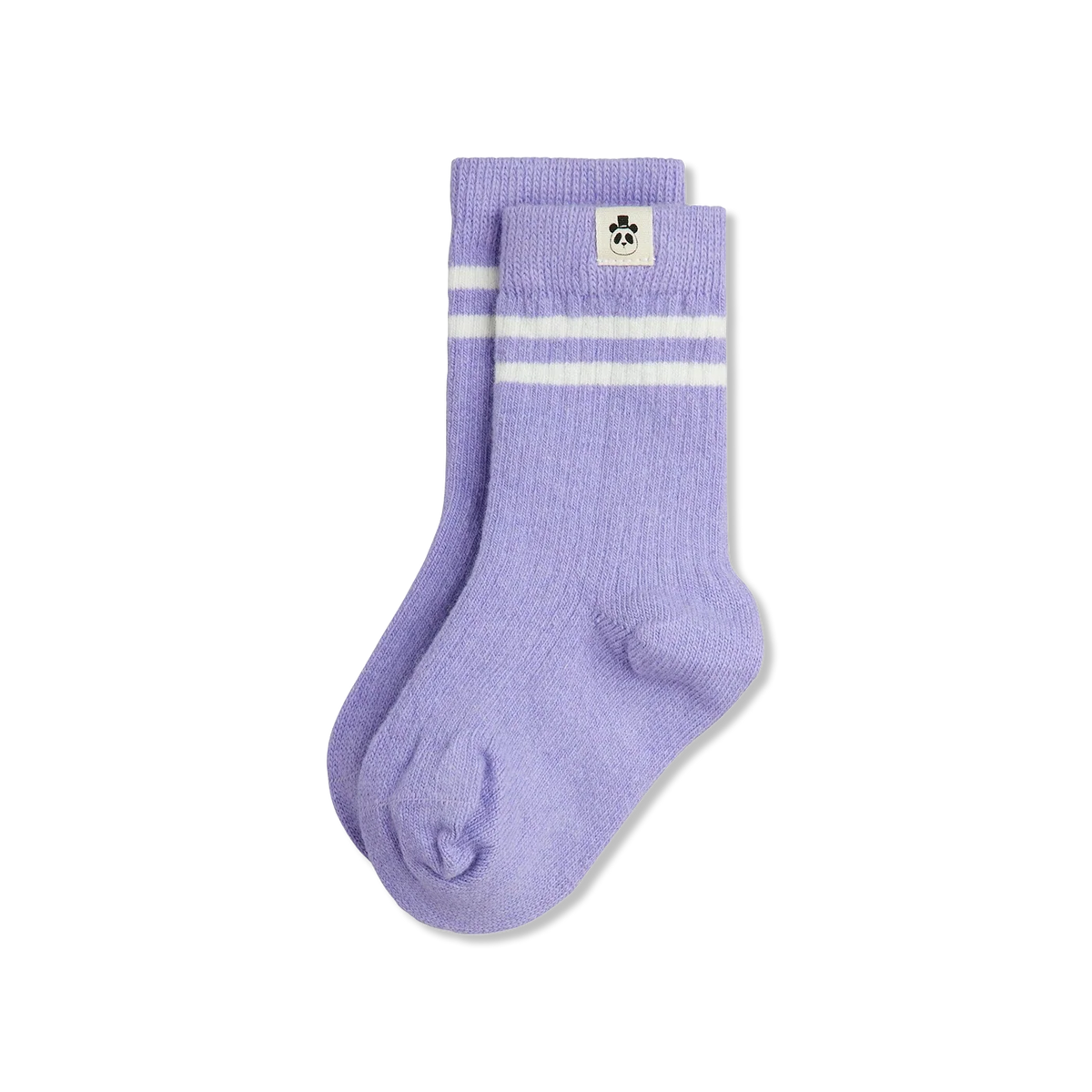
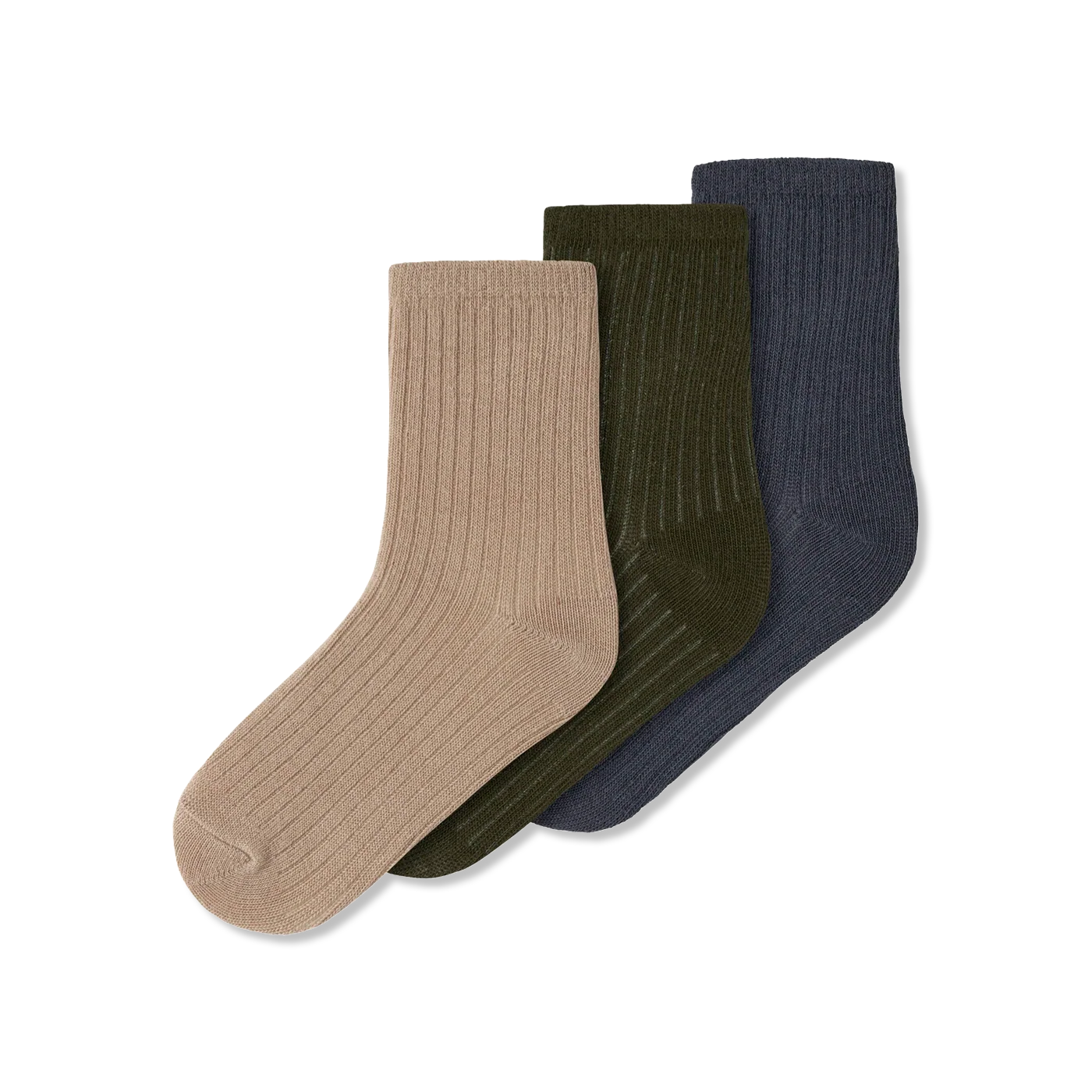
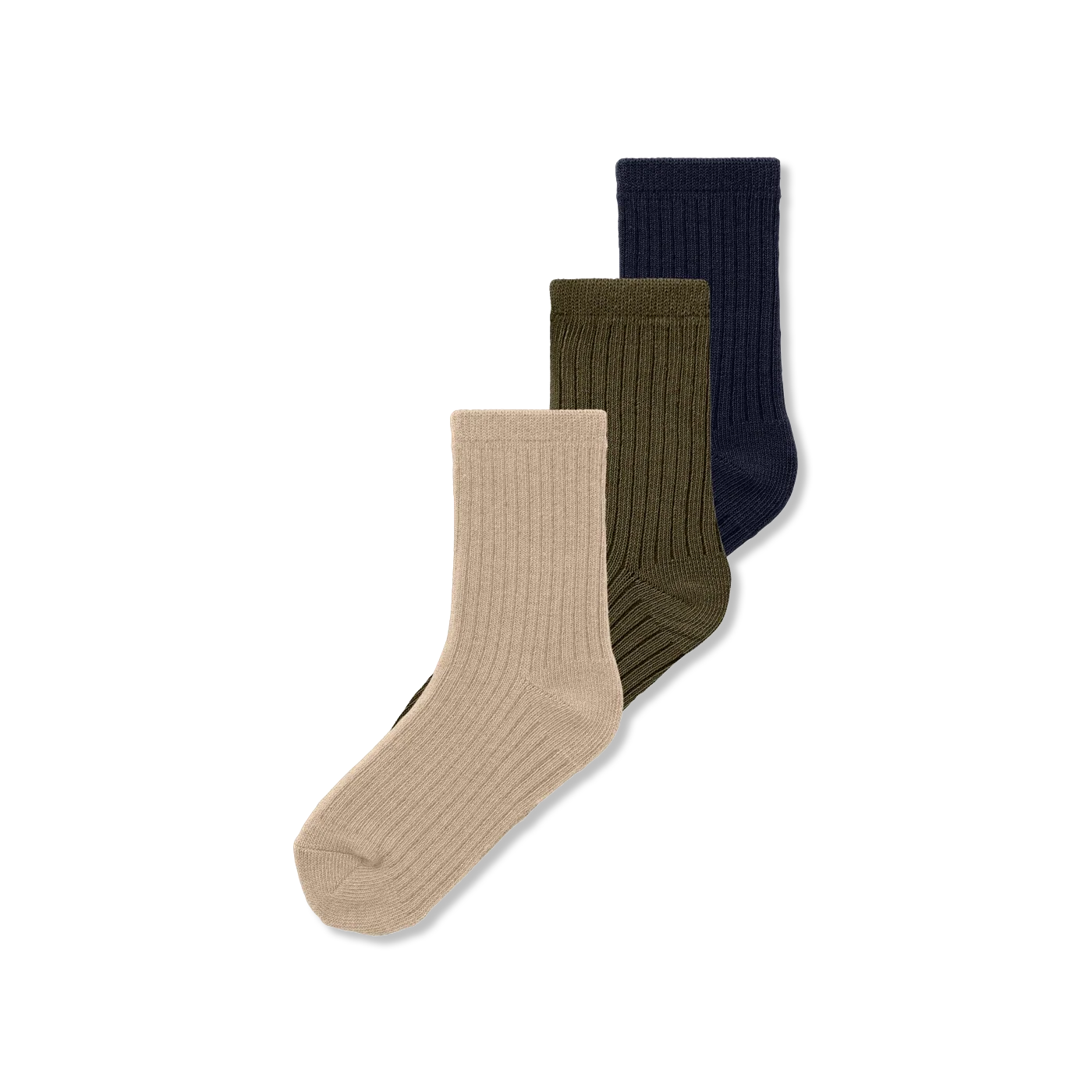
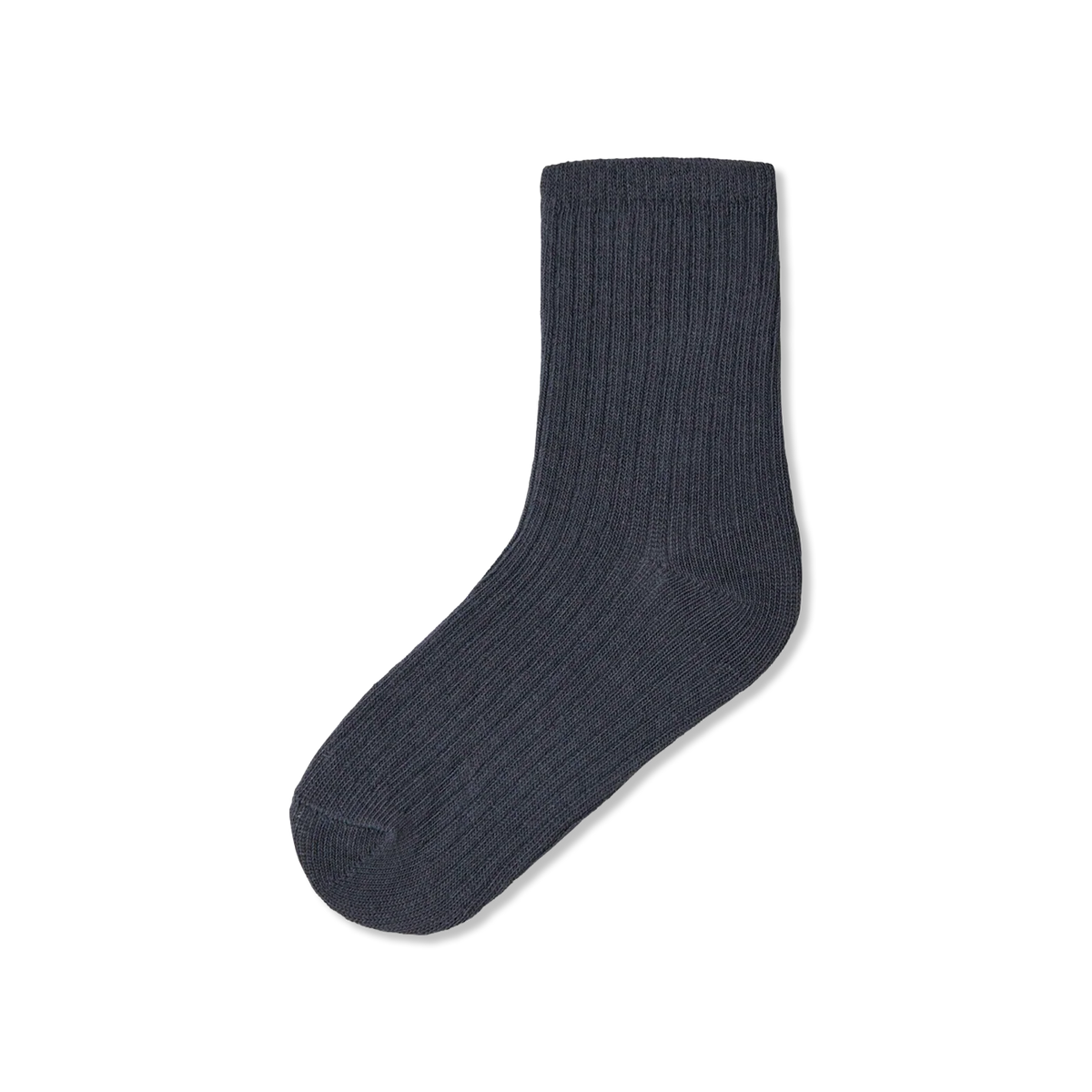
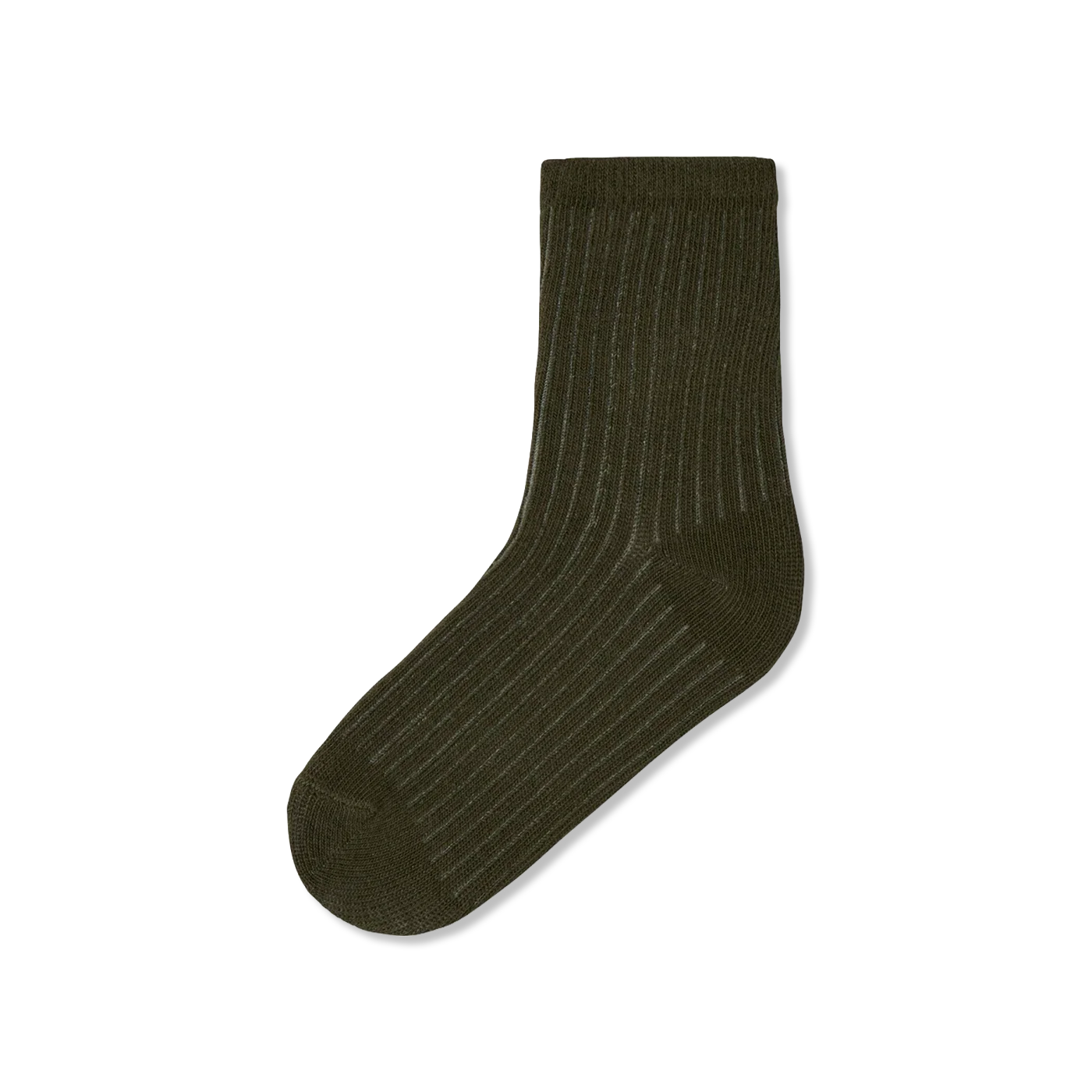
Wool socks for babies and children when little feet need to stay warm
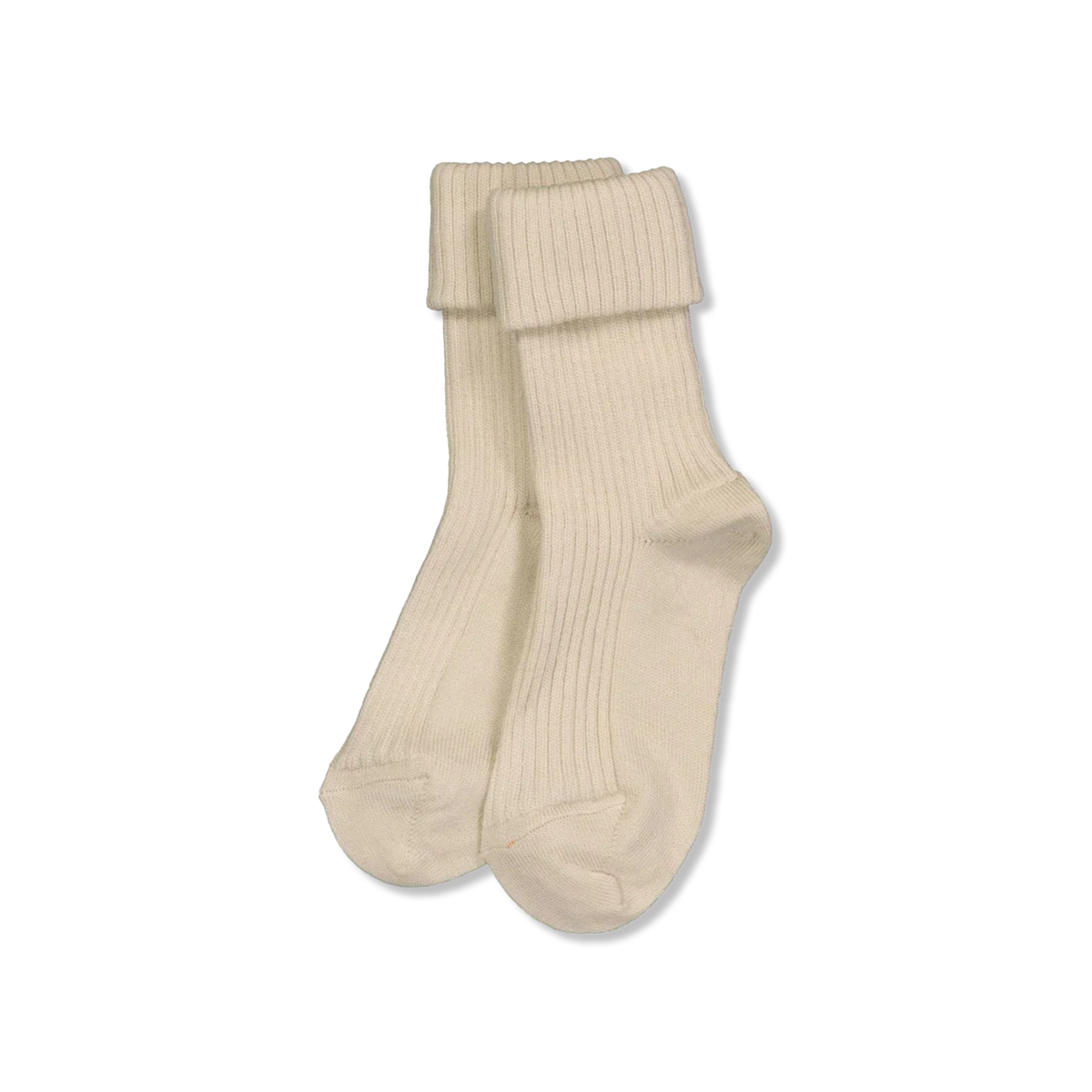
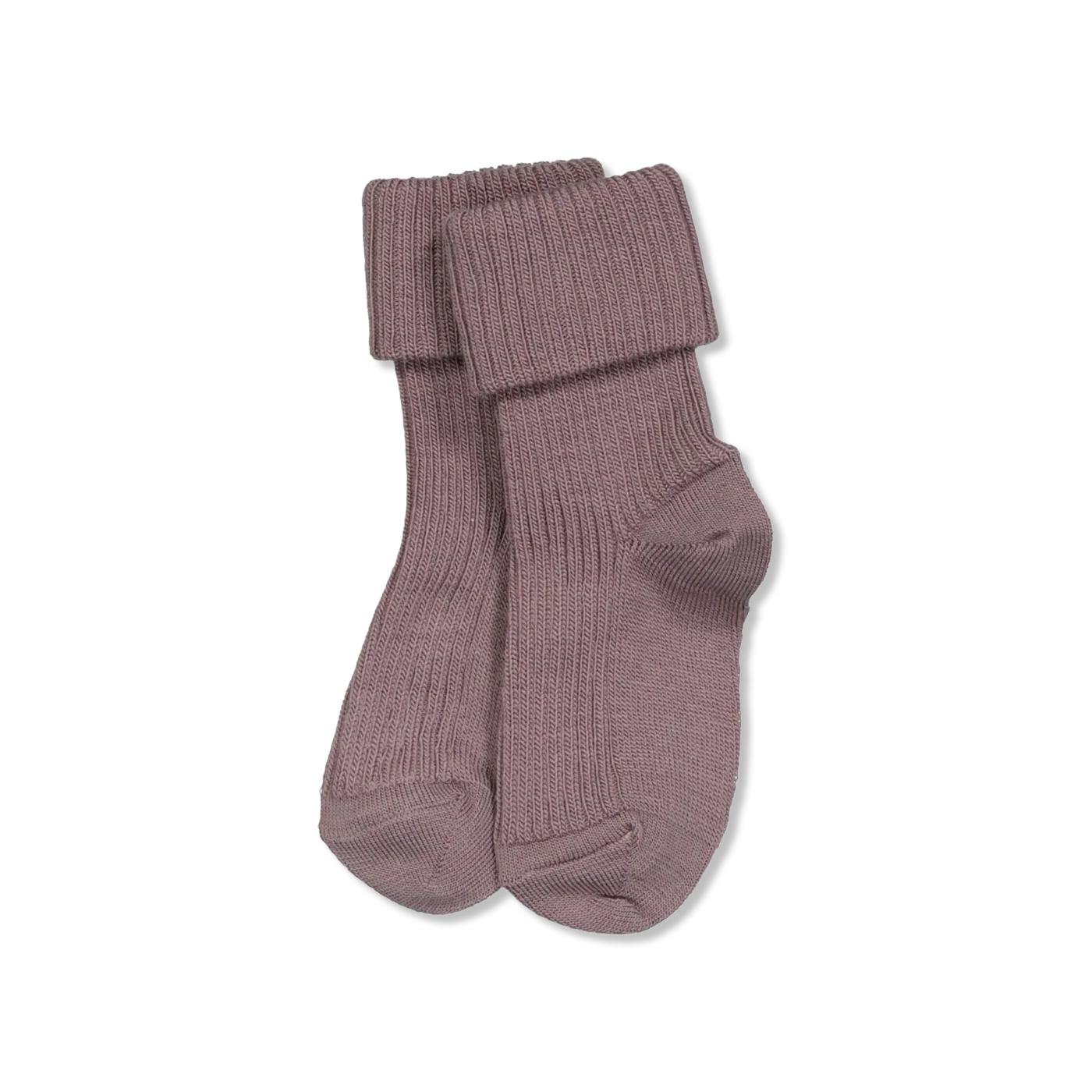
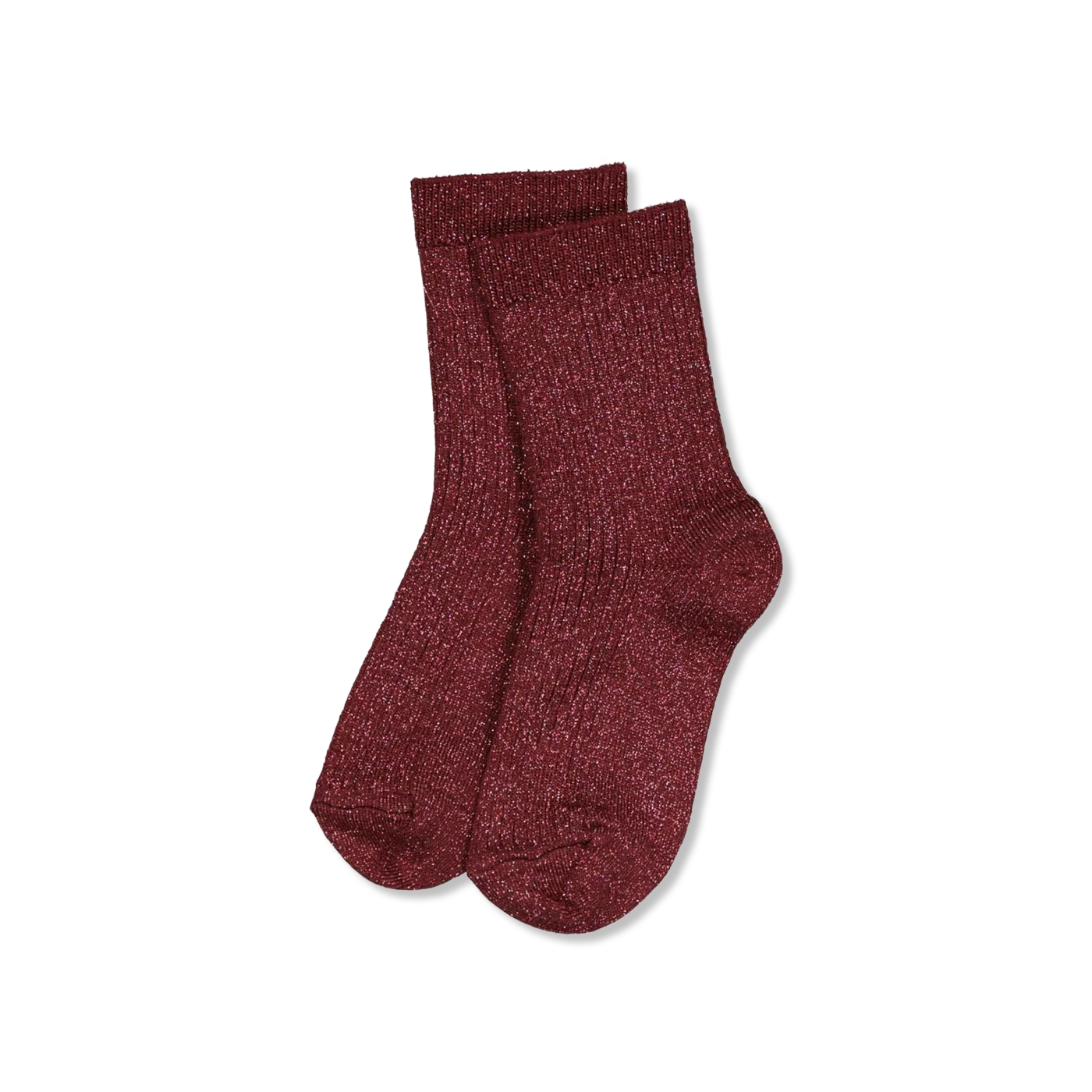
Wool socks are a reliable choice for babies and children when feet need to stay cosy without becoming damp and cold. In this category, you’ll find wool socks for different ages, needs and seasons – from soft baby socks to thicker styles made for everyday life at nursery, on the playground or in the pram.
When choosing the right pair, there are three things that are especially useful to look at: size, type of wool and thickness. For the youngest children, soft merino wool is often a great choice because it feels gentle against delicate skin. For older children, reinforced heels and toes can be a practical advantage, helping the socks stand up better to play, movement and frequent washing. The height of the sock also makes a difference. Higher wool socks keep the ankles warm, while shorter styles often fit better in regular shoes.
When do wool socks make the most sense?
Wool socks are especially useful in autumn and winter, but they are also comfortable on spring days that still feel chilly. Wool helps maintain a comfortable temperature around the feet, so little feet can stay warm without feeling clammy. This makes wool socks ideal for children who spend a lot of time outdoors, and for babies who lie still in a pram or car seat and therefore get cold more easily.
For everyday wear, many families choose thinner merino socks because they are easy to fit inside both shoes and boots. When the cold really sets in, thicker winter socks can be a good choice – especially if your child wears winter boots or spends longer periods outside. Indoors, wool socks can also work well together with slippers, keeping feet warm without feeling too bundled up.
Merino wool, softness and everyday comfort
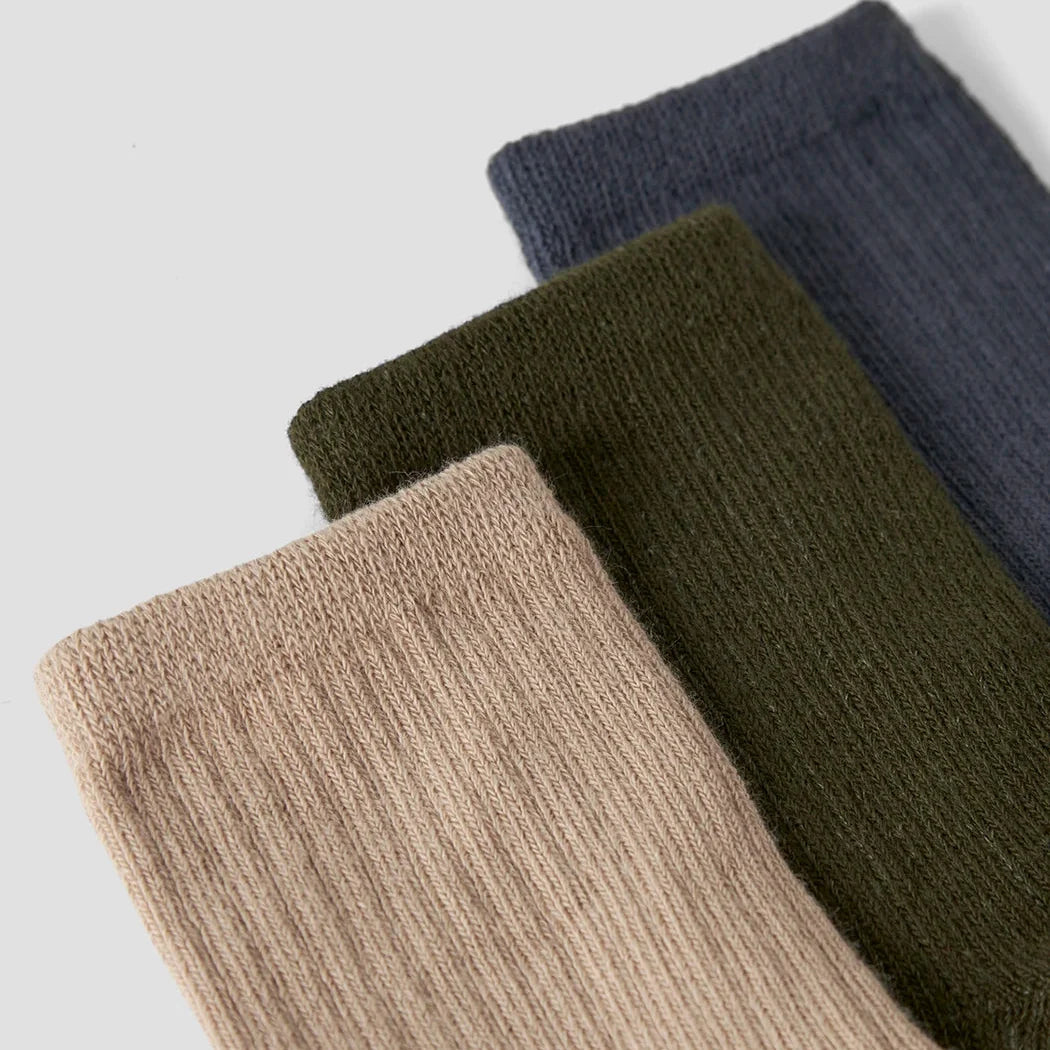
Many people still associate wool with something itchy, but modern merino wool rarely feels that way. Merino socks are often soft, lightweight and comfortable to wear – even for children with sensitive skin. That is why merino wool has become a popular choice for both babies and older children.
The clever thing about wool is not only that it keeps you warm. It also makes everyday wear more comfortable because the material helps wick moisture away from the skin, so feet feel drier throughout the day. This is easy to notice in boots, at nursery and on trips outdoors in all kinds of weather, where ordinary cotton socks can become damp more quickly. Some styles also feature seamless or extra-soft edges, which can be helpful for children who are sensitive to seams around the toes or ankles.
How to choose the right wool socks
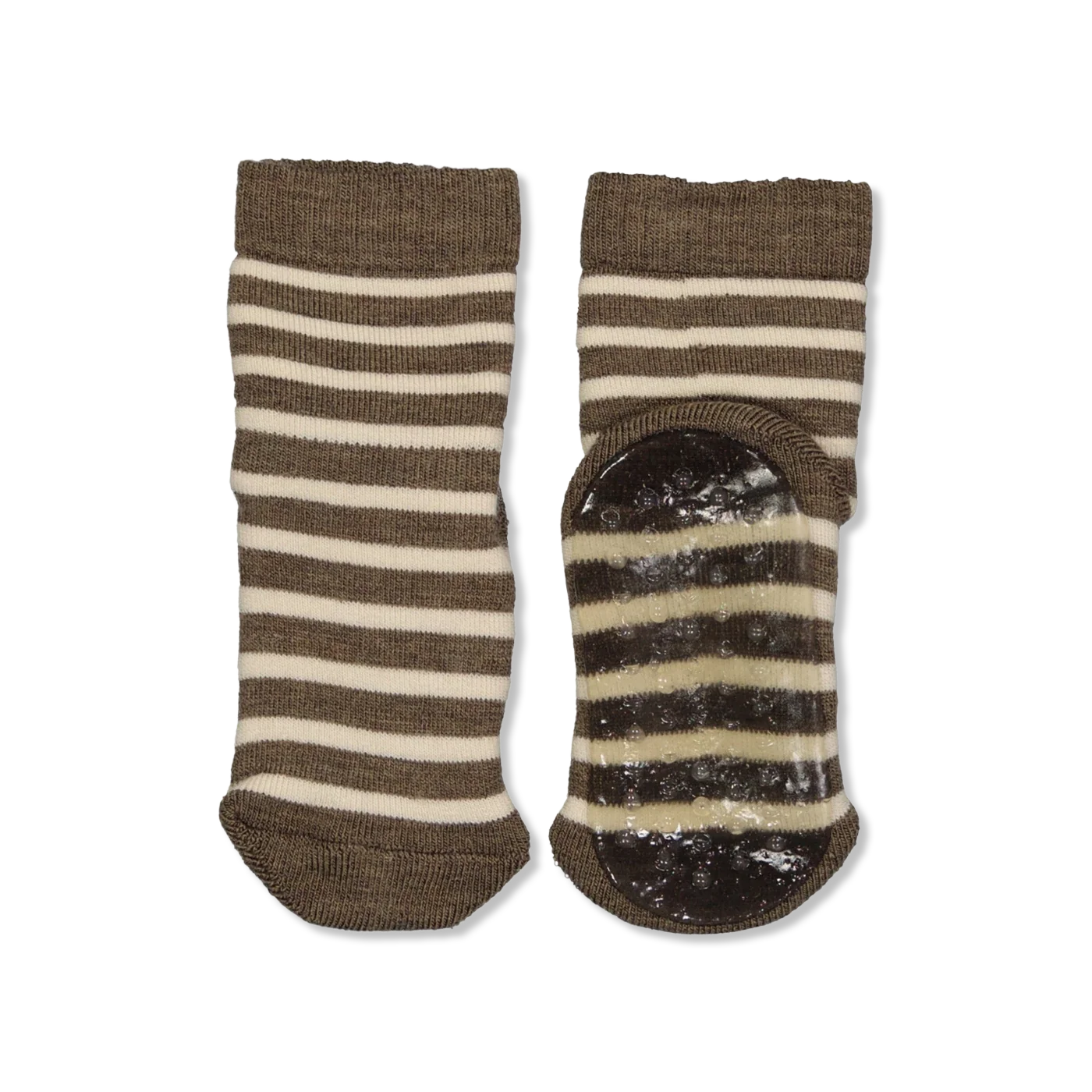
The right choice depends on your child’s age and how the socks will be used day to day. For babies, soft wool socks with good elasticity are often best, as they stay in place without feeling tight. For toddlers who crawl, stand up and are busy exploring movement, non-slip details can be a helpful feature. In some cases, it may also make sense to look at non-slip socks for indoor use.
For older children, fit becomes especially important, as socks that are too small can quickly feel tight across the toes or instep. It can be a good idea to look for:
- a size with a little room to grow, but without the sock sliding around
- reinforced heels and toes if your child wears through socks quickly
- the right thickness for the shoes and the season
- the right sock height if the ankles also need to be kept warm
If the wool socks are used as part of a layering system during the colder months, they can be combined with wool underwear to give your child a warm, temperature-regulating base layer close to the body.
Durability and care so wool socks last longer
Good wool socks often stand out by being both soft and suitable for an active everyday routine. A good wool blend provides the warmth and breathability you want, while additional fibres in the material can make the socks more durable, helping them withstand daily use.
To keep their shape and softness for as long as possible, it is a good idea to follow the care instructions. Wool benefits from gentle washing, low temperatures and a detergent made for wool. High heat and fabric softener can wear down the fibres and cause the socks to lose their fit. With the right care, wool socks can last a long time, be worn again and again, and often be passed on to a younger child.