Pacifiers for babies by age, material and everyday needs
For many families, a pacifier quickly becomes a natural part of daily routines. It can help create calm, offer comfort and make it a little easier for your baby to settle for sleep. Here you will find pacifiers for babies and young children, where the right choice often comes down to size, material and shape. This matters whether you are looking for a first pacifier for a newborn, a model for 6–18 months or a larger pacifier for a child who still uses one at bedtime.
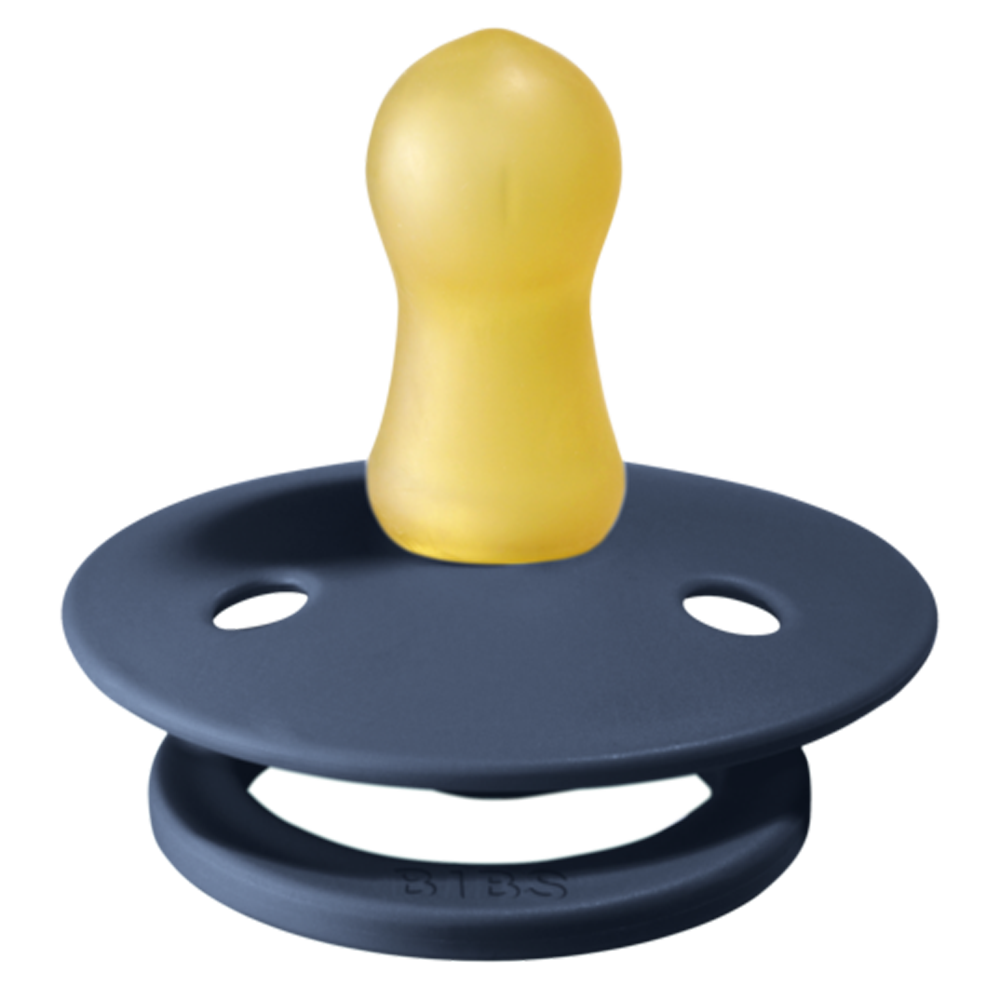
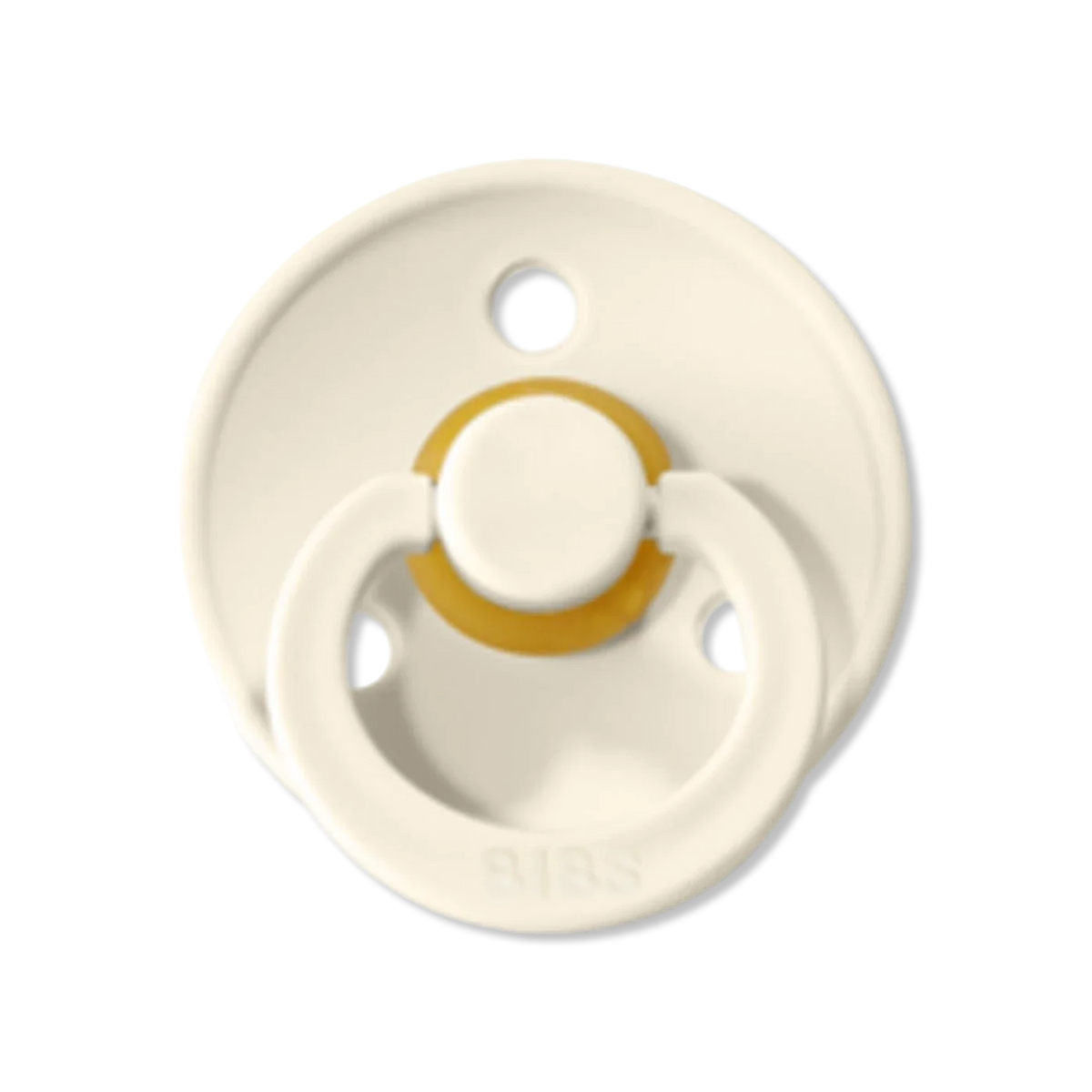
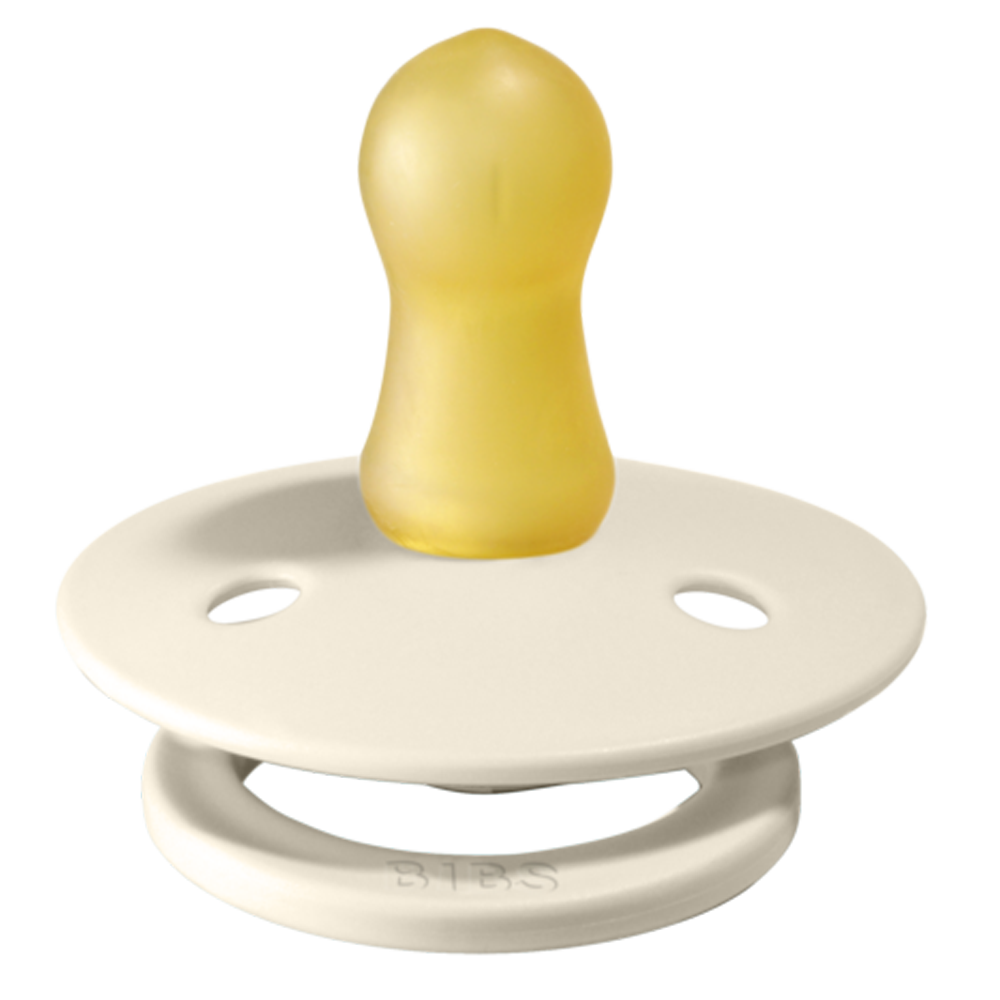
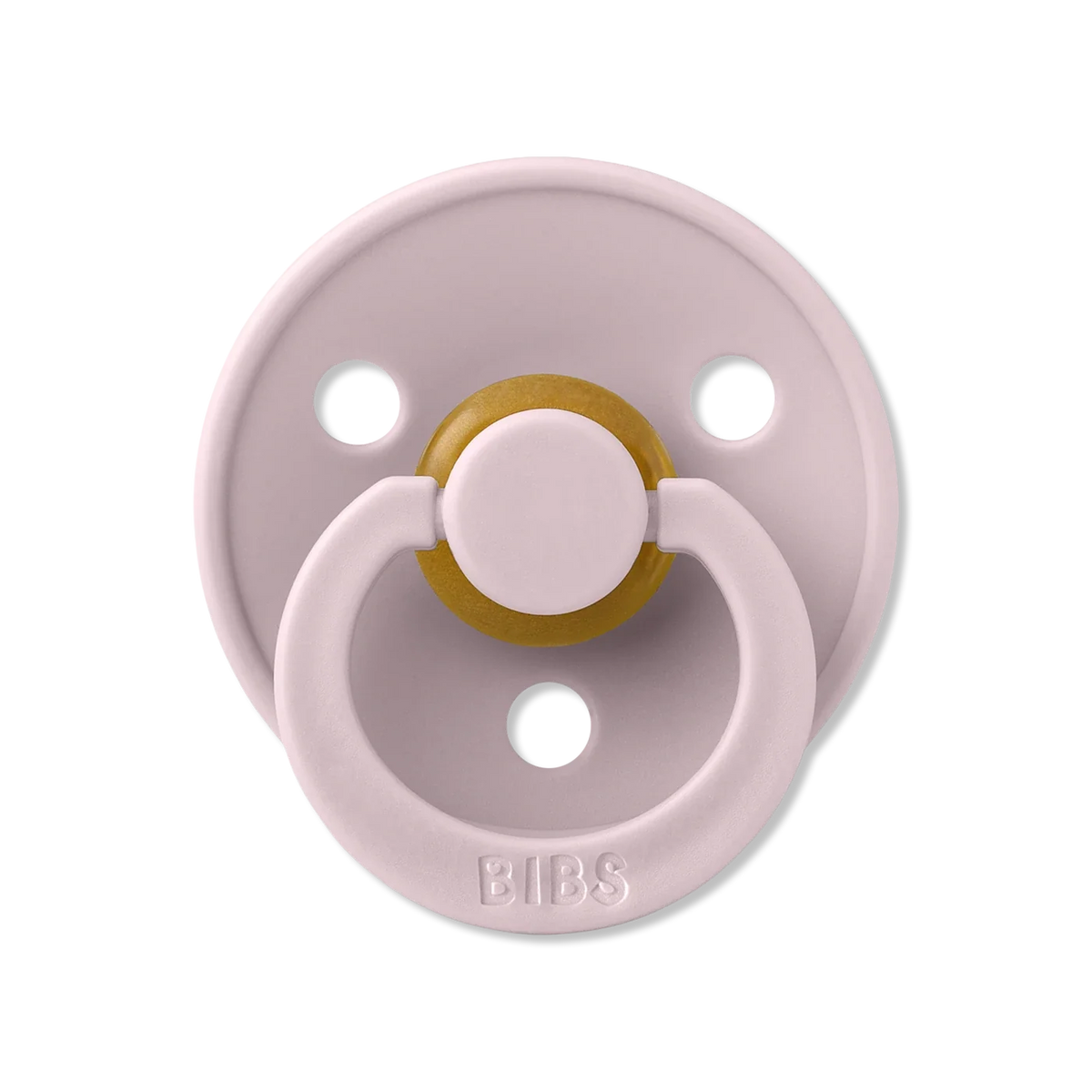
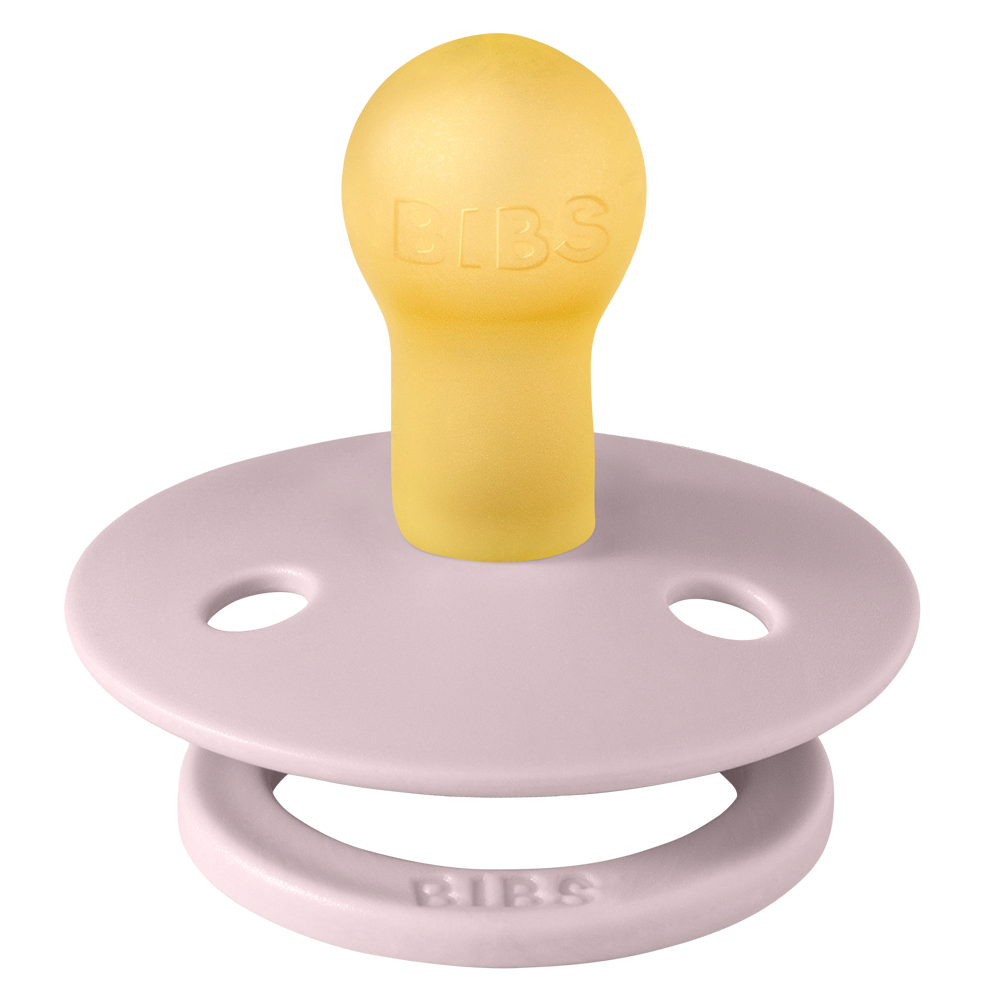
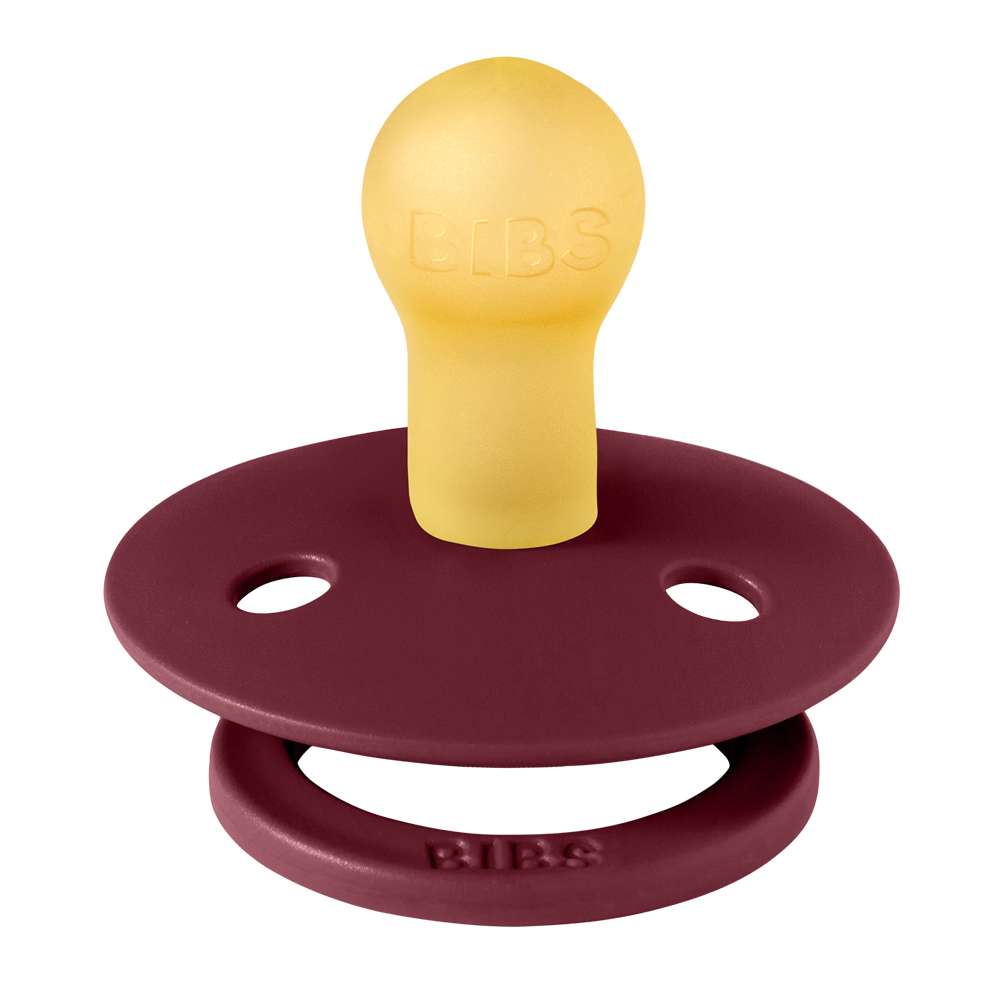
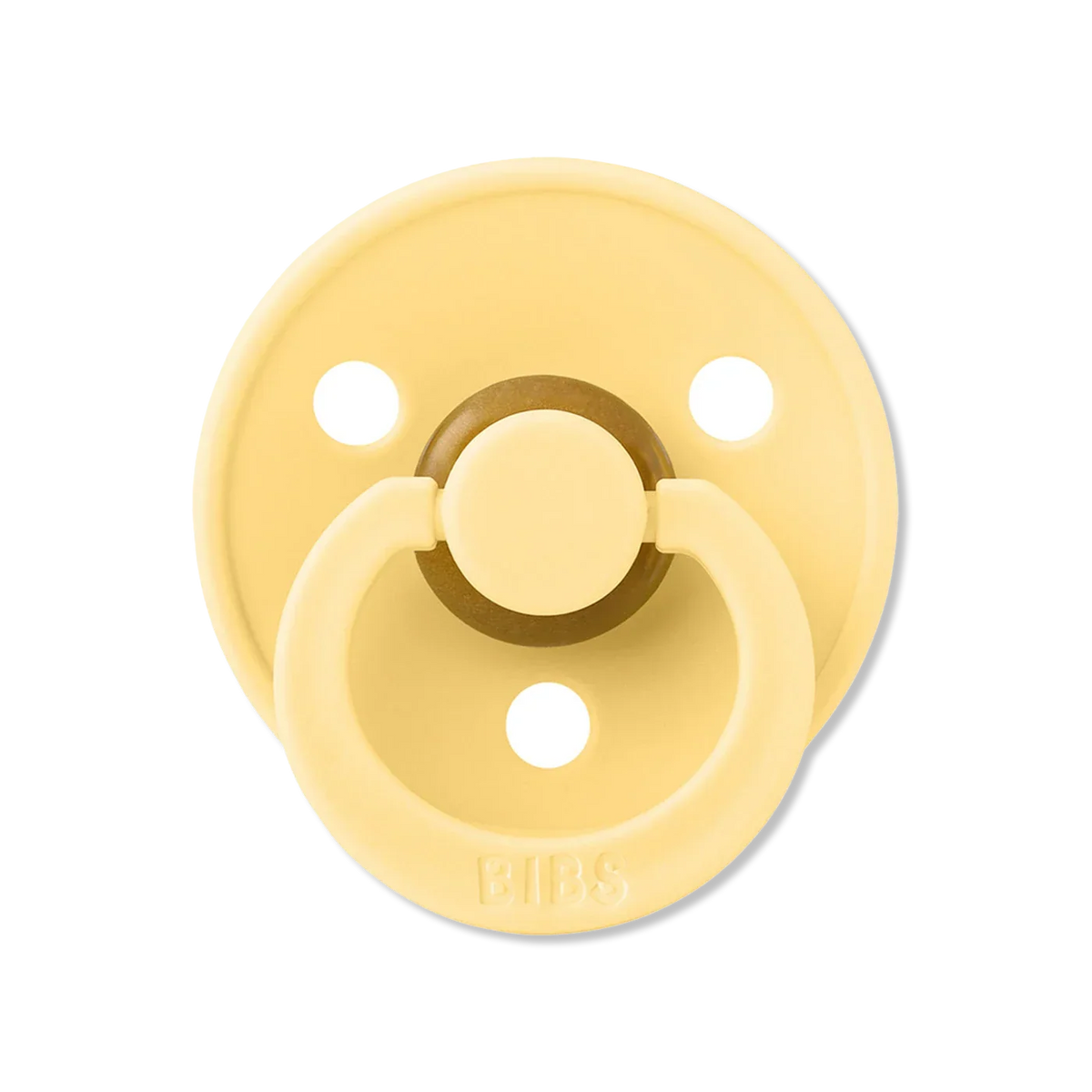
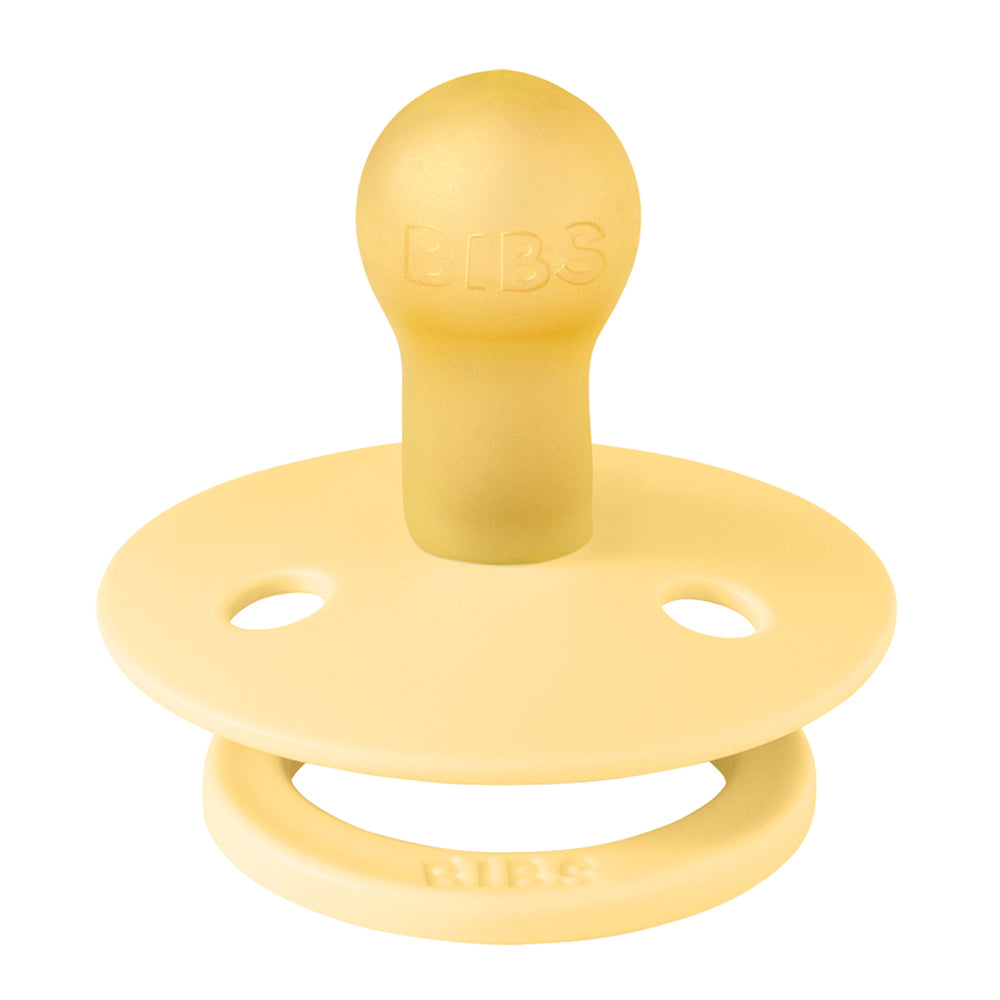
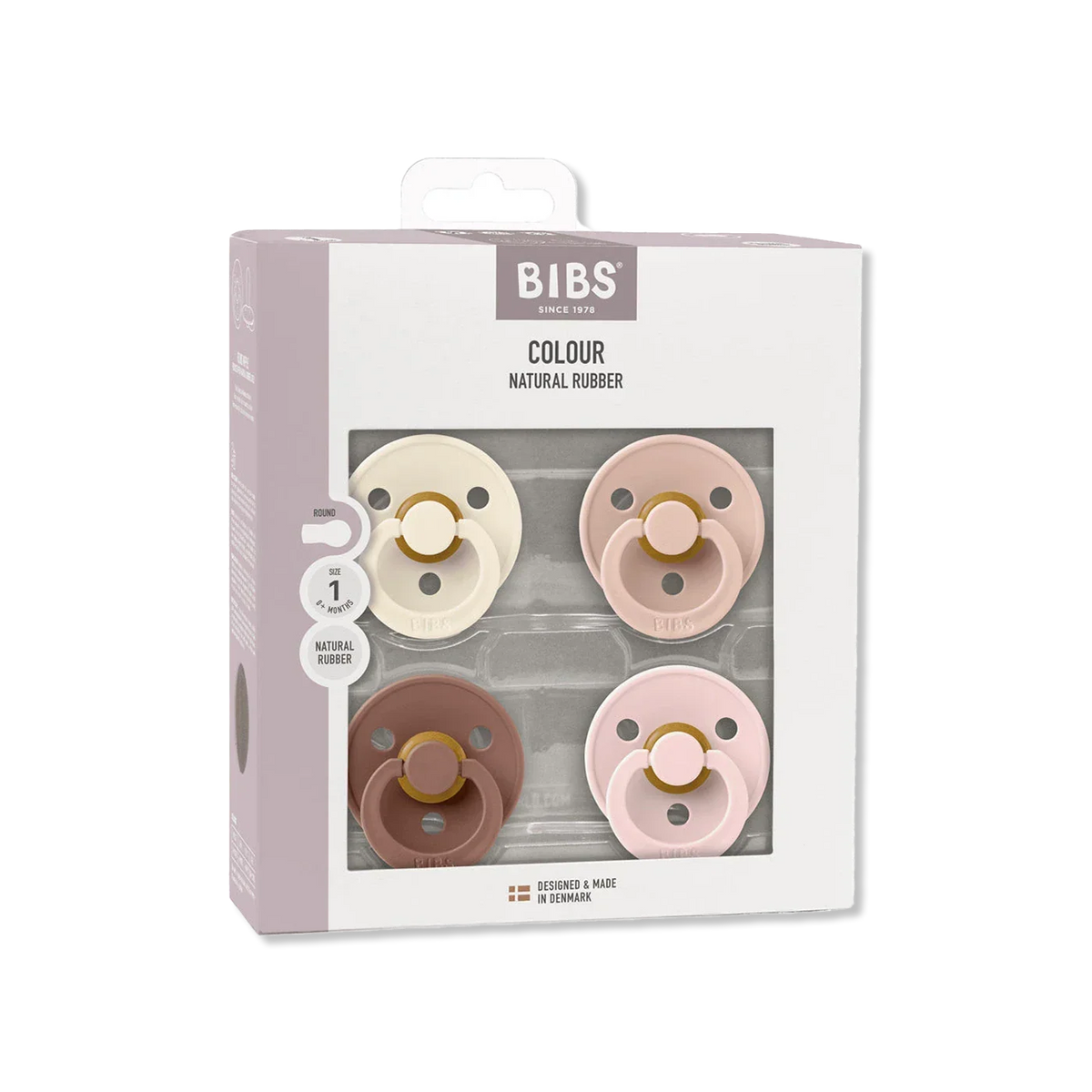
A good pacifier should suit your child’s age and mouth, feel comfortable to suck on and be easy to keep clean in a busy everyday routine. Some babies prefer a round pacifier, while others are more comfortable with an orthodontic shape. You can also choose between silicone and natural latex, depending on what works best for you in terms of softness, durability and cleaning.
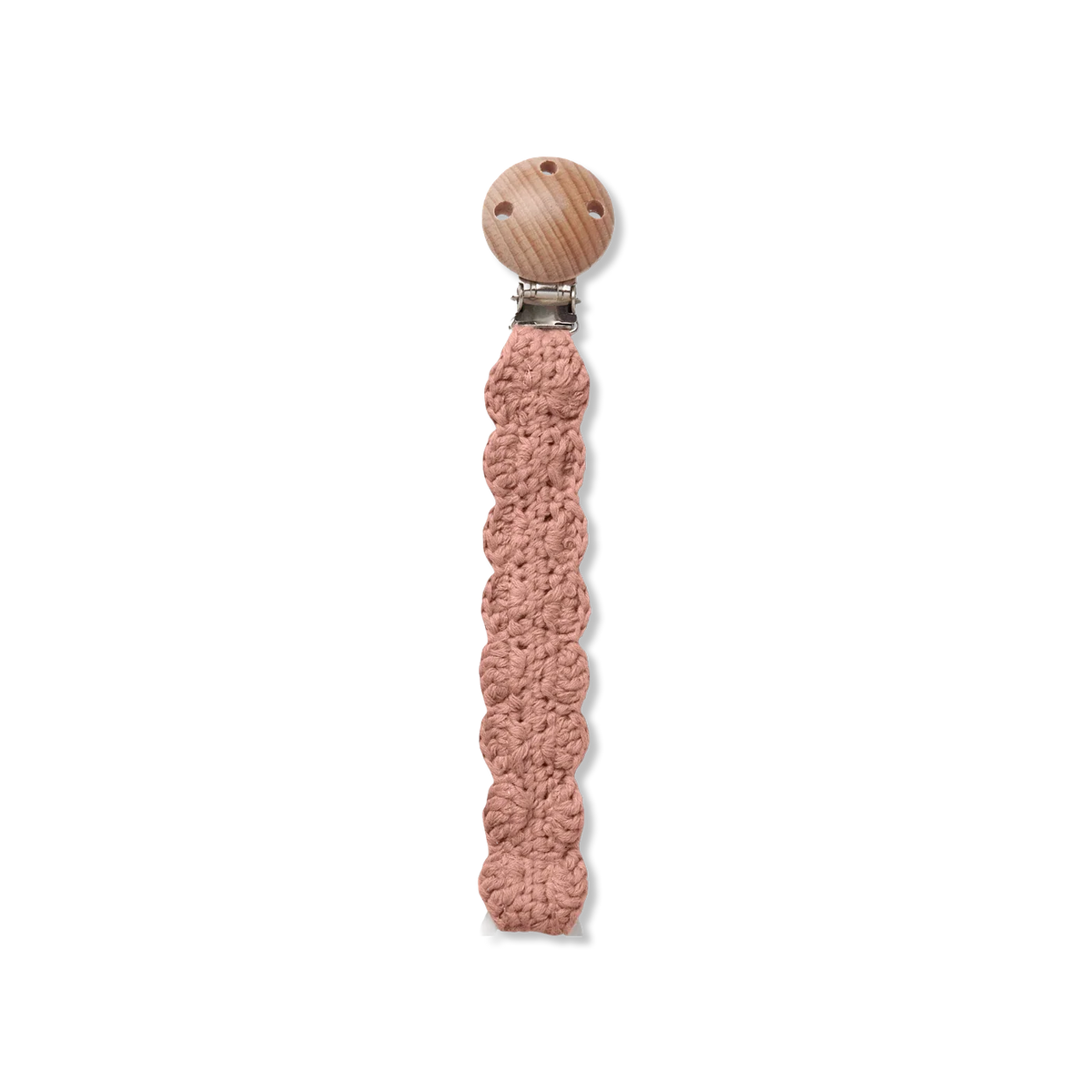
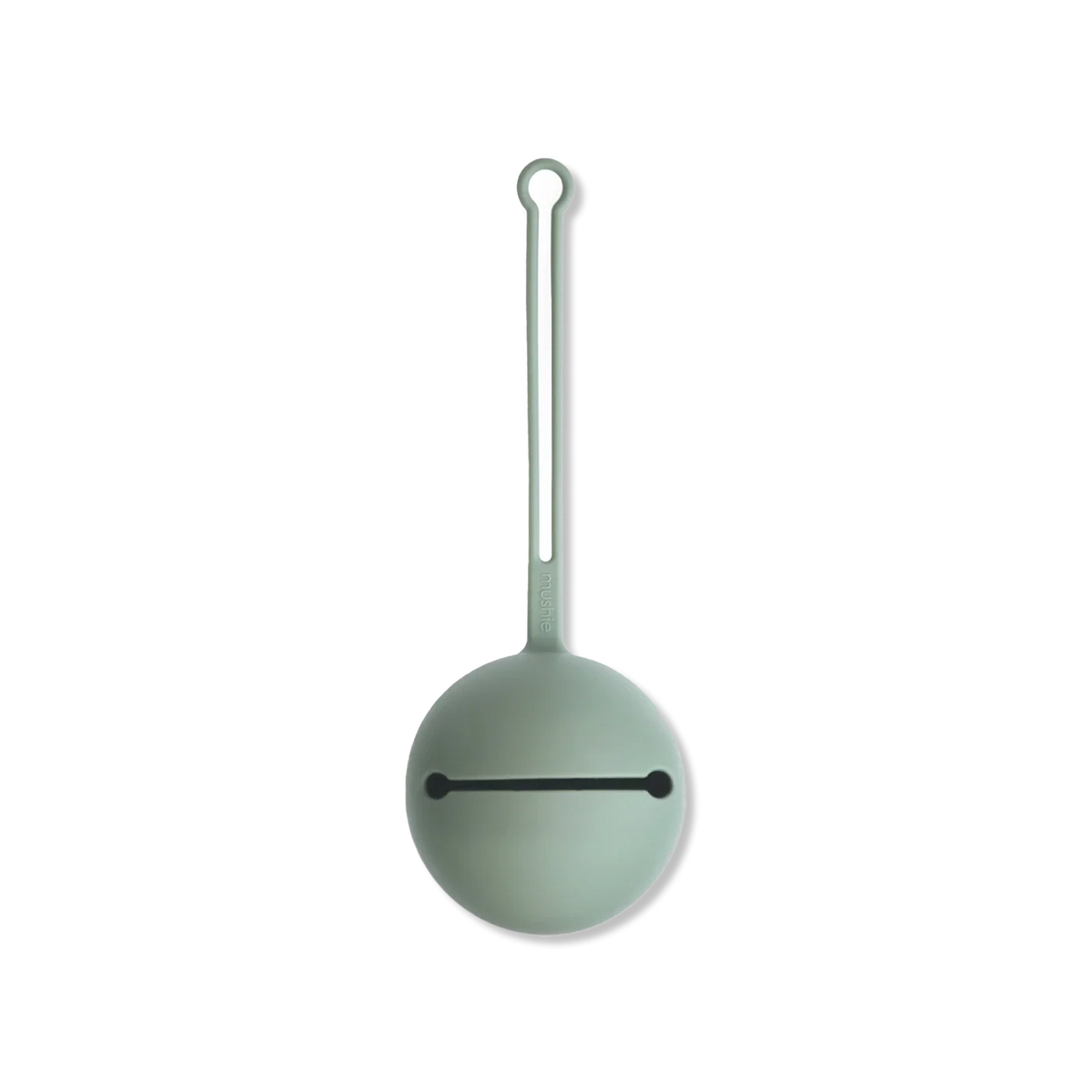
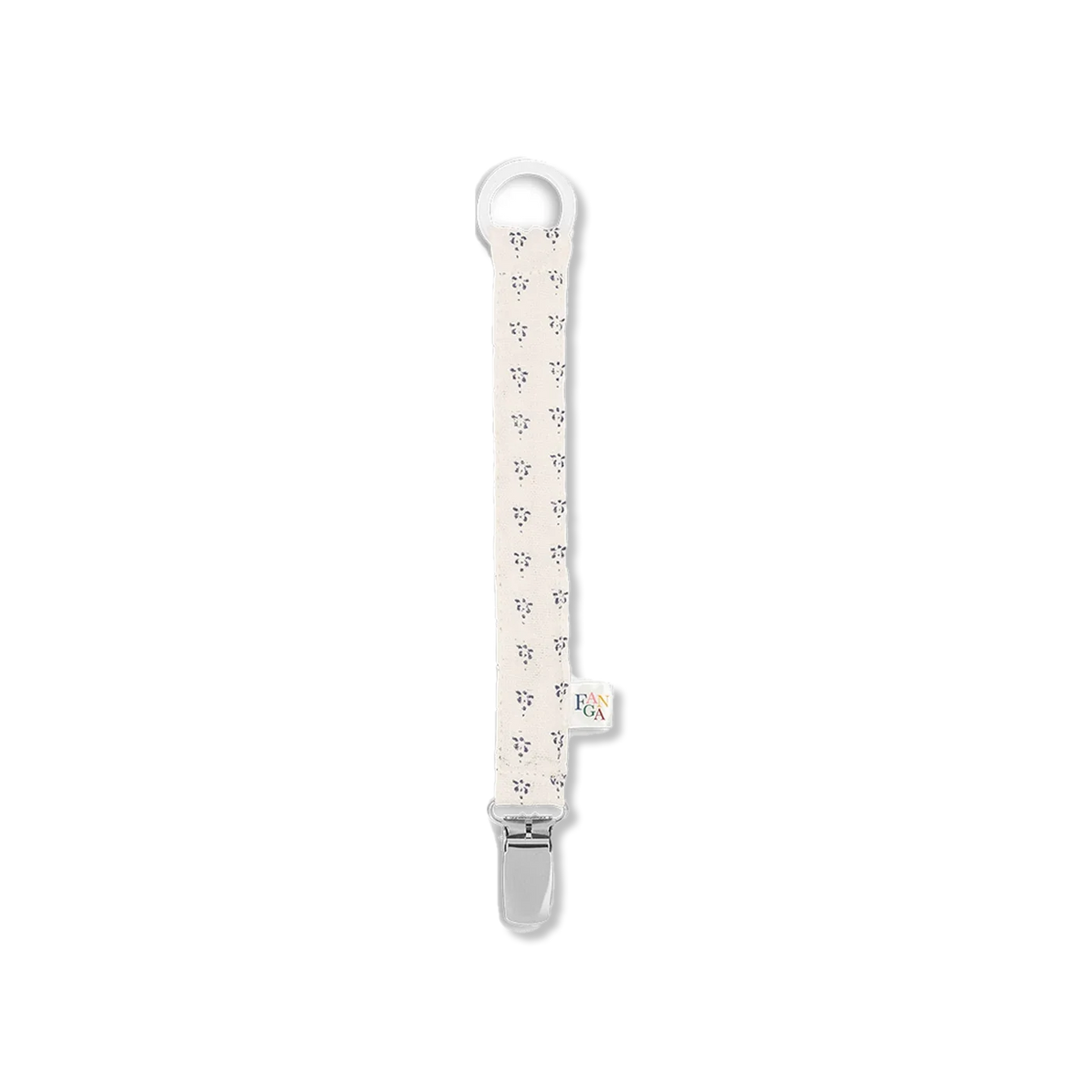
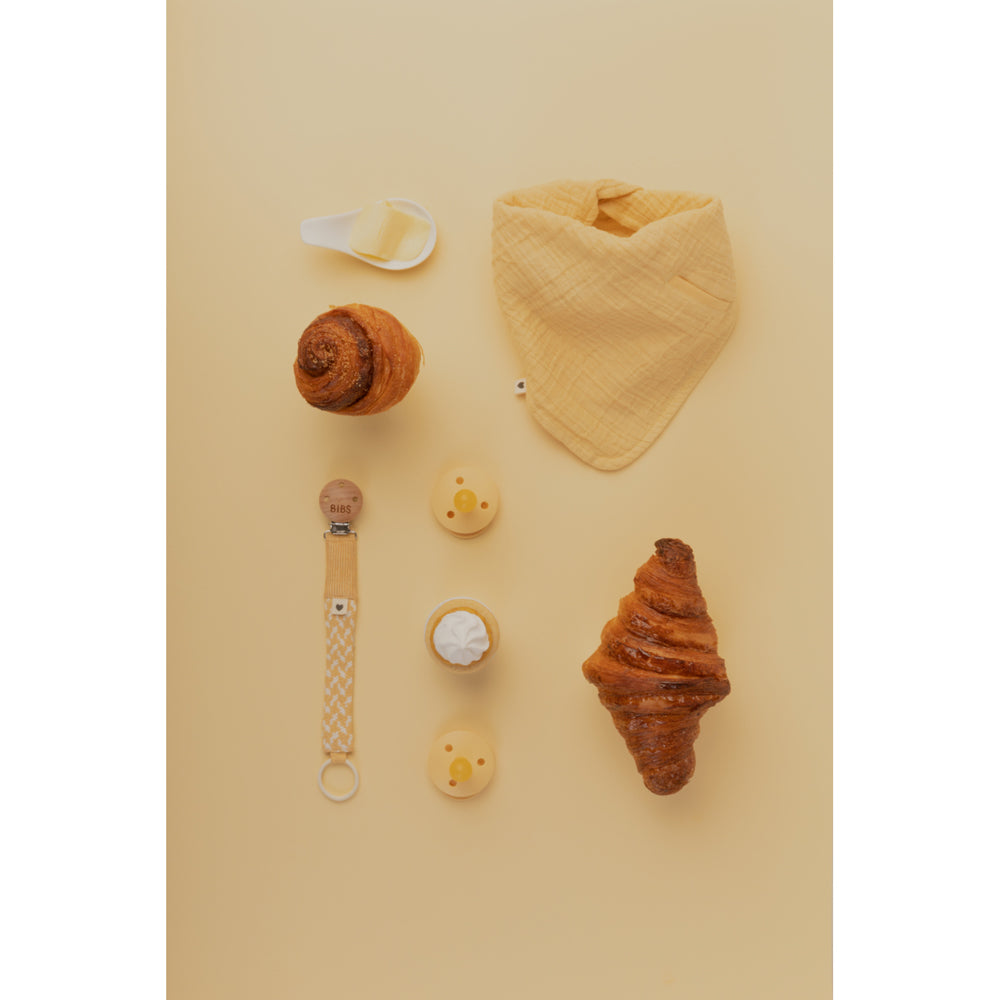
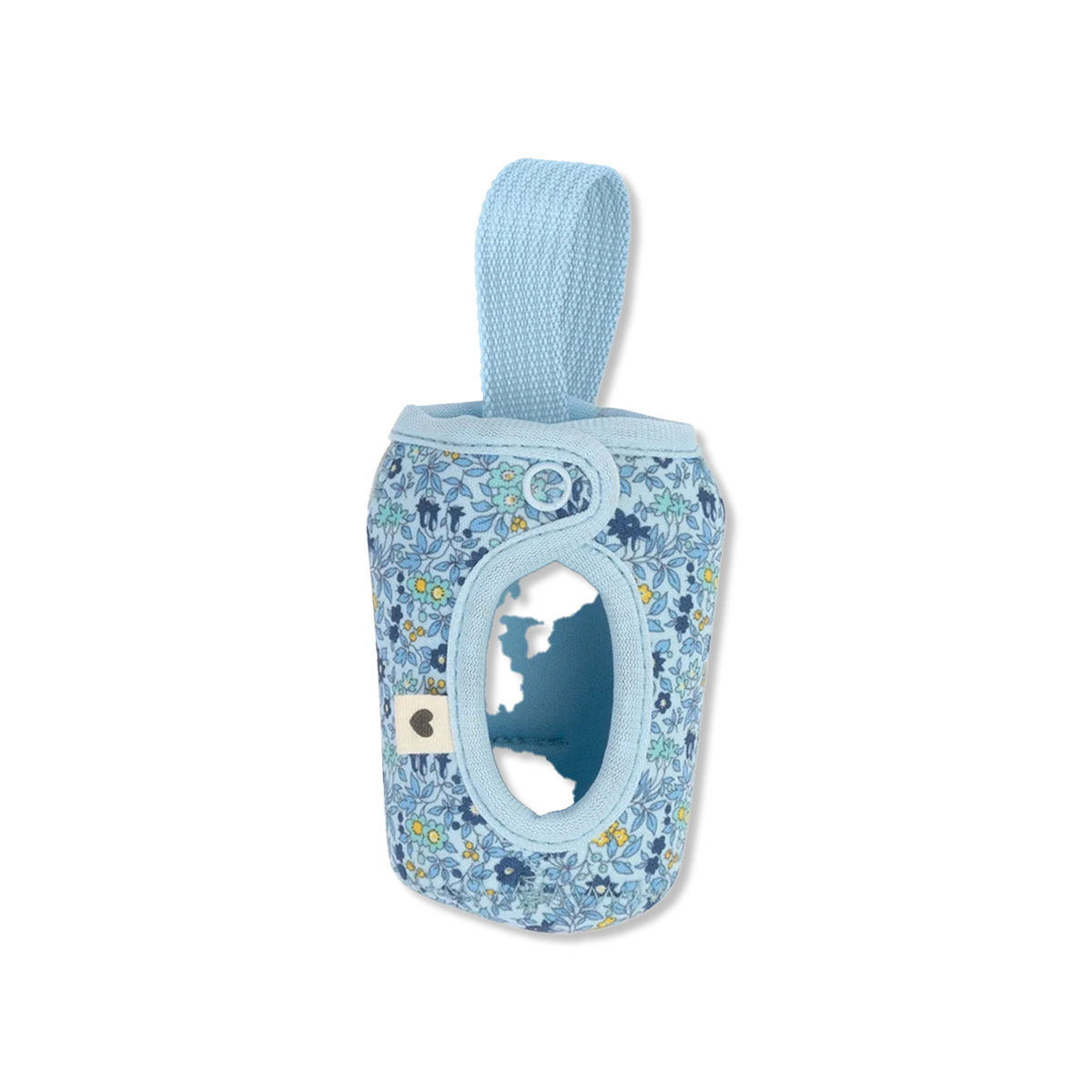
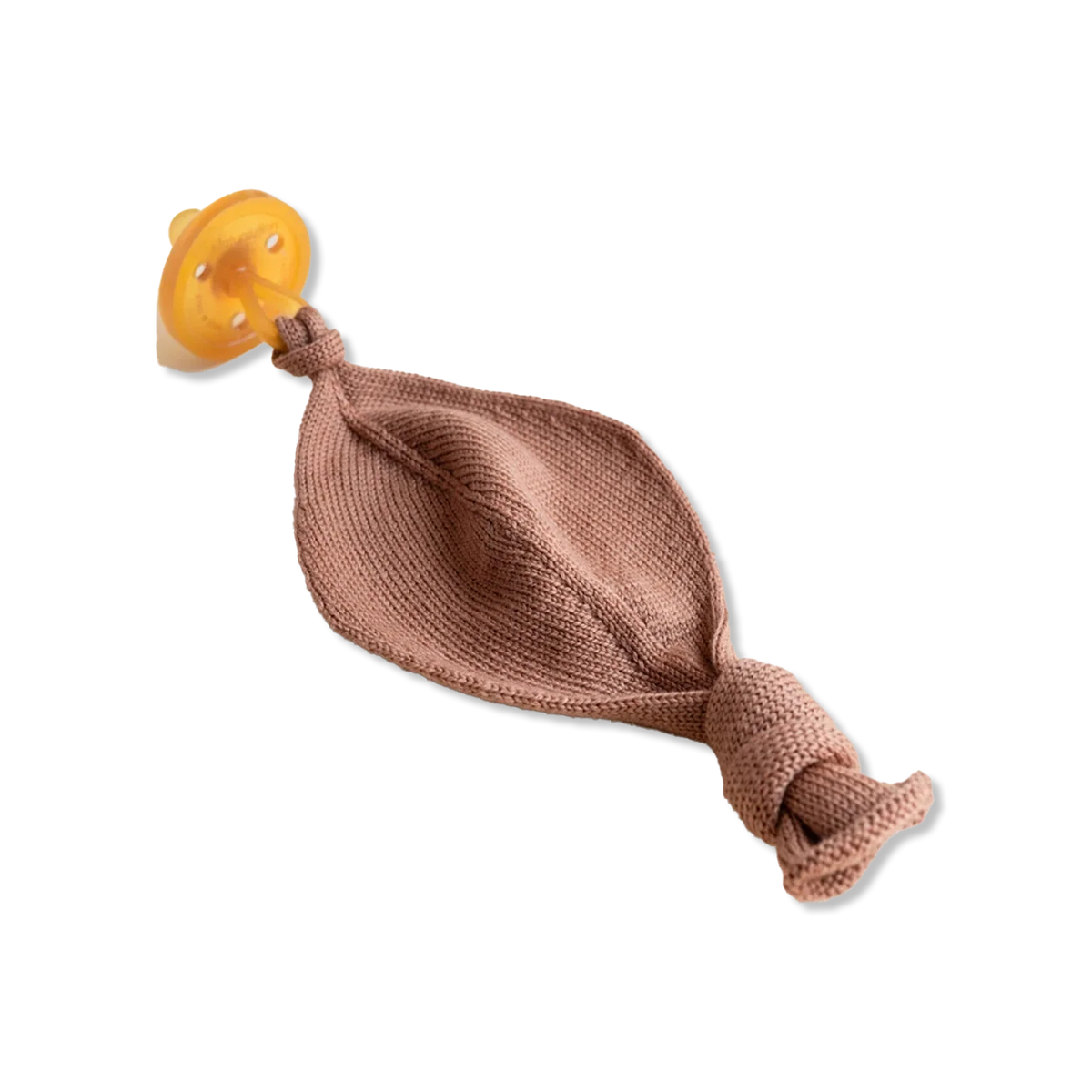
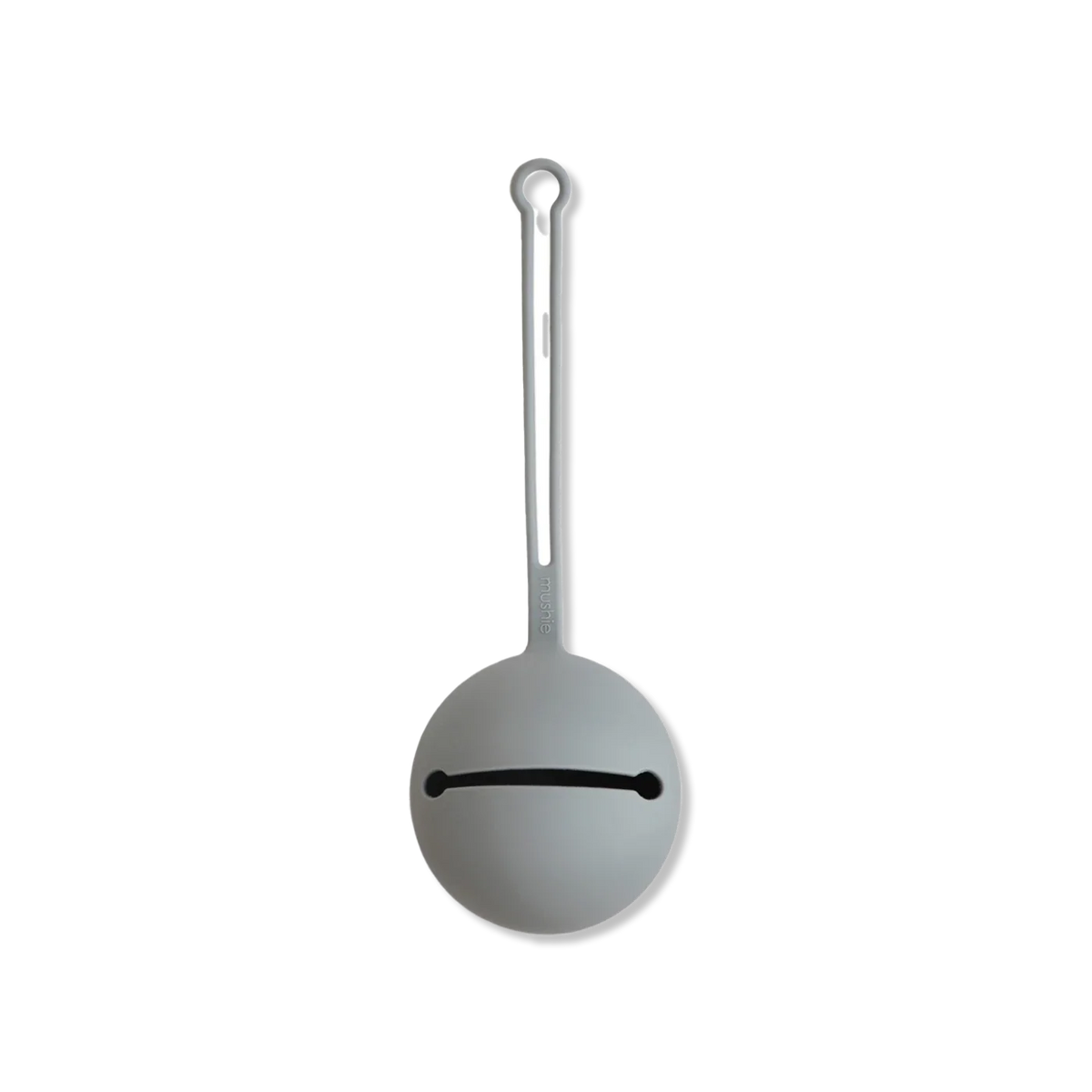
If you are gathering the first practical baby essentials, it can be a good idea to pair pacifiers with pacifier clips, so they are easier to keep track of in the pram, car seat or changing bag.
Which pacifier size should you choose?
The size of the pacifier matters for both comfort and safety. A large pacifier can be difficult for a small baby to keep comfortably in the mouth, while a model that is too small can quickly become impractical as your child grows.
As a general guide, you can start with the age recommendation:
- 0–6 months: small, lightweight pacifiers for newborns and younger babies.
- 6–18 months: slightly larger pacifiers with a better grip and more room for your child’s development.
- 18+ months: larger models, often made for children who still use a pacifier for sleep and comfort.
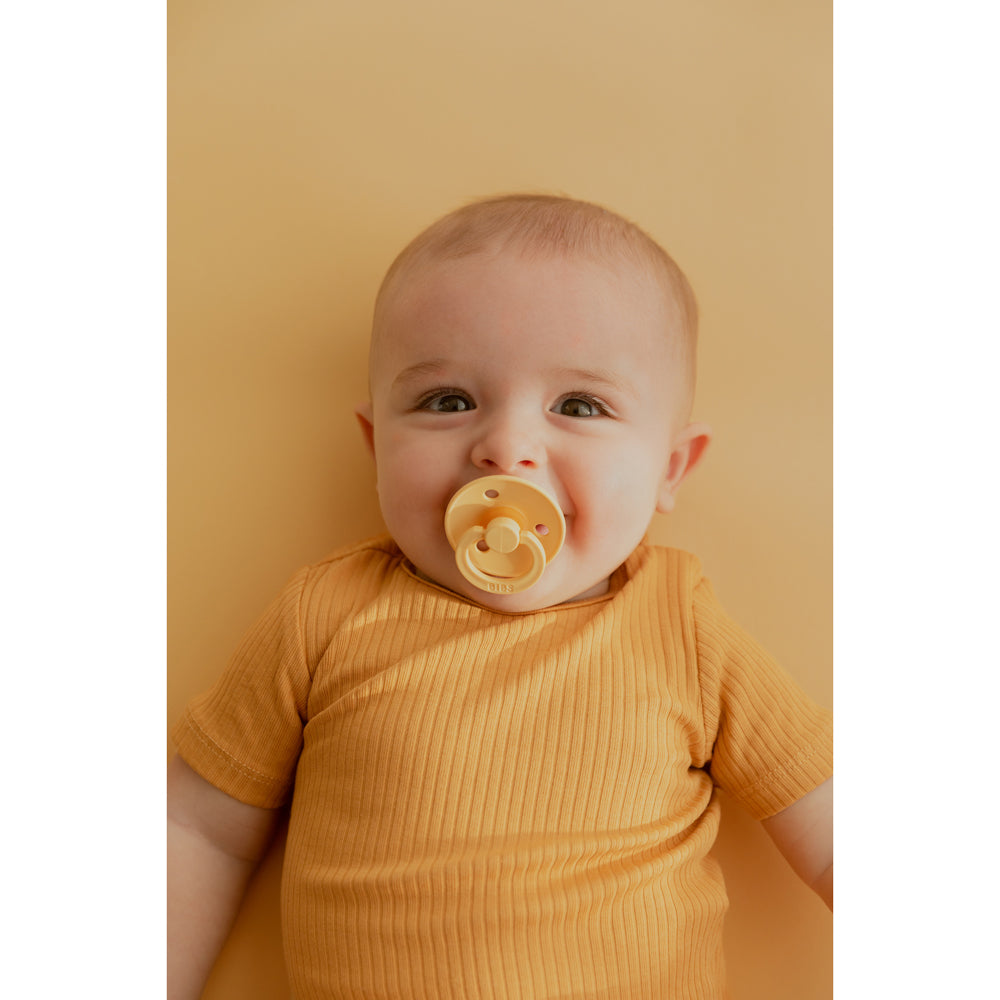
If your baby is 3–4 months old, the smallest size will usually be the natural choice. If your child was born small or premature, a smaller model may often fit the little mouth better. Most importantly, the pacifier should feel light and sit naturally without seeming too large or heavy.
Silicone or latex pacifiers?
The material is one of the things many parents are most unsure about when choosing pacifiers. The two most common types are silicone and natural latex, and they feel different in use.
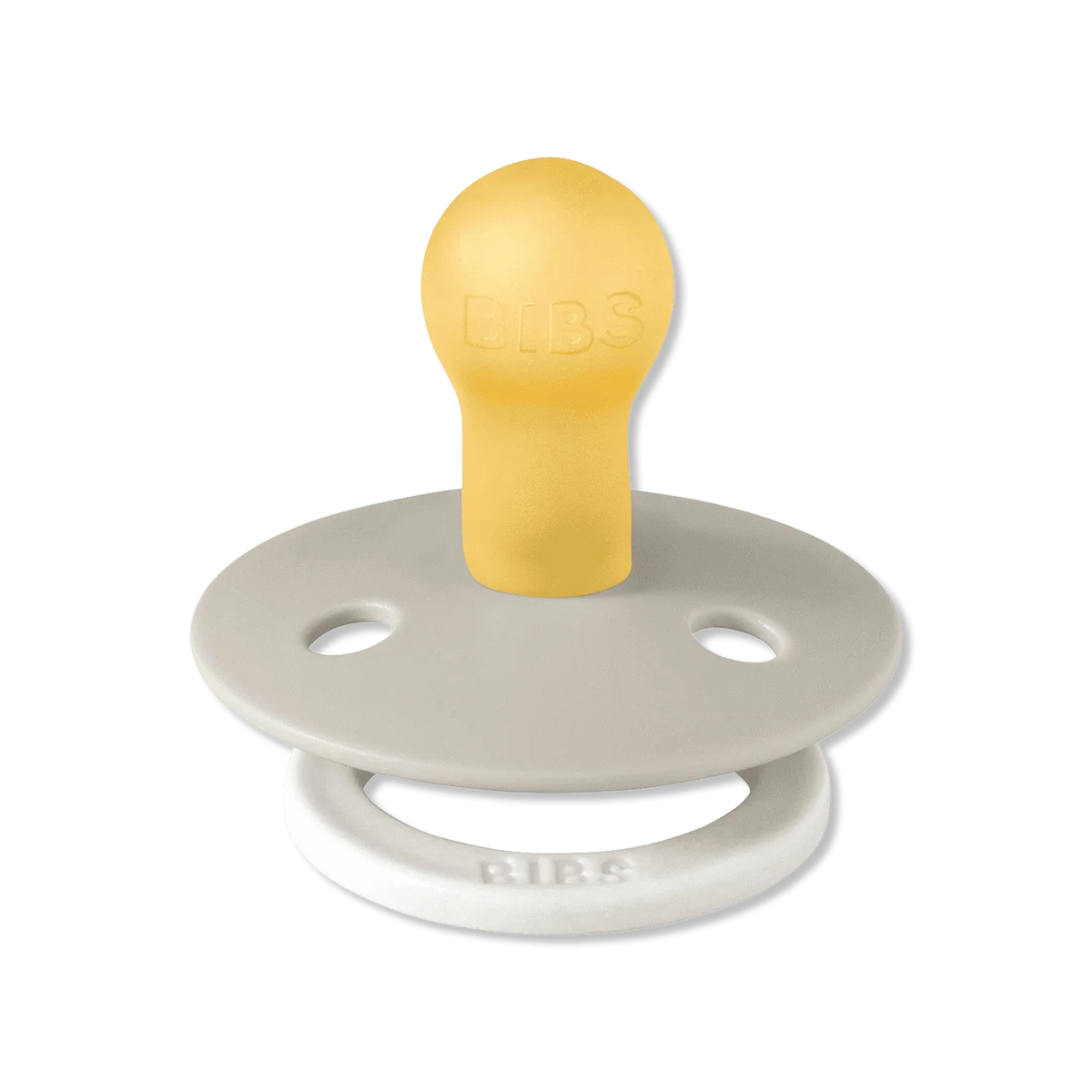
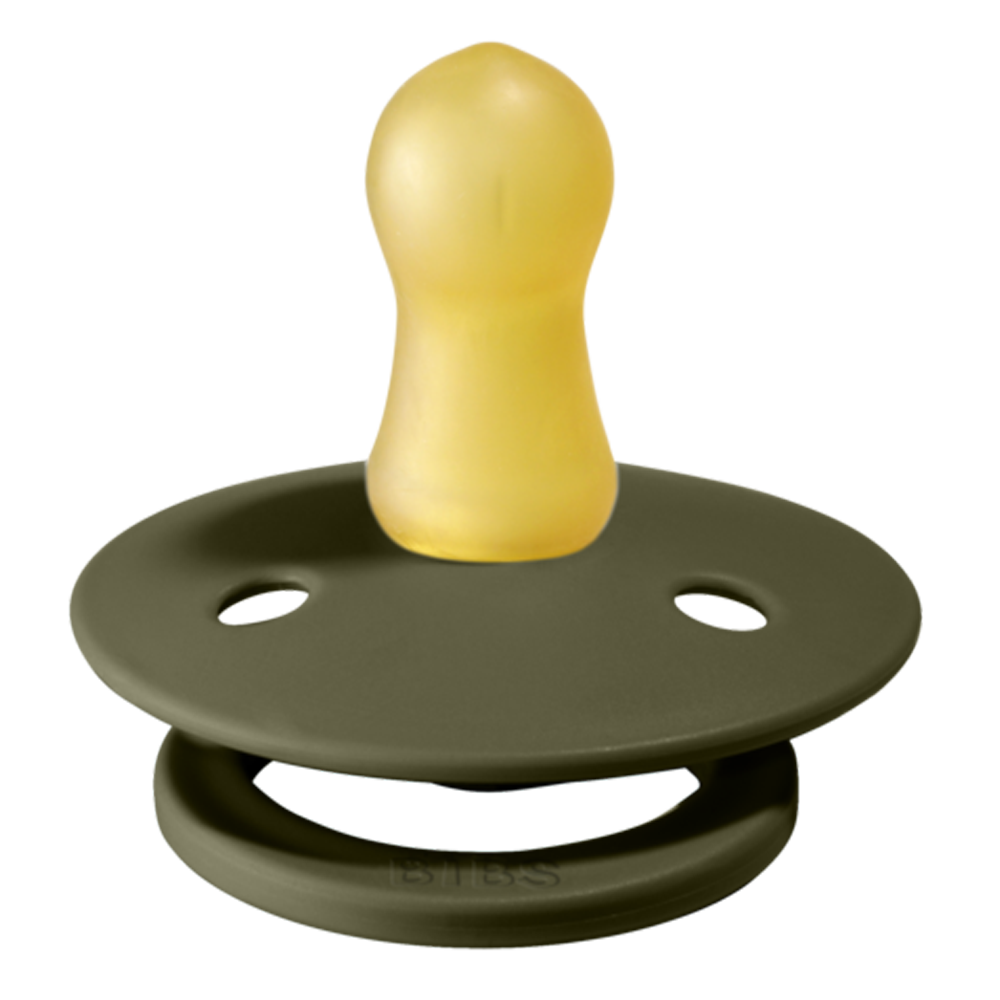
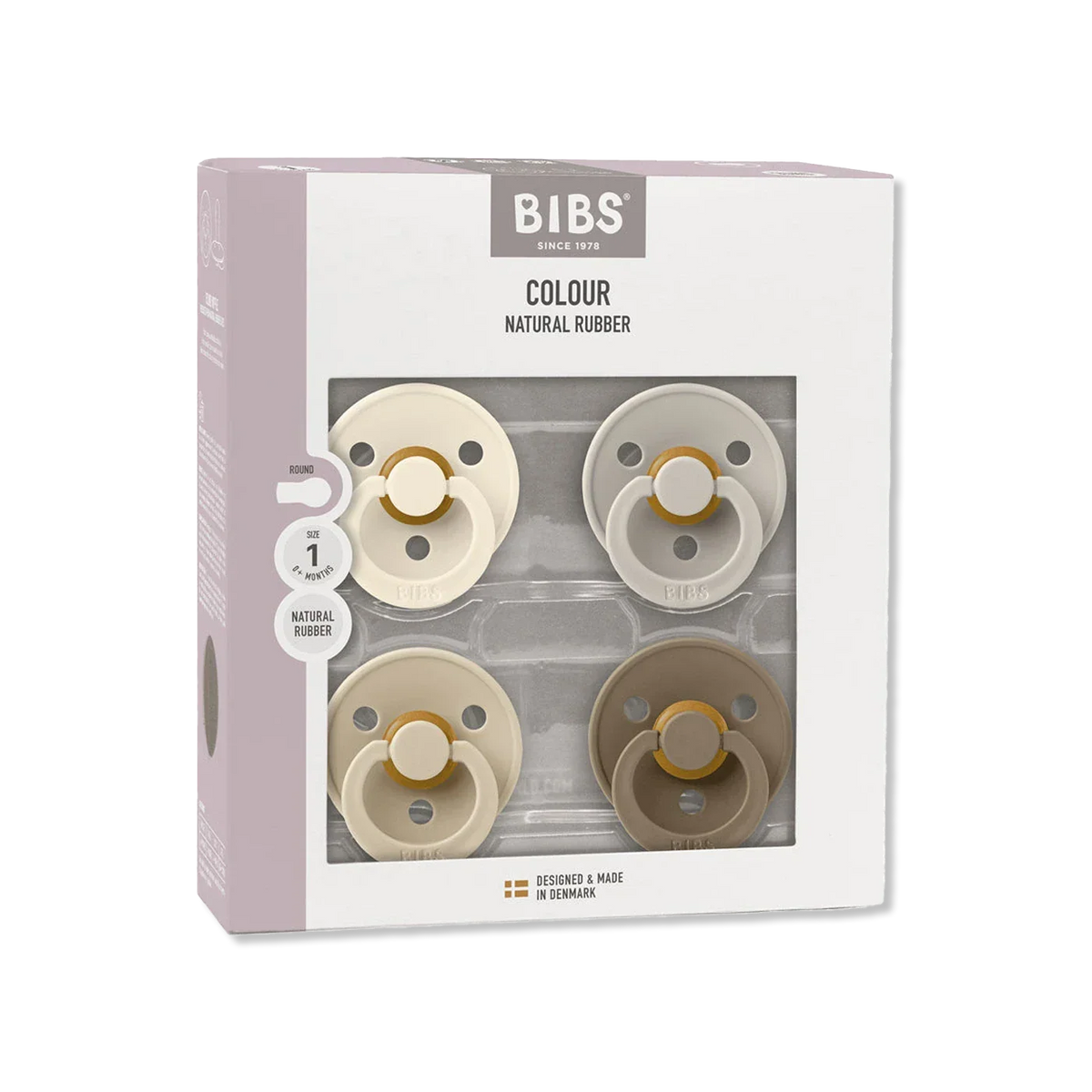
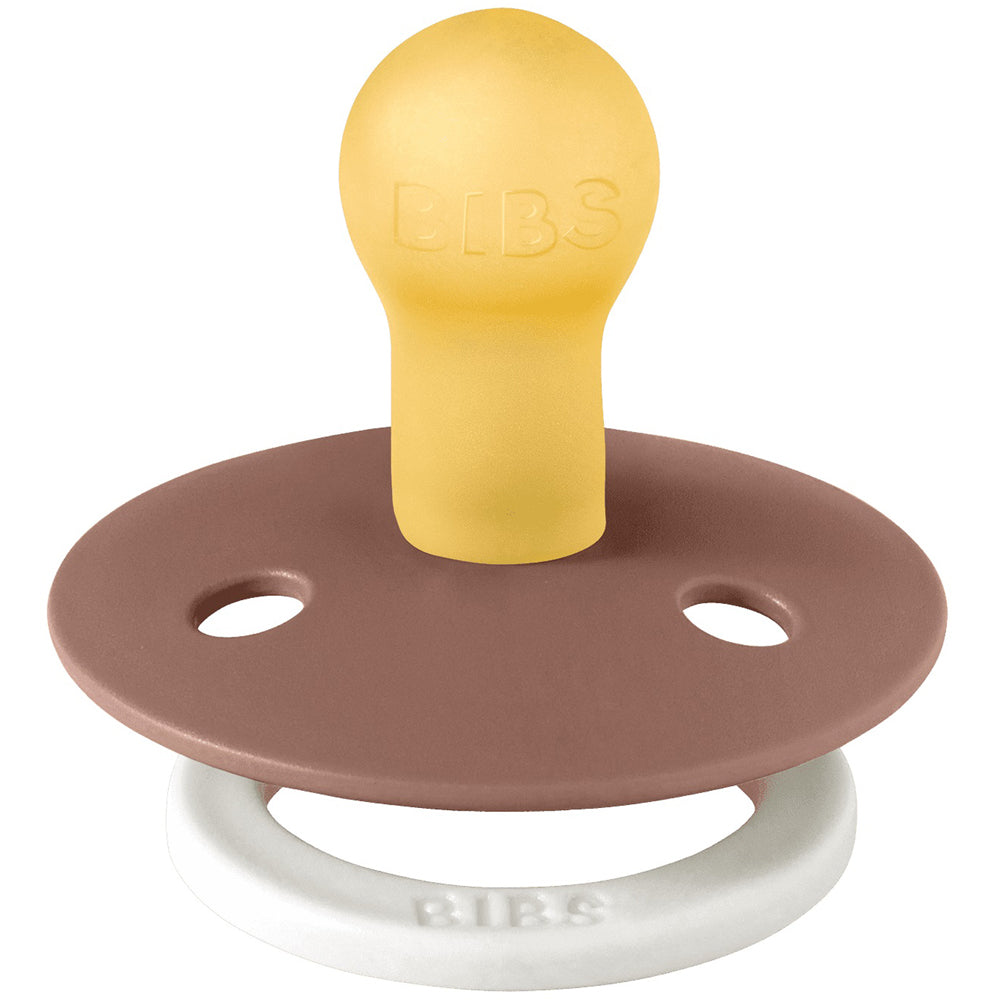
Silicone pacifiers are smooth, transparent and good at keeping their shape. They are easy to clean and work well for everyday use, where pacifiers often need to be washed or sterilised again and again. Many parents therefore choose silicone if they want a practical pacifier that is simple to keep clean.
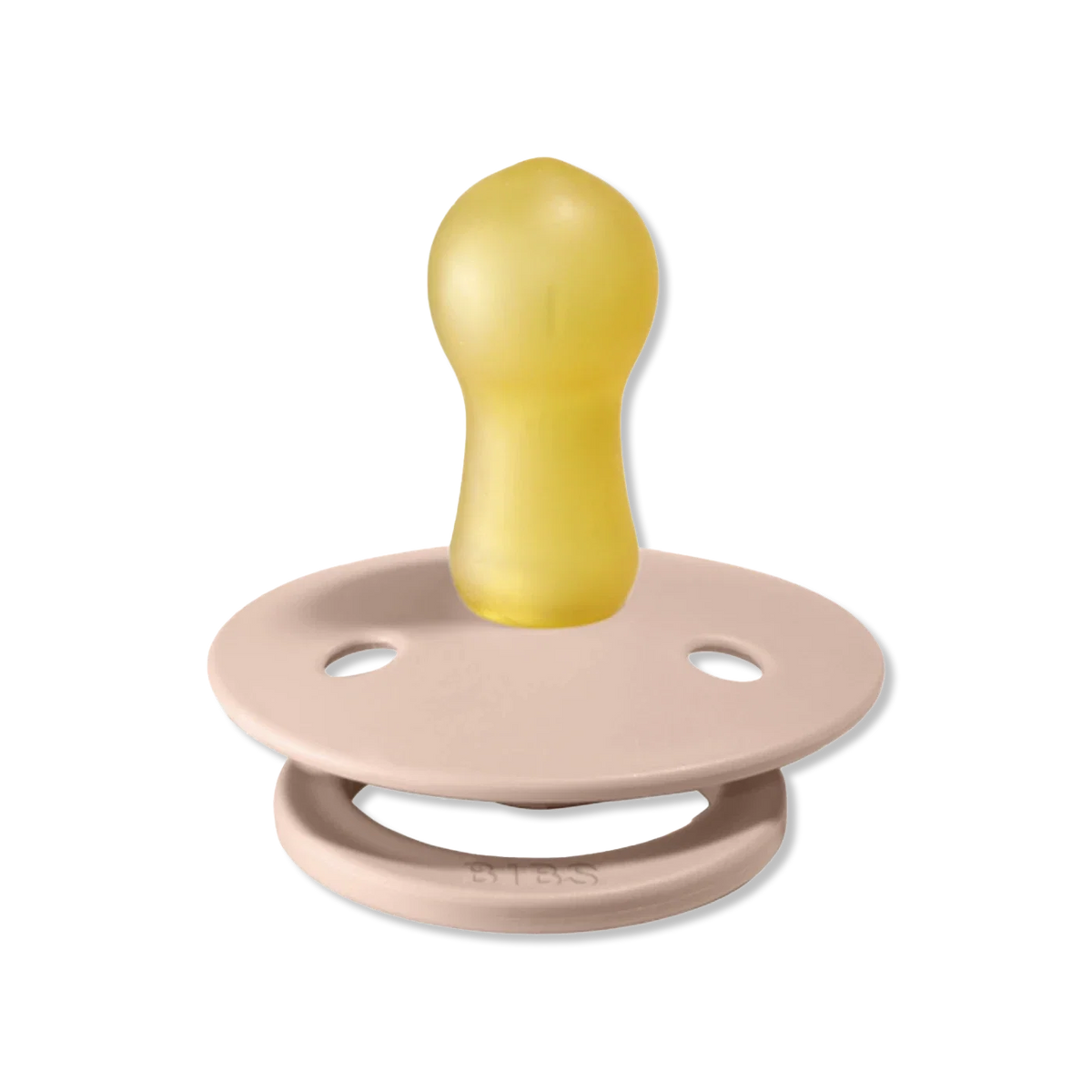
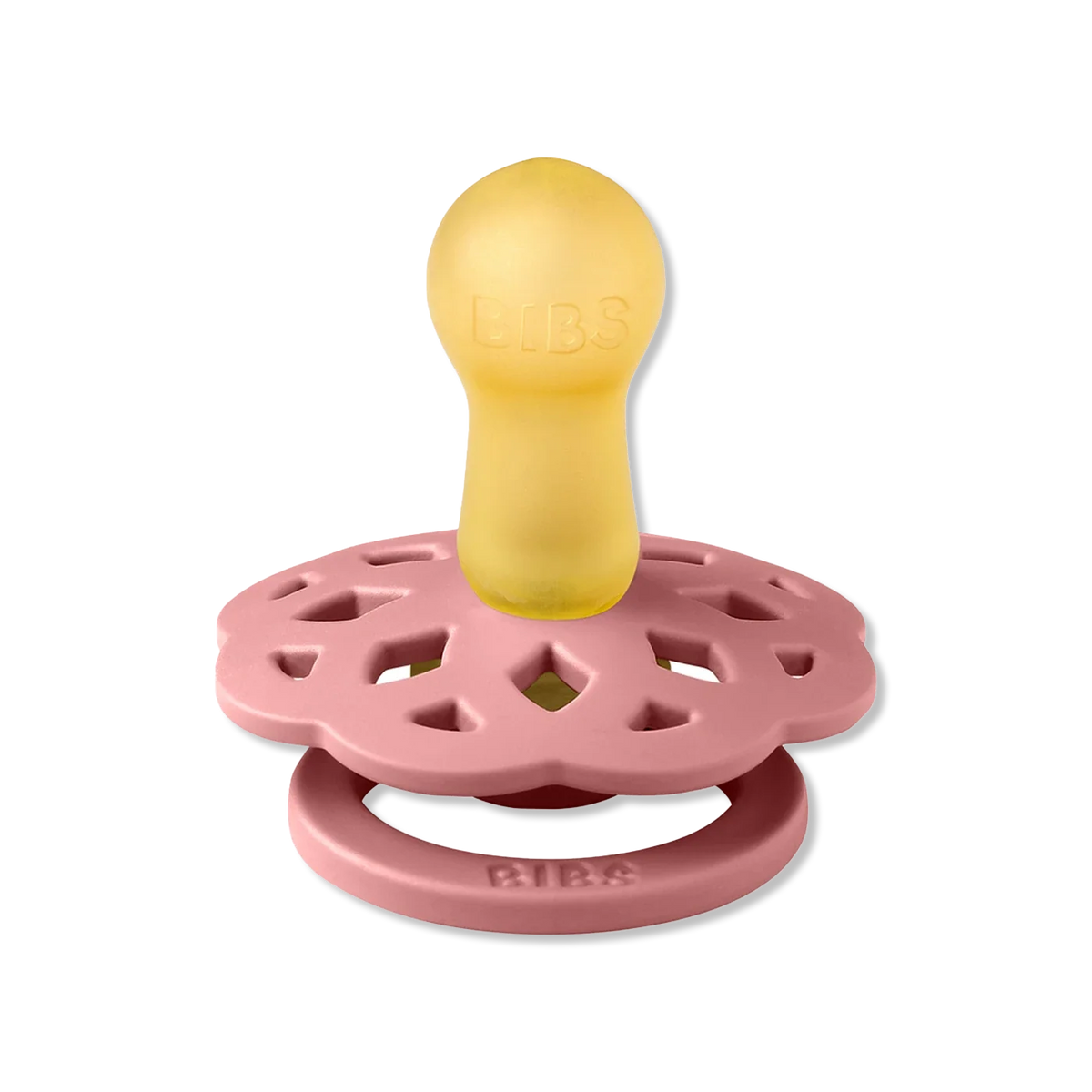
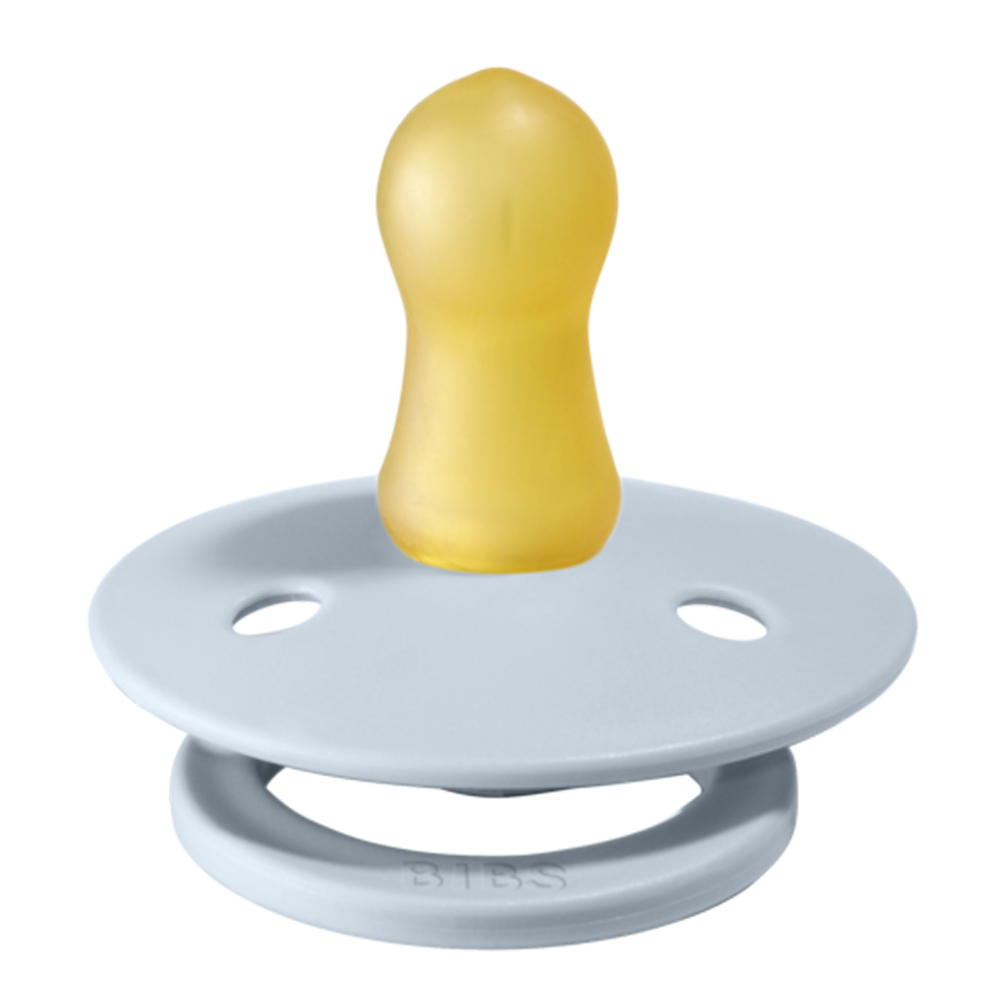
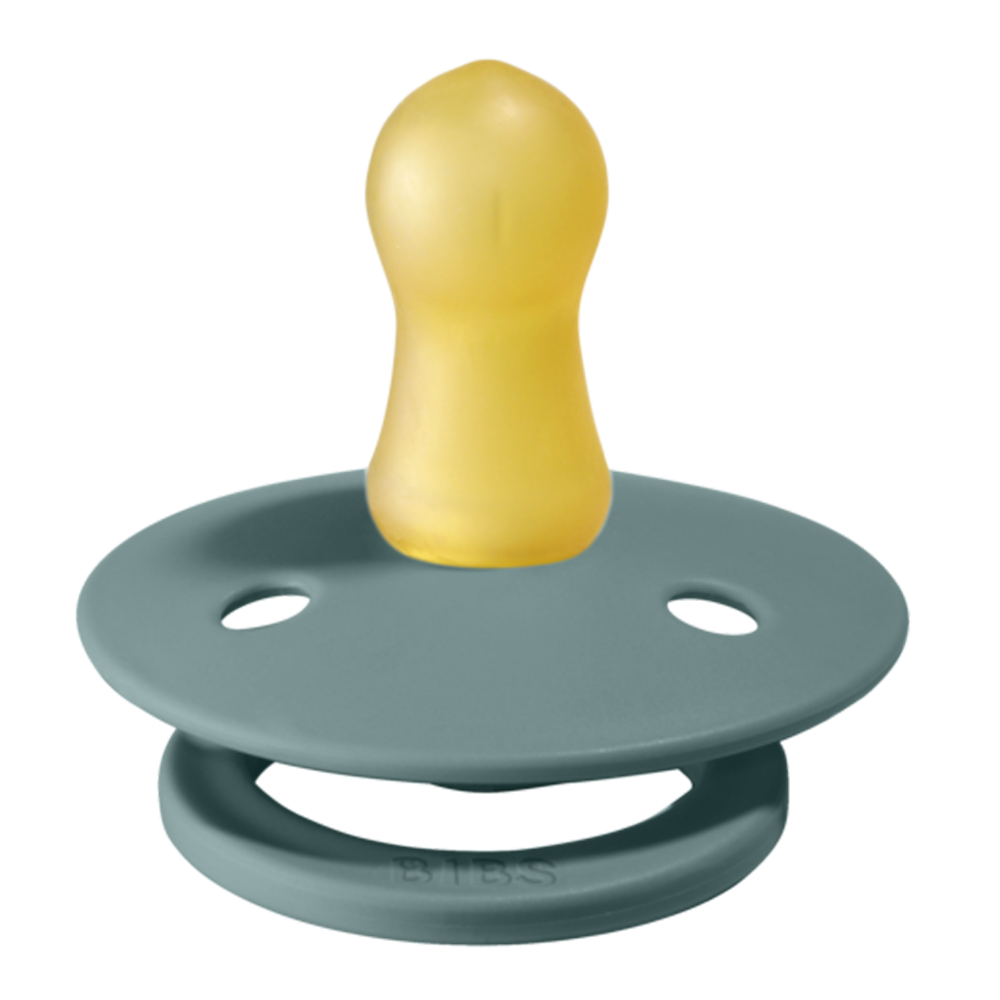
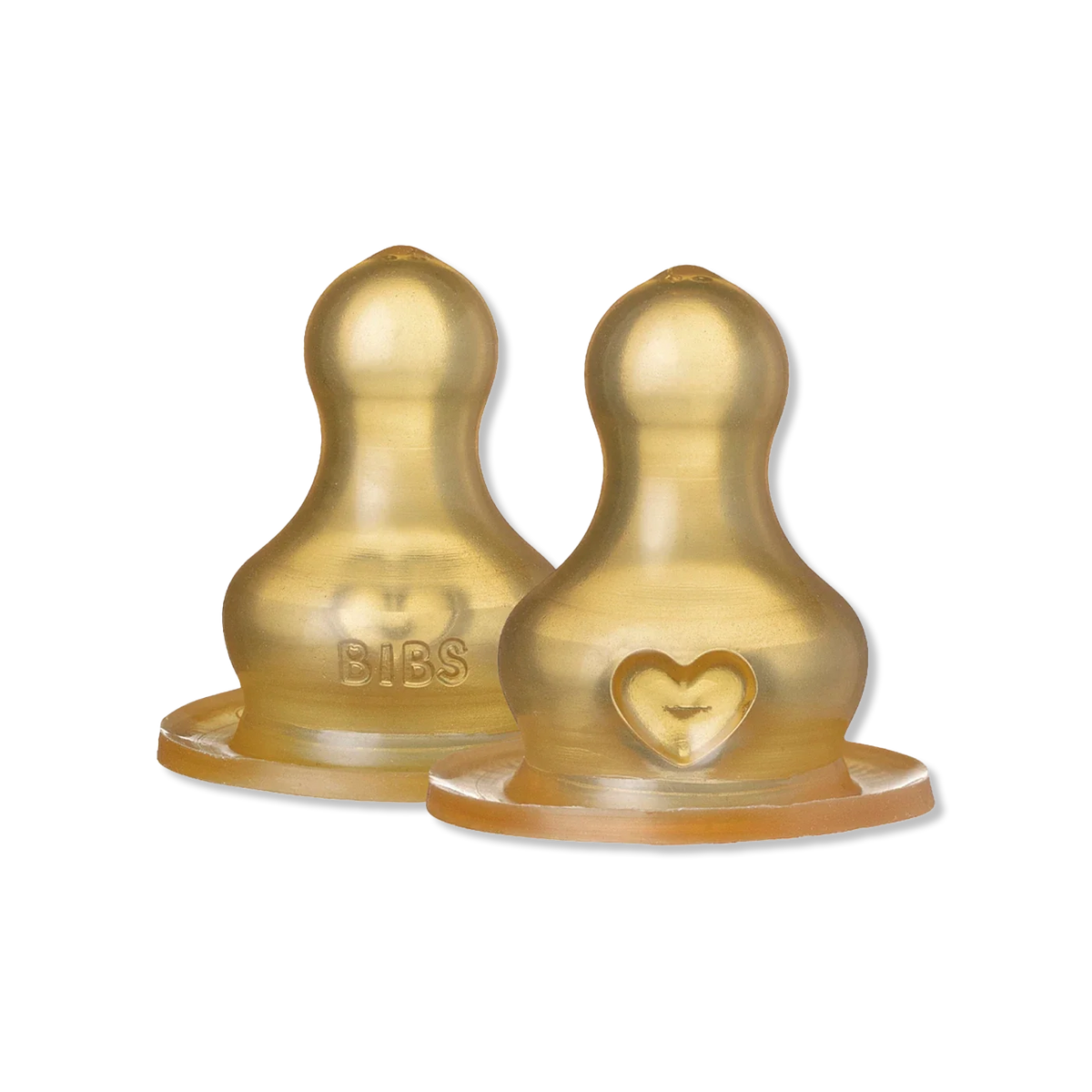
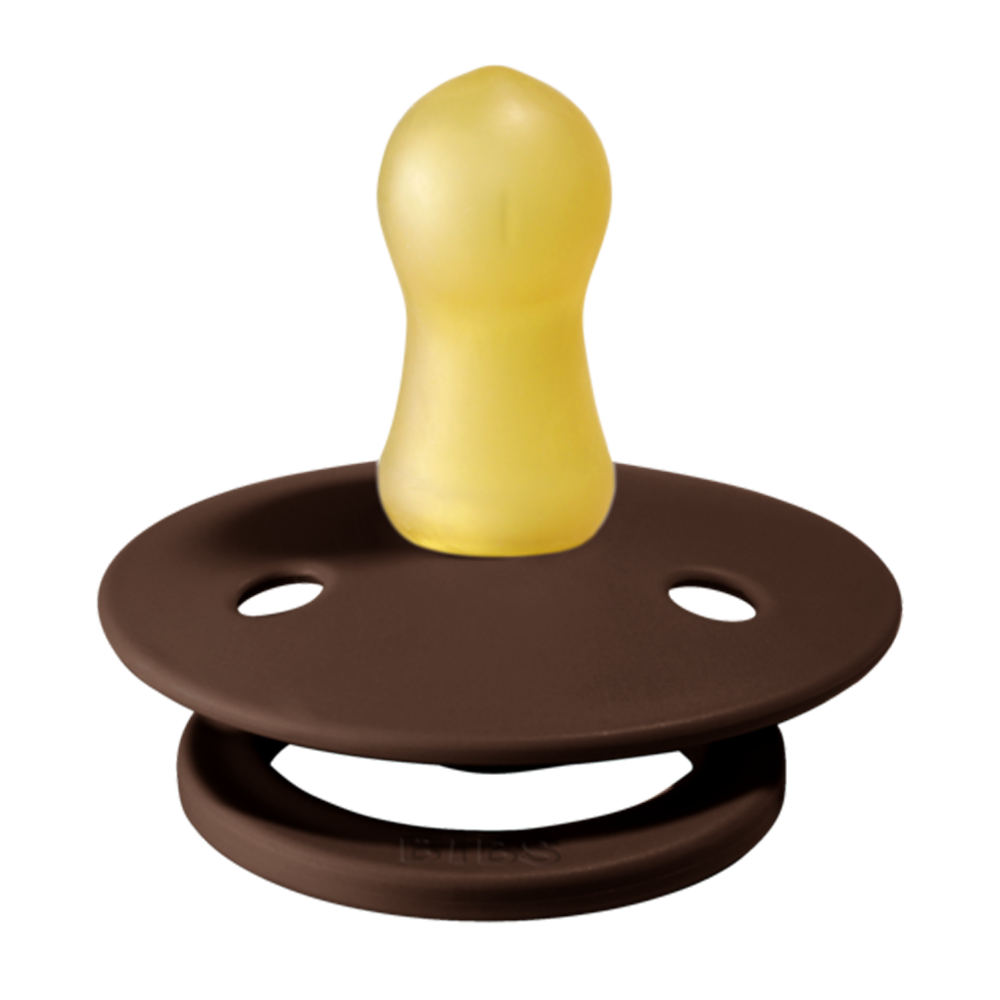
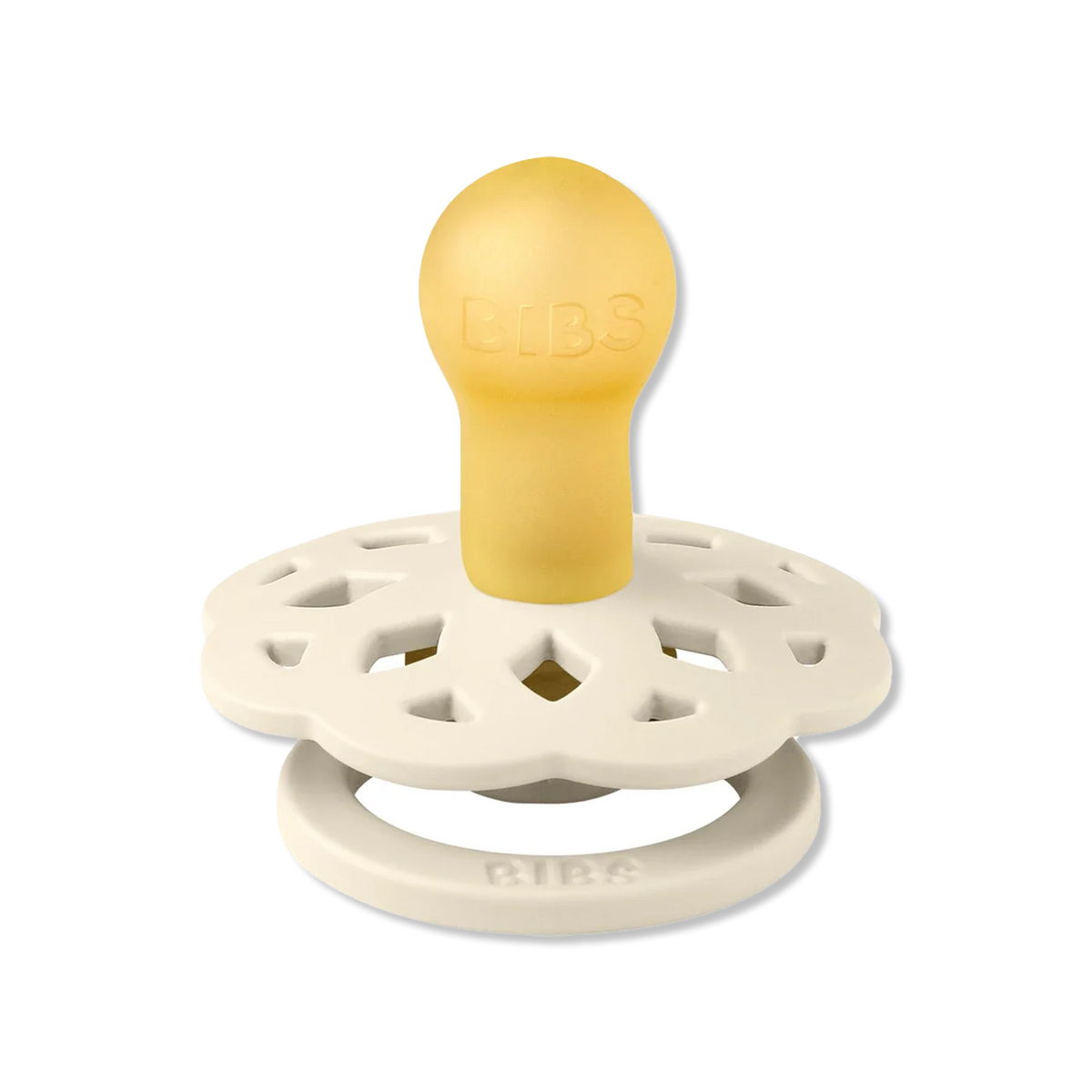
Latex pacifiers are softer and more flexible. Some babies accept latex more easily because it feels softer and more natural when they suck. However, latex wears out faster than silicone and usually needs replacing more often. If your child is sensitive, or if you prefer to avoid latex, silicone can be the more reassuring choice.
It is not always possible to know in advance what your baby will prefer. That is why many parents try both materials in the beginning and see what works best.
The shape of the pacifier can make a difference
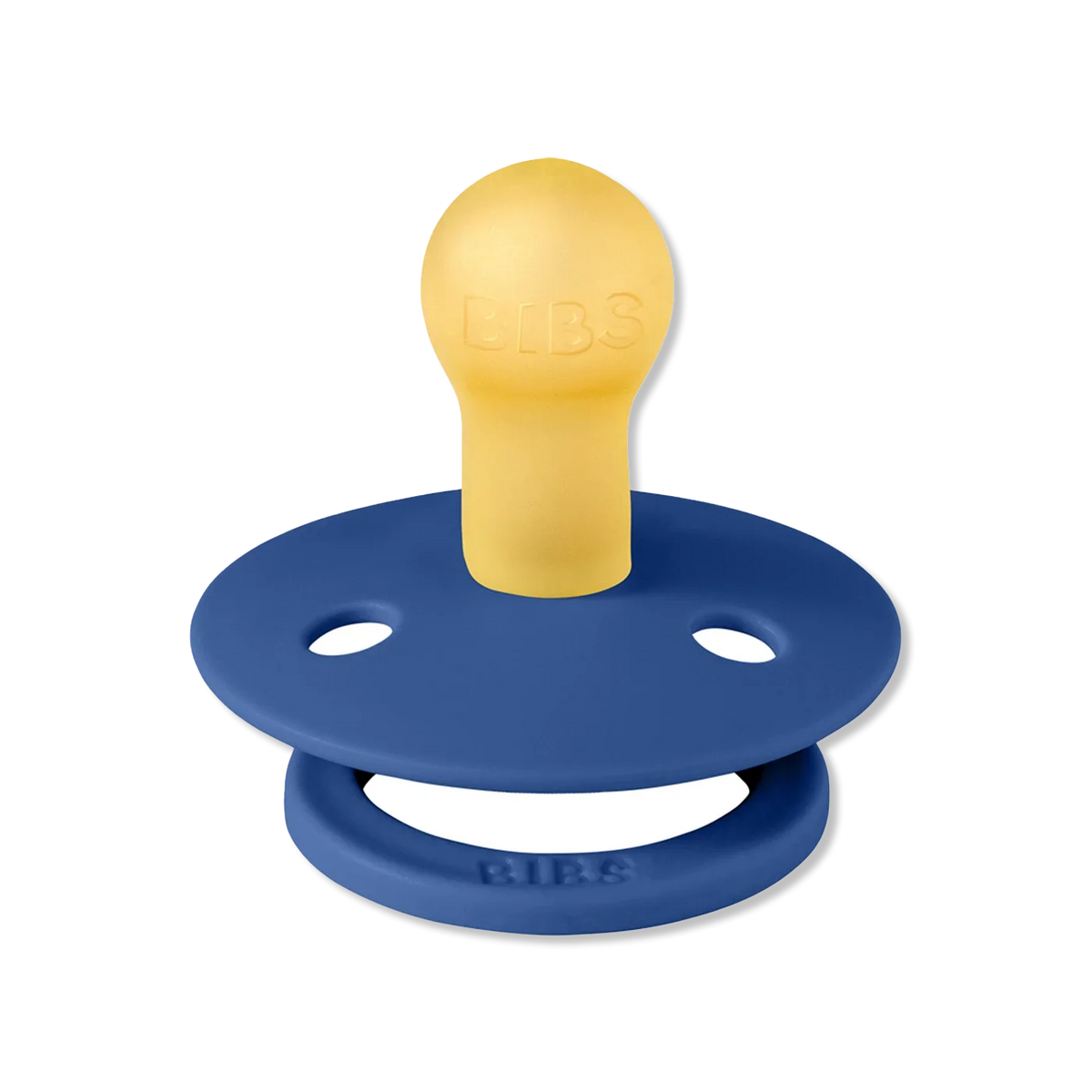
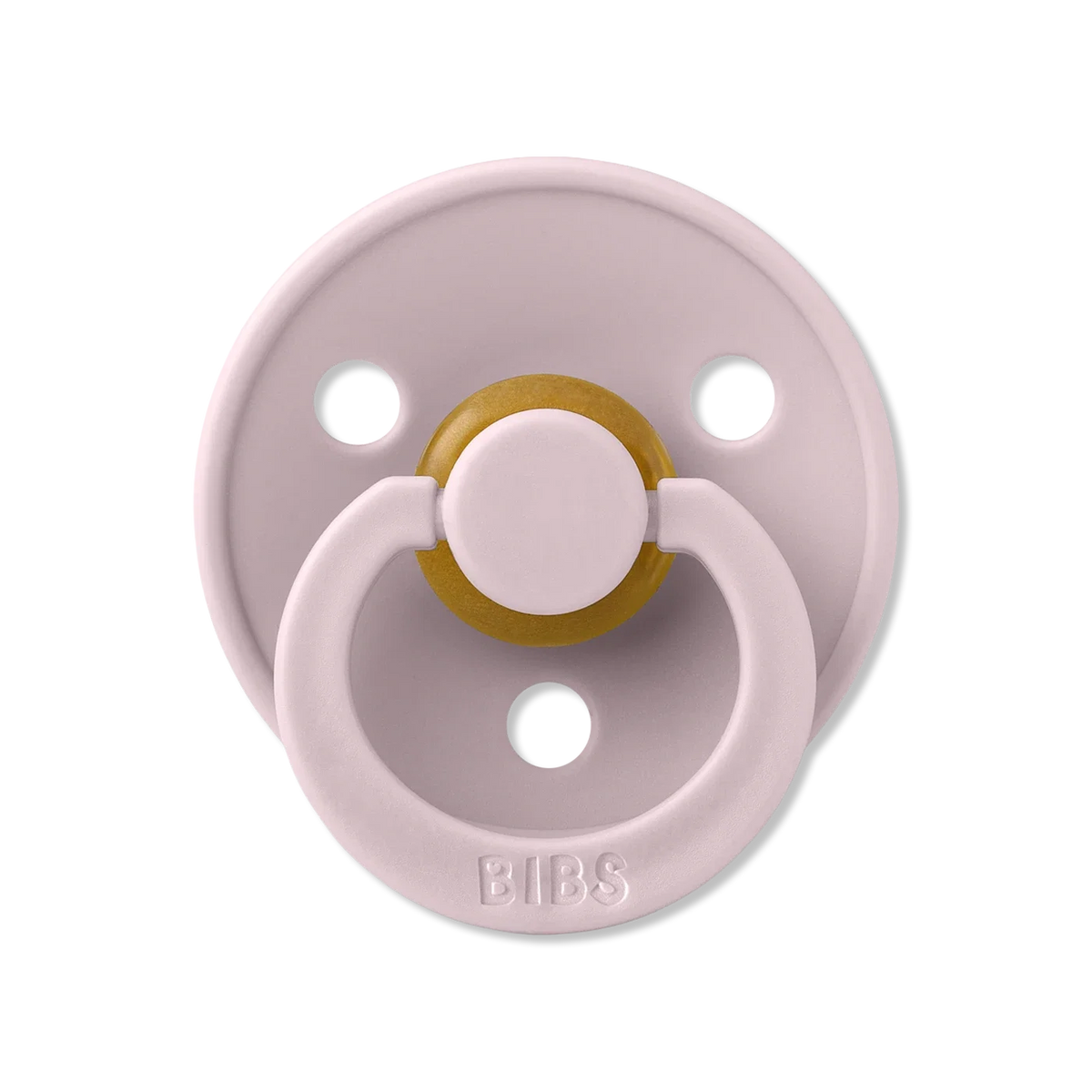
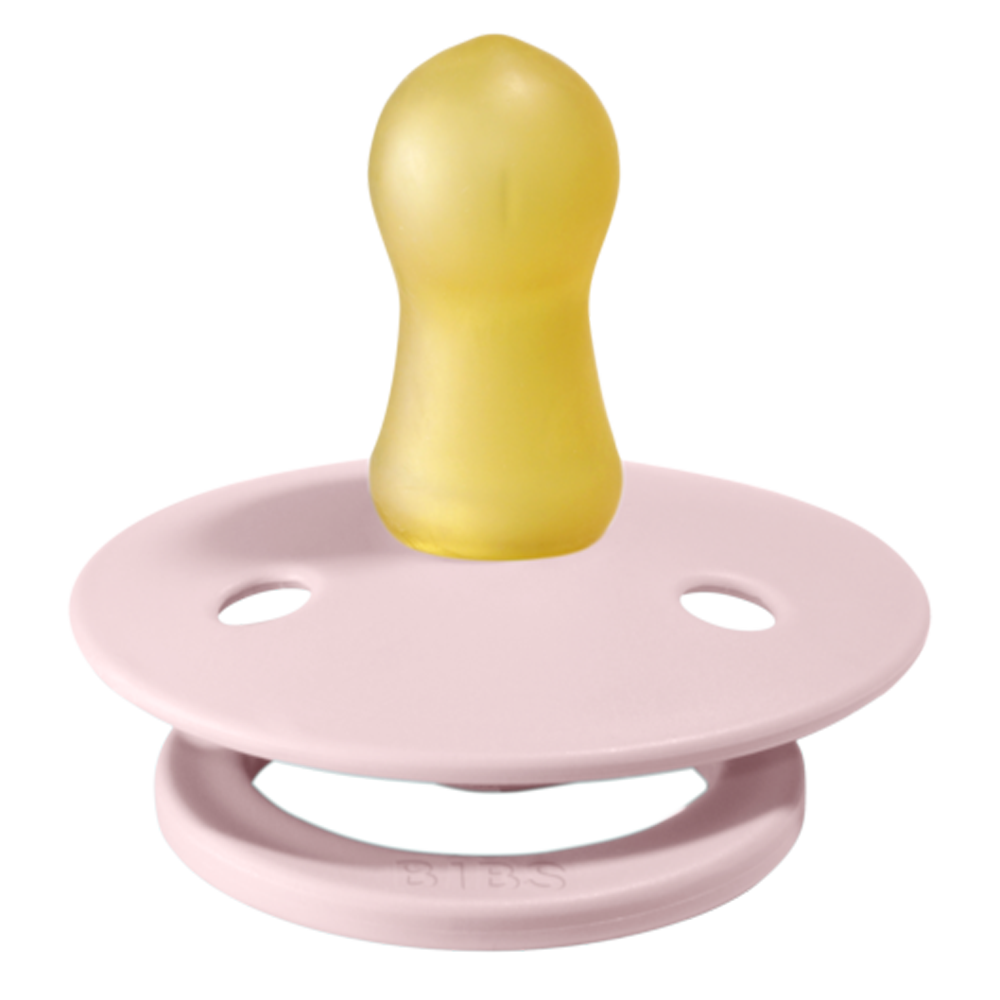
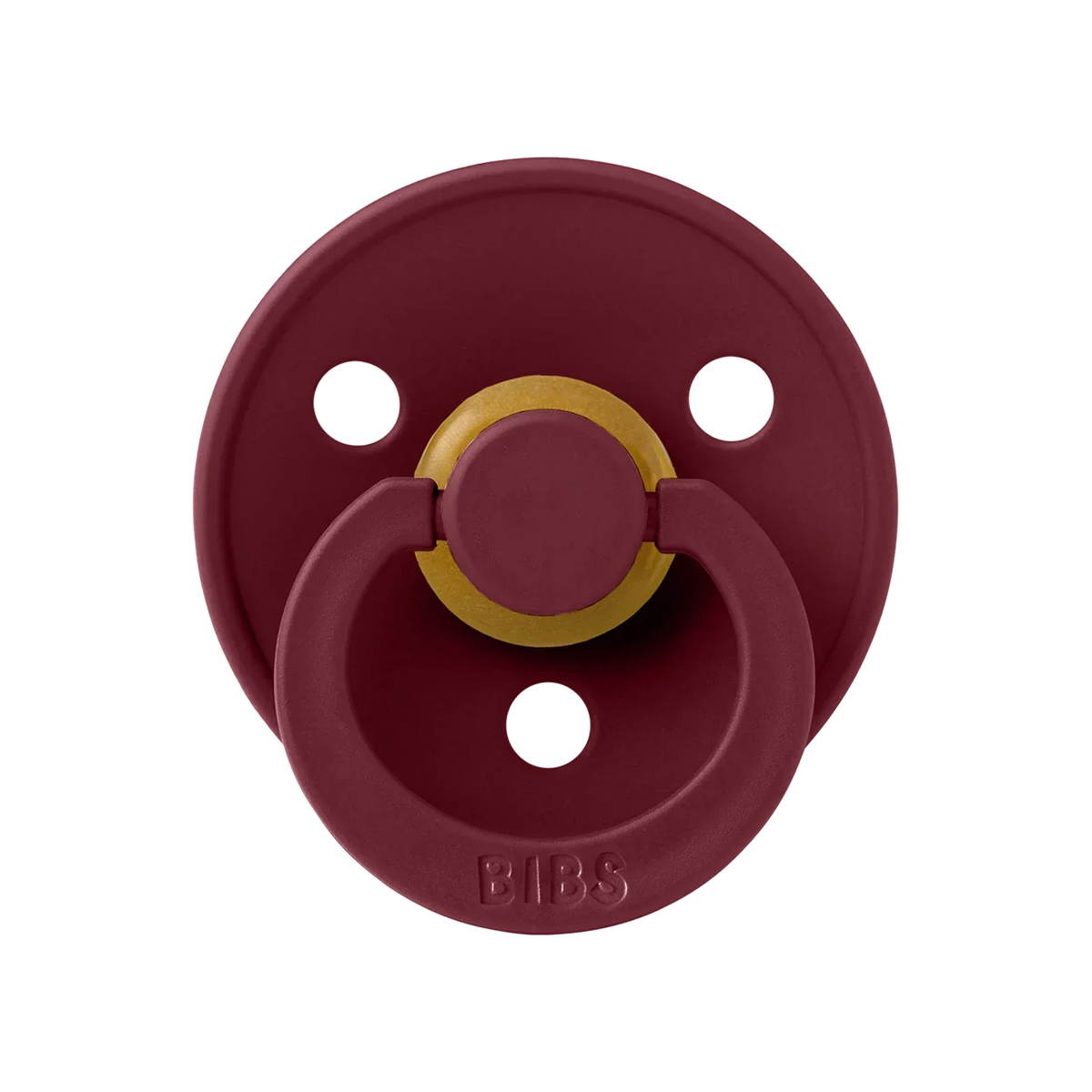
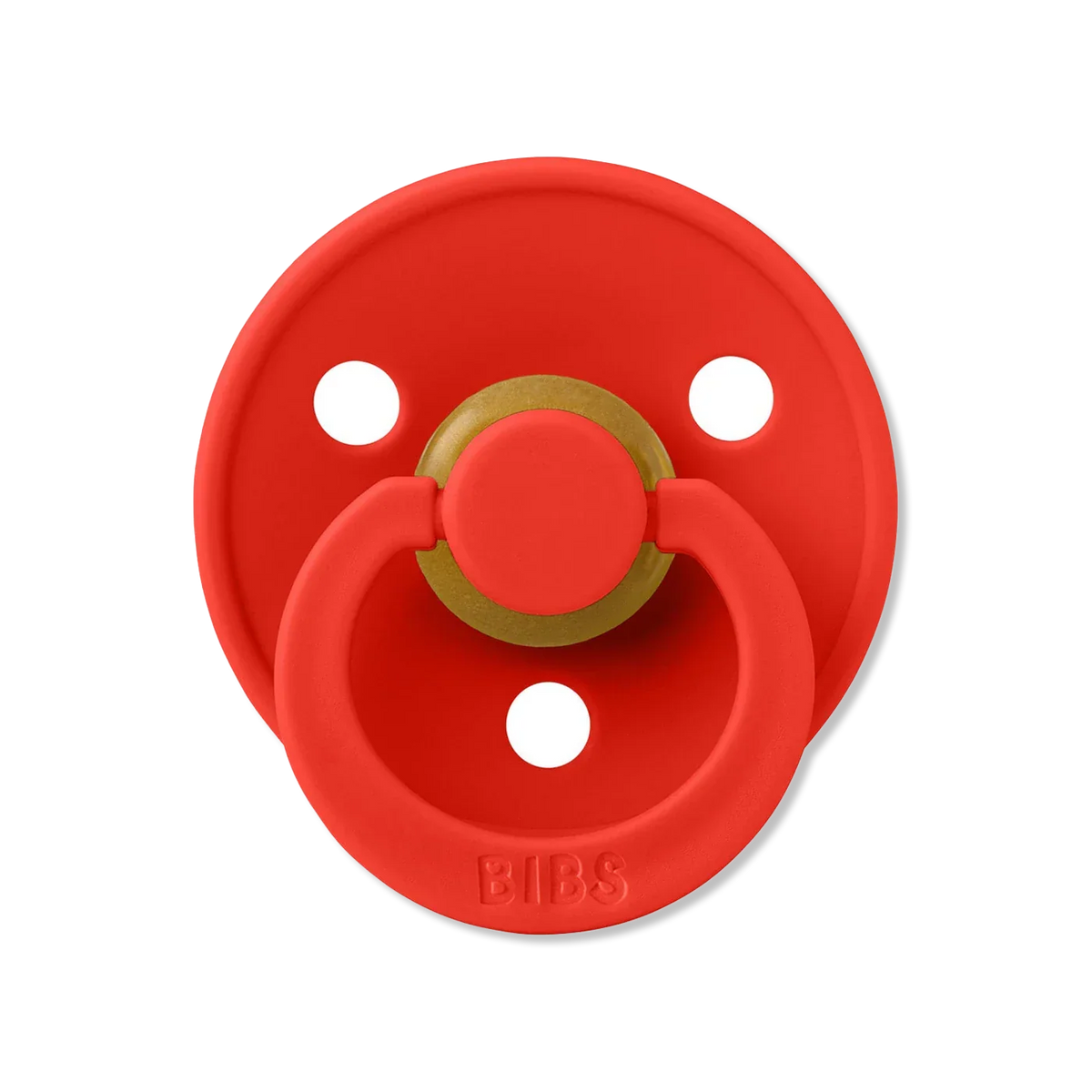
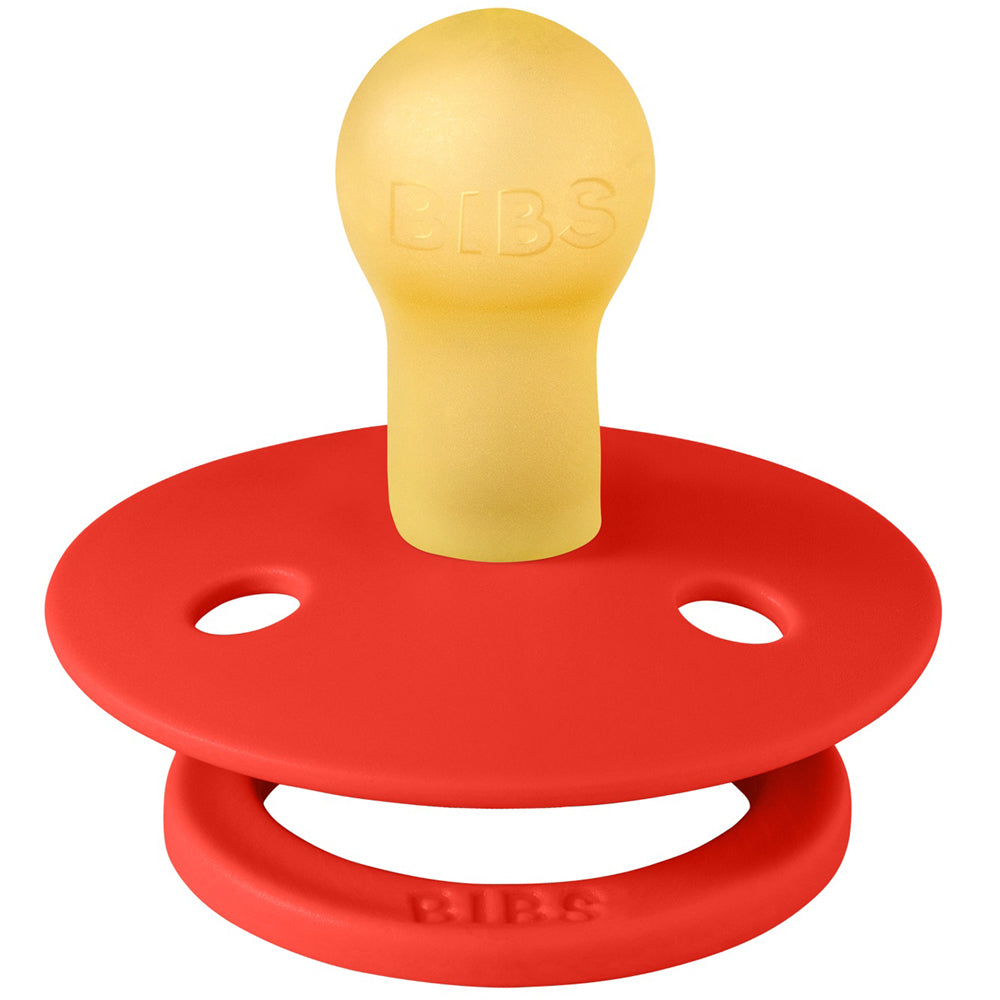
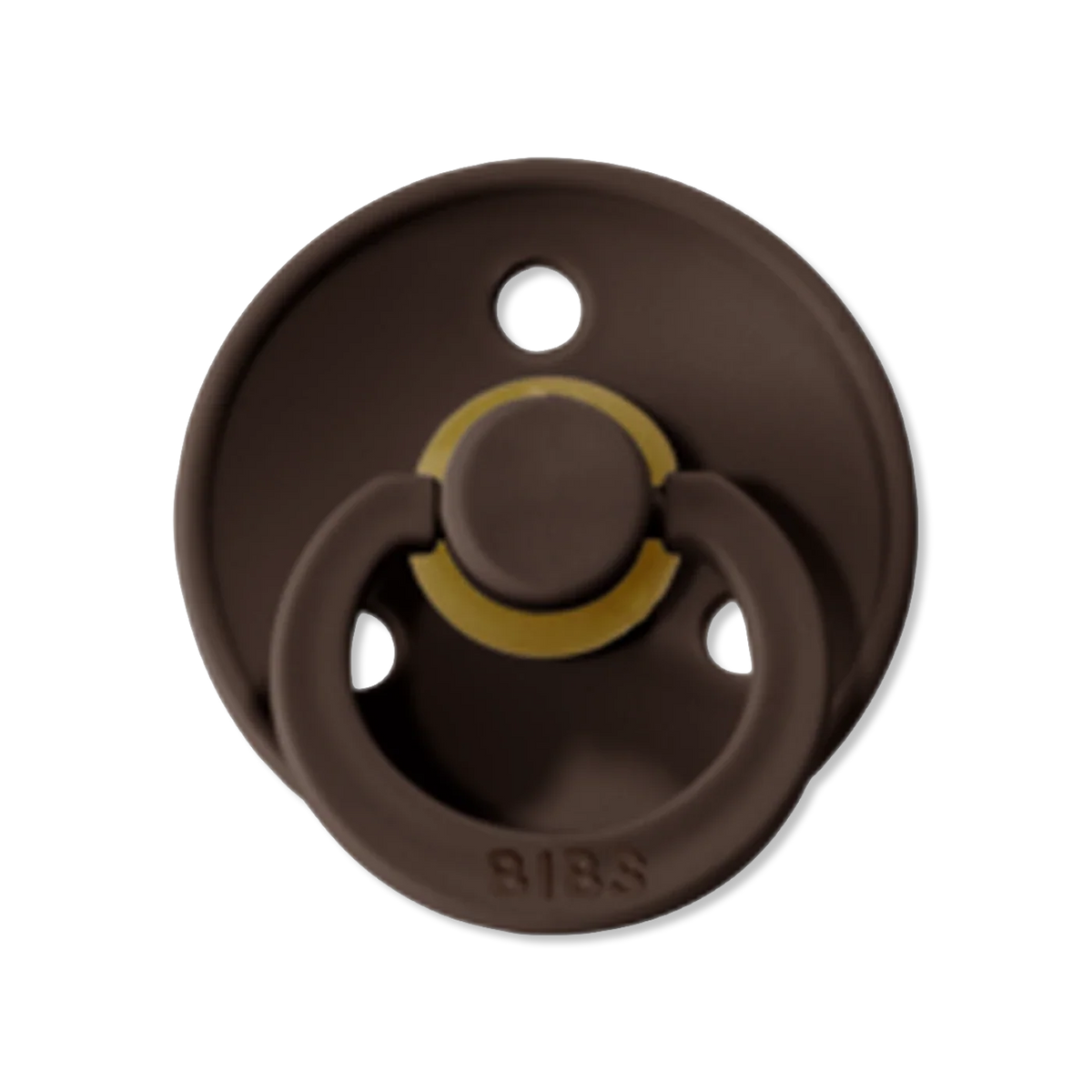
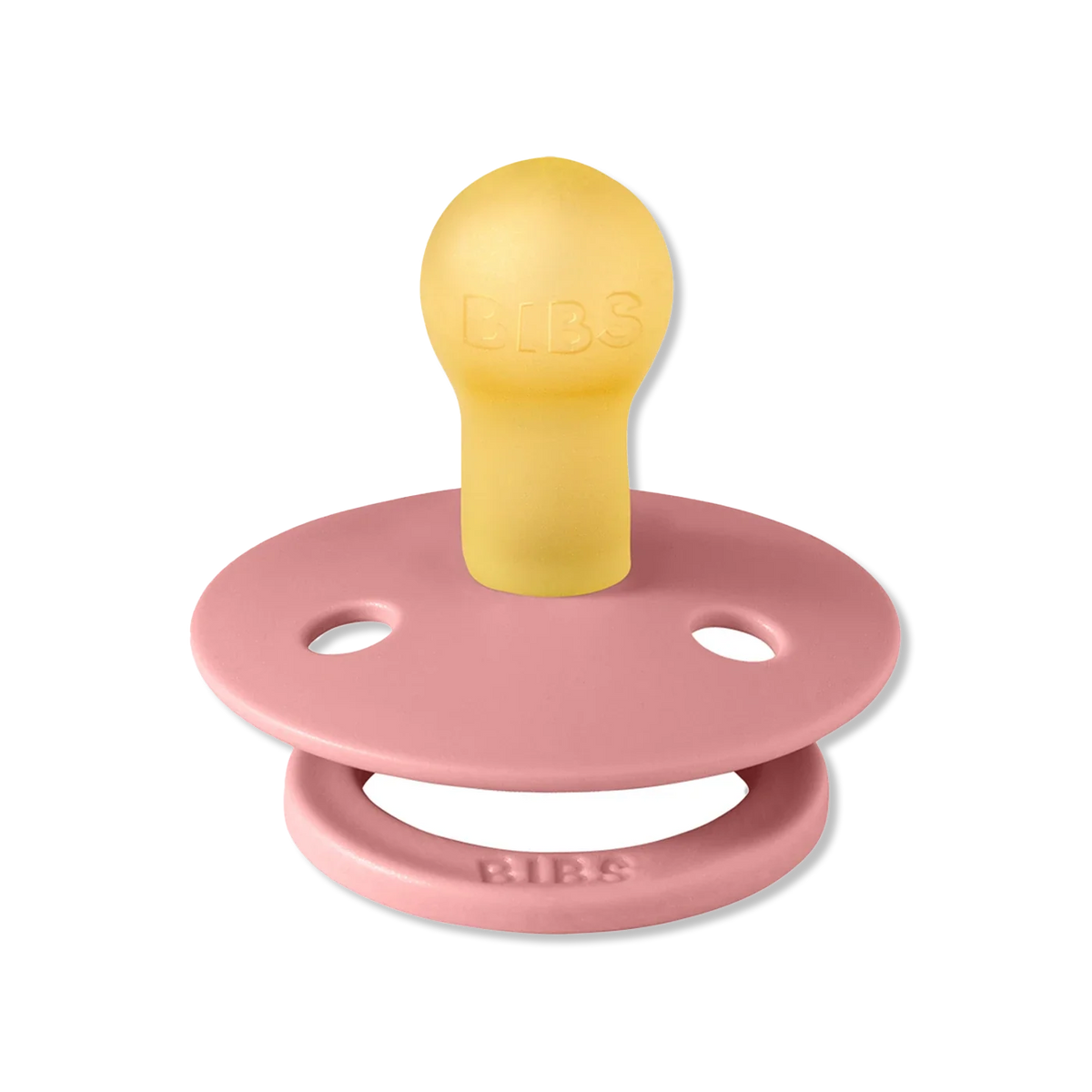
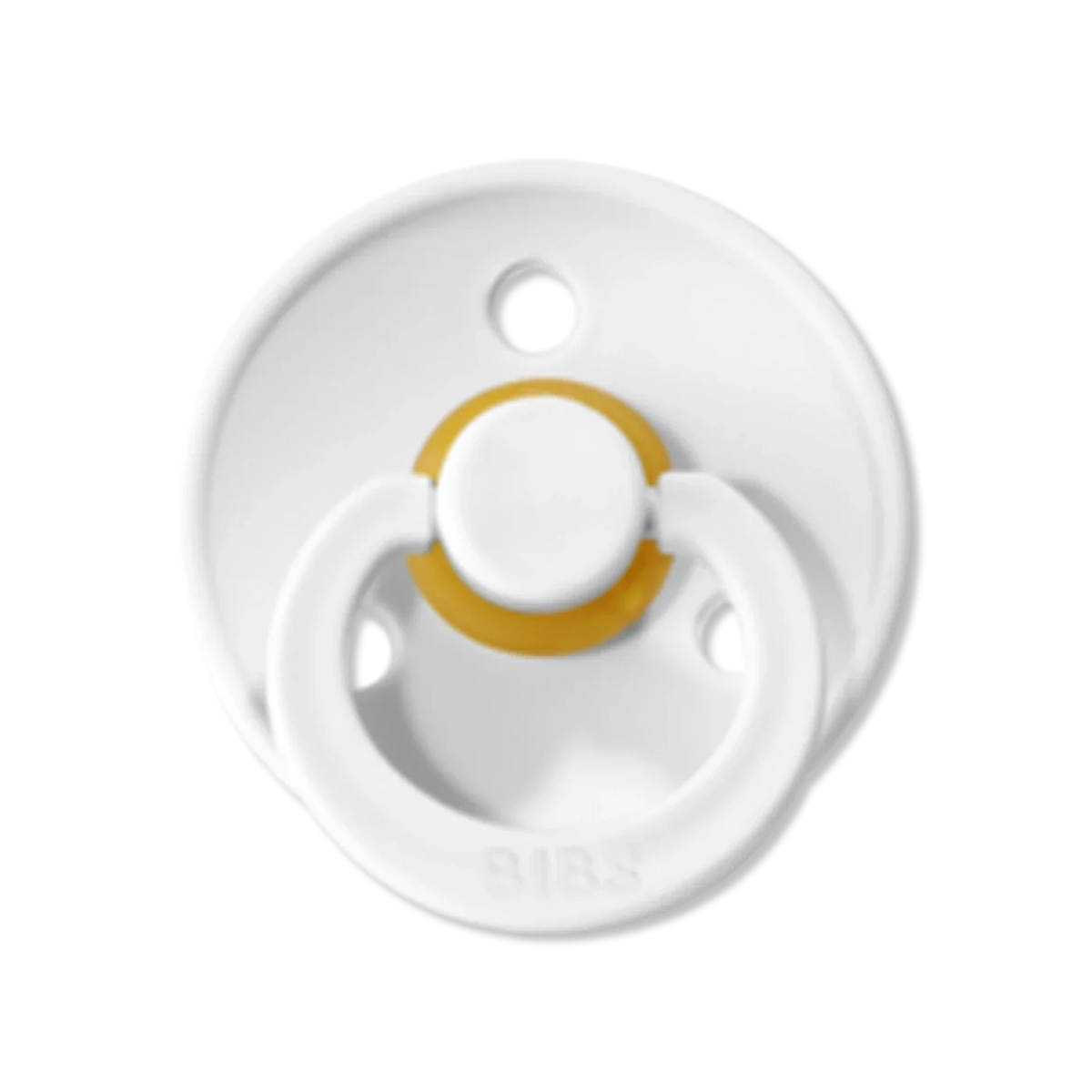
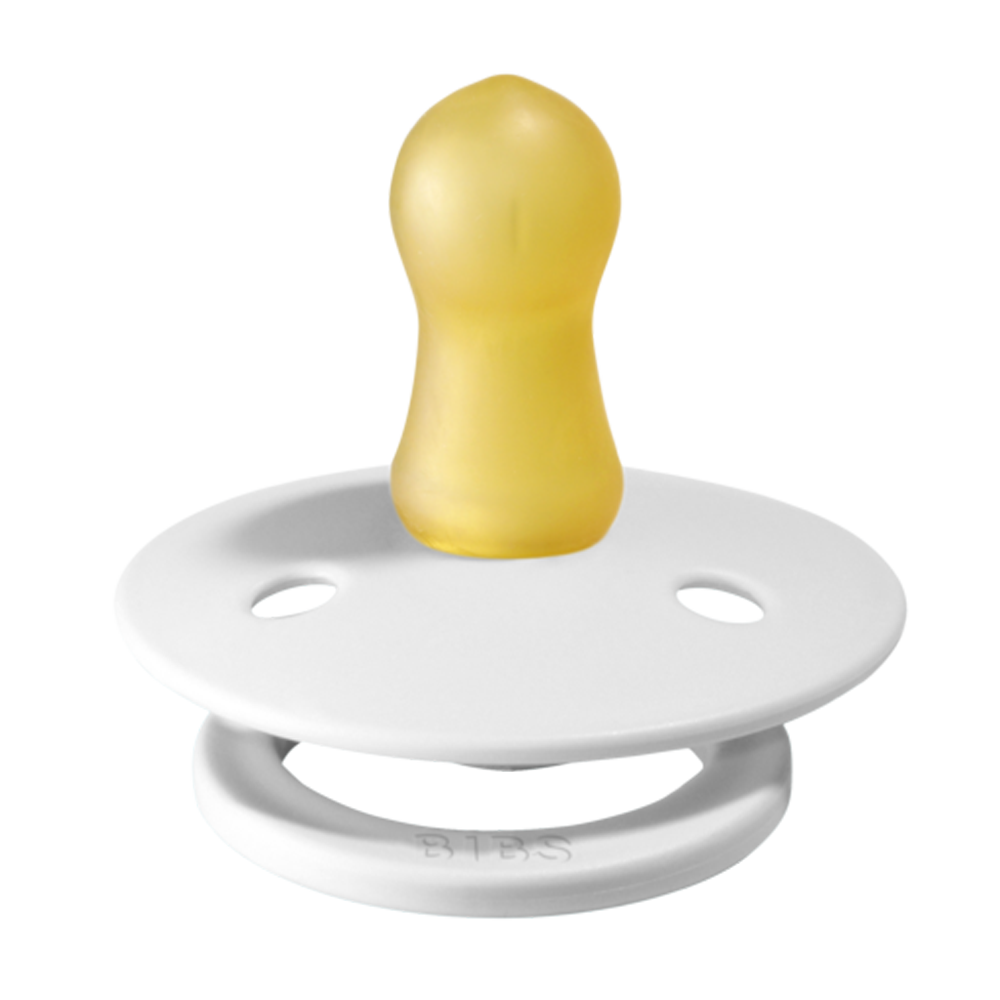
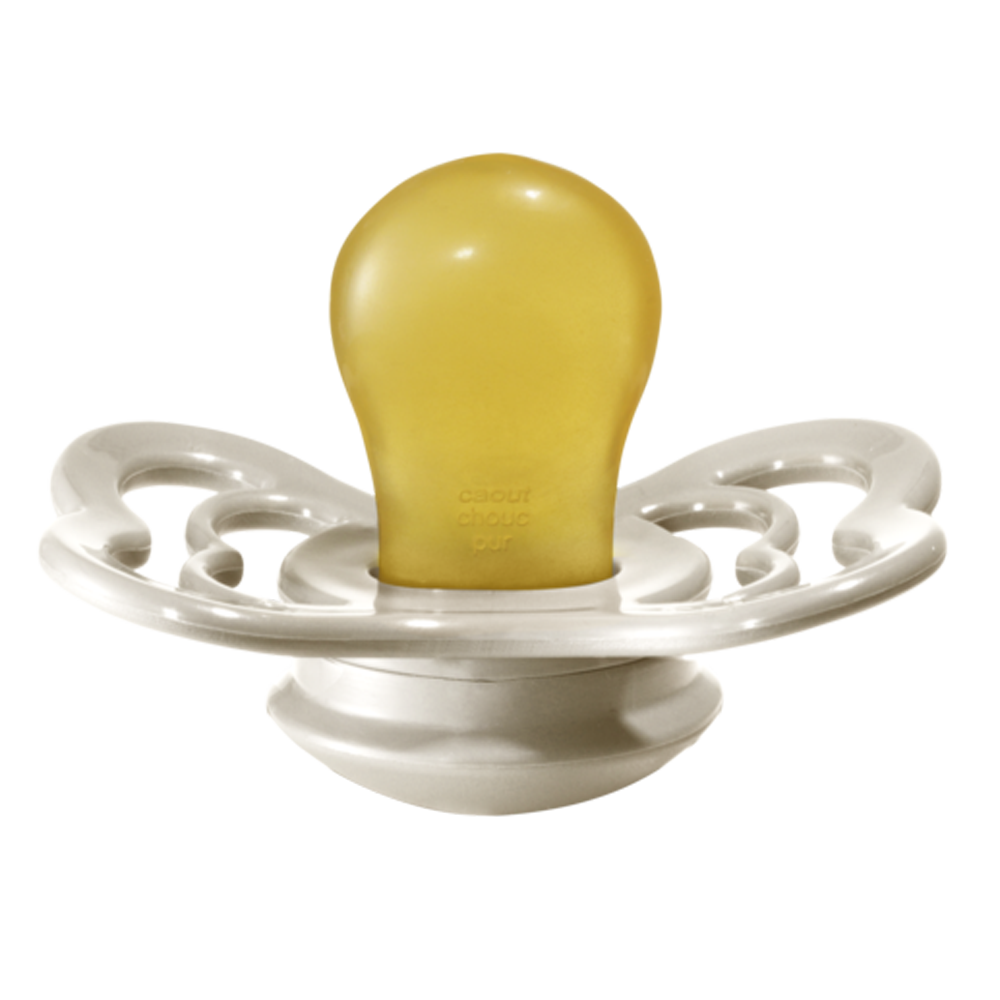
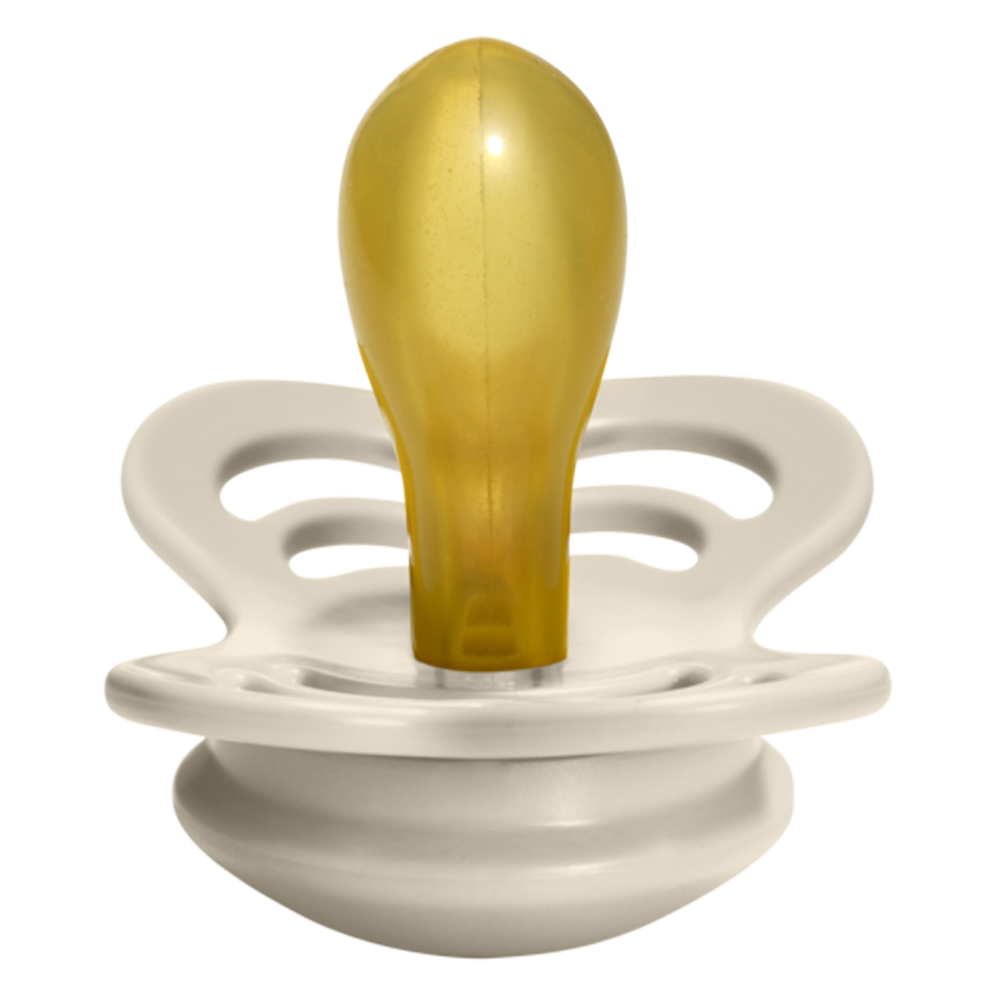
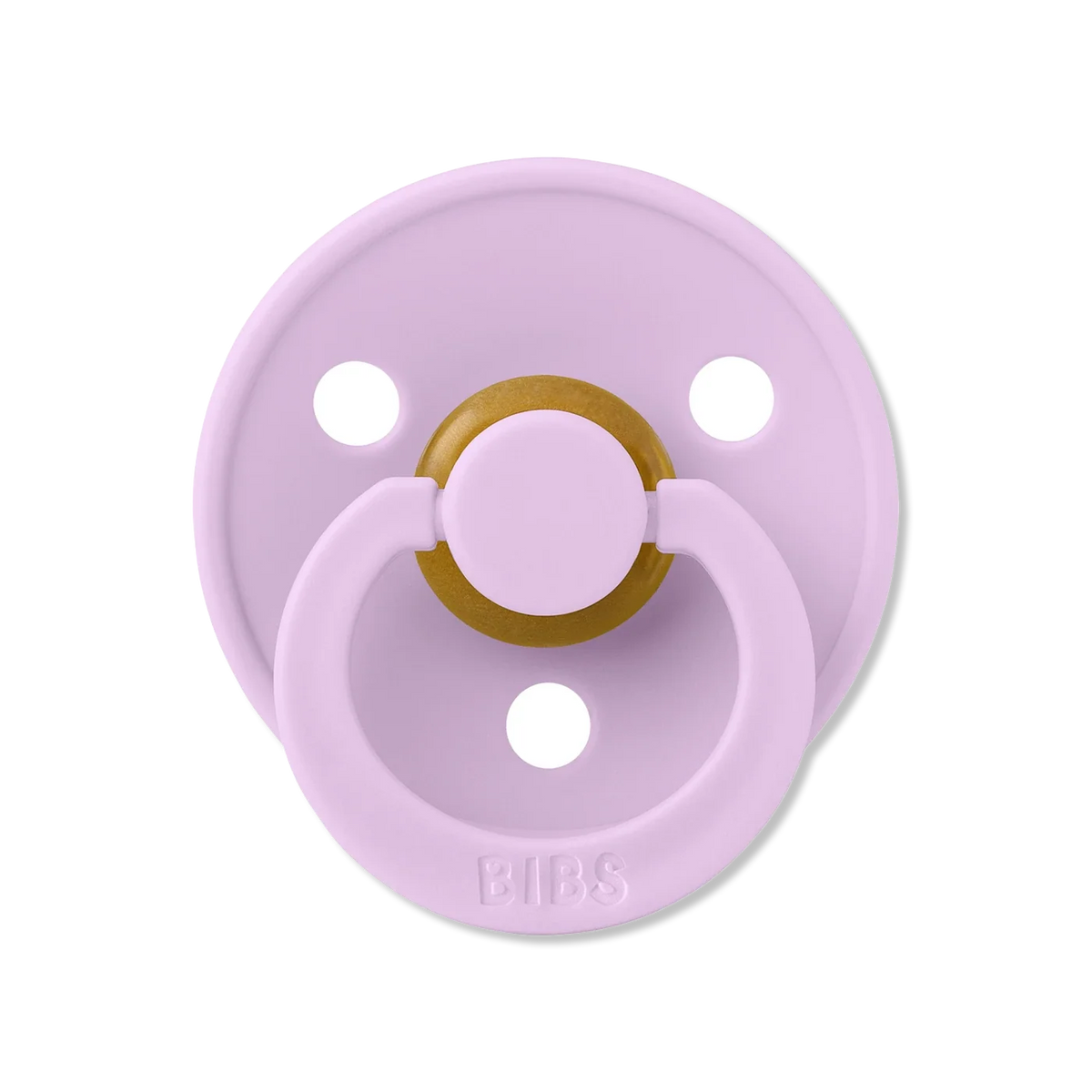
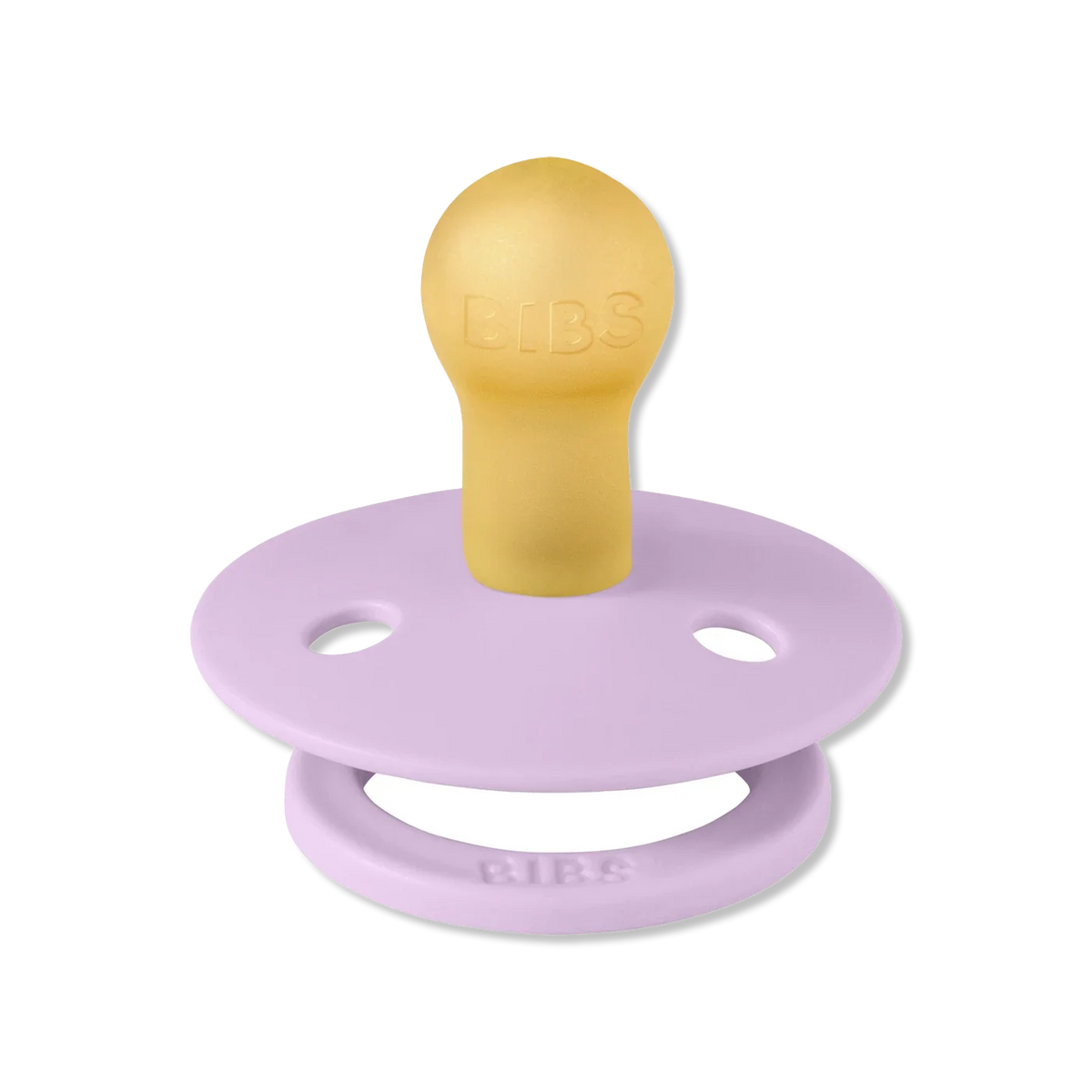
Pacifiers come in several different shapes, and both your baby’s preferences and your own wishes can play a role. Some have a classic round shape, while others are flatter or orthodontic.
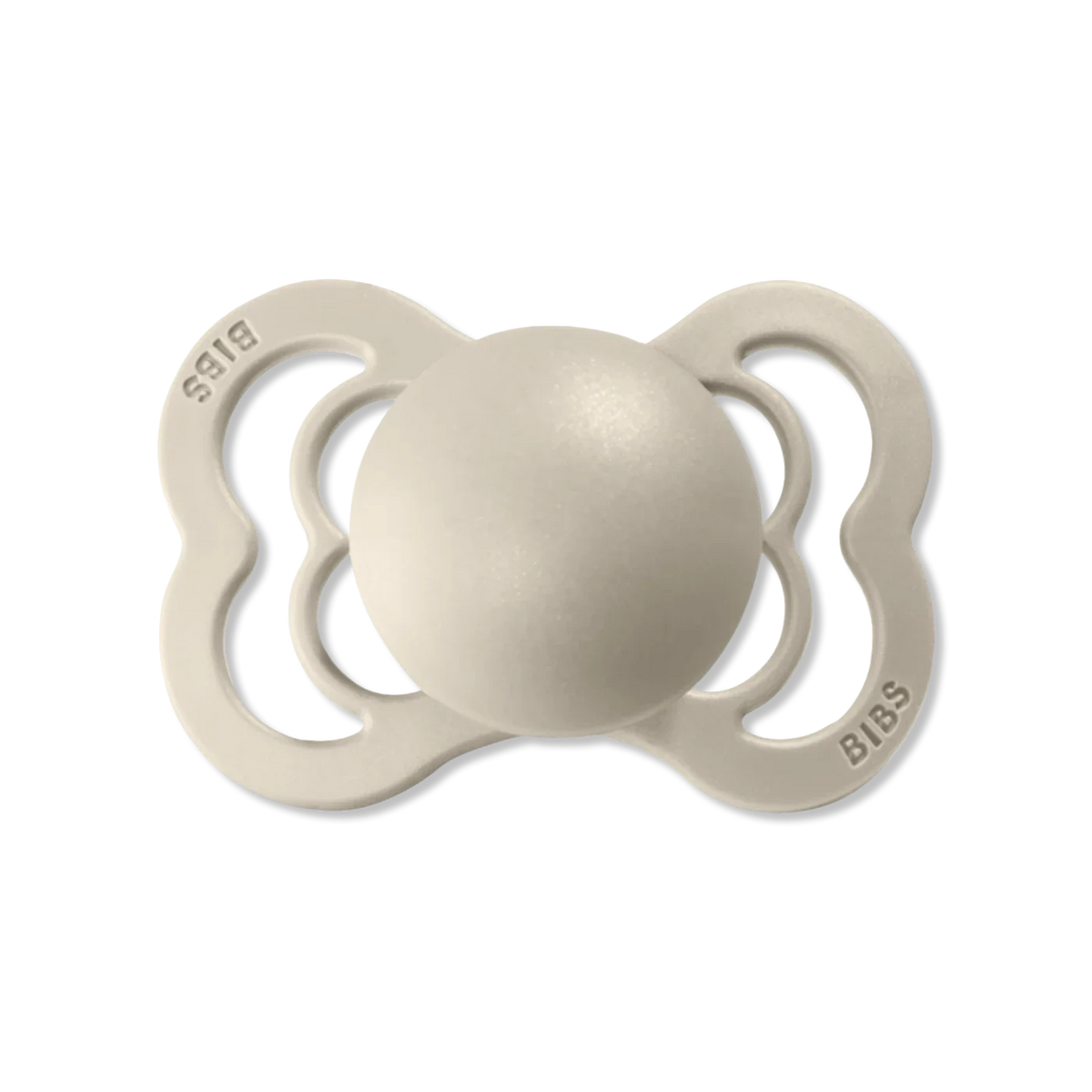
Orthodontic pacifiers are shaped with a flatter underside and are designed with the mouth and teeth in mind. This can be a good choice if the pacifier is used often and you want to reduce pressure on the palate and teeth. At the same time, many babies prefer a round pacifier from the start, simply because it feels most natural to them.
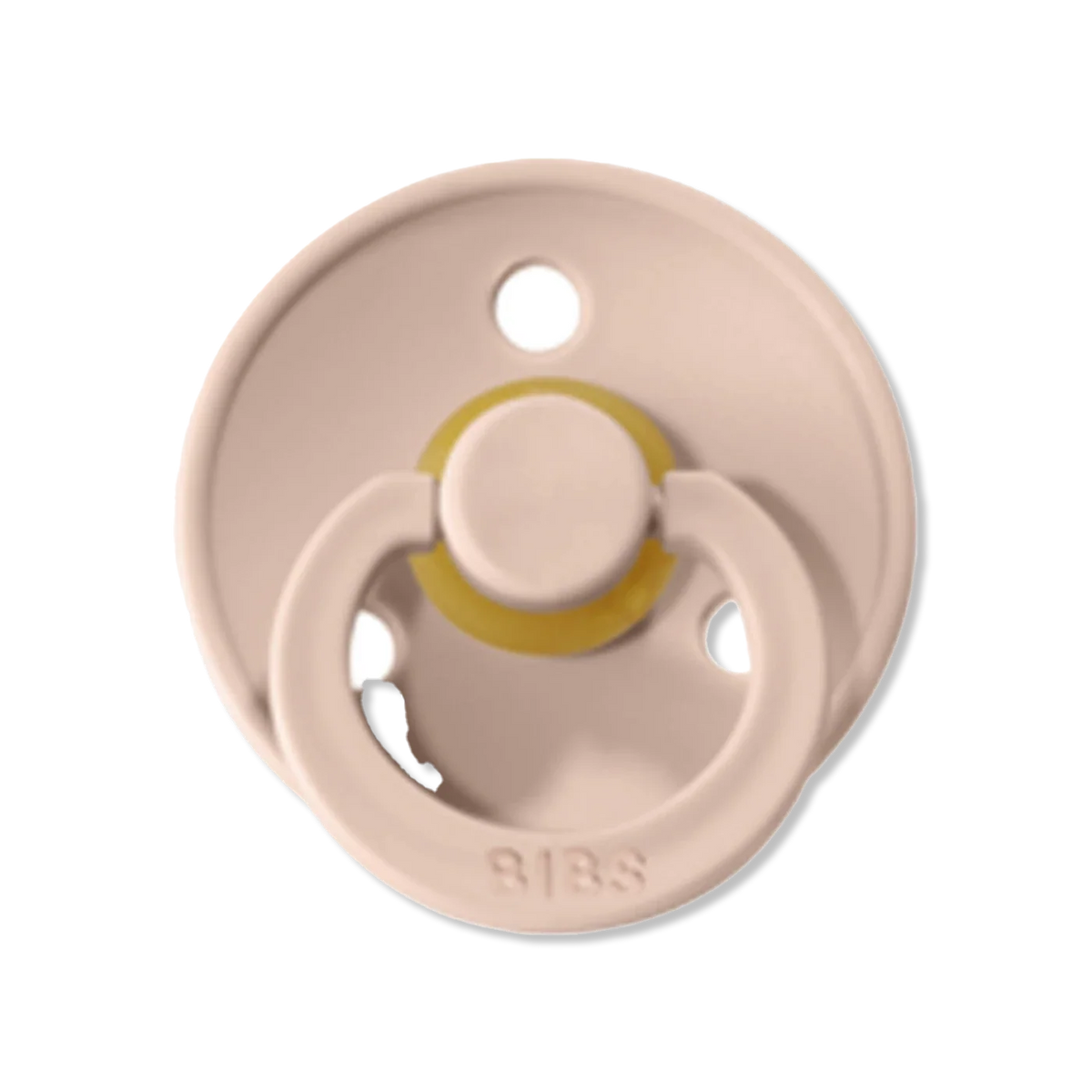
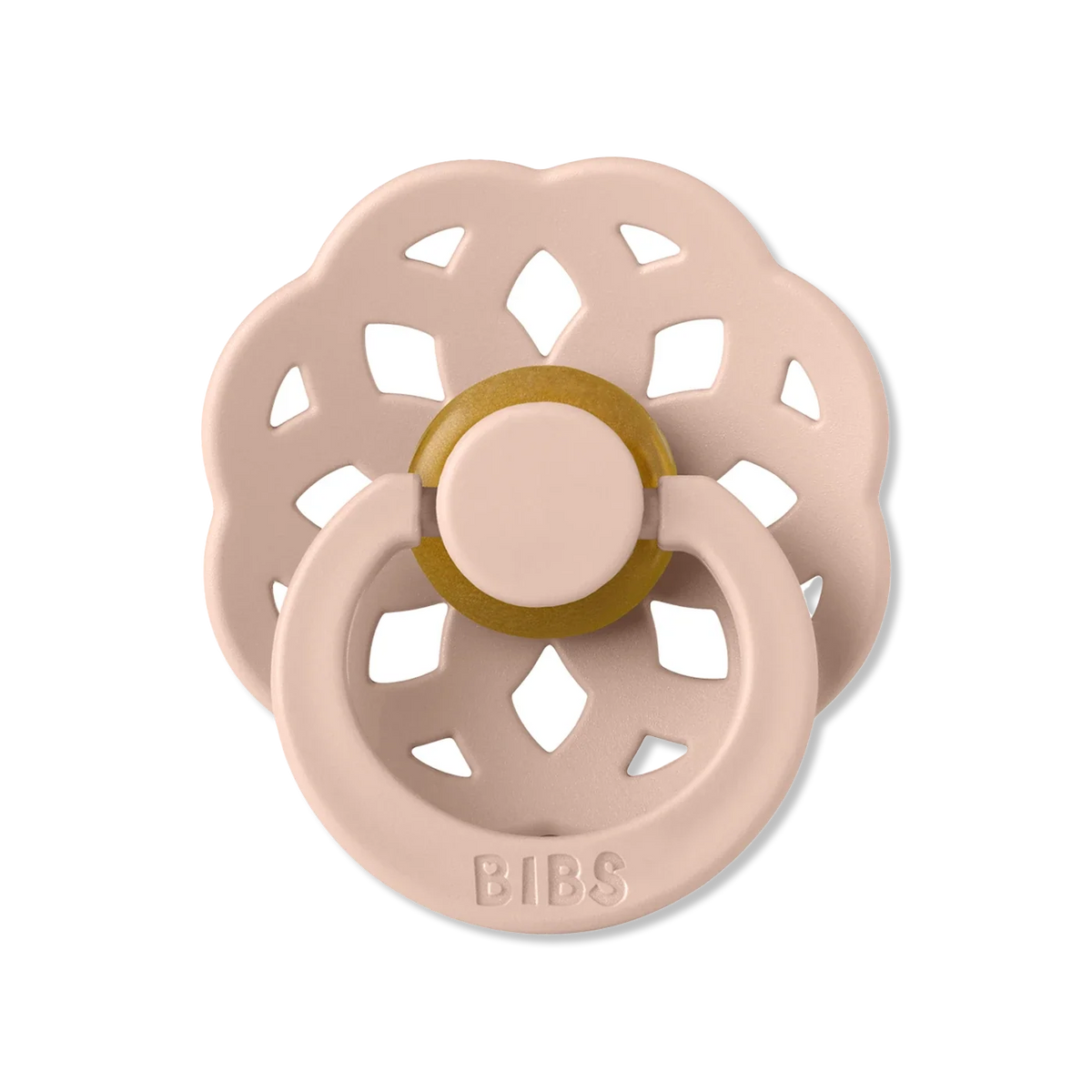
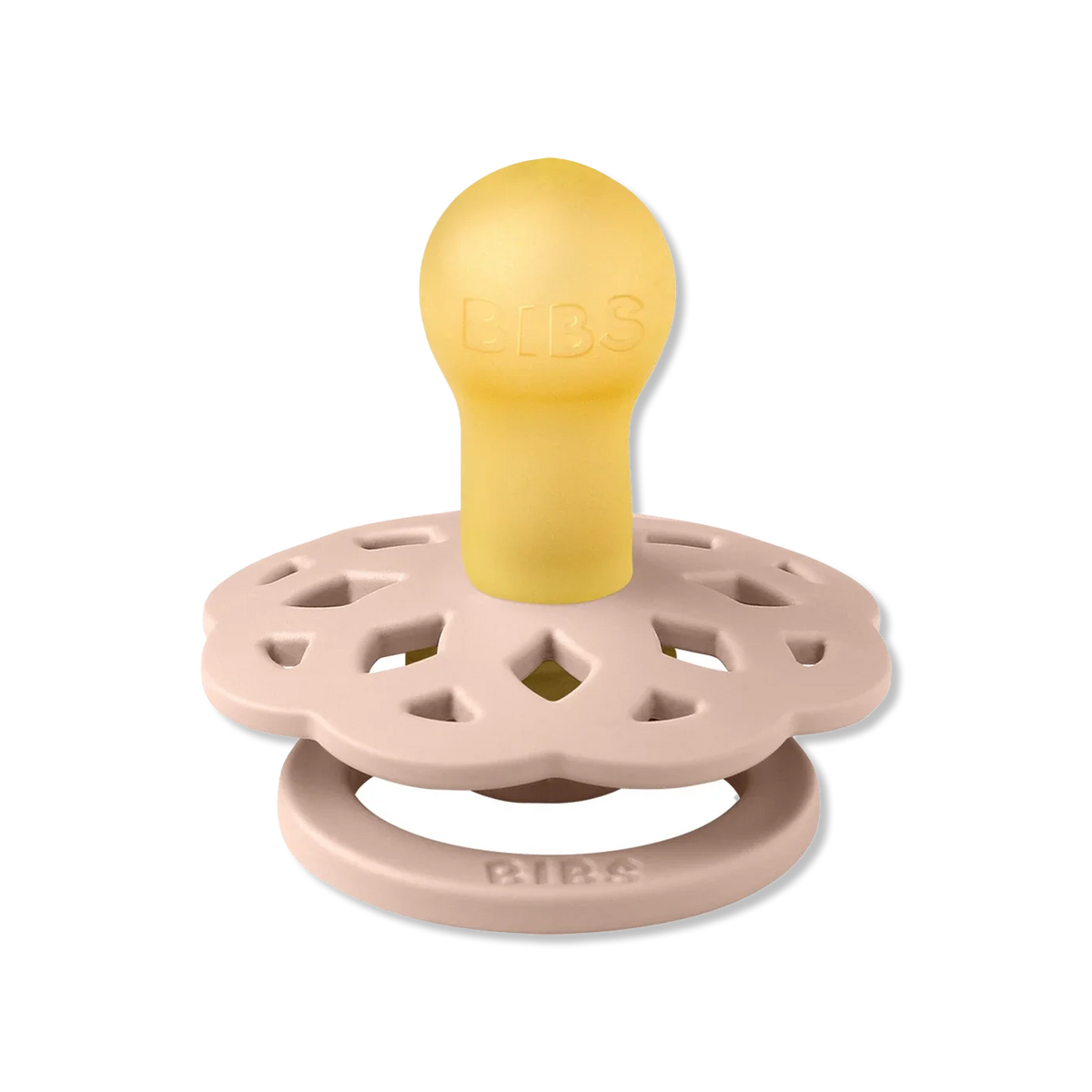
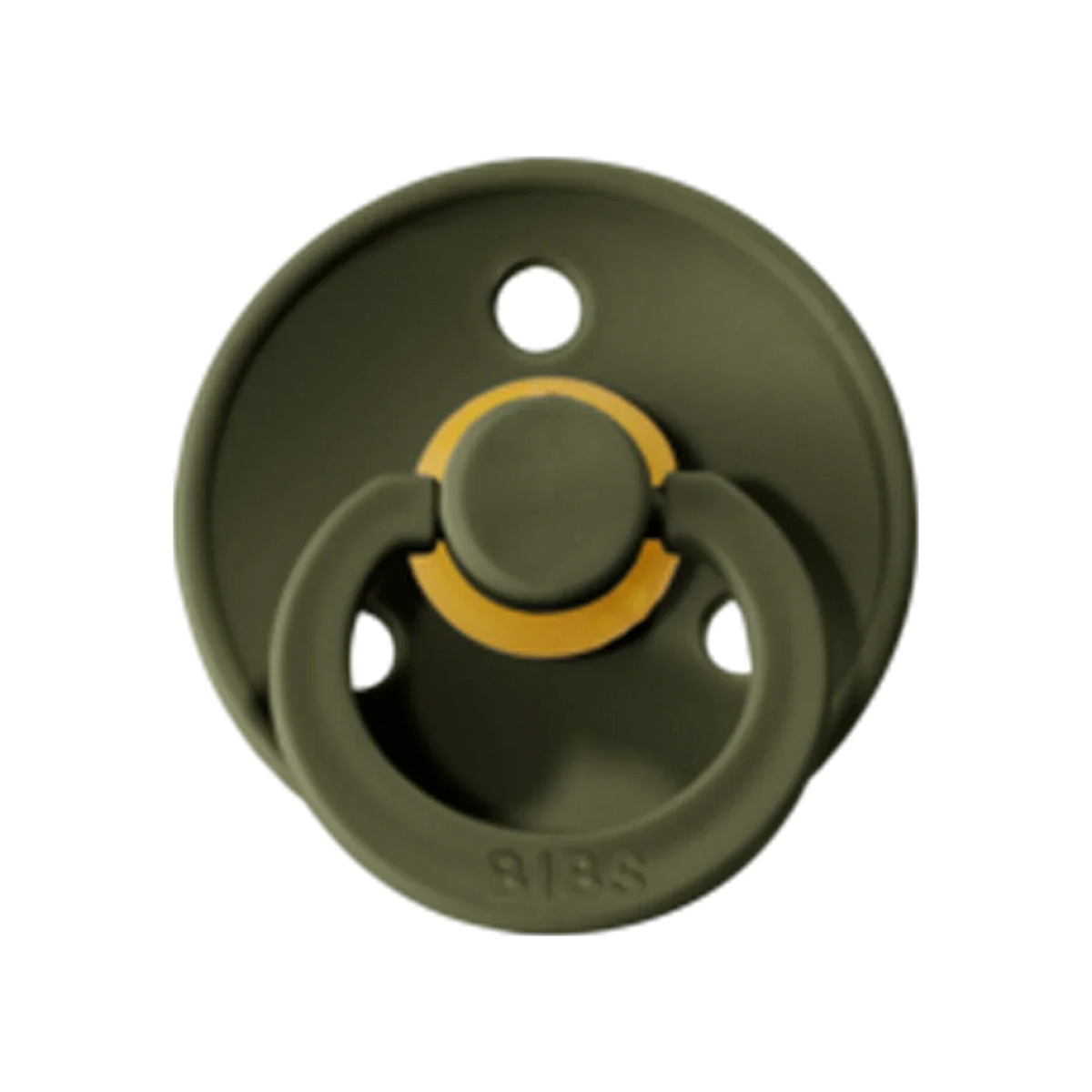
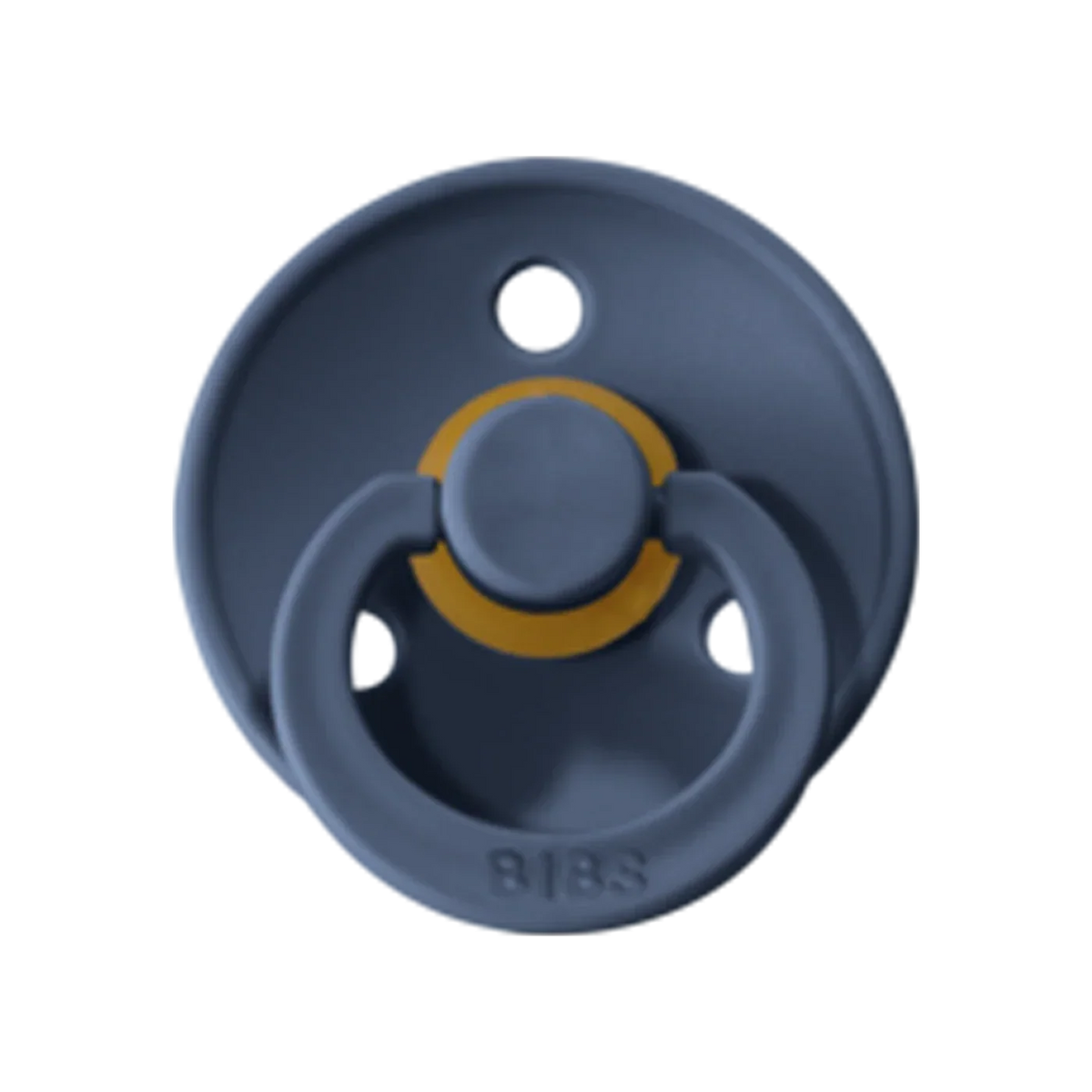
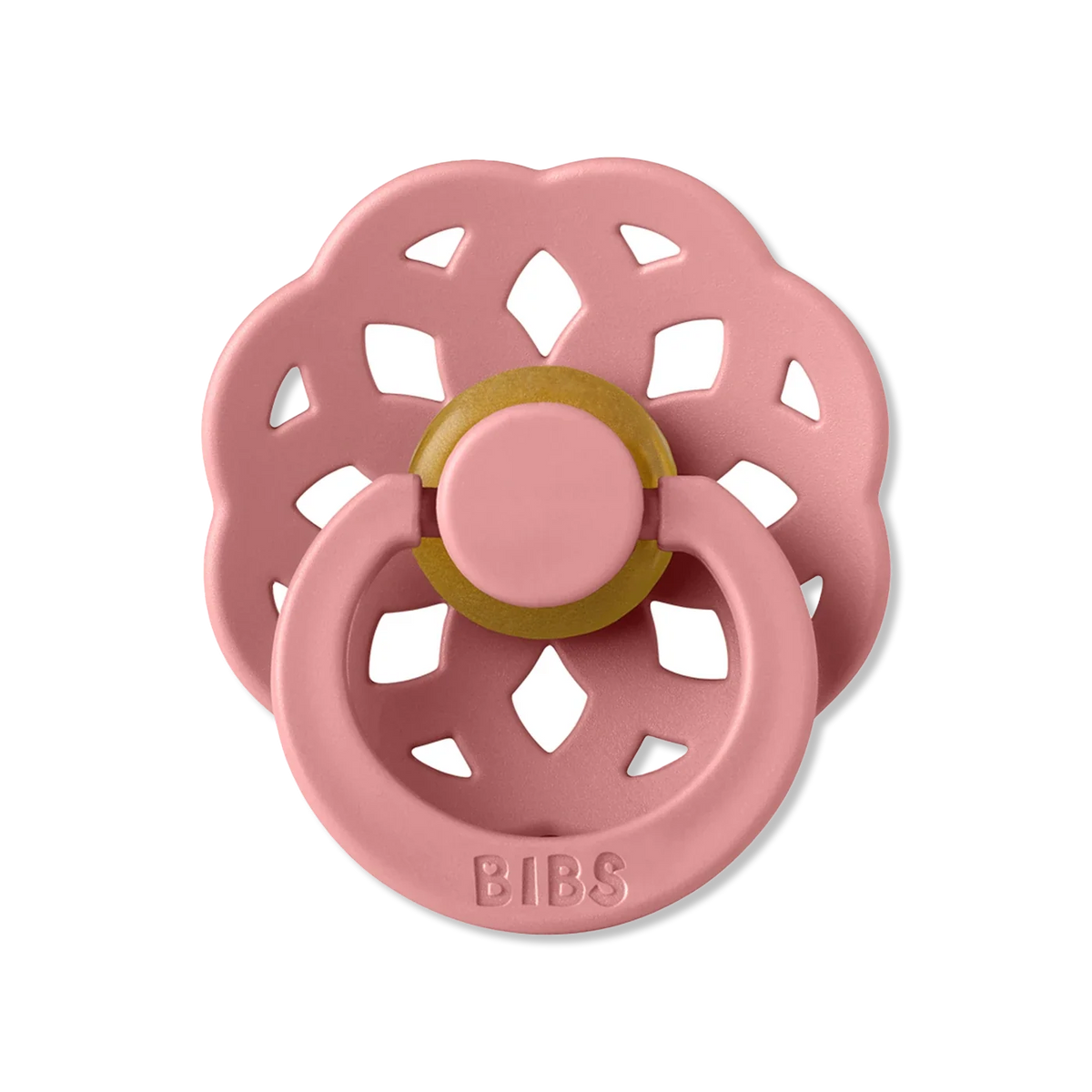
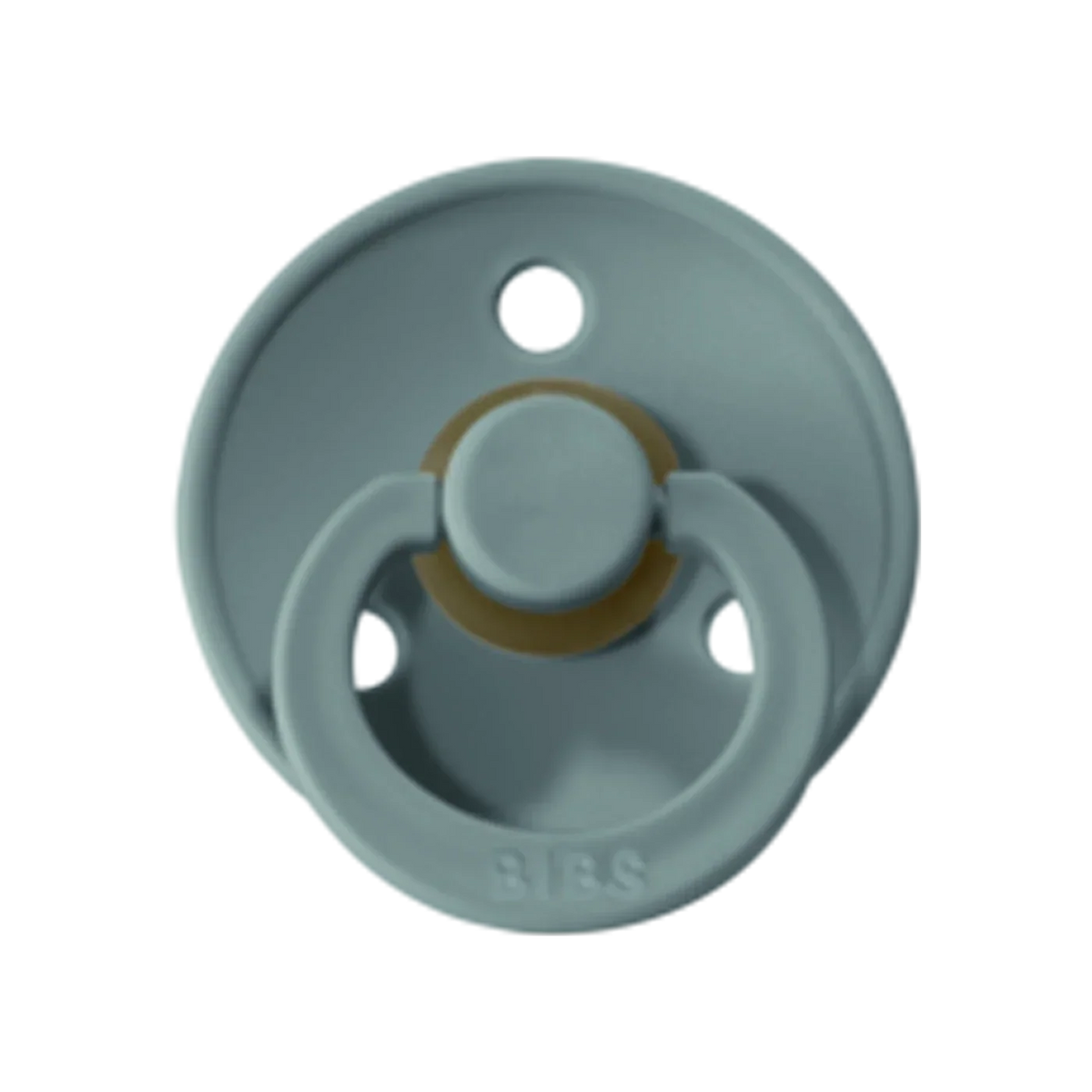
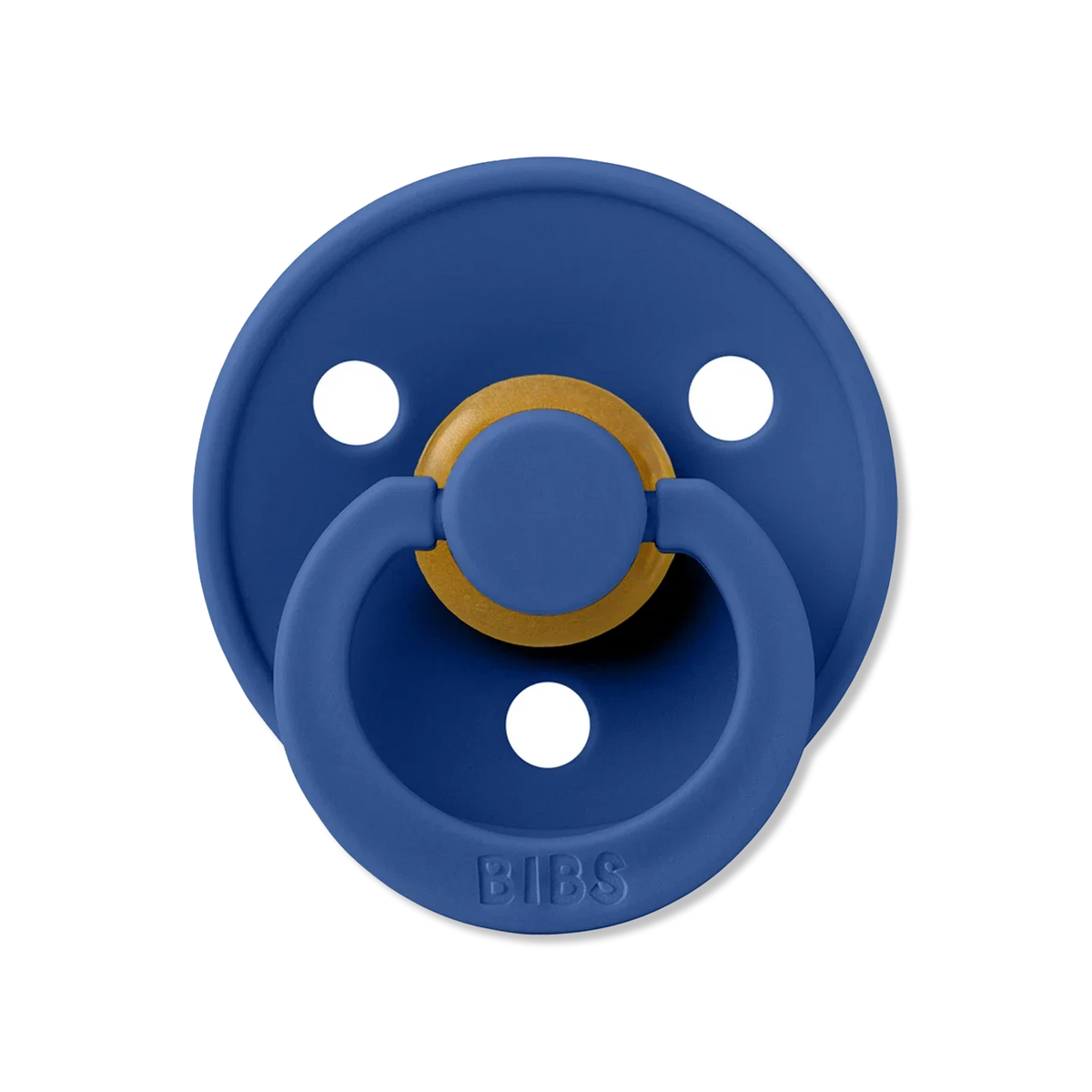
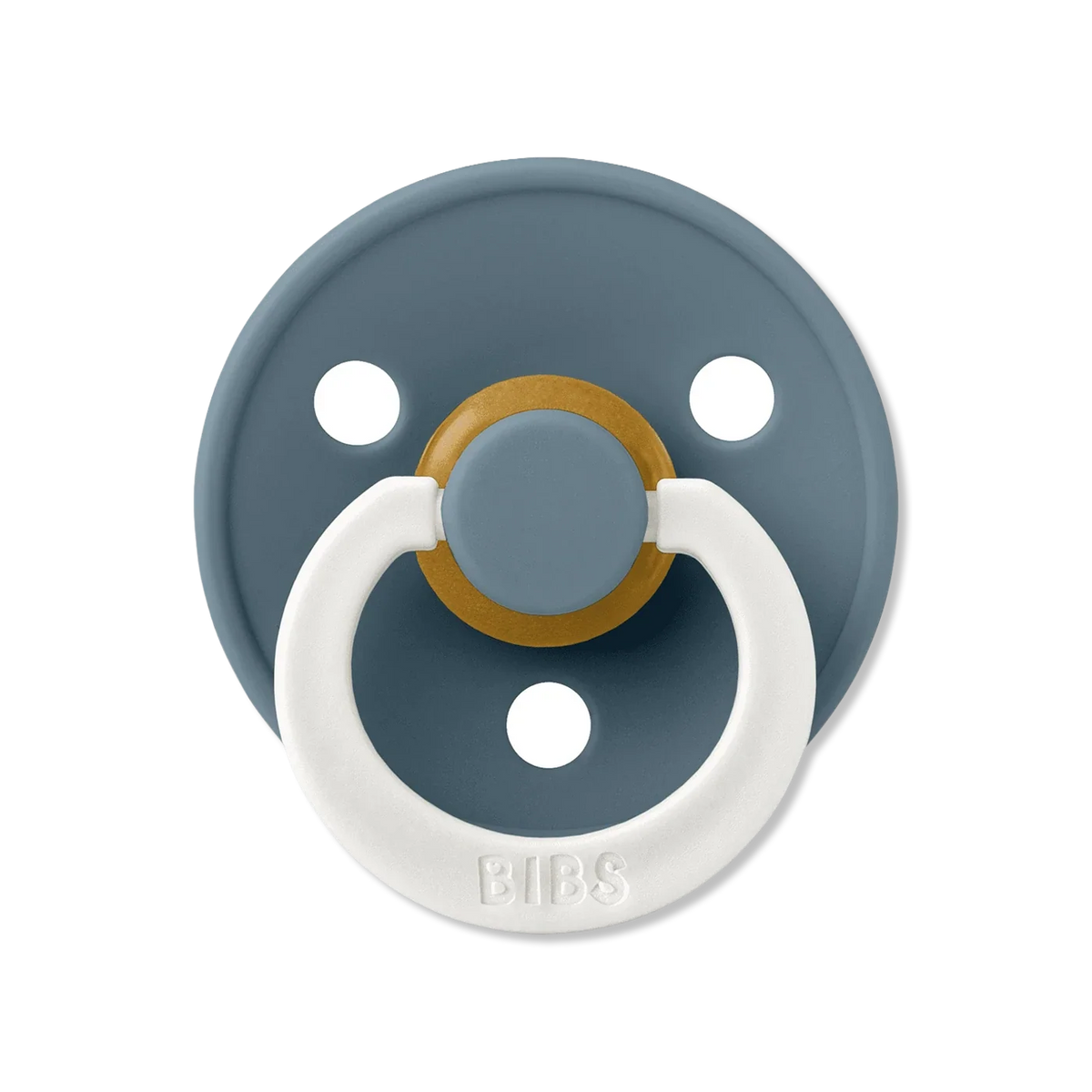
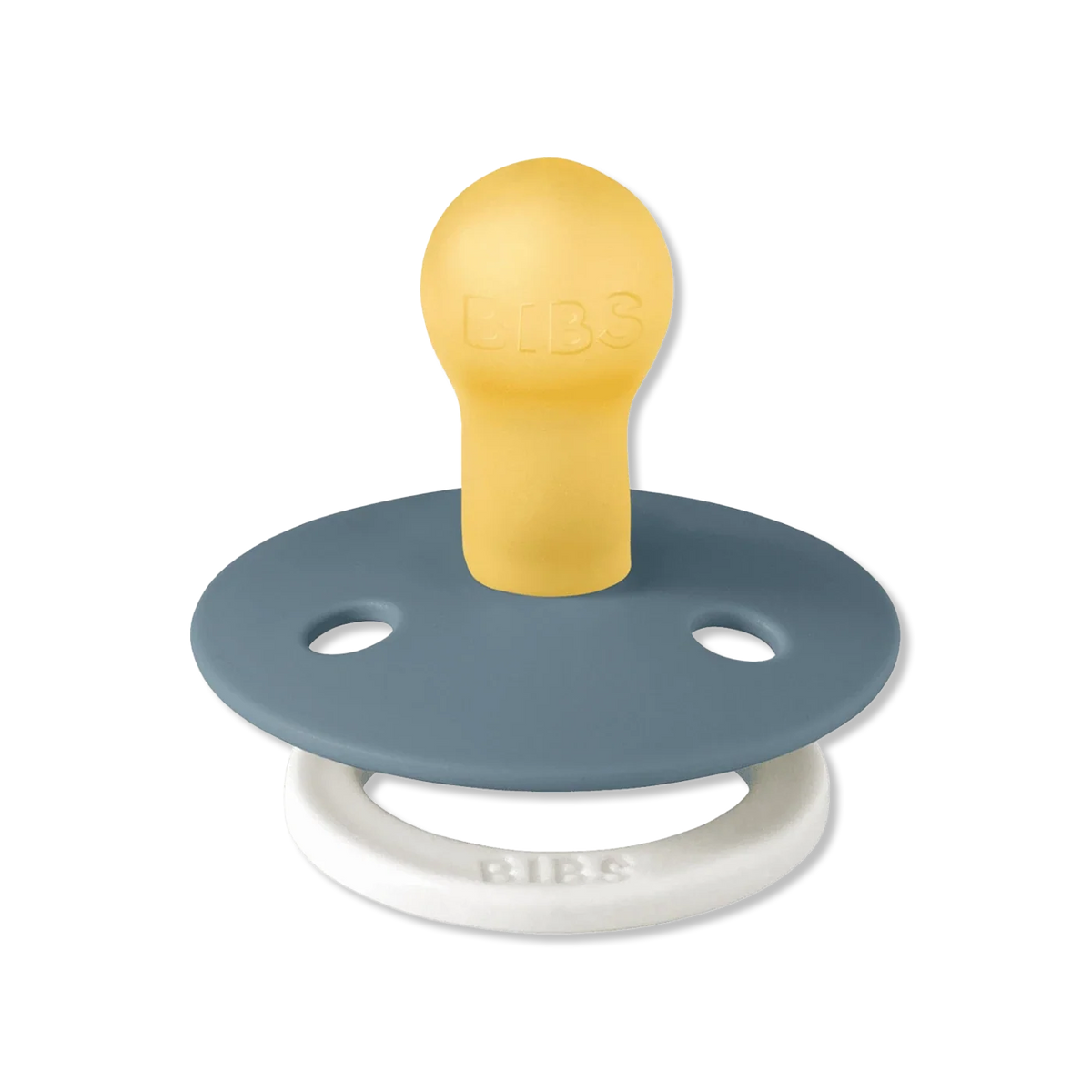
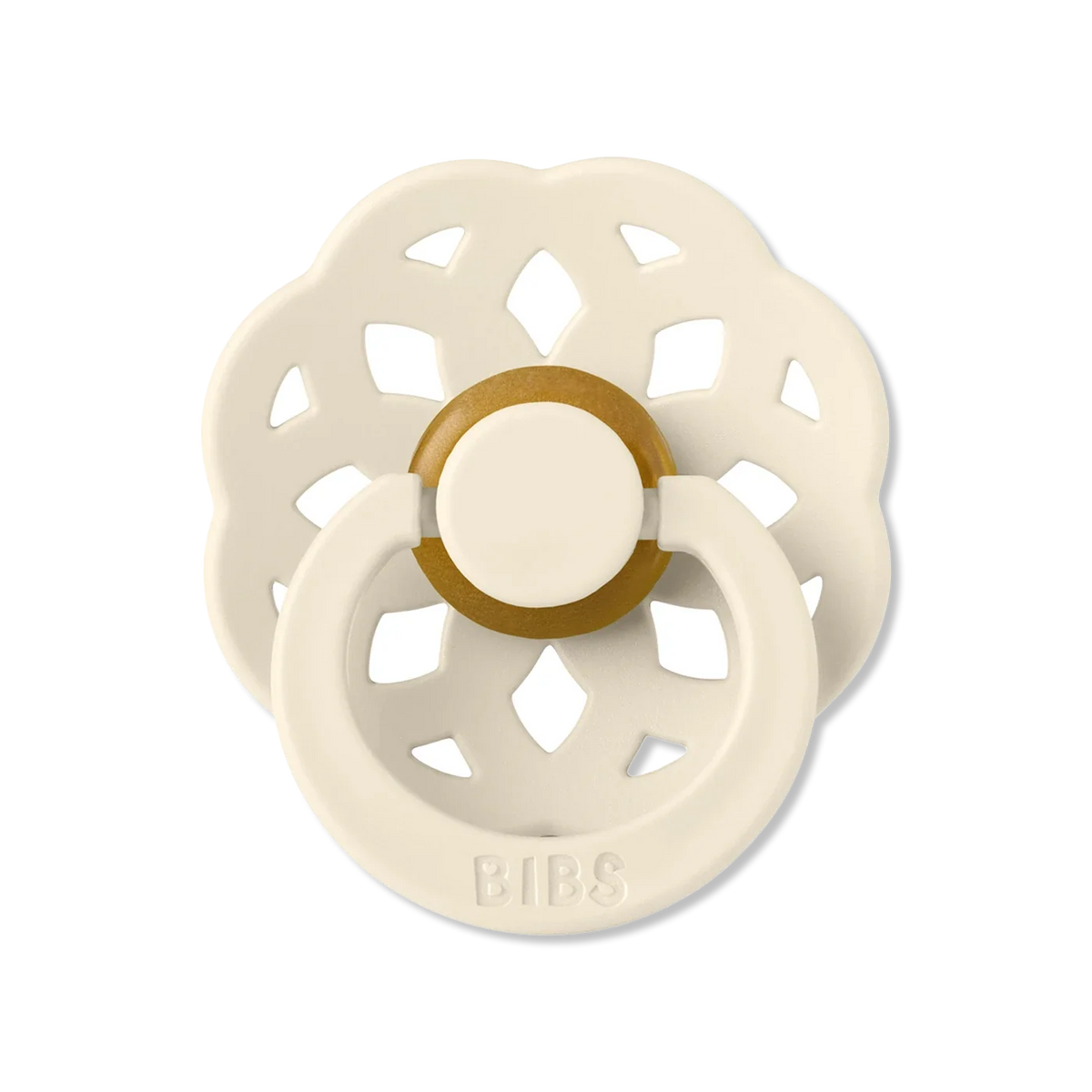
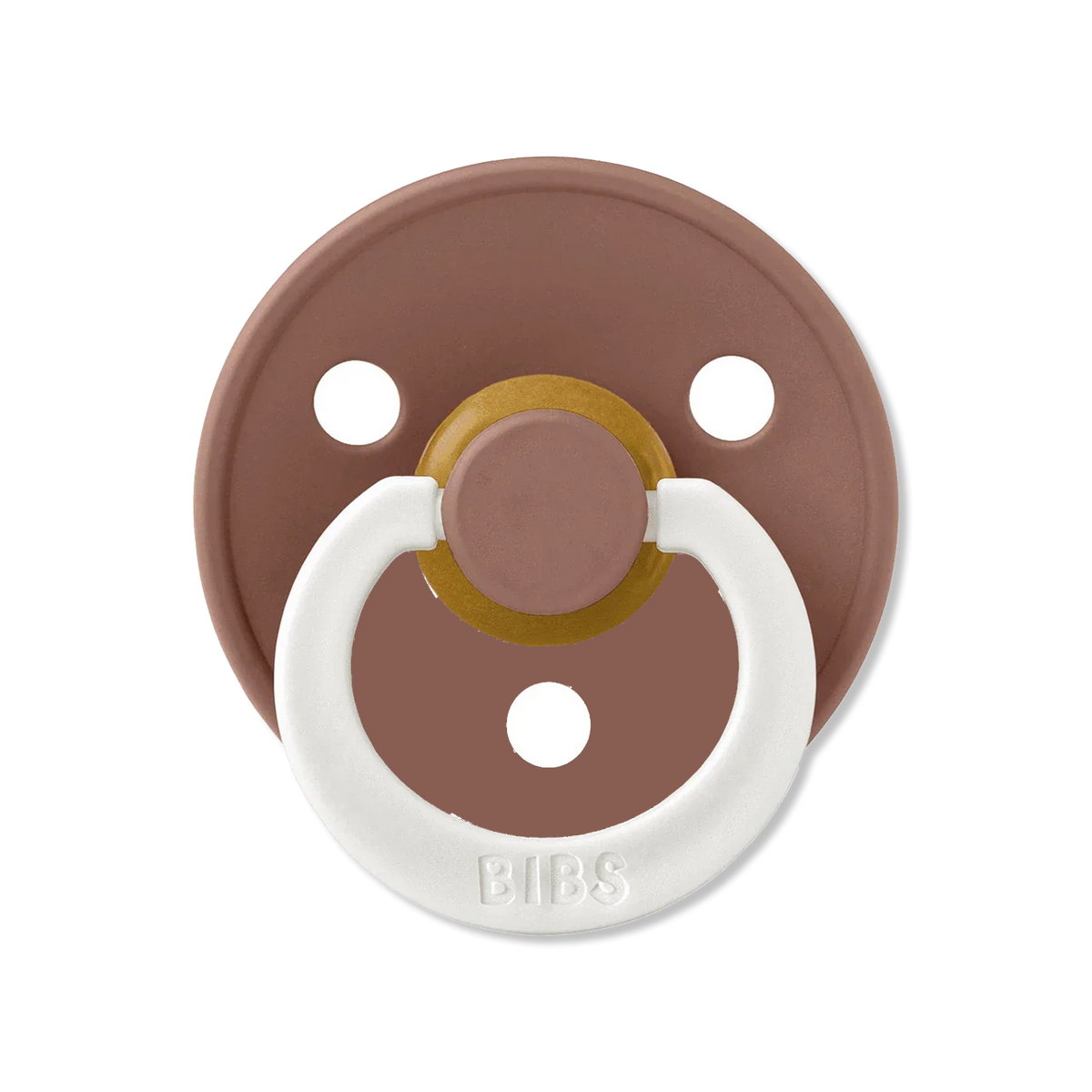
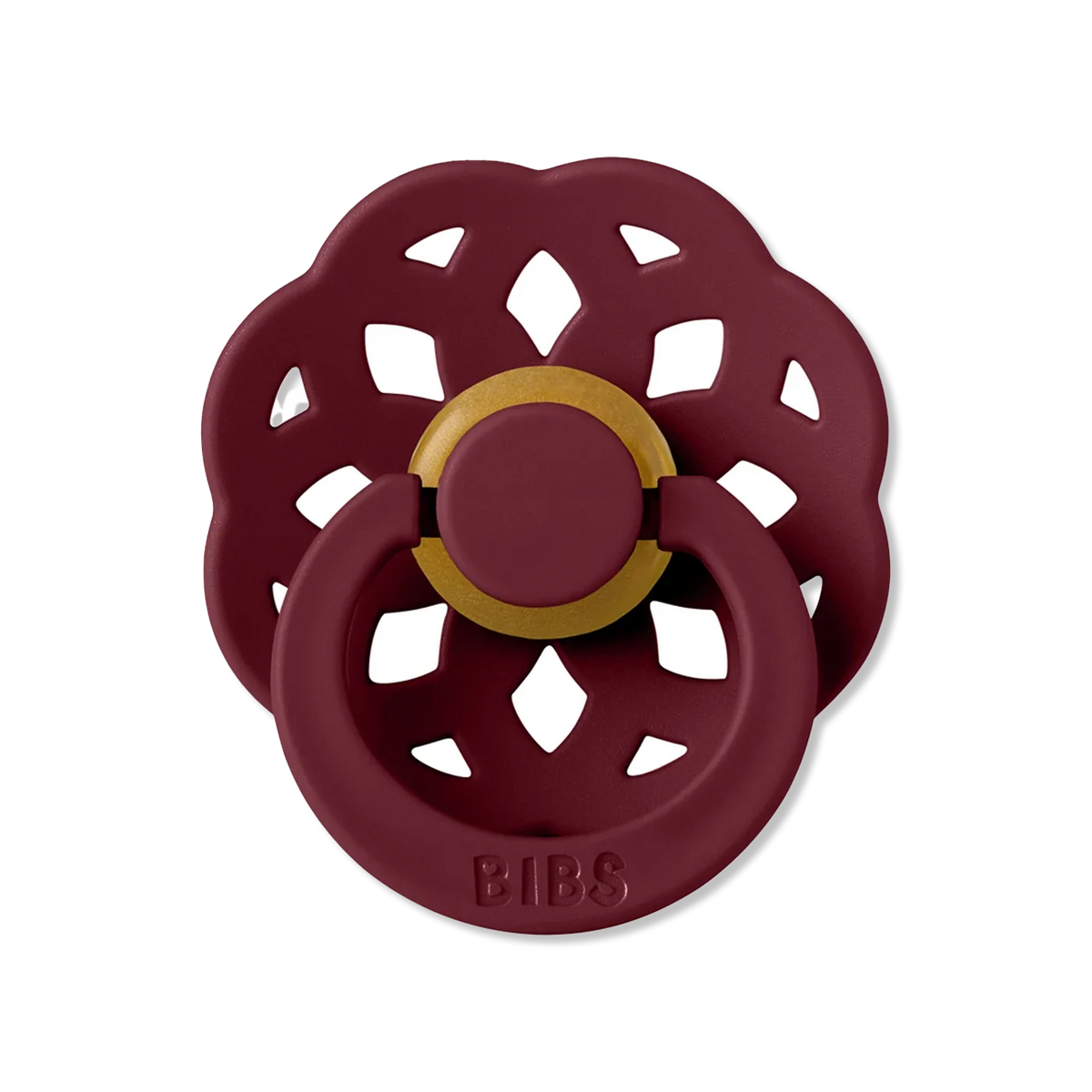
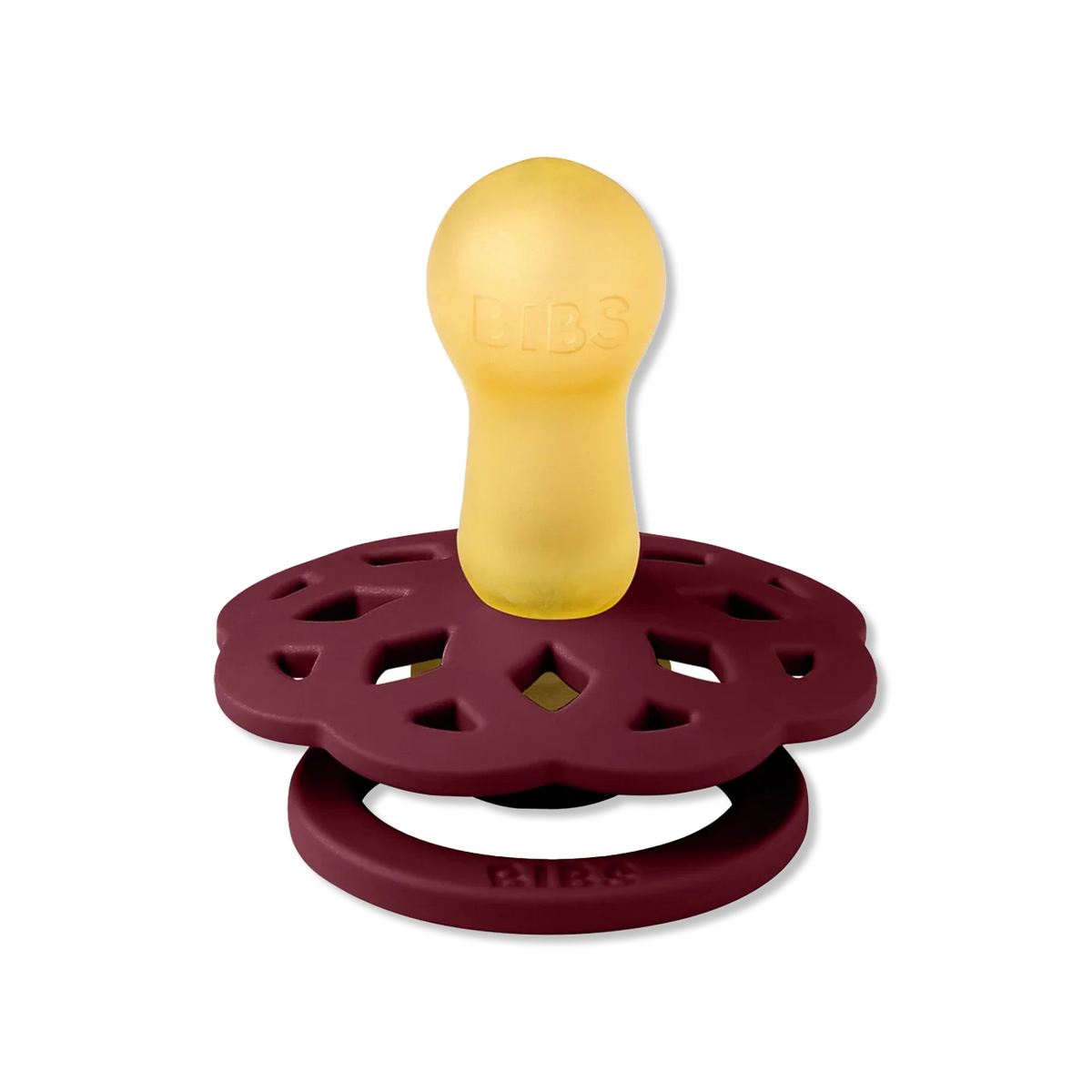
You will also find models with ventilation holes in the shield. These allow more air around the mouth and can be comfortable for children who use a pacifier often during the day or through the night, as the skin can more easily stay dry and less irritated.
Pacifiers in everyday life: sleep, comfort and small practical choices
Pacifiers are often used in those little moments when your child needs extra calm. That might be at bedtime, in the pram, during car journeys or in unsettled periods such as teething. In everyday life, it is often the simple things that make the biggest difference: a good shield, a shape your baby accepts and a pacifier that is easy to find and keep track of.
At night, some families appreciate a night pacifier with a handle that is easier to find in the dark. During the day, it can be reassuring to have several pacifiers in use, so there is always a clean one ready. Many parents also keep a couple of extras in the changing bag together with muslins and spare clothes, so everything is gathered in one place.
For the very youngest children, pacifiers often go hand in hand with the essentials you use again and again throughout the day. That is why it also makes sense to look at soft basics such as bodysuits, which feel comfortable close to the skin from morning to evening.
Cleaning and safety make the choice easier
When choosing pacifiers, it is reassuring to know that they are easy to keep clean and practical to use every day. A pacifier is close to your child’s mouth many times during the day, so it matters that it is in good condition and looked after properly.
It is a good habit to:
- sterilise new pacifiers before first use
- wash or sterilise them regularly according to the manufacturer’s instructions
- check for wear, cracks or changes in the material
- replace pacifiers regularly if they become soft, discoloured or uneven
It is also worth remembering that the right size and an undamaged pacifier are important parts of safe use. If you want to make everyday mealtimes and care a little easier, you can also take a look at bibs and other practical baby essentials.
Whether you are looking for the very first pacifier for a newborn or want to find a model that better suits an older child, the most important thing is to choose something that feels safe, fits well and works in your everyday family life.