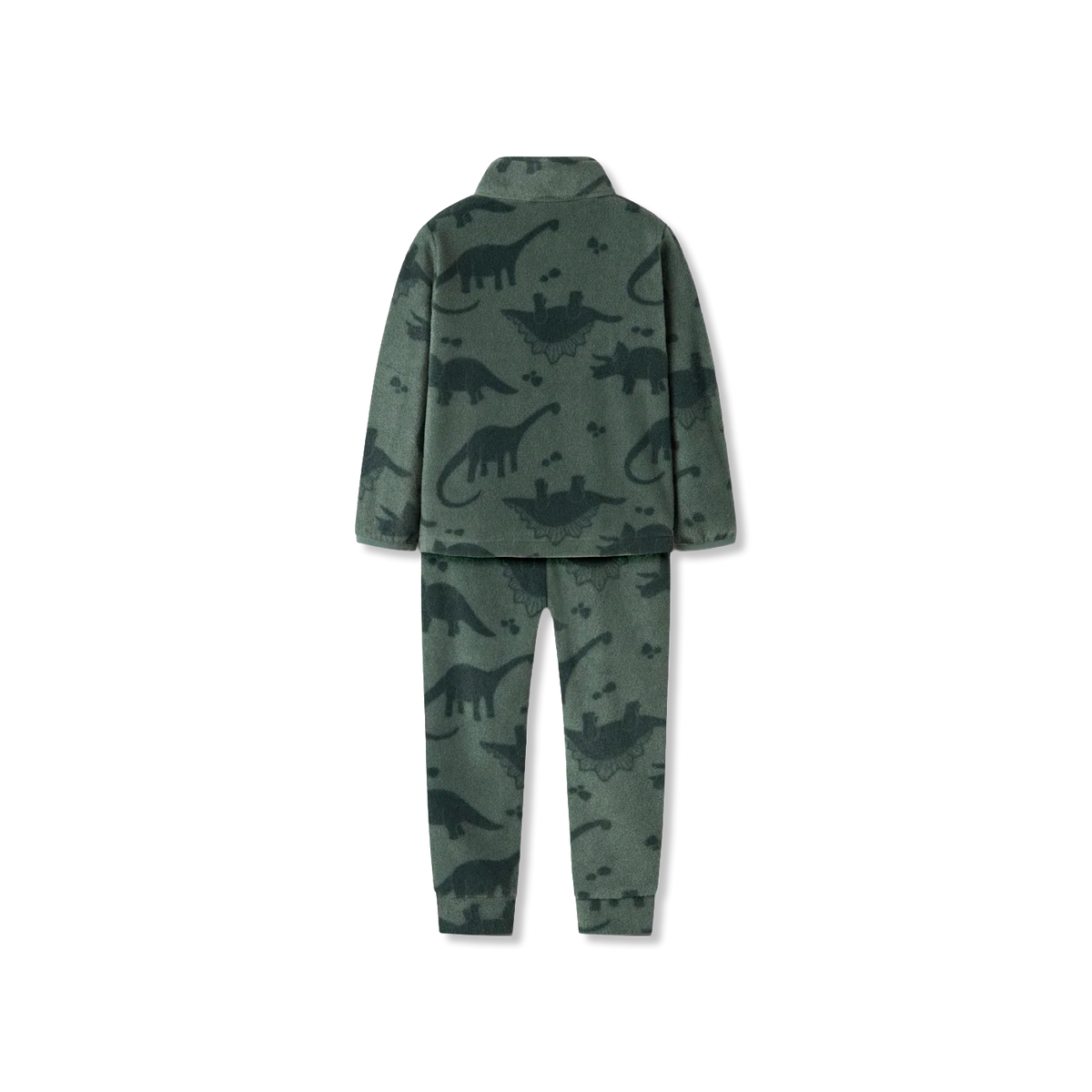
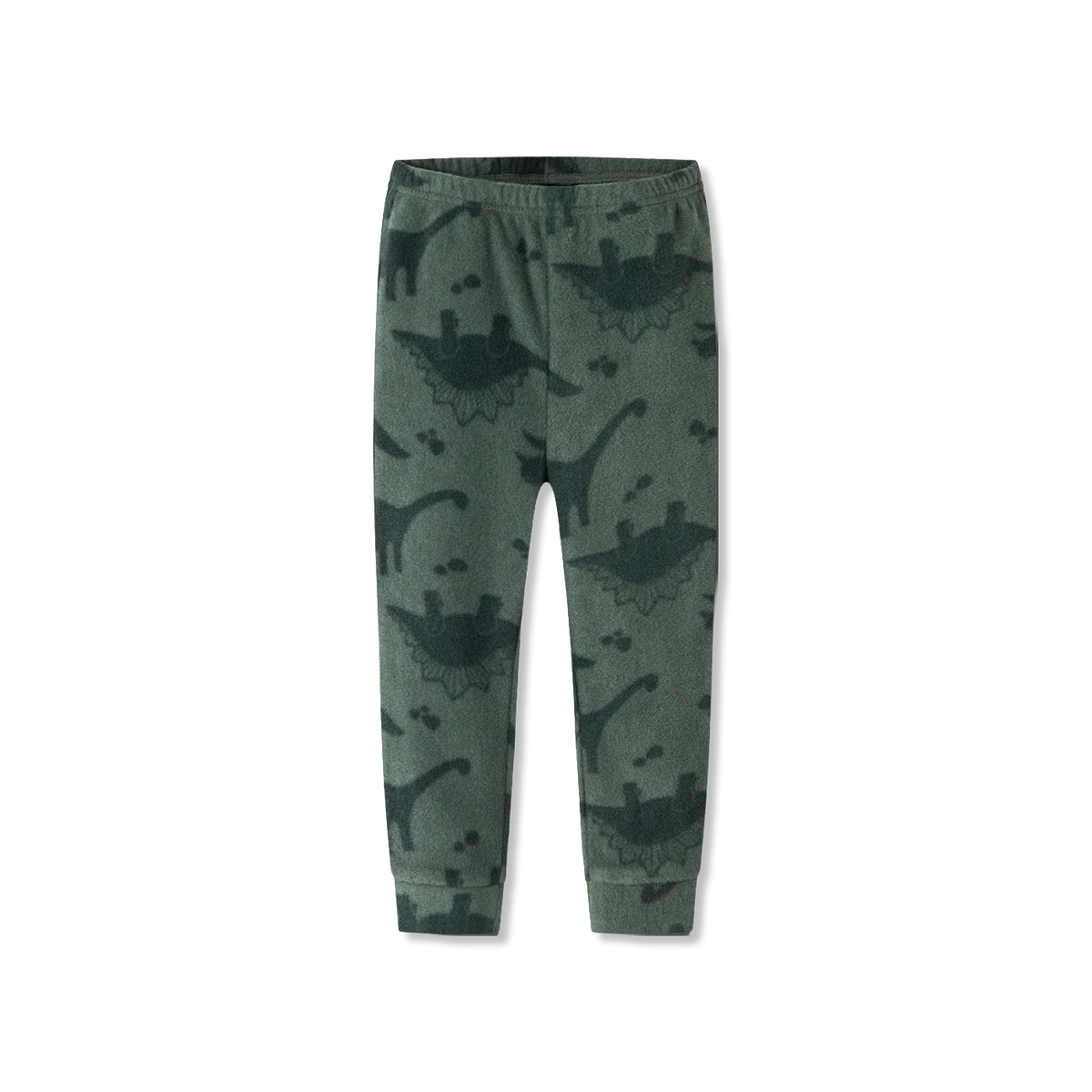
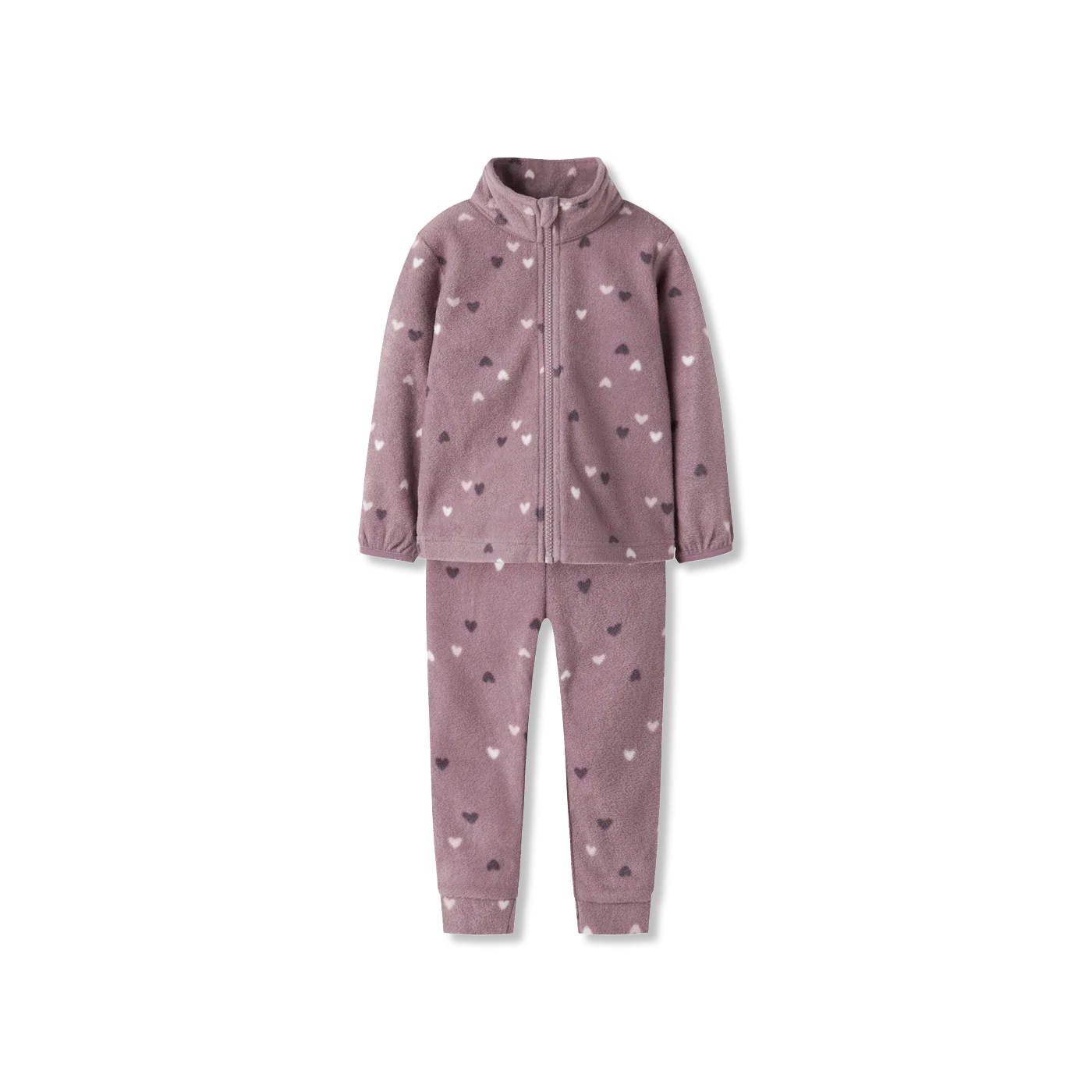
Name It fleece for babies and children in everyday life
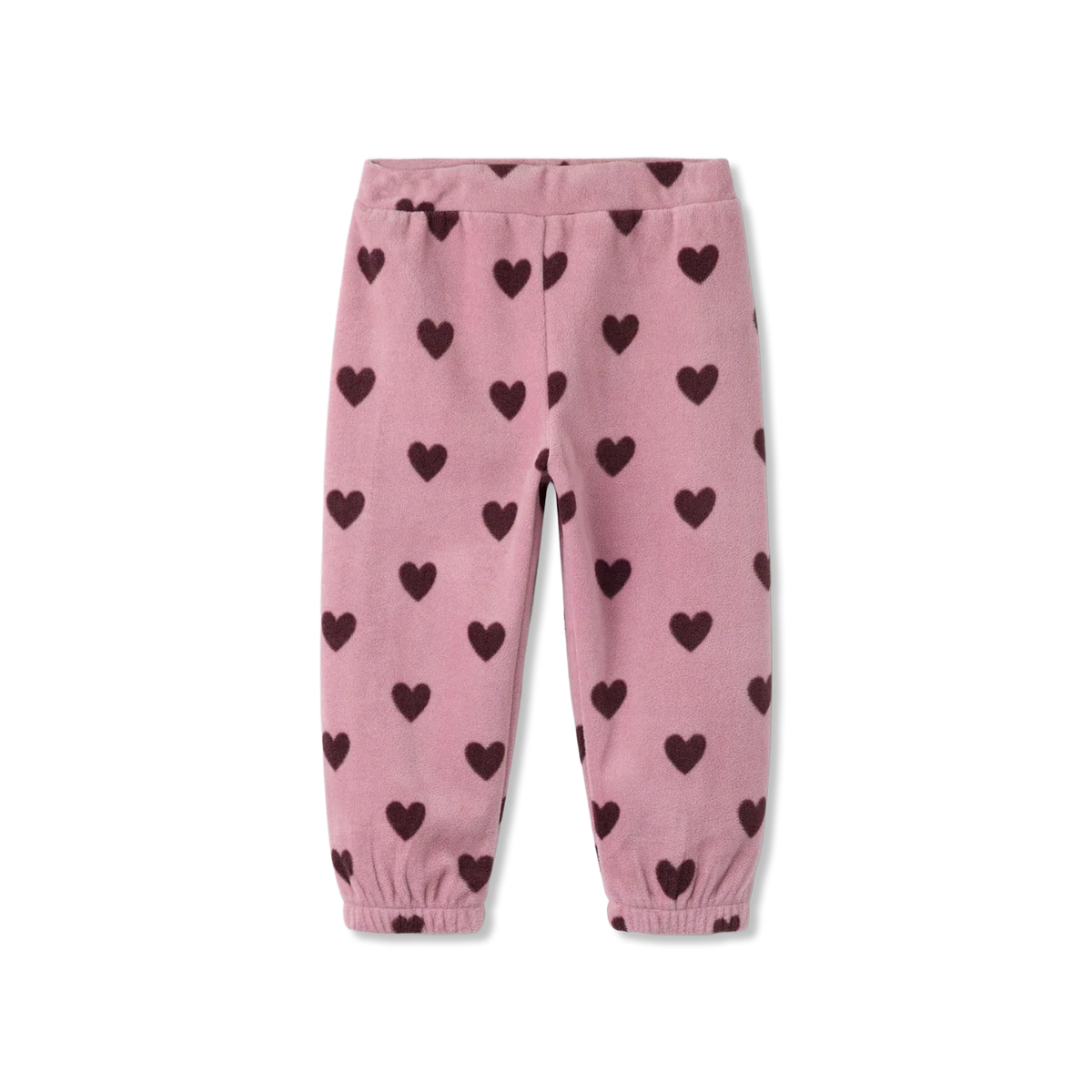
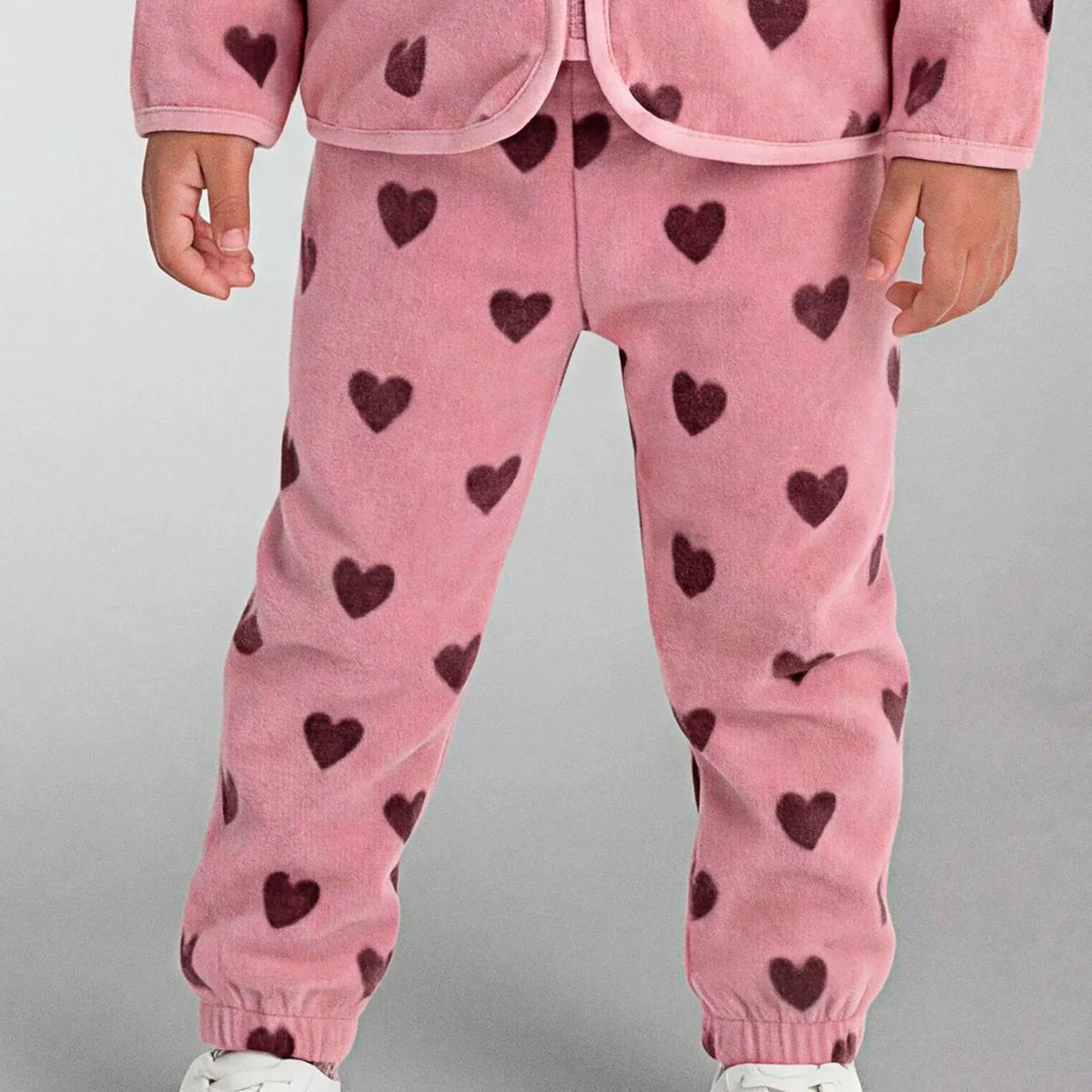
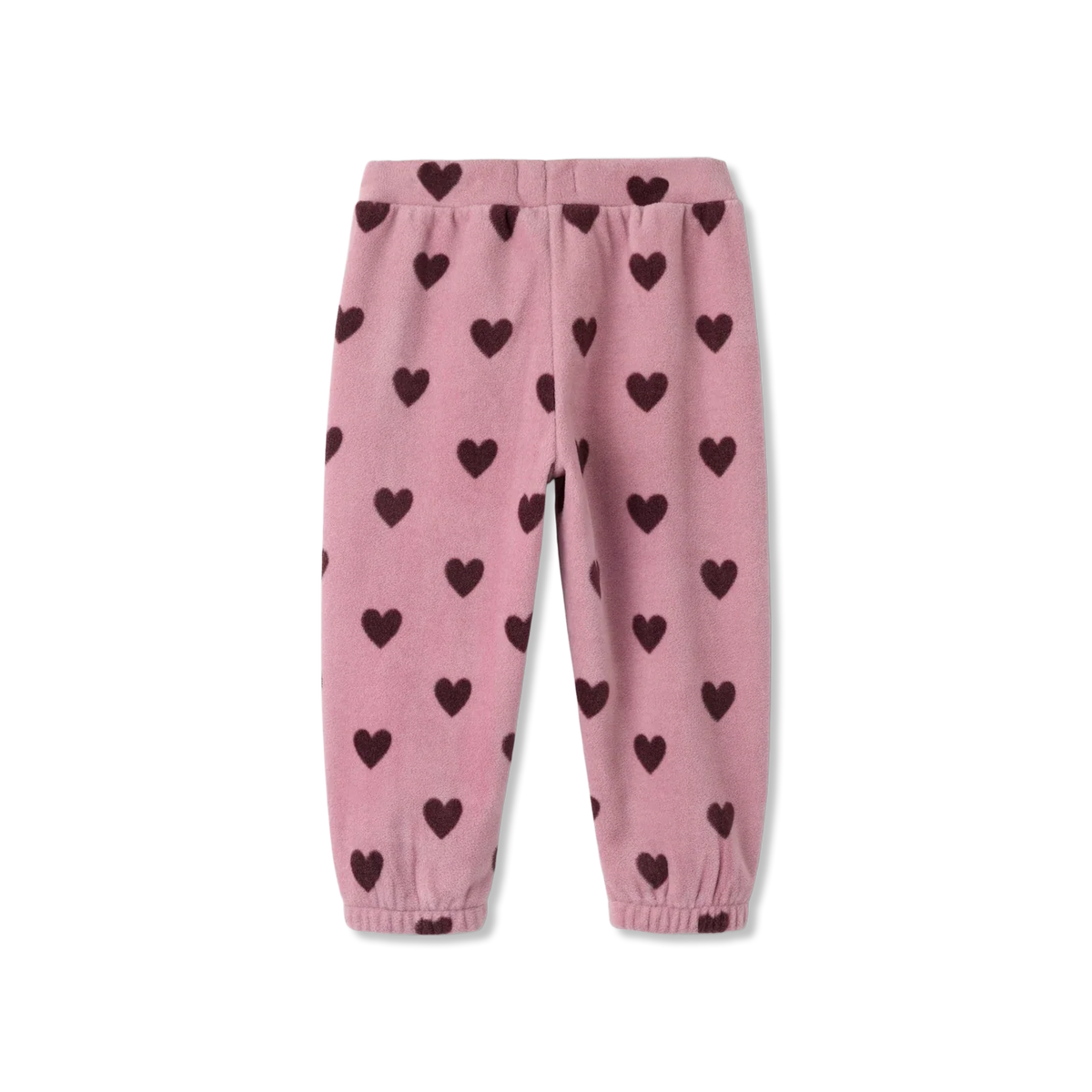
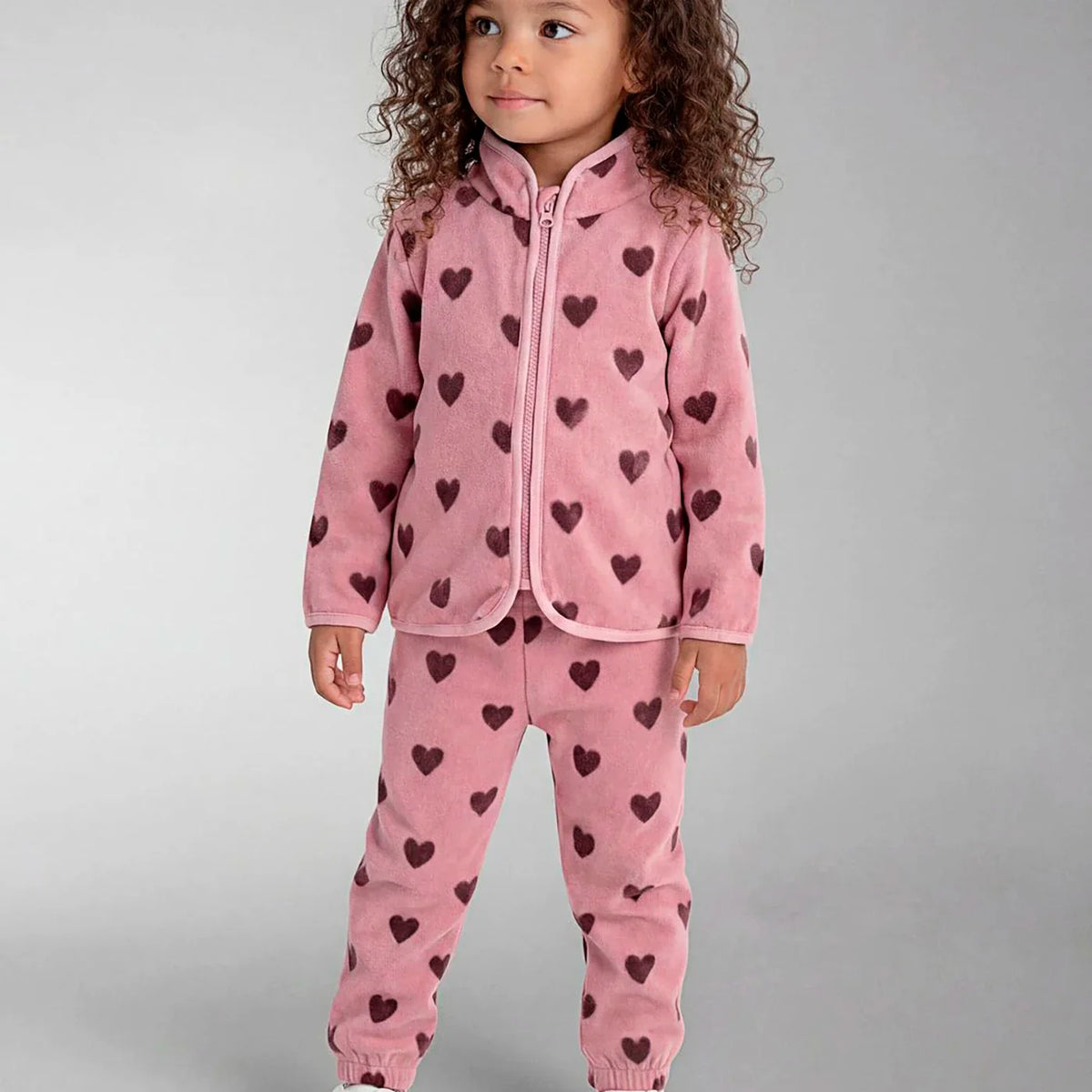
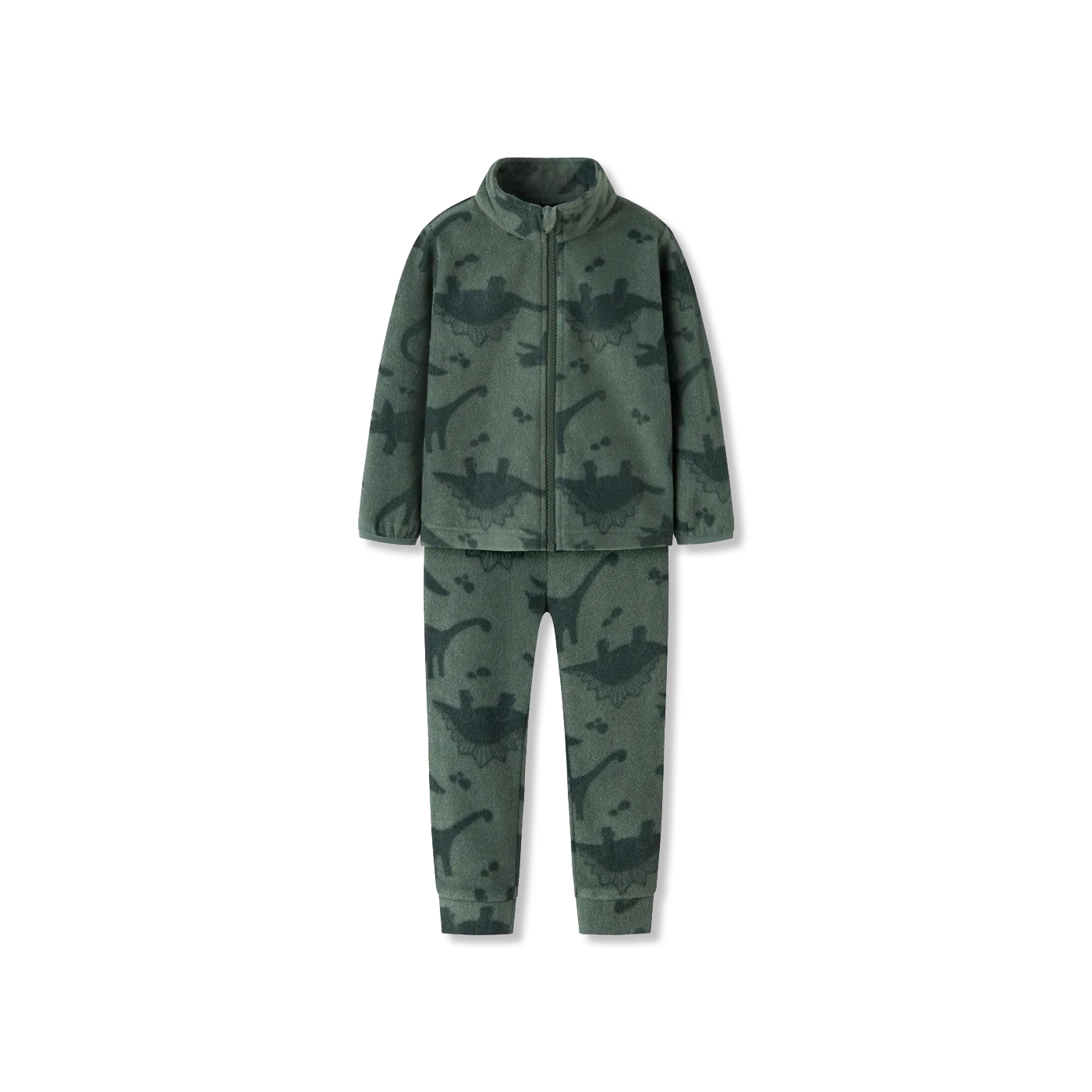
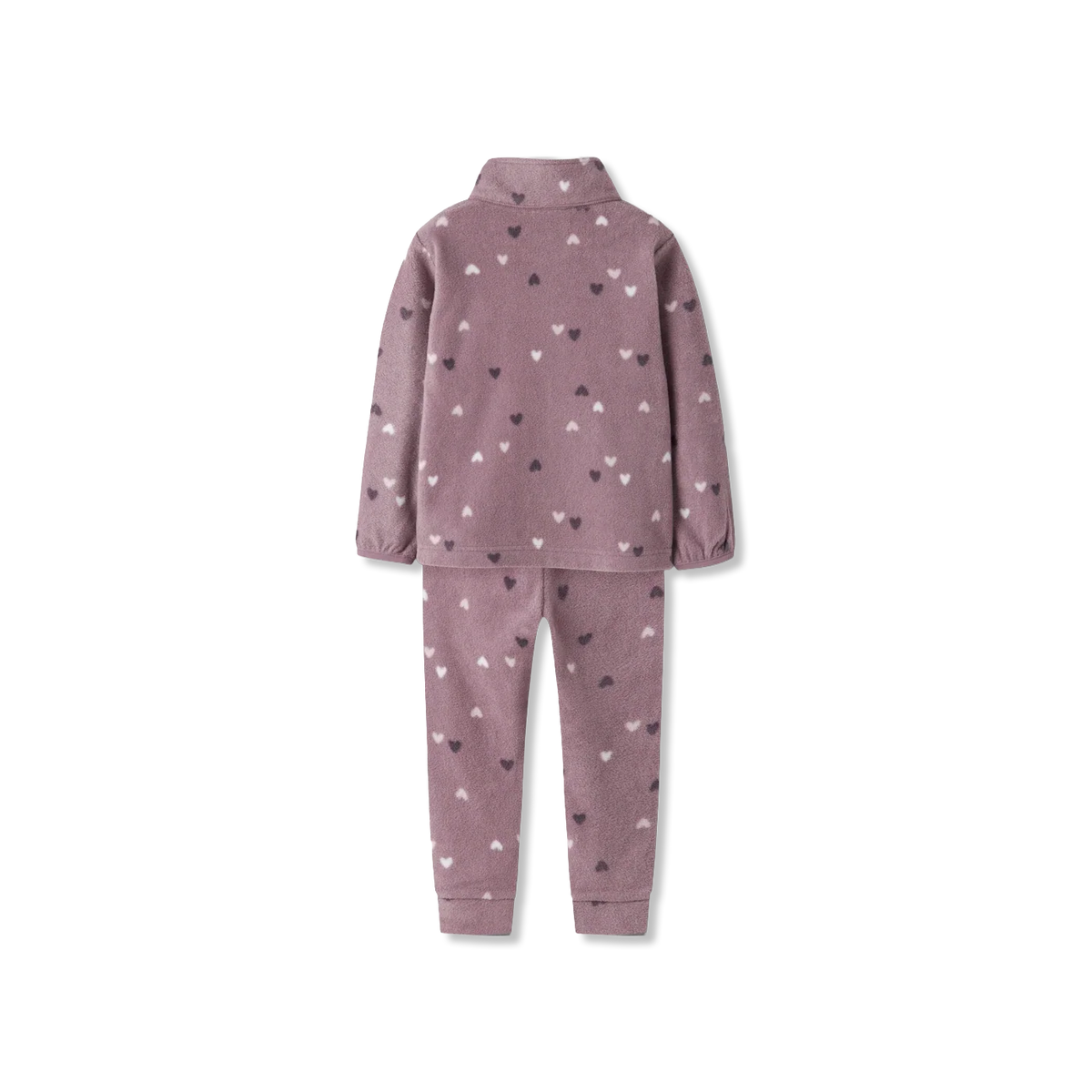
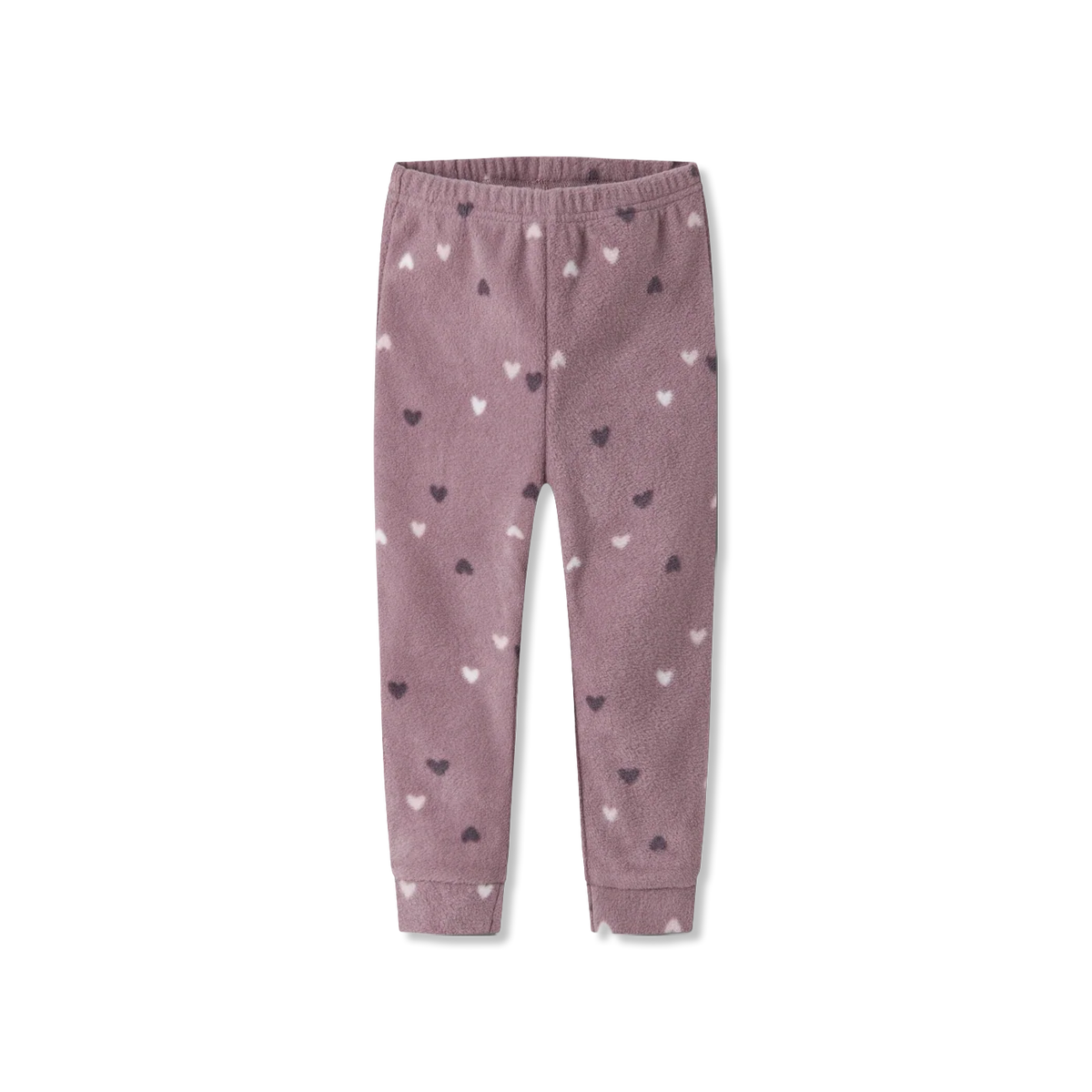
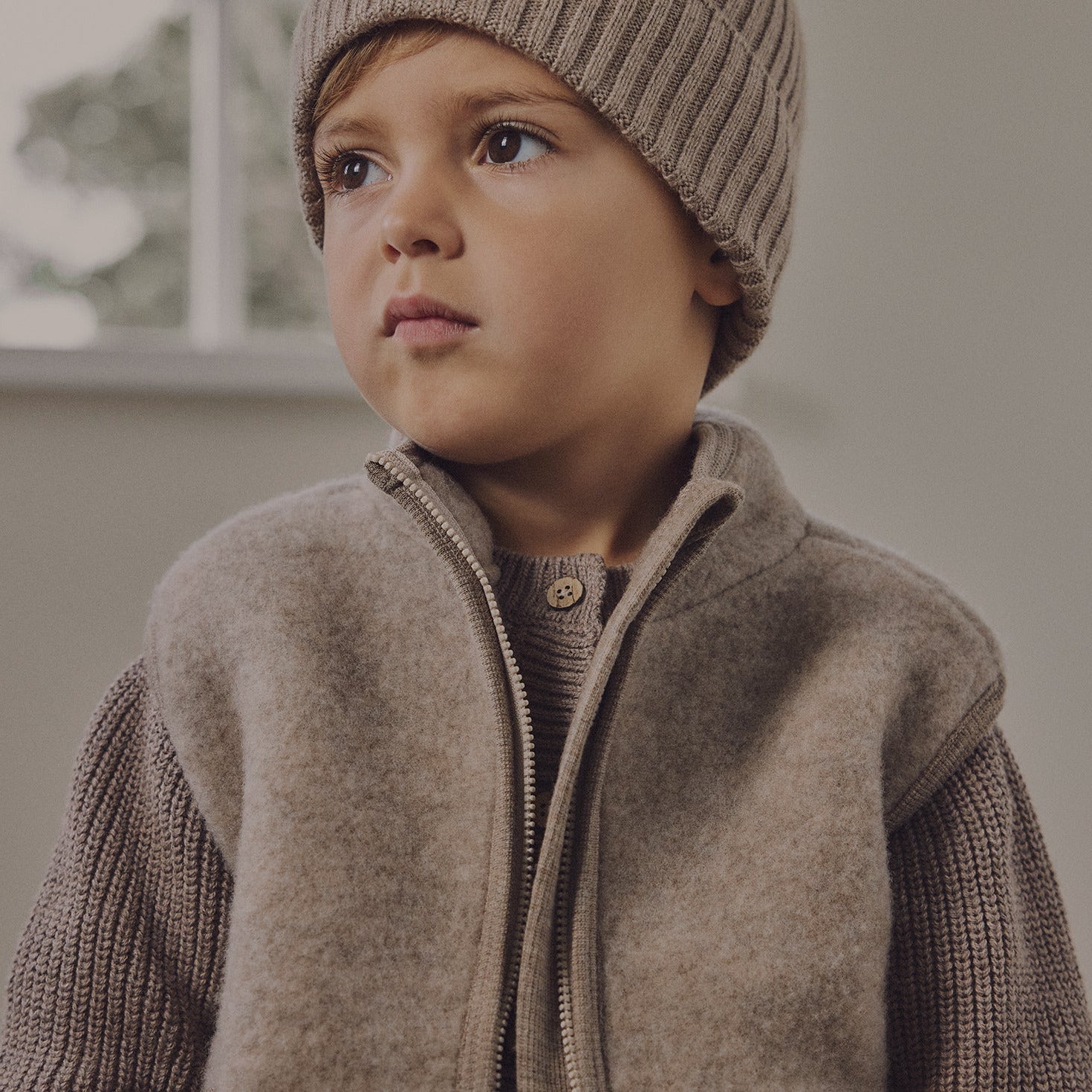
Name It fleece is a practical choice for children who need a light, warm layer for everyday wear. For the youngest children, you will often find soft all-in-one suits and fleece onesies, while older children typically wear fleece sweatshirts, cardigans, trousers and matching sets for days filled with play, daycare and school.
What makes fleece from Name It stand out is its simple Scandinavian look and clothing designed to be worn again and again. Many styles work best as an extra layer under a jacket or rainwear rather than on their own. That is why fleece is especially useful in transitional seasons, autumn and winter, when your child needs warmth without feeling too bundled up.
If you are unsure which style is the best fit, it is a good idea to consider your child’s age, how much warmth is needed, and whether you prefer a single fleece piece or a matching set.
Why many parents choose Name It fleece as a mid-layer
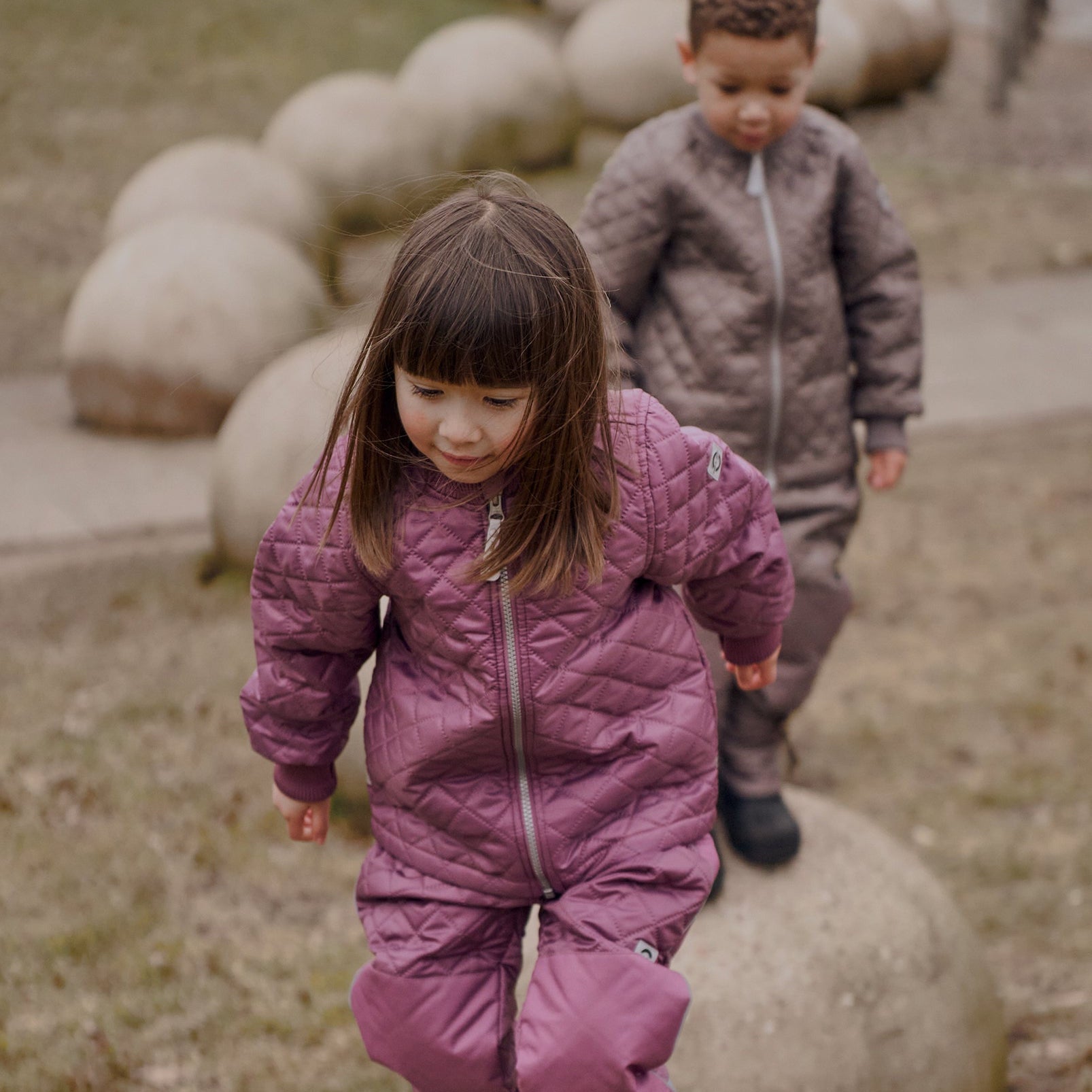
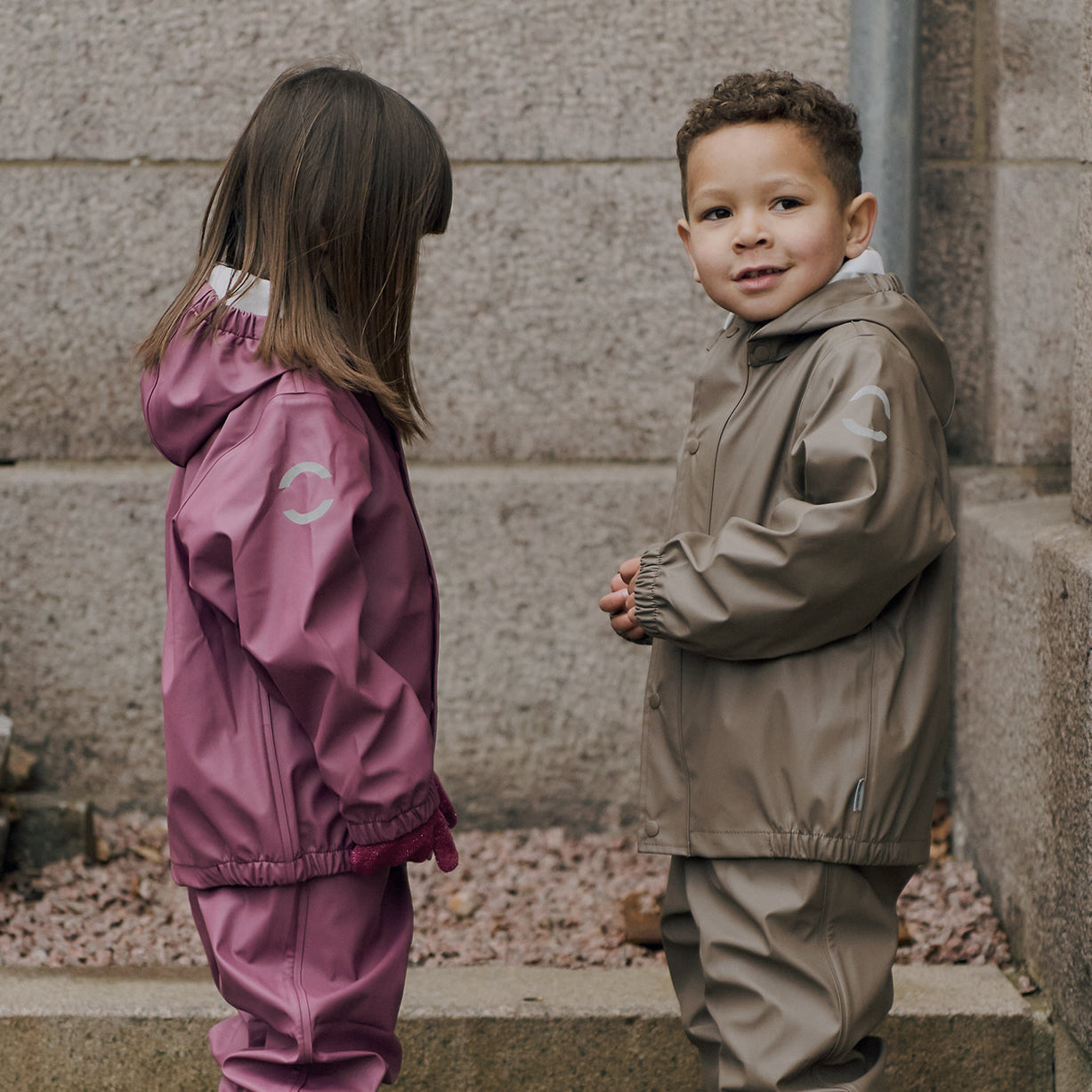
Fleece from Name It fits easily into everyday family life, where the weather can change quickly. For babies, fleece is often used in the pram, in the car seat or on chilly days when a soft suit adds a little extra warmth without feeling bulky. For children from around 2-10 years, fleece is a great mid-layer under a rain jacket or winter jacket when the day includes outdoor play, daycare life and lots of trips in and out.
If you dress your child using the layering principle, fleece is easy to wear over underwear or soft basics and under outerwear. It gives good flexibility on days when the temperature changes and works especially well with Name It rainwear or warm Name It winter jackets.
That is also one of the things many parents appreciate about Name It. The fleece is not just intended as a single standalone style, but as a natural part of a child’s wardrobe that is easy to combine with the clothes they already wear.
Materials, OEKO-TEX and durability with frequent washing
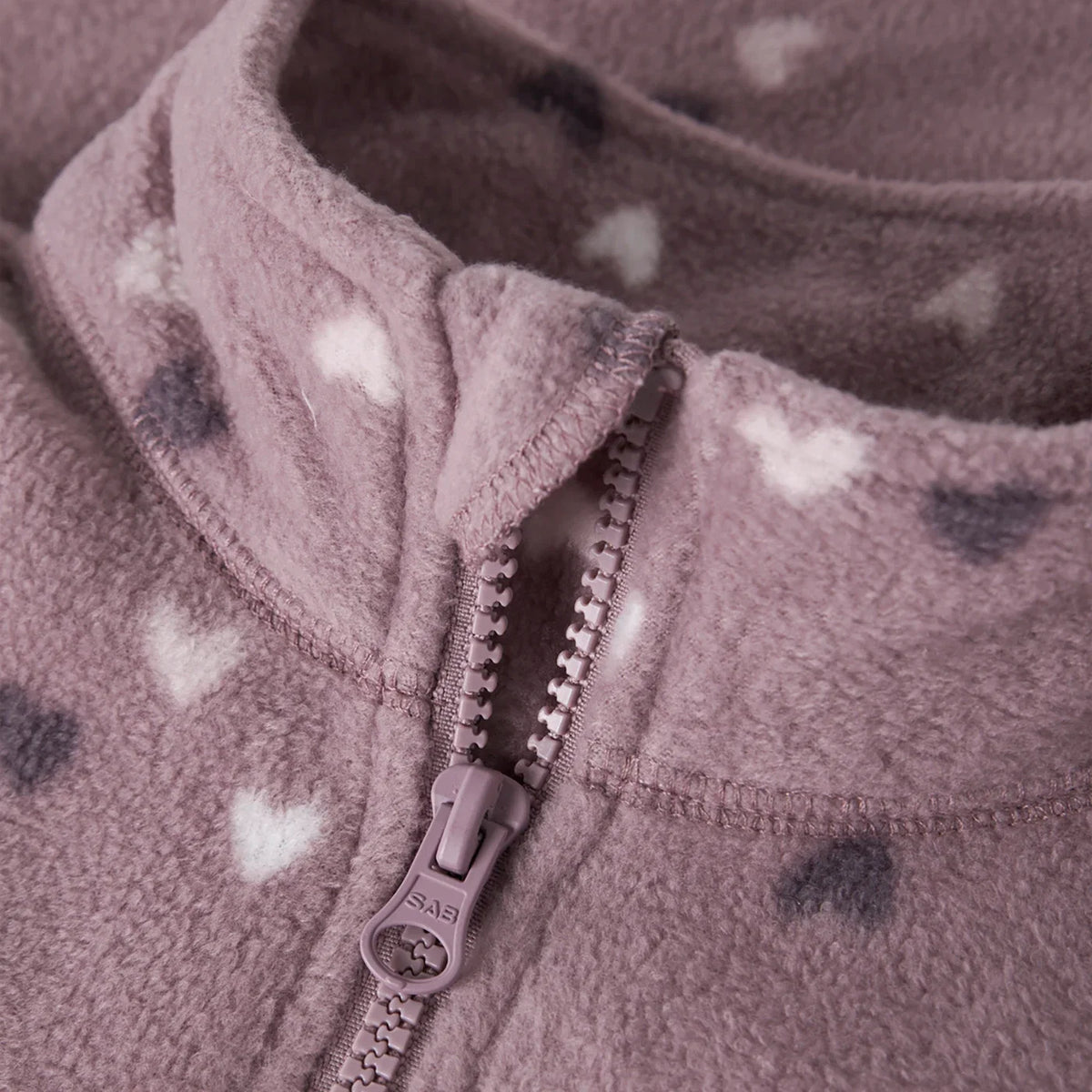
When choosing fleece, the material naturally plays an important role. Name It fleece is often made from polyester fleece, sometimes with cotton in the blend, and several styles are made from OEKO-TEX-certified materials. This can give extra peace of mind if you want to choose textiles that are free from harmful substances close to your child’s skin.
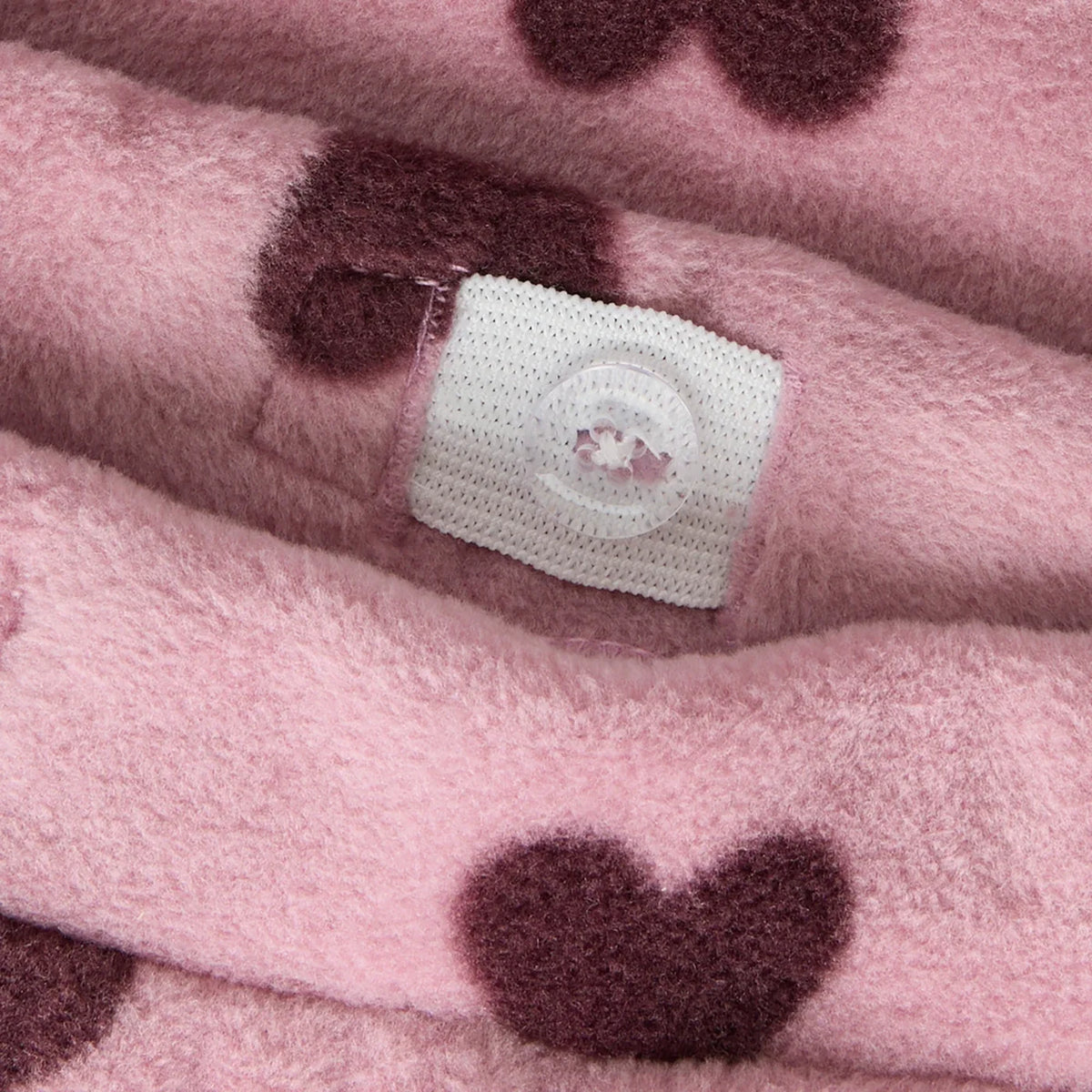
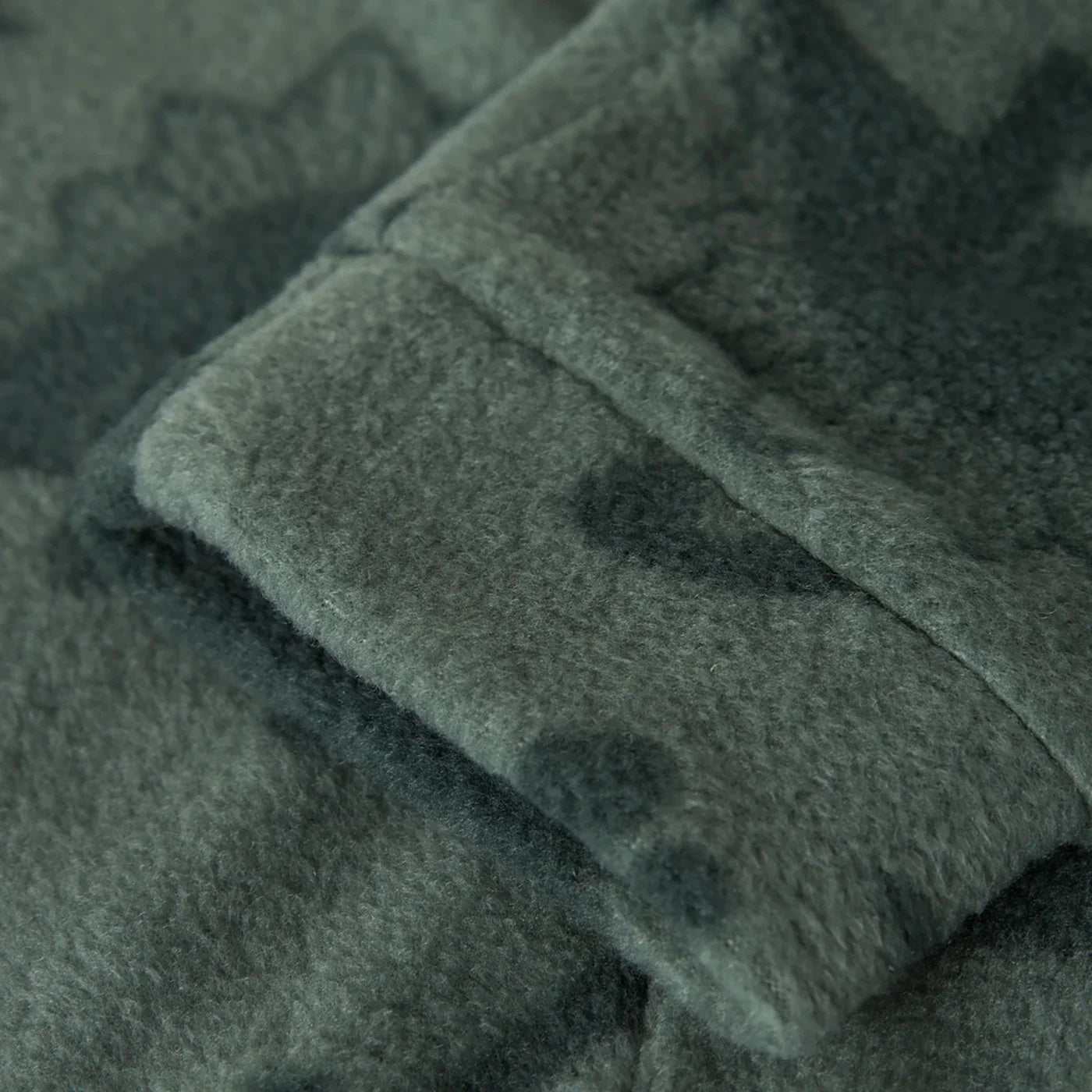
In everyday life, this means the fleece is easy to care for. It dries quickly, feels lightweight and is comfortable when the clothing is used a lot. Many styles also have an anti-pilling treatment, which helps the fabric stay neat for longer, even when it is worn often for play, everyday use and many washes. That is a clear advantage in a child’s wardrobe, where clothes rarely stay untouched.
Although fleece can feel as soft as a more natural material, it is not the same as cotton. In return, it is precisely the fleece quality that makes it so useful as an insulating layer when your child still needs to move freely and feel comfortable.
How to choose the right Name It fleece
The right choice depends first and foremost on your child’s age and how the fleece will be used in everyday life.
For the youngest children, fleece onesies and all-in-one suits are often the easiest option when you want one complete layer that is quick to put on. For children of preschool age, fleece trousers and tops are usually more practical because they are easy to take on and off during the day. Older children often choose hoodies, sweatshirts or cardigans, which also work well at school.
It is also worth considering the thickness. Lightweight fleece works well in transitional seasons and for very active children, while thicker fleece gives more warmth on cold days. If you want to make dressing a little easier, a matching set can be a good solution. Name It often creates styles that naturally go together, making the wardrobe easier to manage. For example, you can add Name It sweatshirts or Name It sweatpants if you want to continue the same calm, easy-to-style look.
When choosing a size, it is a good idea to find a style with room for movement, but without it becoming too roomy under a jacket. For babies, fleece that is easy to take on and off is especially practical when everyday routines move quickly.
Name It fleece makes everyday outfits easier to combine
One of the big advantages of Name It fleece is that it rarely needs to stand alone. It easily becomes part of an outfit that works in practice, making it simpler to dress your child for daycare, the playground and small weekend trips without having to think too much about combinations.
For some families, one fleece style is enough. For others, it makes sense to have several pieces so the child can change depending on temperature, activity and season. This flexibility is exactly what makes Name It fleece a safe choice for many parents who want functional everyday clothing in a calm style and materials that fit naturally into family life.