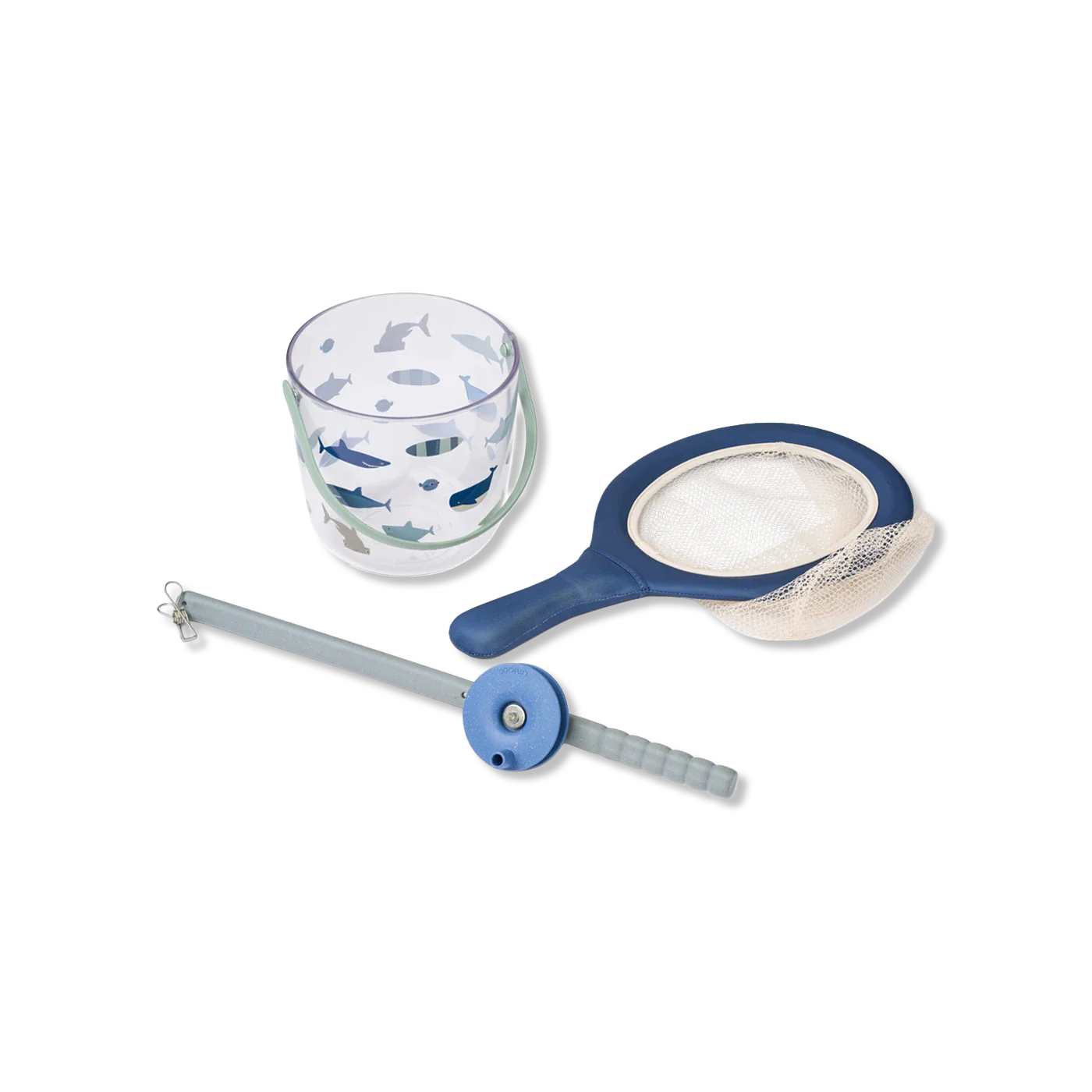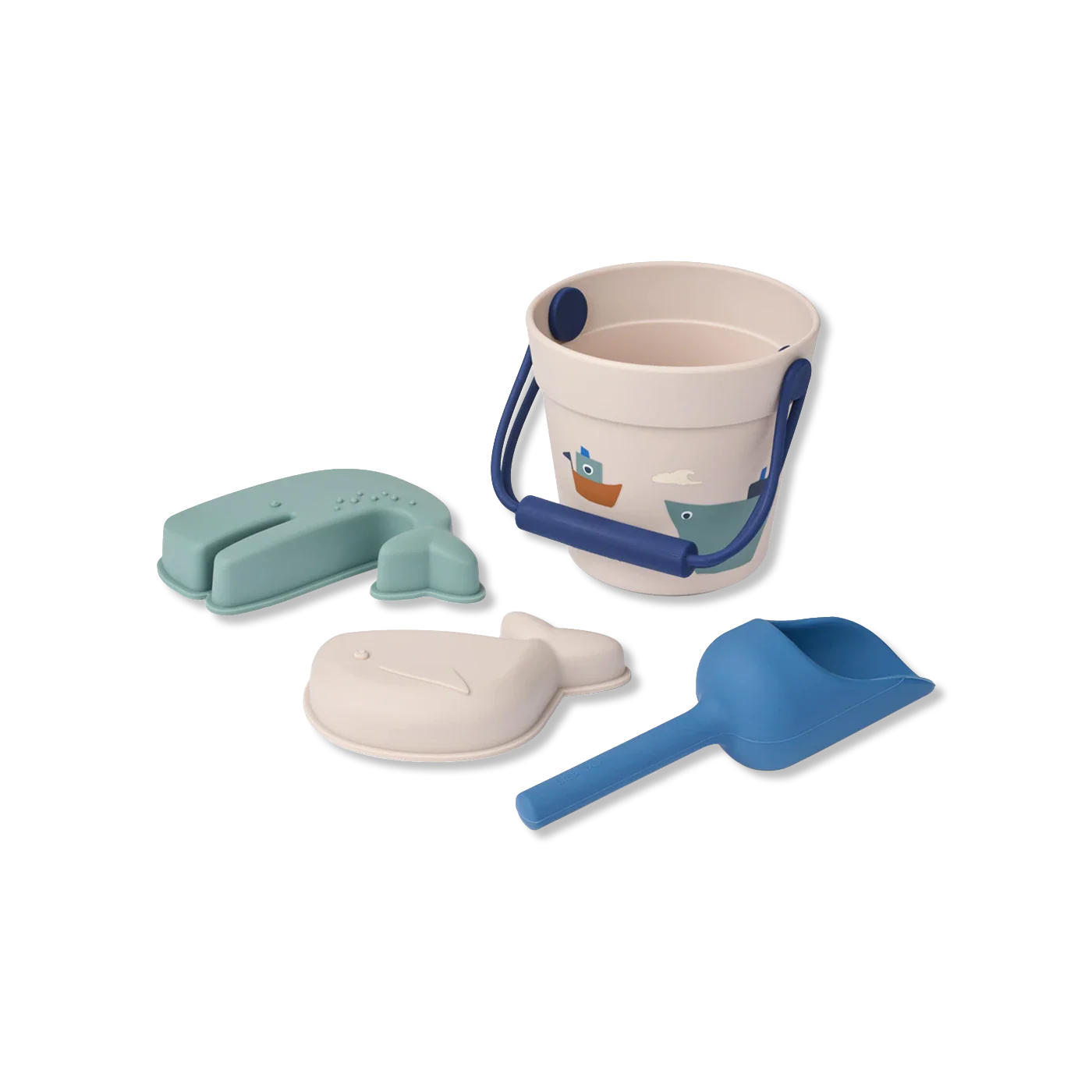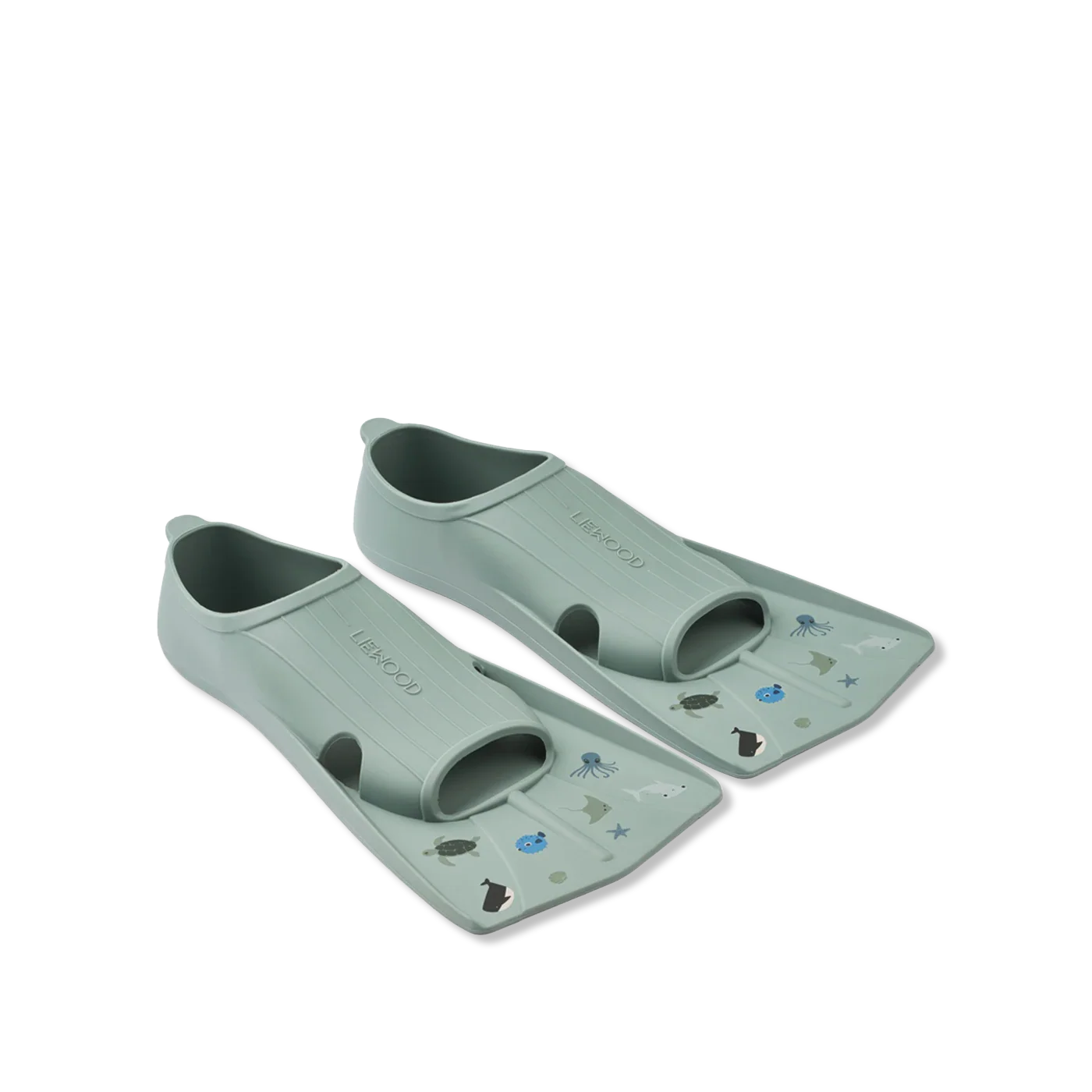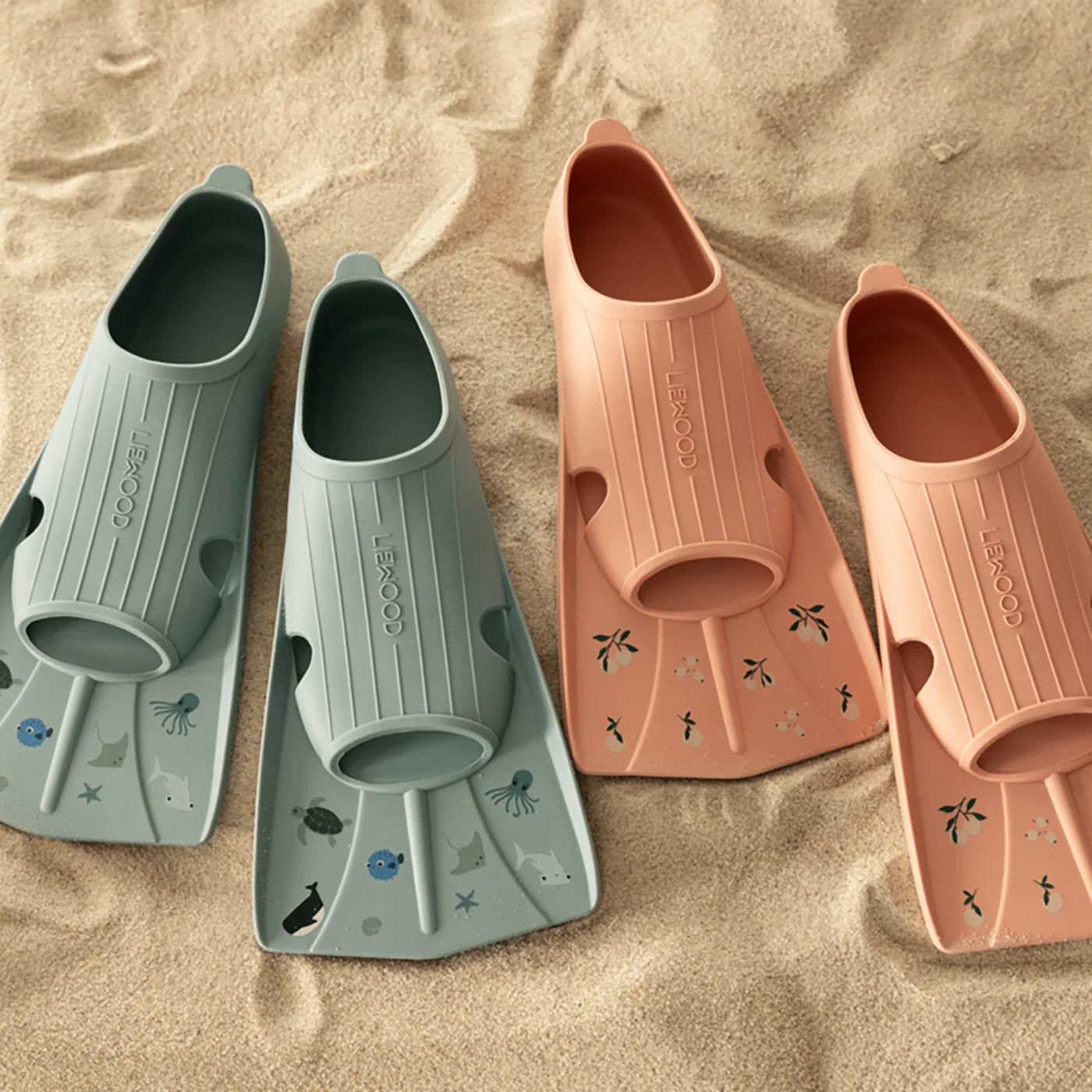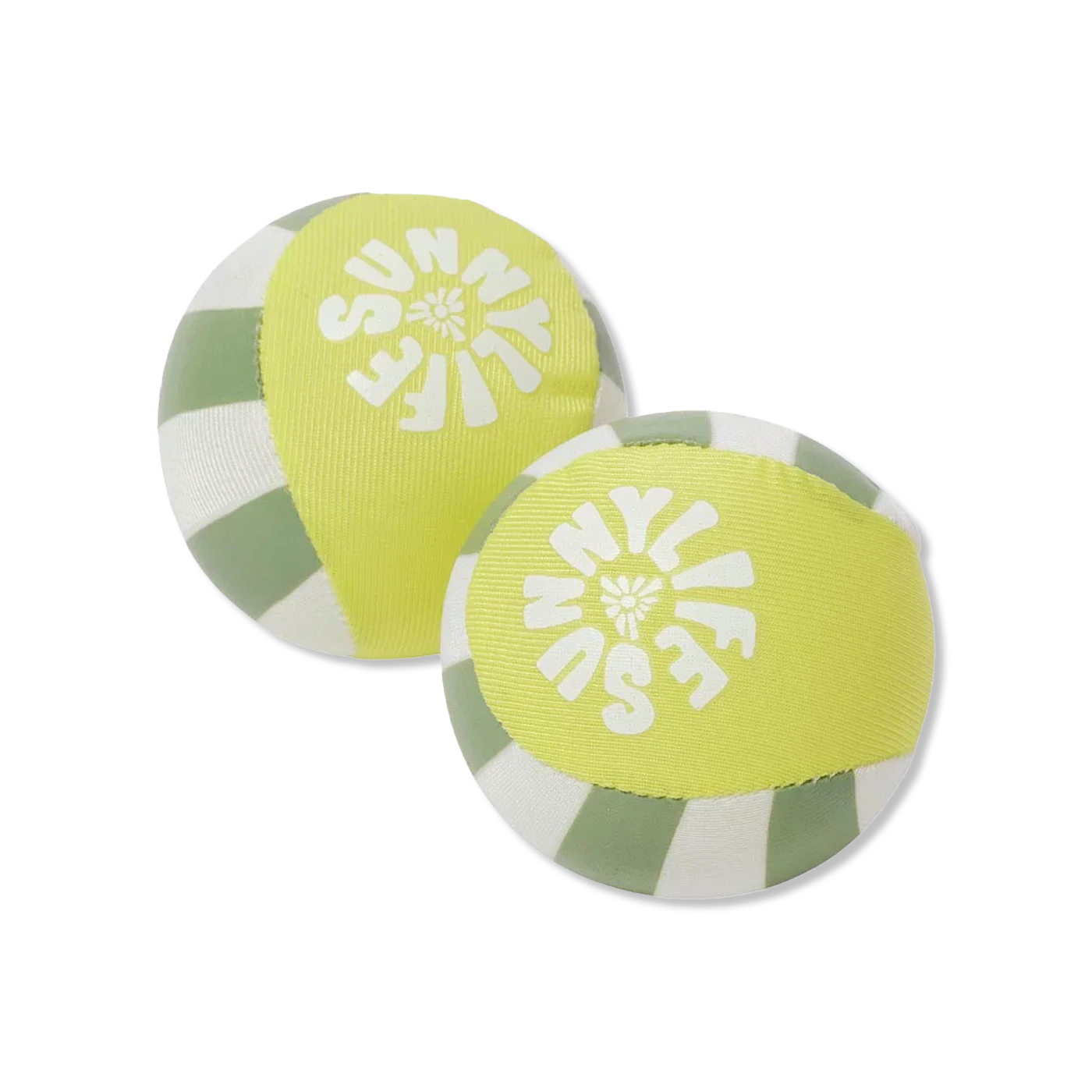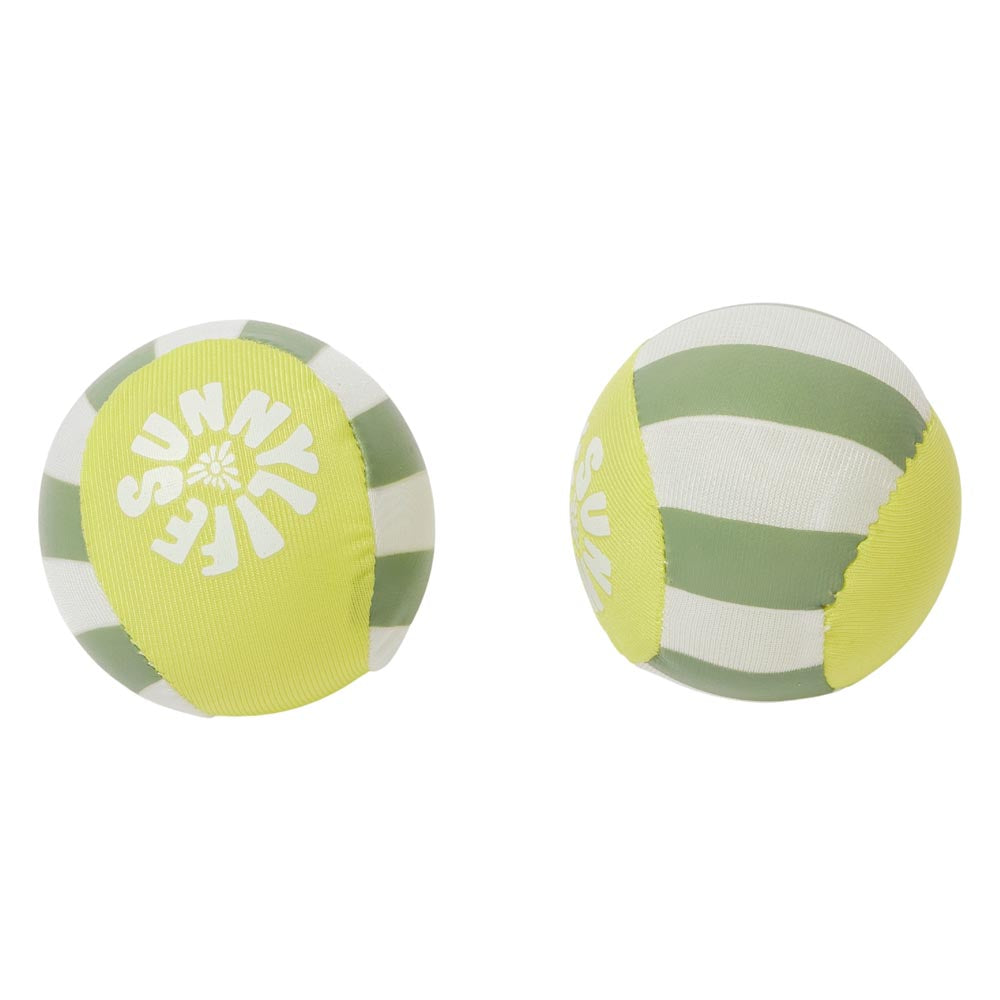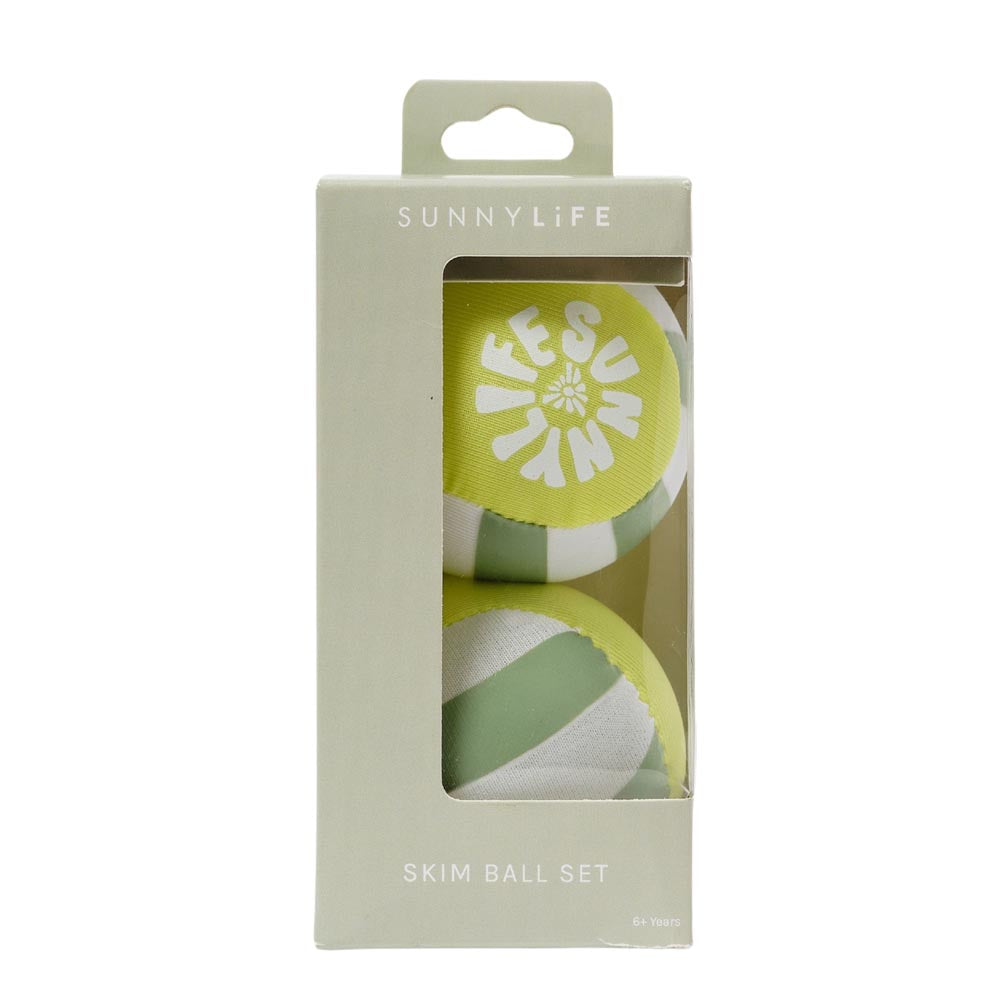

Water play for children is about age, setting and safe play
Water play can be many things: small favourites for bath time, fun water toys for the garden or larger setups where children can scoop, pour, splash and follow the path of the water. This category is suitable for babies, toddlers and older children, but the best choice depends especially on your child’s age, how they grasp and play, and where the water play will take place.
For some families, water play is a quiet moment in the bath, where the child can feel the water and play at their own pace. For others, it belongs to summer days on the terrace, in the garden or together with siblings and friends. It can be a good idea to consider:
- whether the water toy suits your child’s development and way of playing
- whether it is made for the bath, garden, beach or can be used in several places
- whether the material feels sturdy and comfortable in little hands
- whether it requires a lot of space, setup or extra equipment
Water play is a simple way to create joyful moments in everyday life. Many children naturally return to it again and again because they can start the play themselves and quickly see what happens.
Why water play is more than just entertainment
Water play is popular with children because it is both fun and valuable for their development. When a child pours water from one cup to another, pushes it through a squirter or discovers what floats and sinks, motor skills, curiosity and an understanding of cause and effect all come into play.
For the youngest children, it is often about the senses: the temperature, the sound and the way the water moves. Around the age of 1-3 years, water play often becomes more active as the child practises aiming, grasping, letting go and repeating the same action again. Older children often use water play in a different way, where the play becomes more physical, social and full of little ideas and rules along the way.
Another lovely thing about water play is how easy it is to adapt to the day. Sometimes five calm minutes in the bath is enough. Other times, a water station or summer play in the garden creates space for longer play sessions. If you are also looking for ideas for outdoor play in general, you can continue to outdoor play.
Water play for babies and older children calls for different choices
One of the most important things when choosing water toys is to consider your child’s age. It is not only about safety, but also about making sure your child can enjoy the play and take part on their own terms.
For babies and children around 0-1 year, the simplest items often work best. Small bath toys, soft materials and shapes without too many functions make it easier to feel, hold and follow the water at a calm pace. At this age, water play usually works best in the bath or in a small tub, always close to an adult.
Around 1-3 years, scooping, pouring and filling up again often becomes more fun. Here, the toys can invite a little more activity, but they should still be easy to use with small hands. Items that can be emptied, filled and repeated many times often hold a child’s interest well.
From around 3 years and up, many children enjoy more varied water play with several parts, more movement and play together with others. If you are looking for something for water play in the bath, it may also be worth exploring bath time, where the indoor setting is often easier to manage.
Materials, safety and durability in water toys
The material matters more than you might think. It affects comfort, durability and the feeling of safety in use. Soft materials such as silicone and rubber are often pleasant for small children to hold and a good choice if you want to avoid hard edges. They are also usually easy to rinse and clean after use. Natural rubber can also be a lovely option if you prefer a simple, soft material.
Plastic is also common in water toys because it makes it possible to create lightweight products in many shapes and with different functions. Here, it is worth looking for a quality that can withstand repeated use, especially if the toy will be used outdoors in sun, warmth and changing weather.
The most important thing is still that the water toy suits your child’s age and is used with appropriate supervision. Young children should never be left alone with water play, even when there is only a little water. It is also practical to choose products that are easy to empty and dry, so they are easier to use in everyday life and stay nice for longer.
How to choose water play that fits your everyday life
The best water toys are rarely the biggest or most advanced. The best ones are the toys that are brought out again and again and fit naturally into your day.
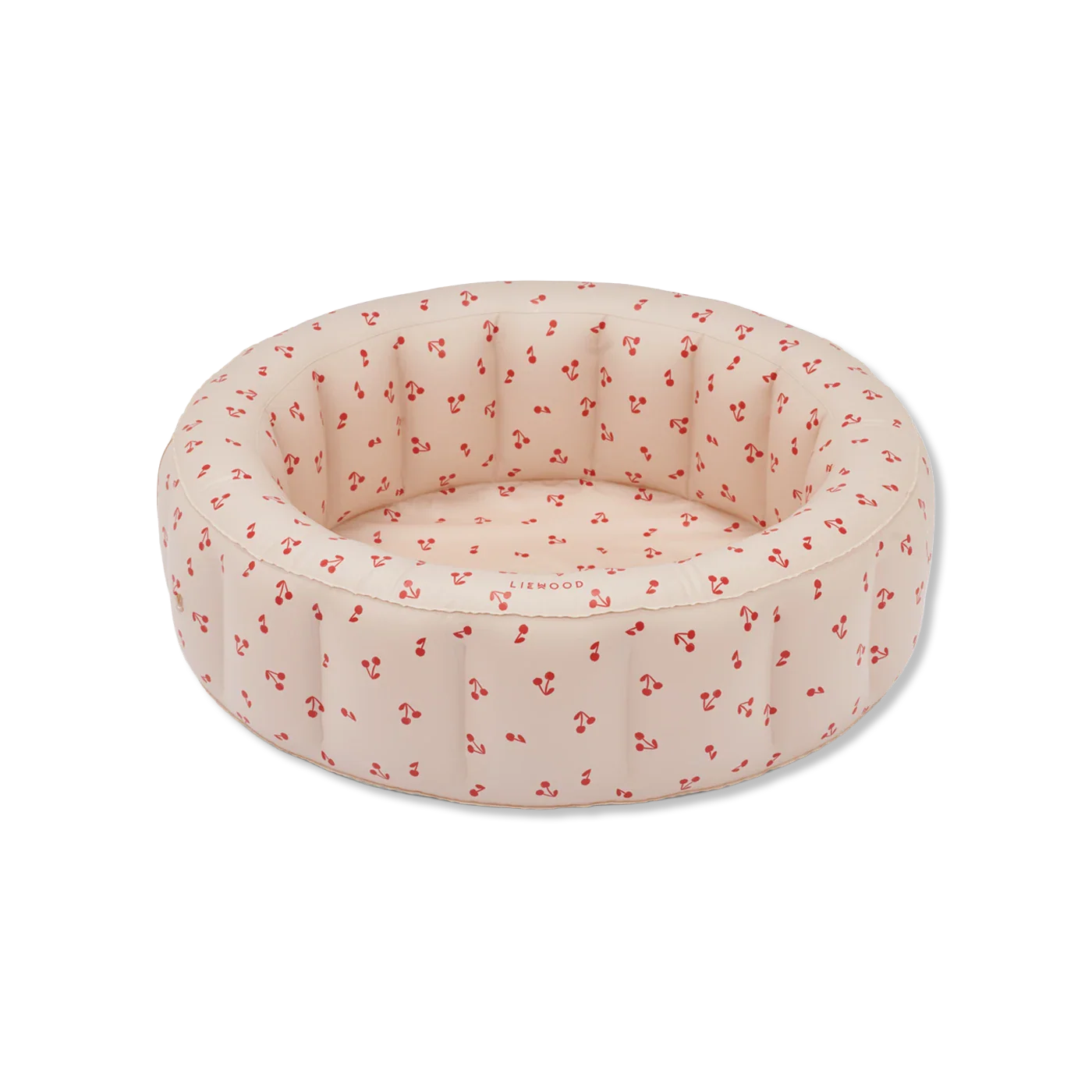
If you do not have much space, small items for the bath, balcony or terrace may be a more realistic solution than large water setups. If you have a garden, a fixed water station can create calmer conditions for longer play, especially when several children are playing together. It can also be helpful to think about how much preparation you want. Some products are ready to use straight away, while others require more filling, drying and space before and after play.
It also makes sense to choose water play that works with the toys you already have. Many children stay engaged for longer when water is combined with spades, containers or other sensory activities. If you want to build on this type of play, you can also find inspiration in toys and practical solutions for storage, so the water toys are easy to dry and put away afterwards.
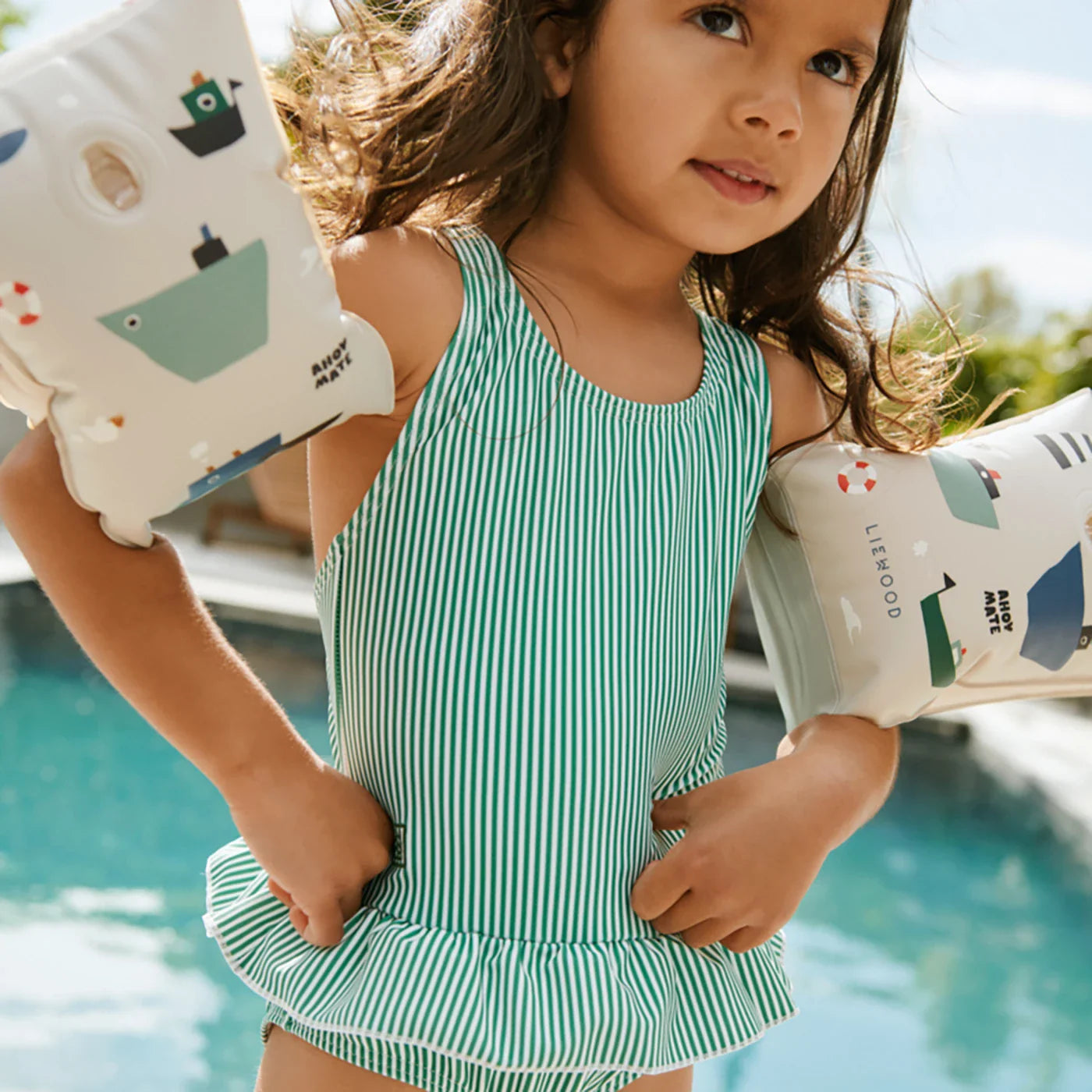
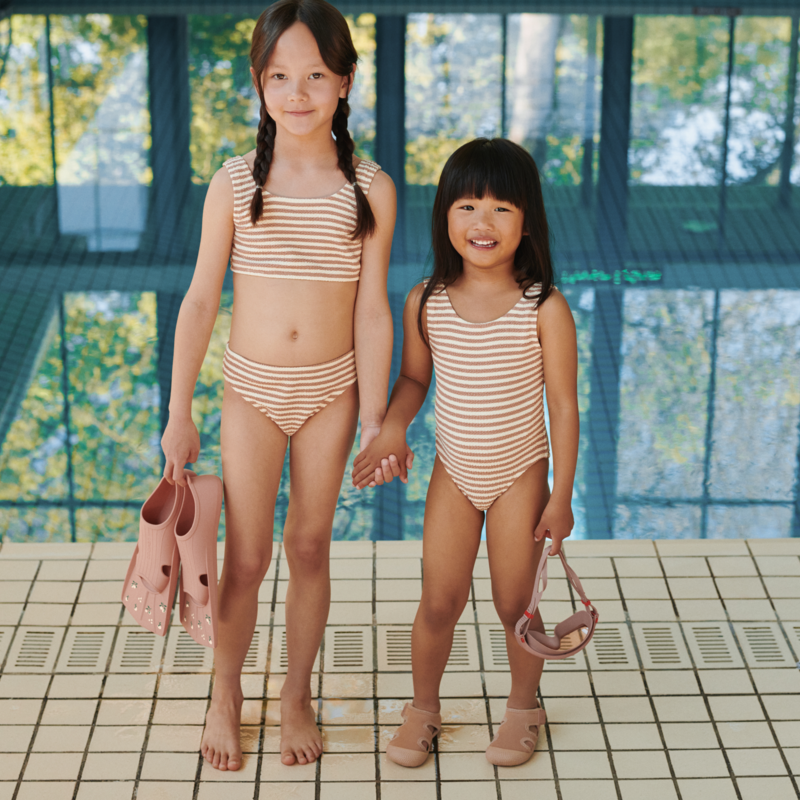
If water play is taking place outdoors, it can also be worth thinking about what your child is wearing. On warm days, light sun protection and clothing suited to water play make everything more comfortable, and UV swimwear can be a natural addition.