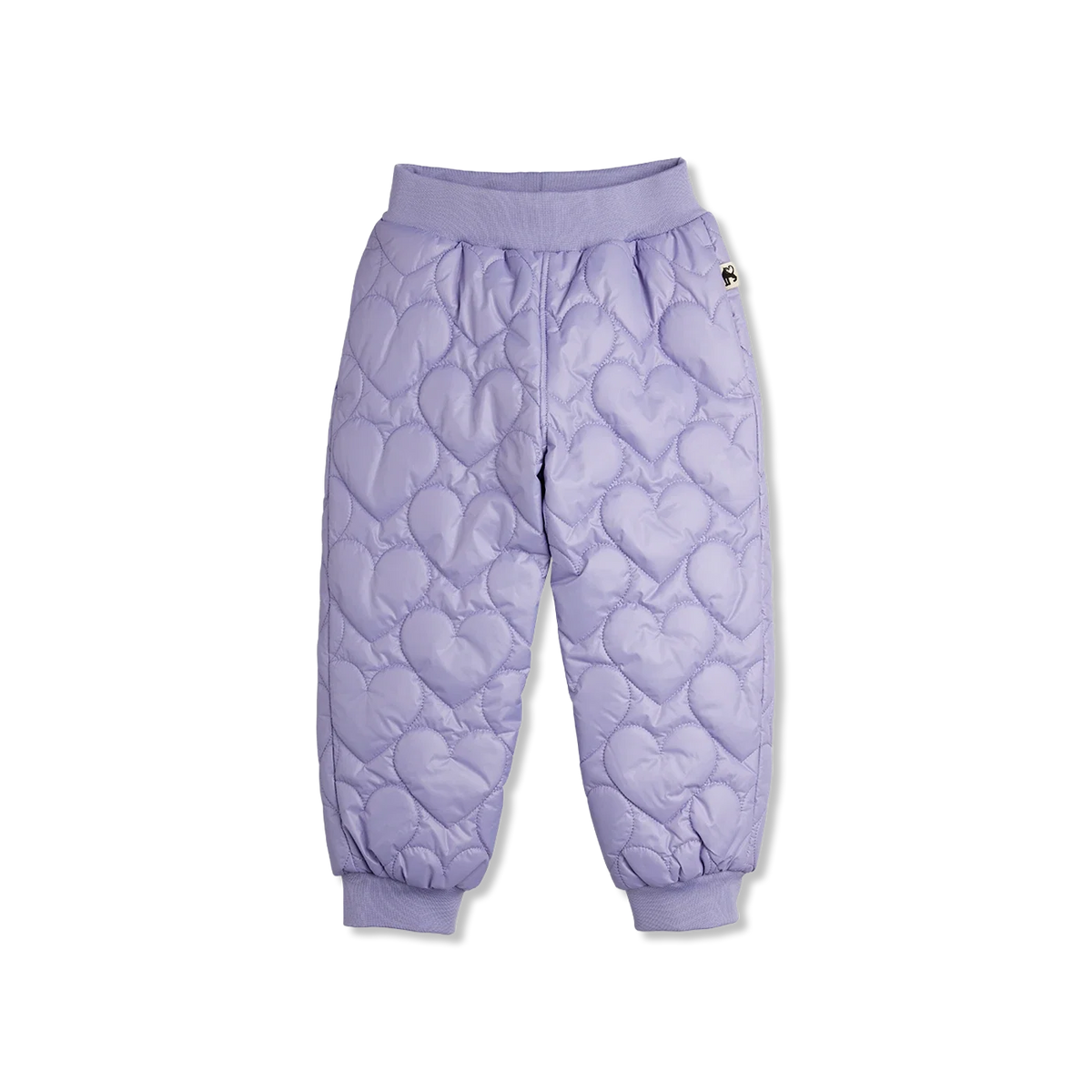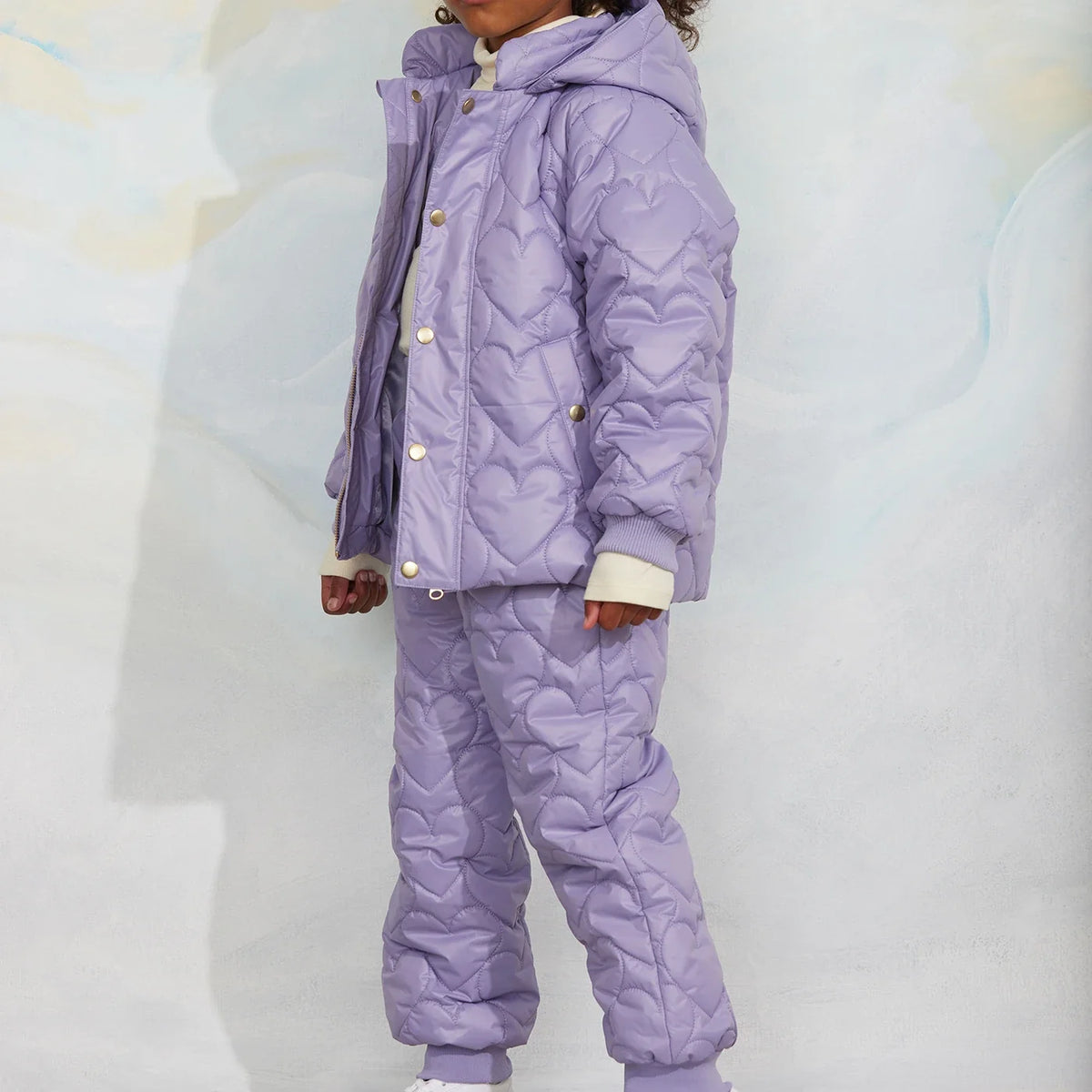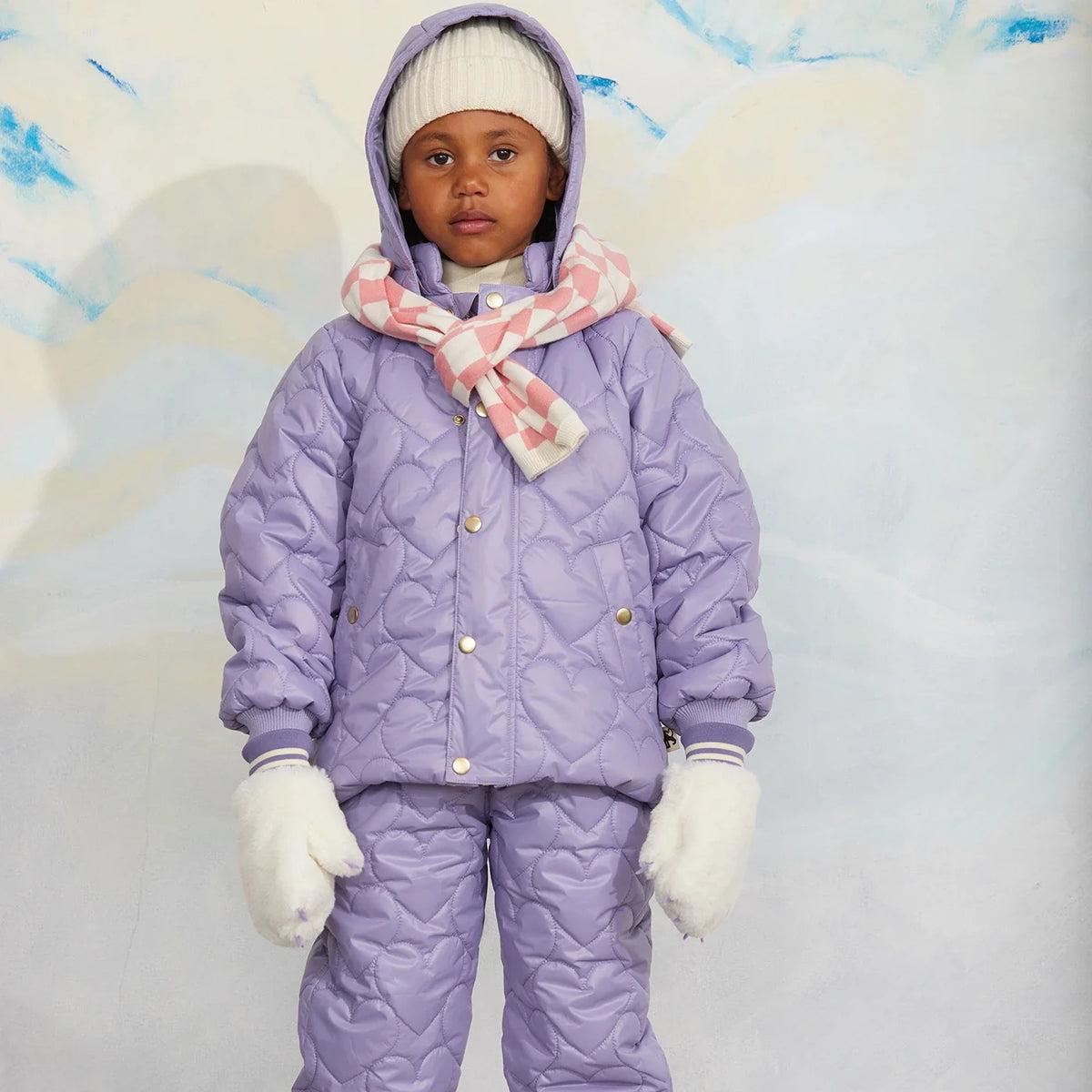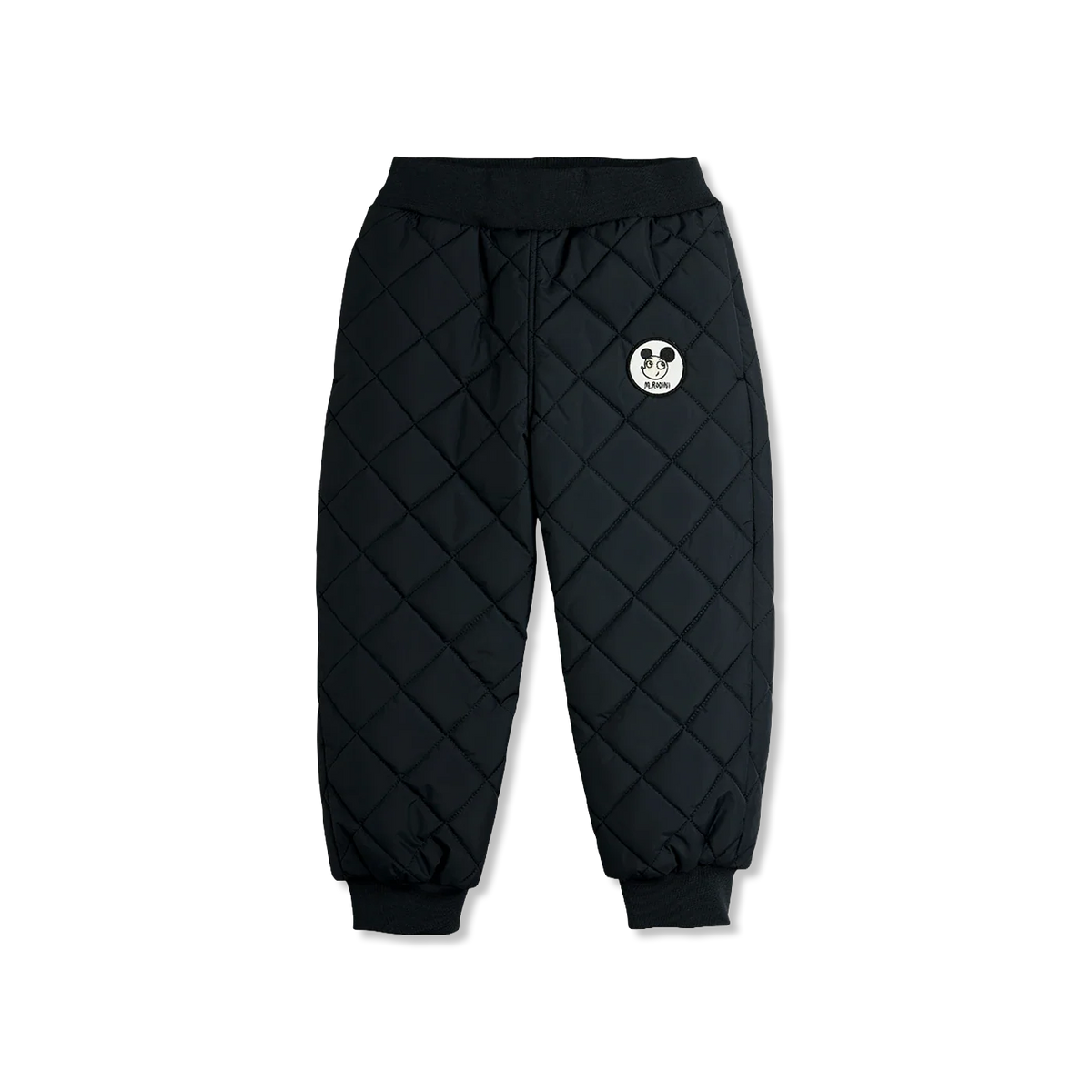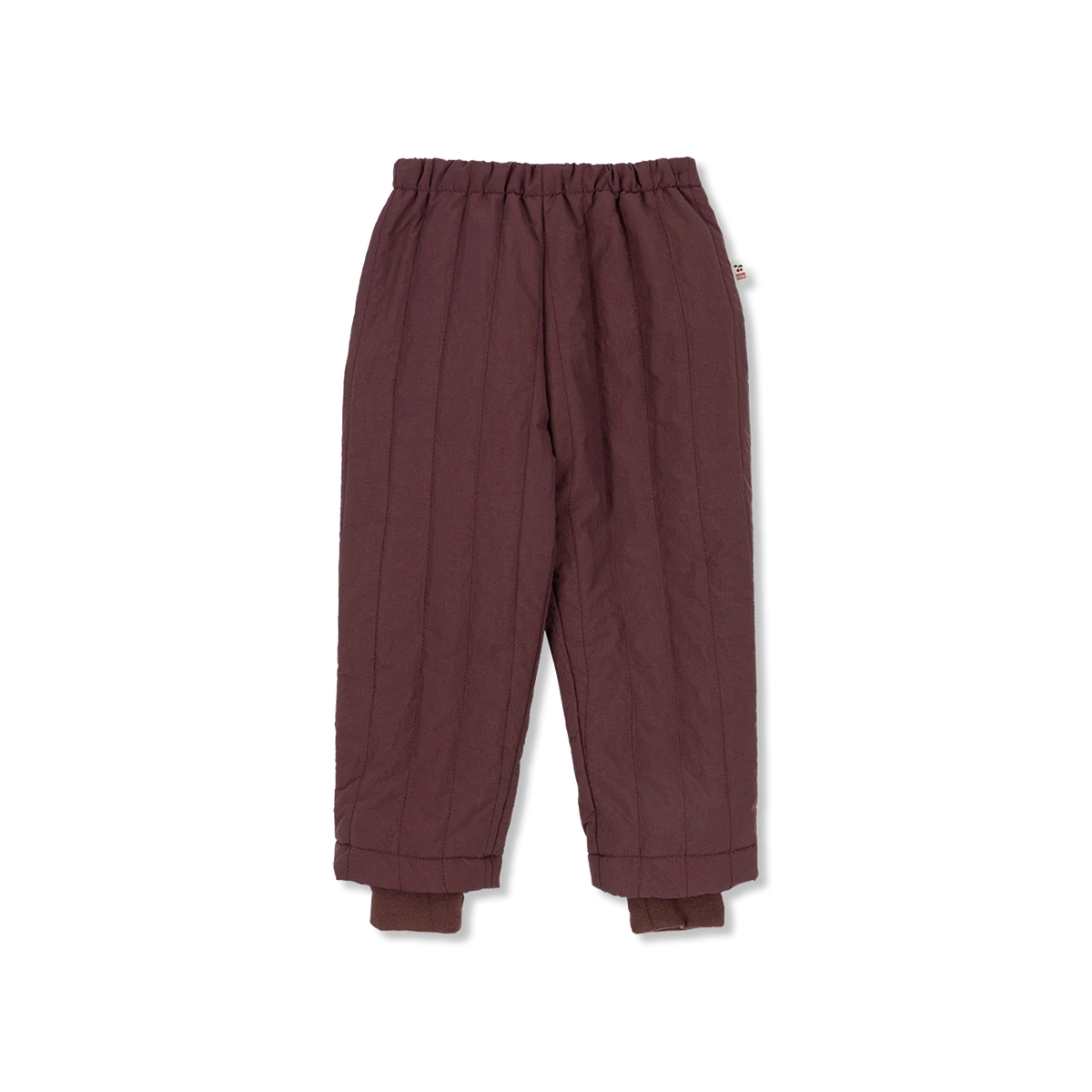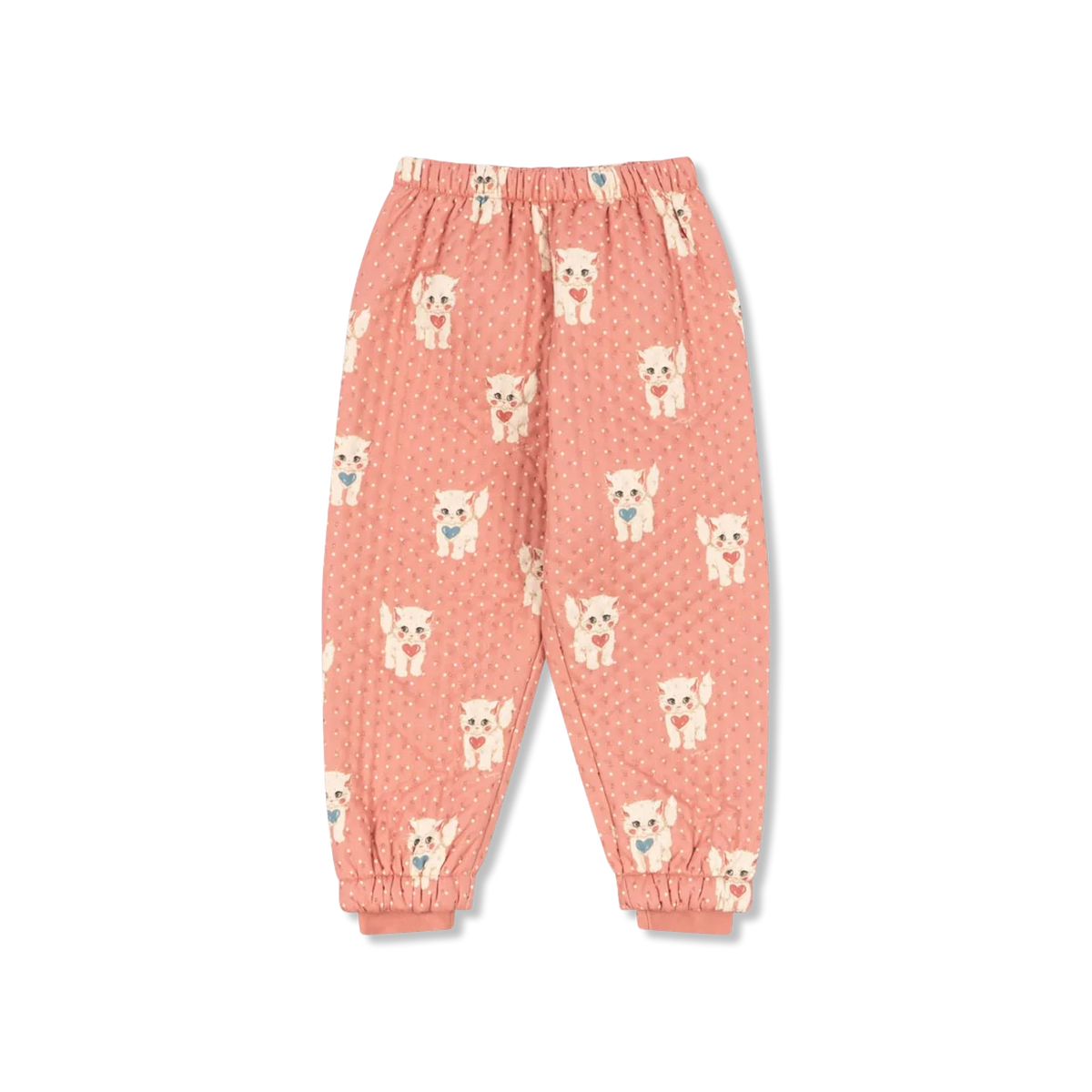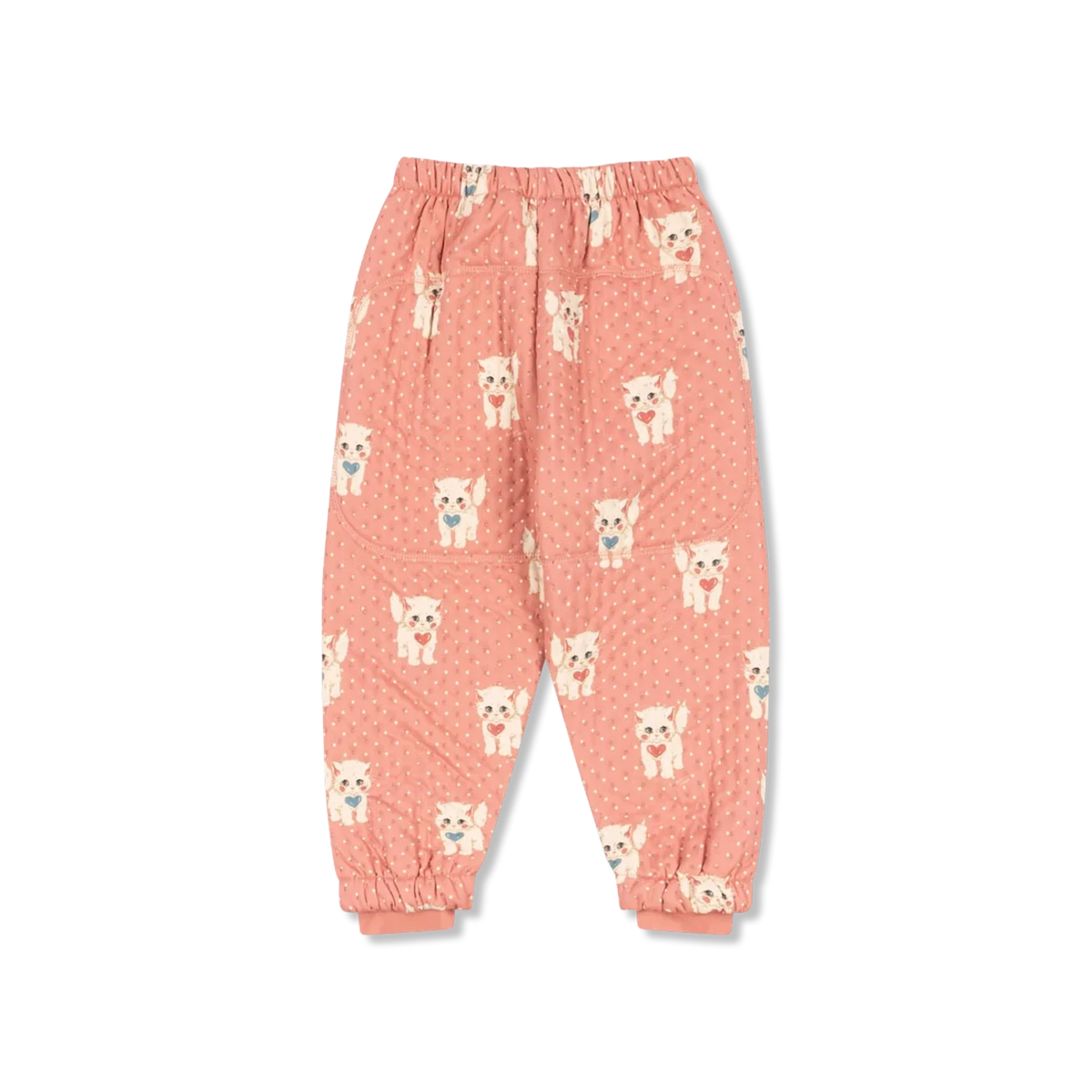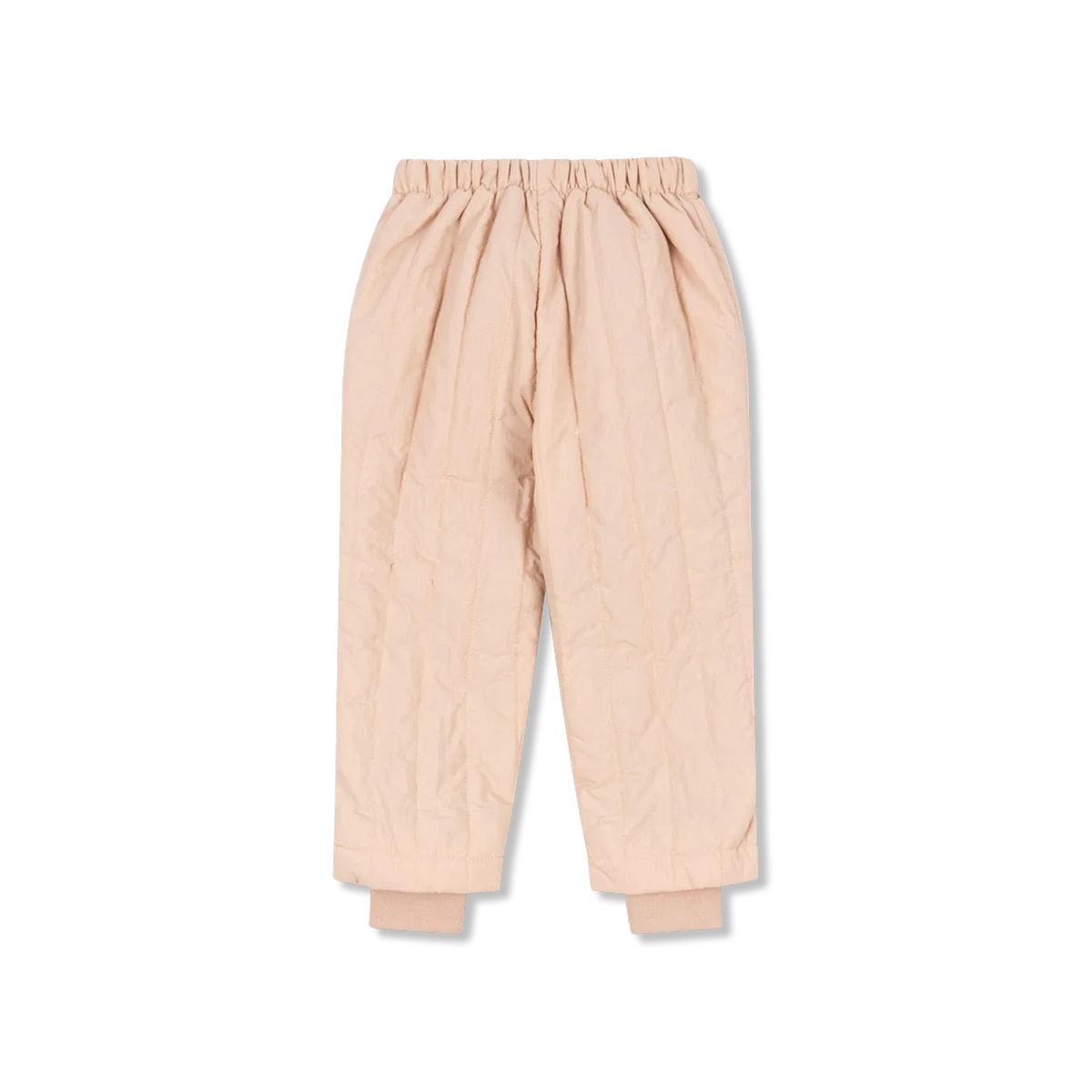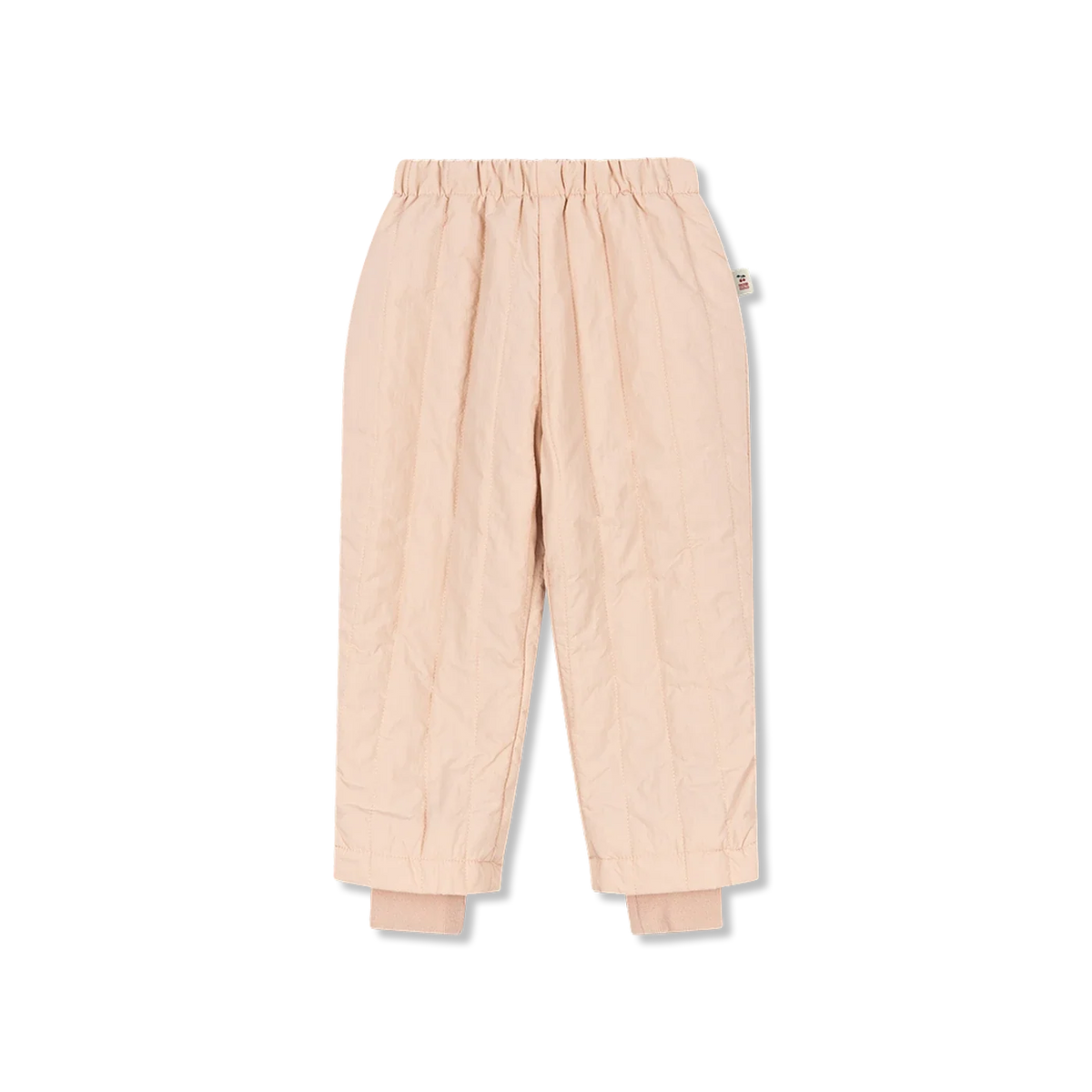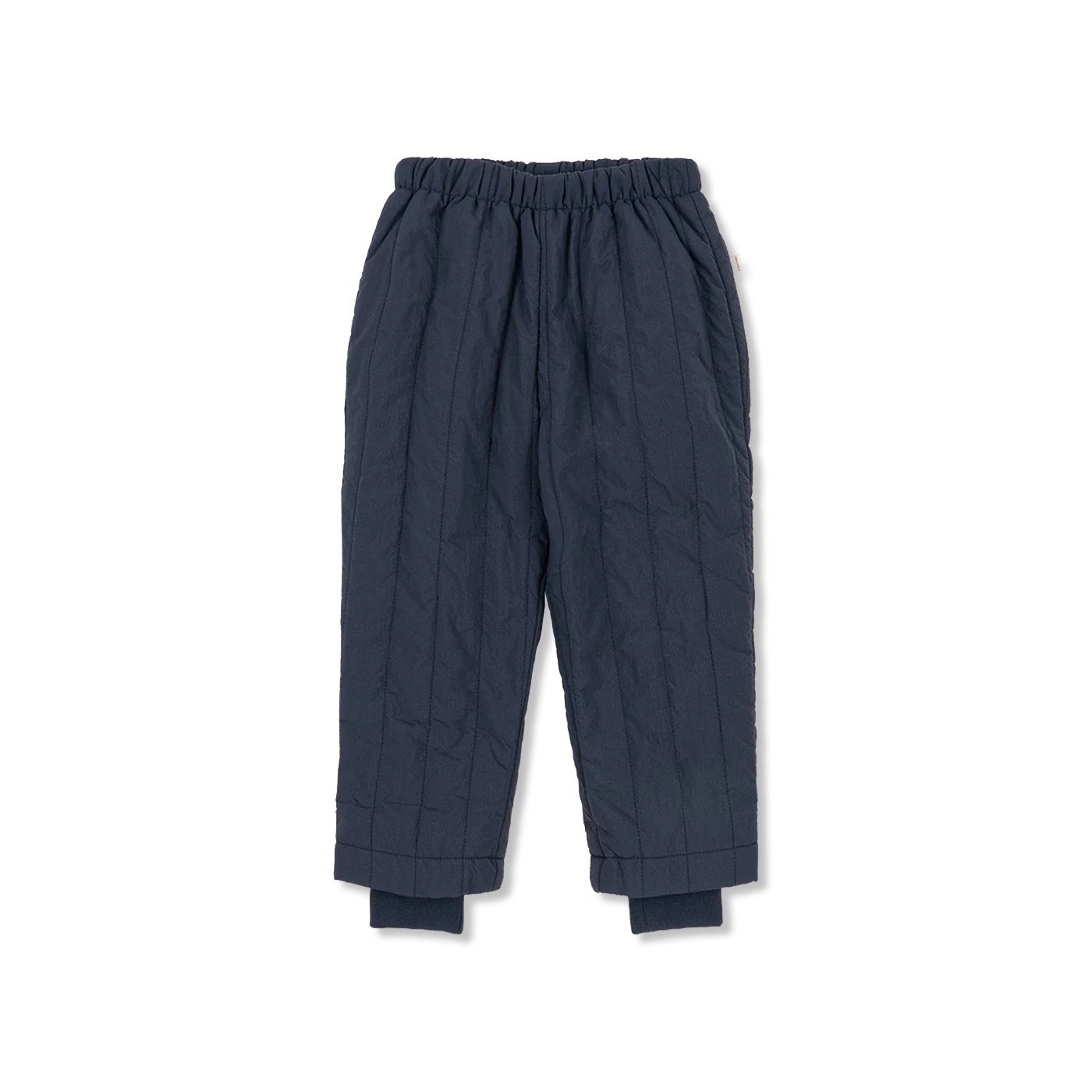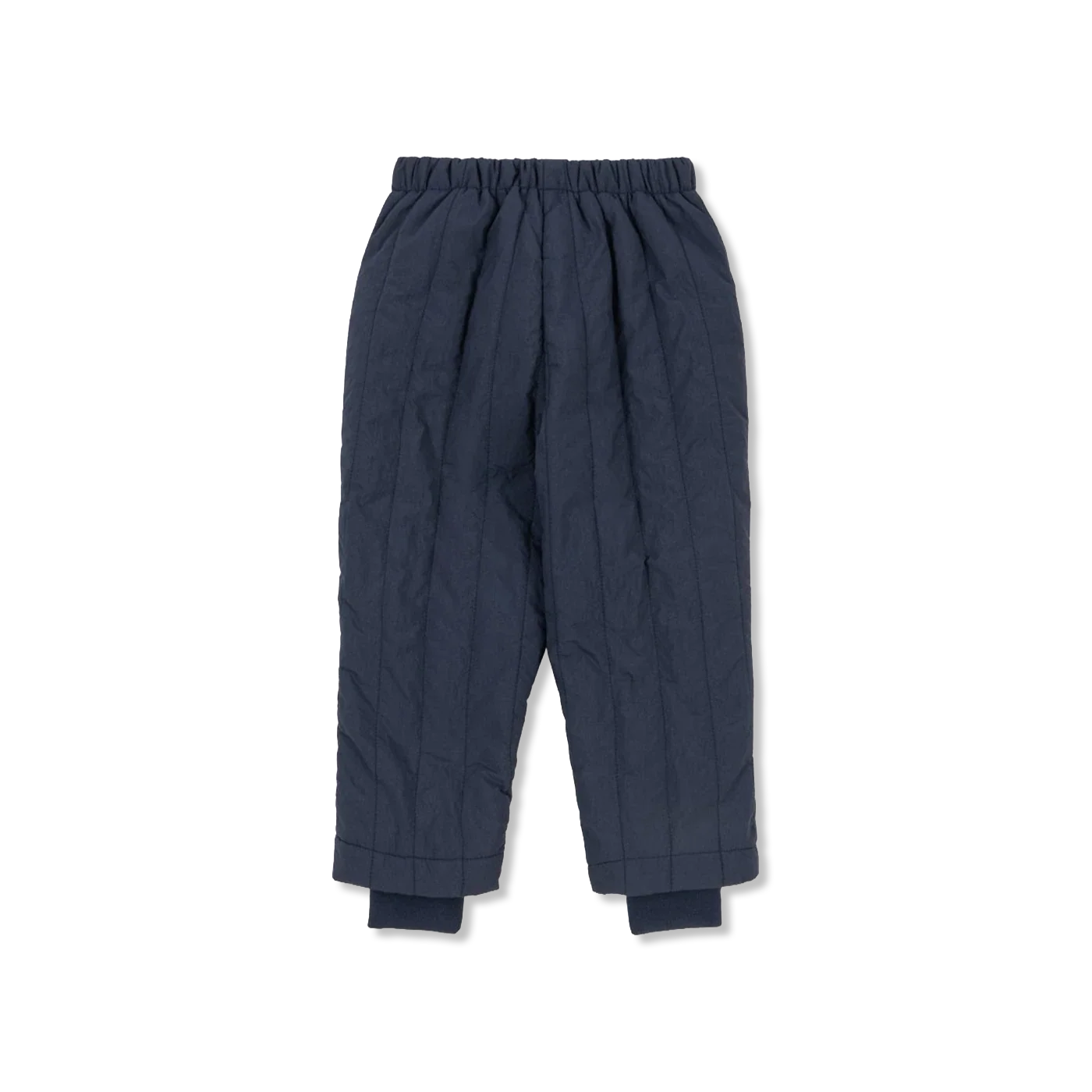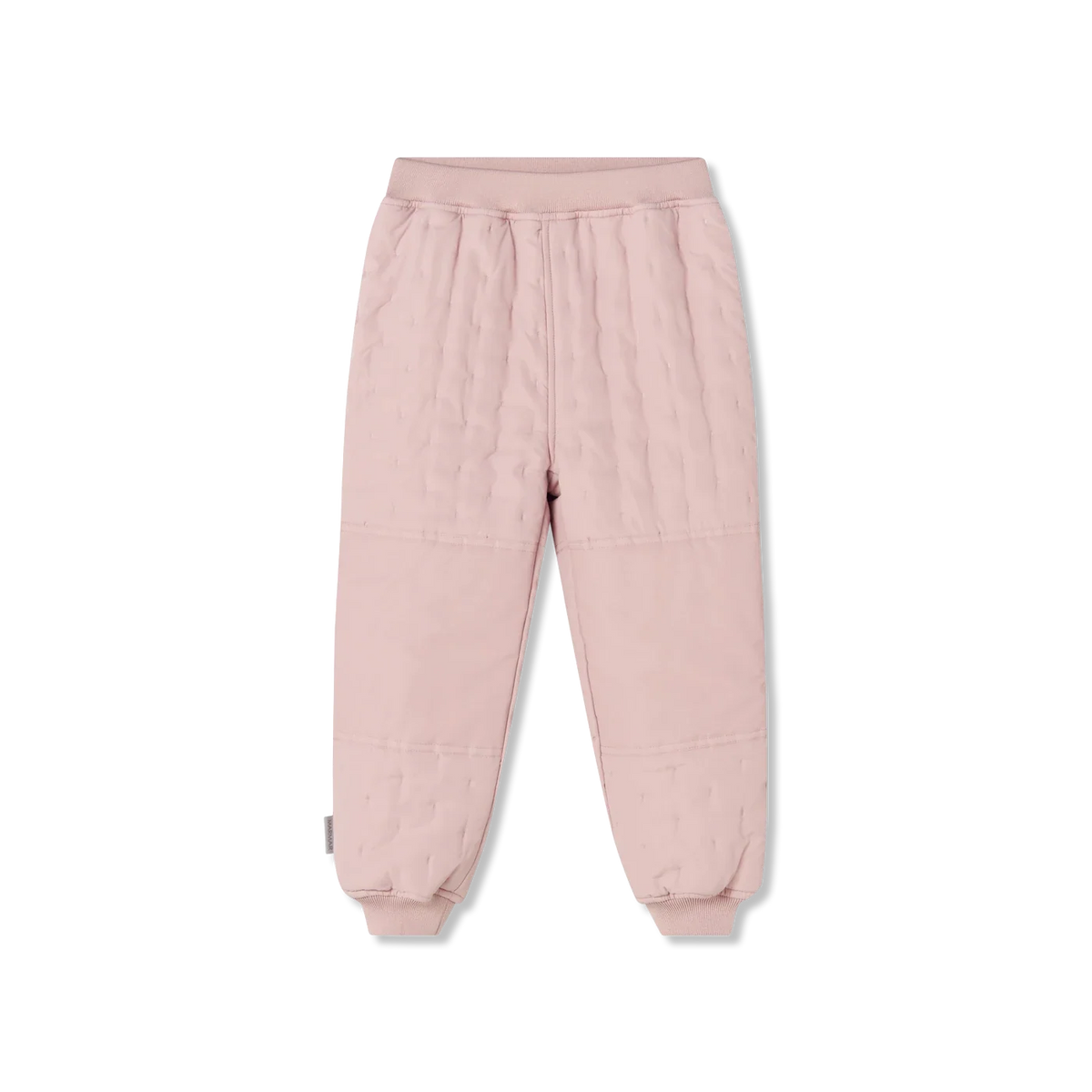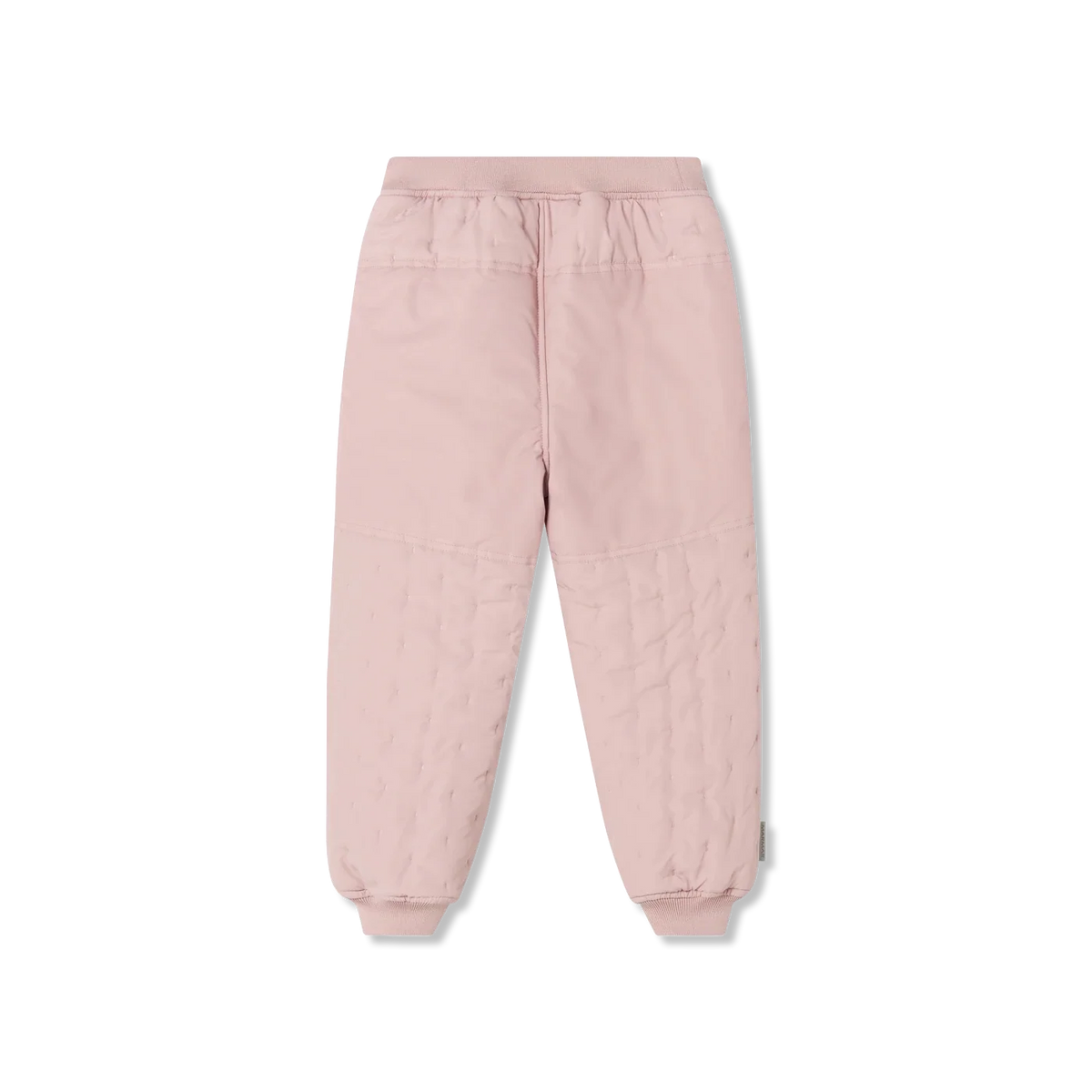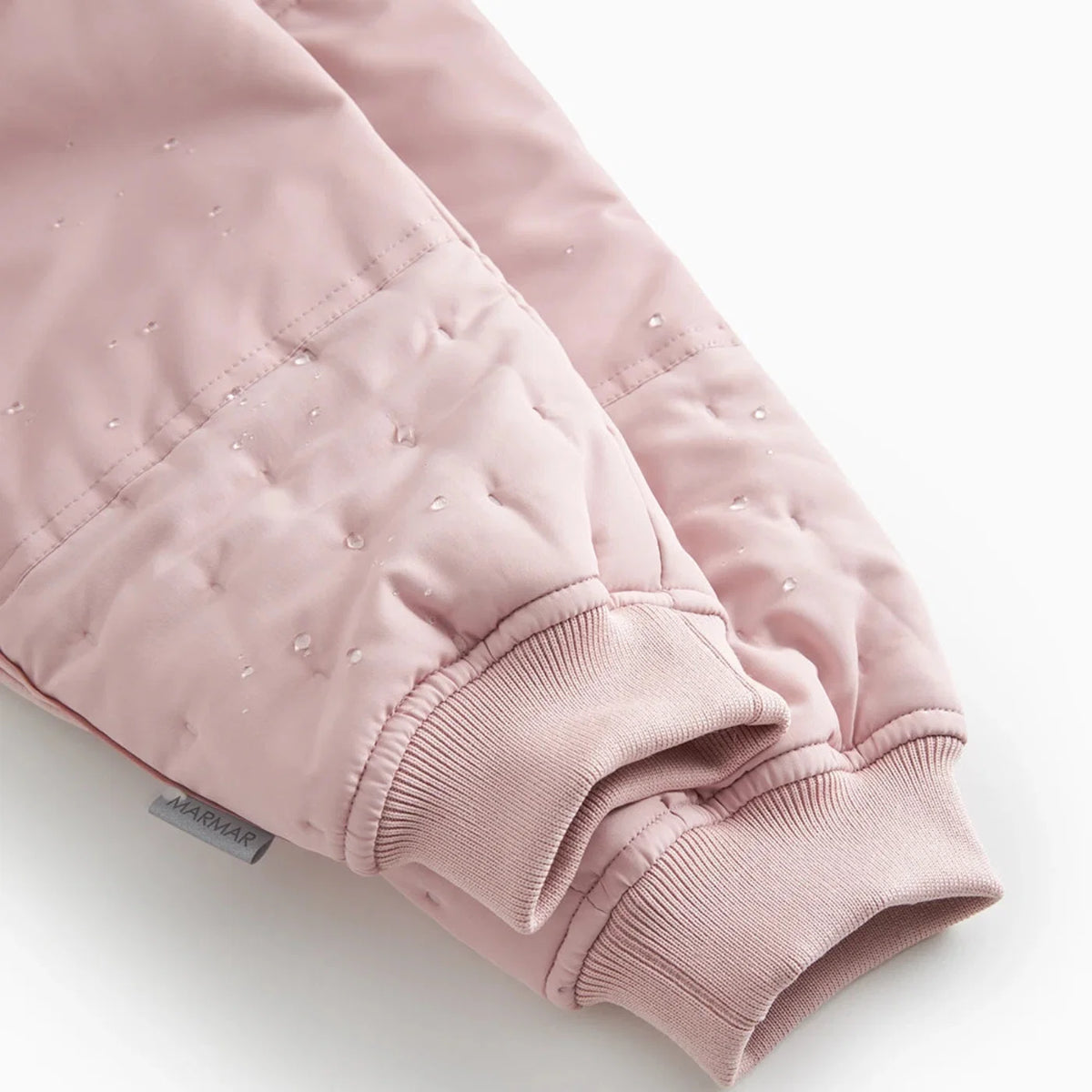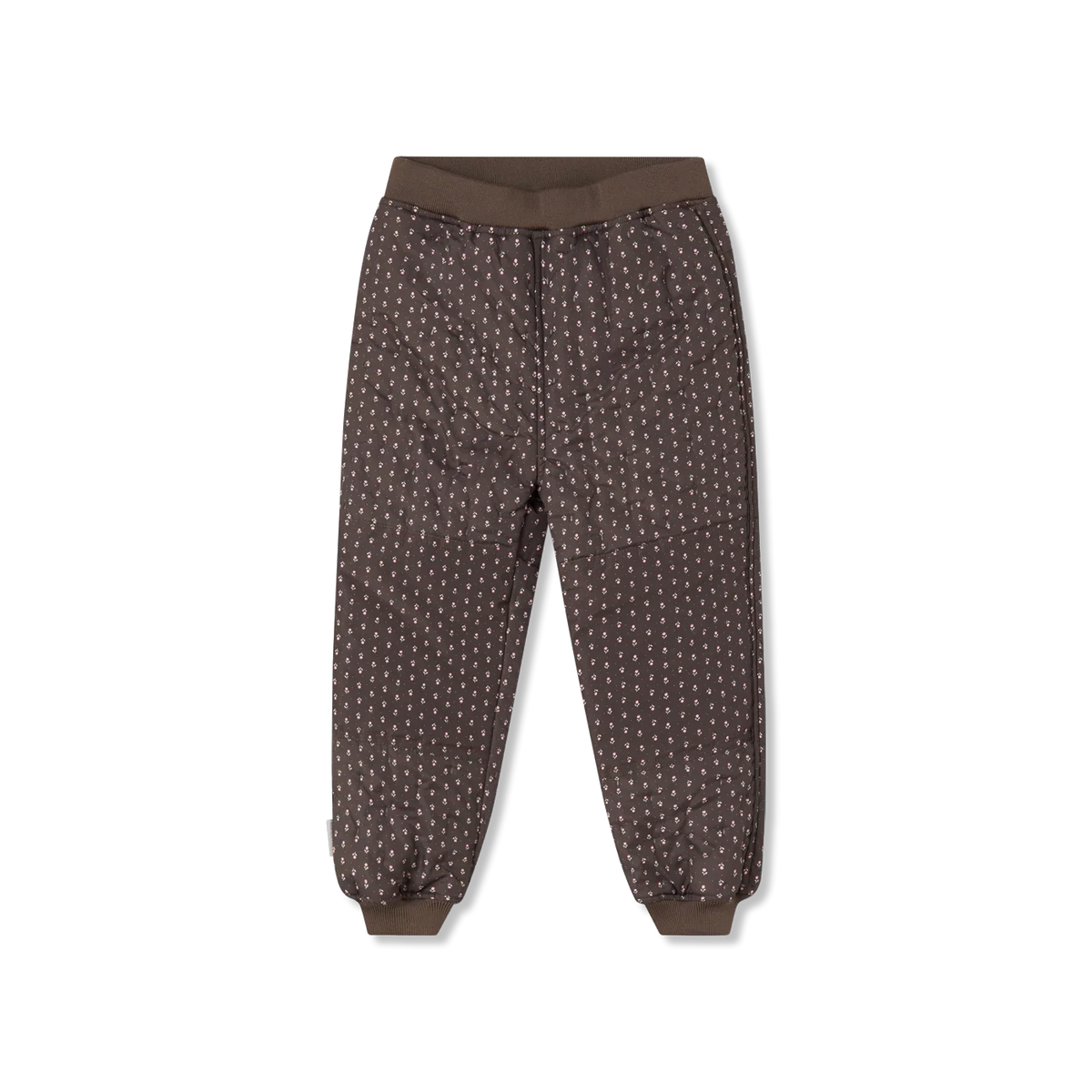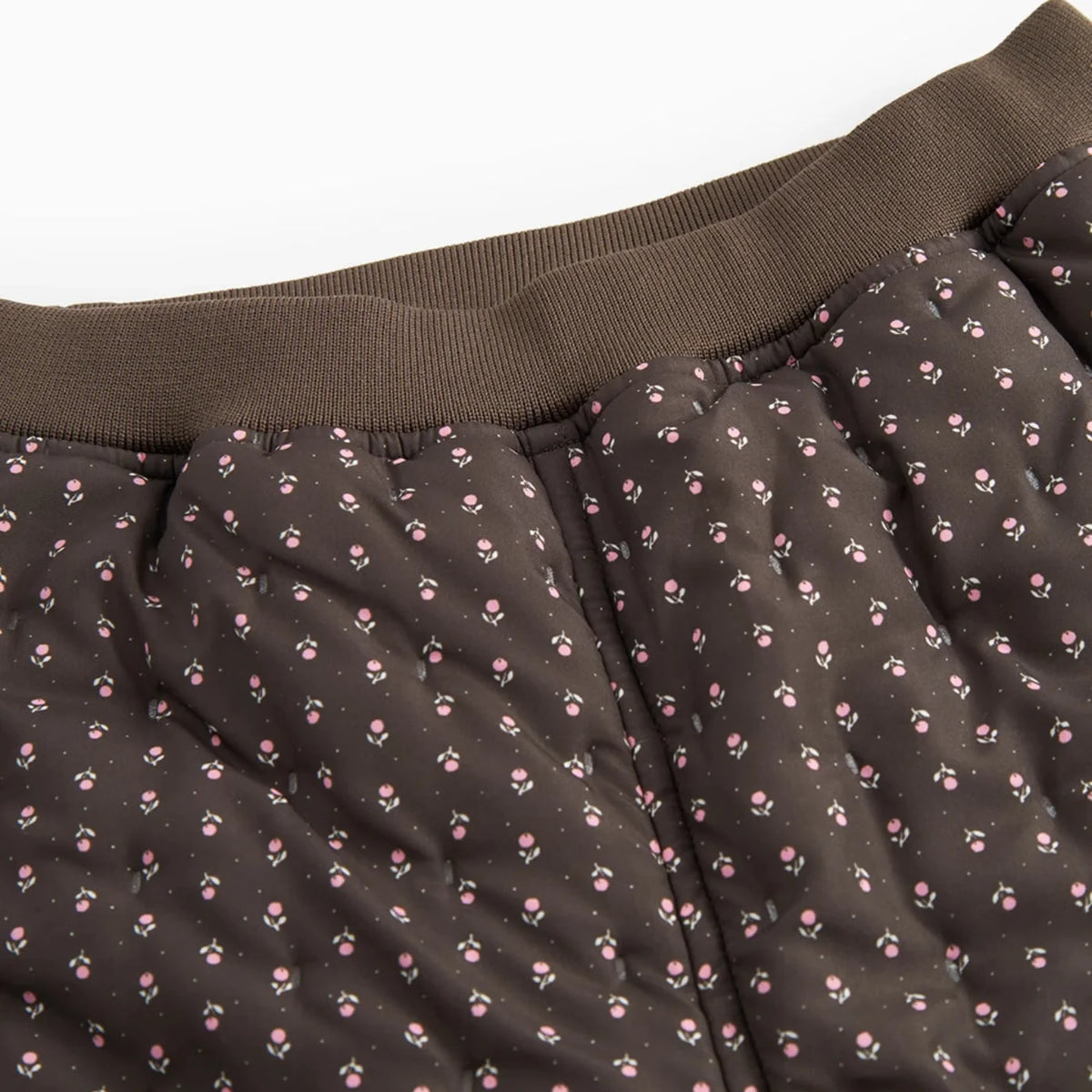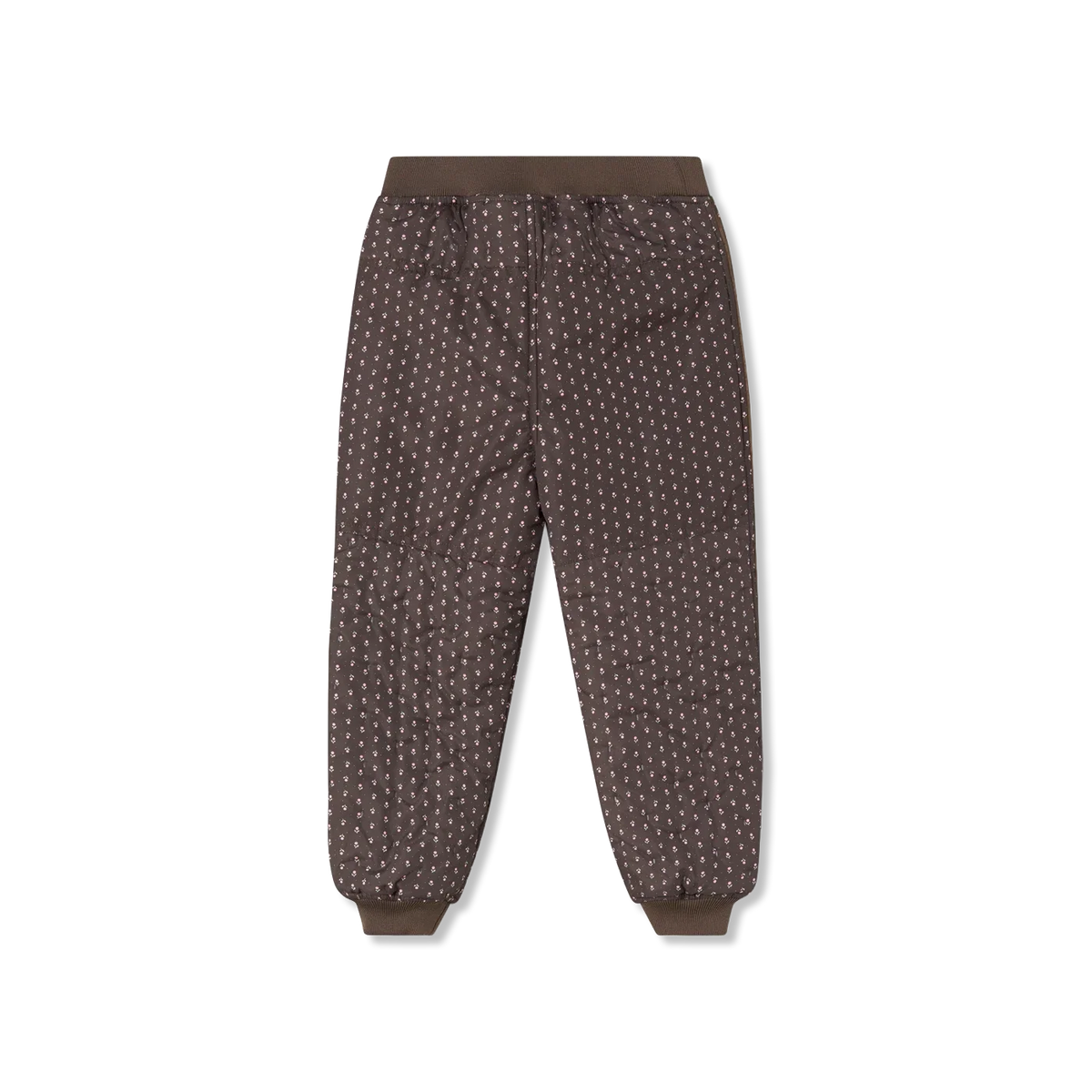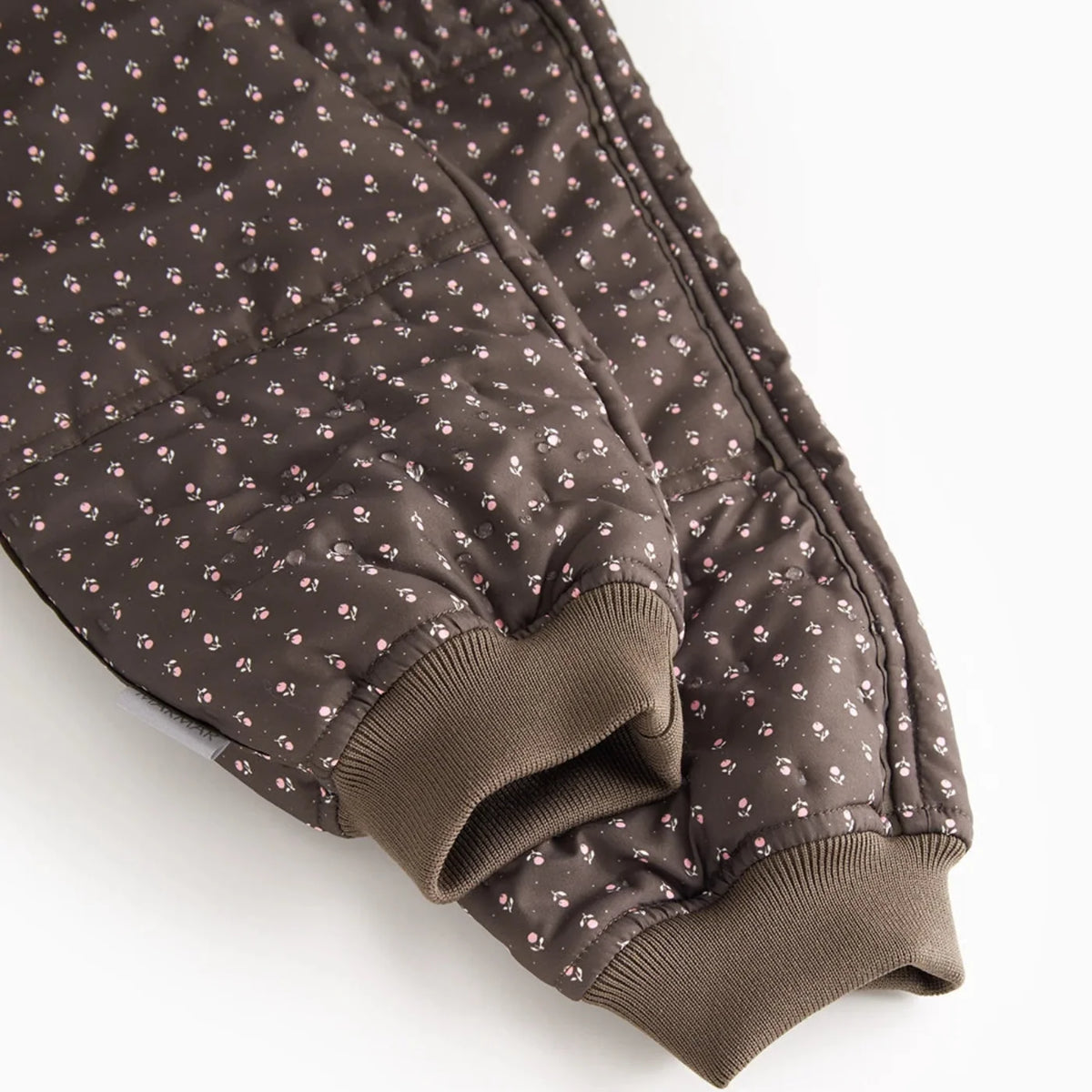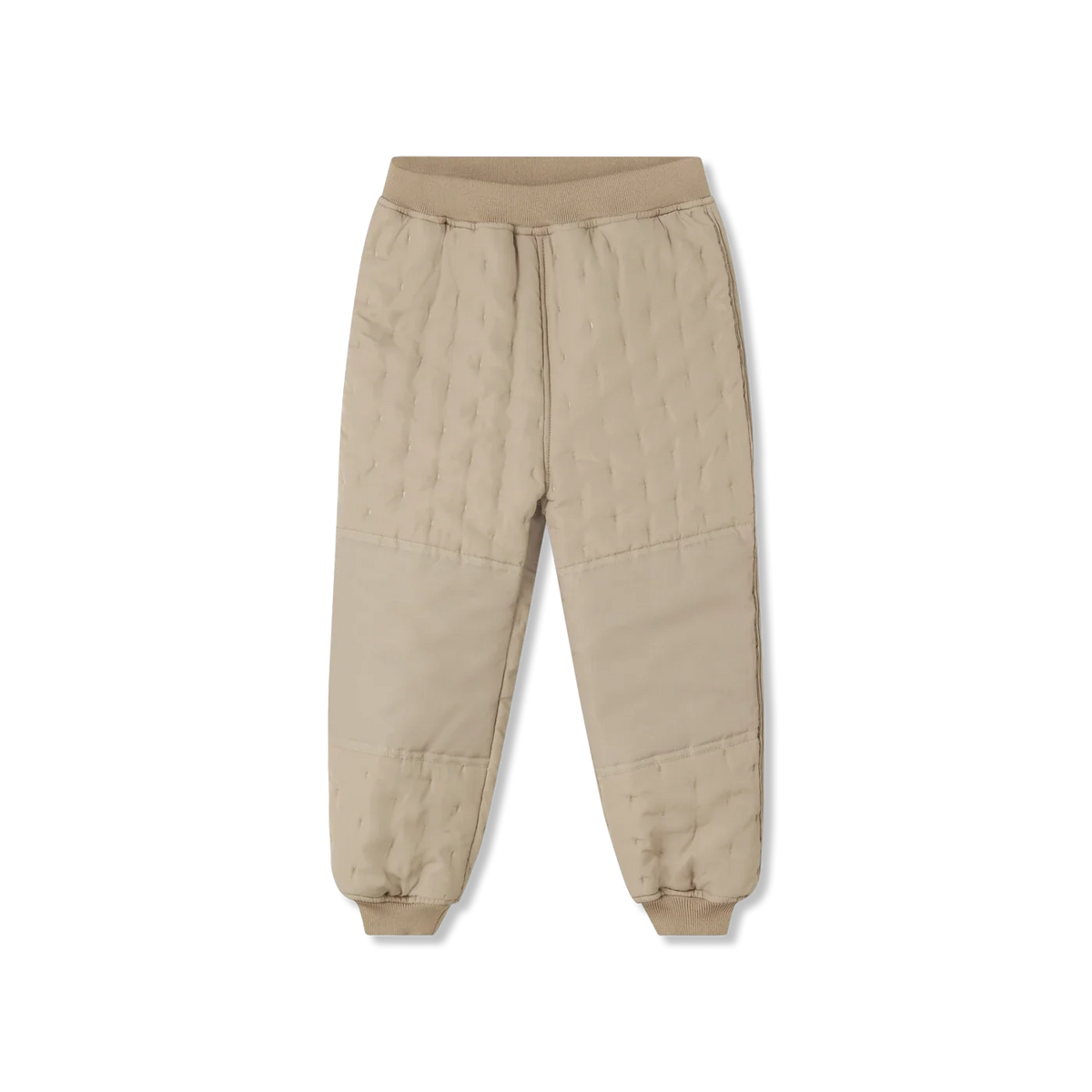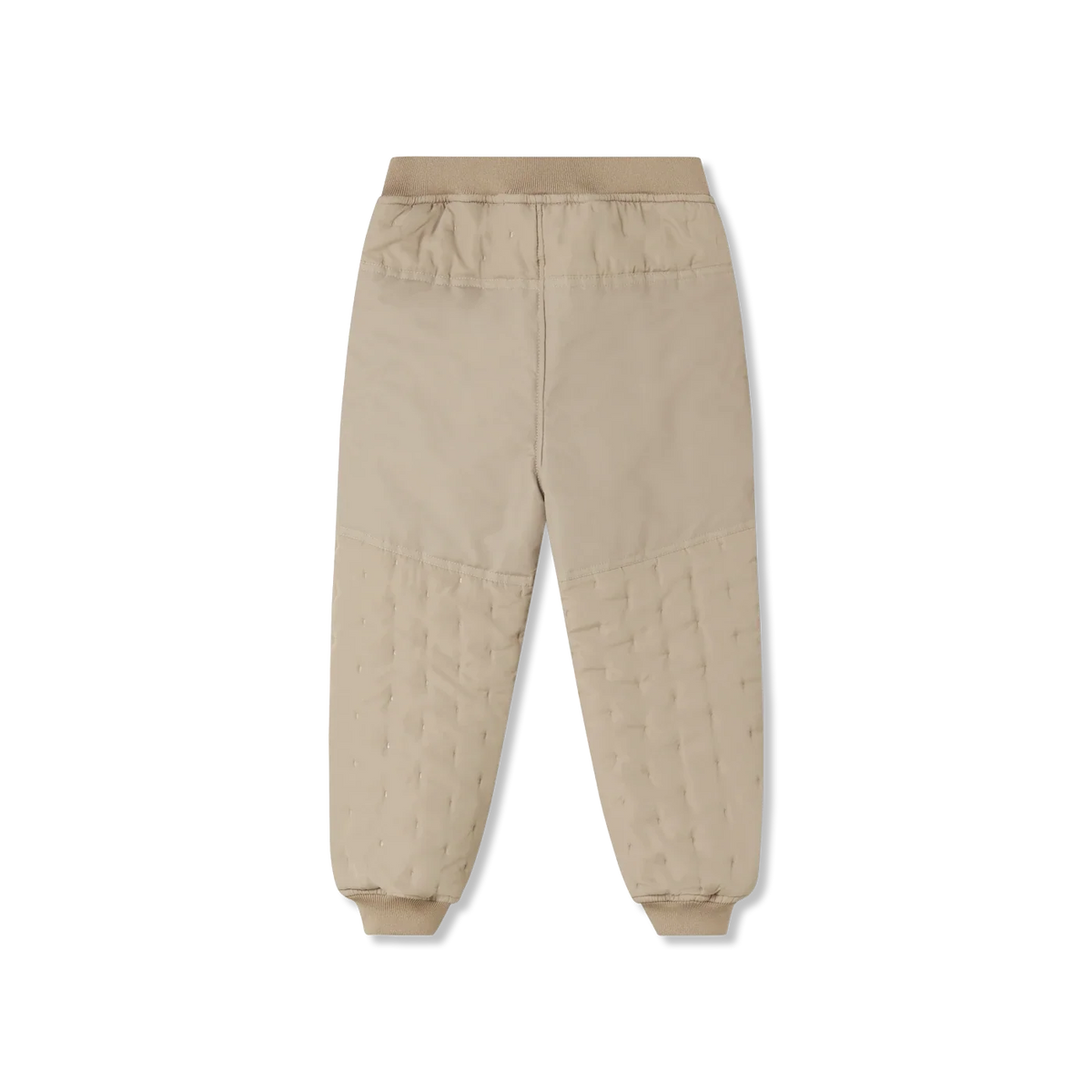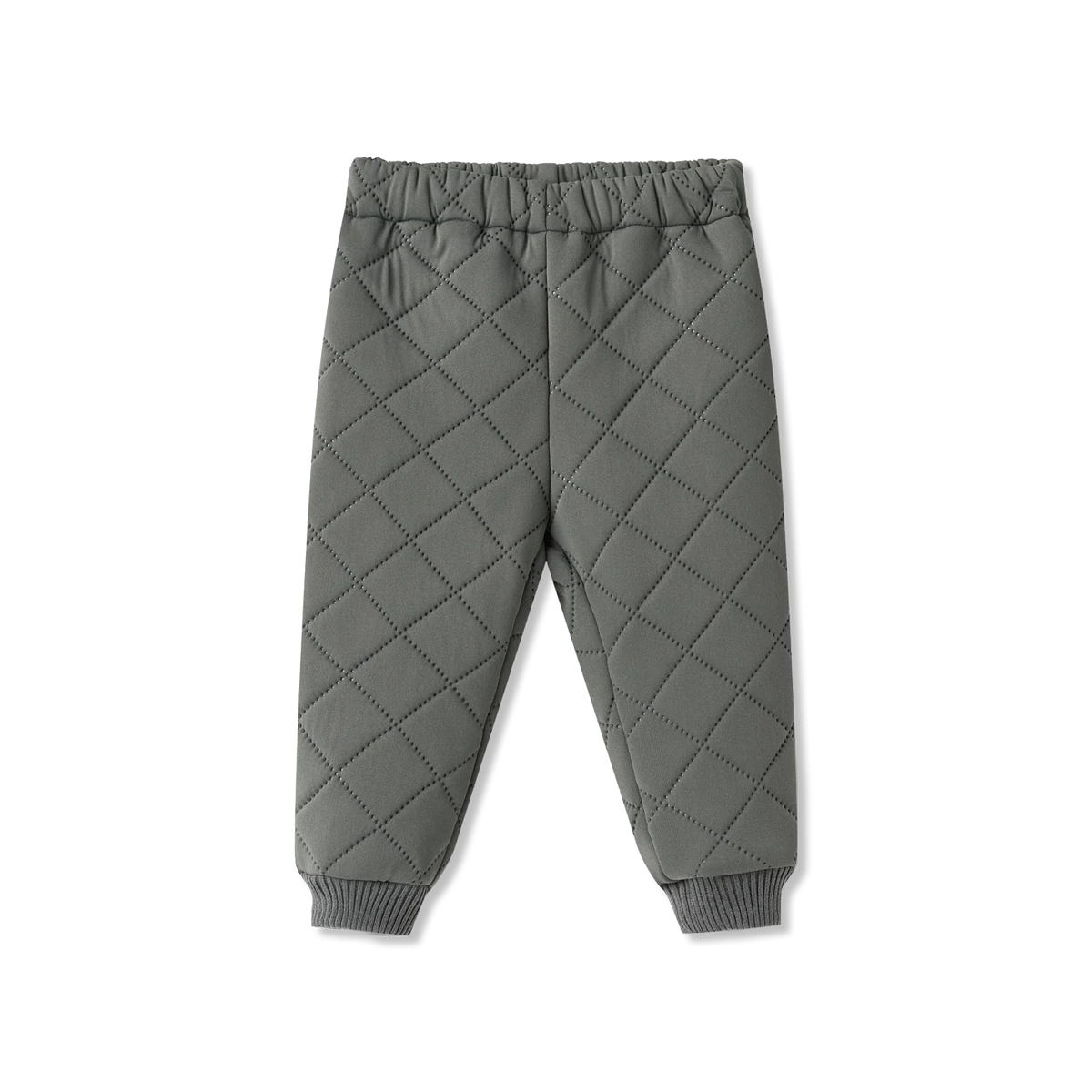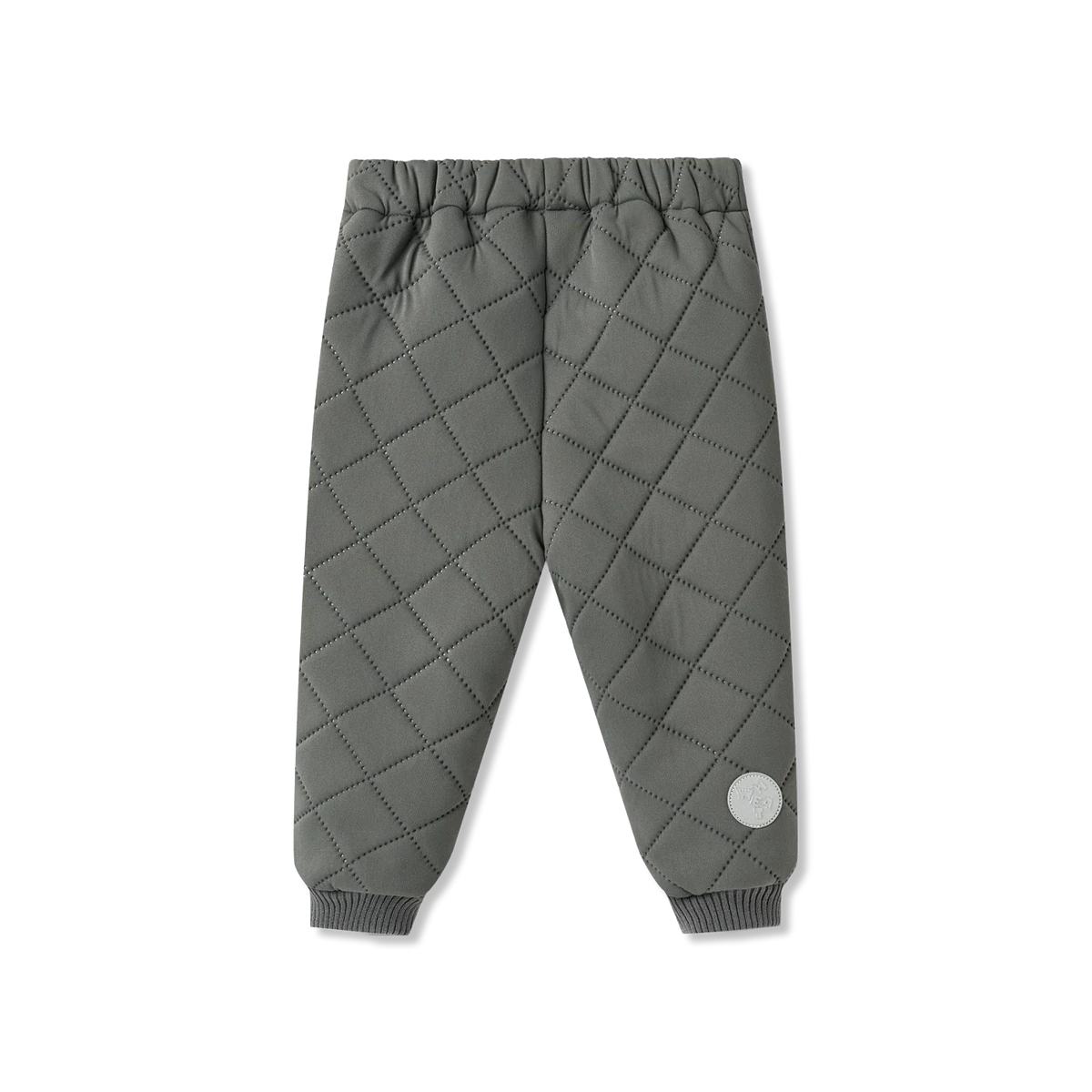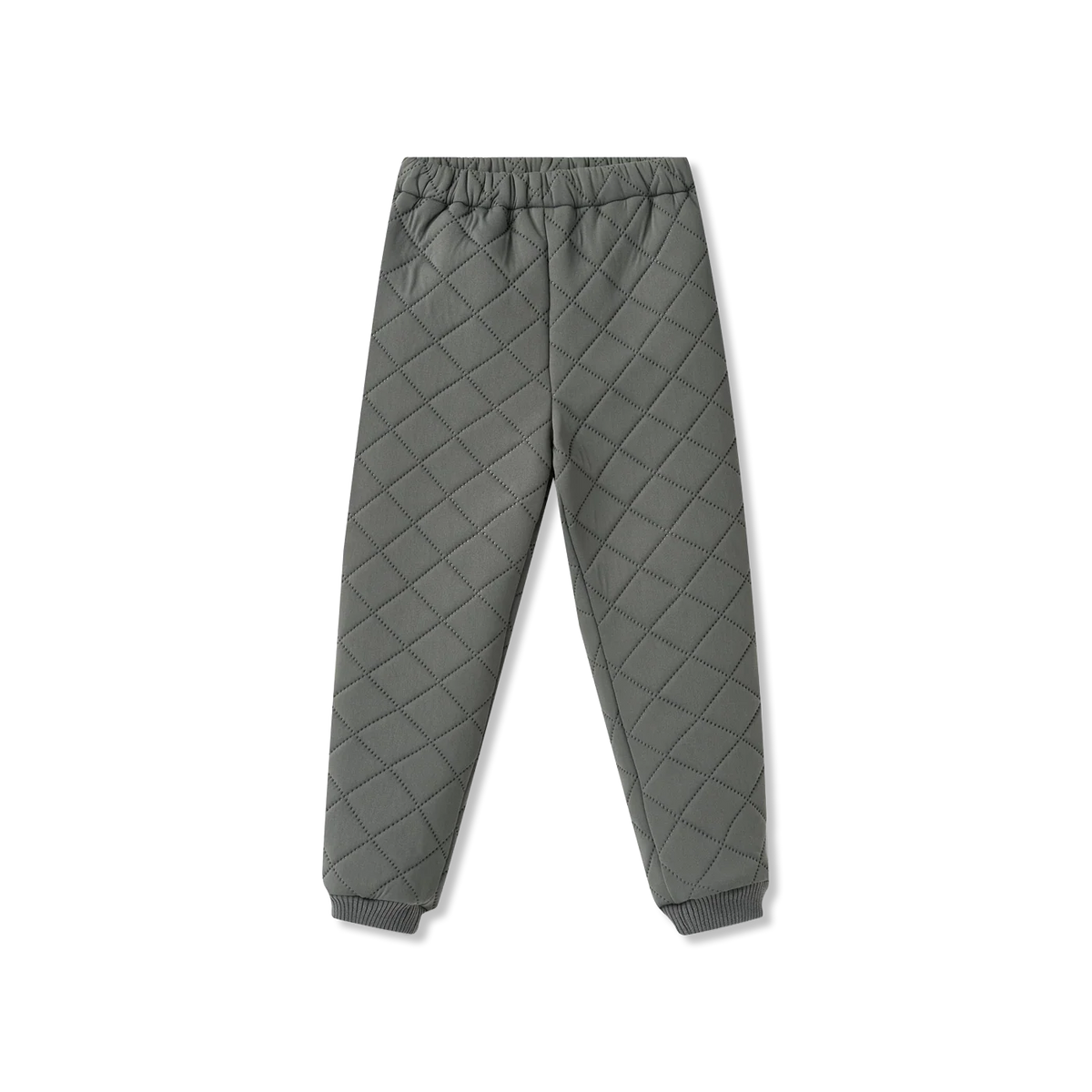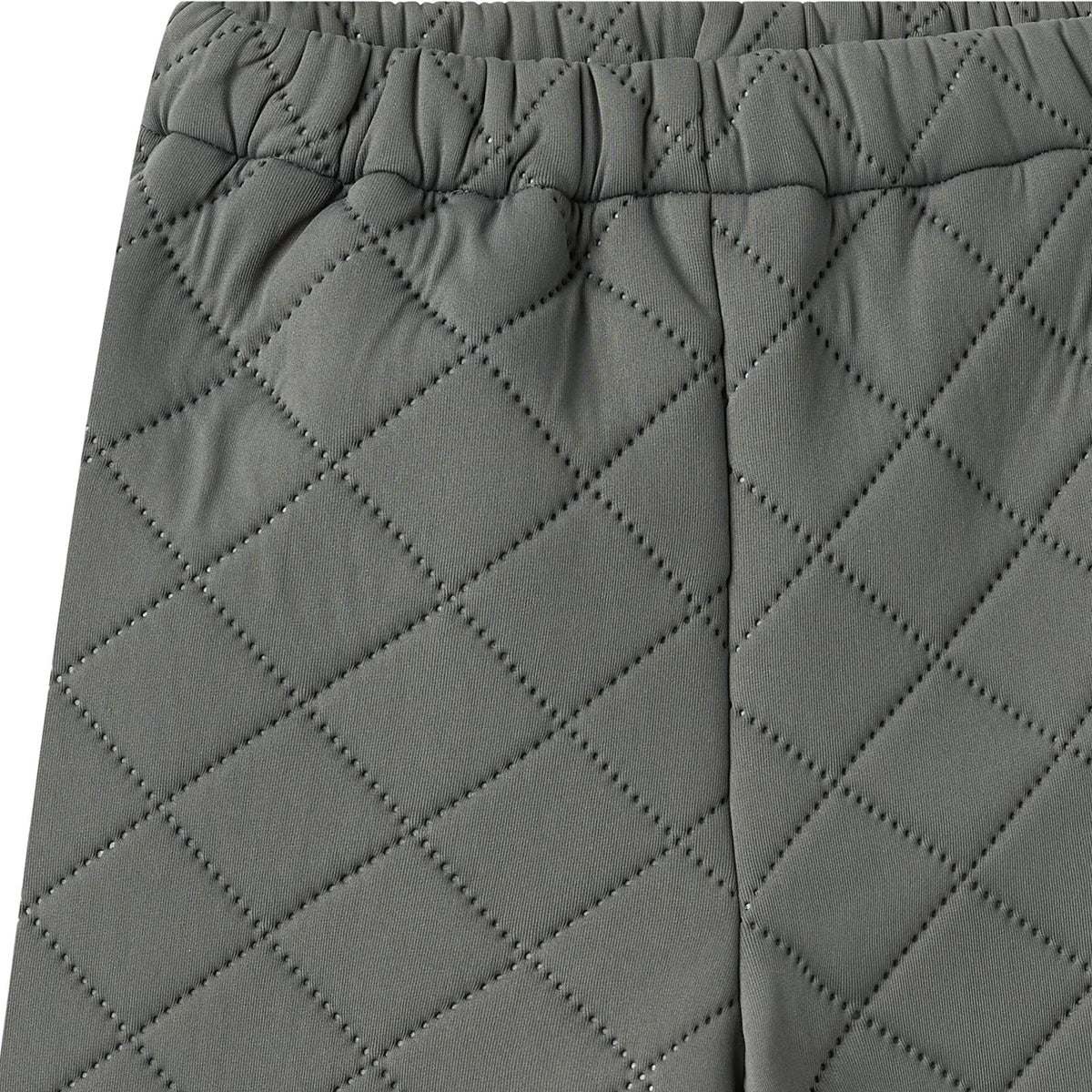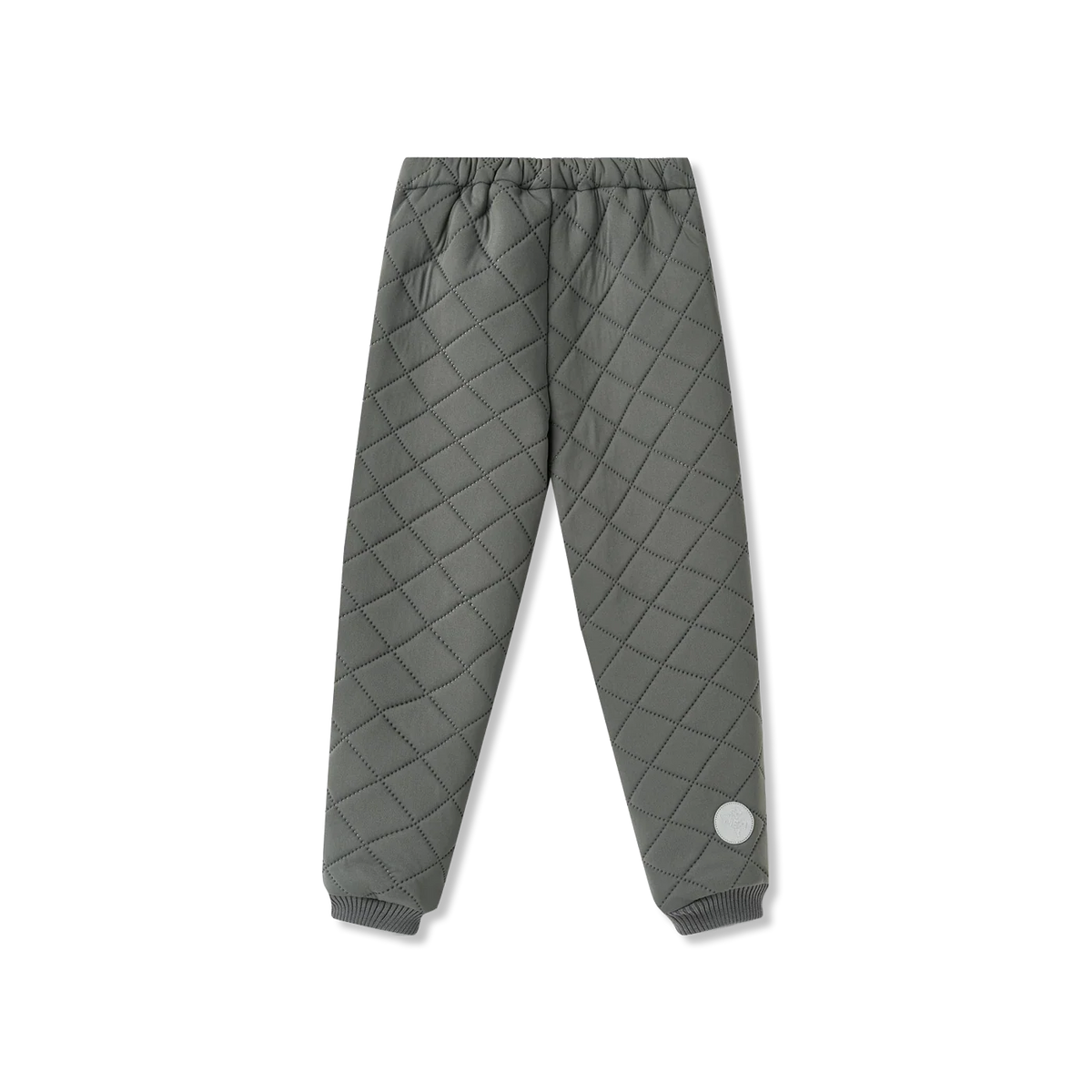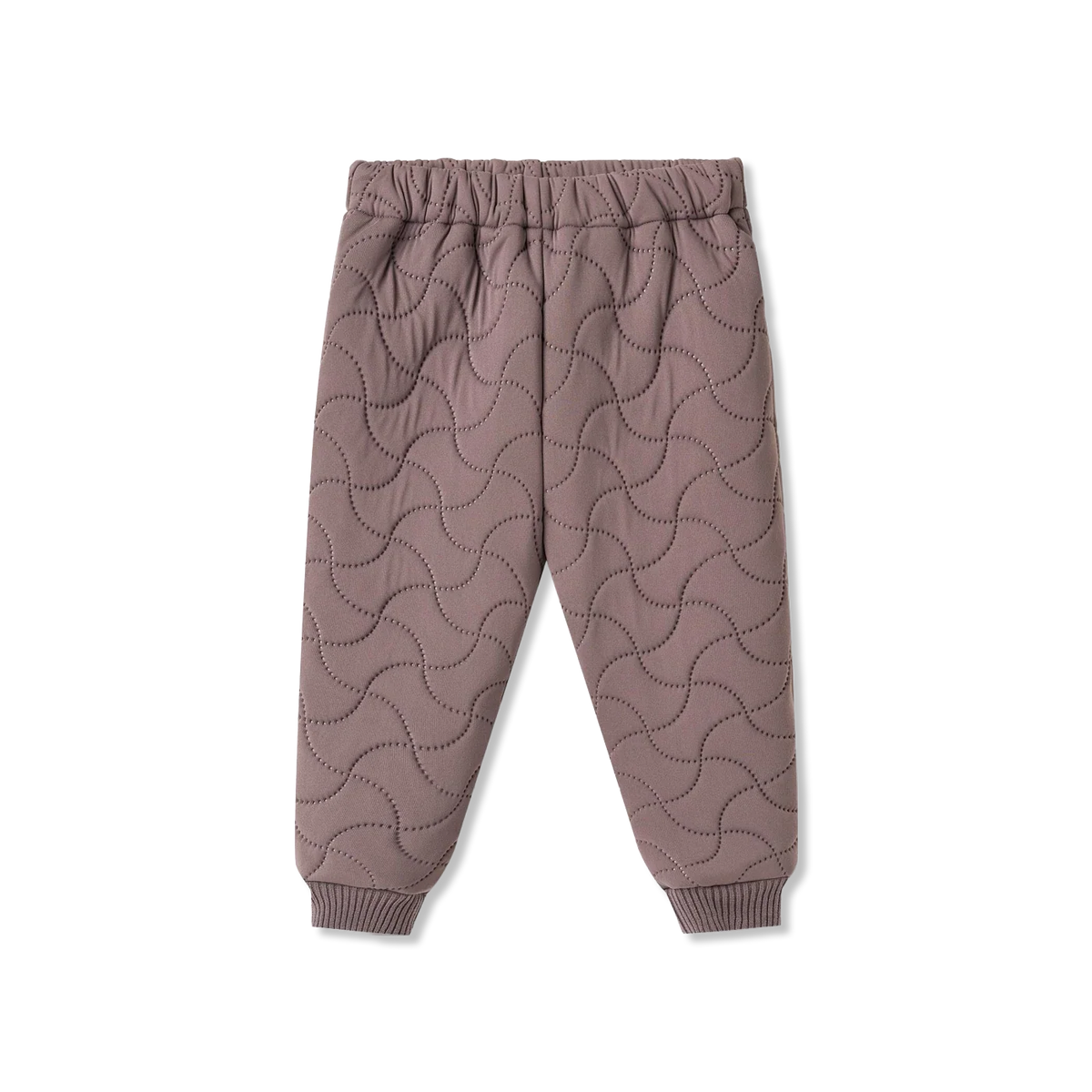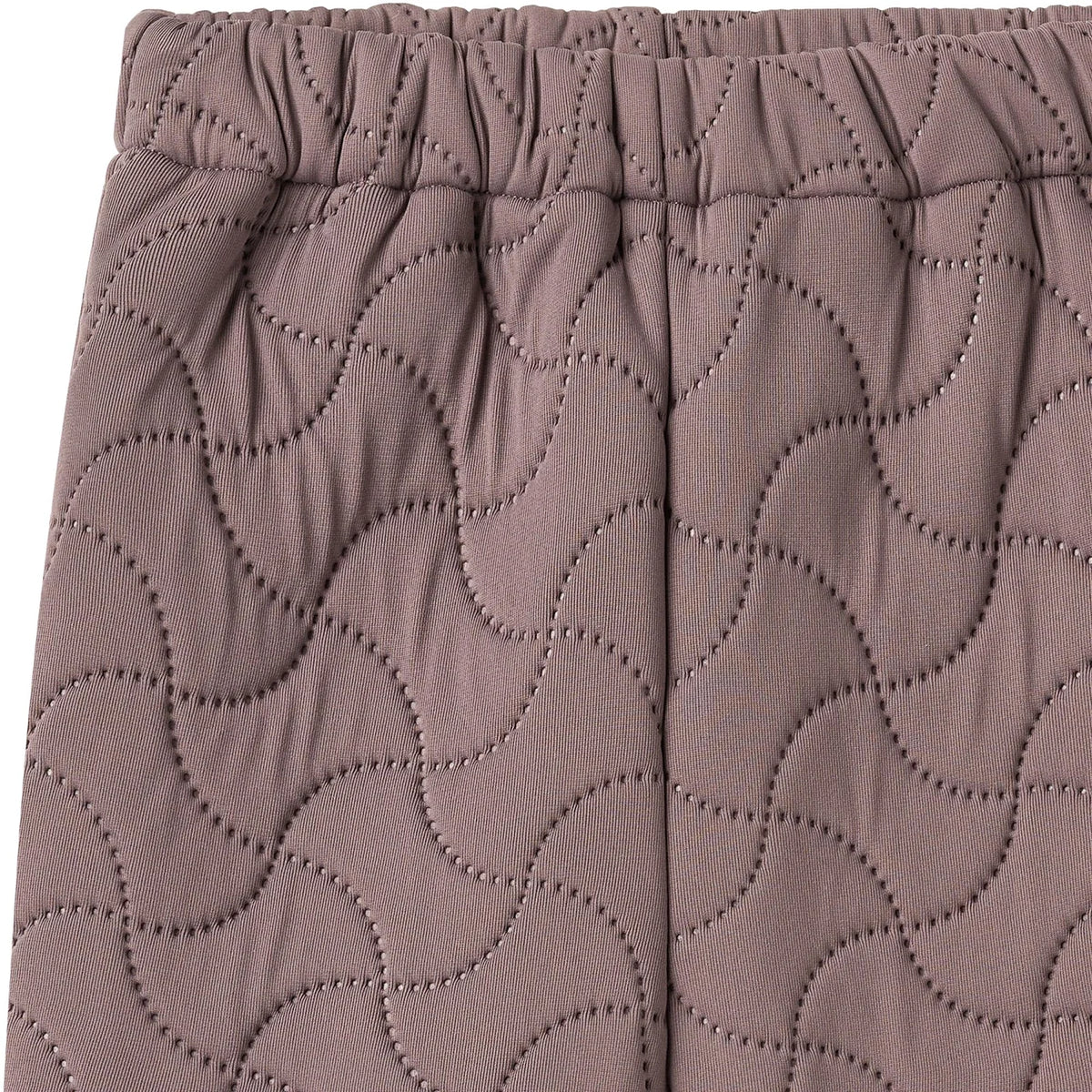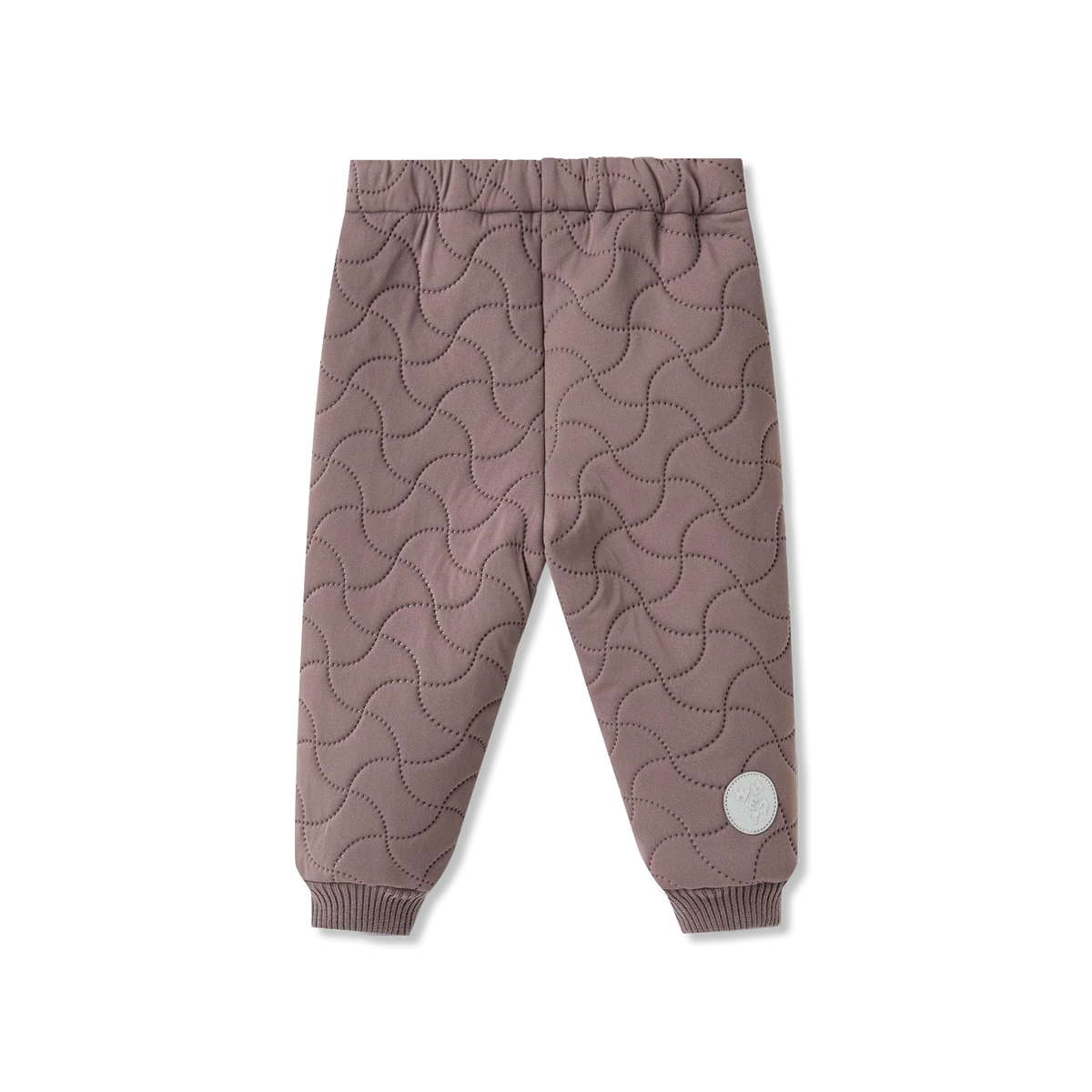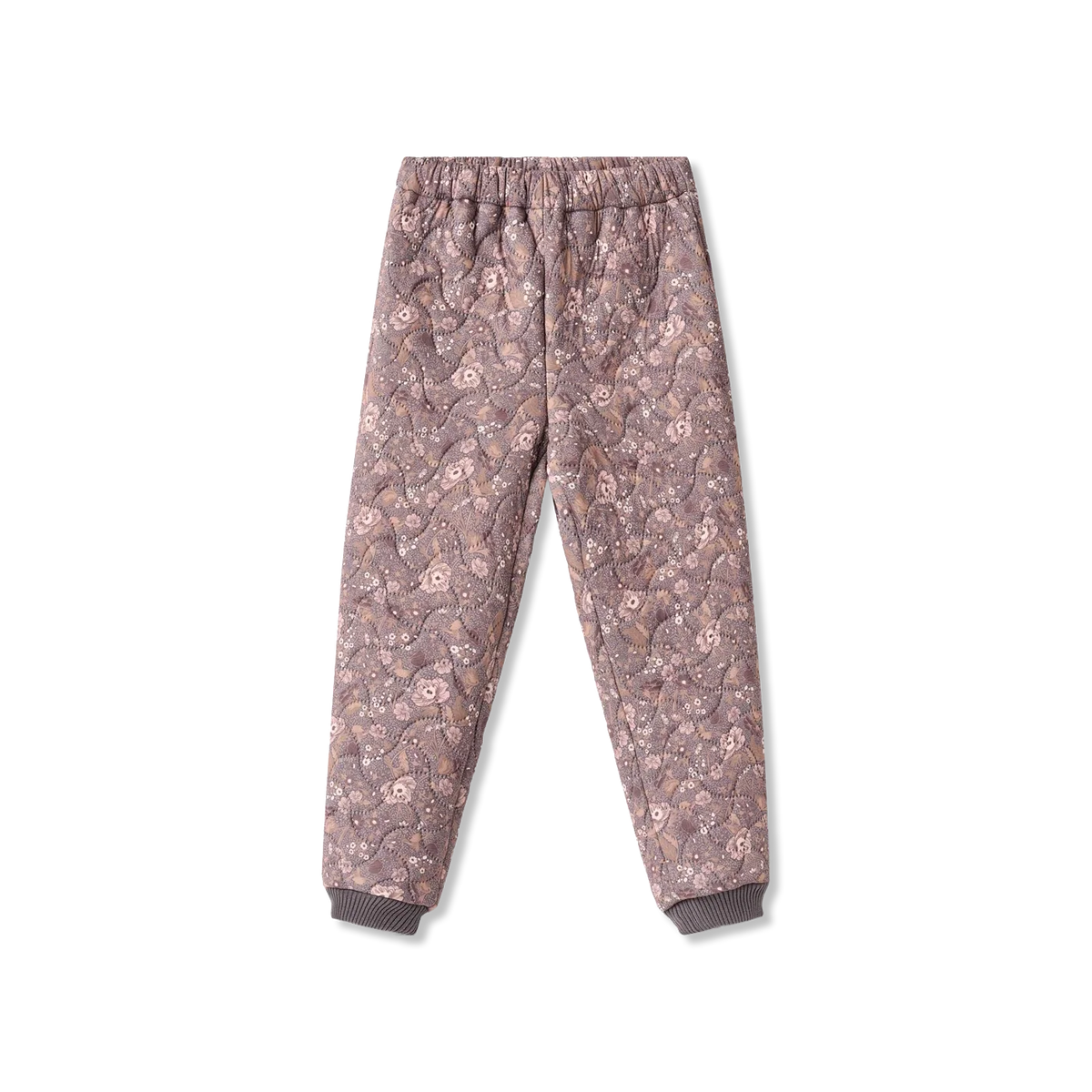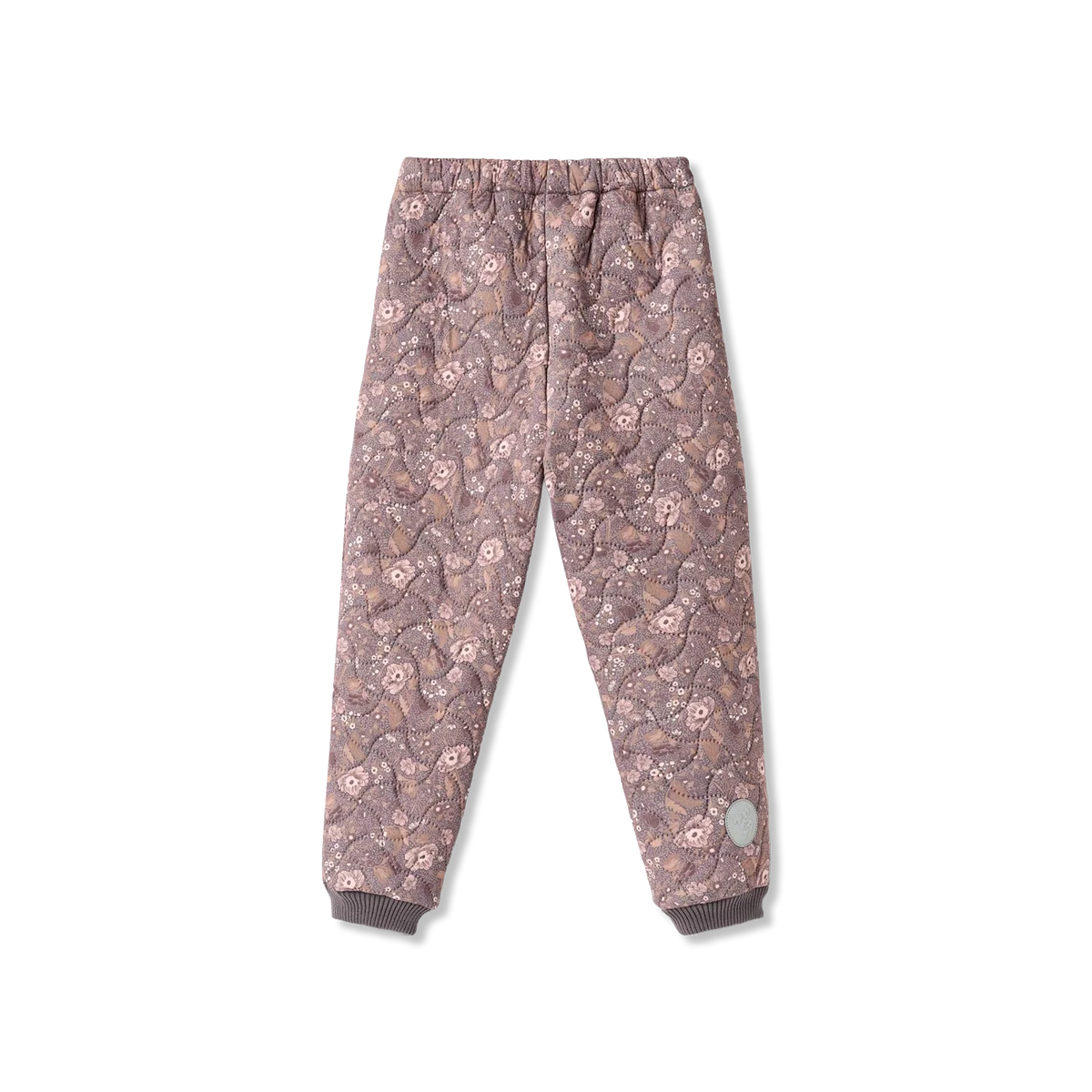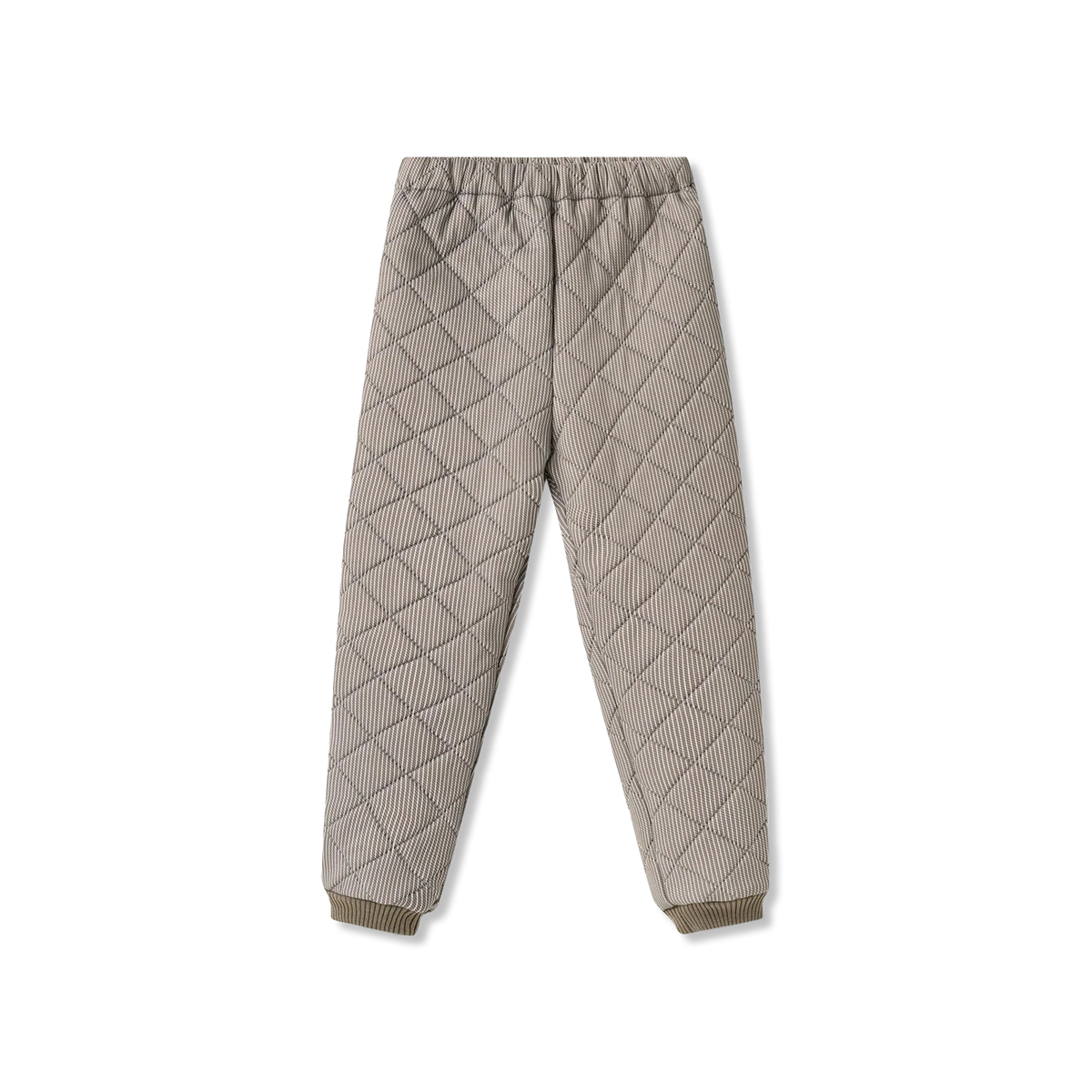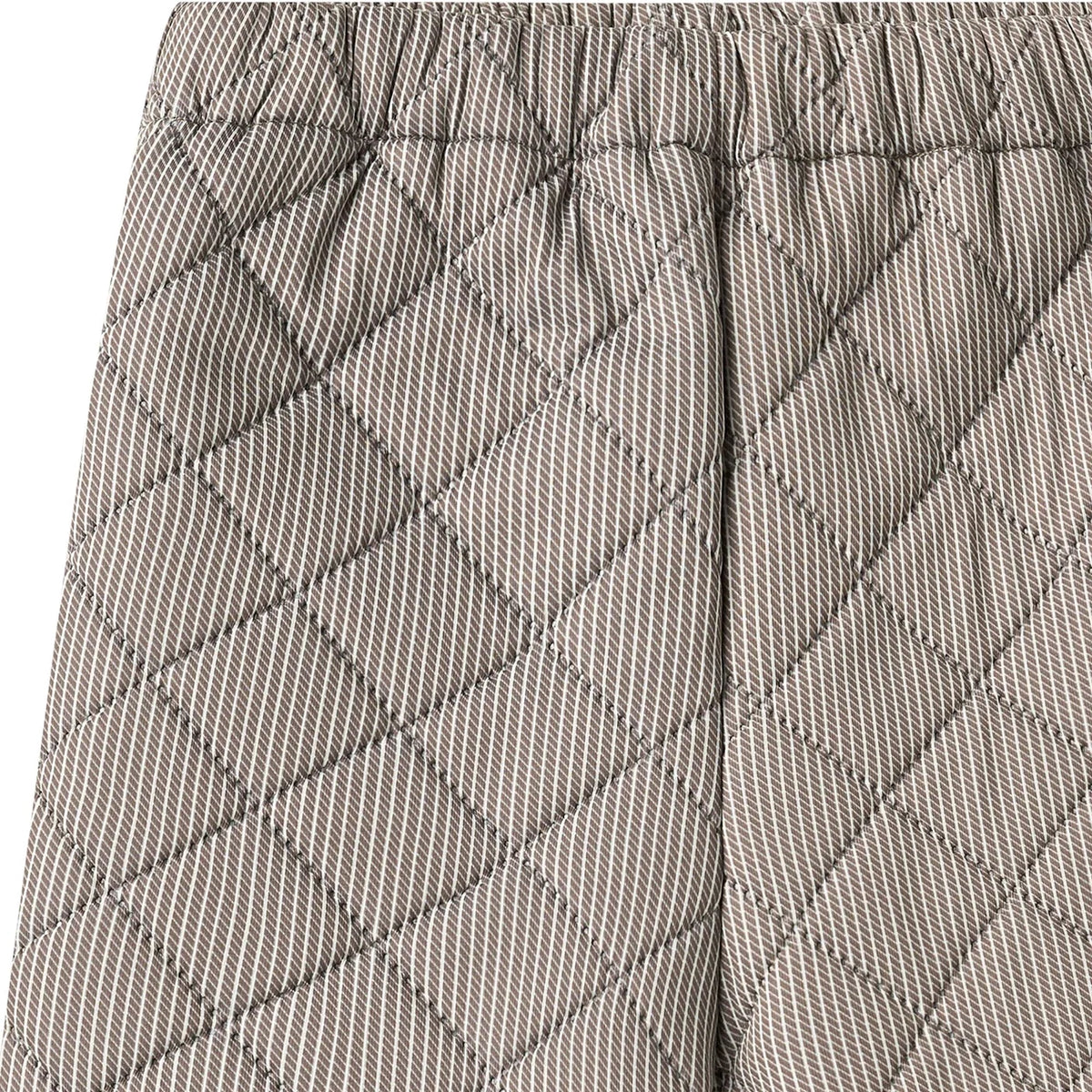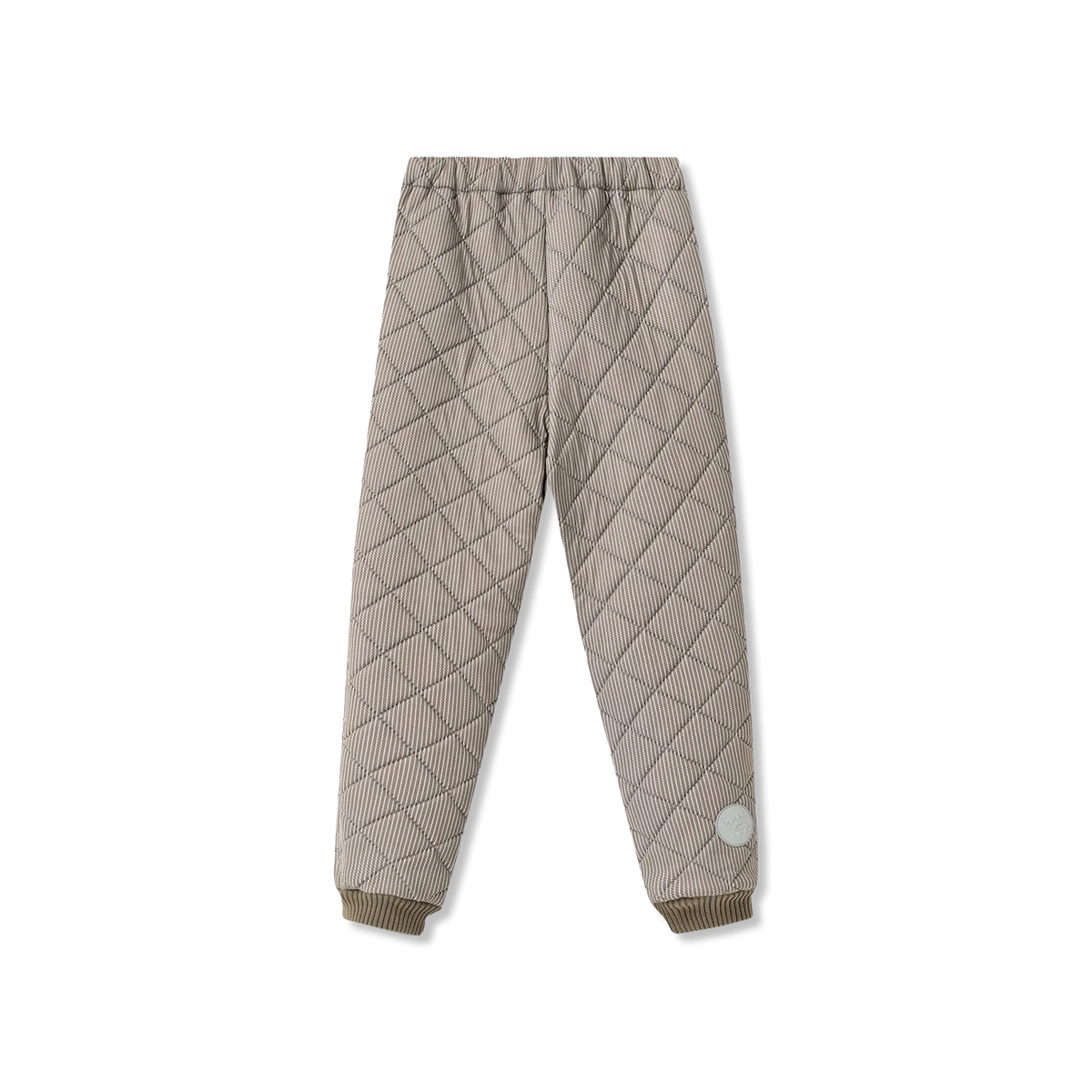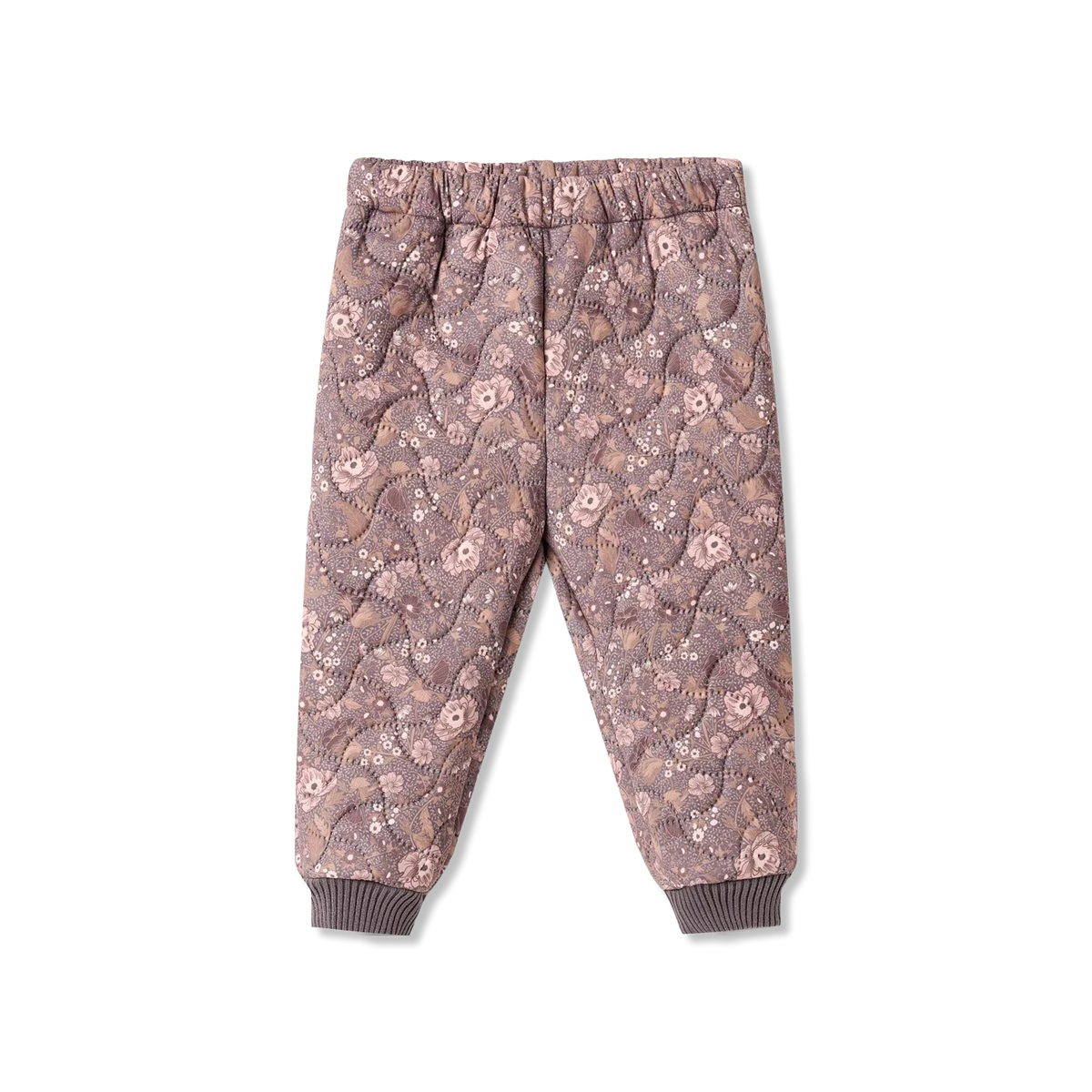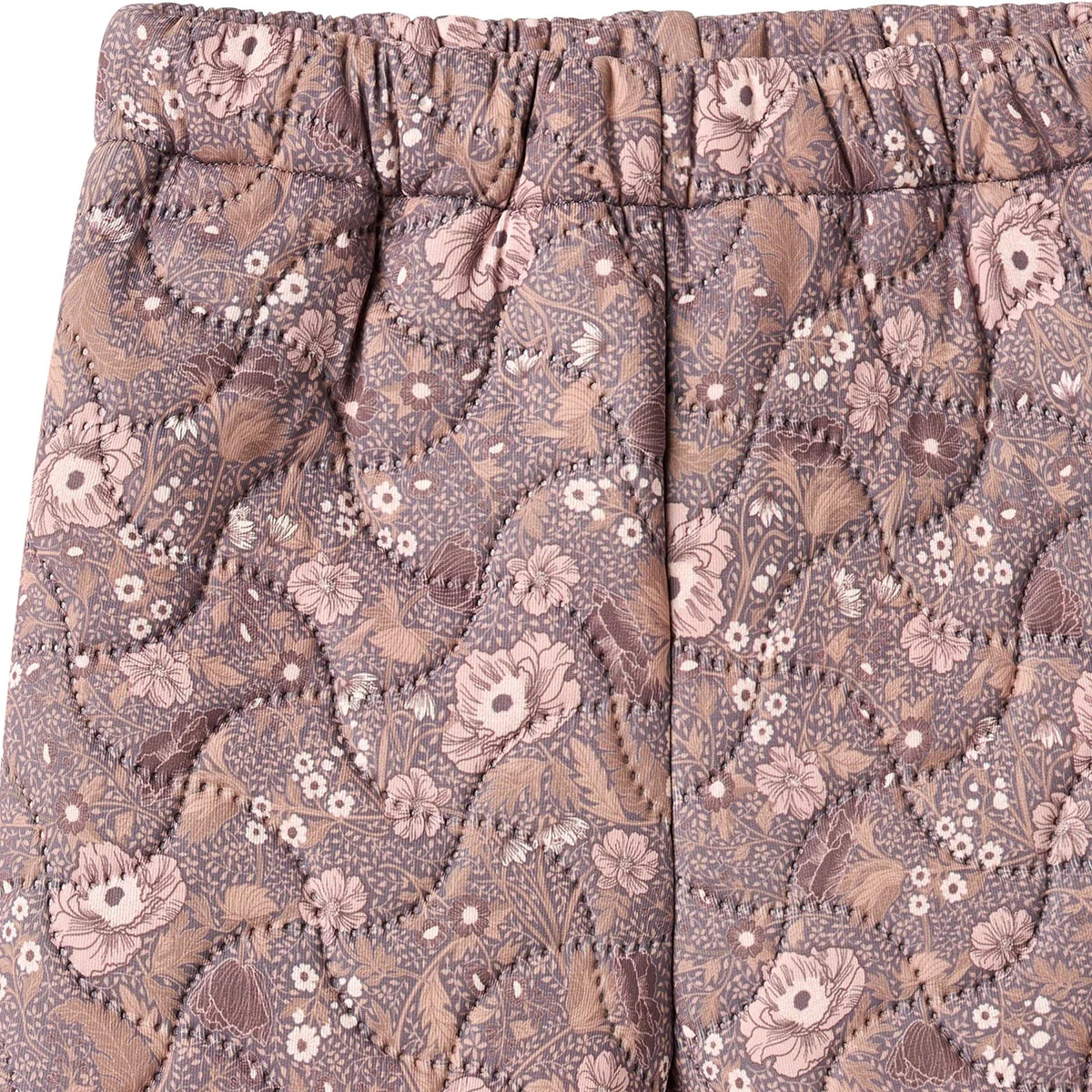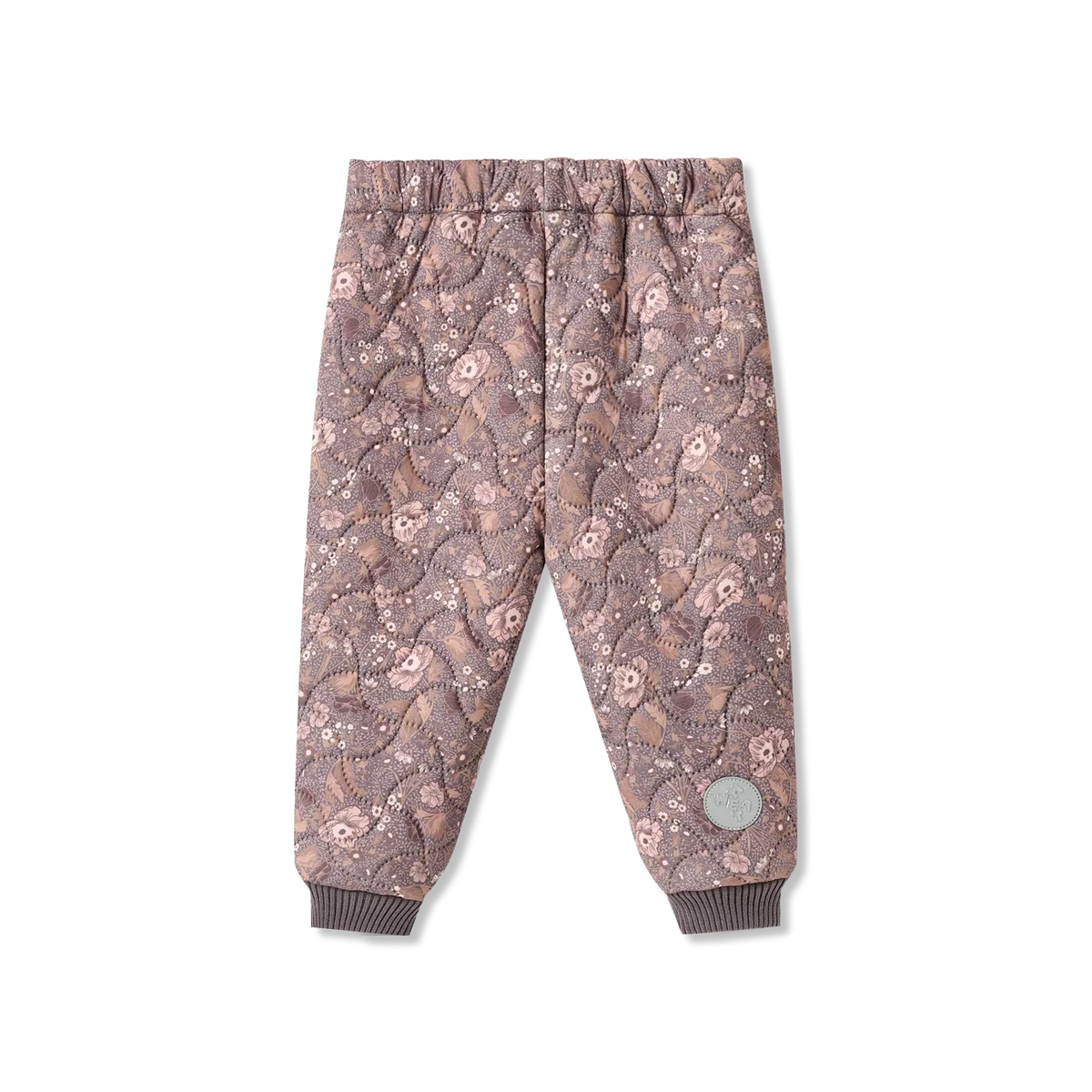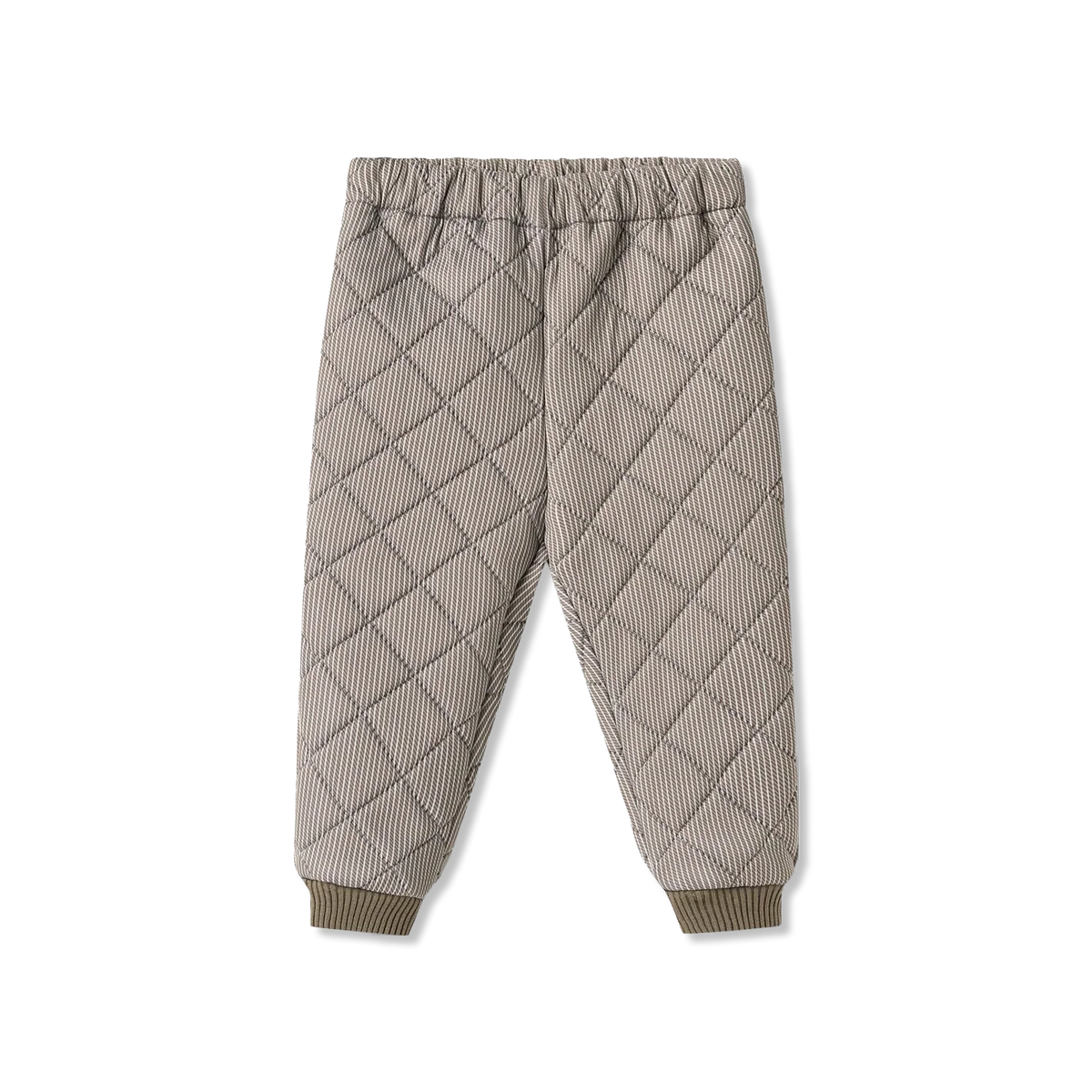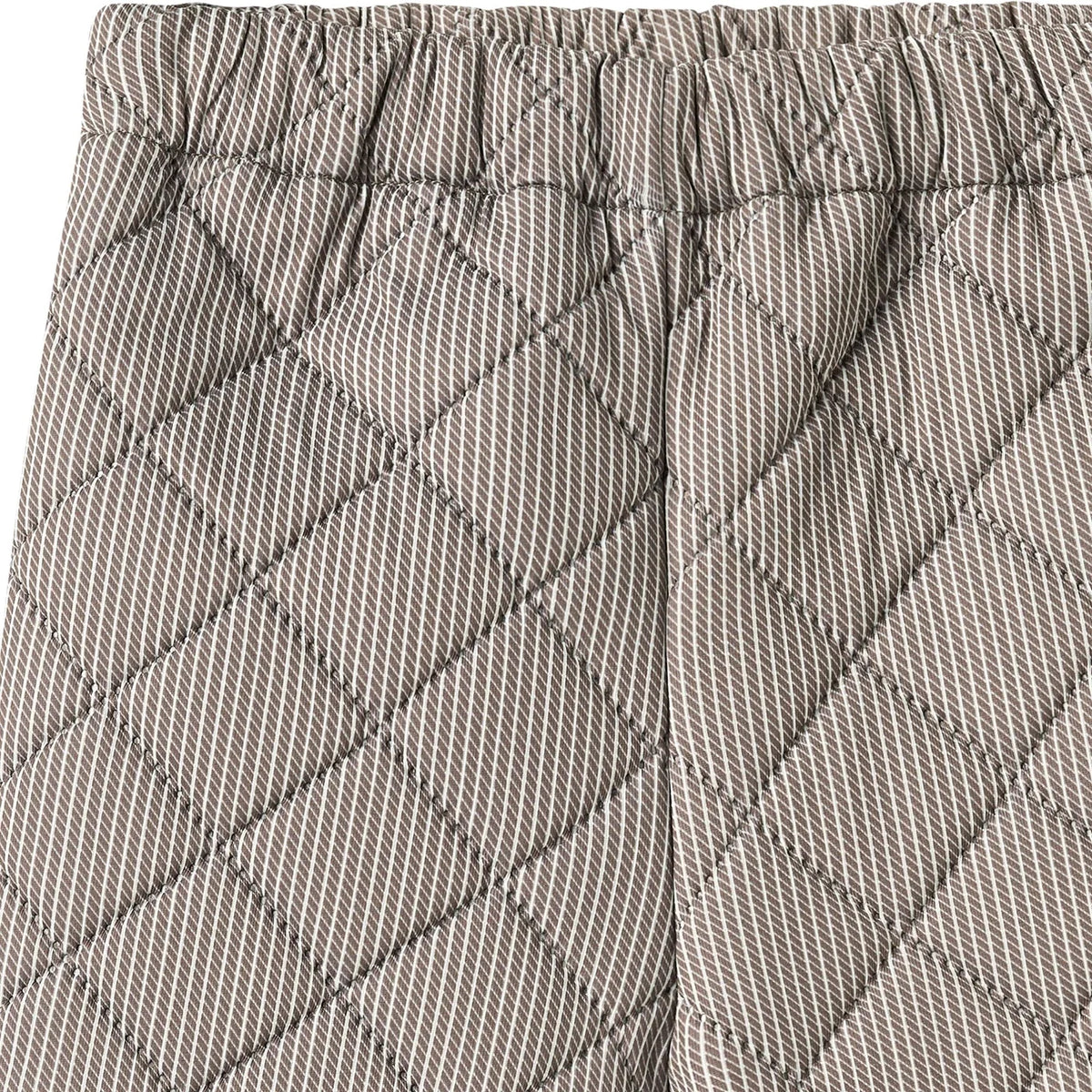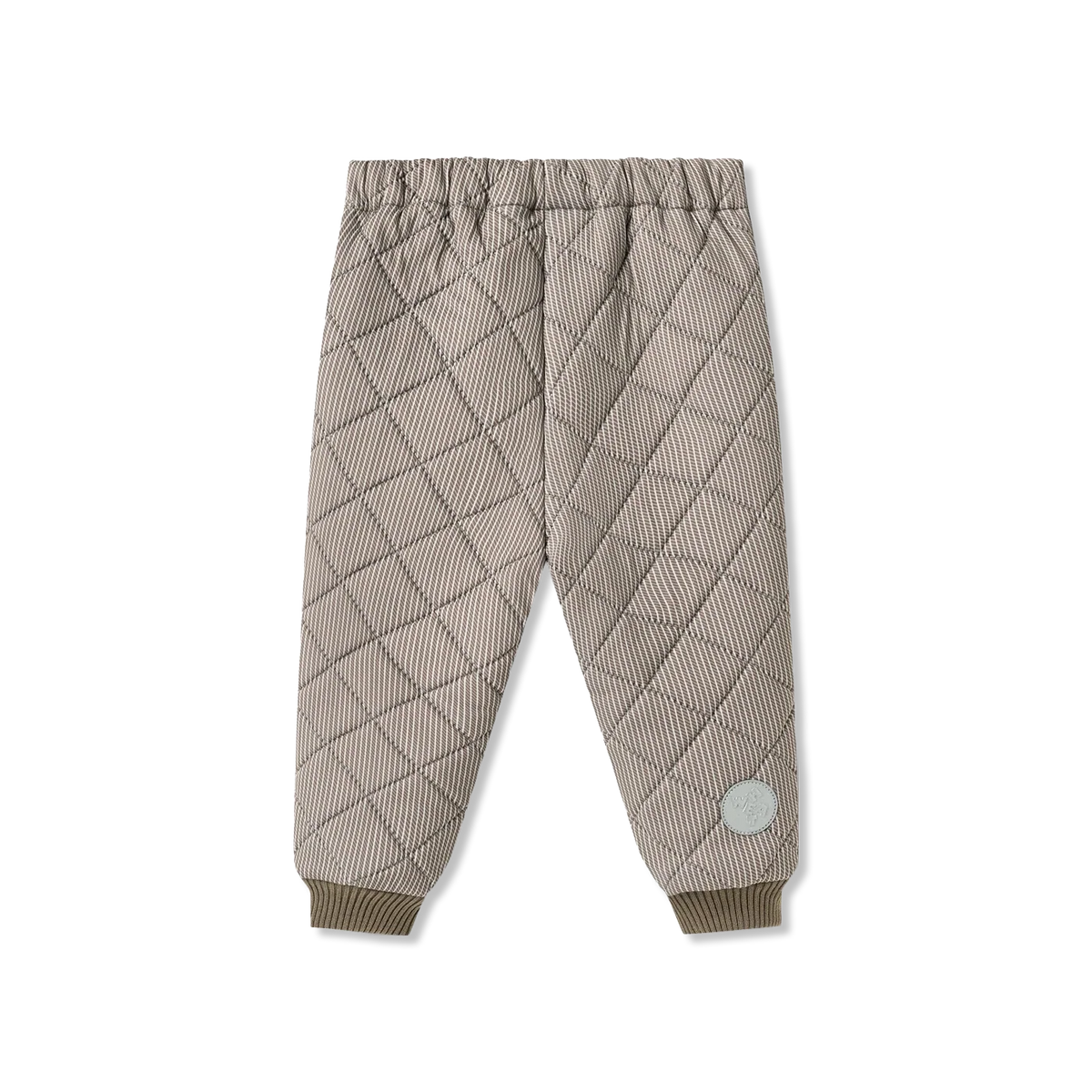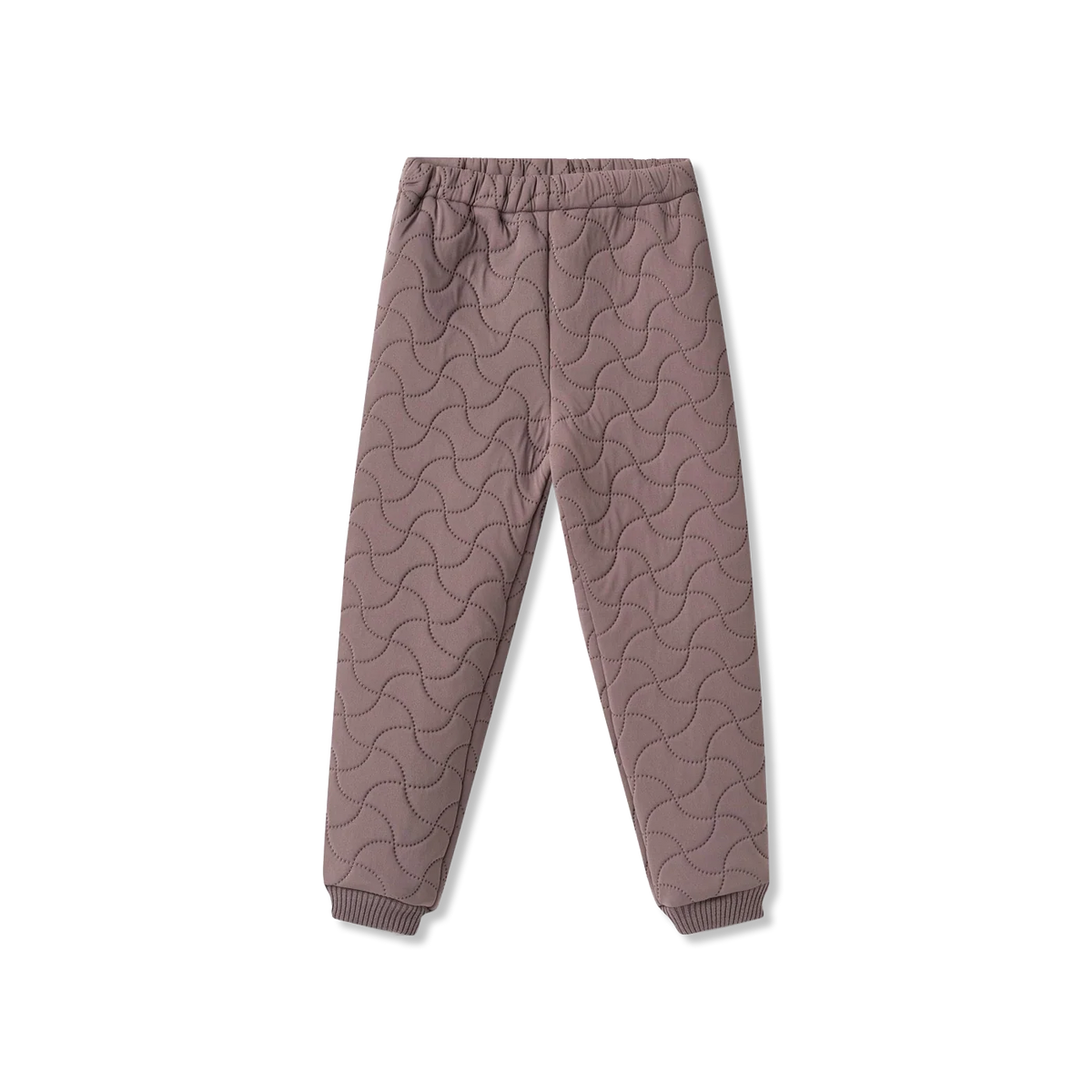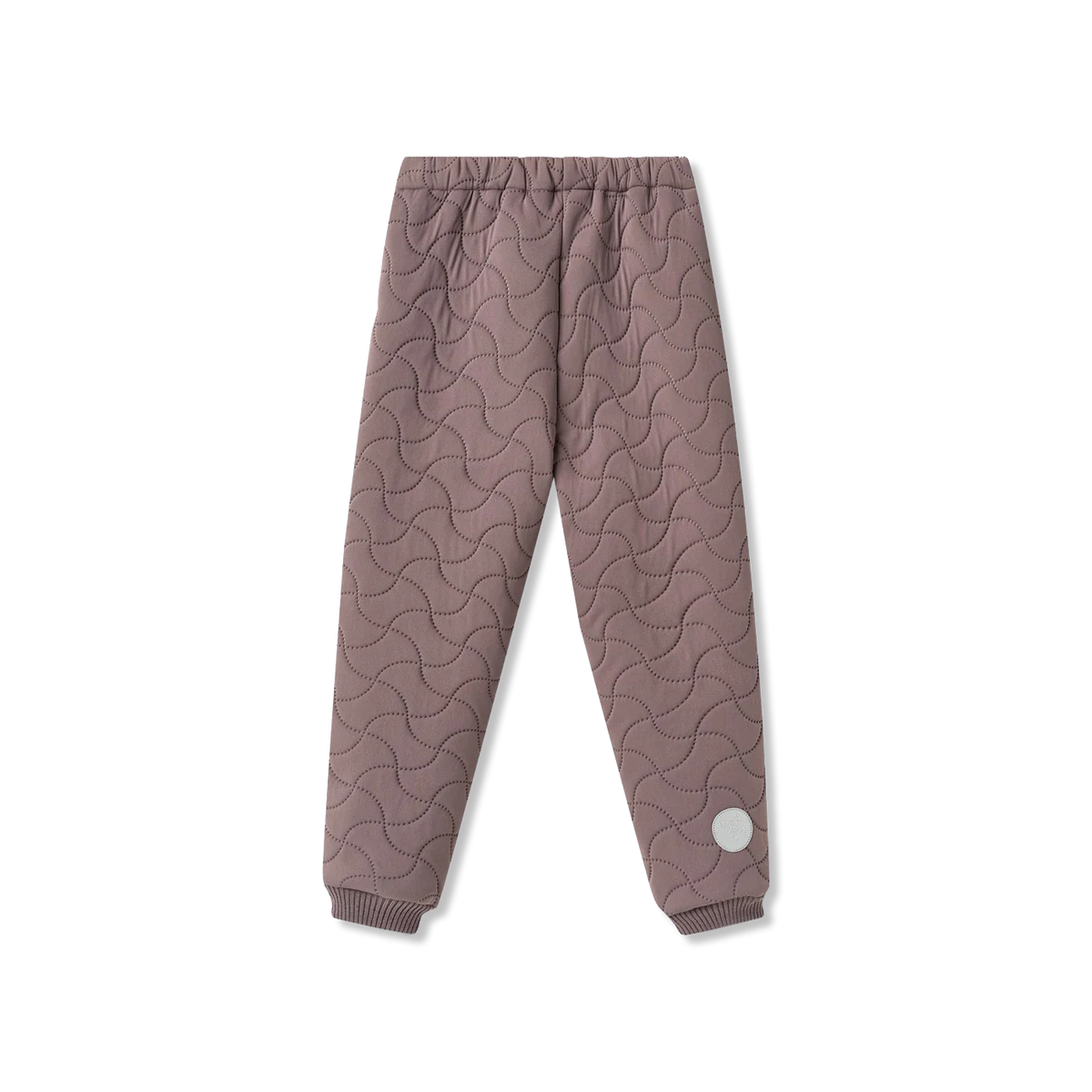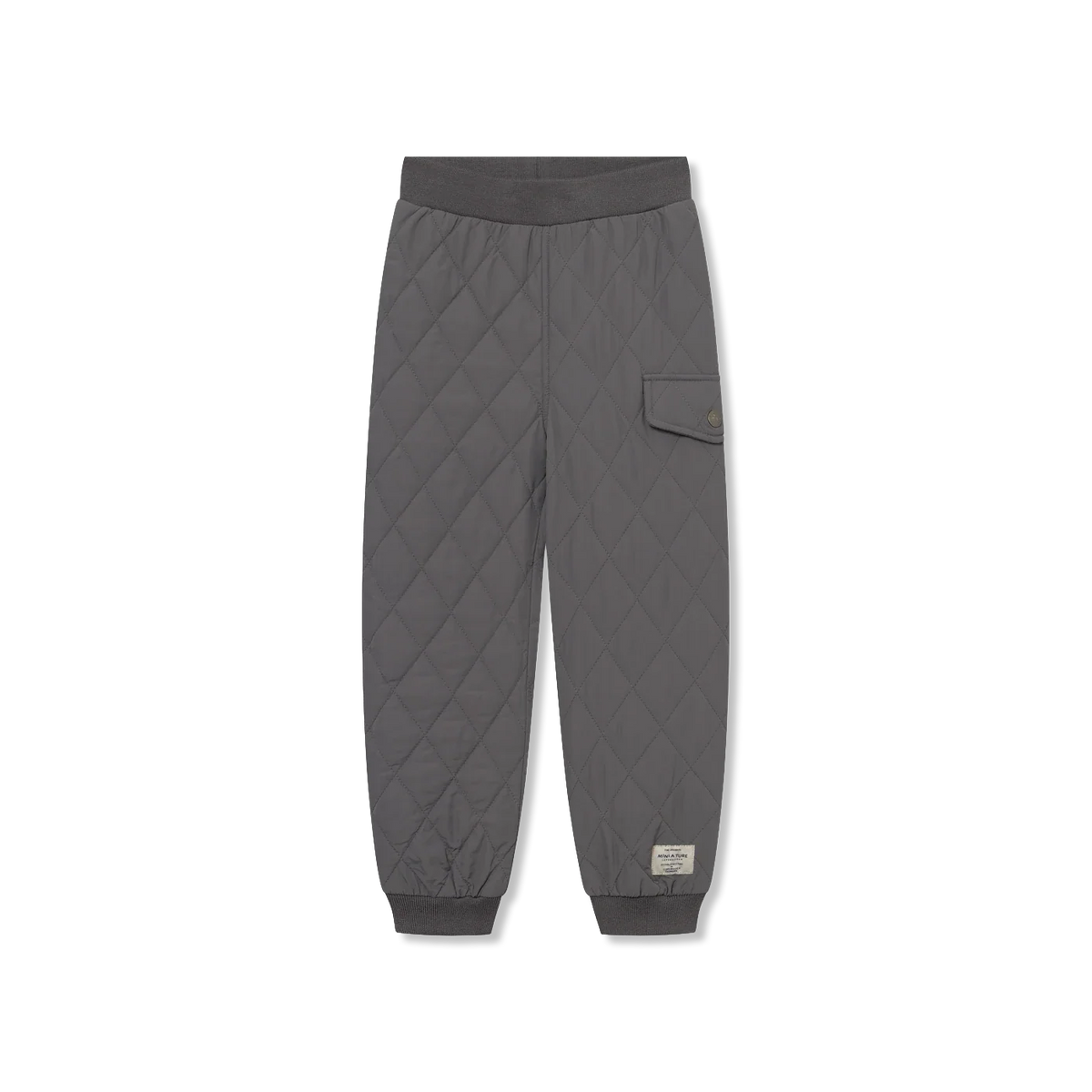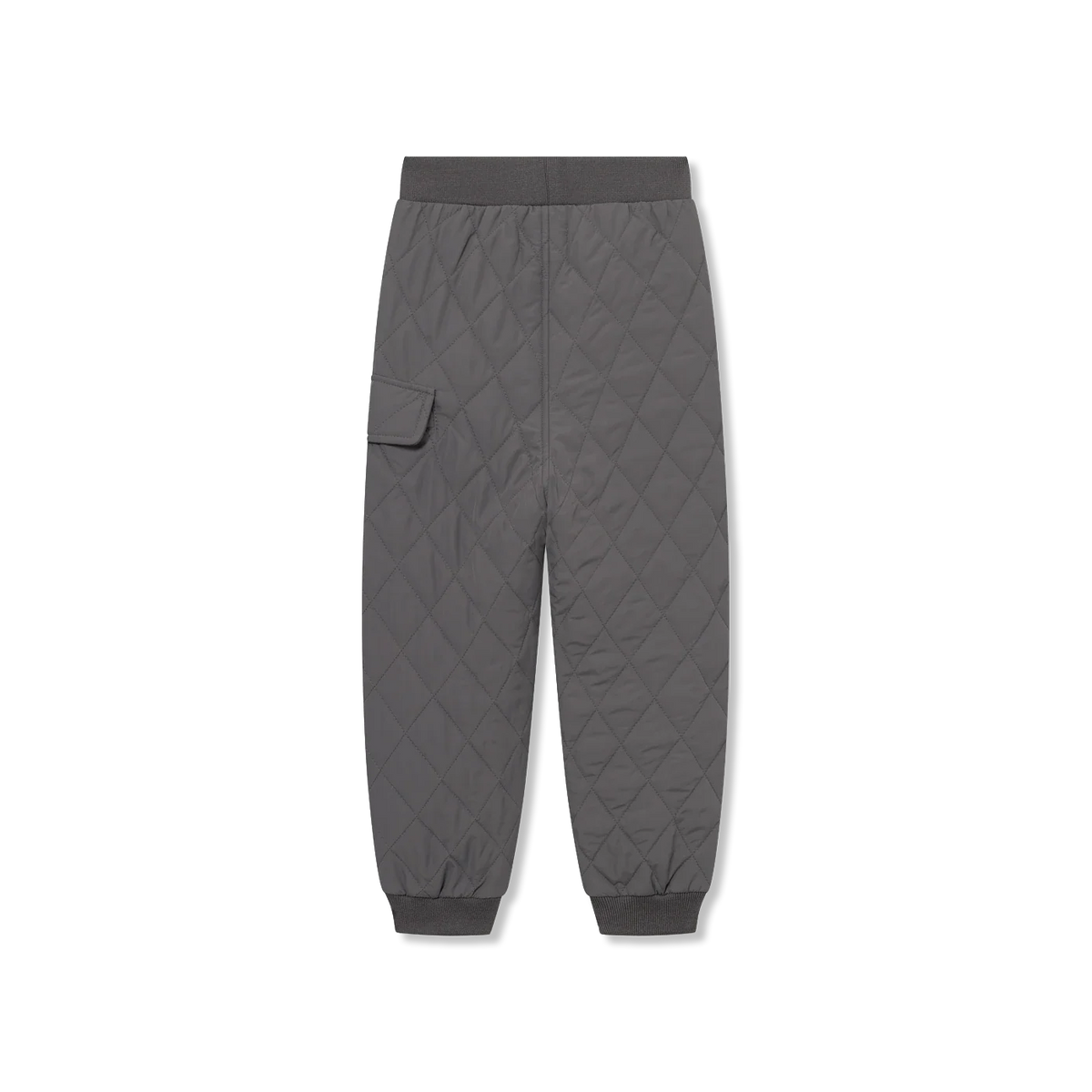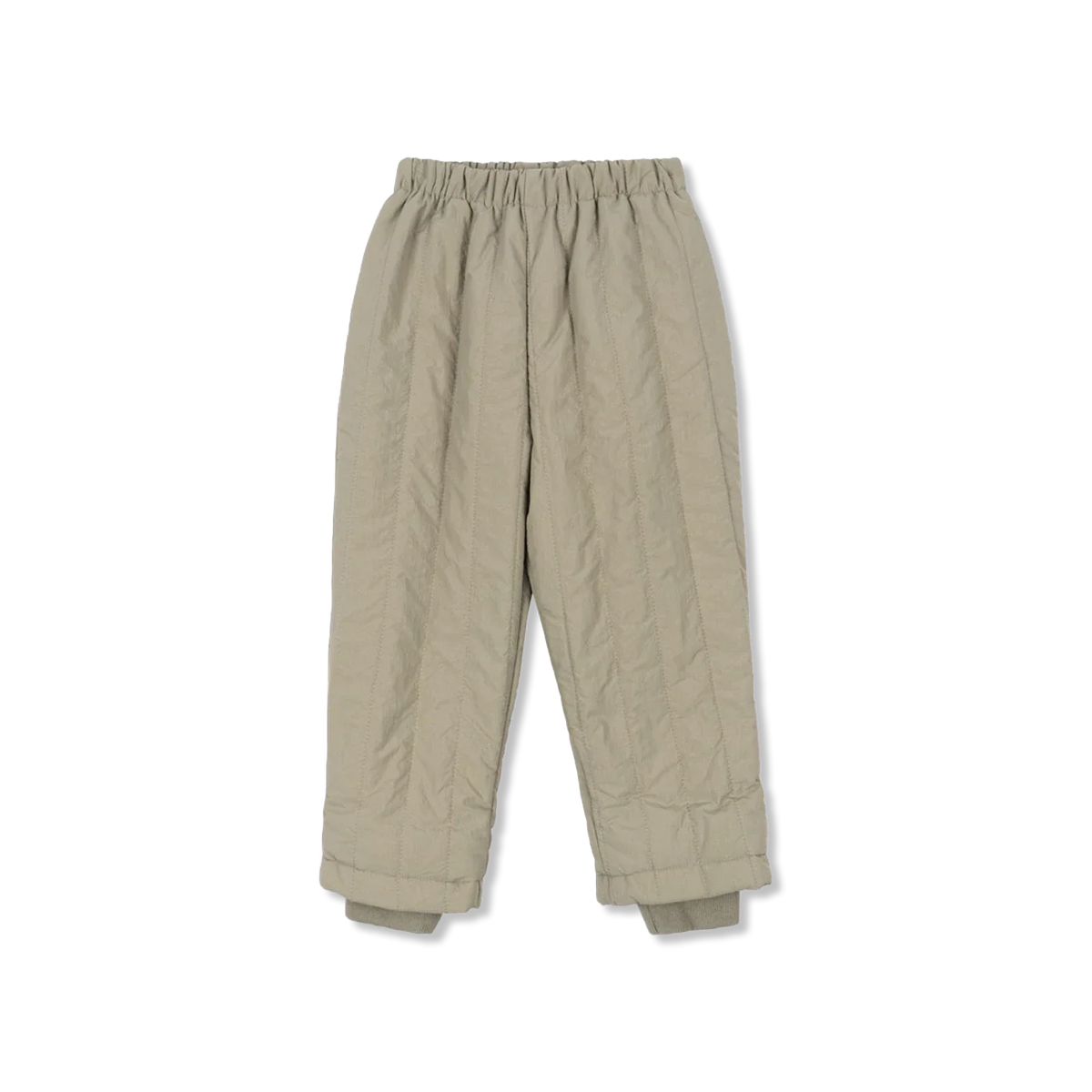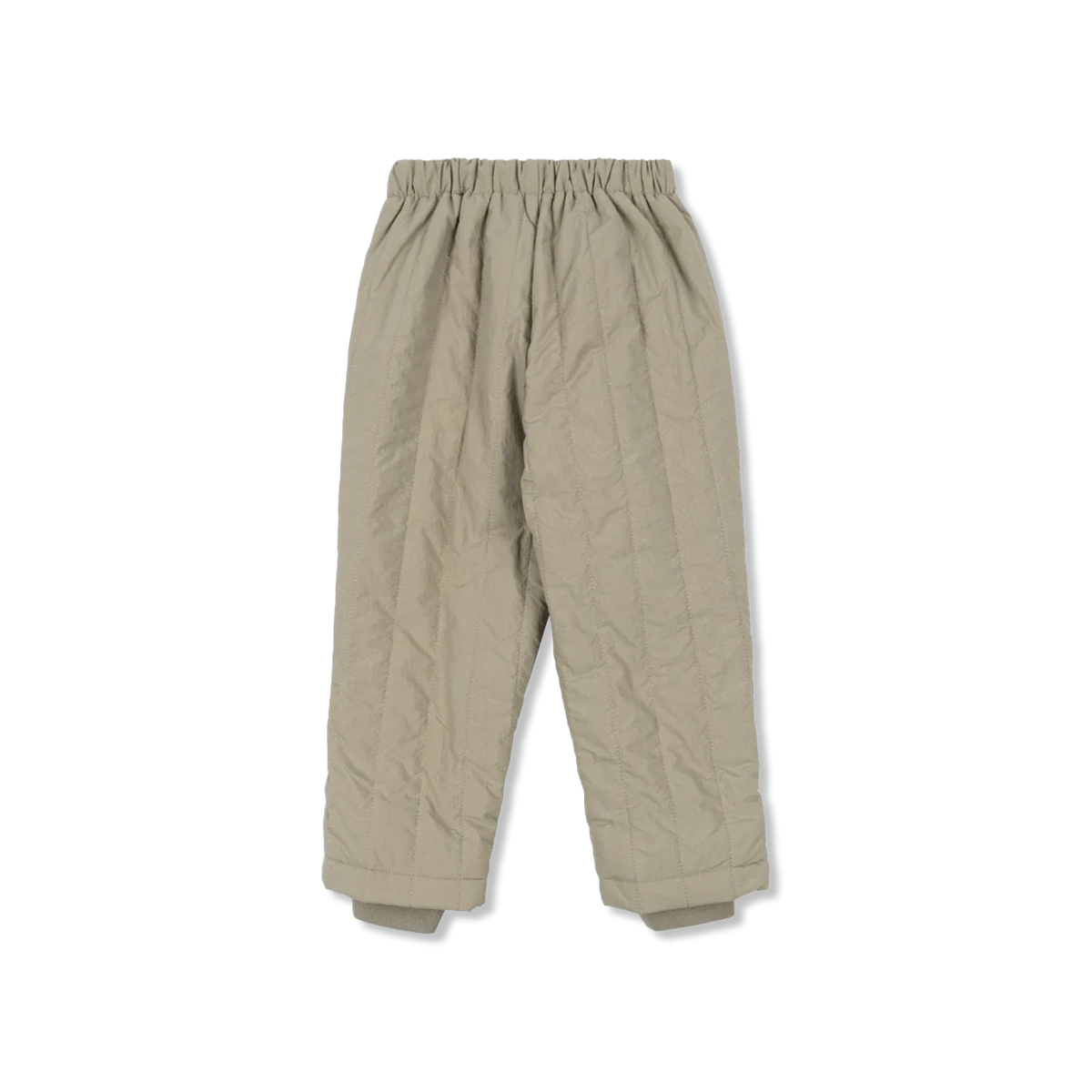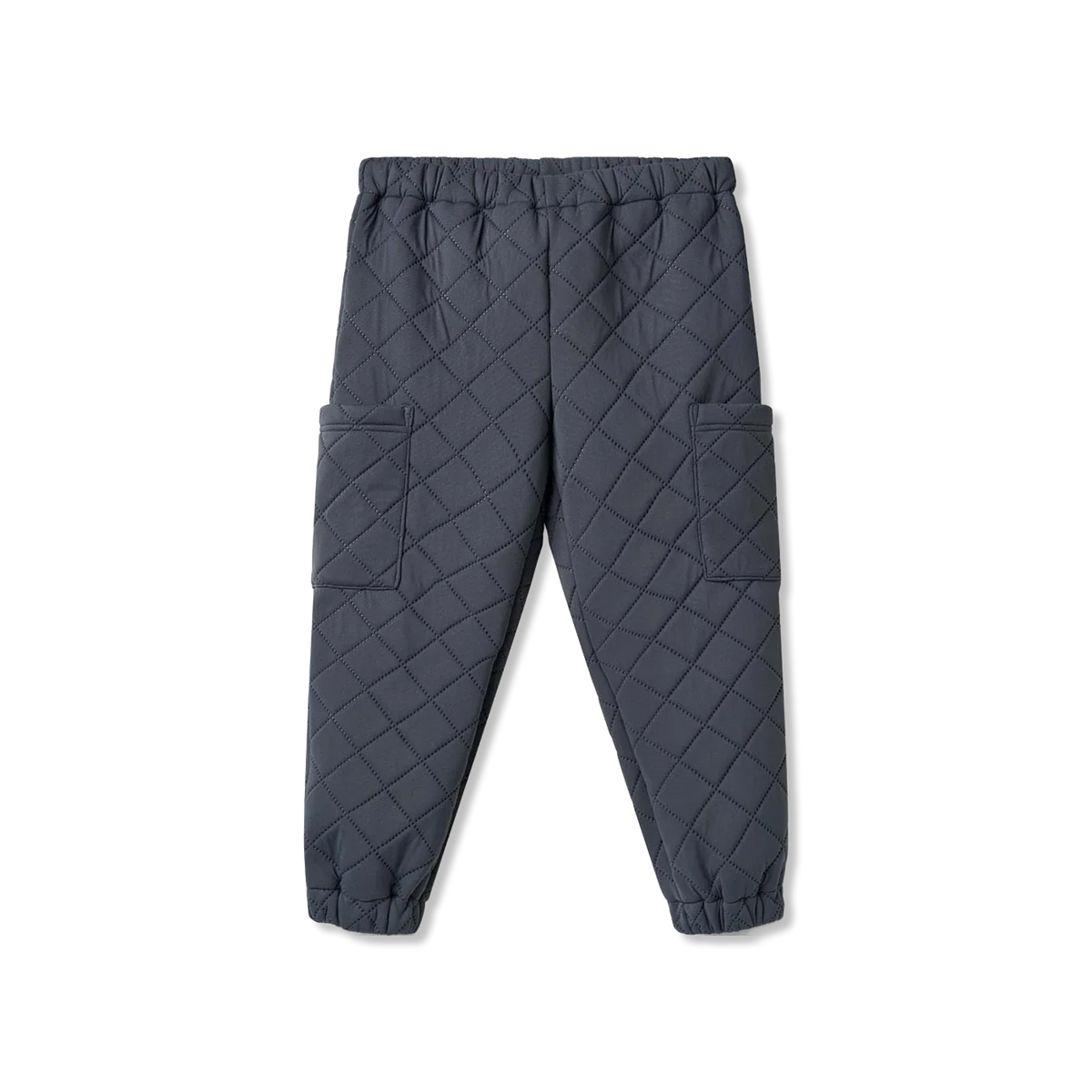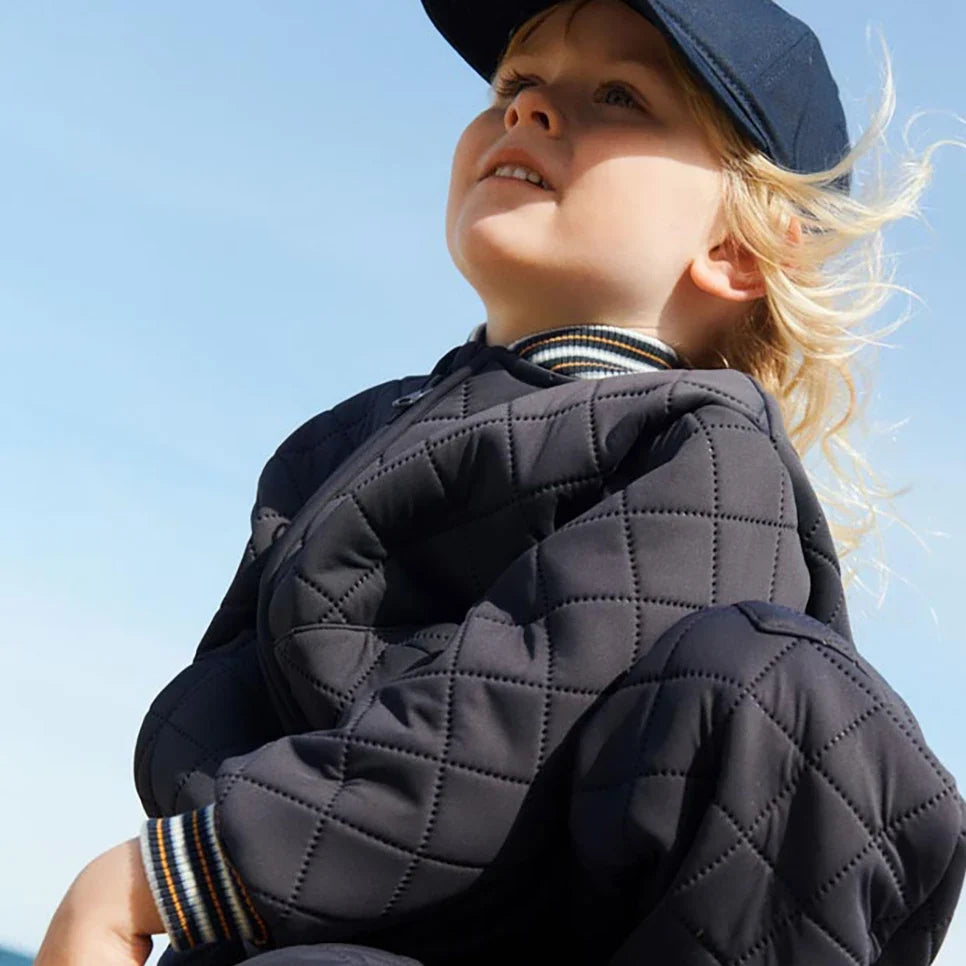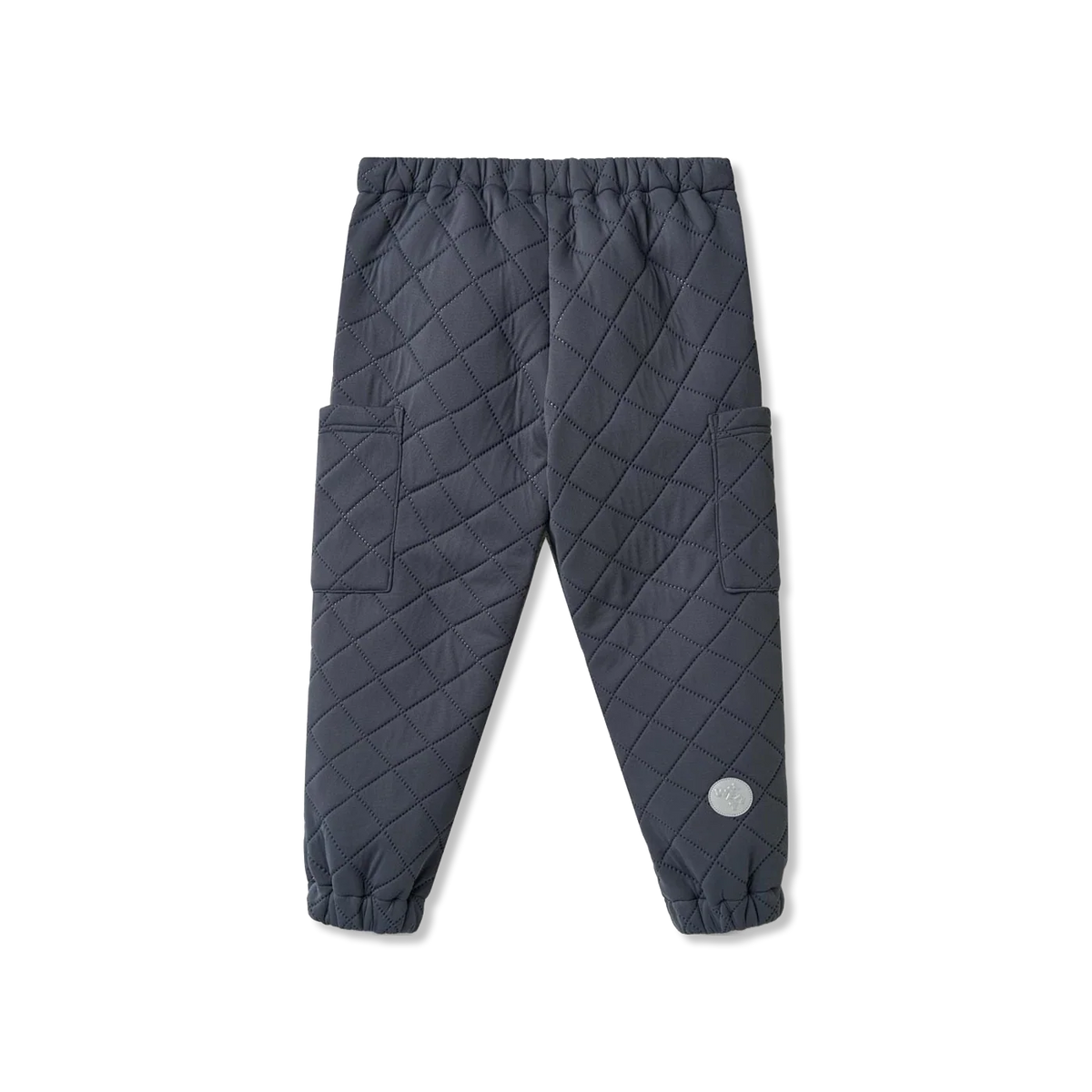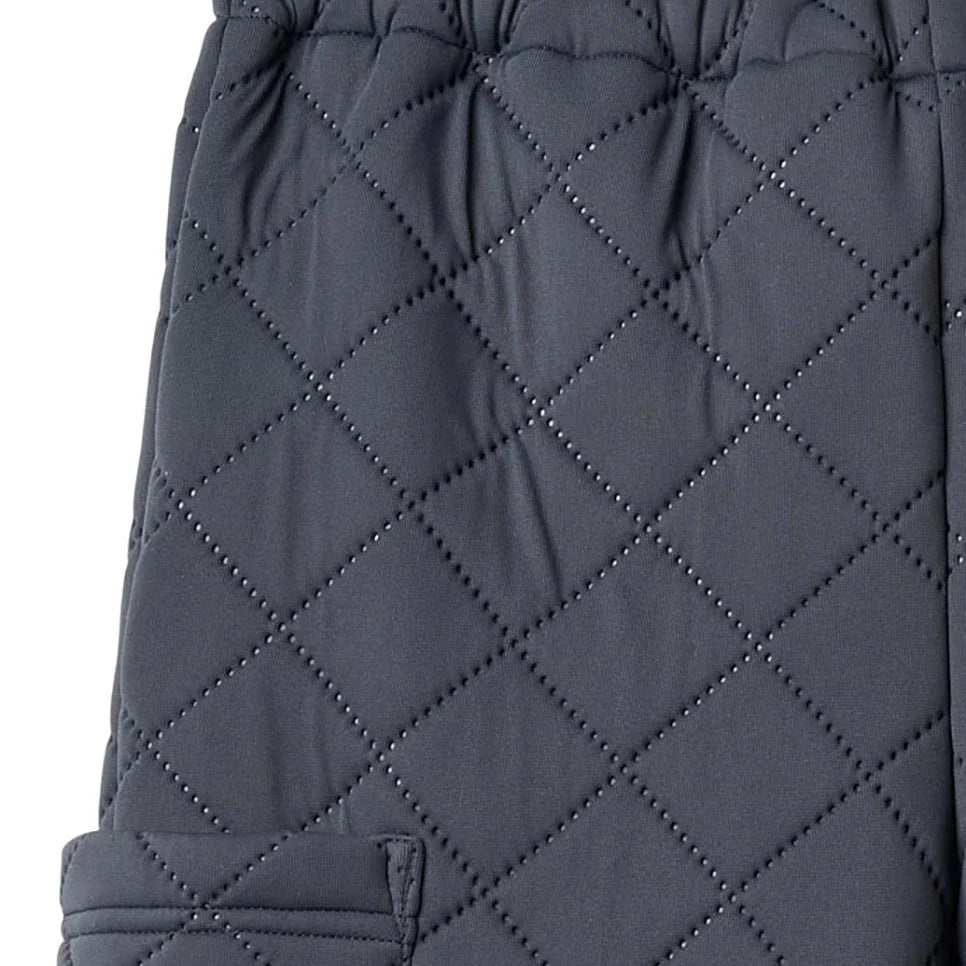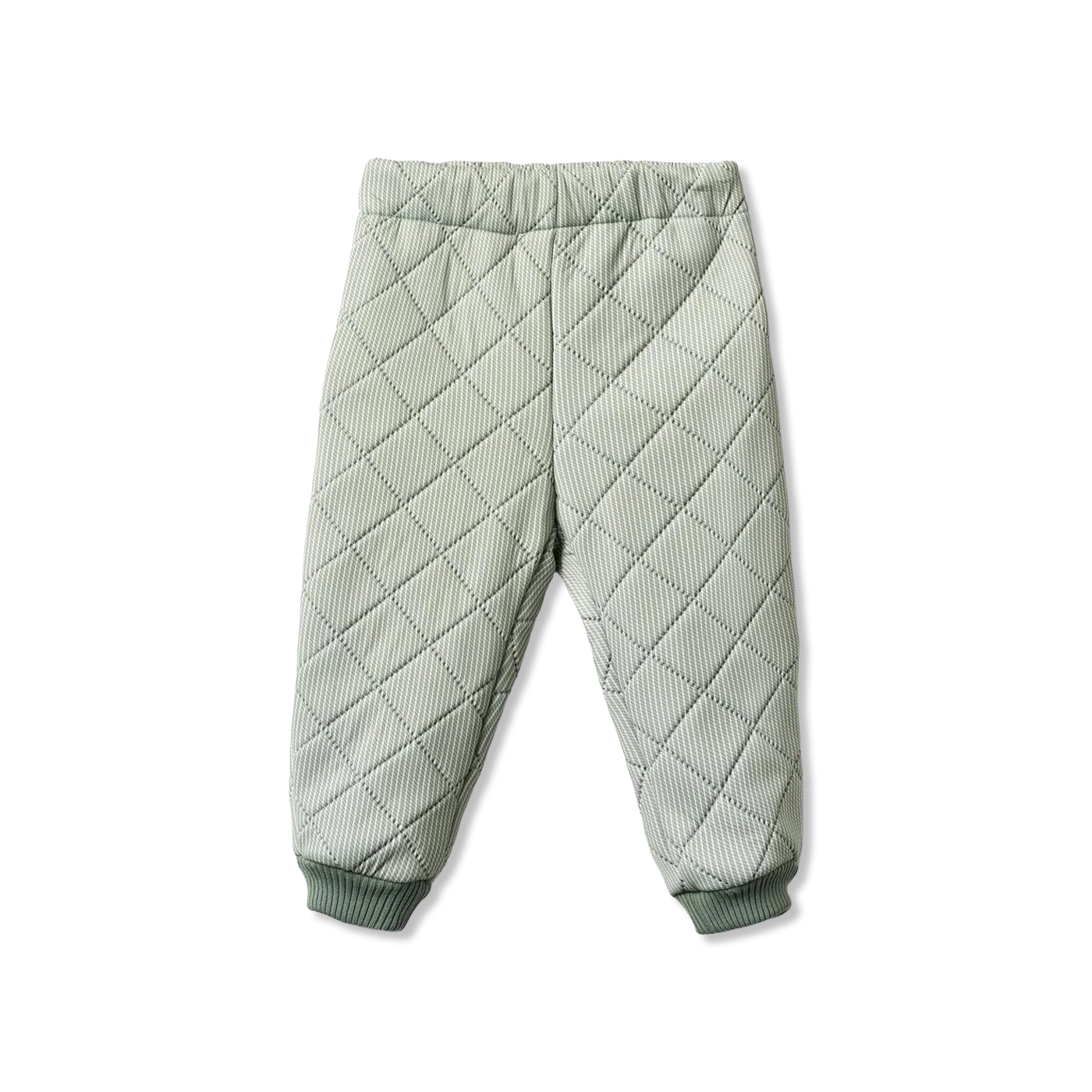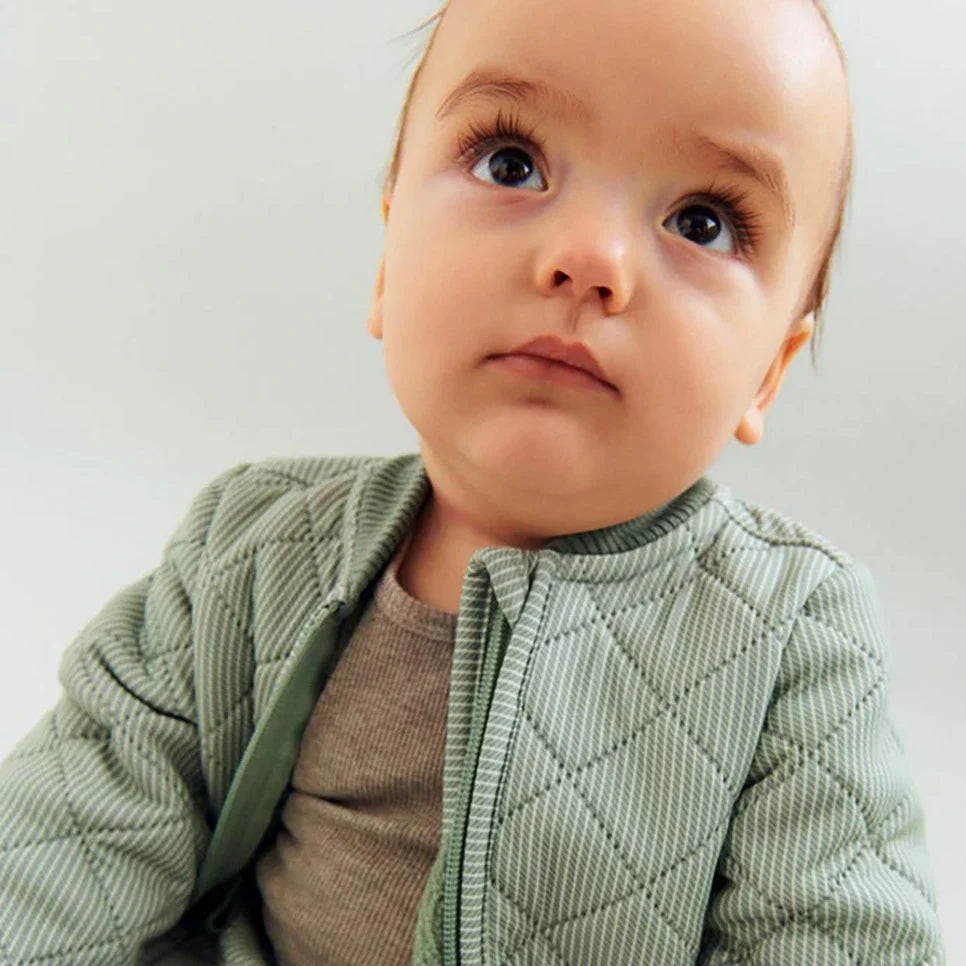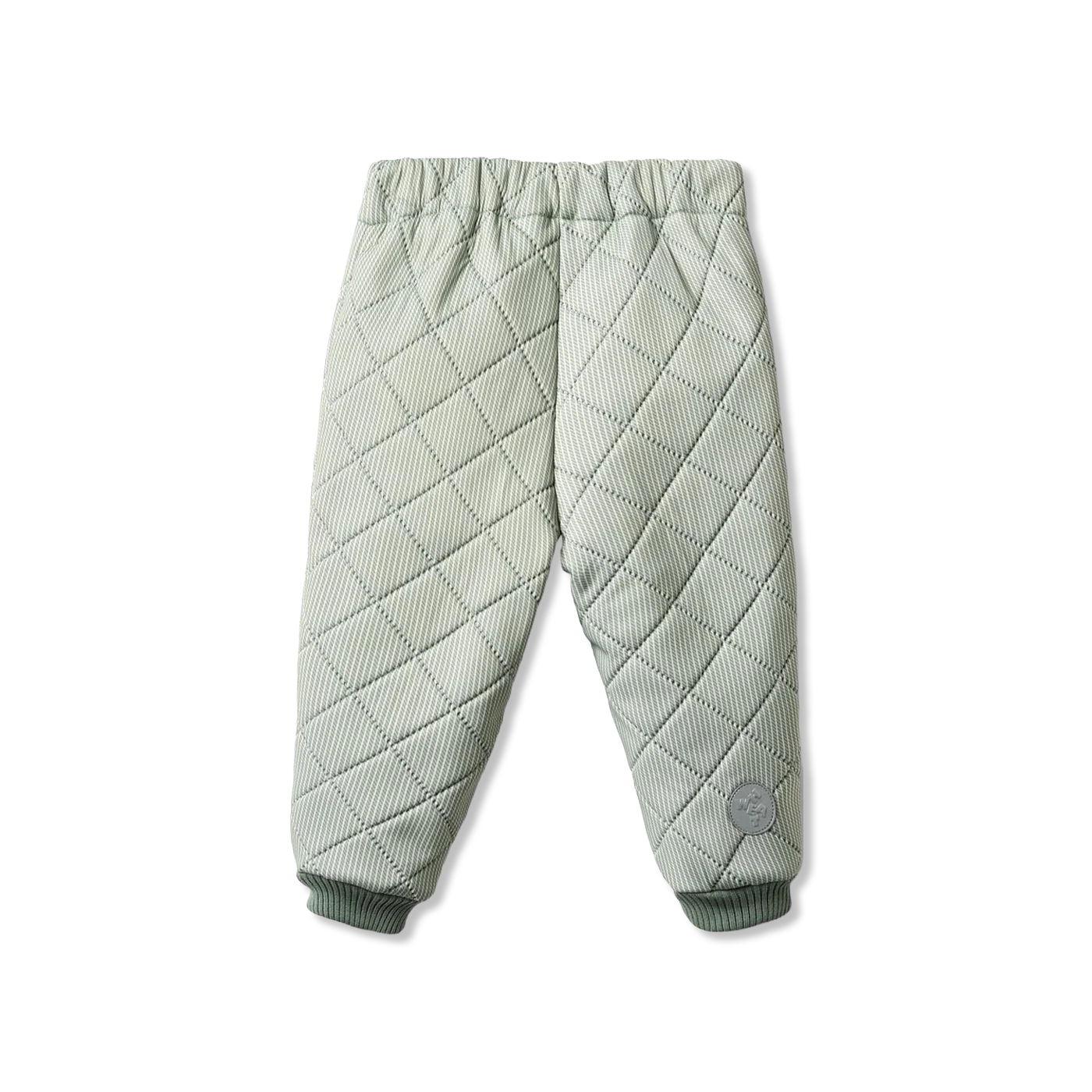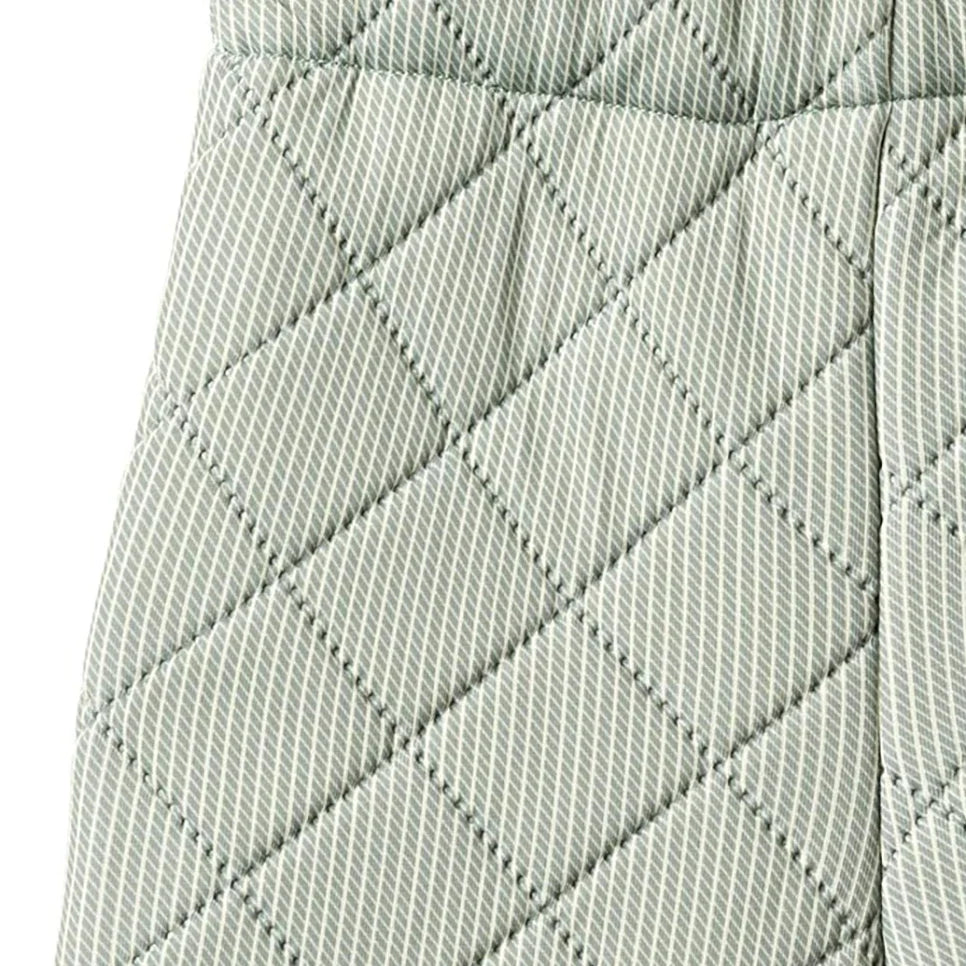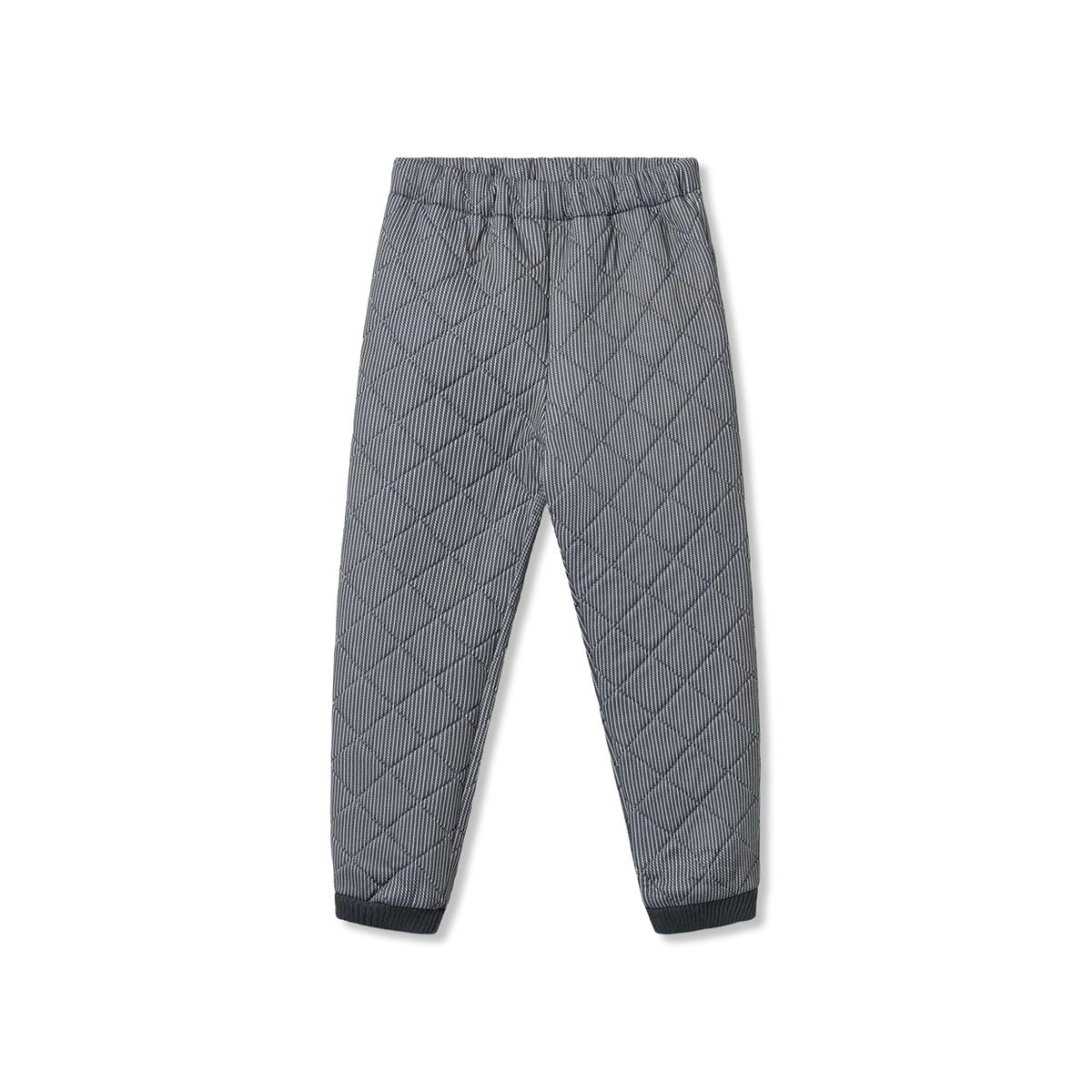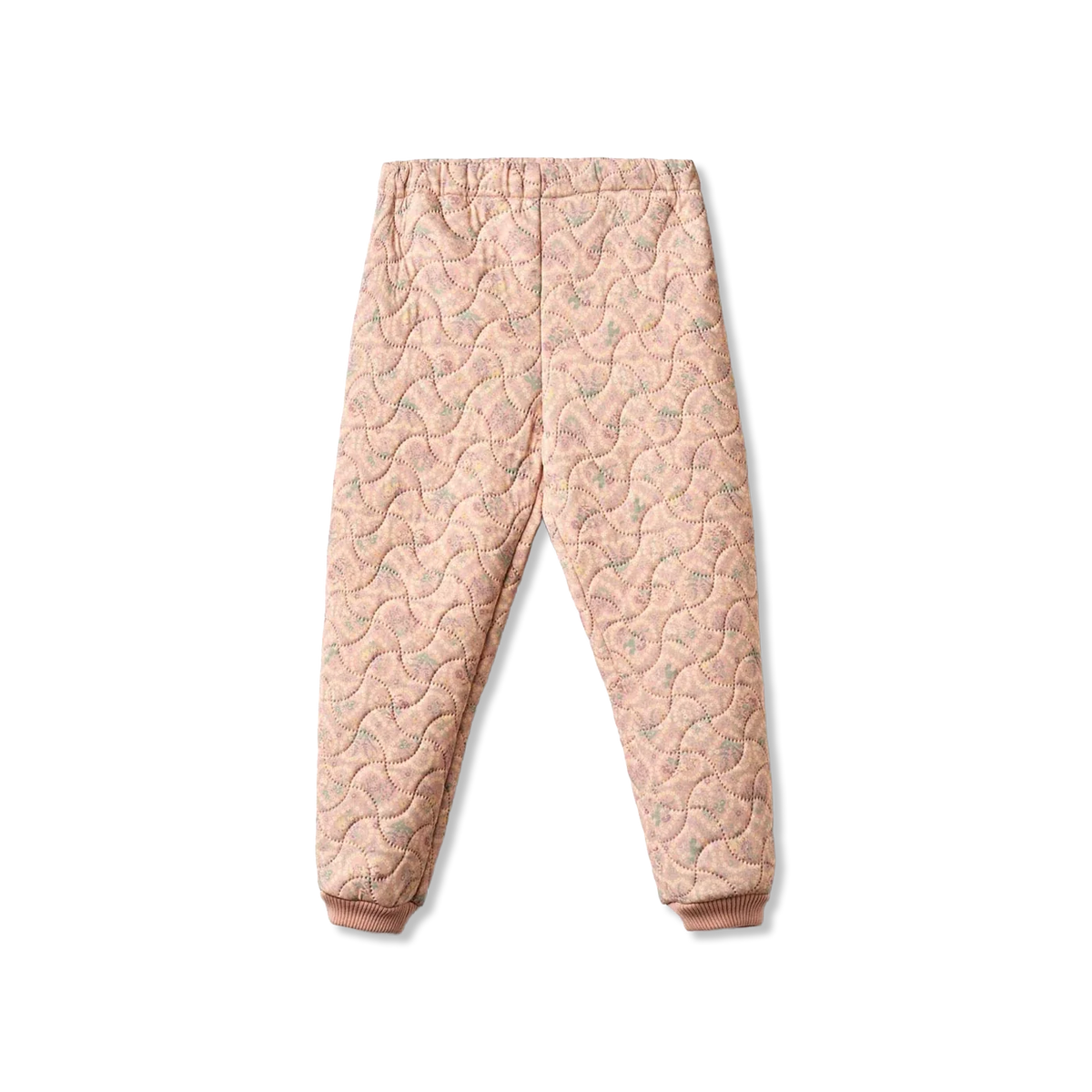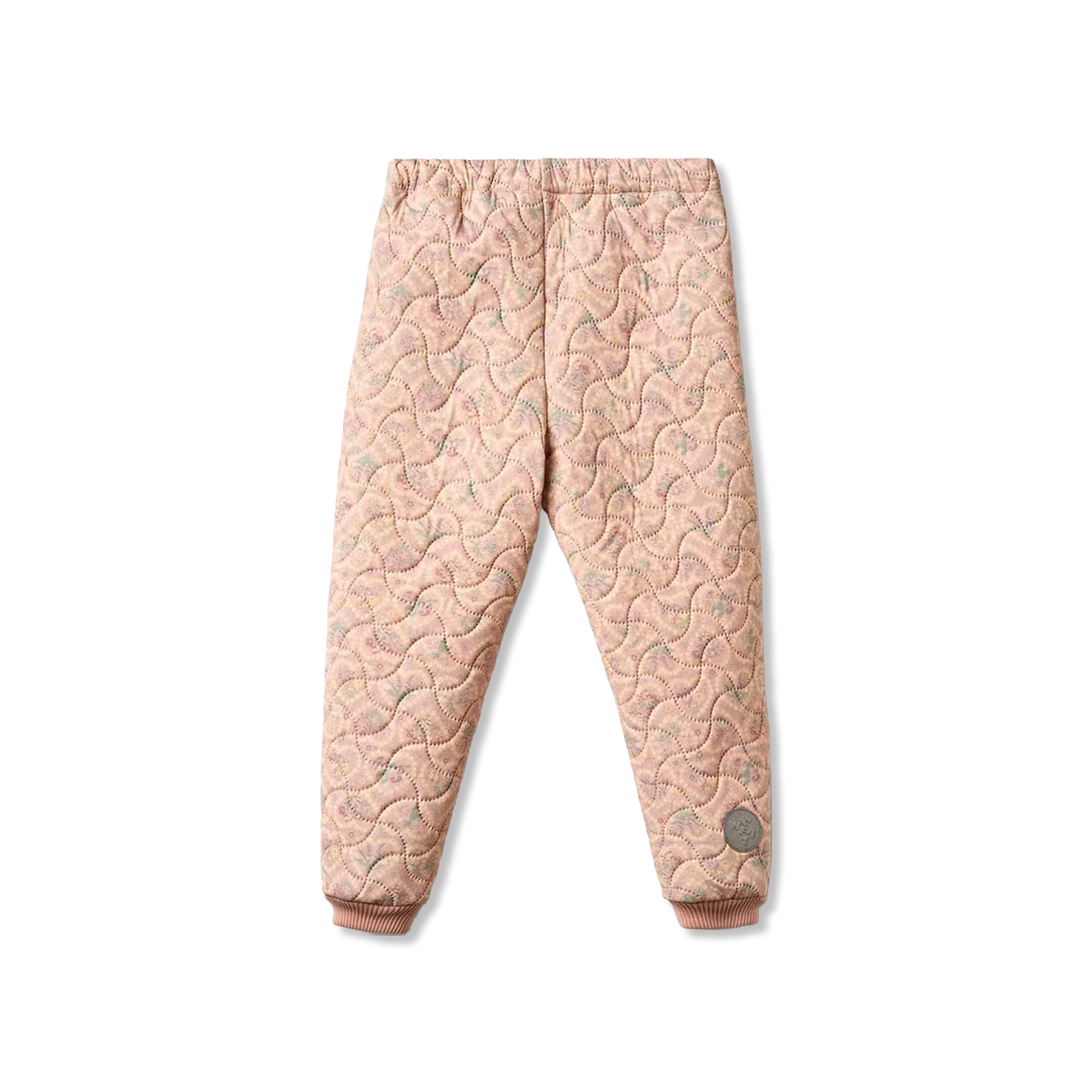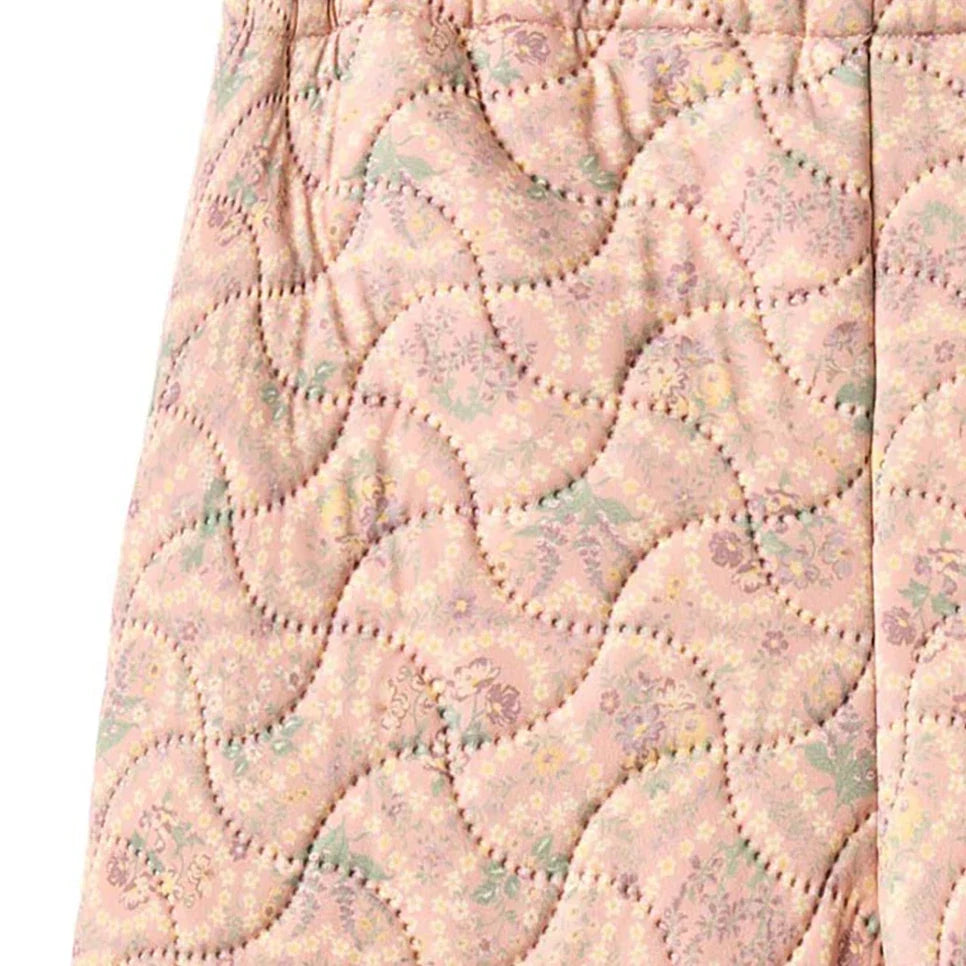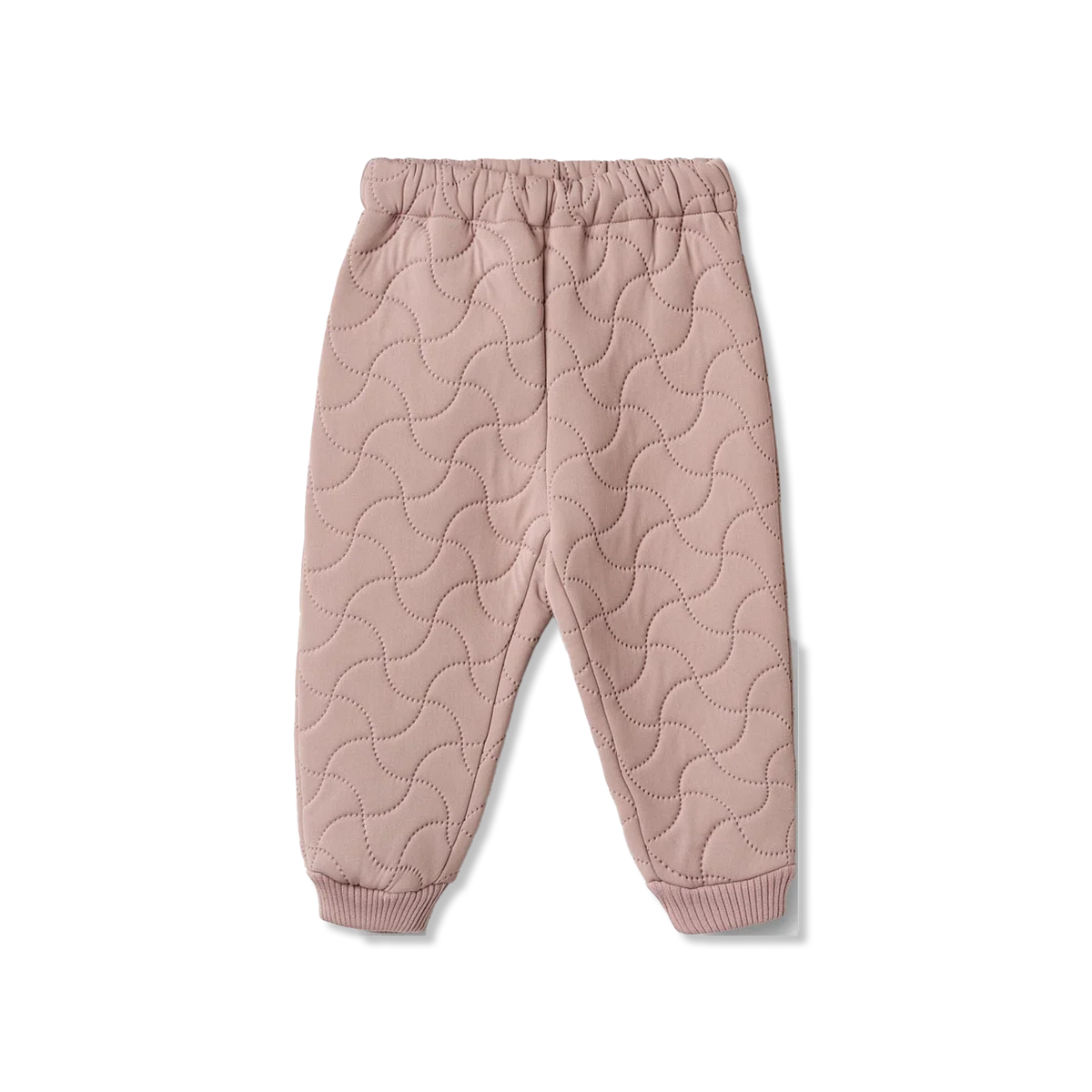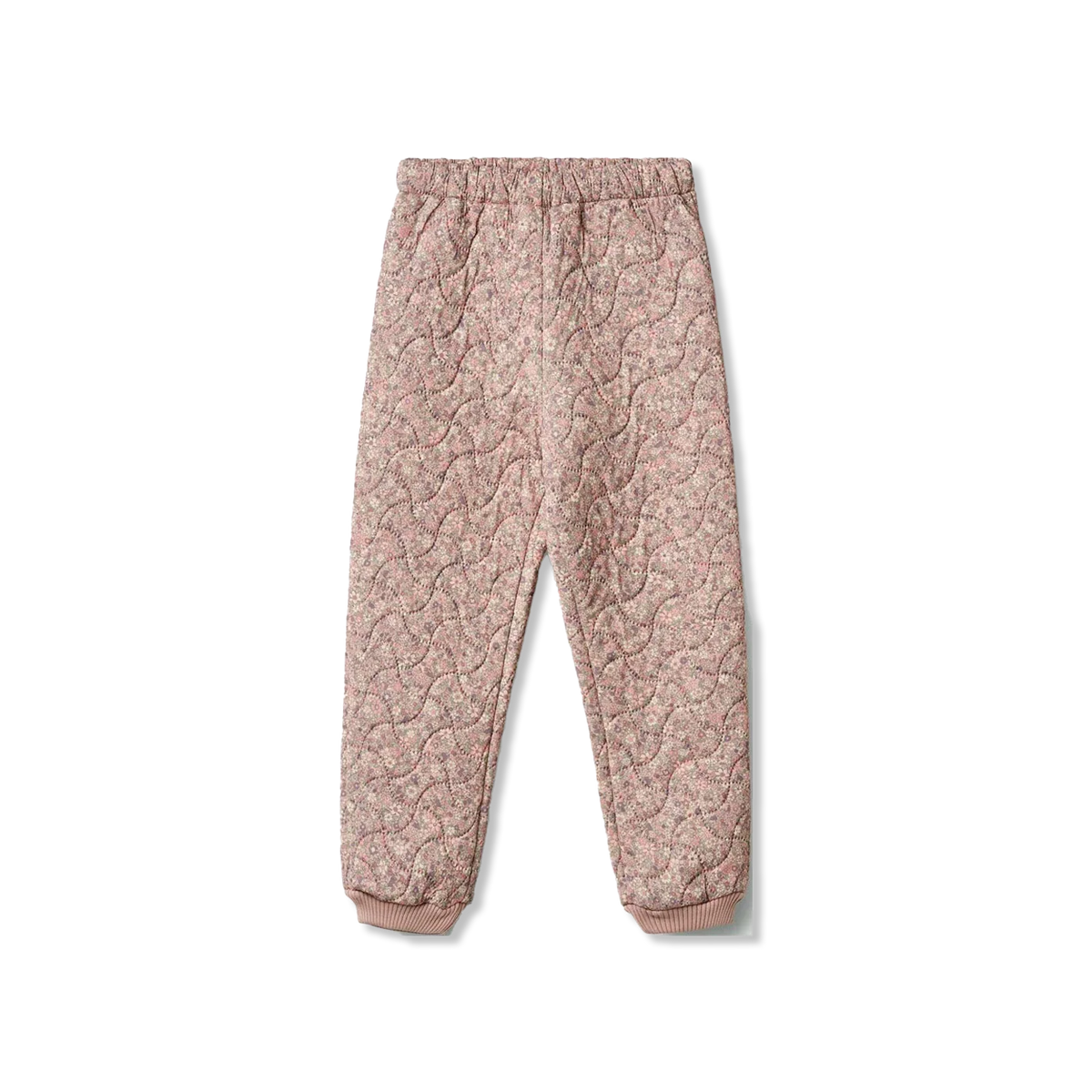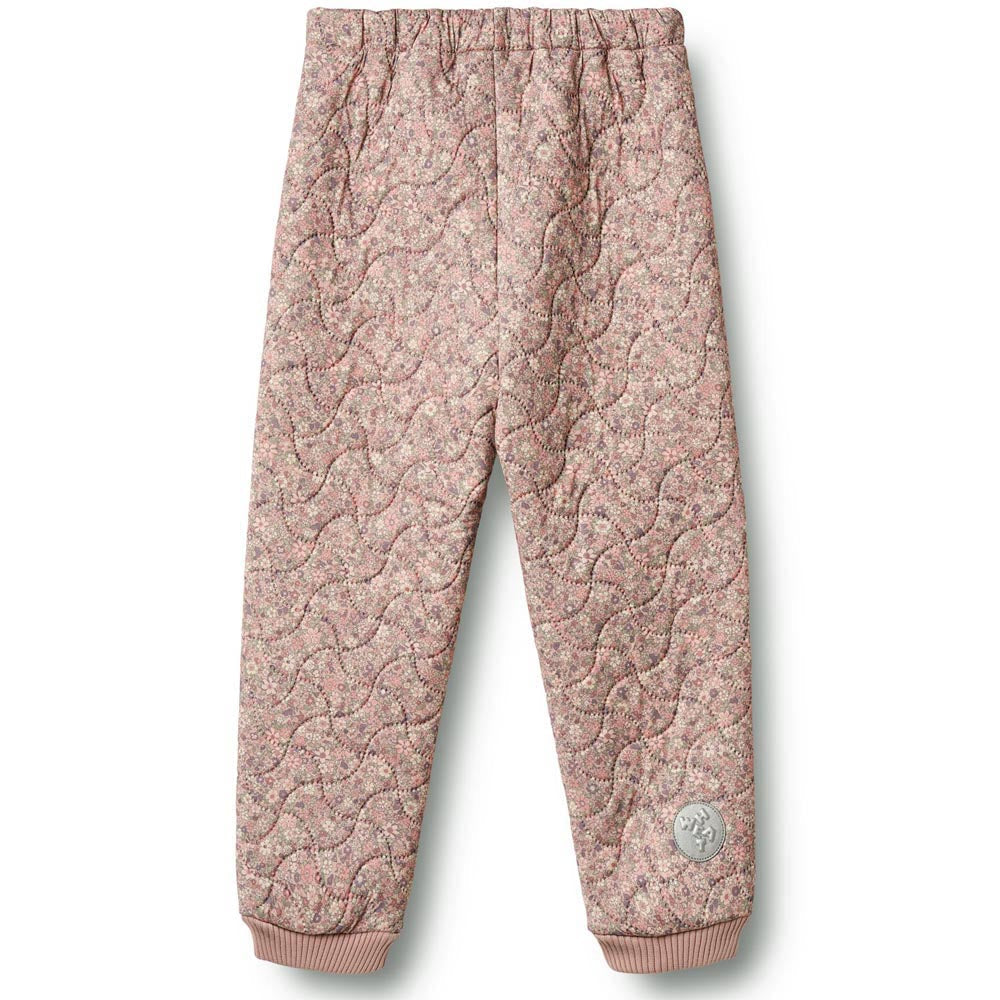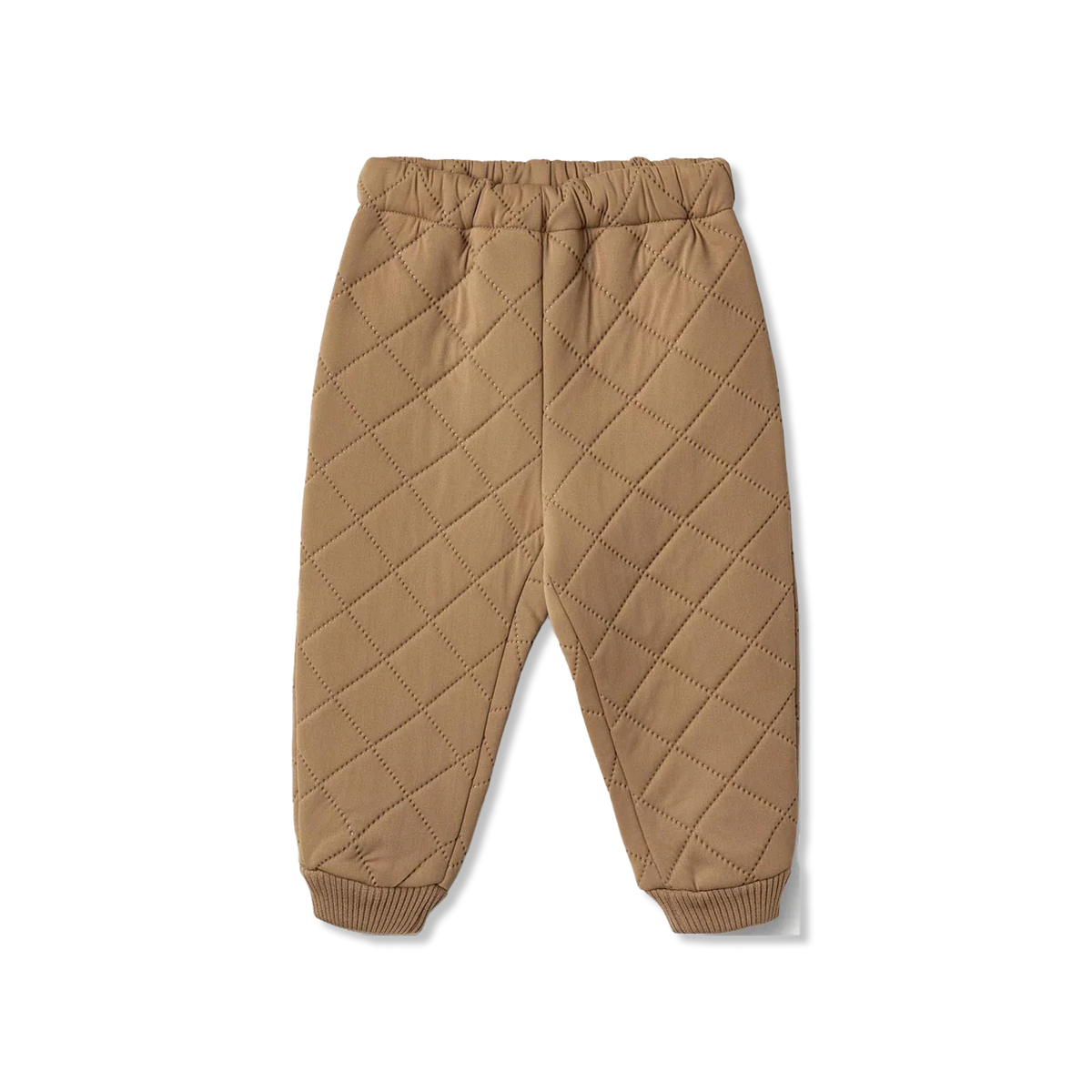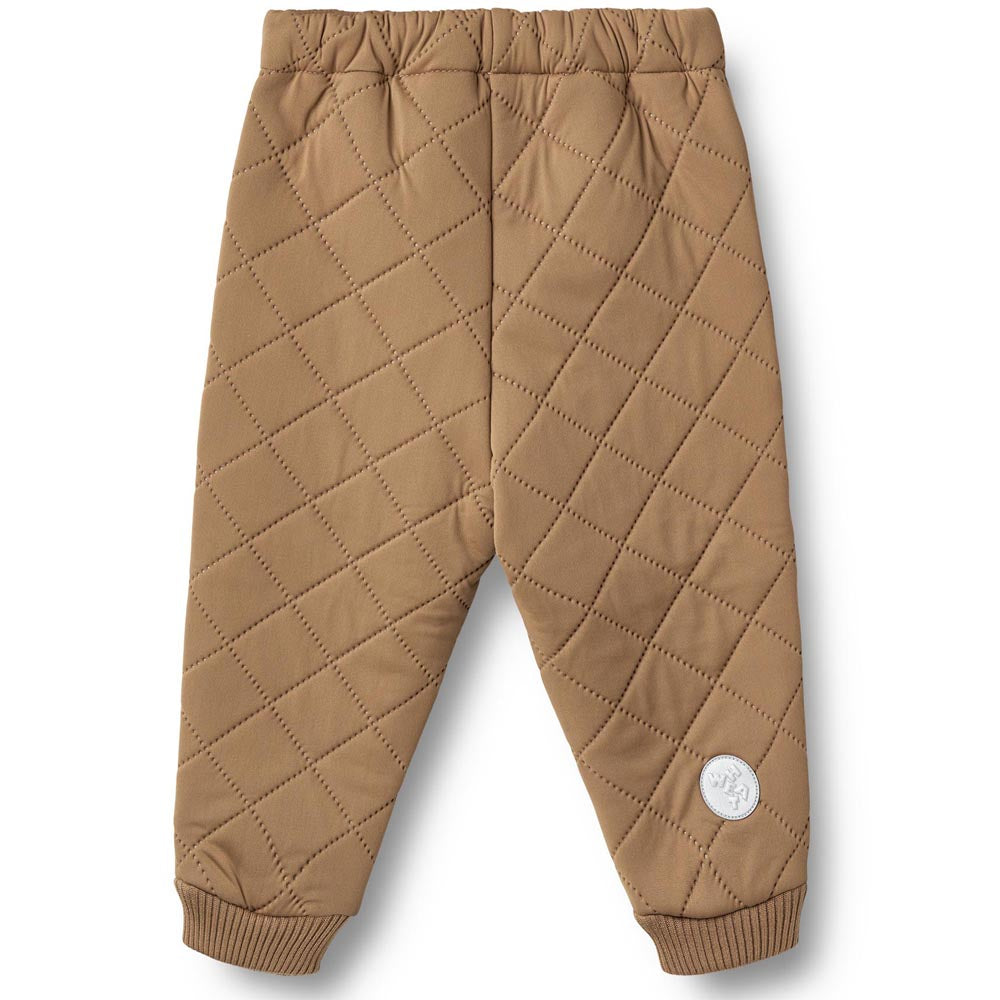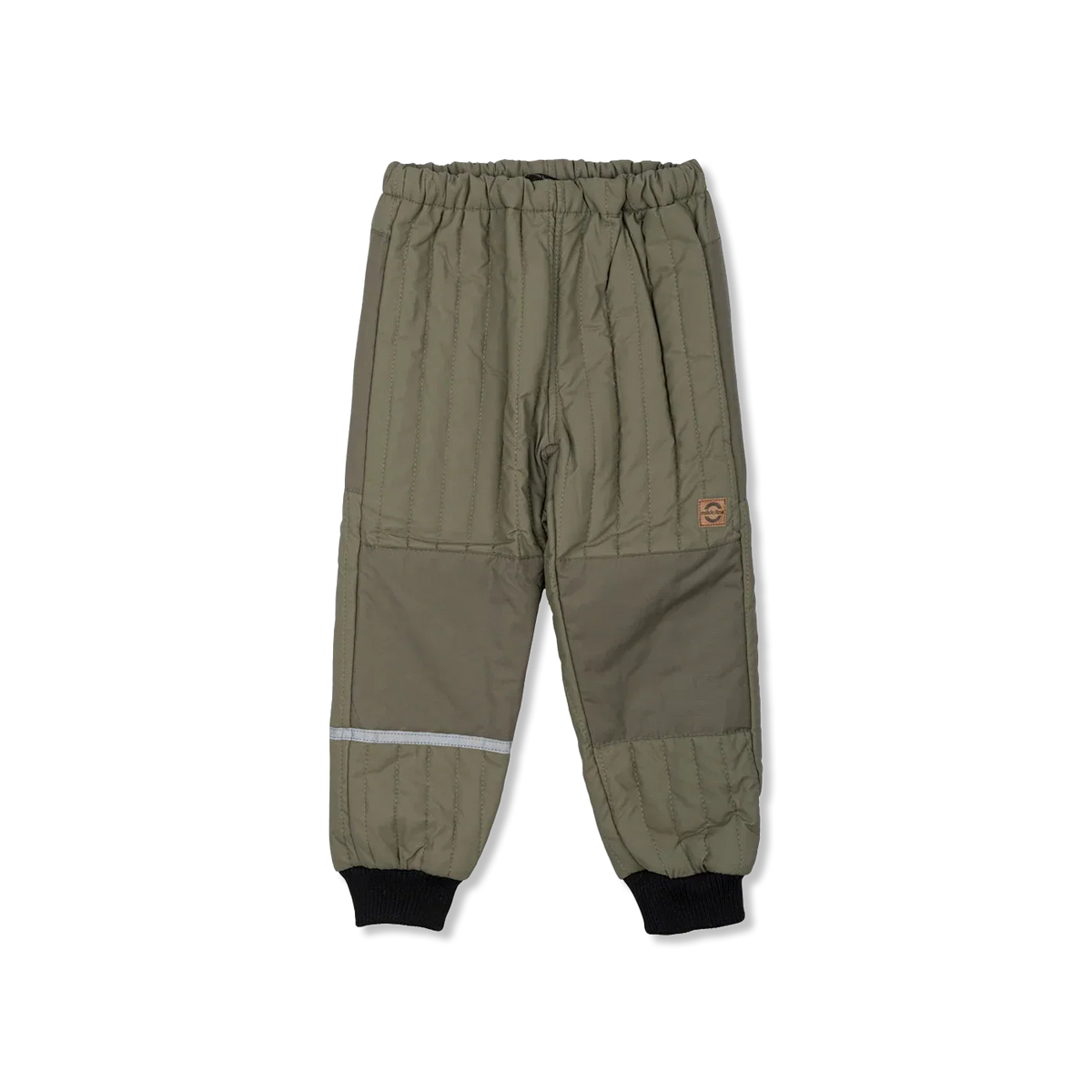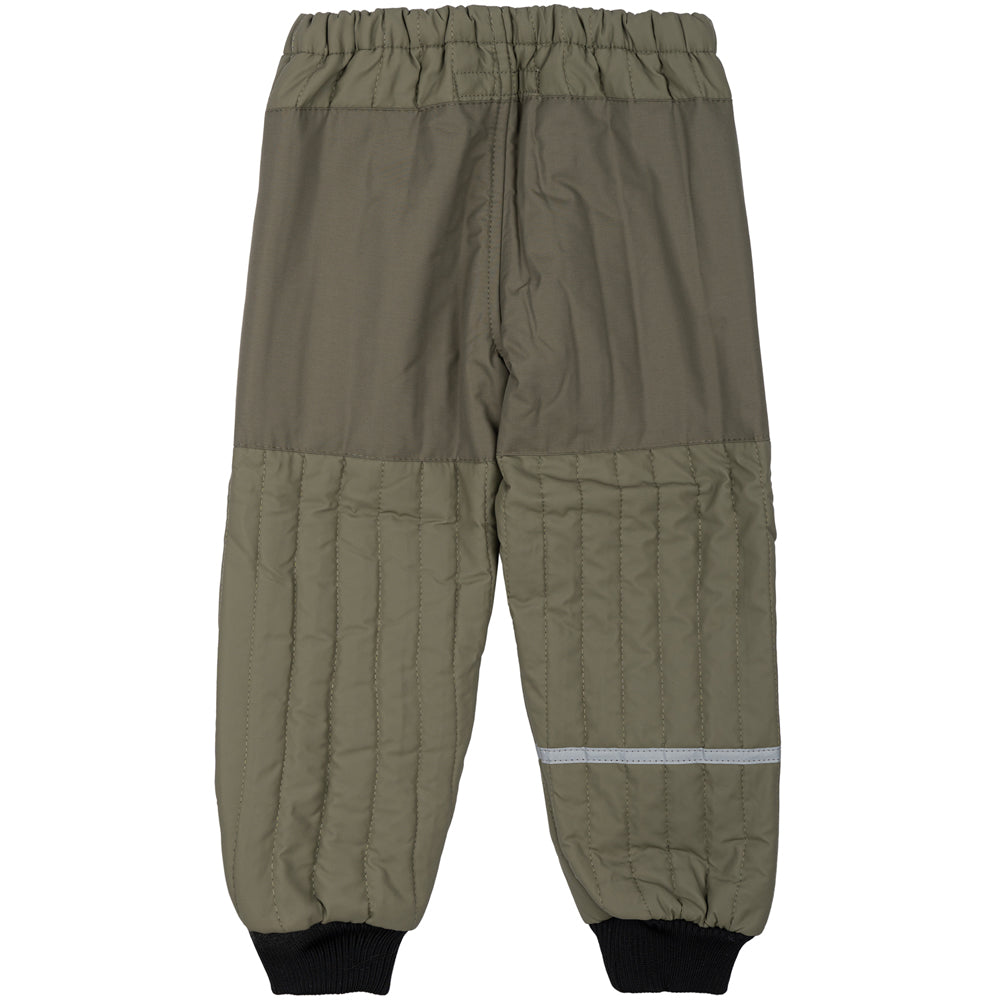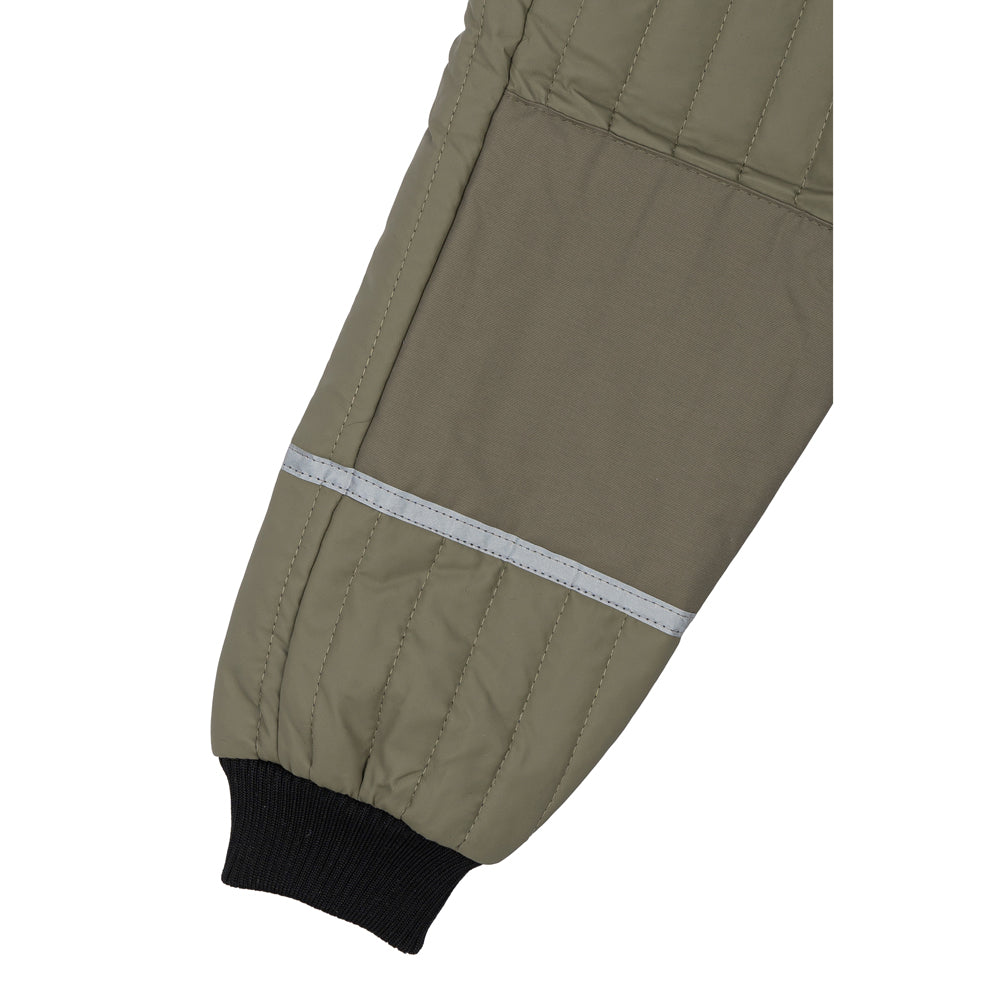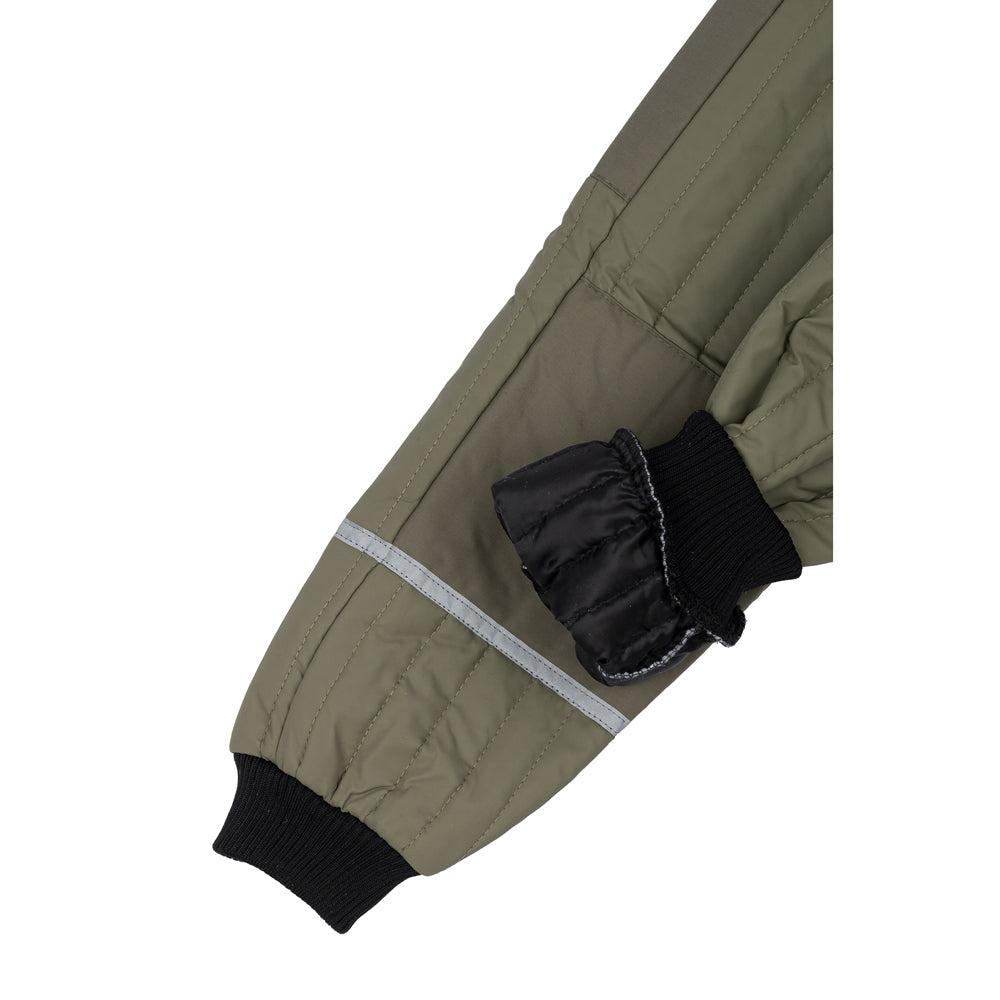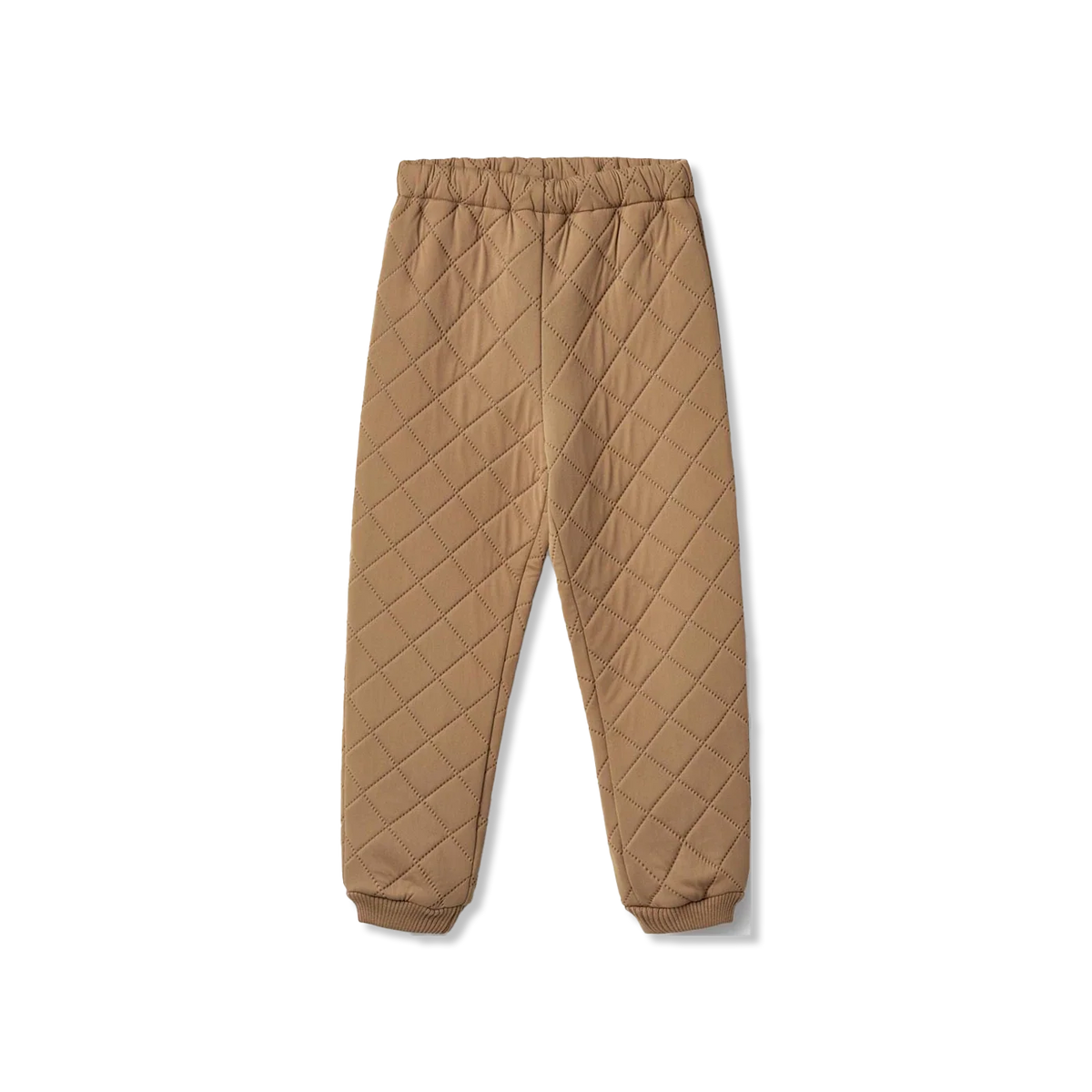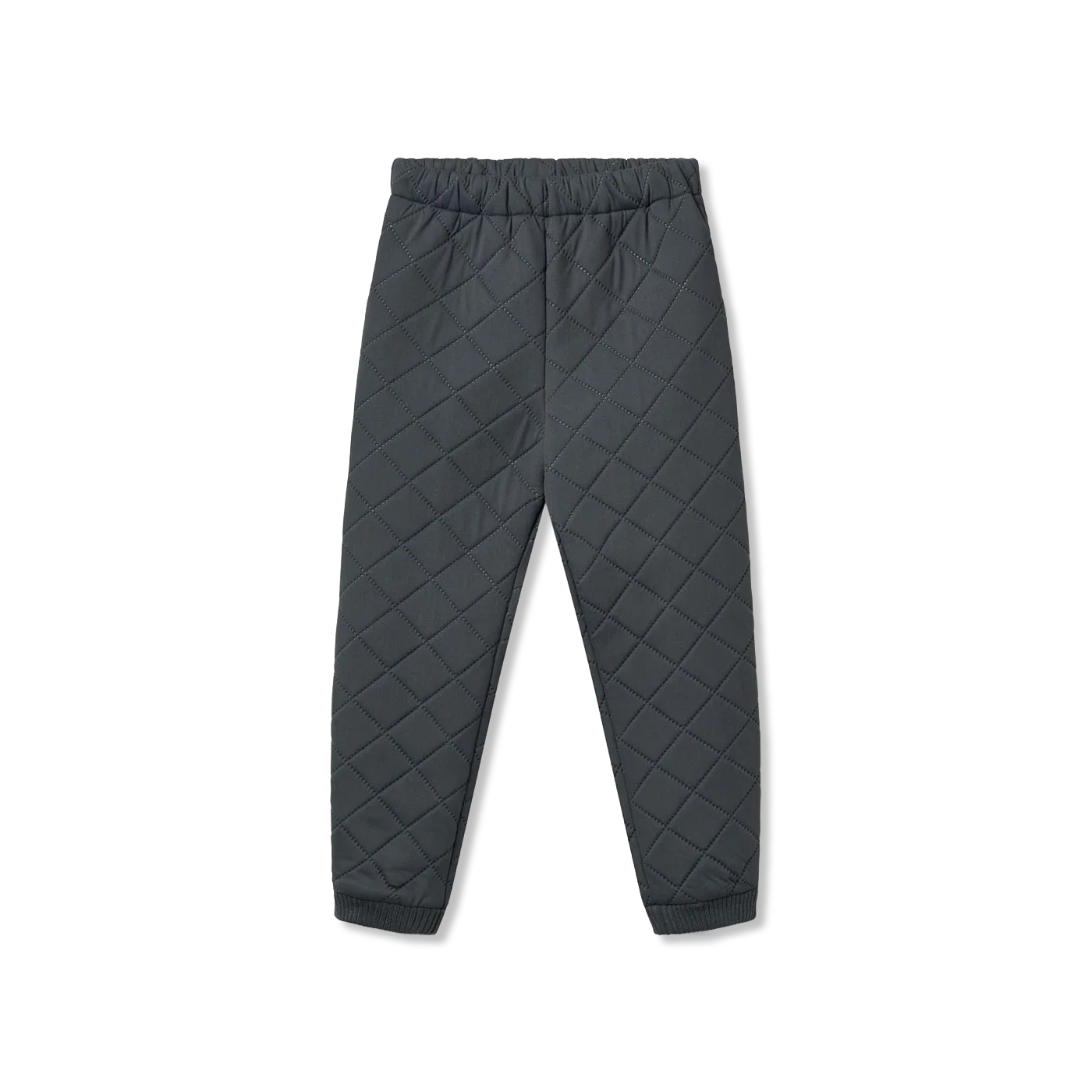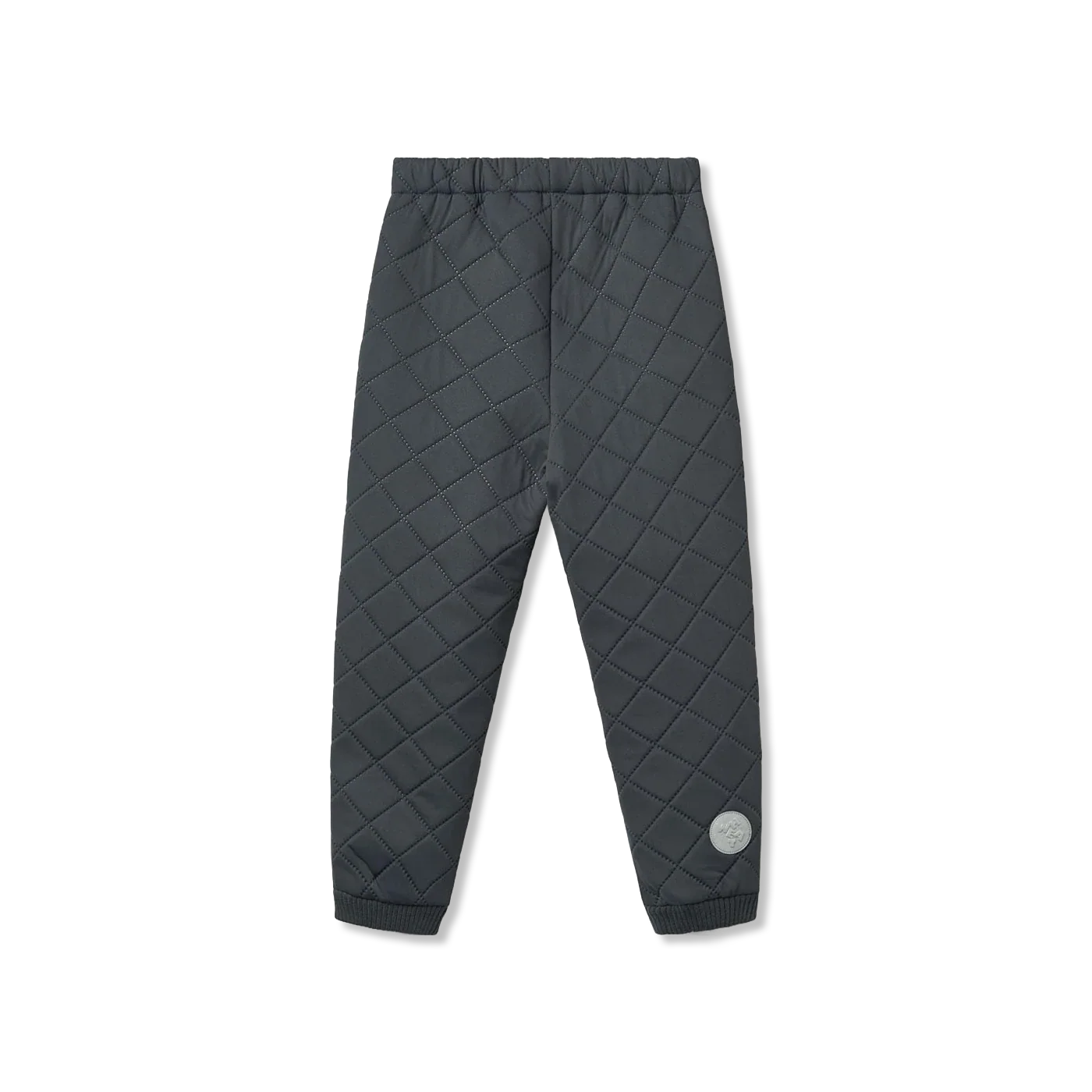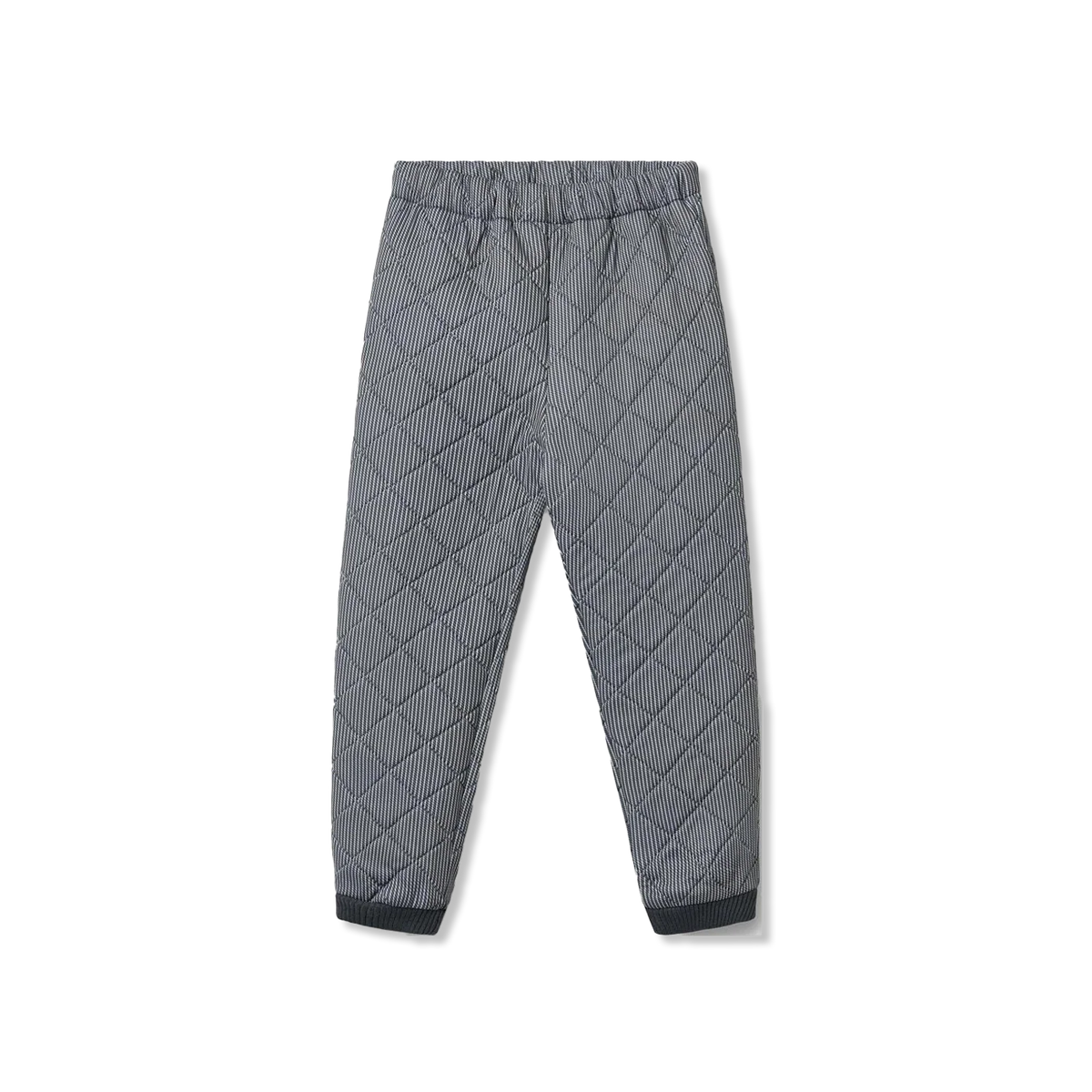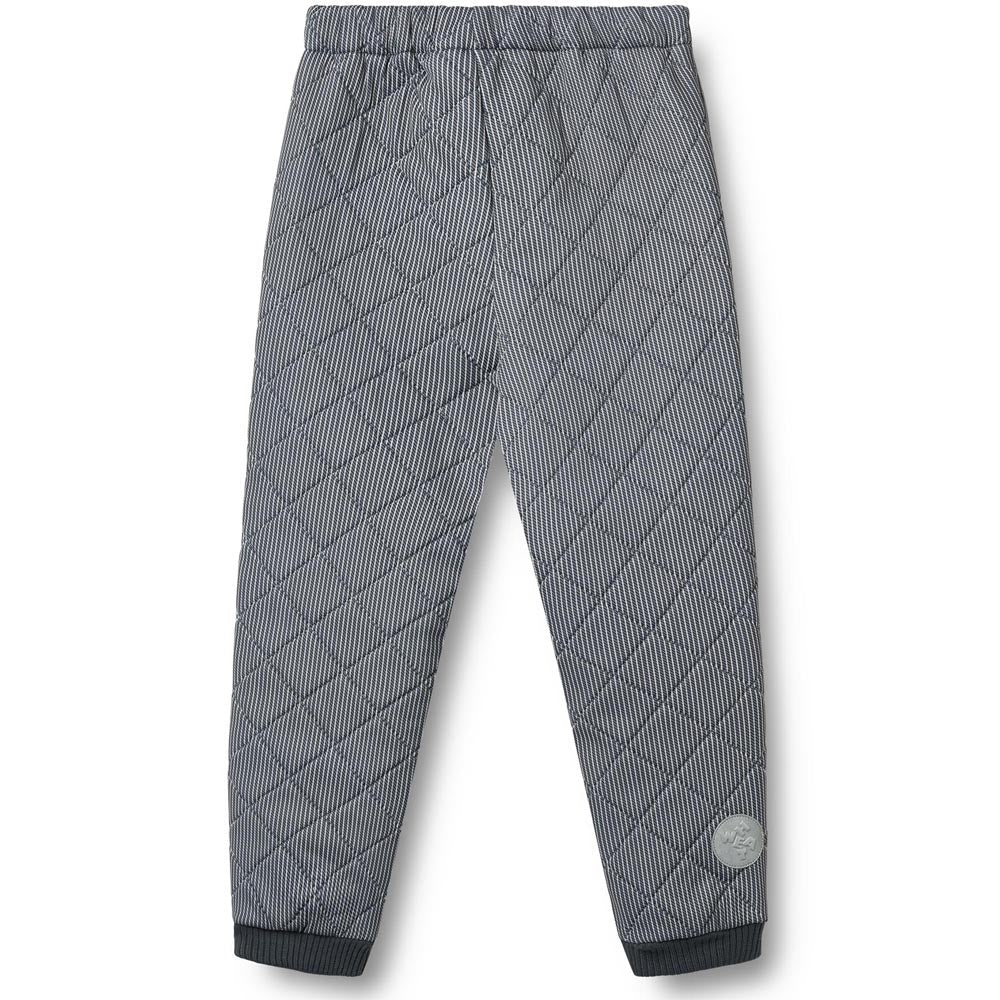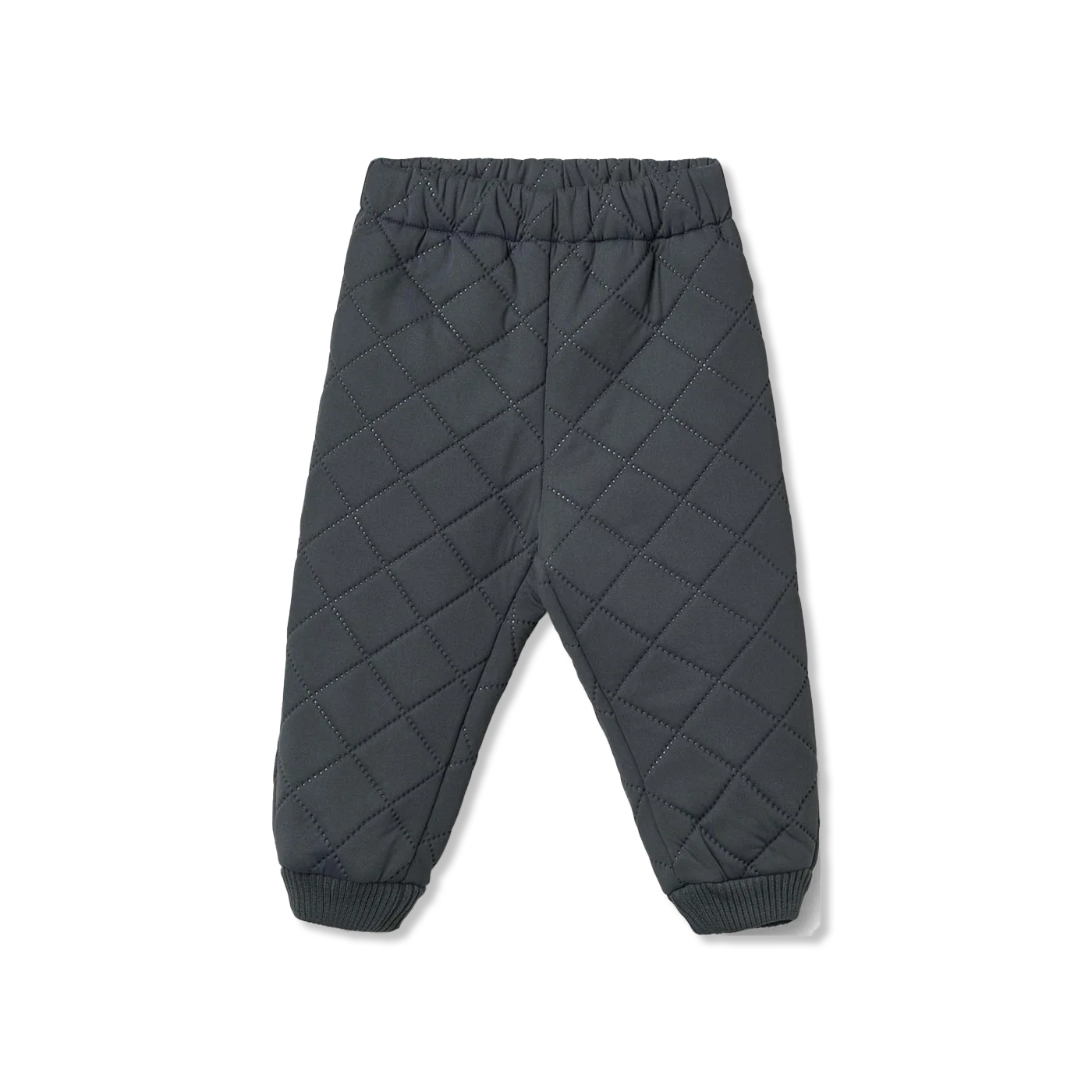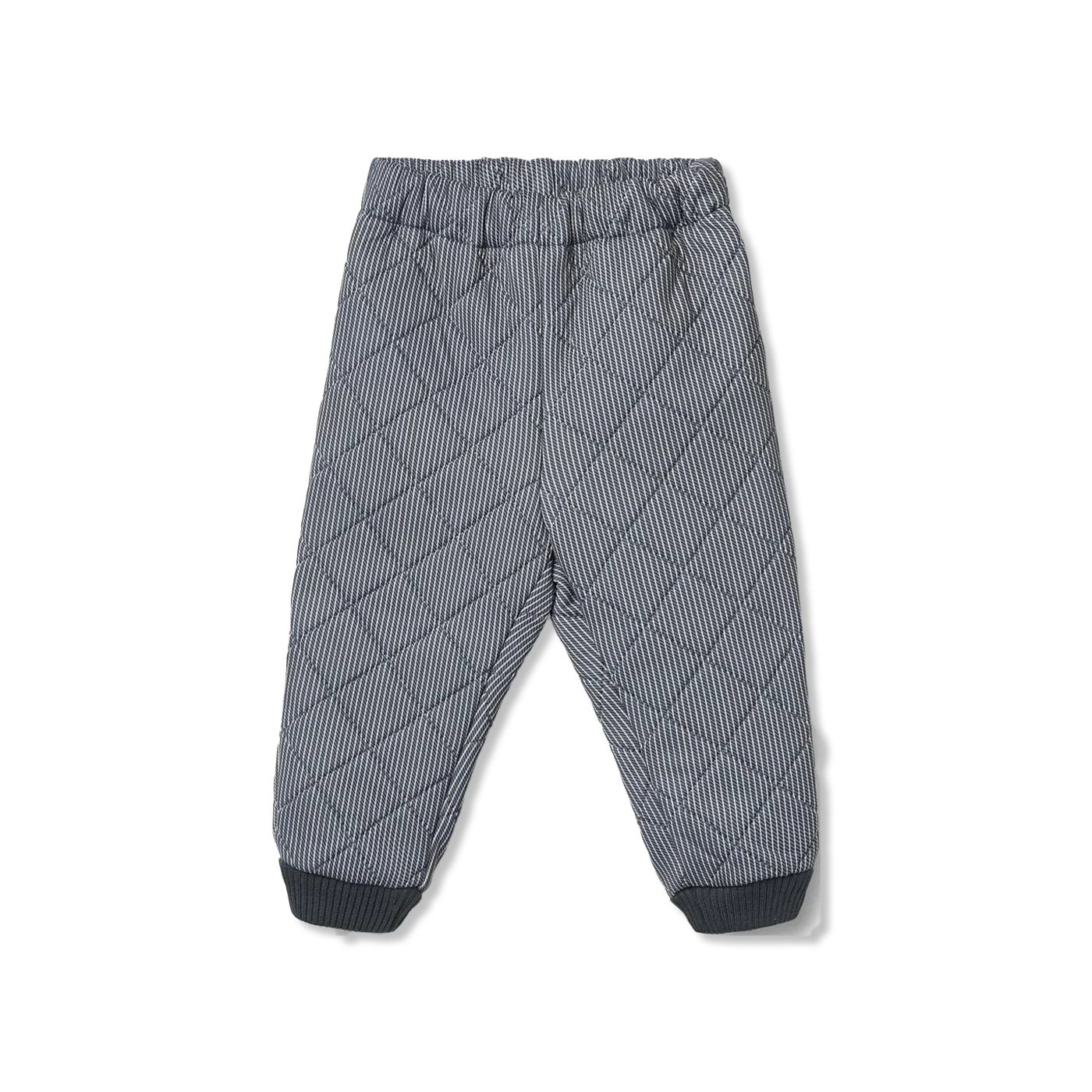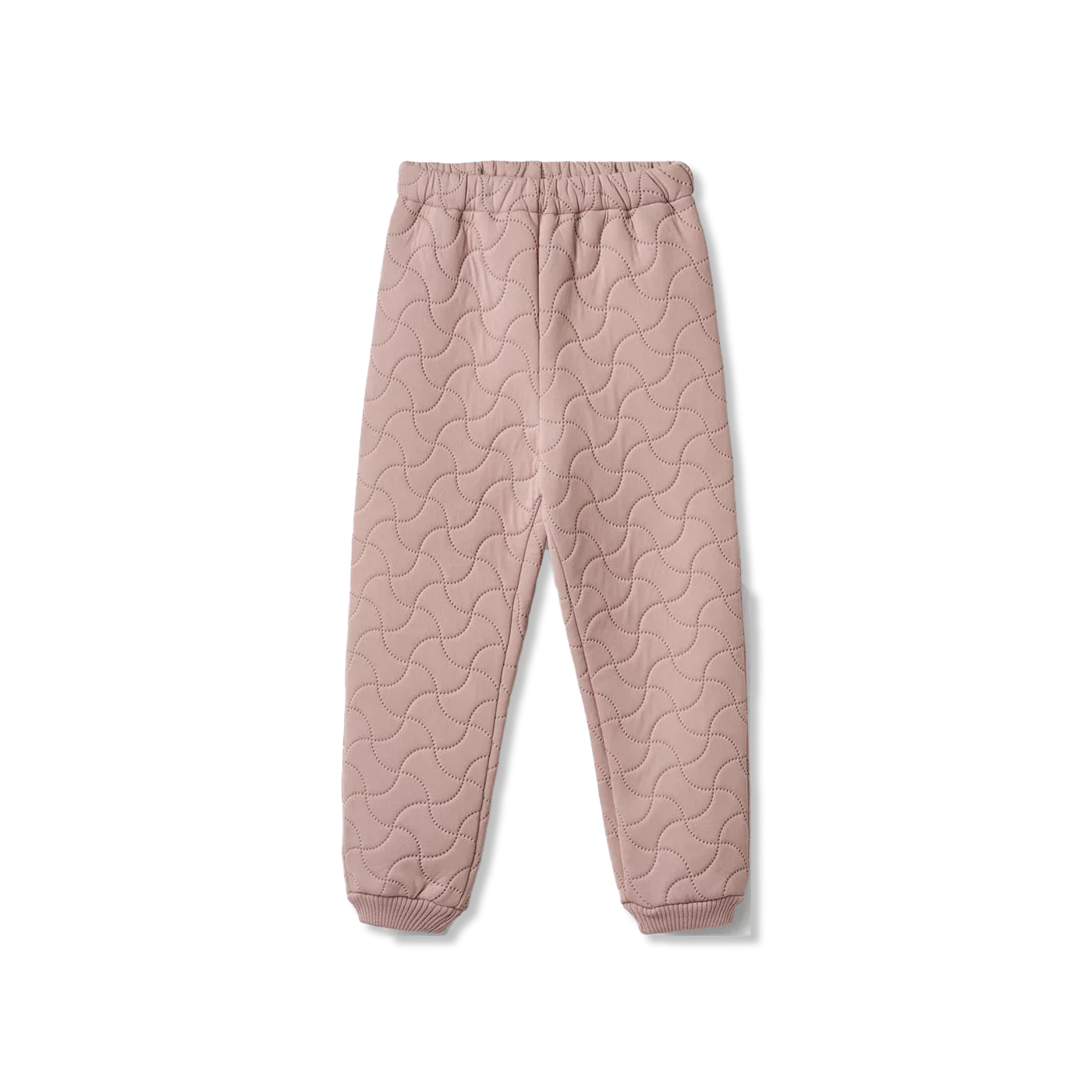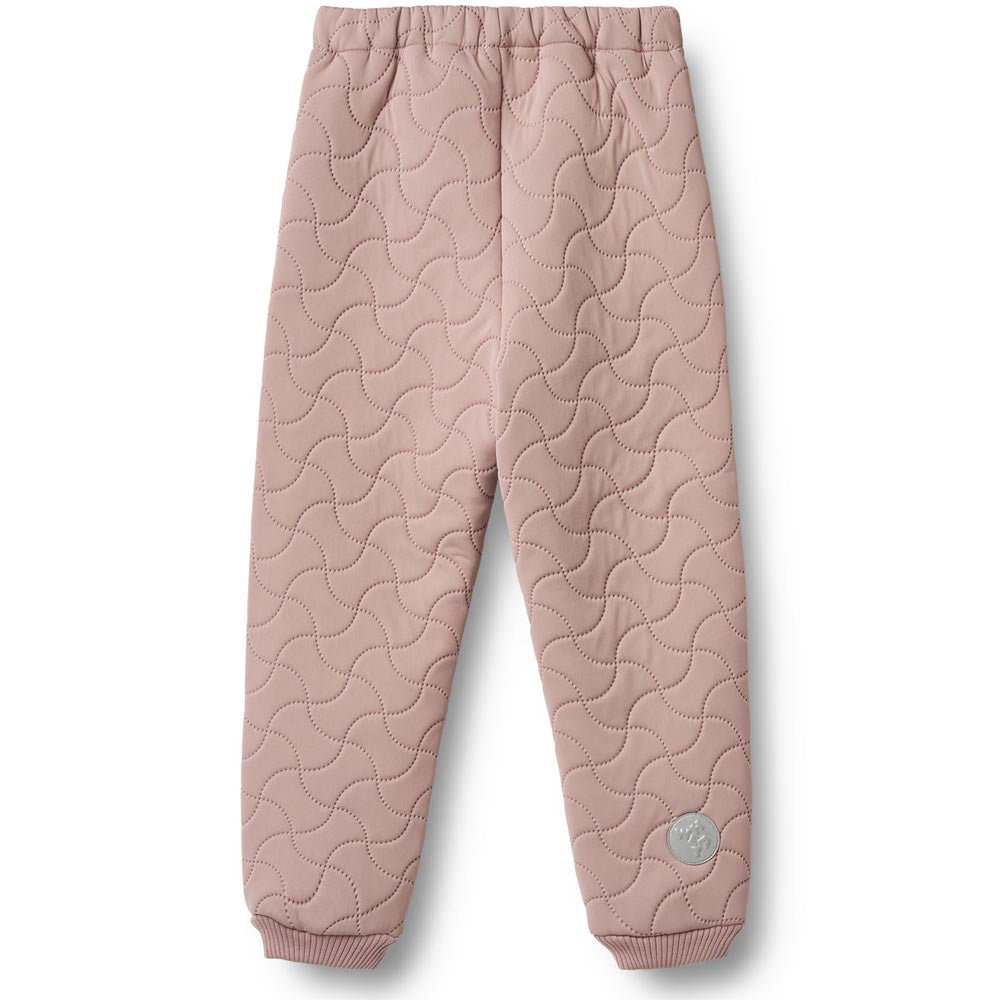
Thermal trousers for children who need to stay warm without being bundled up too heavily
Thermal trousers are a great solution when your child needs a little extra warmth but still has to be able to move freely. Here you will find thermal trousers for both children and babies, ideal as a light inner layer or as a warmer layer under outerwear. This makes them especially useful in autumn, winter and on cool spring days when the weather can change quickly.
When choosing a pair, it often comes down to a few simple things: how much warmth is needed, how the trousers should fit under other clothes, and which material feels comfortable against your child’s skin. Active children usually do best in thermal trousers that are lightweight and breathable, while the youngest children often benefit from soft, warm styles with good comfort around the tummy and legs.
If you are unsure whether to choose a thin style or a warmer option, it can help to think about what the trousers will be worn with. Under rain trousers or other lightweight outerwear, a slim and flexible fit is often the best choice. On colder days, a thicker layer can give a little extra peace of mind.
How to use thermal trousers for layering
Thermal trousers work really well as part of a layered outfit. In short, layering means dressing your child in several layers, making it easier to adjust warmth throughout the day. This is especially practical for everyday life with nursery or school changes, outdoor play and moving back and forth between indoors and outside.
There are typically two types to choose from:
- Base layer: Thin, soft trousers that sit close to the body and help keep your child dry and warm.
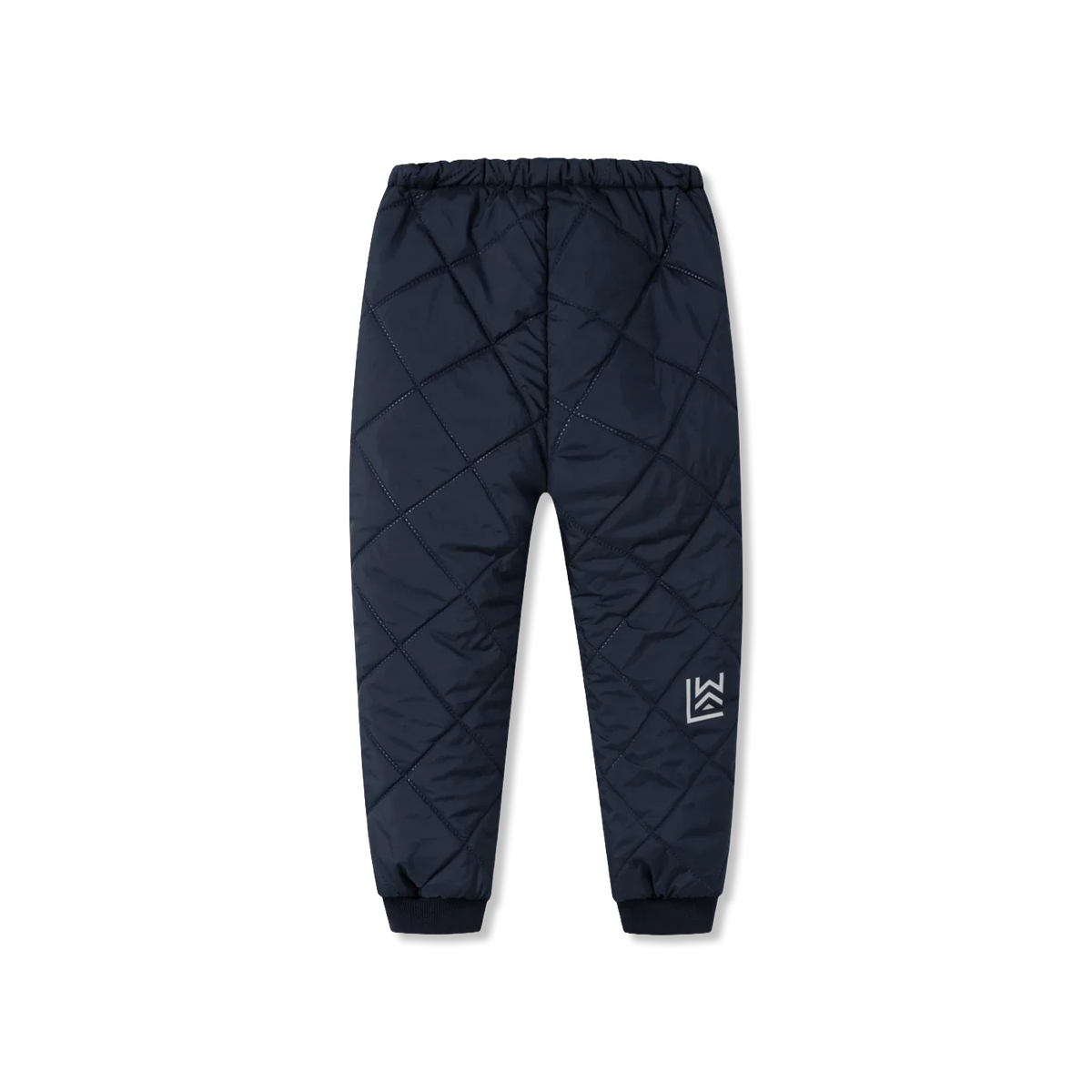
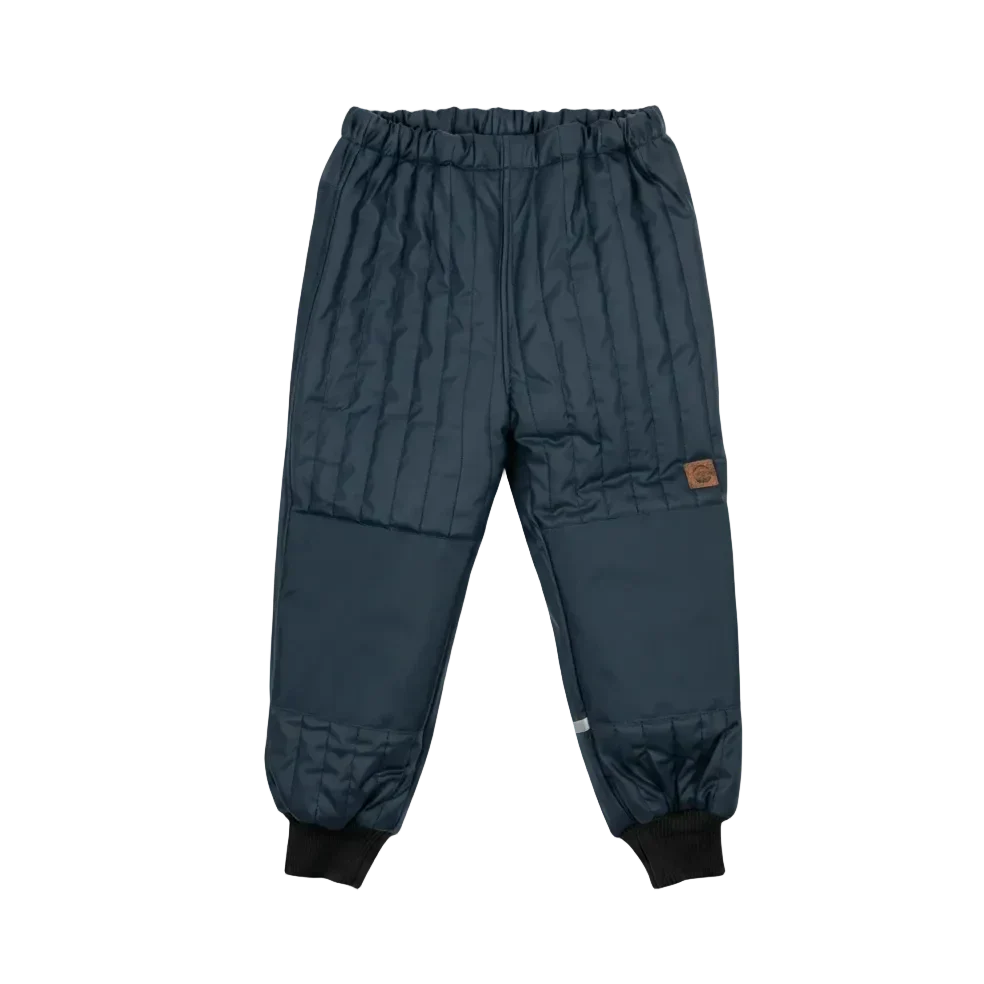
- Mid layer: Warmer thermal trousers, often with fleece or a more insulating quality, worn over the inner layer and under outerwear.
For daycare, kindergarten and outdoor play, thermal trousers can make a big difference because they make it easier to regulate warmth during the day. On milder days, they can be worn under shell trousers, while on colder days they work well under a snowsuit or thermal clothing. Paired with a top from our wool underwear category, you have a set that is easy to build on.
Materials in thermal trousers: wool, synthetic fibres or fleece?
The material has a big impact on how thermal trousers feel on your child and how well they work in everyday life. Merino wool is an obvious choice if you want something soft with natural temperature regulation. Wool provides good warmth, even on cold days, and many children find it comfortable to wear if they tend to get cold quickly.
Polyester and other synthetic materials are often chosen because they dry quickly and work well for children who are always on the move. This can be a practical solution in a busy daycare or school routine, where clothes need to be washed and worn again without hassle. Fleece adds extra warmth and is especially good as a mid layer when it is properly chilly outside.
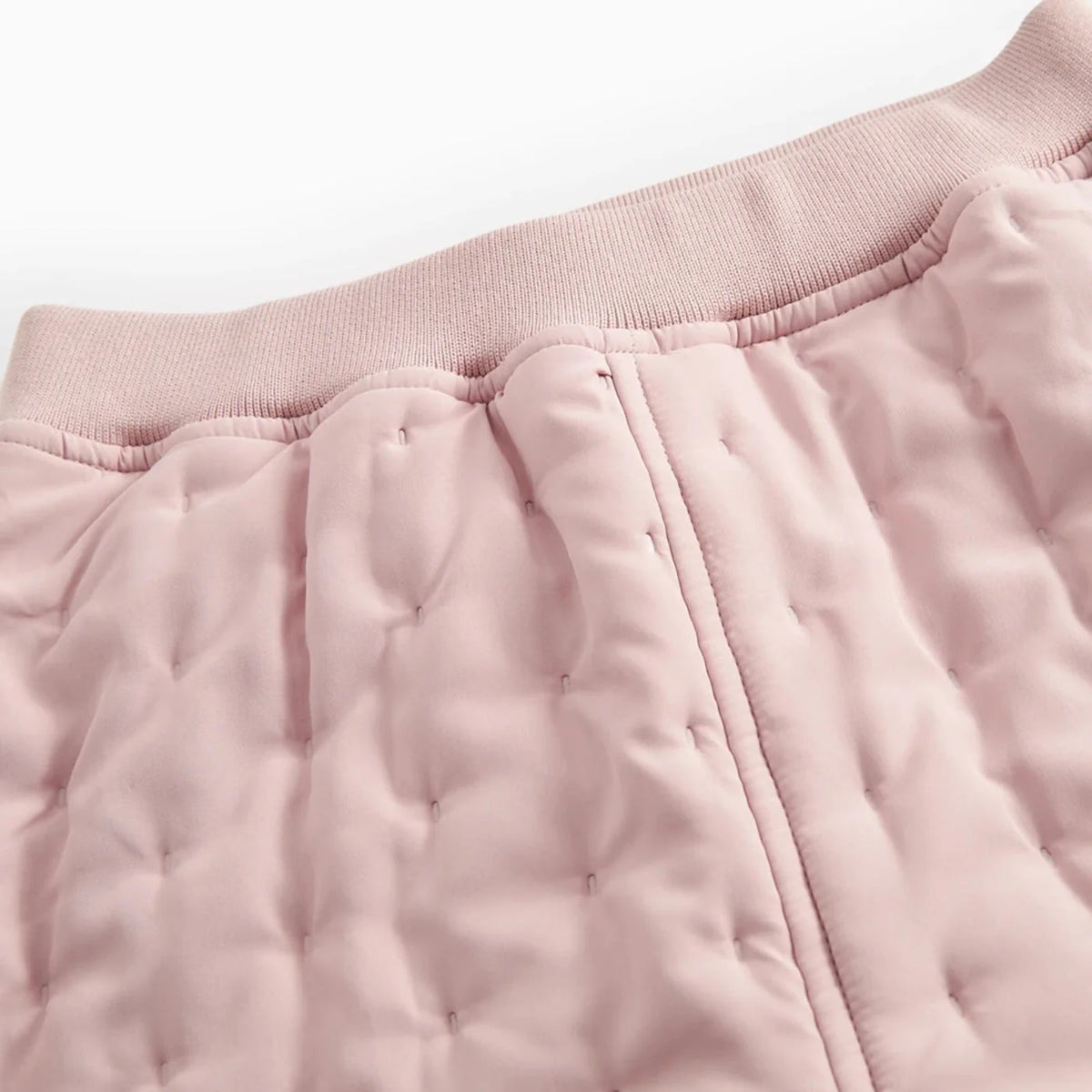
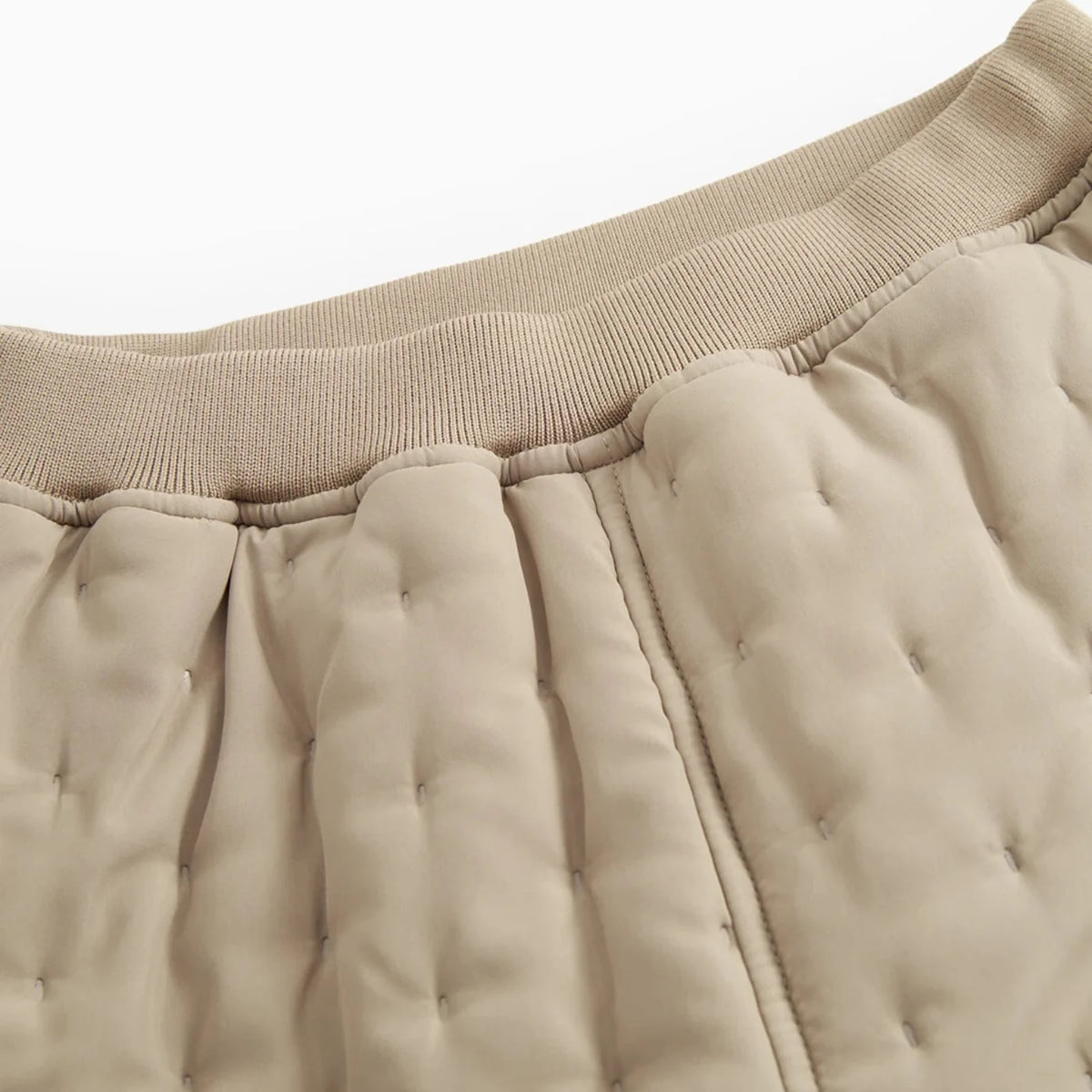
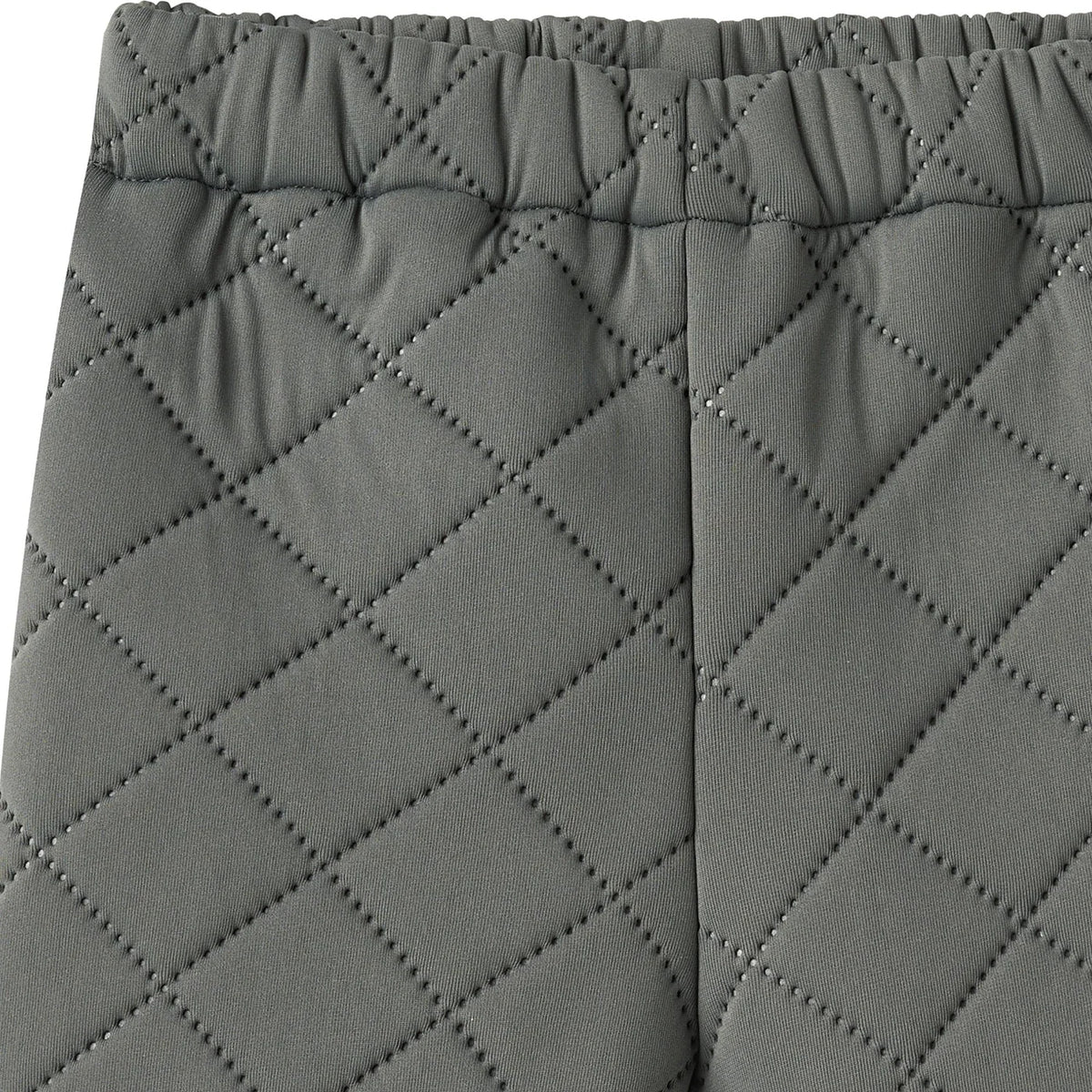
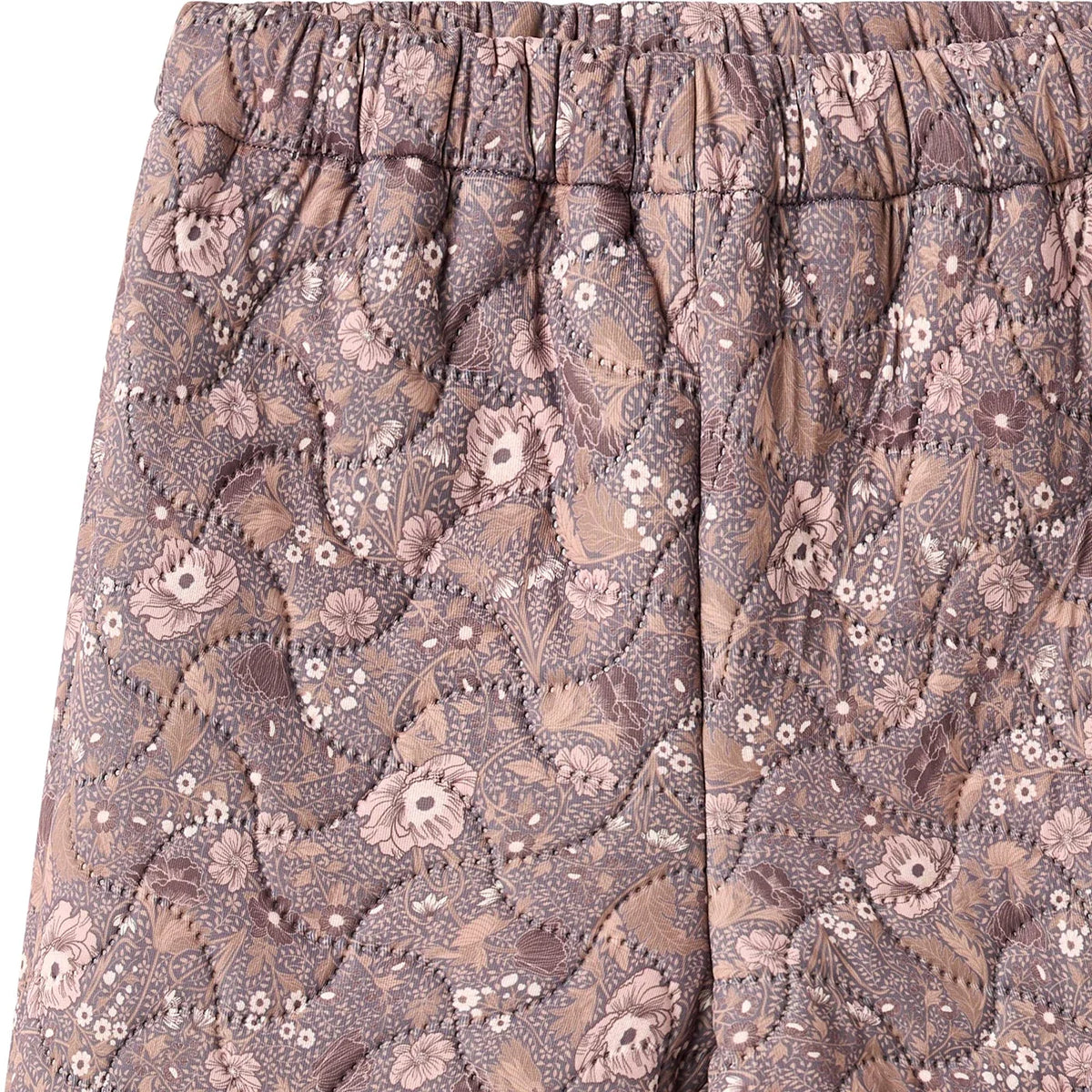
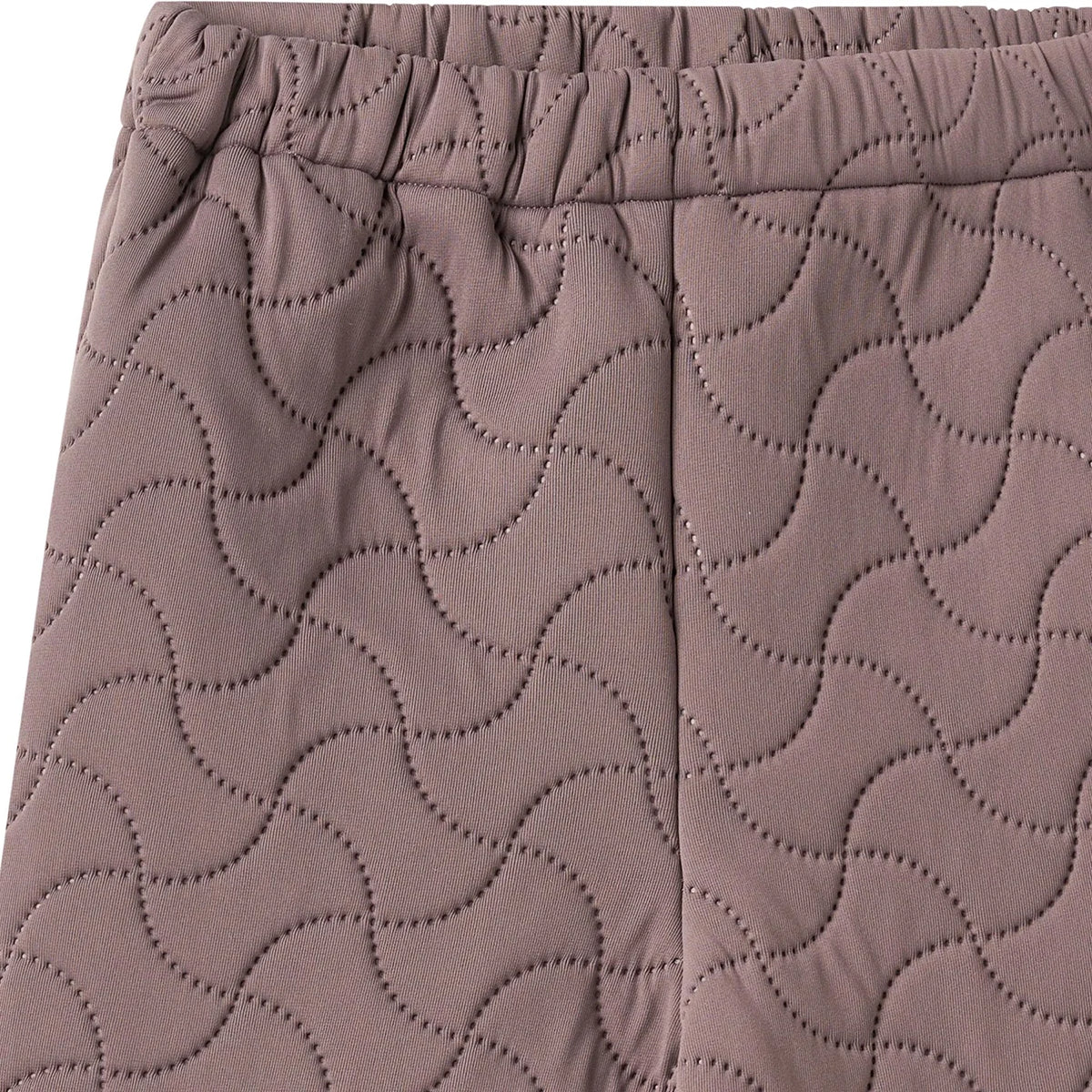
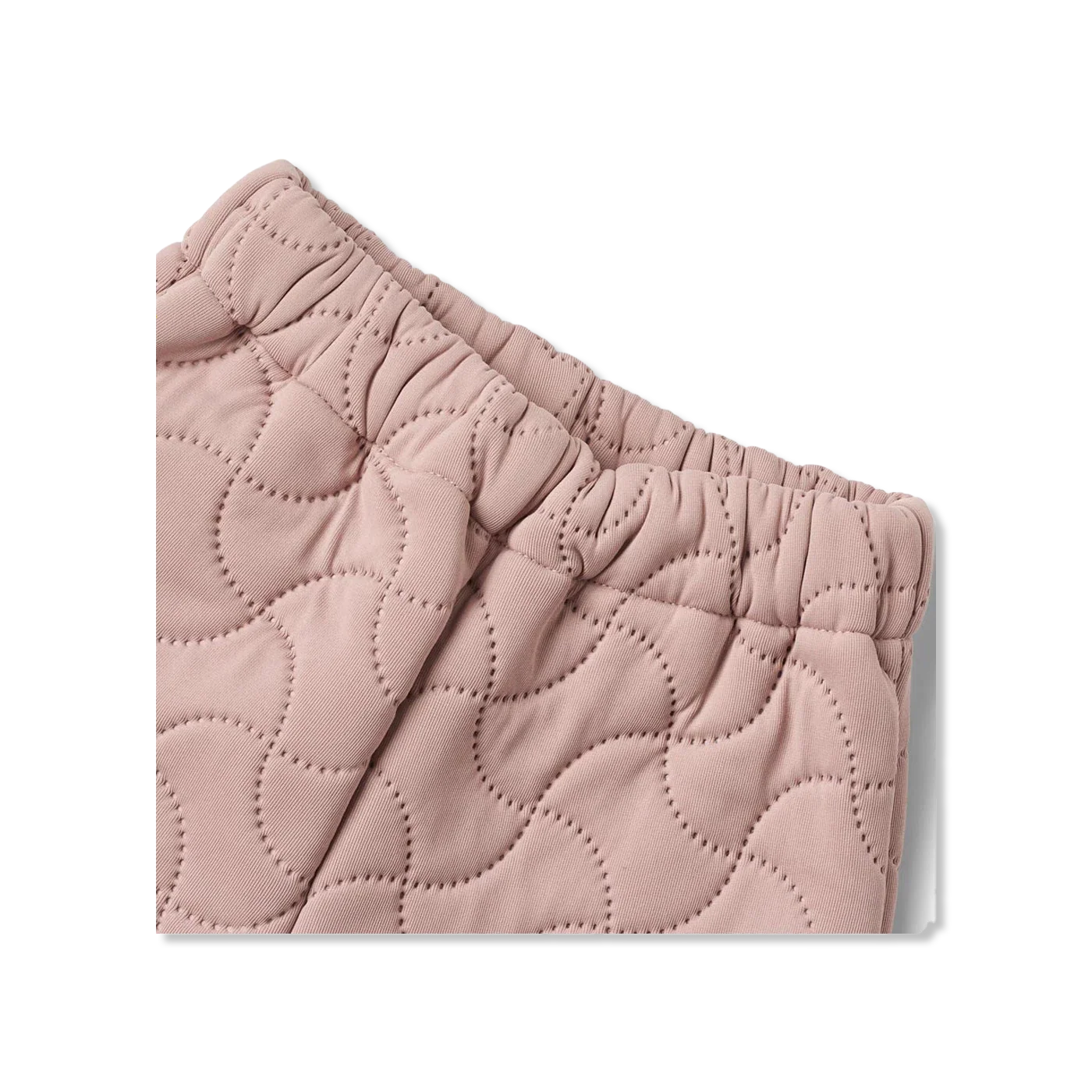
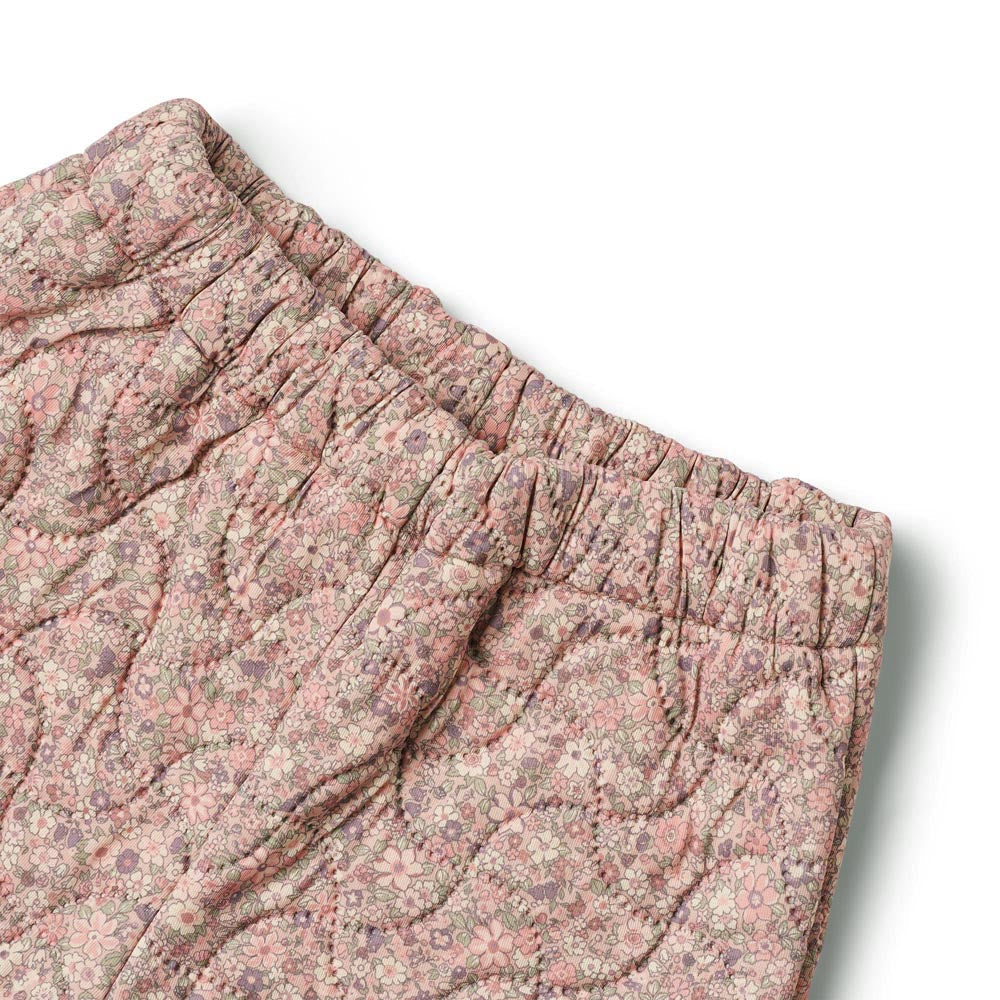
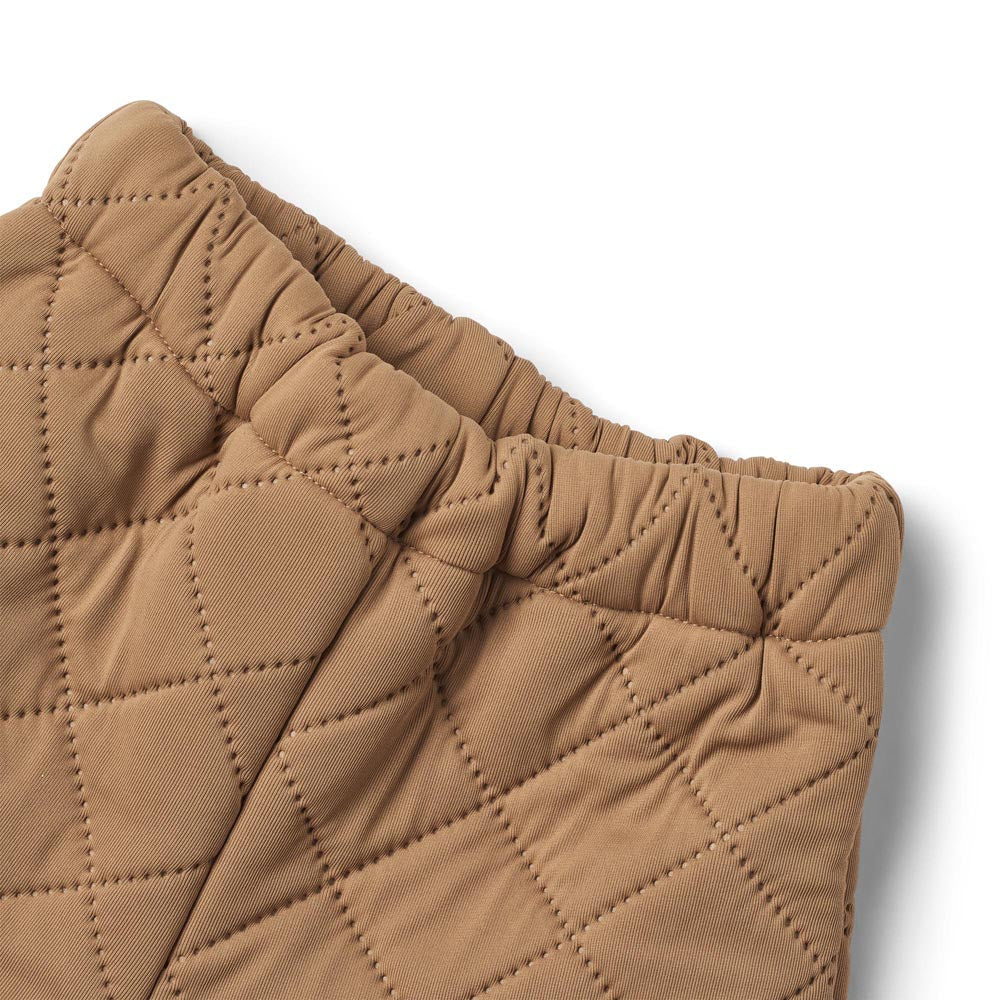
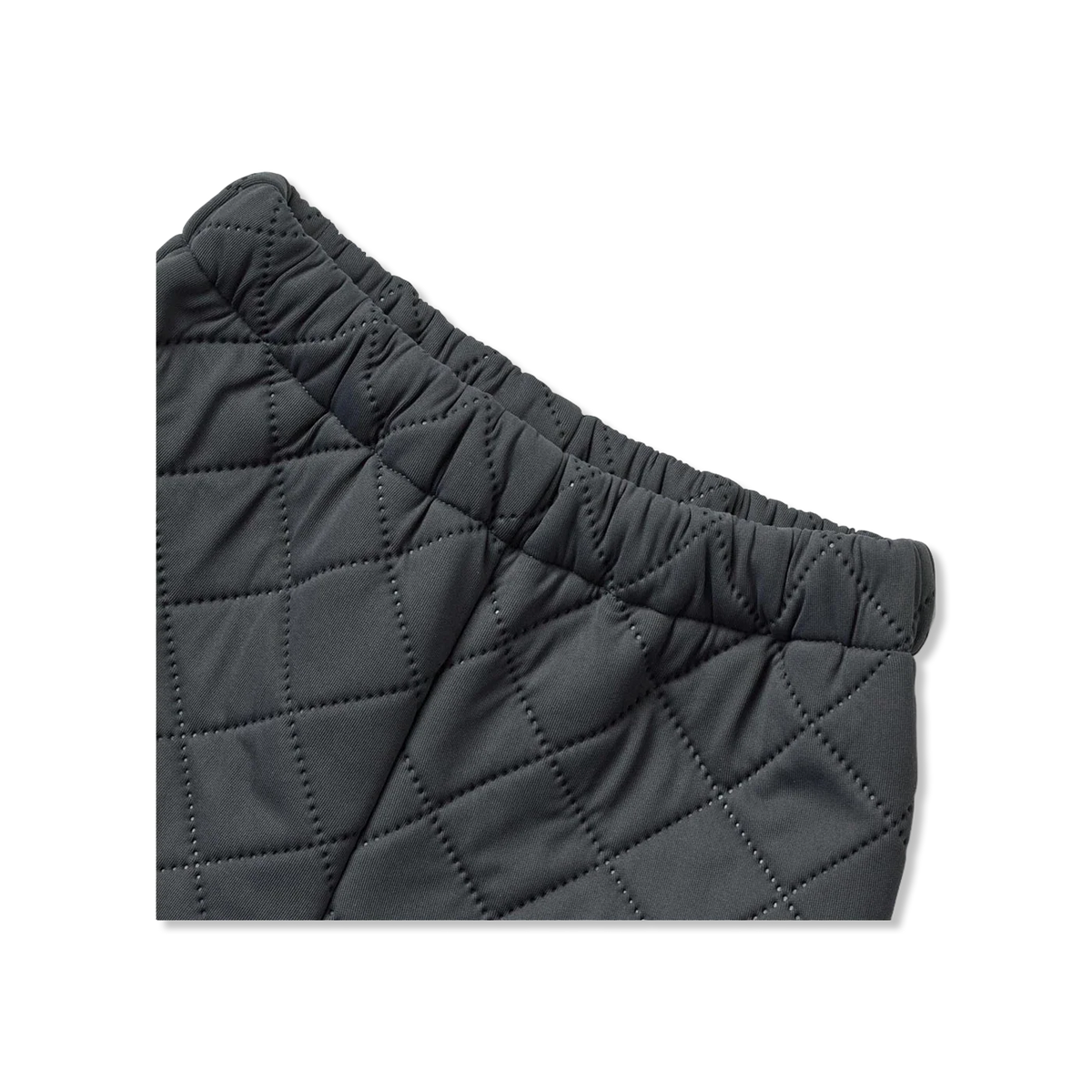
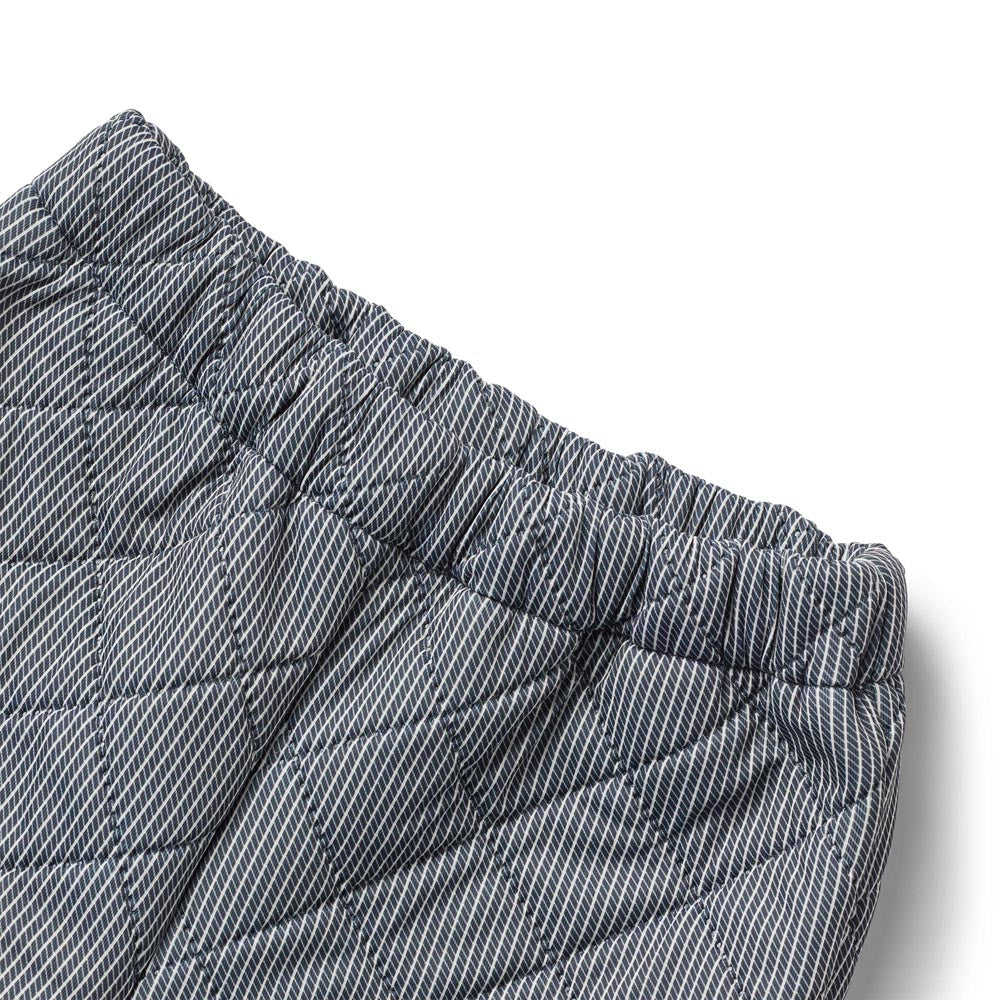
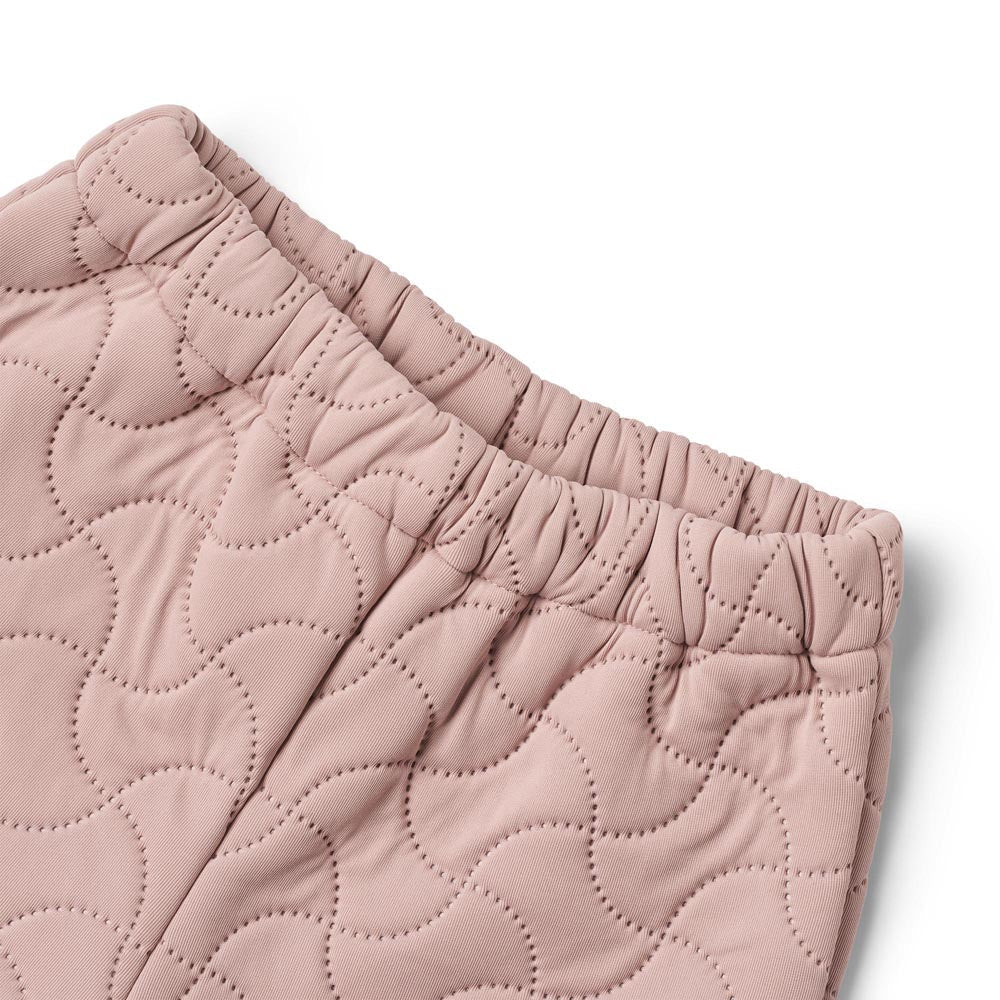
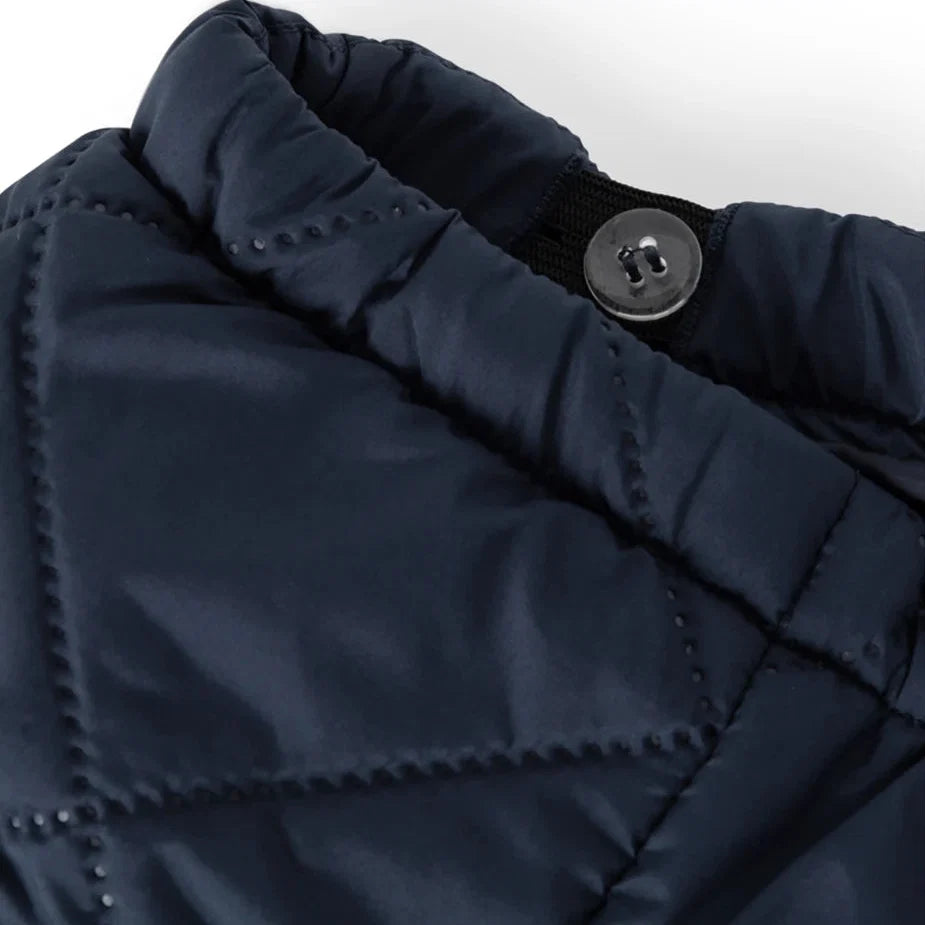
If your child has sensitive skin, it is a good idea to look for soft qualities and seams that will not irritate. Small details such as an elasticated and adjustable waist can also make more of a difference than you might think, helping the trousers fit better and feel comfortable all day.
Which thermal trousers are best for babies, toddlers and older children?
Needs naturally vary depending on age. For babies, softness and simple comfort are often the most important things. Thermal trousers in soft materials make very good sense here, especially if they are worn close to the skin or under a suit. For the youngest children, it is also helpful to choose styles that do not feel bulky or uncomfortable during tummy time or naps in the pram.
Toddlers usually need more freedom of movement and materials that can handle a bit of everything. An adjustable waist is often an advantage because children grow quickly, allowing the trousers to be used for longer. For kindergarten-aged children, it is also practical to choose thermal trousers that are easy to take off and put on when the pace is high.
For older children, it is often about how the trousers fit under outerwear and whether they can keep up with play and movement. A little extra length in the legs and a flexible fit can be an advantage, helping the trousers stay in place even when your child is active. On cold days, they can be paired with thermal boots if you want to create a warm solution from head to toe.
What to look for before choosing thermal trousers
It often becomes easier to choose when you know which details actually matter in everyday life:
- Fit: A slim fit is good under several layers, while a looser style works better as a mid layer.
- Waist: An adjustable waist gives better comfort and a longer period of use.
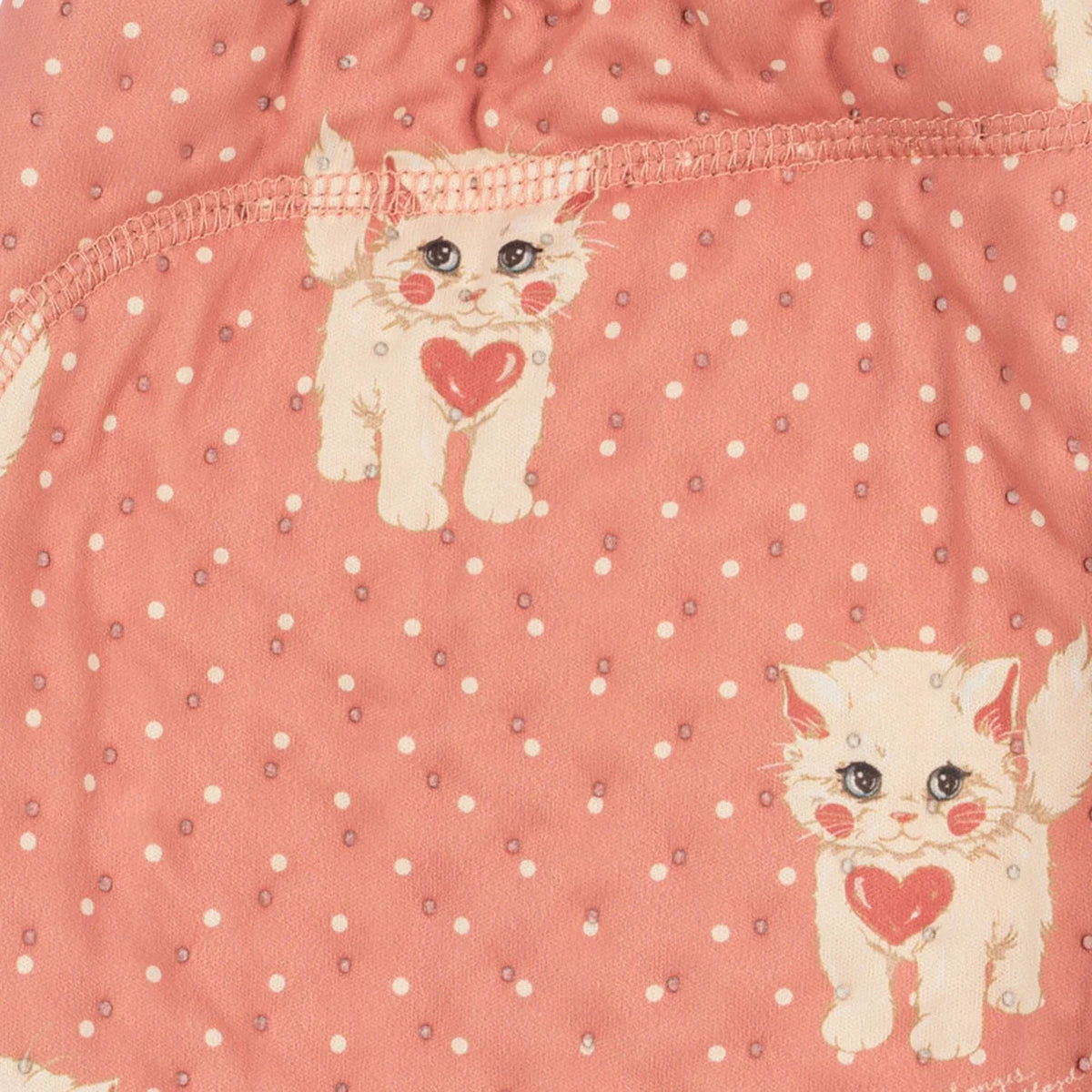
- Seams: Flat seams feel more comfortable against the skin and help reduce irritation.
- Warmth level: Thin styles are suitable for transitional weather, while thicker styles are better for winter.
- Washing and everyday use: Quick-drying materials can be practical in a busy routine.
Thermal trousers do not have to be difficult to choose. The most important thing is that they suit your child’s everyday life, the temperature and the clothes they will be worn with. When you think in terms of movement, comfort and layering, it becomes easier to find a pair that works well in the wardrobe, on the playground and on days out.