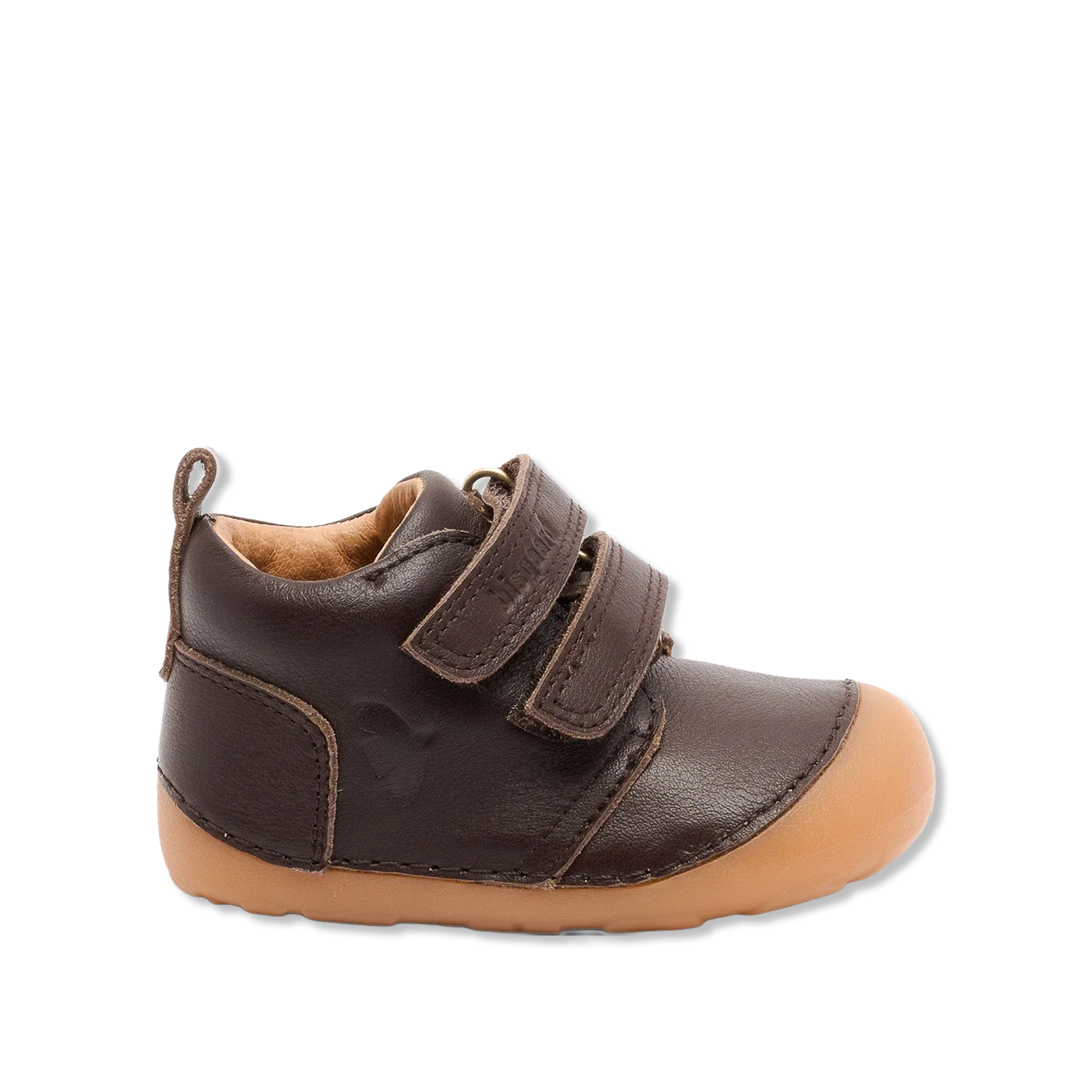
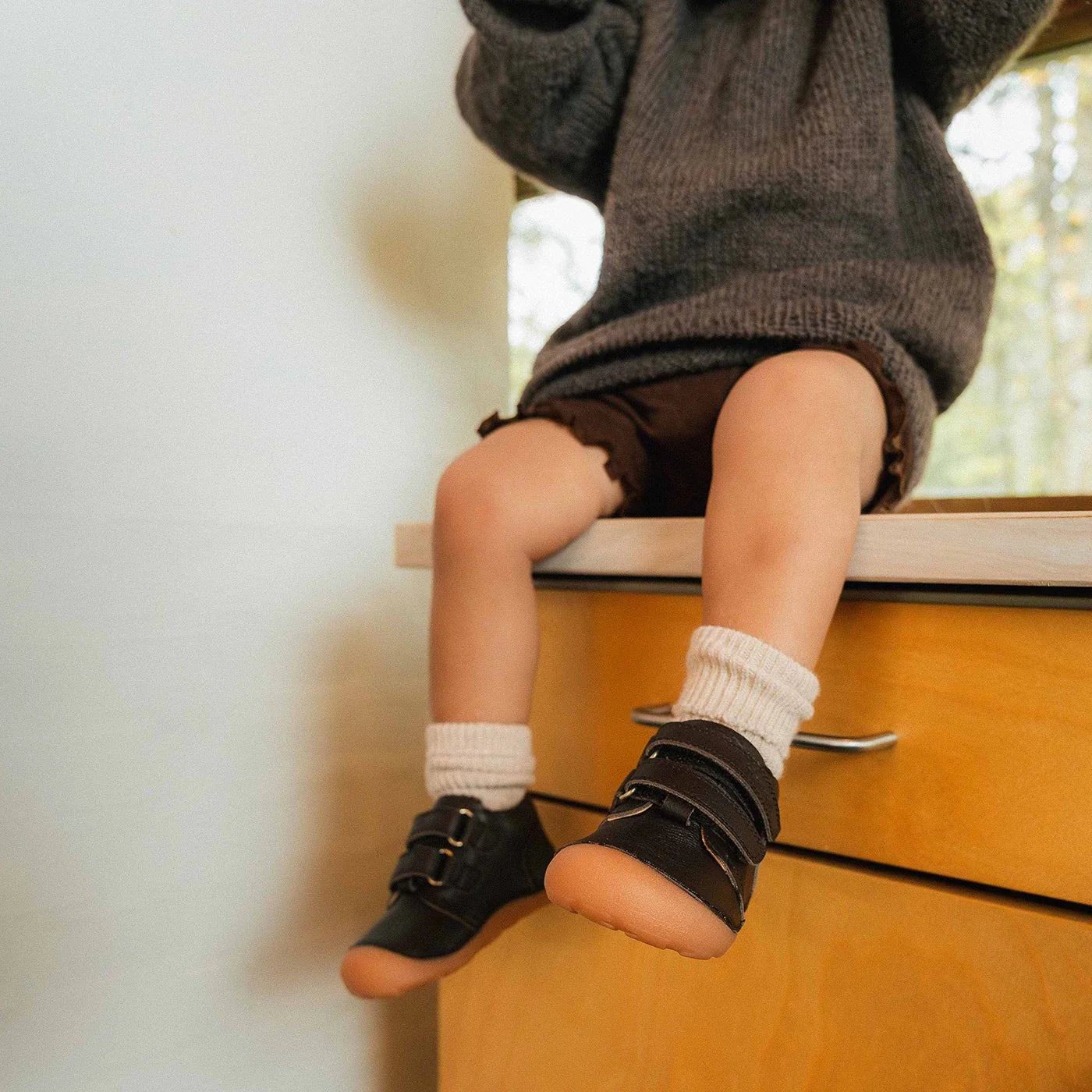
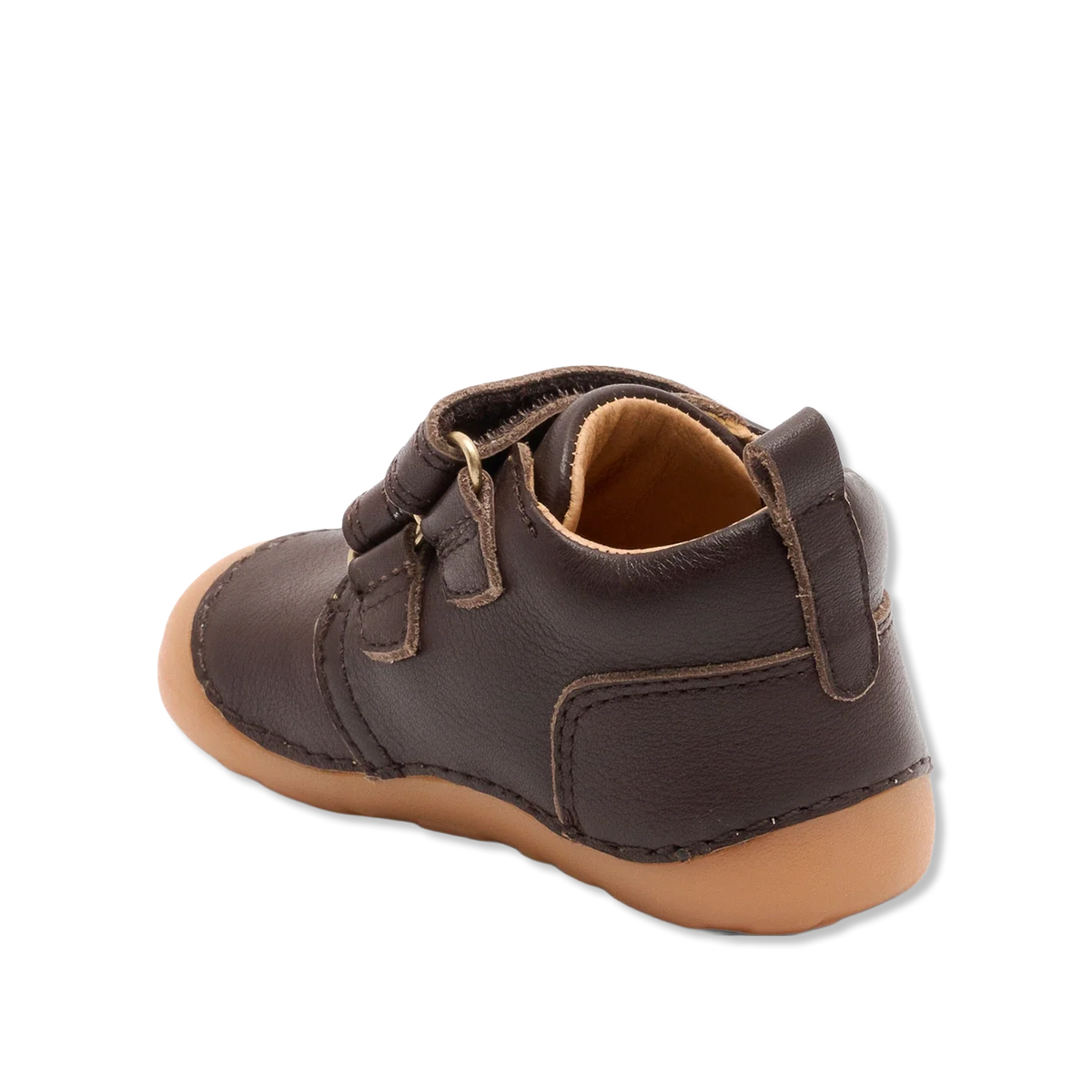
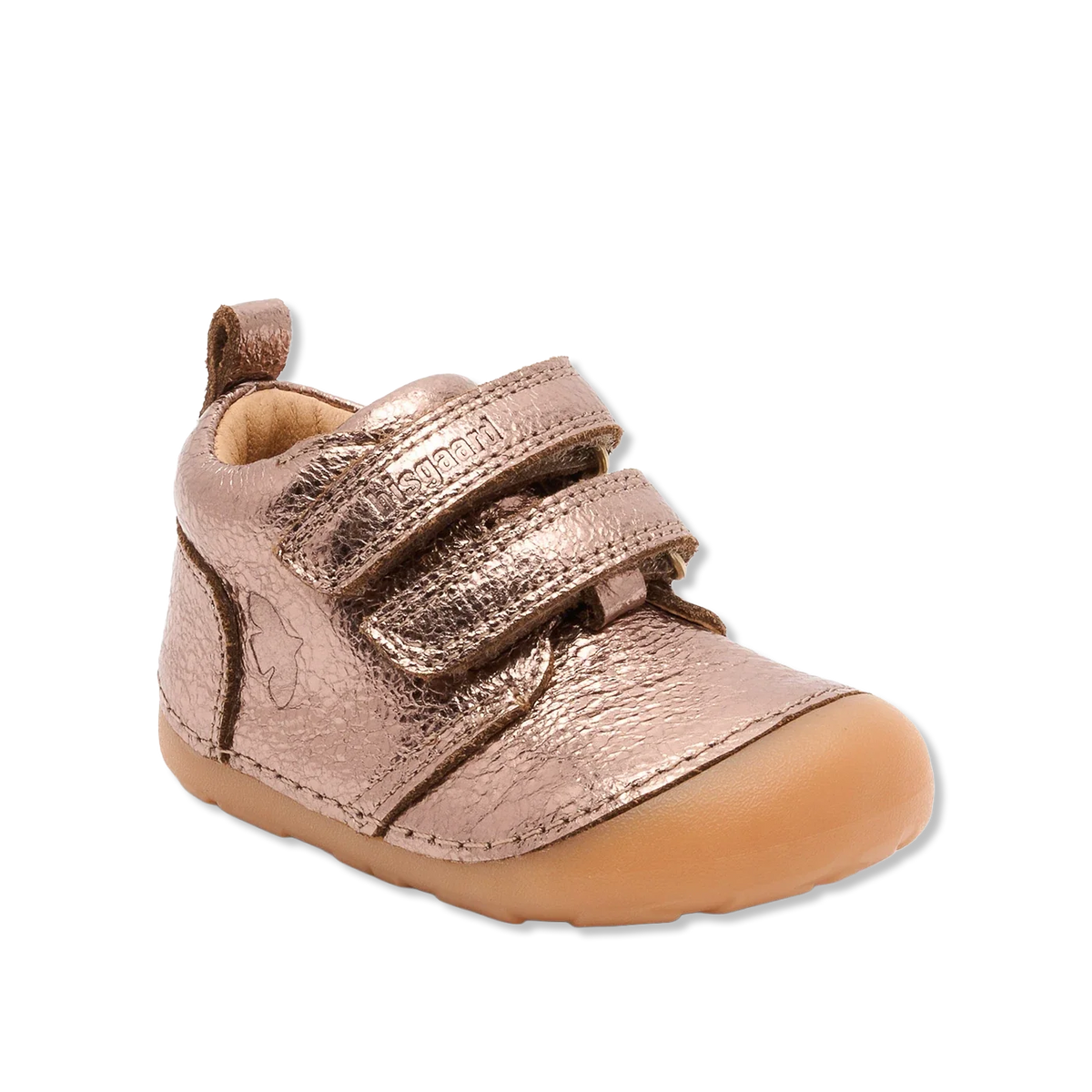
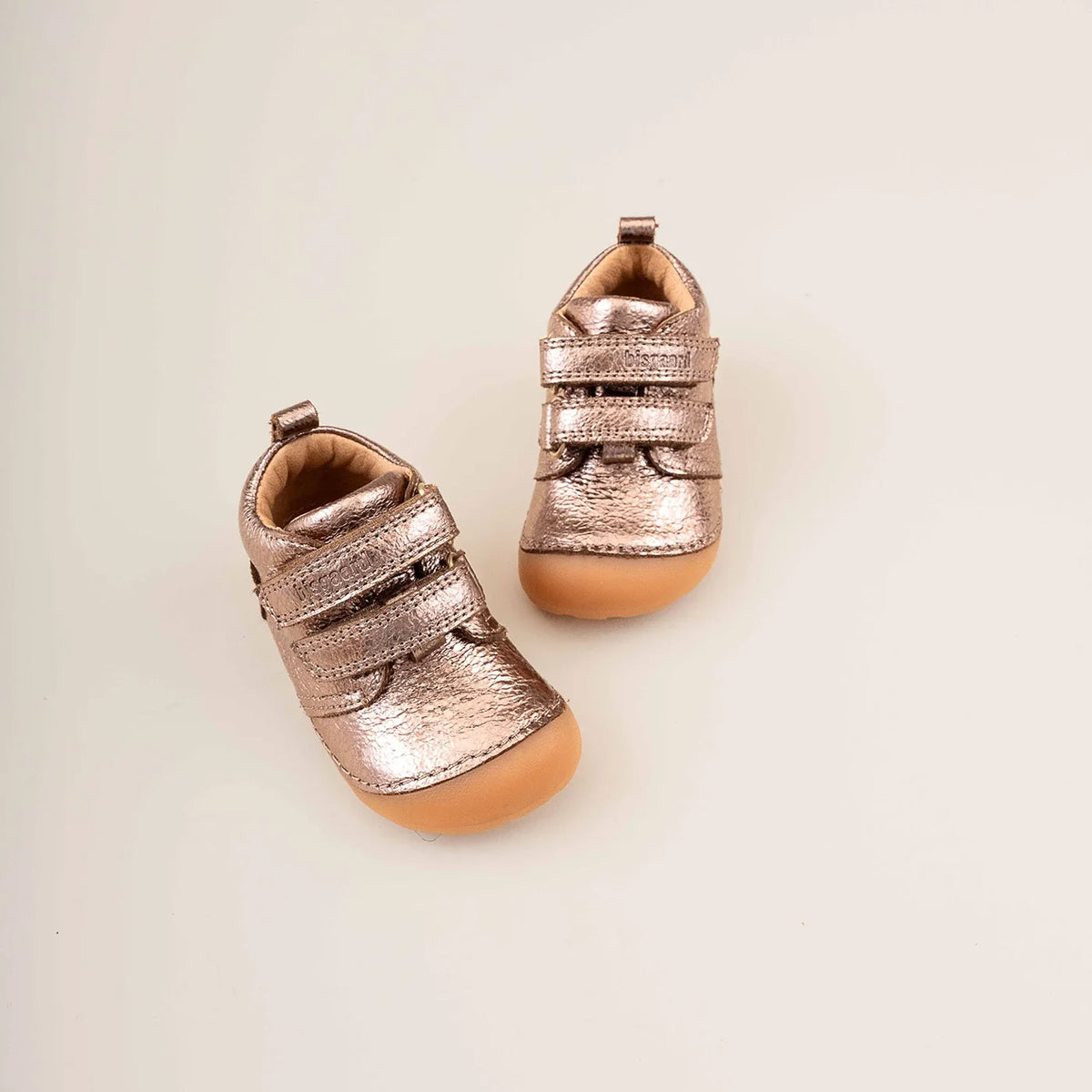
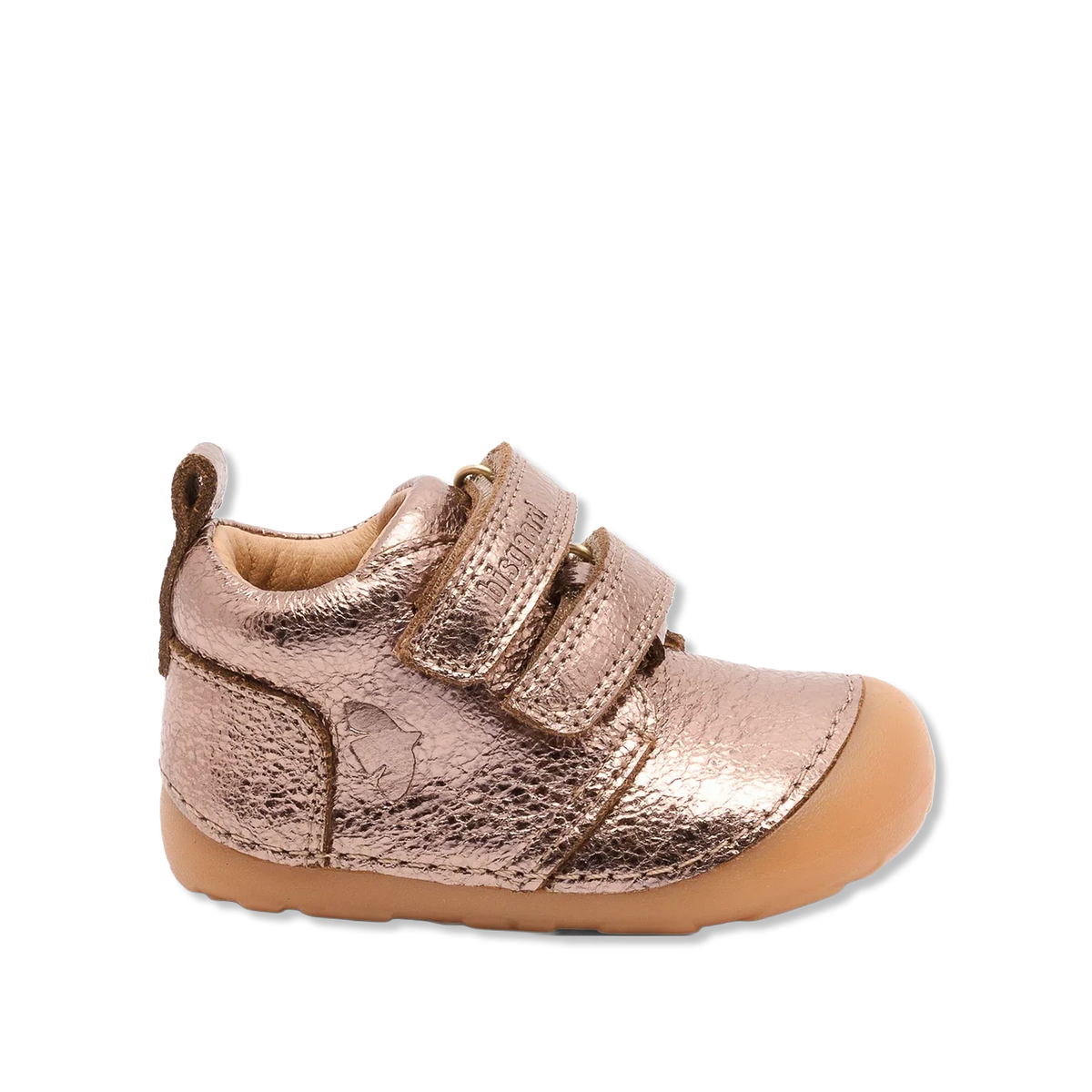
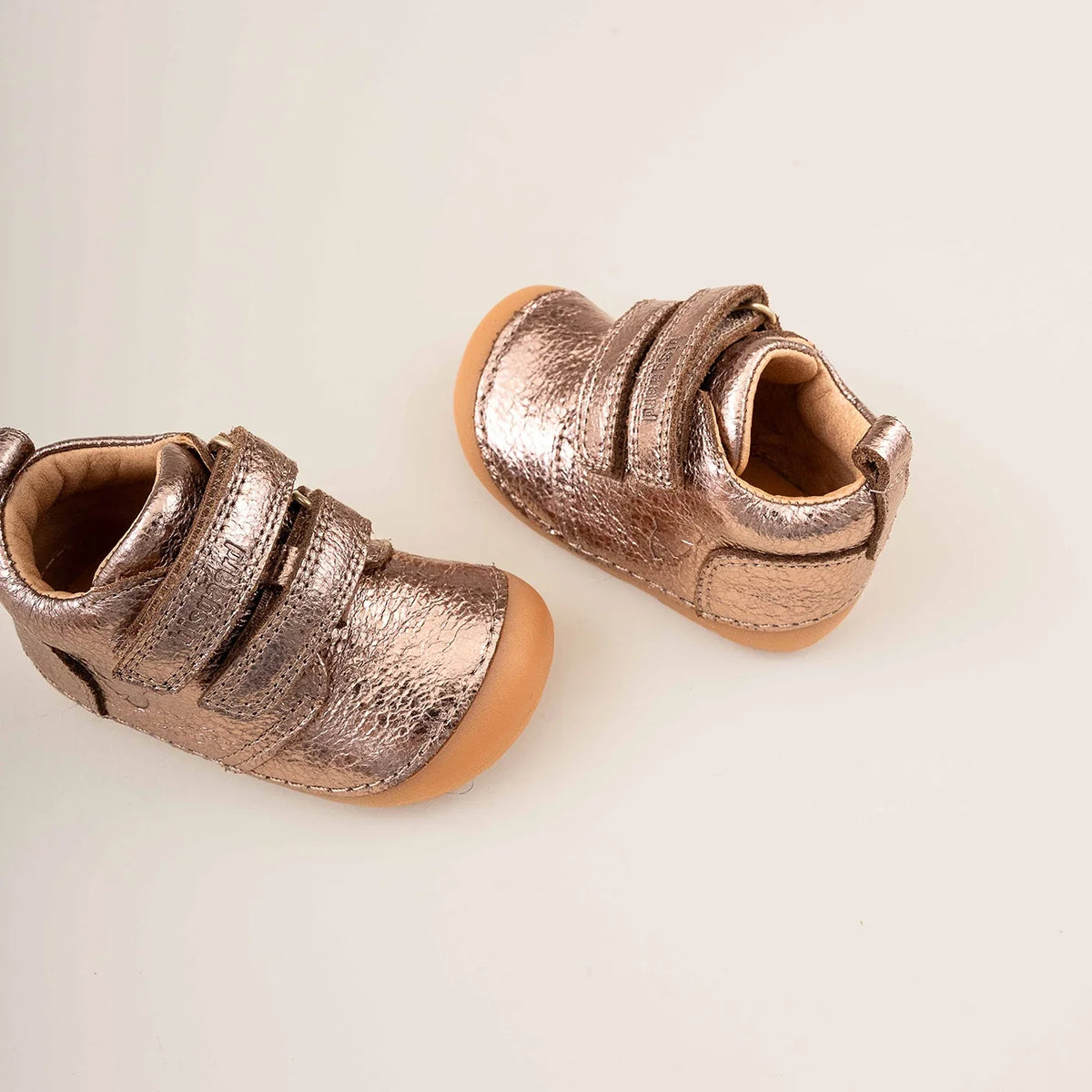
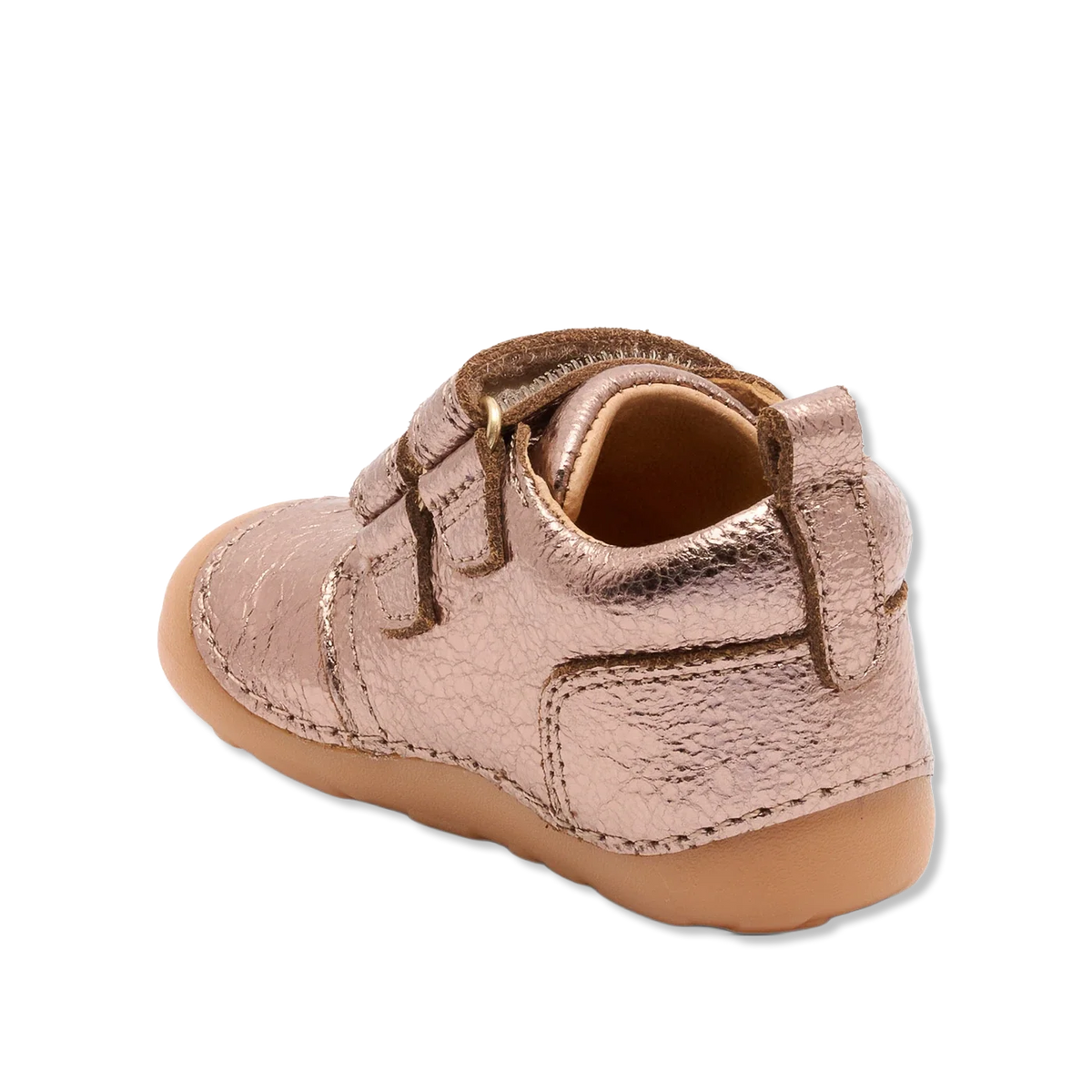
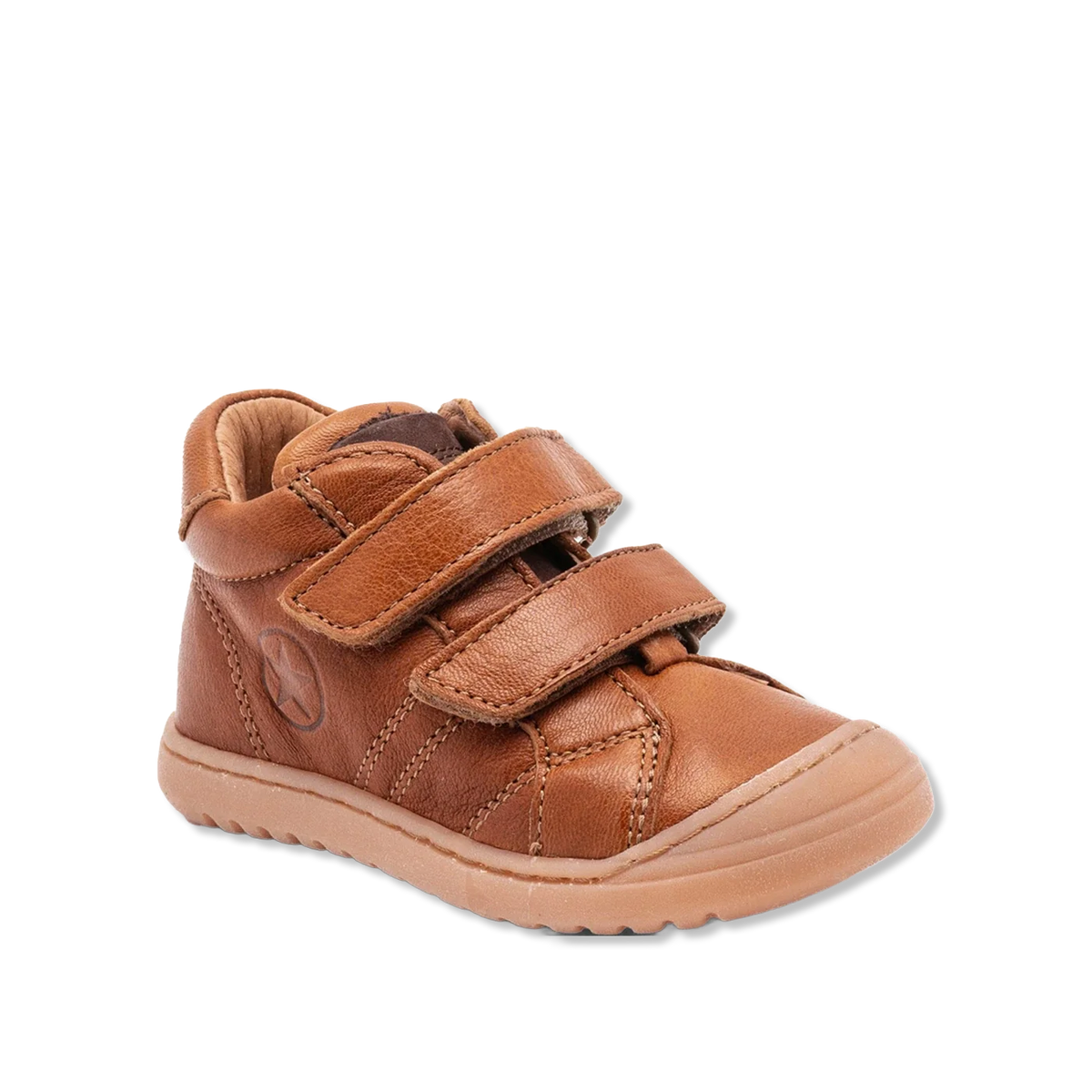
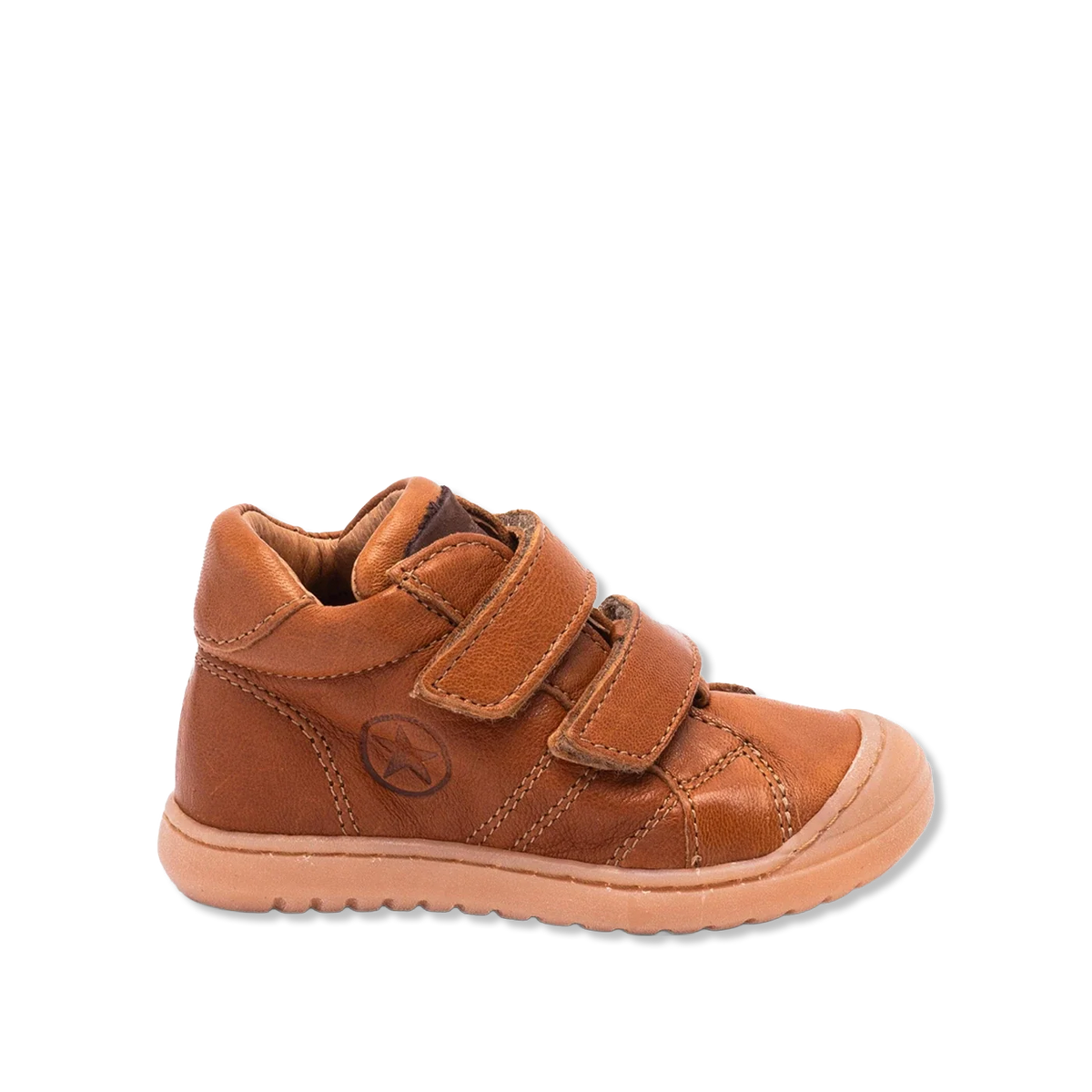
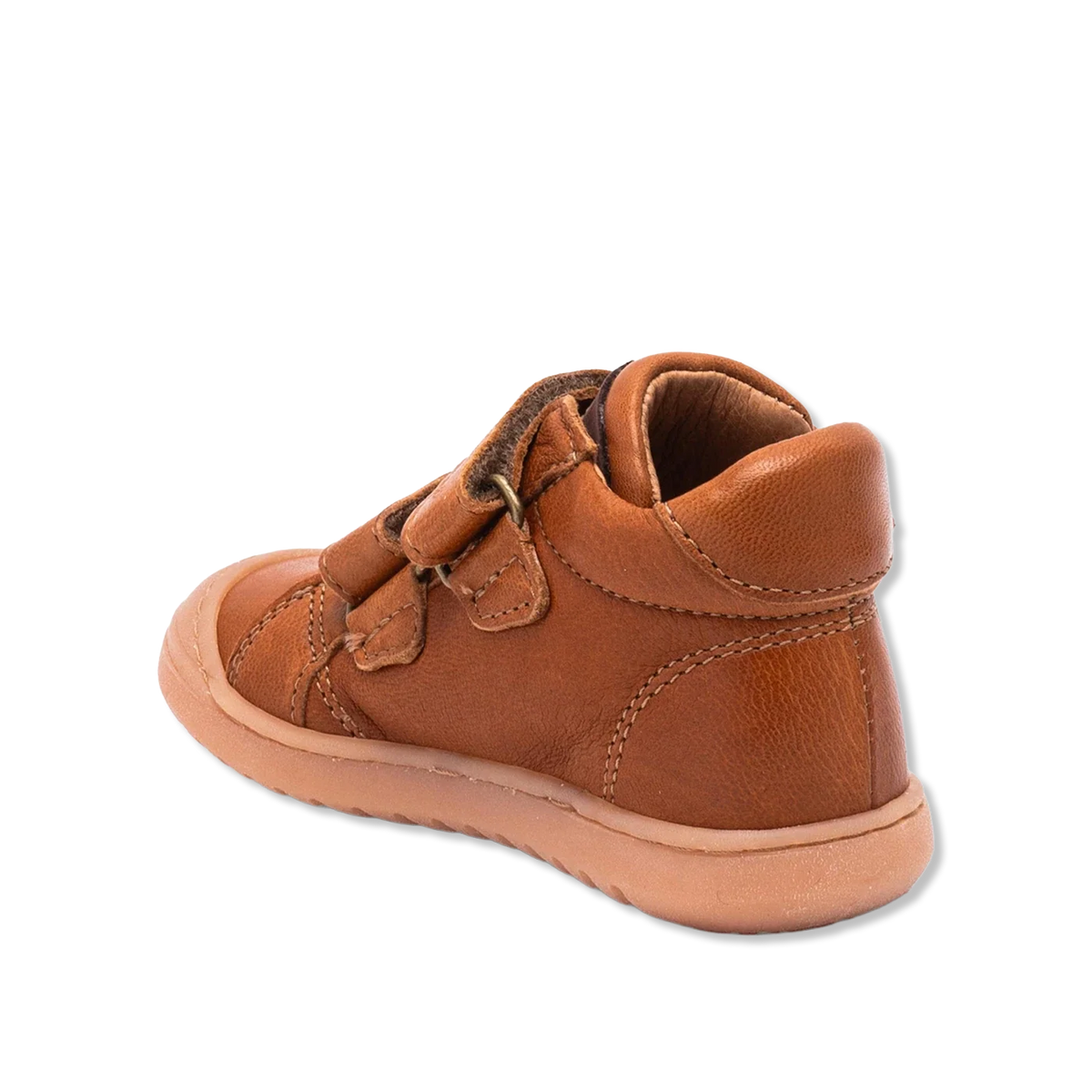
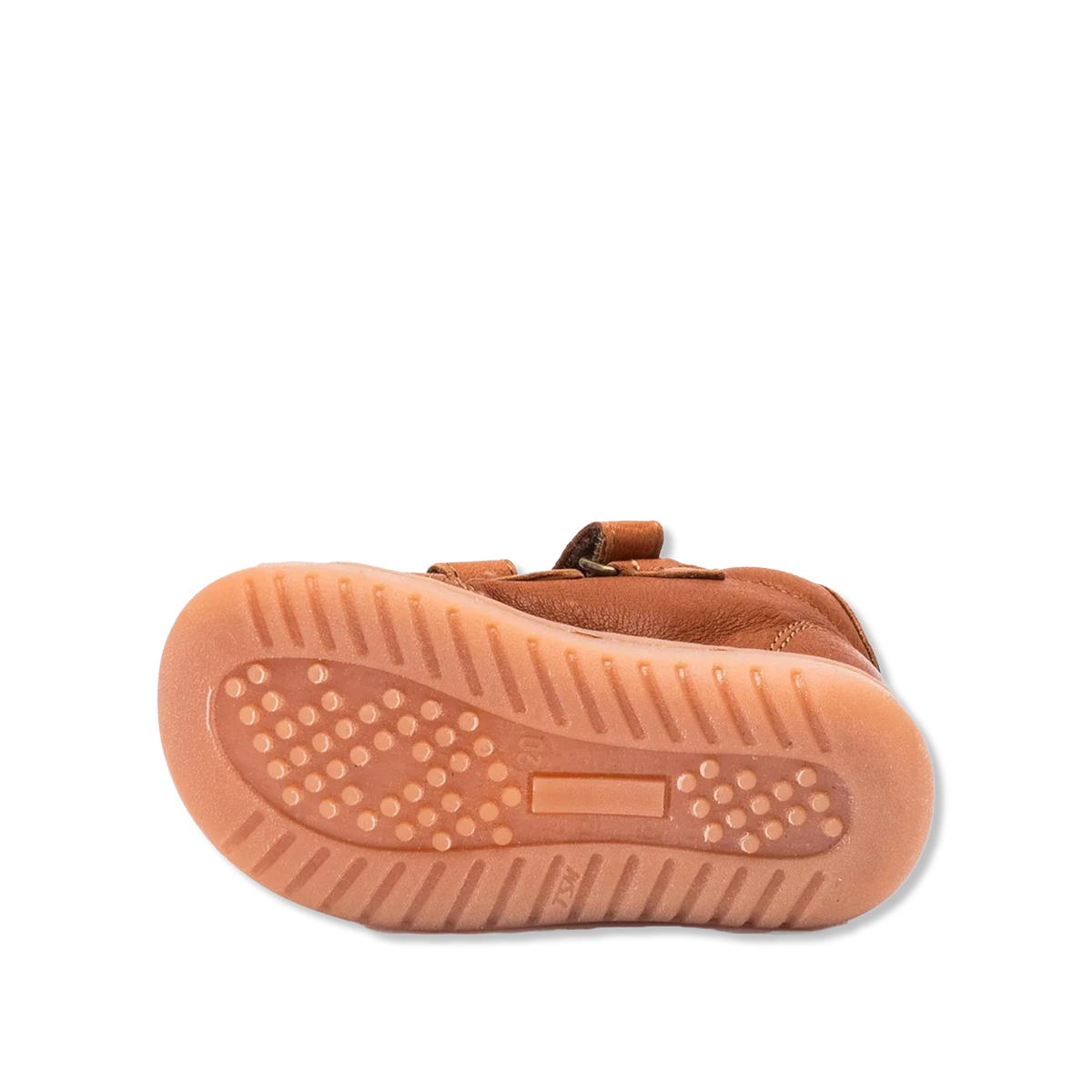
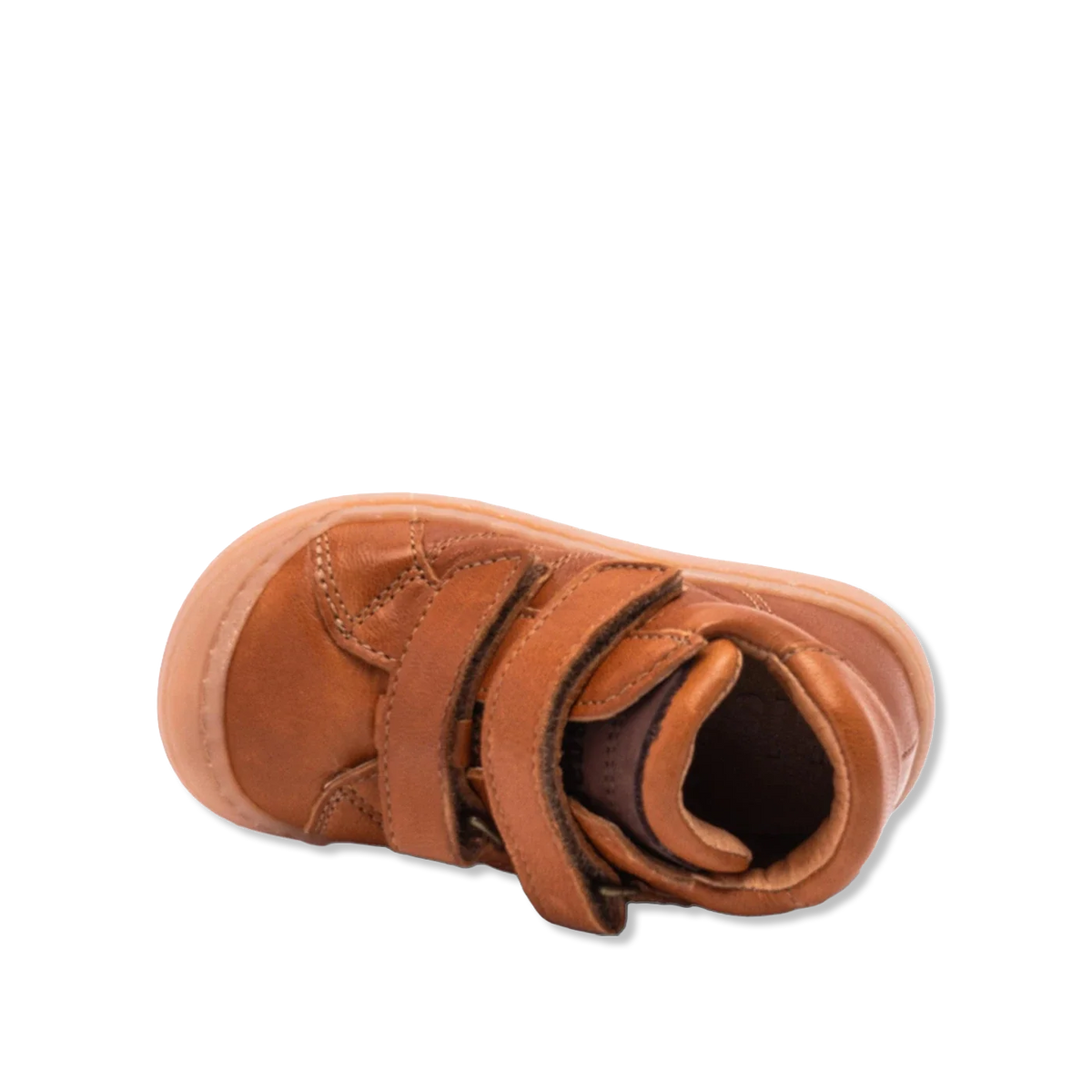
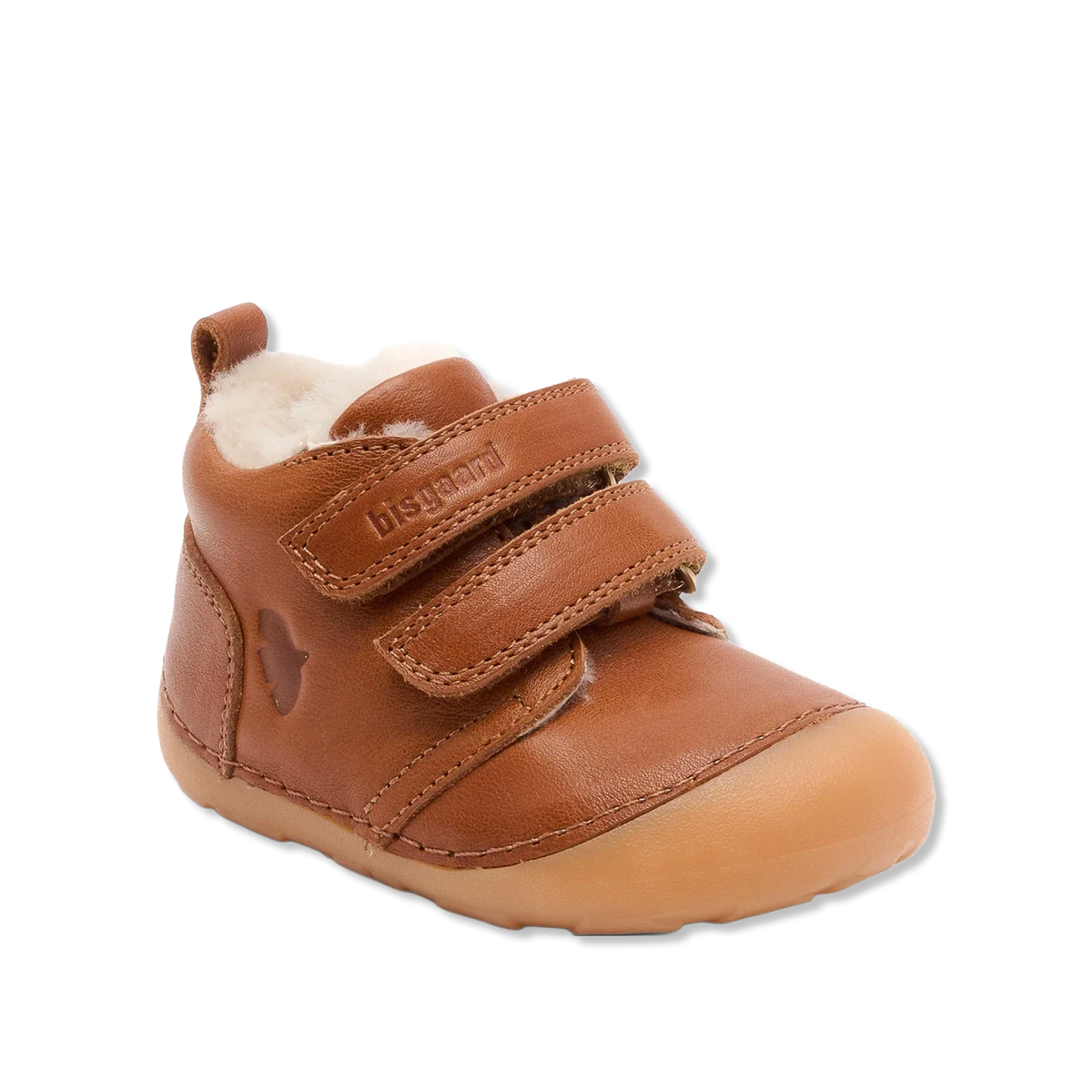
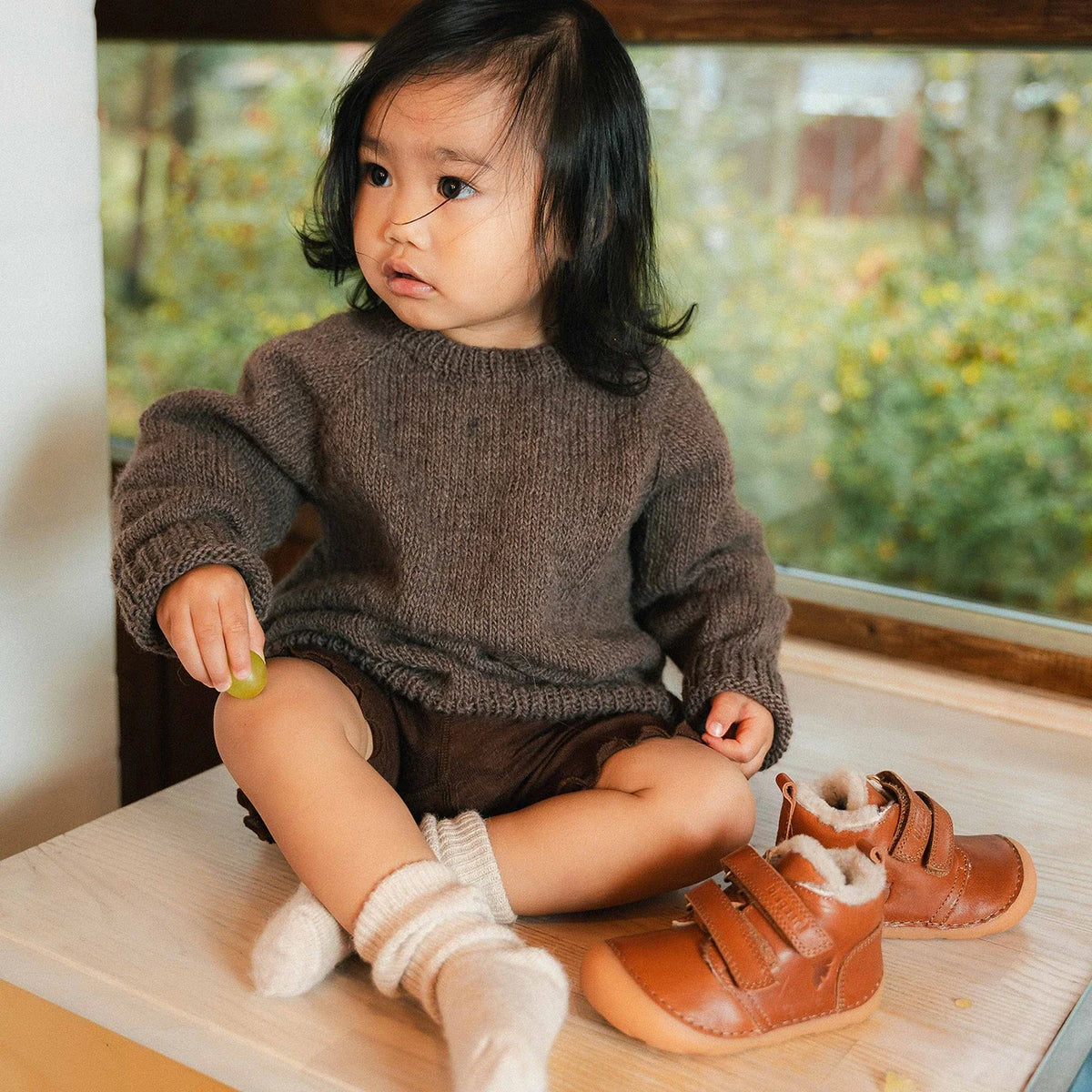
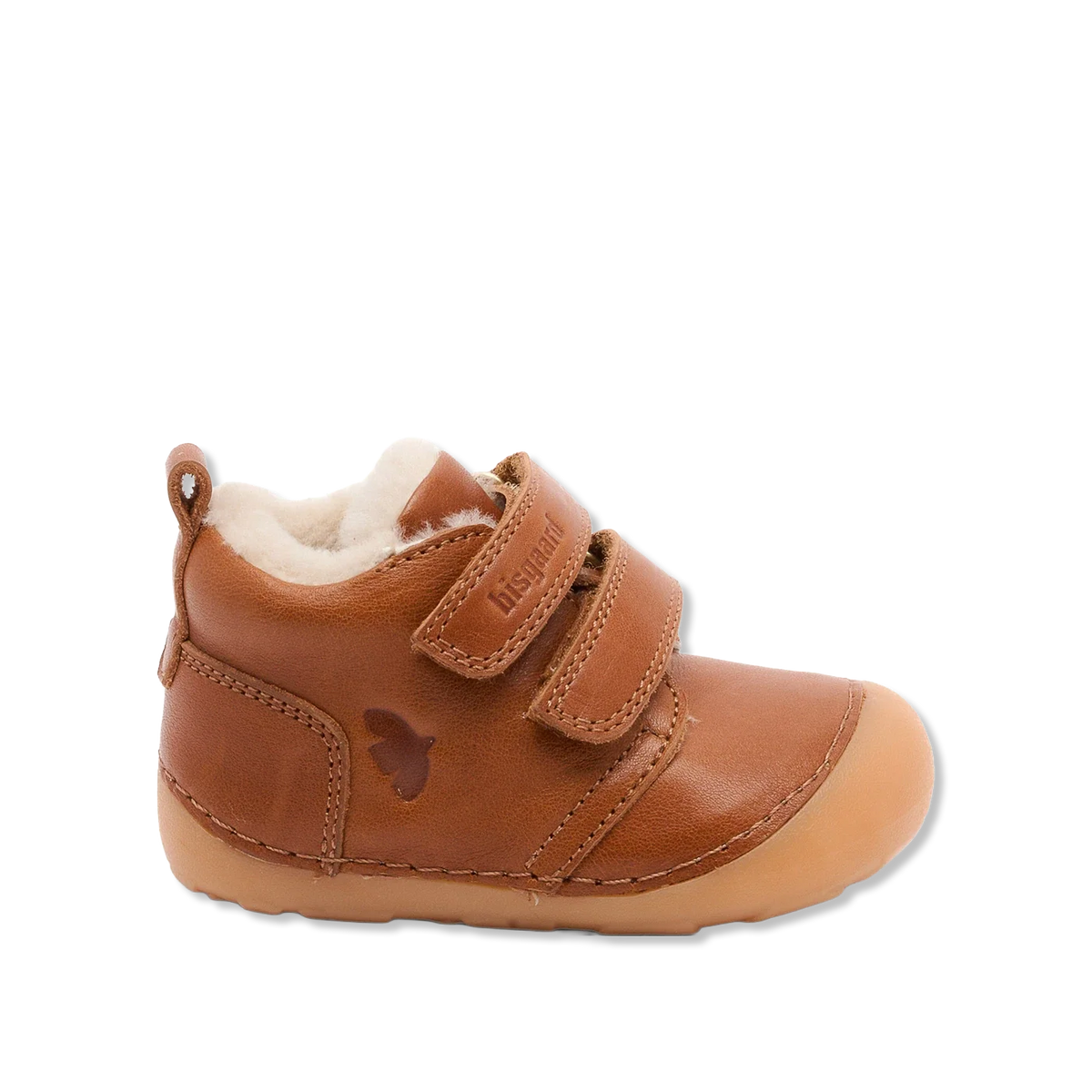
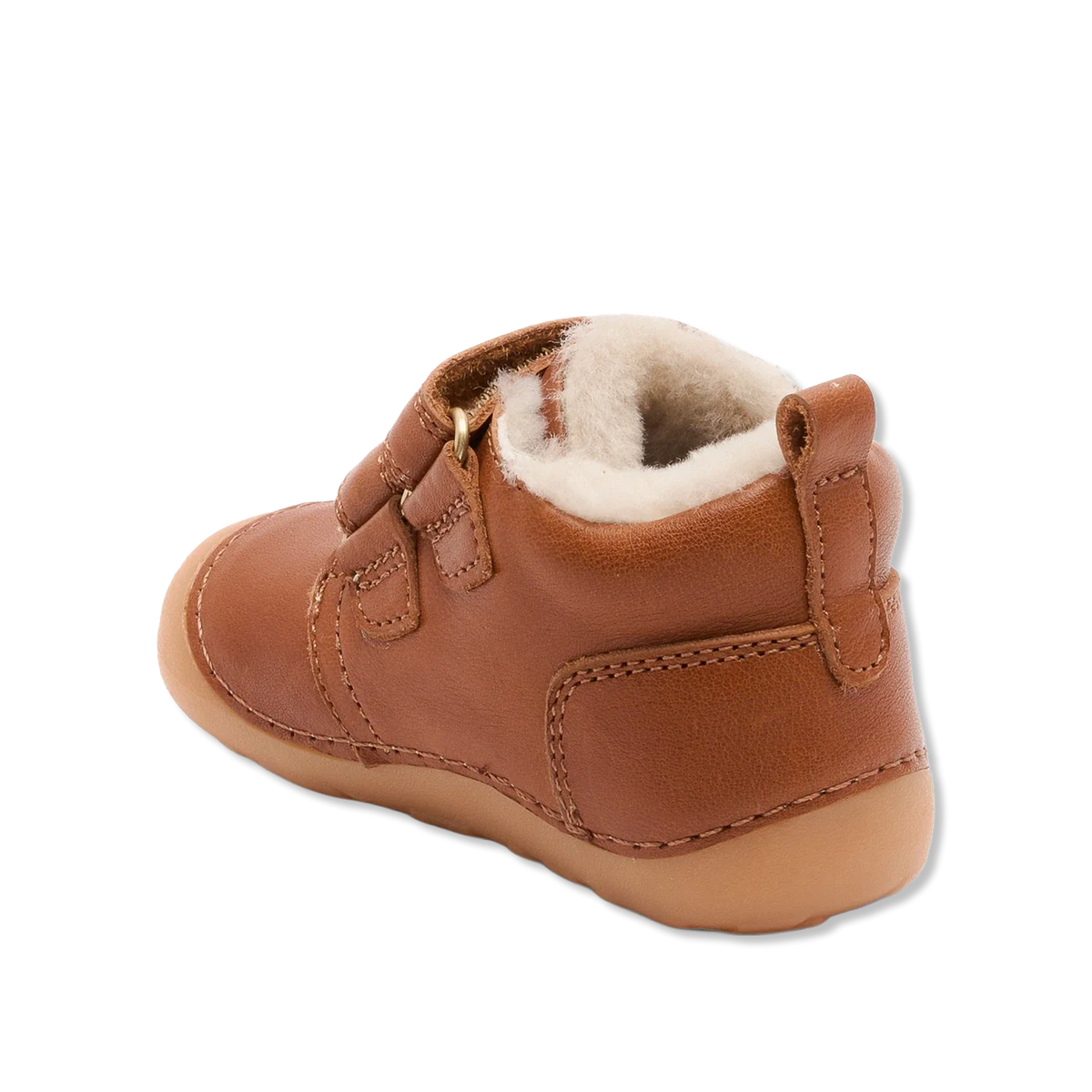
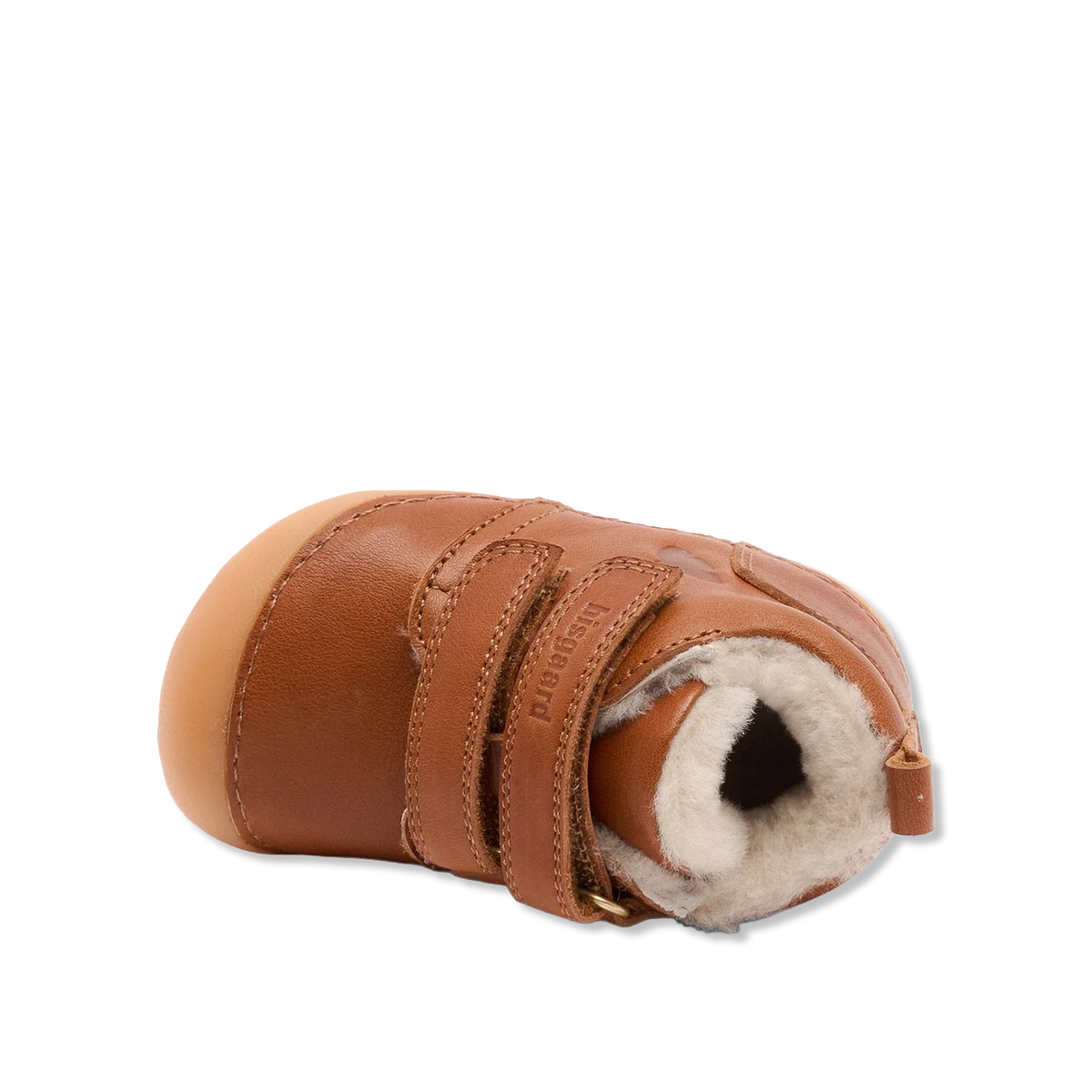
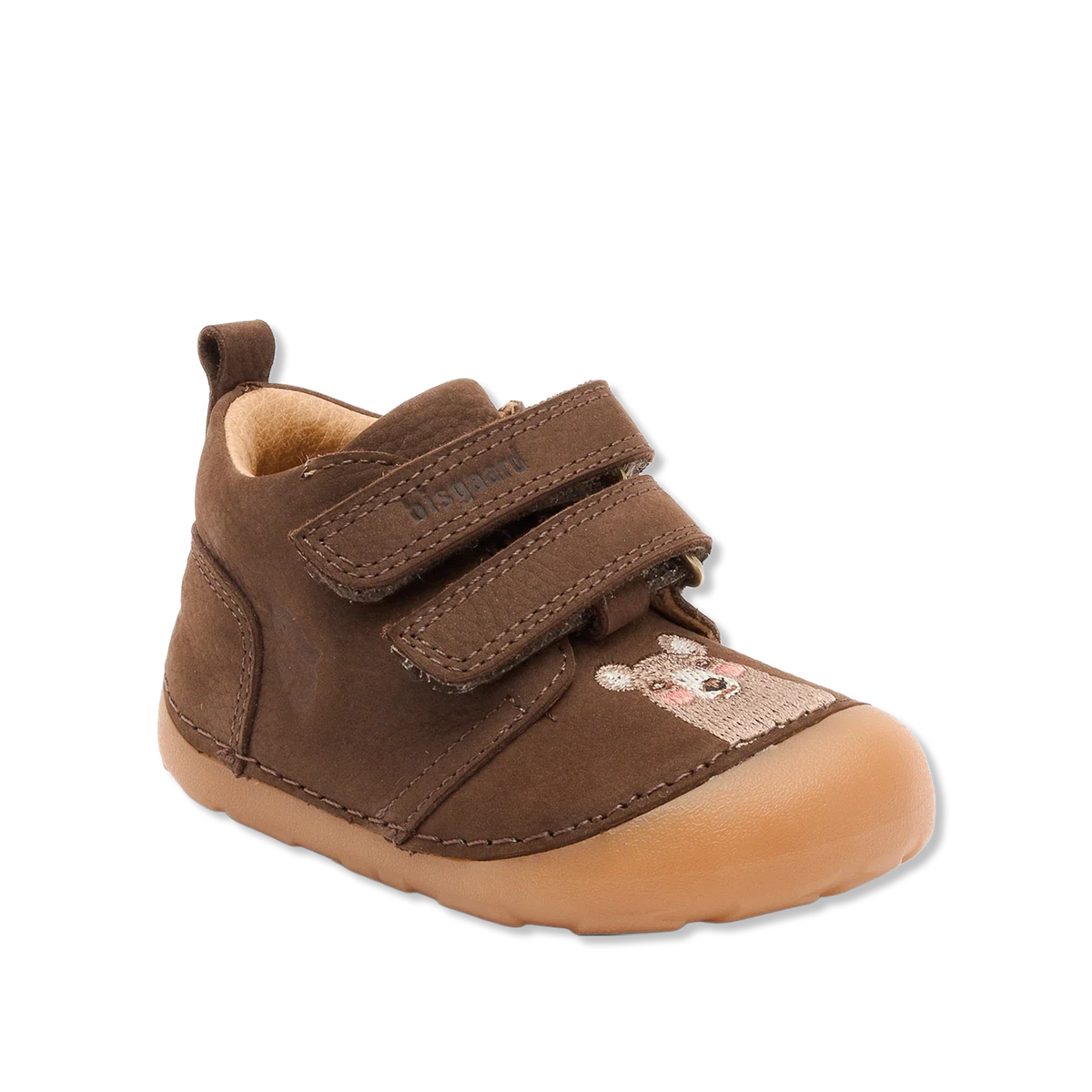
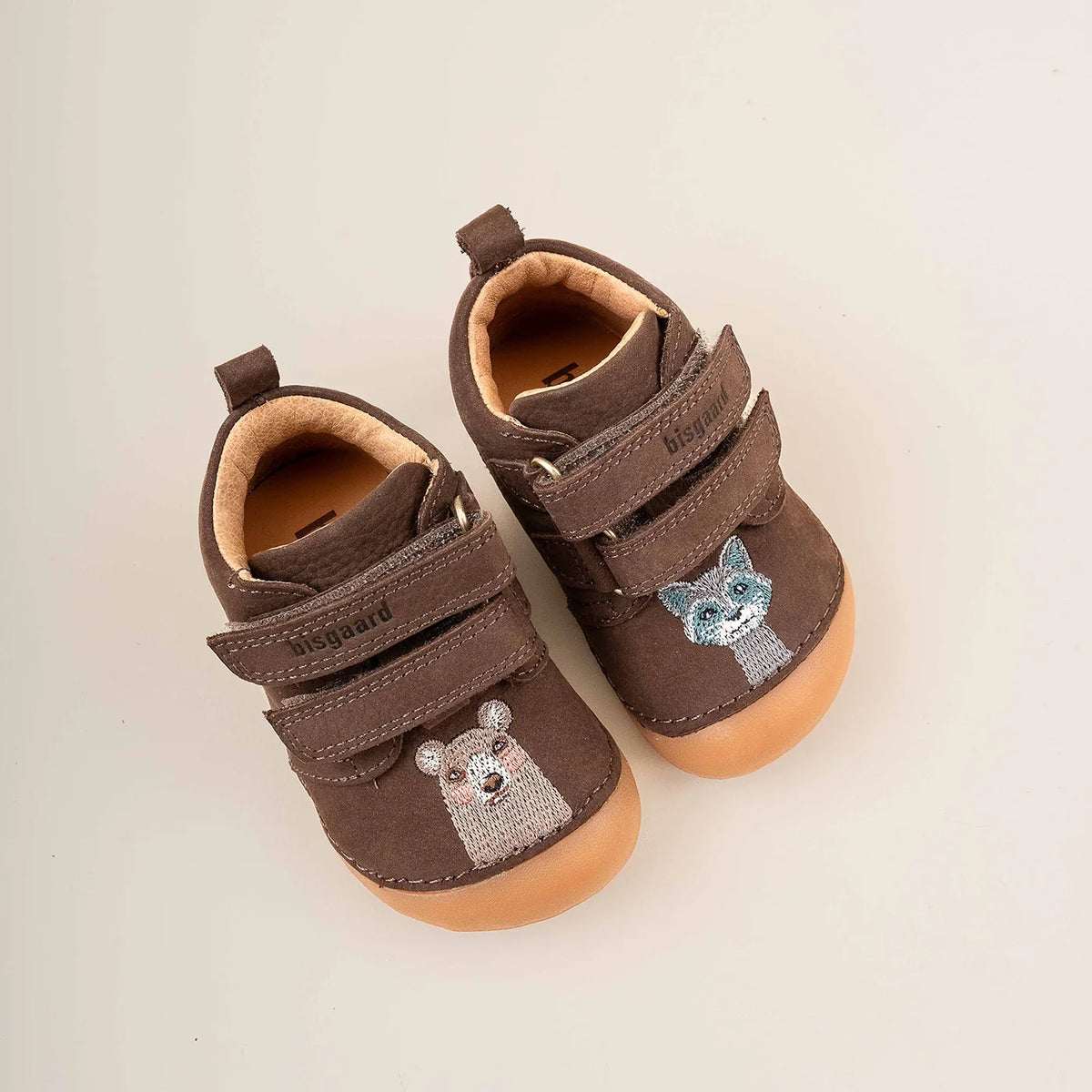
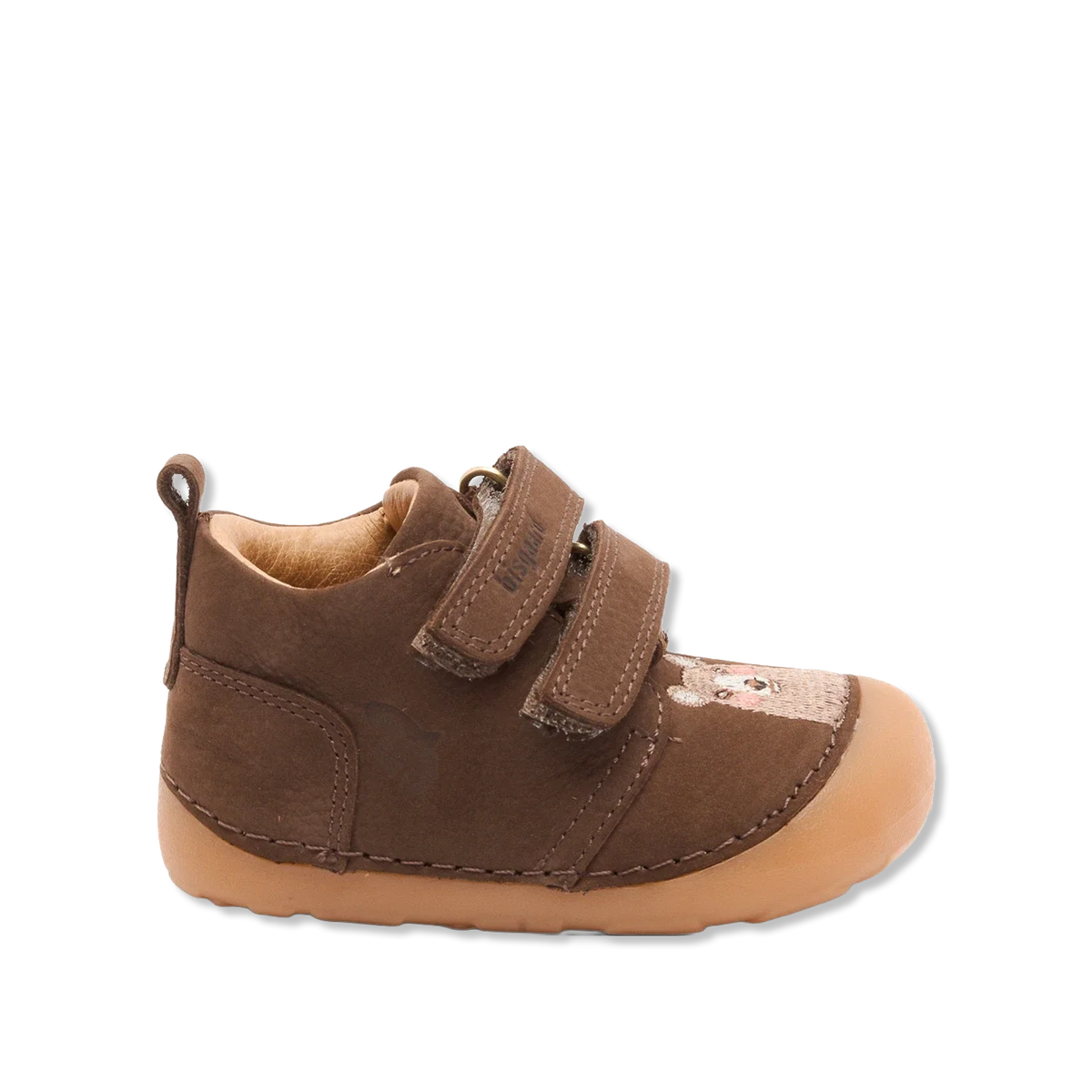
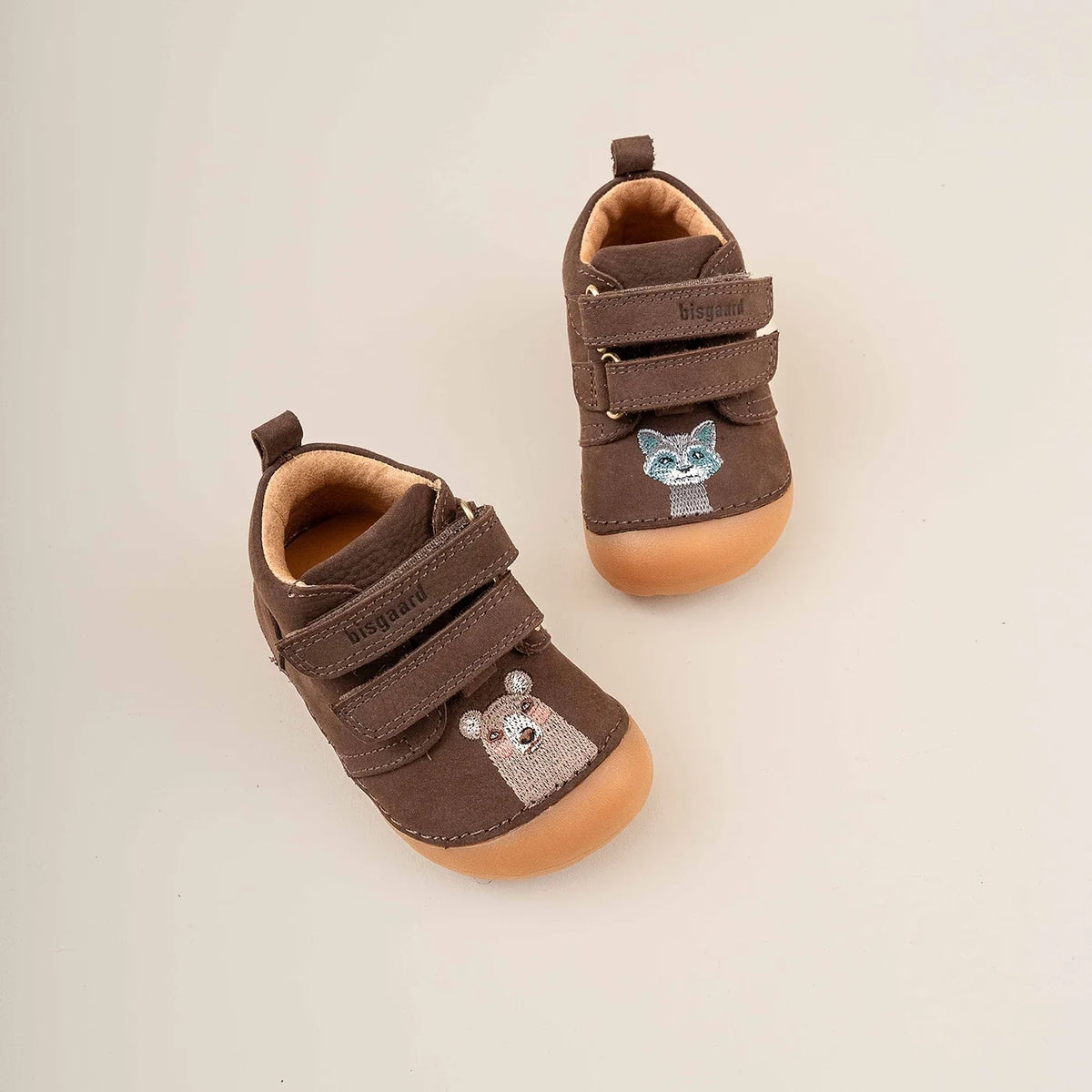
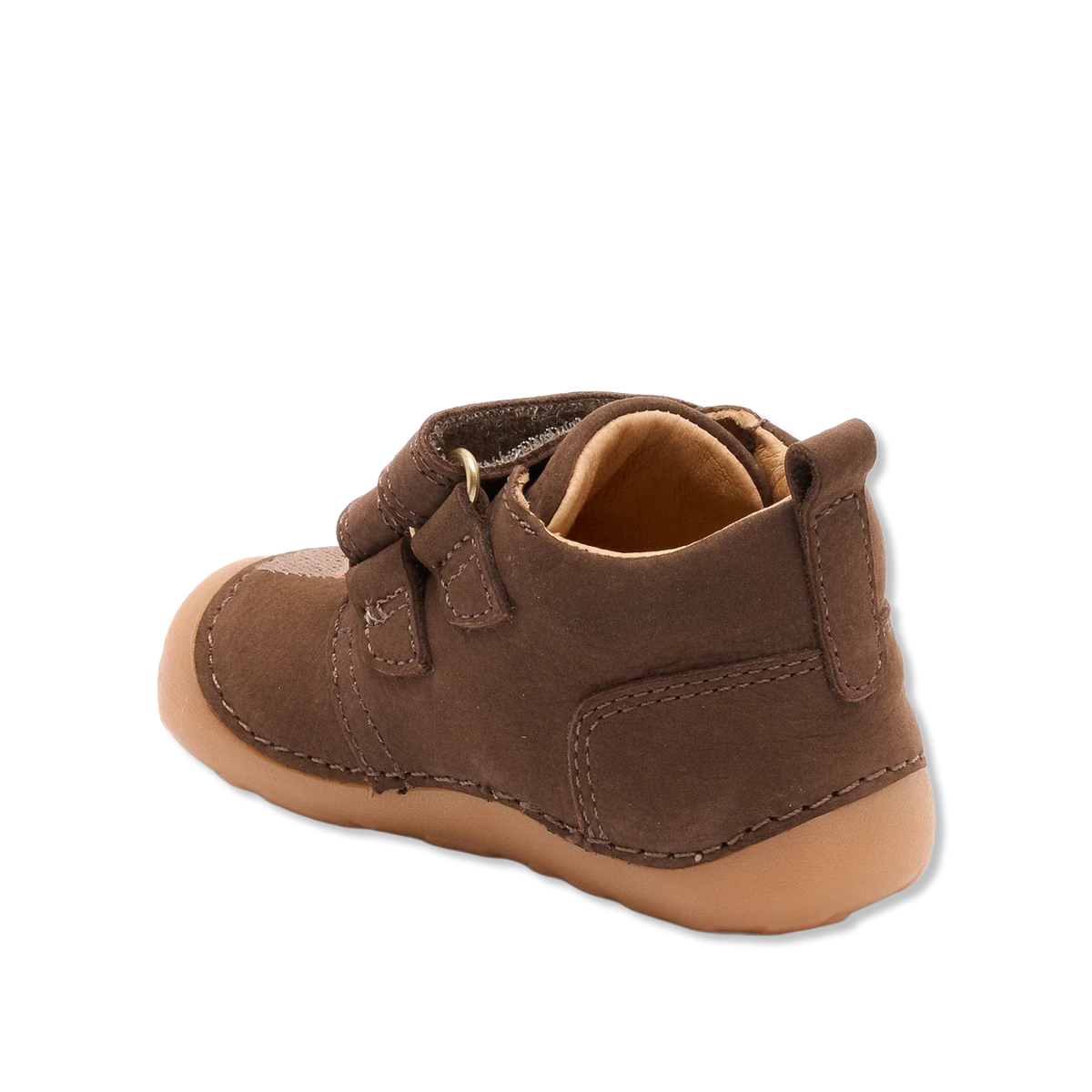
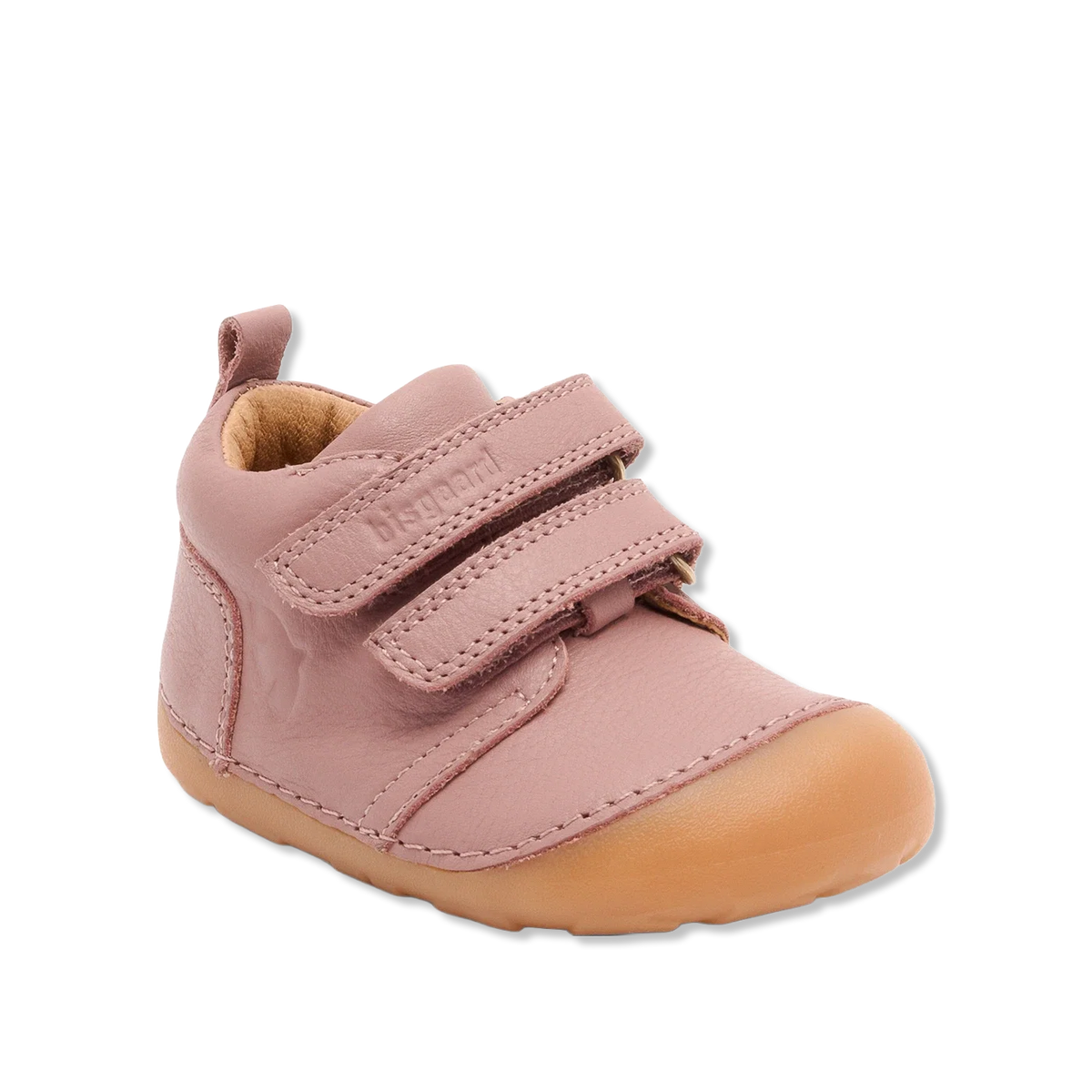
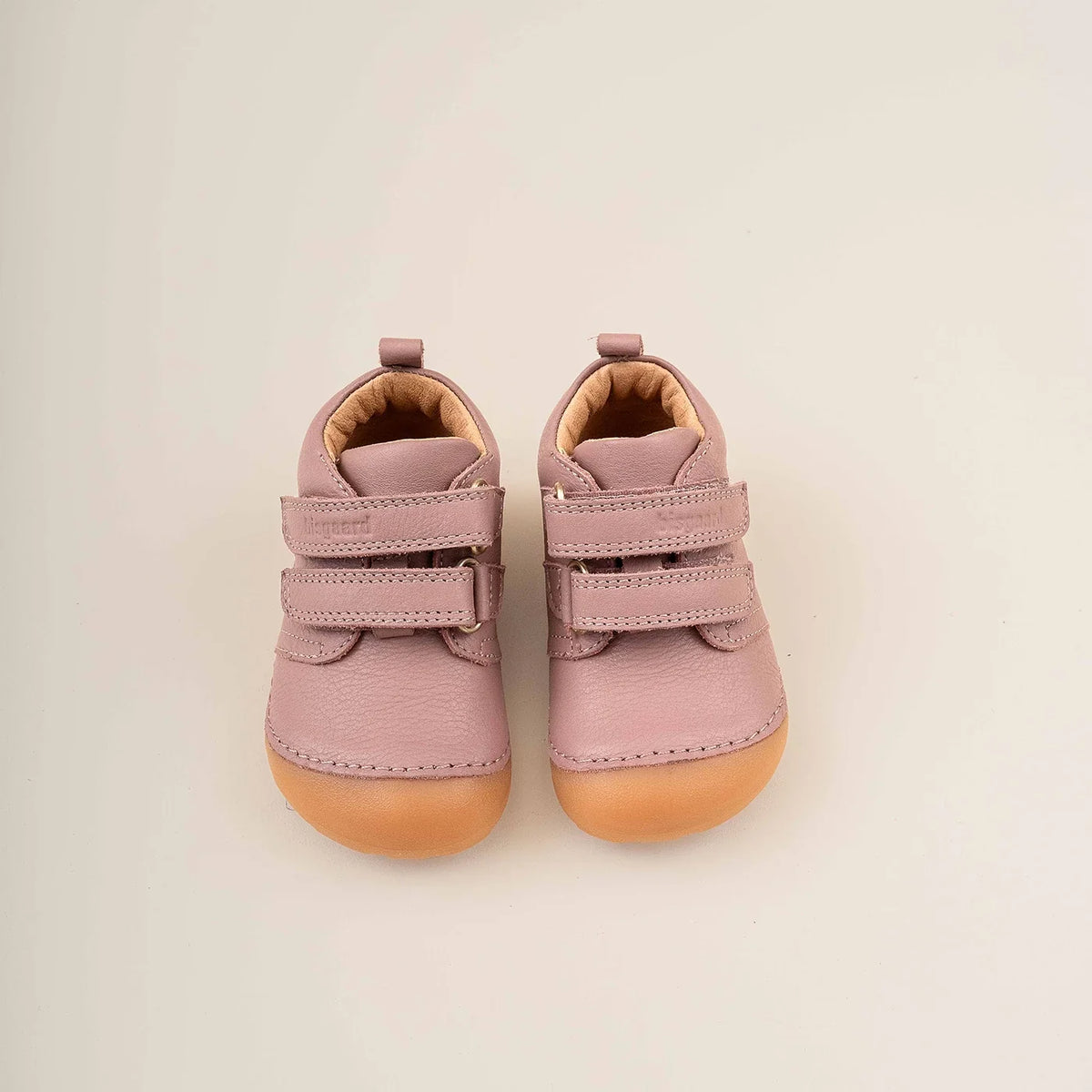
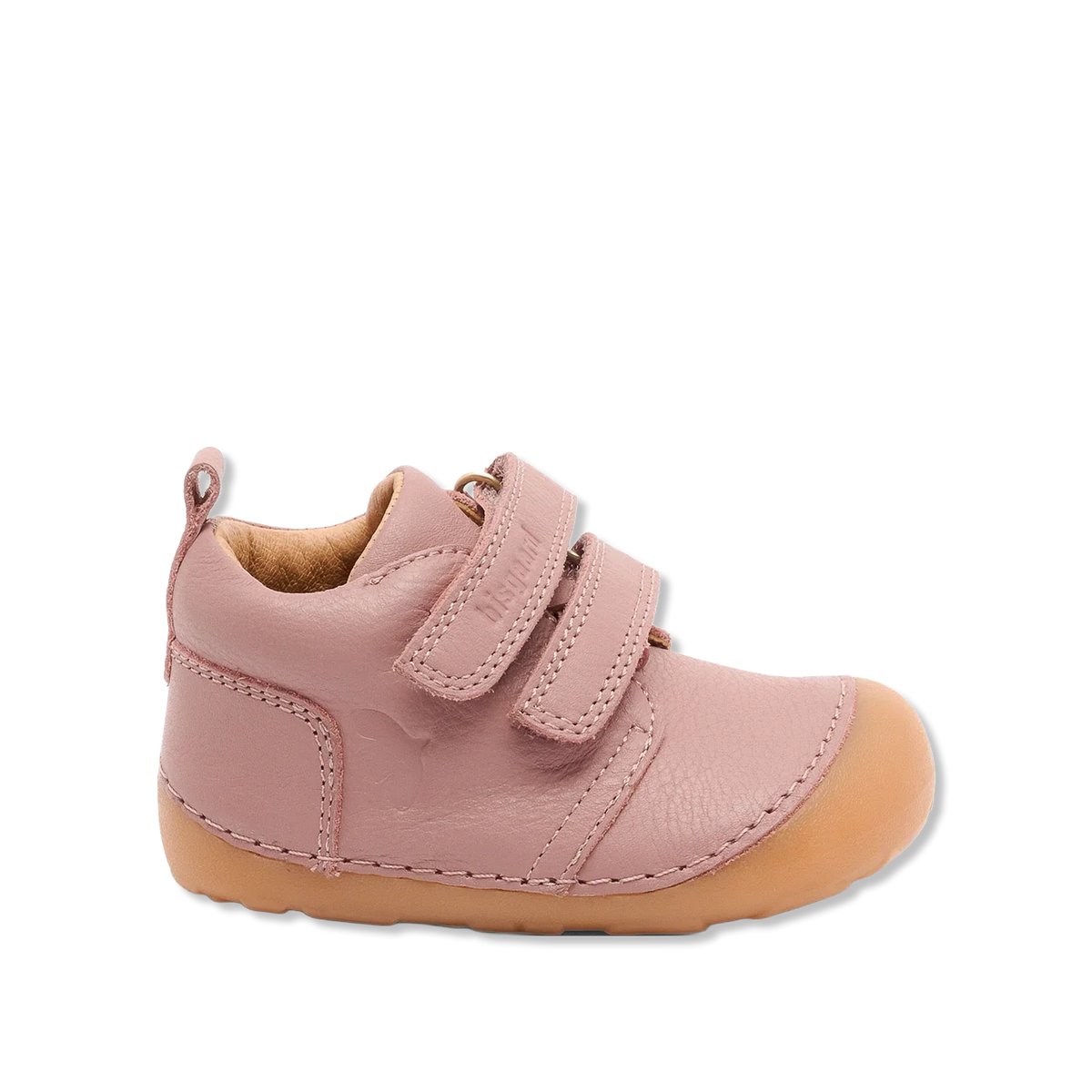
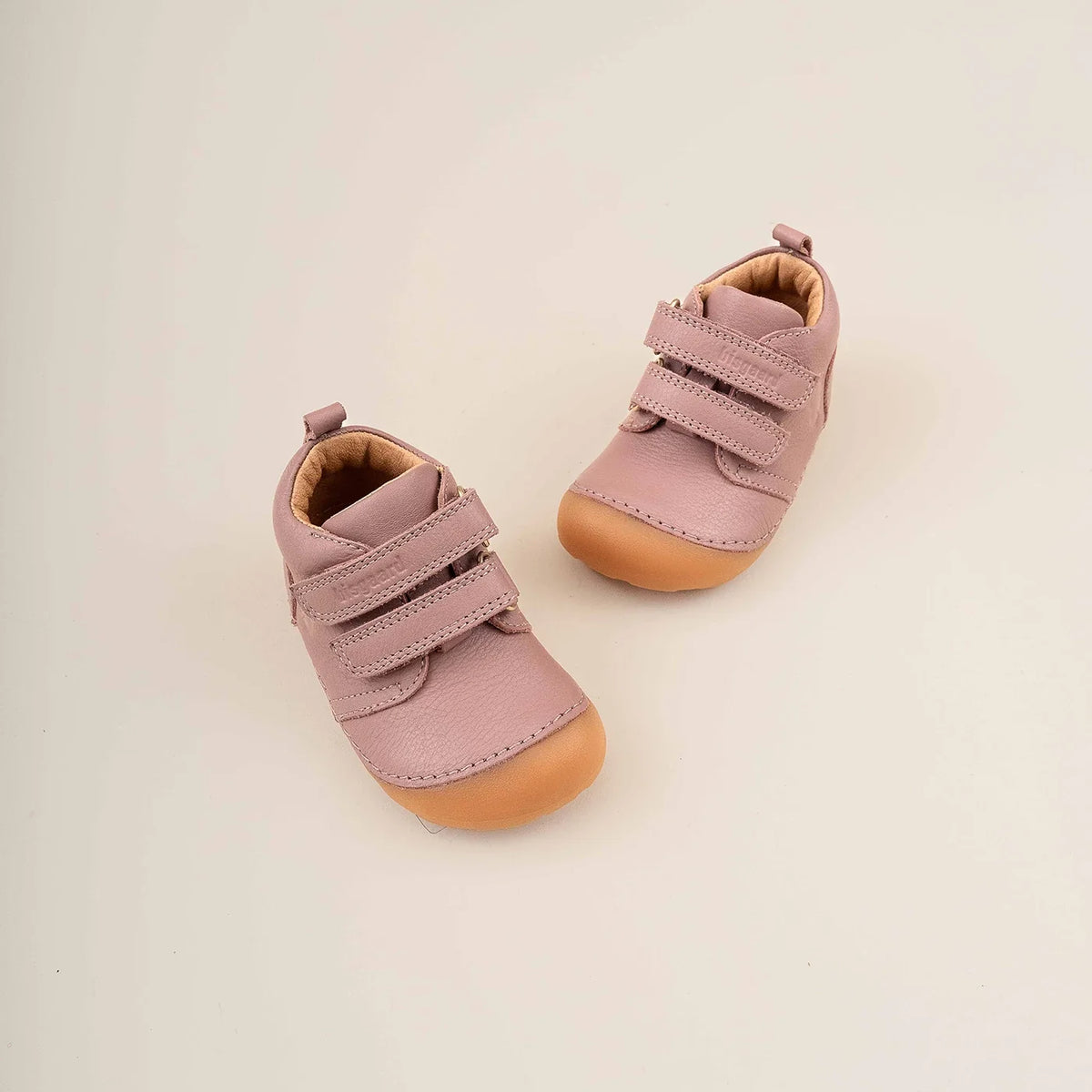
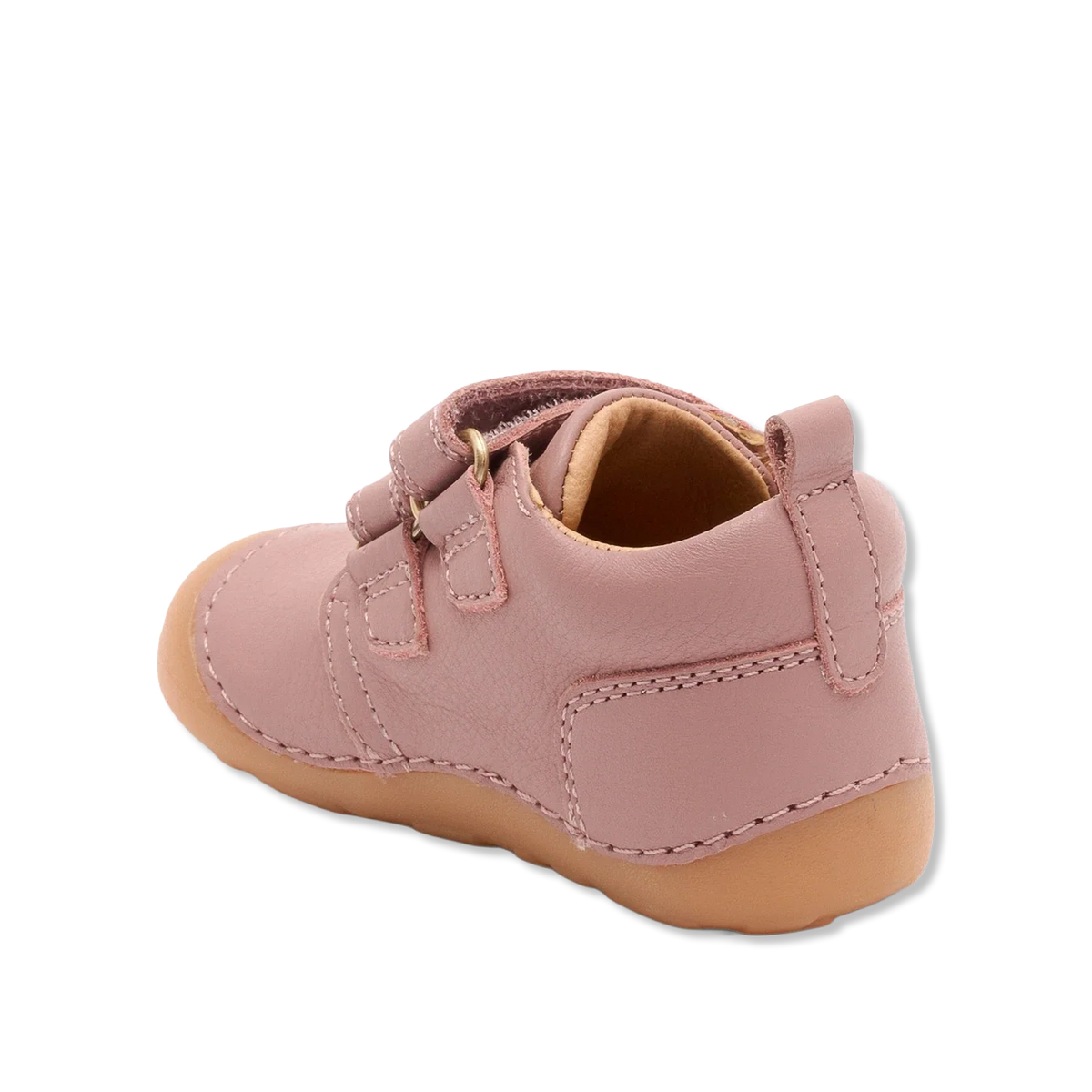
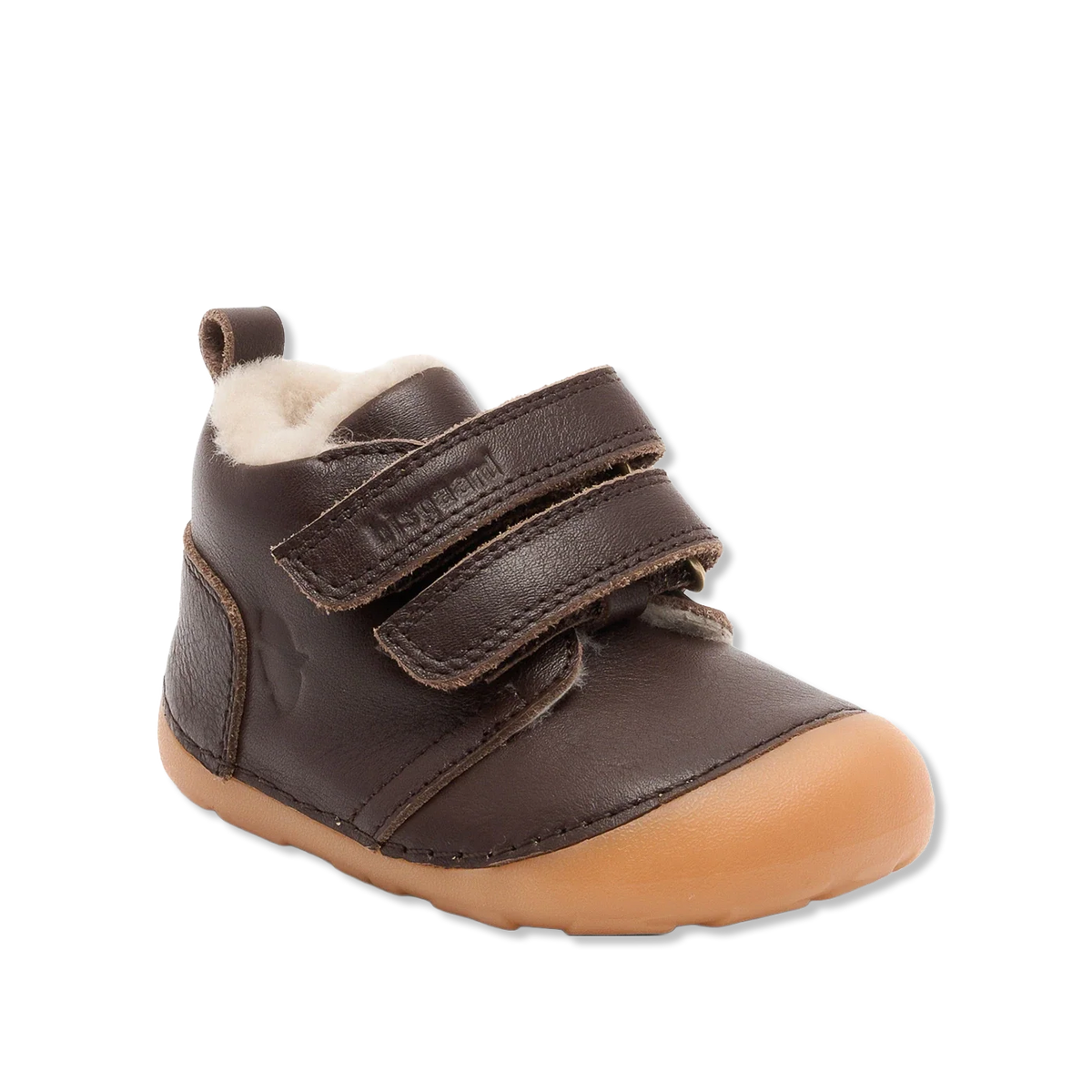
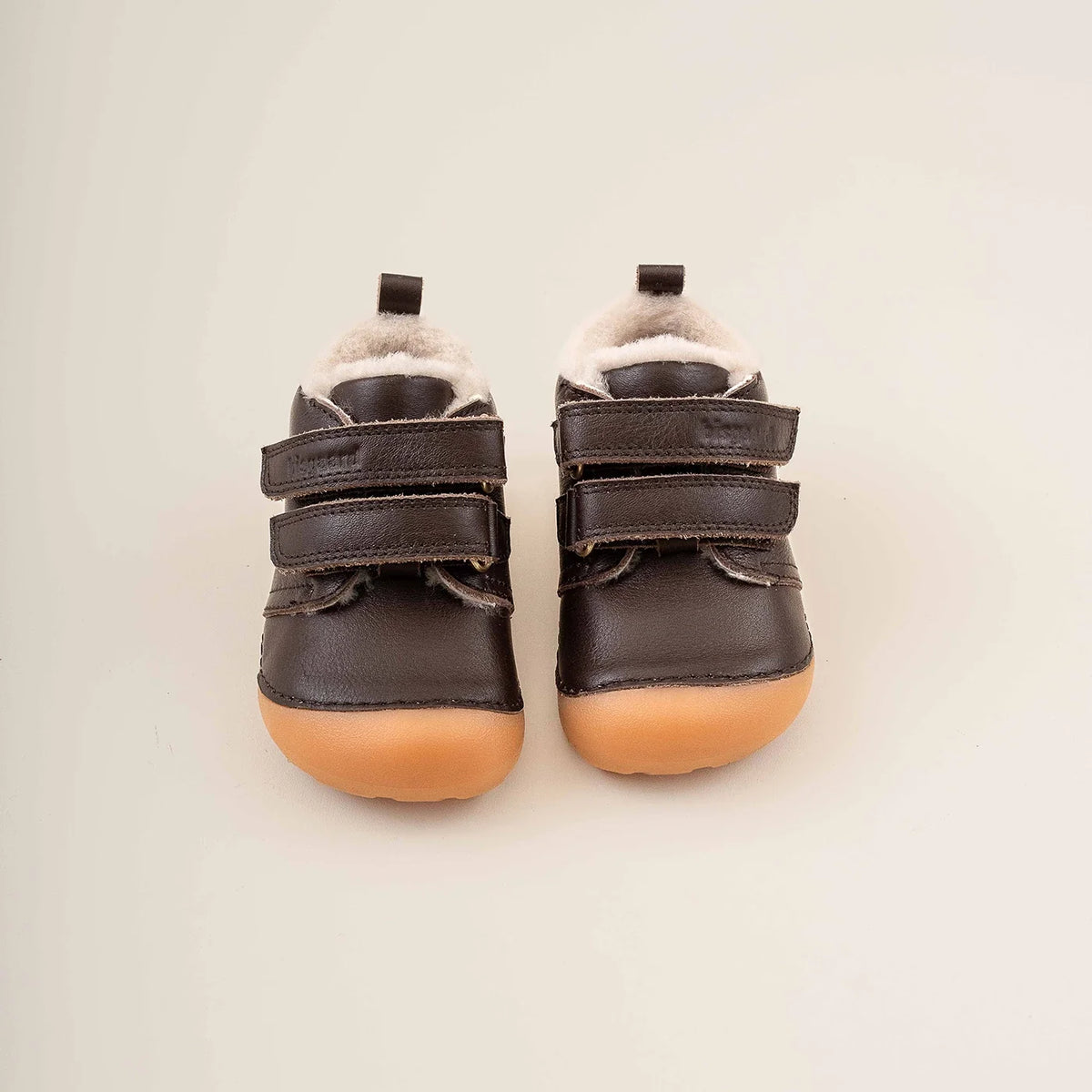
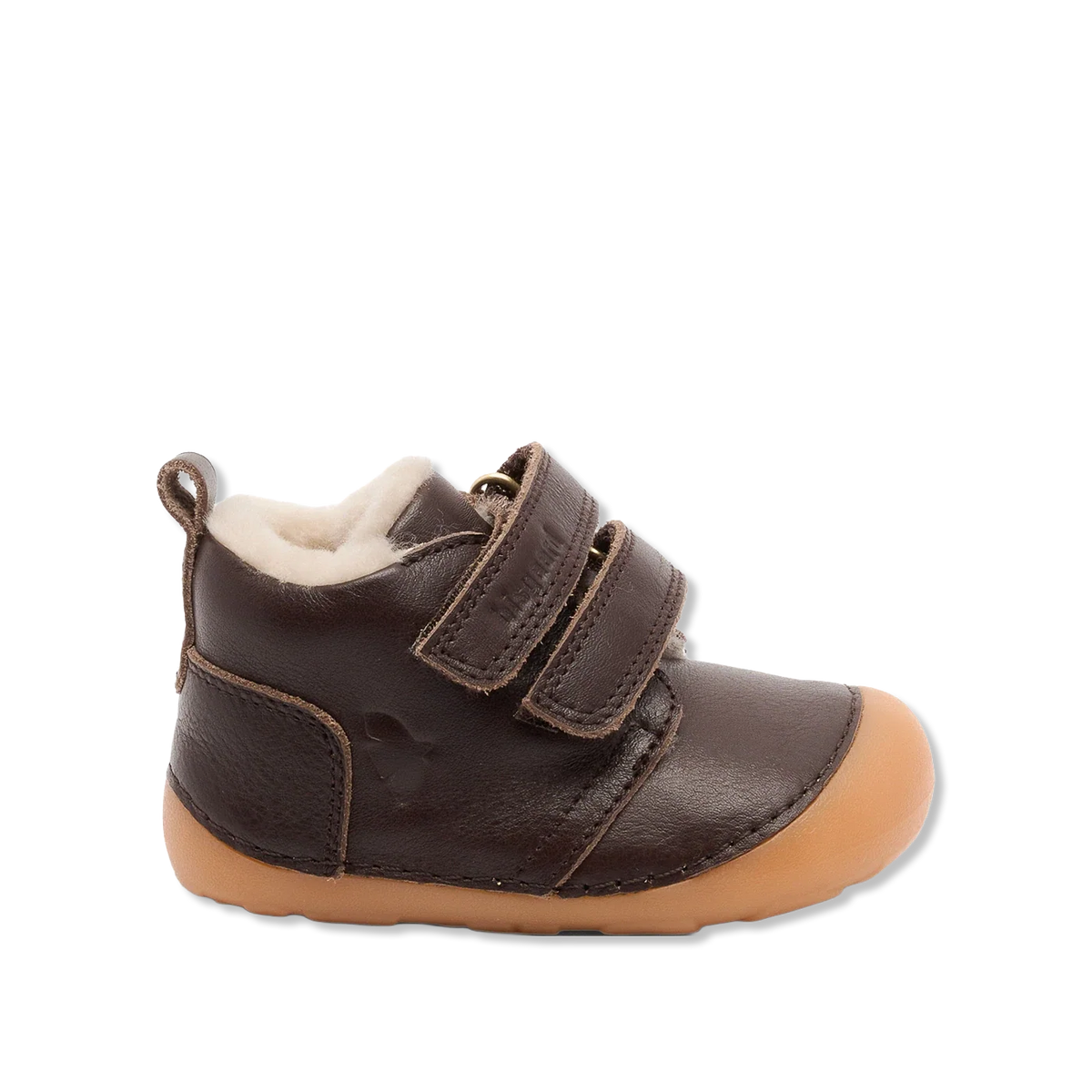
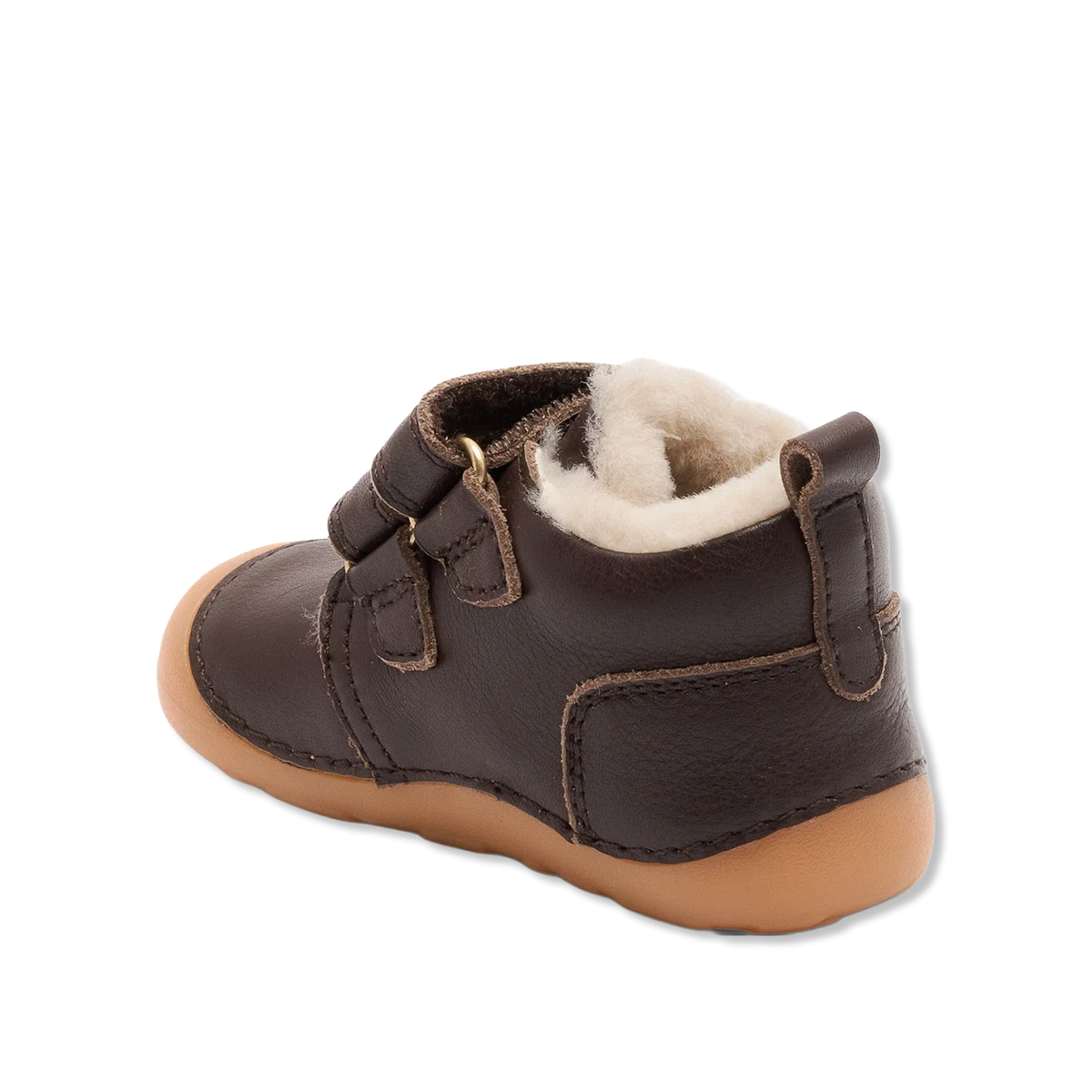
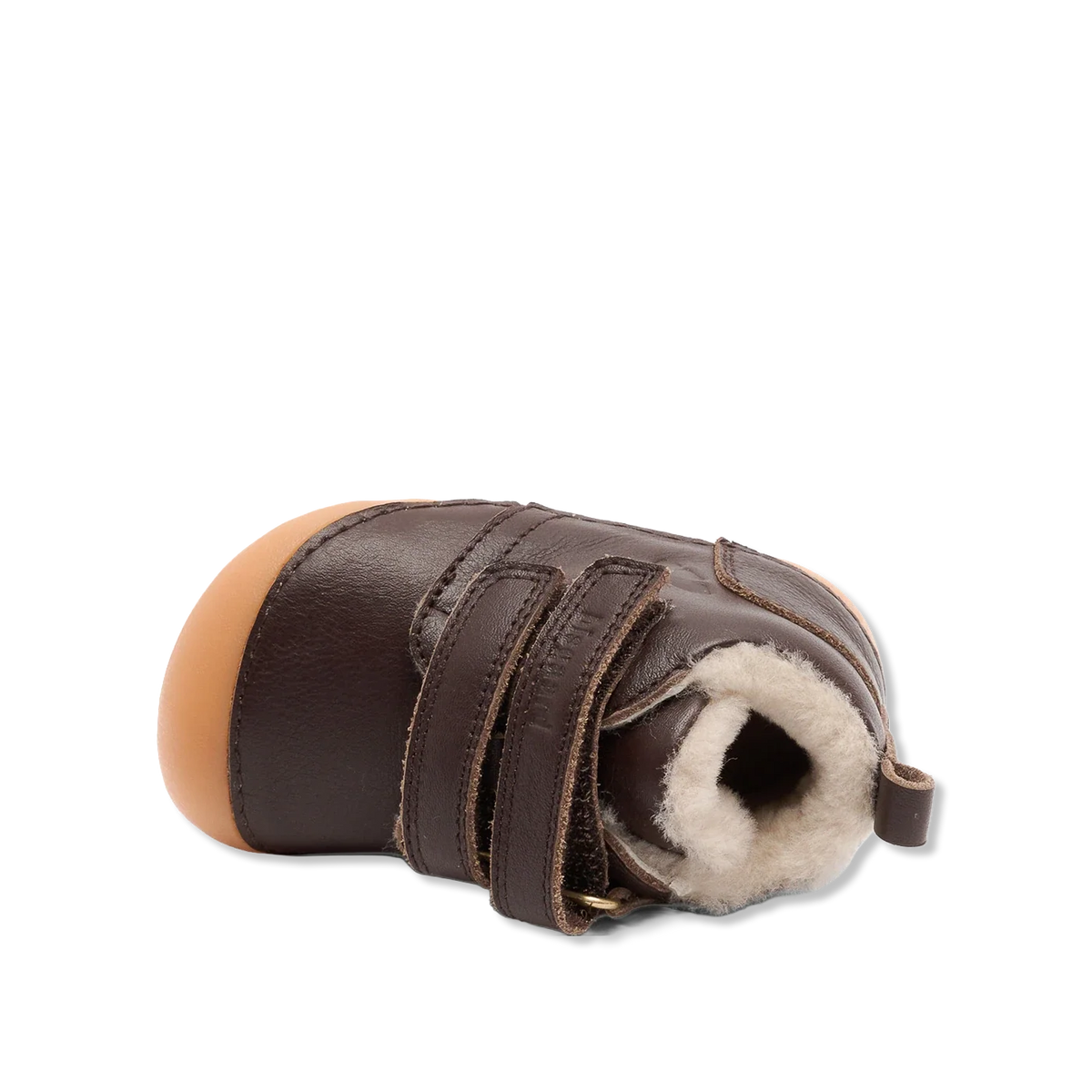
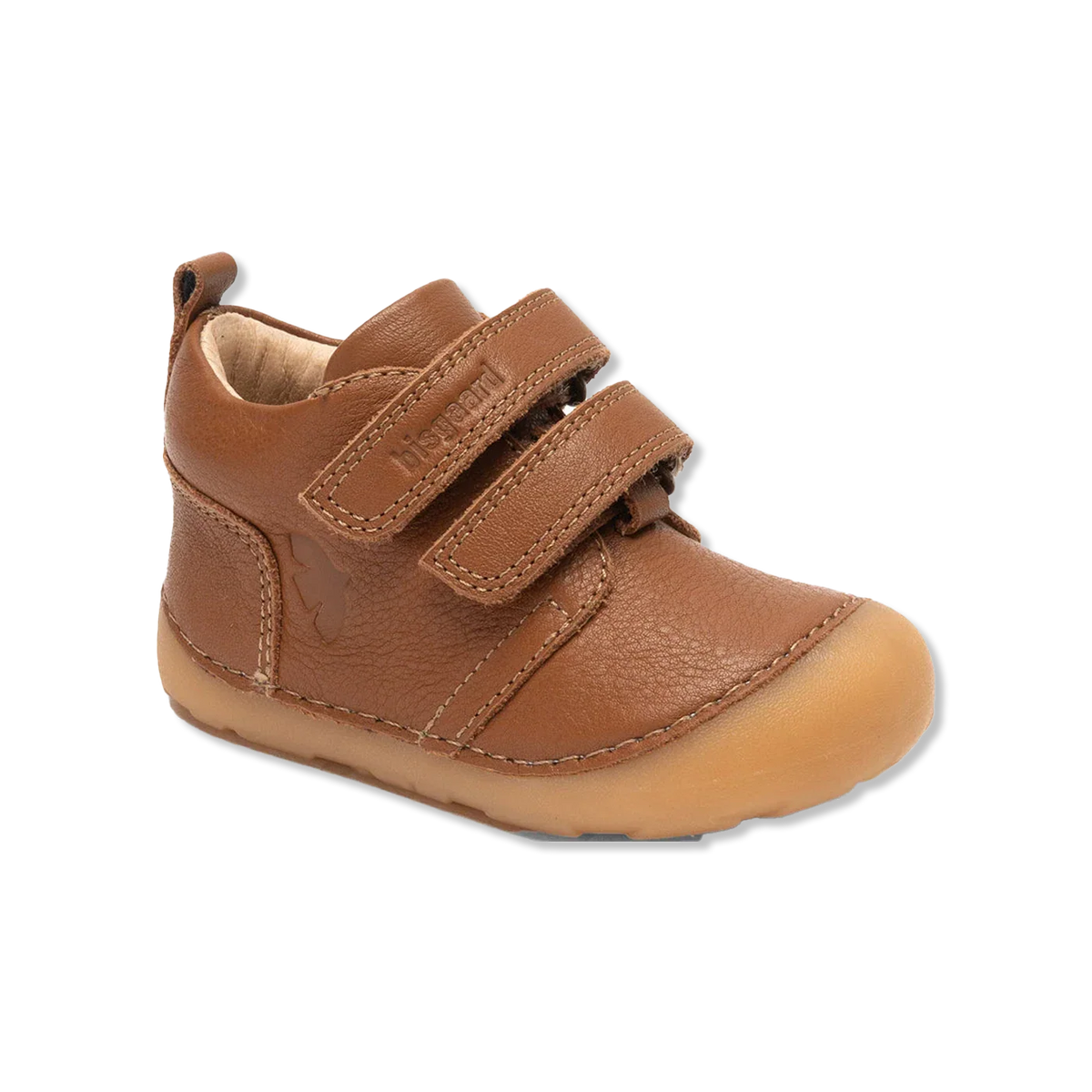
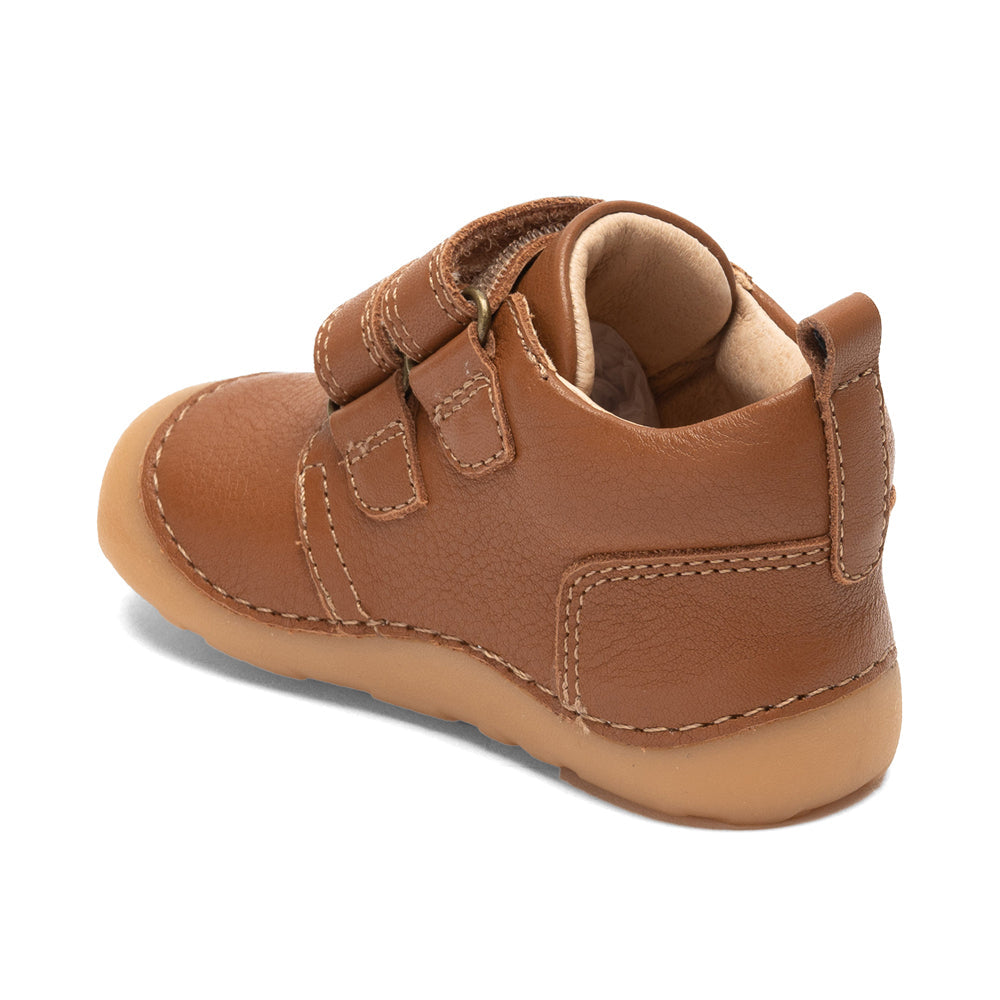
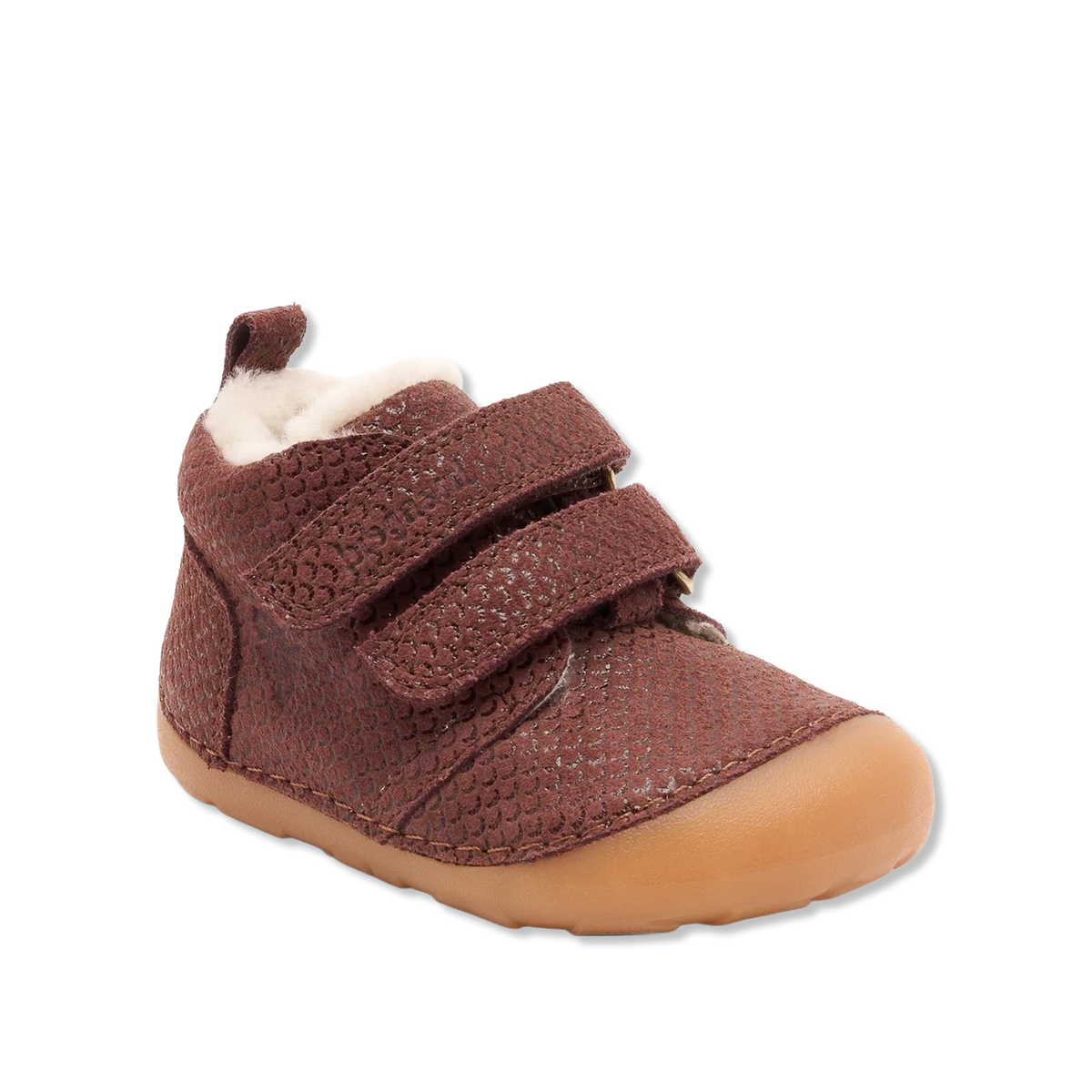
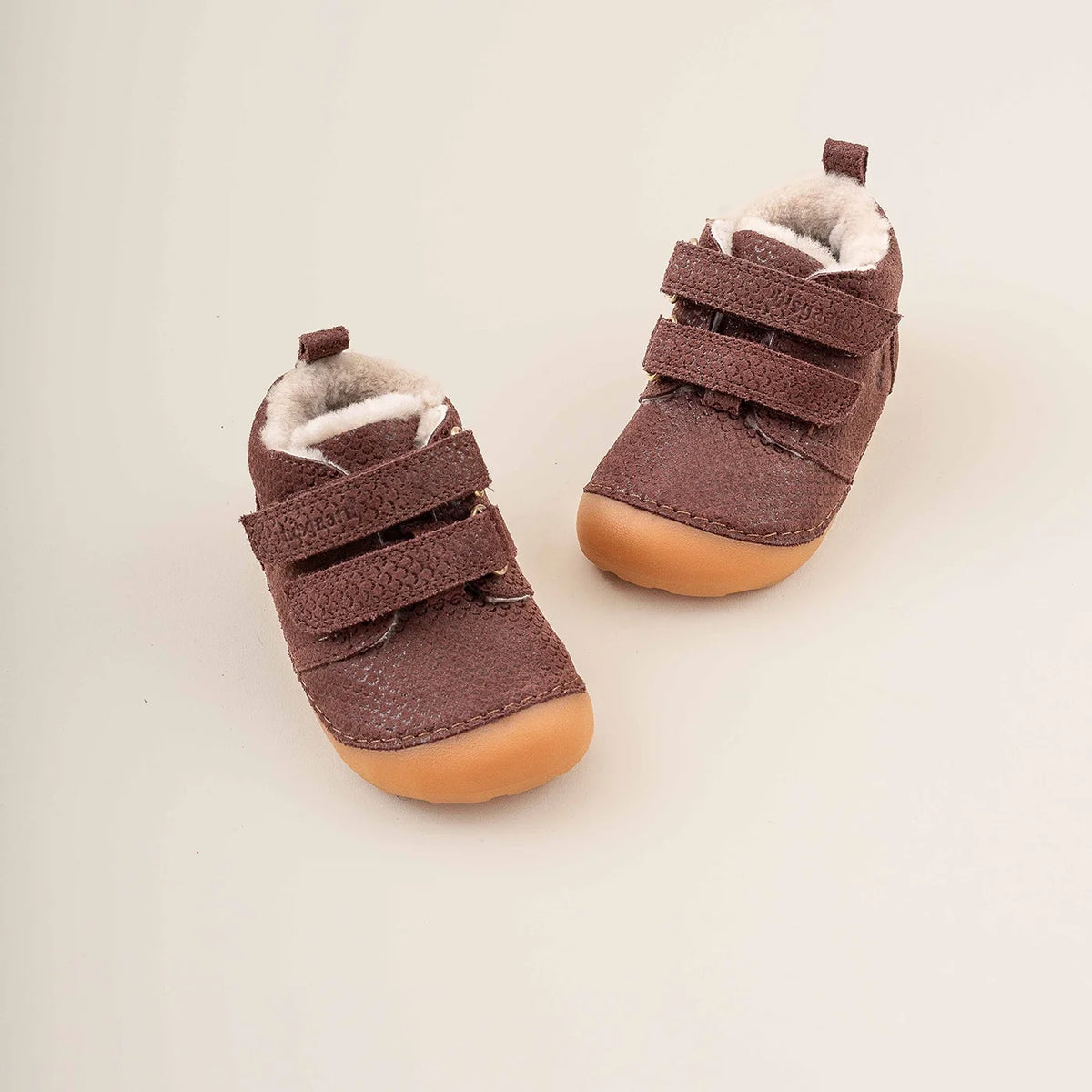
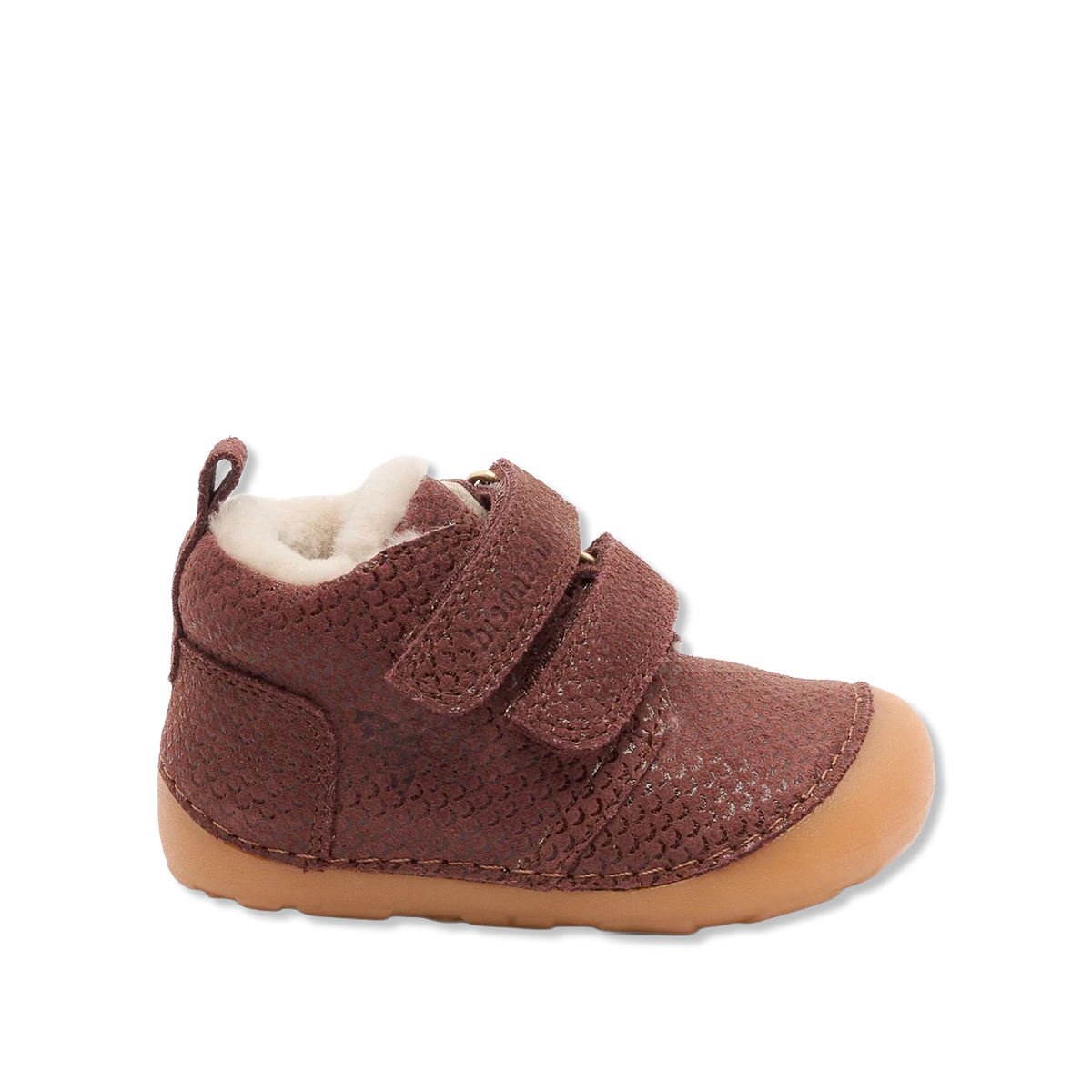
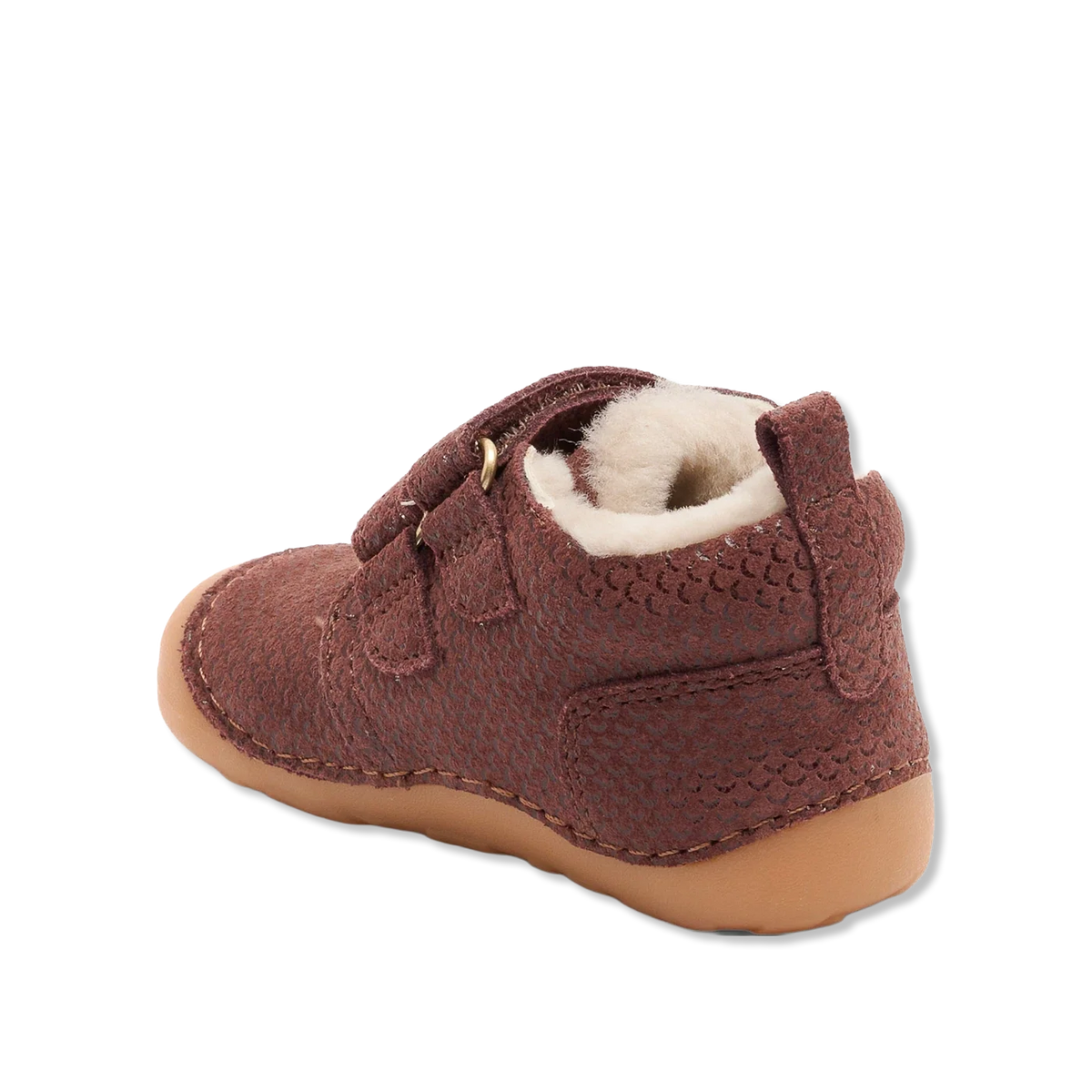
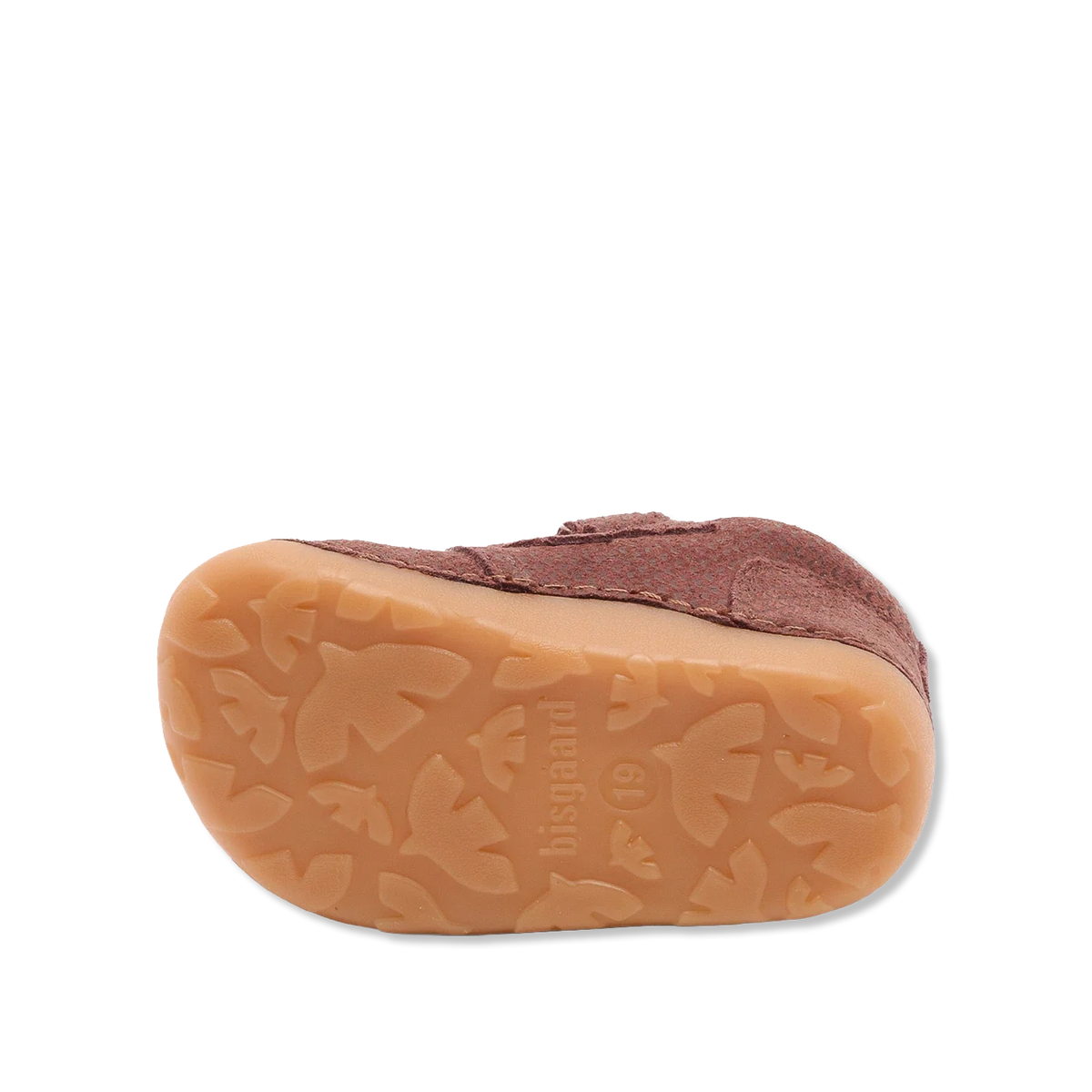
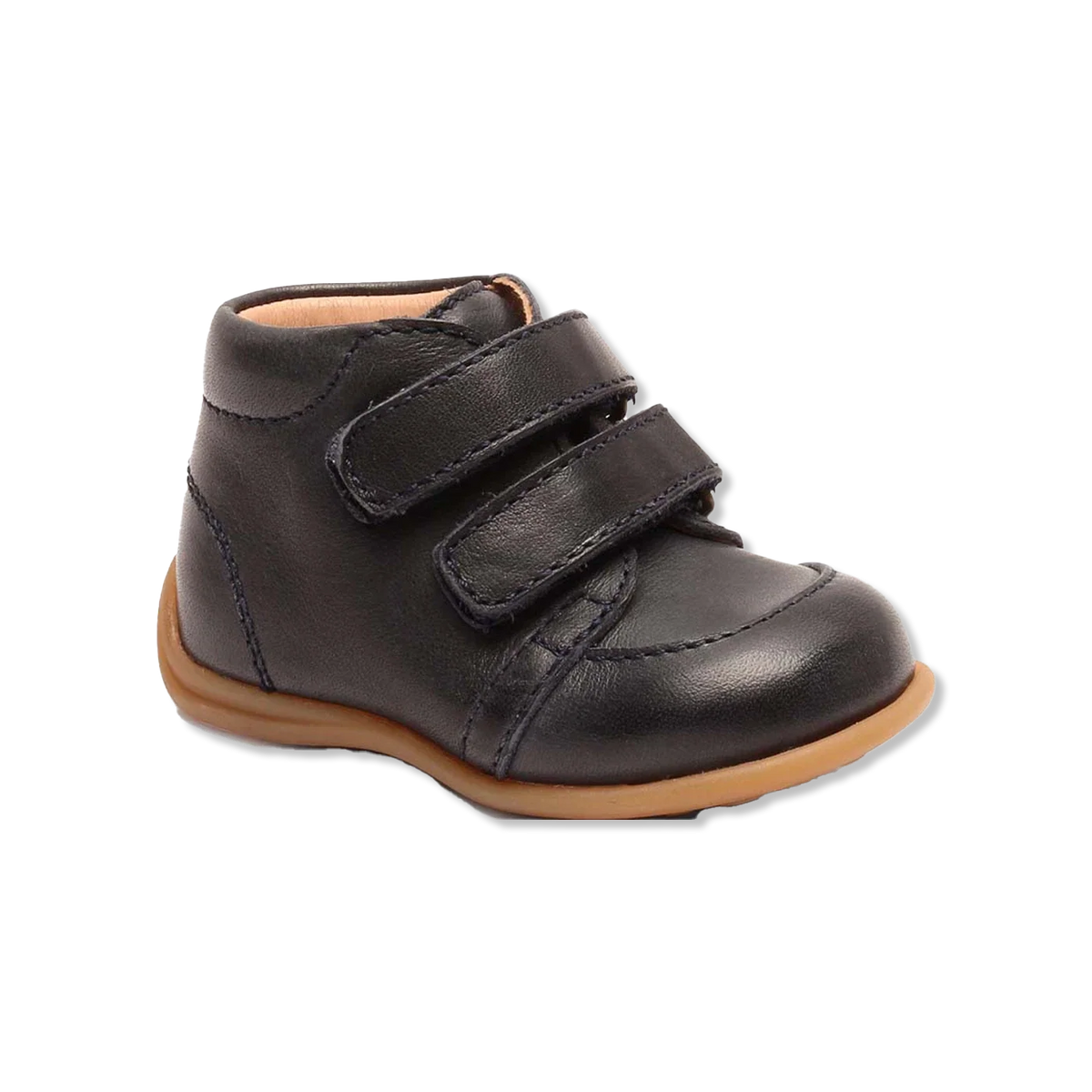
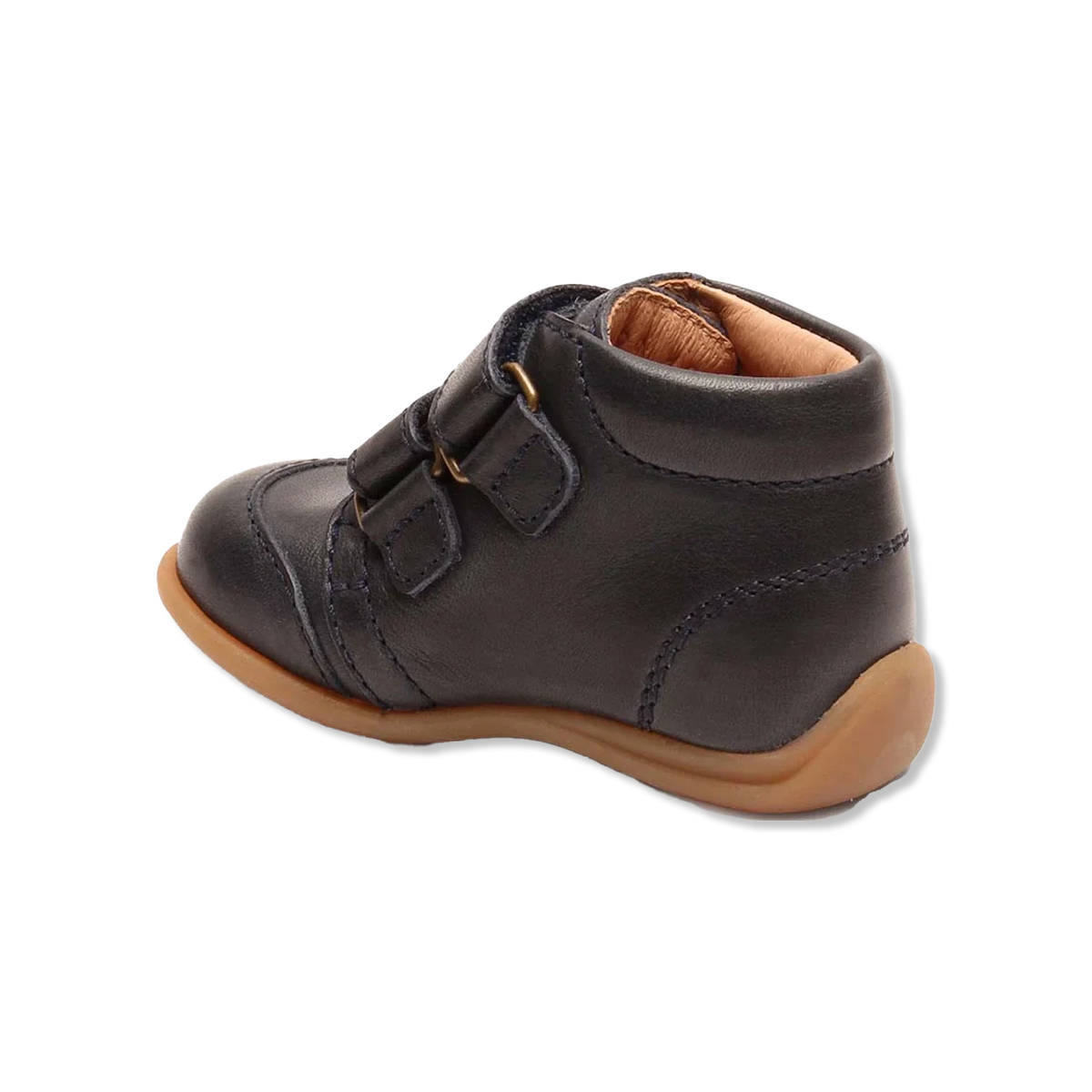
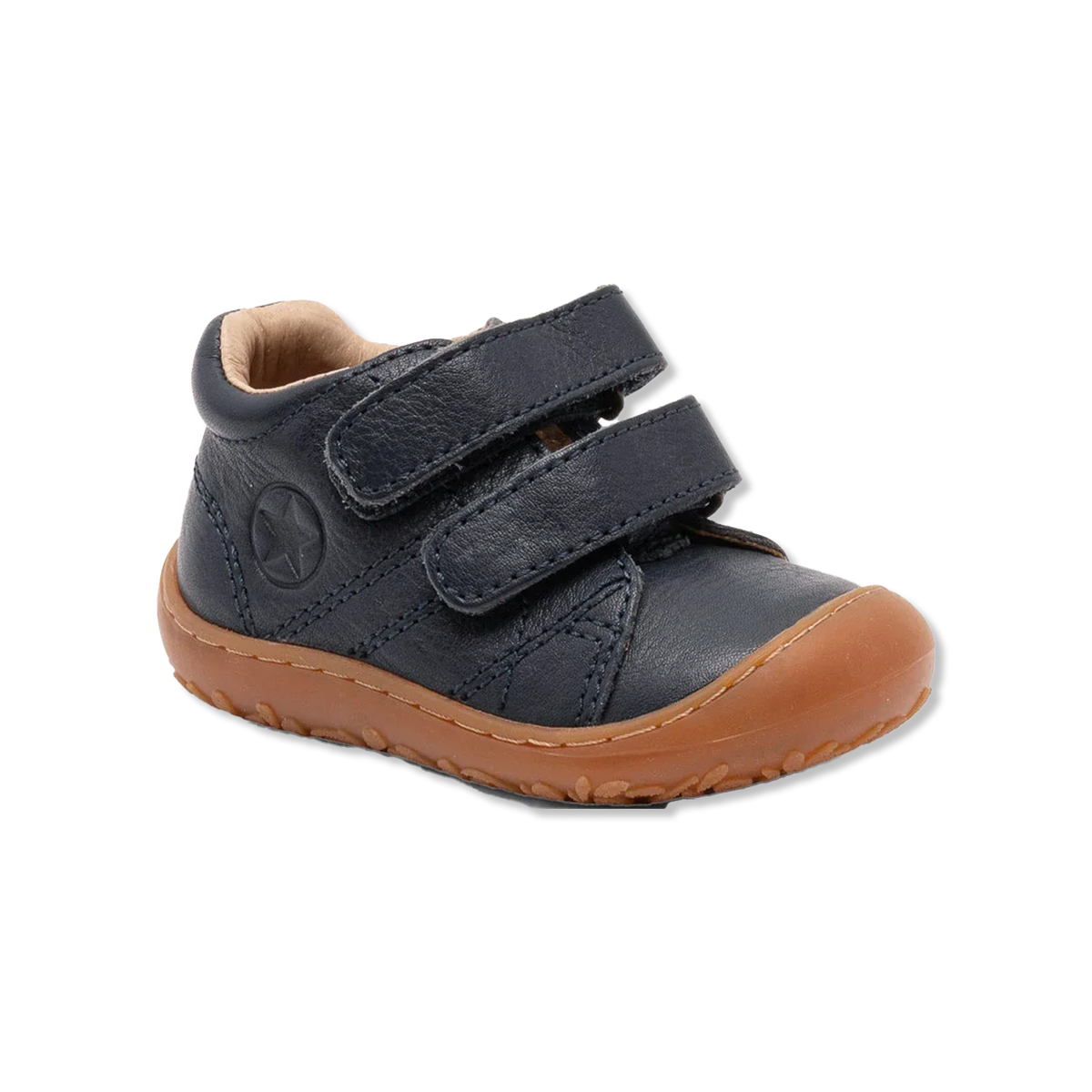
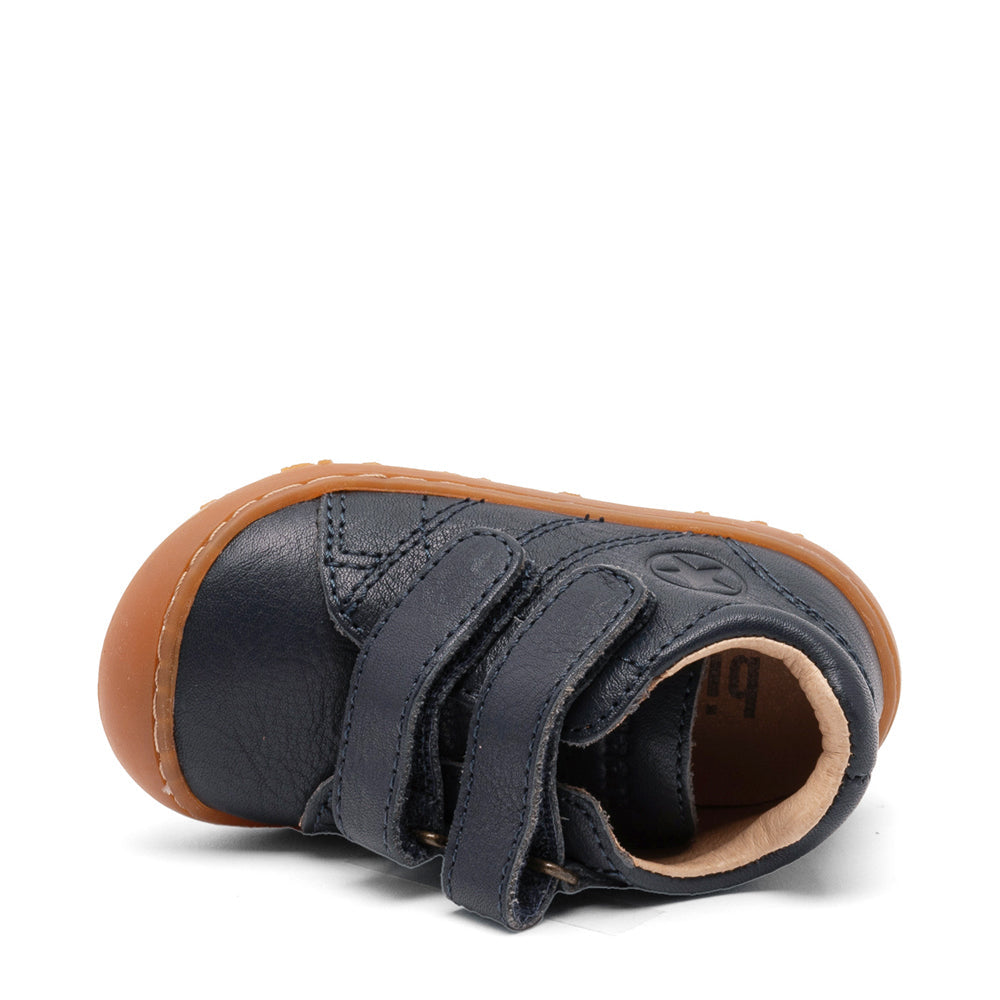
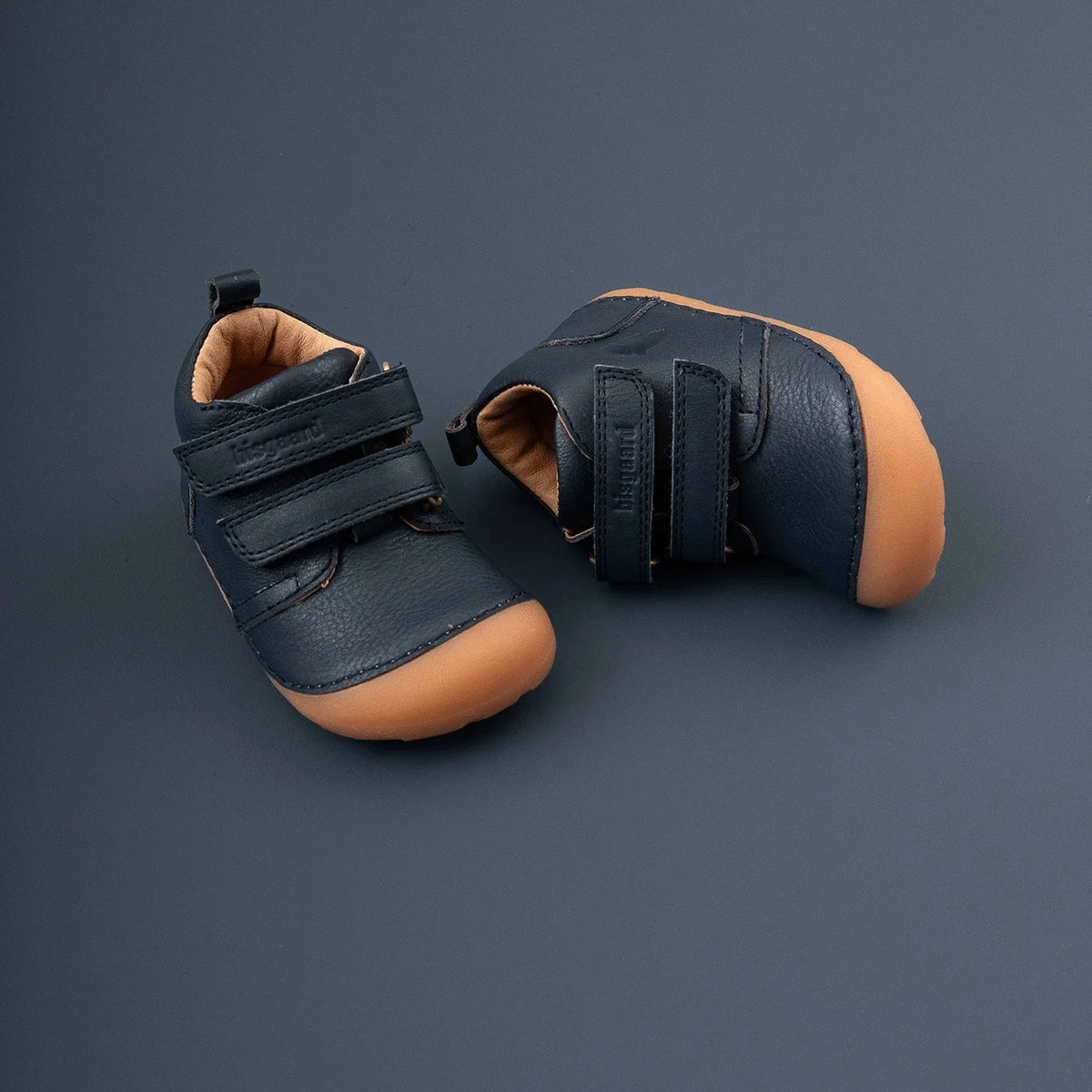
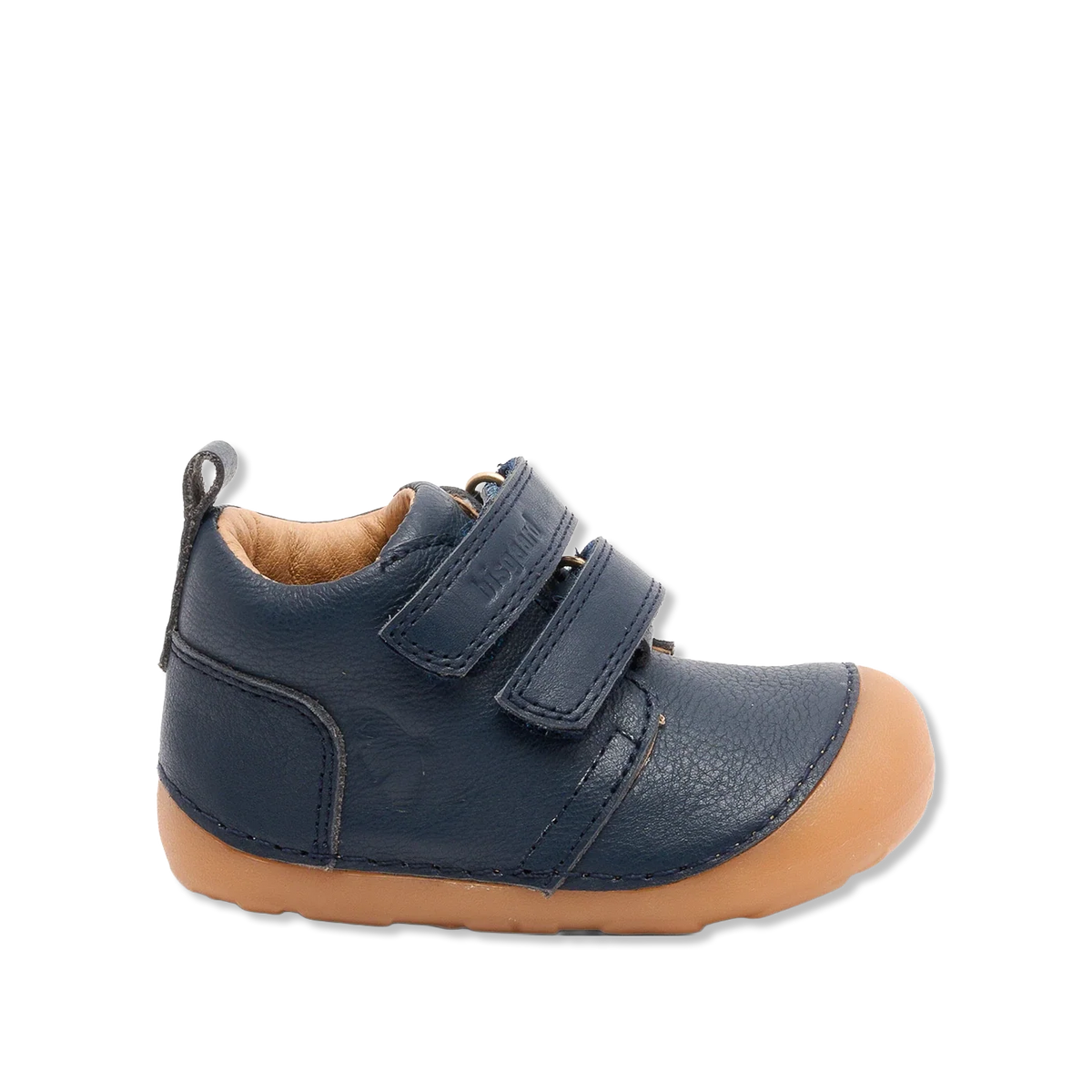
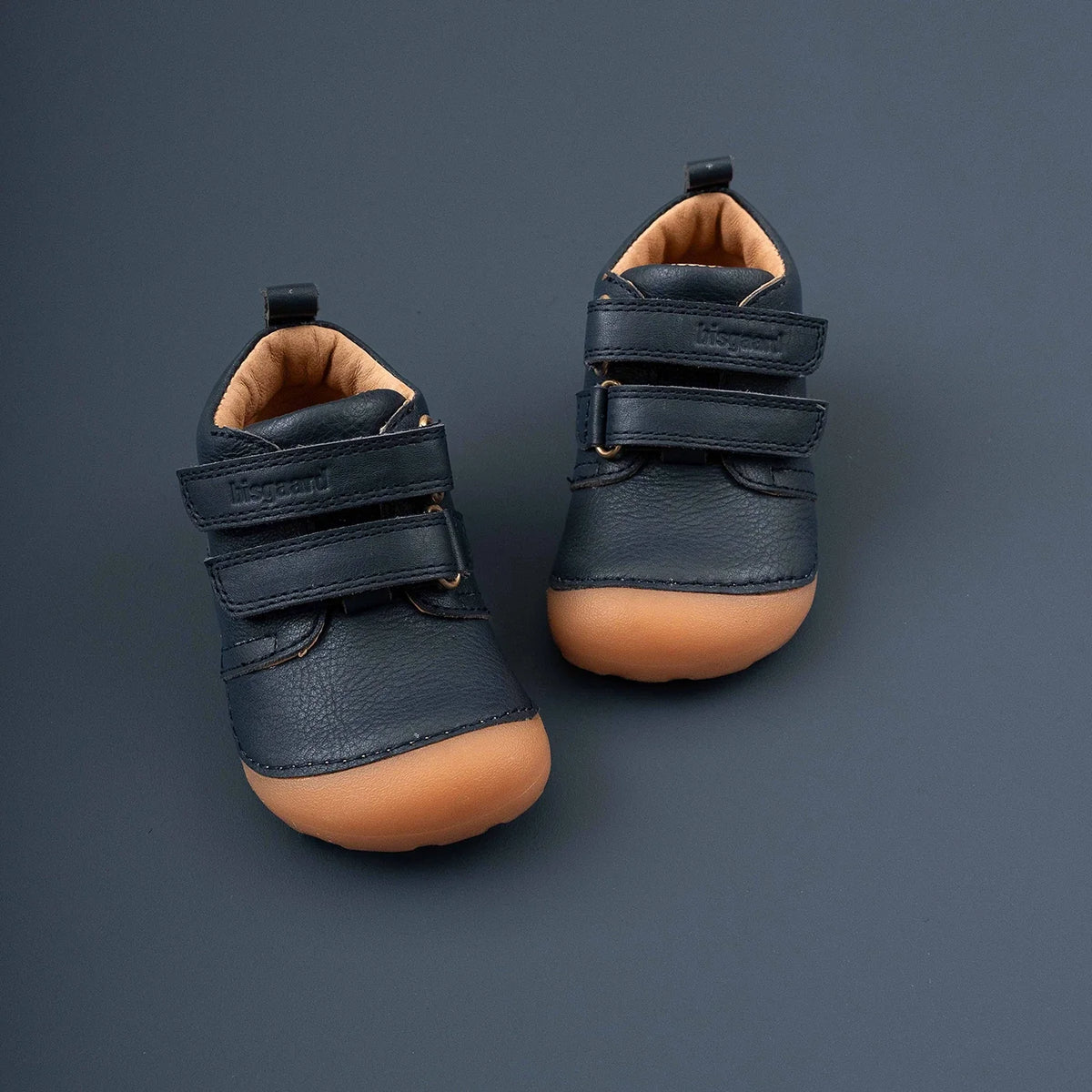
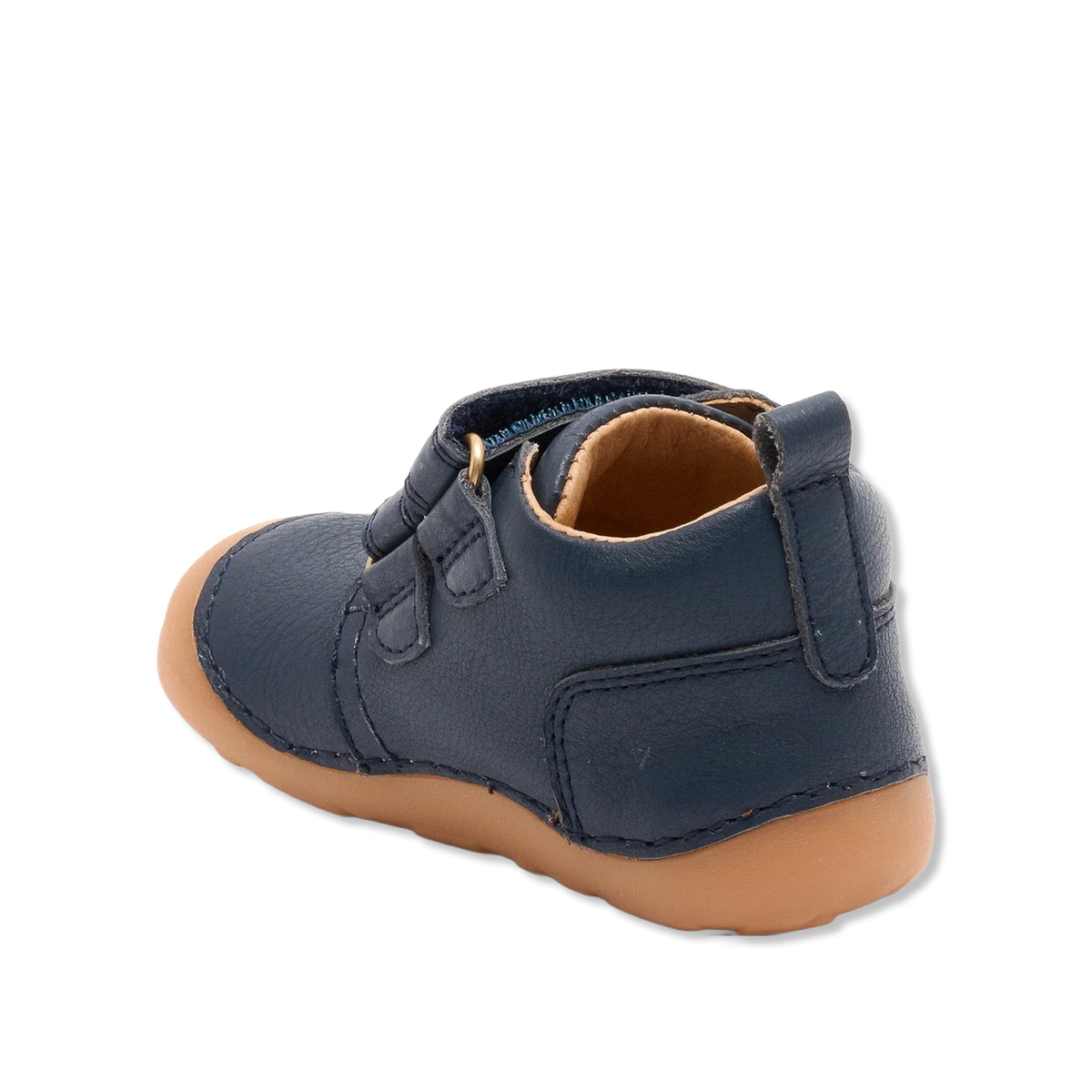
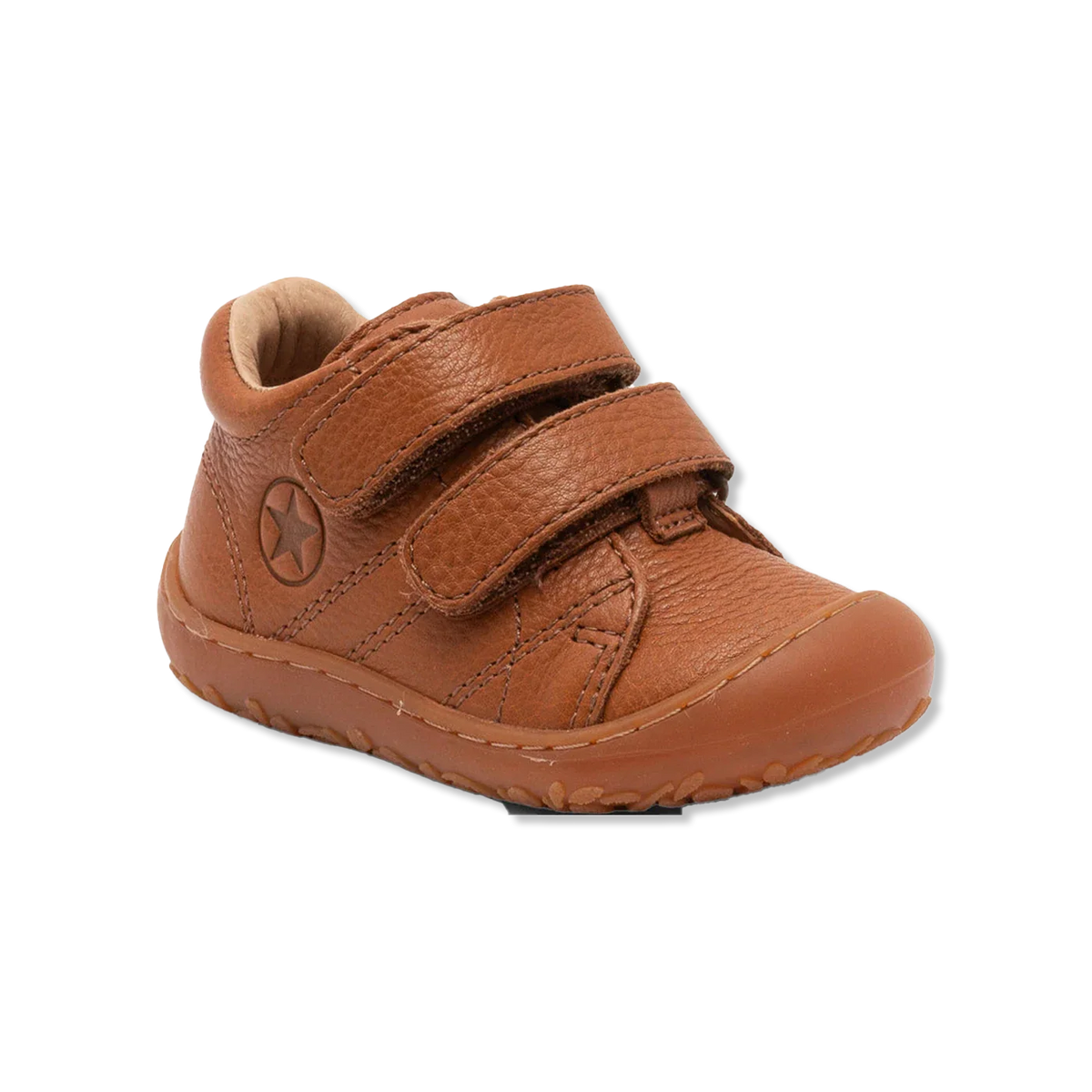
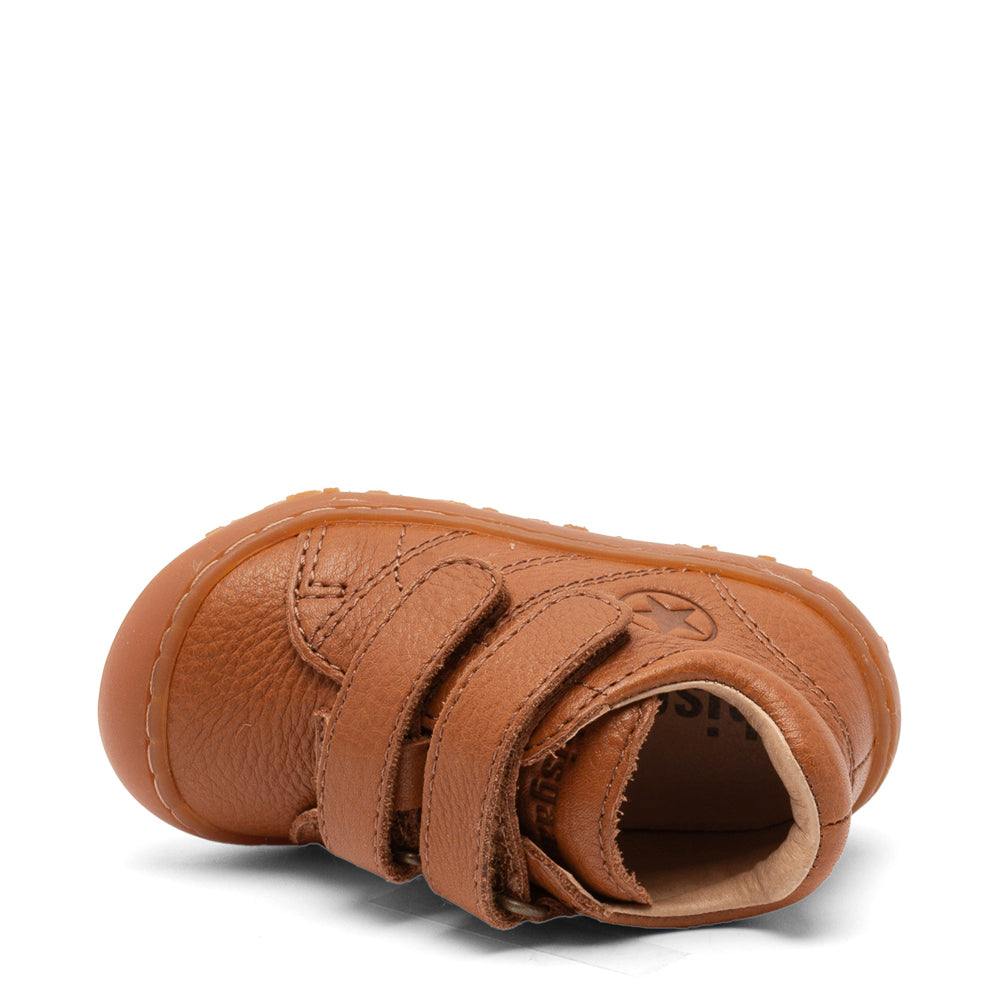
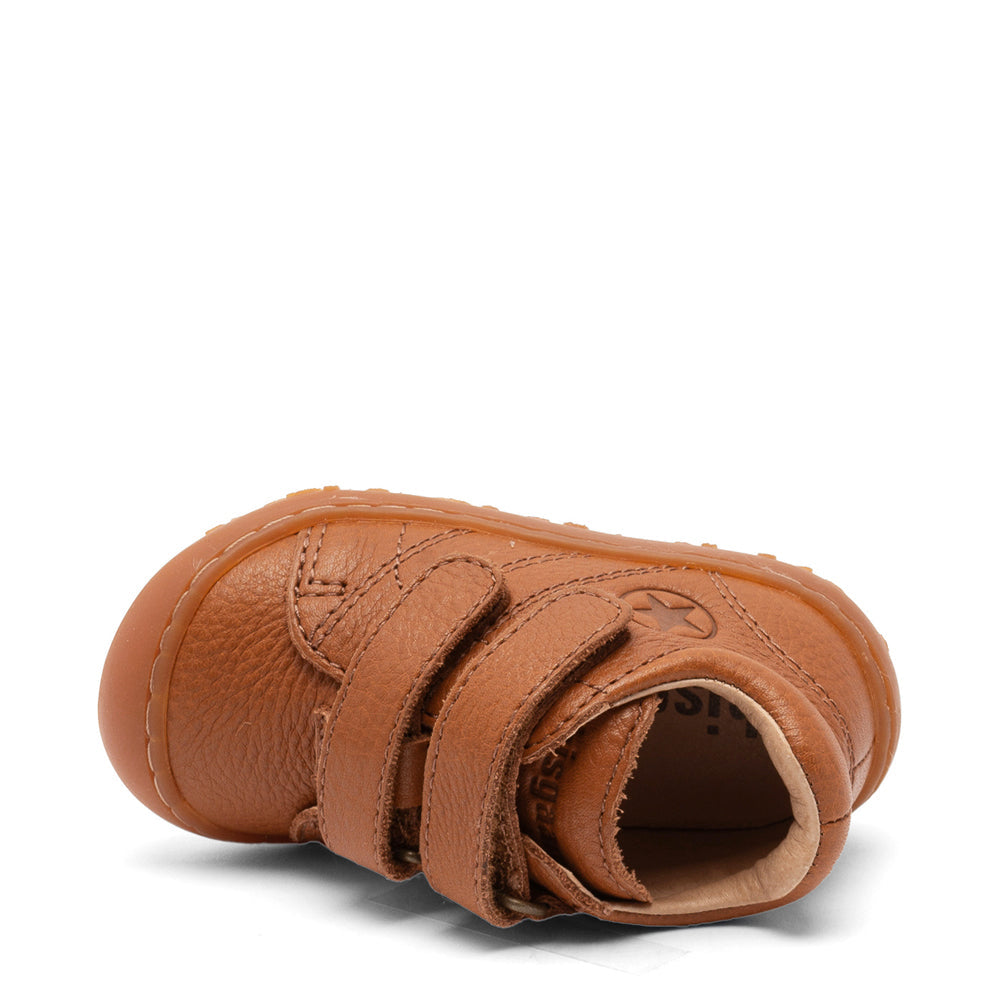
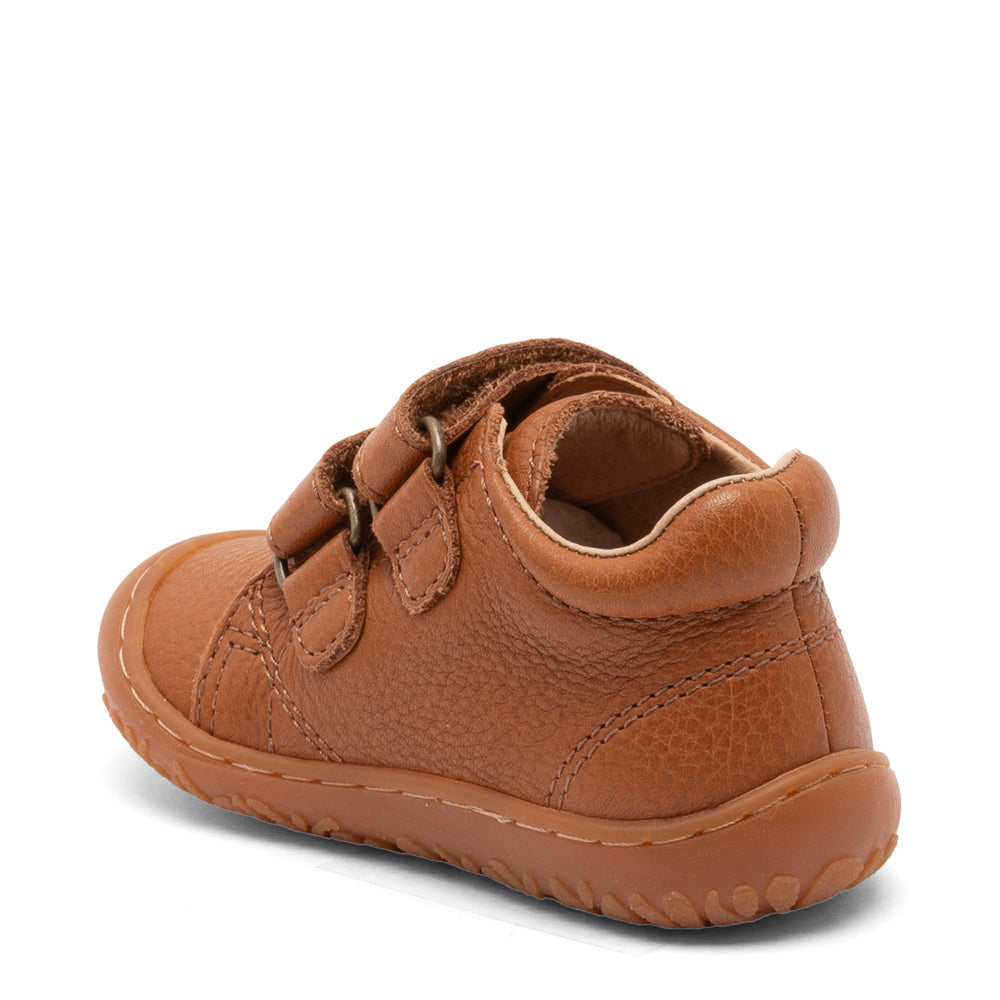
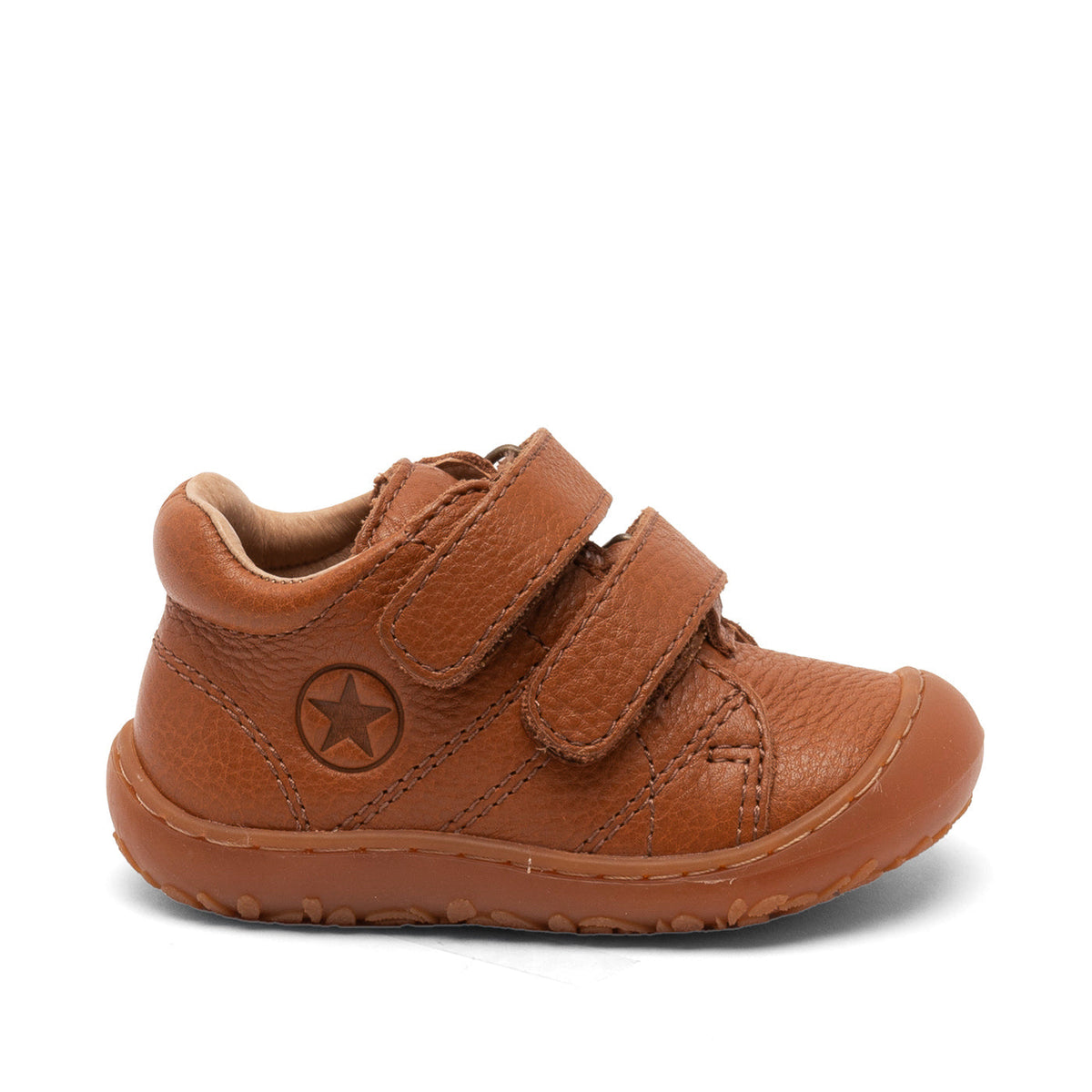
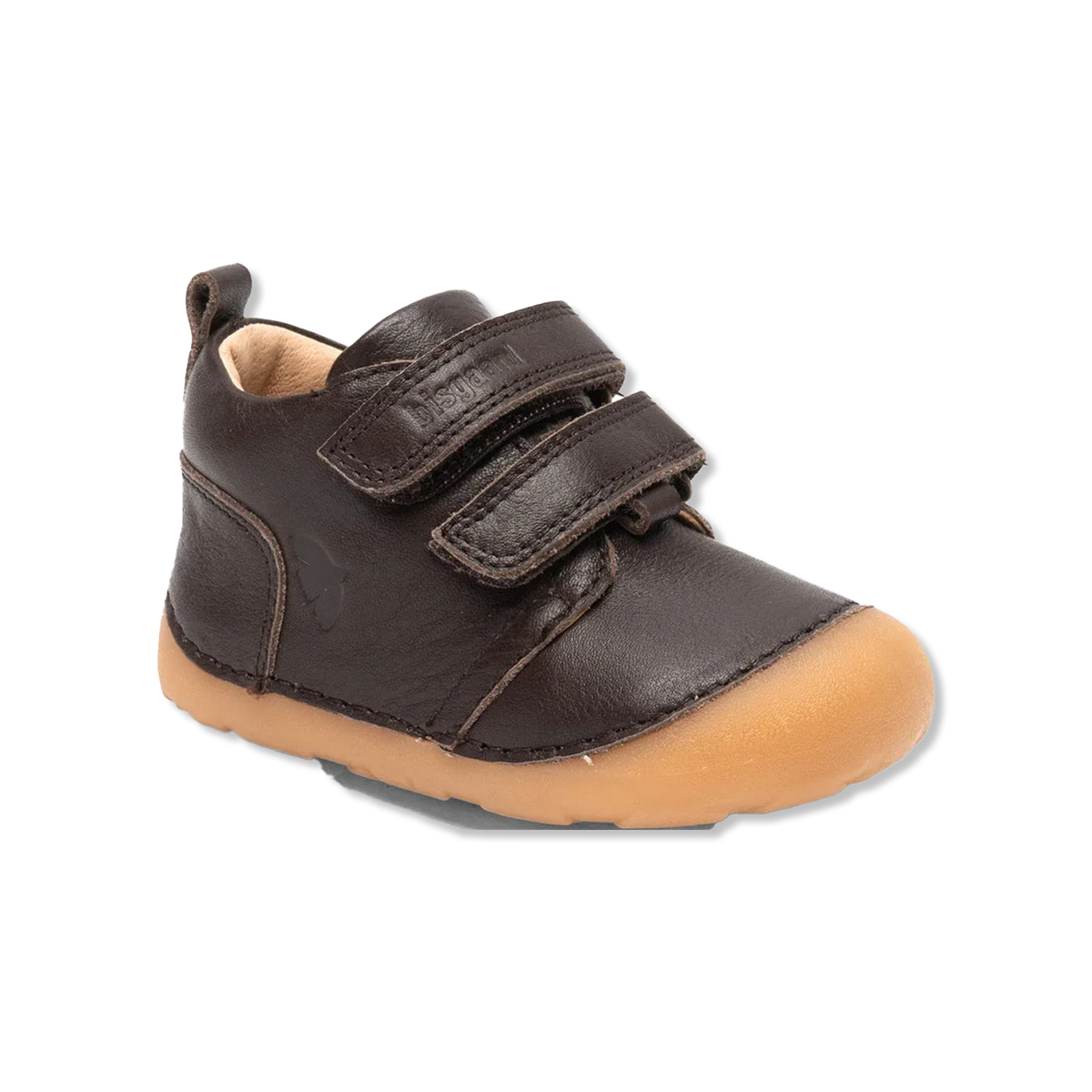
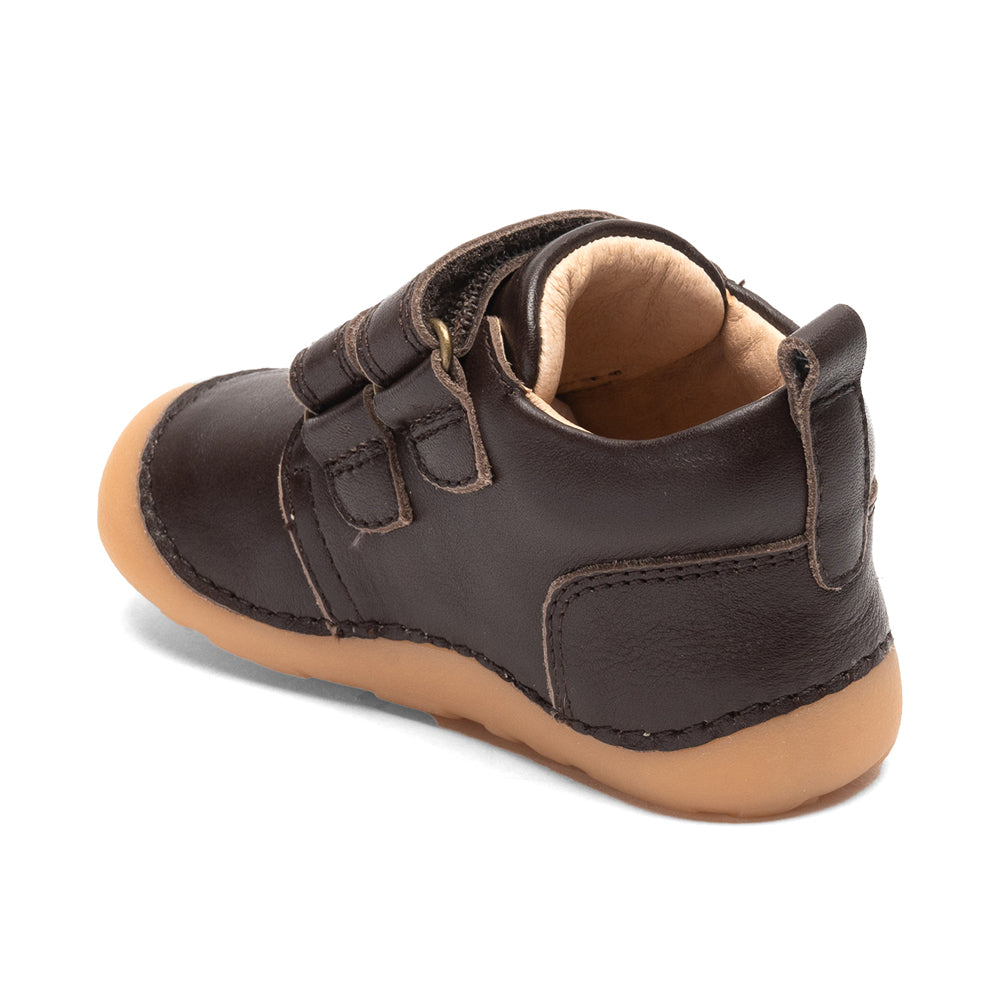
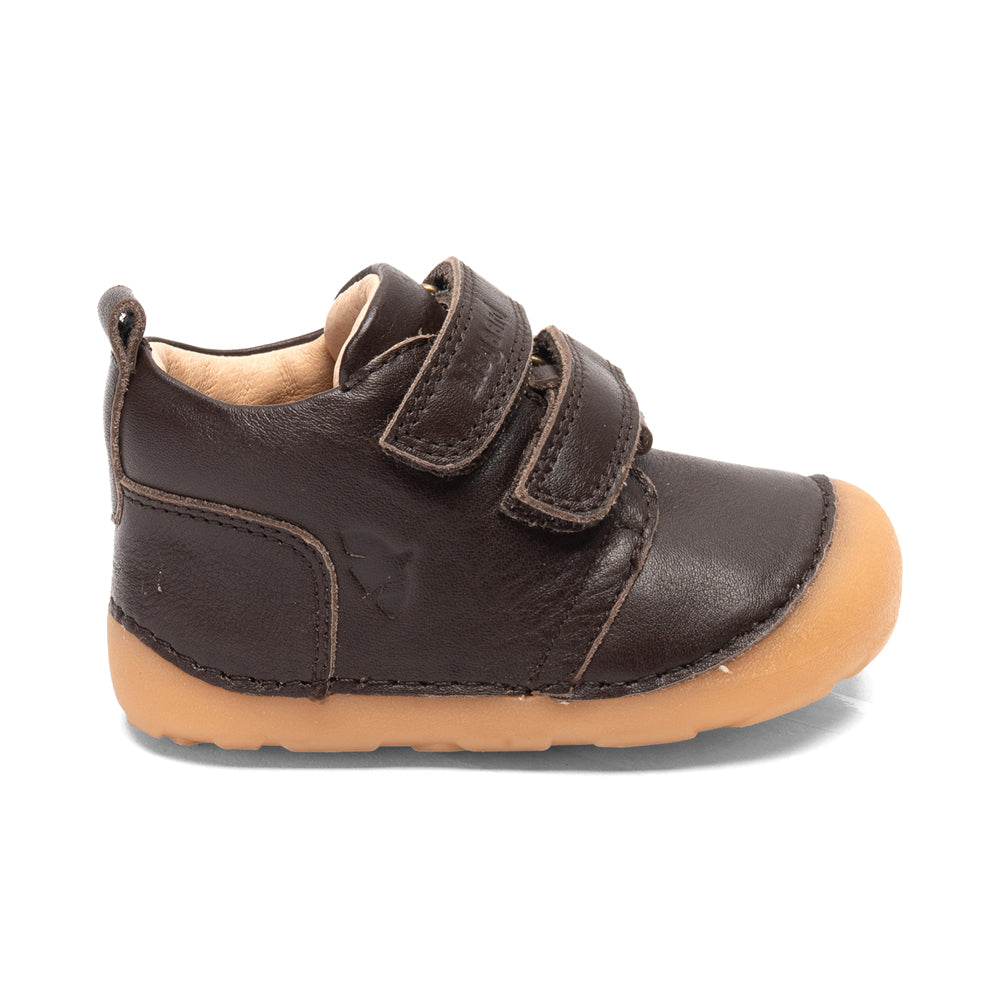
Bisgaard first walkers for your child’s first steps
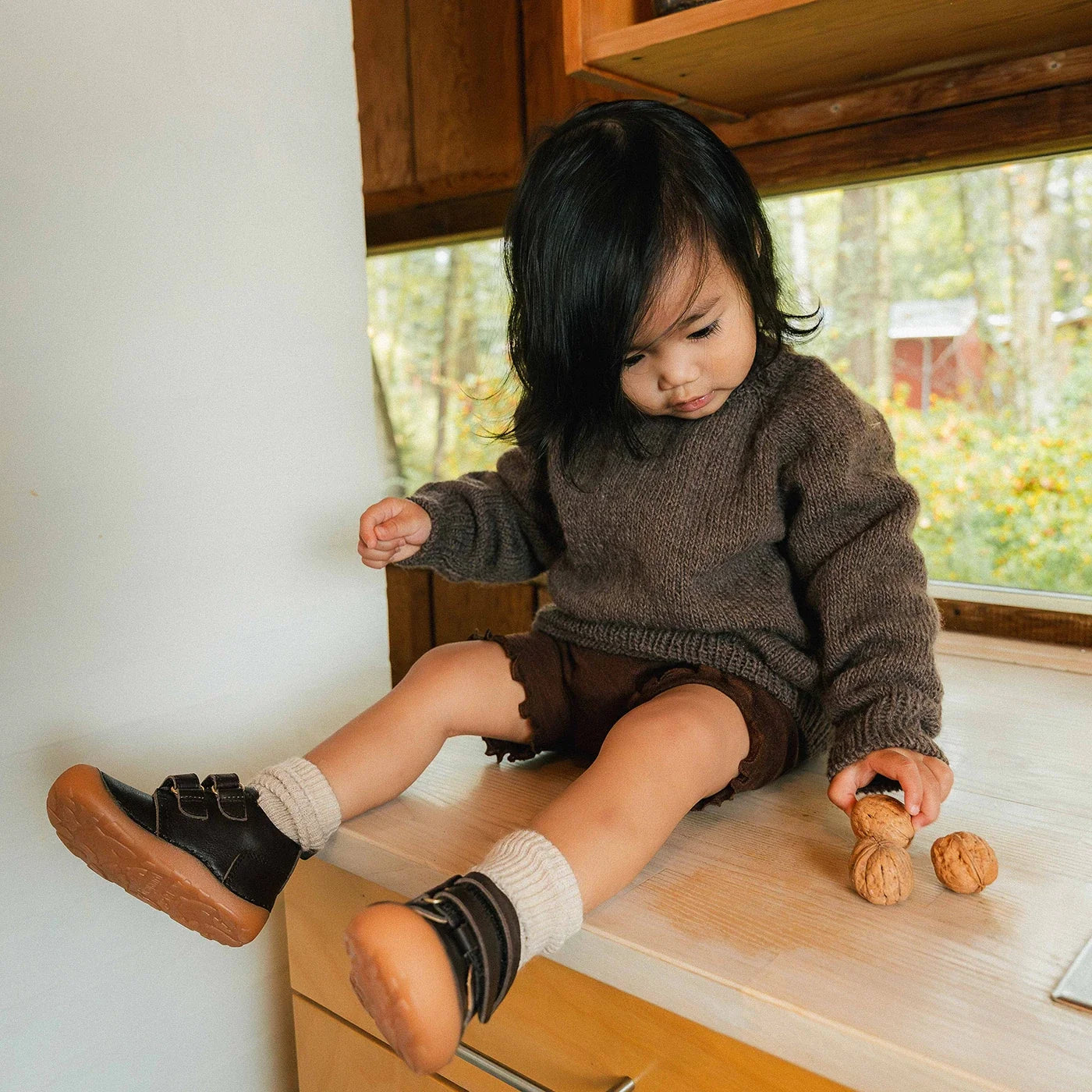
Bisgaard first walkers are made for the stage when your child moves from pulling themselves up and holding on to furniture to taking their first small steps independently. This is often relevant from around 6 to 18 months, but age is not the most important factor. It is more about your child’s foot measurements, where they are in their development, and whether the shoes will be used indoors, outdoors or a little of both.
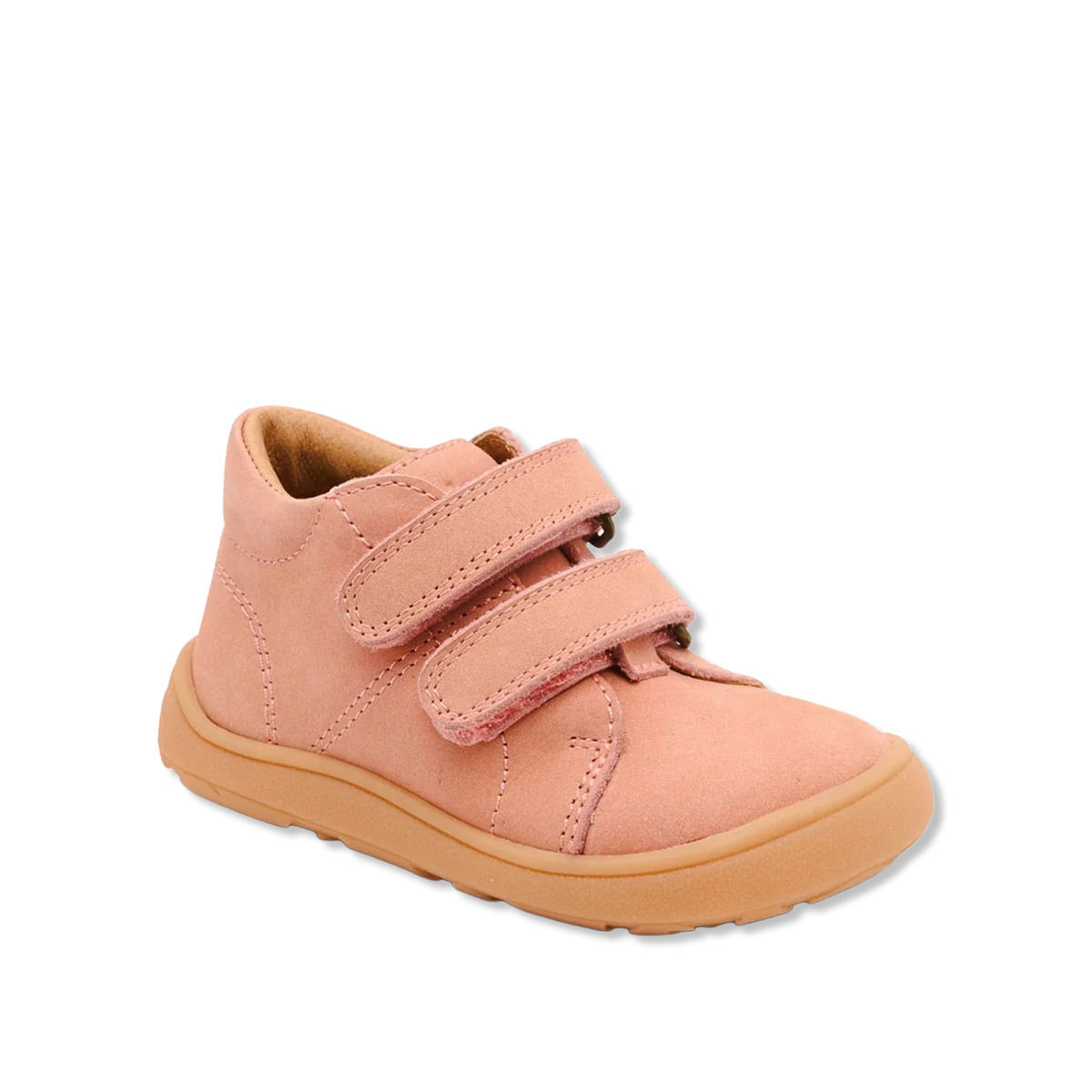
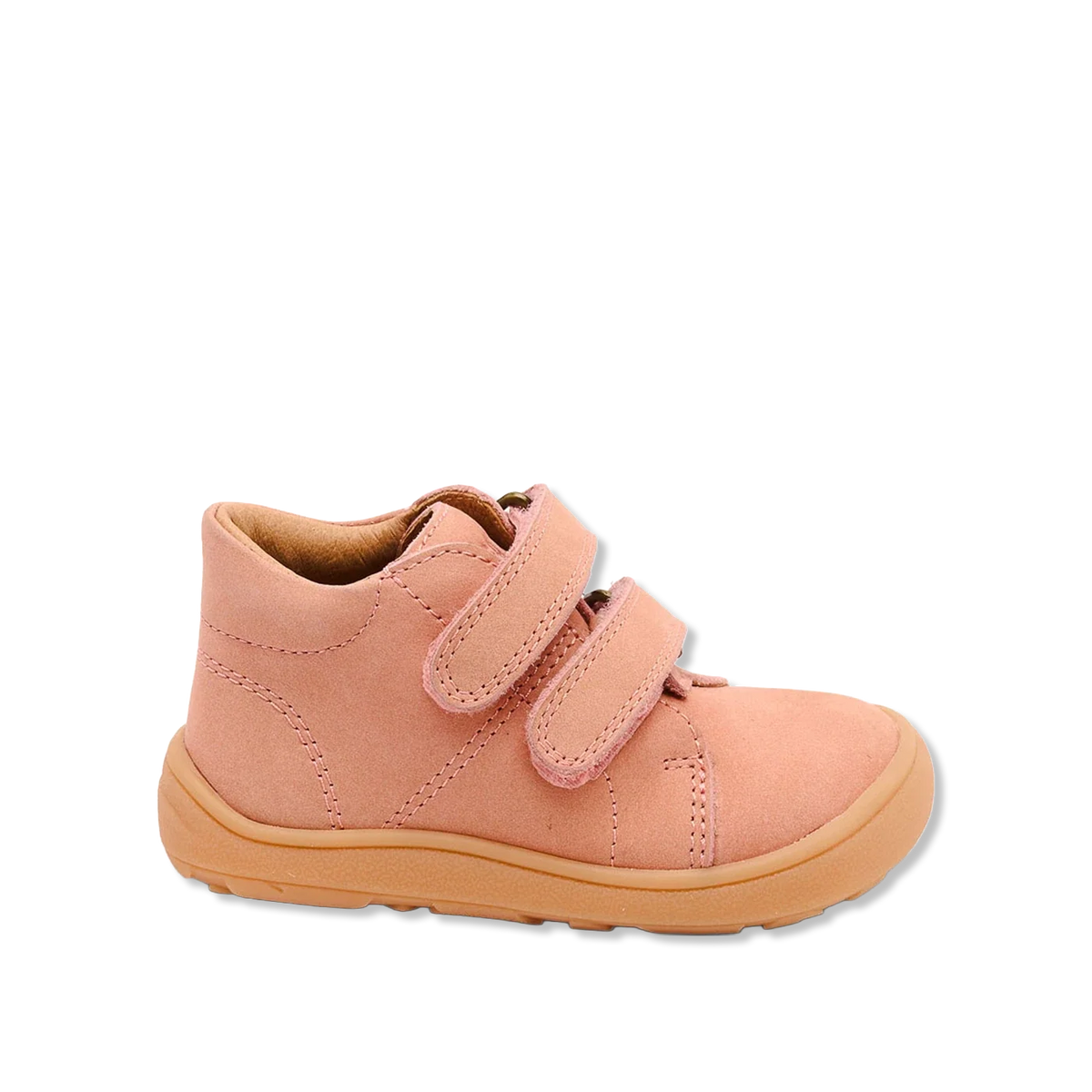
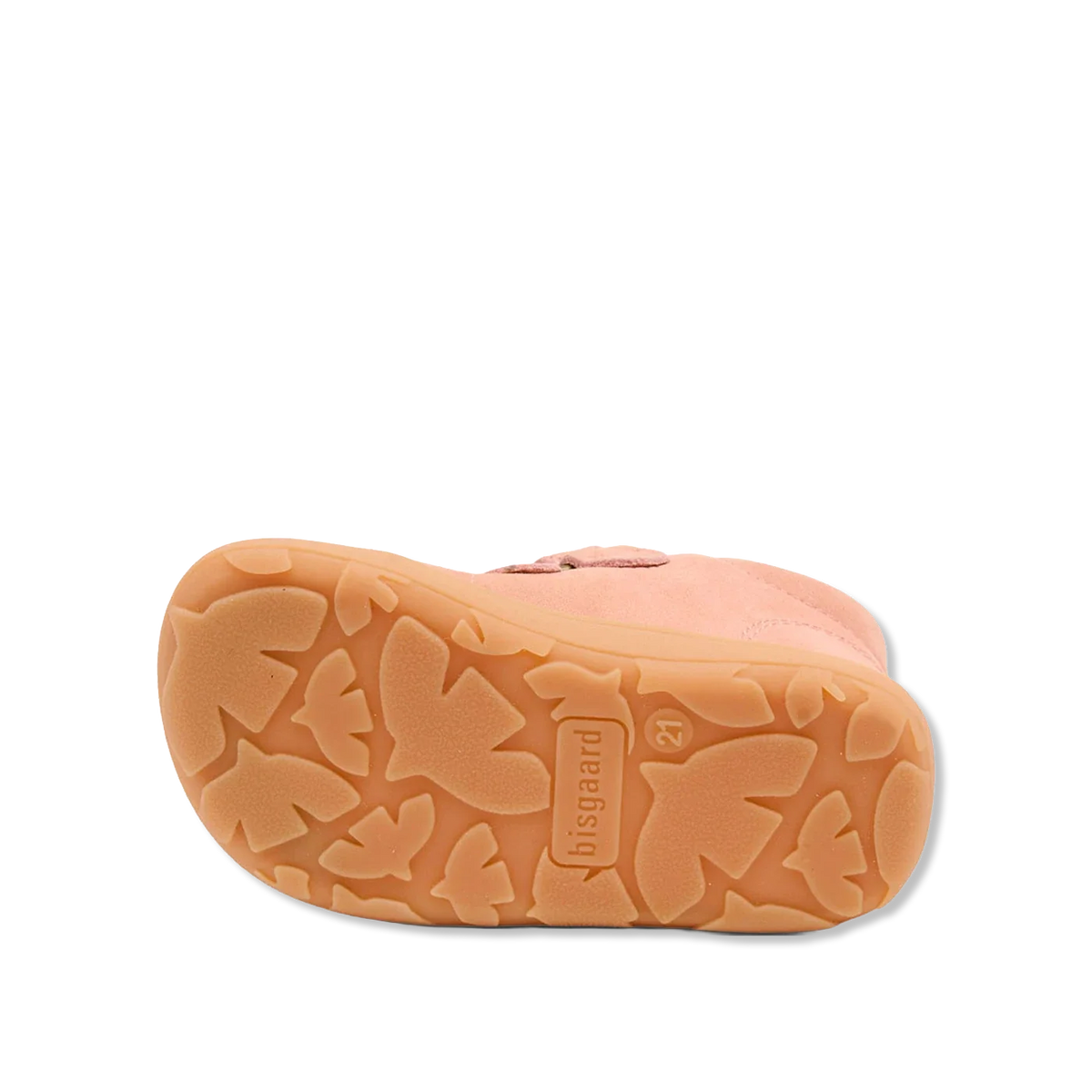
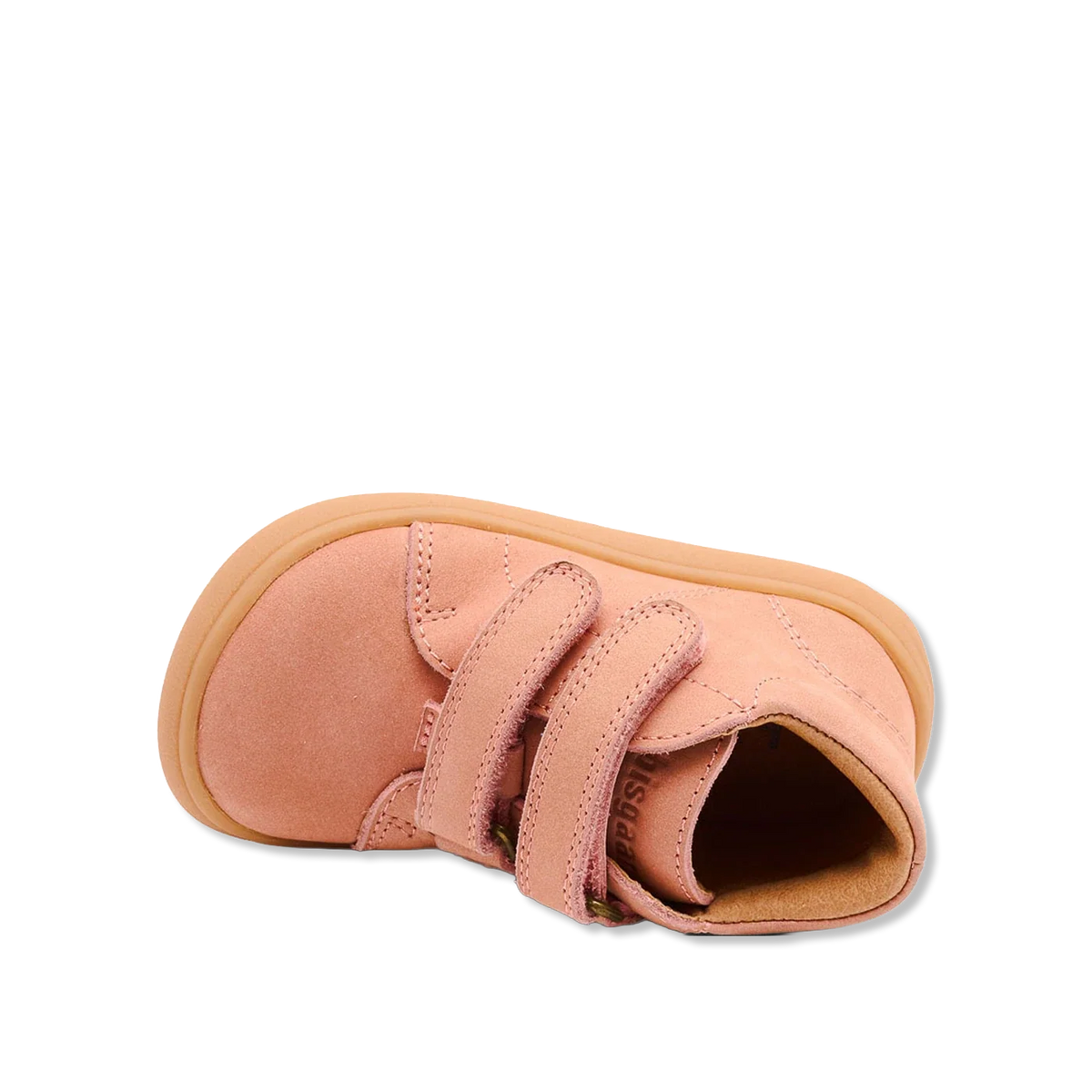
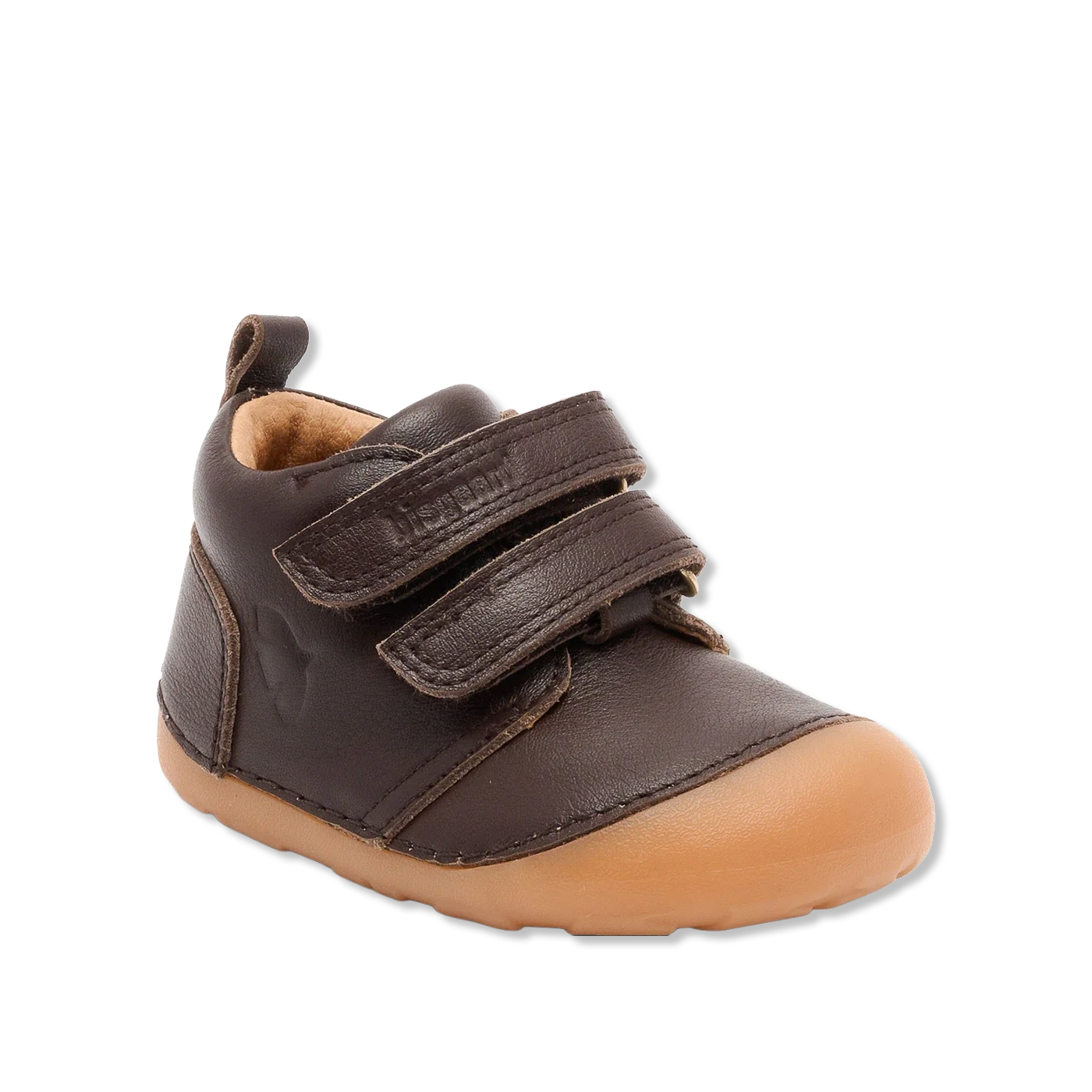
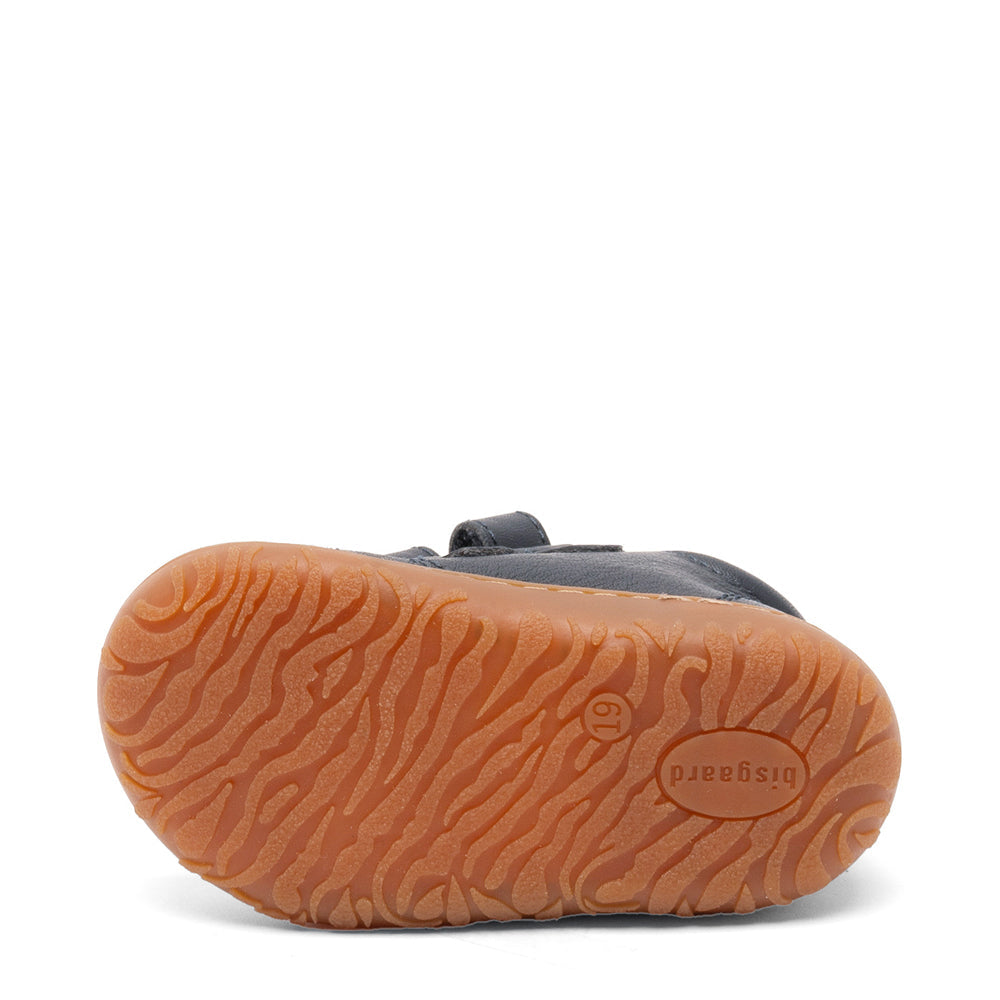
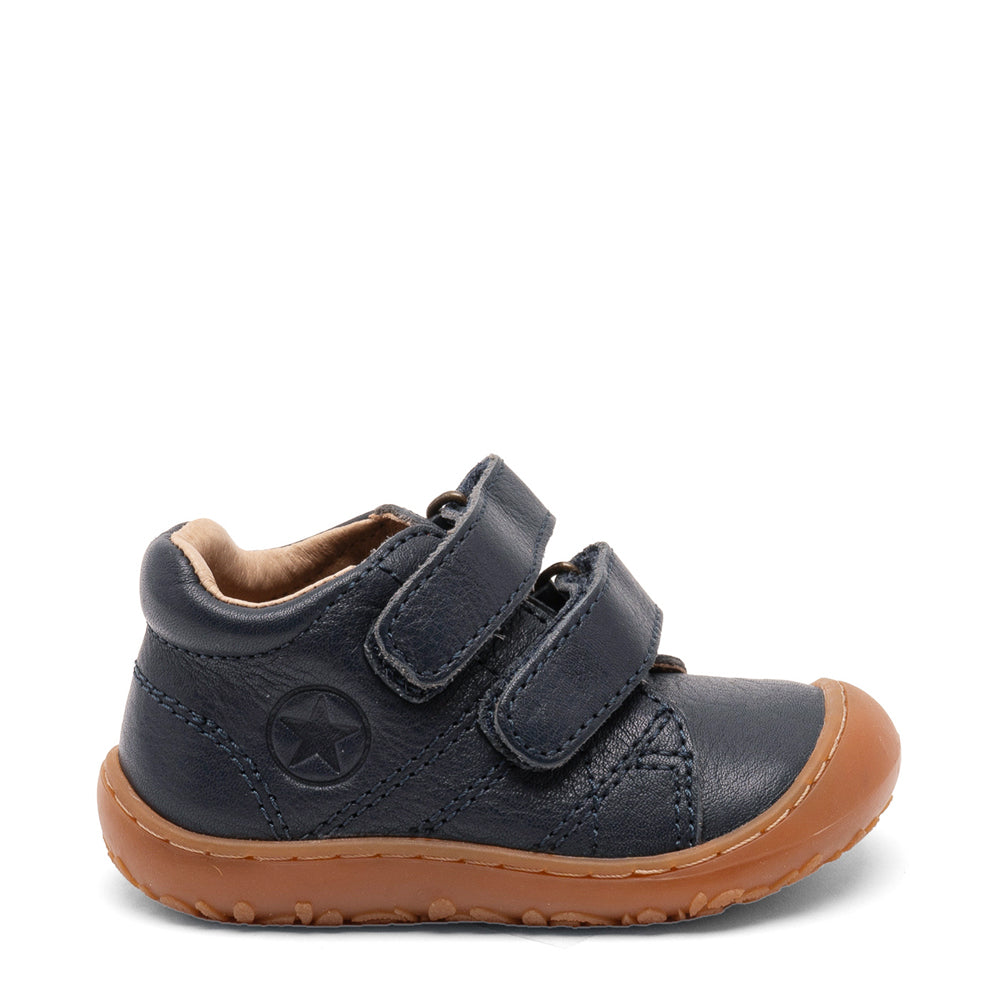
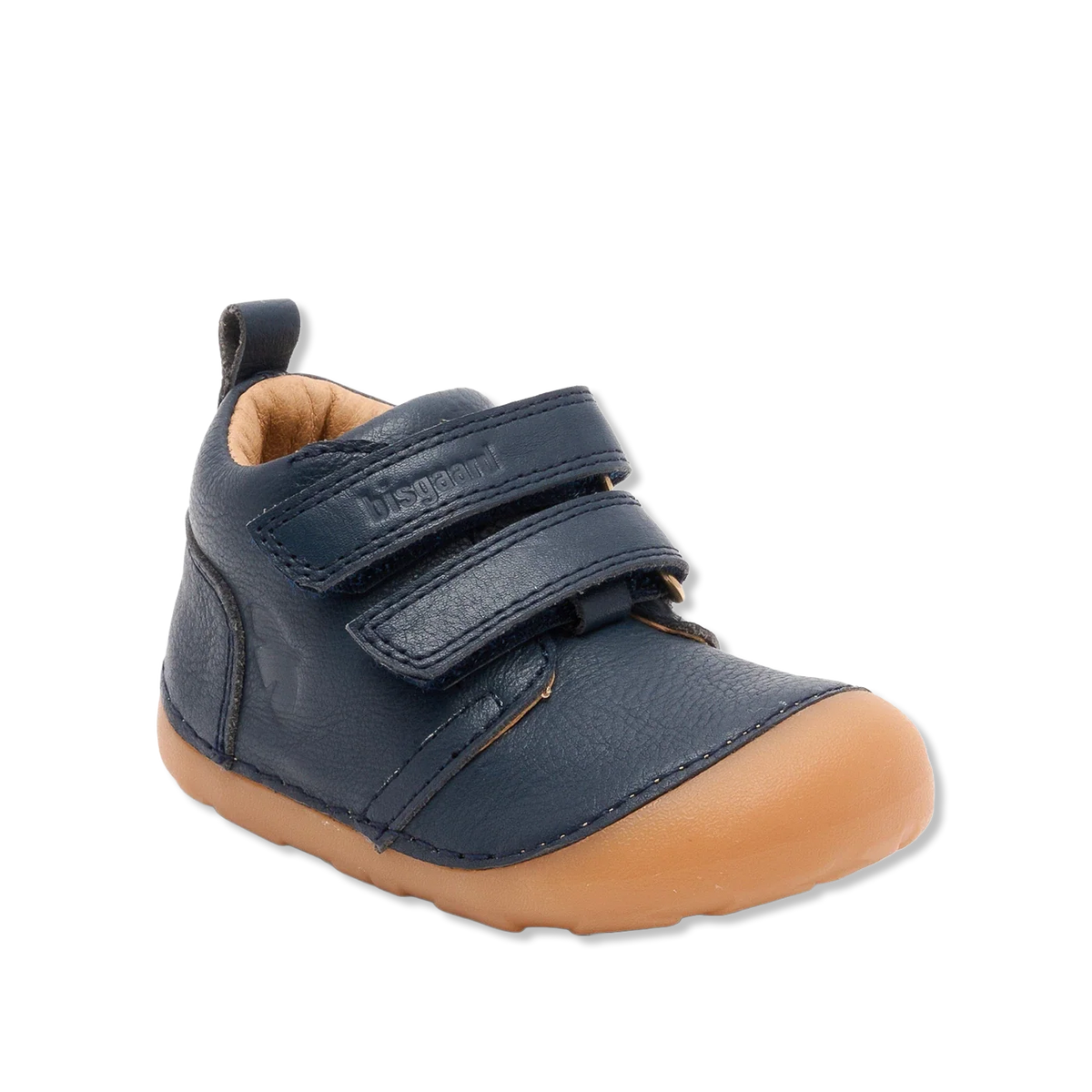
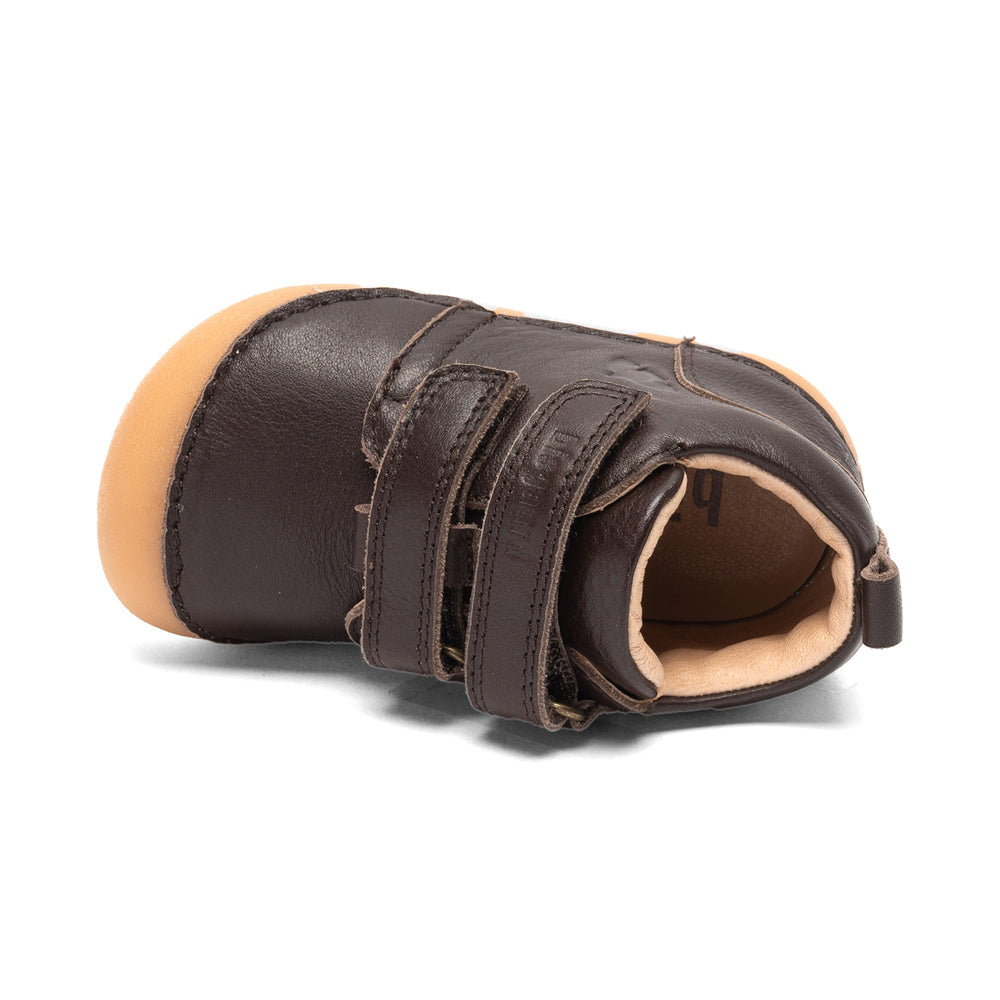
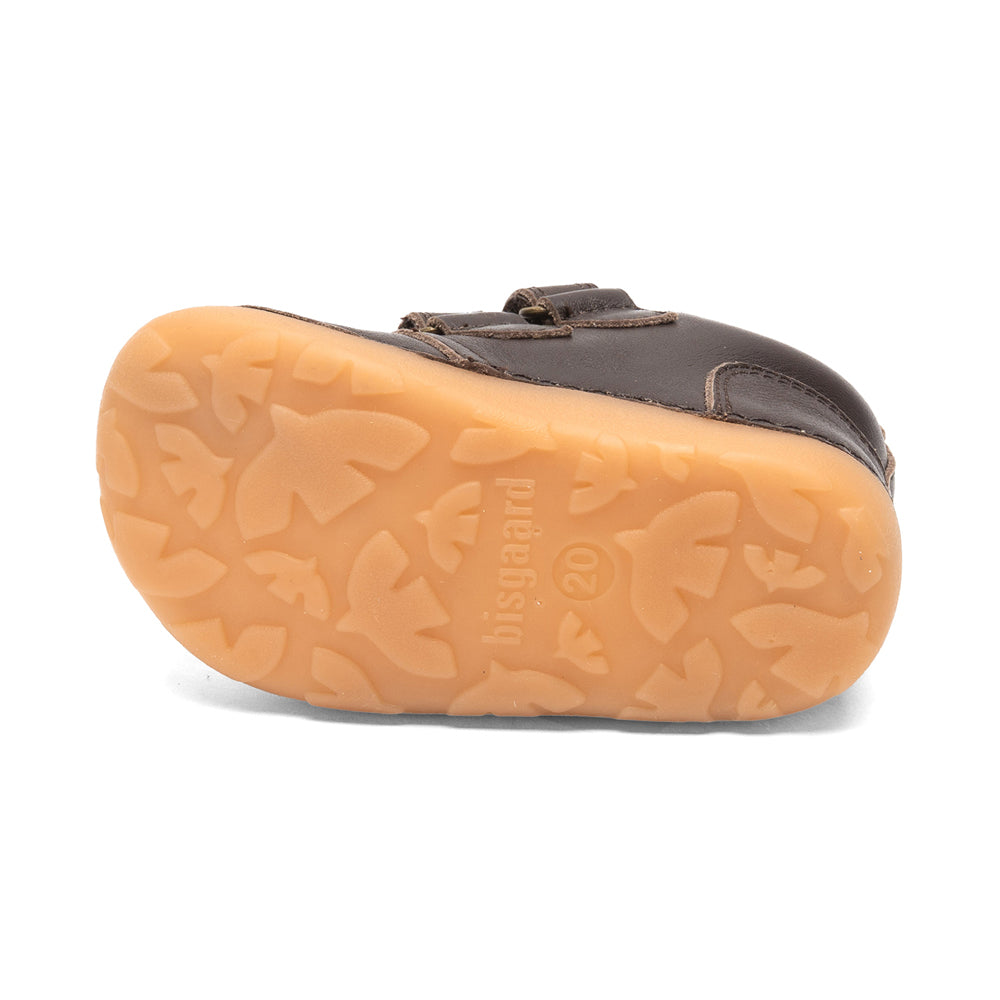
In this category, you will find Bisgaard first shoes and Bisgaard baby shoes designed with healthy, natural foot development in mind. Bisgaard is especially known for shoes with a roomy toe box and a soft, flat sole, giving the foot freedom to move naturally. This is often exactly what many parents notice when comparing first walkers with more structured and padded styles.
It can be especially helpful to consider:
- whether your child needs a style for indoor or outdoor use
- whether there is plenty of space in front of the toes
- whether the sole is soft and flexible enough for those first steps
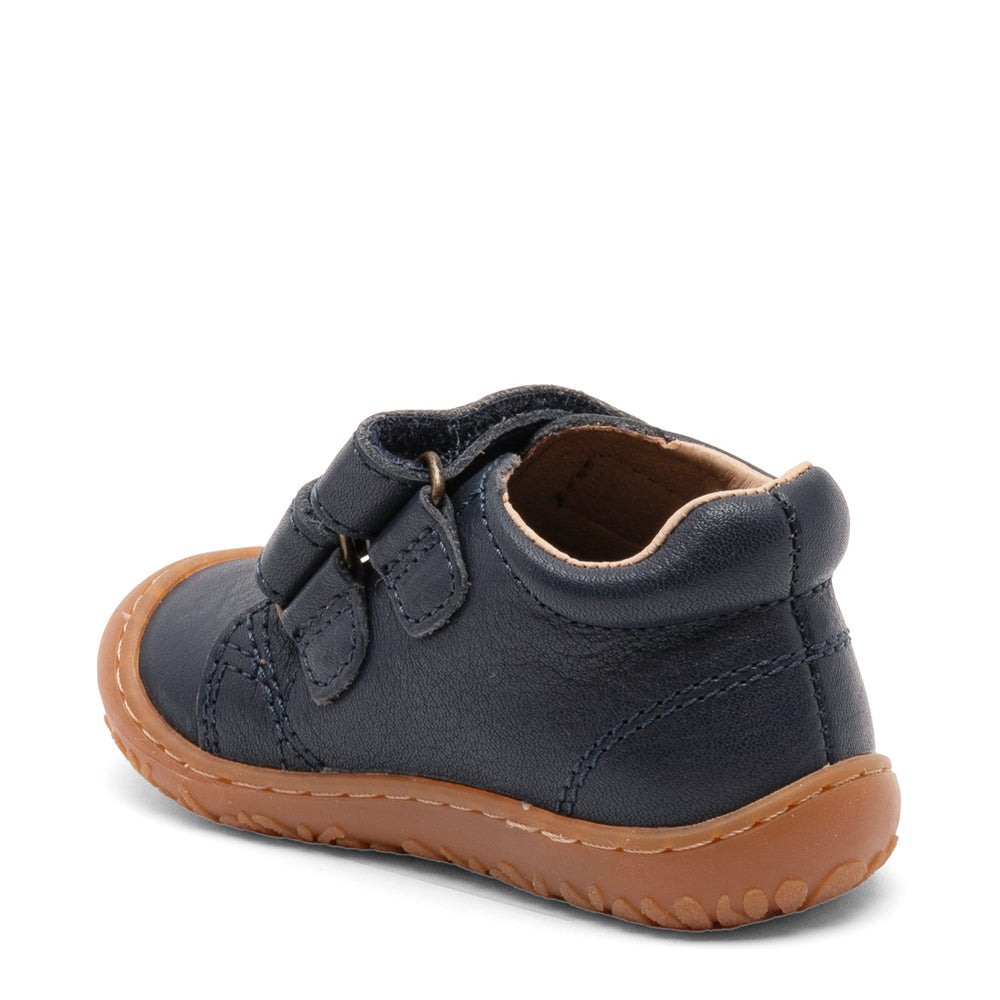
- whether the shoe fits securely around the heel without feeling tight
If you are unsure whether to choose a very soft style or a more robust first walker, Bisgaard is often a safe choice for children who have become a little steadier on their feet, but still need a shoe that follows the foot closely and naturally.
What makes Bisgaard first walkers special?
Bisgaard has focused on children’s feet for many years and creates shoes that sit closer to the natural shape of the foot than many more traditional children’s shoes. This is not only felt in how lightweight the shoes are. It also means they support your child during an important stage when balance and foot position are still developing, and when every step helps build strength and confidence.
One of the features many parents appreciate is the wider shape at the front. It gives the toes room to spread out, just as they naturally do when a child stands and walks. This can be a big advantage in everyday life, as your child gets better contact with the surface and finds it easier to balance. At the same time, the sole is usually flat and bends well with the foot, so the shoe does not guide the foot more than necessary. This is also where many people feel that Bisgaard walking shoes stand apart from more cushioned alternatives.
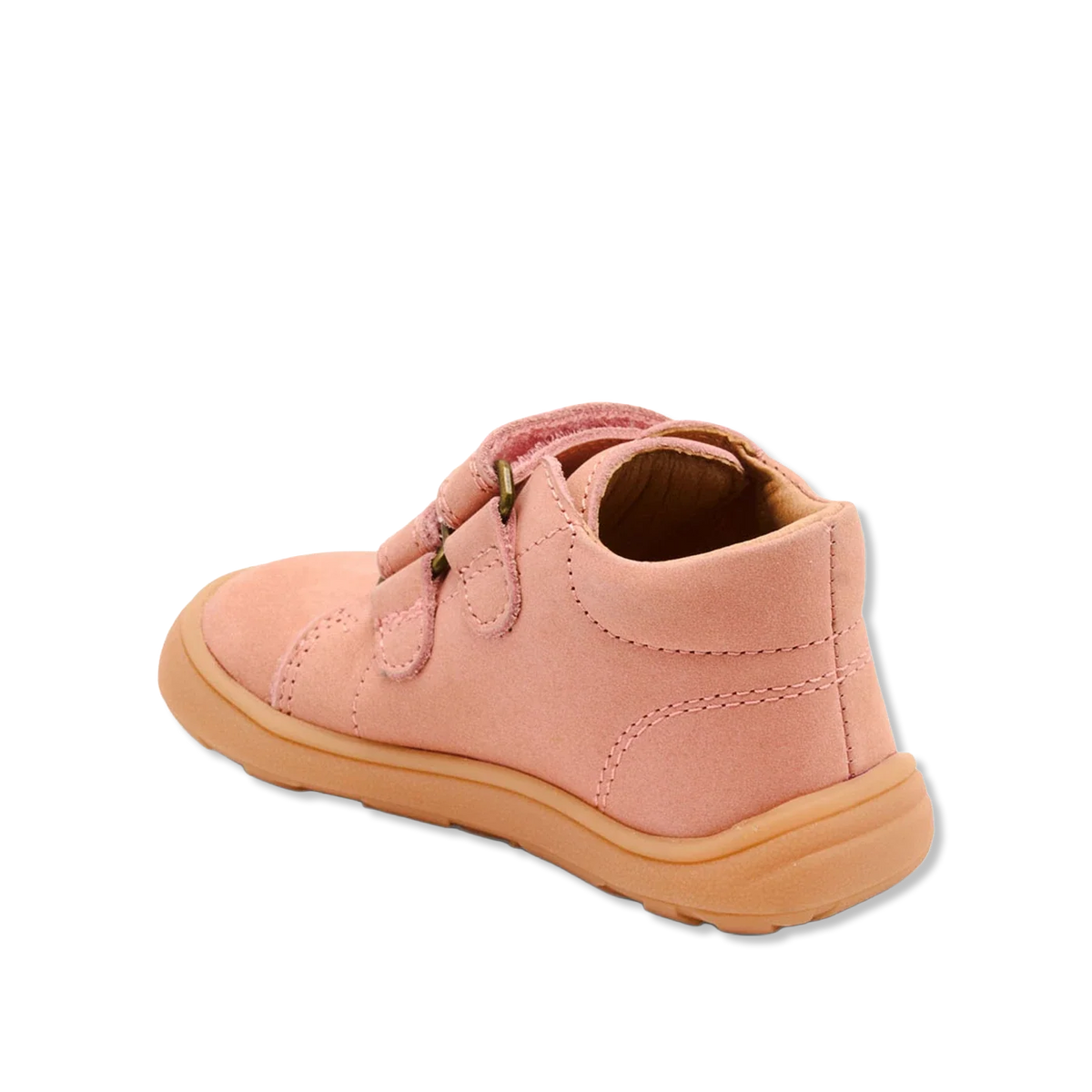
Several styles are also designed to fit neatly around the heel and adjust well across the foot. This gives a comfortable and stable fit without pinching, which is a great help when your child is still practising walking and does not yet place both feet in exactly the same way every time.
How to choose the right size in Bisgaard first walkers
When choosing a size, it is a good idea to start with your child’s foot length in centimetres rather than looking only at age. Small feet grow quickly, and if the shoe is too small, it can restrict your child’s movement. If it is too large, your child may slide around inside the shoe and lose the supportive fit.
As a simple rule of thumb, aim for around 1-1.5 cm of growing room. Measure your child’s foot while they are standing, if possible, and use the longest measurement as your guide. If your child has a wide forefoot or slightly fuller feet, Bisgaard’s spacious toe box will often be an advantage.
It can also help to think about where your child is right now:
- 6-12 months: For children who have just started pulling themselves up and taking a few steps.
- 12-18 months: For children who walk more confidently and move around more actively.
- 18-24 months: For children who still need first walkers, but use them more outdoors and on changing surfaces.
If you would like a broader overview of first shoes, you can also explore our selection of starter shoes, where you can compare different types and fits.
Bisgaard first walkers for indoor and outdoor use
First walkers are not used in exactly the same way in every family, and this affects which style is the best fit. Some children take most of their first steps at home on the living room floor or in daycare, while others are quickly out on paving stones, the terrace or on a trip to the playground.
For indoor use, lightweight styles with a very flexible sole are often a good choice. Here it is important that your child can feel the surface and move freely. If the shoes will also be used outdoors, it can be nice to choose a style with a little more grip underneath, helping your child stand more securely on uneven or slippery surfaces.
If your child still mostly walks indoors, a pair of slippers can be a good supplement on days when a proper first walker is not needed. And when your child becomes more confident on their feet and is ready for the next type of shoe, you can take a closer look at our selection of Bisgaard shoes.
Materials, socks and everyday use
Many Bisgaard first walkers are made from leather or other lightweight, breathable materials that shape nicely around the foot. This is ideal for the first walking stage, where the shoe should be flexible, light and comfortable to wear. Leather is also practical in a busy everyday routine, as it is often easy to wipe clean after the shoes have been out on little adventures.
Thin socks usually work best with first walkers, as they help maintain a good fit and close contact between foot and shoe. Thick socks can quickly change how the shoe sits. If you would like a good supplement for switching between bare feet, socks and shoes, non-slip socks can be a great solution.
For everyday care, it is fortunately easy to keep the shoes looking good. Wipe them with a damp cloth and let them dry naturally afterwards. Avoid placing them directly on a heat source, so they retain both their shape and flexibility through many little steps.