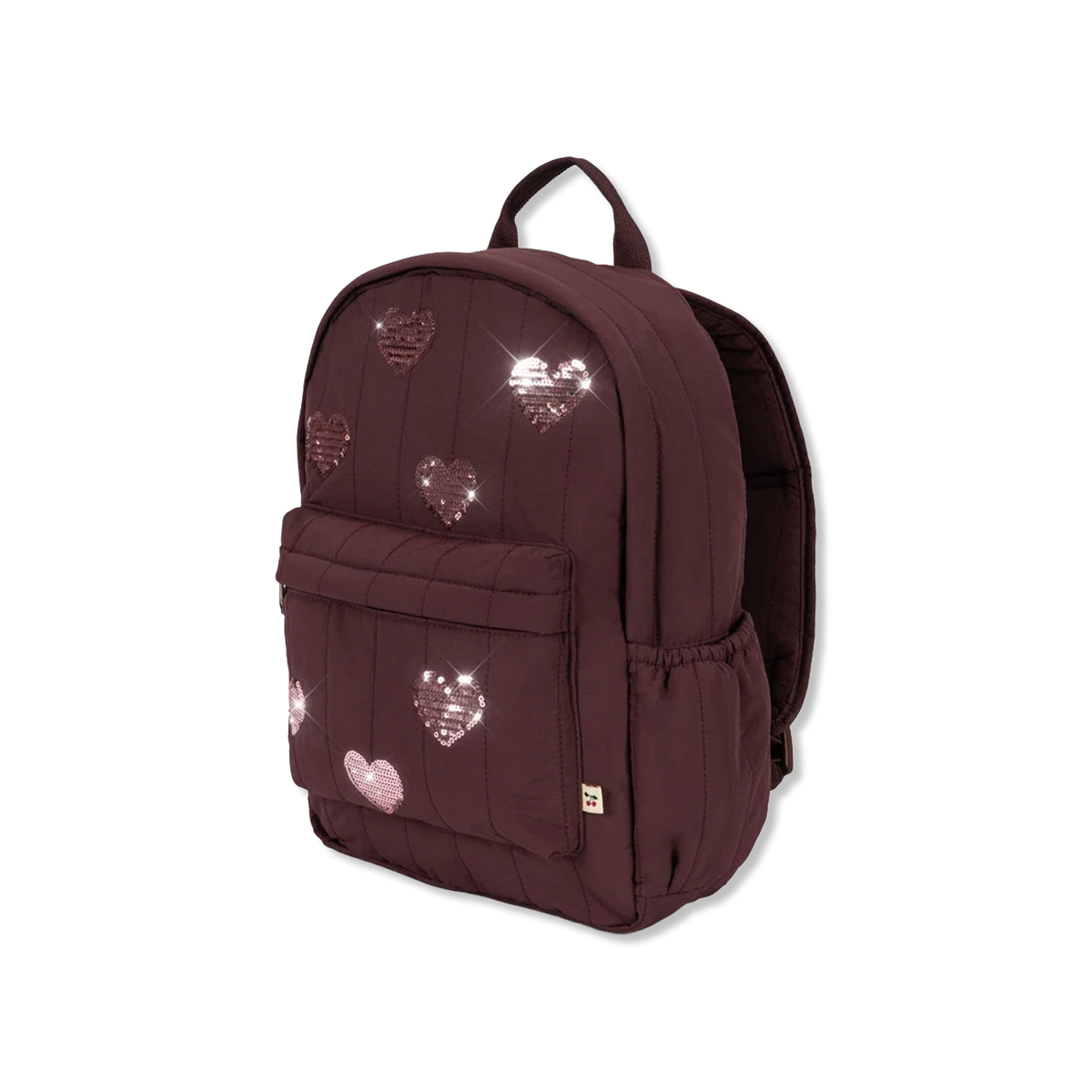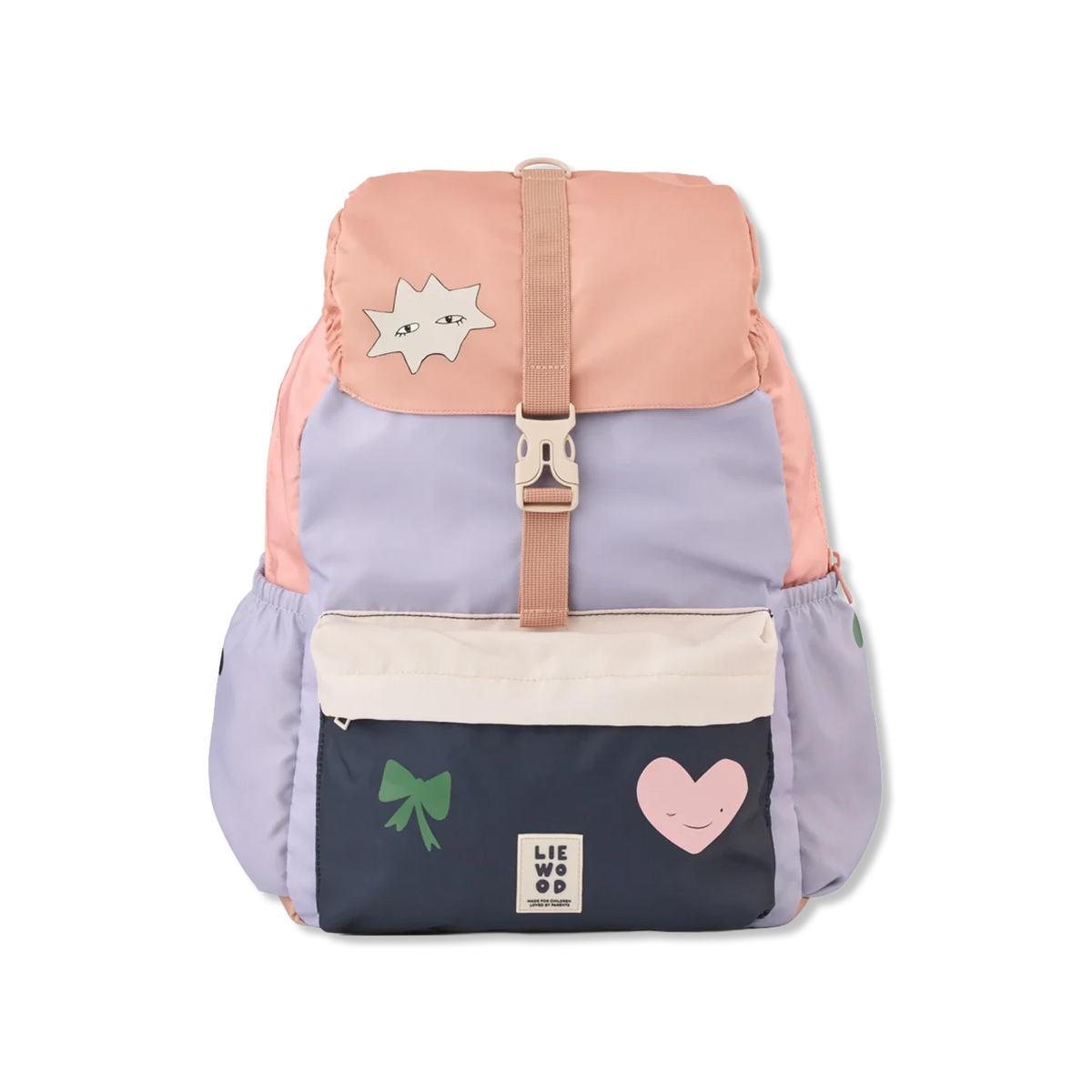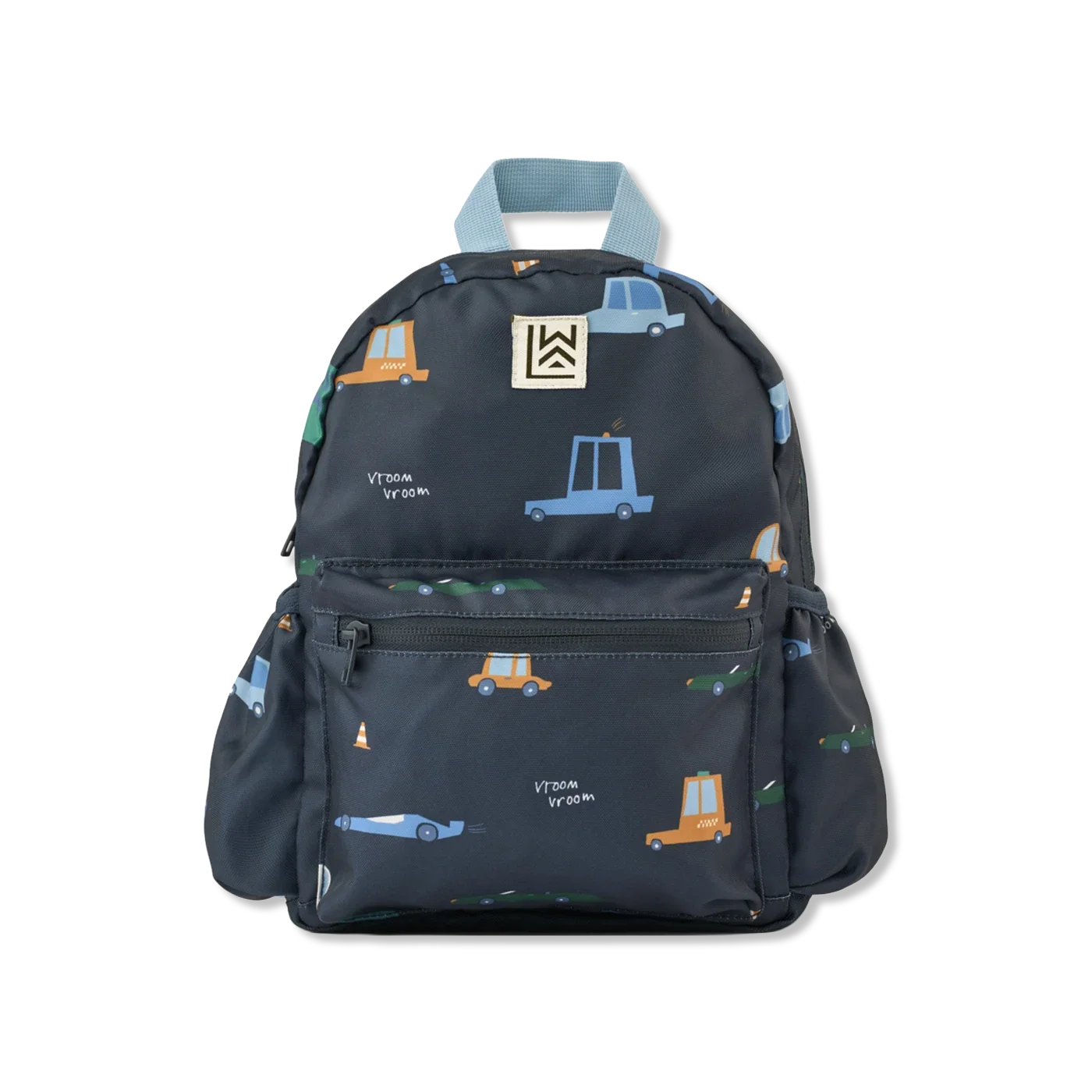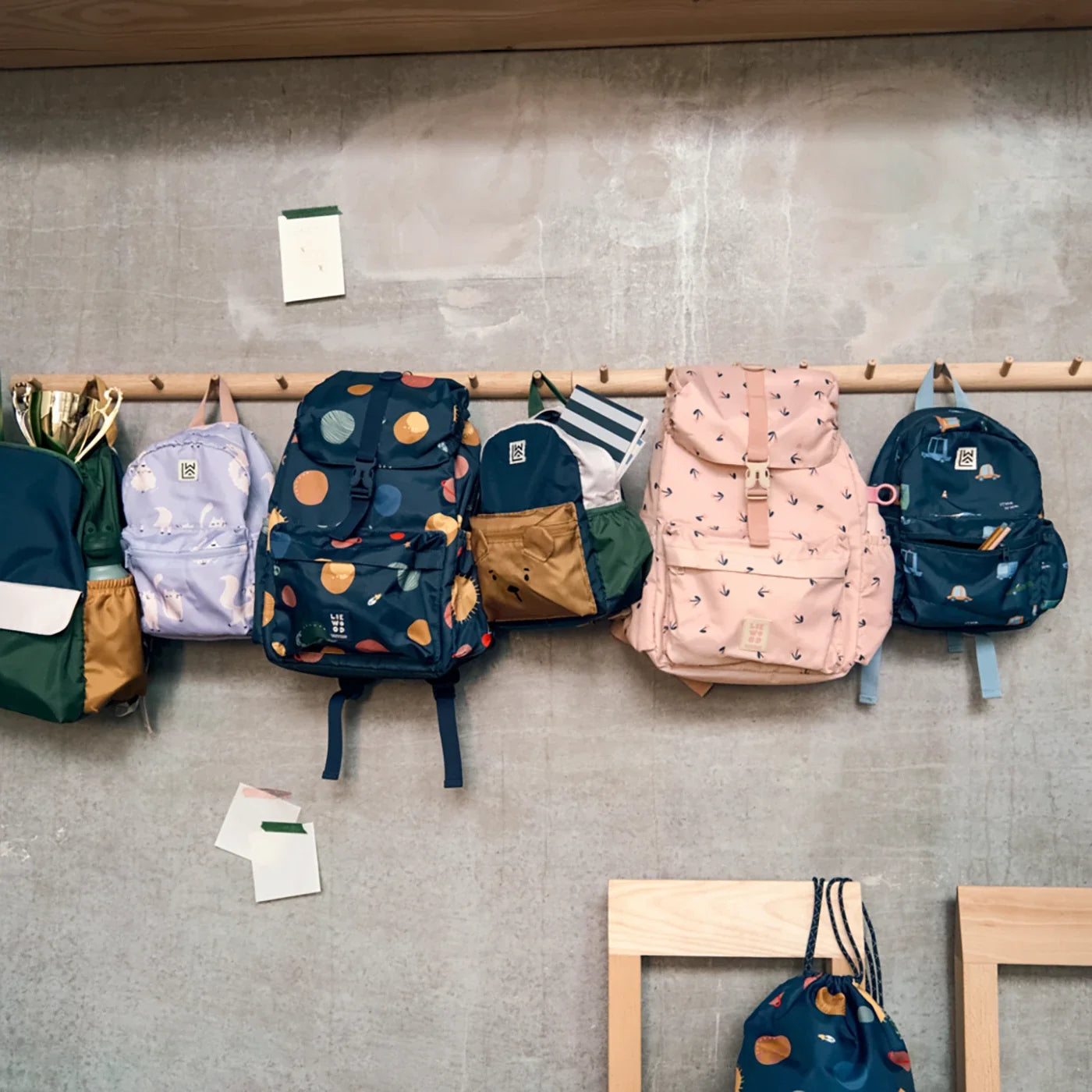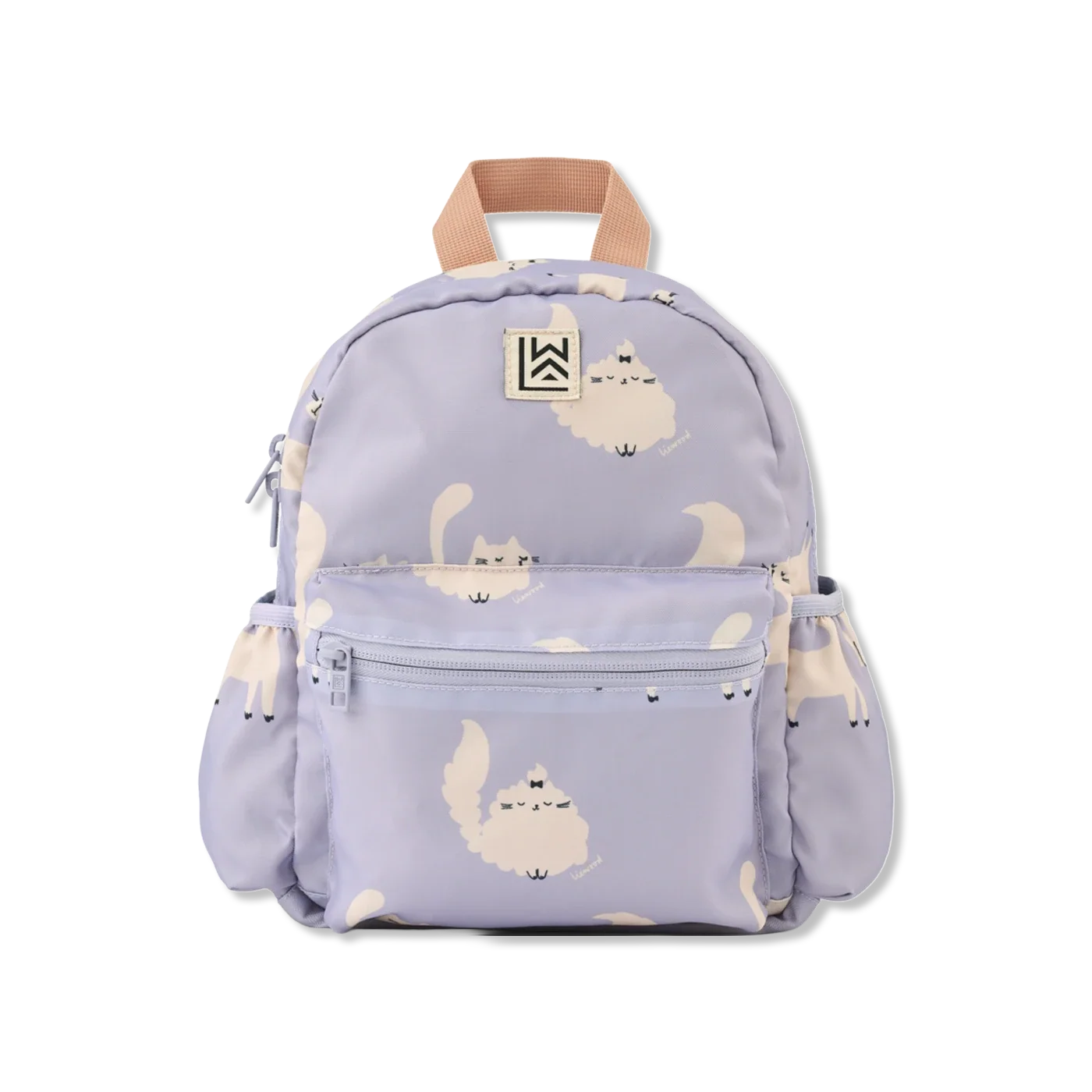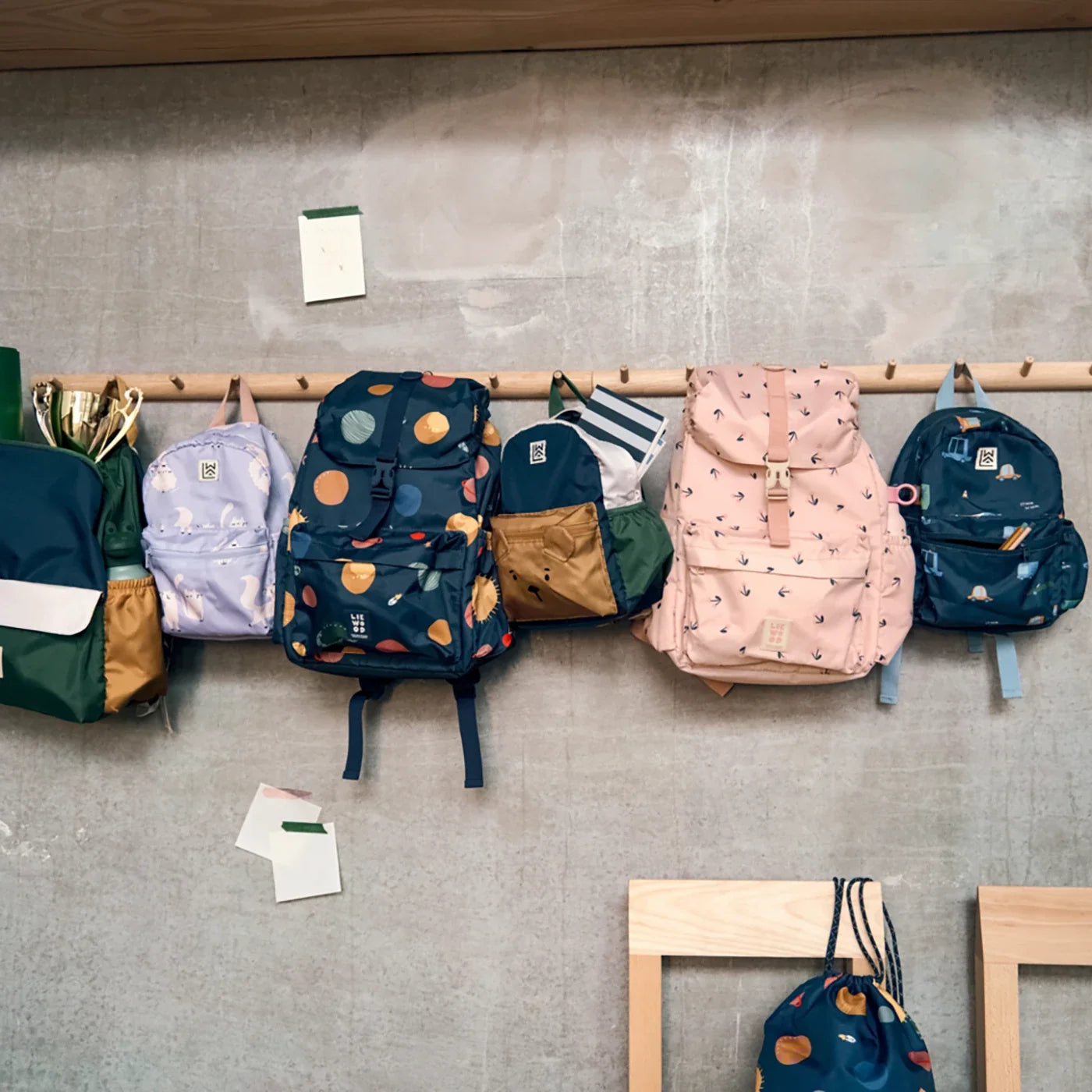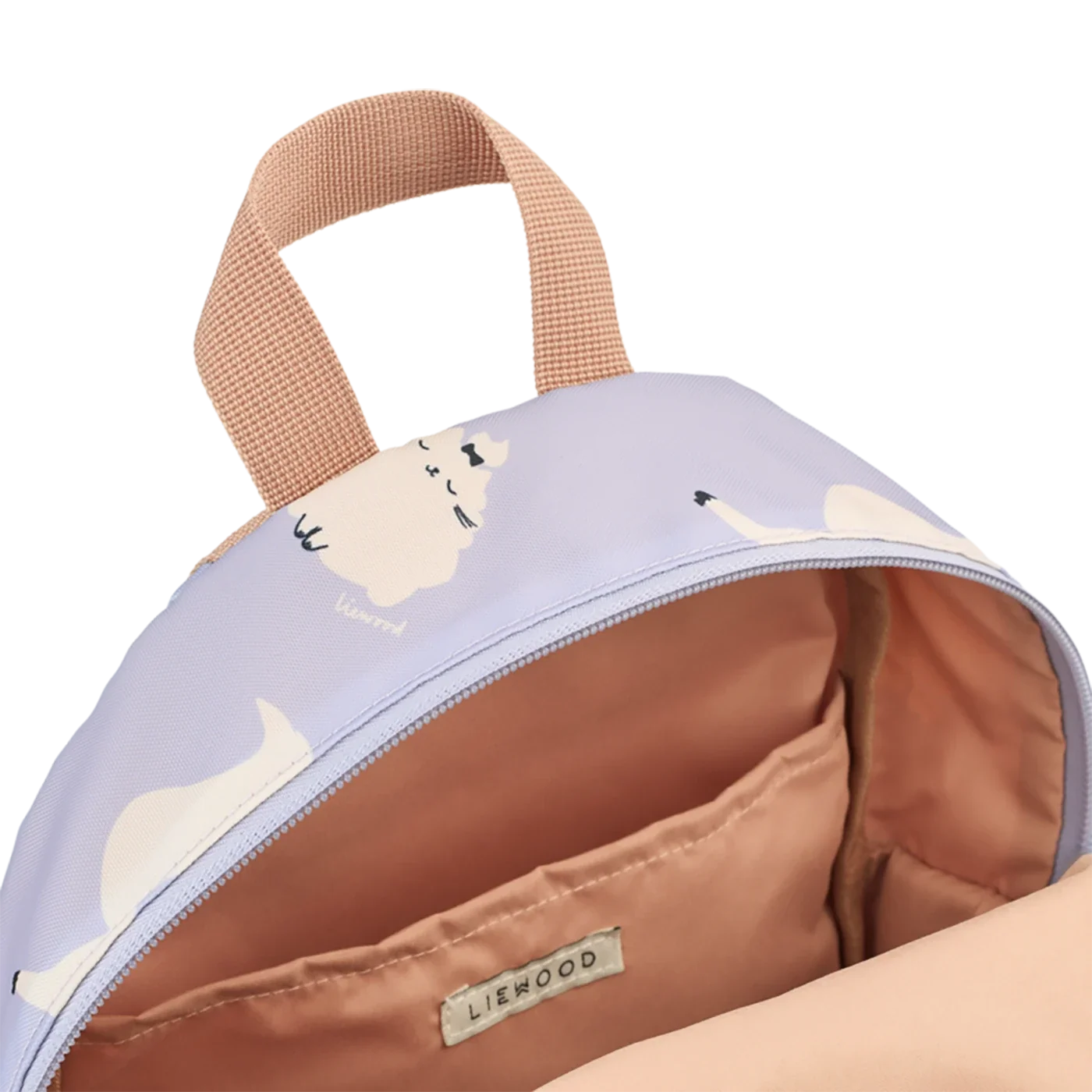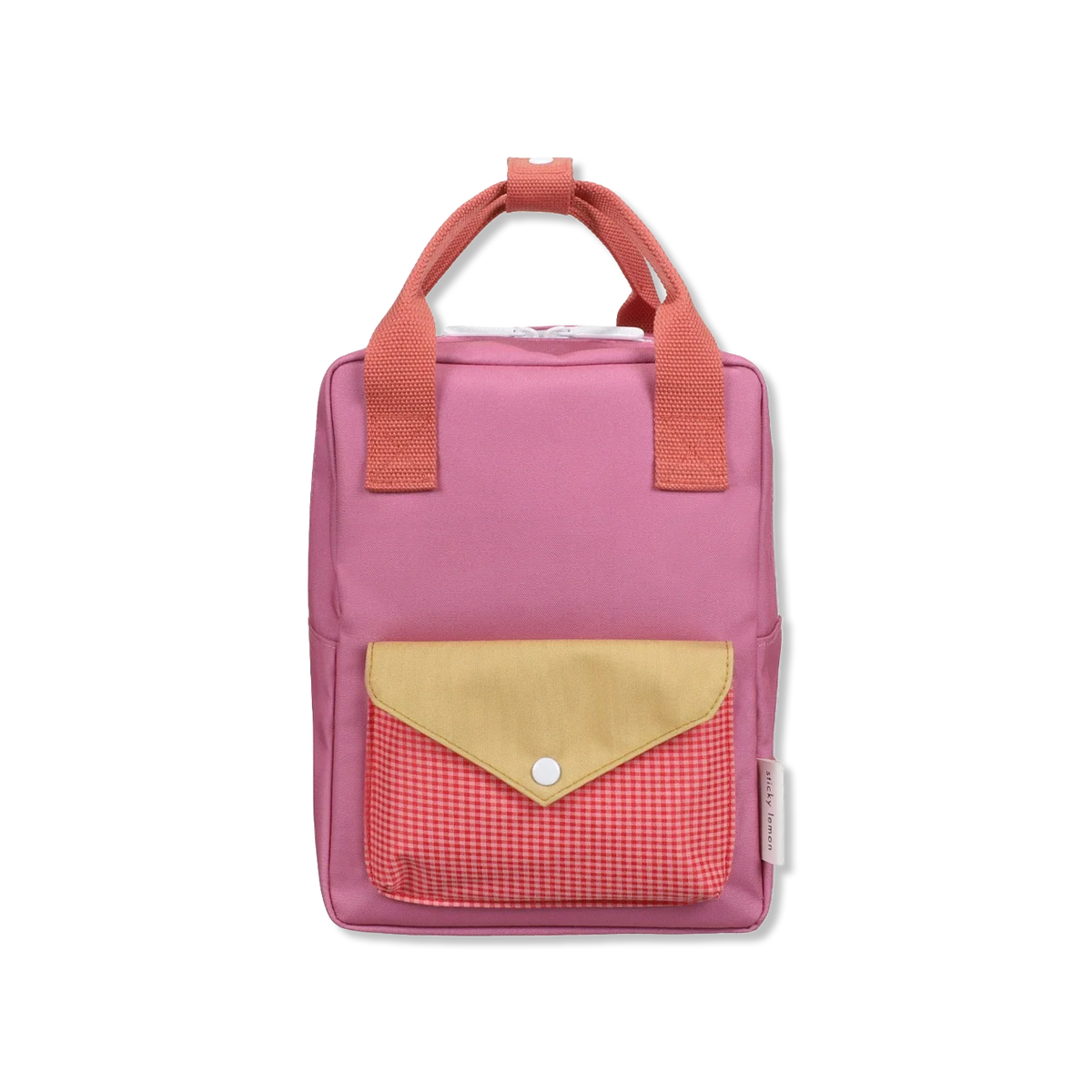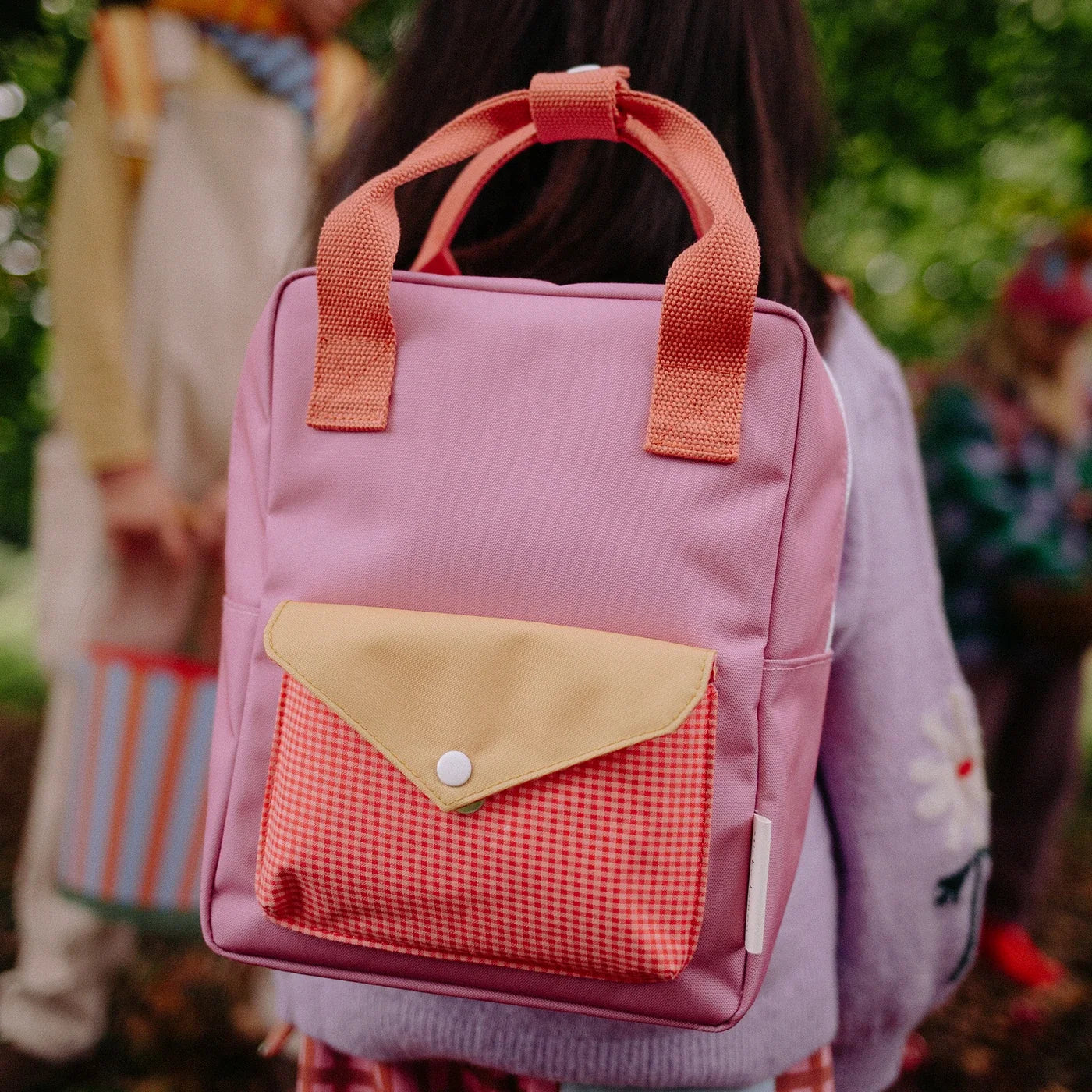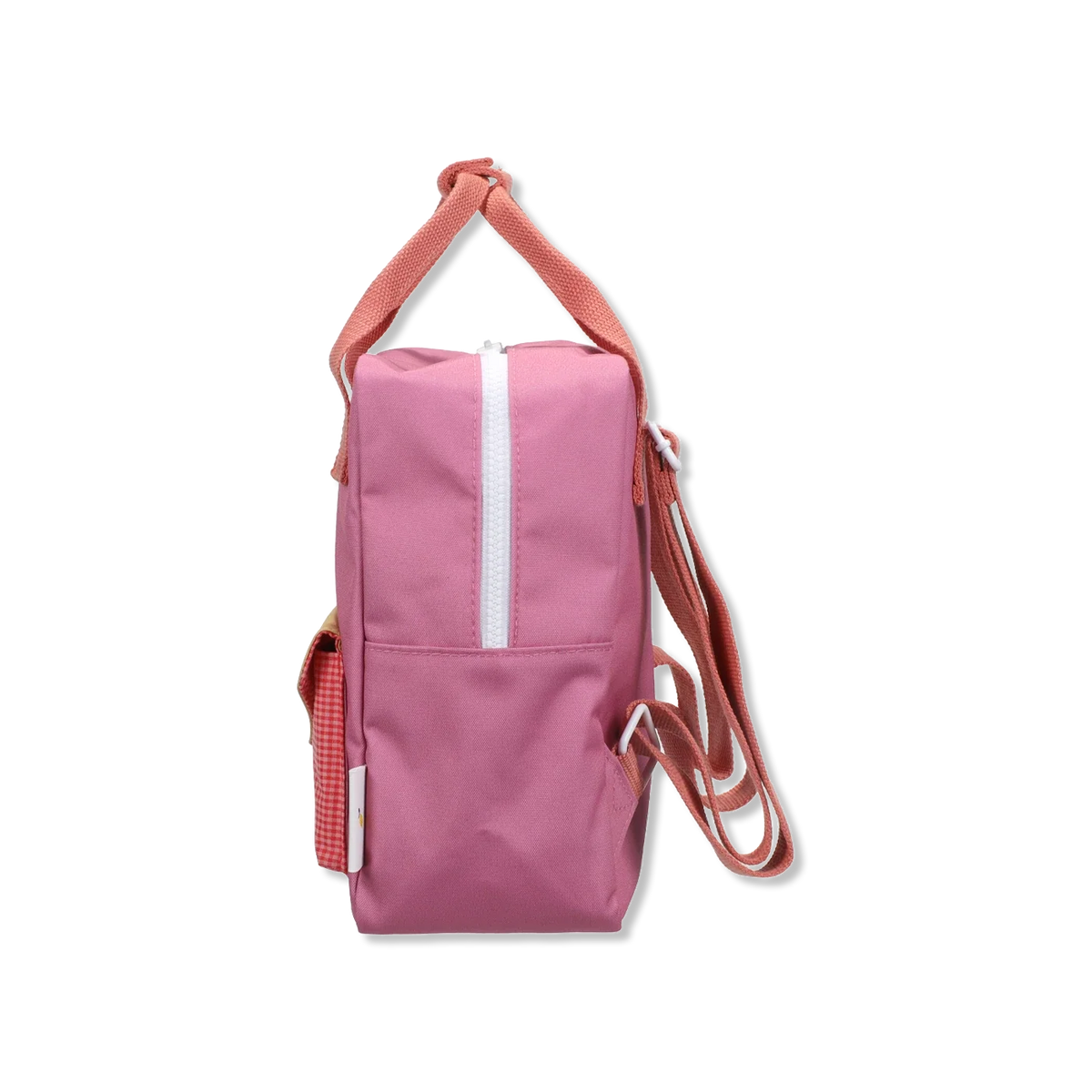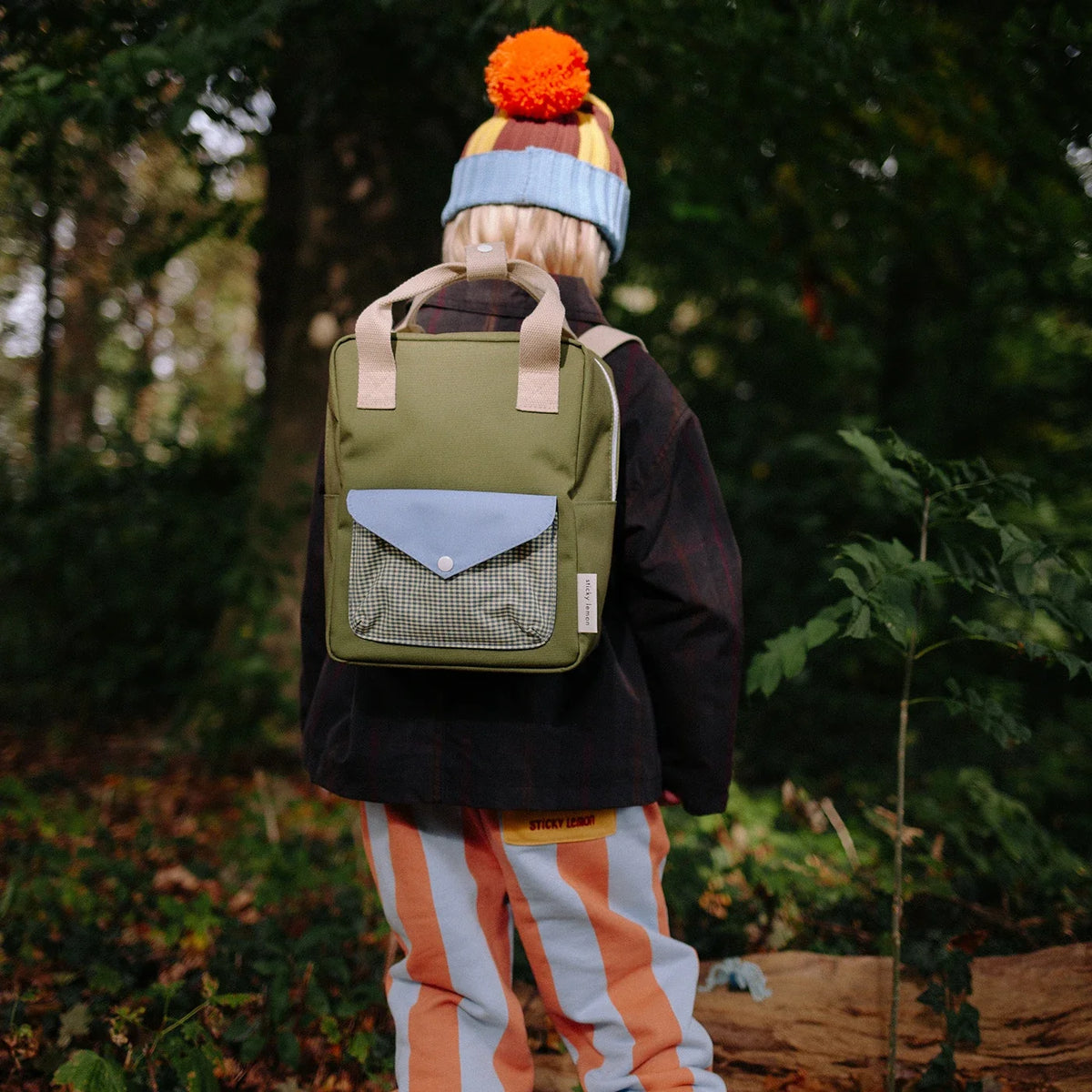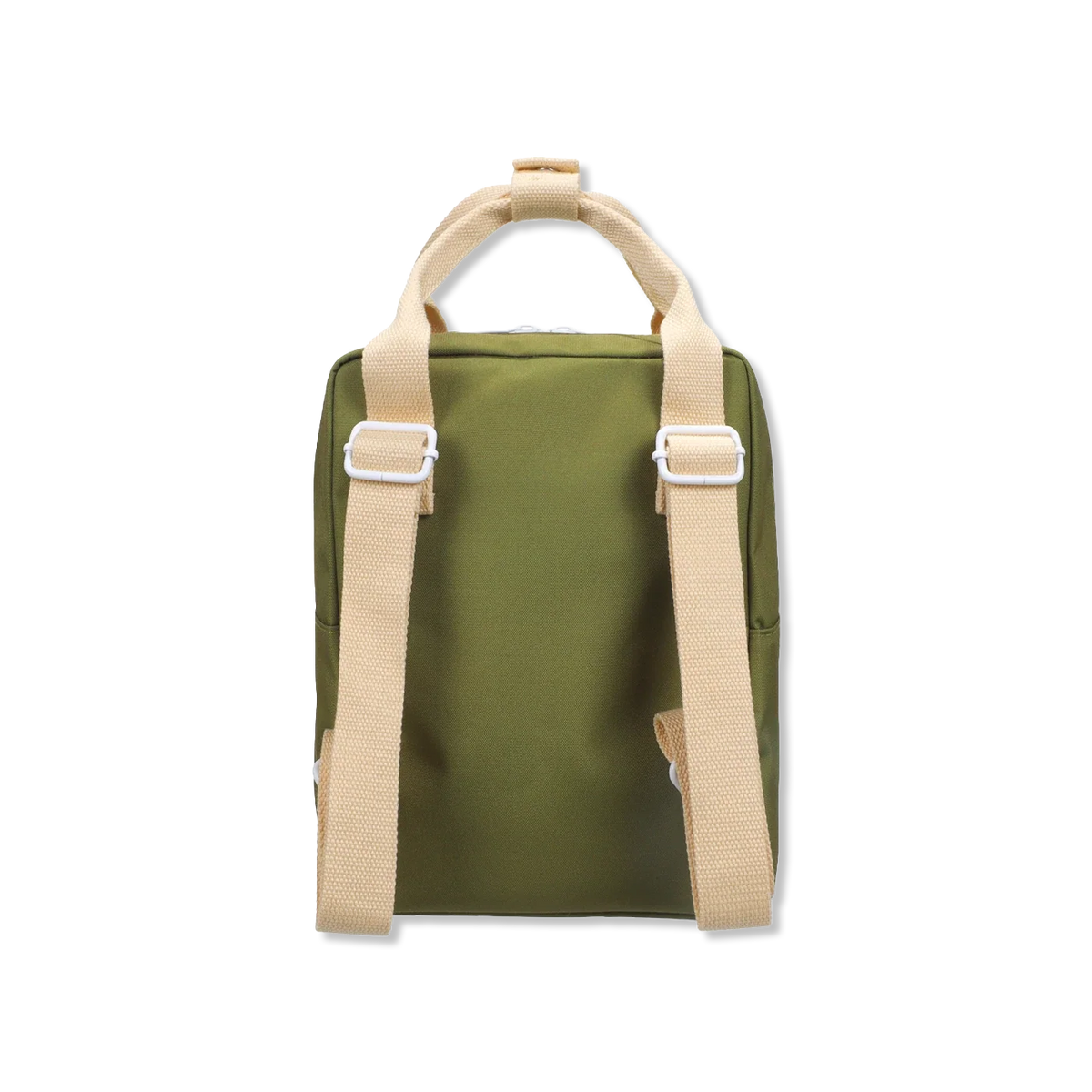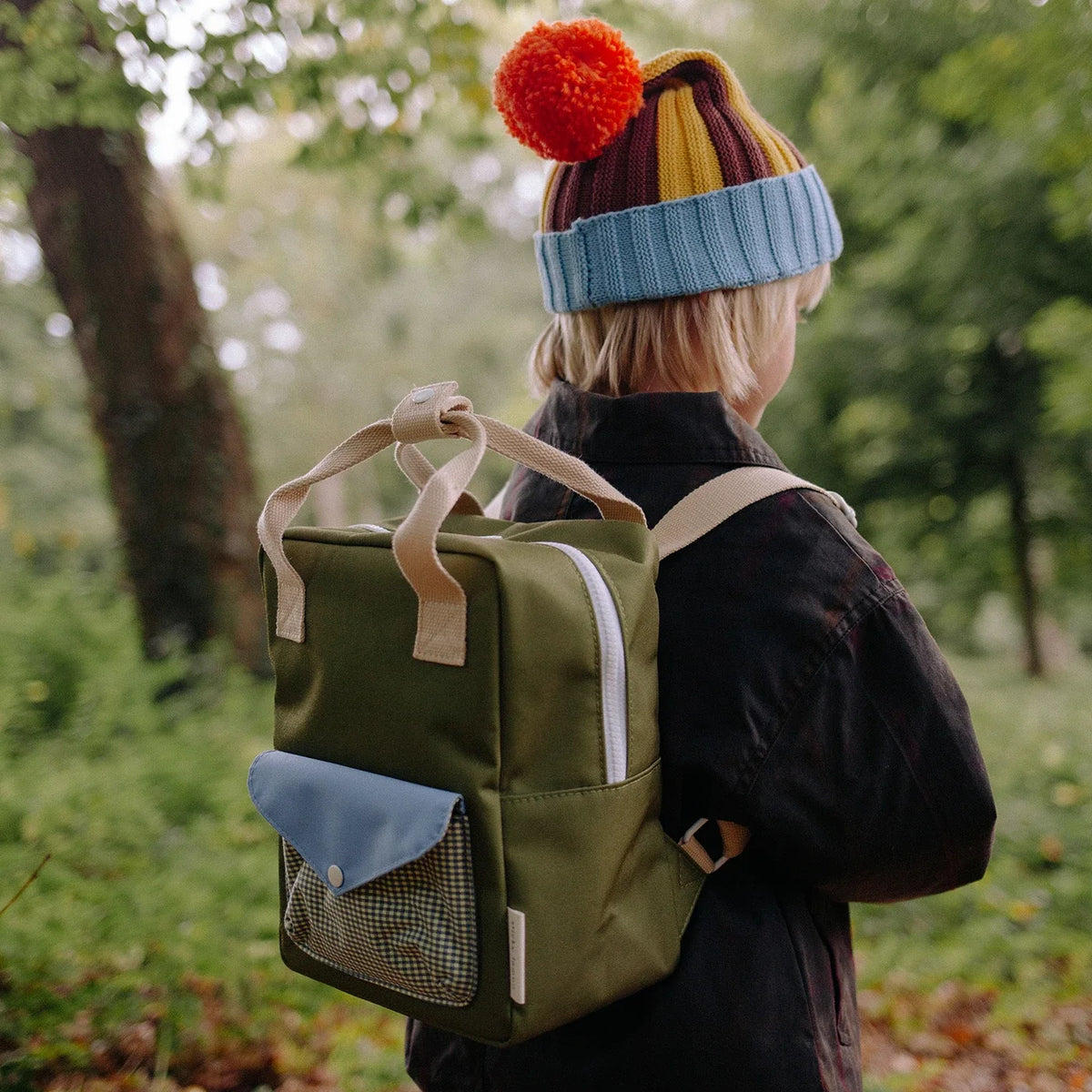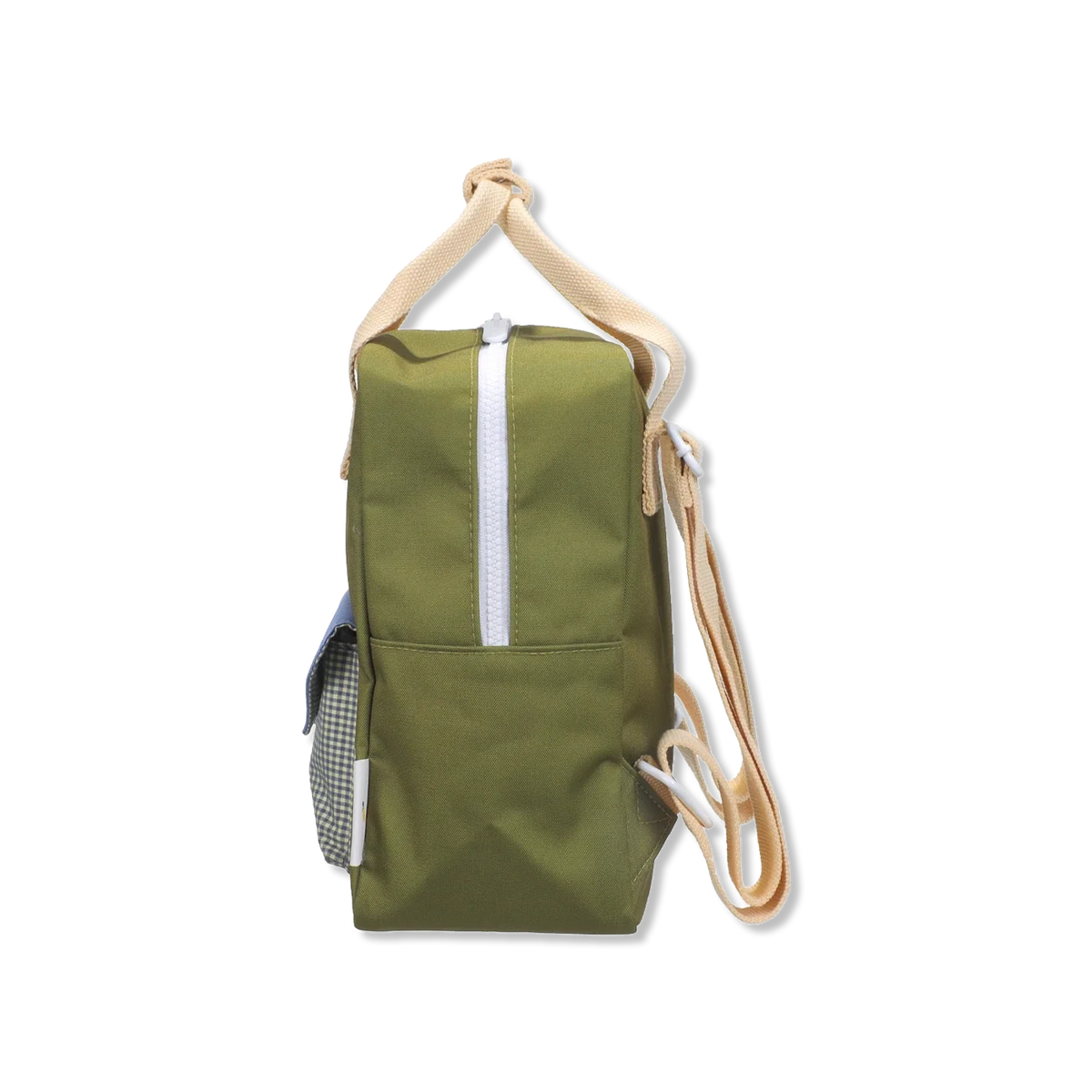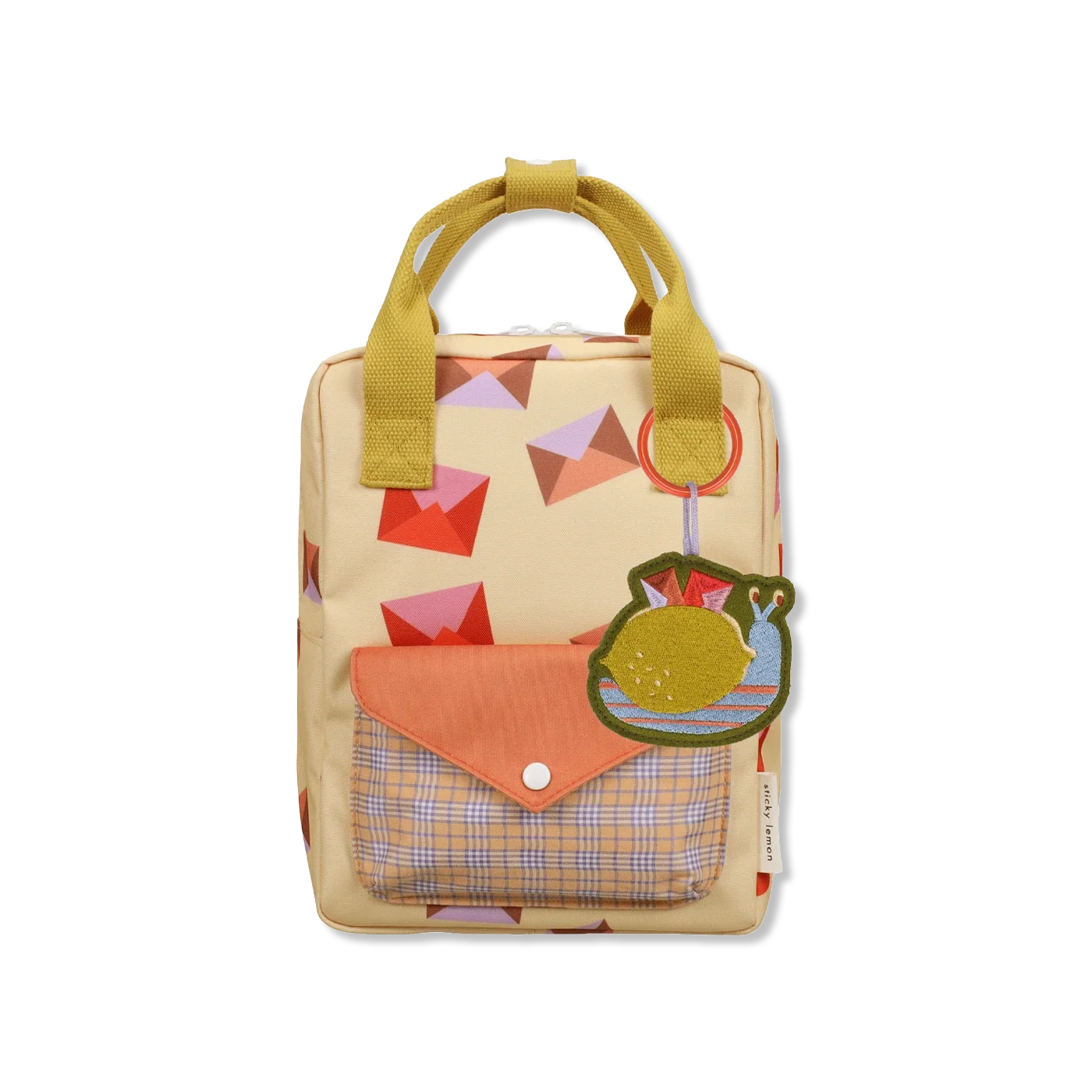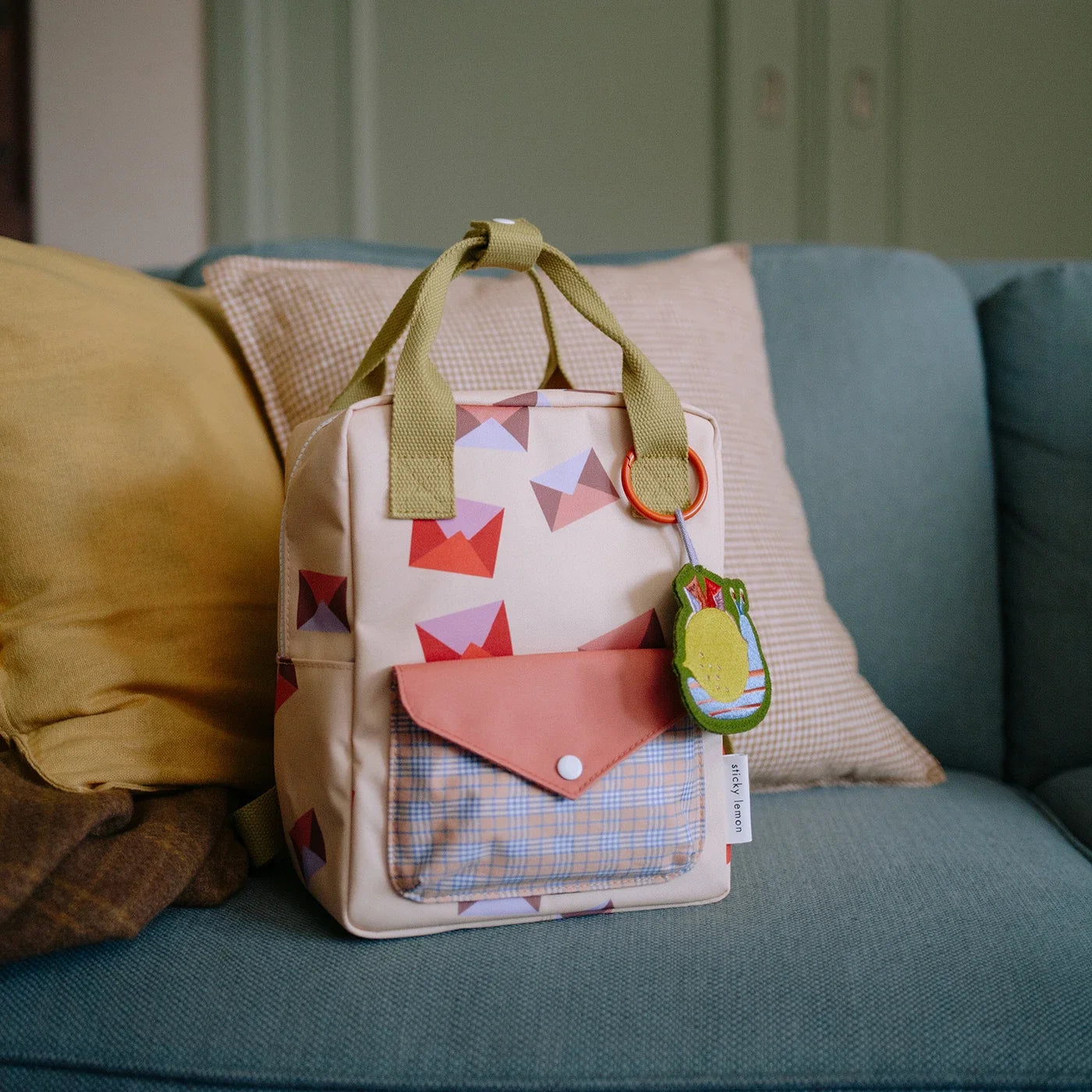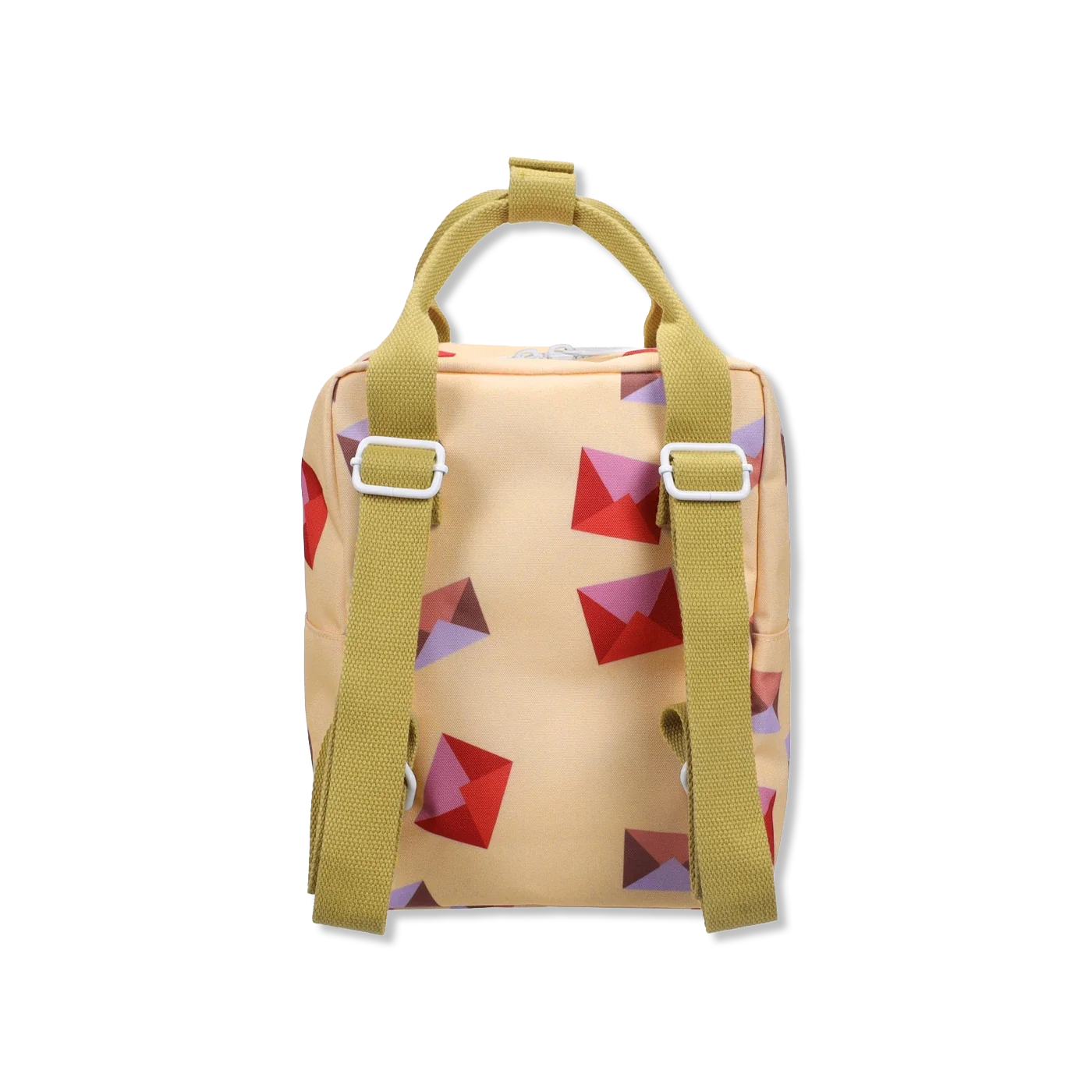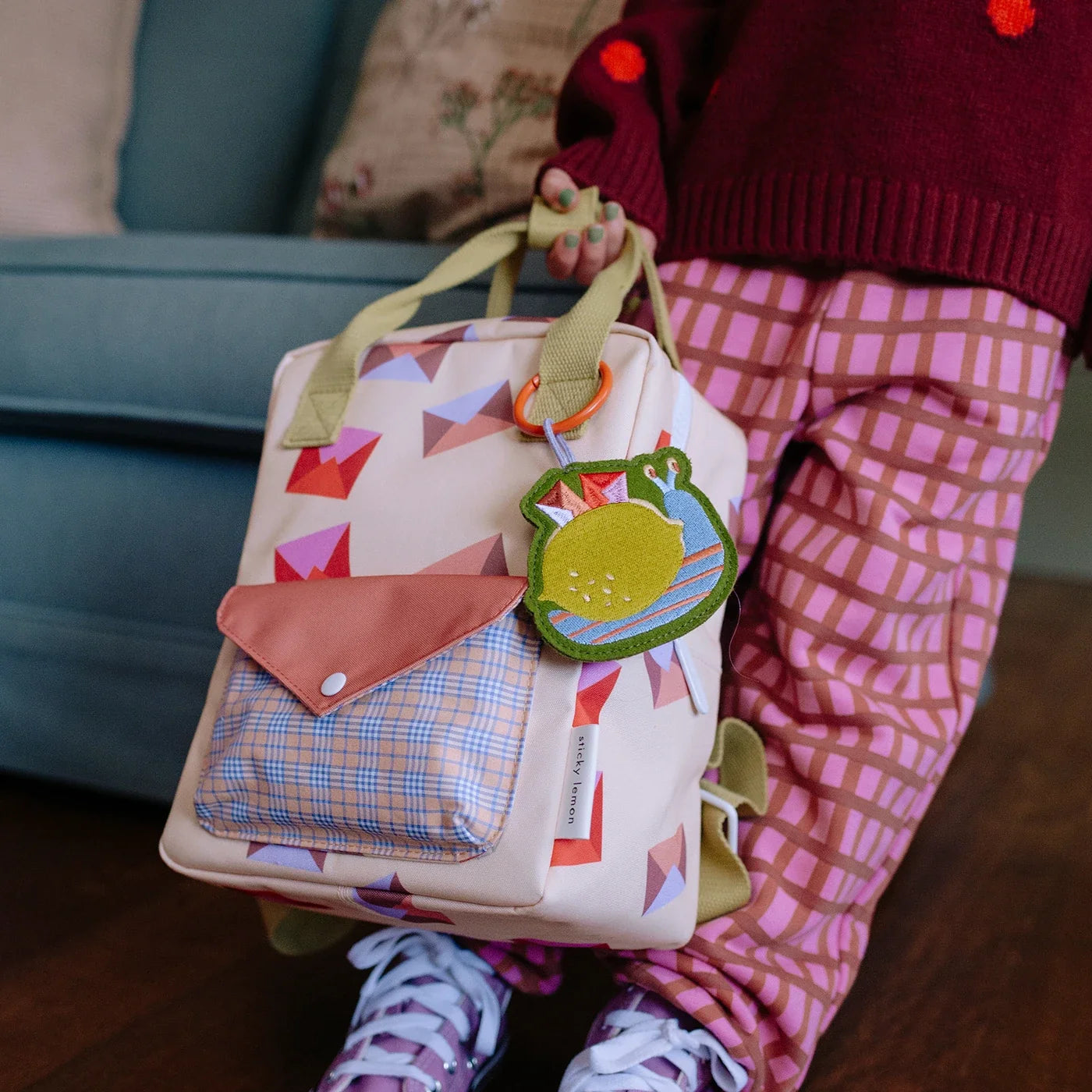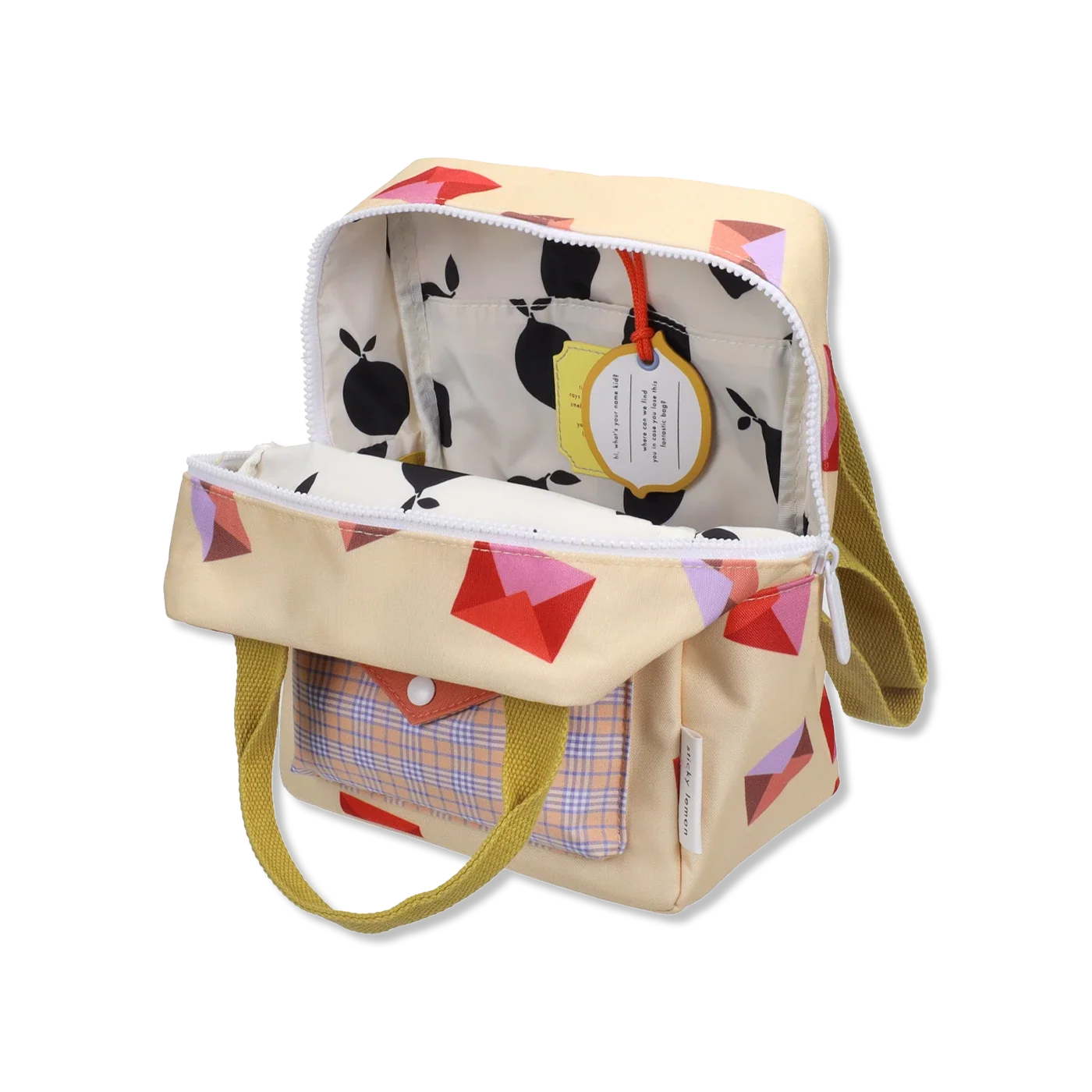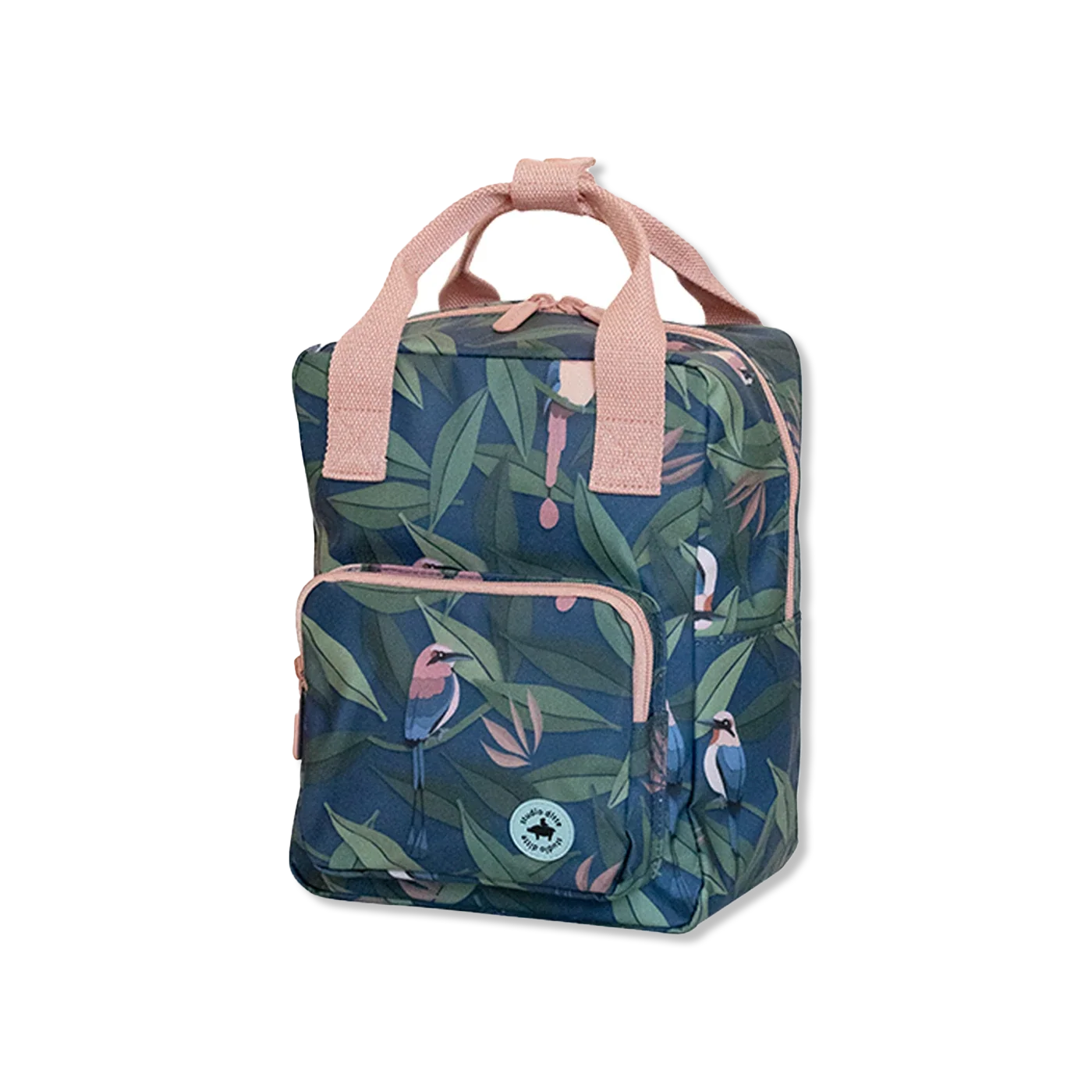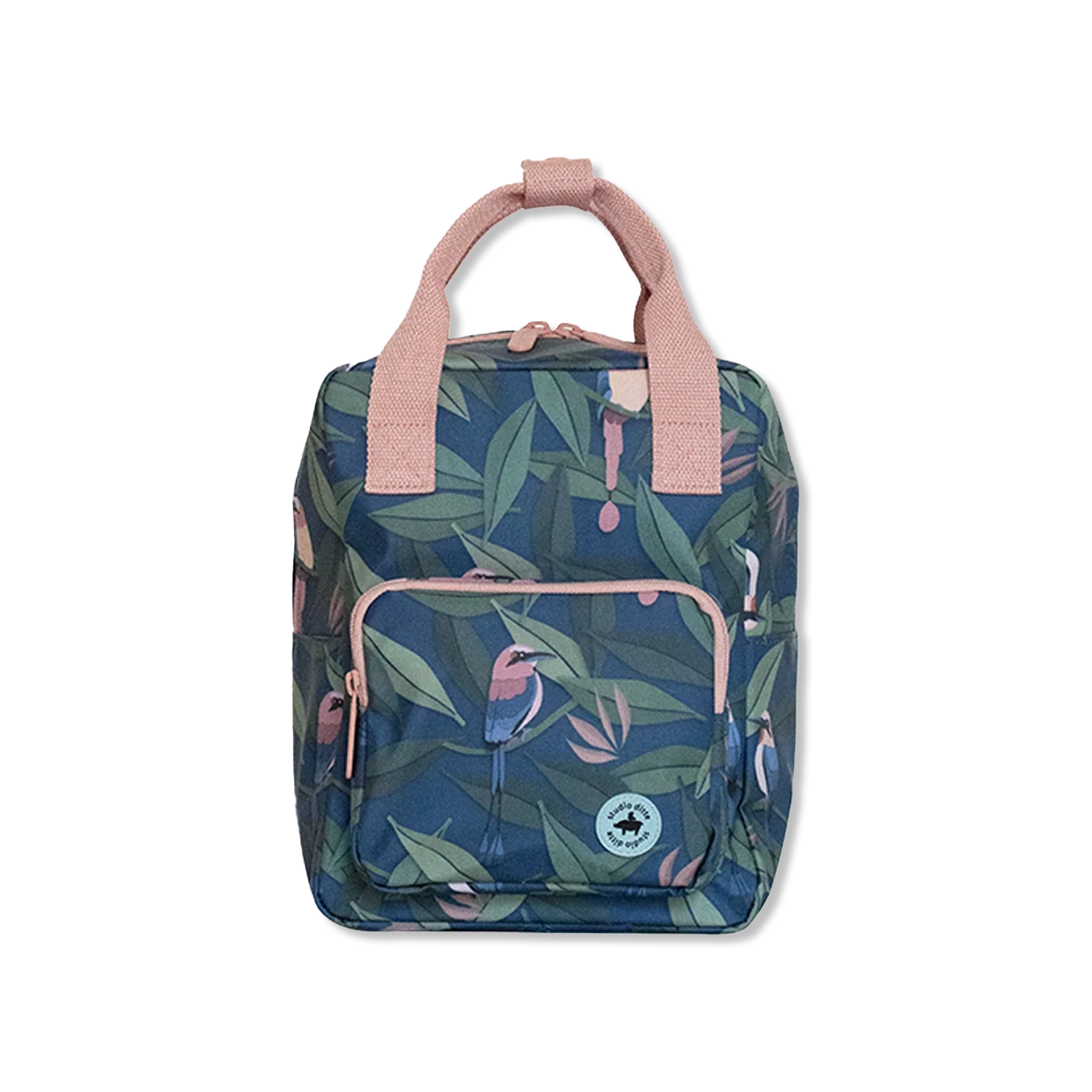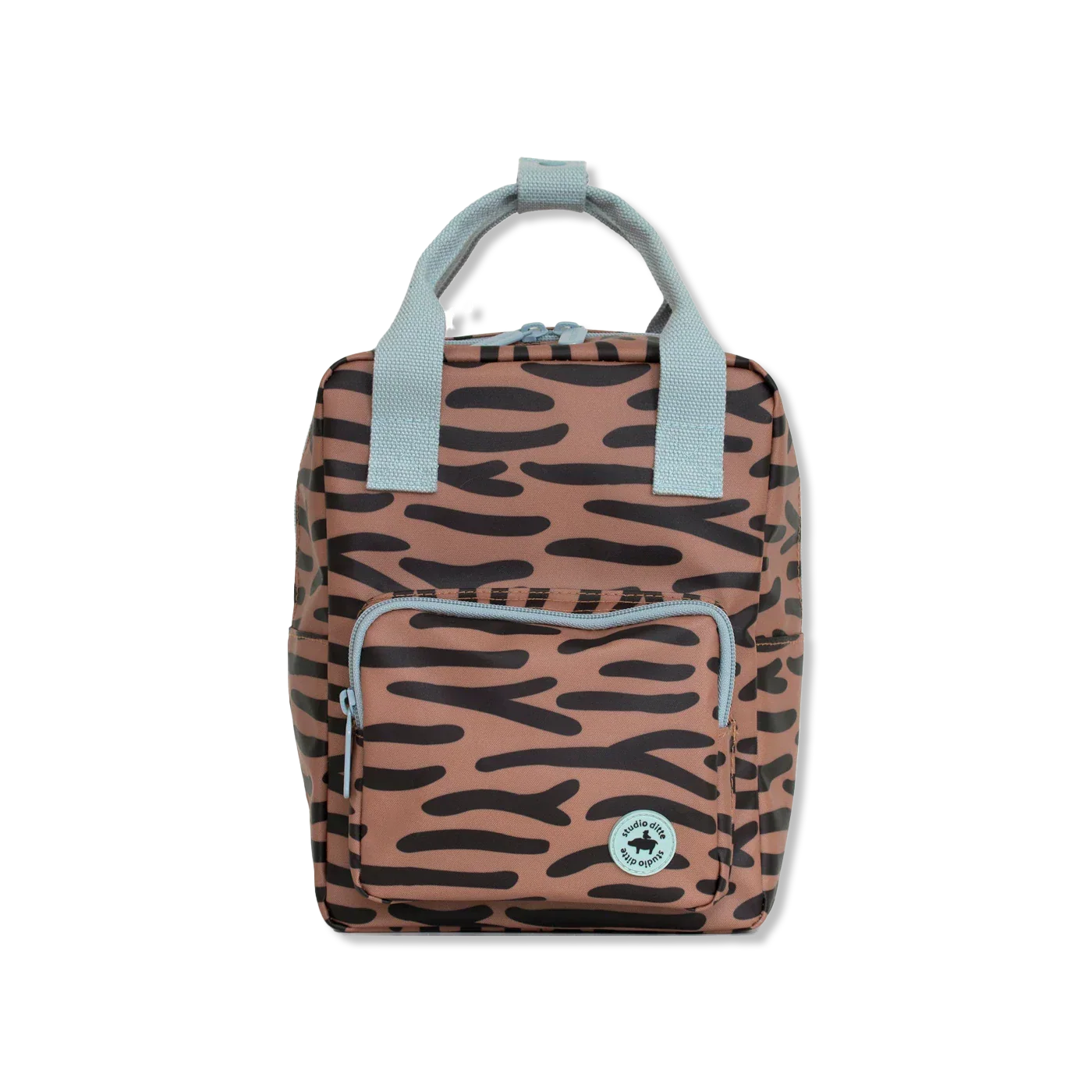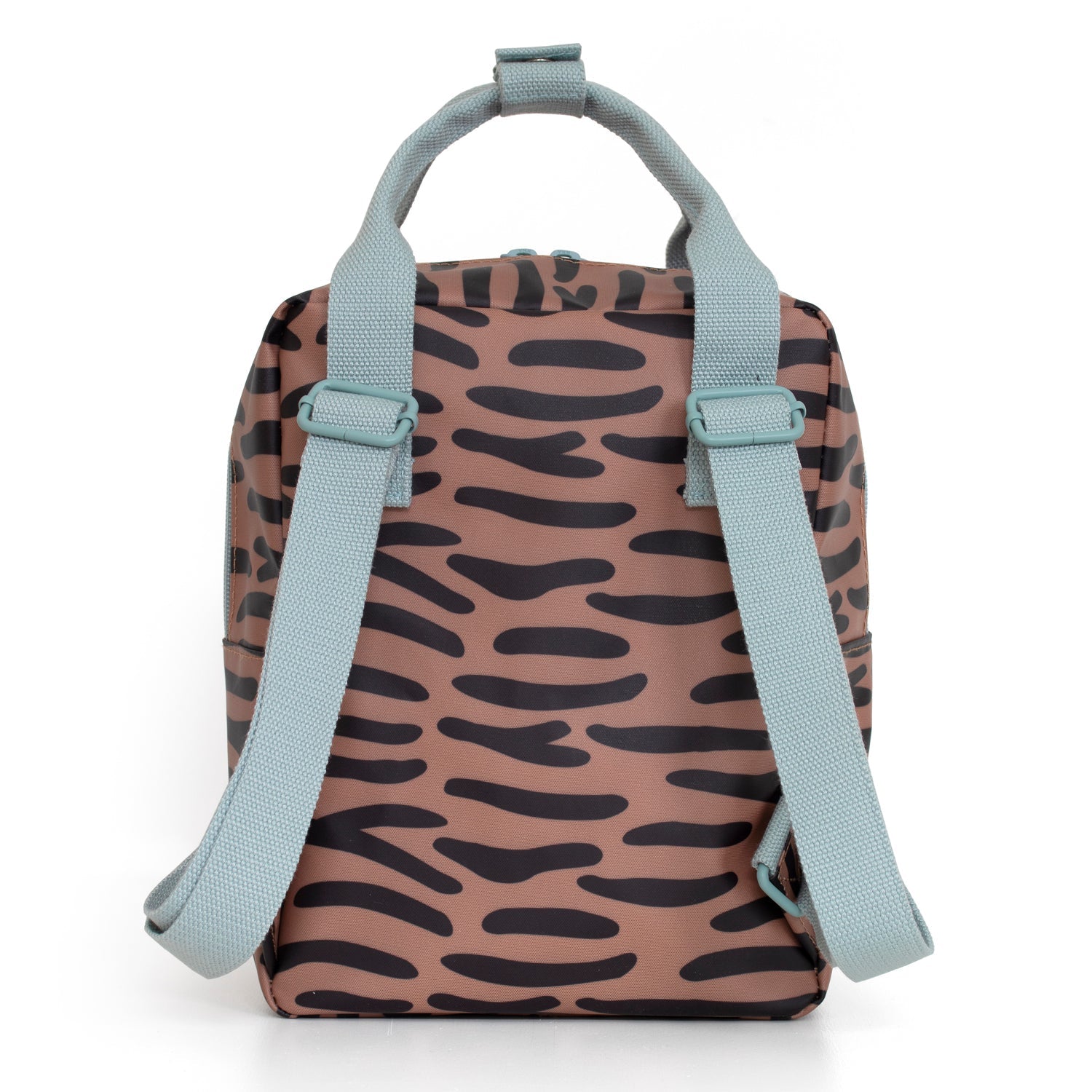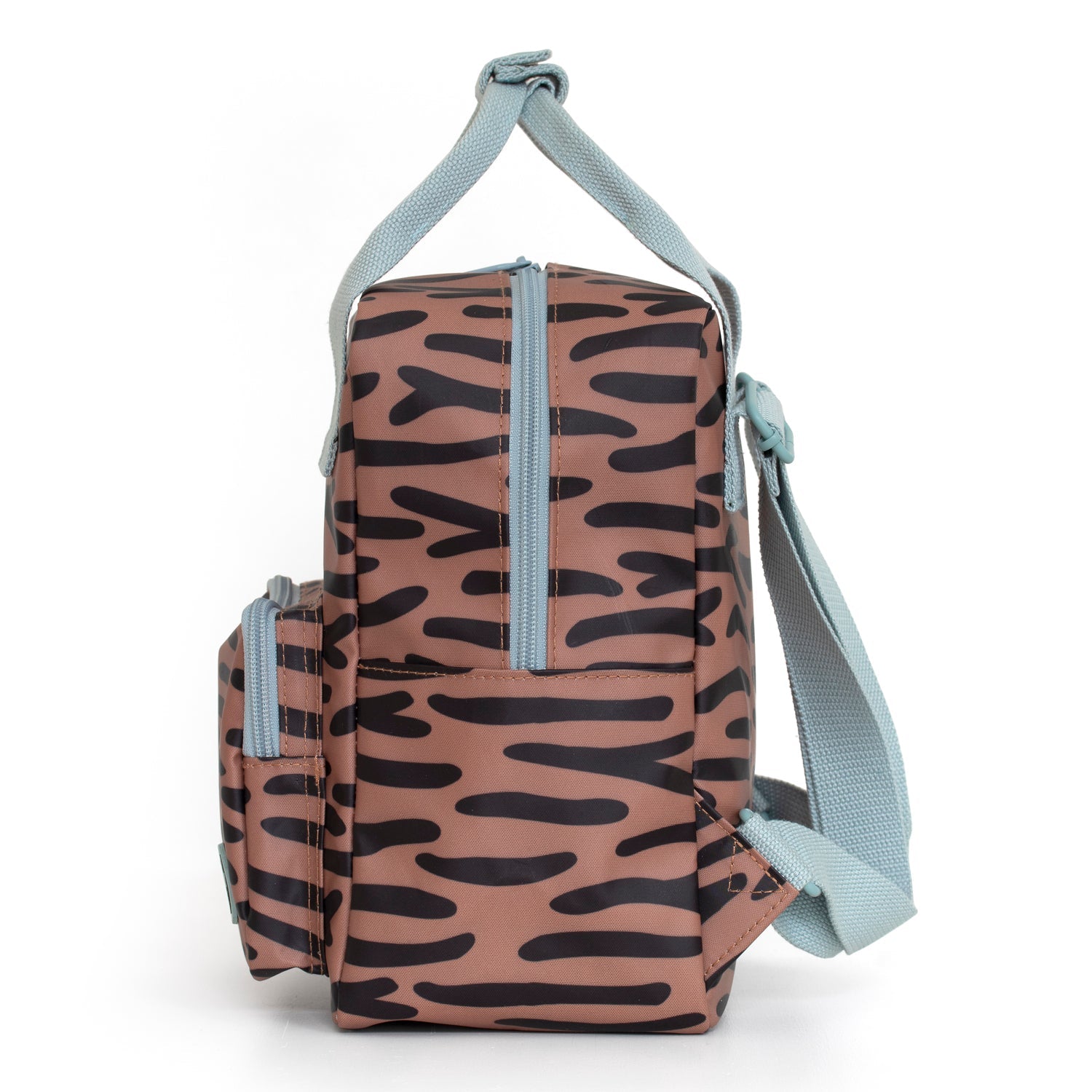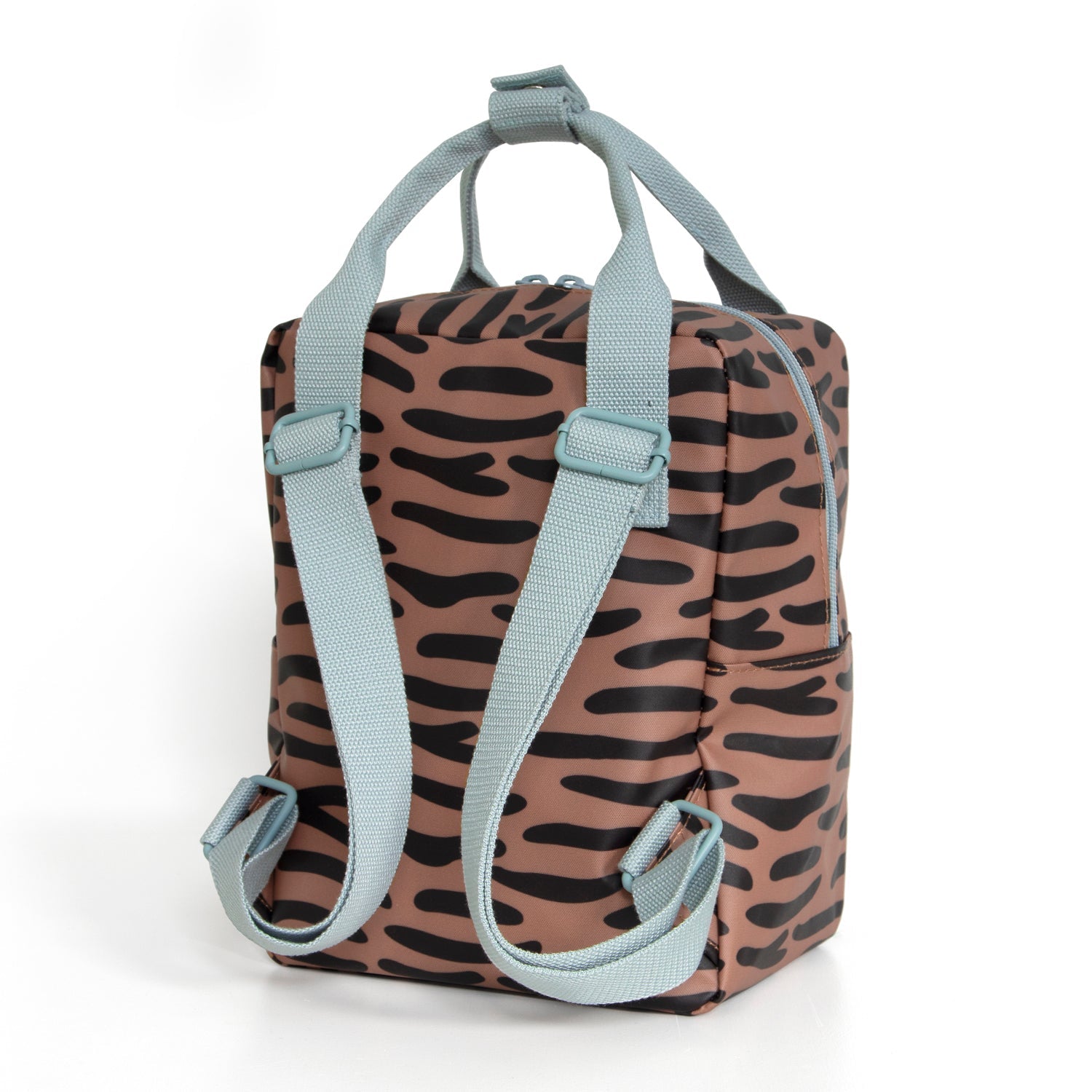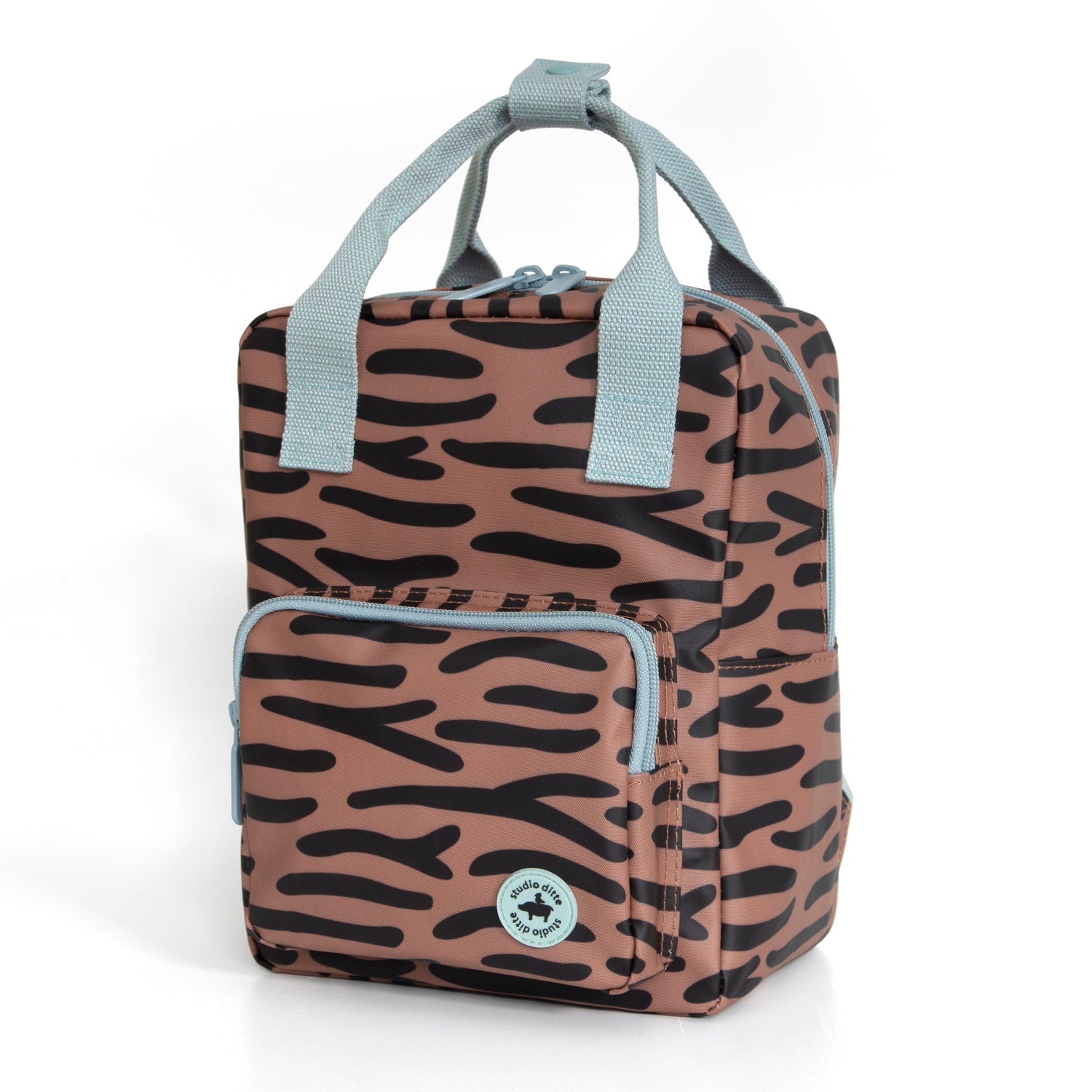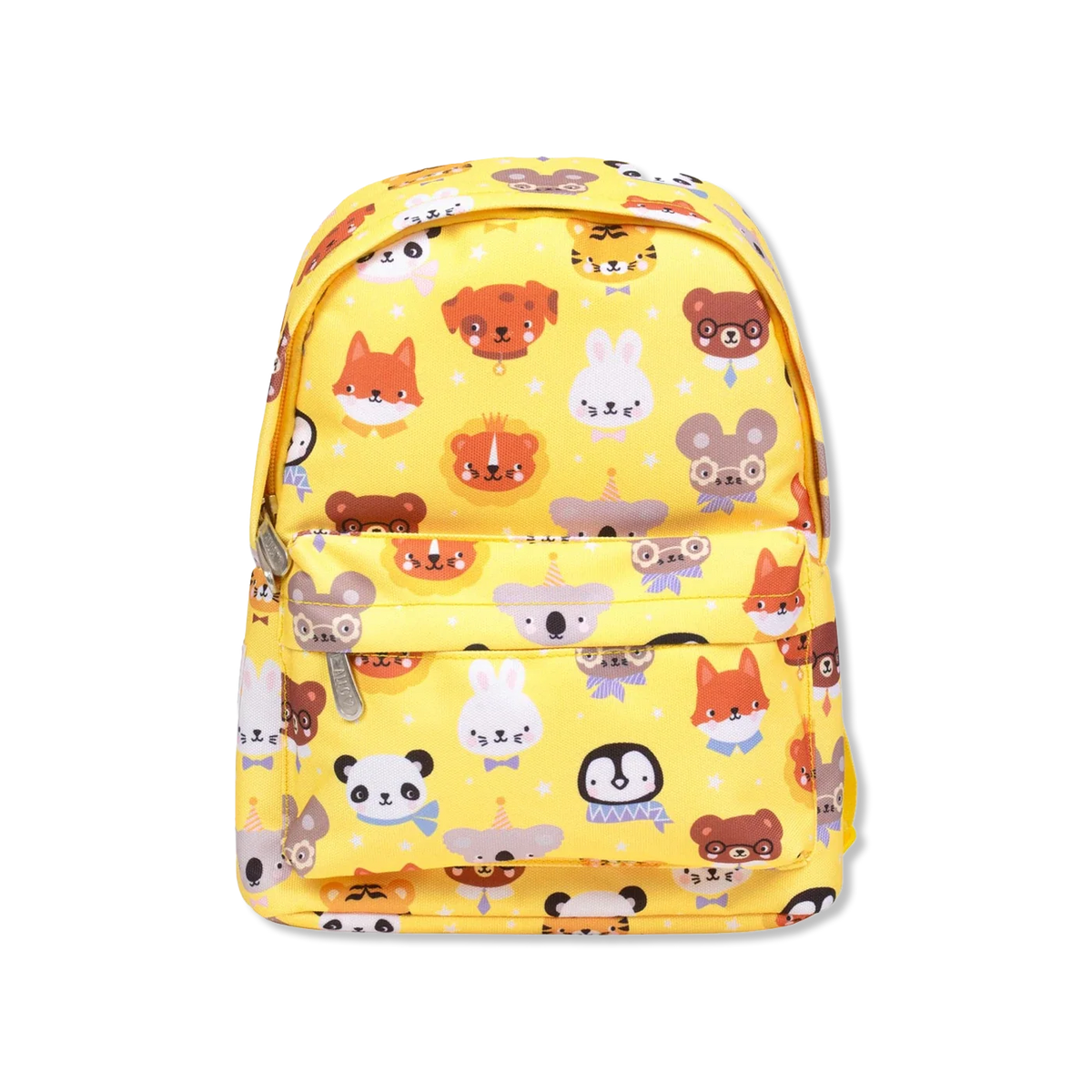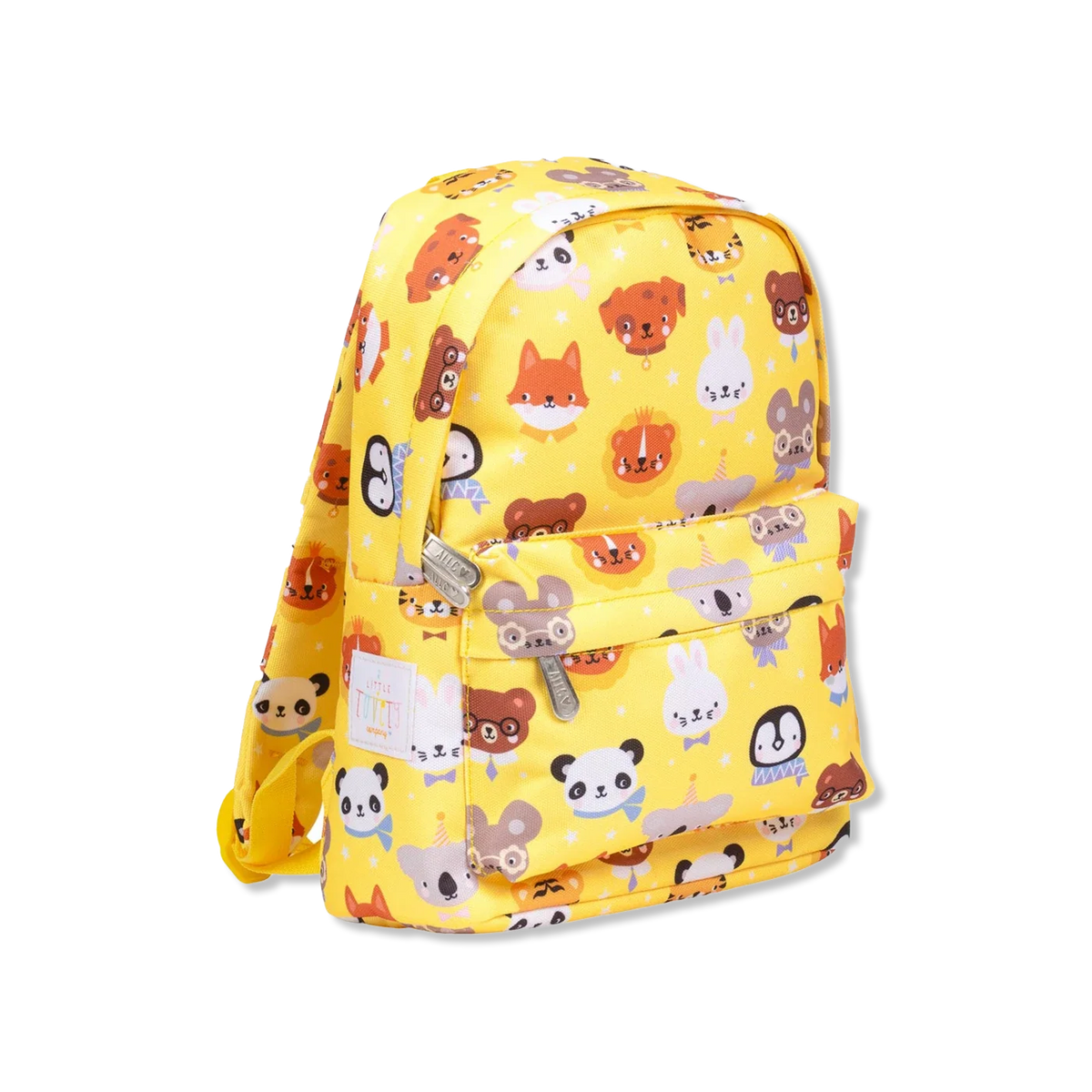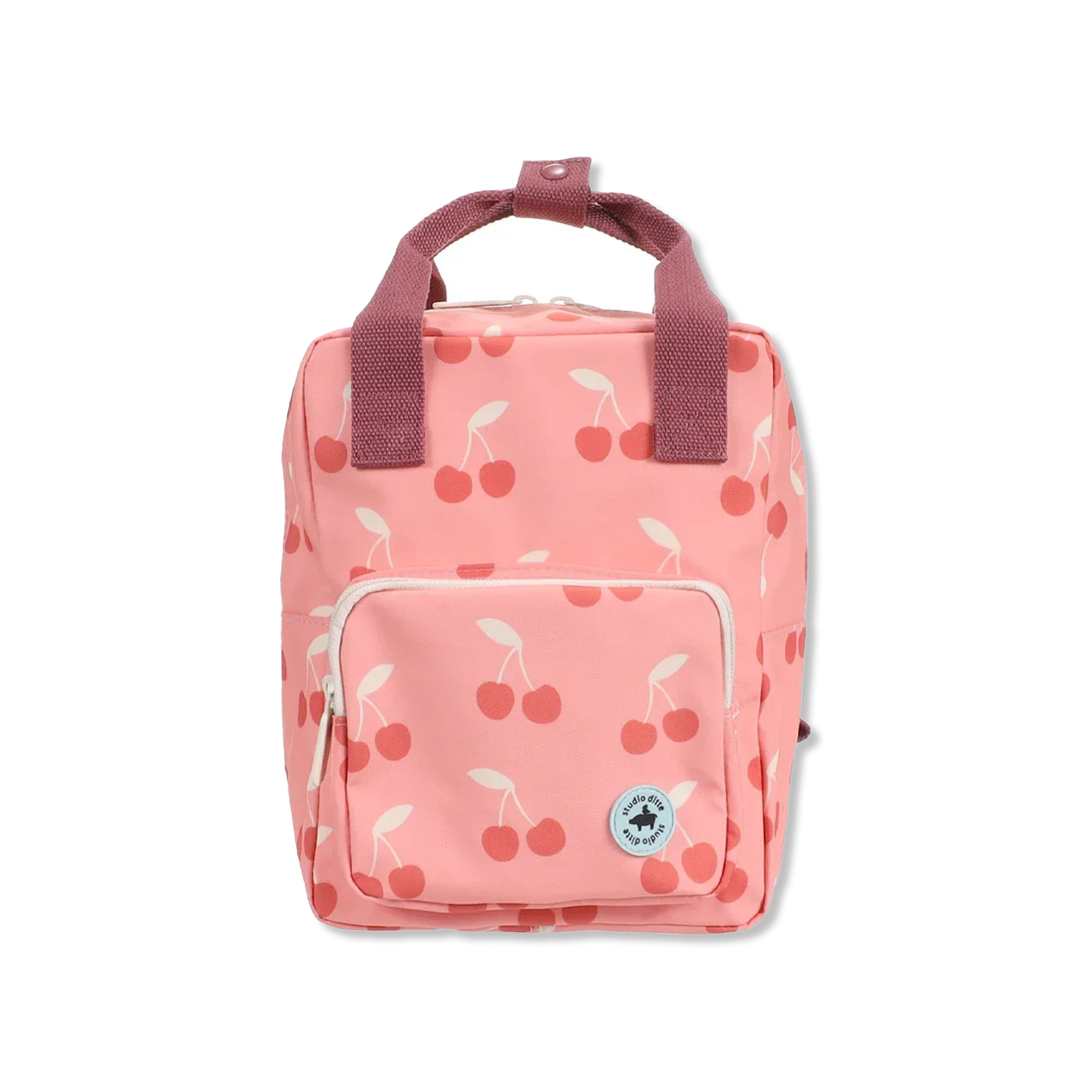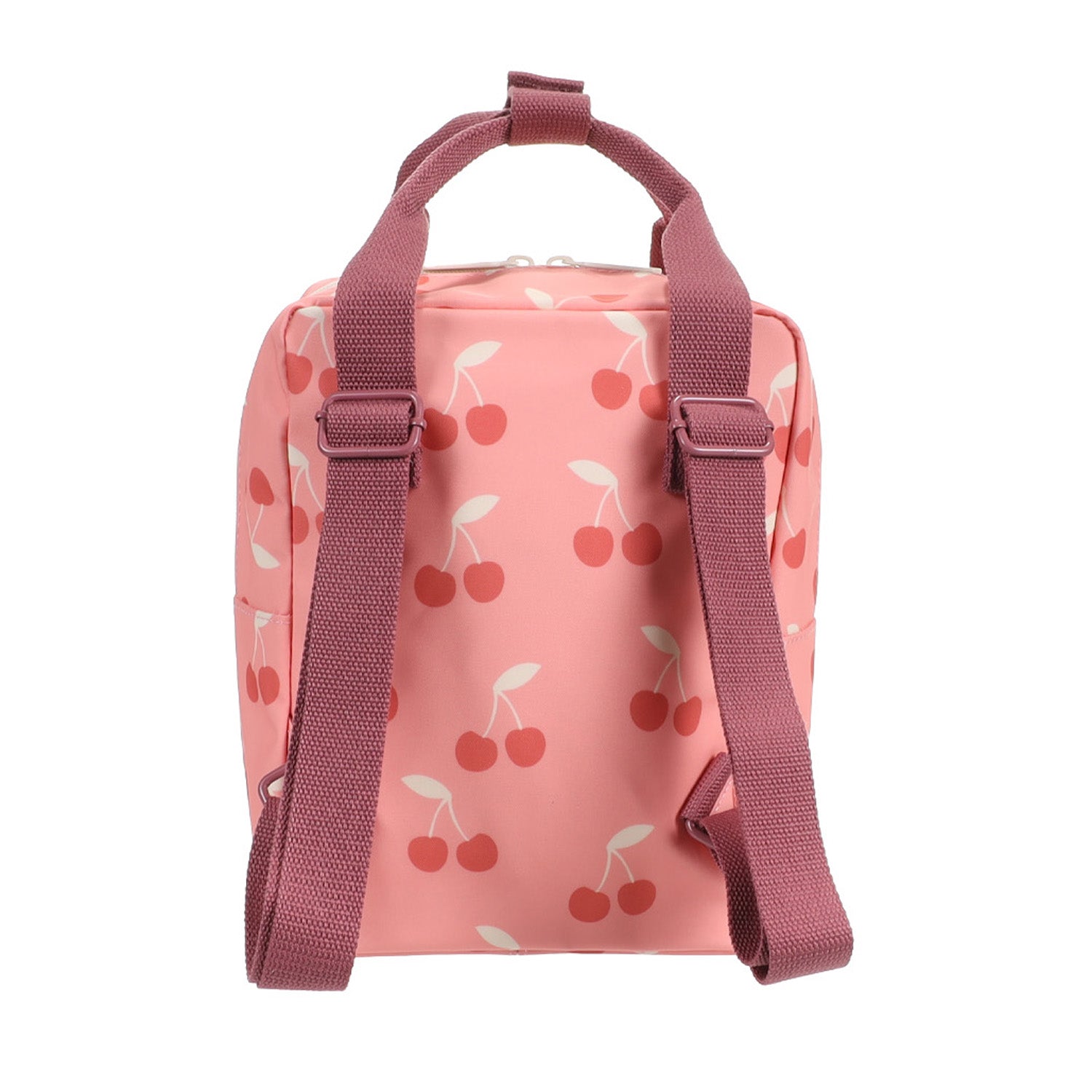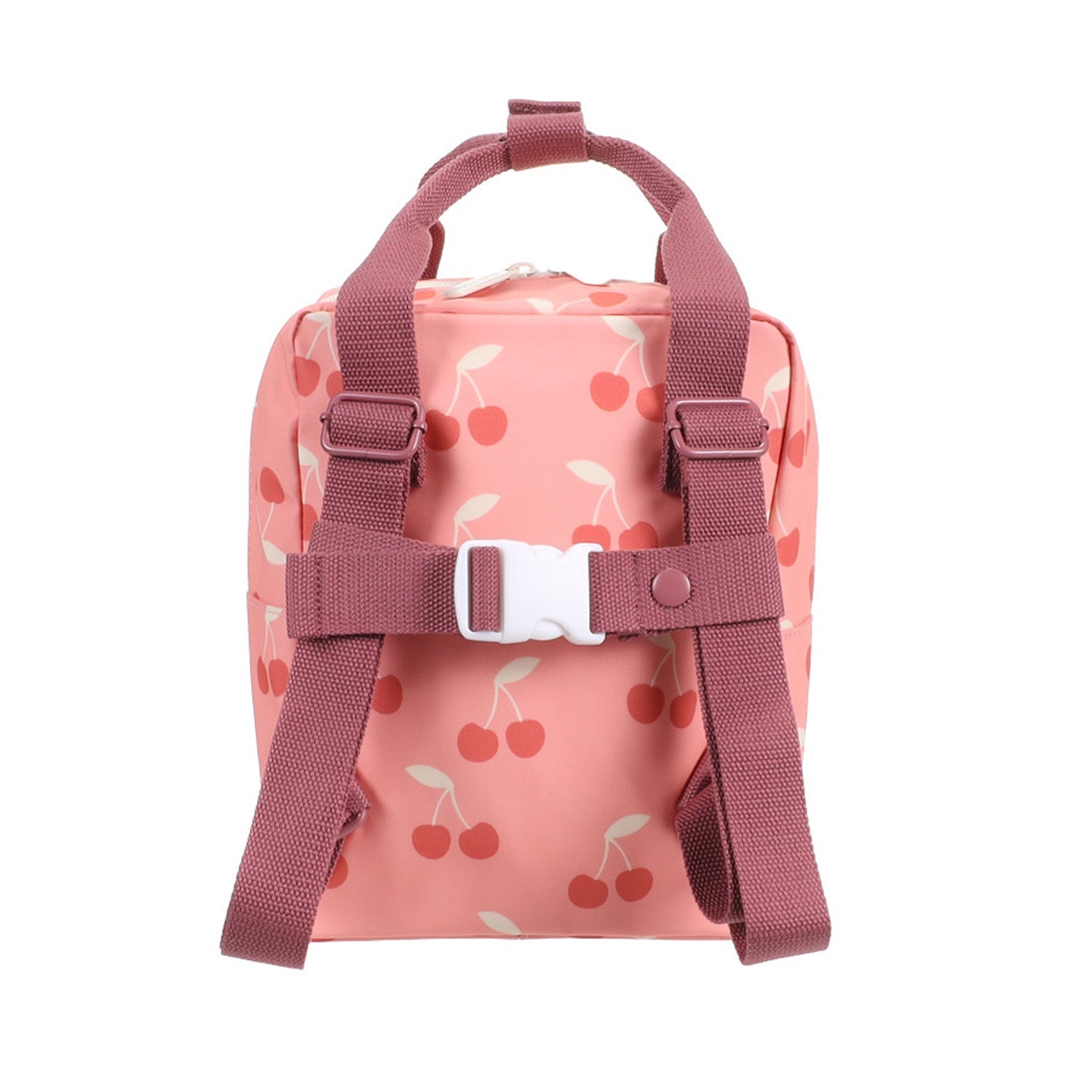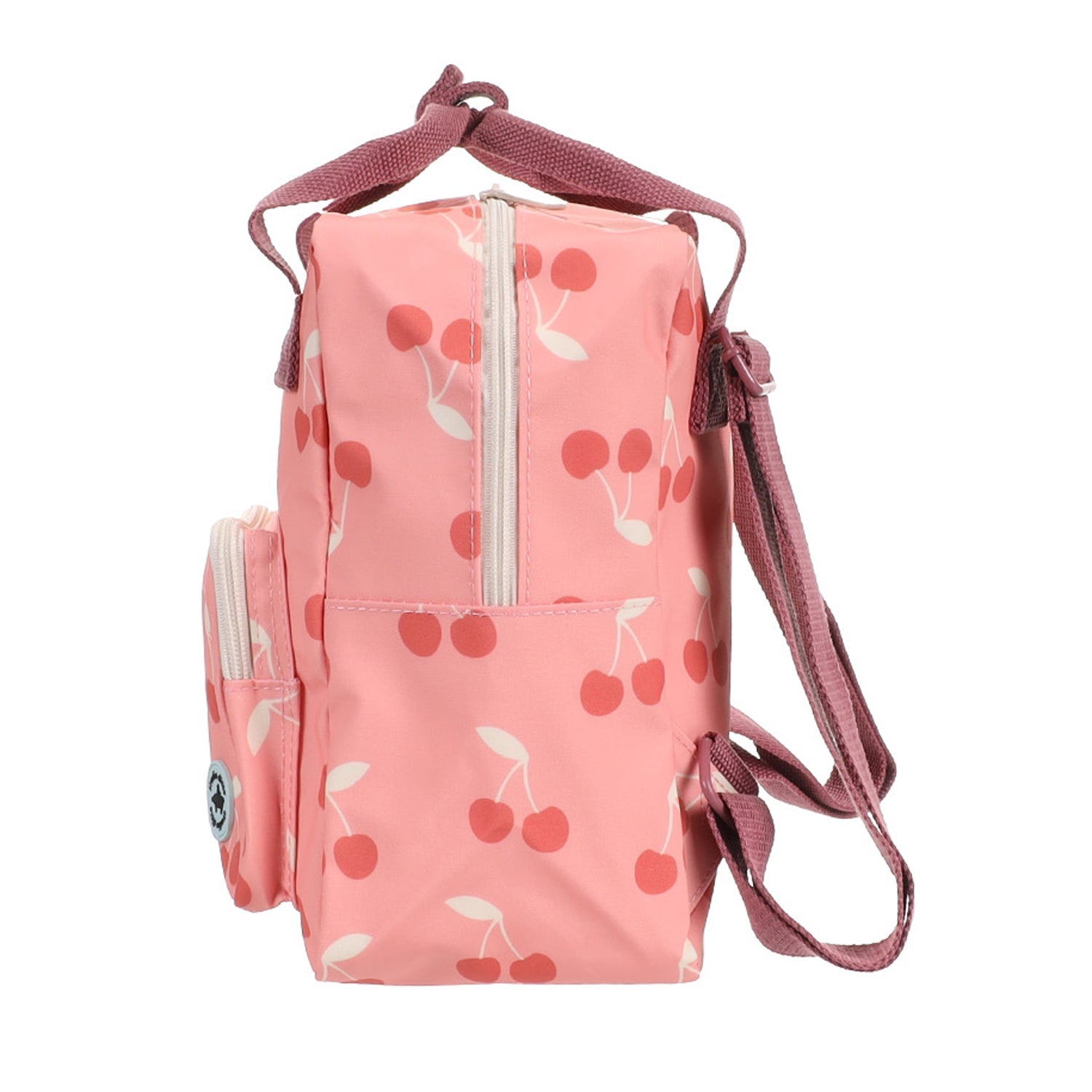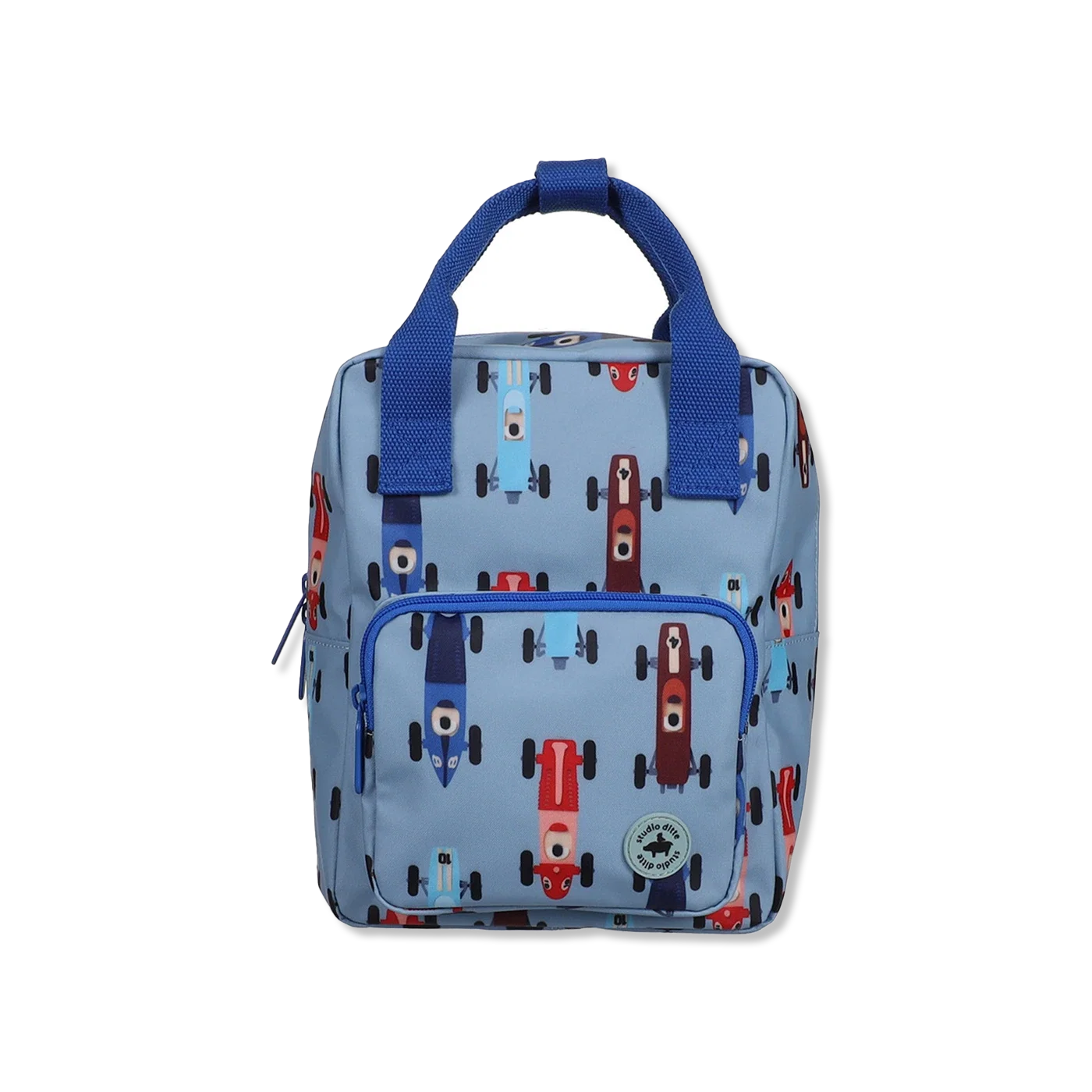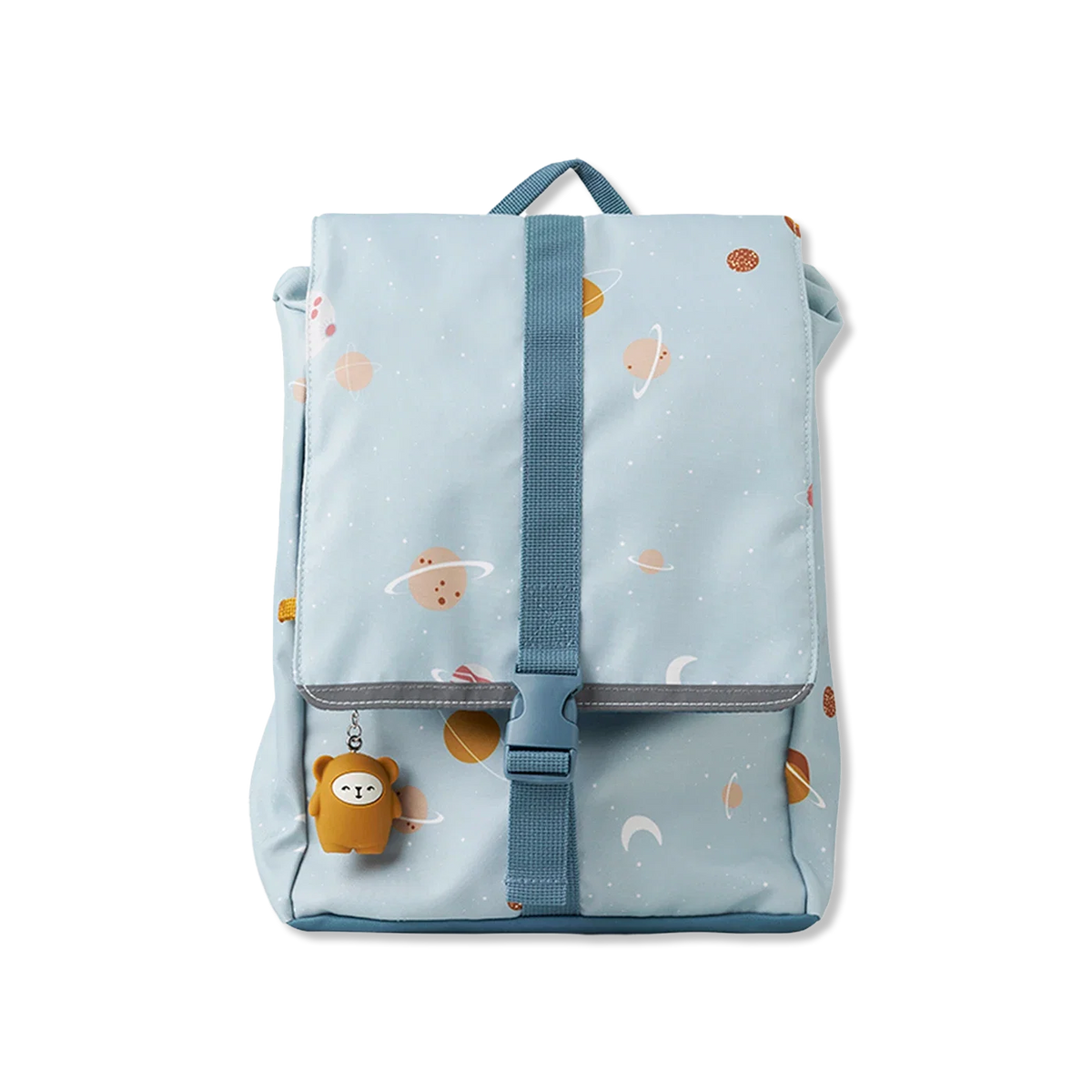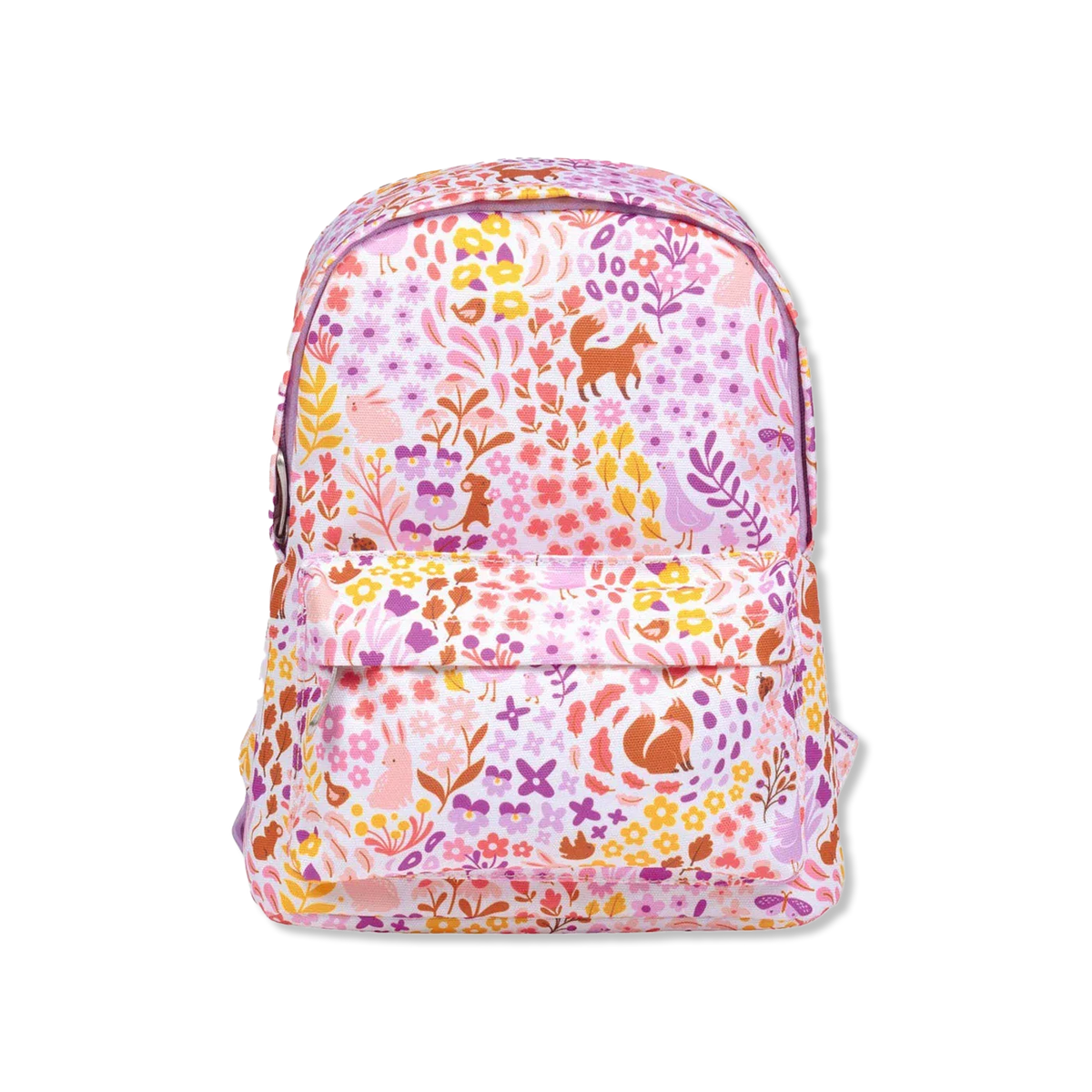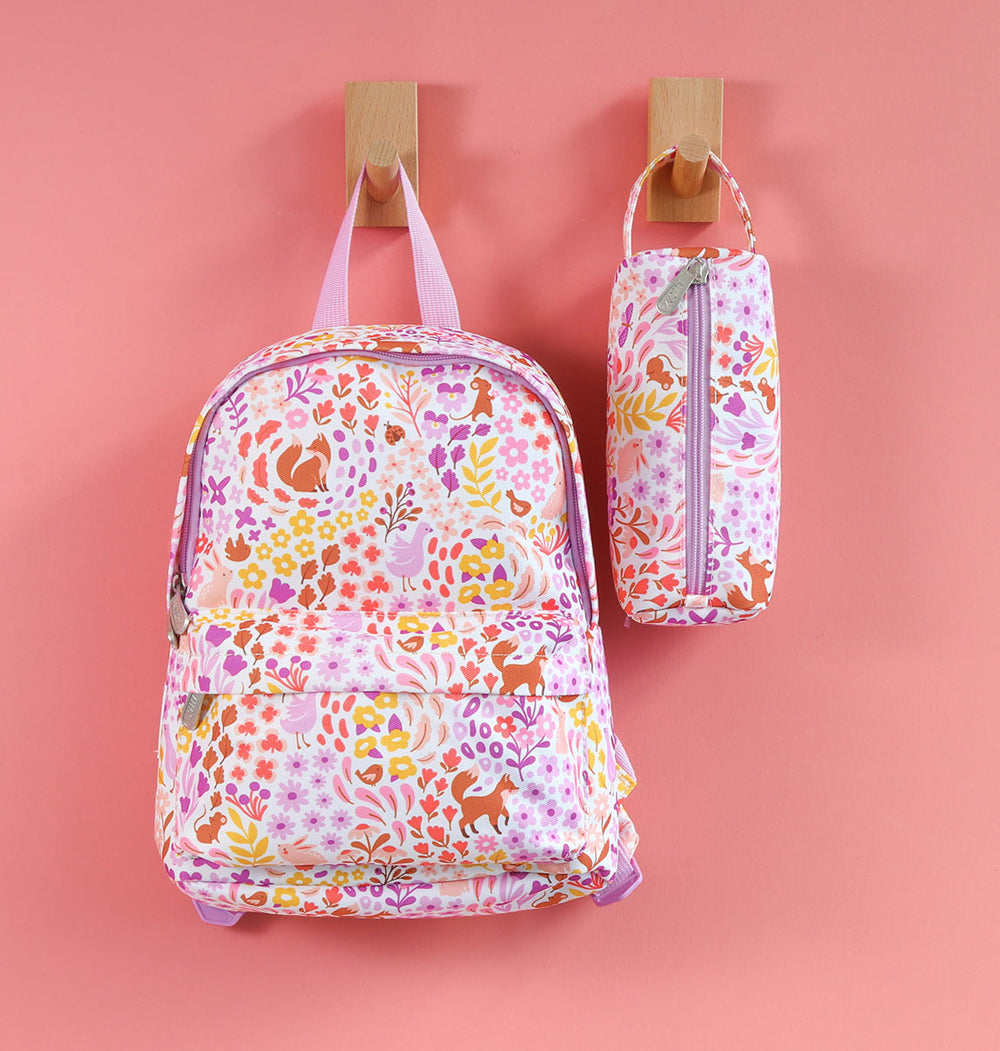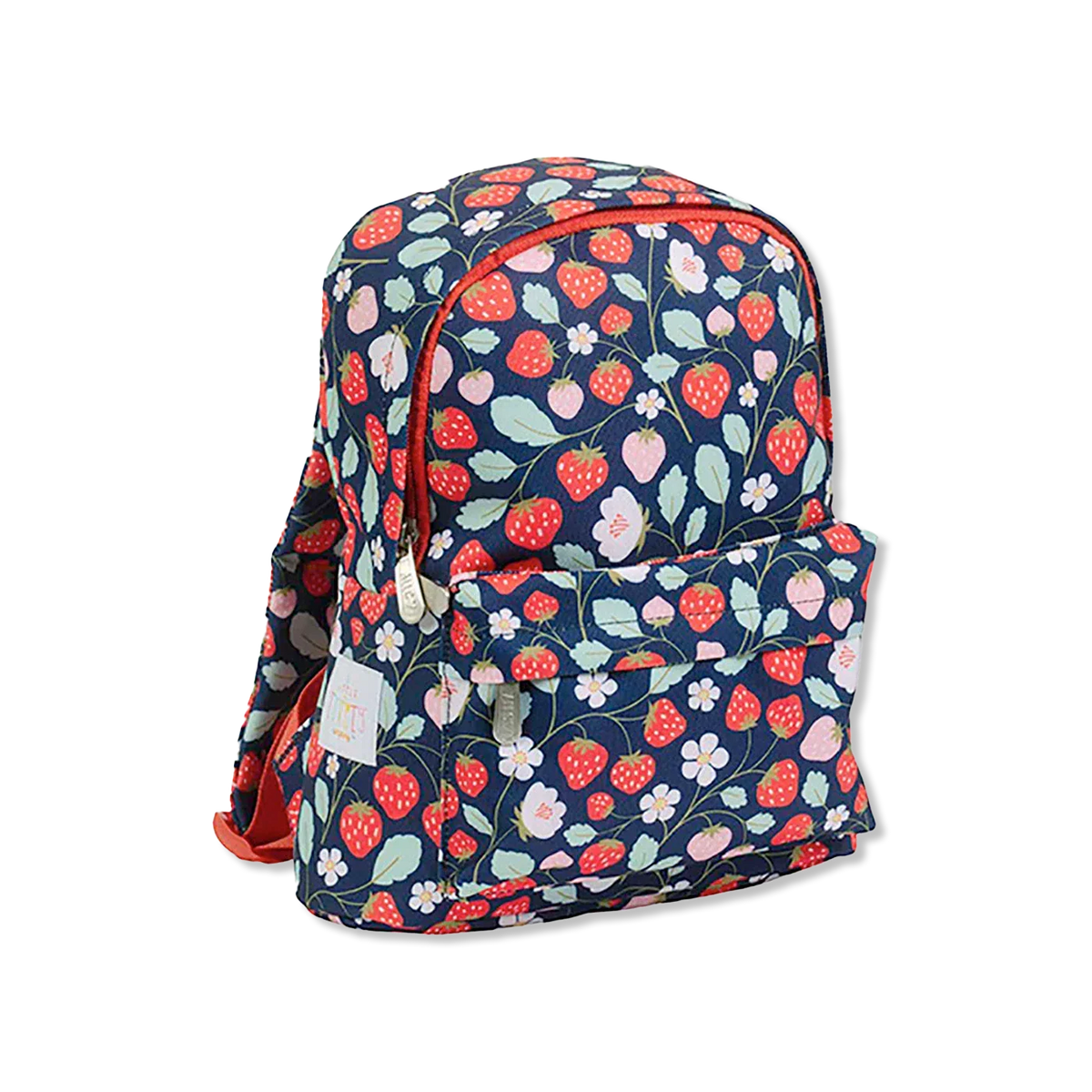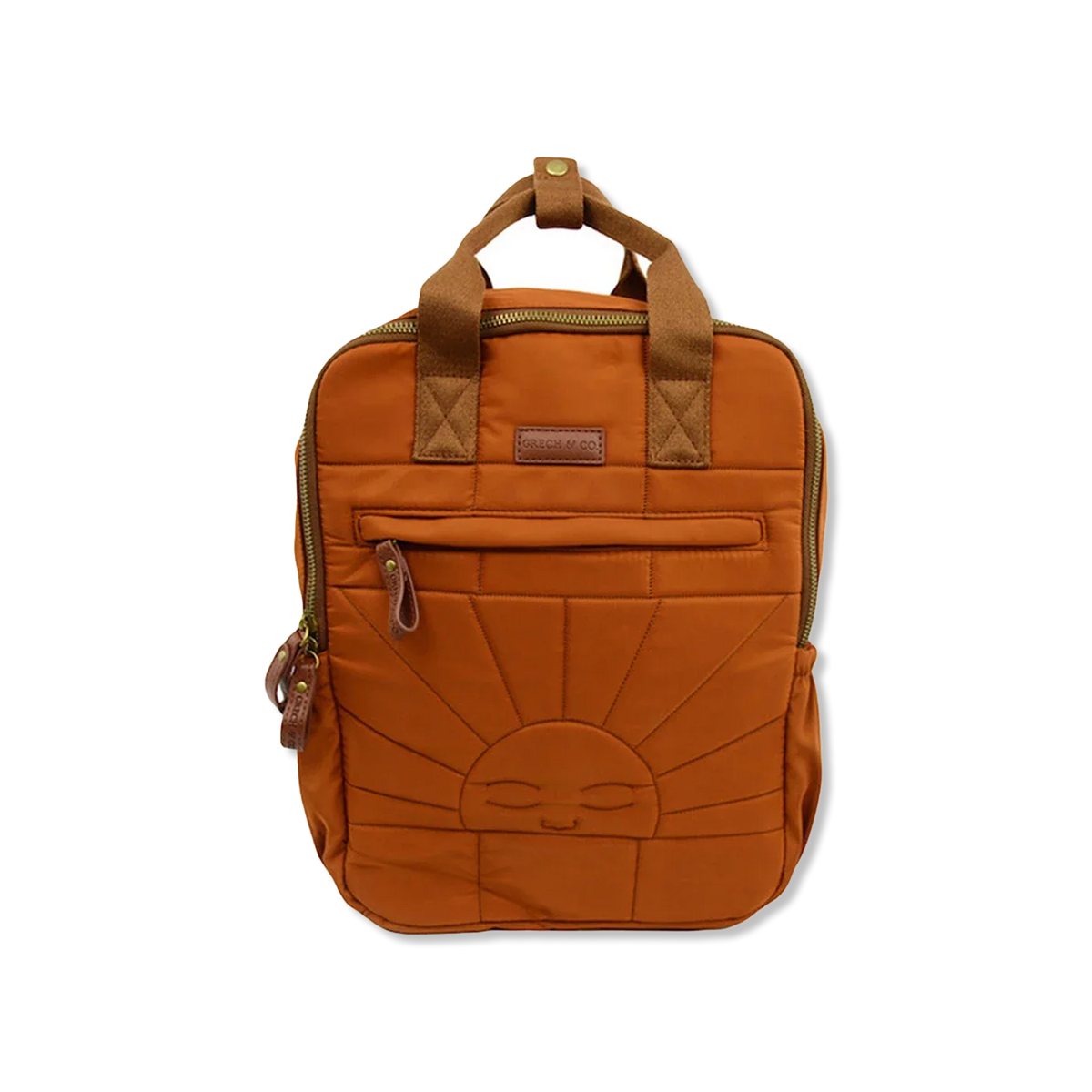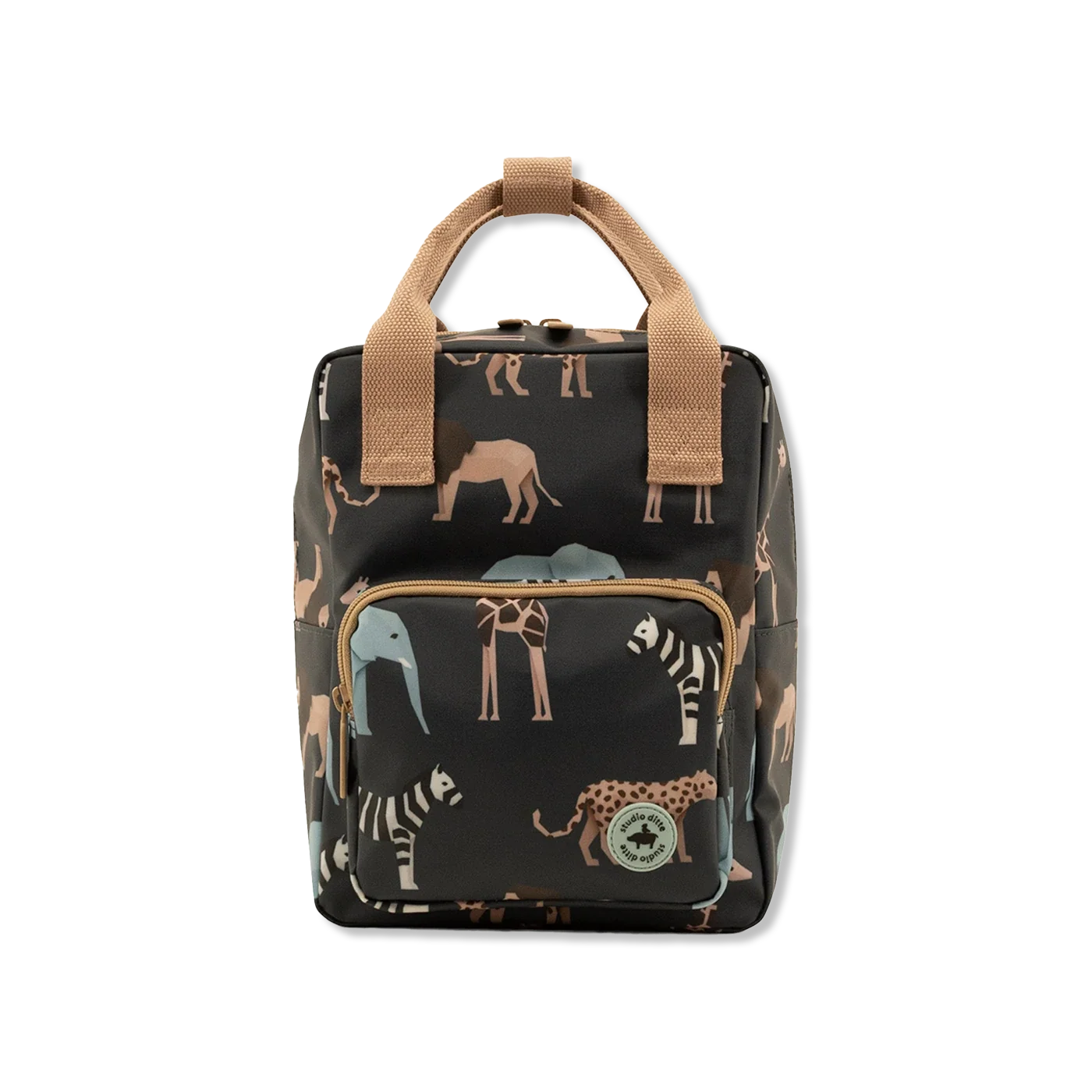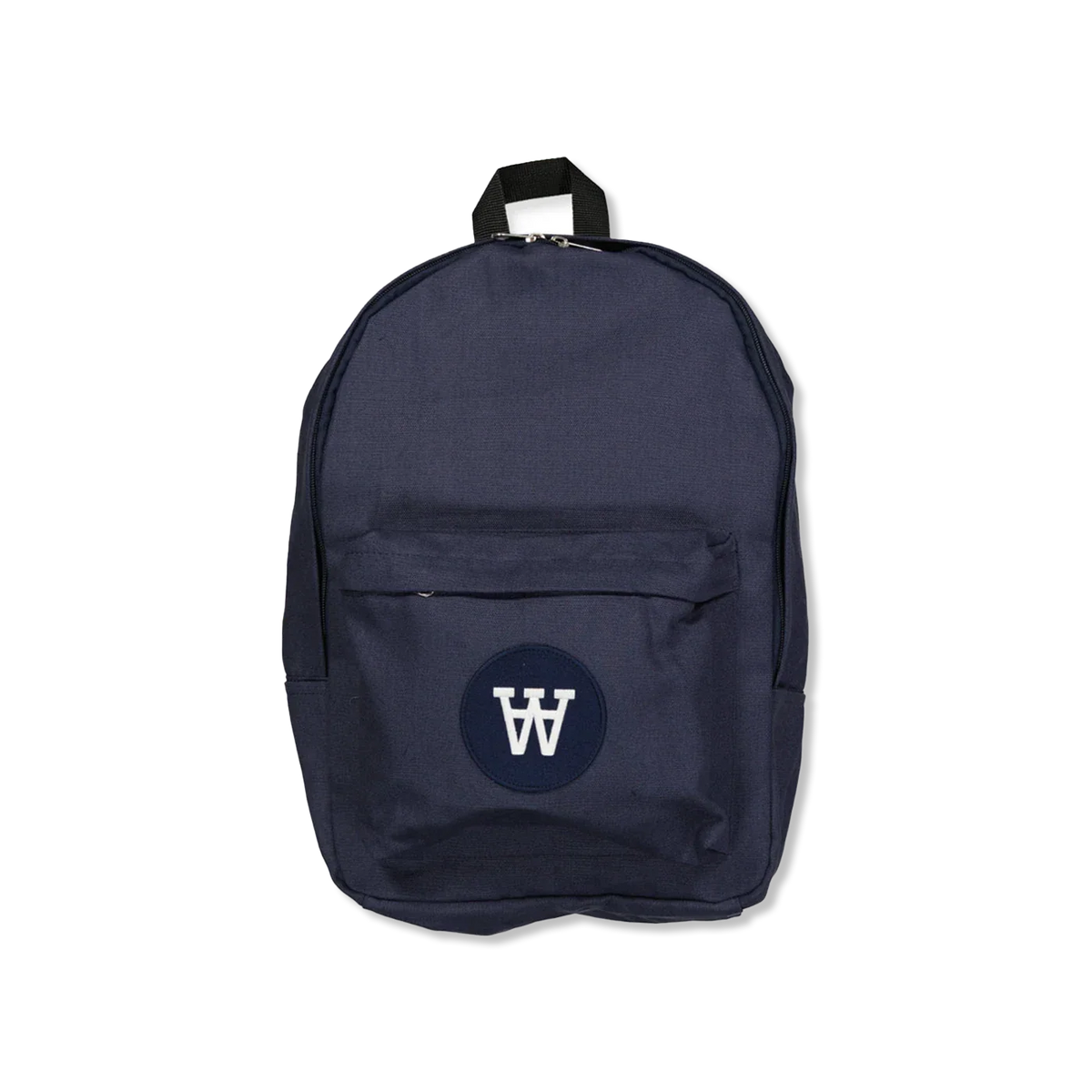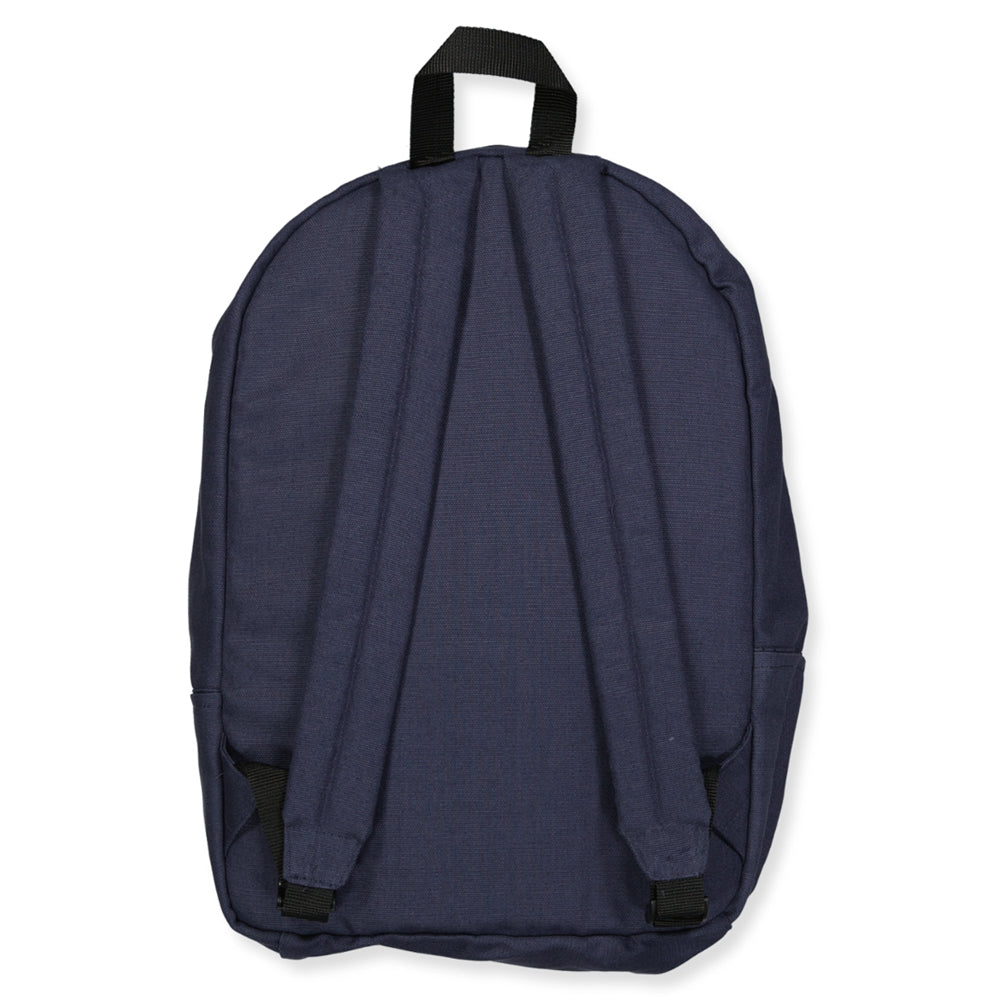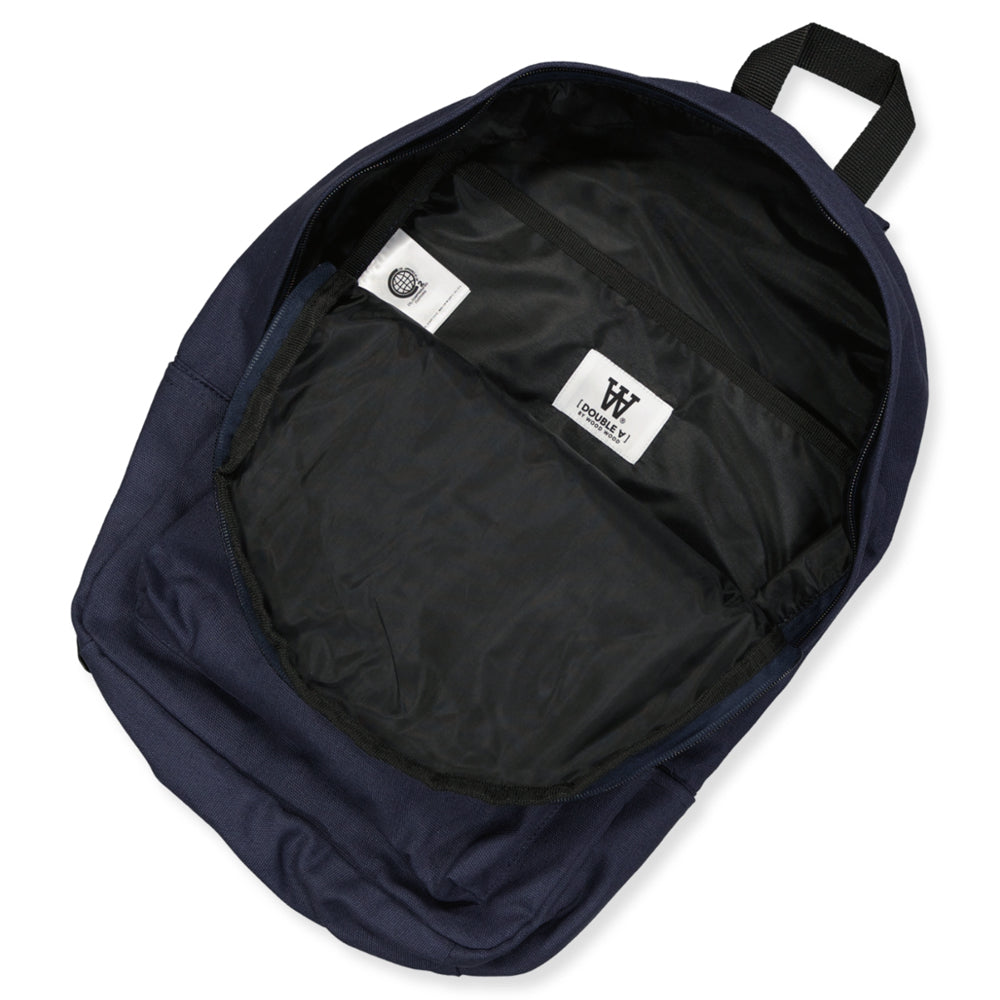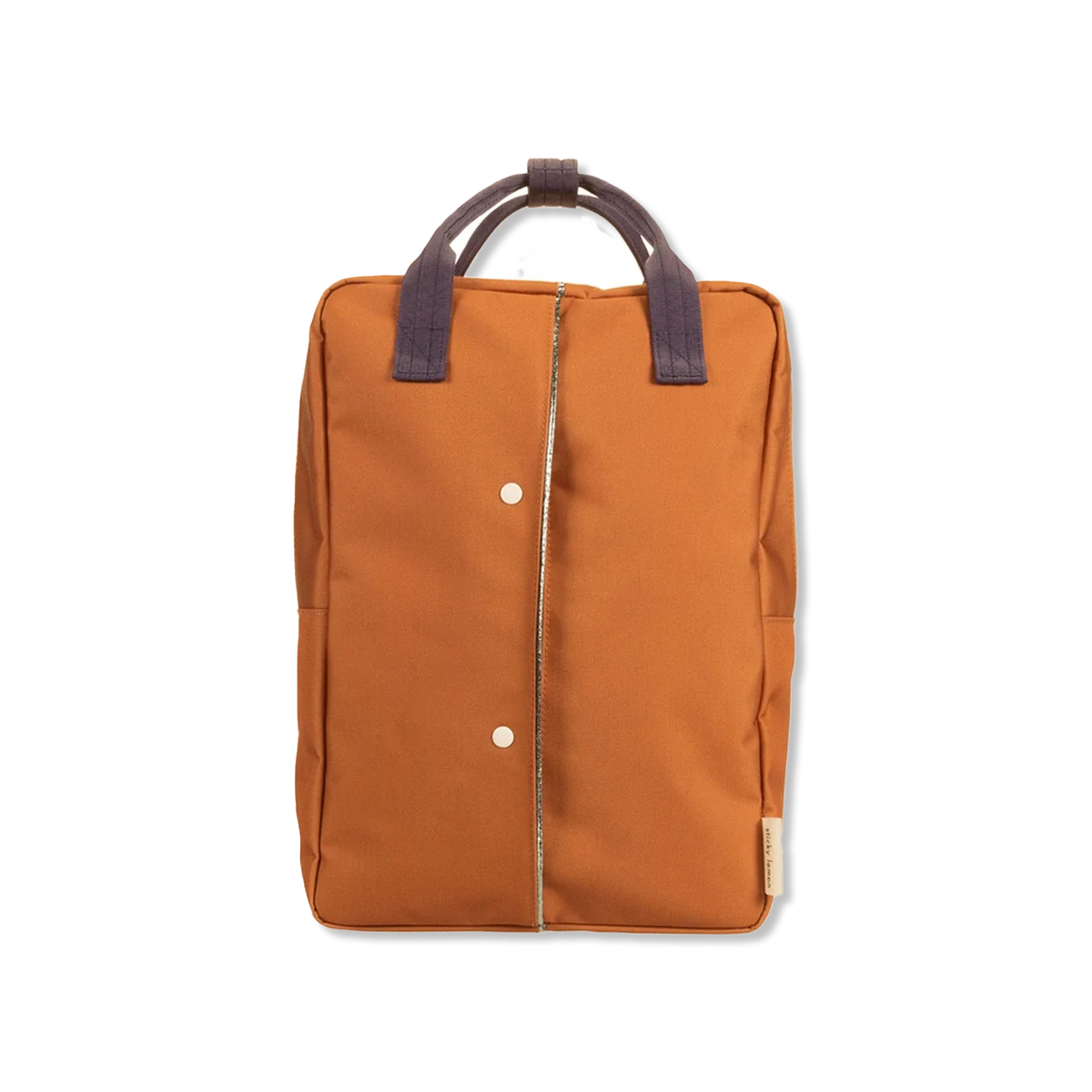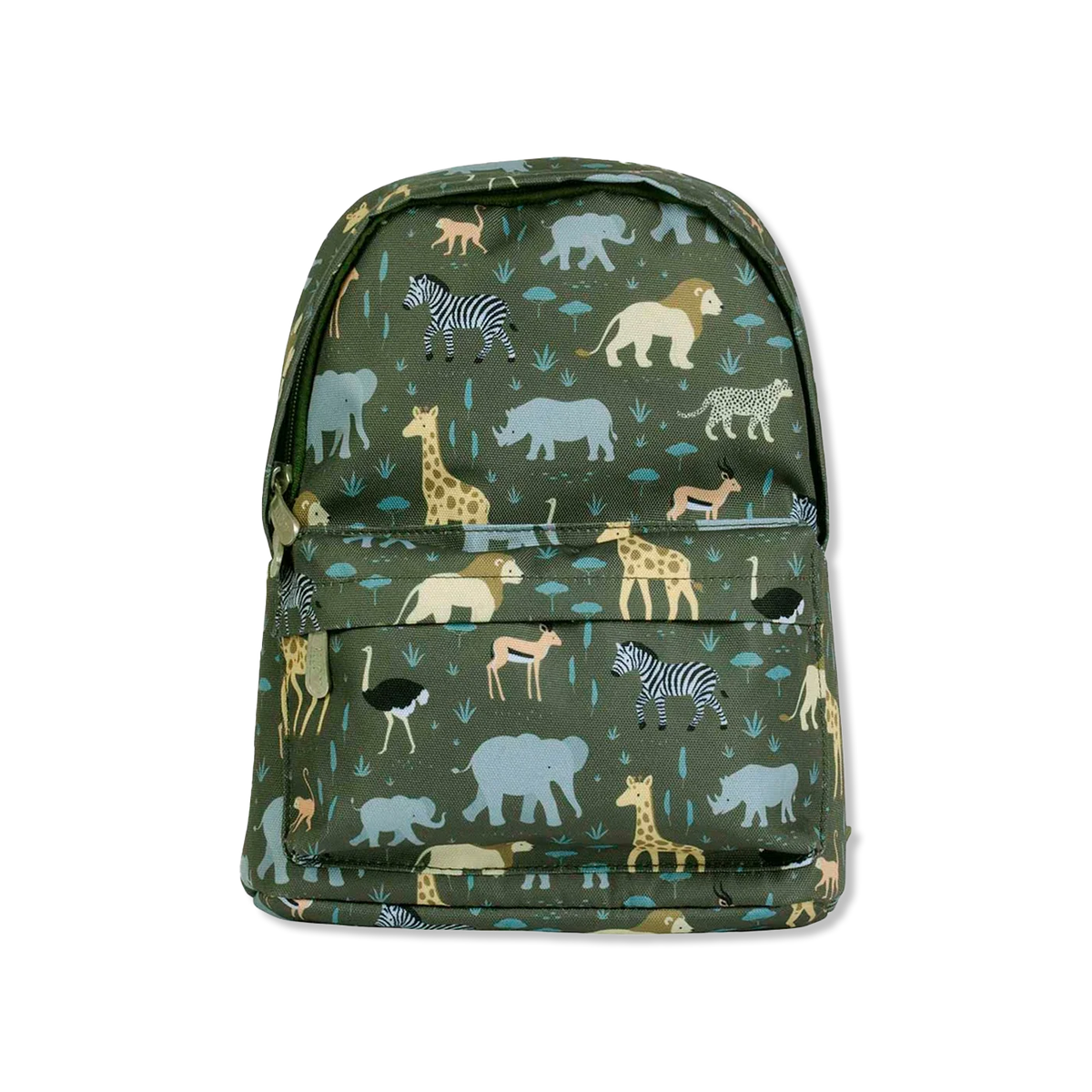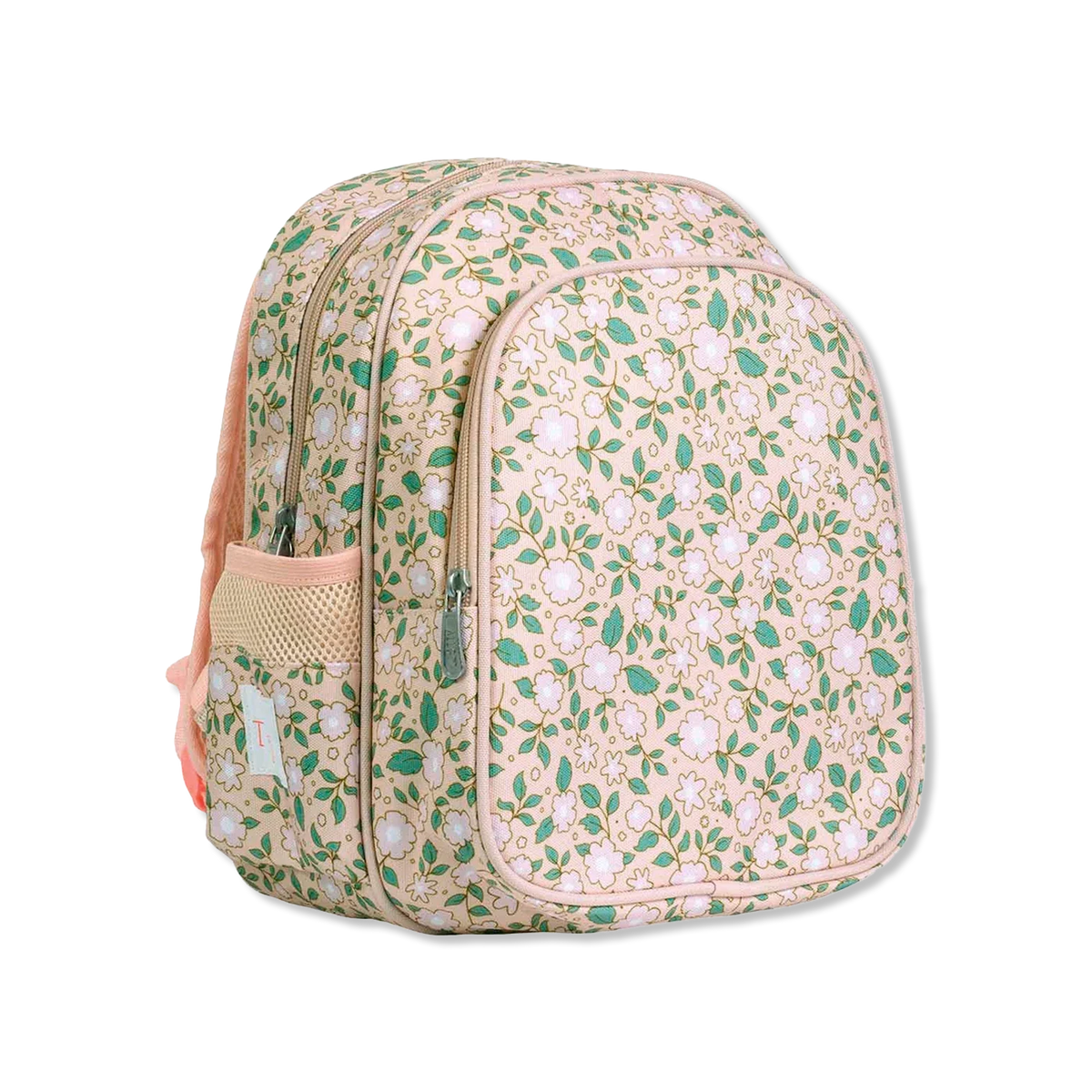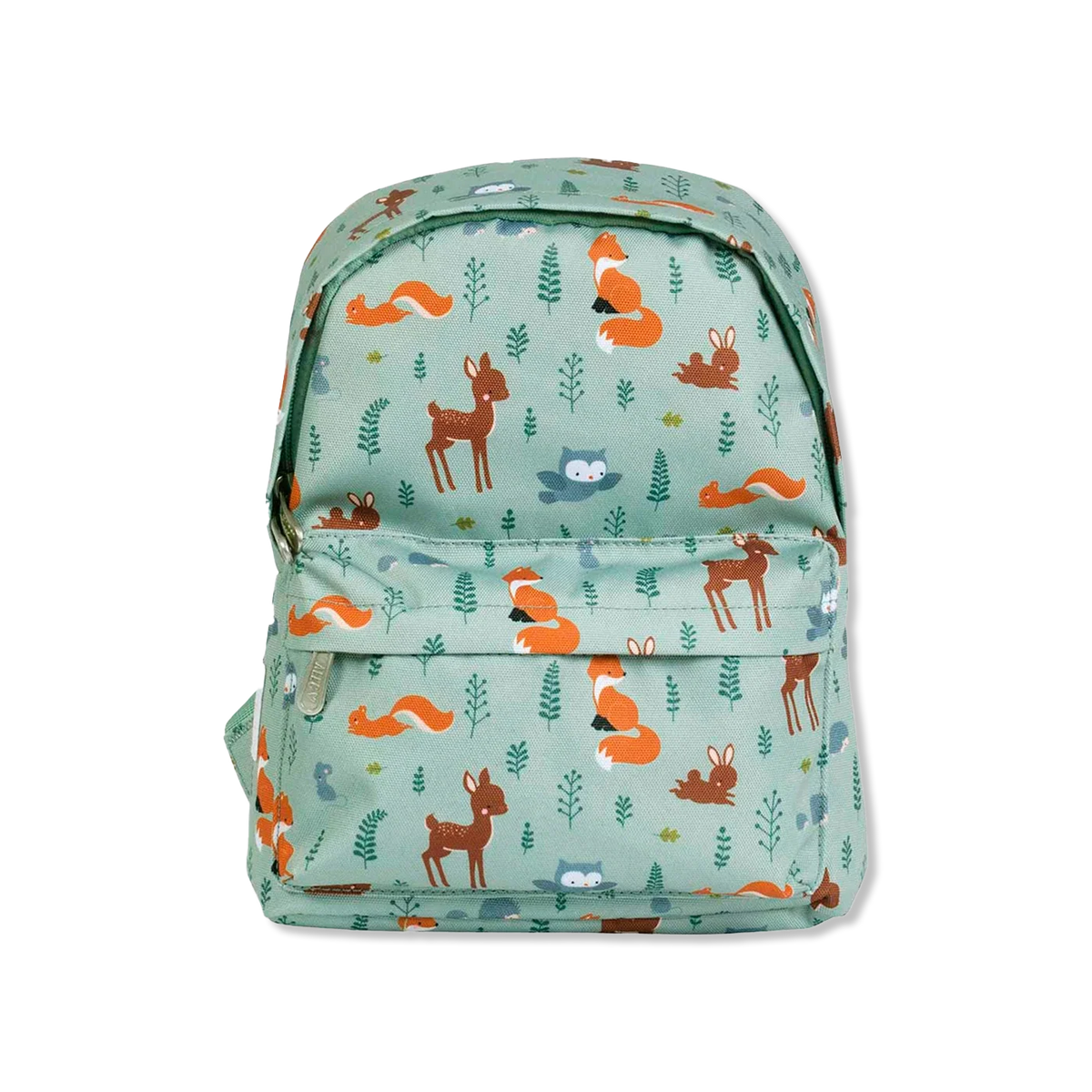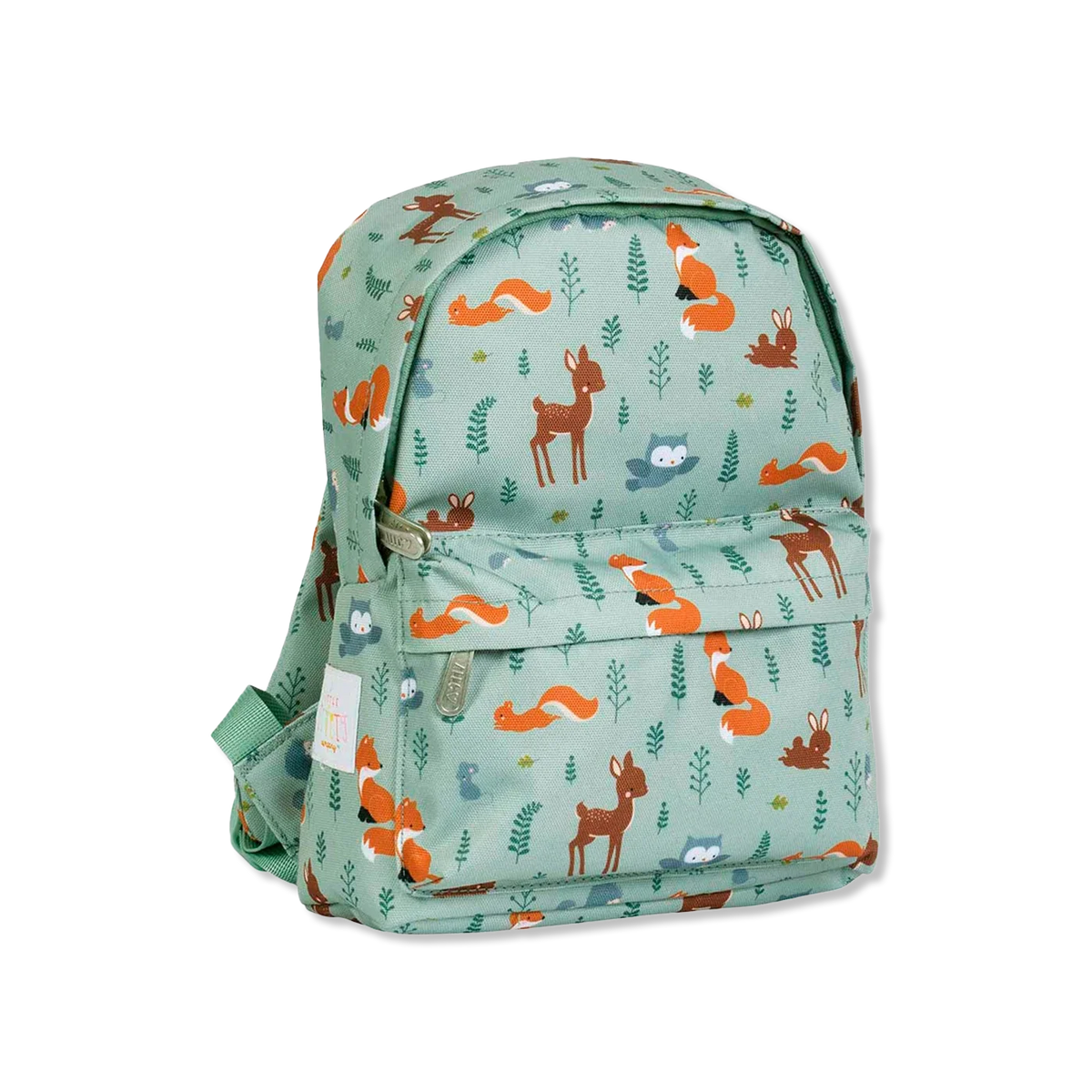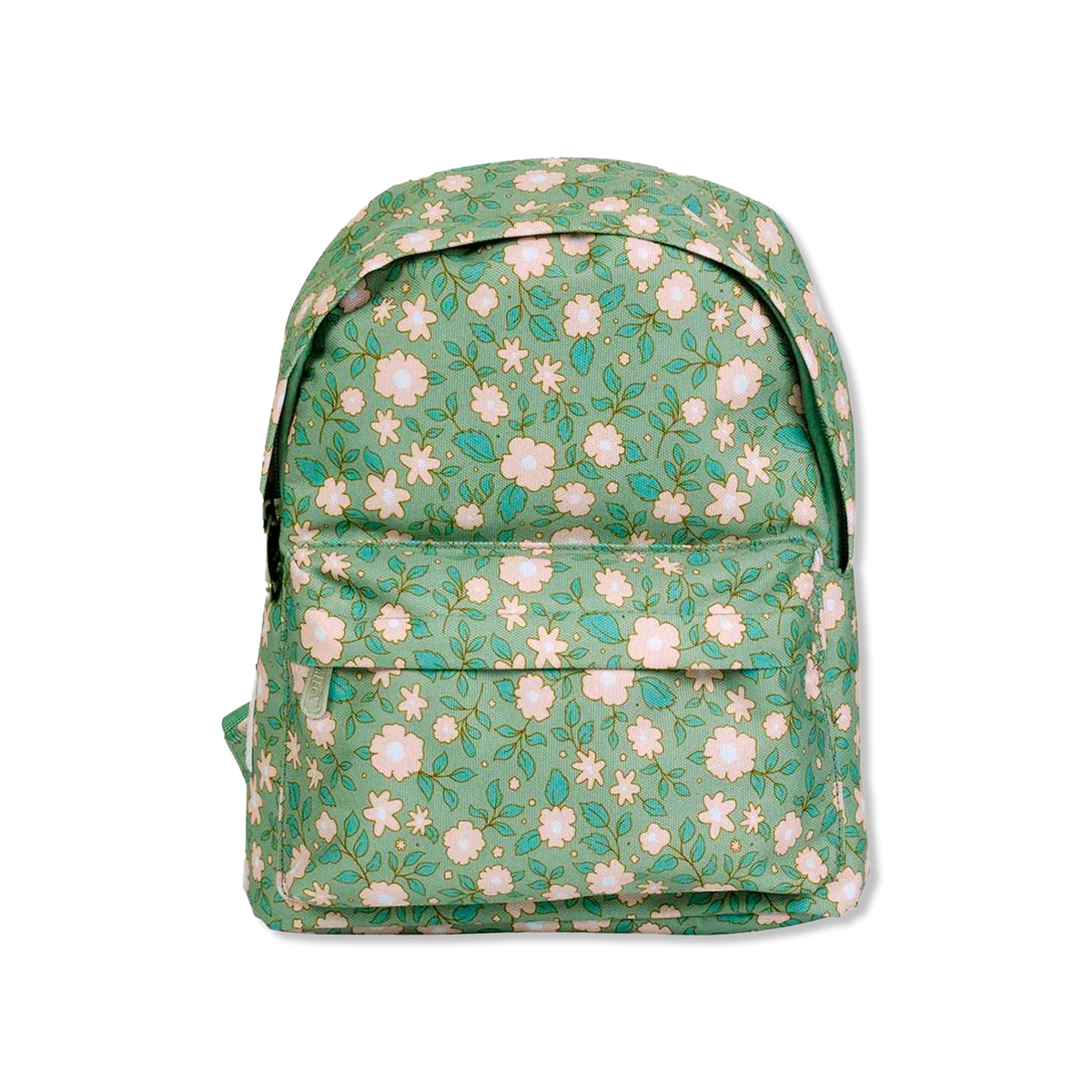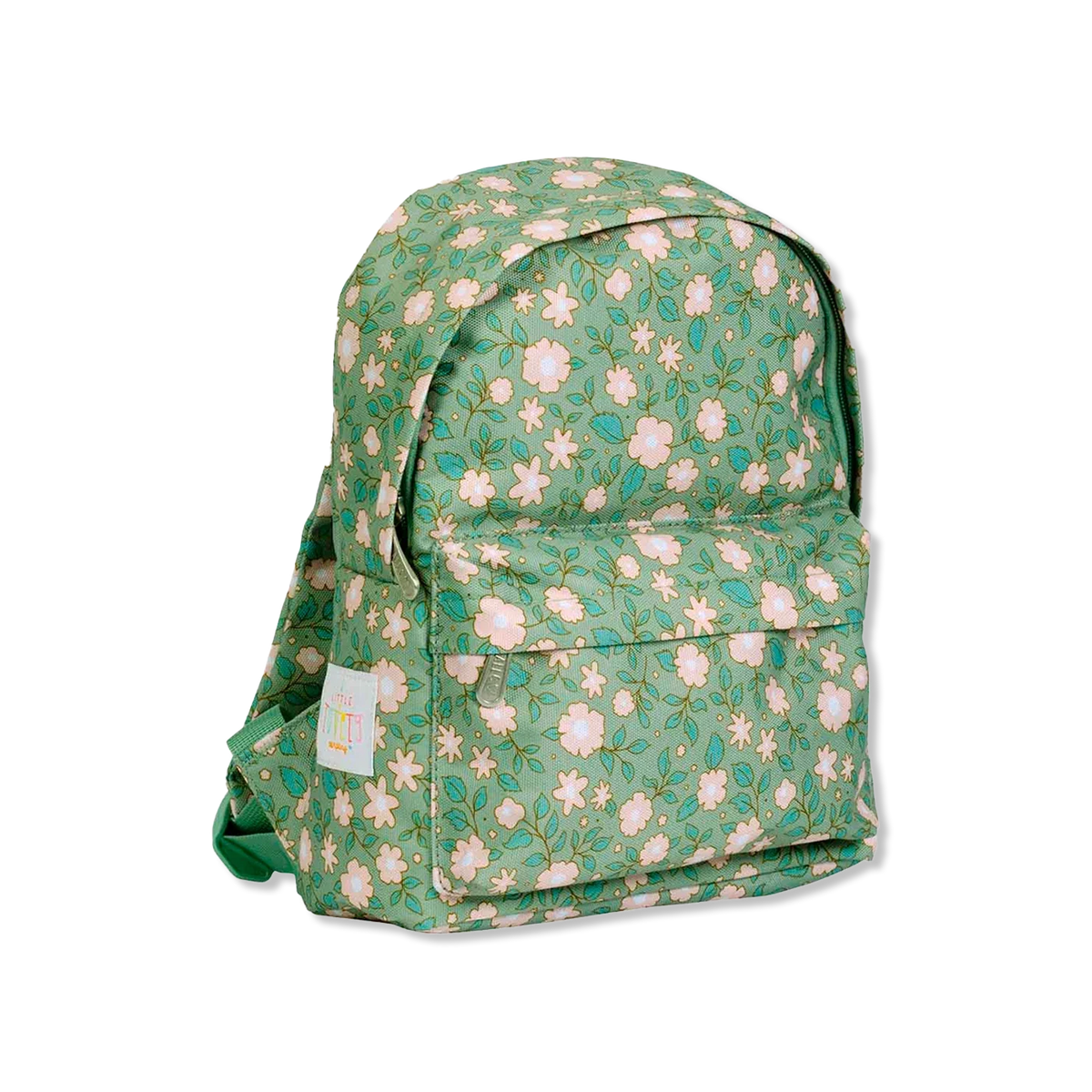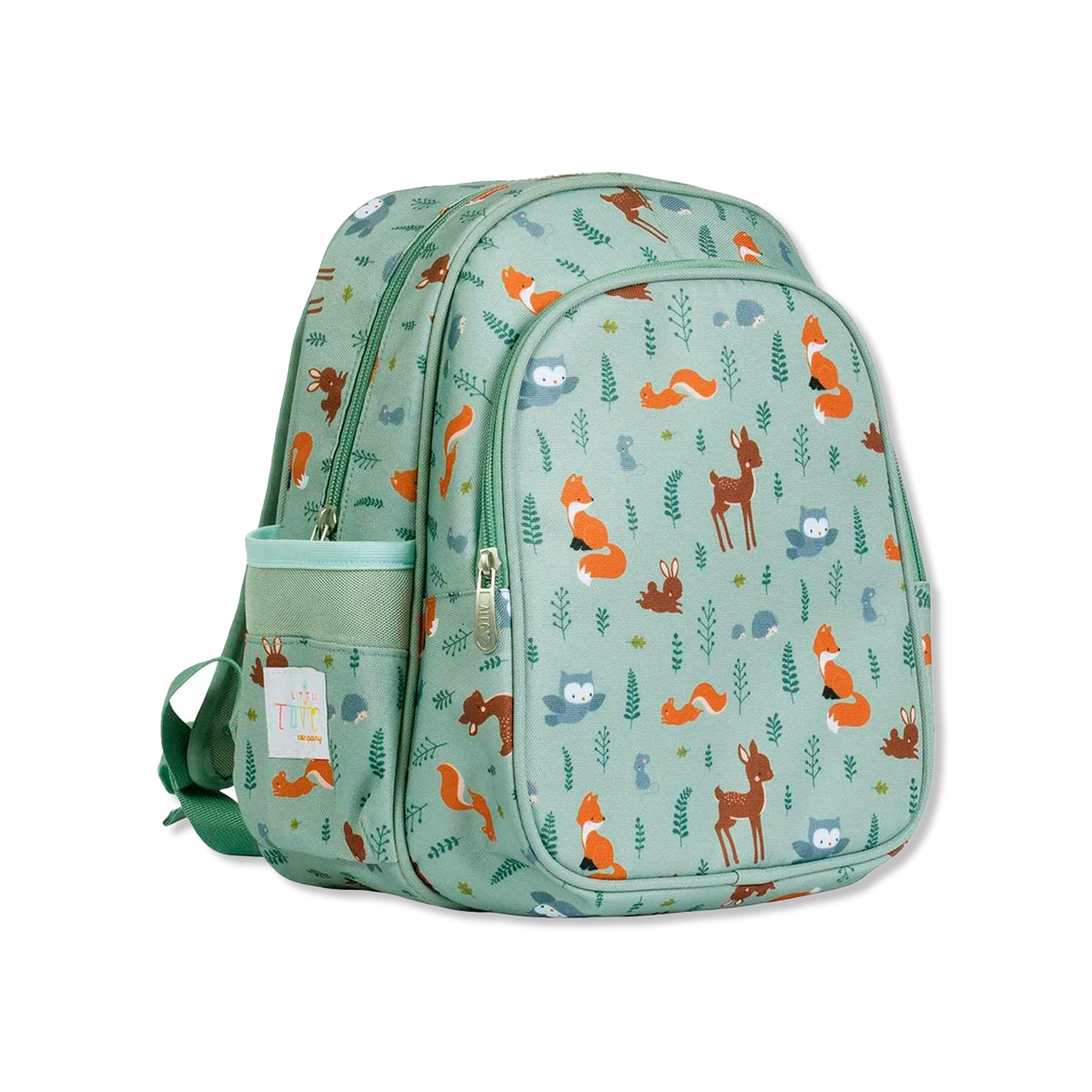
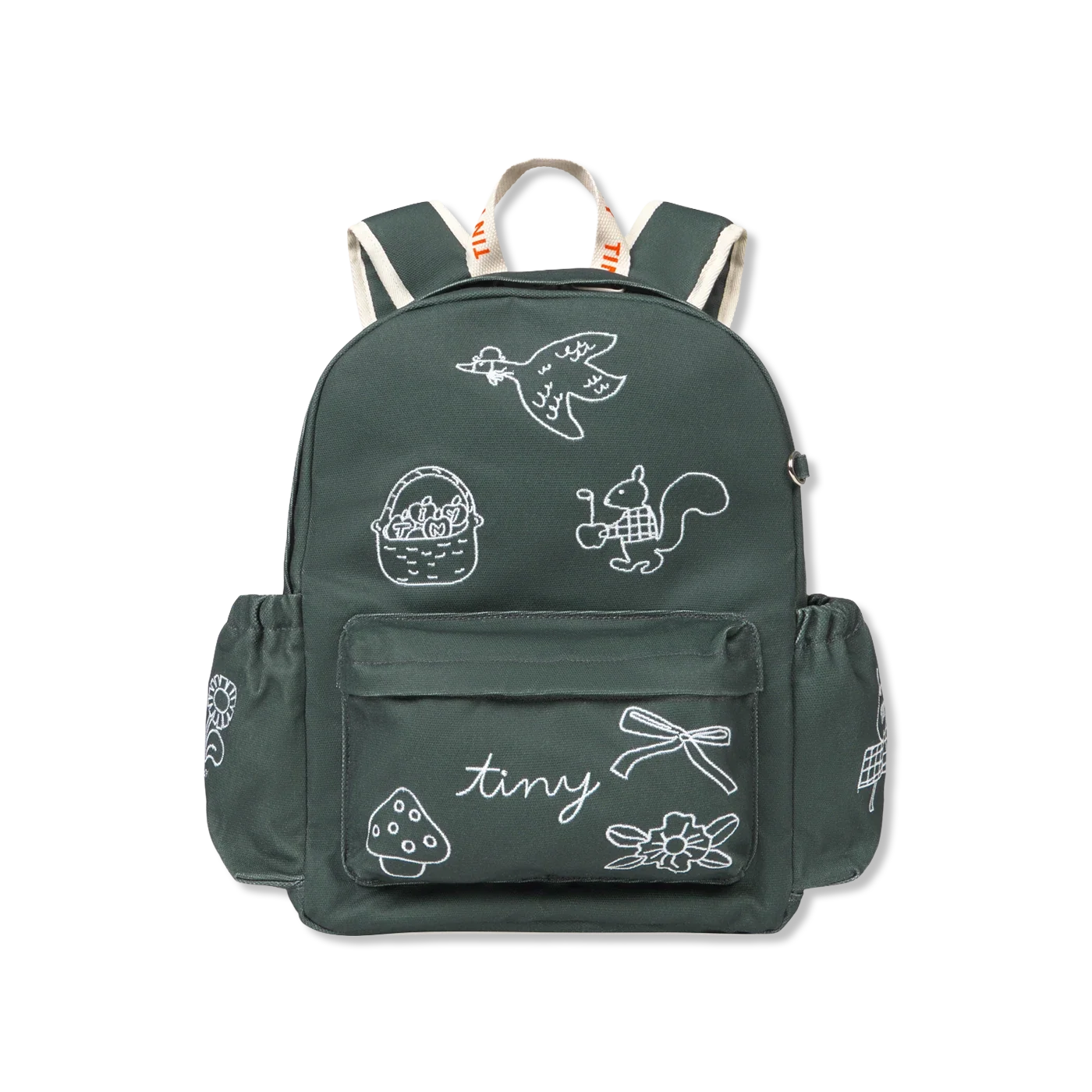
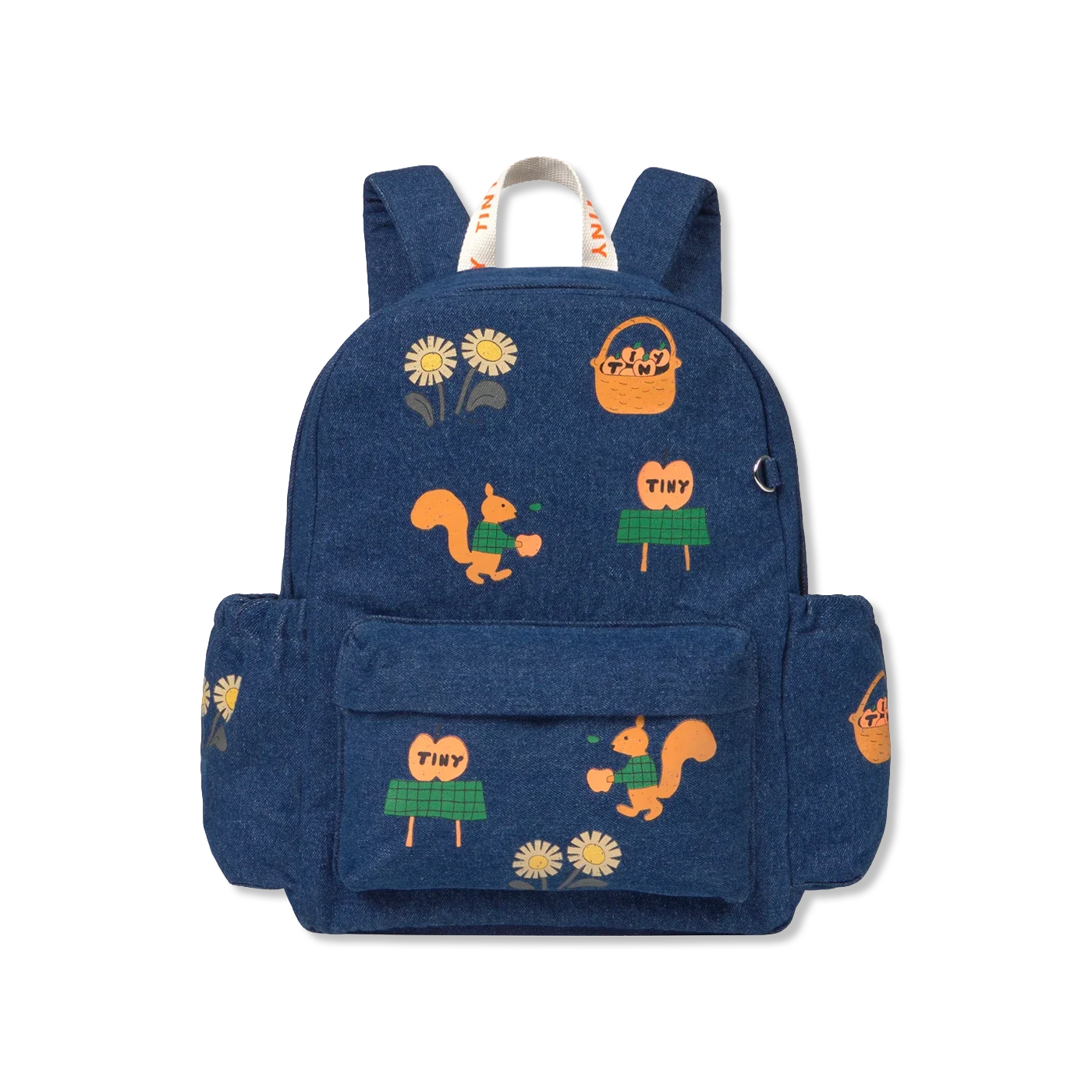
Backpacks for children for school, activities and little trips
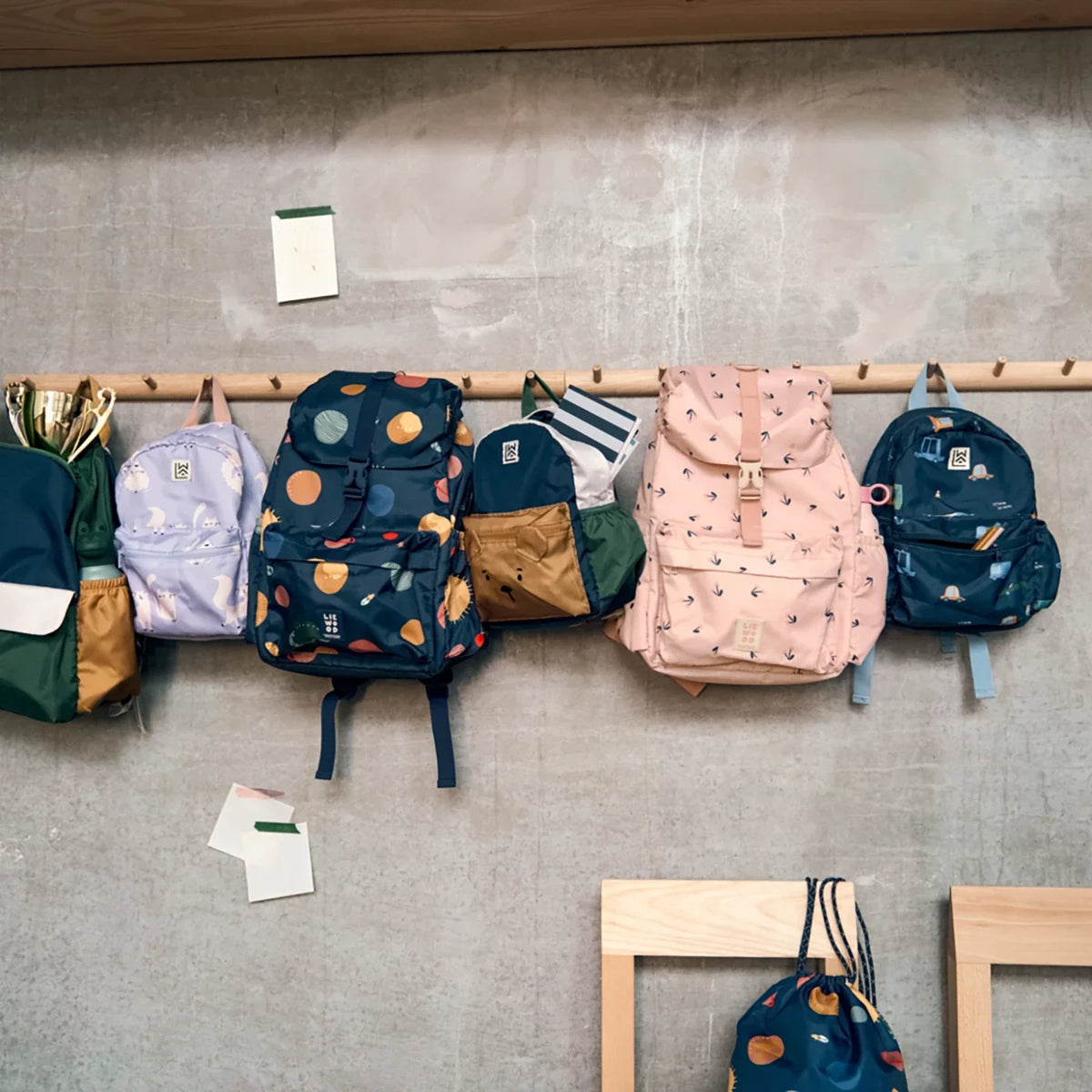
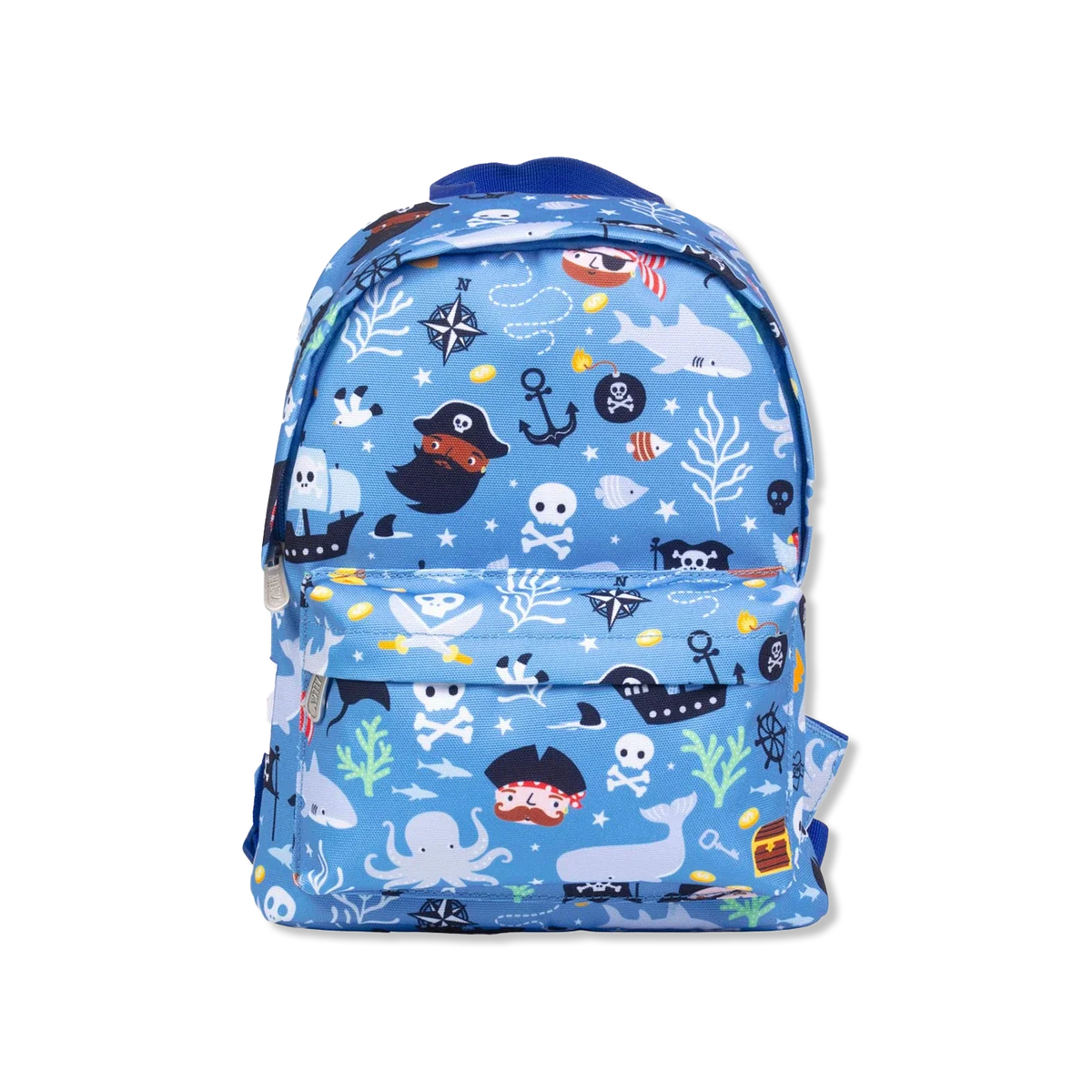
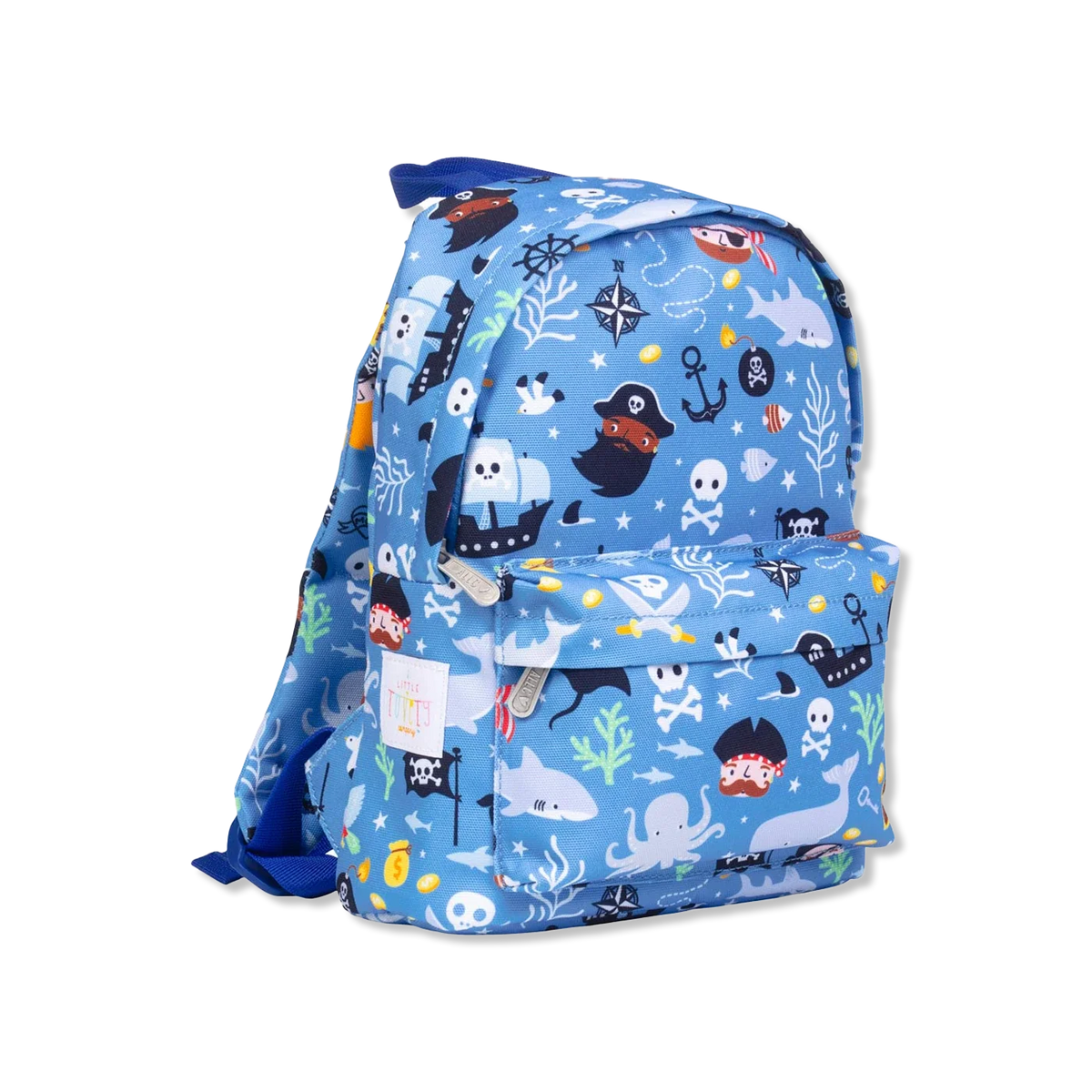
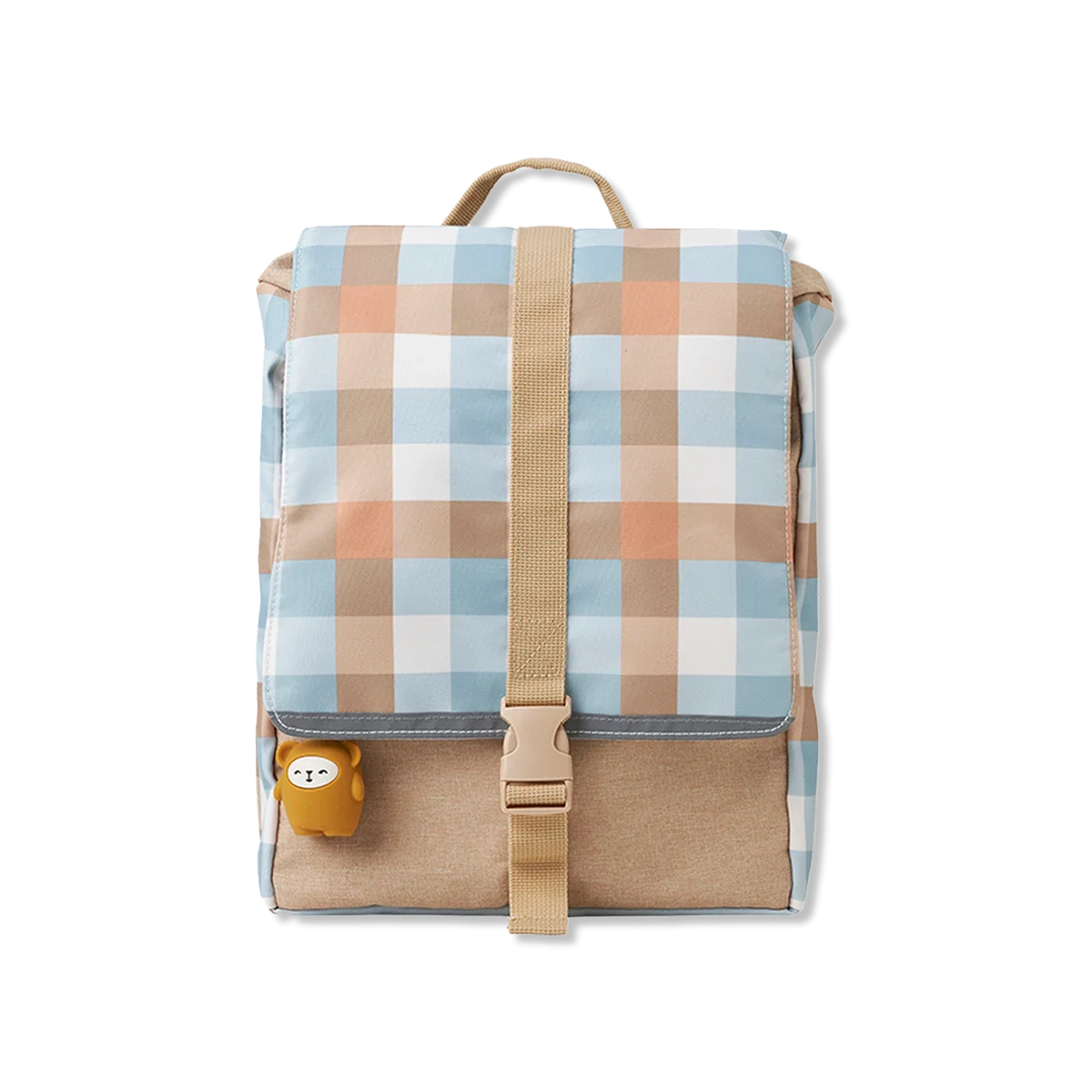
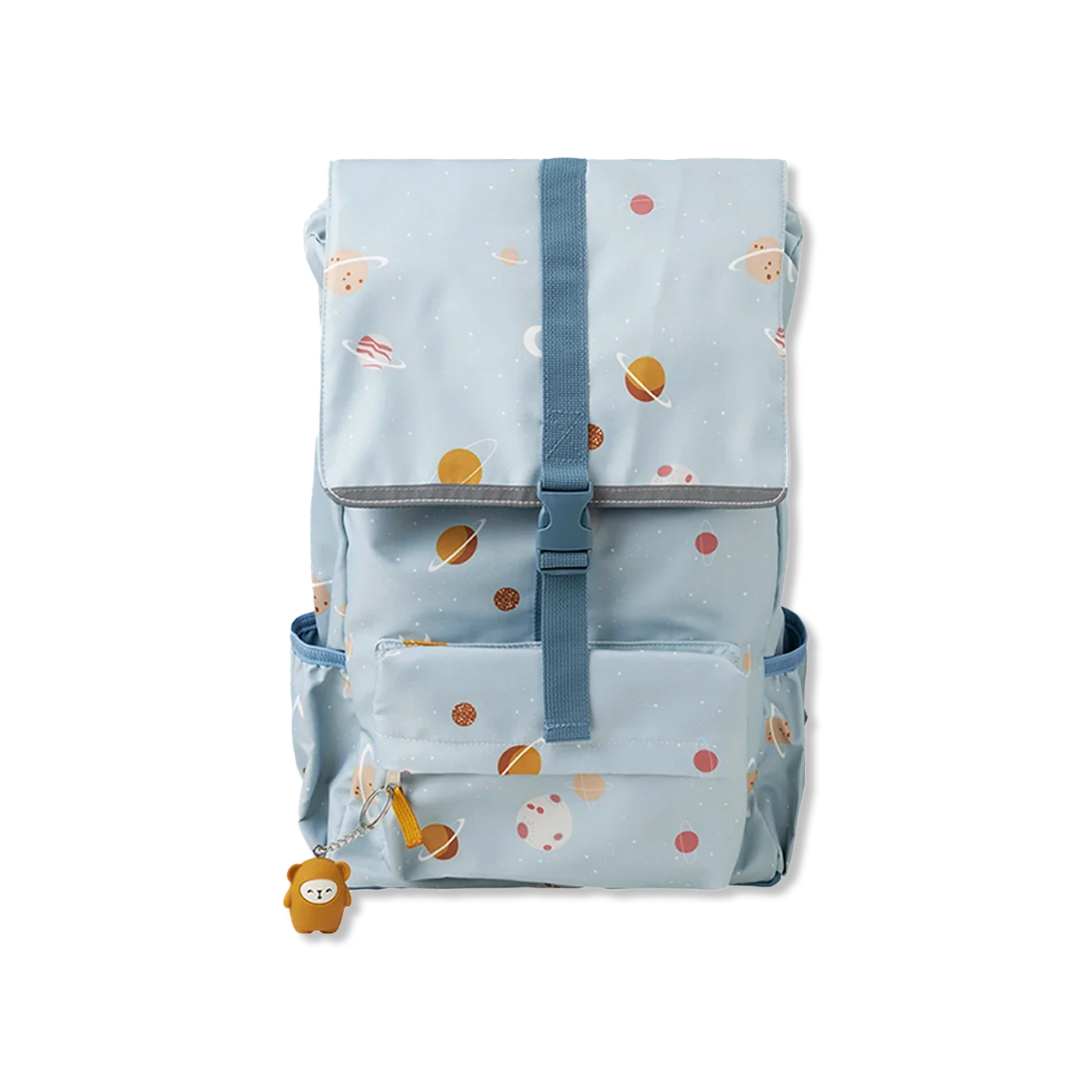
A backpack is part of everyday life for many children. It needs room for a lunchbox, spare clothes, books and all the little things that have to come along when heading out the door. Here you will find children’s backpacks in different sizes and designs – from small styles for preschool and daycare to larger backpacks better suited to school and leisure activities. When choosing a backpack, size, fit and purpose make the biggest difference. A backpack for a 3-year-old should ideally be lightweight and simple, while a schoolchild often needs more space, more compartments and better support.
If you are unsure which style will work best, it helps to start with your child’s age, height and what the bag will be used for day to day. A good backpack for children should be comfortable to wear, easy to organise and suited to your child’s needs – not just nice to look at.
Which backpack suits your child’s age and everyday routine?
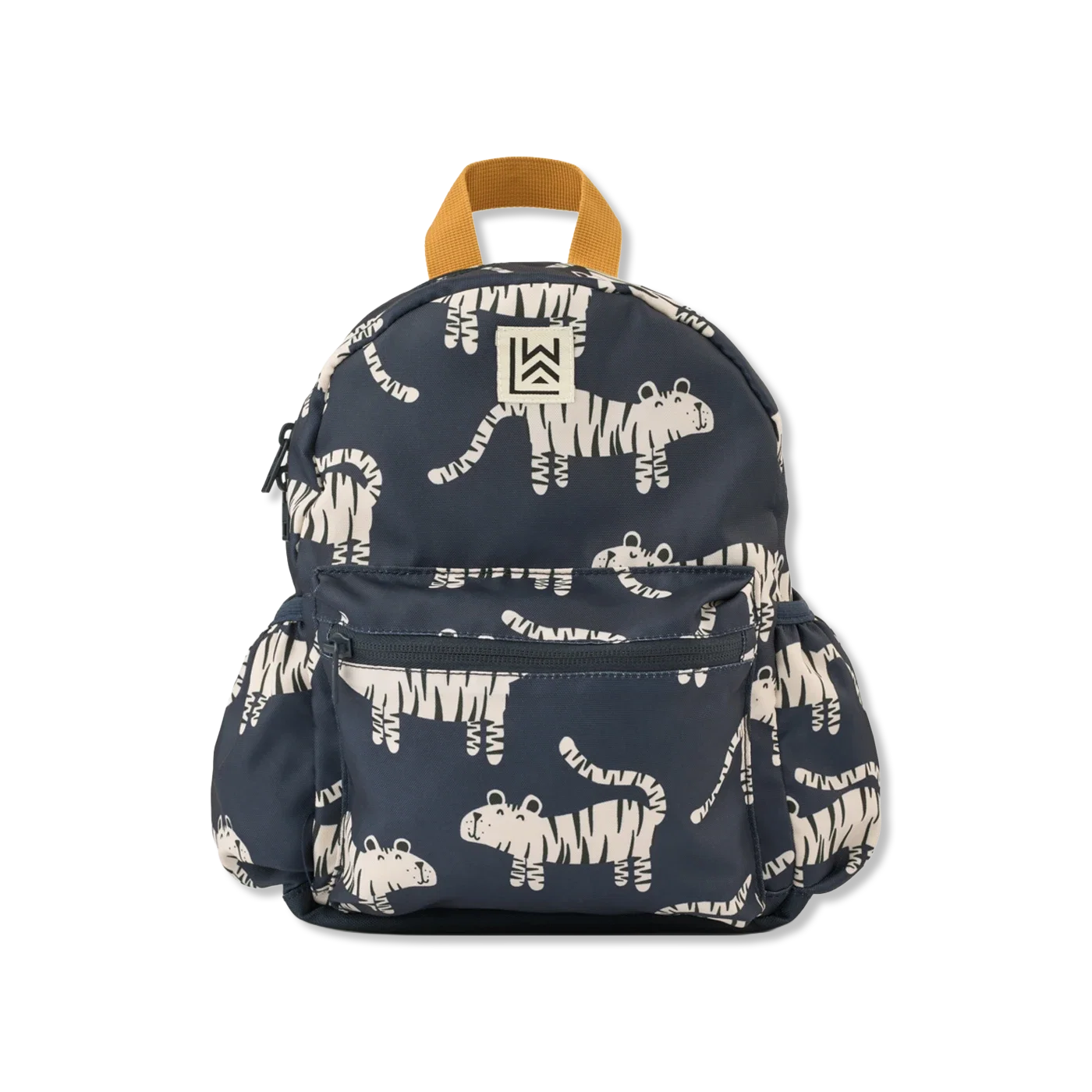
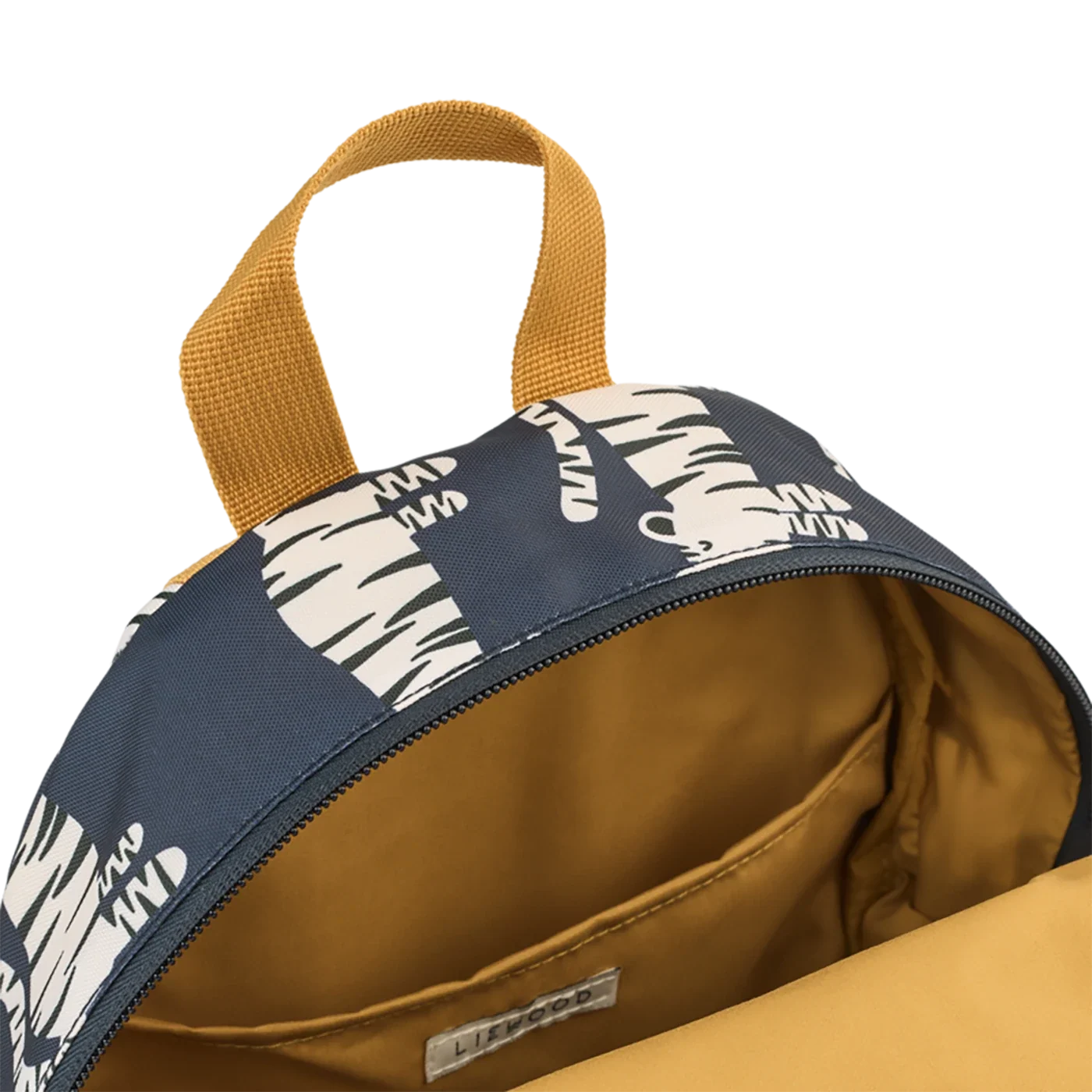
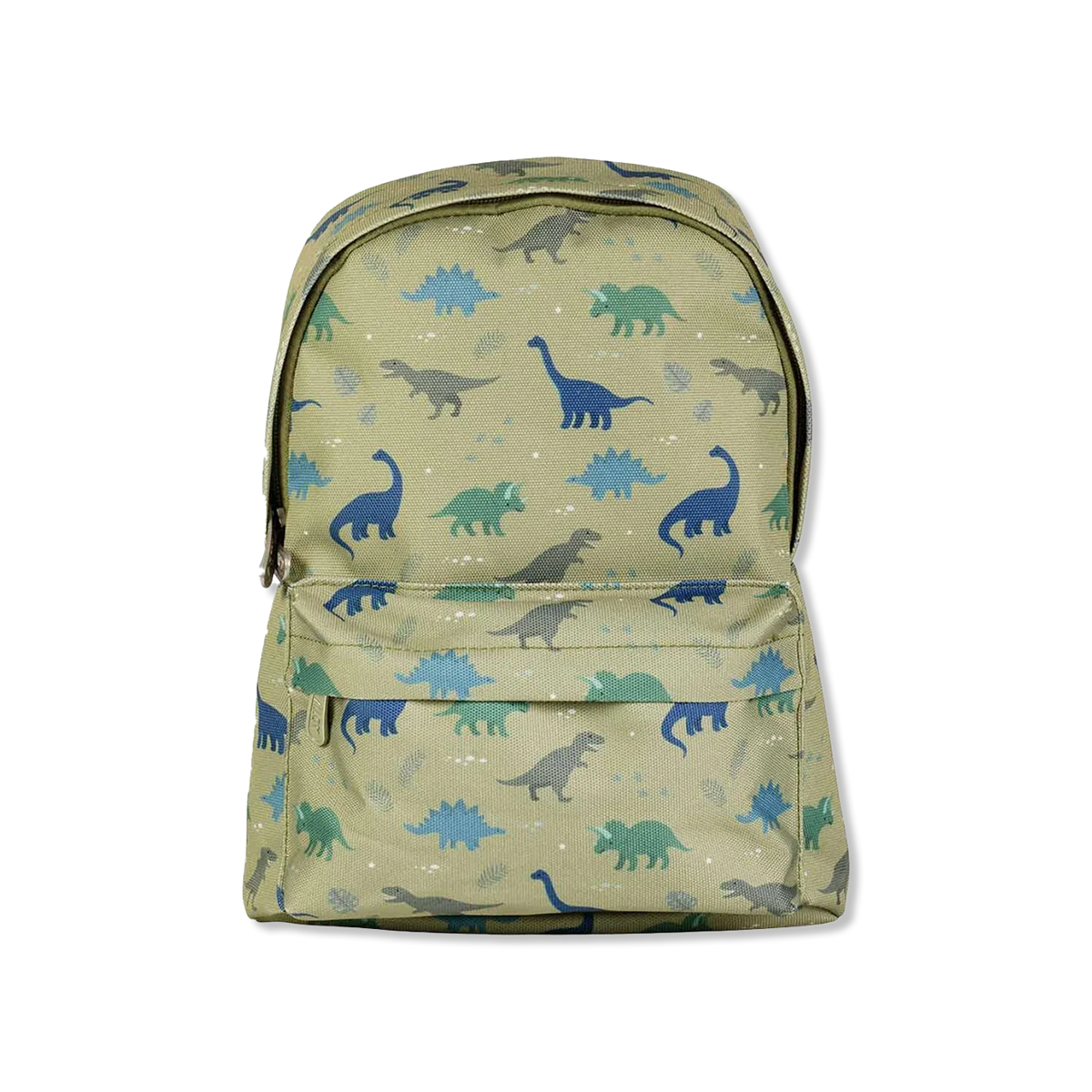
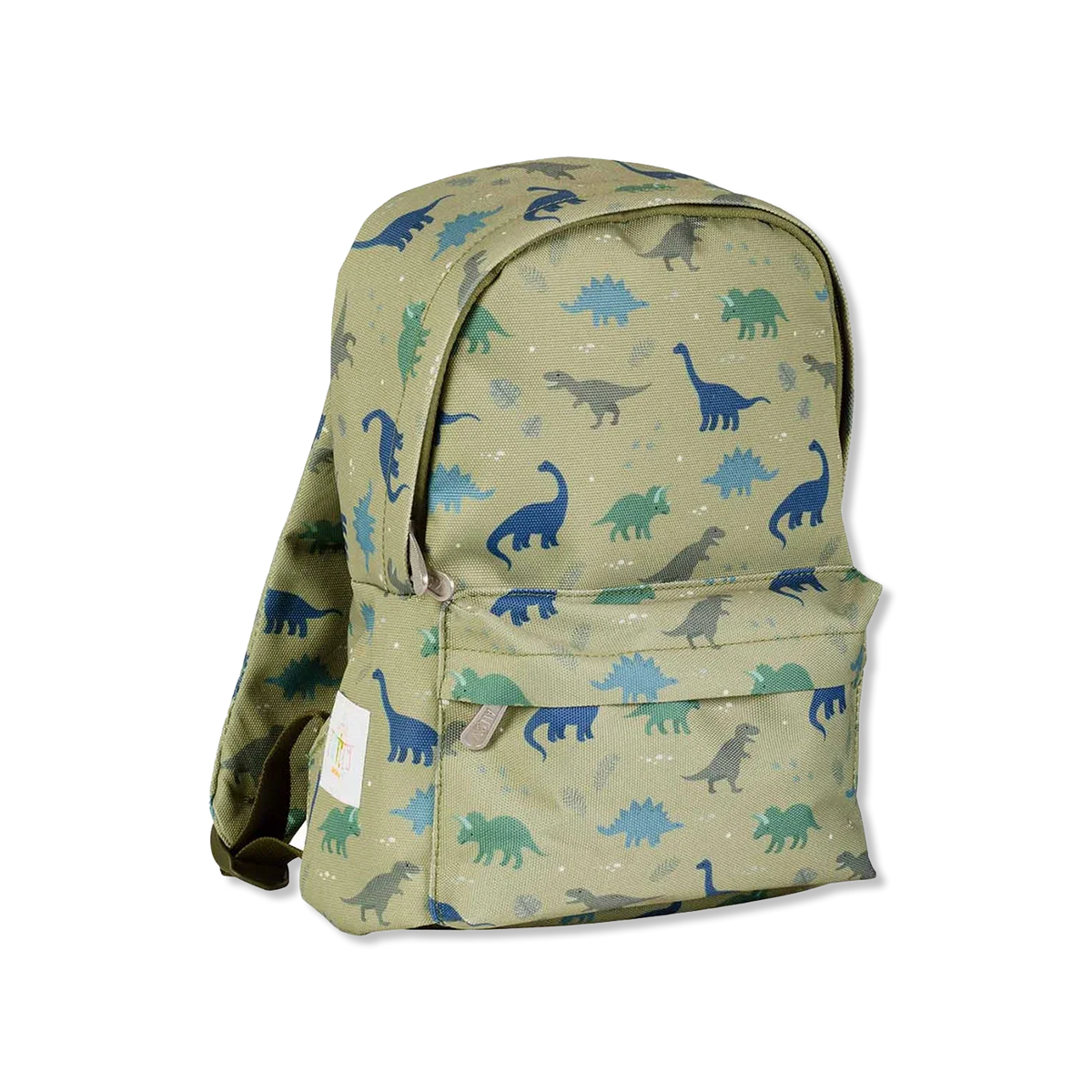
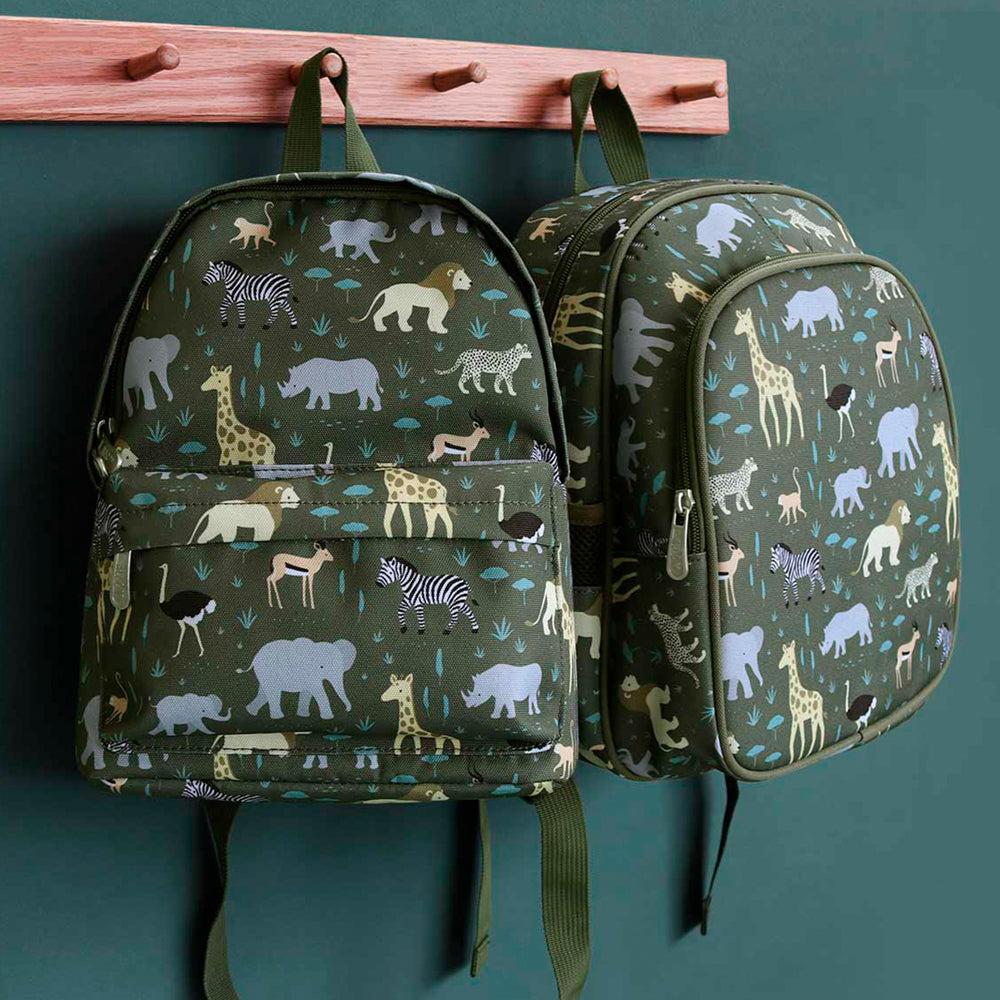
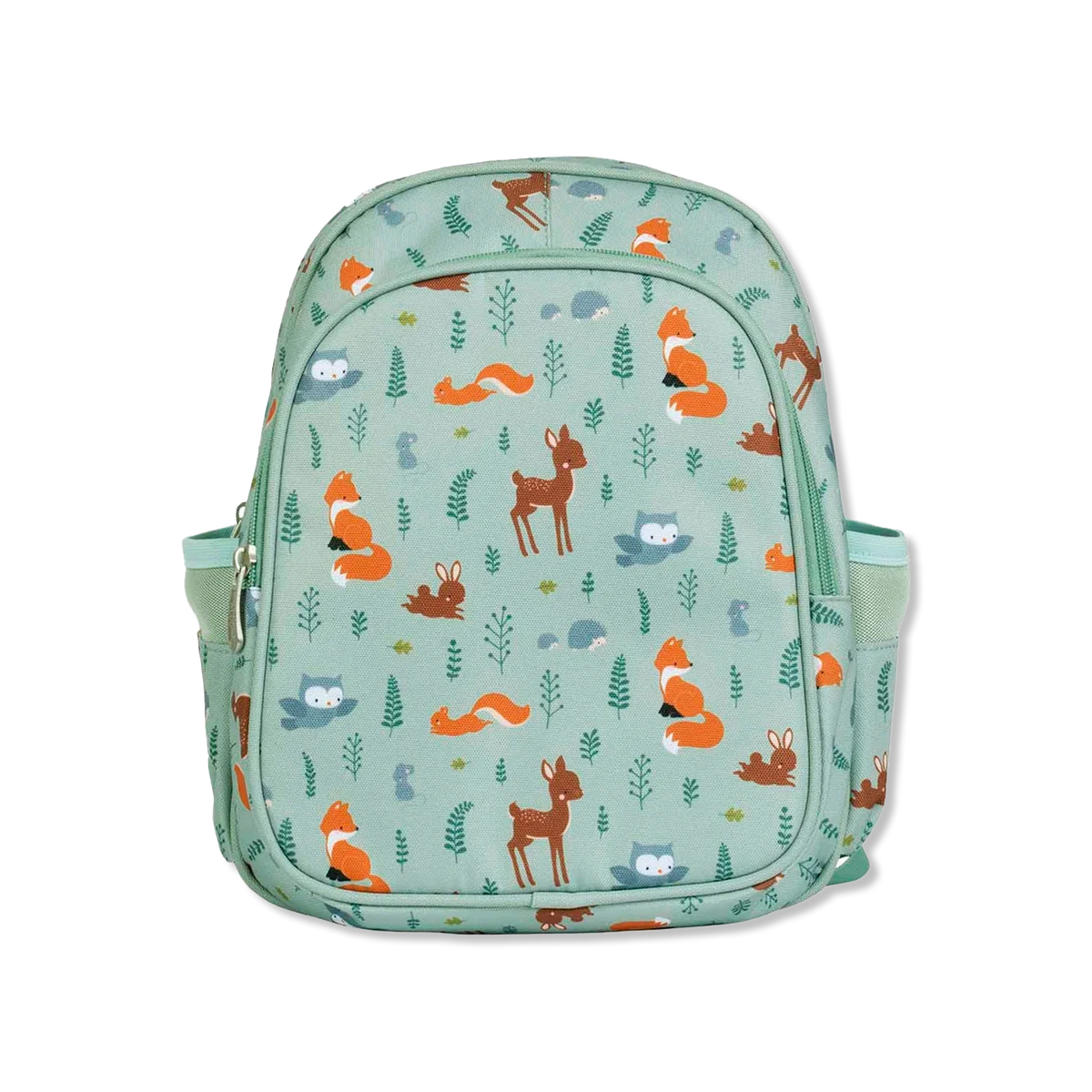
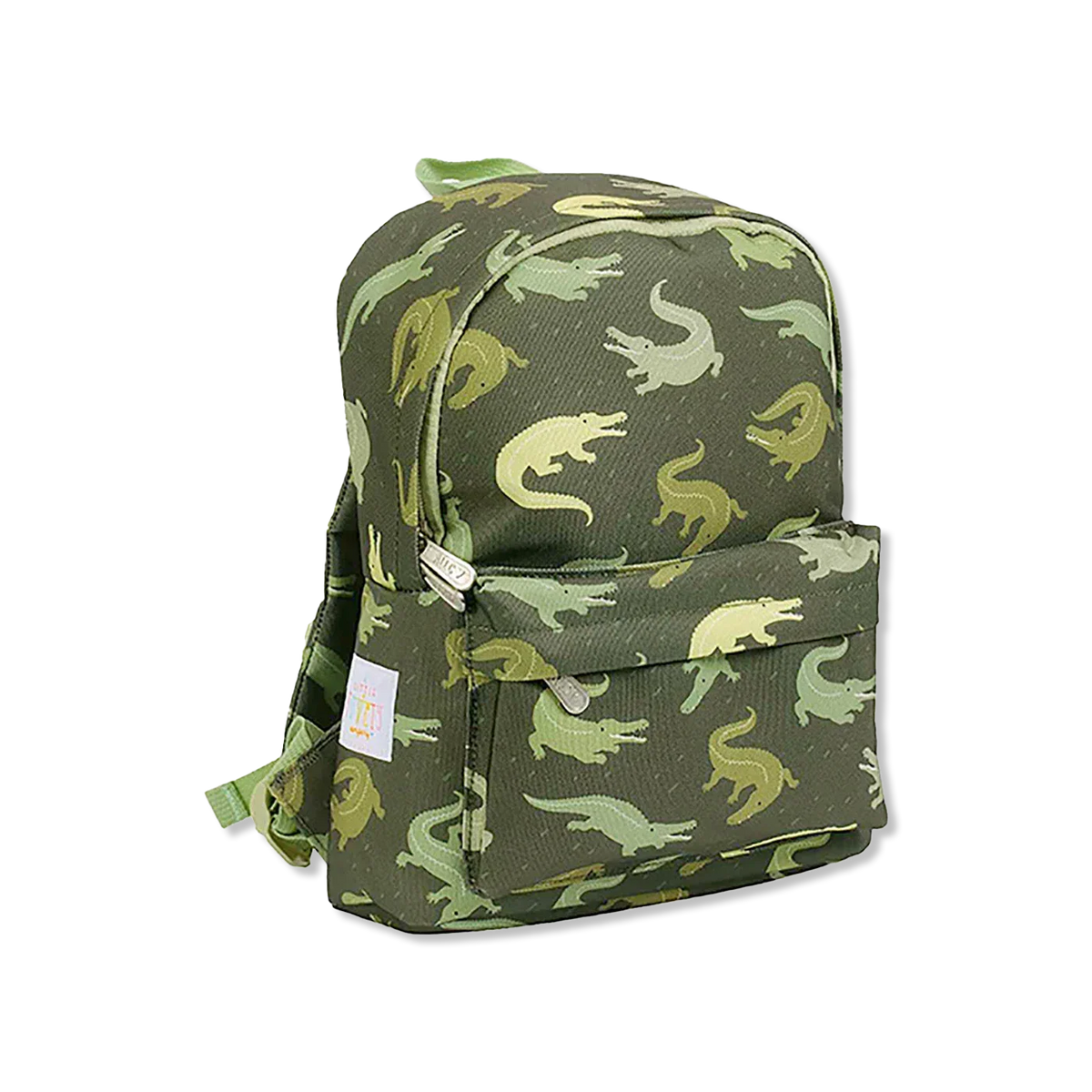
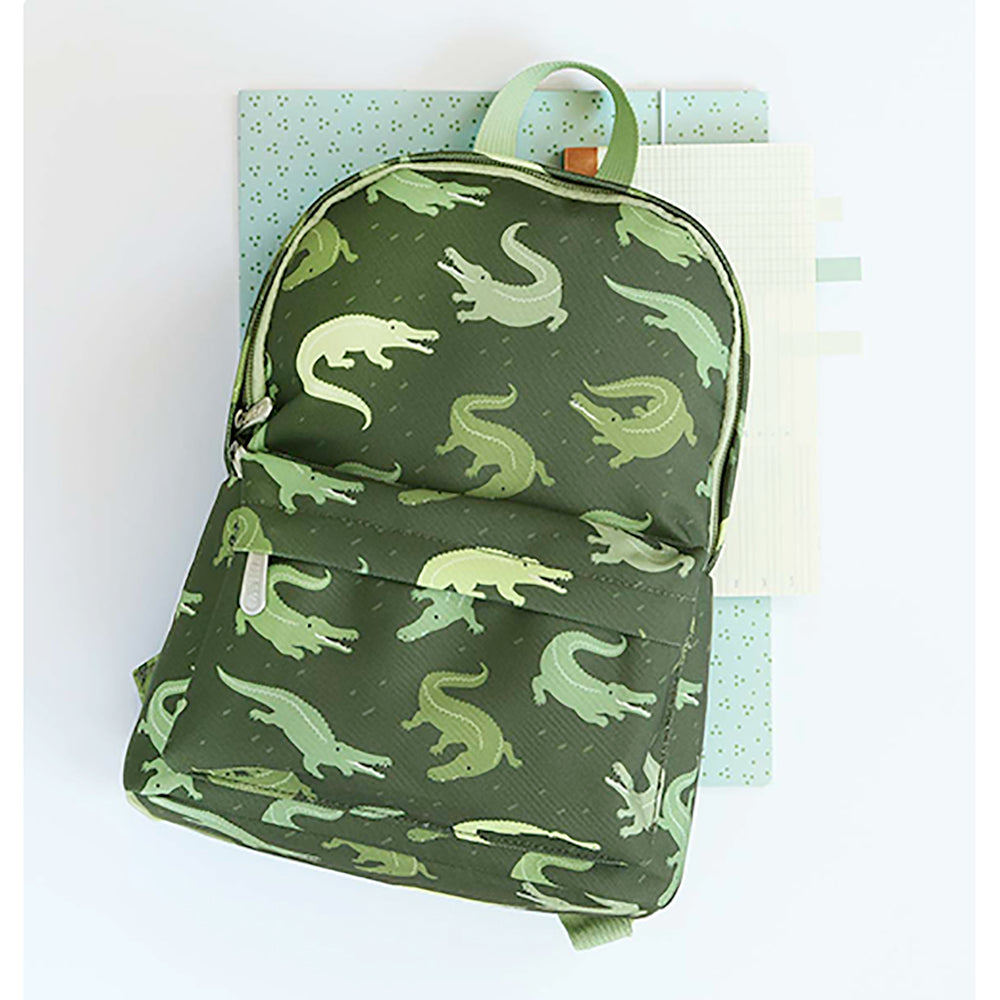
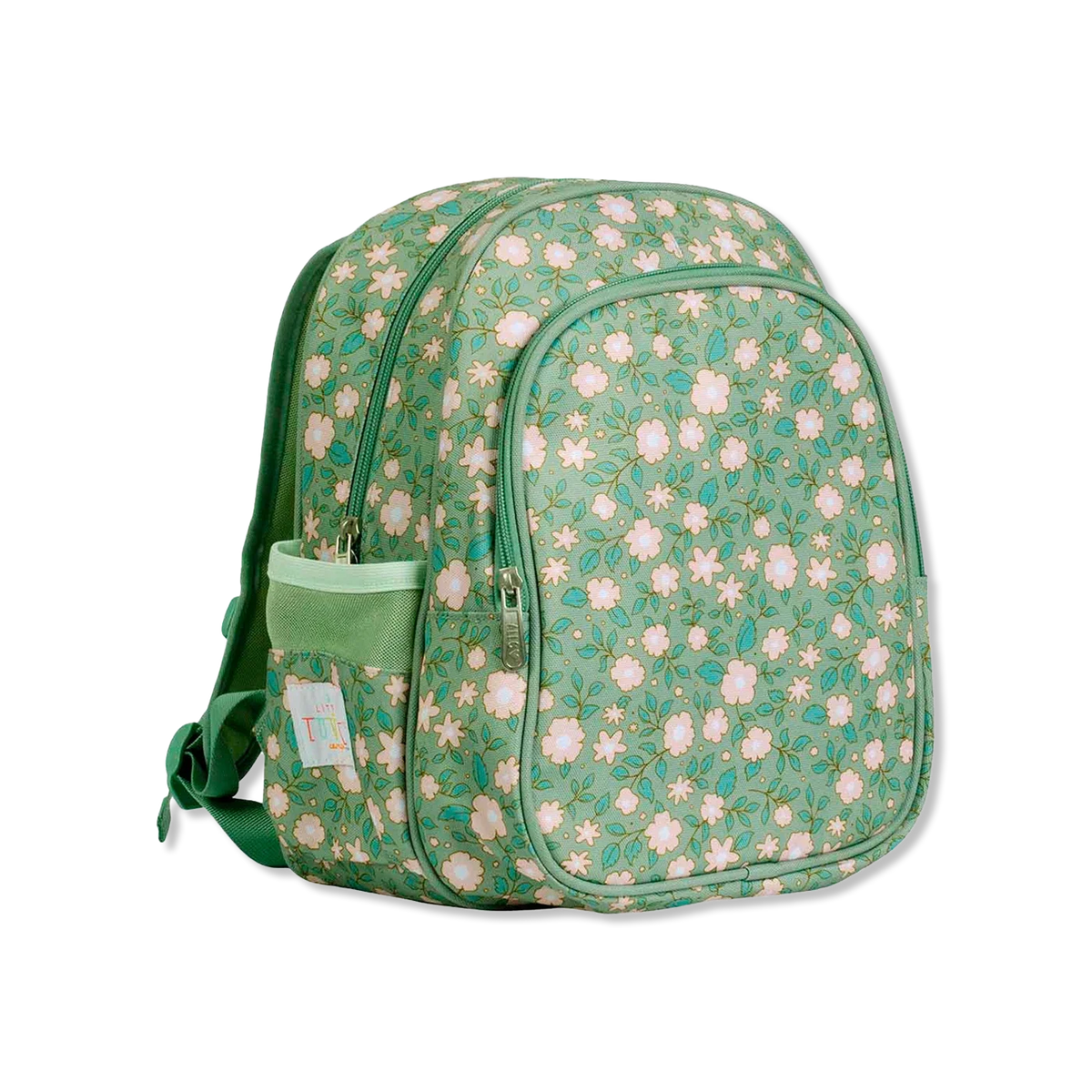
The youngest children usually benefit most from a toddler backpack or a smaller kids’ backpack that does not take up too much space on their back. For children around 2-5 years old, low weight, soft shapes and one simple compartment often work best. That leaves room for a lunchbox, an extra jumper and perhaps a small teddy or something comforting from home.
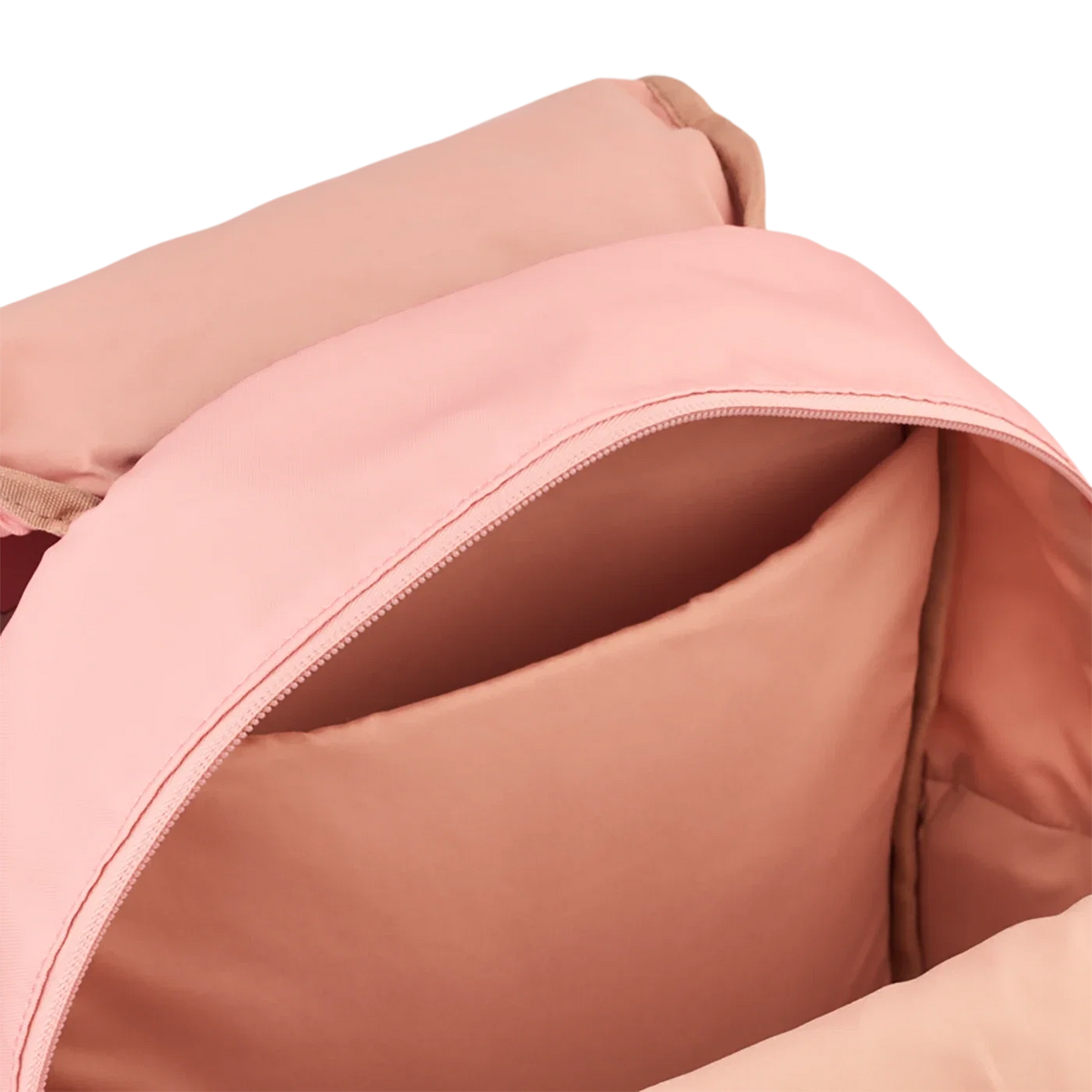
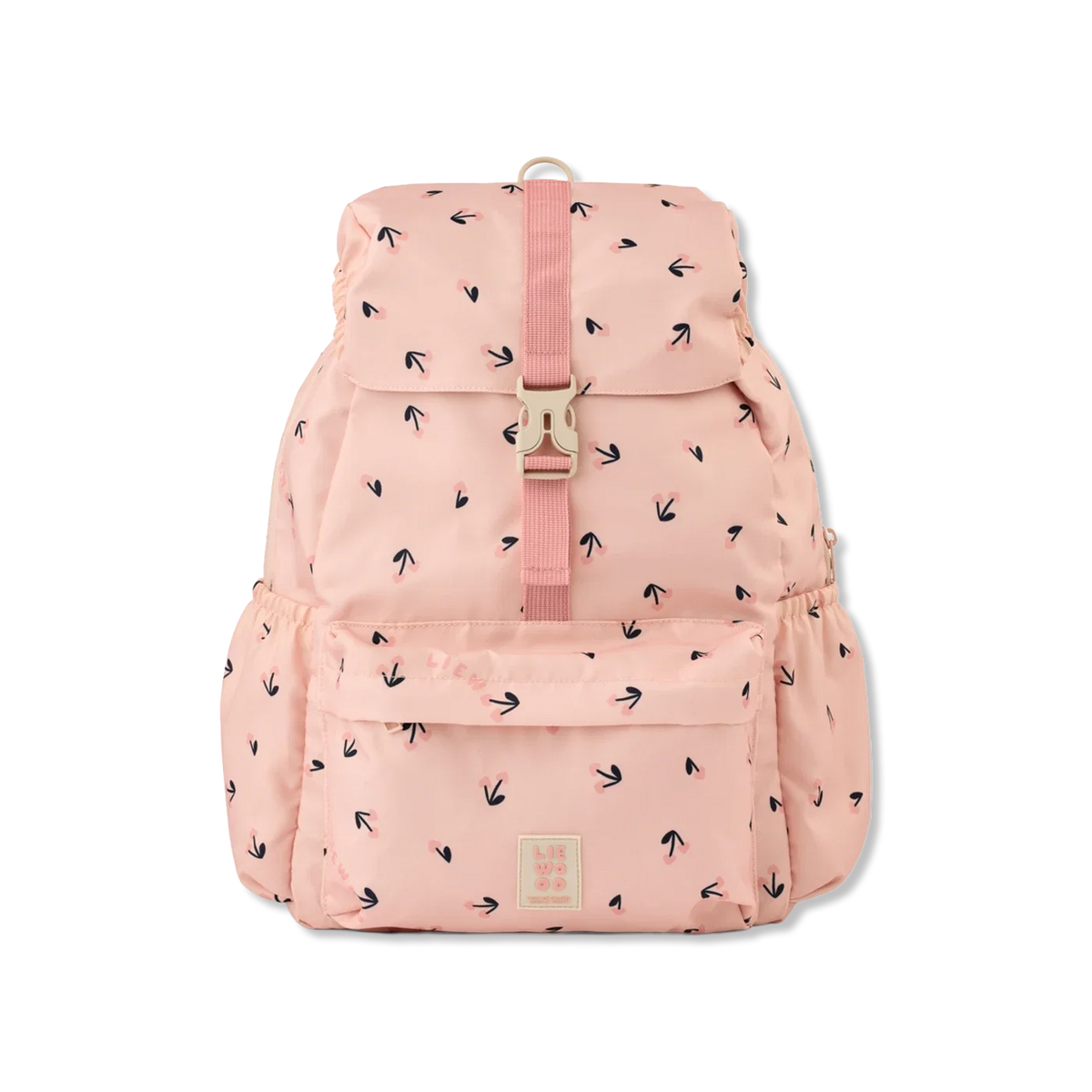
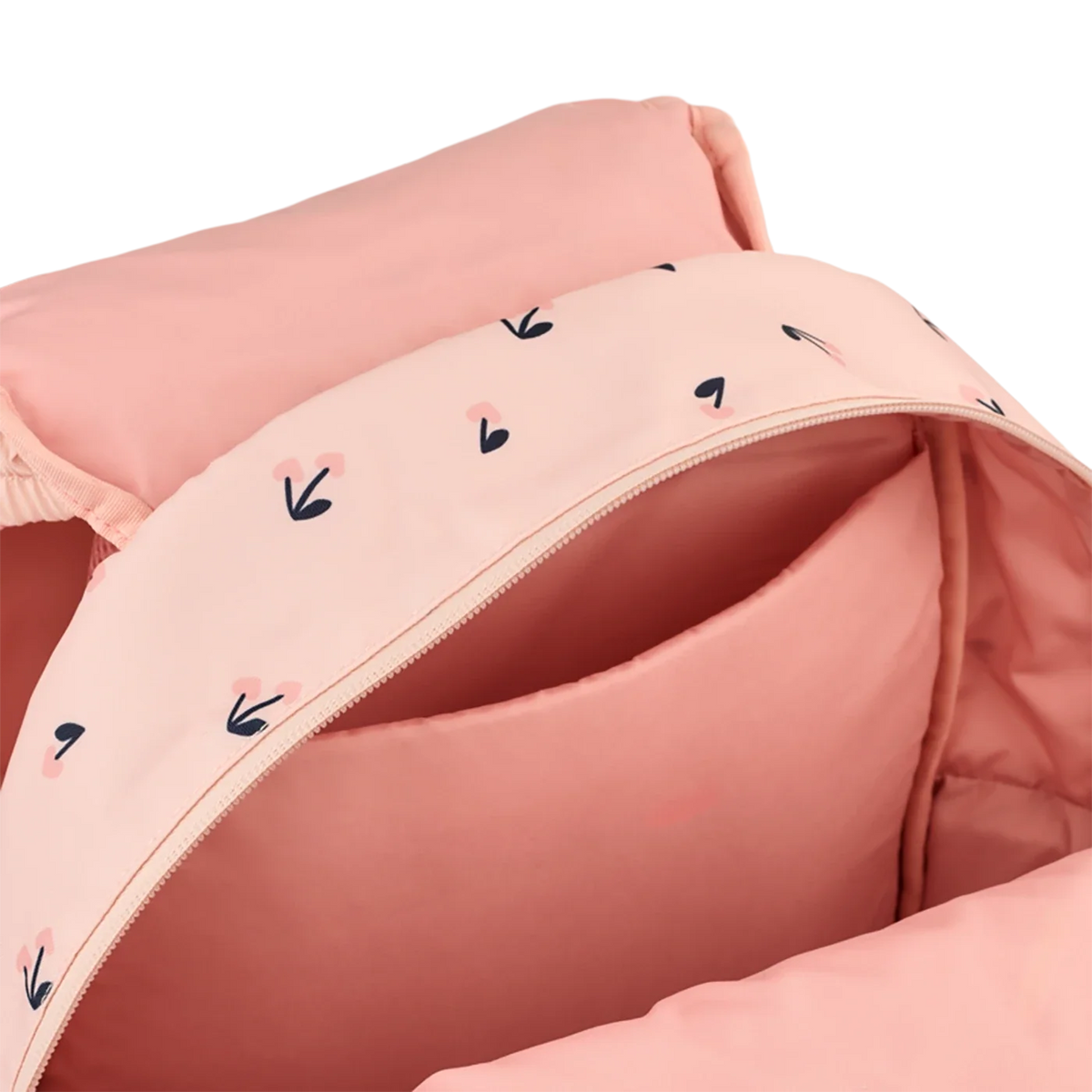
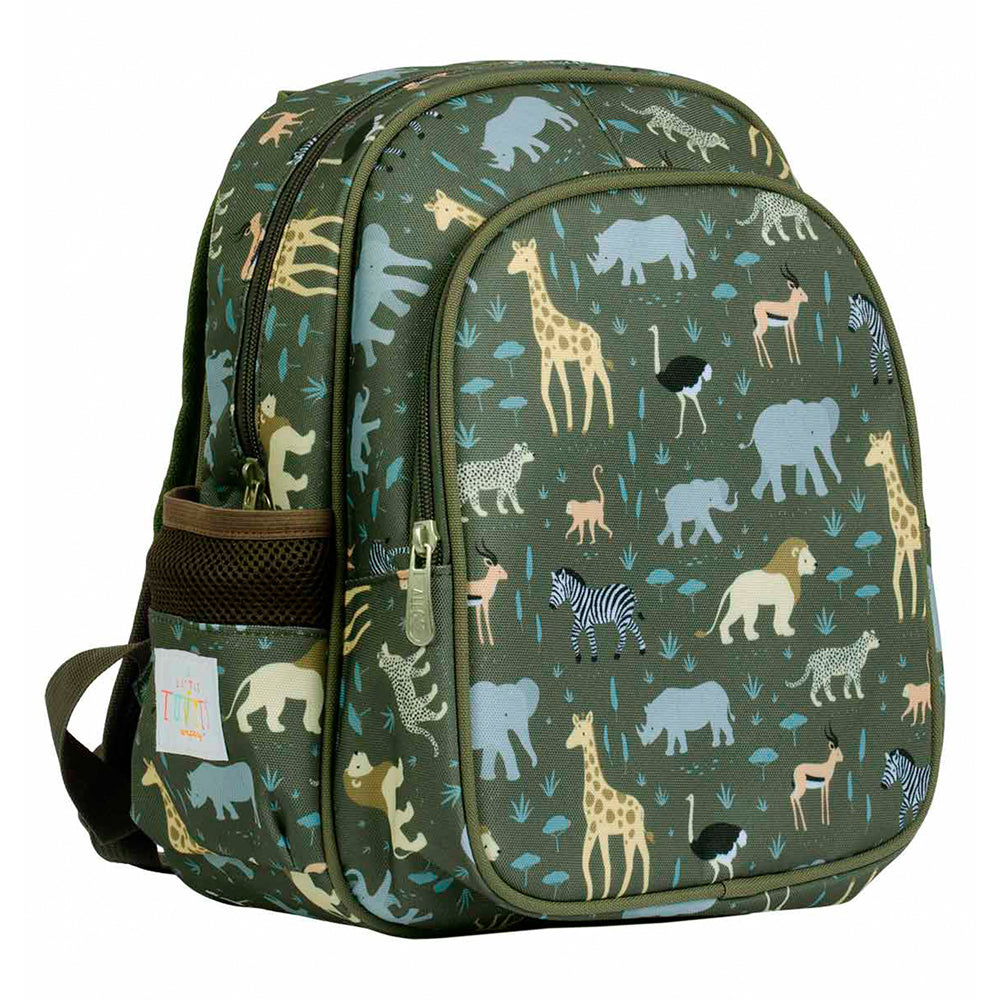
As children get older, their needs often change. Schoolchildren from around 6-12 years typically need a backpack with more space and preferably several compartments, so books, a pencil case, lunchbox and water bottle are easier to keep track of. For leisure activities or little weekend trips, a day backpack can be a very good choice when they do not need quite as much as they do for school.
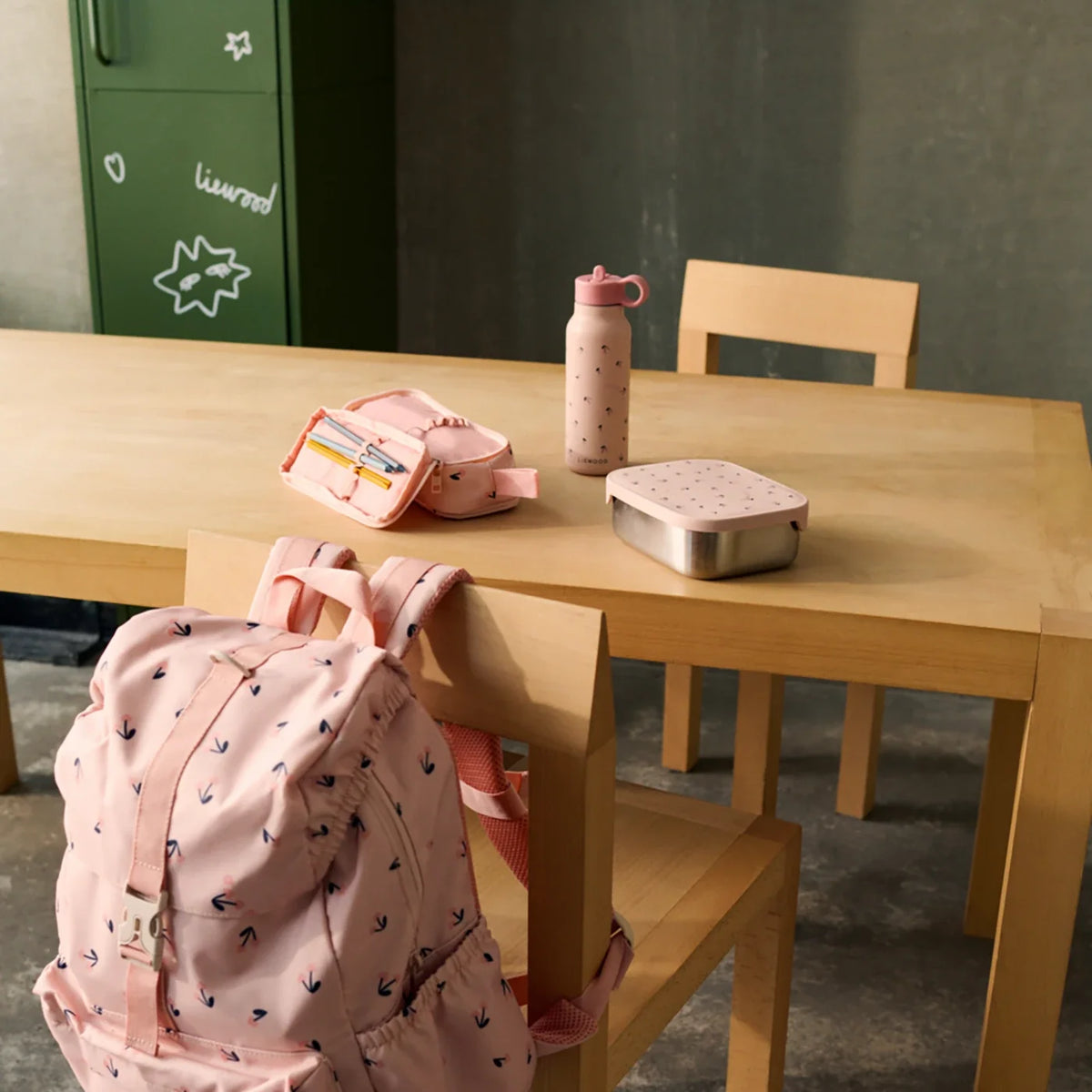
If the bag is for daycare or preschool, it can be practical to combine it with a water bottle and a lunchbox solution, so everything is easy to pack and find during the day.
What makes a good backpack comfortable to carry
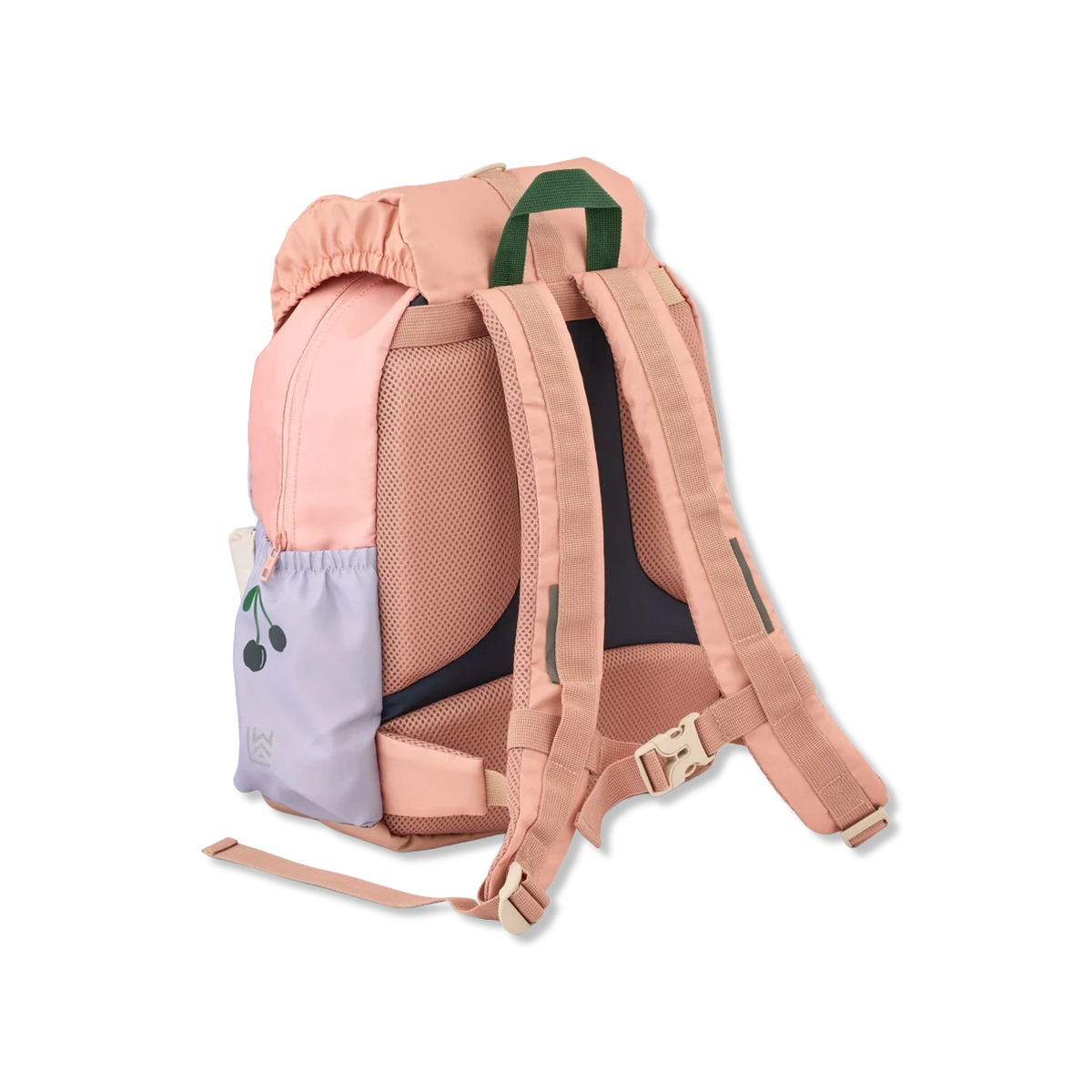
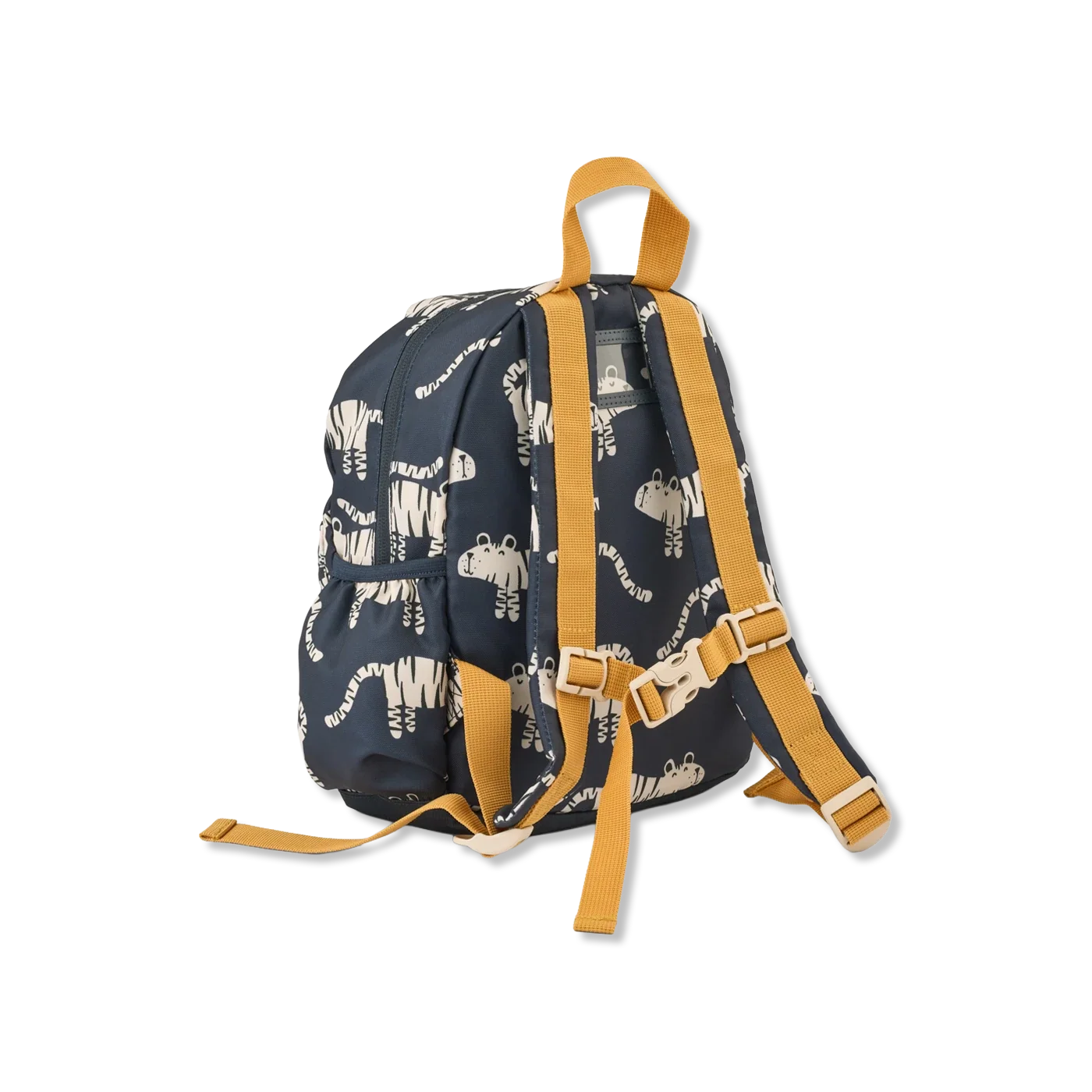
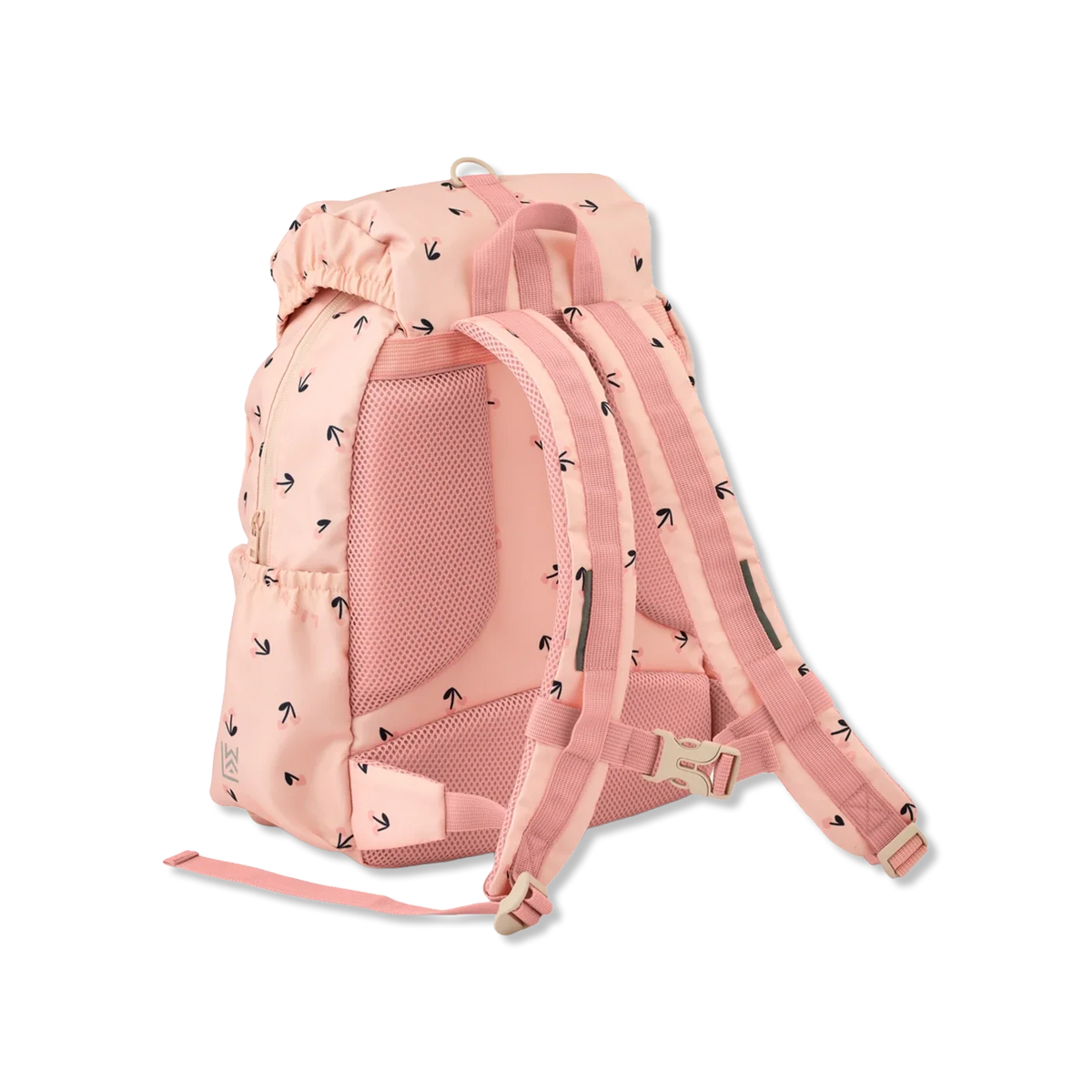
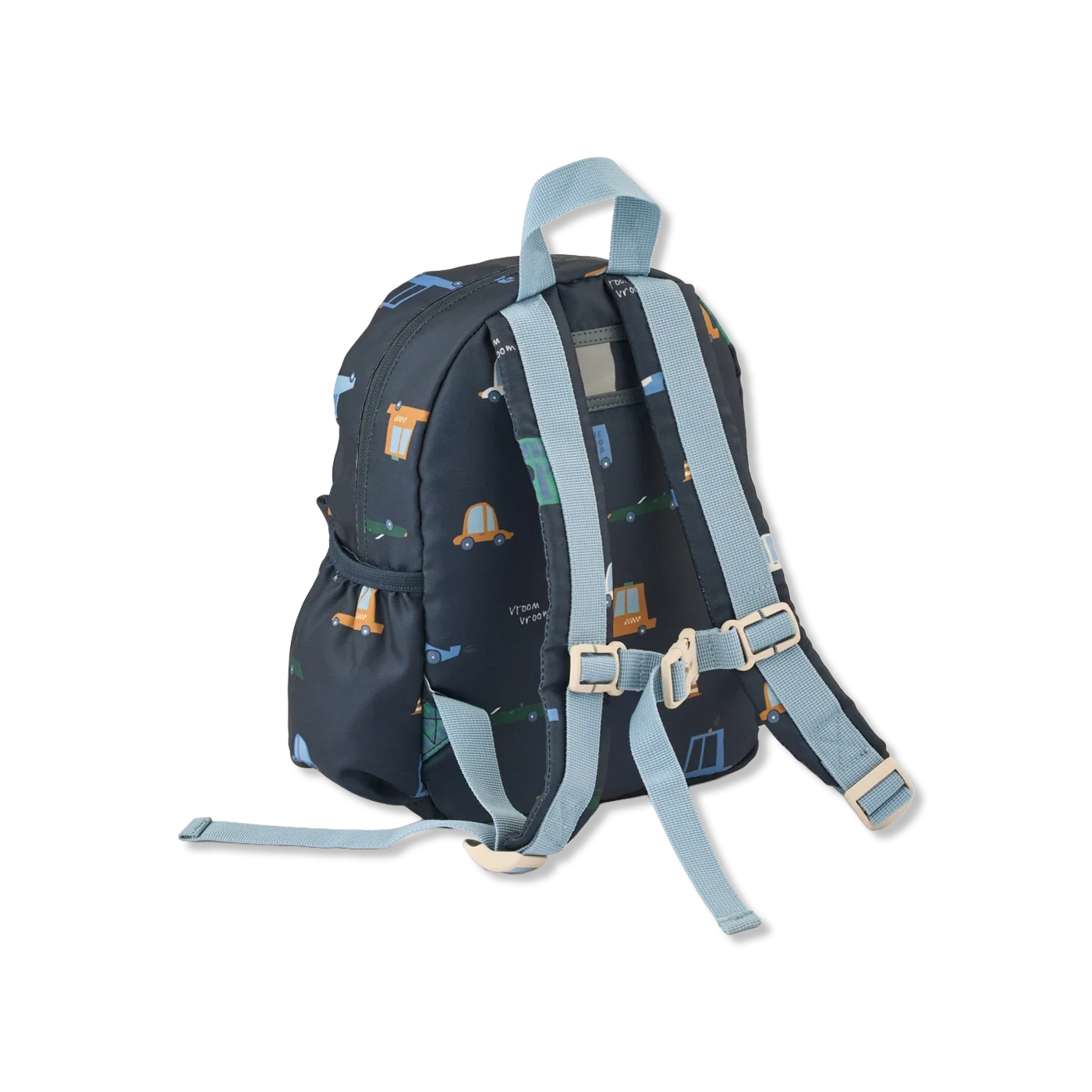
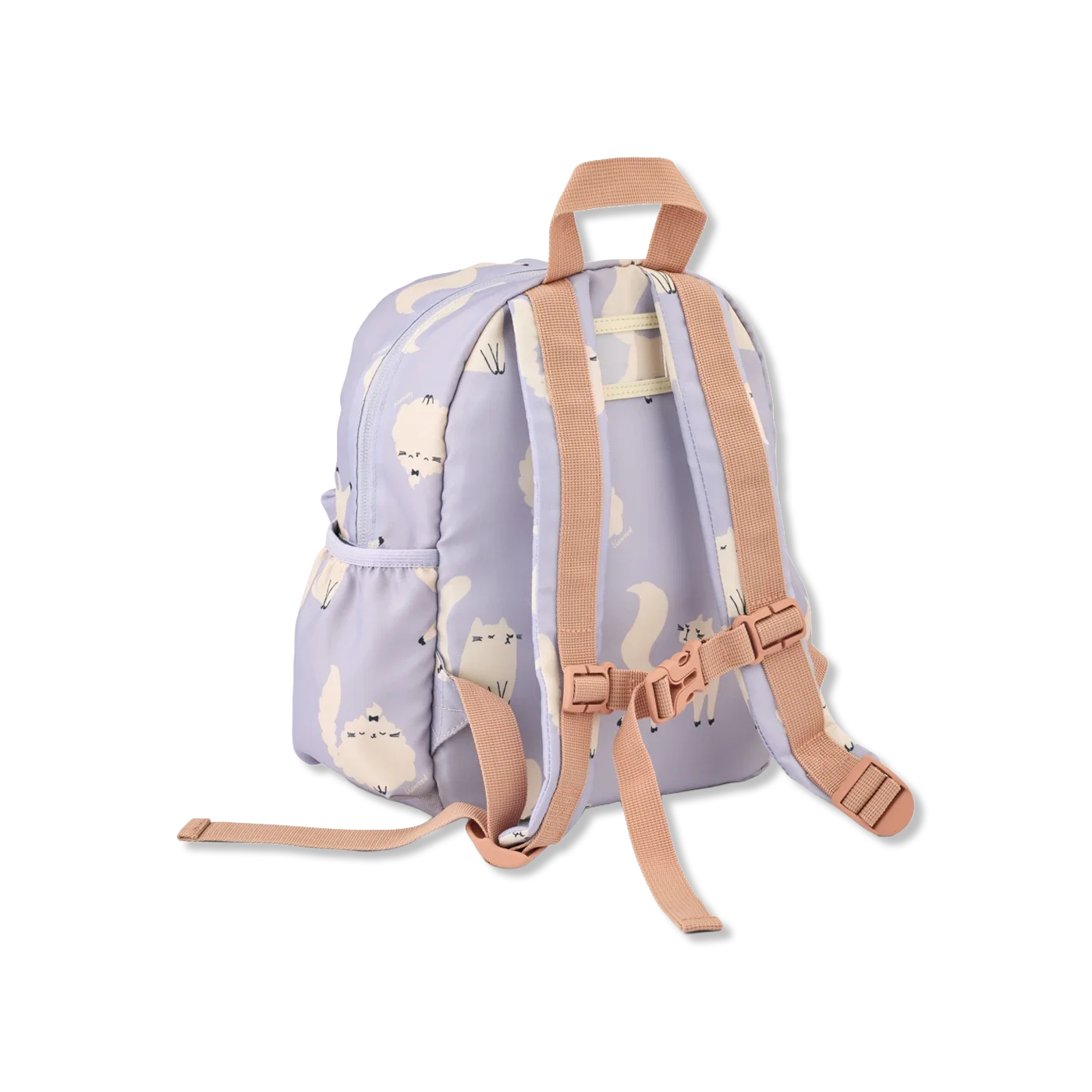
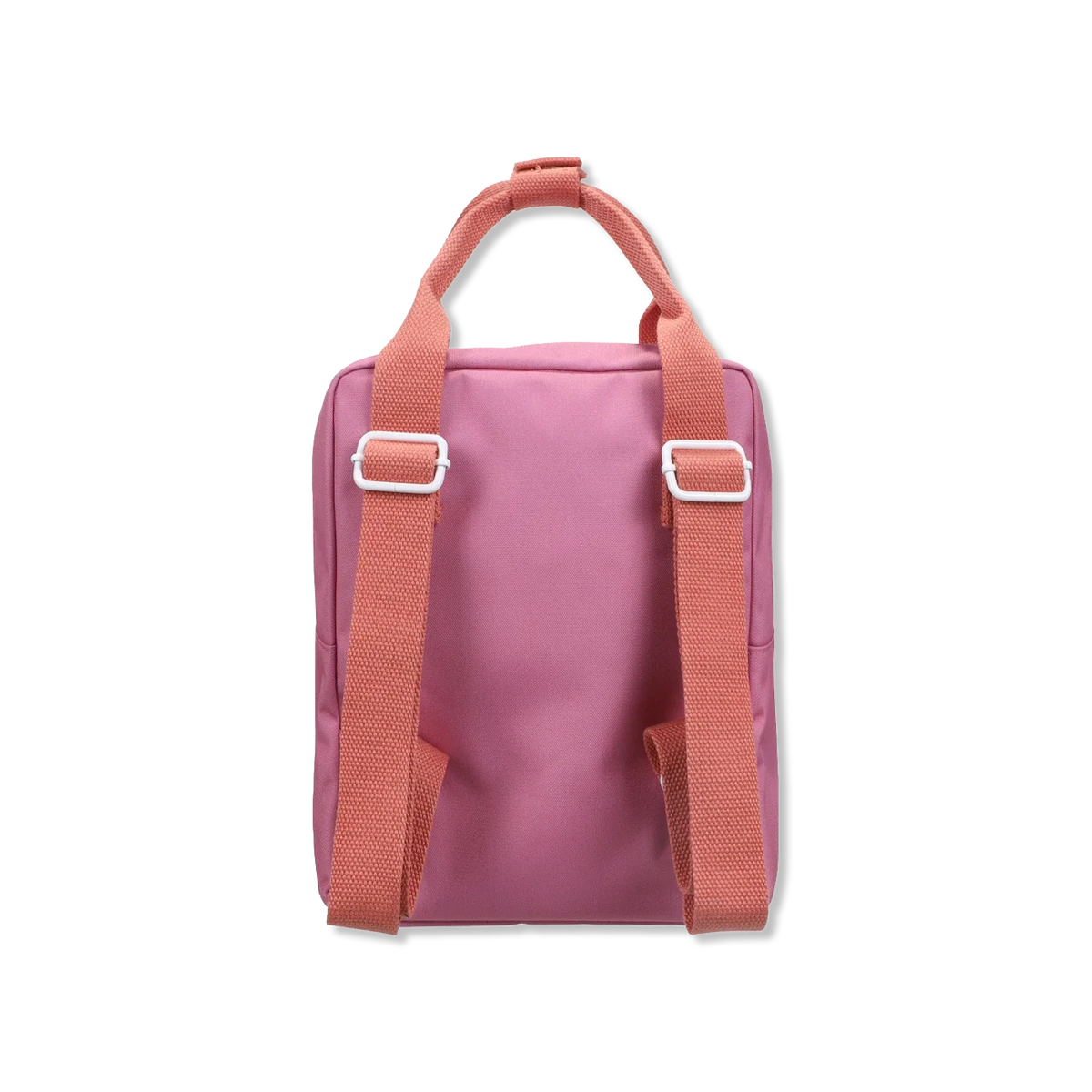
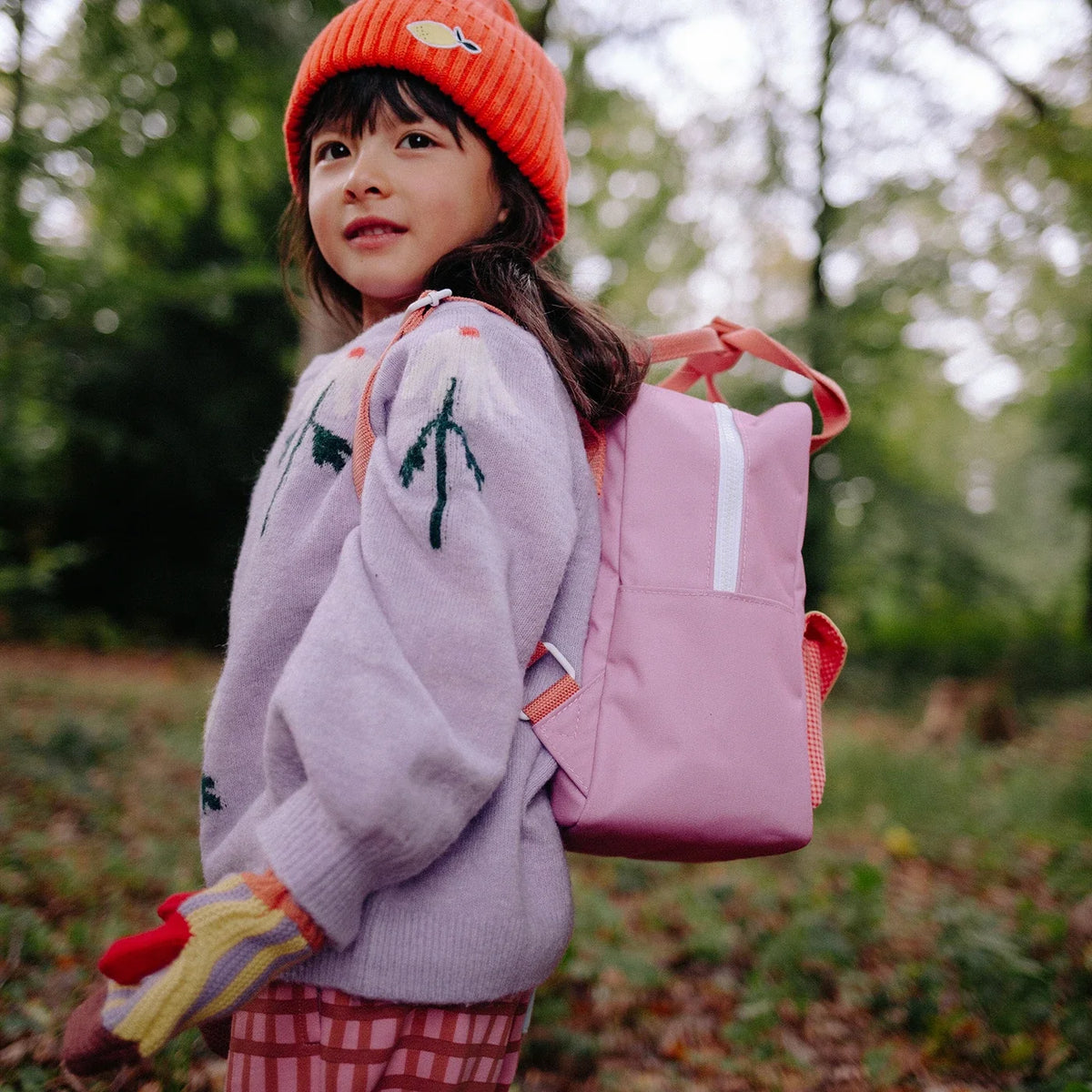
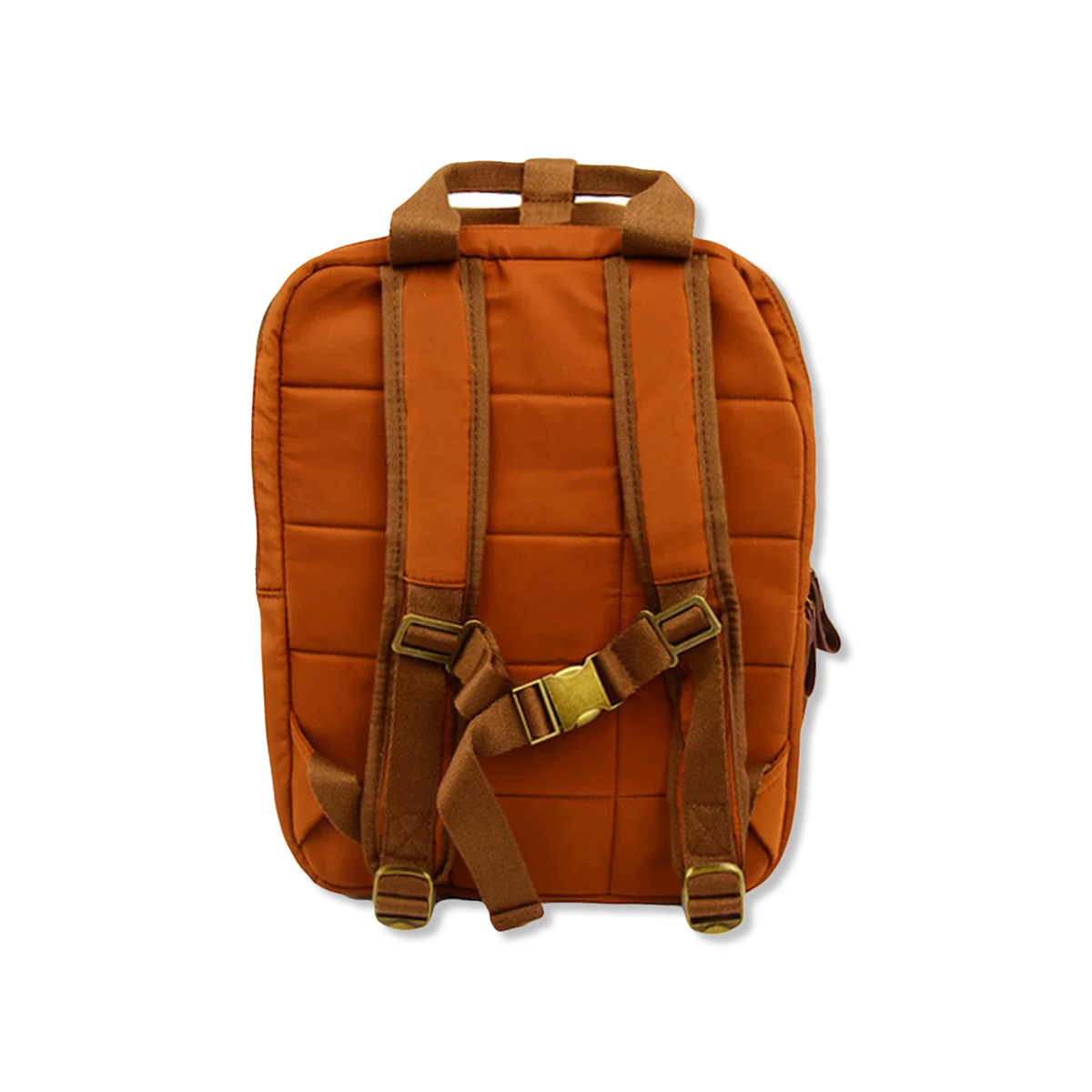
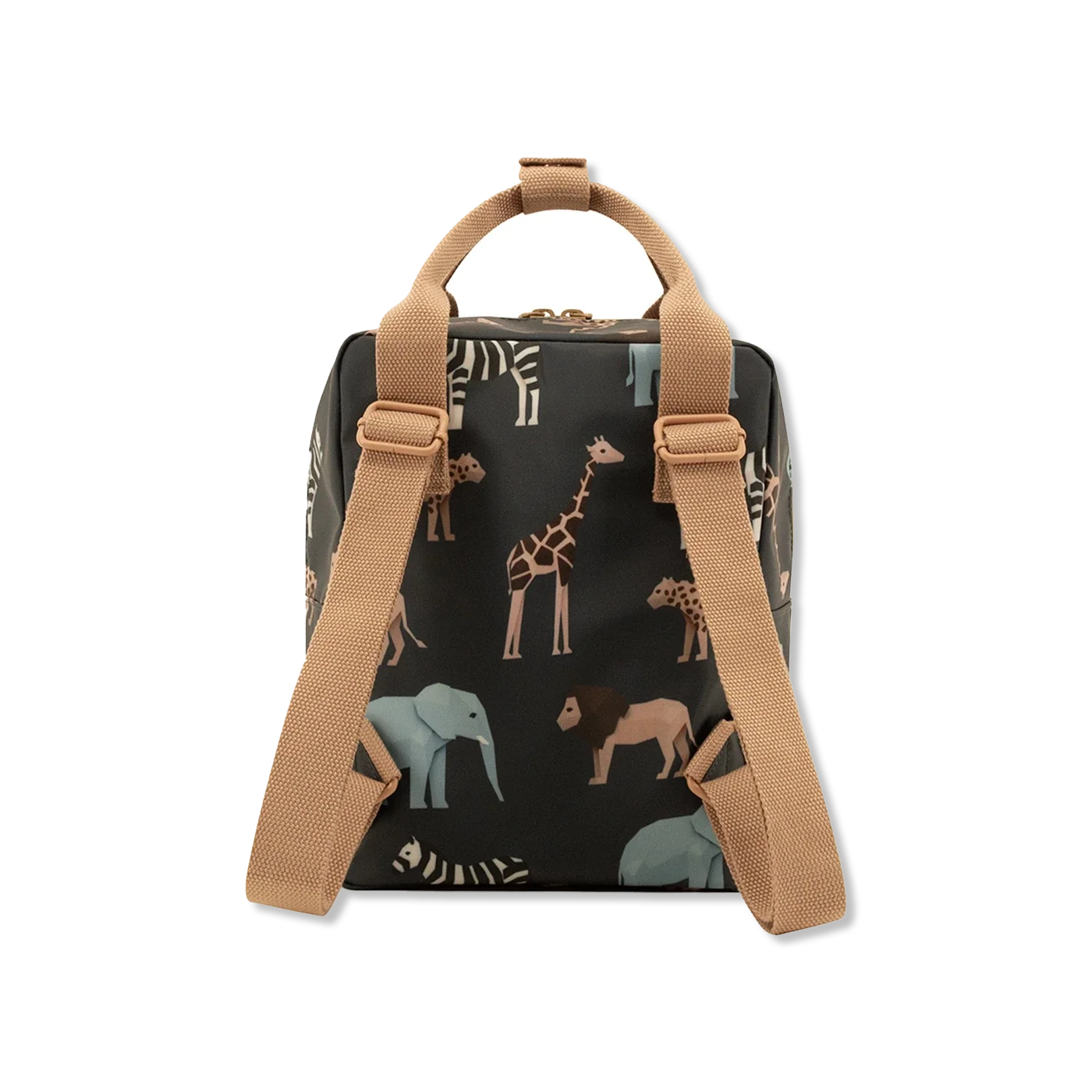
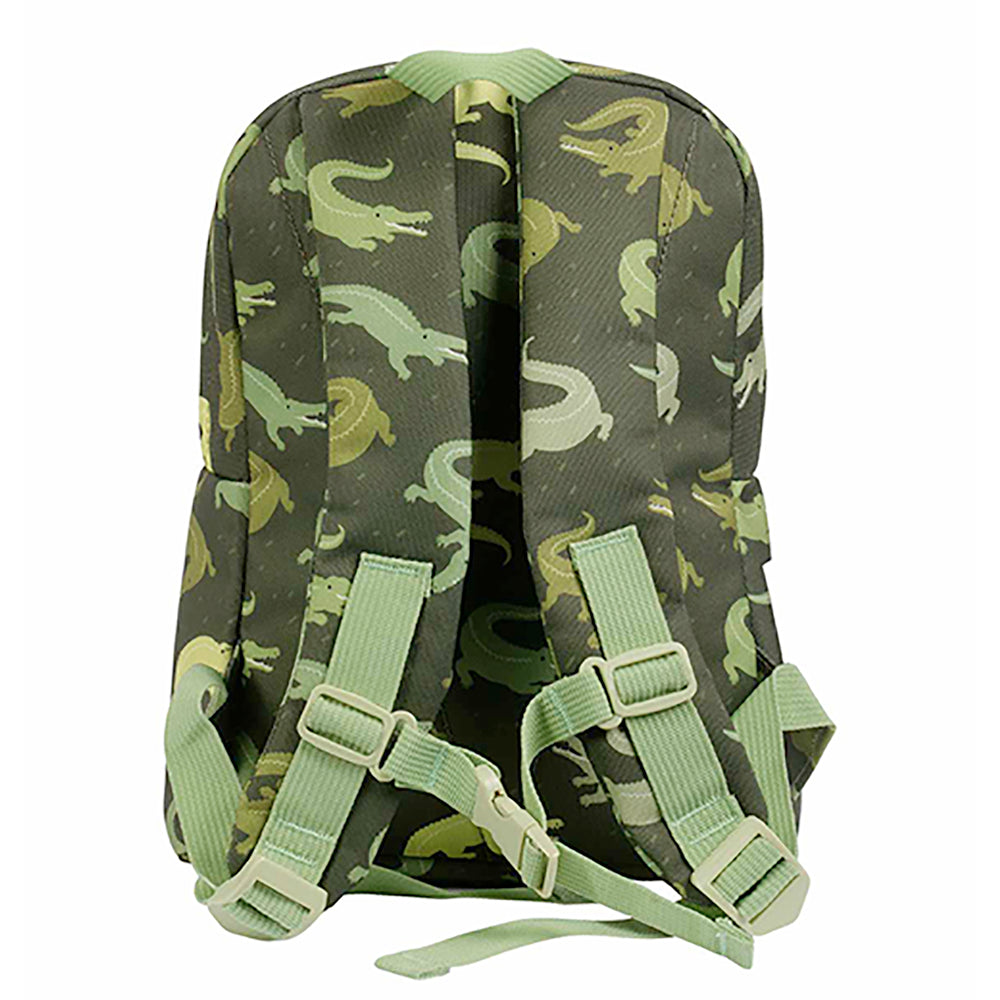
Fit matters more than you might think – especially if the backpack is being carried back and forth every day. A model that is too large can quickly feel heavy and awkward, even when it is not full. Adjustable shoulder straps are therefore a big advantage, as they allow the bag to be adapted to the child’s shoulders and back. Padded straps also make a noticeable difference when the backpack needs to be carried a little further.
For older children, a chest strap can be useful because it helps keep the backpack securely in place. This gives better stability when the child walks to school, goes on a trip or moves around a lot with the bag on. It is also worth looking for a model that sits fairly close to the back, so the backpack does not pull backwards and become uncomfortable to carry.
Often, the best backpack is not the biggest one, but the one that fits the child’s body and what actually needs to be packed.
Materials and features that make sense in changeable weather
Many backpacks are made from polyester or nylon because these materials are lightweight and durable, making them well suited to active everyday life with daycare, school and free time. They are usually easy to wipe clean if the bag has been lying on the cloakroom floor or has been outside in wet weather. Some styles also have a water-repellent surface, which is especially useful when the backpack is used all year round.
Canvas can be a lovely choice if you prefer a softer and more natural look. However, it is worth knowing that canvas often reacts differently to rain and dirt than smoother materials. Whatever you choose, practical features can make everyday use easier, such as:
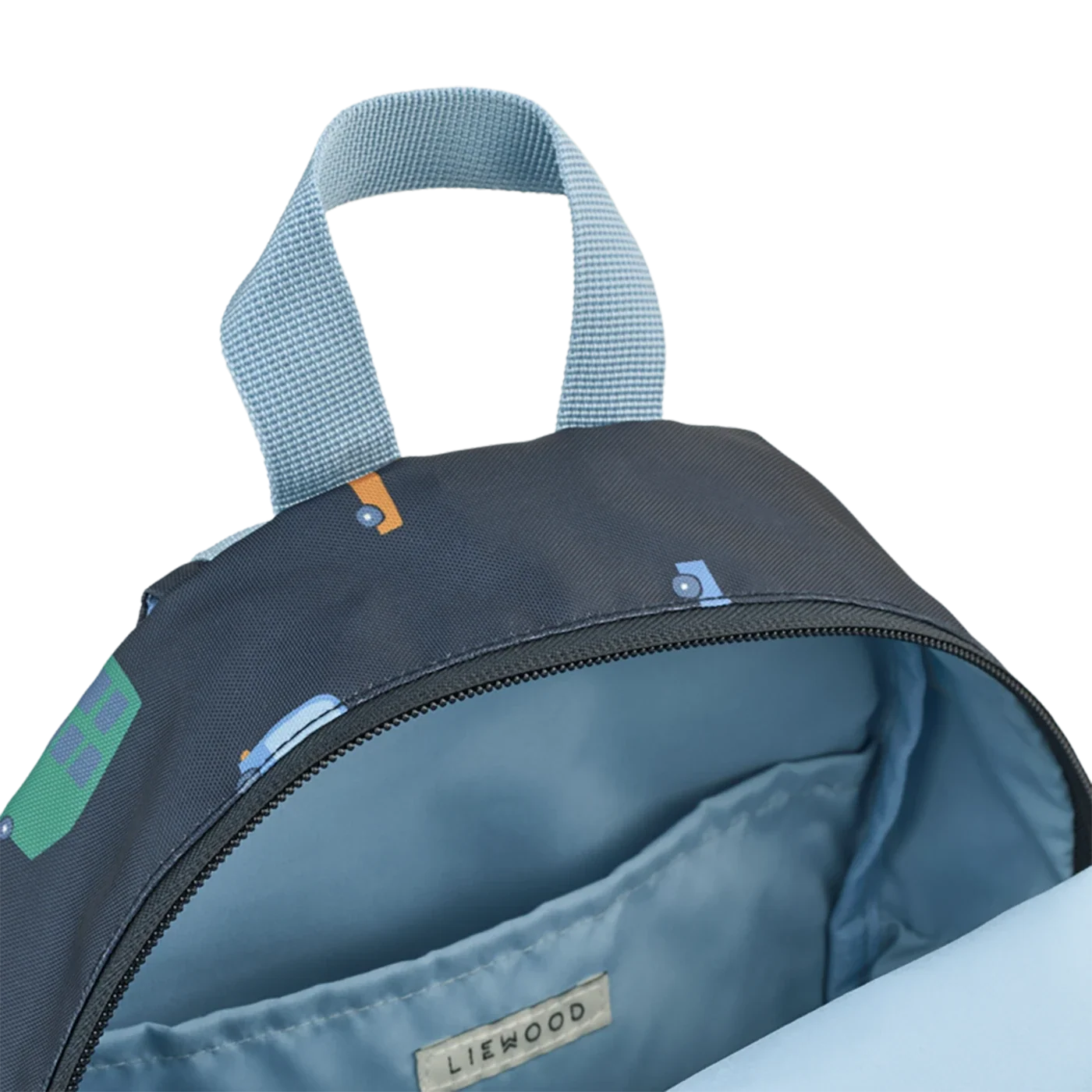
- pockets for better organisation
- reflective details for visibility
- a handle, so the bag is easy to grab
- separate compartments for shoes, spare clothes or a laptop in larger models
On wet days, it also makes sense to think of the backpack together with rainwear, so your child is well prepared for school or daycare.
Kids’ backpacks with room for the right things – not too much
It is easy to think that a child might as well have a backpack that is a little too big, so there is room to grow. In everyday life, however, this often becomes more inconvenient than practical. The bag can be too wide, too long or simply too heavy to manage. For small children, a smaller model is usually the best choice because it is easier to carry and makes it simpler for the child to find their own things.
For older children, it is a good idea to consider how the backpack will be used. If it is for school, compartment layout is often more important than just the number of litres. If it is for sports, outings or sleepovers, extra space and durable materials may be what matters most.
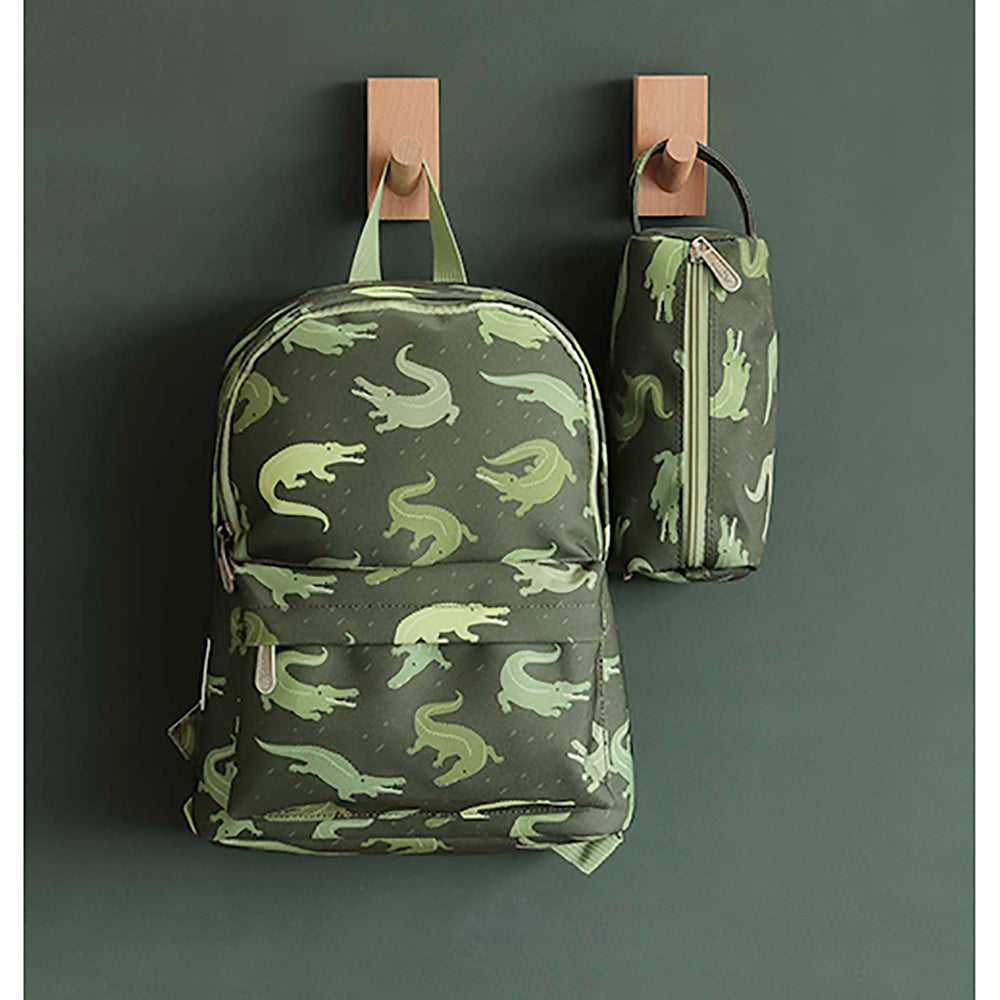
It can also be helpful to bring together the practical everyday solutions around your child. A backpack naturally works alongside other bags and small storage options, depending on whether the need is school, leisure or travel.
Find backpacks that keep up with your child’s pace
The best backpacks for children are the ones that work in real everyday life – when mornings are busy, when the bag needs to hang in the cloakroom, stand by a school chair or come along on a family trip. That is why size, comfort and function matter more than you might first think. Some children do best with a lightweight, simple backpack, while others need more compartments, a little extra support and space for more contents.
At House of Kids, we have chosen our selection of backpacks with everyday use, quality and design in mind, so they make sense for both children and parents. Here you will find both small and larger styles, making it easier to choose a backpack that suits your child and the way it will be used.